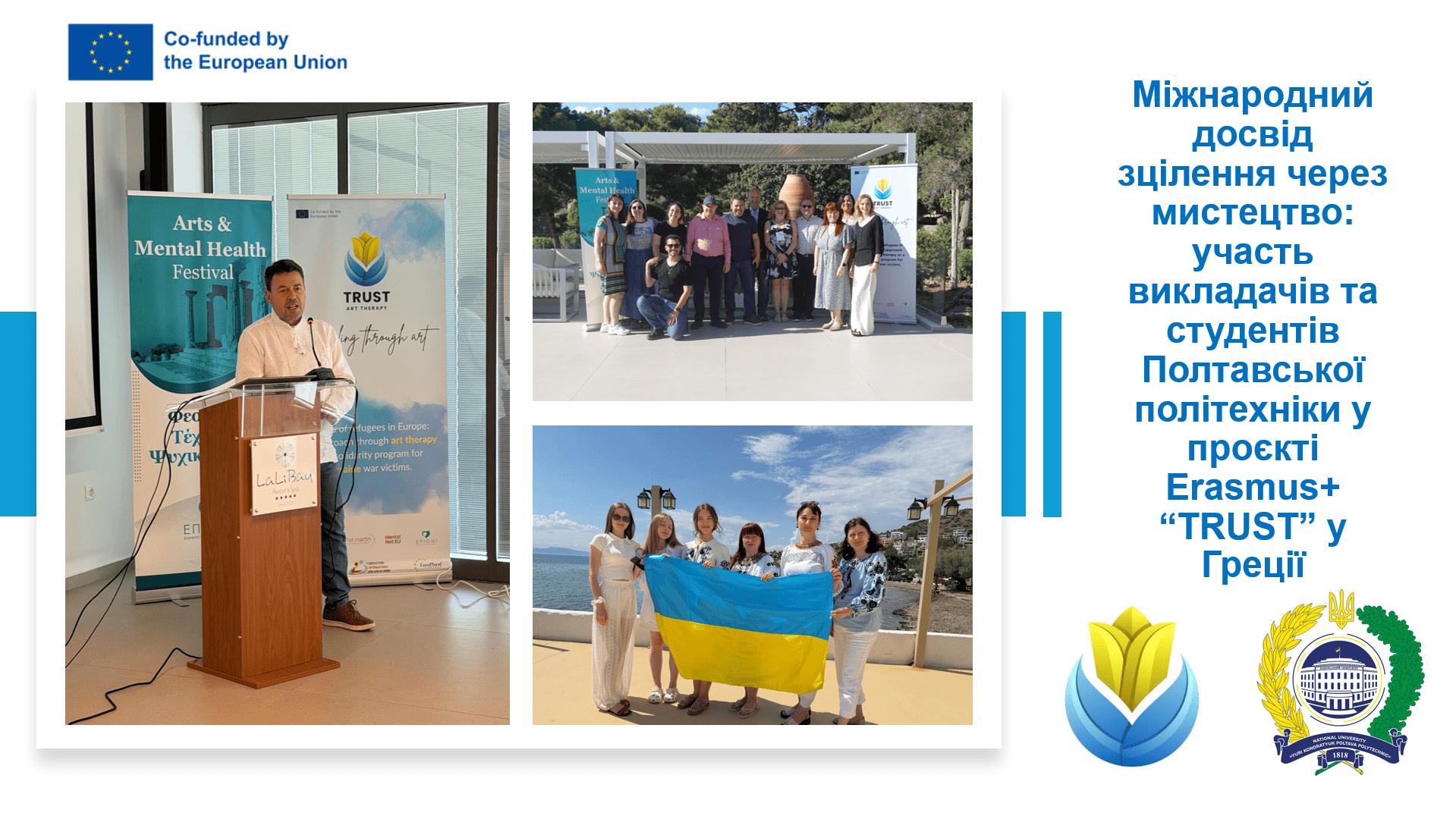
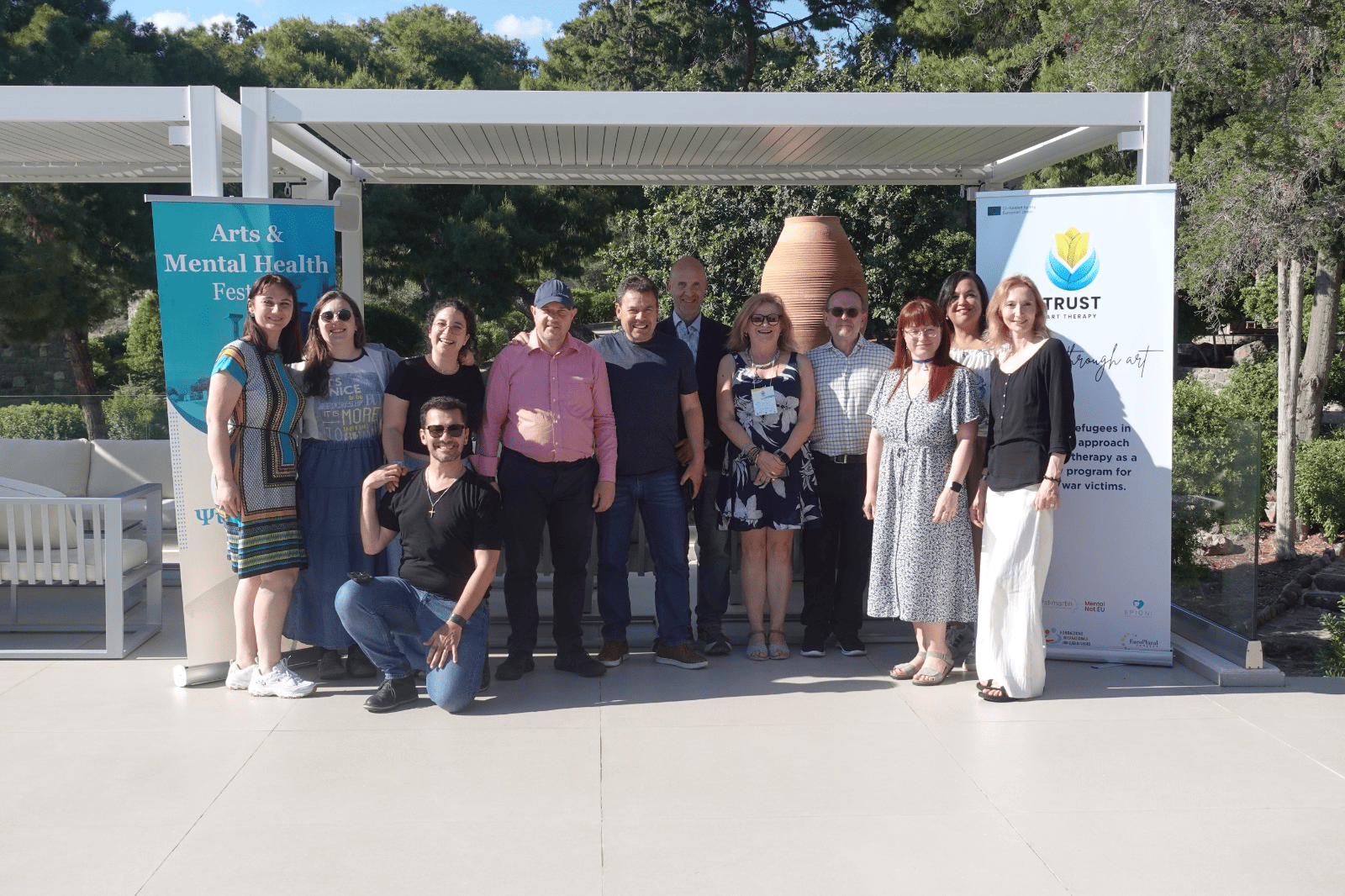
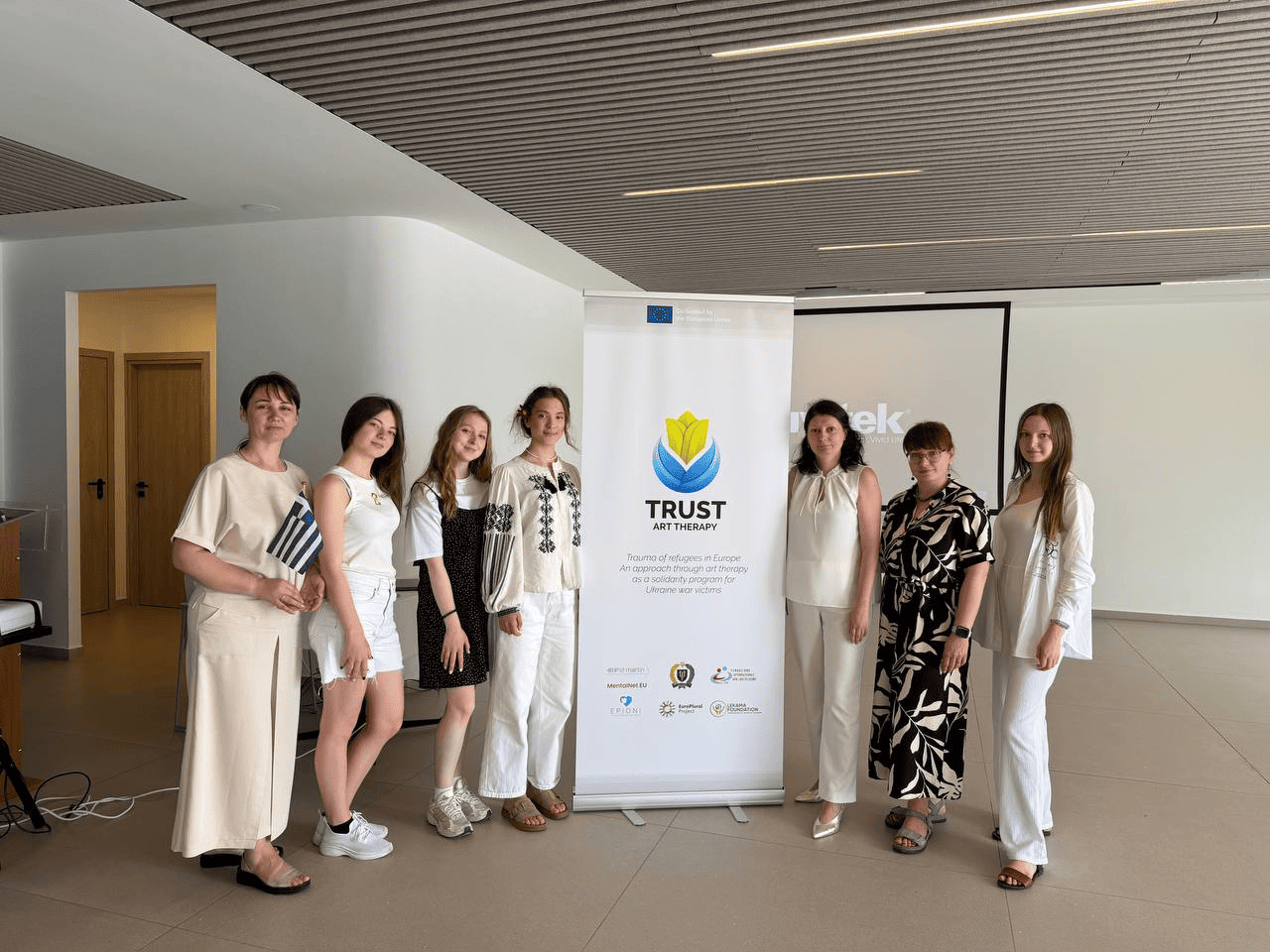
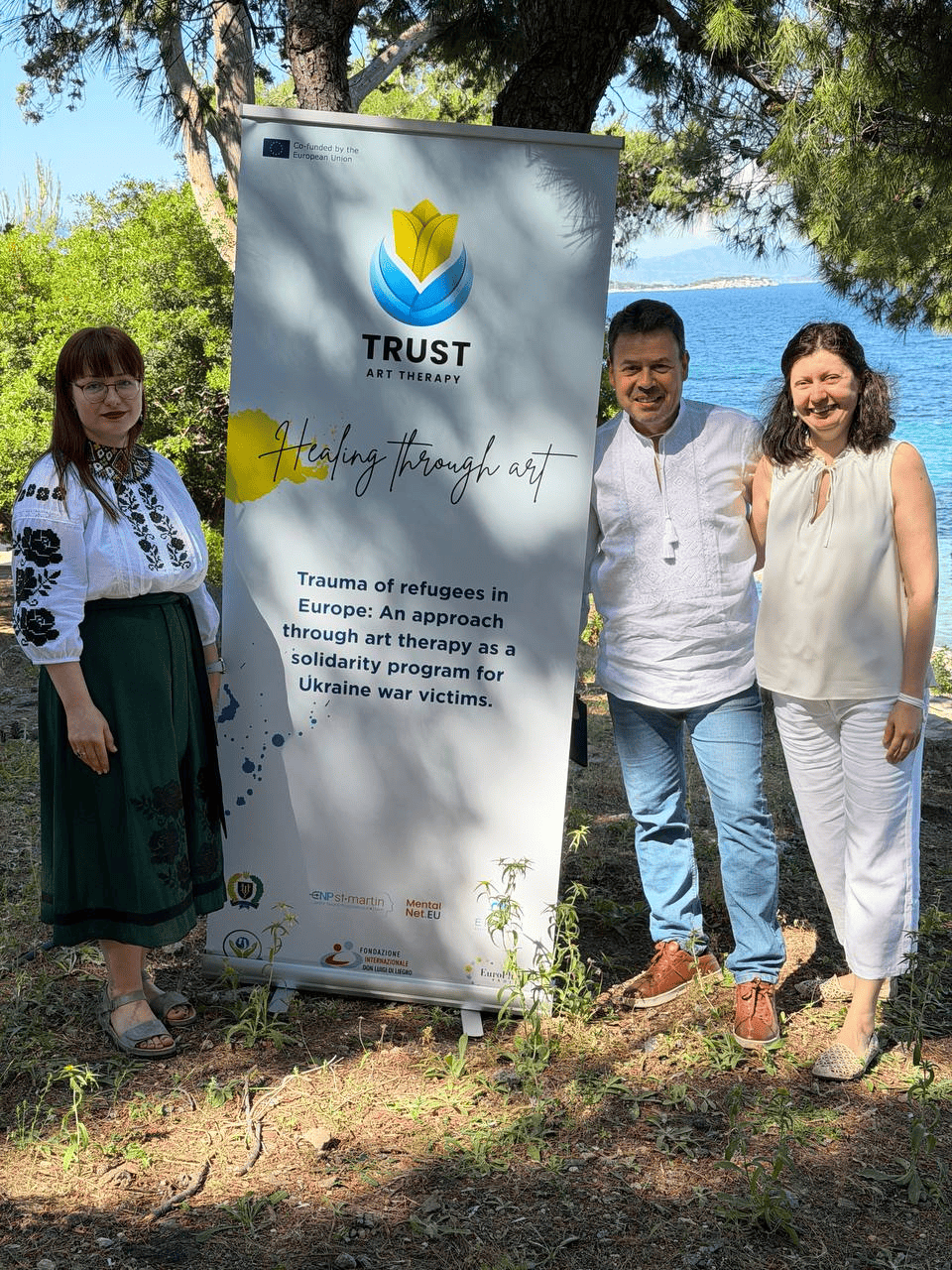
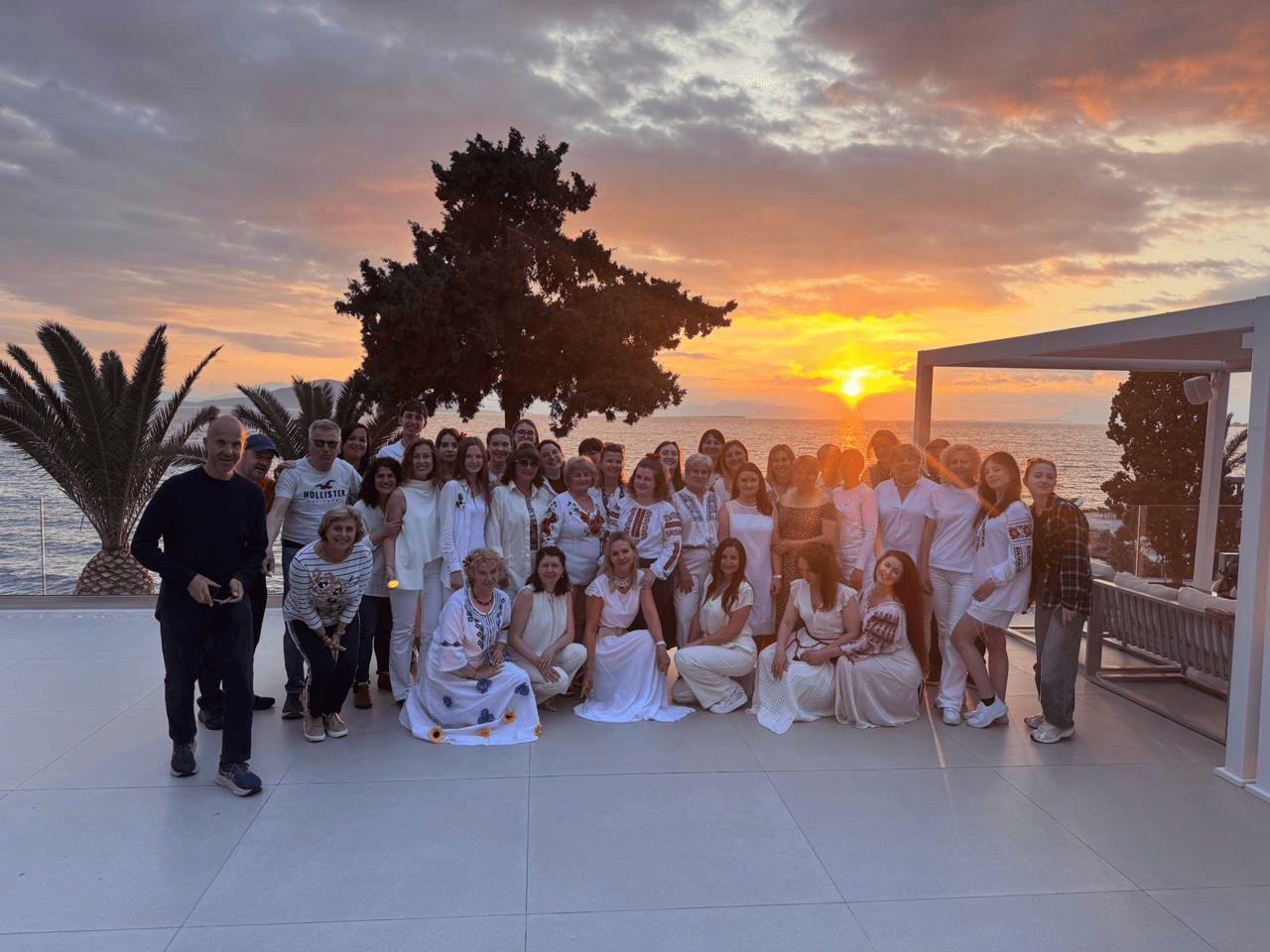
After months of preparation, anticipation, and inspiring conversations, our meeting on the island of Aegina (Greece) became a reality. From May 20 to 23, 2026, faculty members and students of Yuri Kondratyuk Poltava National Polytechnic University participated in the Greek session of the international Erasmus+ KA220-ADU project “TRUST” – Trauma of refugees in Europe: An approach through art therapy as a solidarity program for Ukraine war victims (Grant No. 2024-BE01-KA220-ADU-000257527).
The project title is decoded as follows:
TRUST
T – Trauma
R – Refugees
U – Ukraine
S – Solidarity
T – Therapy
The project is co-funded by the EU and led by the Centre Neuro Psychiatrique St-Martin from Belgium, in partnership with the National University “Yuri Kondratyuk Poltava Polytechnic” (Ukraine), Greek Carers Network EPIONI (Greece), Fondazione Don Luigi Di Liegro (Italy), LEKAMA DEVELOPPEMENT (Luxembourg), EuroPlural Project (Portugal).
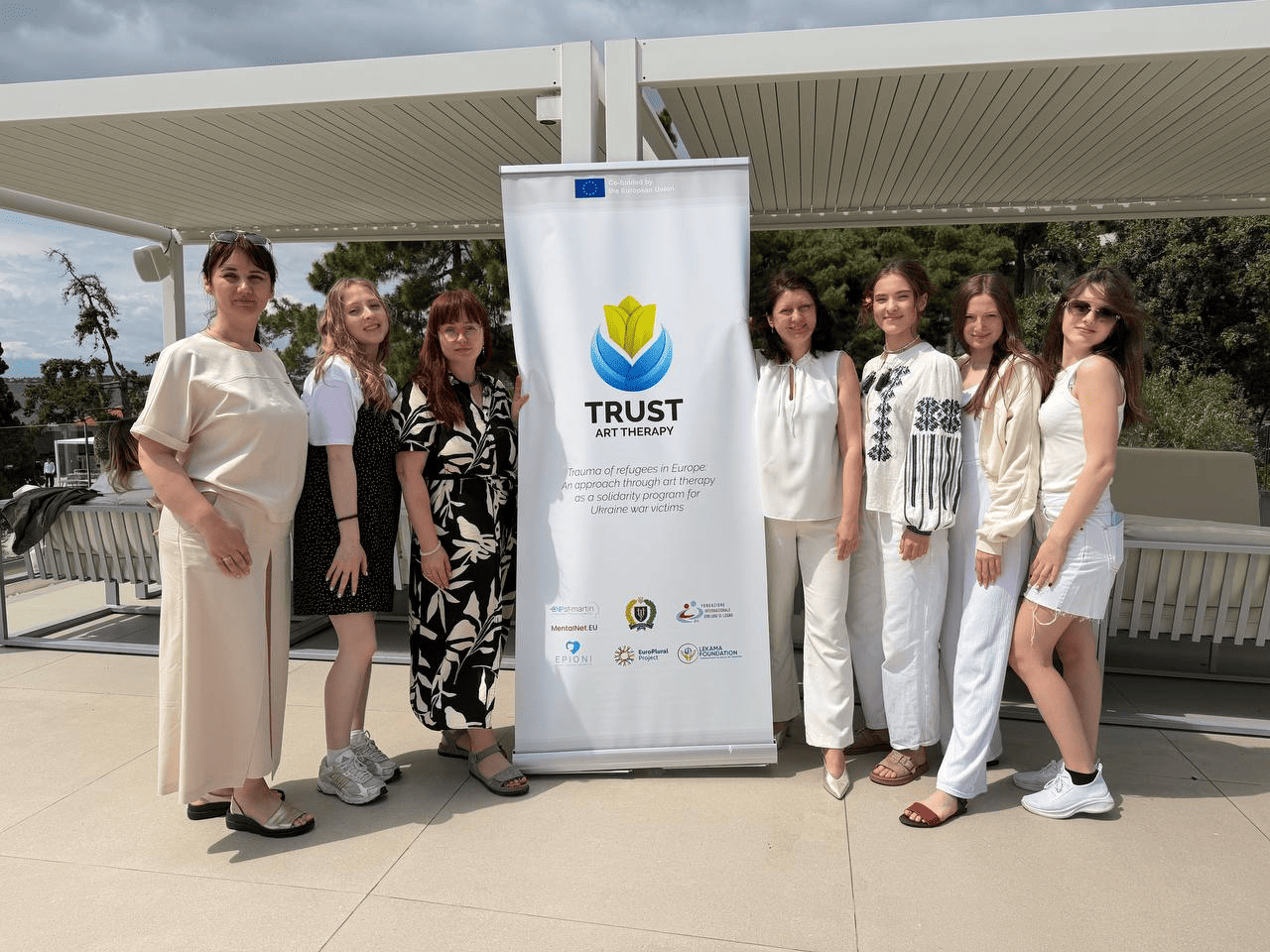
The Poltava Polytechnic delegation included: project coordinator – Associate Professor of the Department of Germanic Philology and Translation Anna Pavelieva; Candidate of Pedagogical Sciences, Associate Professor of the Department of Psychology and Pedagogy Maryna Teslenko; Candidate of Pedagogical Sciences, Associate Professor, Head of the Department of Psychology and Pedagogy Lesia Klevaka; and students of Poltava Polytechnic: Anna Onopriienko (group 401-FF, Faculty of Philology, Psychology and Pedagogy), Yeva Rumiantseva (group 101-FP, Faculty of Philology, Psychology and Pedagogy), Dariia Kulyk (group 201-P, Educational and Scientific Institute of Finance, Economics, Management and Law), and Emiliia Vasylchenko (group 301-FO, Faculty of Philology, Psychology and Pedagogy).
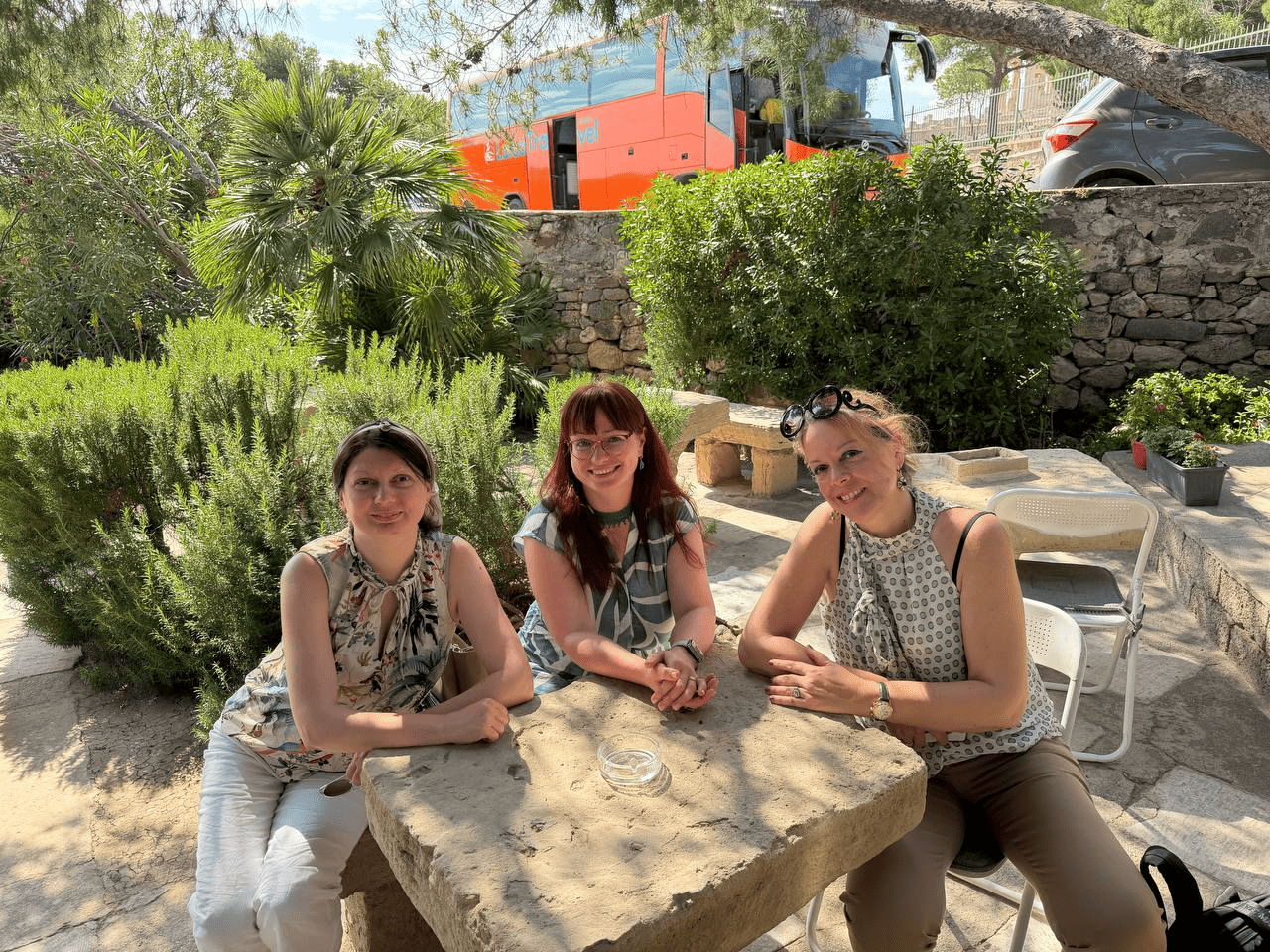
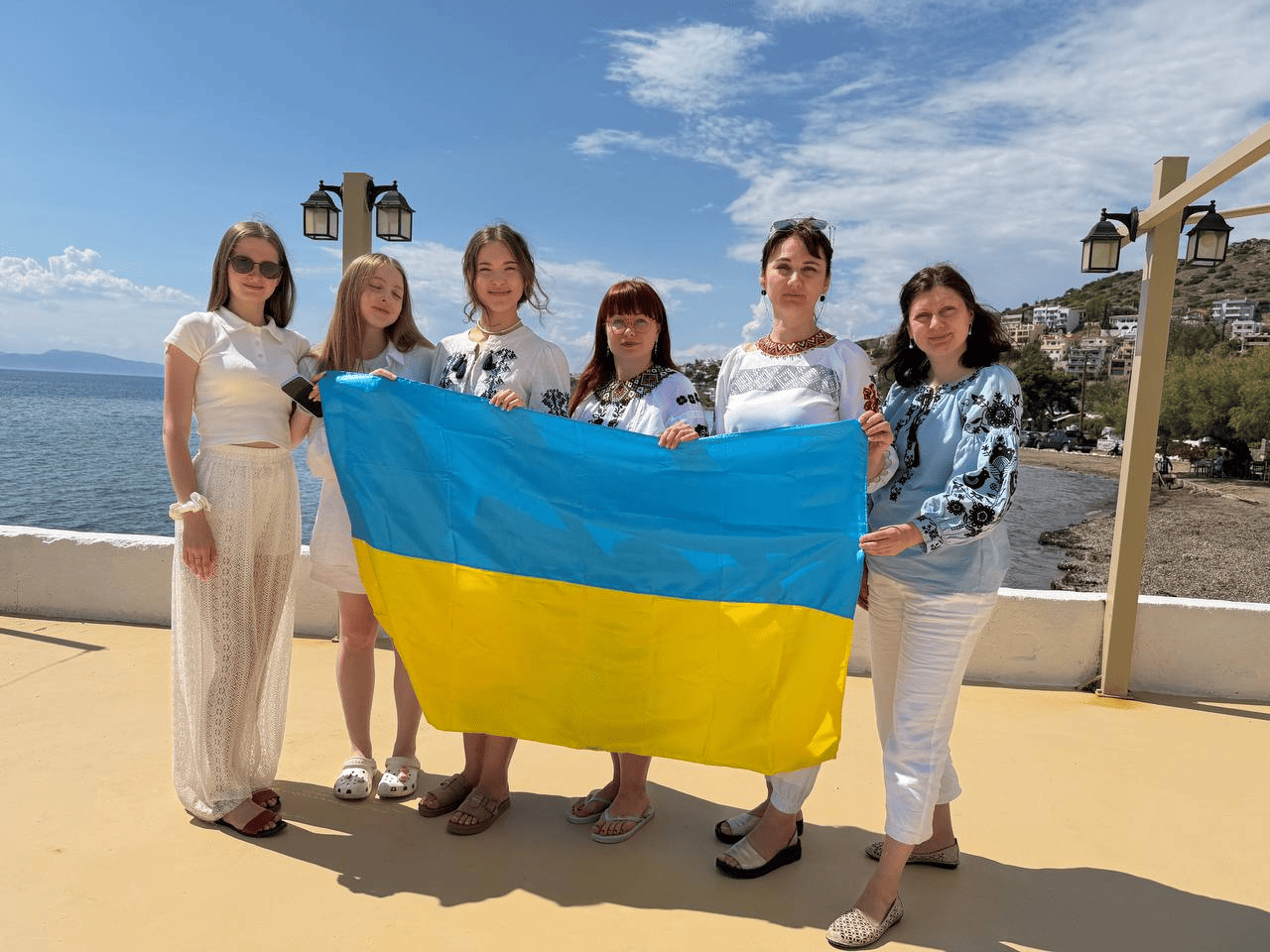
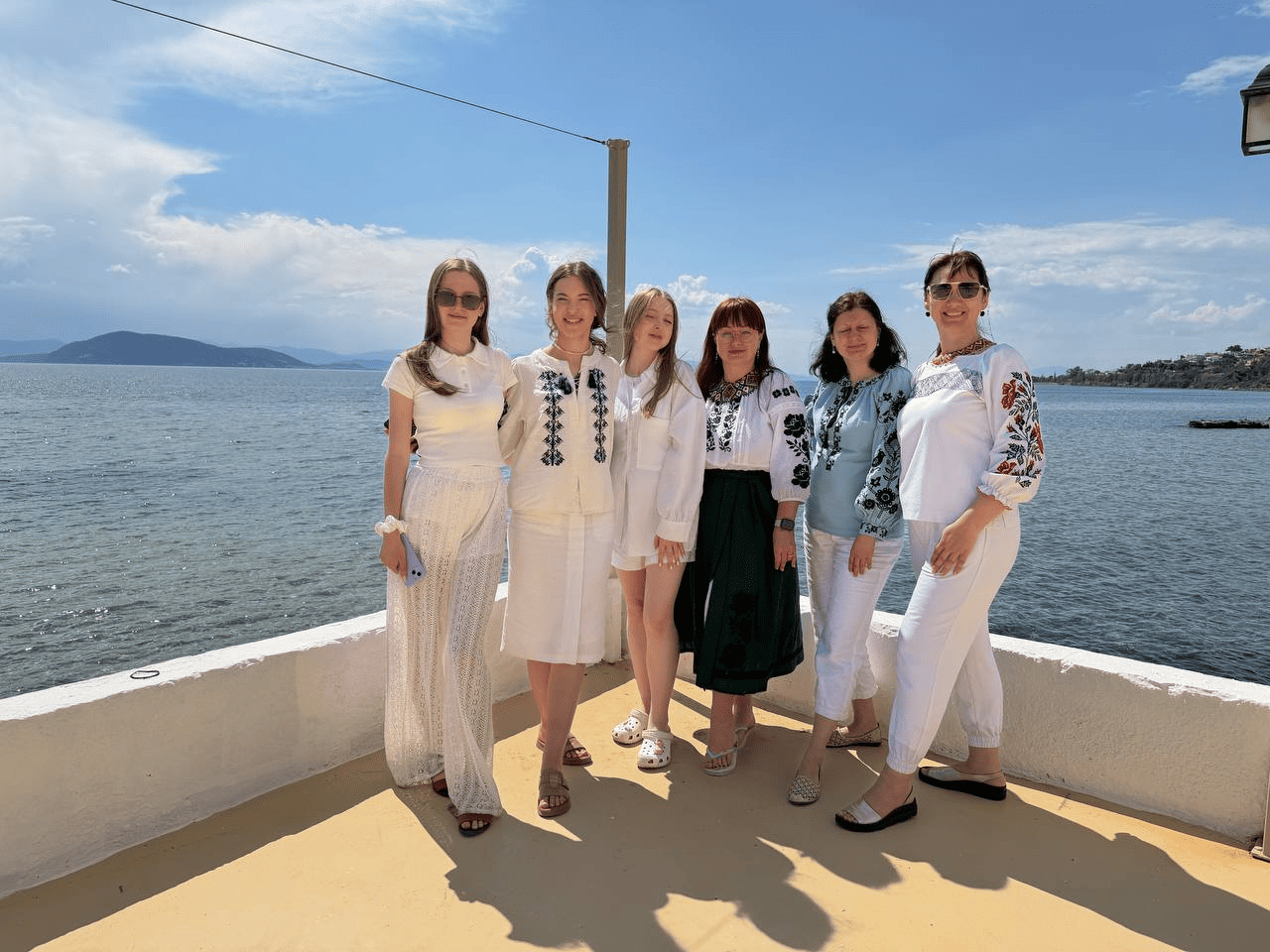
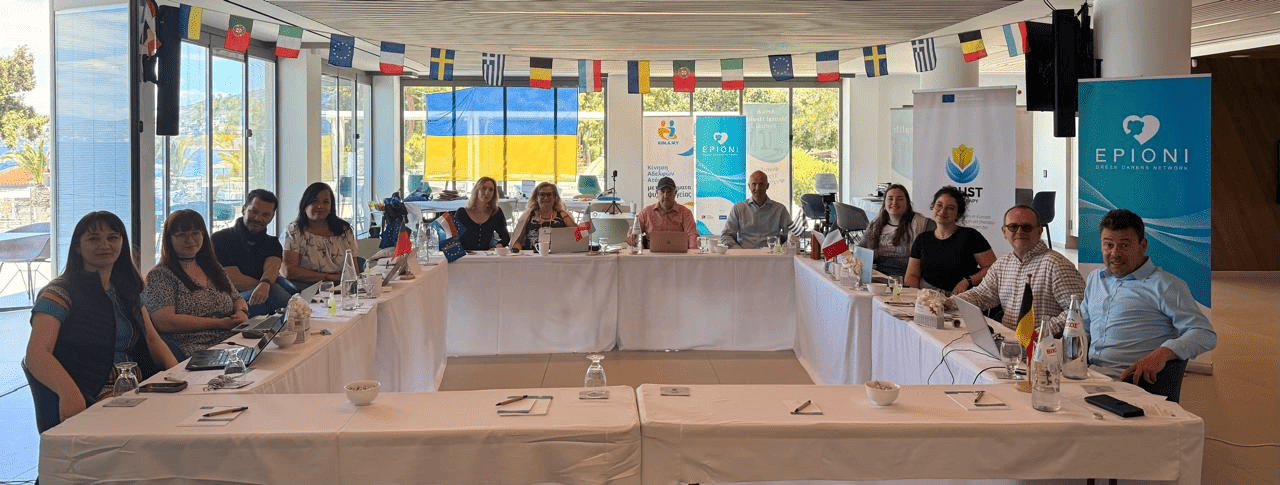
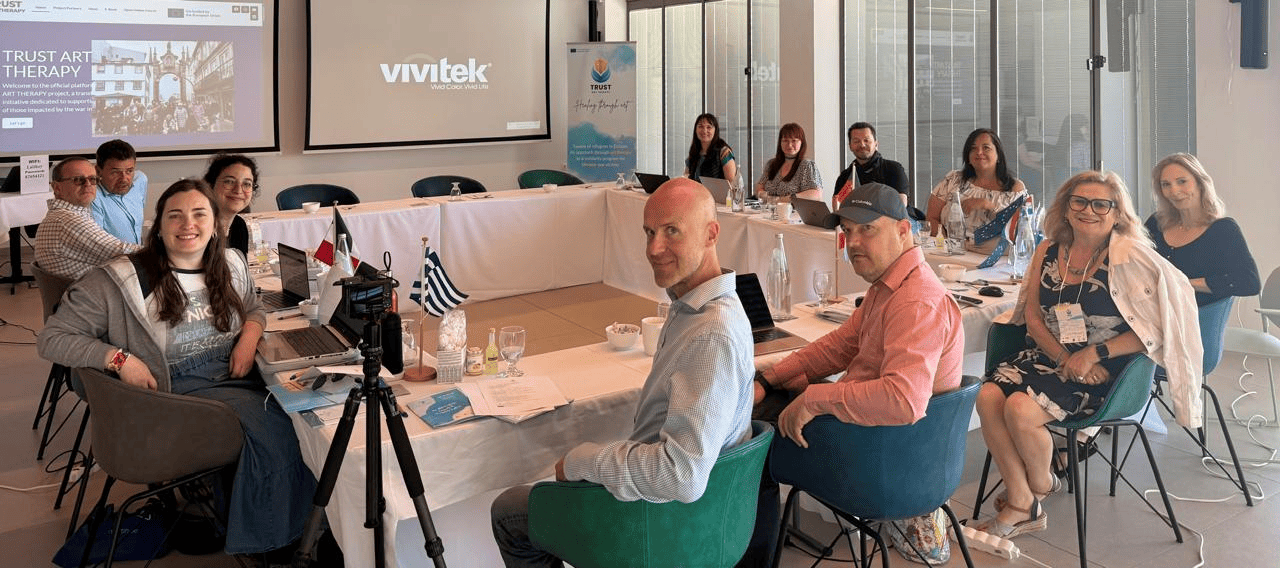
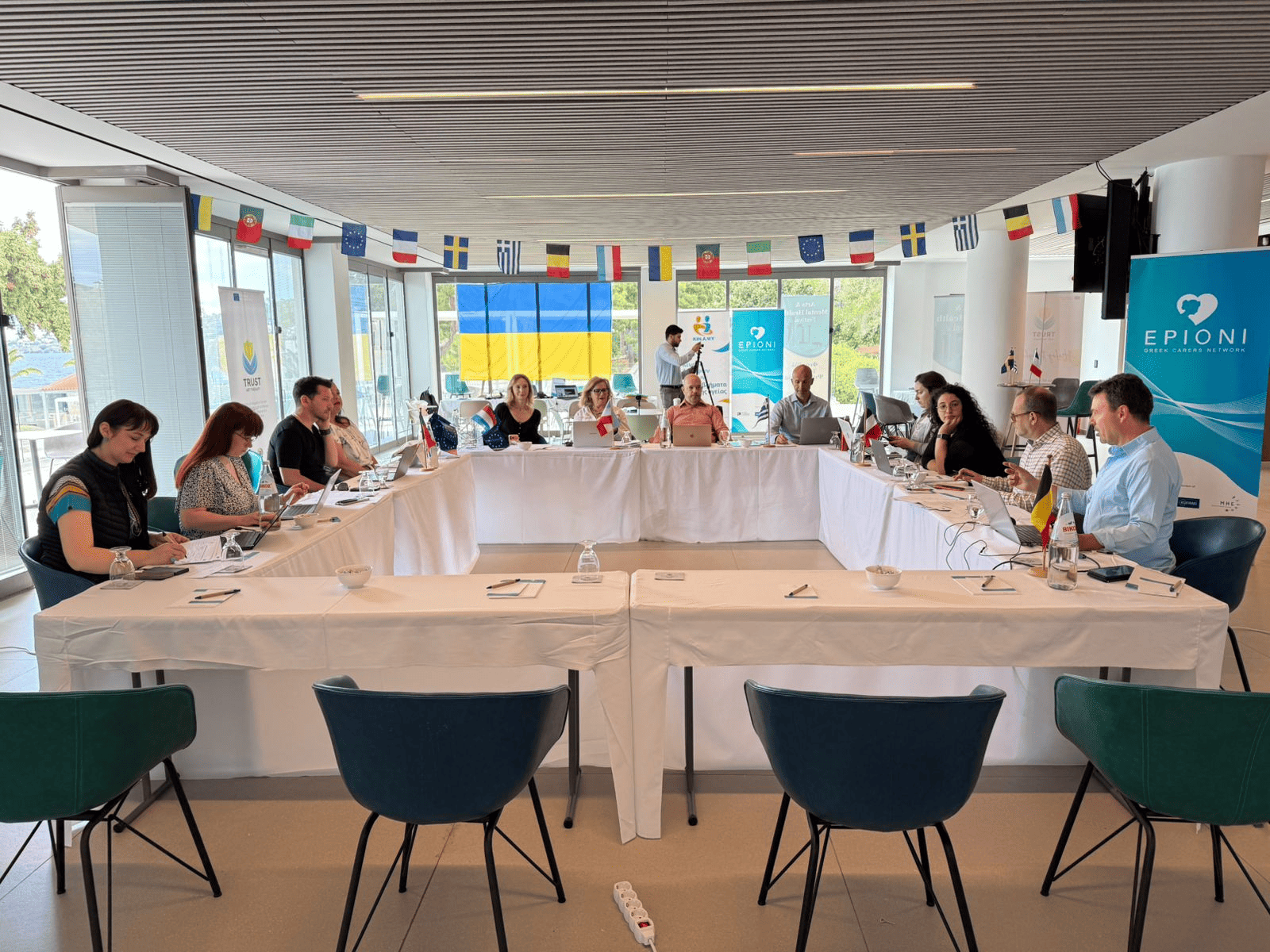
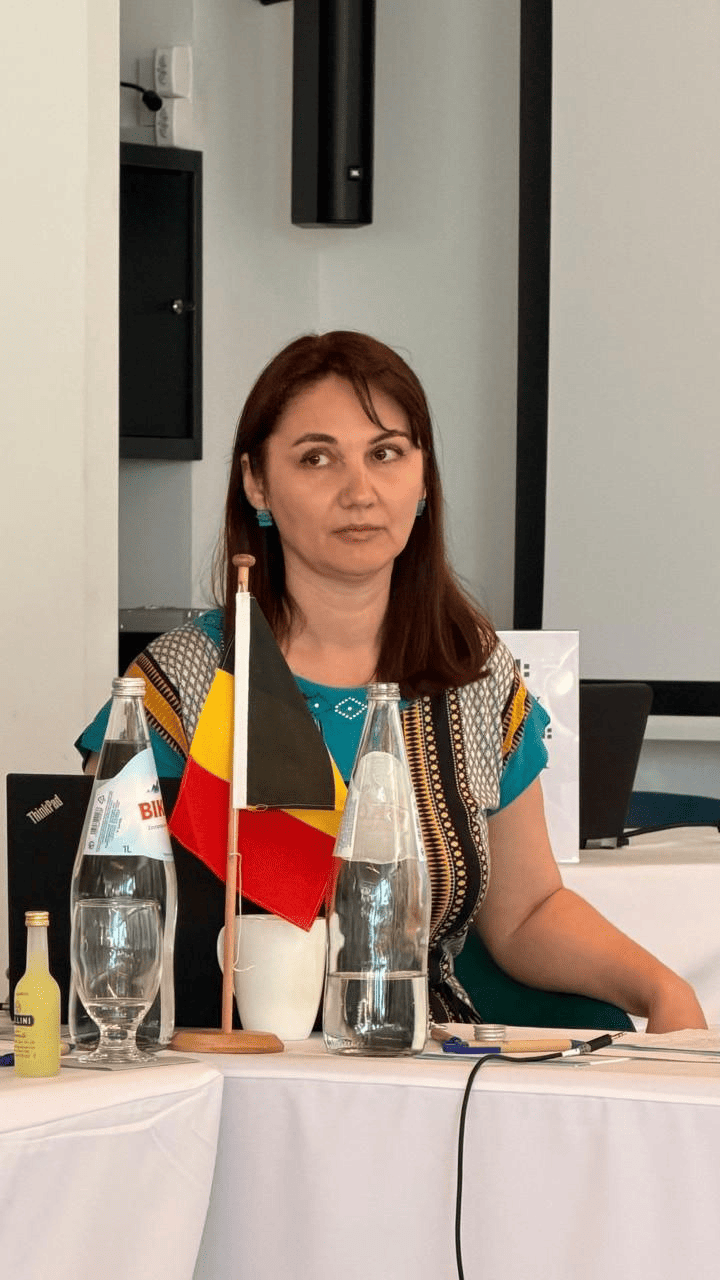
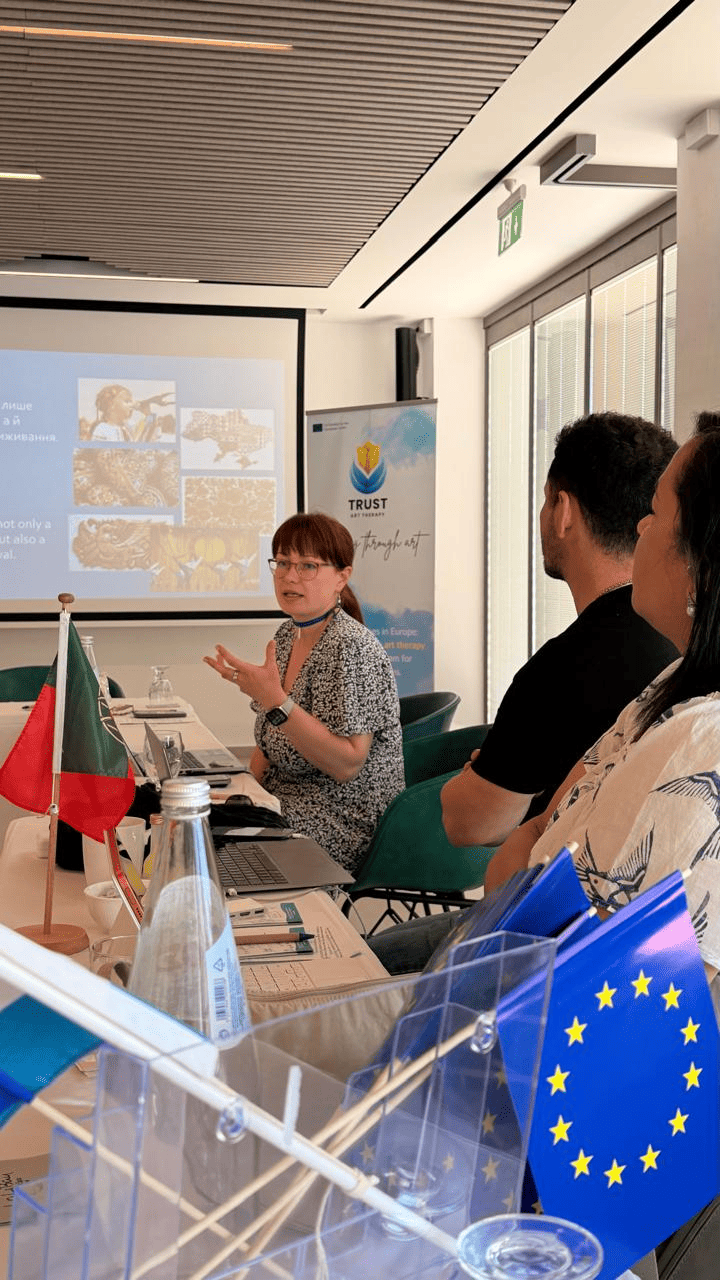
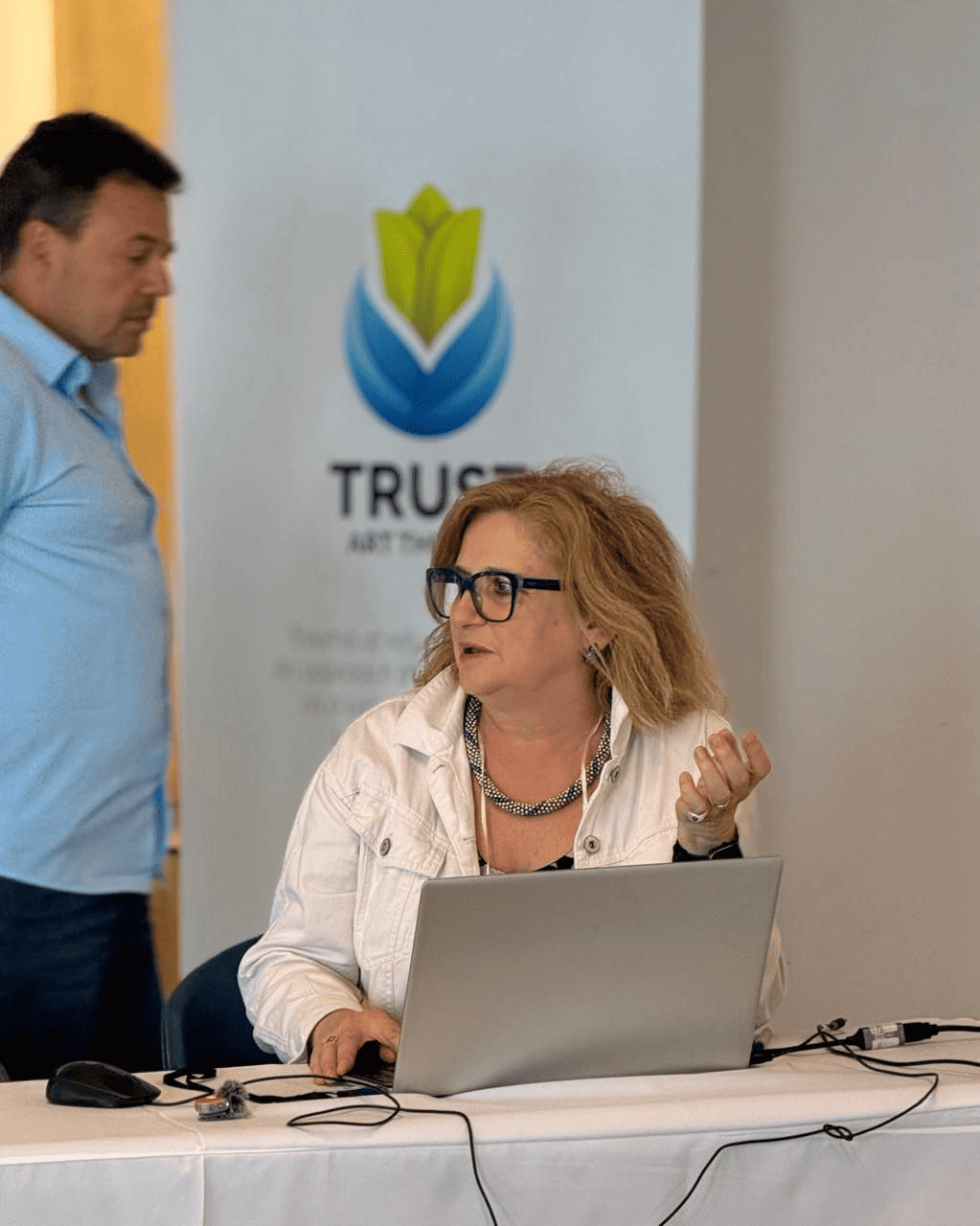
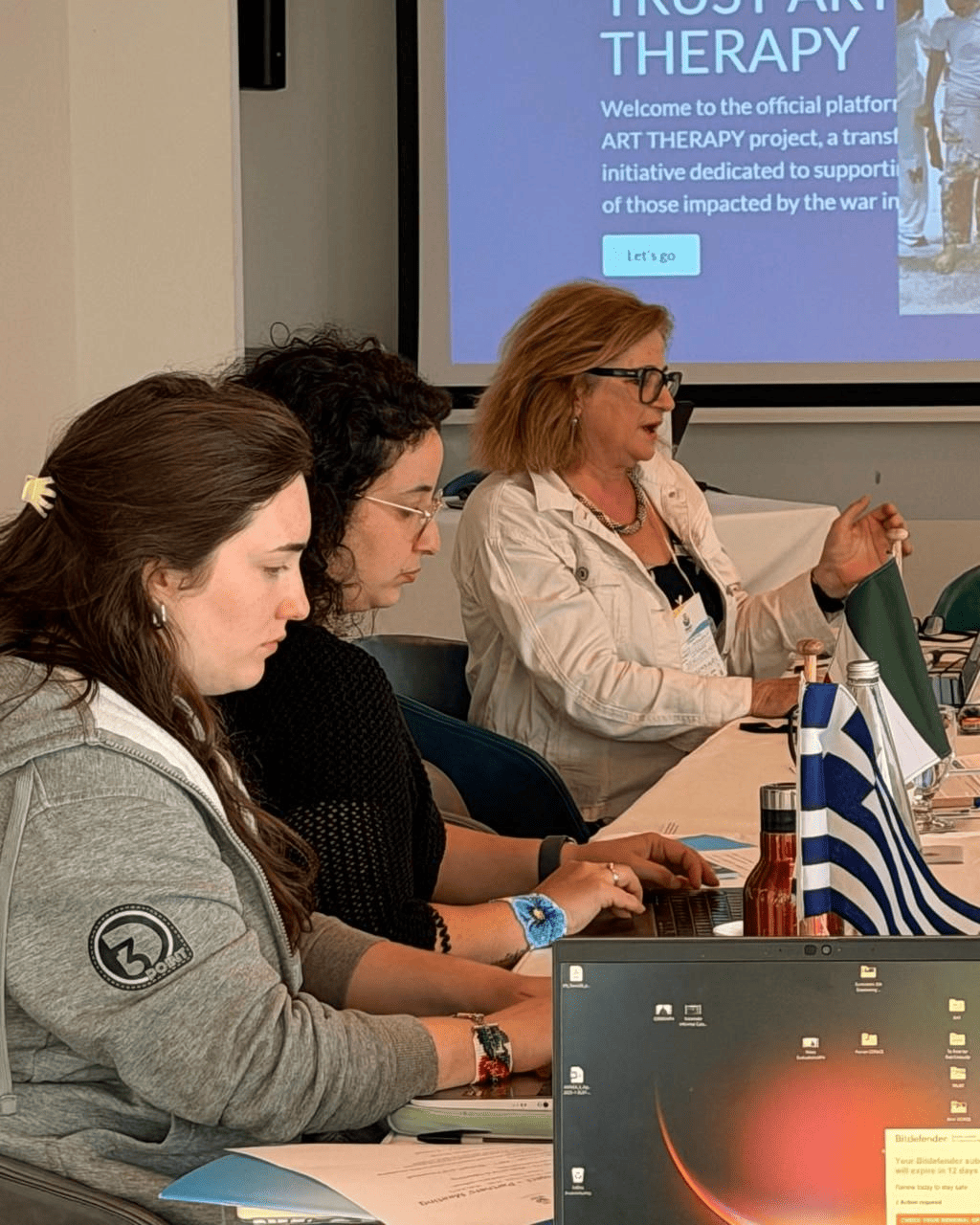
On the eve of the main events, on May 20, 2026, a working meeting of representatives from the partner organisations took place, during which participants reviewed the progress of the activities implemented, discussed the results of introducing art therapy practices, and outlined the next steps for the project's development.
Special attention was paid to the final refinement of the educational program on art therapy, which will serve as an important resource for training specialists capable of working with the consequences of war-related traumatic experiences. Additionally, the partners agreed on the final stages of preparing an e-book on art therapy that compiles theoretical foundations, practical methods, and best European practices for using art as a tool for psychological recovery.
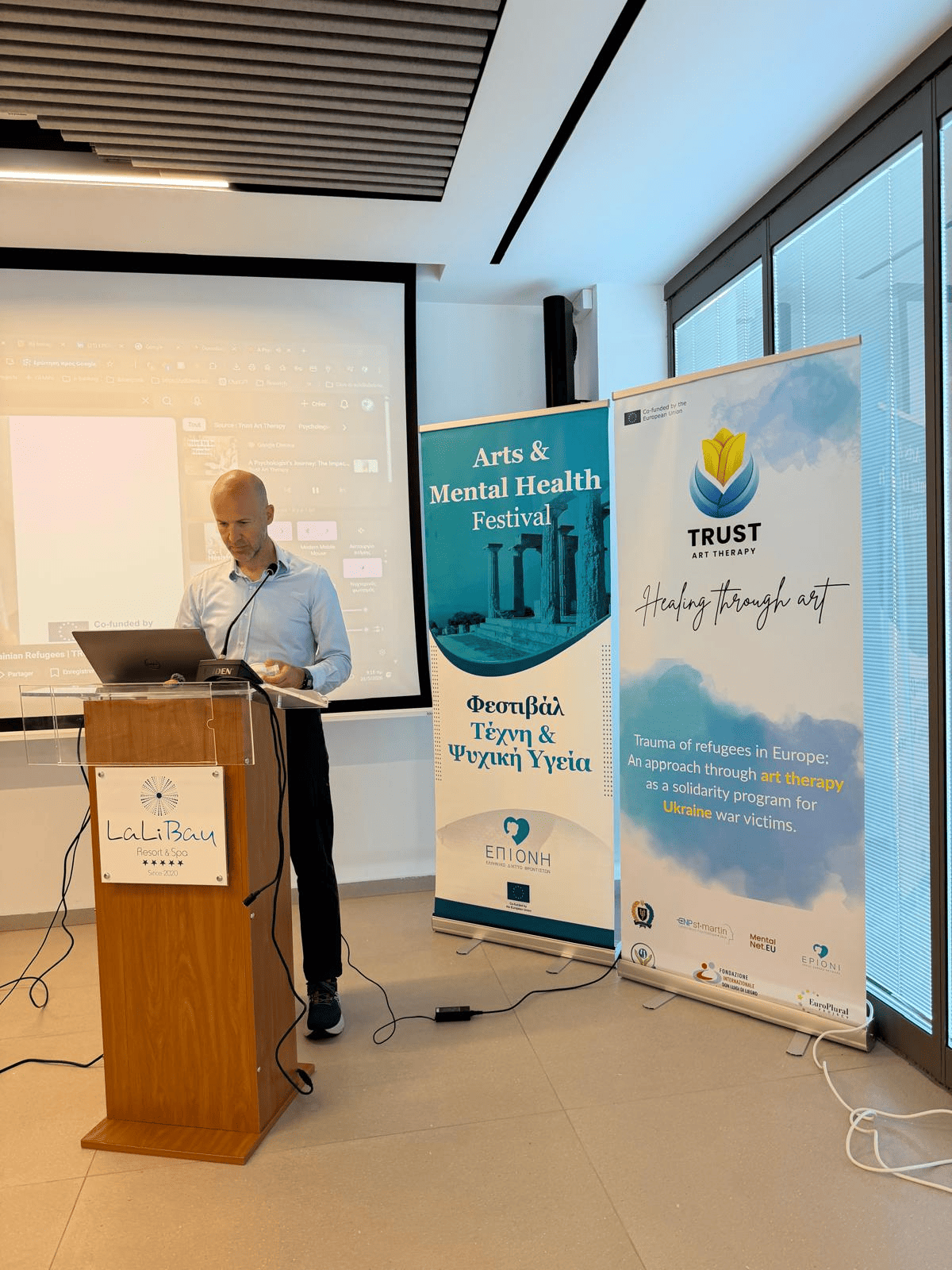
During the meeting, the Vice-President of the LEKAMA Foundation and Director of Research, Laurence Fond-Harmant, PhD-HDR, presented the current progress on the handbook and the e-book. According to her, the partners have made significant progress in developing a resource designed to support individuals affected by war, helping them restore a sense of safety, dignity, acceptance, and social inclusion within schools, workplaces, and communities.
As Laurence Fond-Harmant emphasised, art therapy is far more than just a creative process. It serves as a powerful tool for emotional healing, establishing psychological safety, and strengthening social solidarity, which is of particular relevance in the context of war and forced displacement.
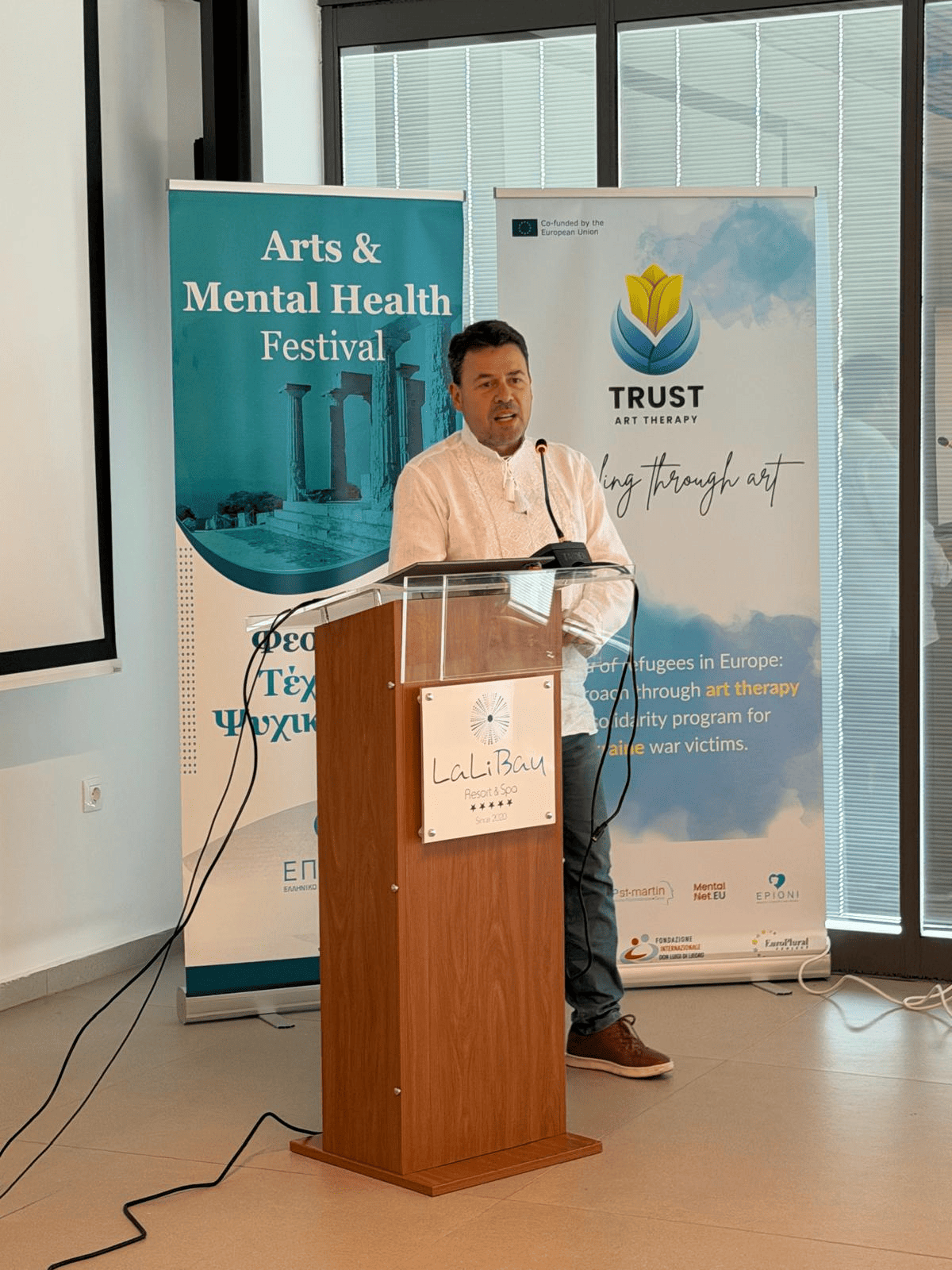
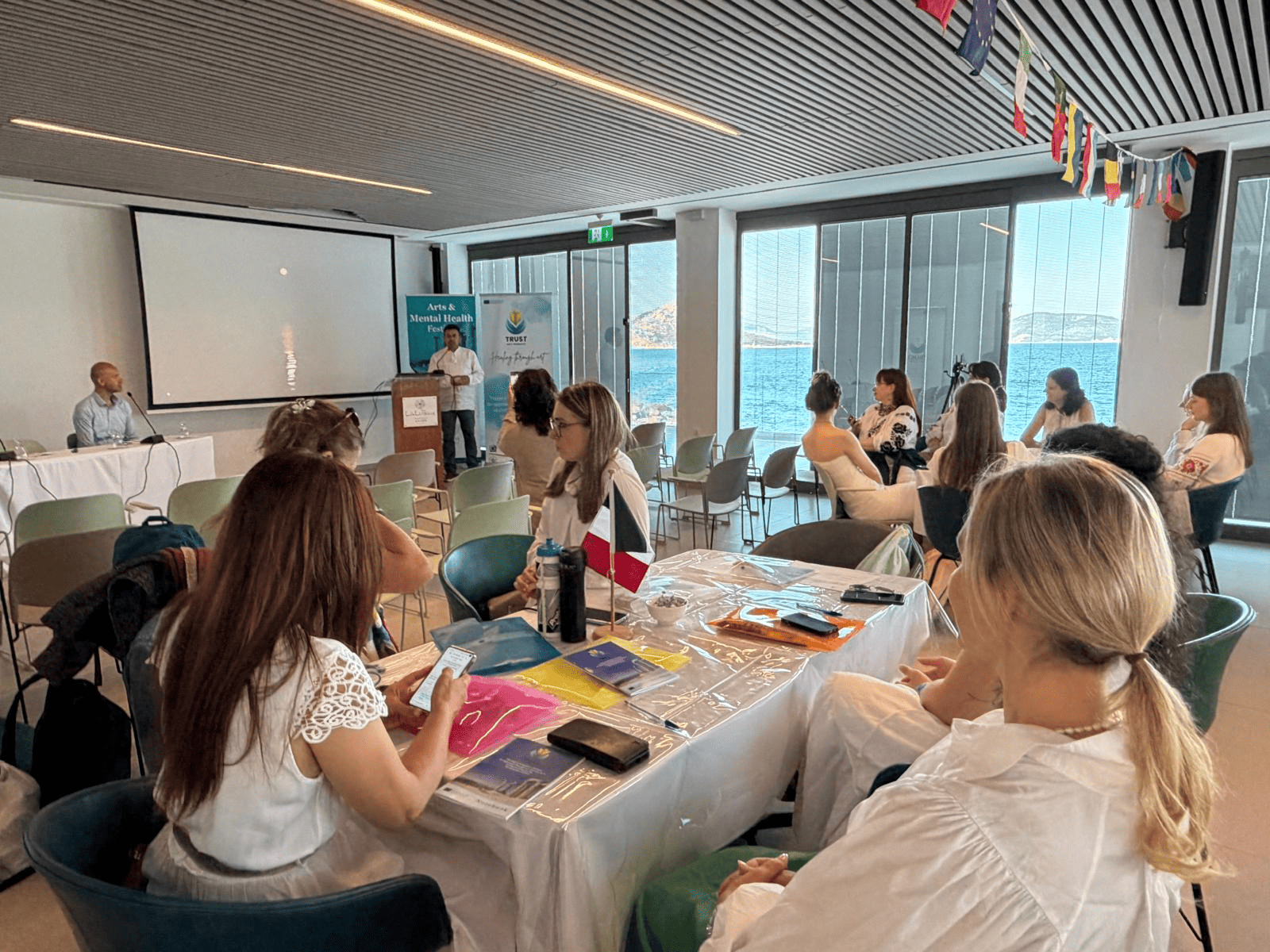
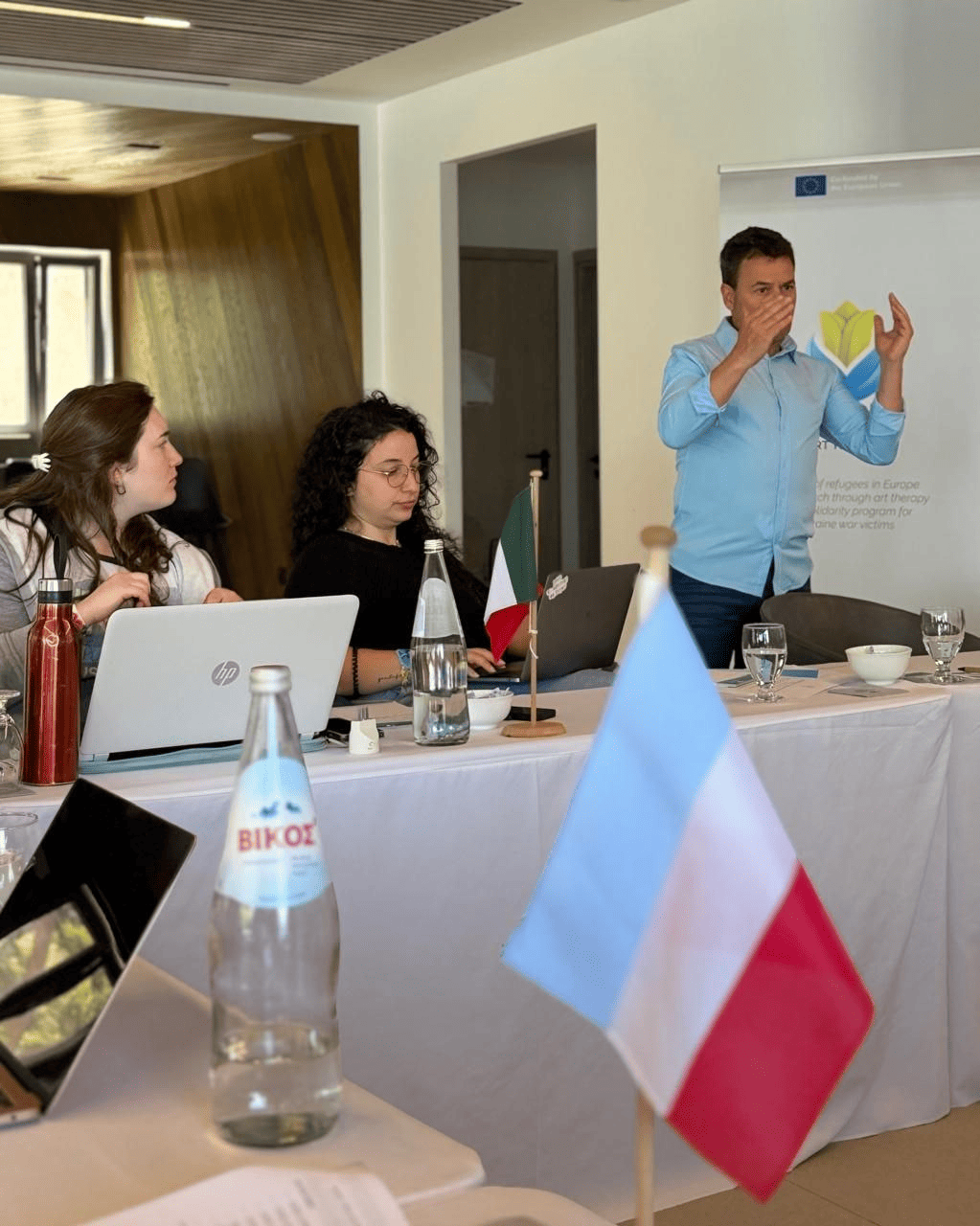
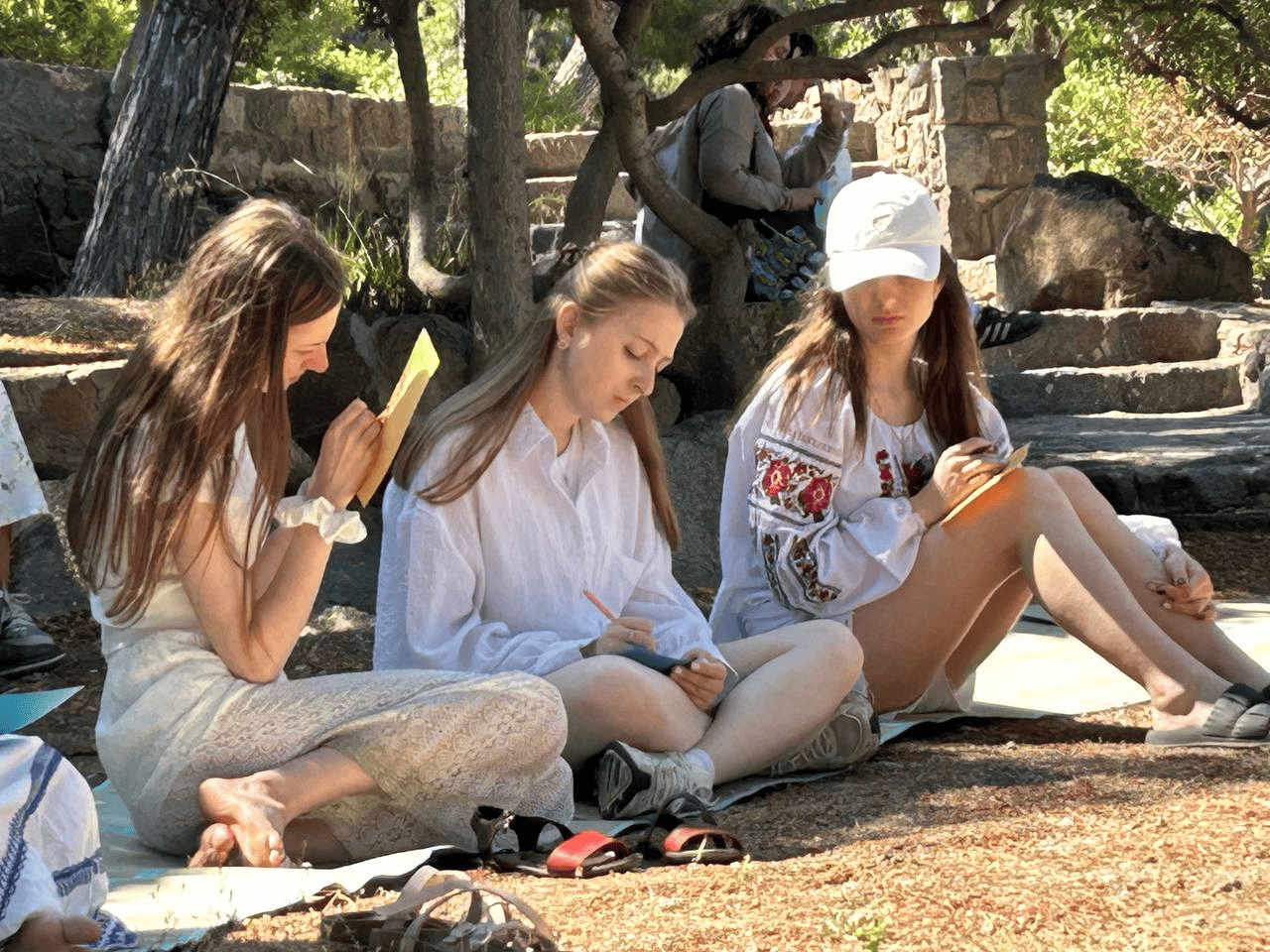
The following three days provided a space for deep immersion in eco-art therapy, creativity, reflection, and human support. Participants from Ukraine, alongside their European partners, had the opportunity not only to learn about innovative art therapy practices but also to experience their resource-building and restorative potential personally.
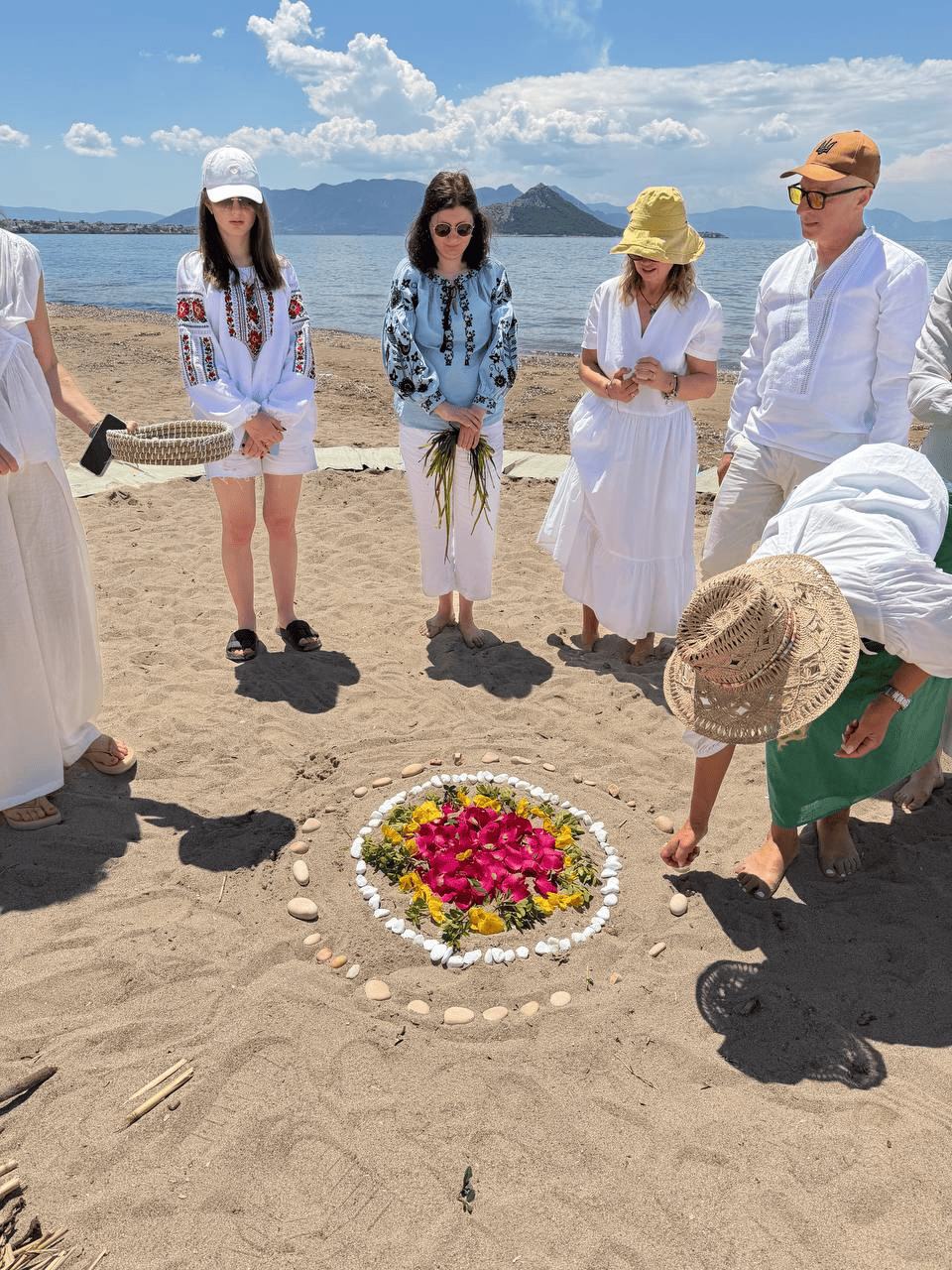
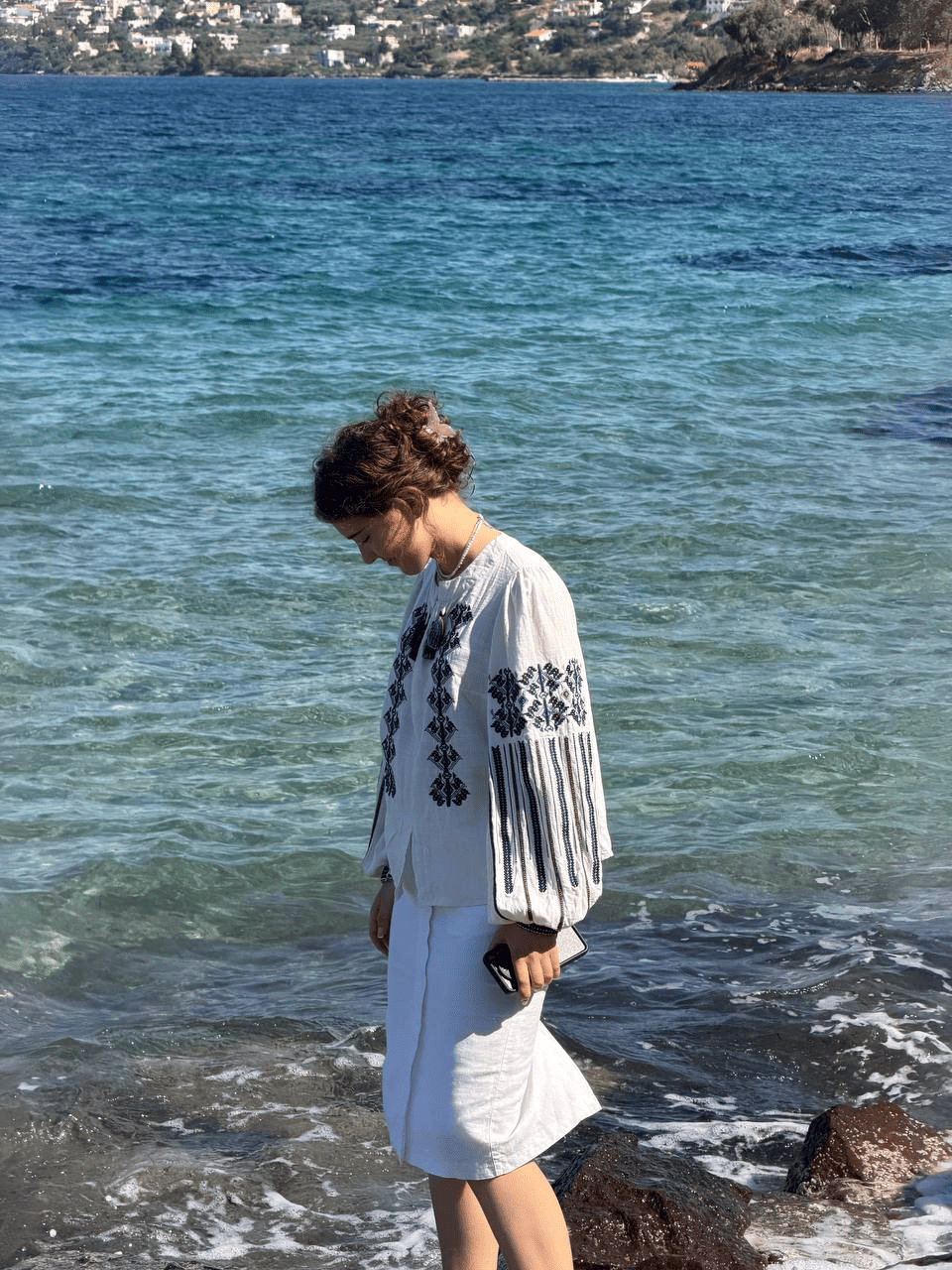
The first day was dedicated to reconnecting individuals with nature through creativity. The “Nature Within” workshop allowed participants to explore their inner resources using poetry, natural materials, and artistic imagery. The therapeutic ritual “Healing by the Sea” on the Marathonas coast was particularly emotional, with the sea serving as a symbol of cleansing, pain release, and inner balance.
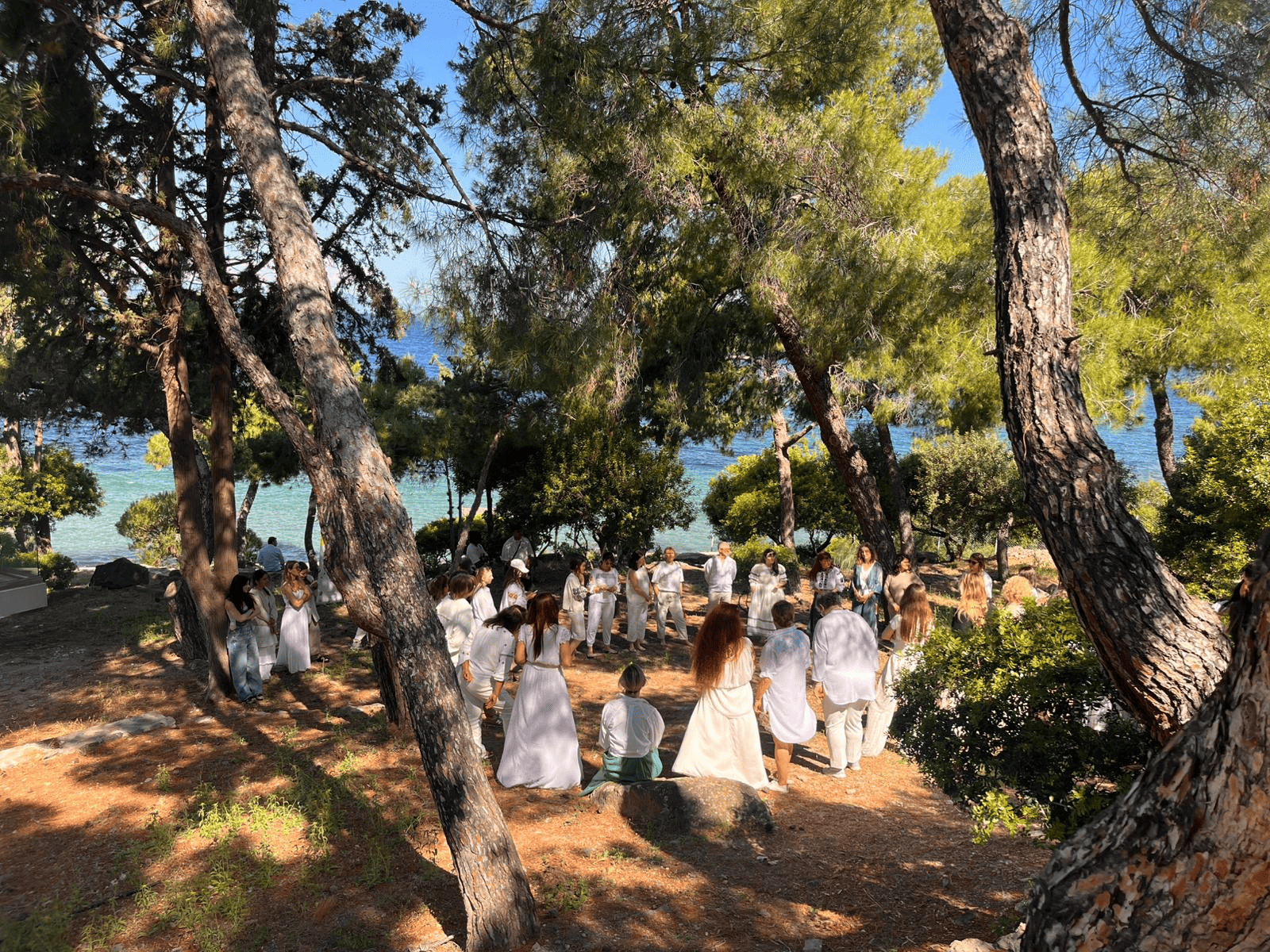
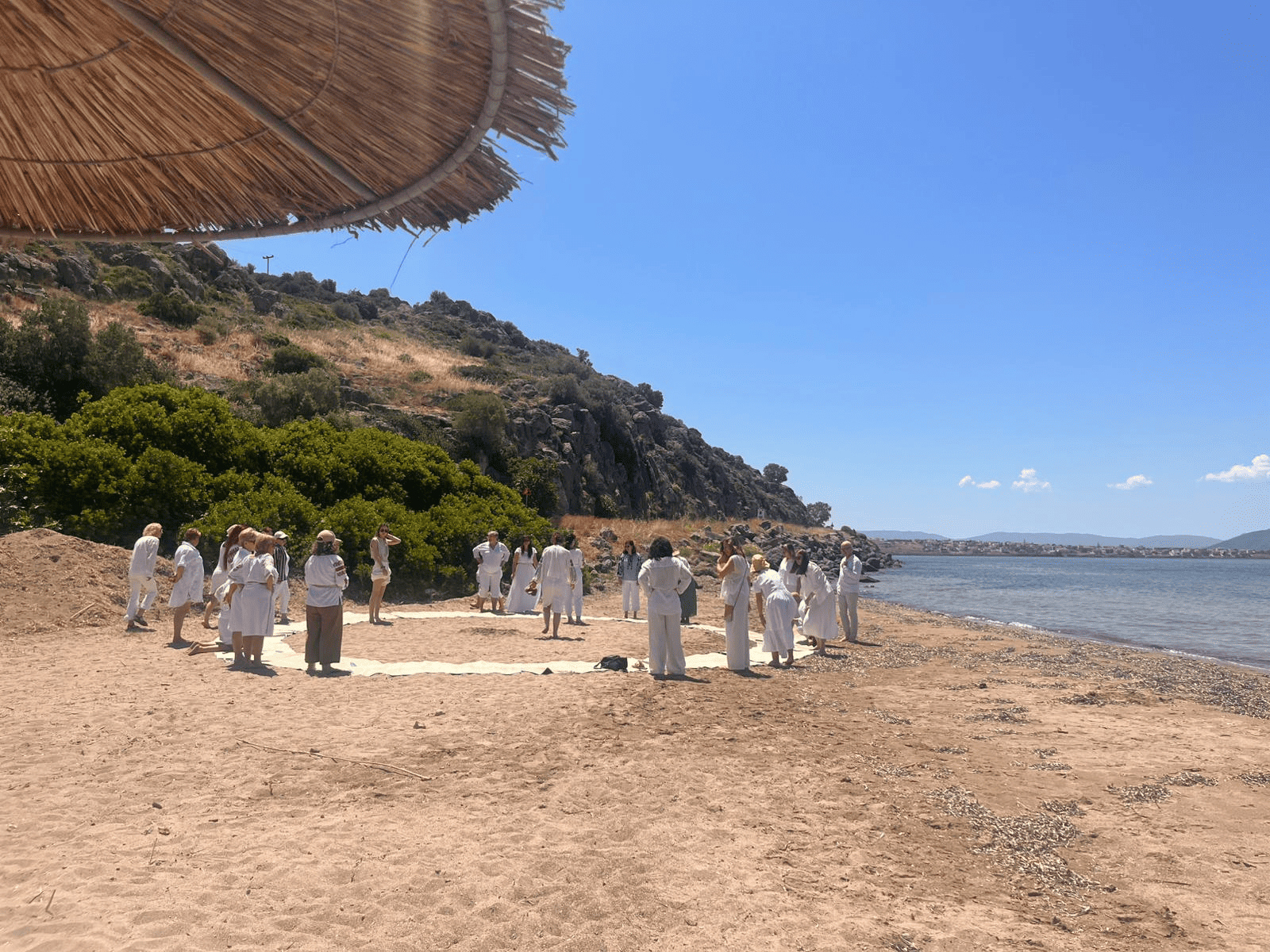
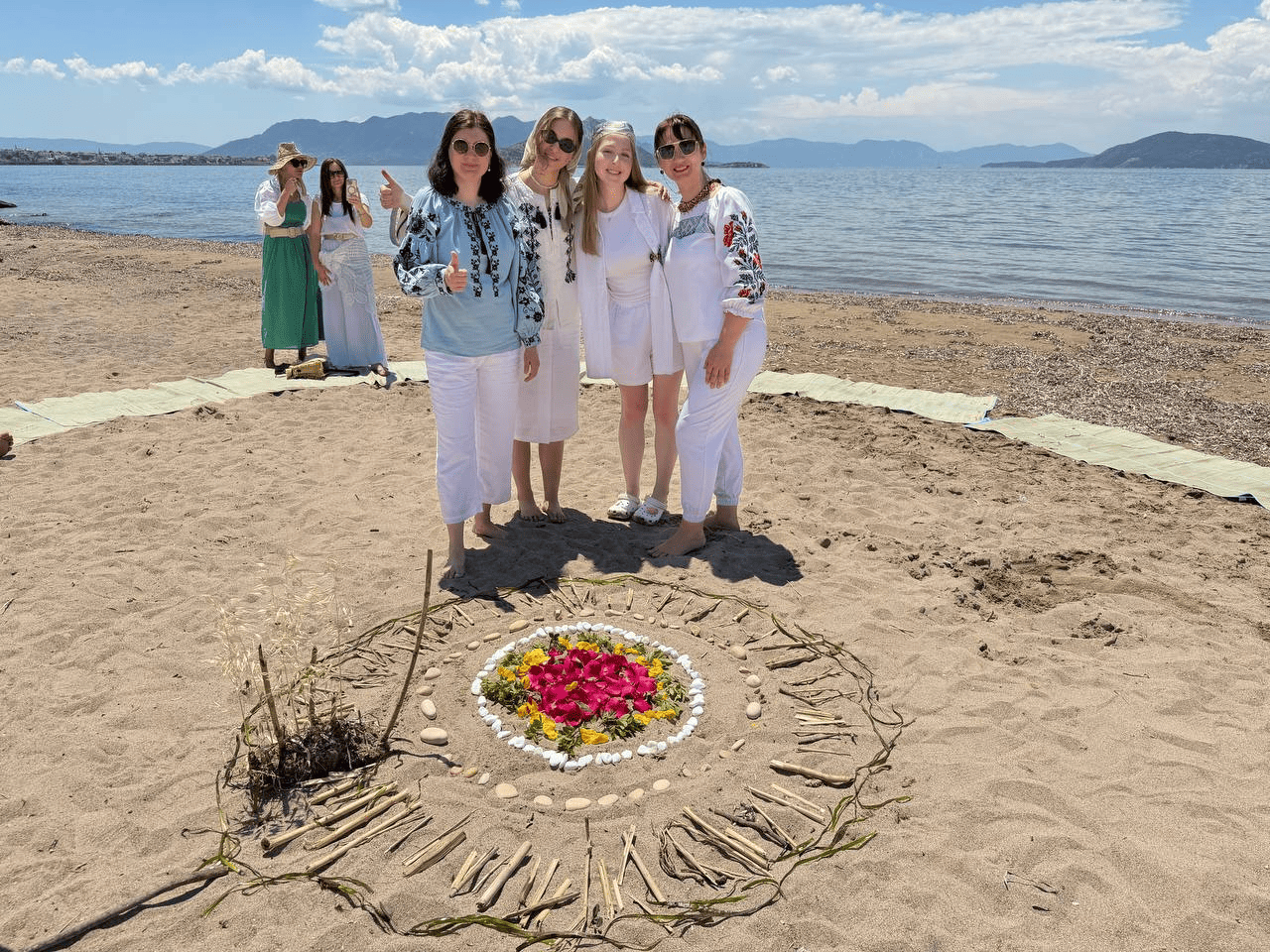
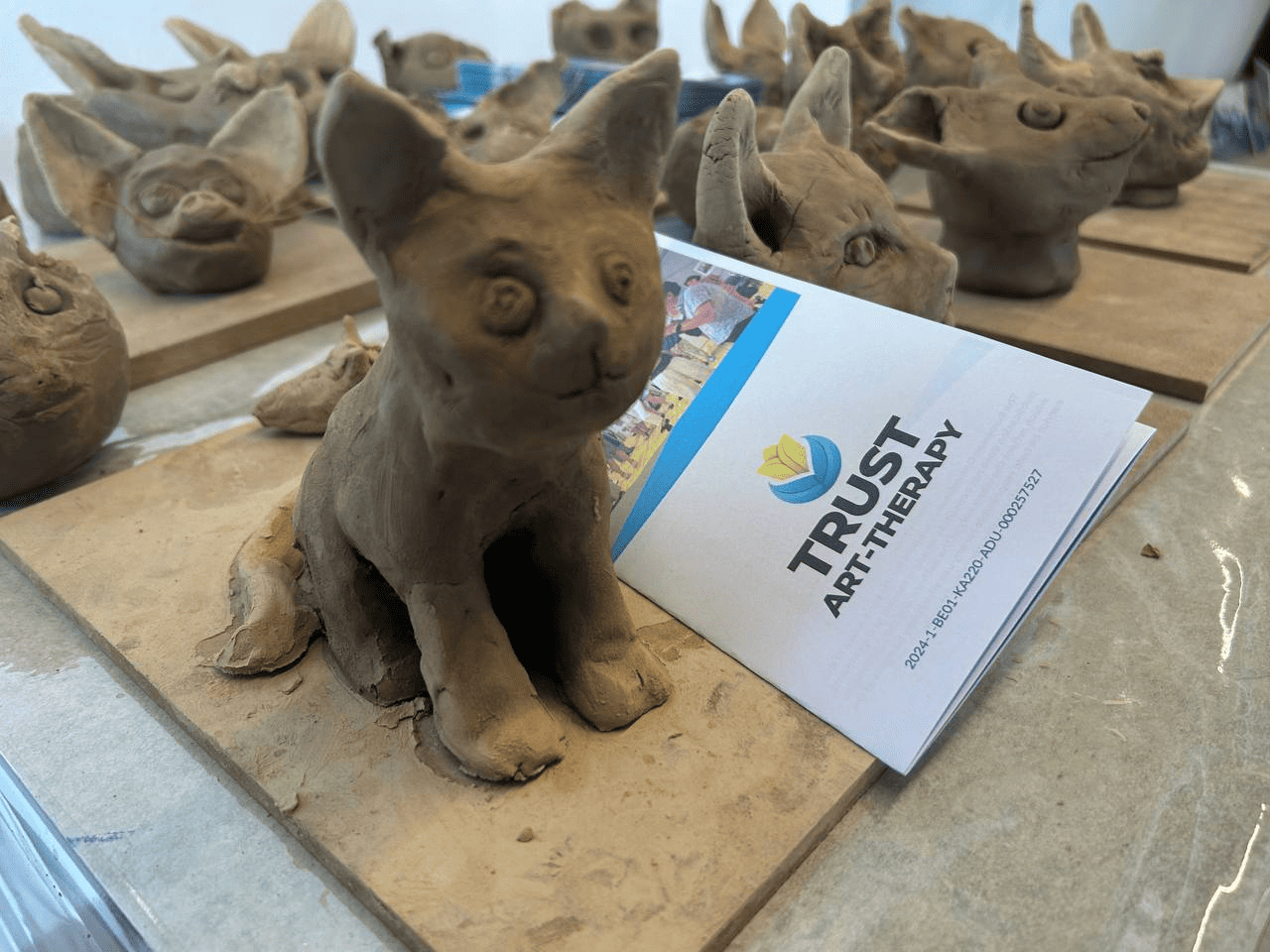
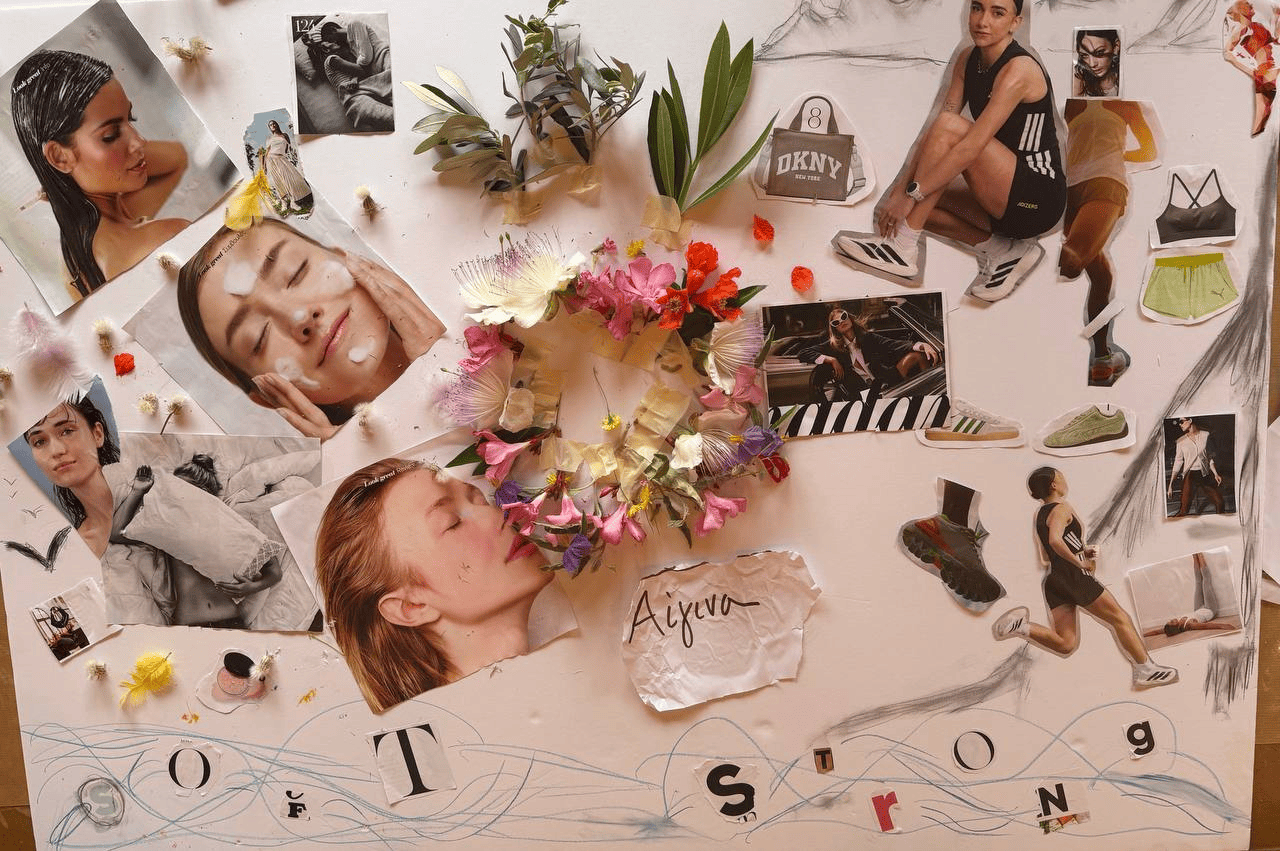
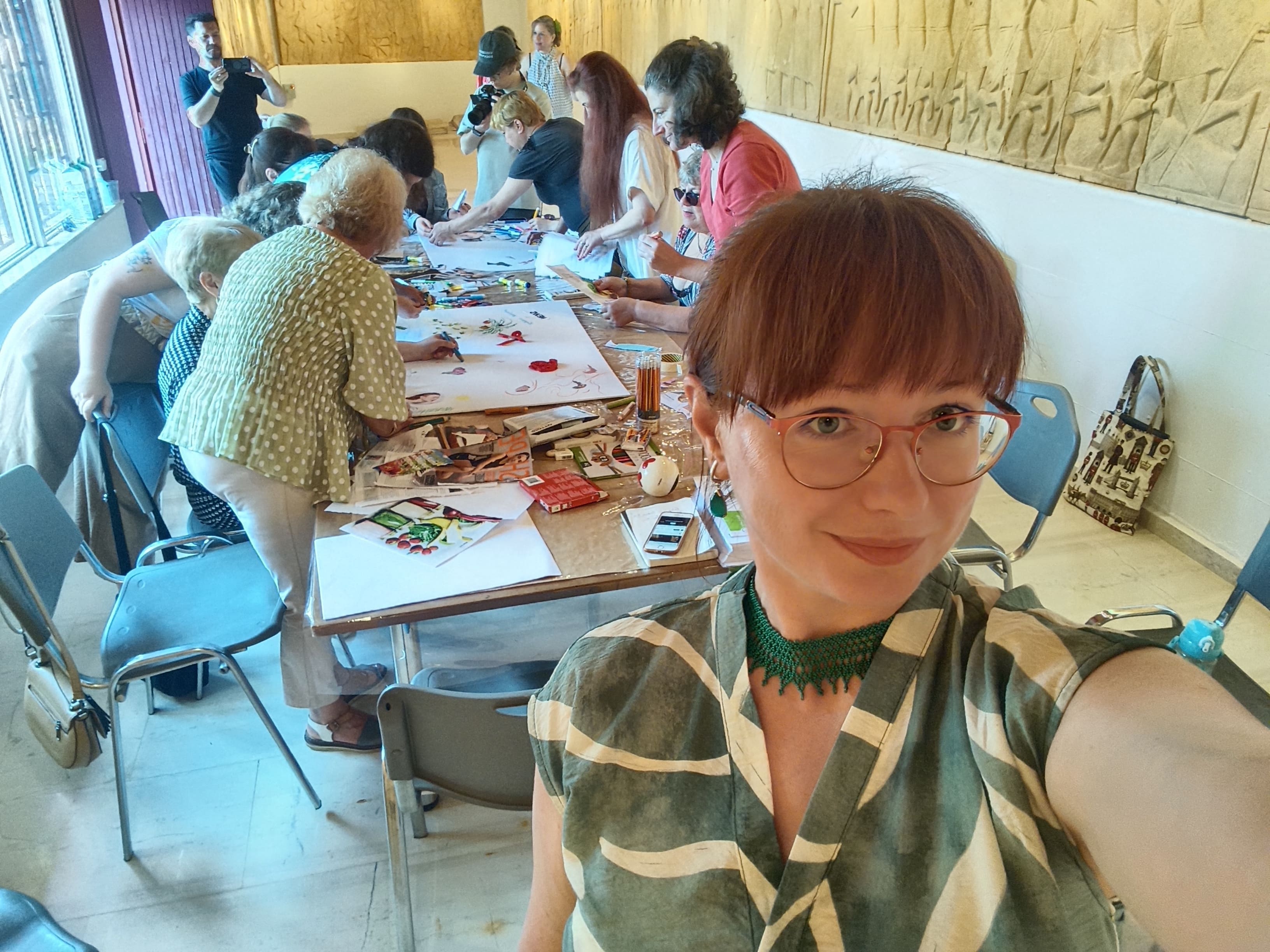
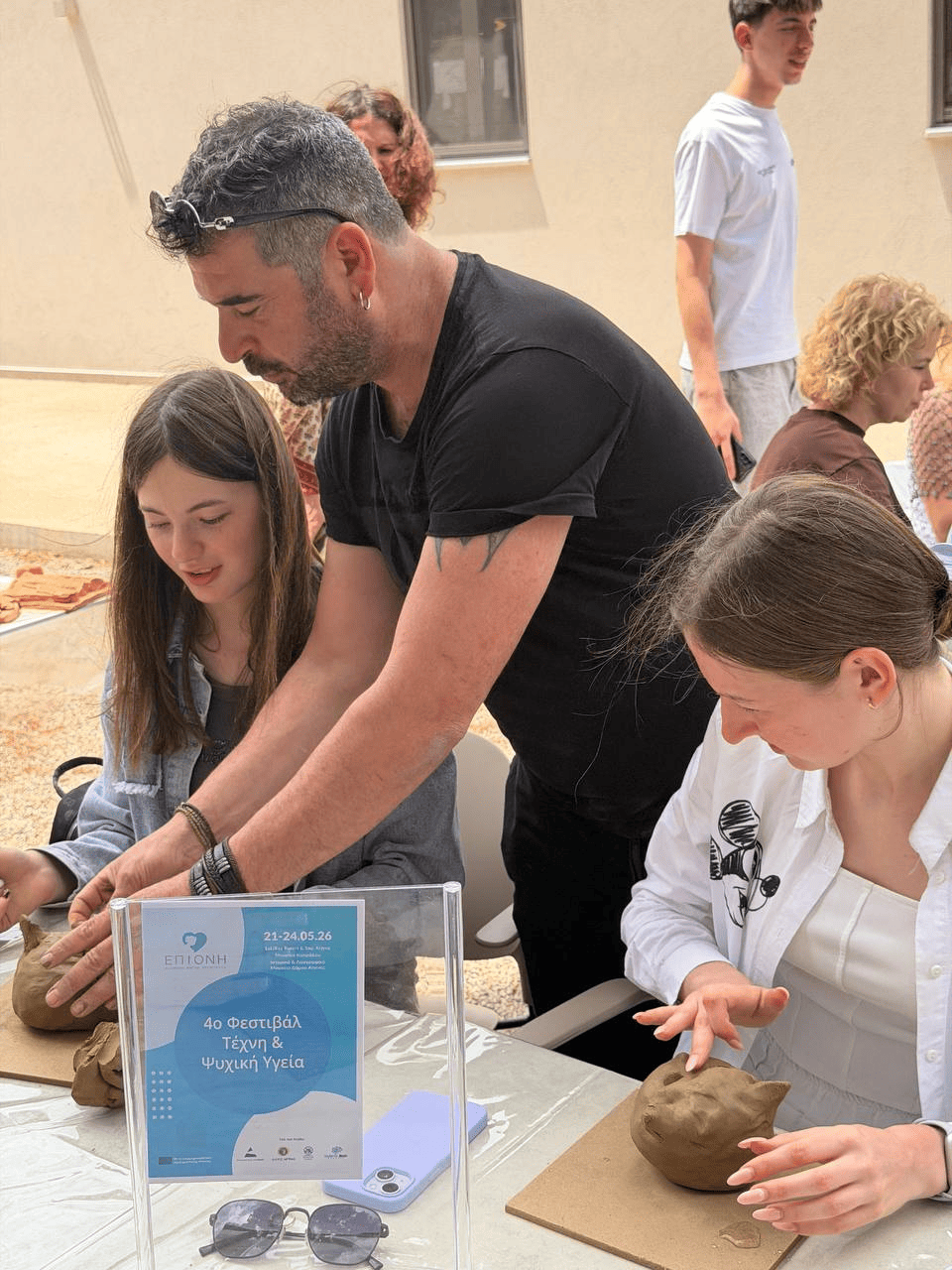
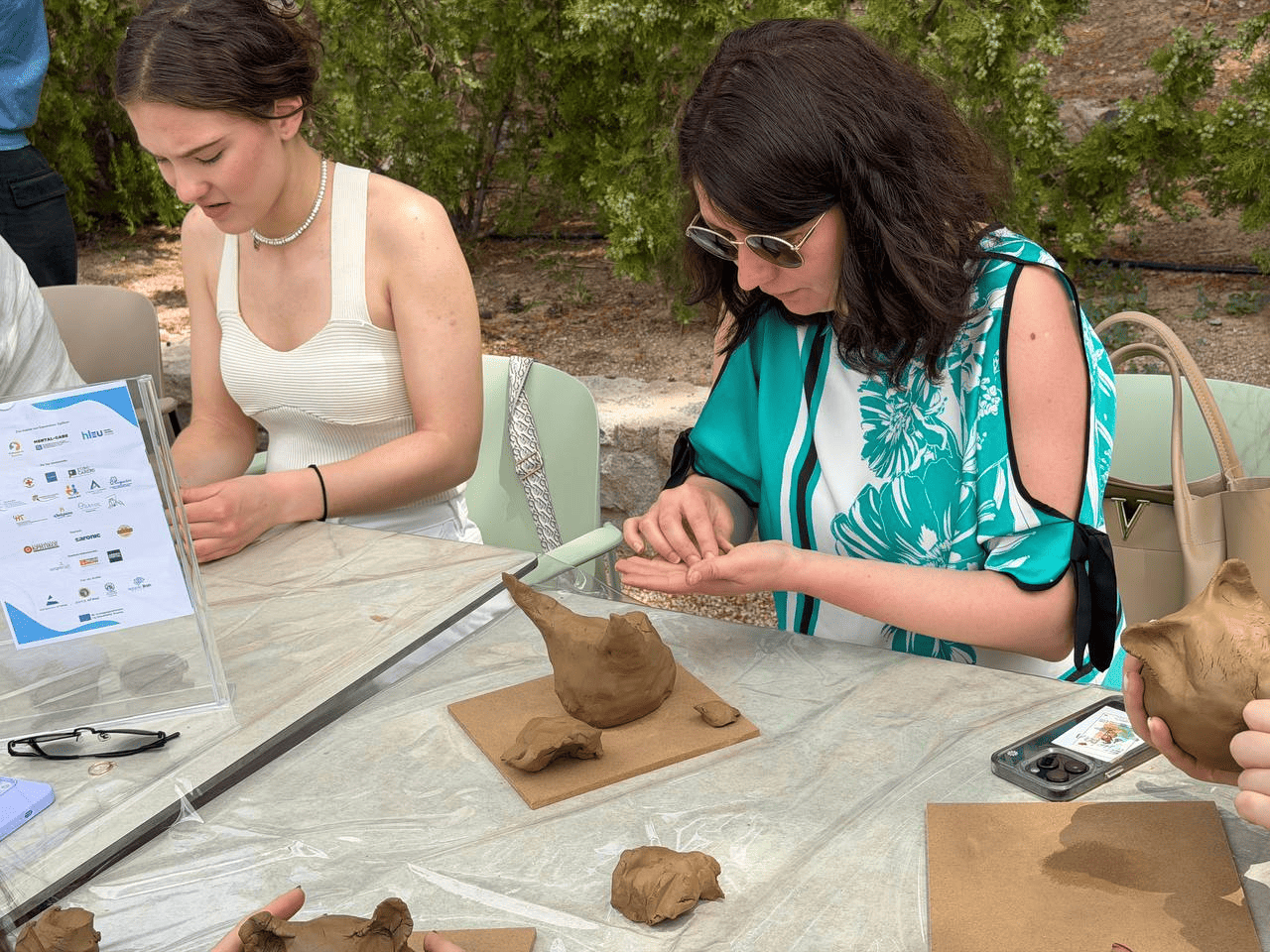
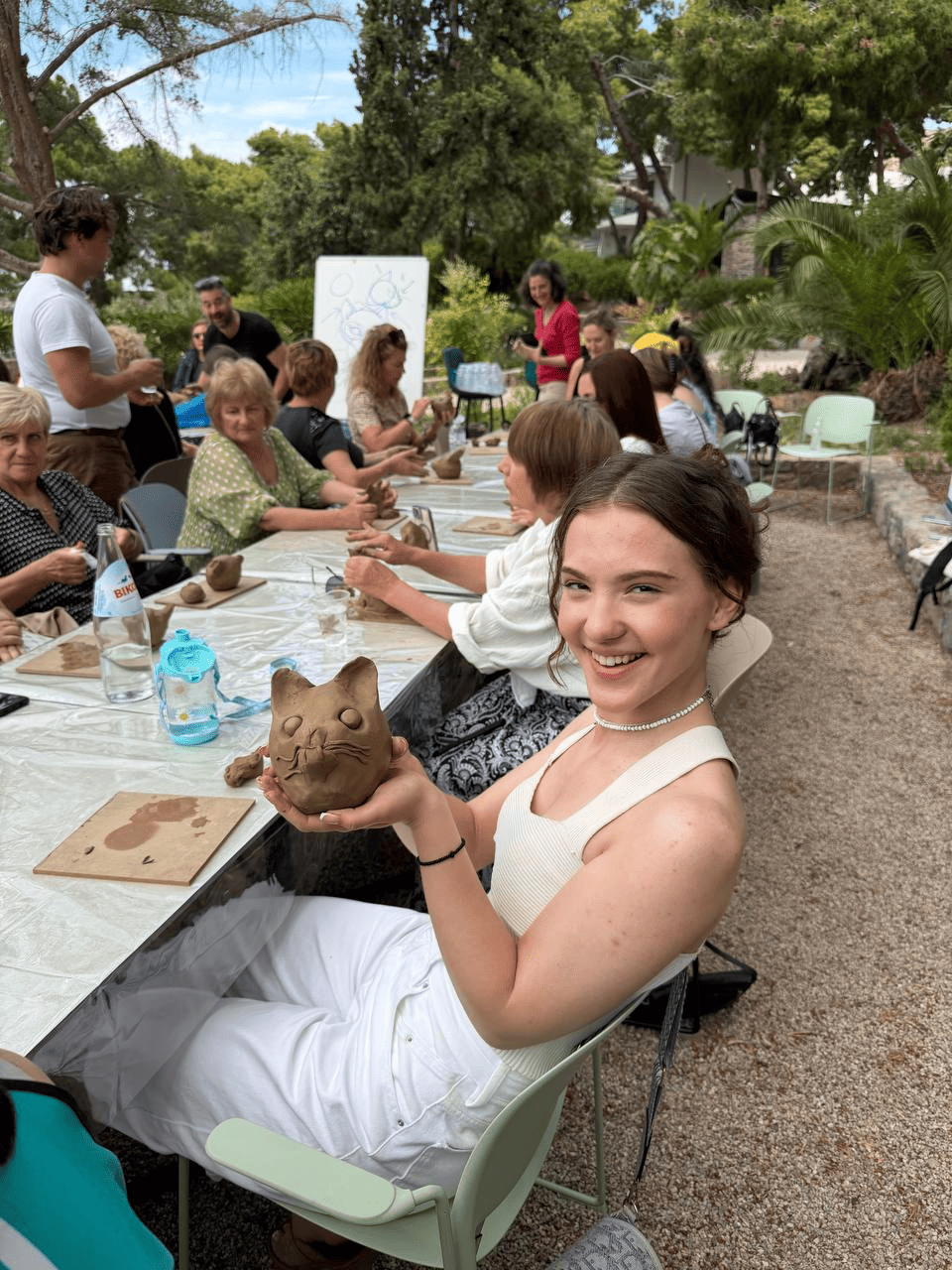
The second day brought participants into contact with art at the Christos Kapralos Museum. Workshops in poetry, collage, and pottery offered a fresh perspective on the relationship between creativity and mental health. Working with clay was a particularly symbolic practice, serving as a reminder of the human capacity to shape new forms even after enduring difficult life trials. The day concluded with a journey to the majestic Temple of Aphaia, where participants watched the sunset over the Aegean Sea and reflected on their personal journeys, losses, and hopes.
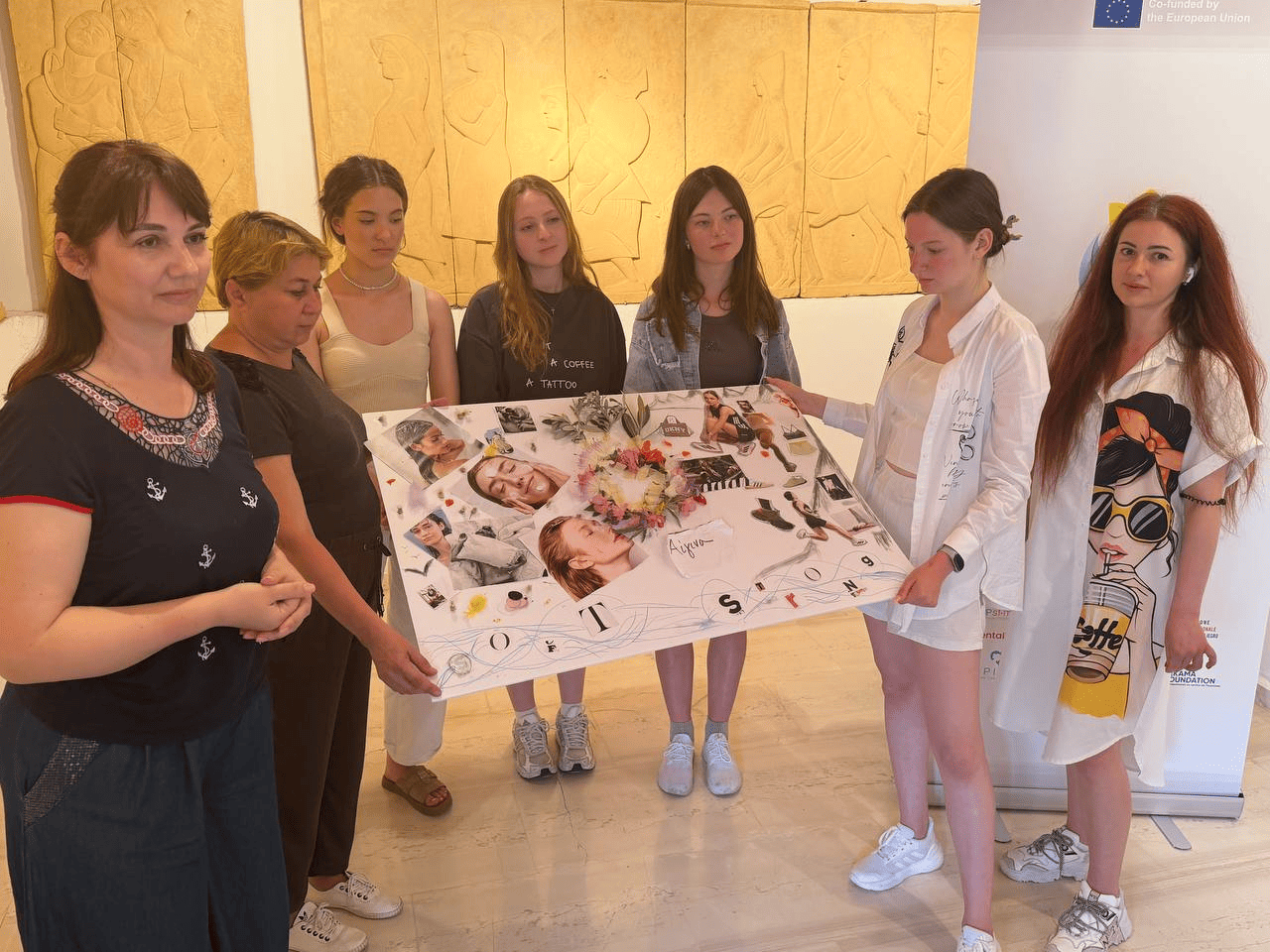
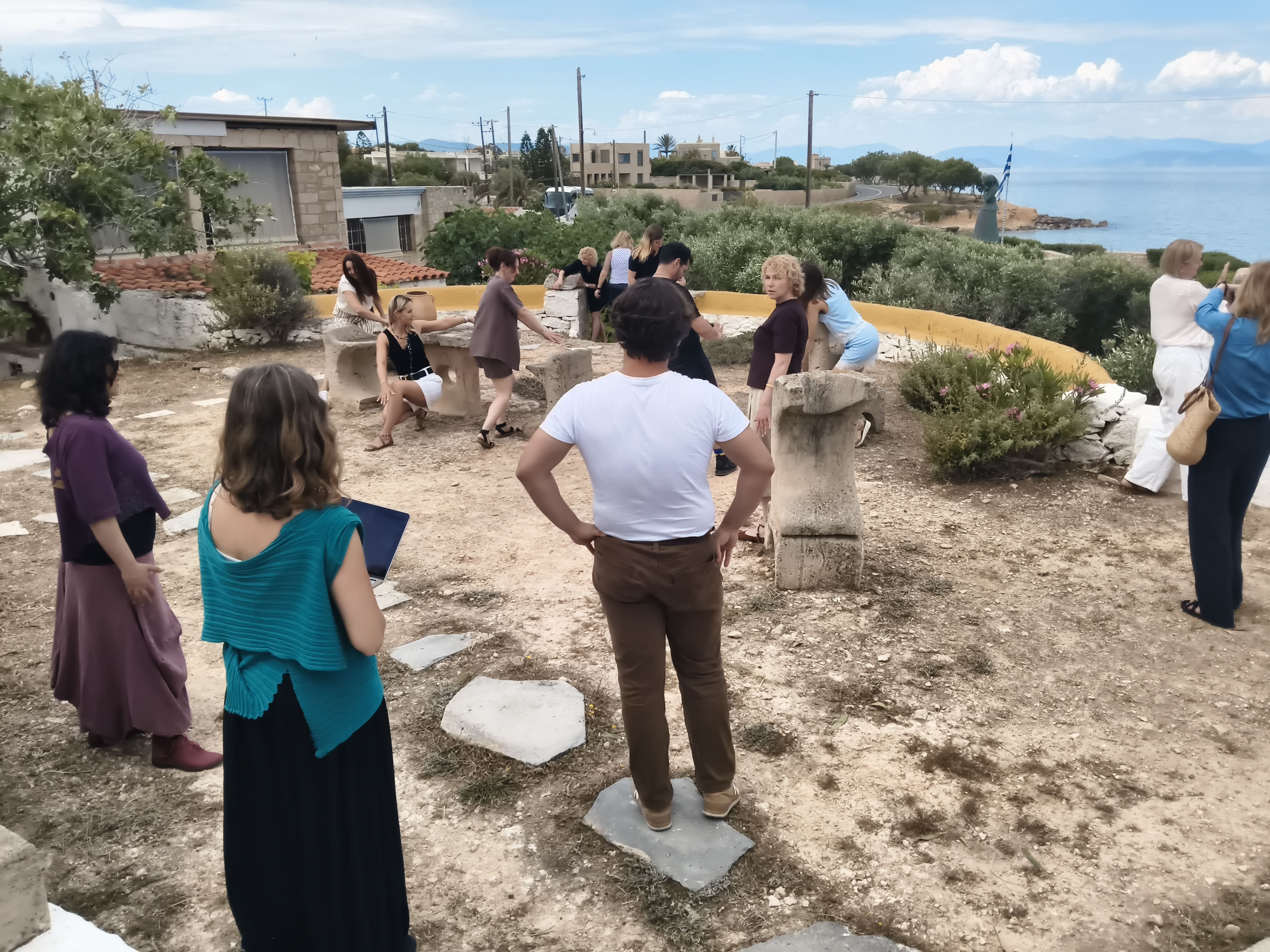
The culmination of the third day was a collective video poem and a final art performance at the amphitheatre of the LaLiBay Resort & Spa. Through words, movement, music, and symbolic imagery, the participants expressed their experiences, stories of resilience, and faith in the future. Ukrainian songs lent a unique resonance to the event, serving as a voice of resilience and cultural identity.
Participating in this art therapy training in Greece was not only a professional milestone but also an important stage of personal recovery for many participants. The sun of Aegina, the sound of the sea, creative practices, and the genuine support of the international community created a safe space where care, acceptance, and the power of human solidarity could be deeply felt.
Special gratitude is extended to the EPIONI team, the host of the Greek mobility program, for coordinating the event, providing a warm welcome, and creating an atmosphere in which every participant could feel heard, accepted, and valued. An equally important component of this meeting was the presence of partners, art therapists, facilitators, and participants from various European countries, who filled these days with genuine communication, support, and mutual understanding.
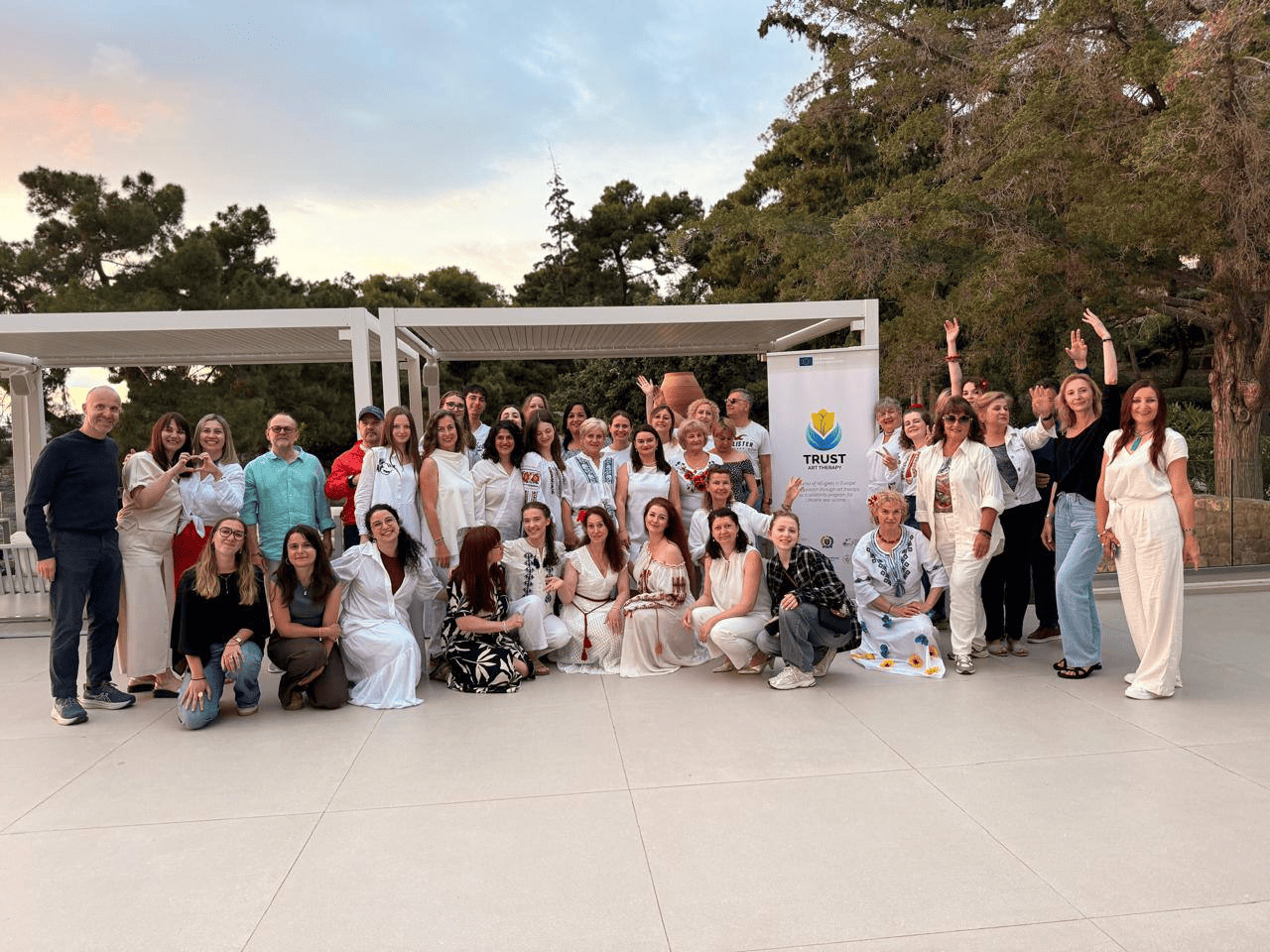
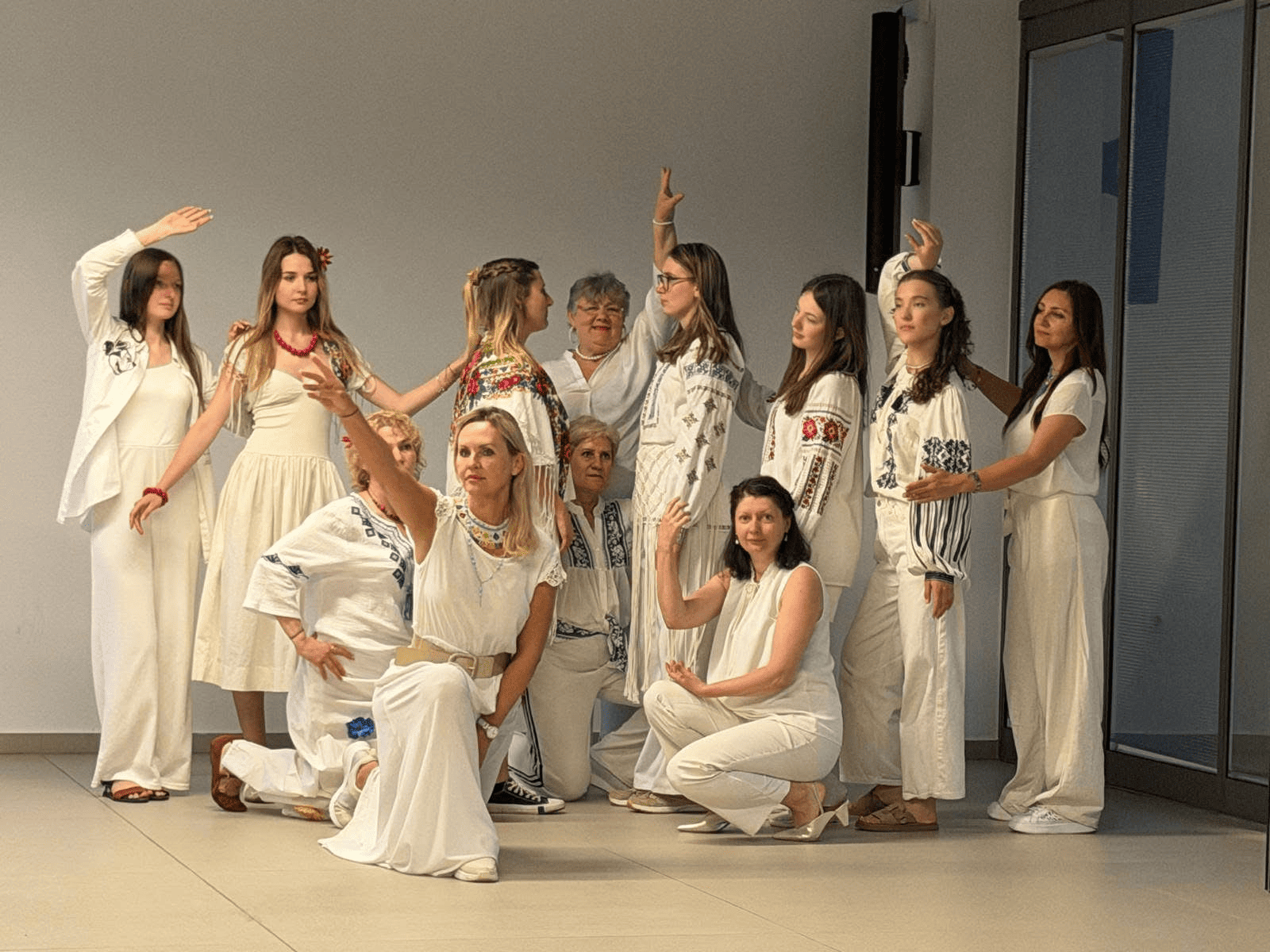
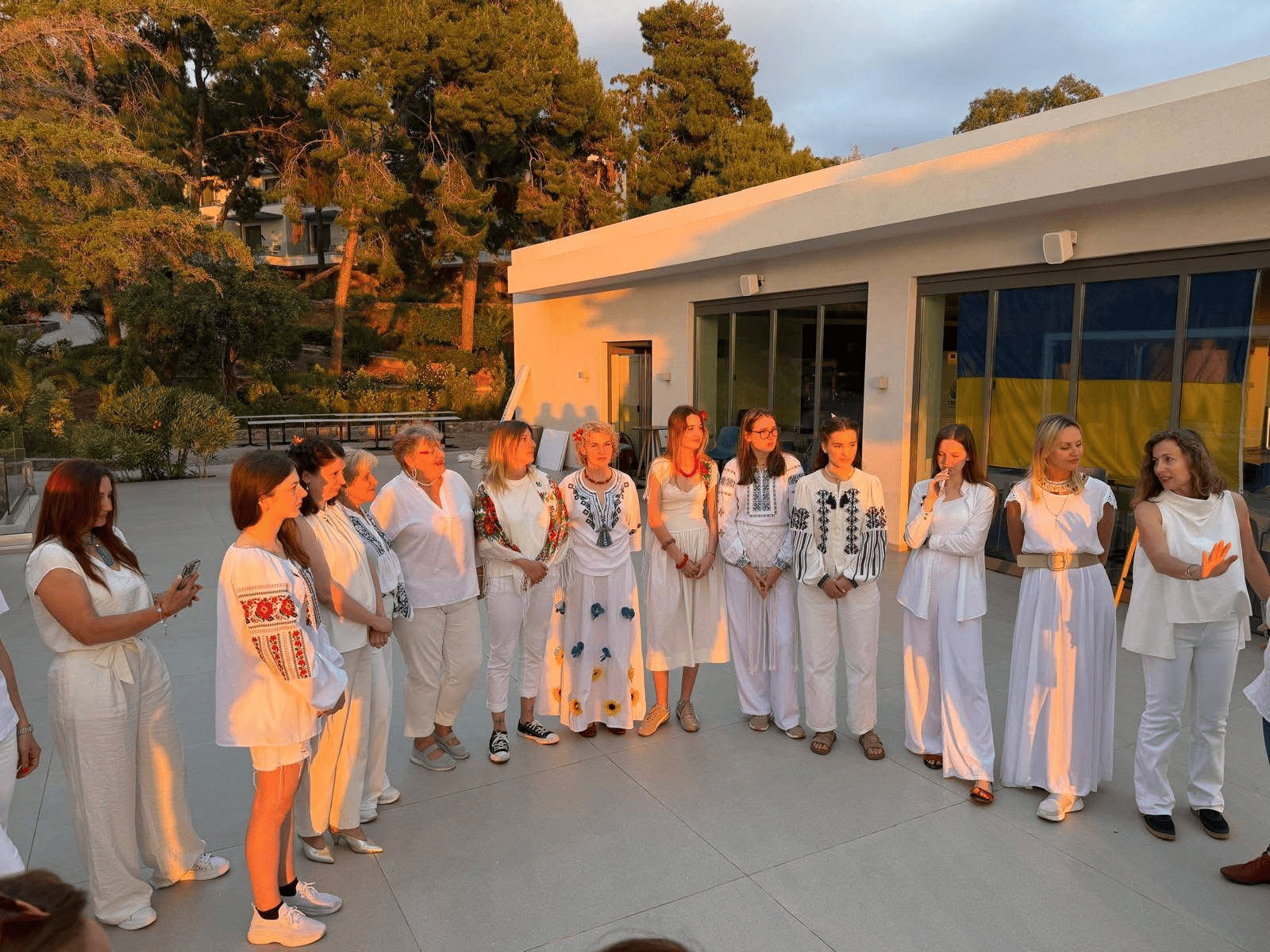
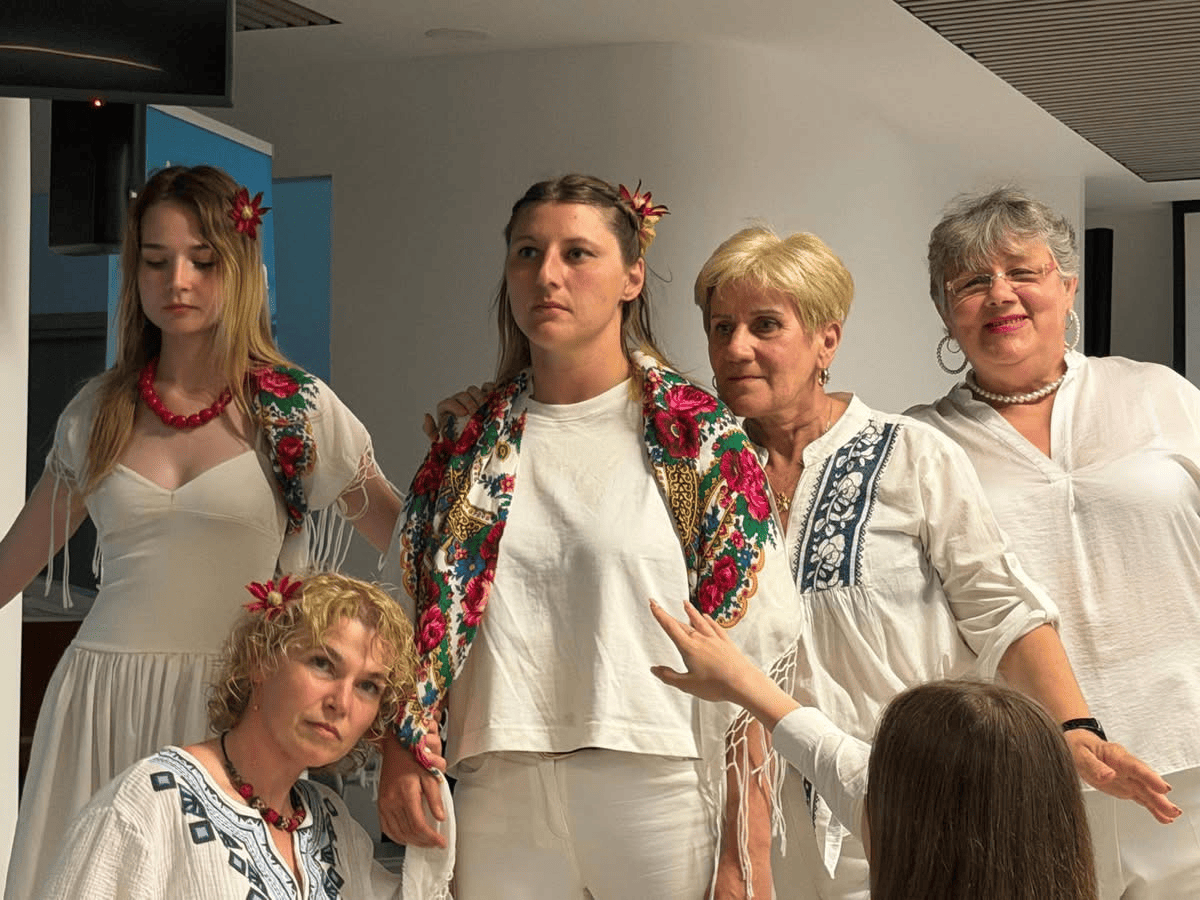
The participants express their sincere gratitude to the administration of the National University «Yuri Kondratyuk Poltava Polytechnic» for their comprehensive support of international activities, the development of academic mobility, and the creation of opportunities for faculty and students to participate in European-level projects. It is owing to the consistent support of the university leadership that representatives of Poltava Polytechnic can engage in international educational and scientific initiatives, adopt advanced European experiences, and represent Ukraine in vital humanitarian projects aimed at supporting the mental health and social resilience of citizens.
Participation in the TRUST project provided not only an opportunity for professional growth but also a chance to deepen international partnerships, promote Ukrainian experience, and develop new approaches to psychological support for individuals who have undergone the traumatic experience of war.
In times when the world is learning to live amidst pain and anxiety, people need each other more than ever. Sometimes, a single kind word can heal, and a heartfelt conversation becomes a quiet harbour for a weary heart. The participants brought back not only new knowledge and professional experience but also a sense of closeness, trust, and human warmth that will stay with them for a long time. The TRUST project has once again demonstrated that art can serve as a language of support, a tool for recovery, and a bridge between people from different cultures and countries. Meanwhile, the sea of Aegina will long remind its participants that even after the darkest storm, a person can find their inner shore of peace.