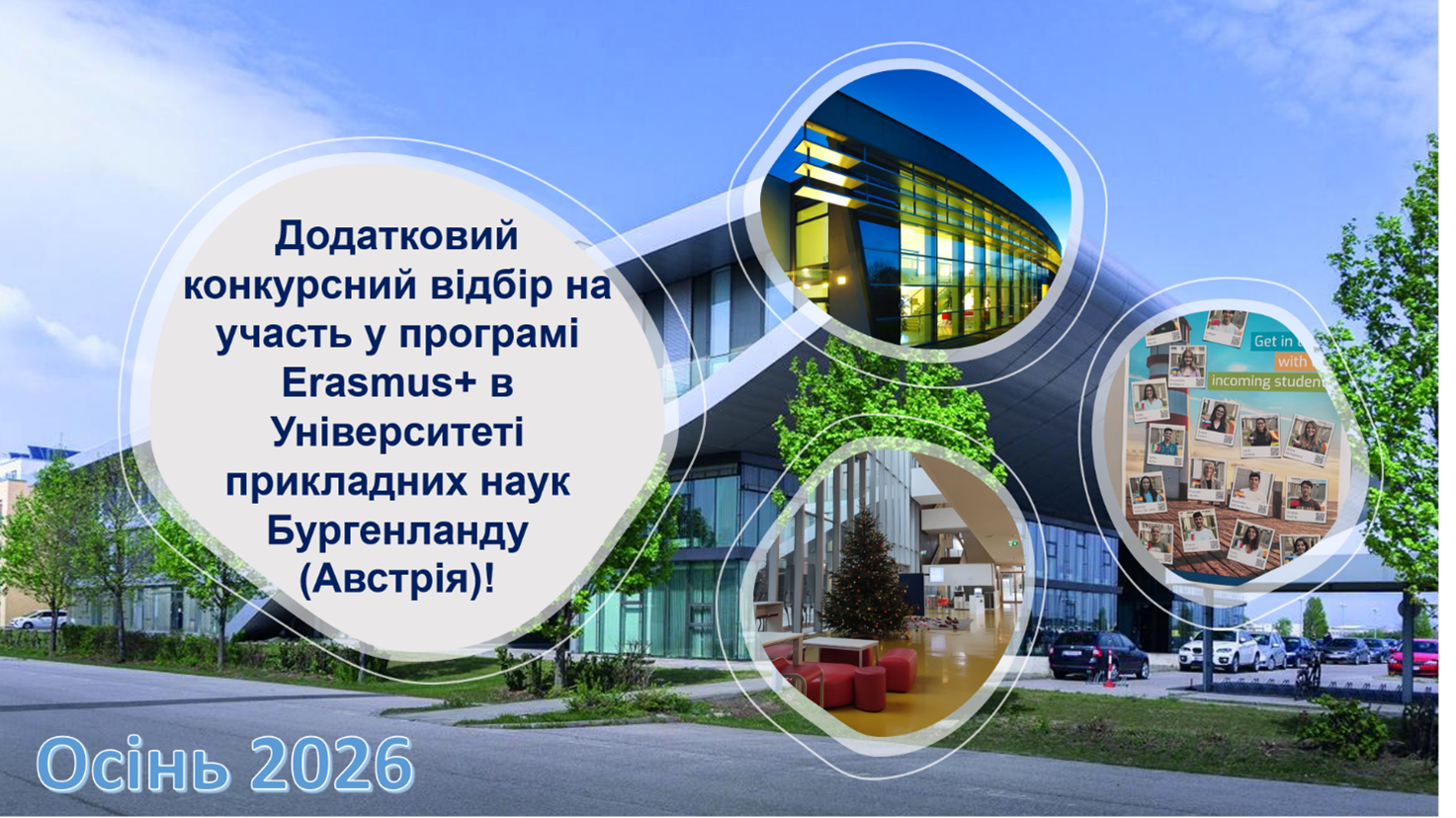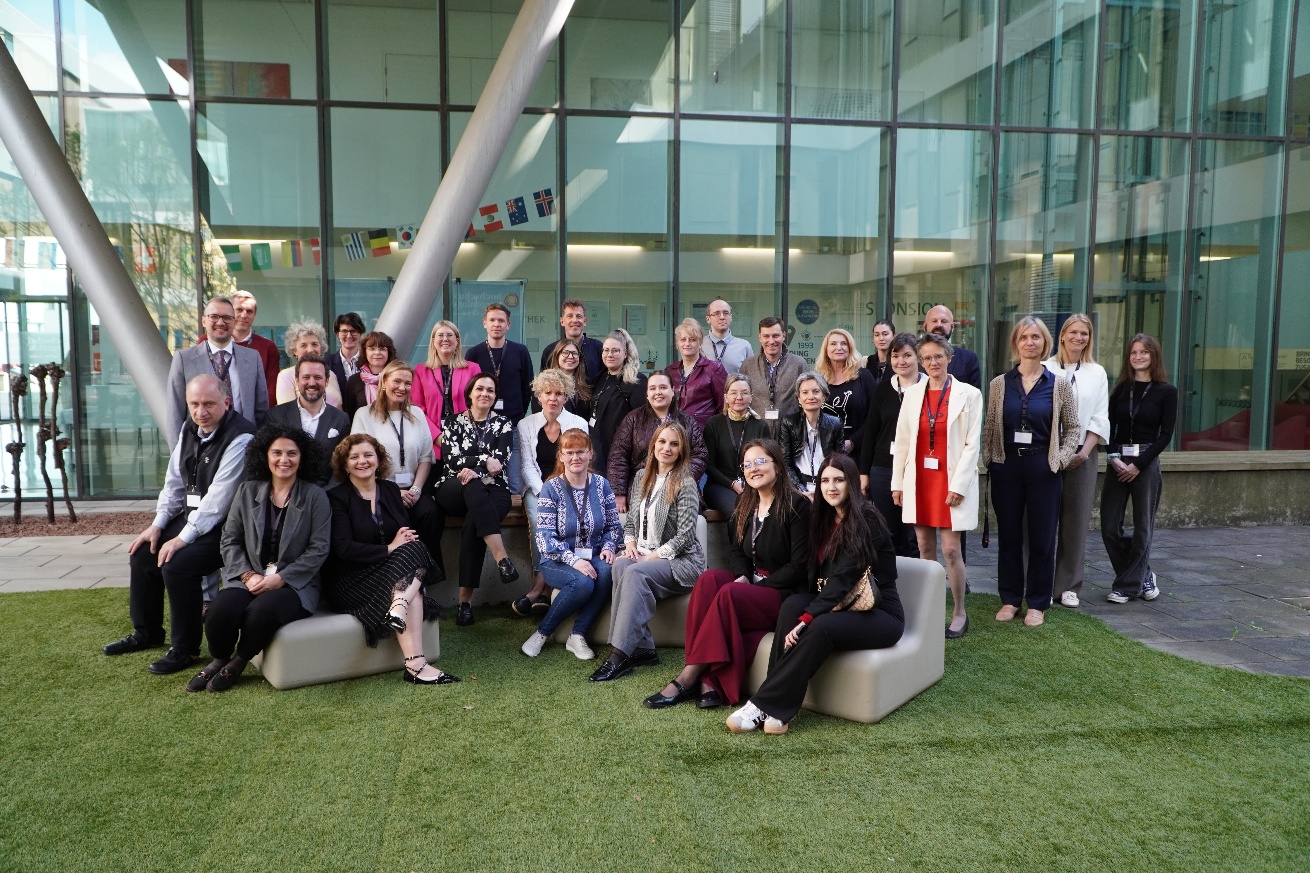
In the period from April 20 to April 24, 2026, at the University of Applied Sciences Burgenland – Fachhochschule Burgenland GmbH (Eisenstadt, Austria), an annual large-scale international event took place, aimed at improving internationalisation, academic exchanges, and strengthening partnership relations between higher education institutions – International Staff Week-2026 – in which 31 participants from more than 15 countries took part.
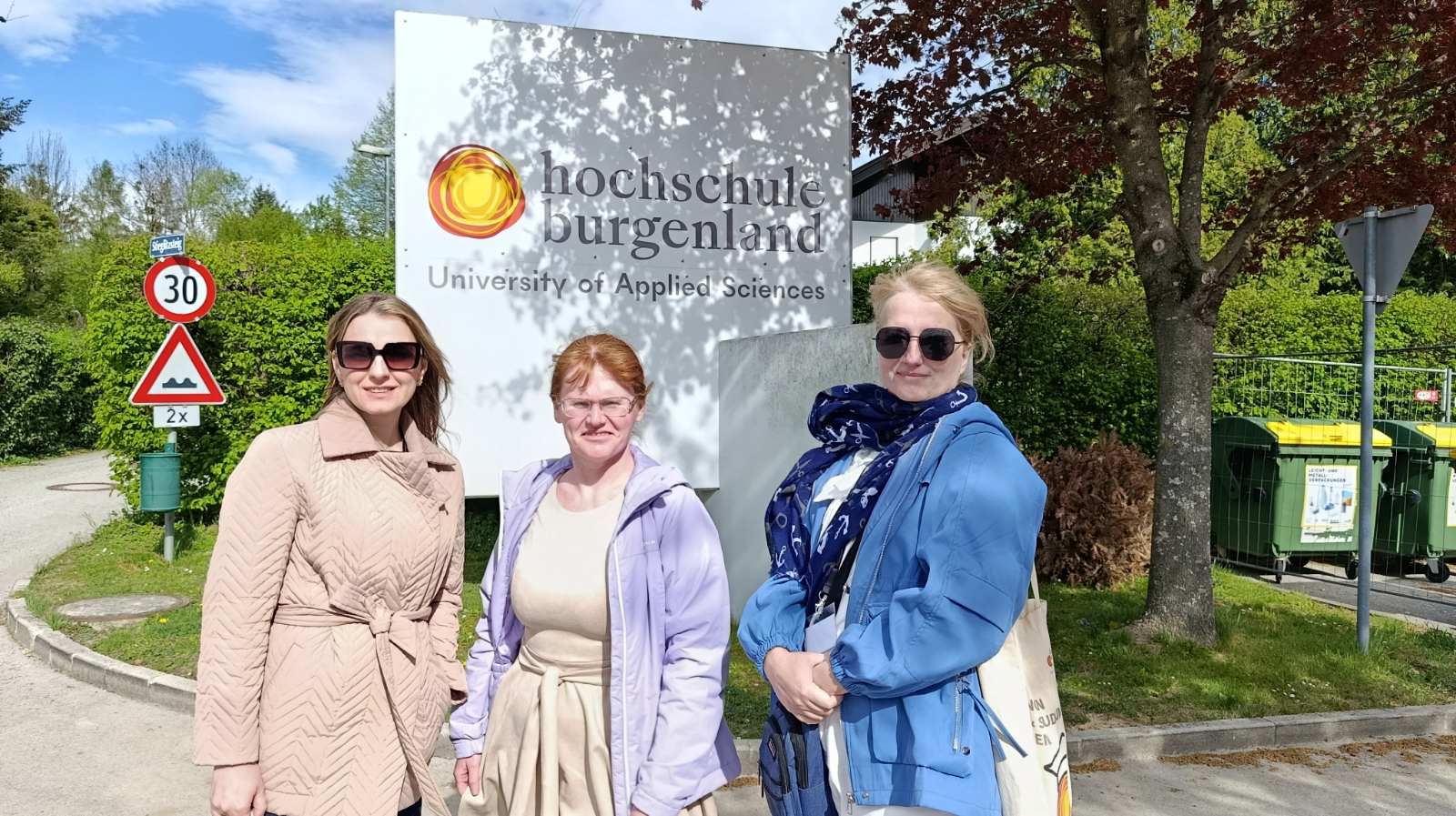
This year, three representatives of Poltava Polytechnic – PhD, Associate Professor of the Department of General Linguistics and Foreign Languages, Deputy Dean of the Faculty of Philology, Psychology, and Pedagogy Nataliia Bondar, Senior Lecturer of the Department of Computer and Information Technologies and Systems Olena Haitan and PhD, Associate Professor of the Department of Economics, Entrepreneurship, and Marketing Olena Ivasenko took part in the International Staff Week-2026 at the University of Applied Sciences Burgenland in Eisenstadt, Austria, within the framework of the Erasmus+ staff mobility program.
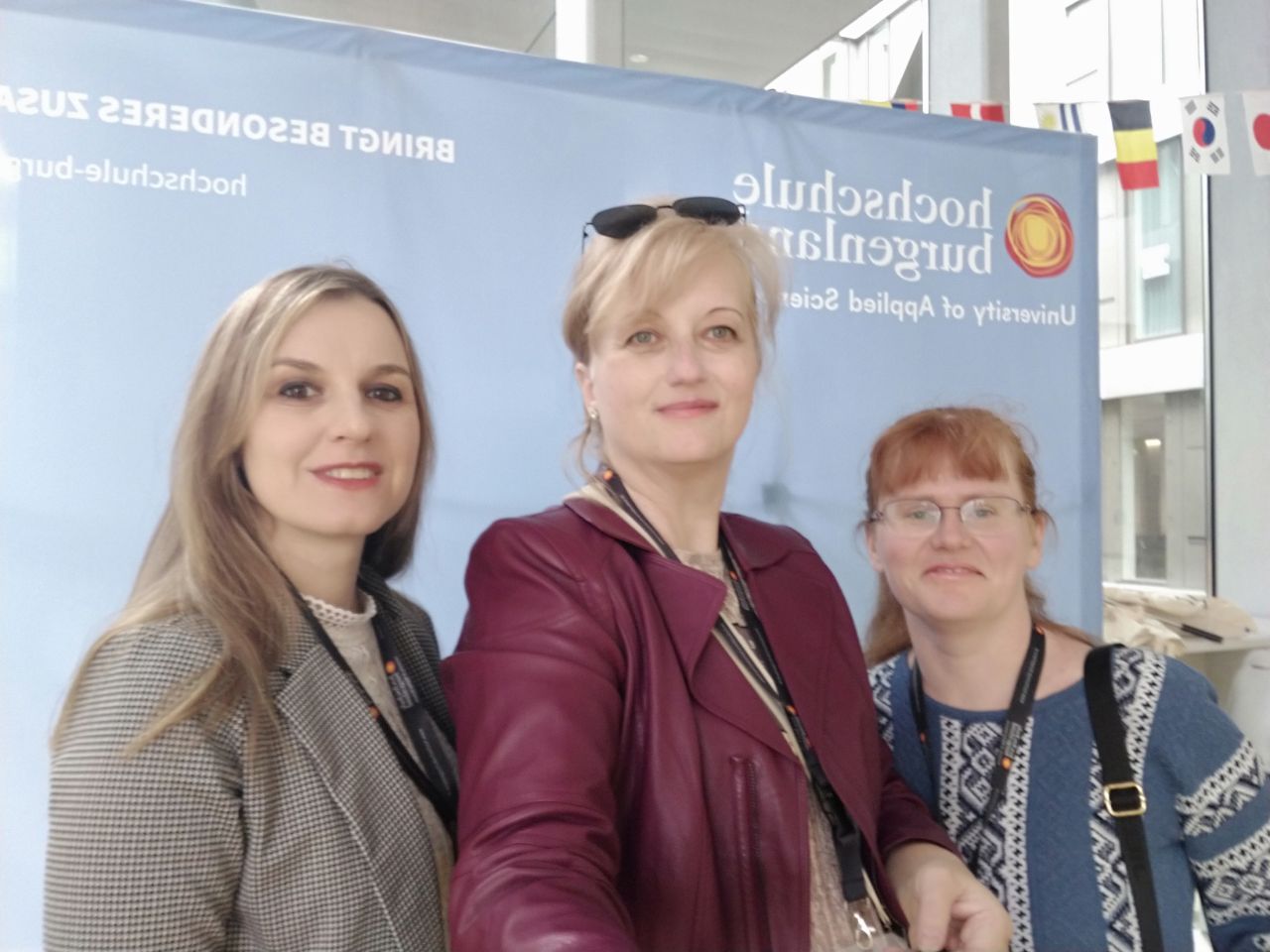
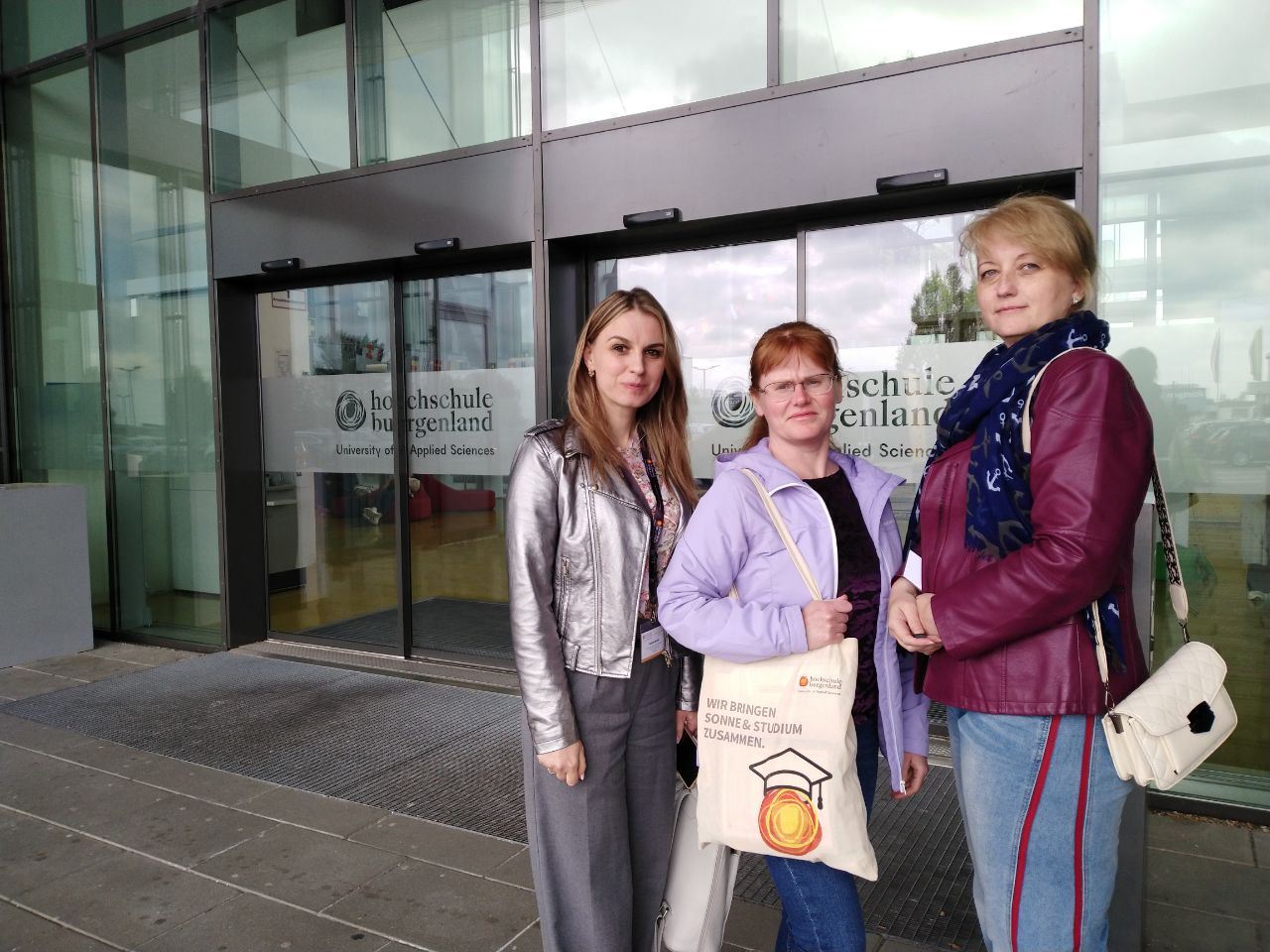
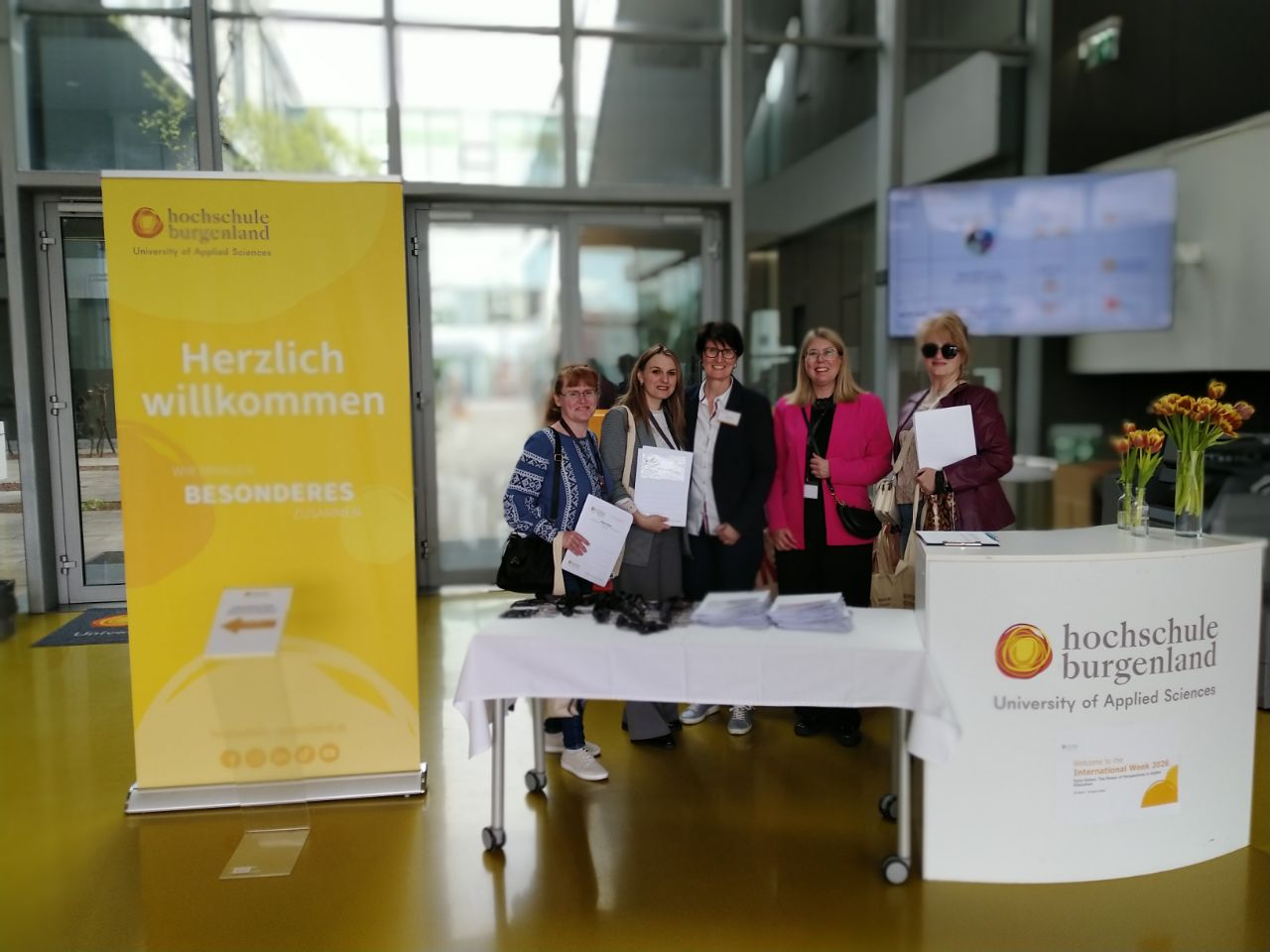
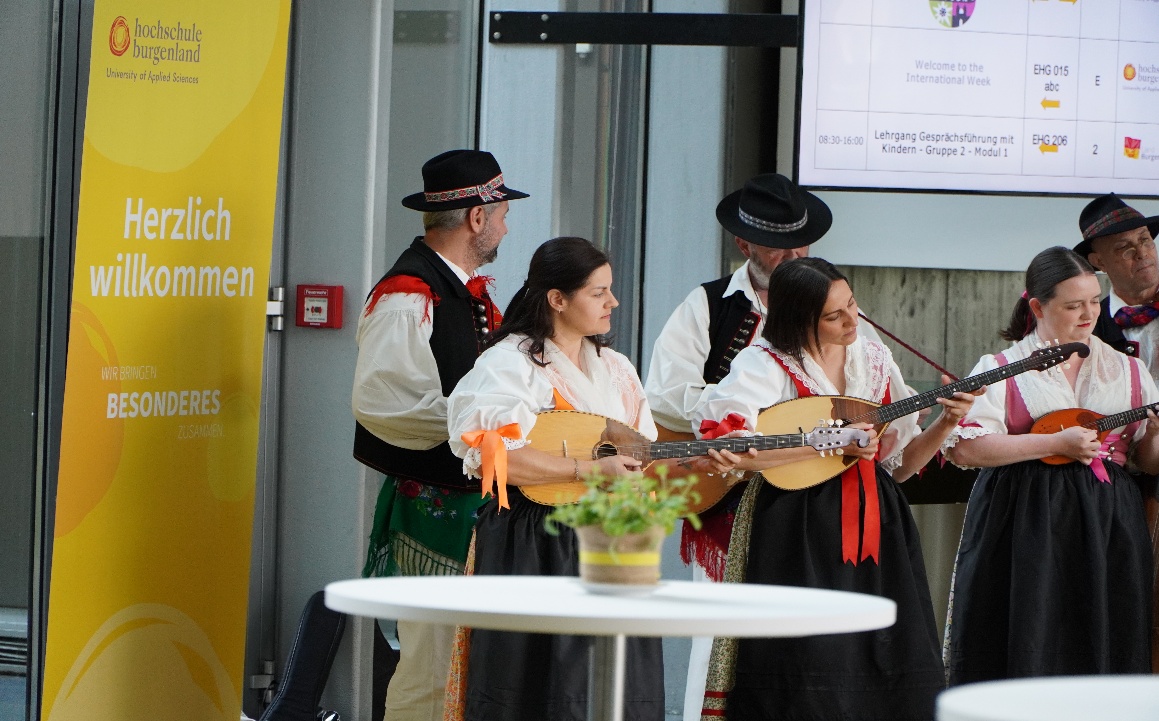
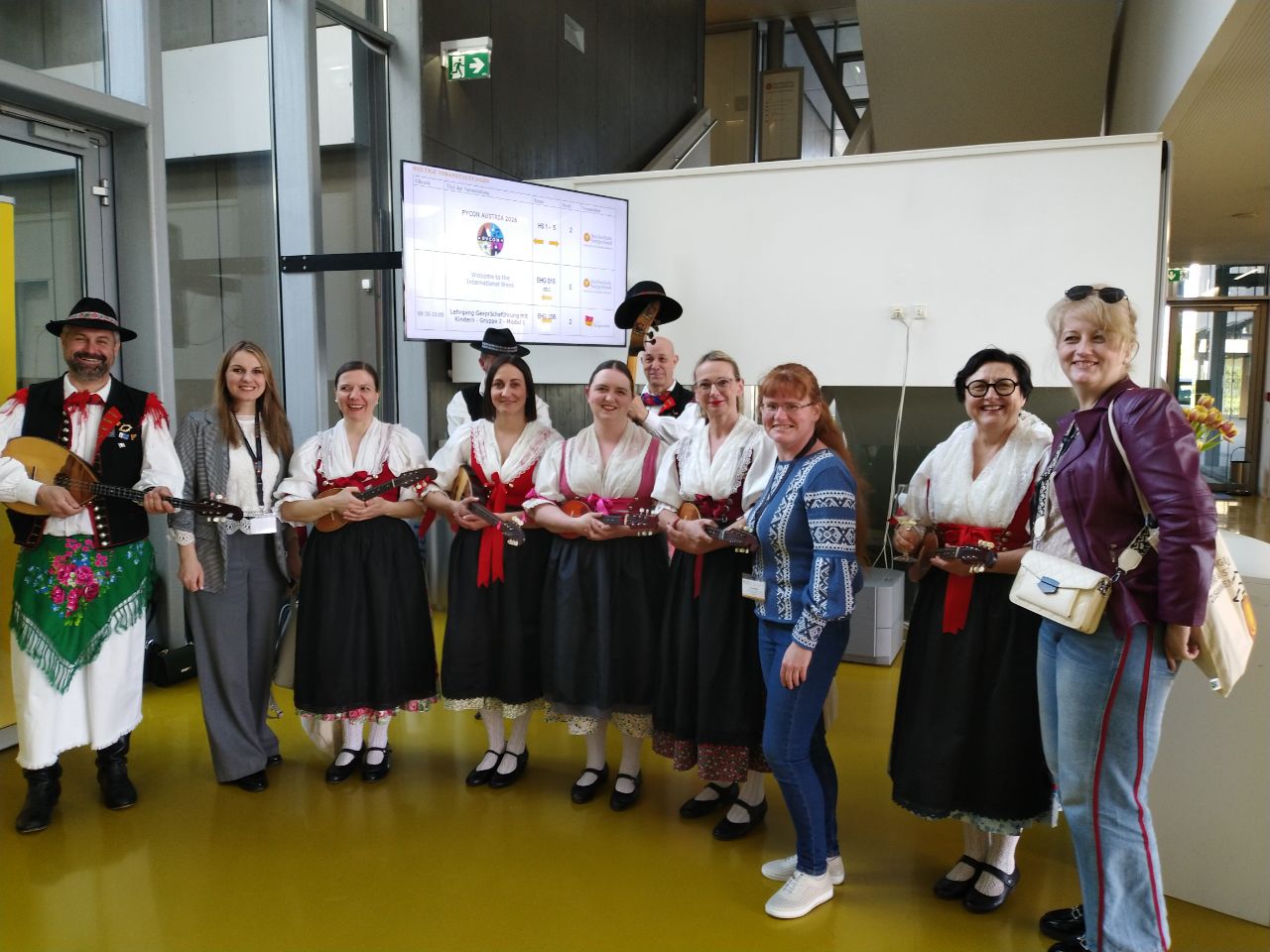
On the first day of mobility – April 20 – with welcoming words before the participants spoke Georg Pehm – Managing Director of the University of Applied Sciences Burgenland, Michael Roither – Vice-Rector for International Relations, Birgit Rivalta – Head of the International Relations Office, and the lecturer of the Department of Business Alexander Burka conducted speed-dating, during which the participants were able to get to know each other, briefly present themselves and their universities and exchange contacts. After that, all participants were invited to a tasting of dishes from around the world, accompanied by tamburica music. The rhythmic accompaniment of folk instruments as if transported the participants to cosy Austrian streets. In a relaxed atmosphere of communication and gastronomic pleasure, the borders between cultures were erased, leaving only sincere admiration.
The morning of April 21 began with a deep immersion into questions of global cooperation. Michael Roither, Vice-Rector for International Relations, outlined the vectors and perspectives of university cooperation. His speech became key to understanding how academic partnerships are transformed in the modern world. After a short coffee break, the participants divided into groups to develop future competencies. Within the framework of the “Intercultural core skills” workshop, conducted by Manuela Kovalev, the attendees explored how to adapt to changes in a post-crisis world.
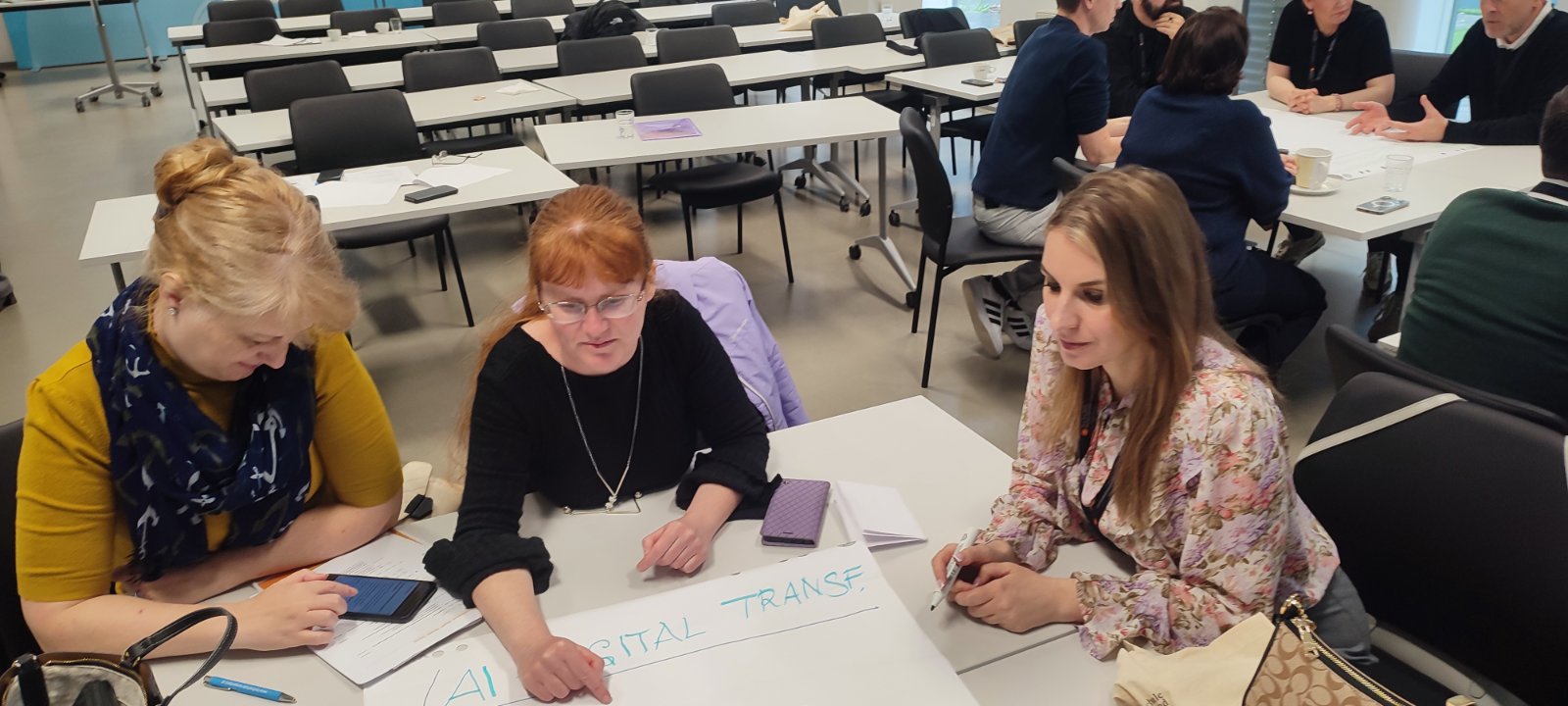
Under the leadership of Barbara Geyer (Director of the Master's Degree Programme in E-Learning and Knowledge Management), the participants immersed themselves in the world of future technologies. The topic “Artificial Intelligence Tools” allowed us to see, in practice, how AI tools become personalised assistants for learning and work.
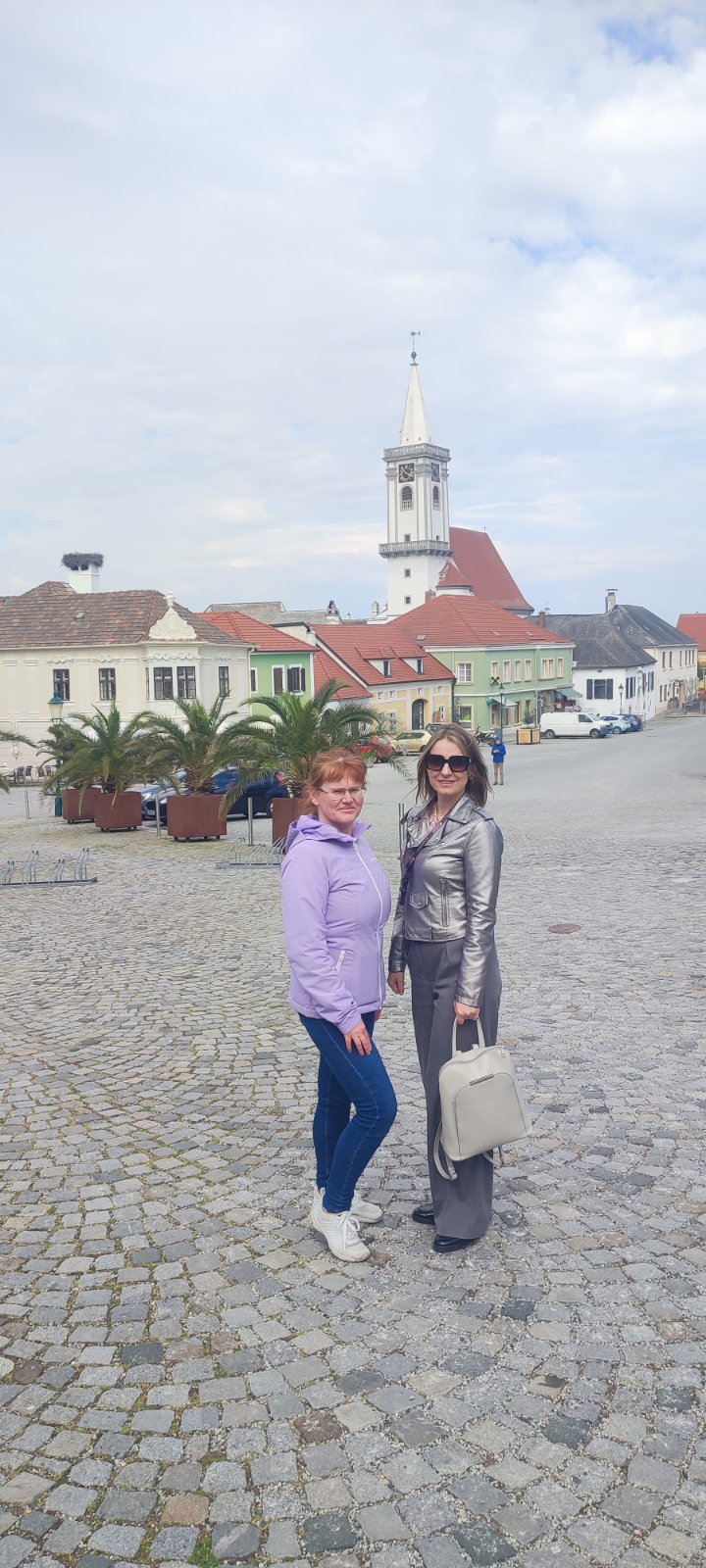
Simultaneously, another group of colleagues explored the “Lego® Serious Play®” methodology. Verena Liszt-Rohlf demonstrated how the concept of “thinking with your hands” and a non-hierarchical approach can foster innovative solutions in both research and teaching. The day concluded with informal networking and a chance to experience the local charm. The participants travelled to the picturesque town of Rust, where they spent their free time immersing themselves in the town’s unique architecture and vibrant atmosphere.
The program of April 22 was full of short but meaningful reports covering the most relevant aspects of modern higher education: from the individual development of the teacher to the building of systematic international cooperation. The day was opened by a practical block from colleagues from Haaga-Helia University of Applied Sciences. Hanna Tattari and Jenni Brisk conducted a seminar on personal branding, during which the participants learned to form their professional image in the modern academic environment.
The relay was taken over by representatives of the Hungarian Széchenyi István University – Szonja Jenei and Szilvia Módosné Szalai. Their presentation “Best Practices of Internationalisation” became a source of inspiration for those striving to implement the best European mobility standards in their institutions.
Furthermore, the participants focused on solving students’ practical problems. Tiia Herala and Hilde Lehtonen from Humak University of Applied Sciences (Finland) presented the pilot project “Study Mentor programme pilot”, proposing effective mechanisms to address the lack of internship opportunities for students.
Tamar Magalashvili continued the theme of a global outlook from Ilia State University (Georgia). Her speech, “Intercultural competence and global perspectives”, reminded all present that at the heart of successful mobility always lies the ability to understand and respect another culture. The final chord of the session was the speeches by representatives of the Balkan region and Turkey: Nikola Abramovic from Montenegro shared his university’s experience, and Hilal Gizem Dalgic presented the educational capacities of Selçuk University (Turkey). This day once again confirmed that mobility is an exchange of ideas that helps each university become better and adapt to the challenges of the present.
On April 23, participants of the mobility program visited Campus Pinkafeld for an introductory tour of the Lowergetikum and Energetikum laboratories. During the visit, campus scientists showcased the operation of complex renewable energy systems, offering guests a fascinating glimpse into the future of “green” technologies.
Special emphasis was placed on the practical research exploring environmental impacts on human health conducted at these centers.
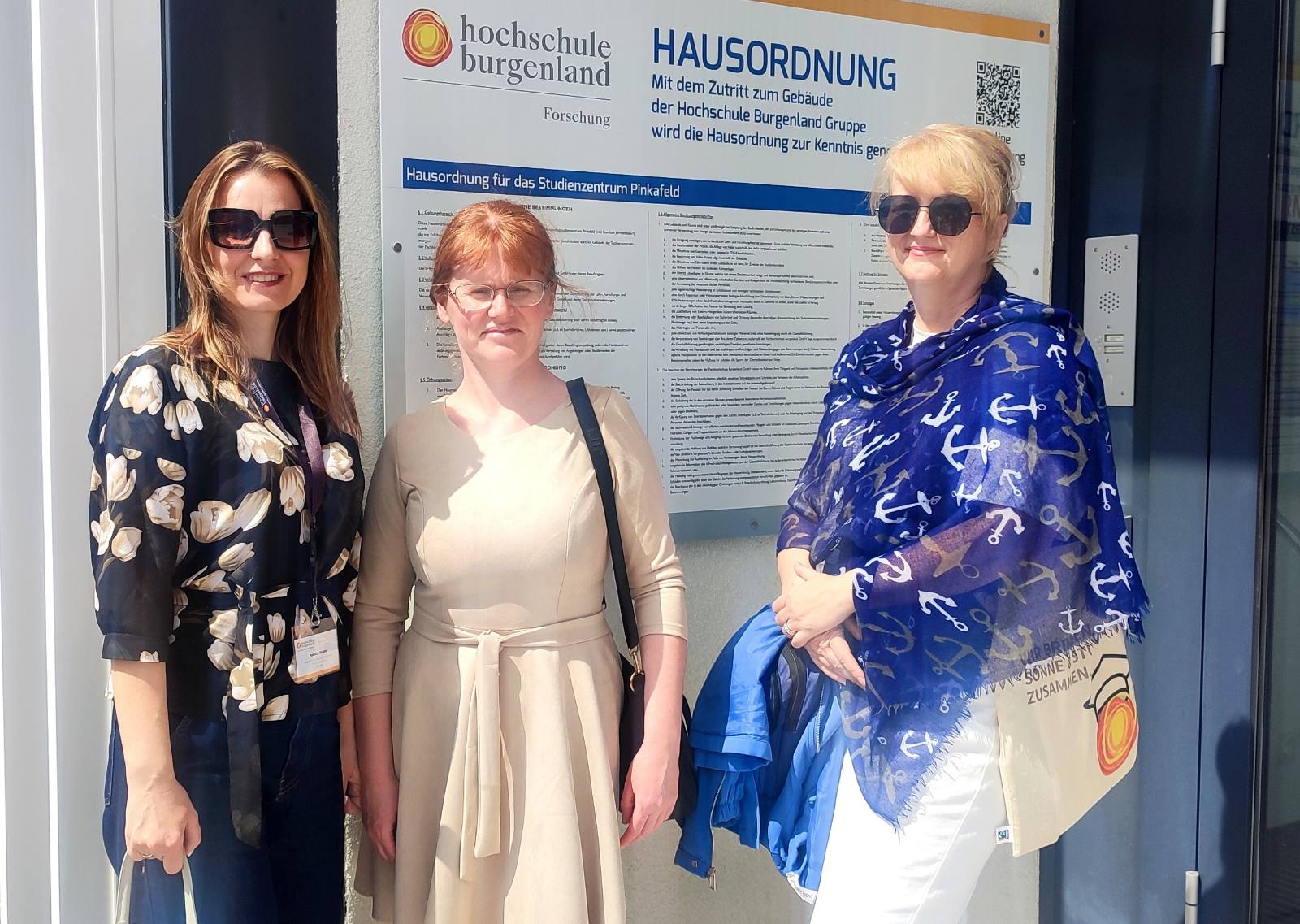
Participants had a unique opportunity not only to observe state-of-the-art equipment firsthand but also to explore prospects for joint scientific collaborations with their Austrian counterparts.
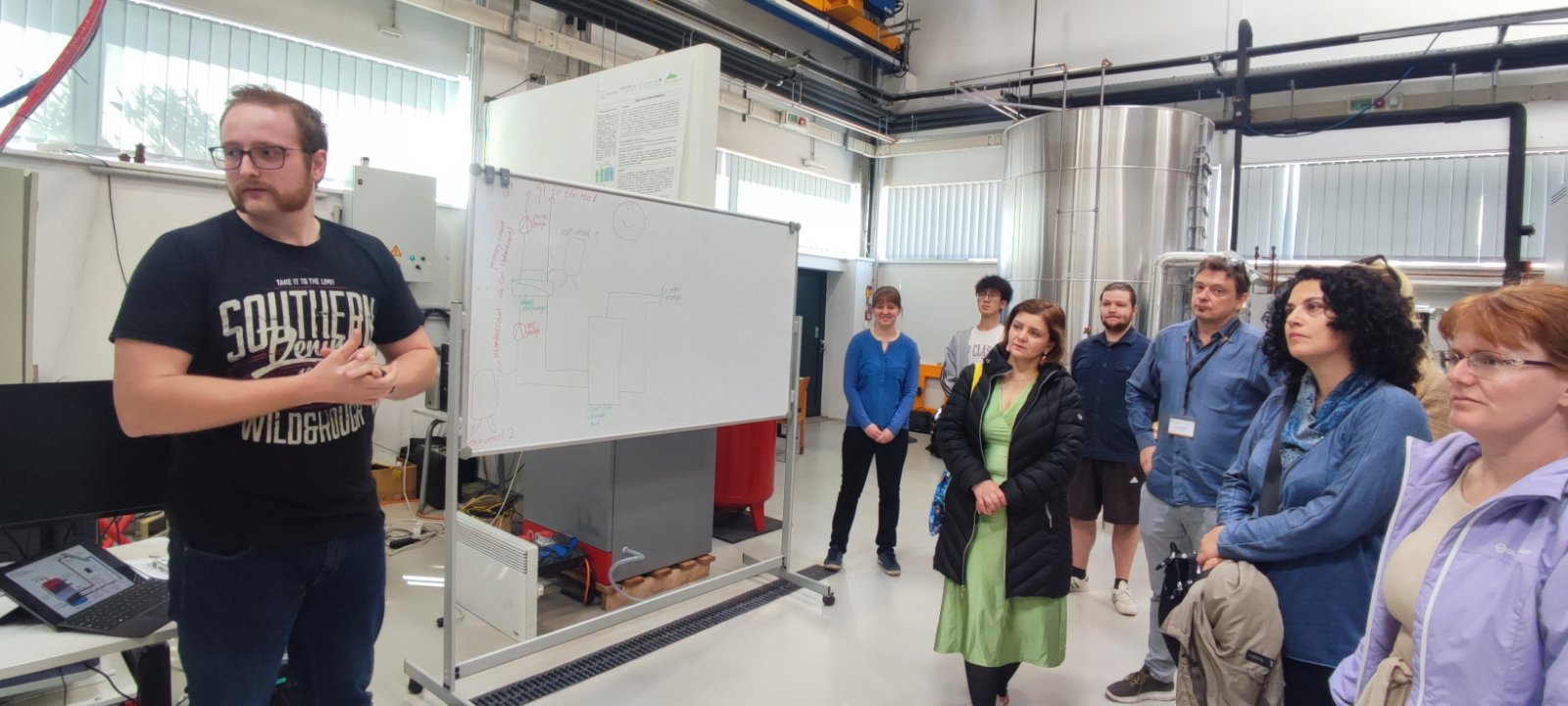
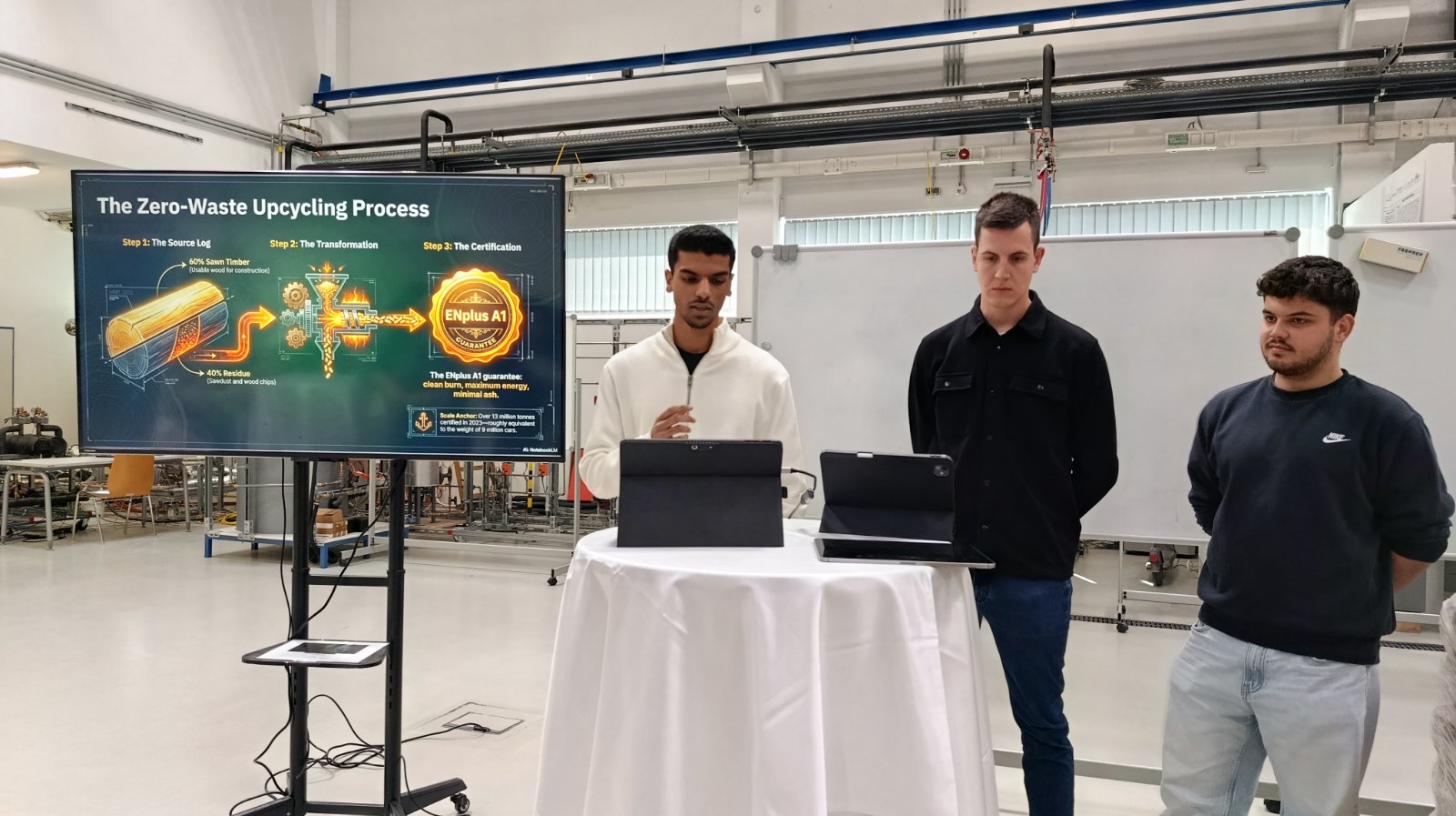
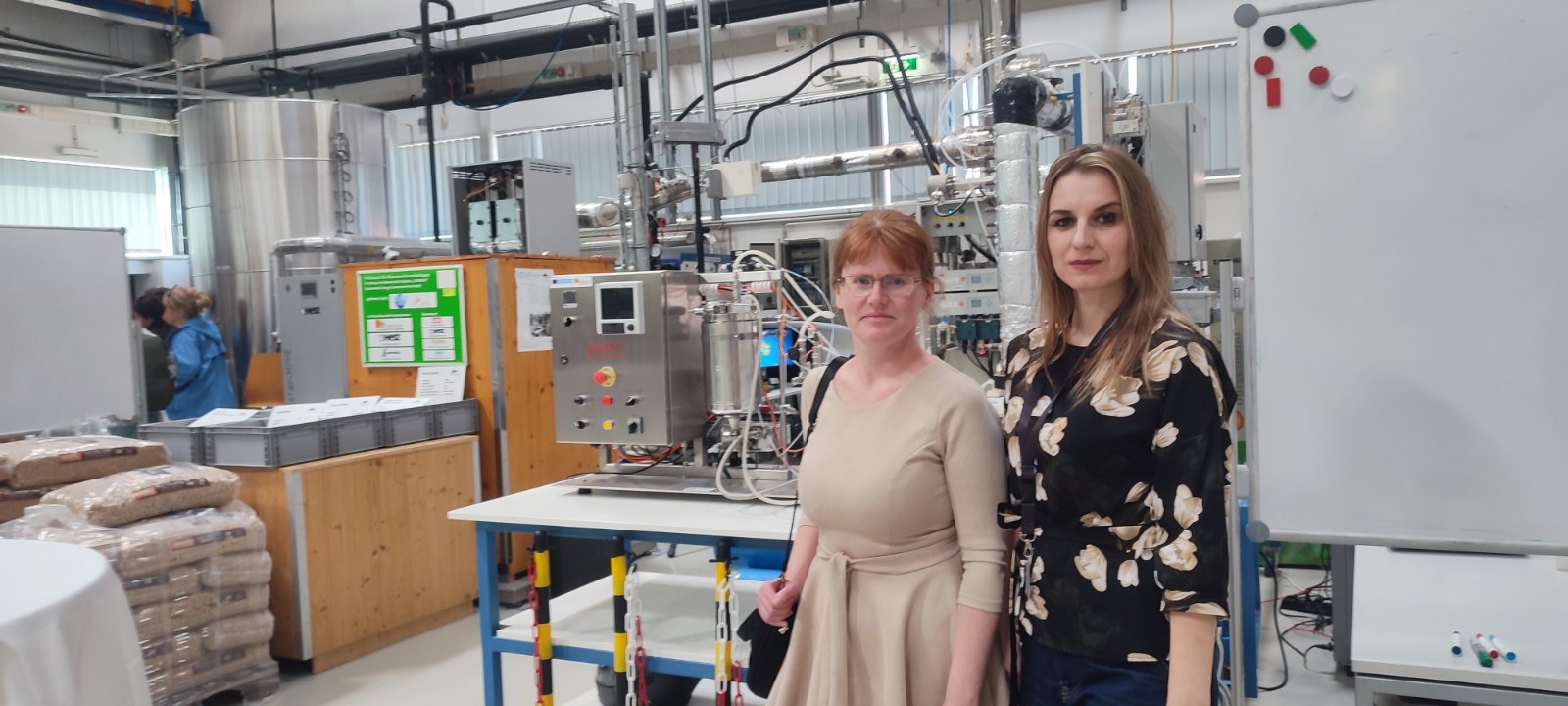
The visit served as a compelling illustration of how the synergy between science and practice at Campus Pinkafeld contributes to addressing today’s global climate challenges.
Friday, April 24, 2026, was dedicated to the exchange of practical experience in the field of research, quality management, and innovative educational formats. Of particular interest was the “Research Road Show” workshop, conducted by Verena Liszt-Rohlf, senior researcher of the Department of Business Studies. The participants made a virtual journey through the most interesting projects of the University of Applied Sciences Burgenland (UAS Burgenland). The guests learned about innovative business models in recycling.
Special focus was placed on the discussion of “future skills” (must-have skills), which modern students must possess for a successful career. Simultaneously, two sections worked, covering different aspects of higher school life.
Andrea Trink (Quality Management Department and Rectorate) presented an extraordinary report with the metaphorical title “Institutional Squirrel, or how to support teaching, research, and administration in a higher education institution”. She shared the secrets of balancing between bureaucratic processes and the development of academic freedom.
Stefanie Kern from the International Department presented the Tandem Language Programme. This project aims to promote mutual language learning through live communication between students and teachers from different countries.
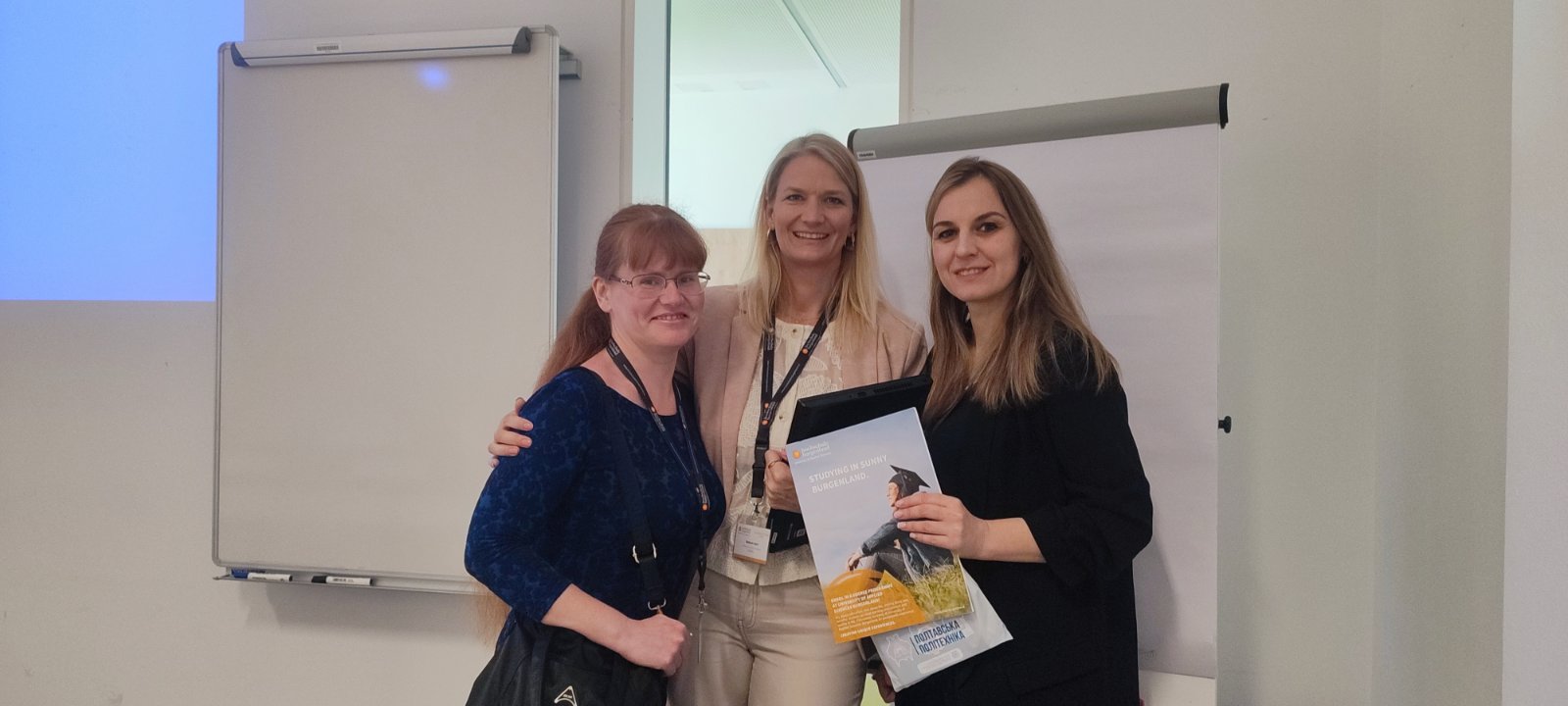
The productive engagement throughout the program, coupled with active participation in discussions and the mastery of innovative methodologies, has not only enriched the professional expertise of the Poltava Polytechnic scientists but also expanded the horizons for our university’s international cooperation.
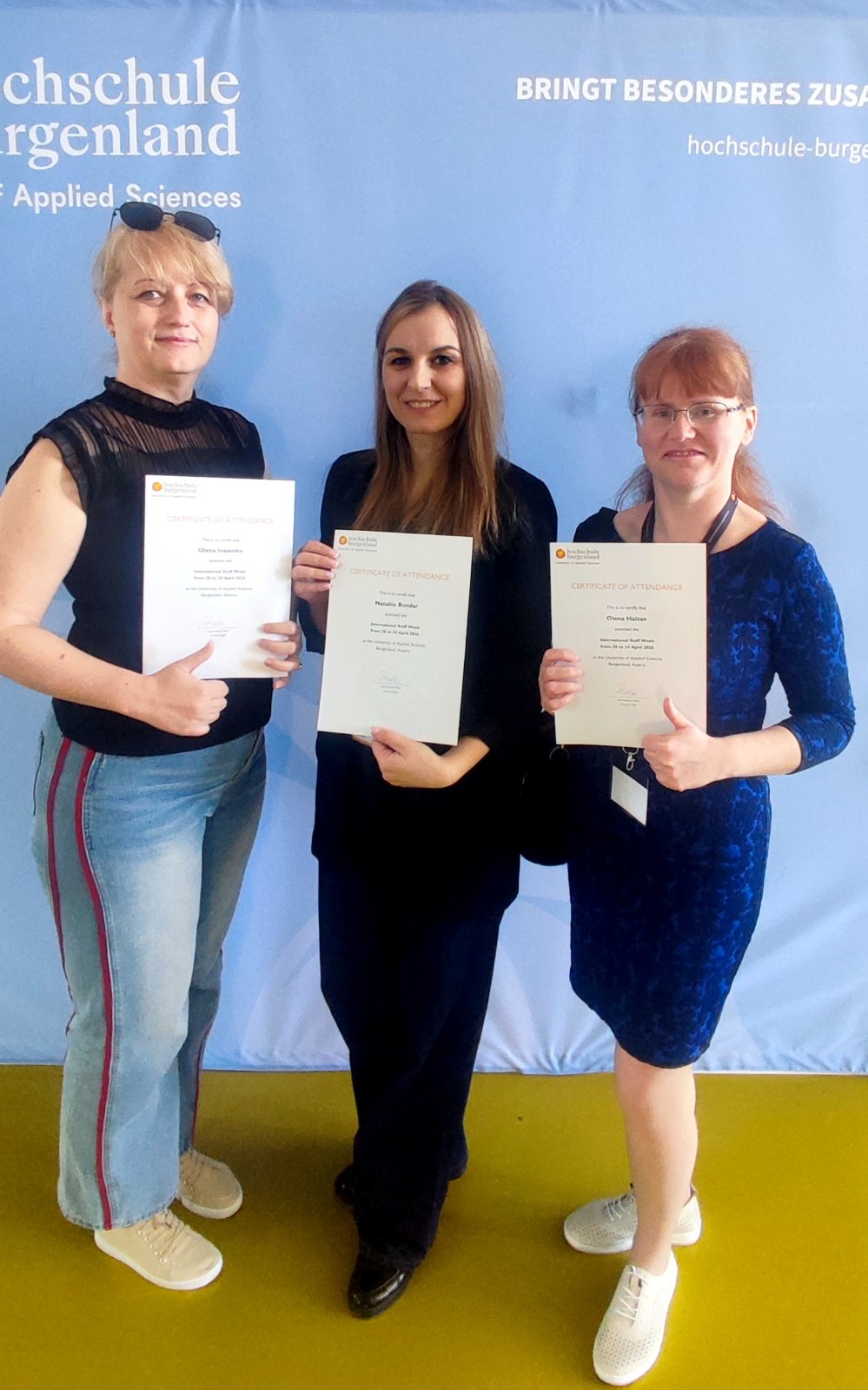
National University “Yuri Kondratyuk Poltava Polytechnic” thanks its partners at the University of Applied Sciences Burgenland for their fruitful cooperation!
It is worth noting that in the autumn of 2025, Yuliia Nikolaenko participated in the Erasmus+ academic mobility program for the third time at the Austrian University of Applied Sciences Burgenland (Hochschule Burgenland); previously, she had participated in the Erasmus+ and CEEPUS staff mobility programs at the same institution.
We remind you that lecturers from Poltava Polytechnic can participate in academic mobility and traineeship programs. Students can study abroad through Erasmus+ credit academic mobility grant programs for a semester or a full academic year at leading universities in Austria, Greenland, Denmark, Estonia, Spain, Lithuania, Latvia, Norway, the Netherlands, Germany, Poland, Portugal, Romania, Slovakia, Finland, and the Czech Republic.
For more detailed information on current traineeships, teaching, and academic mobility programs abroad, please get in touch with the International Relations Department (Room 213-C, interoffice@nupp.edu.ua).