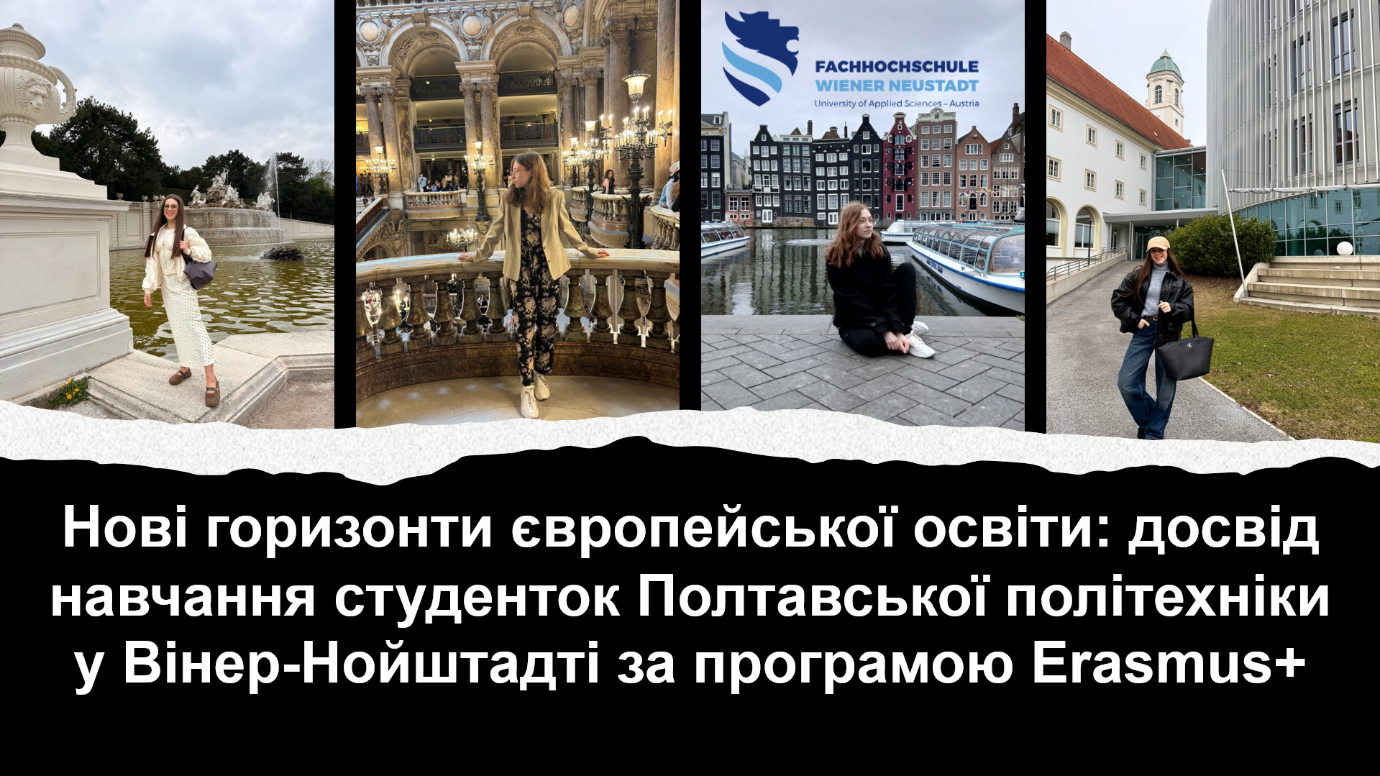
International cooperation at the National University “Yuri Kondratyuk Poltava Polytechnic” offers students opportunities to integrate into the European educational and scientific space. Thanks to the Erasmus+ ICM program, higher education students have the opportunity to study at foreign partner institutions, learn from advanced practices, and expand their professional horizons. One of these long-standing and successful areas of cooperation is the partnership with the University of Applied Sciences Wiener Neustadt in Austria.
Currently, two students at our university are enrolled in this program: Daria Shurduk (a 3rd-year Economics major) and Daryna Koretska (a 2nd-year International Economic Relations major). Throughout the semester, they are adapting to the requirements of the Austrian higher education system, working on group projects under the guidance of European experts, and practising language skills in a multicultural environment. The students shared their impressions regarding the specifics of the educational process, the practical component of classes, everyday life, and the opportunities for personal development offered by participation in mobility programs.
Daria Shurduk, a 3rd-year student of group 301-E majoring in speciality 051 “Economics”, spoke about the organisation of the academic process in Austria, interaction with international practitioners, and the expansion of her own horizons: “Within the framework of the Erasmus+ ICM program, I have the opportunity to study at the University of Applied Sciences Wiener Neustadt, specialising in Business Consultancy International. This experience is extremely valuable from both academic and personal perspectives, as it allows me not only to acquire new knowledge but also to adopt international practices and to communicate with students from around the world.
High demands and intensity characterise studies at Austrian universities, yet they are deeply practice-oriented. One of the main features of the educational process is the duration of classes: a lecture or seminar in a single discipline can last from 3 to 6 hours. Although maintaining concentration for such a period can be challenging, the instructors structure the work in a highly dynamic way. Classes are conducted in an interactive format, where theoretical material is always combined with the analysis of real case studies and business situations. This allows us not only to absorb the theory but also to clearly understand how to apply this knowledge in our future professional activities.
Outstanding specialists shape the educational process at our university. Since each instructor is an active practitioner in their field, lectures become a lively exchange of current experience and analysis of real-world cases. A striking example is Antonija Pacek, a multifaceted professional who successfully combines business consulting with the arts. She helps organisations develop strategies and implement innovations, and outside of business, she is a recognised composer of modern neoclassical music and a member of the US Recording Academy (Grammy). Furthermore, her collaboration with Harvard University’s educational programs highlights the high level of her expertise and international recognition.
The university regularly organises guest lectures with leading practitioners, allowing us to keep our finger on the pulse of modern trends in business and consulting. A particularly valuable experience was a meeting and workshop with Babs Faseesin, a New York-based business strategist and expert in marketing and leadership. As an authoritative consultant to global brands such as M&M’s, LEGO, Samsung, Coca-Cola, Toyota, and Nestlé, he shared practical insights on strategic planning, AI integration, leadership, and personal growth.
Regular assessments in the form of tests during the semester encourage systematic study of the material, while the final assessment for each discipline consists of a written exam and the defence of a group project. Since the evaluation requirements are quite high, my project team colleagues and I have already begun active preparation.
However, perhaps the most valuable aspect of this program for me is its international environment. About 30 students from around the world, including the USA, Mexico, Japan, Taiwan, South Korea, the Netherlands, Spain, and Italy, participate in the exchange program. The local students who study here permanently are also very open and always ready to help. This creates excellent conditions for intercultural dialogue, learning about traditions, and exchanging experiences. A separate and important mission for me is to tell foreign colleagues about Ukraine and the events taking place in our country, as representatives of geographically distant regions do not always have complete information. It is also a good opportunity to present my home university, highlighting its development and resilience despite current challenges.
The university actively promotes students’ social integration by organising numerous workshops, excursions, and events. For instance, one such event was the Cross-Cultural Workshop, which facilitated a deeper understanding of the nuances of communication among representatives of different cultures.
Therefore, participation in the Erasmus+ ICM program is an extremely valuable opportunity for my personal and professional development. It is an experience that fosters self-improvement, enhances communication skills, widens horizons, and shapes new approaches to learning and interacting with people from different cultures.
I am sincerely grateful to the administration of National University “Yuri Kondratyuk Poltava Polytechnic” for providing the opportunity to participate in the Erasmus+ ICM program, which opens new horizons, builds international experience, and makes a significant contribution to my future professional path.
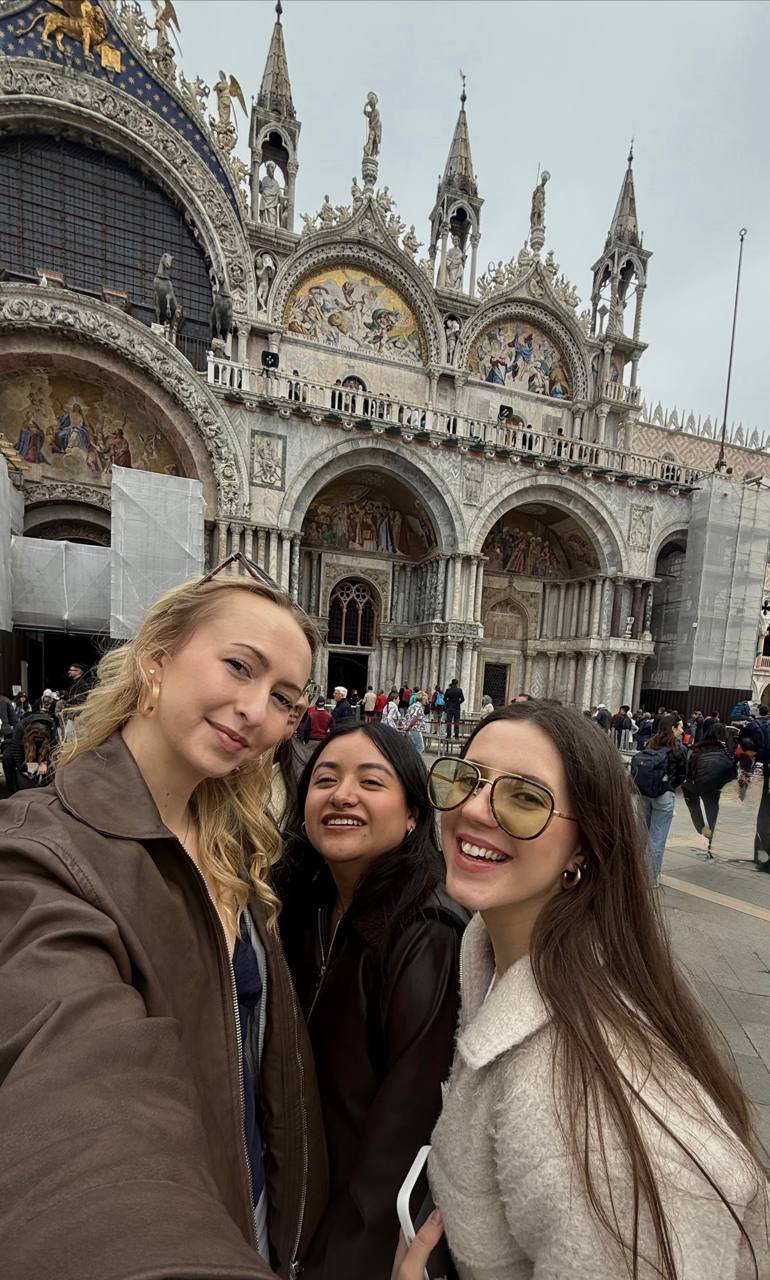
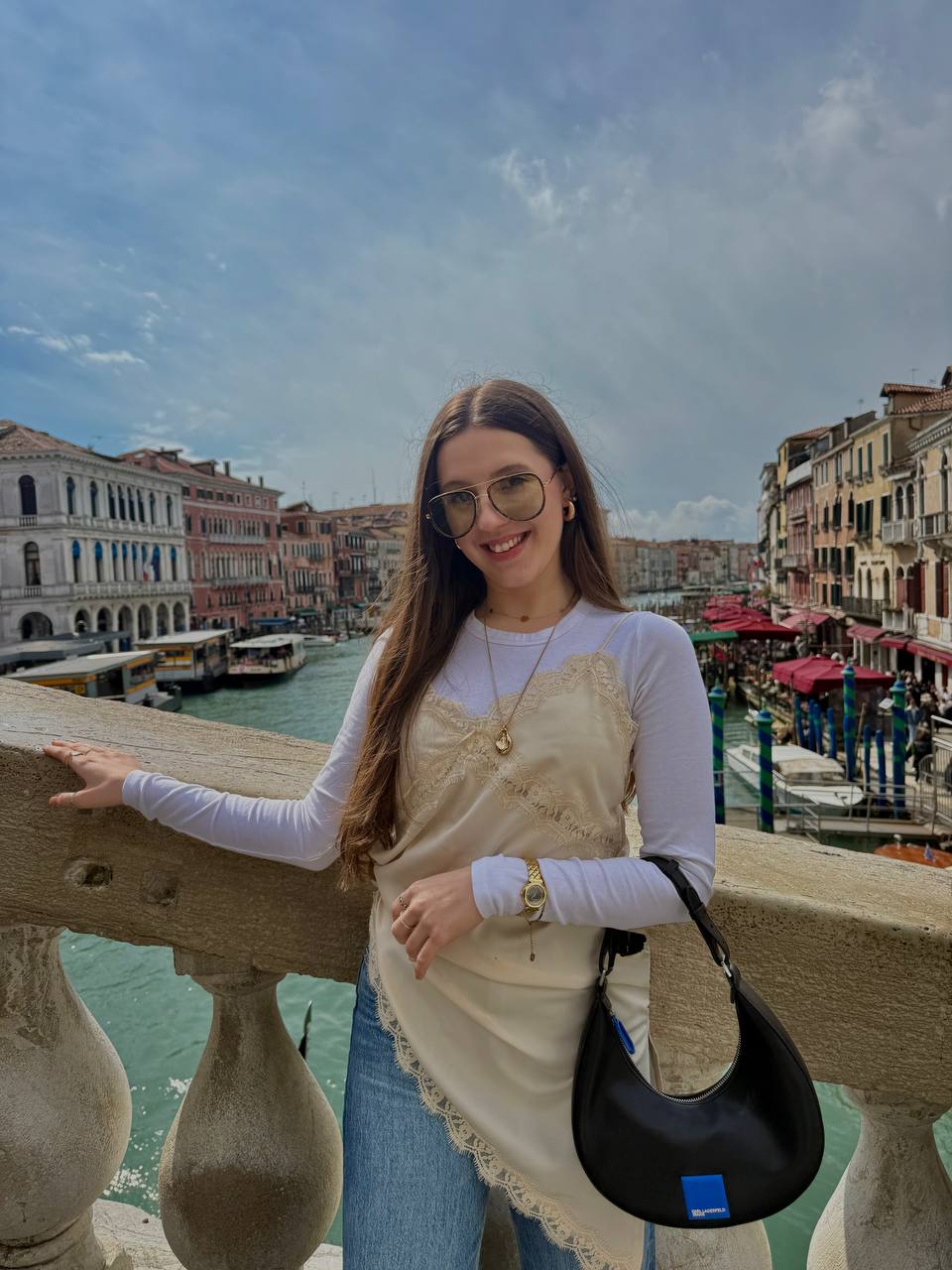
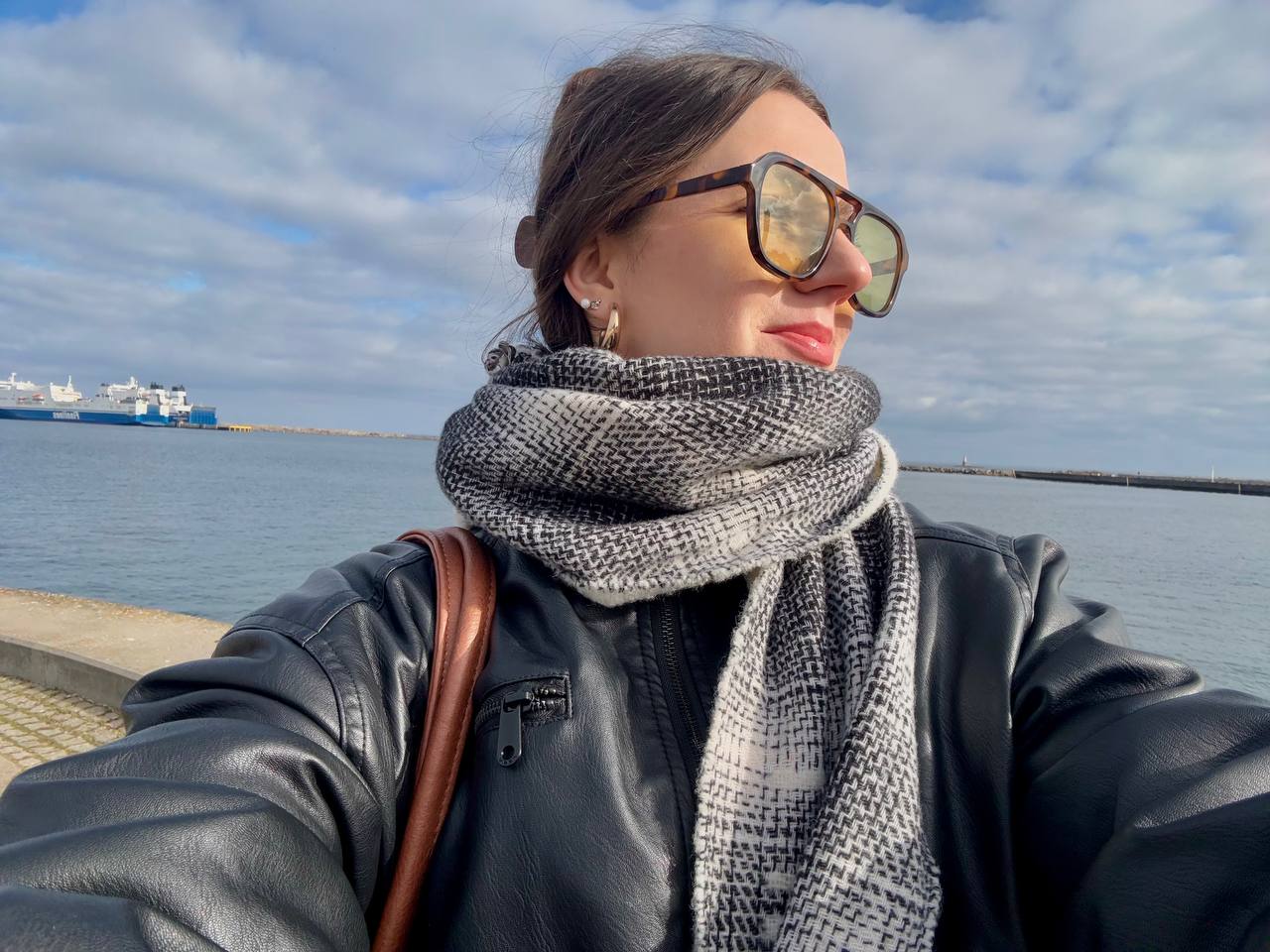
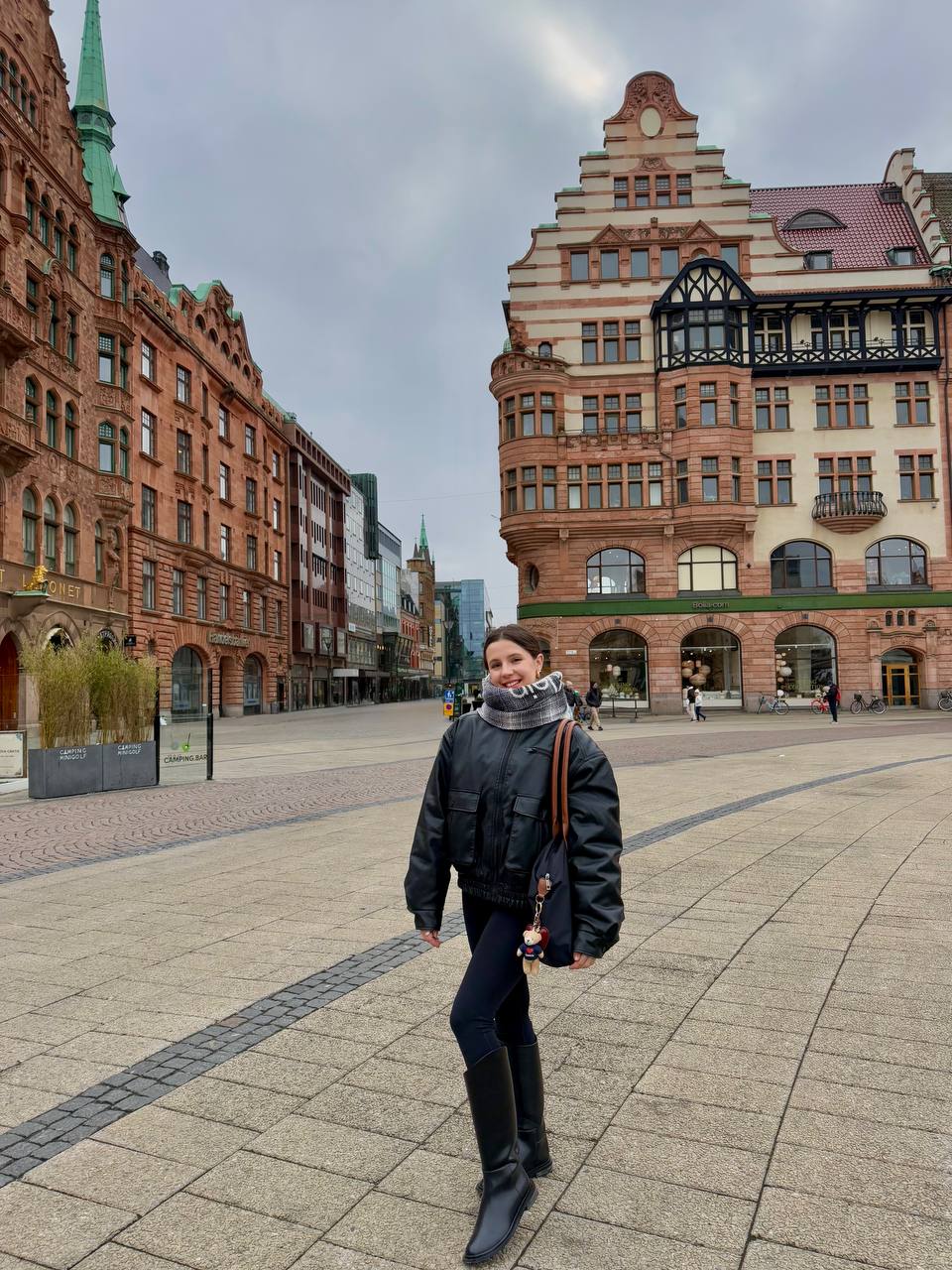
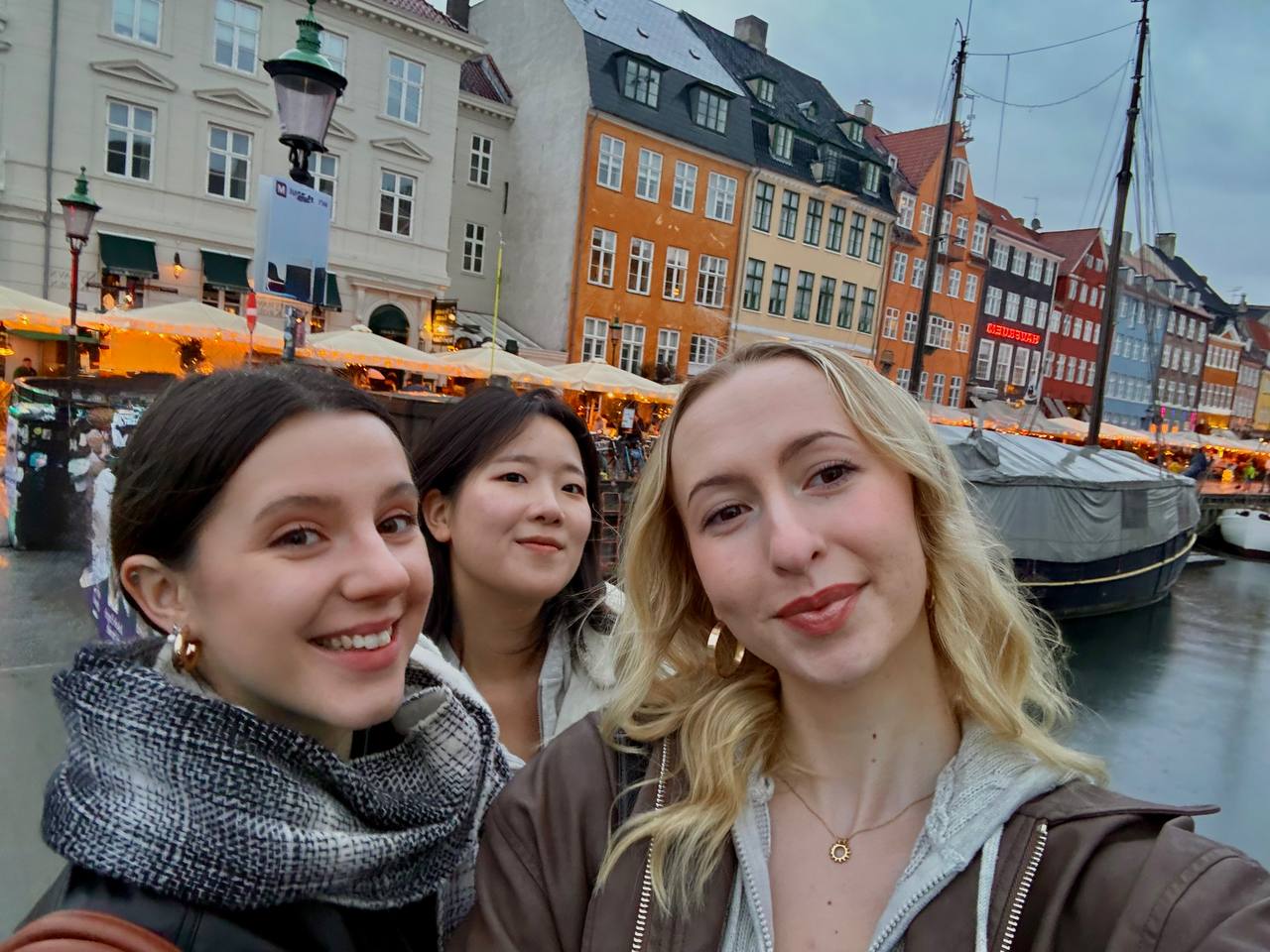
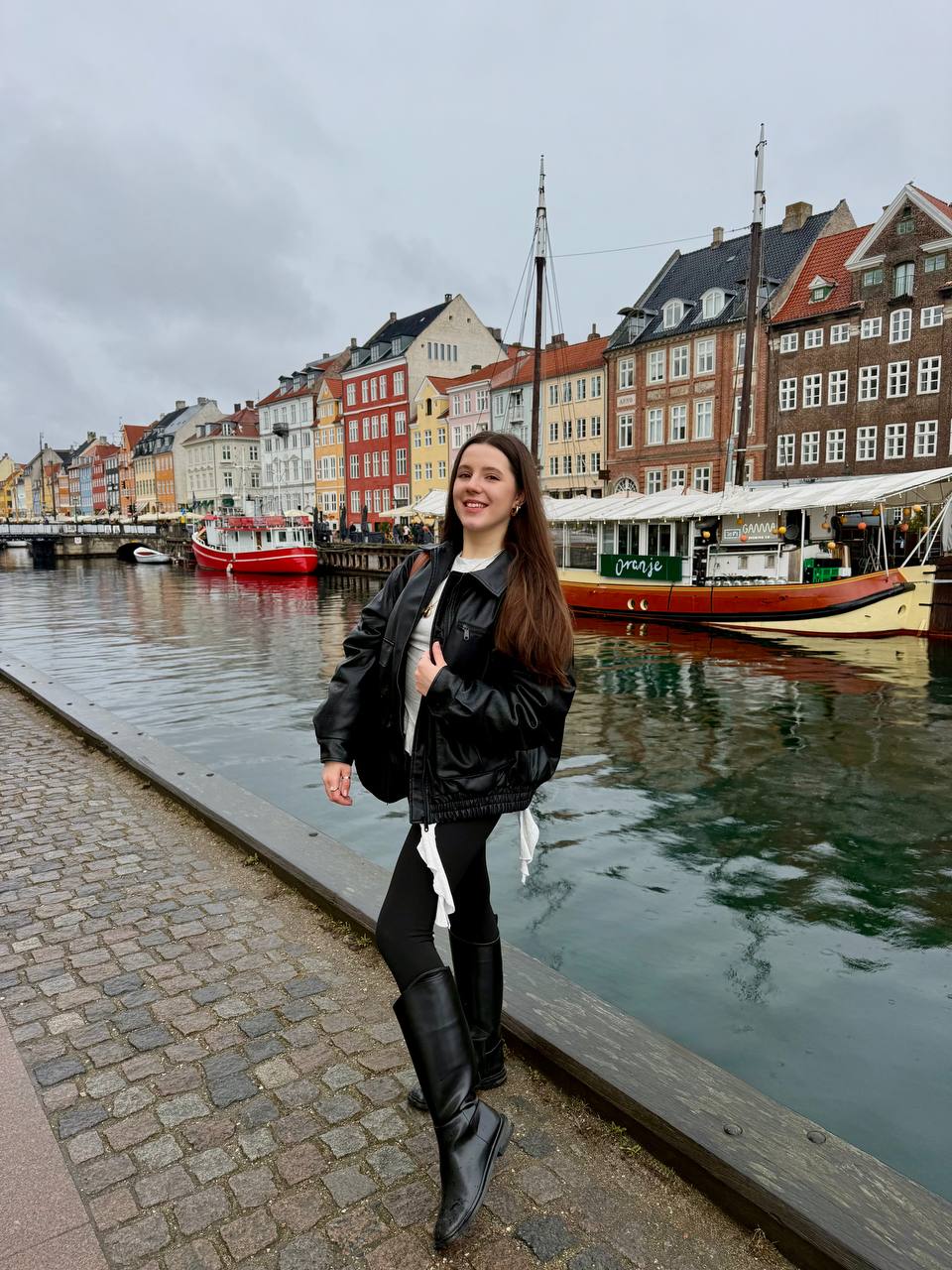
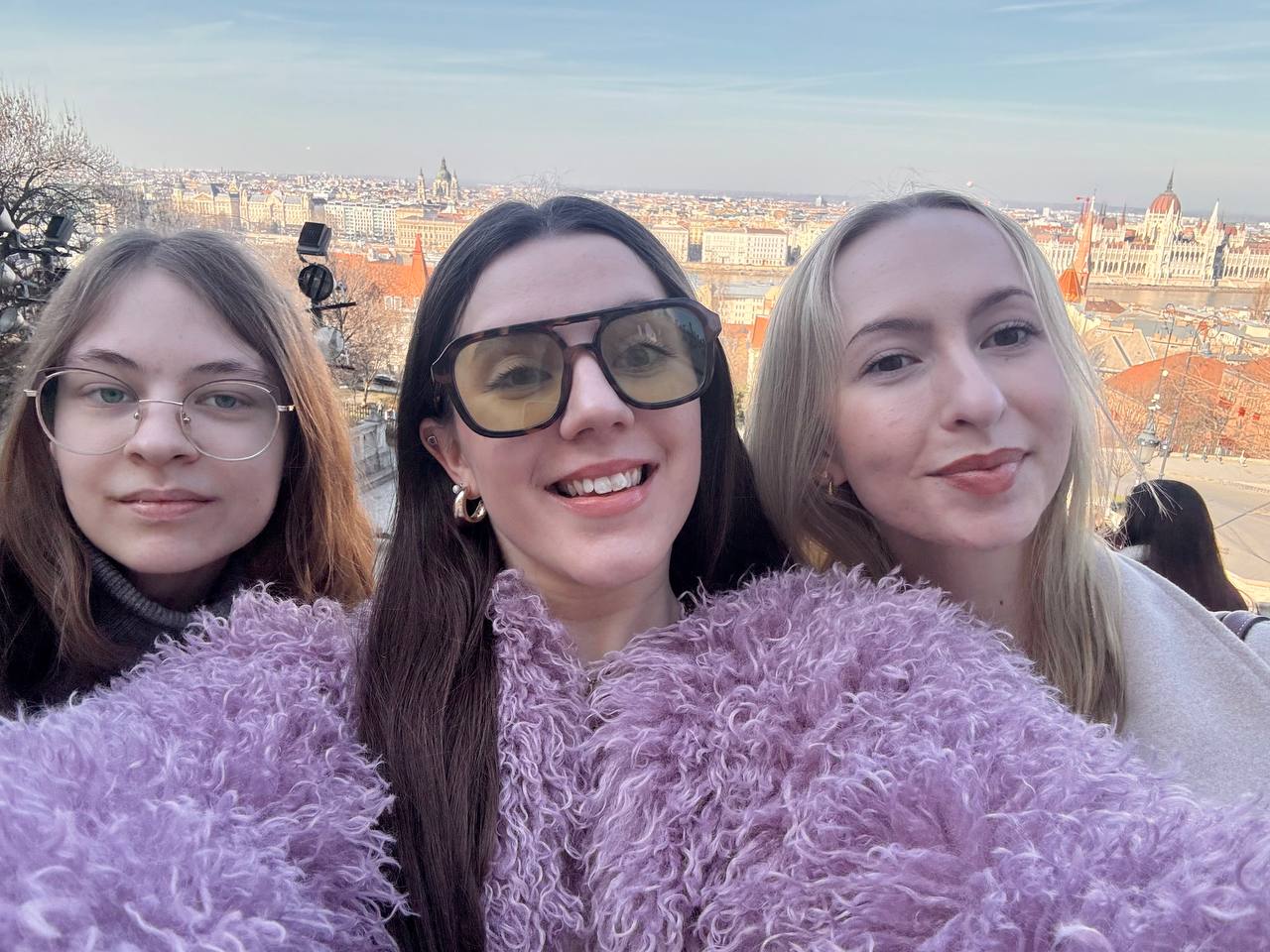
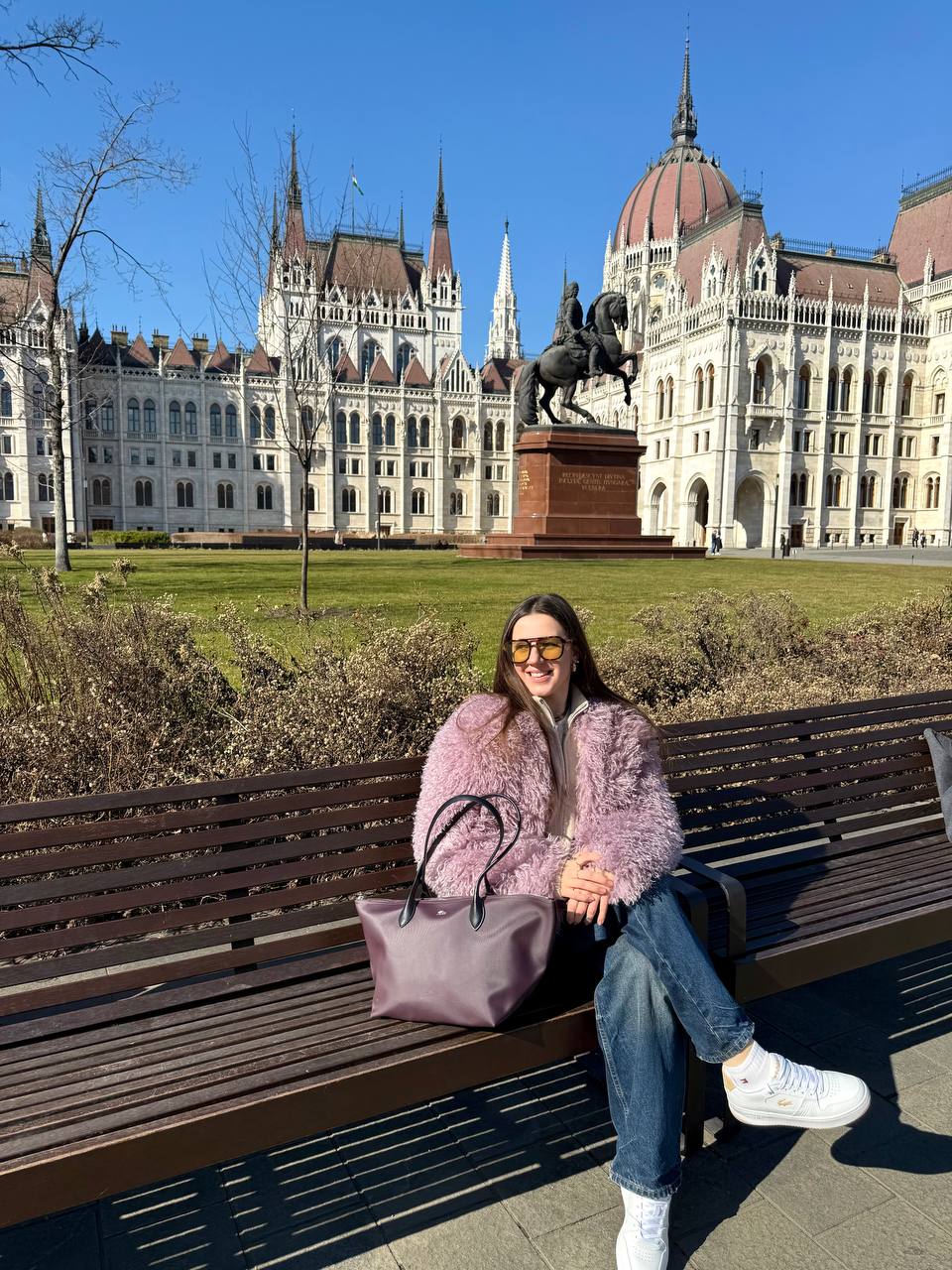
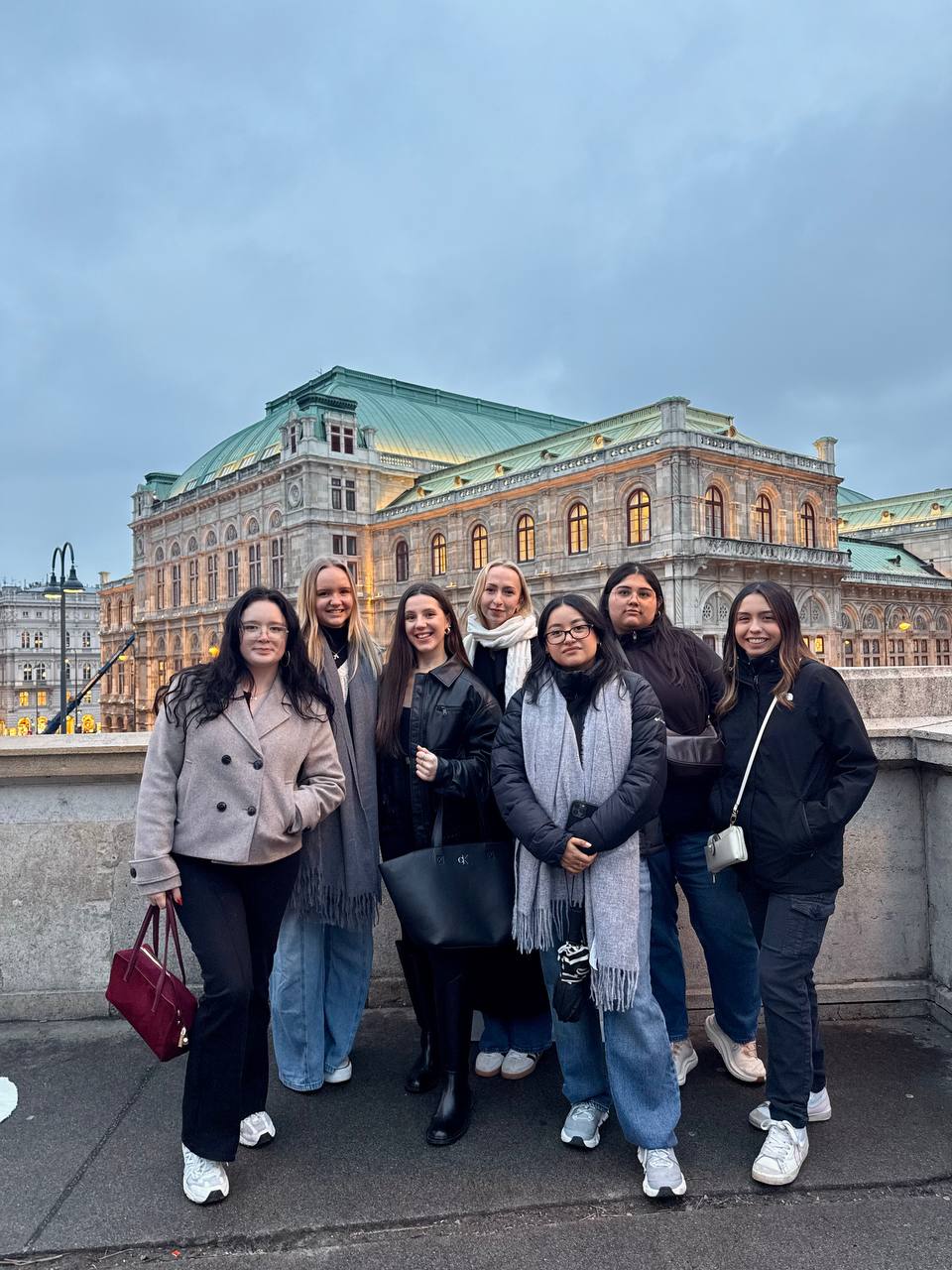
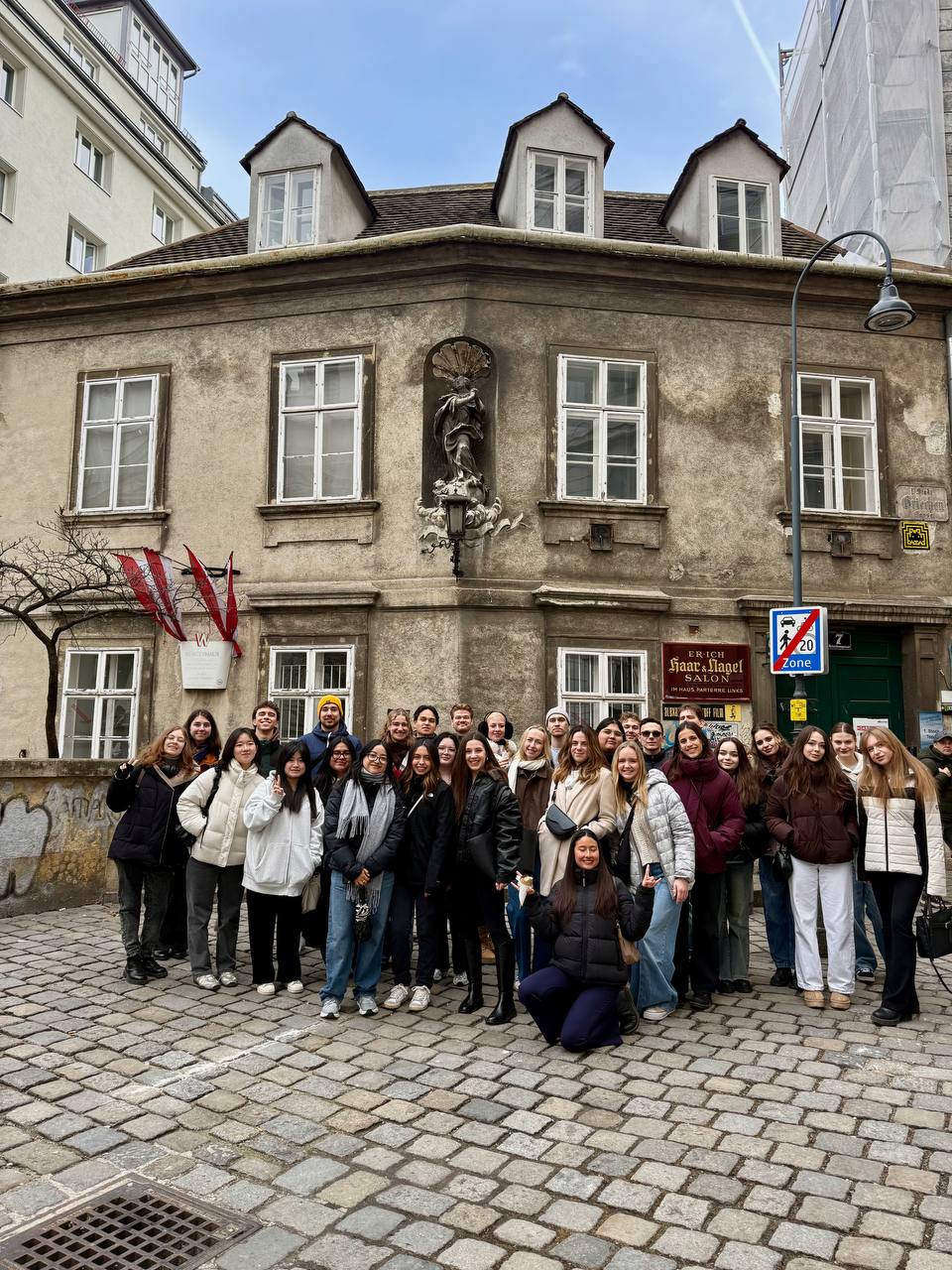
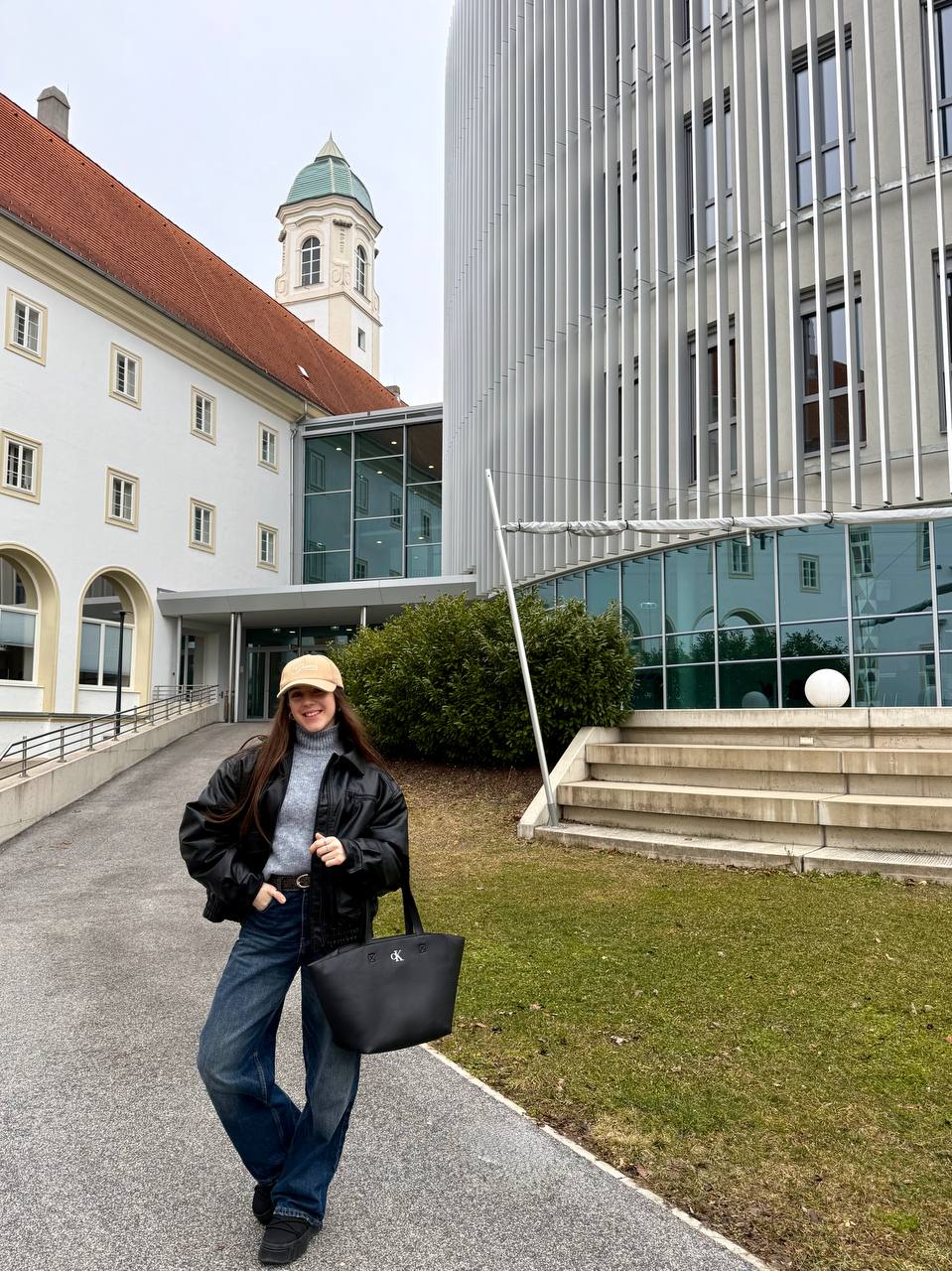
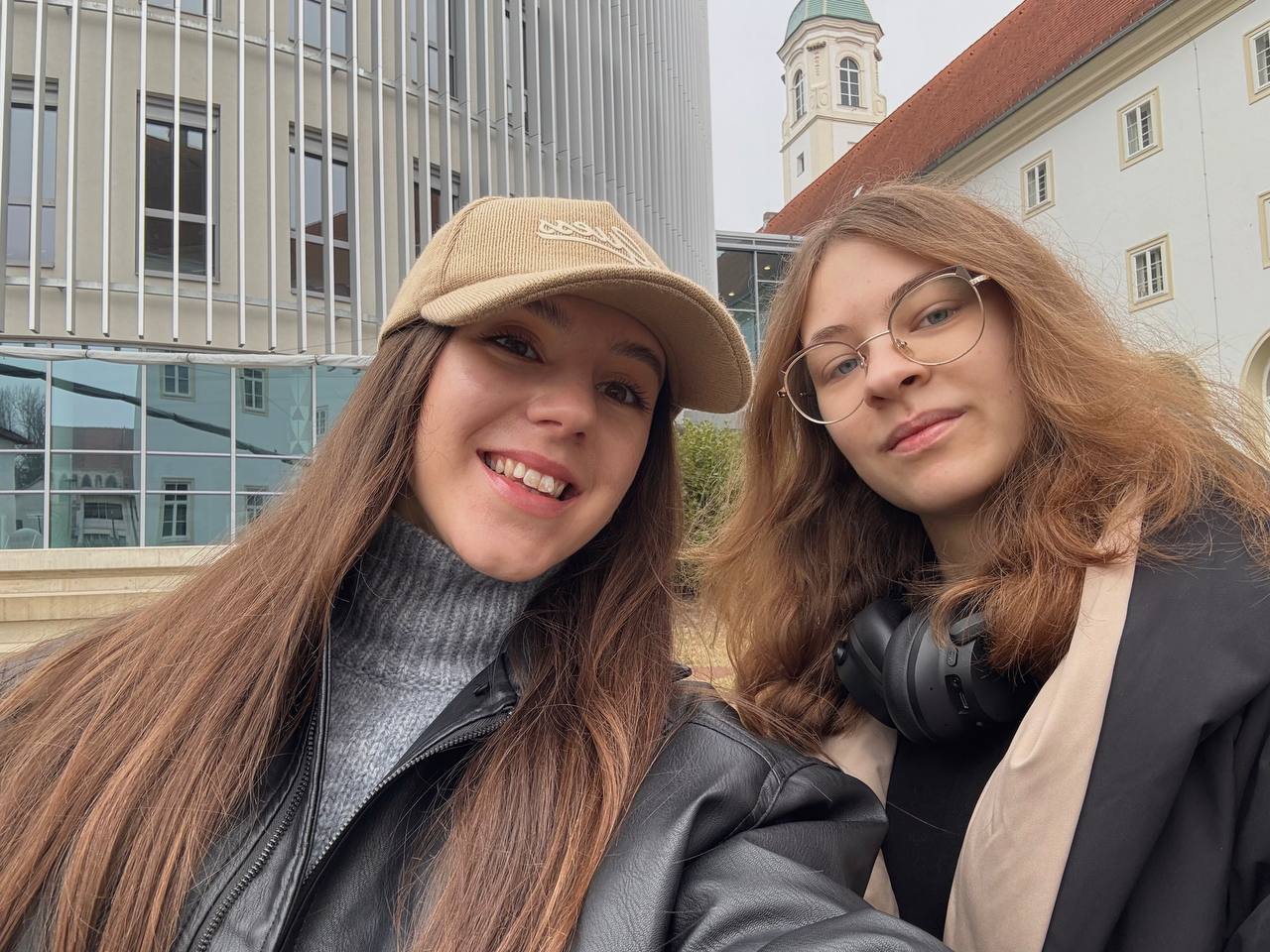
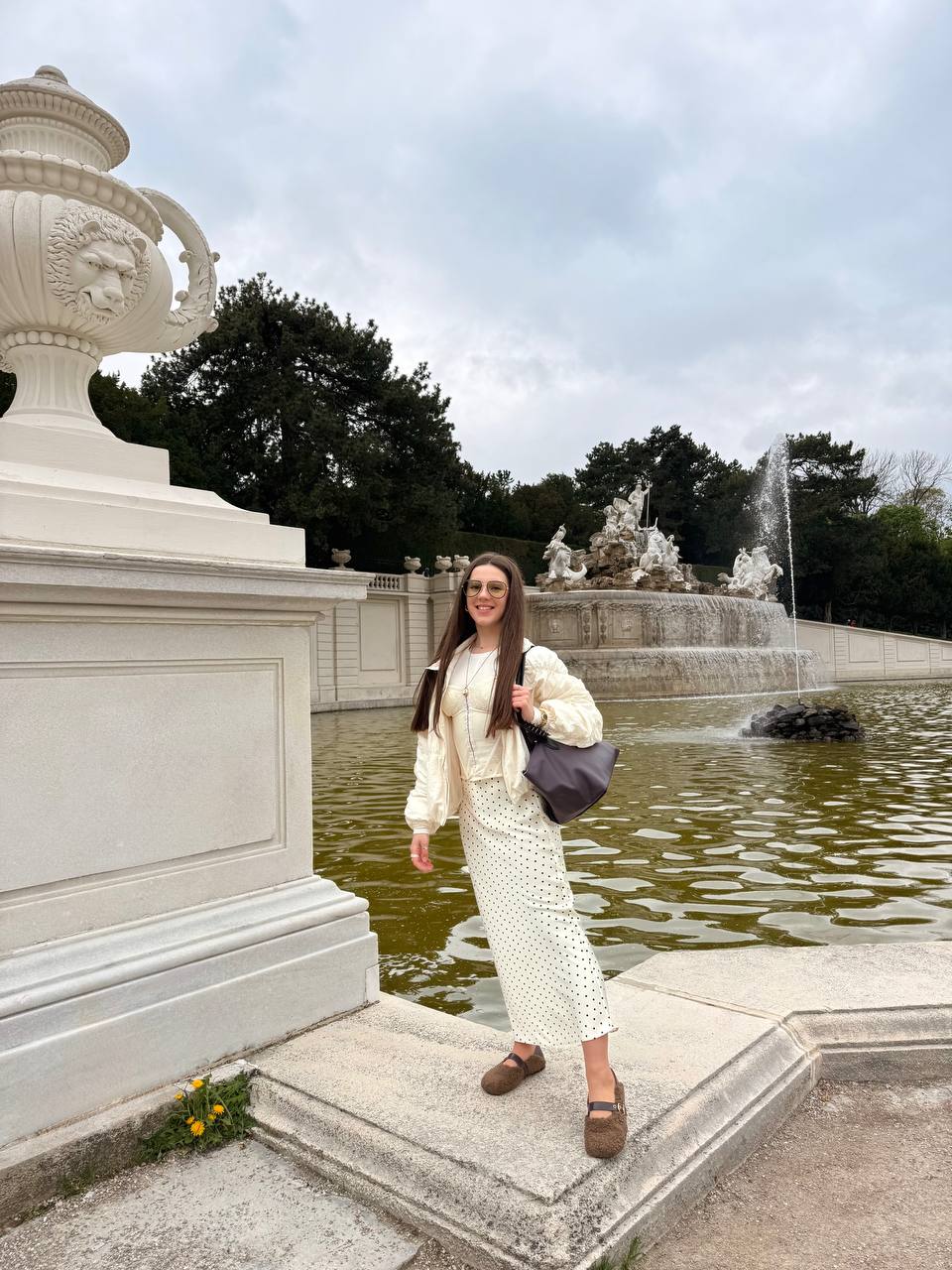
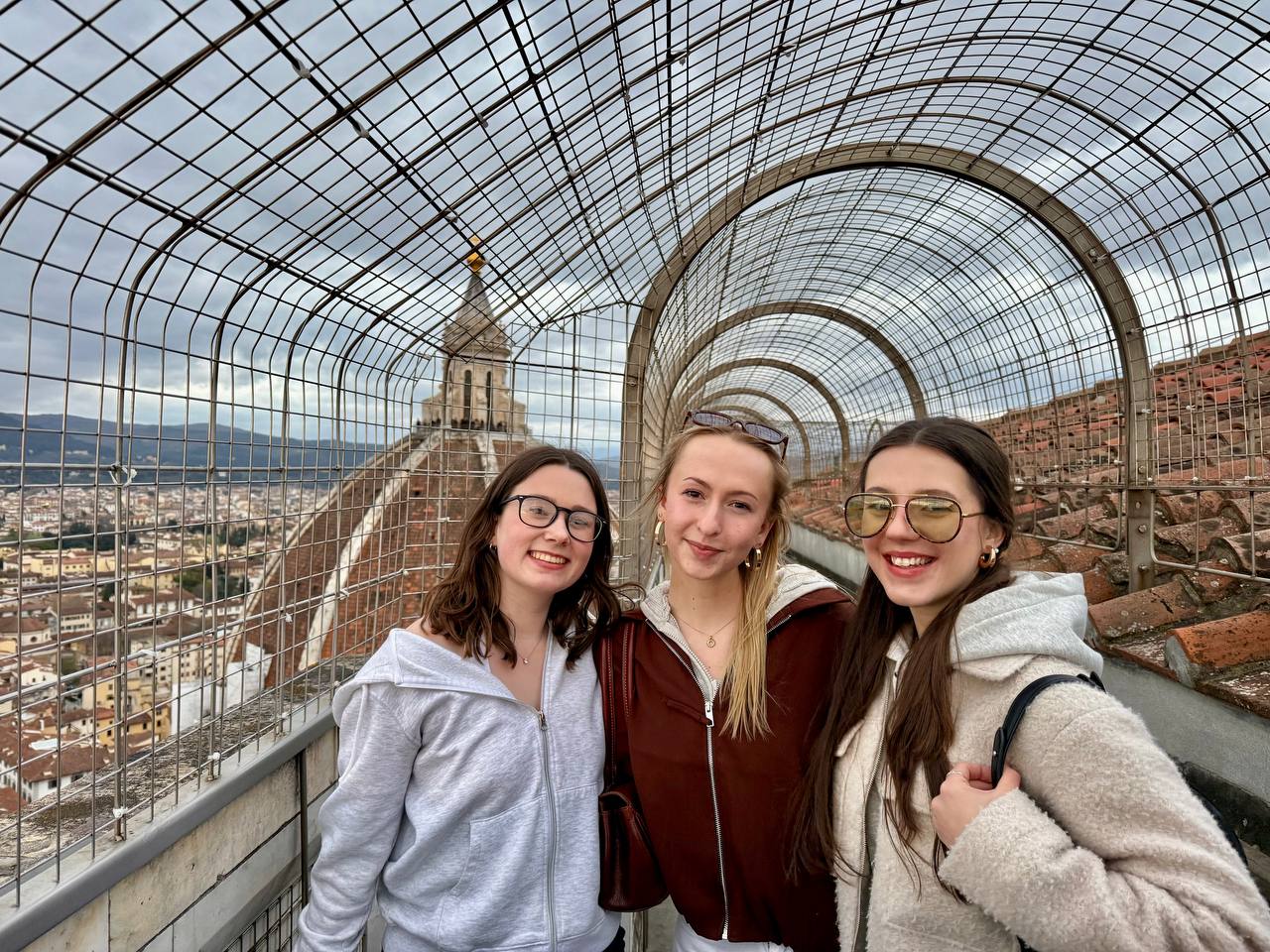
Daryna Koretska, a 2nd-year student of group 201-FM majoring in International Economic Relations, also shared her experience of staying in Austria. She spoke about the specifics of adaptation in a small European city, practical experiments during classes, and the importance of overcoming the first barriers on the way to independent life: “For a little over two months, I have been studying at the University of Applied Sciences Wiener Neustadt in Austria, and this is undoubtedly an unforgettable experience. Learning, focused on the practical application of knowledge; meeting new people; exploring different cultures; and travelling are among the things the Erasmus+ academic mobility program has already given me in this short period.
Wiener Neustadt is a relatively small town, but very clean and welcoming, with mesmerising mountain views, and Vienna, the capital of Austria, is only 30-50 minutes away by train. Here, you learn self-discipline not only in the academic sense but also in everyday life. For example, they take waste sorting very seriously, and there is even a tax on plastic bottles that can be refunded when they are returned to special reverse vending machines.
The university itself welcomes us very warmly; all teachers and staff here are eager to help with any questions and are highly cooperative. Already in the first month, excursions were organised for us to Vienna and the Zotter chocolate factory, where you can try over 300 different chocolate samples! And this is far from a complete list.
It is also a place where you find inspiration for professional development. One need only mention Career Day, where students had the opportunity to listen to short thematic lectures by university graduates working at companies such as Coca-Cola, Raiffeisen, and Henkel, and to receive practical advice on which skills to focus on for successful employment. In general, the university hosts many open lectures, and participation in them is highly encouraged.
Studies here are different; for example, classes last 2 hours or more, depending on the discipline’s requirements, but teachers take breaks, coordinating them with the students. Assessment in each discipline is individual. For example, for “Business Information Systems”, it is necessary to pass four exams by completing tasks in Microsoft Access, each worth up to 30 points toward the semester grade. For “Marketing Strategy and Planning”, the final presentation is important and is worth 70 points. For the latter subject, our course was very condensed – classes three days in a row from 9 am to 5 pm, a lot of theoretical material, and even more group work for the final presentation, which involved applying marketing strategies to promote a real online wakeboard store. However, these classes did not feel long at all, as interesting tasks to consolidate the material, such as morning meetings outside where games like Alias were played using the studied terms, kept us engaged. Interestingly, the instructor lives and works in the Netherlands, meaning she came to Austria only for these three days. In the “Principles of Marketing and Sales” classes, we had the opportunity to try out eye-tracking technology and conduct an experiment with a focus group. In general, group work is very common here, whether in joint projects or simply discussing questions and tasks during lectures.
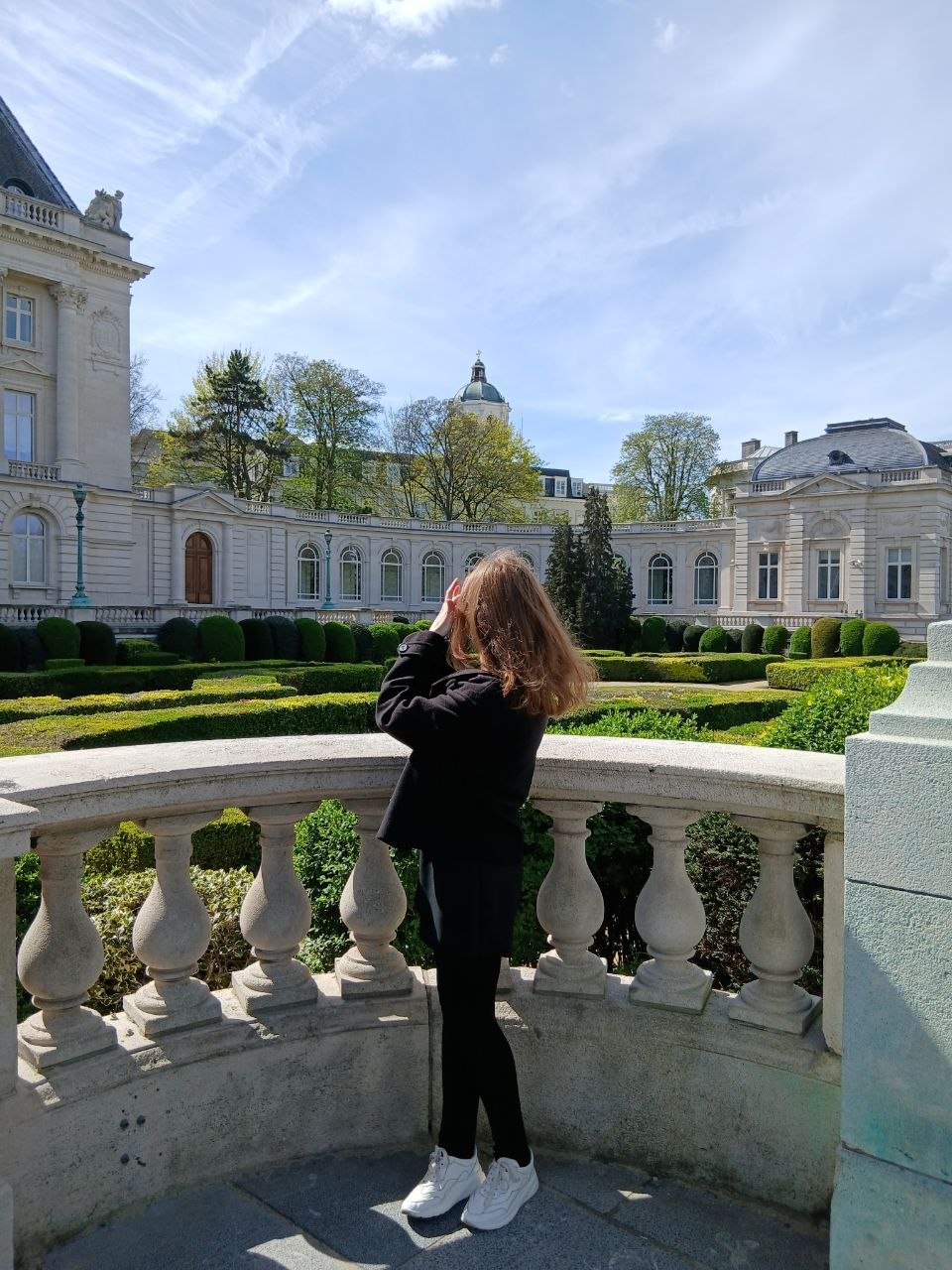
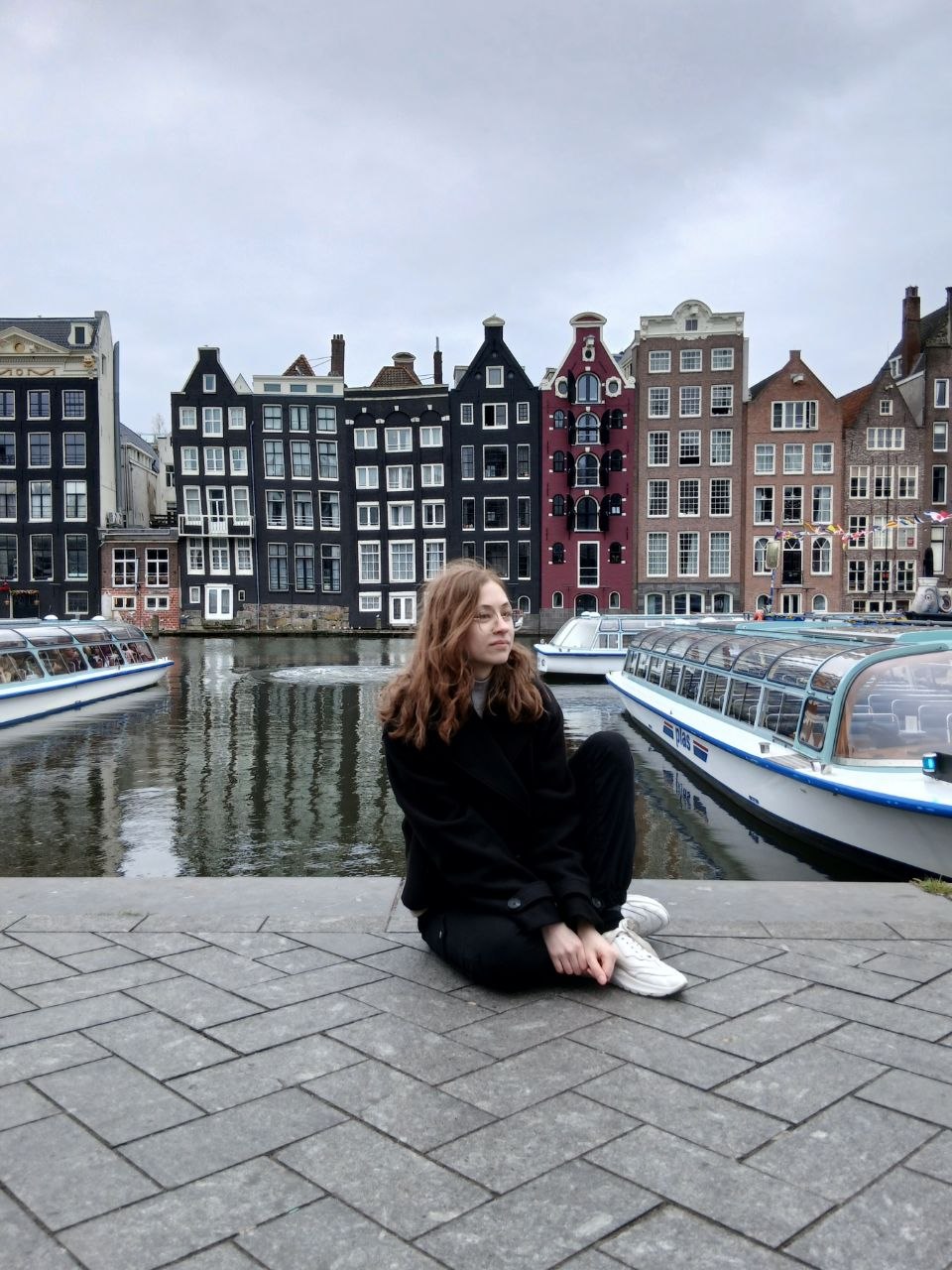
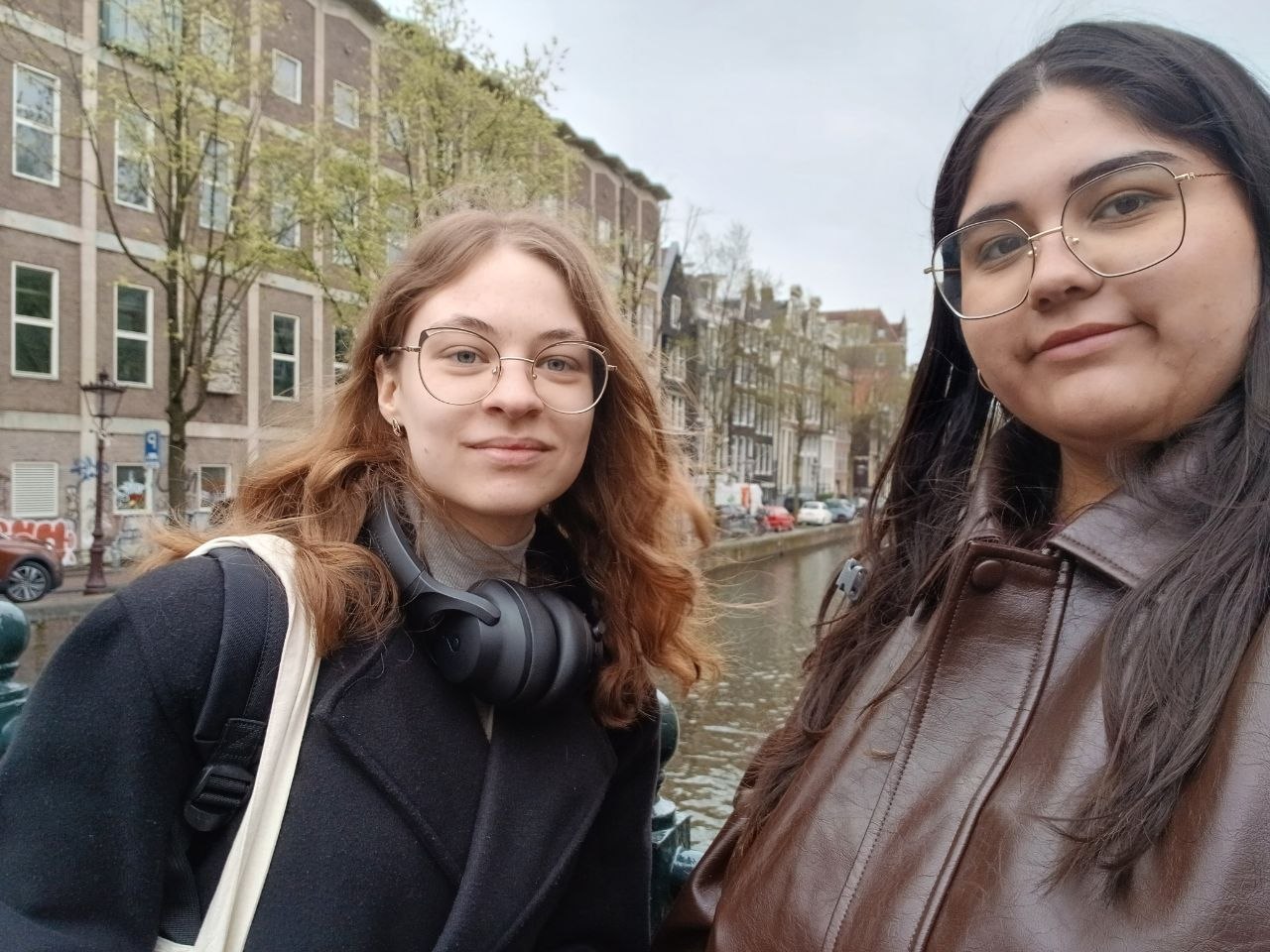
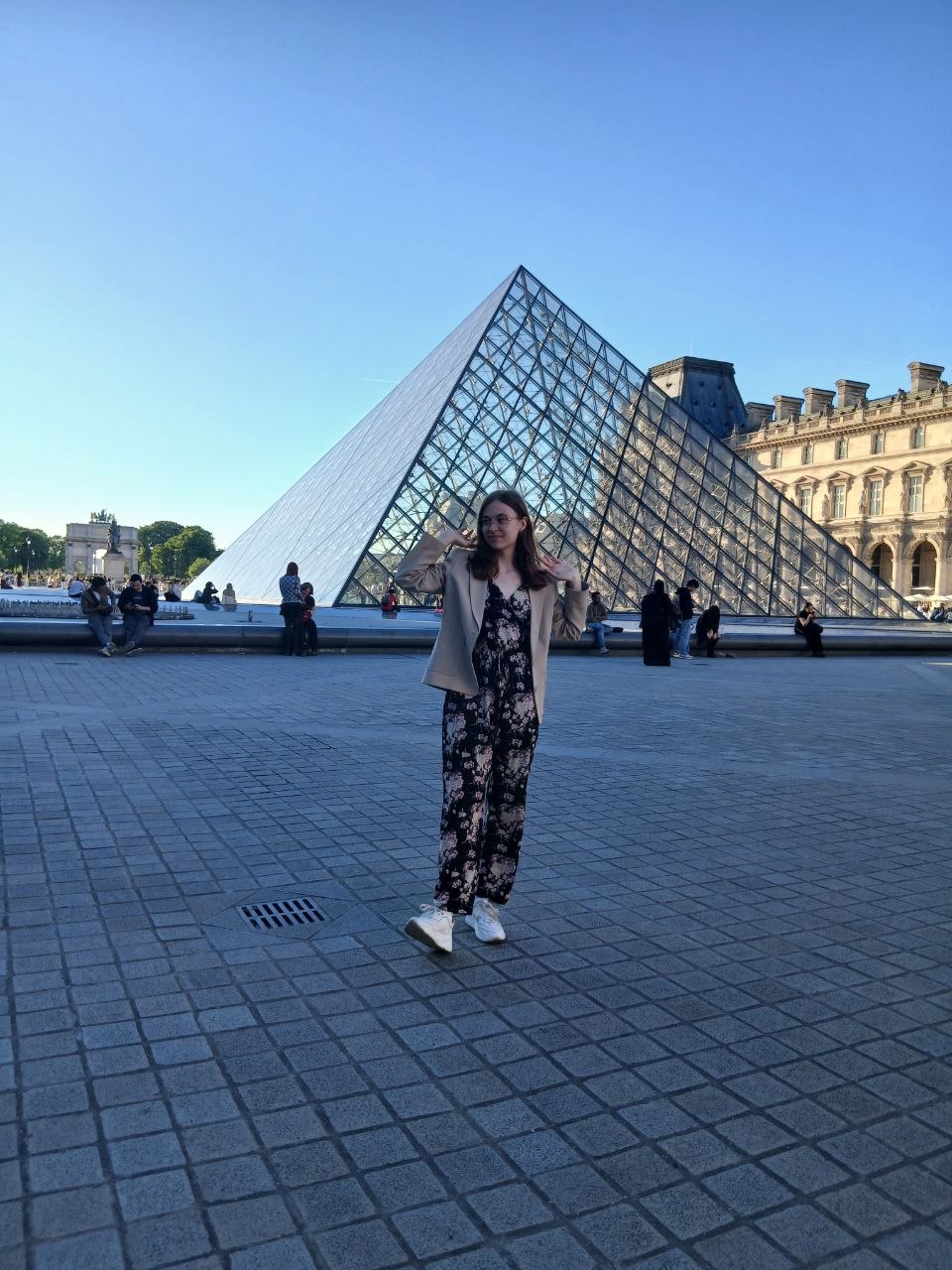
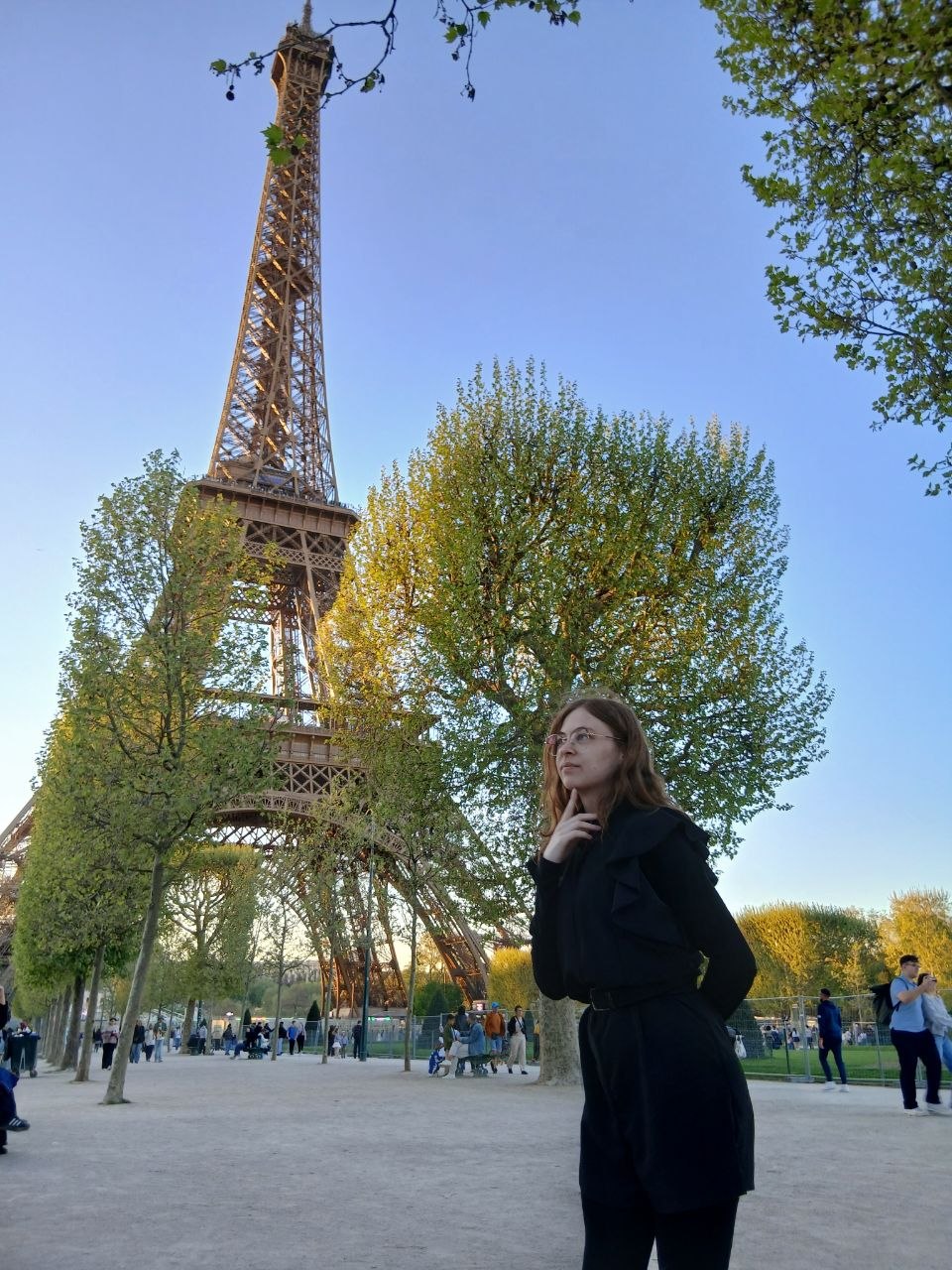
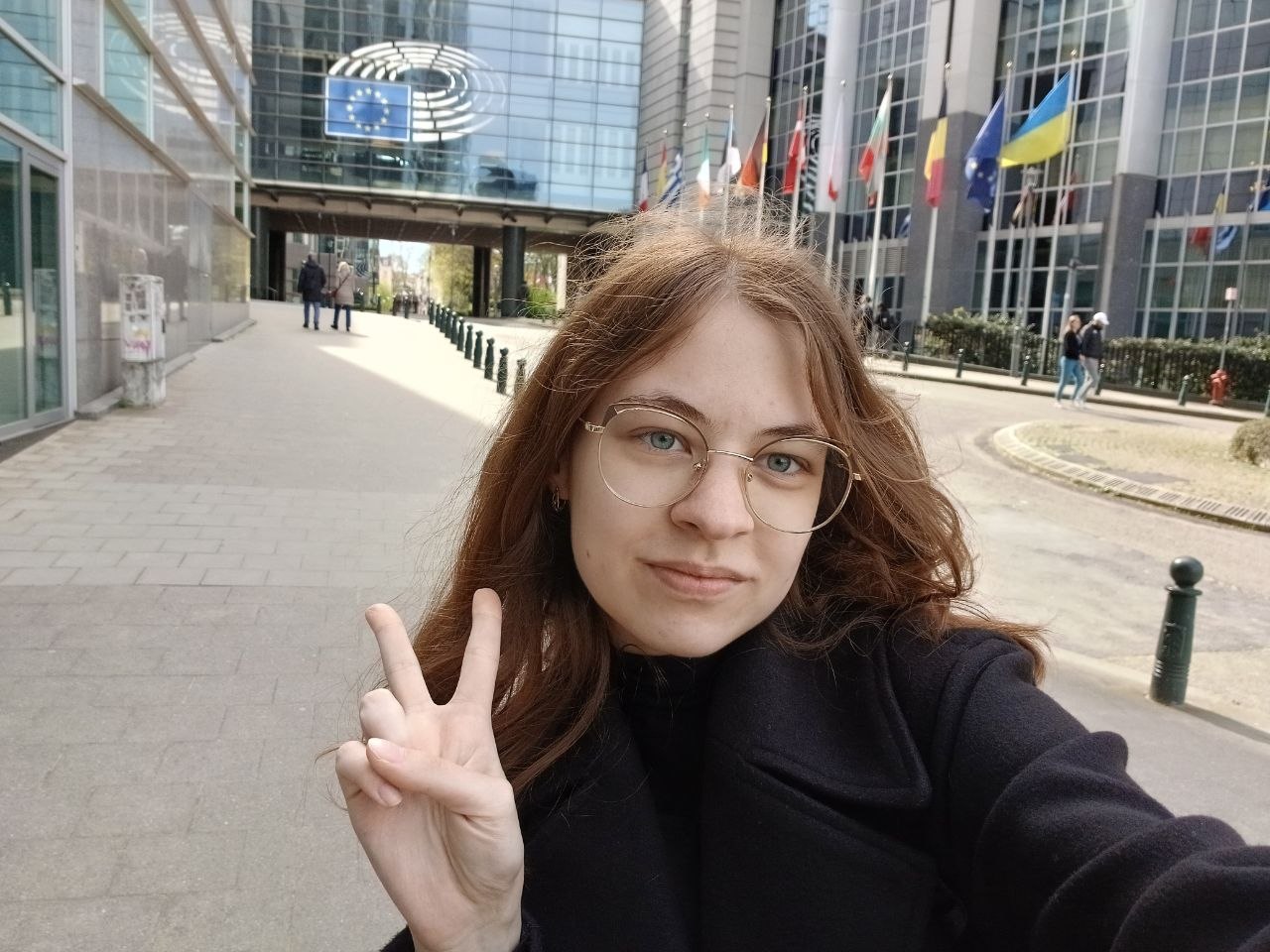
But we do not limit ourselves to Austria alone – travelling to other countries has also become an integral part of my stay here. During the Easter period, we had a two-week holiday, and we visited Brussels, Amsterdam, Paris, and other cities that impressed us with their uniqueness.
Last but not least, there are the people. Erasmus+ is always about networking and active people who will not let you feel bored in their company for a single moment. Communicating with people from different countries and exchanging cultural values are integral parts of the program. It is worth noting that this is best practice in English because, even outside the university, most Austrians understand it.
The main thing is not to be afraid to try new things and learn. For the first month, everything feels foreign: the shops are different, and the room in the dormitory puts unpleasant pressure with its emptiness. However, over time, you find local products you like, and the room is filled here and there with things full of warm memories of the time spent there. So do not hesitate and go towards your goal!
Special thanks to Poltava Polytechnic for actively supporting students at every step towards new personal and professional achievements in a European environment and allowing students to live through this incredible experience!” – says Daryna.
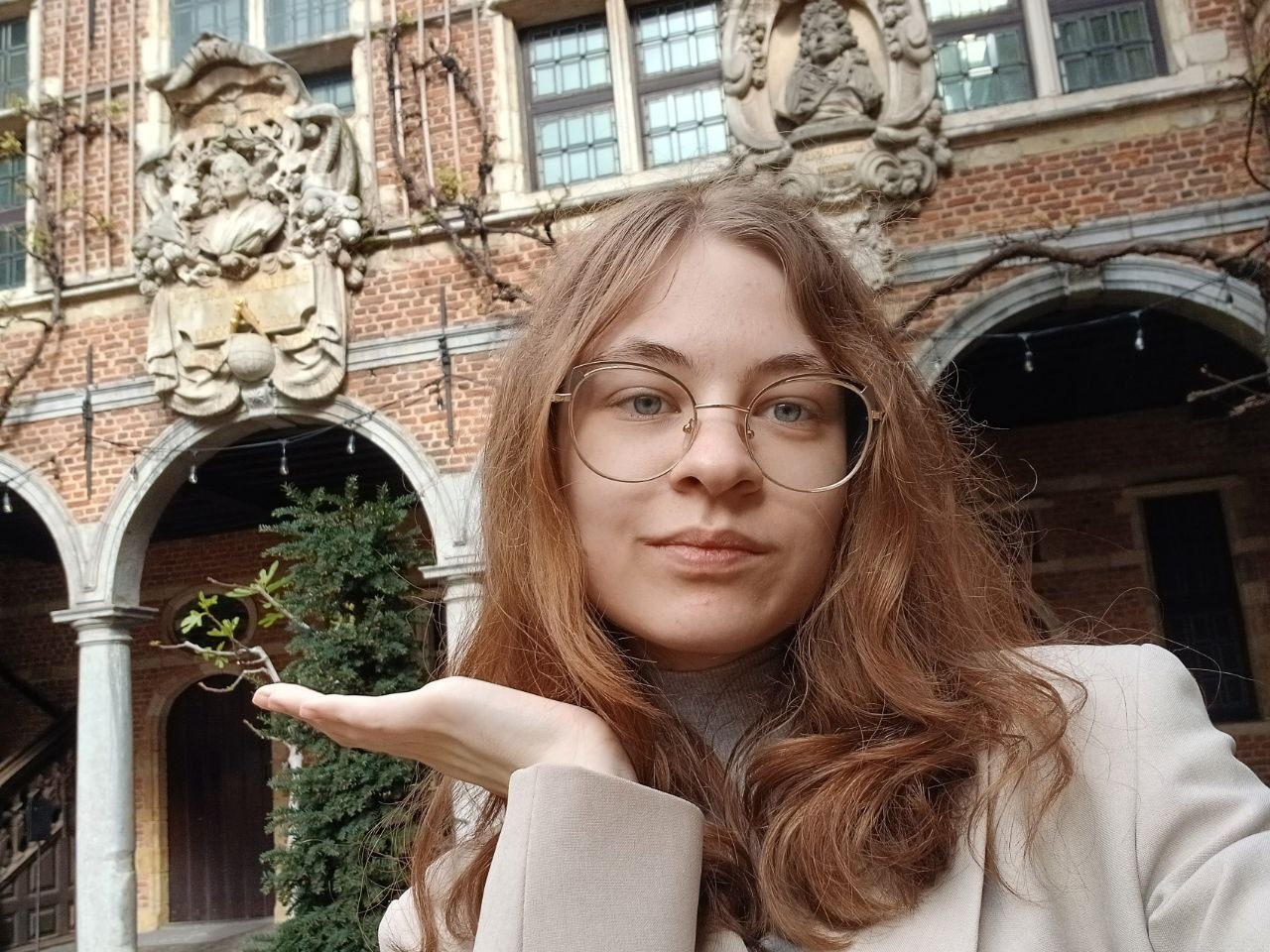
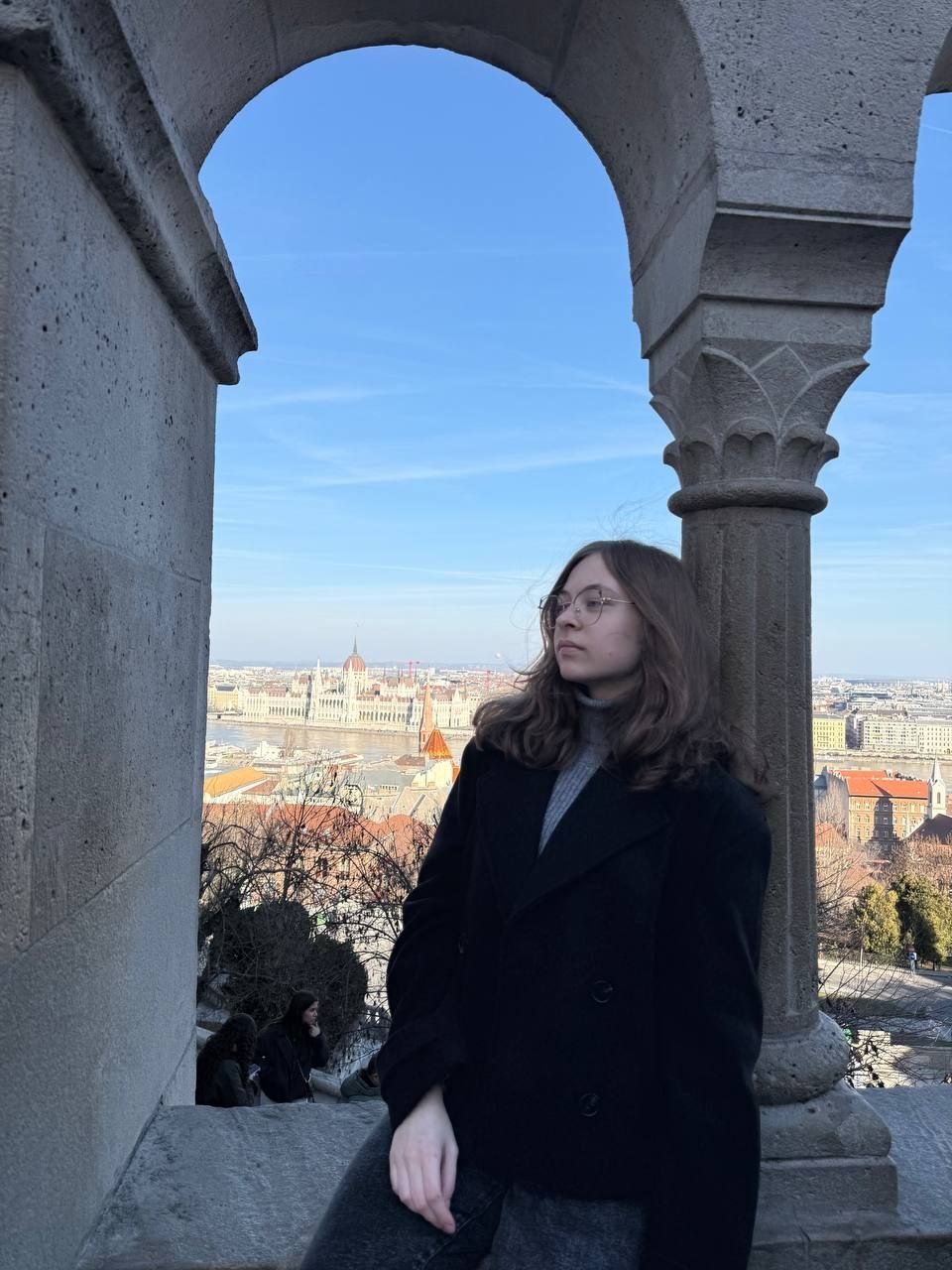
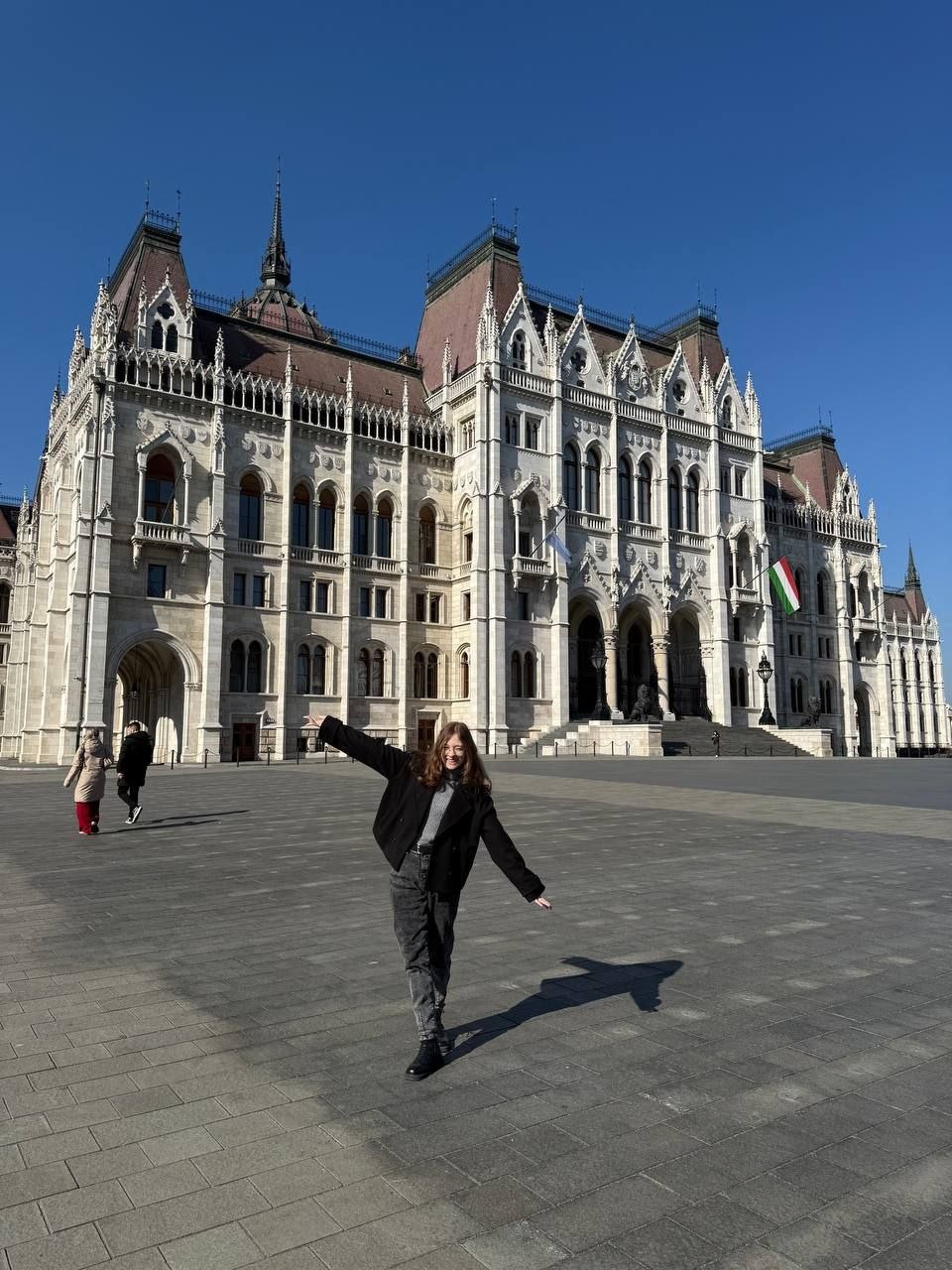
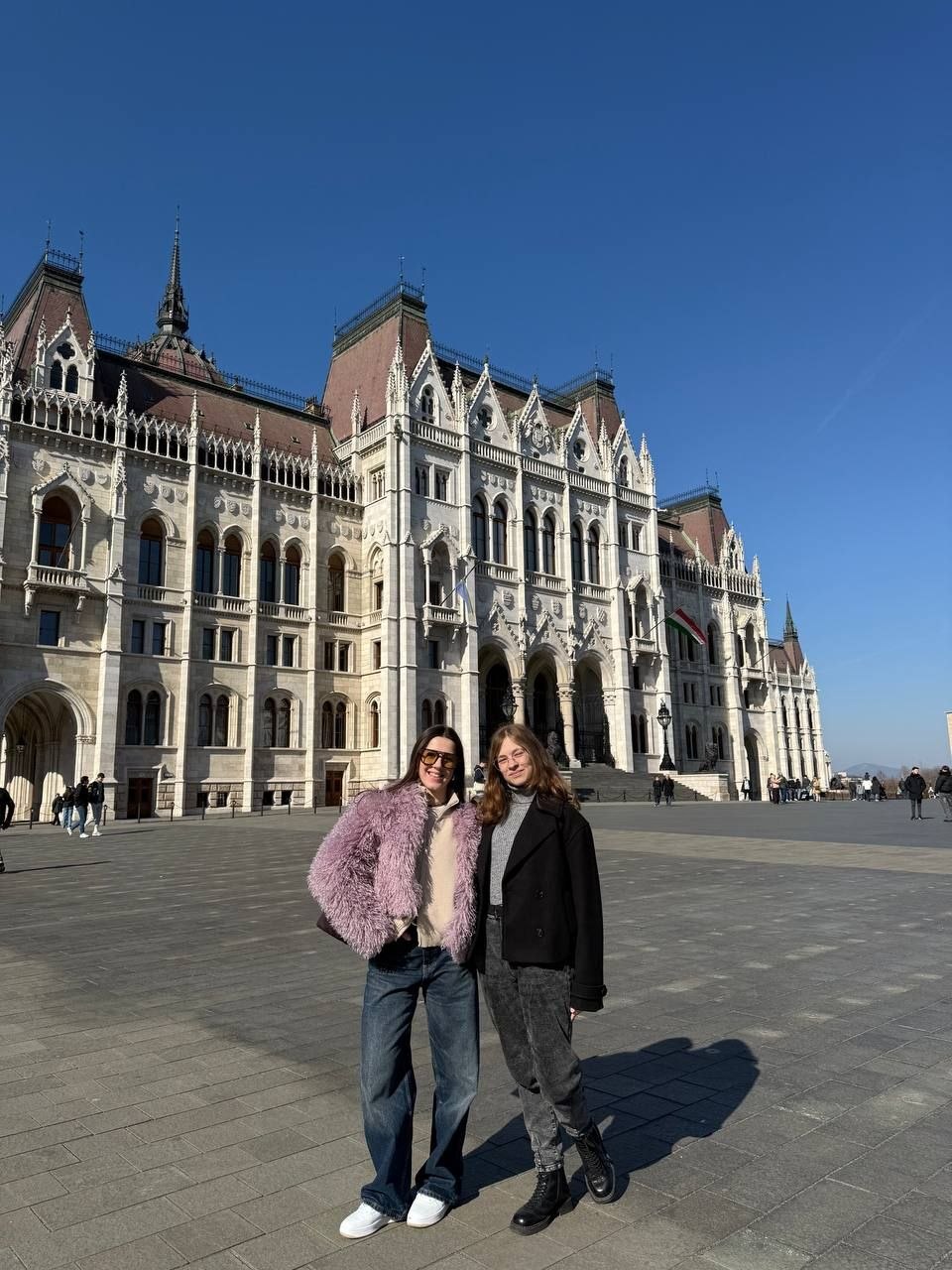
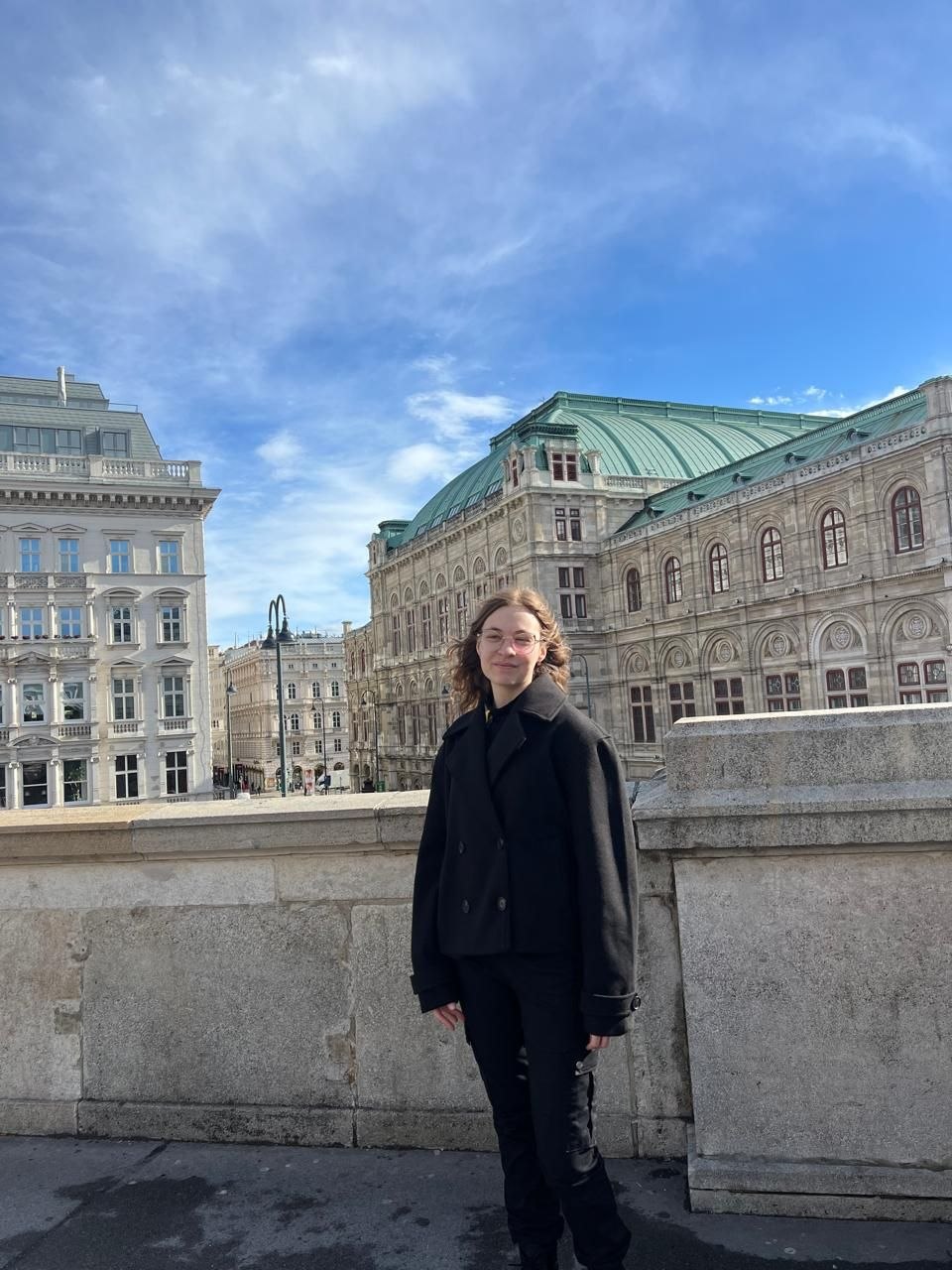
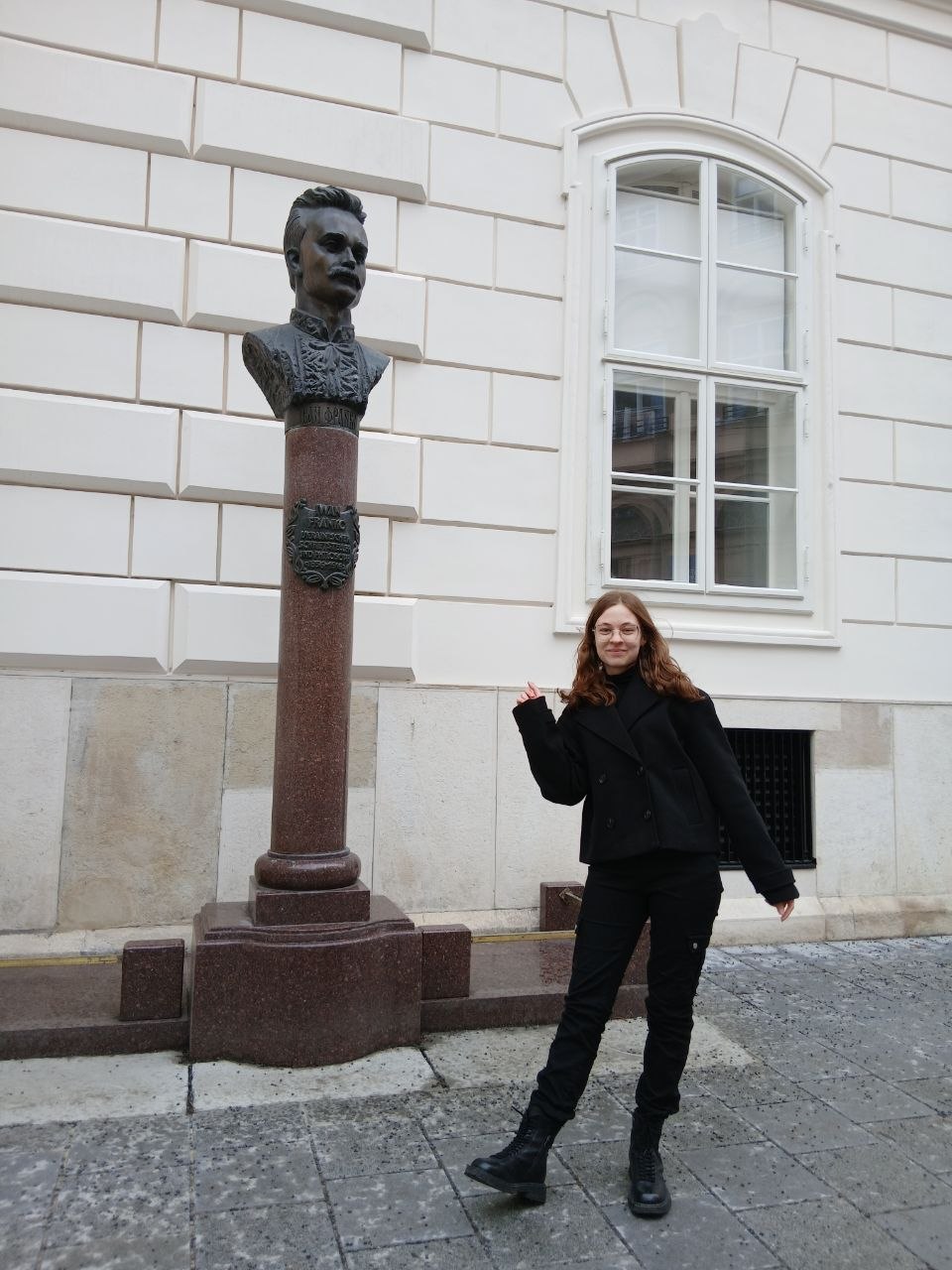
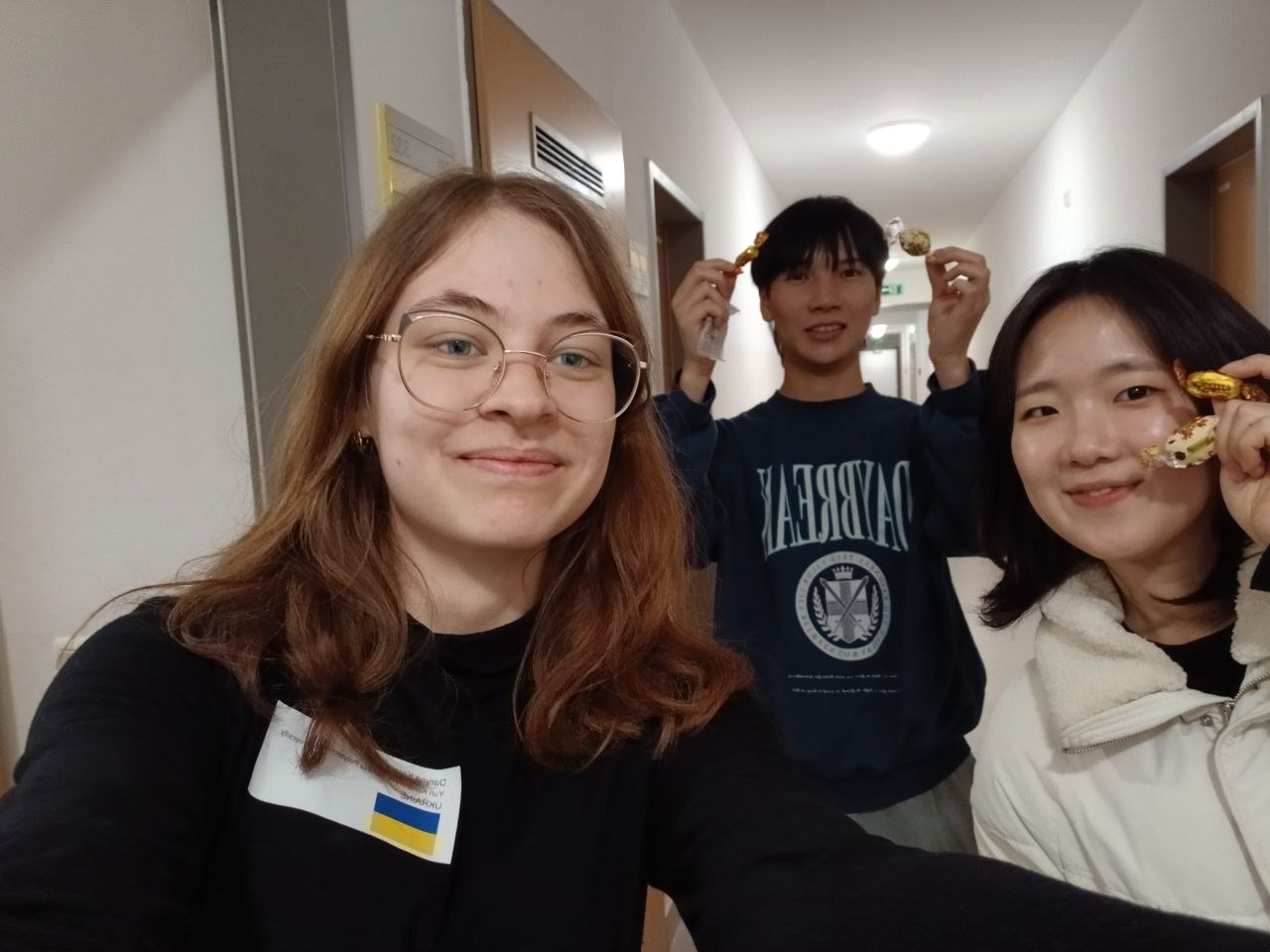
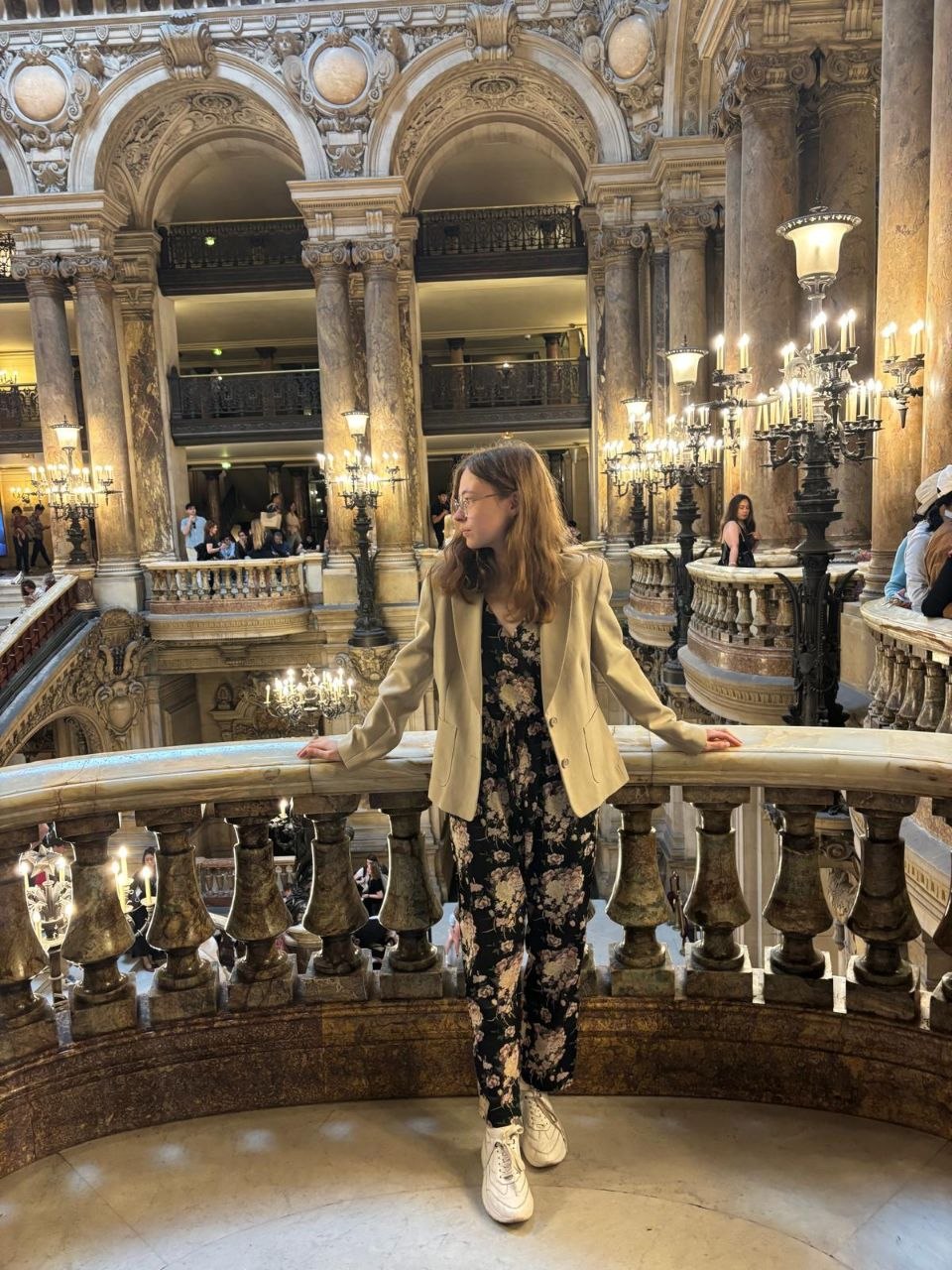
Poltava Polytechnic has been closely cooperating with the University of Applied Sciences Wiener Neustadt for three years, which annually welcomes polytechnic students for study under the Erasmus+ ICM program. For example, in the fall of 2023, Mariia Bovkun, a student of specialization 073 “Management”, studied there (you can read about her experience here and here); in the fall of 2024, Mariia Zaitseva, a master’s student from group 501-FM specializing in 292 “International Economic Relations” (learn more about her participation in this mobility program here and here); in the spring of 2025, there studied students Nataliia Vashchenko, Valentyna Babets, and Olha Kushnirova (read about their studies in Austria here and here), in the autumn term of 2025 – Viktoria Karalash and Marharyta Rayevska.
As a reminder, faculty members of Poltava Polytechnic are eligible to participate in academic mobility and internship programs. Students can study abroad through Erasmus+ credit academic mobility grant programs for a semester or a full academic year at leading universities in Austria, Greenland, Denmark, Estonia, Finland, France, Germany, Greece, Ireland, Italy, Latvia, Lithuania, Luxembourg, the Netherlands, Norway, Poland, Portugal, Romania, Slovakia, Spain, Sweden, and the Czech Republic.
For more detailed information on current internship, teaching, and academic mobility programs abroad, please get in touch with the International Relations Office (office 213-C, interoffice@nupp.edu.ua).