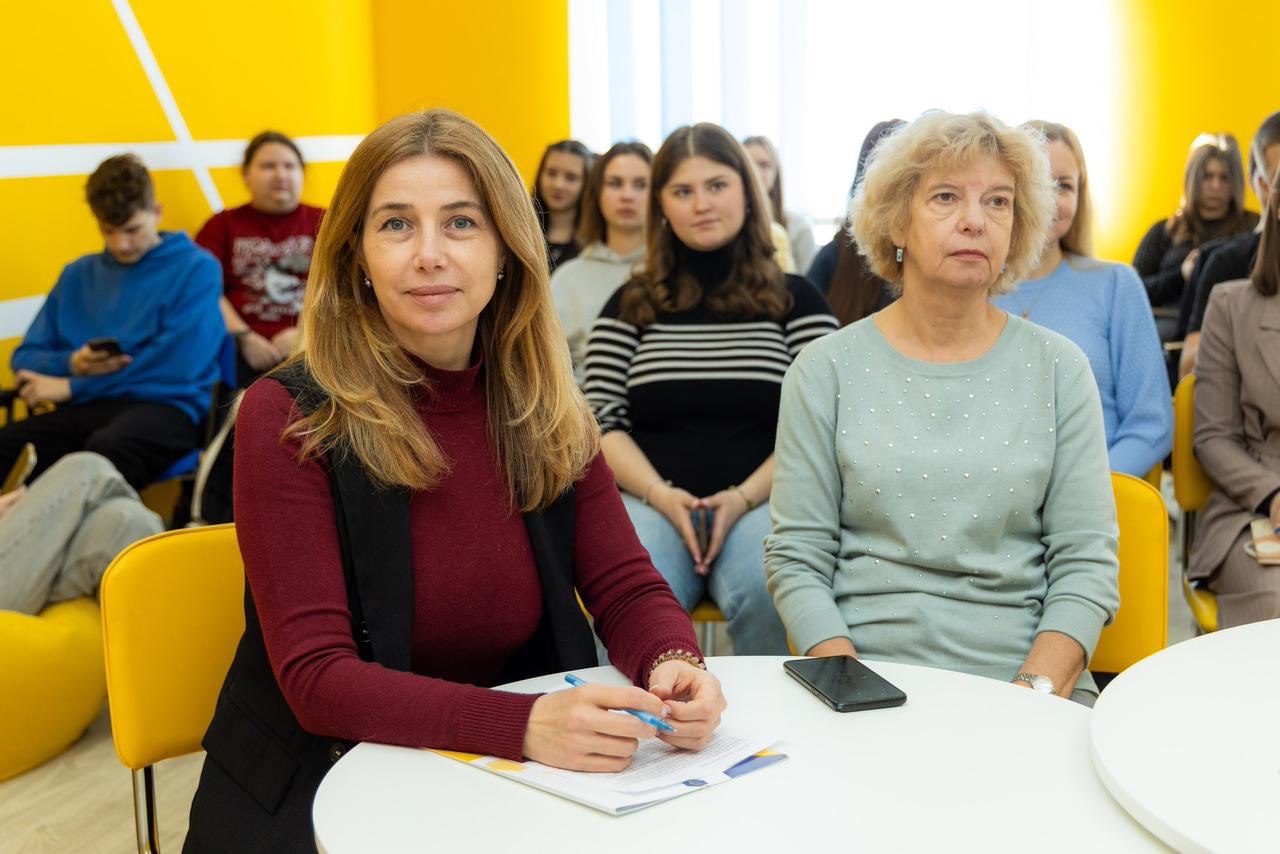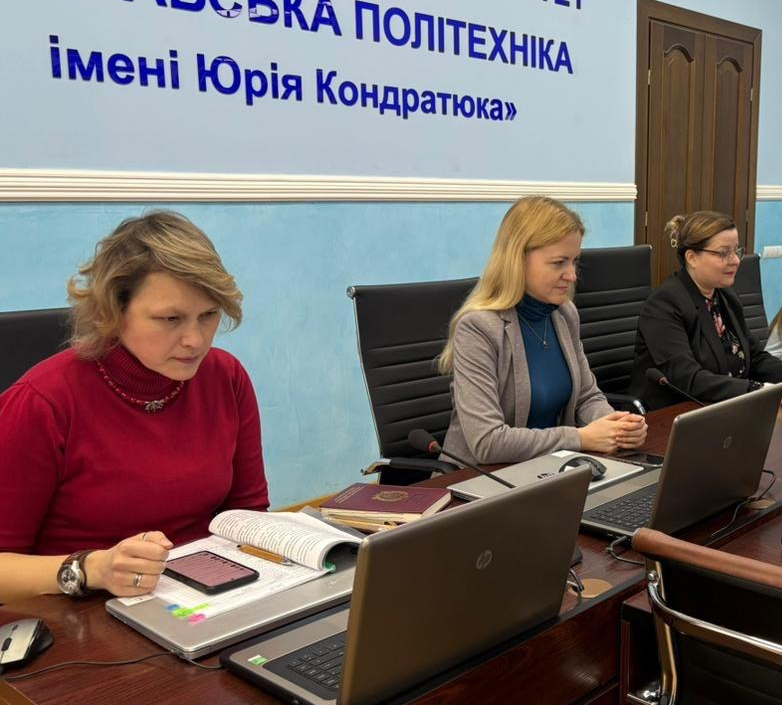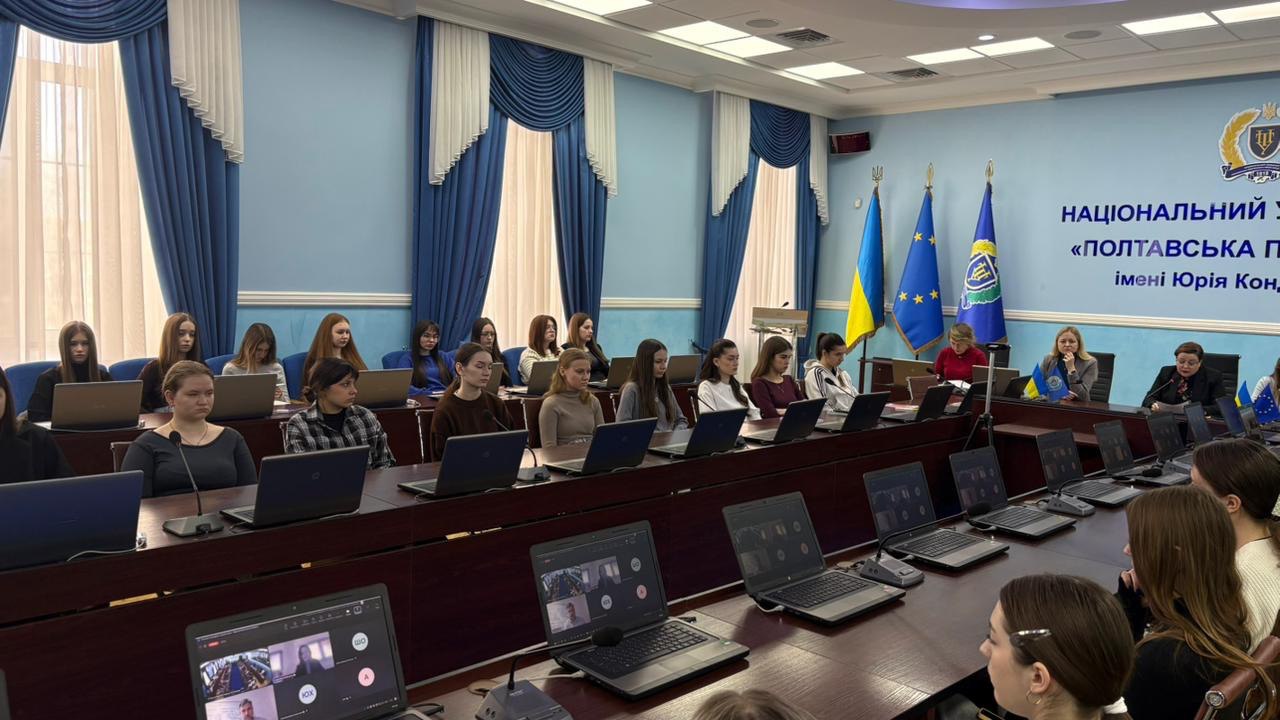
During the opening of the course, the organizers emphasized that the main goal of the program is to combine academic training with practical skills required for future professional activity. Participants will have the opportunity to familiarize themselves with modern approaches to financial investigations and digital tools used in professional practice, particularly in the National Agency of Ukraine for Finding, Tracing and Management of Assets Derived from Corruption and Other Crimes (ARMA).
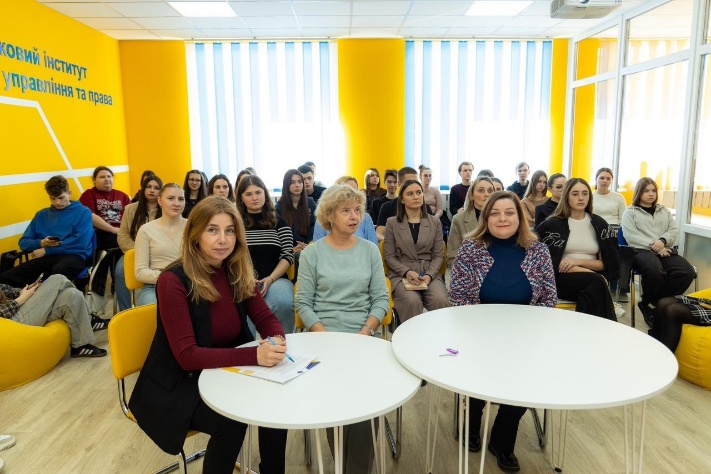
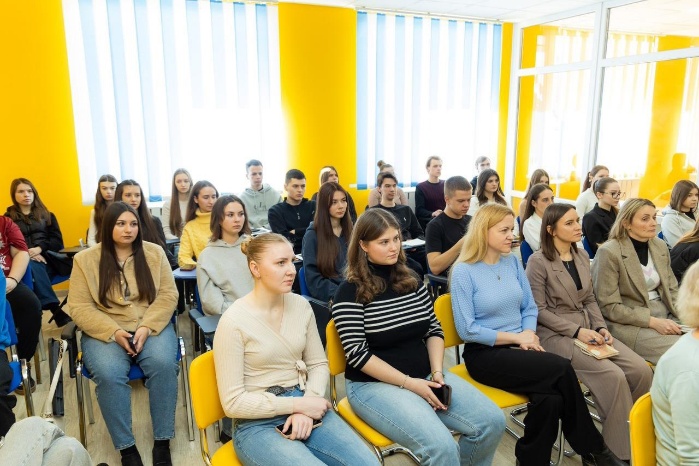
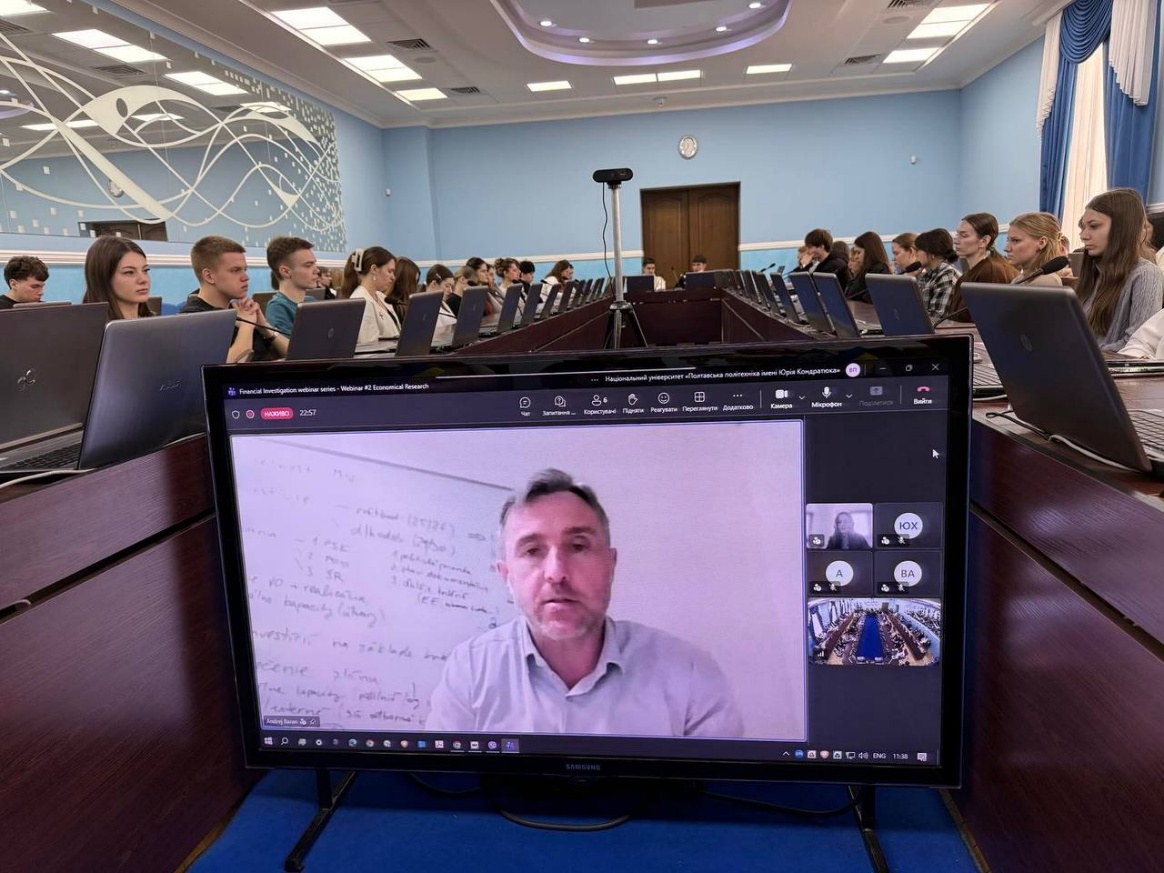
During the presentation of the course program, Andrej Baran emphasized the importance of practical-oriented learning: “We aim to teach students and lecturers to apply this knowledge in their institutions and demonstrate how these competencies can be used in their future professional activities.”
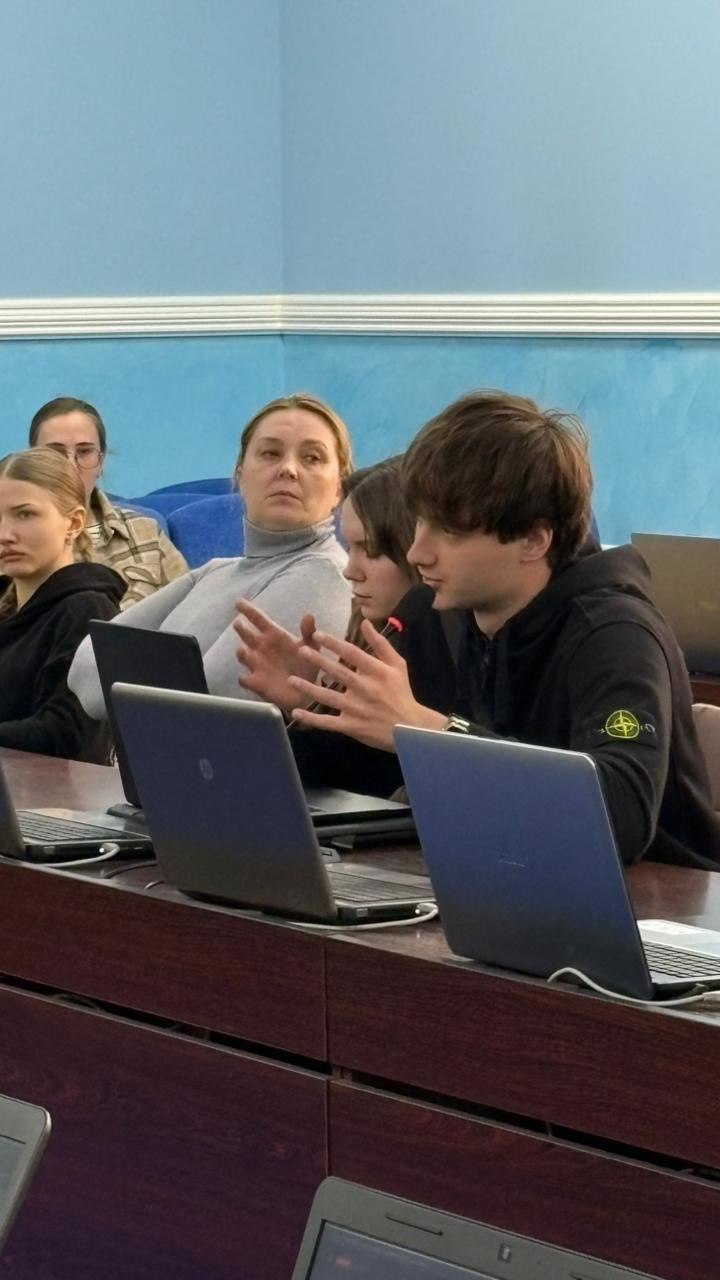
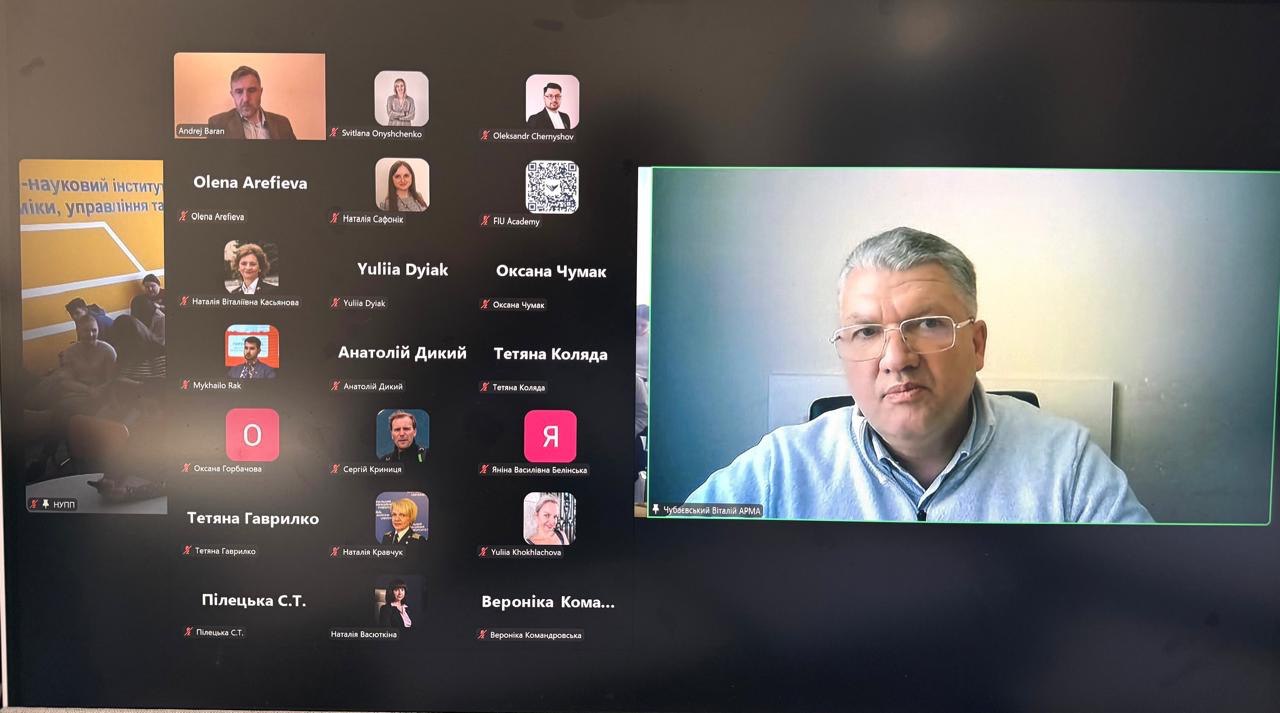
Among the speakers was also Vitalii Chubaievskyi, Director of the Department for Identification and Tracing of Financial and Other Assets at ARMA, Doctor of Economics, Professor. During the meeting, he answered students’ questions regarding practical aspects of financial investigations, specifics of asset tracing and analysis, and shared his experience in applying modern analytical tools in professional practice.
Within the training, participants will work with analytical and investigative tools used by international platforms, including Moody’s Analytics, Orbis, Argos, FinAP, and others. Students will not only learn the principles of these systems but also test their functionality while completing practical tasks.
At Poltava Polytechnic, a new educational model will be piloted, consisting of three consecutive stages. The first stage includes a lecture course on financial investigations. The second stage involves writing an analytical essay on the use of financial investigation tools in future professional activities, along with individual online consultations with experts and business representatives.
The third stage of the program provides participants with trial access to specialized financial investigation software to carry out their own research tasks. At the end of the semester, students will prepare analytical papers presenting the results of their financial investigations.
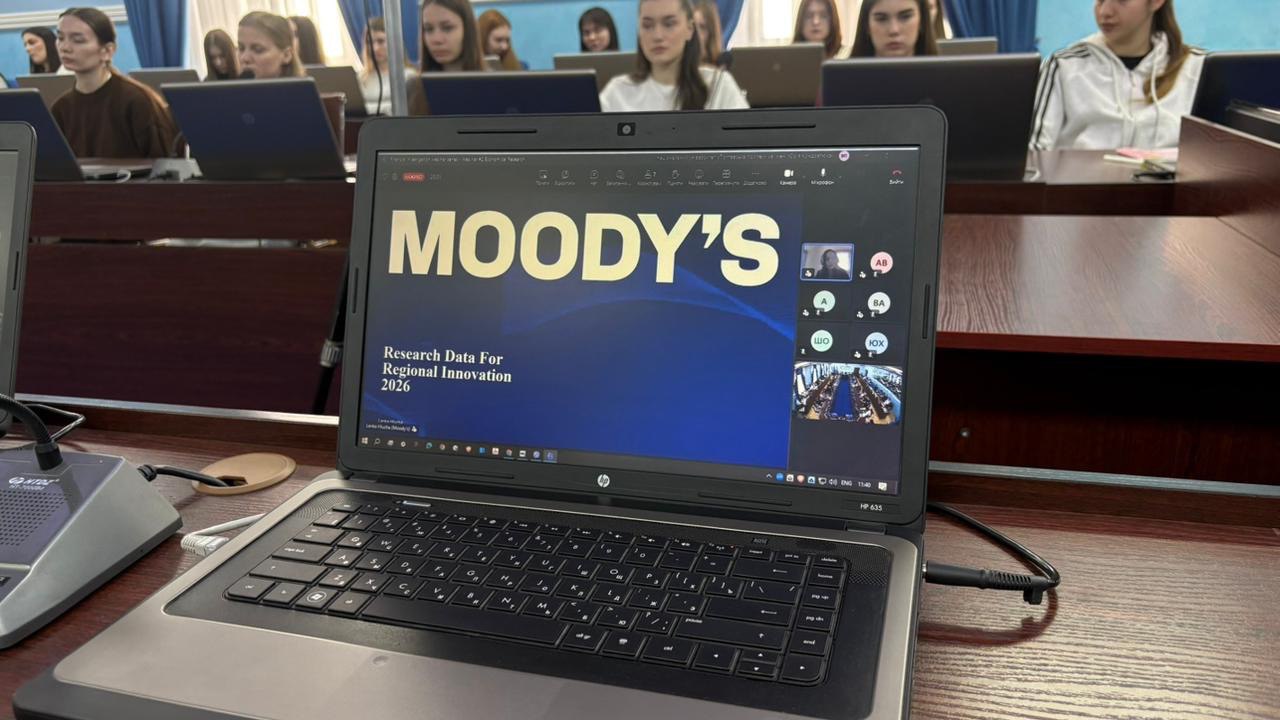
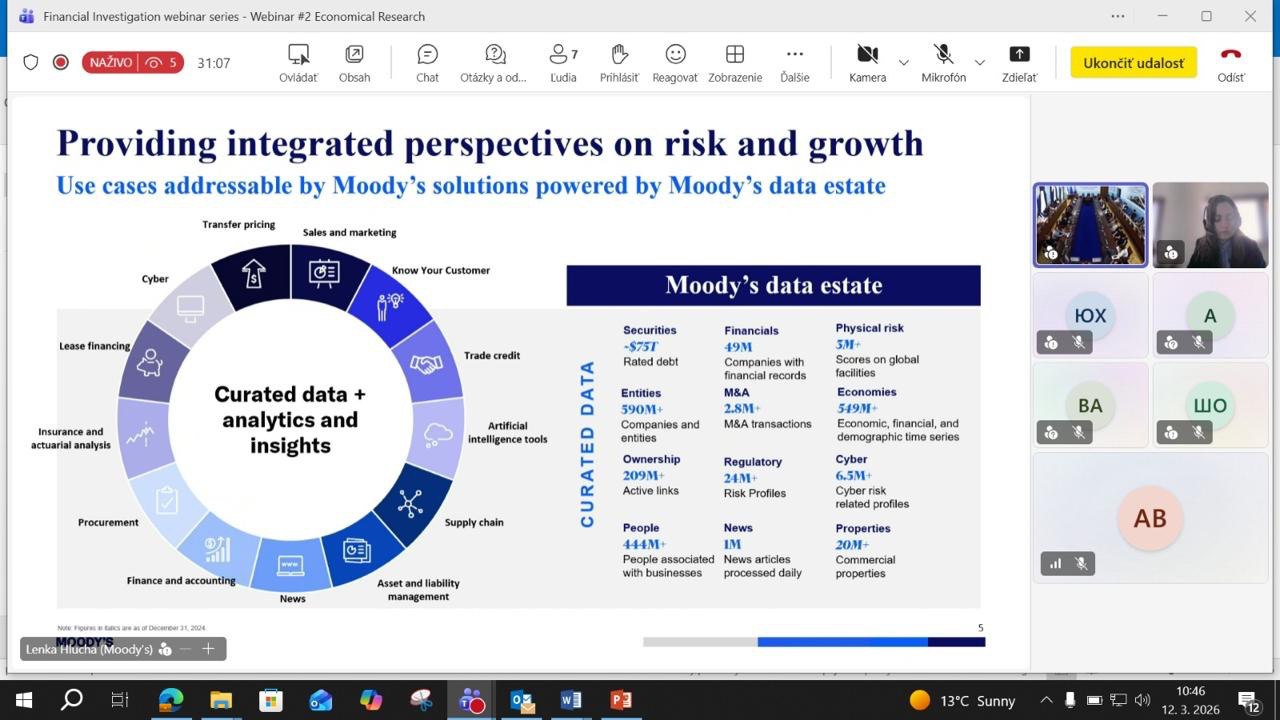
The second day of the training was dedicated to working with international databases of Moody’s Analytics, particularly the Orbis platform, which contains information on more than 630 million companies worldwide.
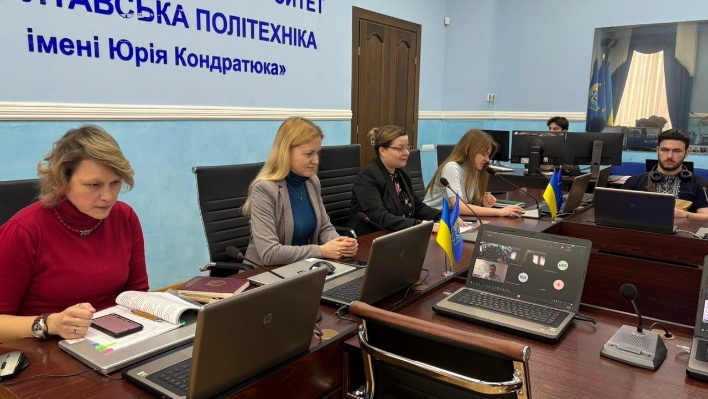
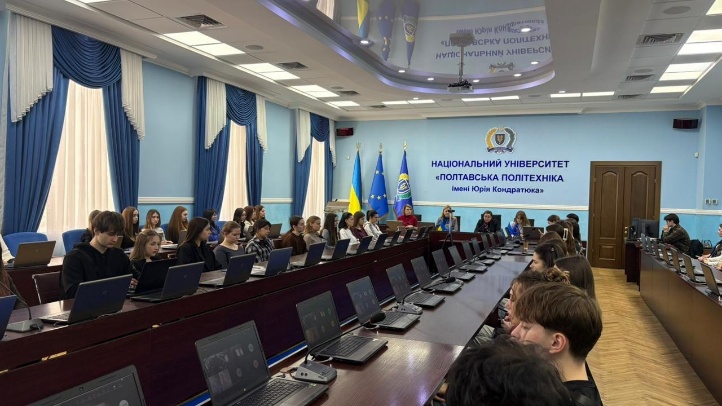
The speaker of the session was Lenka Hluchá, Deputy Director and Sales Representative of Moody’s Analytics in Bratislava (Slovakia), responsible for university research and financial investigations. She presented the capabilities of the Orbis platform, which includes standardized financial indicators of companies, ownership structures, data on mergers and acquisitions (M&A), cross-border investments, and historical financial data spanning more than 30 years.
Mastering such tools opens significant professional opportunities for students. They gain the ability to work with real data, analyze complex financial cases, and develop analytical conclusions demanded in anti-corruption bodies, the banking sector, and international investigations.
Participants also explored other analytical resources of Moody’s Analytics, including Data Buffet, which provides macroeconomic and financial statistics, and the Default & Recovery Database used for credit risk analysis and default studies.
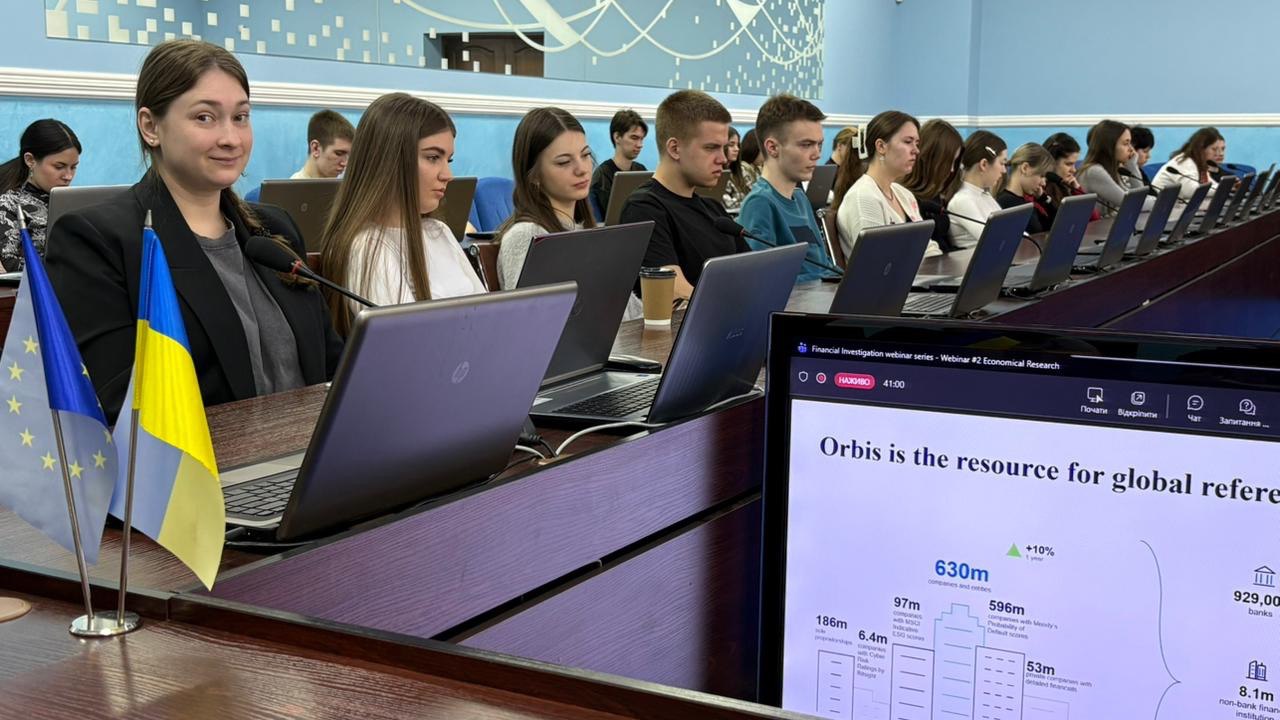
Following the second day, participants and organizers reached a shared conclusion on the need to initiate comprehensive research into financial investigations using modern analytical tools.
This approach will not only consolidate the knowledge and skills acquired during the training but also create a solid scientific and practical foundation for the development of financial investigations in Ukraine.
We express our sincere gratitude to the speakers for their expertise, openness to dialogue, and significant contribution to the development of practice-oriented education in the field of financial investigations.
The training continues, with more lectures from leading experts and further work on practical analytical tasks ahead.