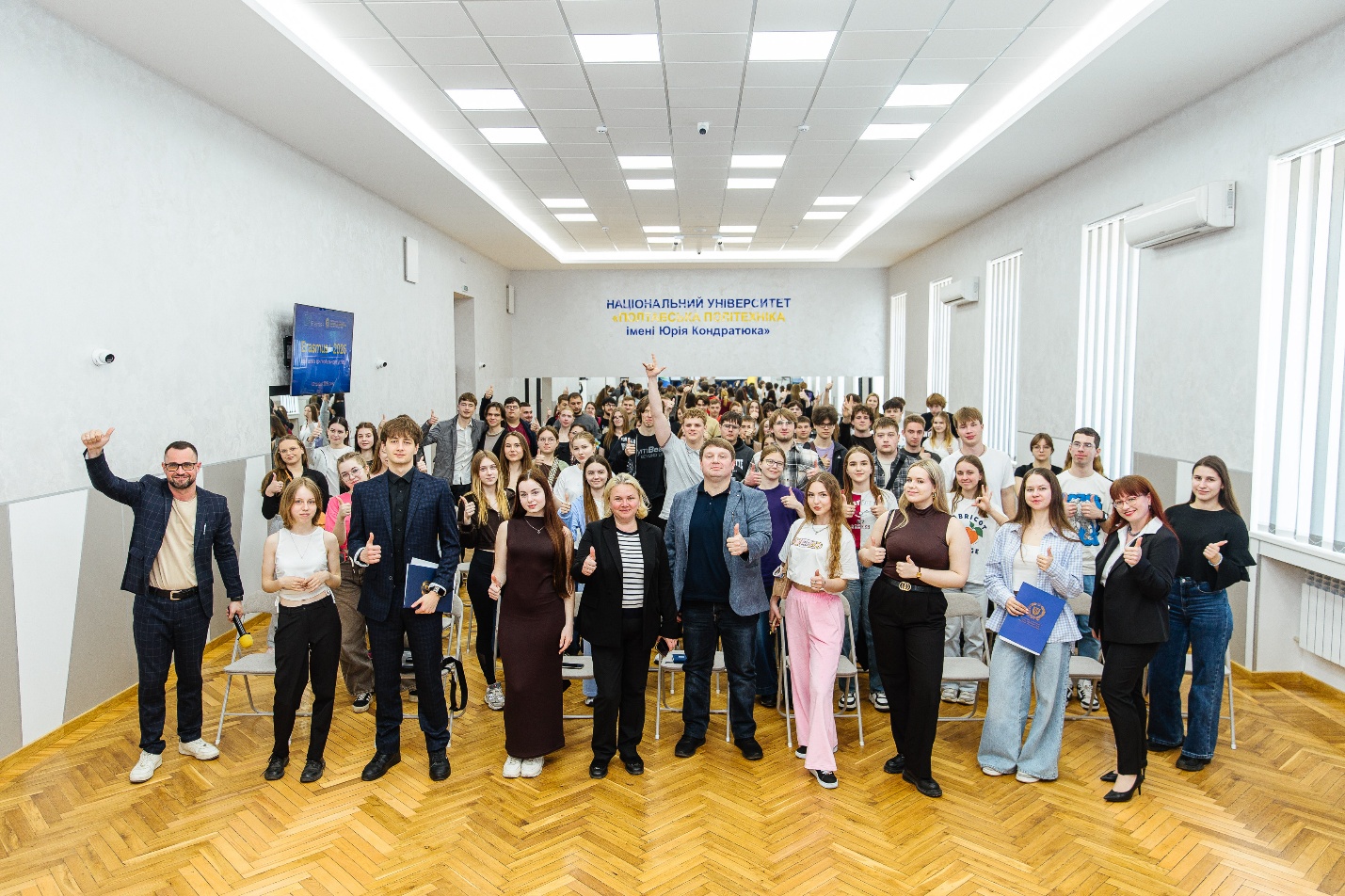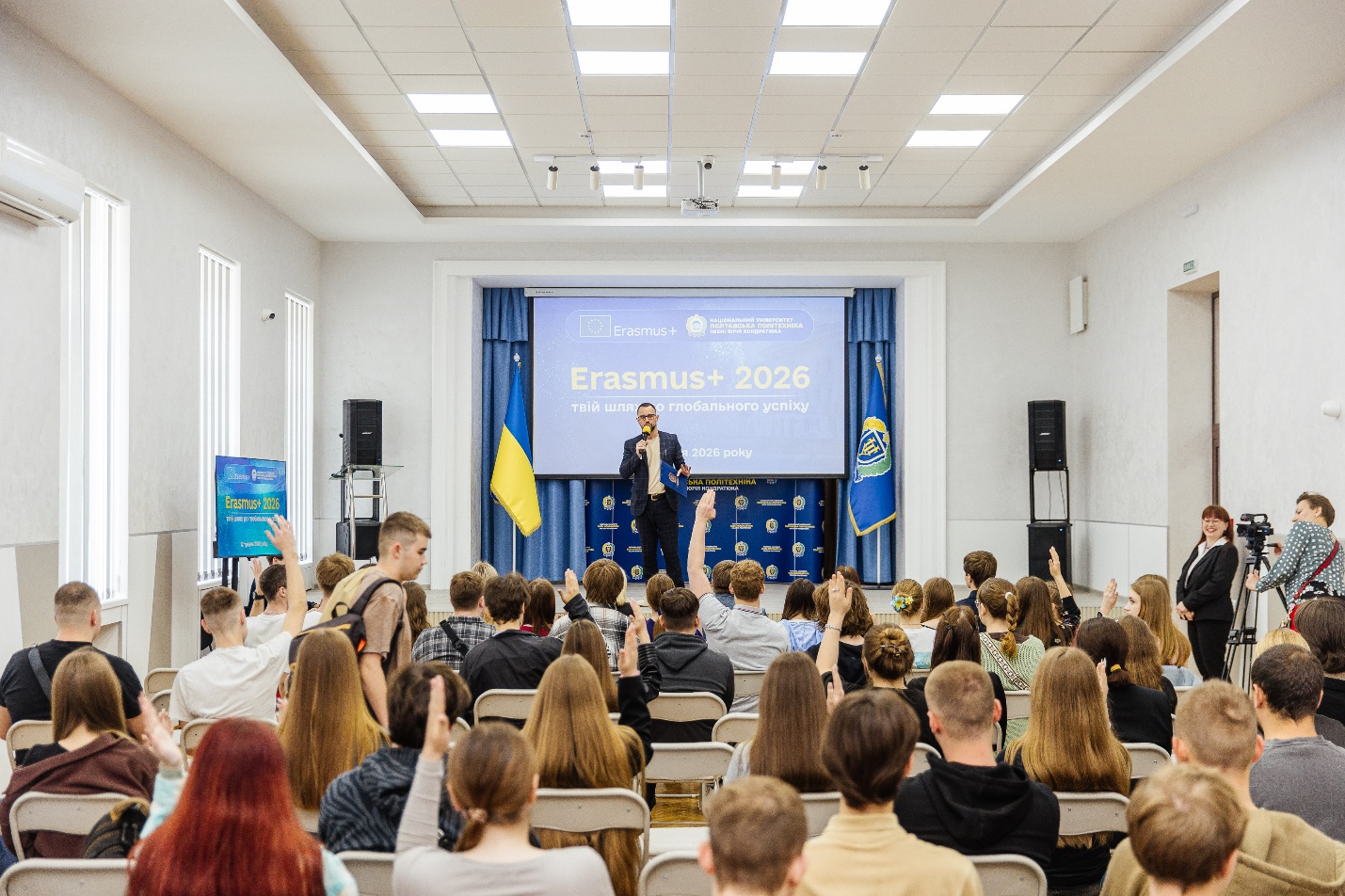
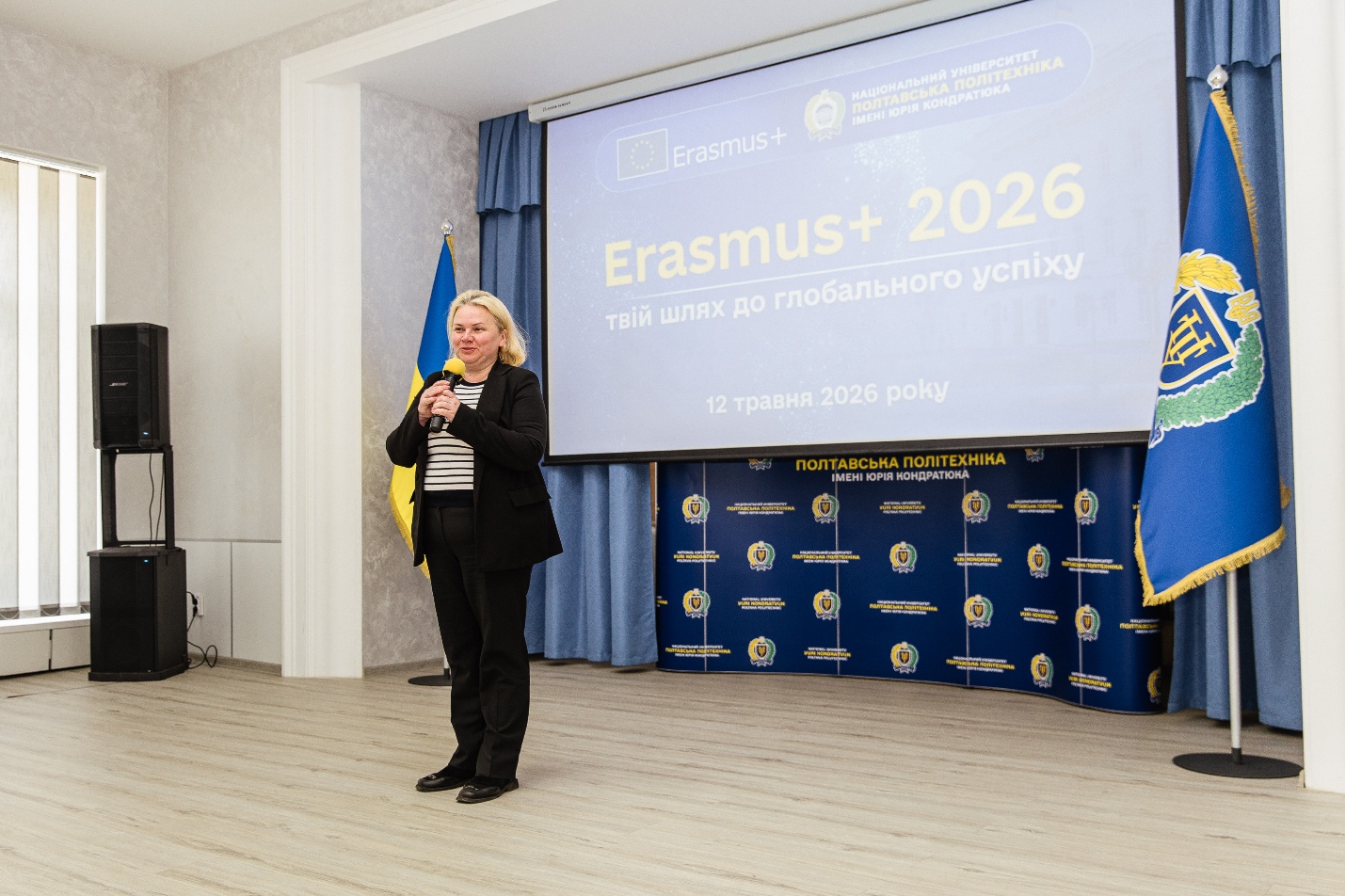
The event officially commenced with an opening address by the Vice-Rector for Scientific Affairs, Olena Stepova. She emphasised that the university’s strategic development is rooted in the seamless integration of innovation, fundamental science, and international collaboration. “Today, Poltava Polytechnic serves as a robust scientific and educational hub where European education and practical experience in world-leading laboratories are no longer a distant dream but a daily reality. We are dedicated to creating an environment where every student can realise their intellectual potential on a global scale”, – noted Olena Stepova.
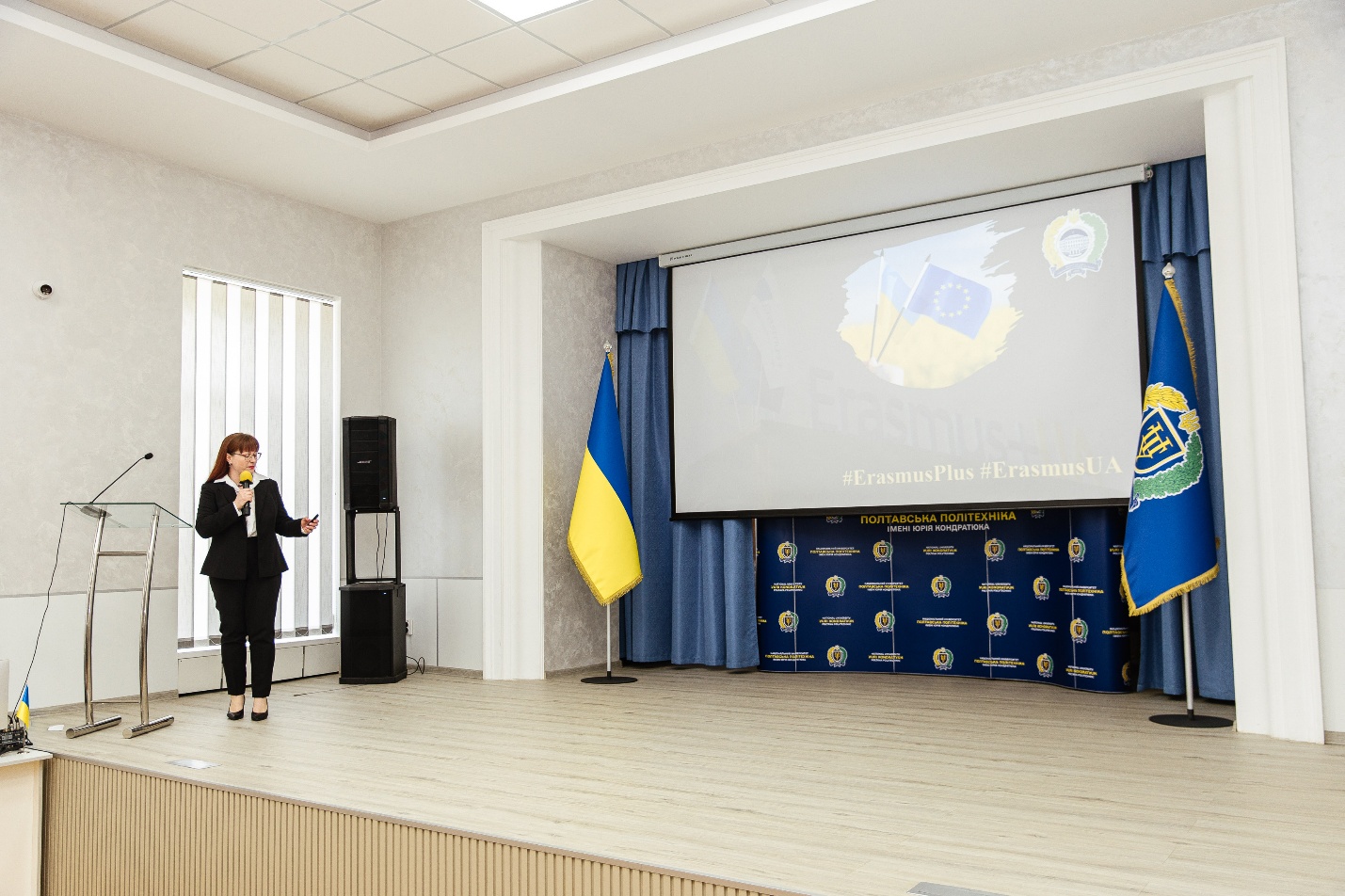
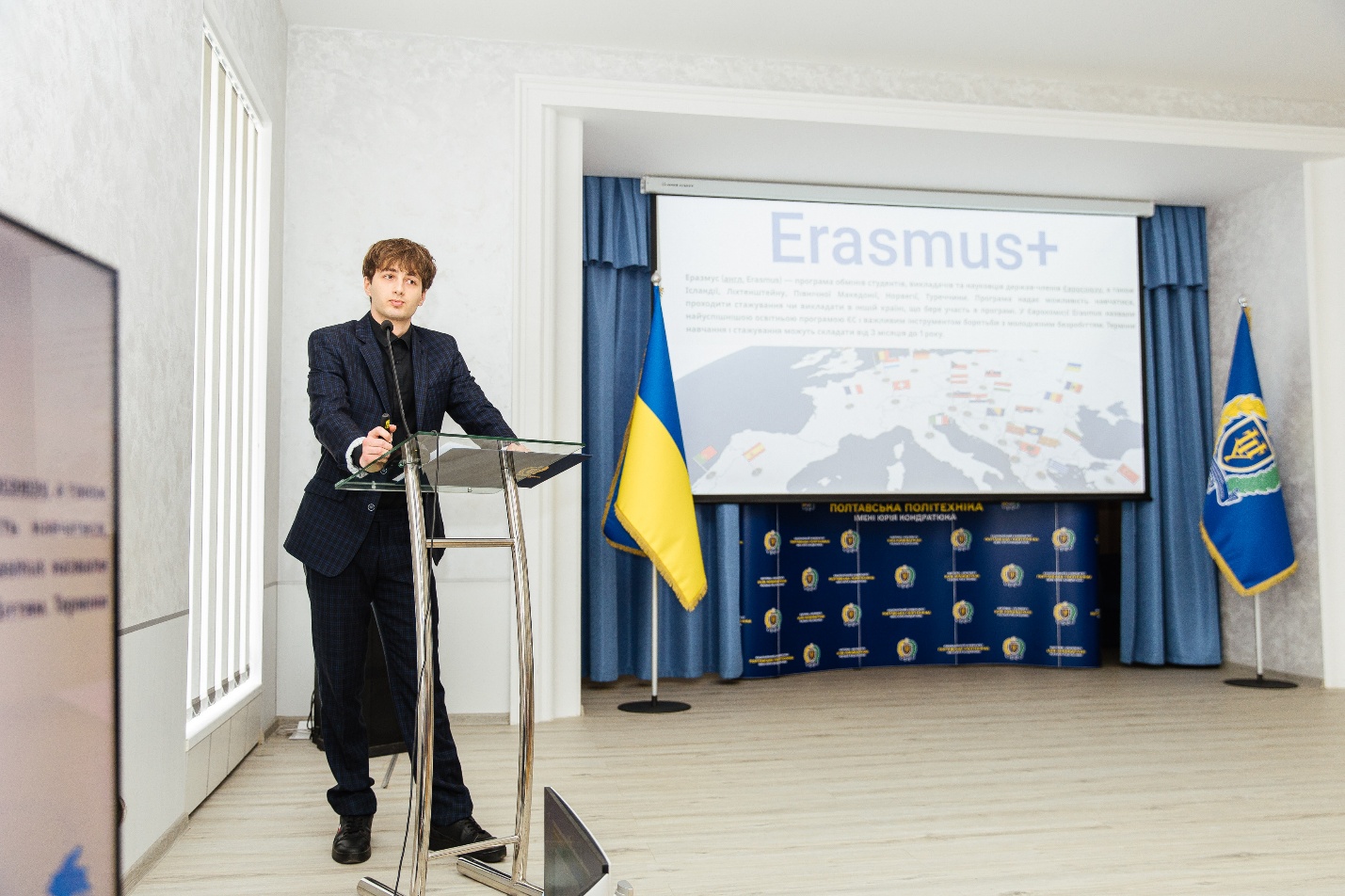
A comprehensive guide to the practical algorithms of success – from the initial application to securing a grant – was presented by Anna Pavelieva, the International Relations Coordinator and a key driving force behind the university’s internationalisation efforts. In her presentation, “Erasmus+ from A to Z”, she shared insights into crafting high-quality motivation letters and introduced the latest mobility opportunities for the 2026/2027 academic year.
Anna Pavelieva paid special attention to the candidate selection criteria, noting that success depends not only on a high GPA and language proficiency but also on a student's active social engagement and personal initiative. She elaborated on the significance of the Youthpass certificate as a tool that officially recognizes the transversal skills acquired during the program, significantly enhancing a graduate's competitiveness in the international labor market. Furthermore, the coordinator assured the audience that the International Relations Office provides comprehensive advisory support at every stage of the mobility process, helping students navigate bureaucratic requirements and allowing them to focus entirely on their studies and personal growth.
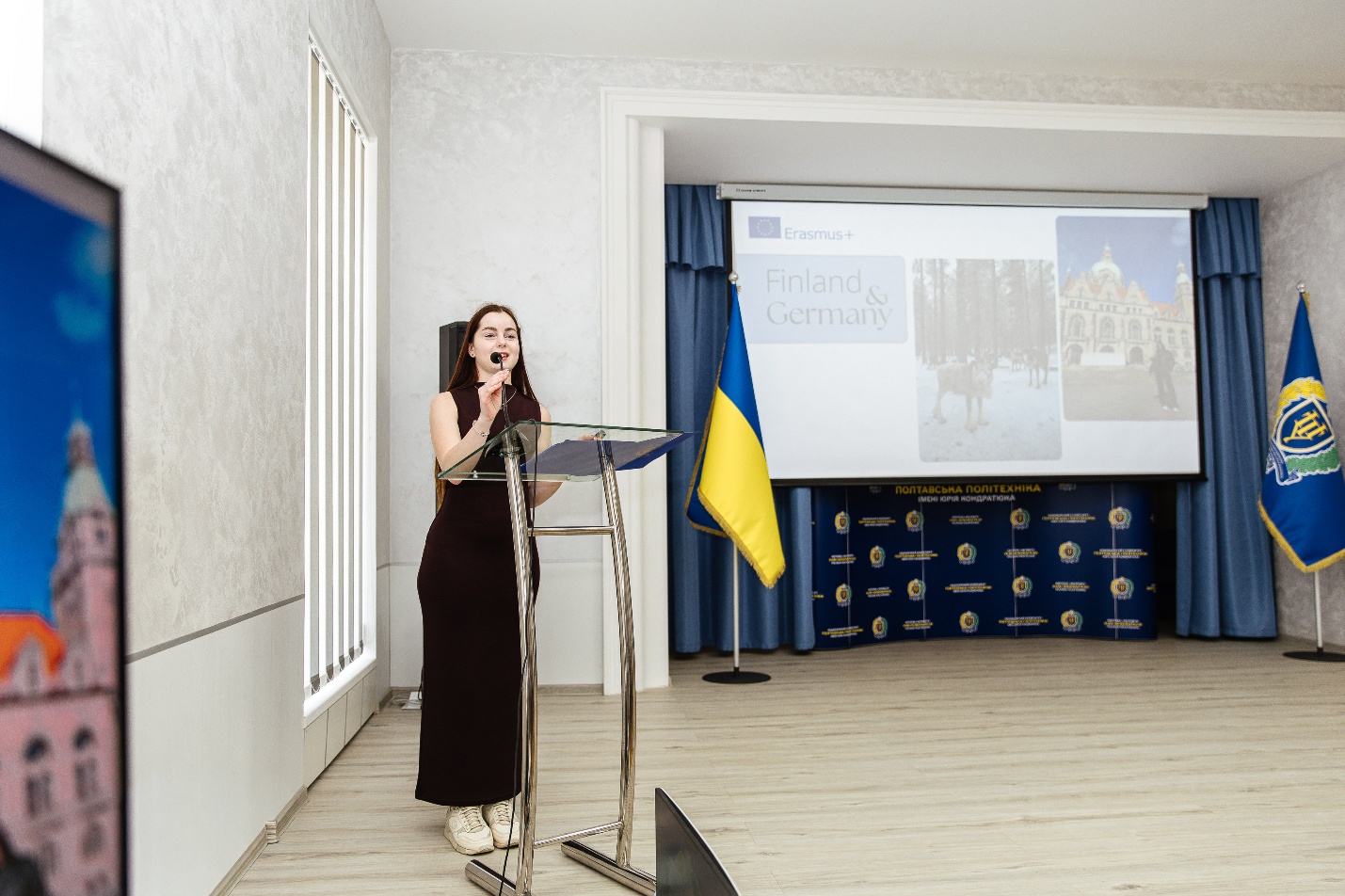
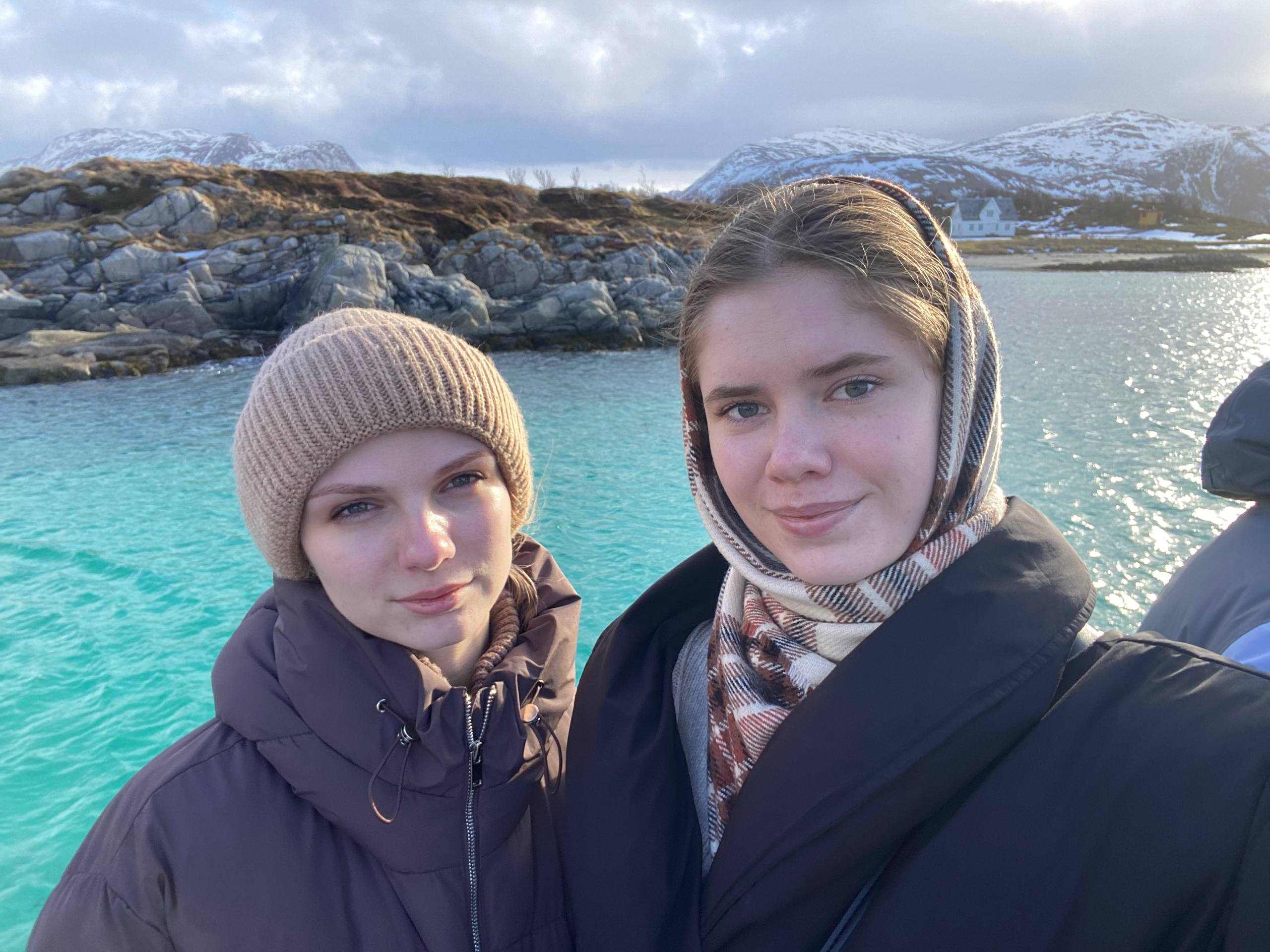
The so-called “Erasmus Tour” began in Finland, often cited as the world’s happiest country. Daria Yehorova, a third-year Tourism and Recreation student and a prominent figure in the university's mobility programs, shared her experiences at Laurea University of Applied Sciences. A featured video presentation vividly illustrated the contrast between the academic rigour of Leibniz University Hannover in Germany and the innovative, case-based learning approach practised in Finland. While at Leibniz University Hannover, she immersed herself in a system of high self-discipline and responsibility, where a deep study of English philology was paired with an open dialogue with professors and an atmosphere of intellectual freedom. Upon moving to Finland to attend Laurea University of Applied Sciences, Daria discovered a completely different approach – the Project-Based Learning method – which allowed her to work in international teams on real-world business cases for actual clients. She emphasized the importance of the Scandinavian philosophy of happiness and work-life balance, while also sharing her impressions of travels to Lapland and the Norwegian fjords. In summary, Daria highlighted that these two mobility programs not only improved her foreign language skills but also transformed her into a confident professional, ready for any challenges in a globalized world.
The baton was then passed to Denmark. Attendees viewed a dynamic video report by third-year Computer Science students Anastasiia Zolotaiko and Anastasiia Kosach. The footage immersed the audience in the life of the Zealand Academy of Technologies and Business, showcasing modern campuses and collaborative IT project environments.
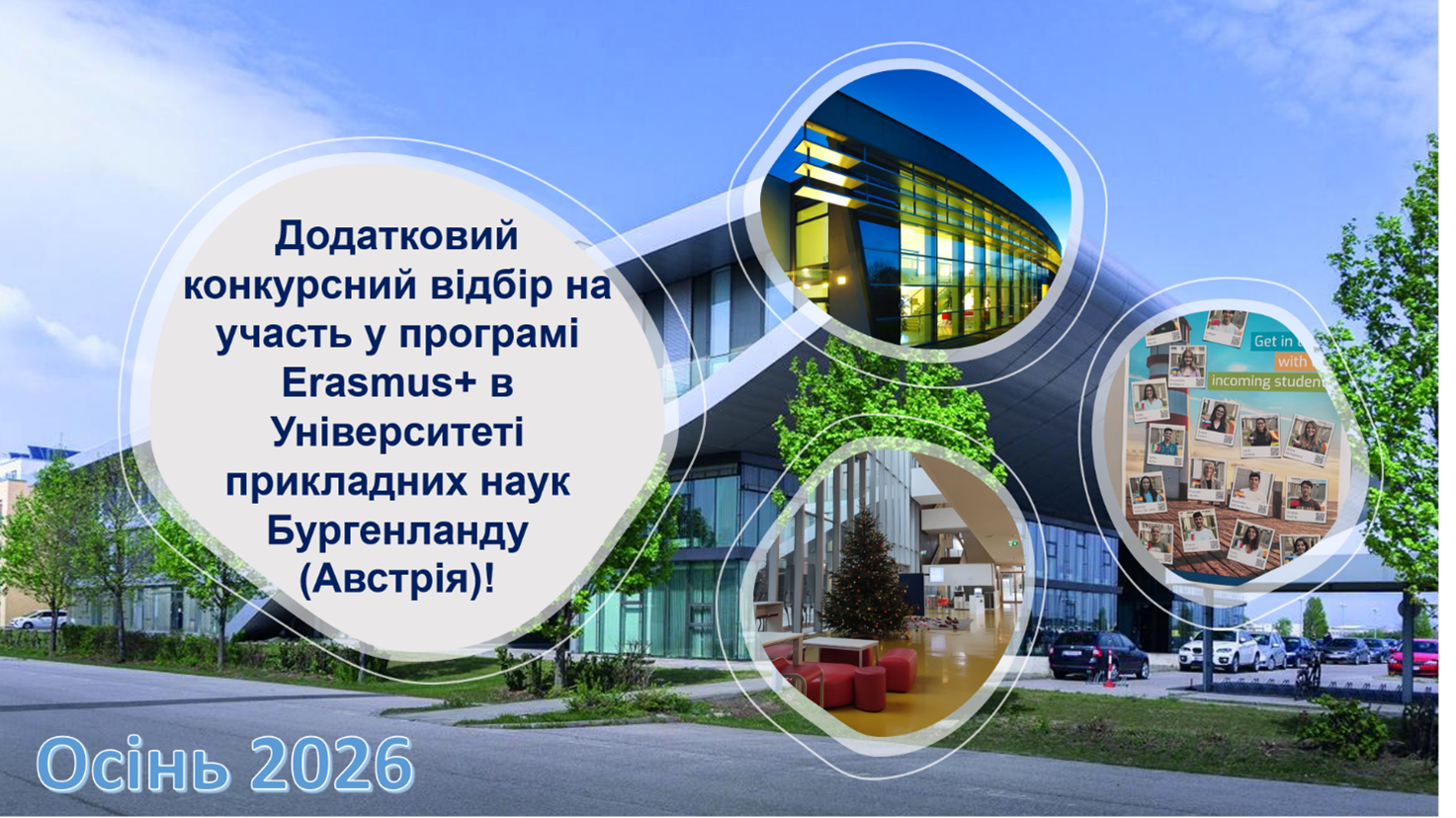
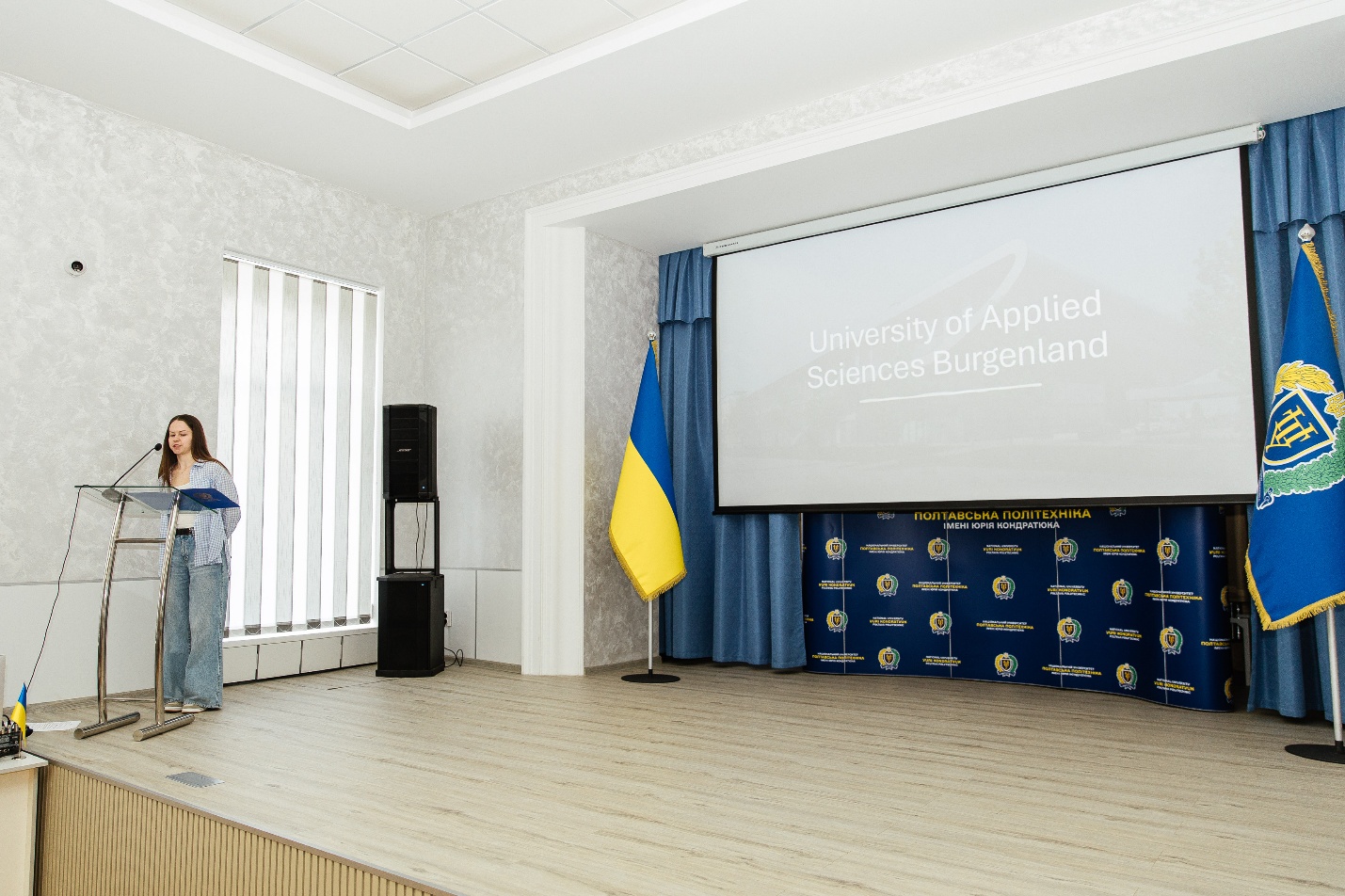
The journey continued into Central Europe, where Sofiia Udovytska recounted her academic path at the University of Applied Sciences Burgenland. She shared that her semester in Austria was a transformative experience where European education combined academic rigor with a high degree of practical orientation. Sofiia was particularly impressed by the interactive learning environment, the mentorship provided by professors, and the fully digitized educational resources that fostered teamwork and critical thinking. Beyond the classroom, Sofiia experienced a profound cultural immersion through travels to Hungary, the Czech Republic, Germany, Italy, and picturesque Austrian towns like Hallstatt, which helped her better understand European cultural diversity. Most importantly, as Soffia said, the international networking and friendships formed with people from all over the world significantly broadened her worldview, instilled a new-found confidence in her abilities, and opened up broader prospects for her future international career. Her story served as a powerful motivator, as Sofiia is already preparing for her next international endeavour – this time at a university in Vienna.
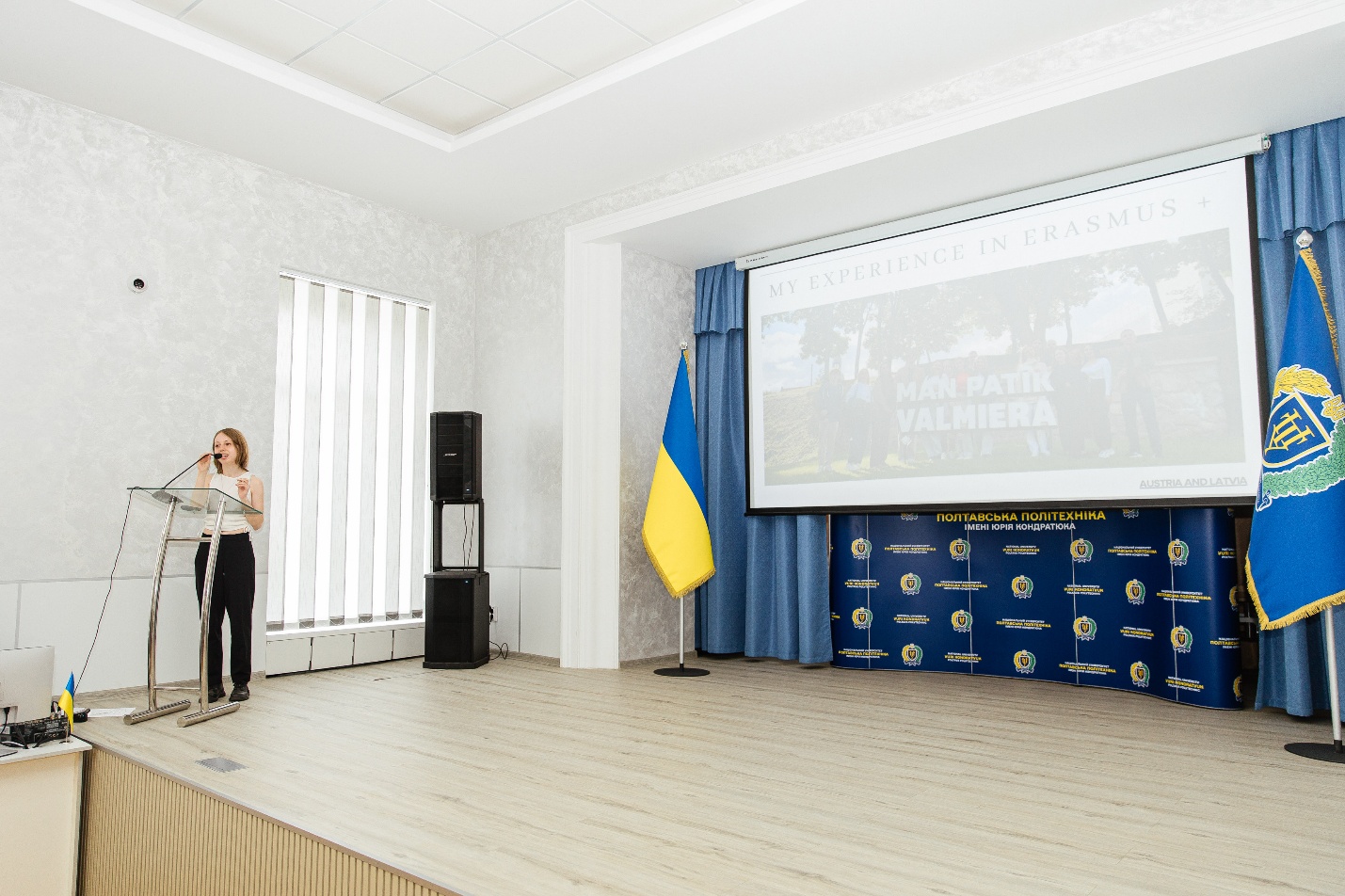
Insights into the “Baltic Sea rhythm” of education were provided by Maryna Kostenko (International Economic Relations). Her tenure at Vidzeme University of Applied Sciences (ViA) in Valmiera, Latvia, offered a master’s class in adapting to European labour markets and professional standards. Maryna Kostenko shared that this mobility program was a period of intensive professional development characterized by a highly practical curriculum that combined the study of international marketing and EU economics with the development of real-world cases, such as an investment app prototype. Beyond her academic achievements, Maryna gained invaluable intercultural communication experience living in the diverse international community of the university dormitory and significantly broadened her horizons through travels to Oslo, Stockholm, and Tallinn. Despite the harsh northern climate, she emphasized that the warm learning atmosphere and genuine new friendships turned this semester into an unforgettable adventure, expressing her gratitude to Poltava Polytechnic for the unique opportunity to integrate into the European educational space.
A visual highlight of the digital transition in education was the video presented by Architecture and Urban Planning students Anna Korostashova and Ruslana Zhadan. Currently studying at the Estonian University of Life Sciences, they demonstrated how cutting-edge digital technologies are revolutionising architectural design.
The experience of cultural and academic immersion in Romania was presented by a student in Group 201-P, studying Law (081) Orest Denysenko, who emphasised that Erasmus+ offers far more than classroom learning – it provides a profound understanding of international cultures at “1 DECEMBRIE 1918” University of Alba Iulia.
Orest Denysenko, a Law student, shared his experiences from his “dream semester” in the heart of Transylvania in Romania. He emphasized that international experience is critical for future legal professionals as it allows them to study how legal systems function across different traditions and helps master legal English. Orest highlighted the practical nature of the curriculum, specifically the analysis of real-world court cases and the comparative research of Ukrainian and Romanian criminal and civil legislation conducted alongside international professors. Beyond his academic achievements, he noted the unique atmosphere of studying within the historic Alba Carolina citadel and the vibrant social life fostered by the Erasmus Student Network, which helped him become more independent, confident, and open to global professional challenges.
The university takes particular pride in its students of Philology. An inspiring video from Porto Polytechnic in Portugal showcased how students are completing professional translation internships, successfully integrating into the European professional workforce during their studies.
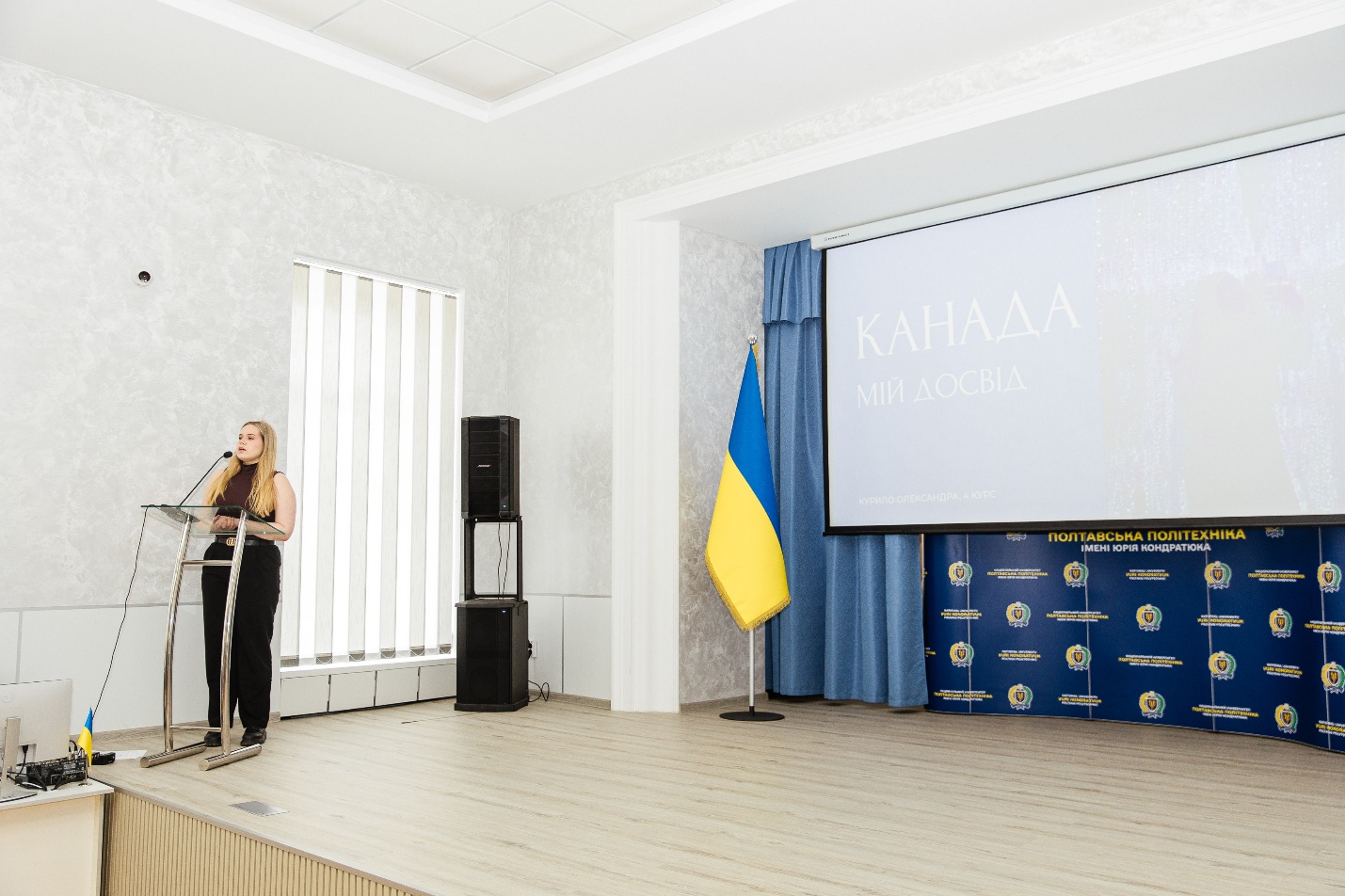
The furthest point on the mobility map was Canada. A student of the “International Economic Relations” programme (Group 401-FM) Oleksandra Kurylo shared her reflections on a semester spent at Humber Polytechnic in Toronto. According to her, studying in Canada represents an entirely new level of challenges and opportunities that make crossing the ocean a truly transformative experience.
She emphasized that this experience was unique due to Canada’s exceptionally open and multicultural society, where every student feels like an insider regardless of their background. Oleksandra was impressed by the college’s modernized infrastructure and the practical nature of the education, where professors act as mentors, encouraging bold questions and teamwork on real-world business projects. According to her, living in the dynamic rhythm of Toronto and studying in such an environment not only provided her with innovative professional knowledge but also helped her overcome the fear of leaving her comfort zone, granting her unwavering self-confidence and a global vision for her future career.
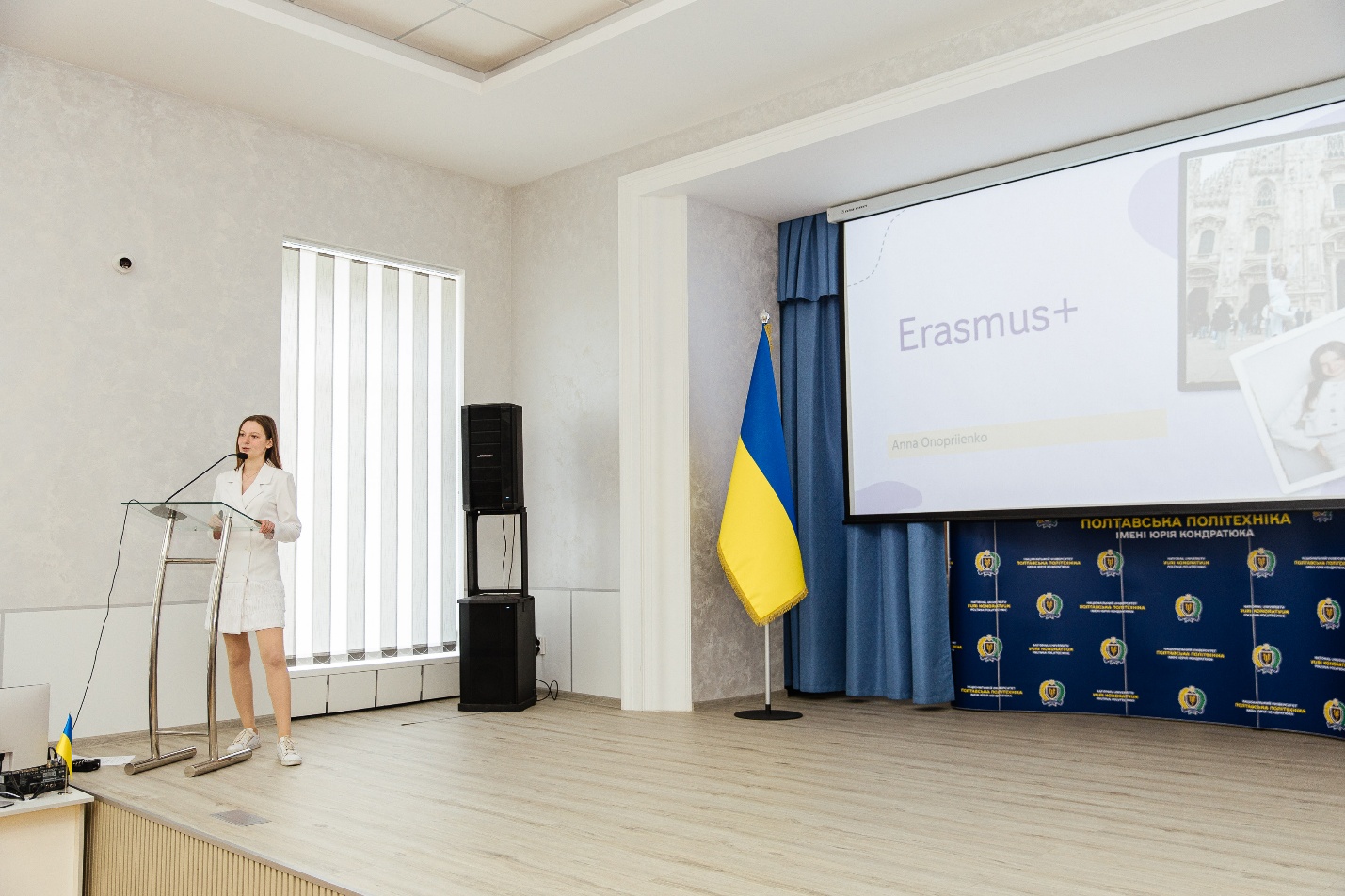
The marathon of success stories concluded with Anna Onopriienko (Philology). Her journey has been remarkable: from academic studies in Romania to intensive art therapy projects in Italy and Portugal. In just one week, Anna will depart for Aegina Island, Greece, to implement a new international arts initiative.
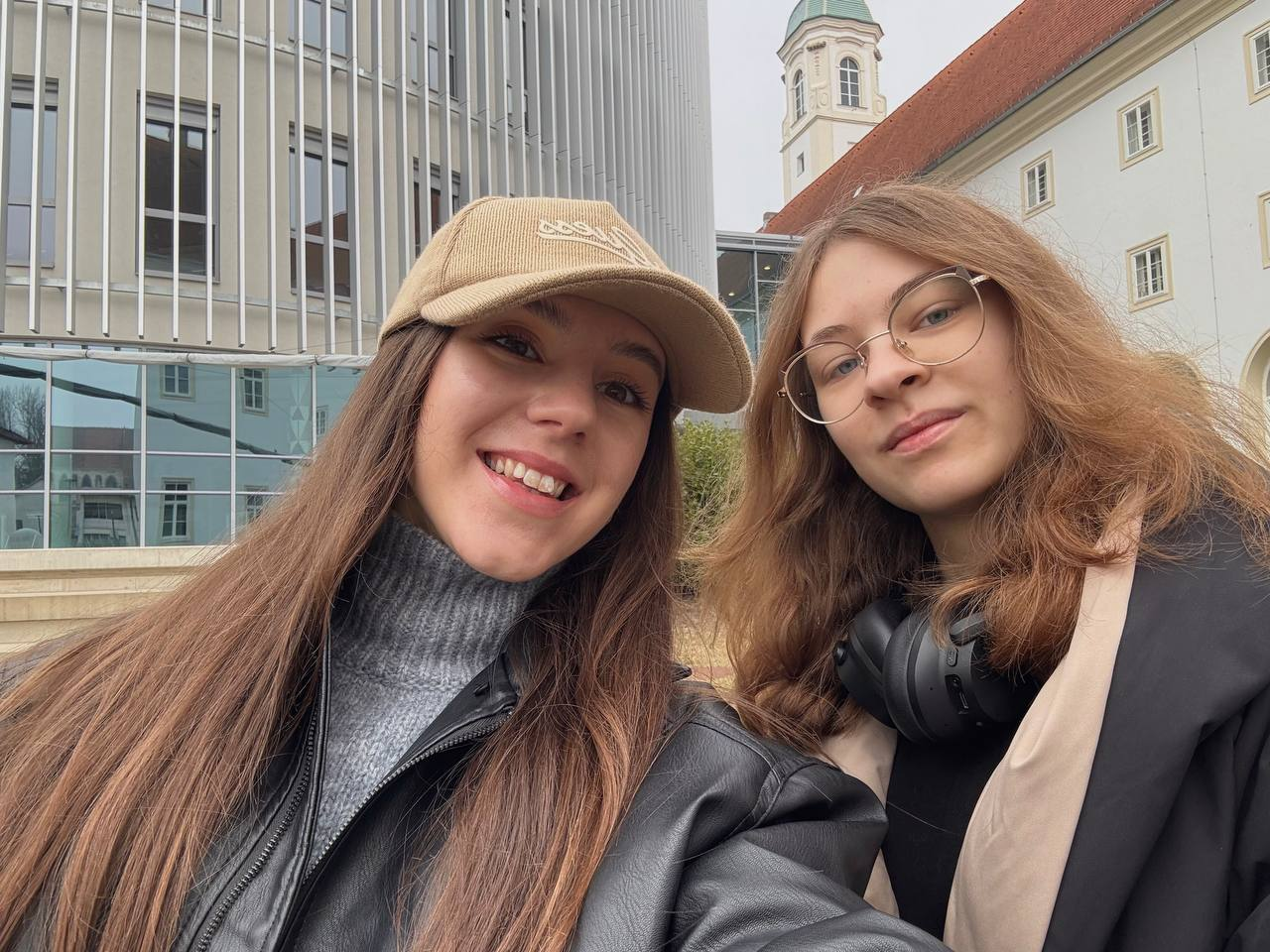
The final chord of these “living stories” was a video presentation by Daria Shurduk and Daryna Koretska, who showcased the picturesque Austrian city of Wiener Neustadt and the advantages of studying at one of Austria’s most innovative universities.
The event concluded with an engaging Q&A session. Students inquired about selection criteria, language proficiency requirements, and the logistics of balancing international mobility with their local academic curriculum.
In the closing remarks, the host urged the audience: “Today has proven that Erasmus+ is not just for “someone else” – it is for each of you. Scan the QR codes, subscribe to the International Relations Department channel, and prepare for your first adventure. You are the future of Poltava Polytechnic in the global community!”.
Do not be afraid to dream; do not be afraid to act! We look forward to receiving your applications at the International Relations Department.