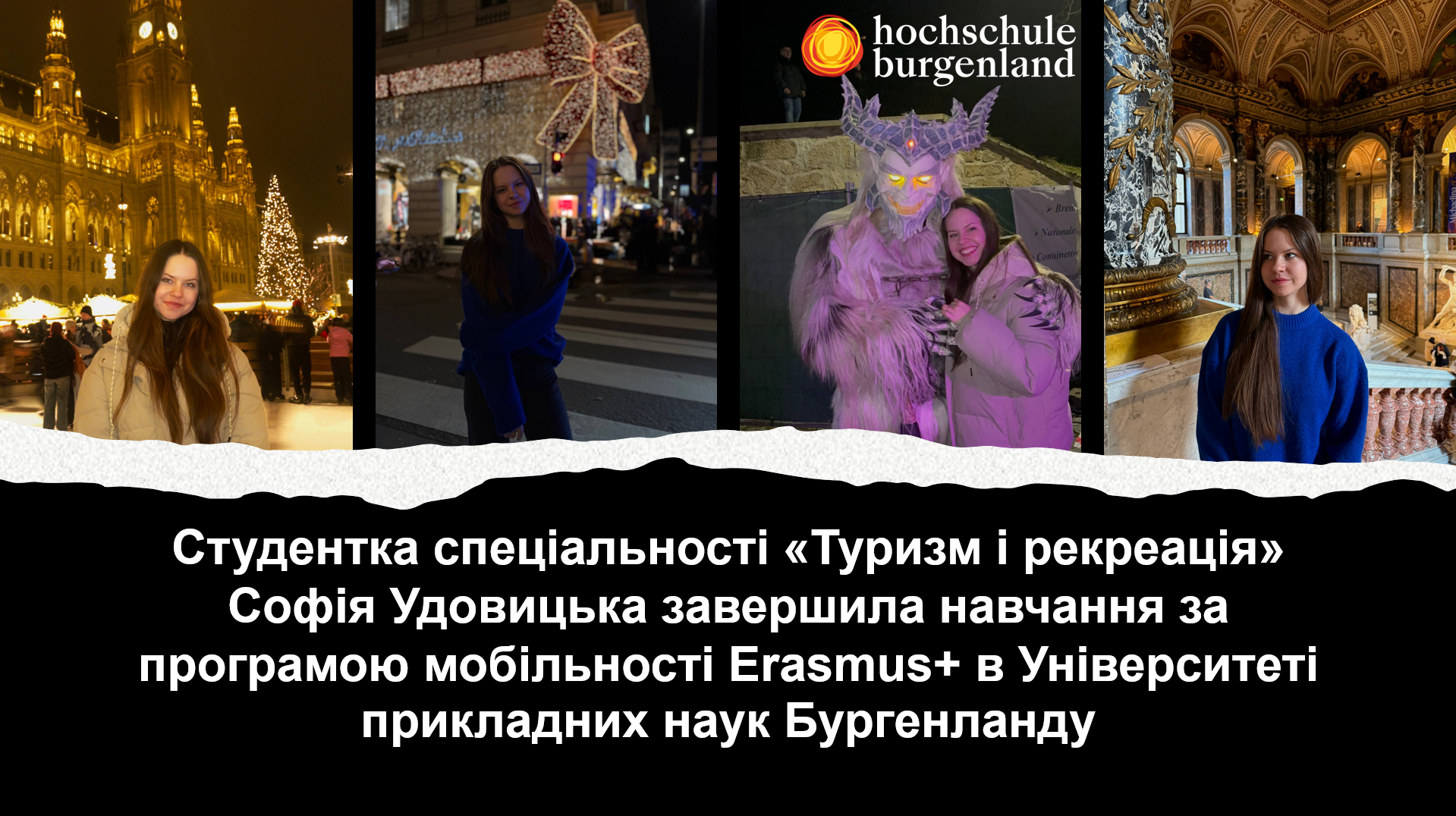
Time flies by, especially when it is filled with vibrant events, learning, and adventures. The Autumn Semester of the 2025/2026 academic year, which Sofiia Udovytska, a student from group 301 ET majoring in “Tourism and Recreation” at Poltava Polytechnic, spent as part of the Erasmus+ credit academic mobility program at the University of Applied Sciences Burgenland in Eisenstadt, Austria, has come to an end. Last time, Sofia shared her expectations and first impressions of Eisenstadt. Today, we meet with her to discuss whether those expectations were met, what professional and personal “bonuses” this experience brought, and how she plans to integrate her achievements in Austria into her future studies and career.
“The Erasmus+ ICM program became not just a period of studying abroad for me, but a profound personal and professional experience that changed my worldview and expanded my life perspectives. My semester at the University of Applied Sciences Burgenland exemplifies how modern European education combines academic rigour, practical orientation, and international openness.
The educational process is organised to maximise the integration of theoretical knowledge and practical skills. Classes were held in the format of interactive lectures, seminars, group projects, and case studies. Great attention was paid to teamwork, the development of critical thinking, presentation, and argumentation skills. Lecturers acted not only as instructors but also as mentors in the learning process, encouraging discussions and independent problem-solving.
I was particularly impressed by the atmosphere of openness and equal dialogue between students and professors. Communication was relaxed yet professional. Assessment was comprehensive, taking into account individual assignments, group projects, in-class participation, and final papers. This approach fostered deeper absorption of material and a sense of responsibility for one’s own results. The educational environment was fully digitised, utilising modern online platforms, electronic libraries, and interactive resources.
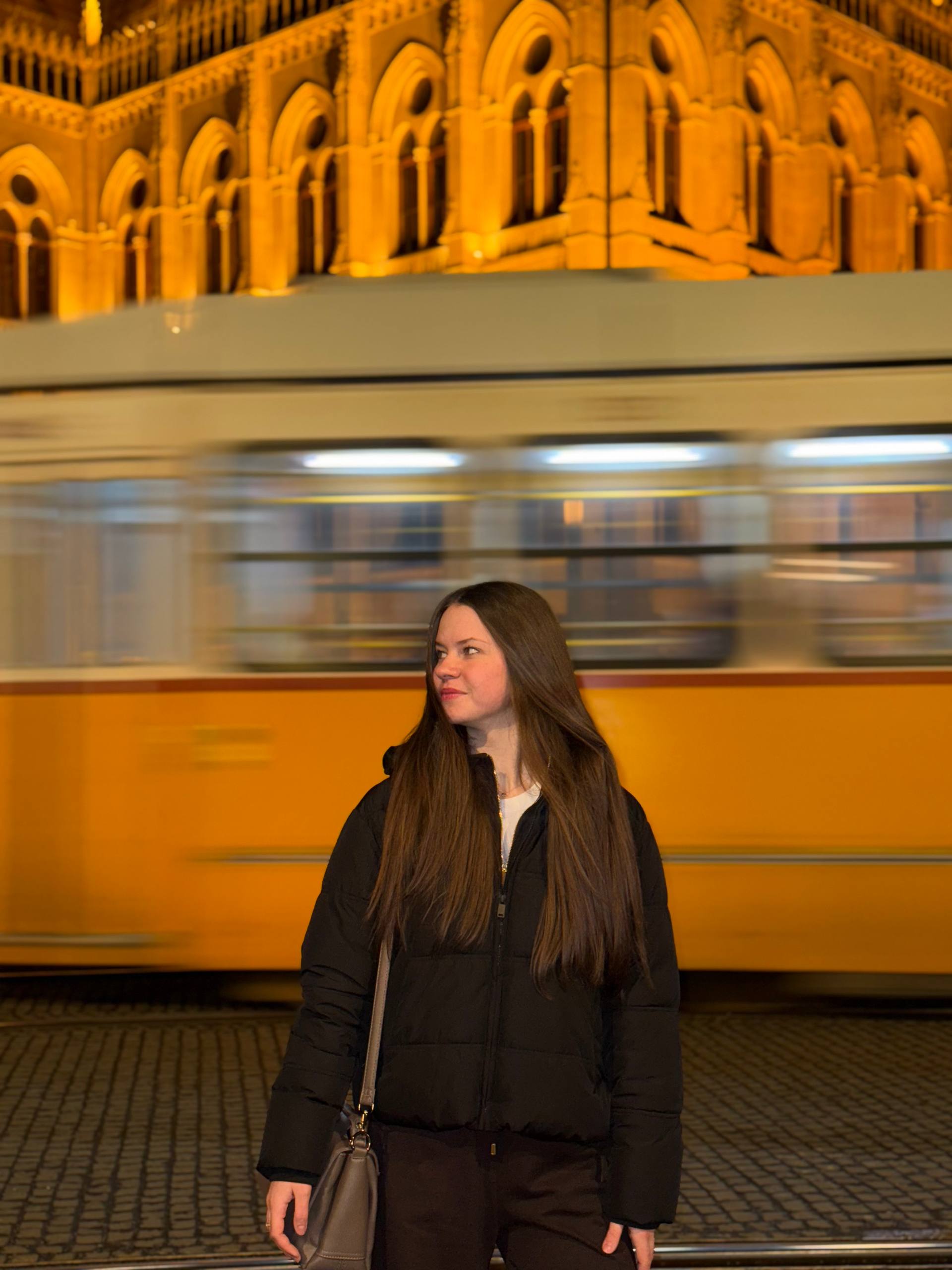
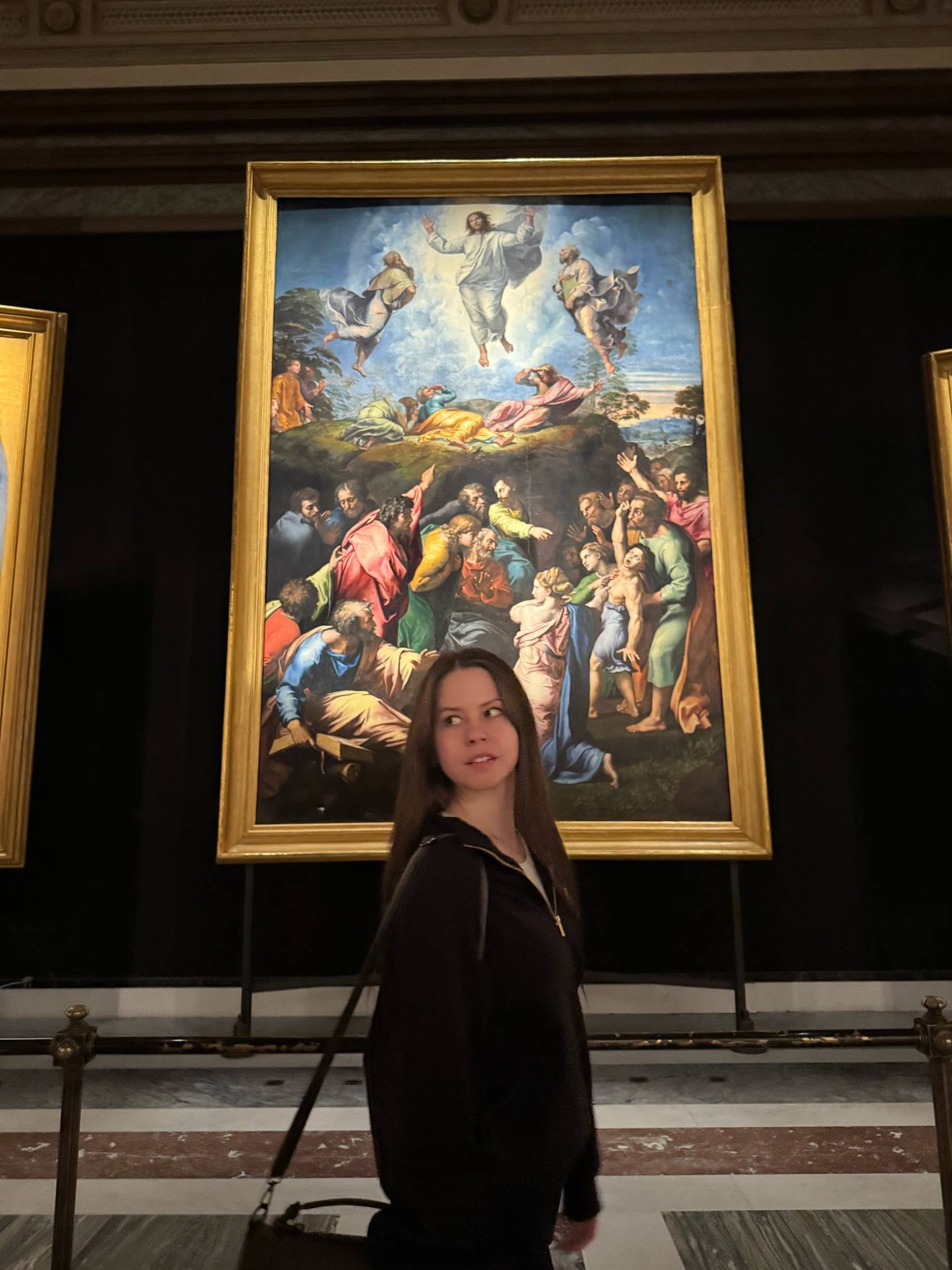
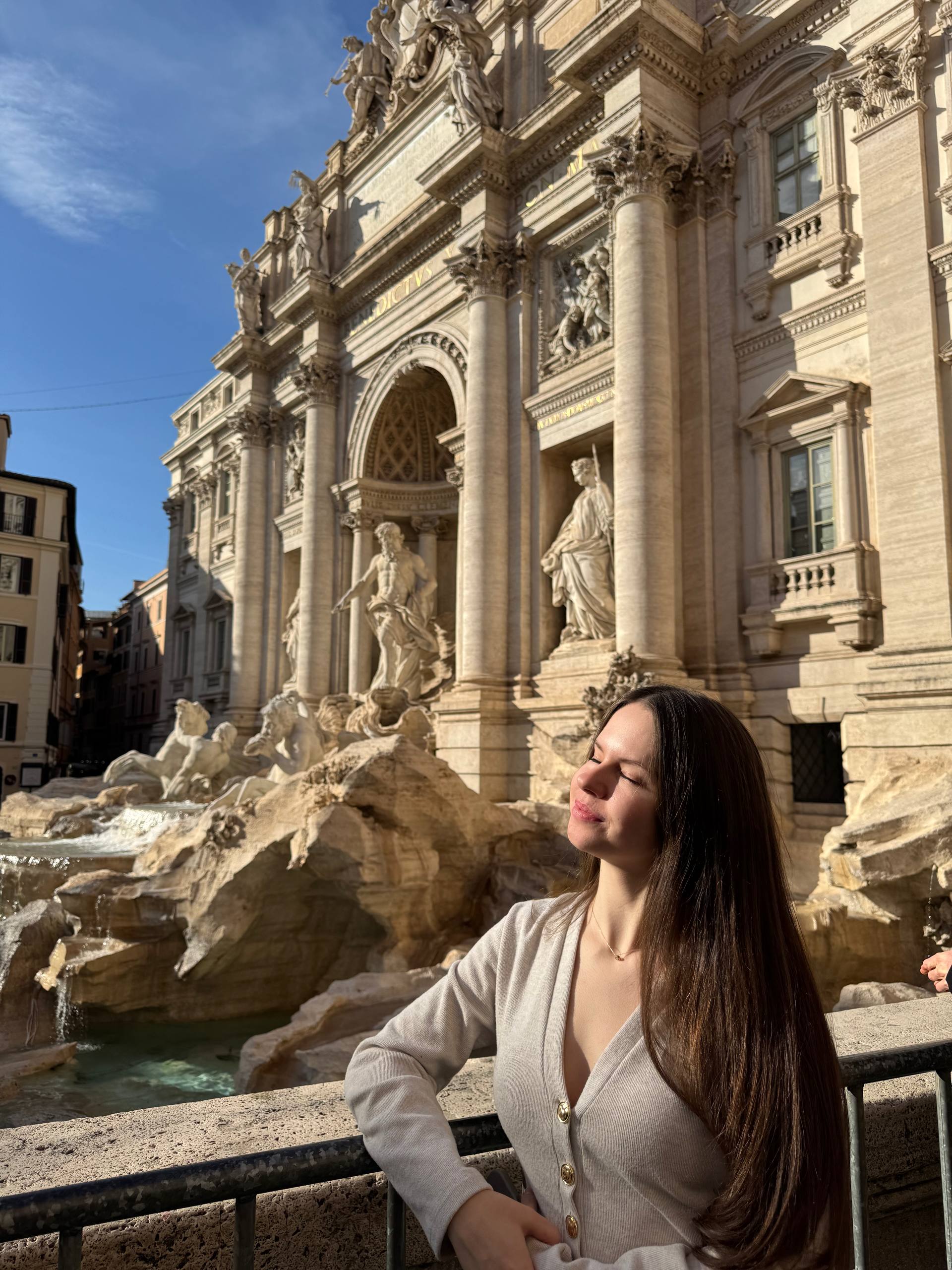
Besides the academic component, Erasmus+ gave me an incredible cultural experience. During my studies, I had the opportunity to travel across Europe, discovering new countries and cities. The first country I visited was Hungary, where I was captivated by Budapest’s atmosphere, its magnificent architecture, and the panorama of the Danube. In the Czech Republic, I saw the charming city of Prague, with its medieval streets, Charles Bridge, and unique historical atmosphere. A trip to Germany revealed a combination of modernity and tradition, the orderliness of the cities, and a high level of organisation in everyday life. And in Italy, I felt true emotion, artistic heritage, and the unique flavour of Italian cities.
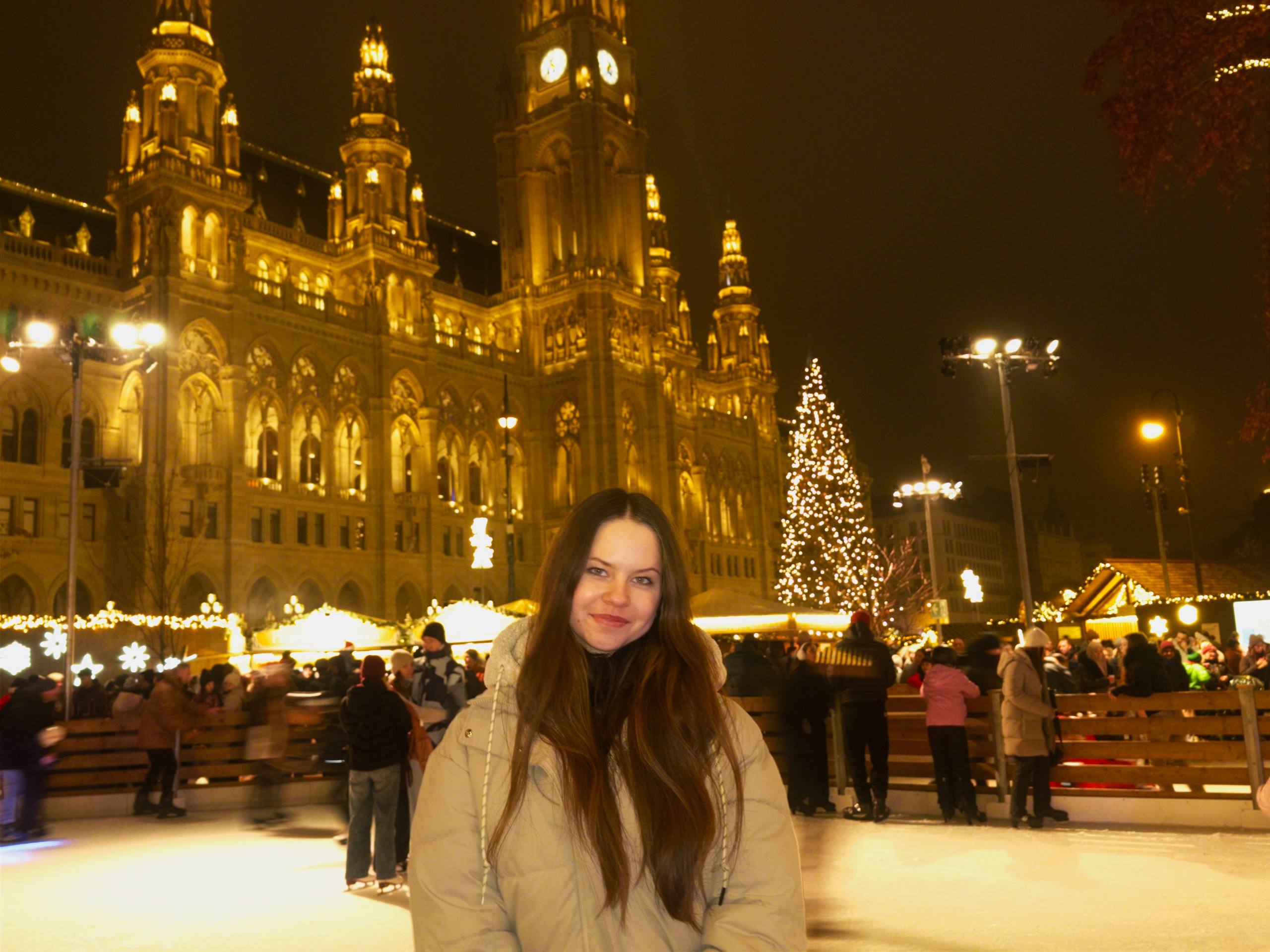
Travels within Austria itself deserve a special mention. This country impressed me with its natural beauty and the harmony between history and modernity. Visiting Hallstatt – a small but extremely picturesque town nestled among mountains and a lake, rightfully considered one of the most beautiful places in Europe – evoked special emotions. These travels allowed me not only to see new locations but also better to understand the cultural diversity of the European Union.
An extremely valuable aspect of the program was the international networking. During my studies, I made many friends from different countries around the world. Communicating with people of different cultures, traditions, and perspectives significantly broadened my worldview. I learned to understand others better, work in a multicultural environment, and adapt to new conditions. This experience shaped my new professional guidelines and instilled confidence in my abilities.
I can confidently say that participating in the Erasmus+ program was a source of many positive emotions, inspiration, and unforgettable impressions. It was a period of active development, discovery, and rethinking my own capabilities. Thanks to this experience, I look at the future differently, seeing broader prospects for professional realisation and international cooperation.
I express my sincere gratitude to Poltava Polytechnic for the opportunity to participate in this ICM program. It was the support of my university that made this incredibly valuable stage in my life possible, which will remain an important component of my personal and professional development”, – says Sofia Udovytska.

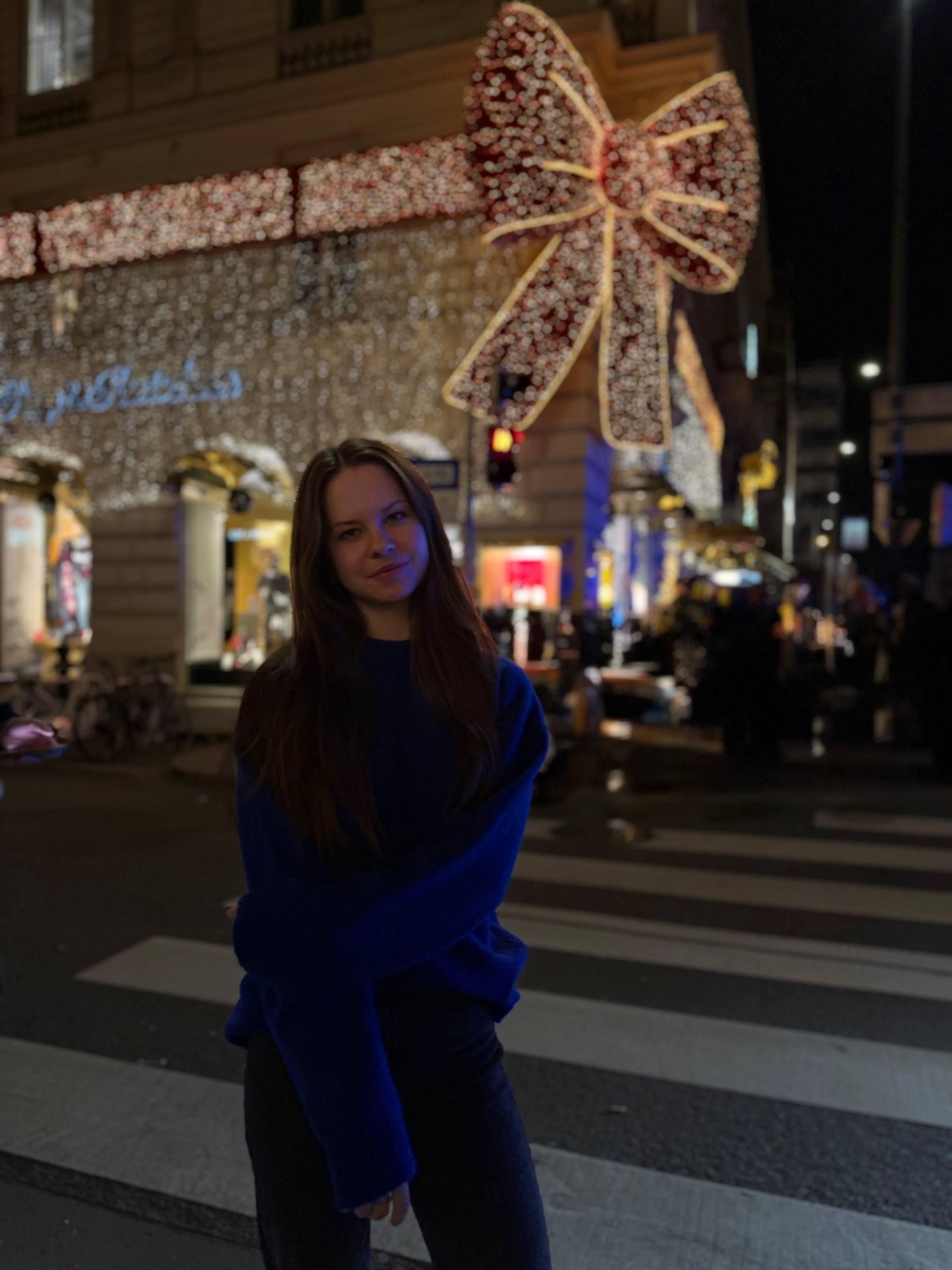
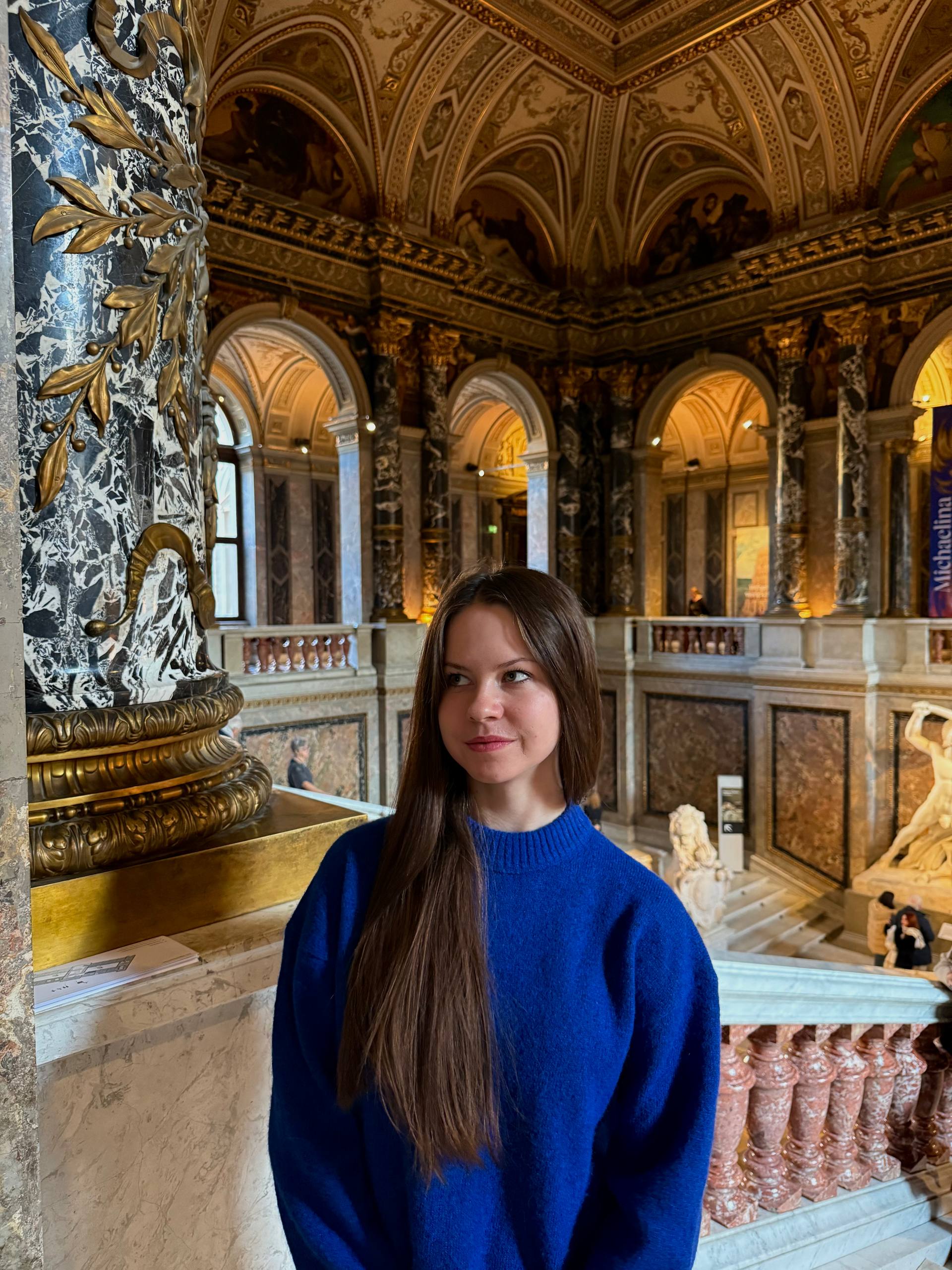
Poltava Polytechnic has been actively cooperating with the University of Applied Sciences Burgenland for more than three years. In the 2023/2024 academic year, Nadiia Kubrak and Anastasiia Arkhypova (Autumn Semester), and Nadiia Kubrak, Anzhelika Didechkina, and Dana Sholokh (Spring Semester) studied in Hochschule Burgenland under the ICM program. In the 2024/2025 academic year, Bohdana Kurylo, Daria Shurdik, and Maryna Kostenko participated in the ICM program there.
In the spring of 2024, two lecturers from Poltava Polytechnic participated in the Erasmus+ academic mobility program at the University of Applied Sciences Burgenland (Eisenstadt, Austria) and attended International Staff Week 2024. Two other lecturers – Oksana Vorobiova and Yuliia Nikolaenko – received CEEPUS academic scholarships for teaching from the Austrian Agency for Education and Internationalisation (OeAD) and gave lectures at the Hochschule Burgenland. Yuliia Nikolaenko also participated in the Erasmus+ academic mobility program for lecturers in June 2025 and September 2025.
As a reminder, faculty members of Poltava Polytechnic are eligible to participate in academic mobility and internship programs. Students can study abroad through Erasmus+ credit academic mobility grant programs for a semester or a full academic year at leading universities in Austria, Greenland, Denmark, Estonia, Finland, France, Germany, Greece, Ireland, Italy, Latvia, Lithuania, Luxembourg, the Netherlands, Norway, Poland, Portugal, Romania, Slovakia, Spain, Sweden, and the Czech Republic.
For more detailed information on current internship, teaching, and academic mobility programs abroad, please contact the International Relations Office (office 213-C, interoffice@nupp.edu.ua).