International academic mobility remains one of Poltava Polytechnic's most powerful development vectors, giving students a platform where bold professional ambitions translate into tangible European experience. Through systematic partnerships with leading European universities, future specialists do not merely acquire knowledge; they become full participants in the global scientific and educational dialogue.
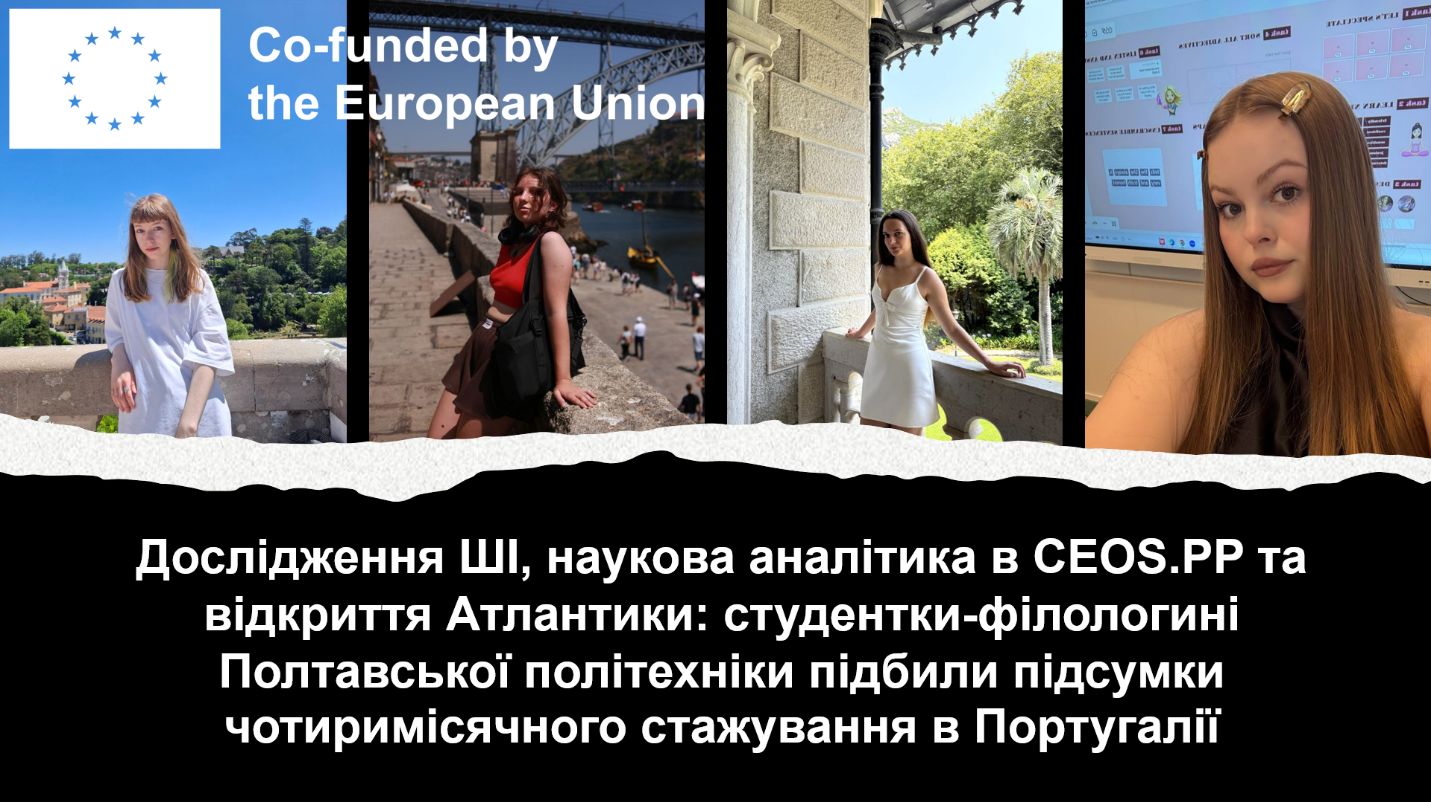
The practical traineeship at the Polytechnic University of Porto (P.PORTO) provided third-year students majoring in 035 “Philology”, Khrystyna Natalchuk, Yelizavieta Samoilenko, Kristina Svystiulia, and Diana Savchenko, with an ideal trajectory in which classical university education seamlessly integrated with international applied professional activity (traineeship).
While the initial months of the traineeship focused on adaptation, acclimating to the rhythm of Porto, and organising language clubs, the final stage of mobility became a period of genuine professional maturity and scholarly achievement. Sharing their impressions for the second time, the students now convey deeper professional reflections: conducting analytical research at the prestigious CEOS.PP research centre, mastering specialised digital tools for source systematisation, examining translator interaction with artificial intelligence, and directly coordinating university academic conferences.
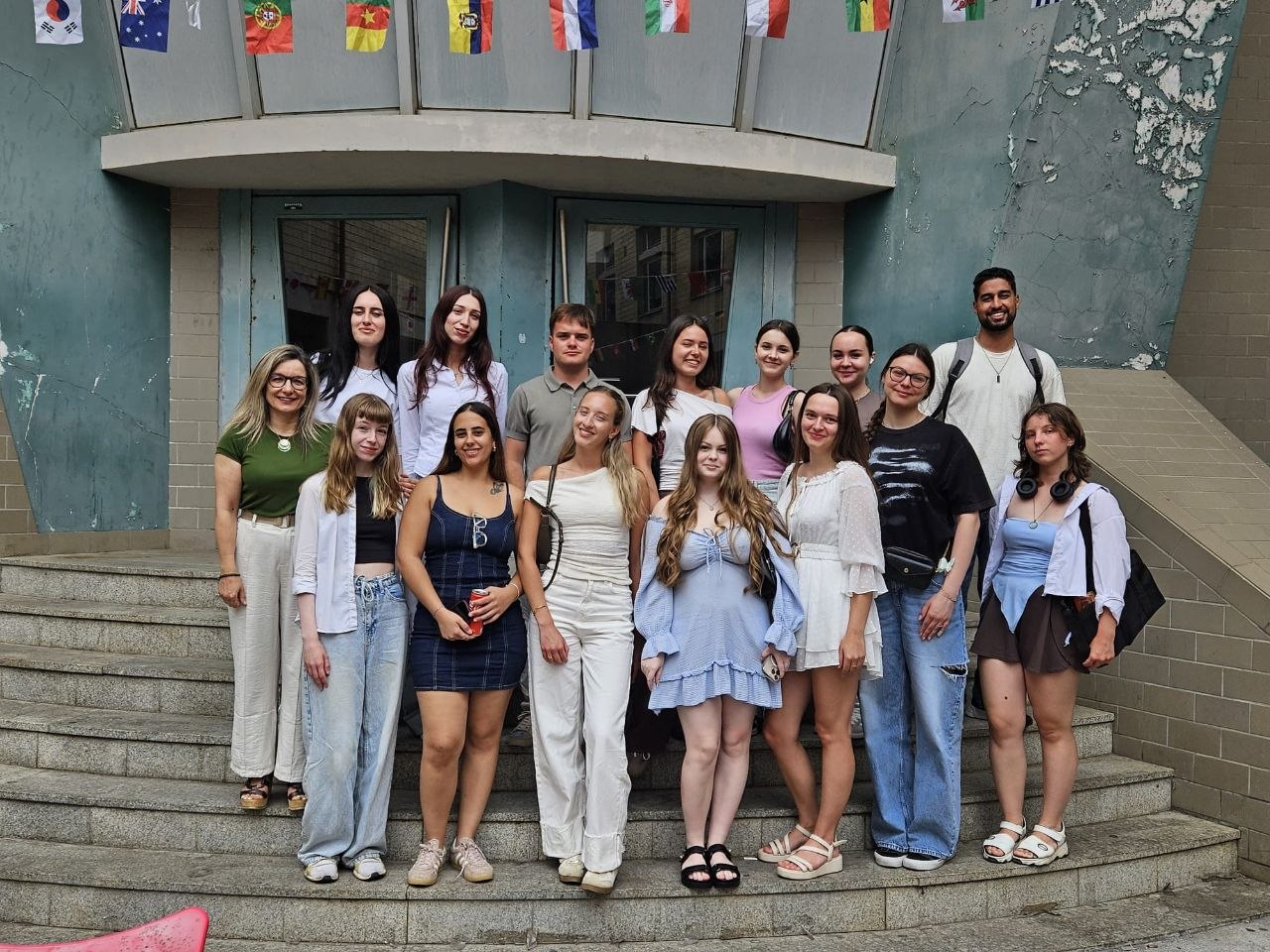
This rigorous daily work was intertwined with remarkable cultural discoveries, from walks along the historic streets of Porto and the mystical castles of Sintra to a journey across the subtropical slopes of distant Madeira and their first steps in catching ocean waves.
In their concluding reflections, the philology students recount how four months in Portugal shaped their character, opened new academic horizons, and left them with unforgettable memories.
Kristina Svystiulia, student of group 302-FF, 3rd year, speciality 035 “Philology”: “Academic mobility is always a bold step into the unknown, yet it marks the beginning of the most valuable professional and life experience. This spring, my educational journey led me to Portugal, to the Instituto Superior de Contabilidade e Administração do Porto (ISCAP) – a leading school of the Polytechnic University of Porto. Four months under the Erasmus+ program became a harmonious blend of deep academic research, genuine intercultural friendships, and daily admiration for a new country.
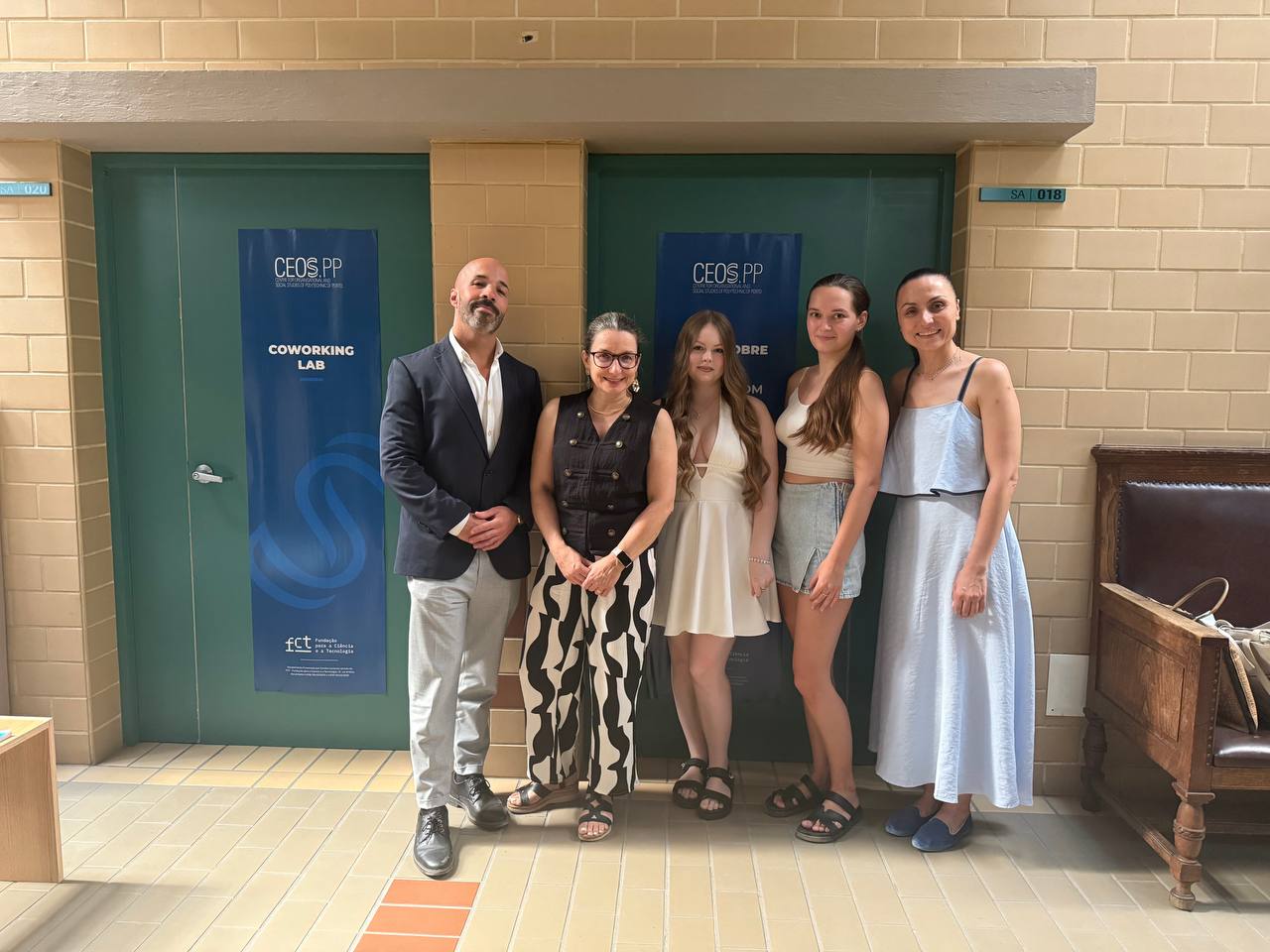
The internship program focused on research and applied activities. Beyond International Week events, a significant component of my traineeship was working on real analytical projects at the CEOS.PP Research Centre. There, I mastered the professional bibliographic tool Zotero to systematise scientific sources, structure academic literature, and maintain bibliographic databases, marking a qualitative leap in my research skills.
In parallel, I participated in a certified Change Management workshop conducted by visiting professors from Germany. Working in a multicultural team on practical case studies gave me deeper insight into team transformation and earned me a corresponding European certificate. Through daily professional interaction, English stopped being a barrier and became a natural tool for thinking and communication.
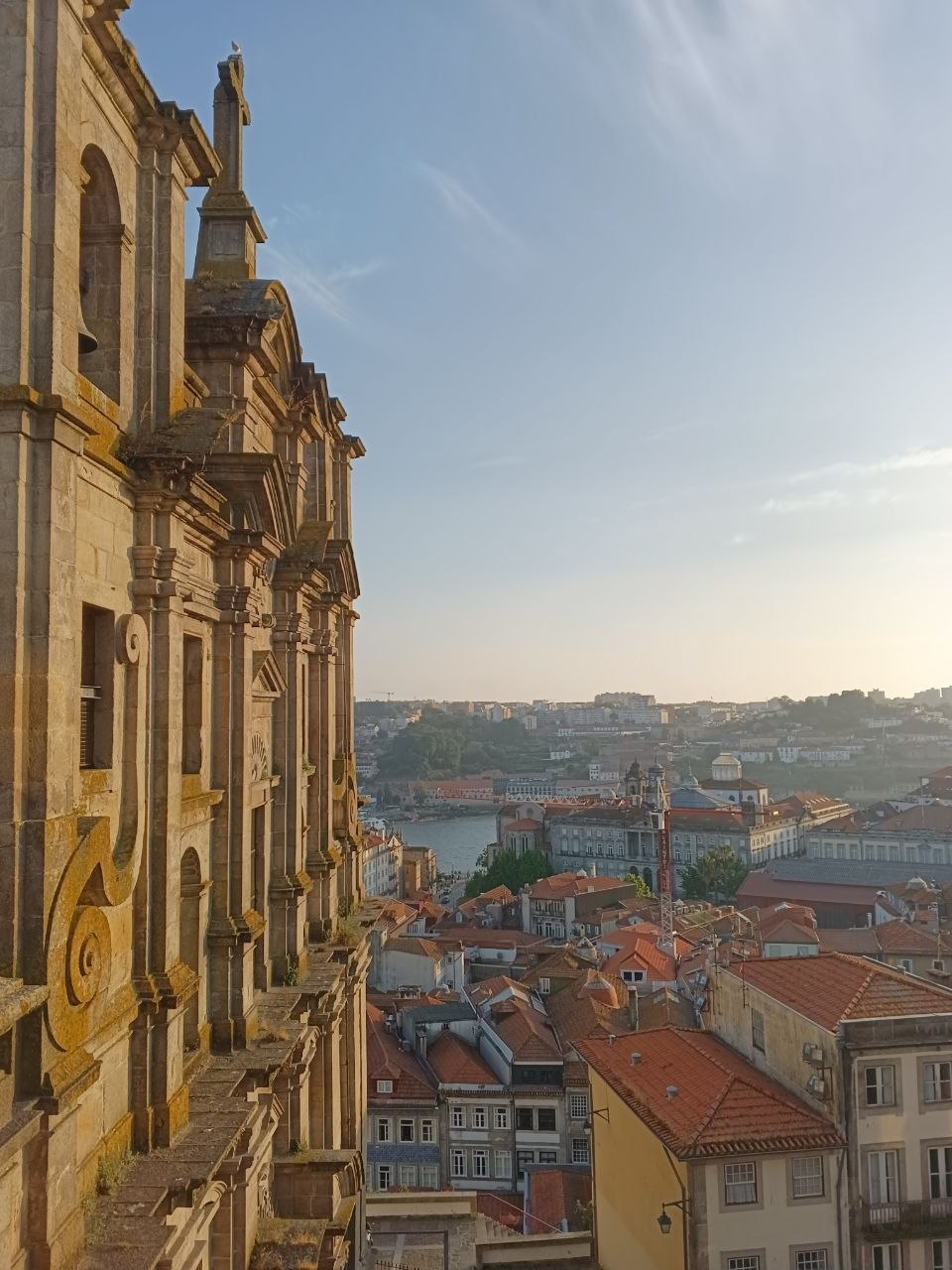
Porto captivates from the very first moment: its historic streets, the majestic Douro River, and the powerful energy of the Atlantic Ocean create a unique atmosphere. Perhaps the most important lesson Portugal taught me was how to harmonise the pace of life: the local culture teaches you not to rush, to cherish the “here and now”, and to approach daily tasks with inner calm. The traditional coffee break with a delicate pastel de nata quickly evolved from an ordinary pause into a cherished ritual of inspiration.
One of my most memorable personal achievements was surfing: riding an ocean wave had long been a dream of mine, and in Porto it became an experience of overcoming fear and feeling immense freedom.
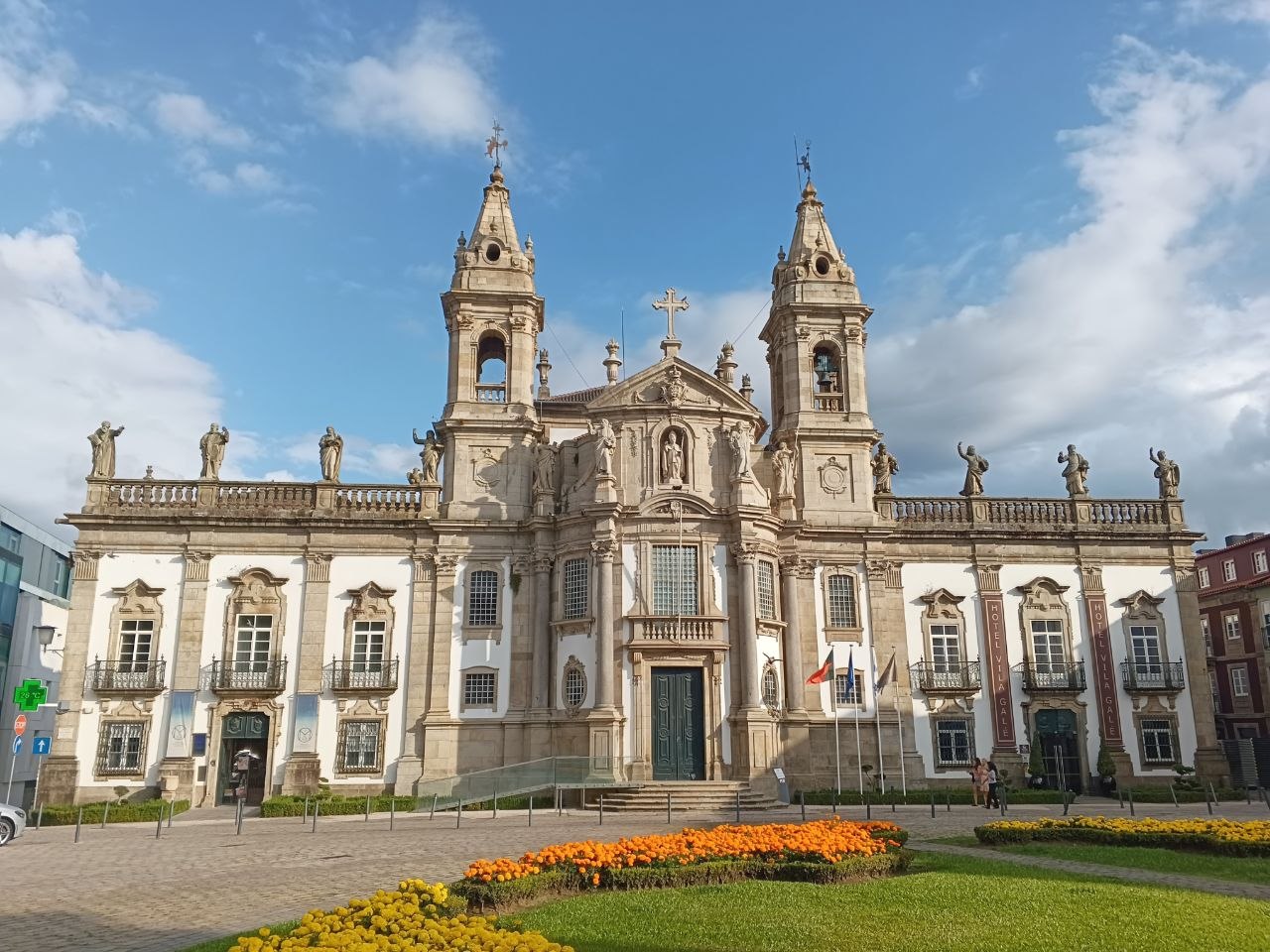
Our educational travels were equally thrilling: a warm trip to historic Braga accompanied by a local ISCAP student, colourful Aveiro with its network of canals, striped houses, and endless coast, the majestic, monumental Lisbon, and, of course, fairy-tale Sintra, whose mist-shrouded castles look as if they stepped out of storybooks. The internship at ISCAP taught me flexibility and self-confidence, and broadened my worldview. If you are still hesitating about whether to apply for Erasmus+ – do not doubt for a single second: this experience stays with you for a lifetime!”.
Diana Savchenko, student of group 302-FF, 3rd year, speciality 035 “Philology”: “Participating in the Erasmus+ traineeship mobility program at ISCAP became a landmark immersion into the international academic environment for me. My practical activities were directly centred at the CEOS.PP research centre, where I was entrusted with executing a significant scientific project.
The key objective was to compile a comprehensive, structured database of research on translation in business and management contexts, aiming to systematise current sources and optimise the centre’s researchers’ work. To implement the project, I used Zotero to meticulously select, catalogue, and analytically screen studies that bridge translation studies with economic and management discourses.
I analysed each article in detail in Microsoft Excel, recording research objectives, methodology, key findings, and core translation concepts. This painstaking work significantly strengthened my ability to analyse large volumes of academic information and to evaluate writing critically.
A point of special professional pride was being entrusted with onboarding new researchers at the centre: I led briefing sessions and explained data-management workflows to colleagues. This served as tangible proof of the high level of trust placed in me and my professional maturity.
Beyond research, I took on broad academic management responsibilities: coordinating activities during International Week, which brought together prominent scholars from over 30 countries, and providing organisational support on May 15 for a major academic conference held at ISCAP.
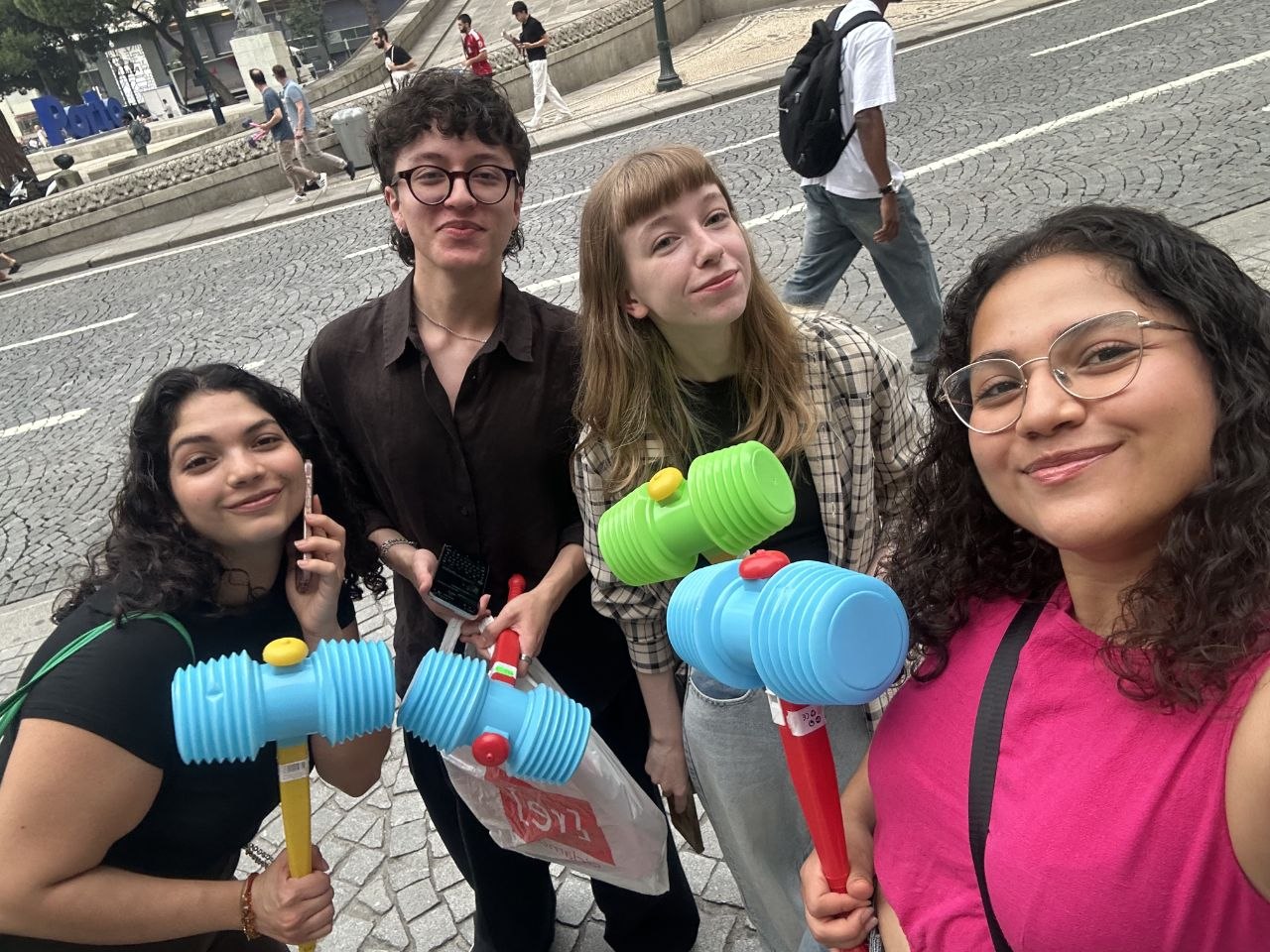
The mobility's cultural component offered equally vibrant discoveries. I had the good fortune to celebrate my birthday in the majestic capital of Lisbon, ascend to the mystical palaces of Sintra, experience the spirit of the University of Coimbra, one of Europe's oldest, and explore Aveiro, colourful Costa Nova, and Braga. An unforgettable memory was the traditional Feast of Saint John (Festa de São João), celebrated across the city on the night of June 23 to 24: the jovial tradition of playfully tapping passersby with bright plastic hammers for good luck, thousands of glowing paper lanterns floating into the night sky, and an enchanting half-hour fireworks display over the Ribeira promenade. Erasmus+ has given me a solid professional foundation, new friends from all continents, and boundless motivation to move forward.
Yelizavieta Samoilenko, student of group 301-FF, 3rd year, speciality 035 “Philology”: “My second participation in the Erasmus+ academic mobility program in enchanting Porto became a period of profound internal transformation. Over these four months, the city on the Douro truly became a second home: I knew the shortest scenic paths to the university, the cosiest seafood spots, and the best viewpoints in the world to watch Atlantic sunsets.
The practical component of the traineeship demanded maximum responsibility and creativity from us. Every week, we organised and facilitated Speaking Clubs for ISCAP students and academic staff – combining in-person sessions in university classrooms with interactive online meetings. We developed engaging communicative topics, interactive exercises, and case studies, creating a supportive atmosphere that helped participants overcome language barriers. At the same time, we regularly supported the university's international relations office by accompanying guest international speakers and helping coordinate large-scale events.
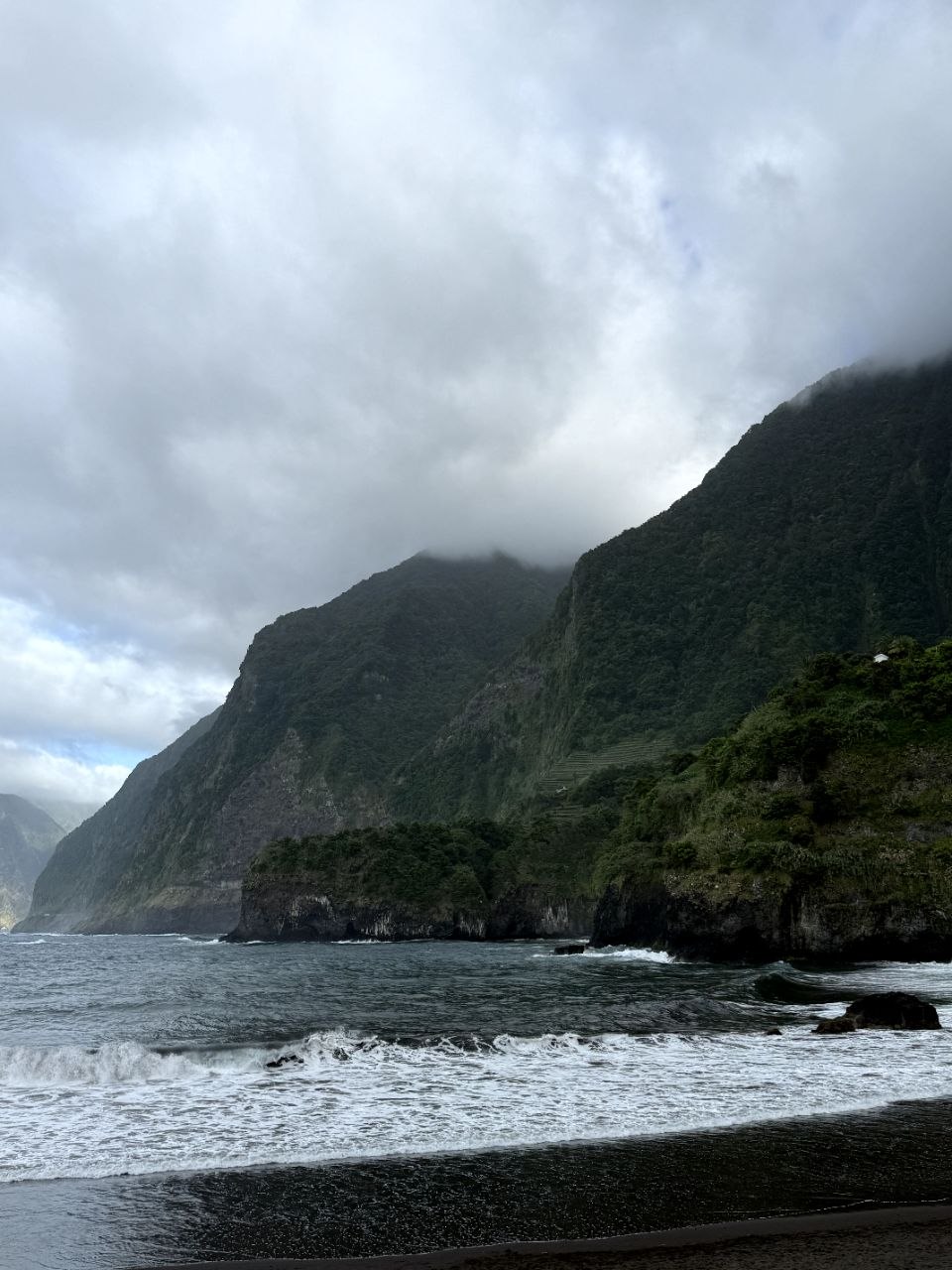
Our travels across Portugal revealed its geographical scope. The most striking highlight was a journey to Madeira, a subtropical island. The winding mountain roads of Curral das Freiras, charming Funchal, breathtaking cliffside viewpoints, and the wild Seixal beach with its black volcanic sand felt like travelling to another planet.
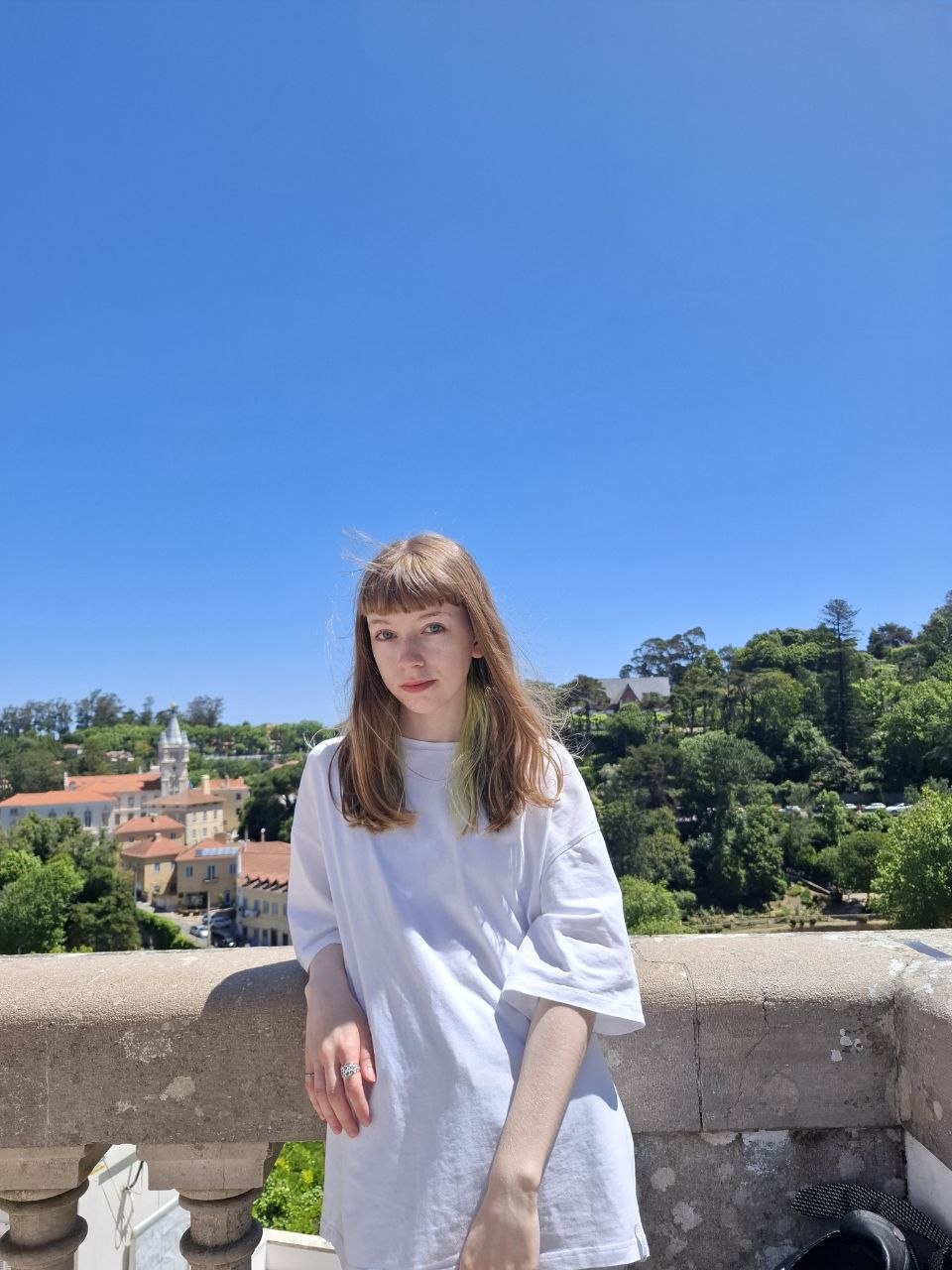
During our visit to Lisbon, we packed a single day with the grand Jerónimos Monastery, Belém Tower, the modern creative hub LX Factory, a ferry crossing of the Tagus River, and a climb to the iconic Sanctuary of Christ the King. Fairytale Sintra evoked special wonder: the mystical tunnels of Quinta da Regaleira, the exquisite Palácio Biester, and majestic Cabo da Roca – the westernmost point of continental Europe. Standing on the edge of a 140-meter cliff facing the boundless Atlantic Ocean, one feels the sheer scale of the world with particular acuity.
Student life was vibrant thanks to events hosted by the ESN network. At the same time, the city's São João festival remained etched in my heart with its warm atmosphere of unity, cheerful “battles” with squeaky hammers, and millions of lanterns illuminating the summer sky. Erasmus+ at the Polytechnic University of Porto taught me confidence in my knowledge, independence, and the ability to readily establish common ground with people from any corner of the globe. I express my sincere gratitude to my alma mater, Poltava Polytechnic, for this unforgettable school of life and professional excellence!”.
Khrystyna Natalchuk, student of group 301-FF, 3rd year, speciality 035 “Philology”: “The second half of my internship at ISCAP proved exceptionally productive in both technological-academic and exploratory dimensions. In addition to facilitating weekly English Speaking Clubs and designing educational modules on the Moodle platform, I had the privilege of contributing to cutting-edge research at the intersection of linguistics and digital technologies.
Under Professor Adalberto's direct scientific supervision, we conducted an innovative research project exploring practical applications of artificial intelligence. Our task was to test and deeply analyse how AI algorithms perform information retrieval, filtering, and semantic processing when formulating responses to linguistic and domain-specific queries. We dissected scholarly articles and identified patterns in how neural networks synthesise responses.
For me, as an aspiring translator, this project was exceptionally enlightening: it demonstrated not only the tremendous potential of modern AI systems in language processing, but also the critical need for fact-checking, verification, and human professional oversight of machine-generated output.
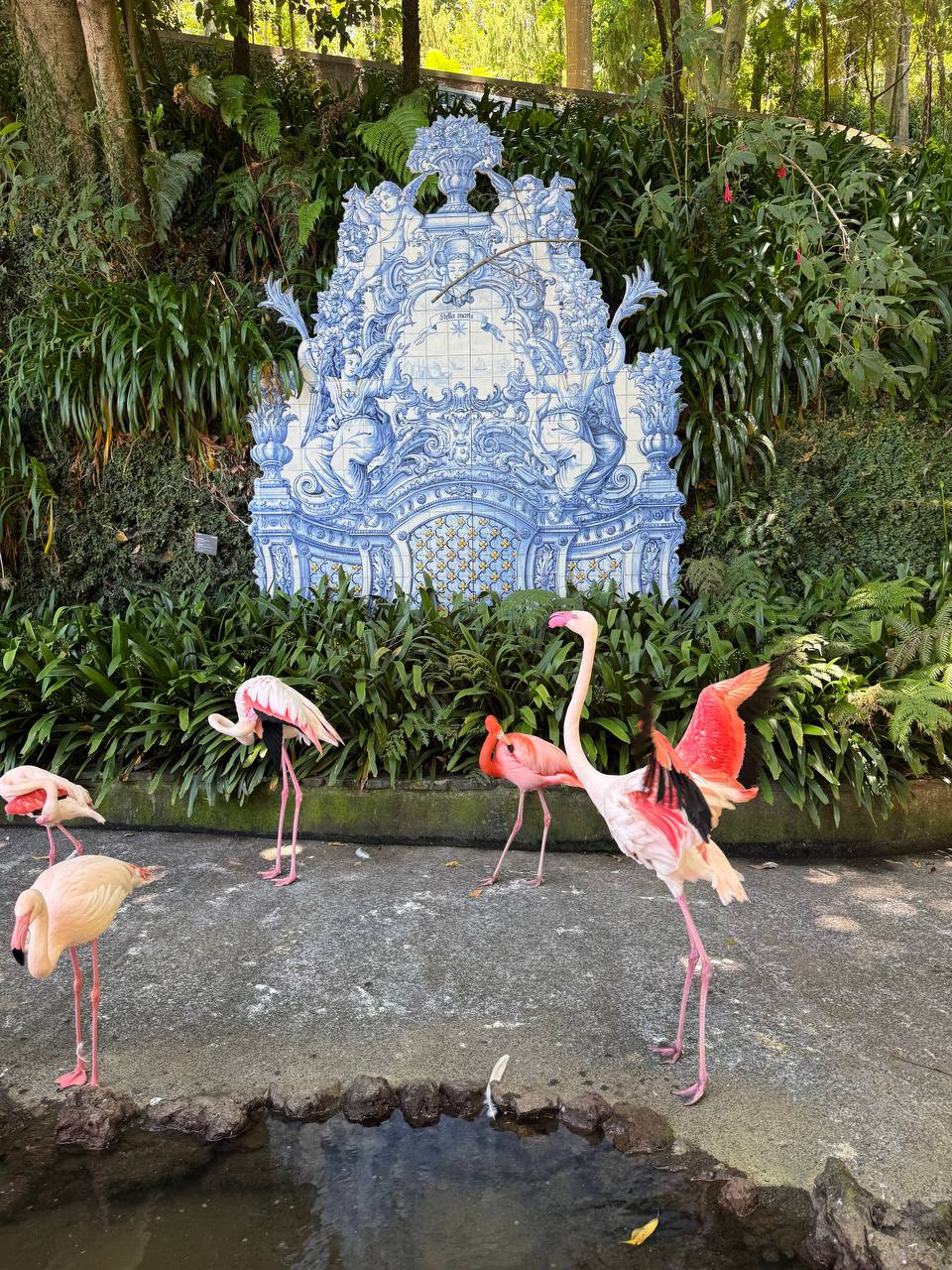
The travels formed a vivid chapter of the mobility. The trip to Madeira exceeded all expectations. I was most captivated by the unique 70,000 m² Monte Palace Madeira tropical garden on the slopes of Funchal: rare endemic relics, ponds with koi carps, graceful flamingos, and exquisite Japanese and Chinese gardens with pagodas and Buddhist artefacts. As a philologist, I found immense aesthetic value in the monumental exhibition of Portuguese azulejo tile panels depicting key eras of the country's history. Meanwhile, Praia de Seixal, with its pristine dark volcanic sand and emerald cliffs, appeared truly magical.
During our journey to the capital, we visited the Belém Tower, the Lisbon Oceanarium, the creative art district LX Factory, and the Gothic vaults of the Jerónimos Monastery. Visiting Sintra, the Quinta da Regaleira estate and the Palácio e Parque Biester felt like stepping into an exquisite historical drama, as if I were the protagonist of a favourite series for a day.
Concluding the traineeship at Cabo da Roca served as a harmonious finale to the entire journey. Erasmus+ gave me immense professional experience, skills in working with cutting-edge technologies, and an unwavering belief in my future”.
The four-month traineeship for future translators at the Porto Accounting and Business School (ISCAP) of the Polytechnic University of Porto has once again reaffirmed the high standard of humanities training at Poltava Polytechnic. The students not only adapted successfully to a demanding European research and educational environment, but also proved themselves qualified, motivated, and proactive young researchers and managers capable of working on equal footing within international analytical centres.
Anna Pavelieva, International Relations Coordinator at Poltava Polytechnic, Candidate of Philological Sciences, Associate Professor, emphasised the strategic importance of such practical internships: “The successful completion of practical mobility by our philology students at one of Portugal's most prestigious higher education institutions – ISCAP P.PORTO – is convincing proof that the educational programs of Poltava Polytechnic meet the highest European standards. Practical work at the CEOS.PP research centre, conducting sessions for faculty and students, researching artificial intelligence, and publicly presenting findings provide precisely the practical toolkit that makes our university's graduates highly competitive and sought-after specialists in the global labour market.
I express sincere gratitude to the President of Poltava Polytechnic Volodymyr Onyshchenko and Rector Olena Filonych for their systematic support of our university's international initiatives. Thanks to the creation of favourable conditions and the leadership's commitment to advancing academic mobility, our students gain genuine access to the European educational area, learn to work on international projects, and confidently shape their professional trajectories!”.
As a reminder, students of Poltava Polytechnic have the unique opportunity to study abroad tuition-free under credit mobility programs and undertake practical traineeships through the EU Erasmus+ grant program for a semester or an academic year at leading partner universities in Austria, the Czech Republic, Denmark, Estonia, Finland, France, Germany, Latvia, Lithuania, the Netherlands, Norway, Poland, Portugal, Slovakia, and Spain.
For more information on current international credit mobility programs and practical traineeships, contact the University's International Relations Office (Room 213-C, e-mail: interoffice@nupp.edu.ua).