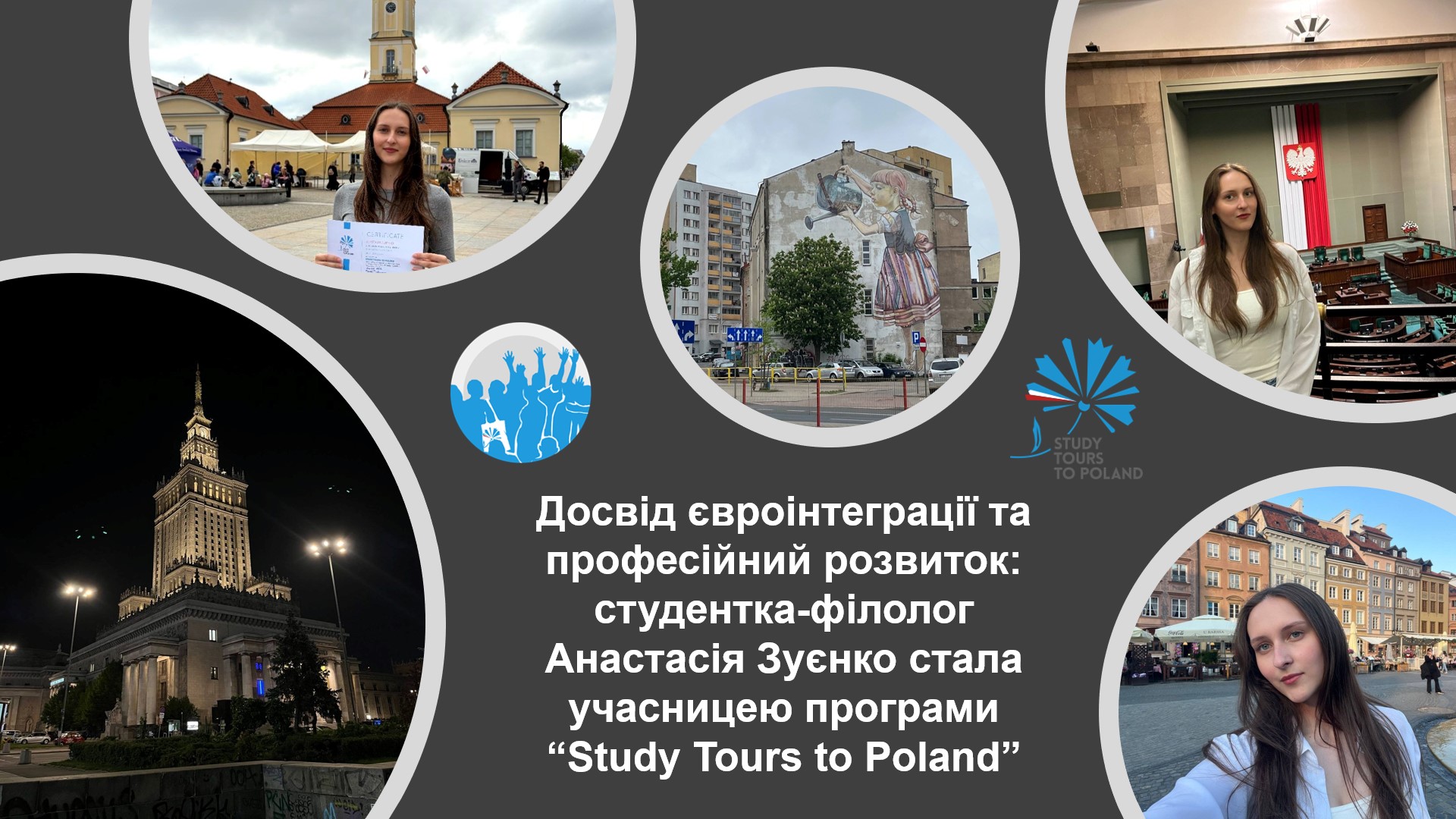
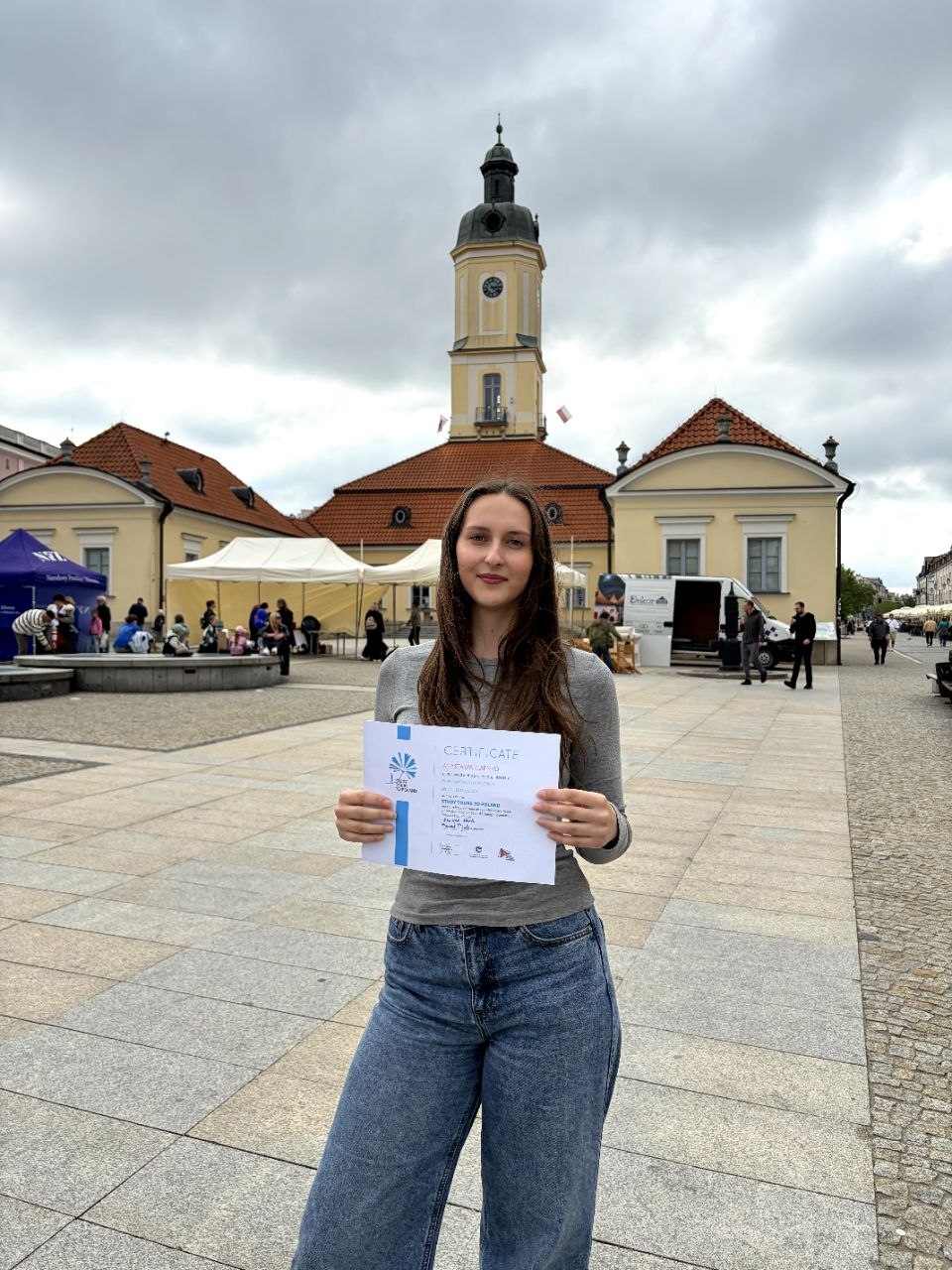
Broadening horizons and acquiring international experience are essential components of high-quality training for modern specialists. Anastasiia Zuienko, representing National University “Yuri Kondratyuk Poltava Polytechnic”, demonstrated this by participating in an intensive 10-day study trip. Together with active youth from various parts of Ukraine, she closely studied the socio-political, cultural, and educational landscape of the neighbouring country.
The primary host city for the participants was Białystok, the administrative centre of the Podlaskie Voivodeship, located in the picturesque northeastern part of Poland near the border with Belarus. This region is famous not only for its protected natural areas but also for its unique ethnocultural balance, where Ukrainian and Belarusian national minorities have lived side by side with Poles for centuries.
The host organisation, which developed the detailed visit program and accompanied the students at every stage, was the non-governmental organisation “Fundacja OKNO NA WSCHÓD” (Window to the East Foundation). The “Study Tours to Poland” program itself is a well-known international initiative that promotes intercultural dialogue, exchange of experience, and support for democratic transformations. The project is implemented under the auspices of the Polish-American Freedom Foundation and the Leaders of Change Foundation and in close cooperation with the “Borussia” Foundation.
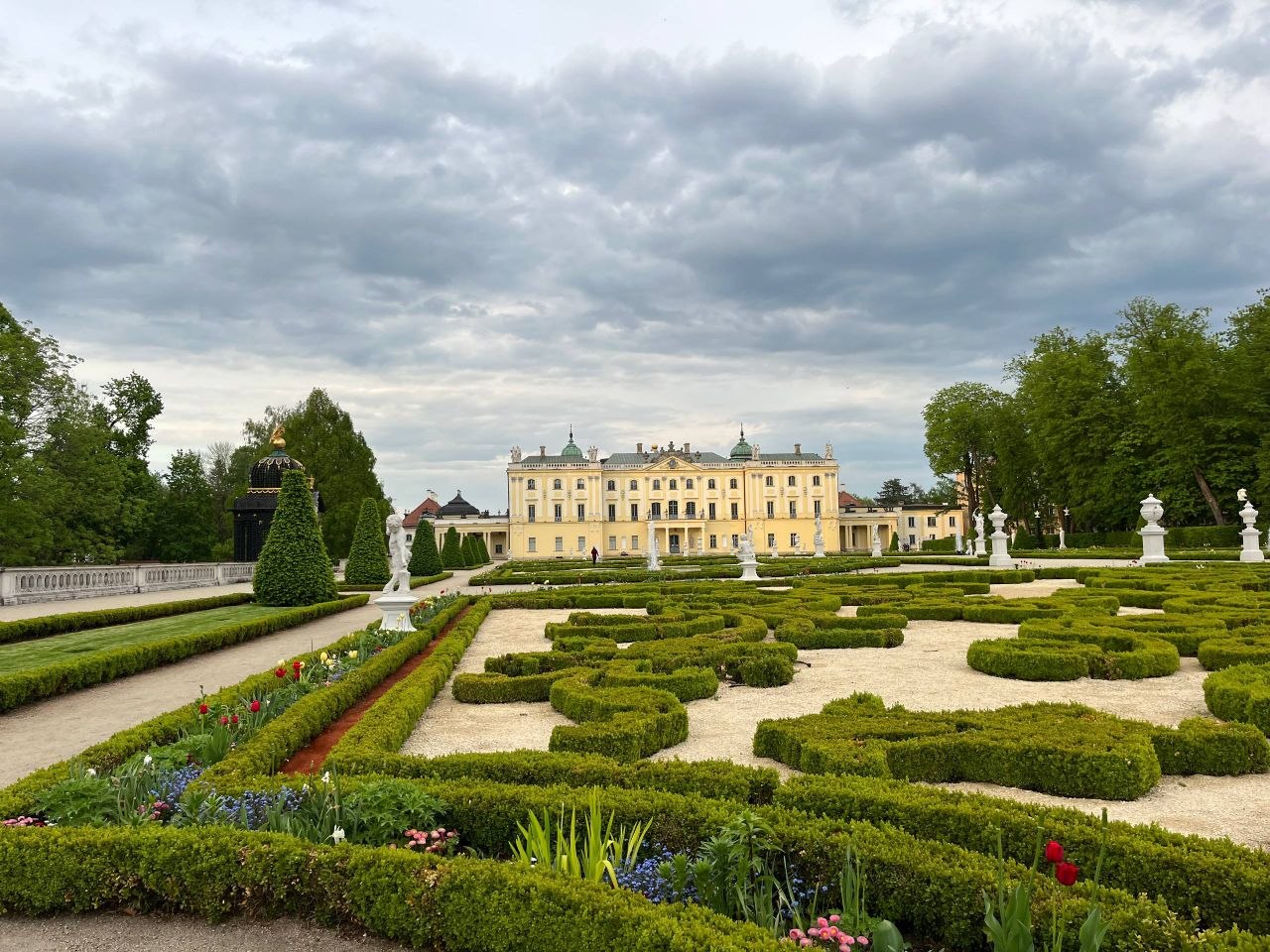
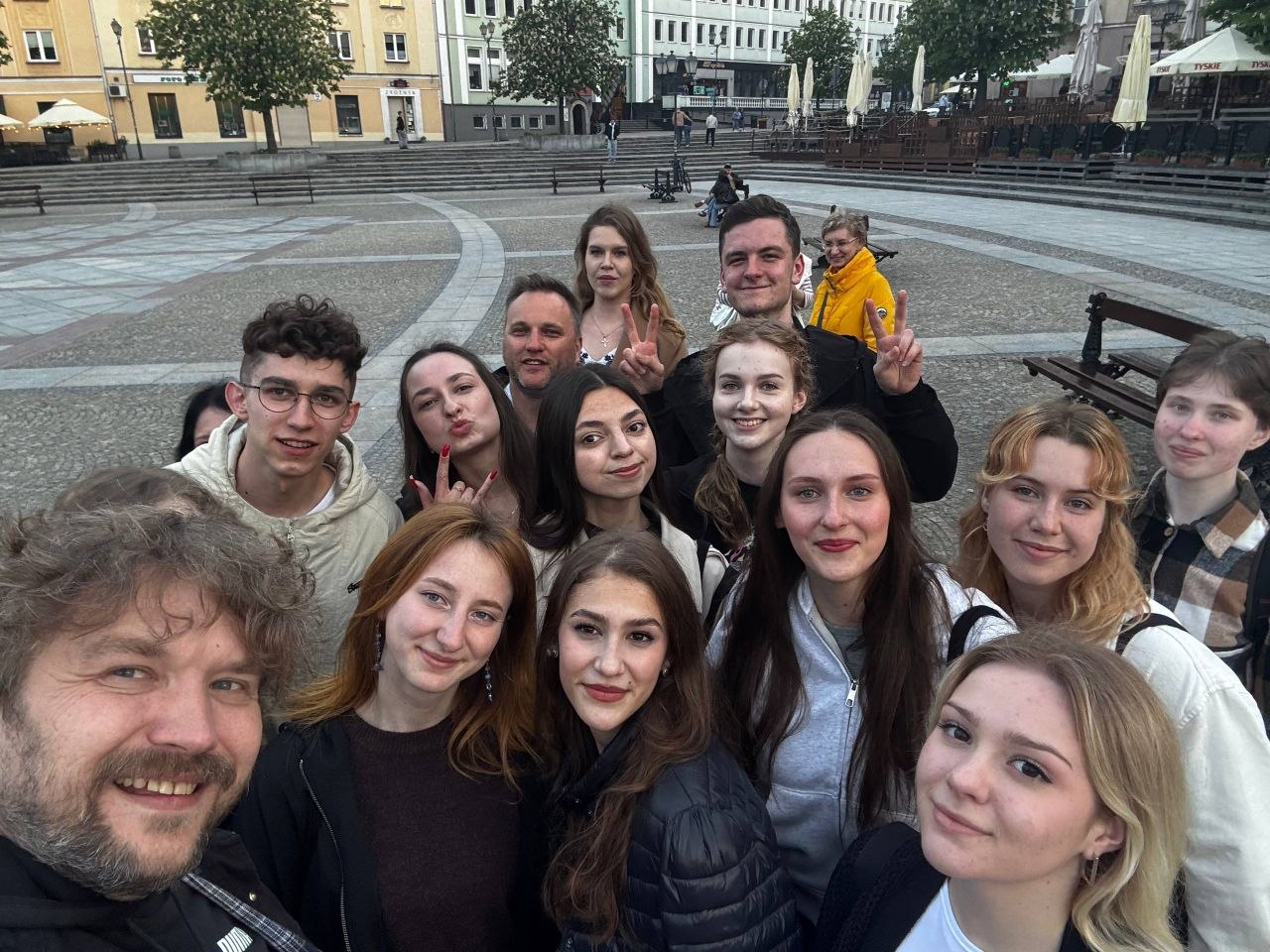
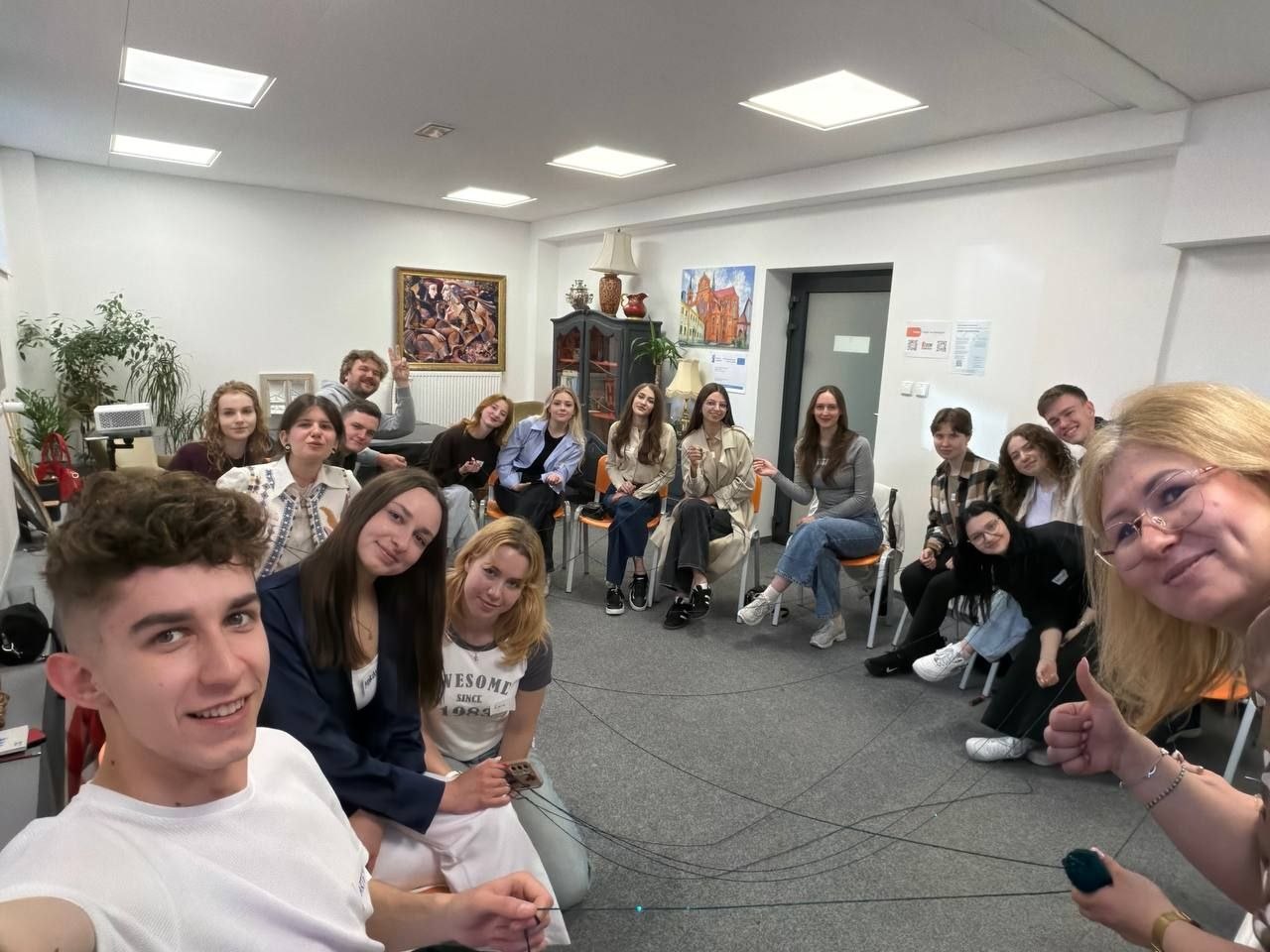
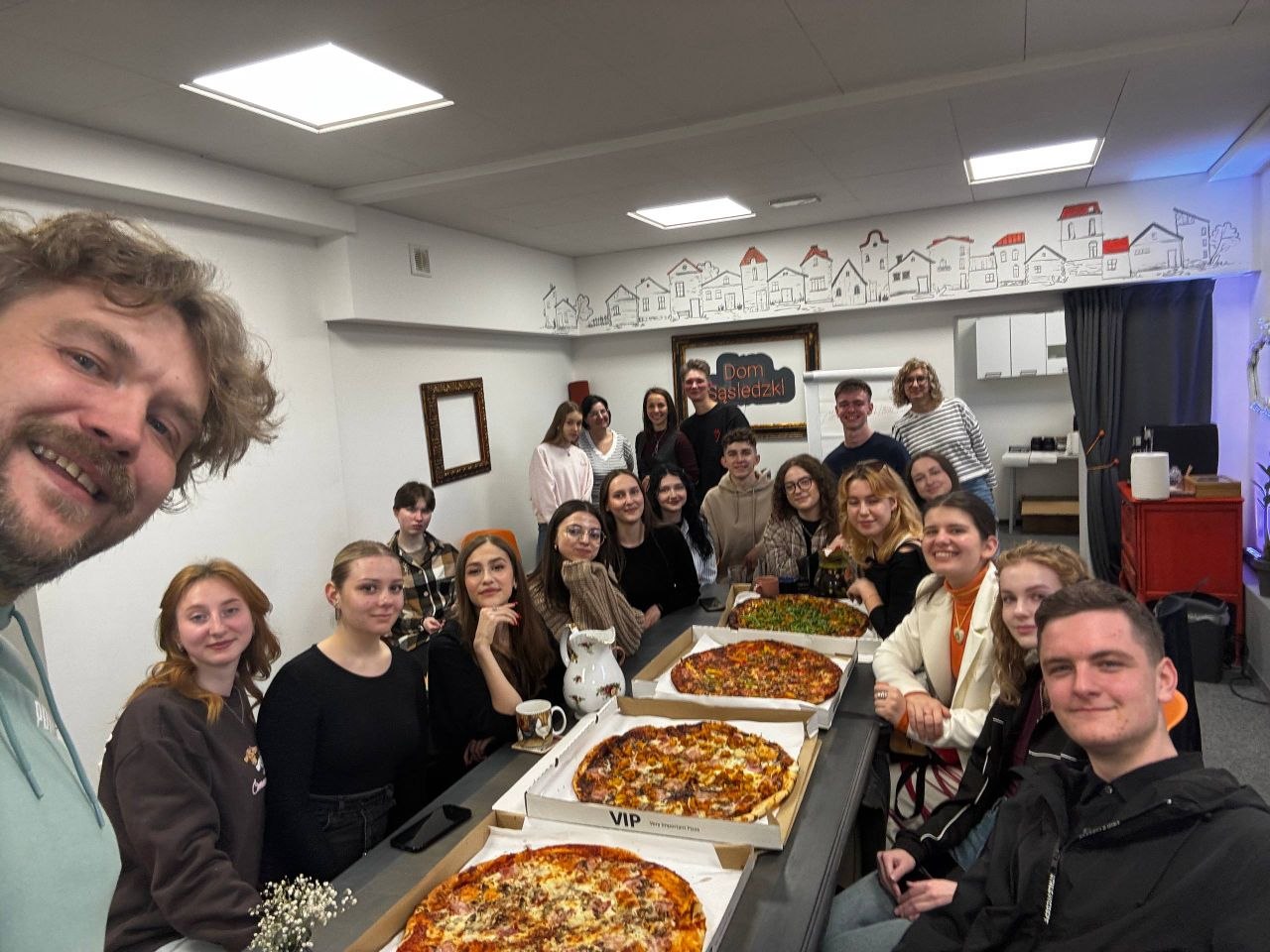
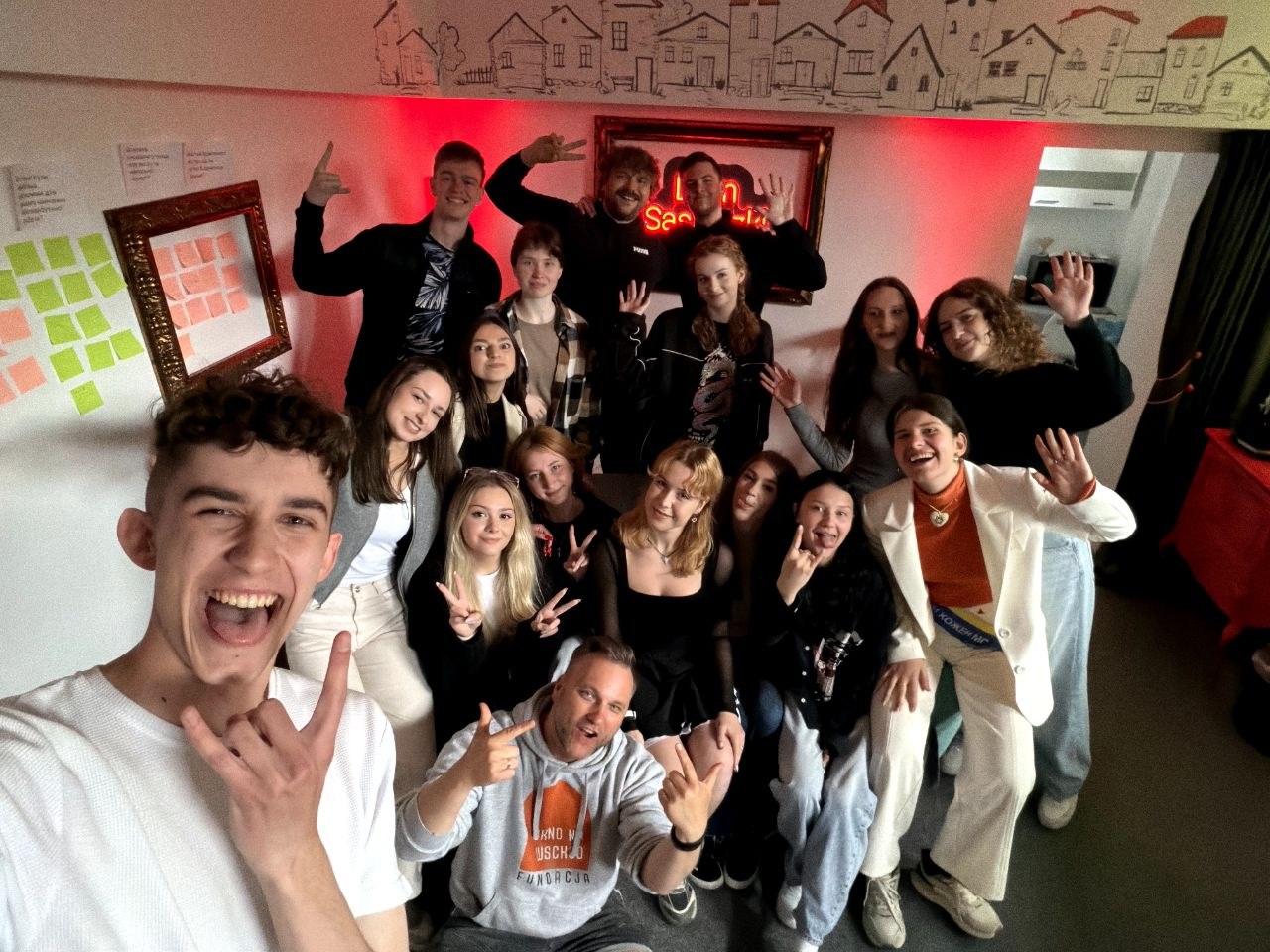
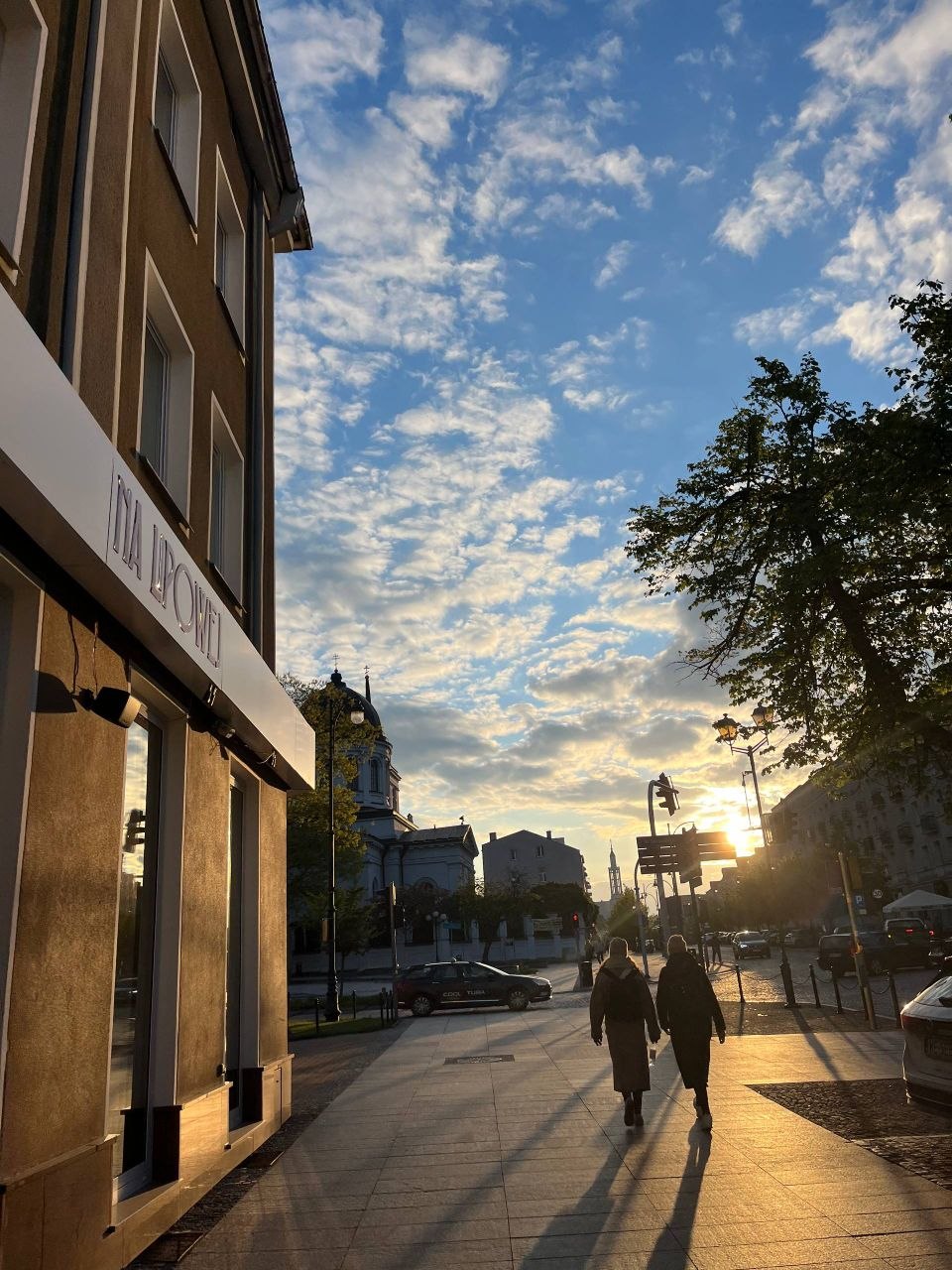
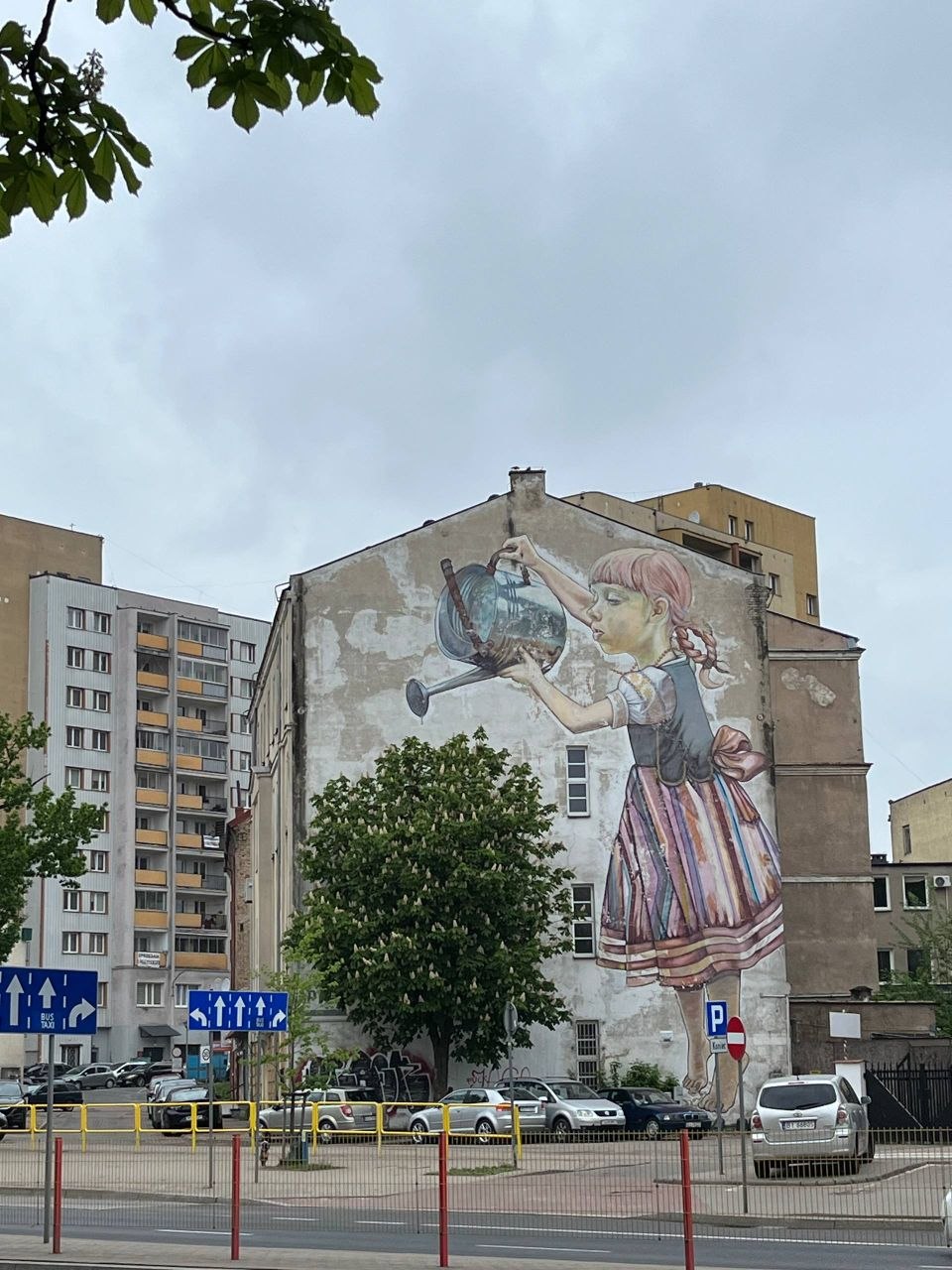
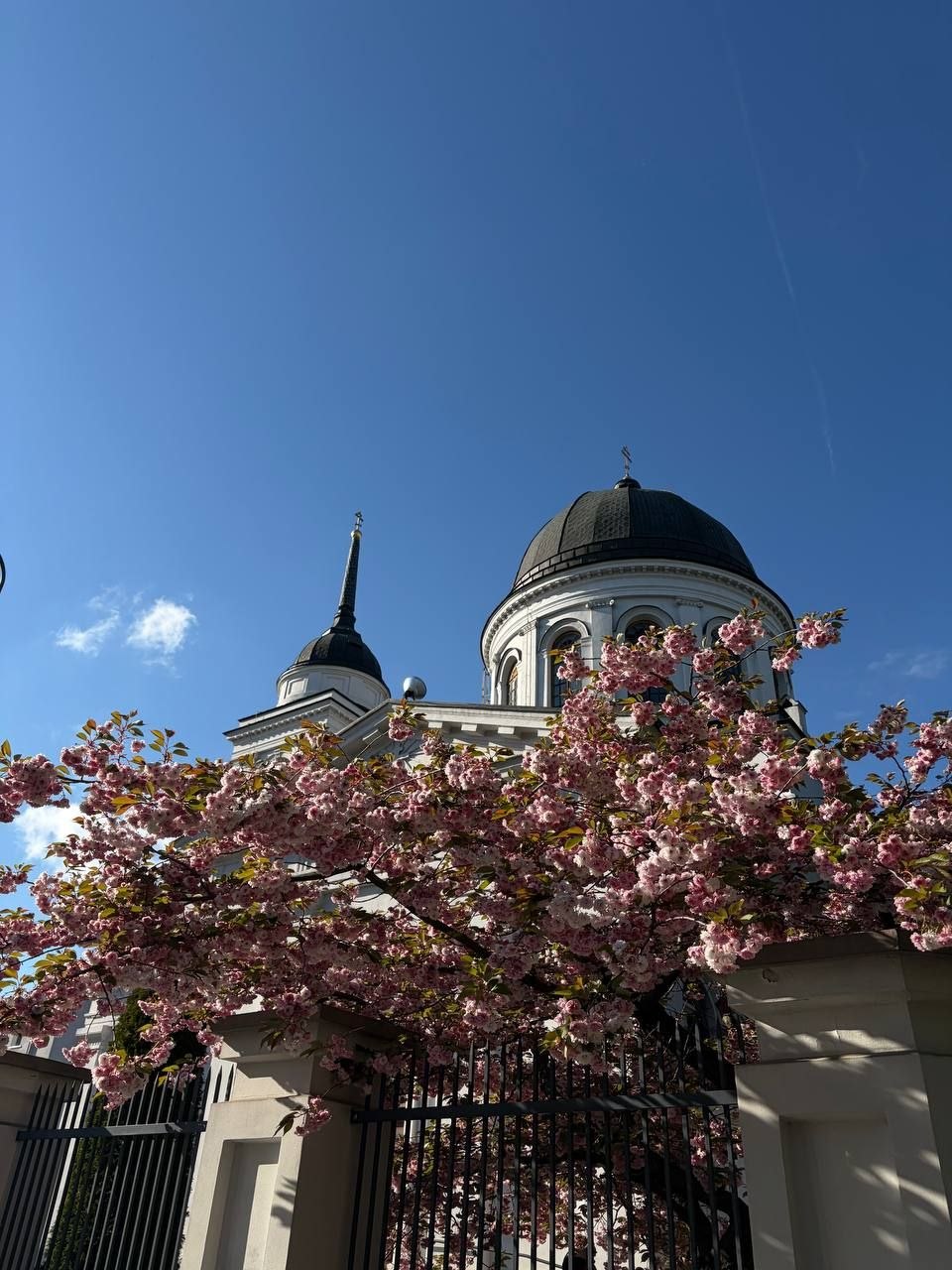
The introduction to Poland began with a sightseeing tour of Białystok. Its architectural style differs significantly from Anastasiia’s native Poltava, making walks along the unfamiliar, cosy streets aesthetically pleasing and full of vivid first impressions. The next stage was an integration meeting. Thanks to the professionalism of the organisers, who created a relaxed and warm atmosphere, the barriers between the participants quickly dissolved, laying a reliable foundation for future communication and teamwork.
One of the key events of the program was a visit to the Bialystok University of Technology, the region’s leading higher education institution. Here, the Ukrainian delegation met with representatives of the Polish student self-government. The students discussed in detail the structure and principles of student self-government in Poland, its role in protecting student rights, and how participation in such organisations helps young people develop leadership skills and shape their future career paths.
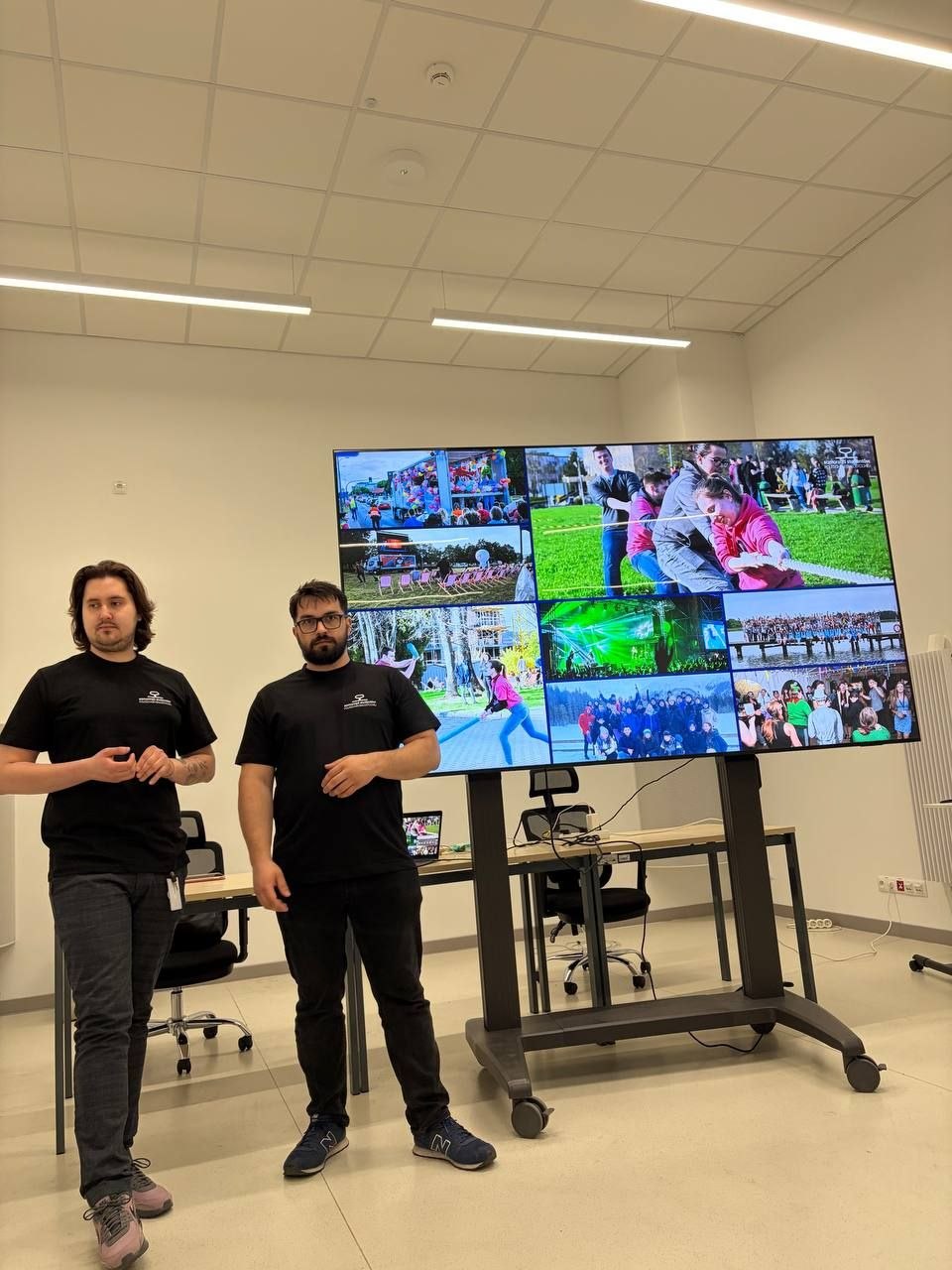
A significant focus of the program was placed on studying the country’s social and political structure. The participants attended seminars dedicated to local self-government in Poland and the functioning of the so-called “third sector” (non-governmental organisations). A logical continuation of the theoretical part was a practical acquaintance with the mechanisms of interaction between the municipality and the public sector. A highlight of the visit was a meeting with the Deputy Mayor of Białystok, Rafał Rudnicki, during which students had the opportunity to ask questions regarding municipal administration.
Equally important was the visit to the “My dla Innych” Association (Stowarzyszenie My dla Innych). Here, the young people learned from practical case studies on the successful social integration of people with disabilities and had the opportunity to talk with the centre’s employees, who improve the community’s lives every day. Additionally, the participants joined an intellectual discussion featuring a Polish female philosopher, which focused on the challenges and prospects of European integration.
The program harmoniously combined academic lectures with cultural enrichment. Specifically, thanks to the large-scale “Museum Night” event, the students visited two famous museums in Białystok free of charge. Another significant milestone was a visit to the Sybir Memorial Museum, a site of profound historical reflection.
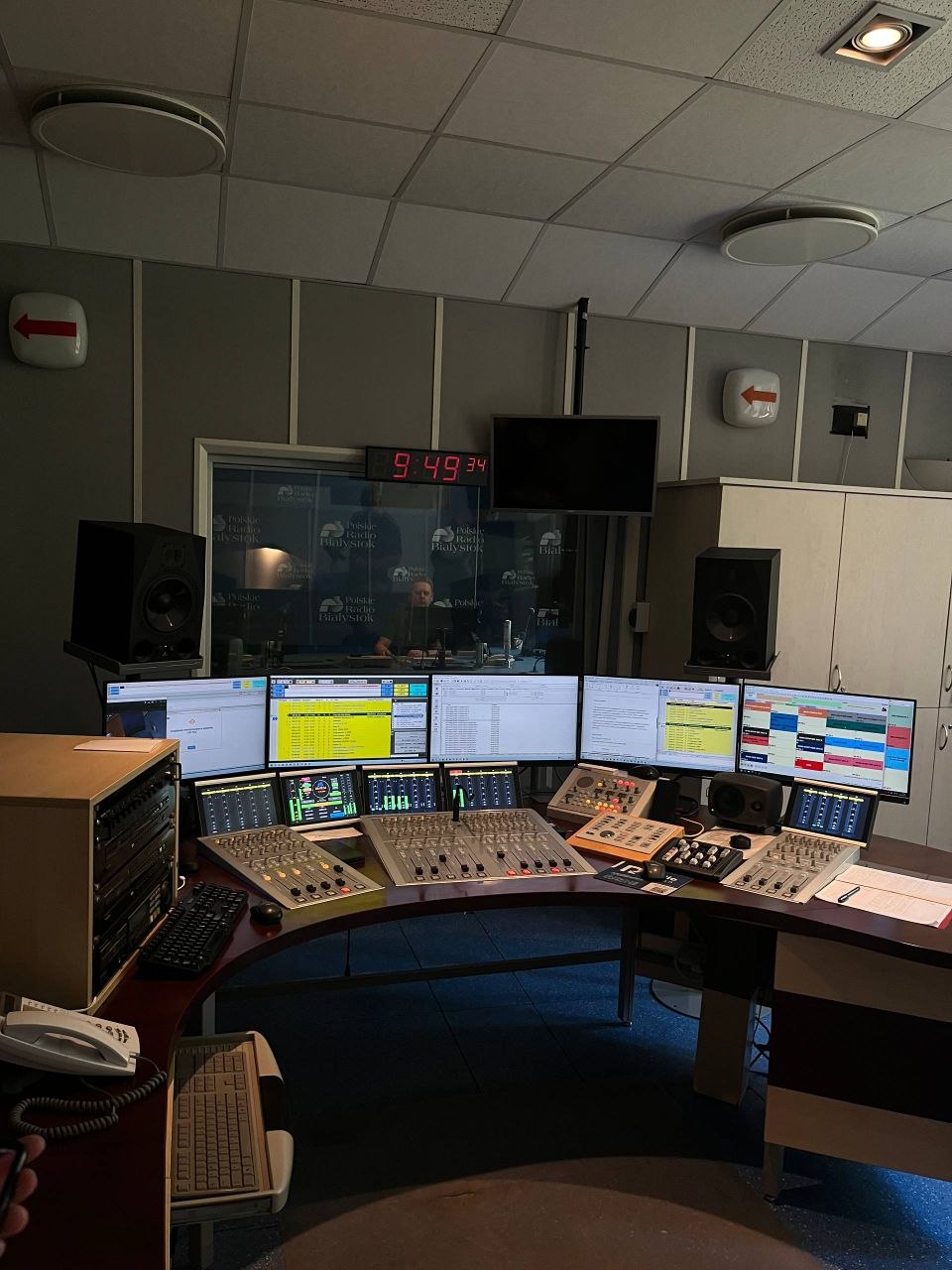
A visit to the editorial office of “Polskie Radio Białystok” held a special place in Anastasiia’s experience. During this meeting, future philologists and journalists learned about the inner workings of radio broadcasting, discussed press freedom standards in Poland, and examined the important role of independent media in social change. Special attention was paid to the humanitarian mission of public media in preserving the national identity and language of the national minorities of the Podlasie region.
The project’s geography was not limited to Białystok. The participants visited two picturesque neighbouring towns: Wasilków, where the delegation studied firsthand how a Polish gmina (the primary administrative unit) functions from the inside, and Supraśl, where the students immersed themselves in the region's history and explored its multicultural heritage.
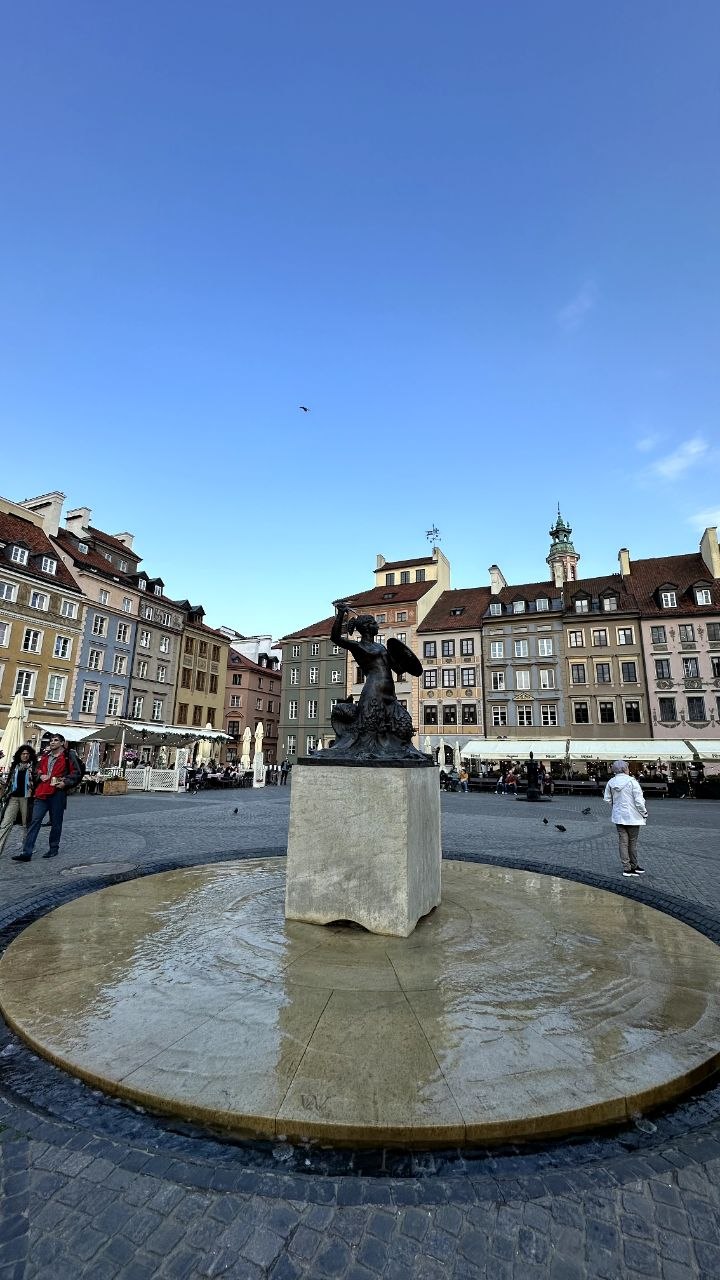
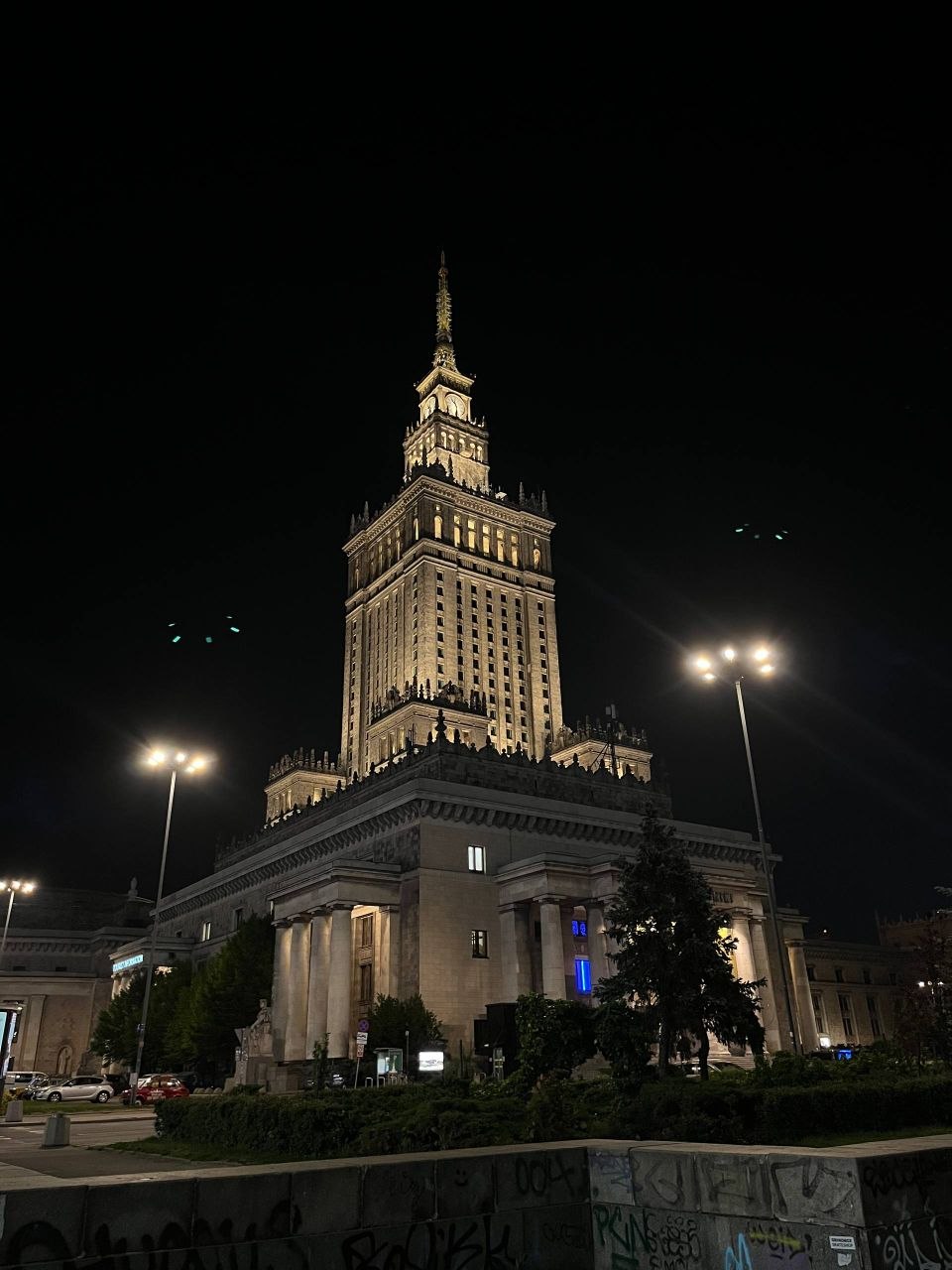
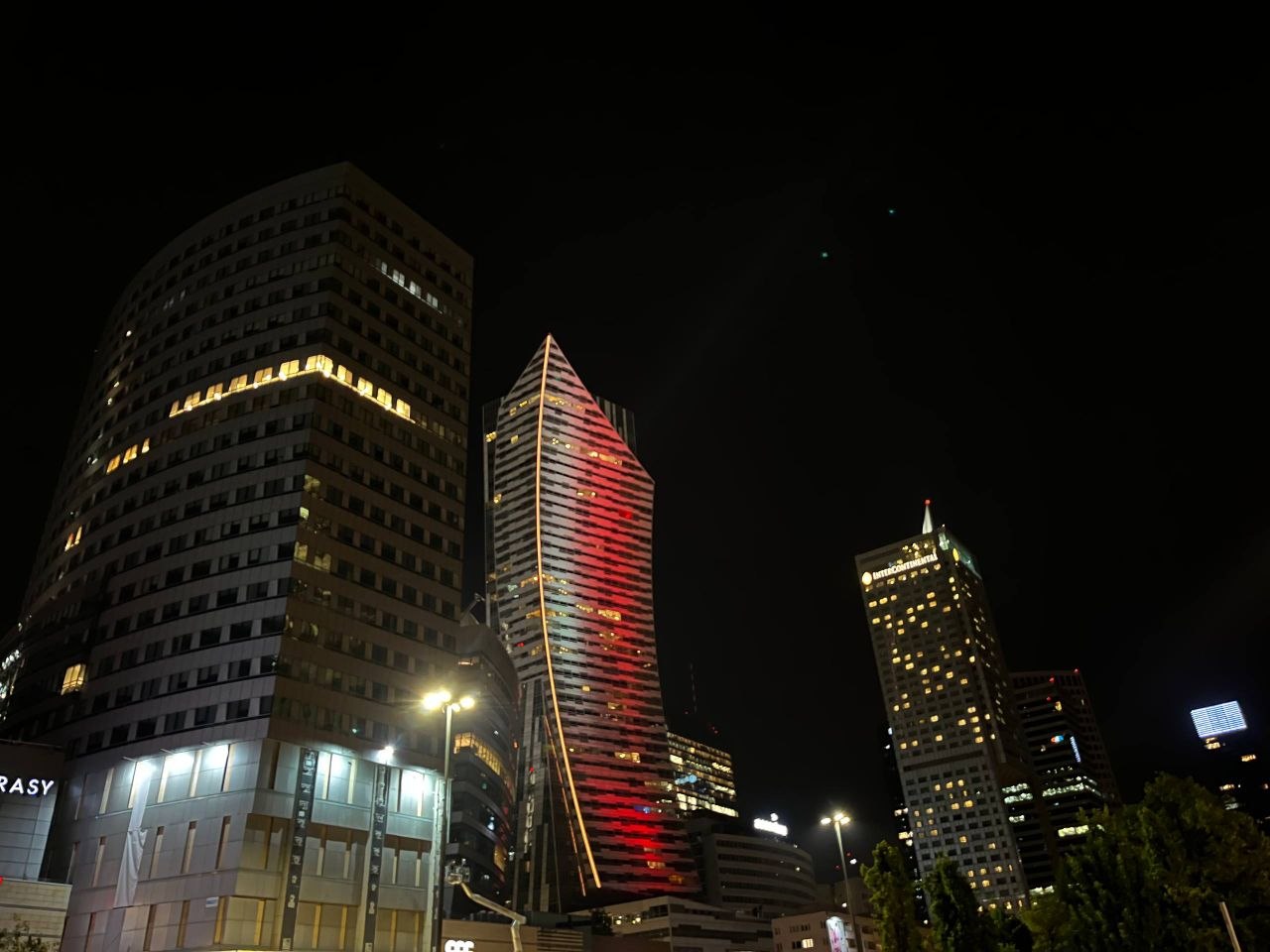
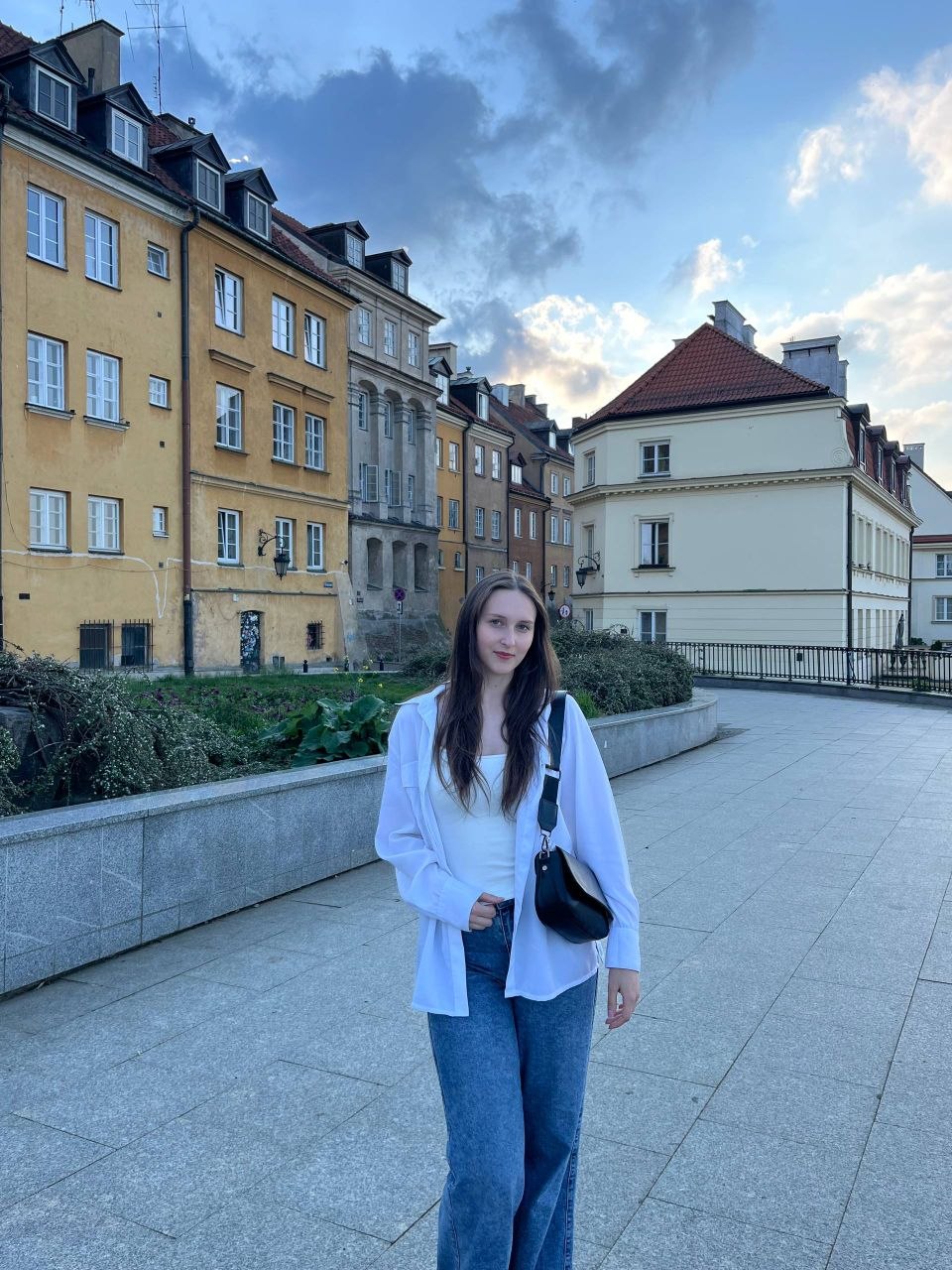
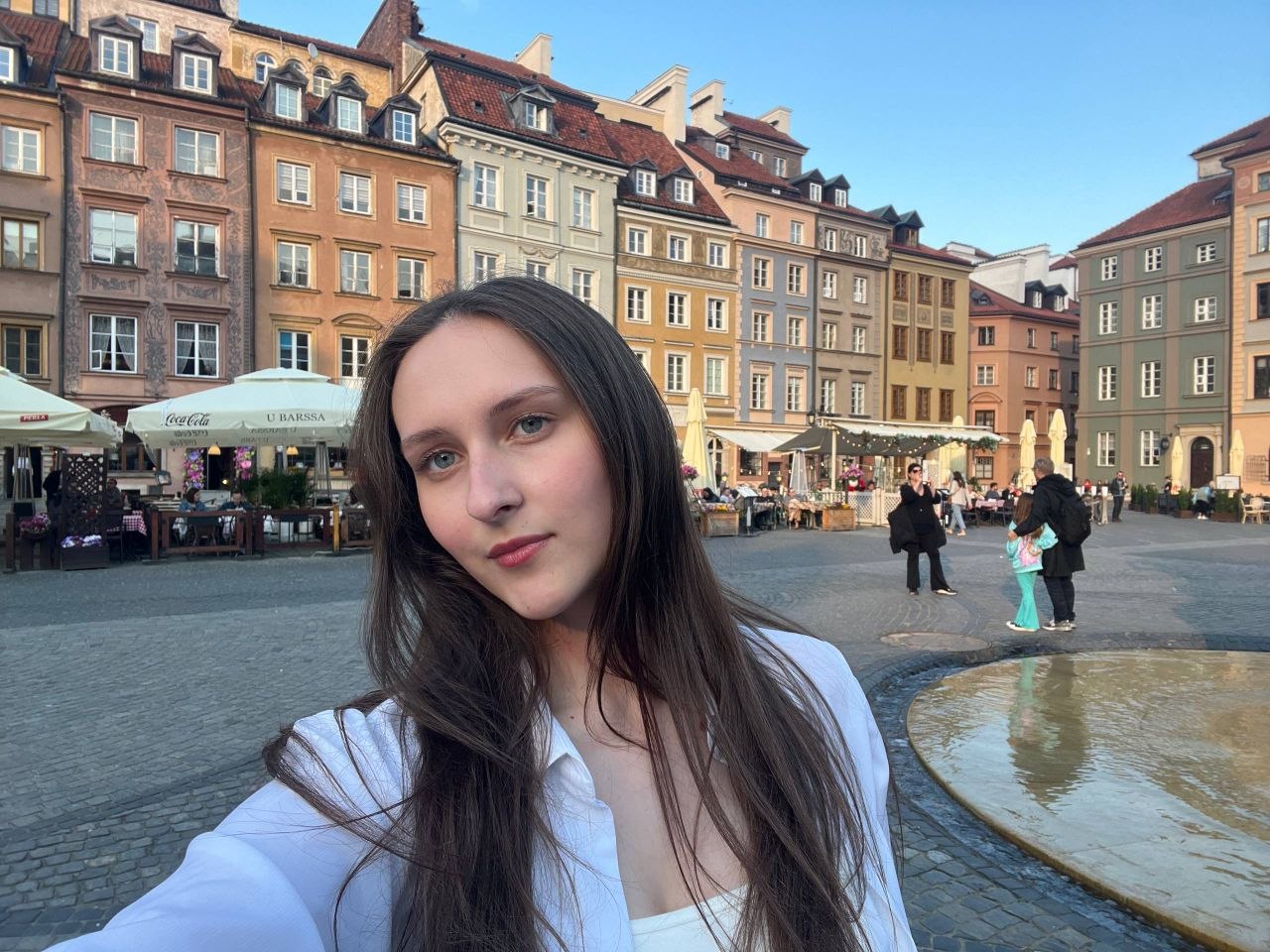
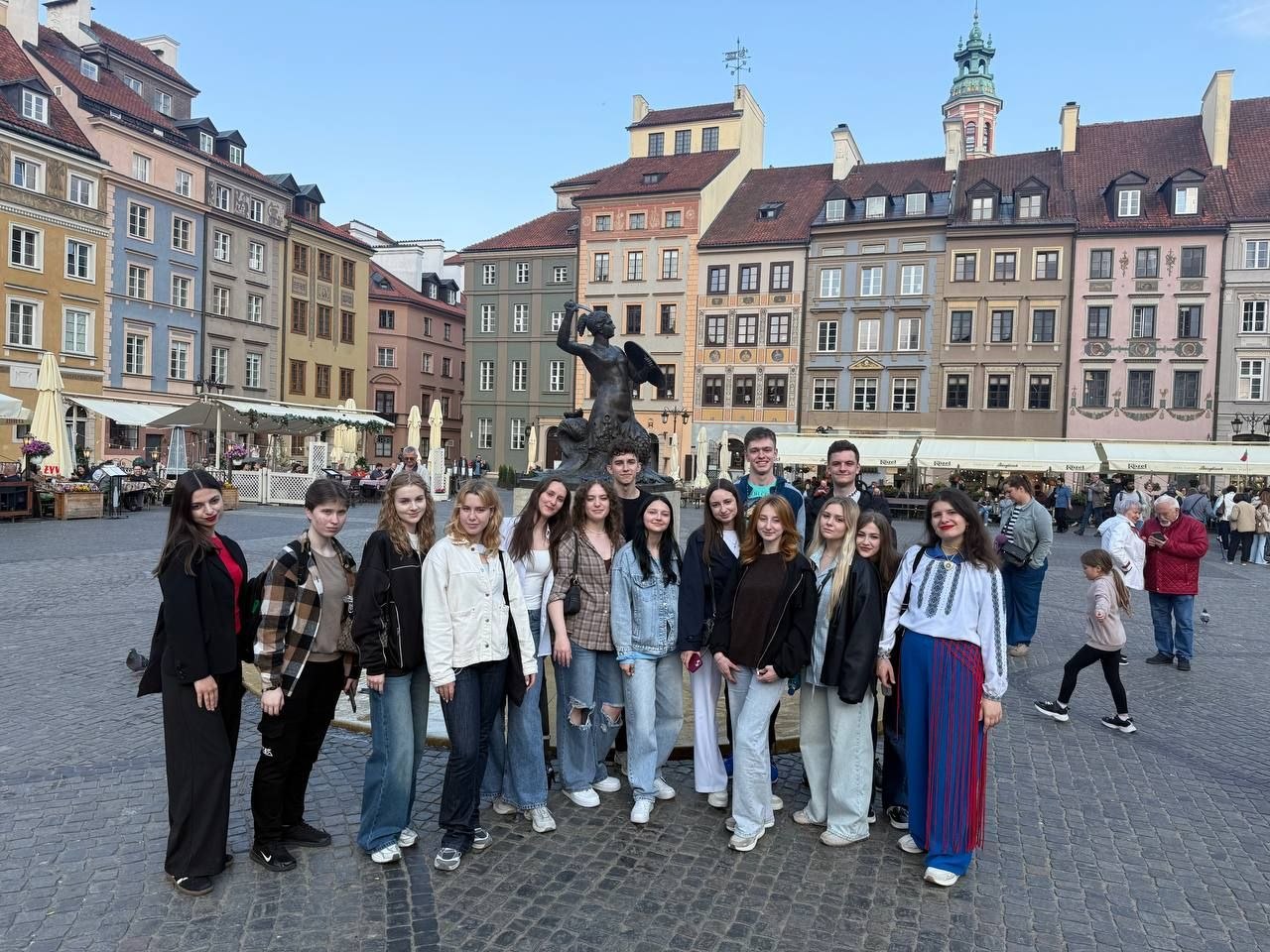
The final two days of the program were spent in the heart of Poland – Warsaw. The capital impressed with its dynamics and architectural diversity. During a city tour, the participants walked through the campus of the prestigious University of Warsaw and explored the historic Old Town and the modern city centre.
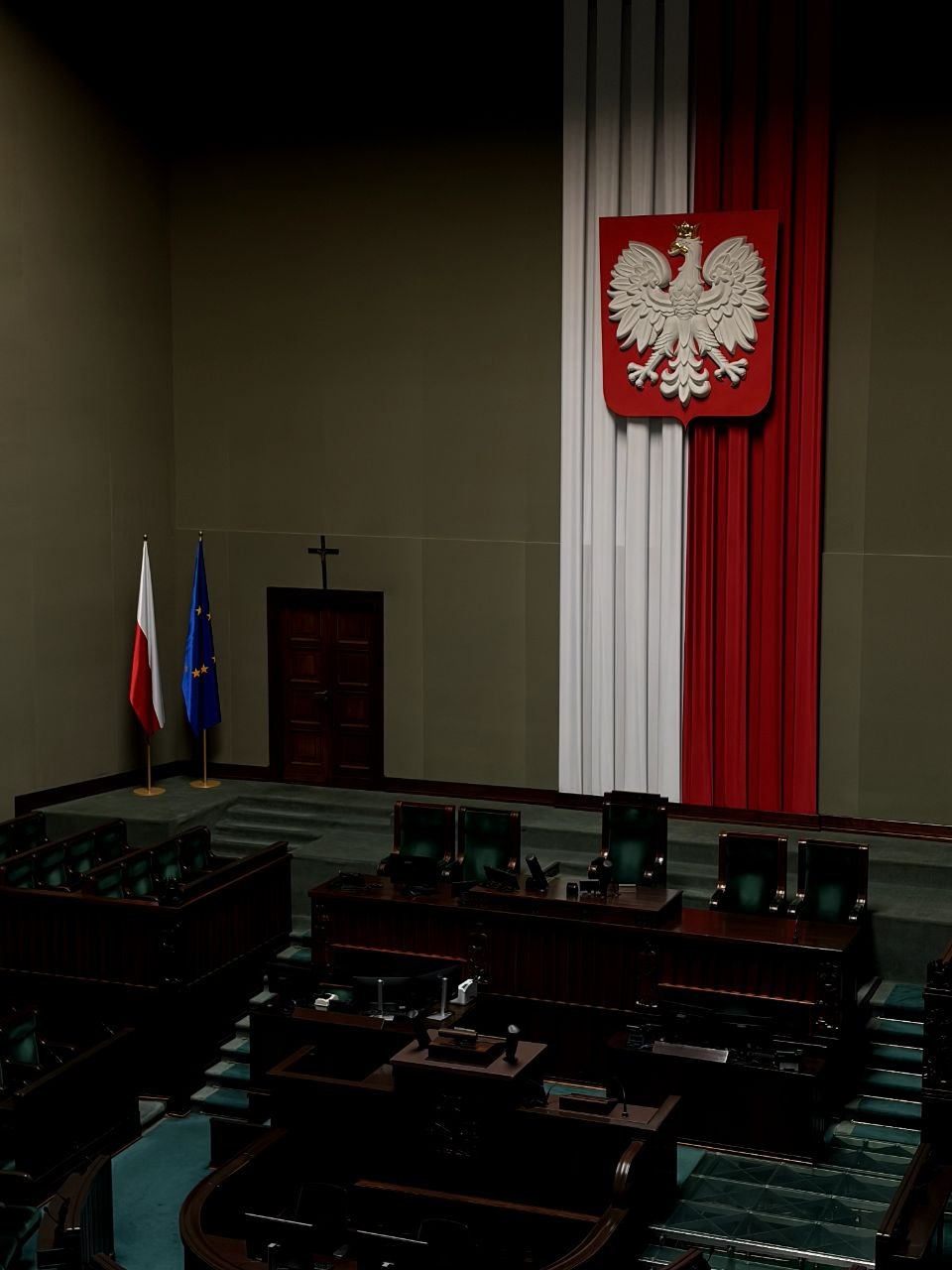
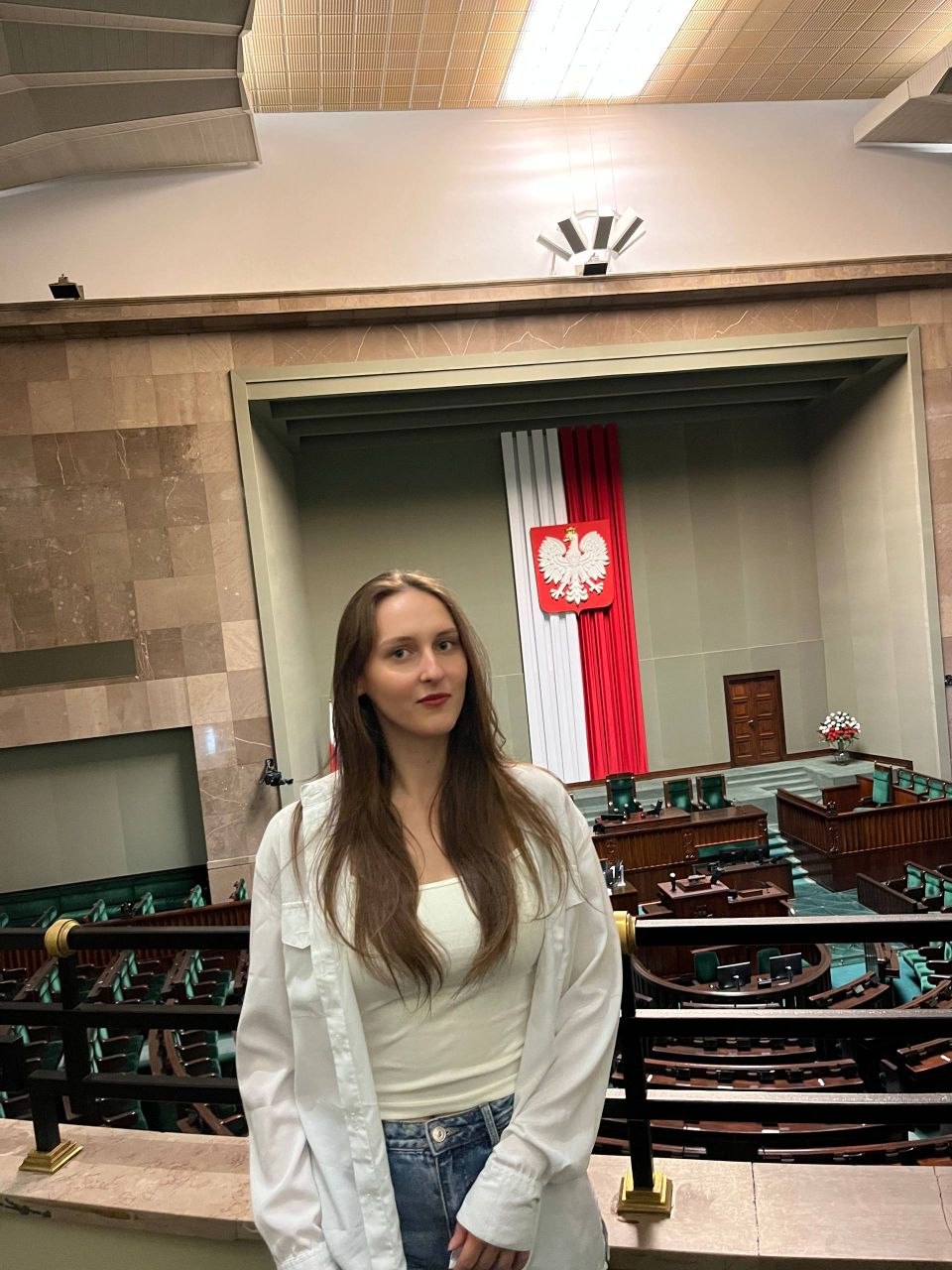
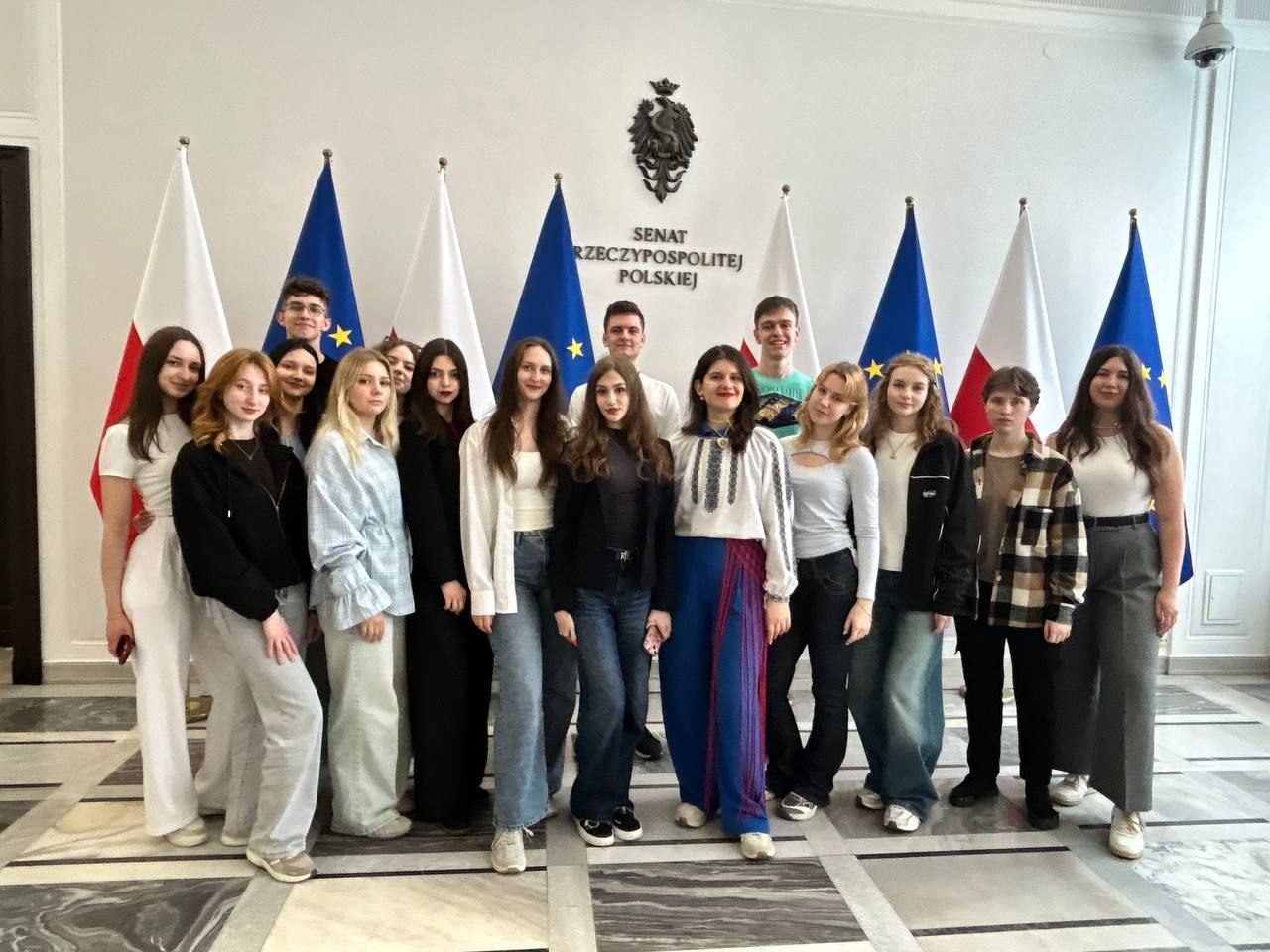
A beautiful and symbolic conclusion to the entire project was marked by visits to the country’s highest legislative bodies – the Sejm and the Senate of the Republic of Poland – as well as to the Ukrainian House in Warsaw, which is currently a powerful centre of unity and support for our compatriots abroad.
Since Polish was the working language of most events, the group was accompanied by a professional interpreter. For Anastasiia Zuienko, as a future specialist in philology and translation, this aspect of the program provided invaluable practical experience:
“For me, it was a unique opportunity to observe the work of a high-level liaison interpreter in real-world conditions. I saw how a professional maintains concentration during complex official discussions, responds quickly to linguistic nuances, and remains absolutely professional in any situation. This has provided me with excellent benchmarks for my own professional growth,” says Anastasiia Zuienko.
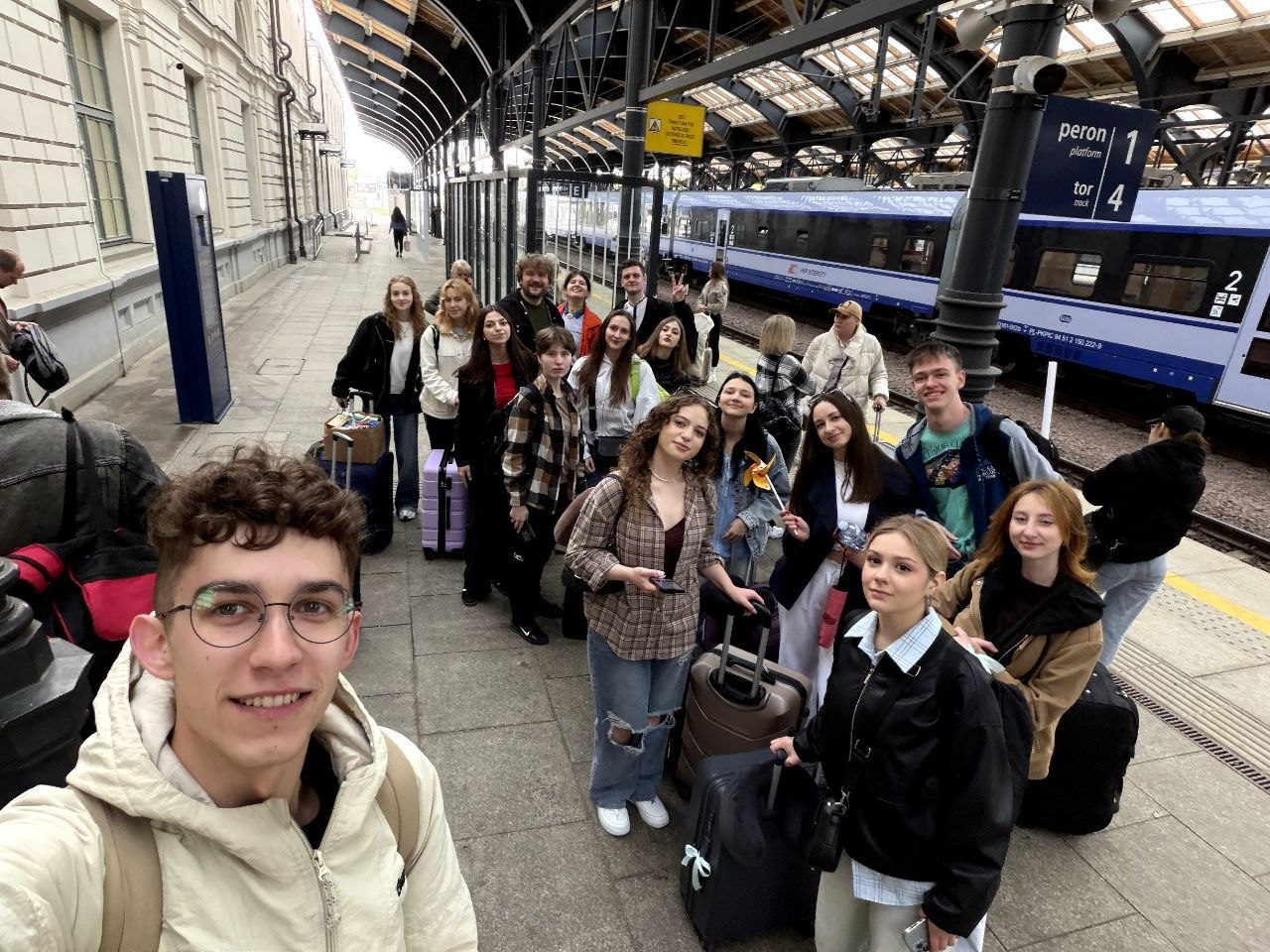
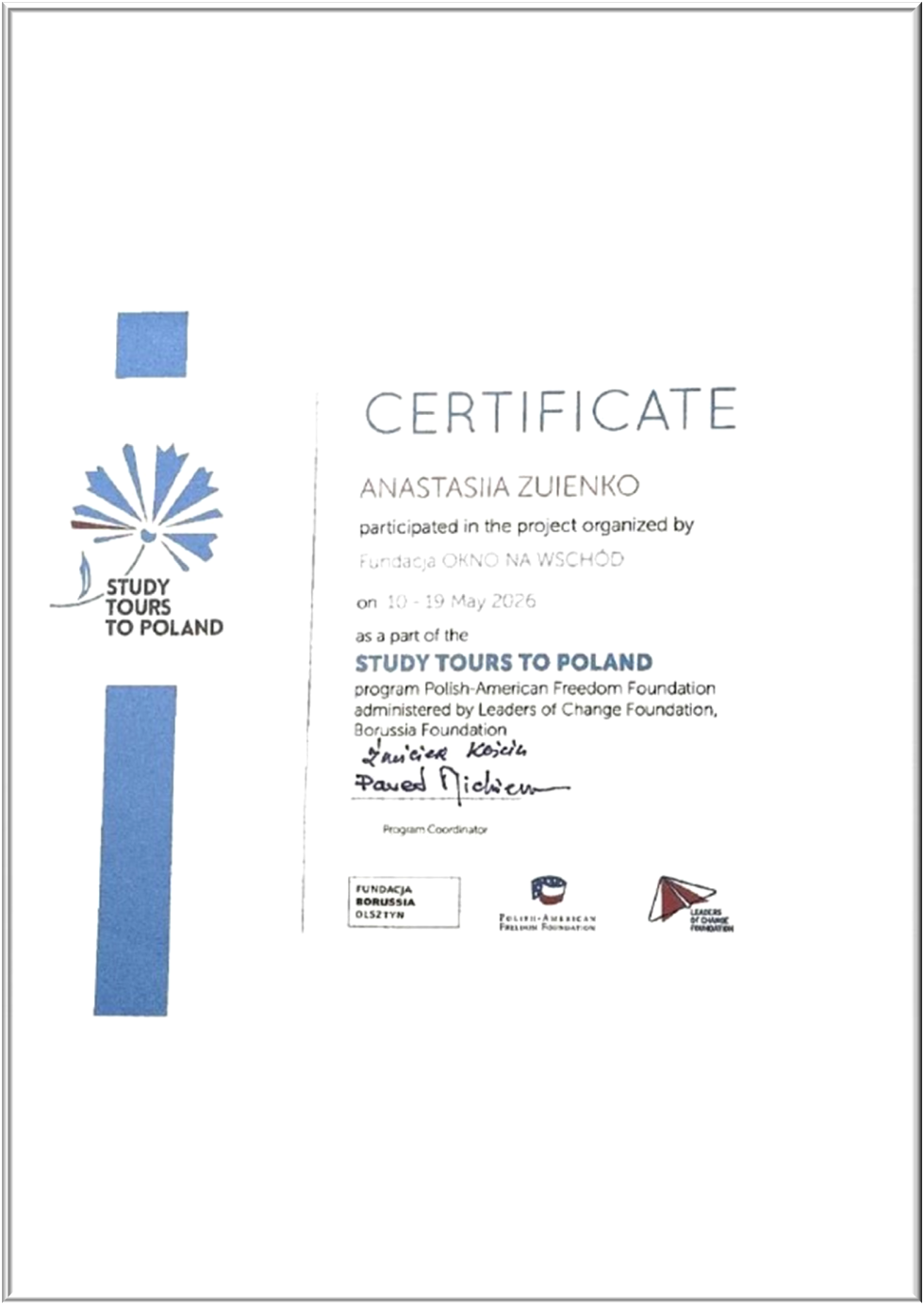
Previously, Poltava Polytechnic students participated in the “Study Tours to Poland” (STP) program in Łódź, Przemyśl, Lublin and Kraków (2025), Bielsko-Biała, Toruń, Wrocław, Łódź, and Warsaw (2024), Wrocław, Gdańsk, and Toruń (2023).
As a reminder, faculty members of Poltava Polytechnic can participate in academic mobility programs and internships. At the same time, students can study abroad under credit academic mobility grant programs such as Erasmus+ for a semester or an entire academic year at leading universities in Austria, Greenland, Denmark, Estonia, Spain, Lithuania, Latvia, Norway, the Netherlands, Germany, Poland, Portugal, Romania, Slovakia, Finland, and the Czech Republic.
For more detailed information regarding current internship, teaching, and academic mobility programs abroad, please get in touch with the International Relations Department (Room 213-C, interoffice@nupp.edu.ua).
Participation in the “Study Tours to Poland” program has equipped students of Poltava Polytechnic with new knowledge, practical experience, and strong motivation. This trip has once again proven that real change, which can later be successfully implemented in one's own communities, is created through openness to the world, international partnership, and an active civic stance among youth.