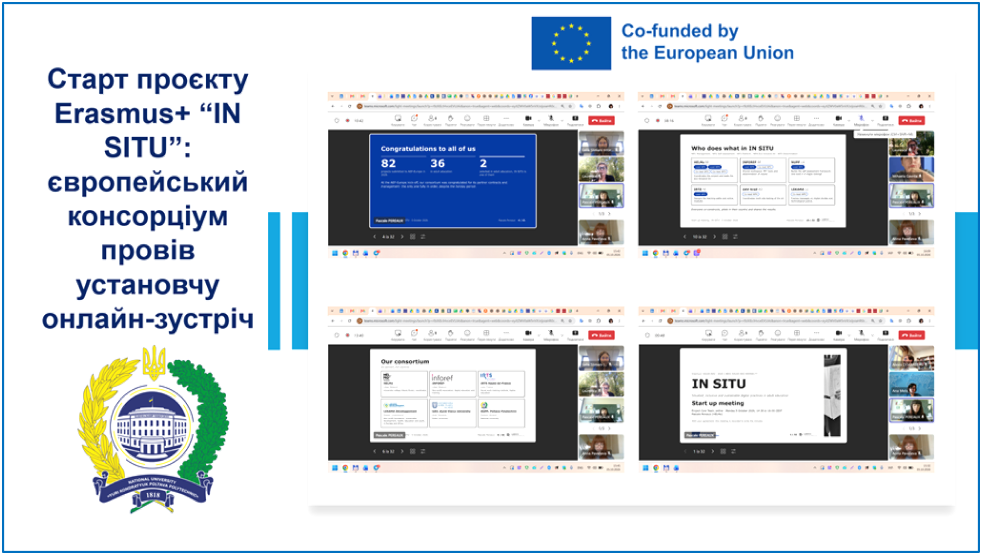
Researchers of National University “Yuri Kondratyuk Poltava Polytechnic”, together with their European partners, have officially launched the implementation of the large-scale international project under the Erasmus+ KA220-ADU programme entitled “IN SITU” (Situated, inclusive and sustainable digital practices in adult education), under grant agreement number 2026-1-BE01-KA220-ADU-000468177, co-funded by the European Union and implemented by an international consortium of six leading institutions from Belgium, France, Luxembourg, Romania, and Ukraine:
• Haute École Libre Mosane (HELMo), Belgium – the project coordinator, a leading higher education institution in the fields of social work and pedagogy.
• Initiatives pour une formation efficace ASBL (Inforef), Belgium – experts in digital platform development and ecodesign.
• Association Régionale du Travail Social Hauts de France (A.R.T.S – IRTS), France – one of the largest training centres for social workers in France.
• Lekama Développement, Luxembourg – a non-governmental organisation addressing mental health issues in the digital era.
• Universitatea Aurel Vlaicu din Arad (UAV), Romania – a public university with robust expertise in social work.
• National University “Yuri Kondratyuk Poltava Polytechnic” (NUPP), Ukraine.
Following the grant agreement's official entry into force on November 02, 2026, the project kick-off meeting was held online via Microsoft Teams on November 03, 2026. The ambitious three-year initiative is scheduled for 36 months (running until November 01, 2029) with a total budget of 400,000 euros. It is designed to provide comprehensive support to adults experiencing digital fragility, equipping professionals and educational organisations with effective tools for inclusion, artificial intelligence literacy, and advancing digital sobriety principles.
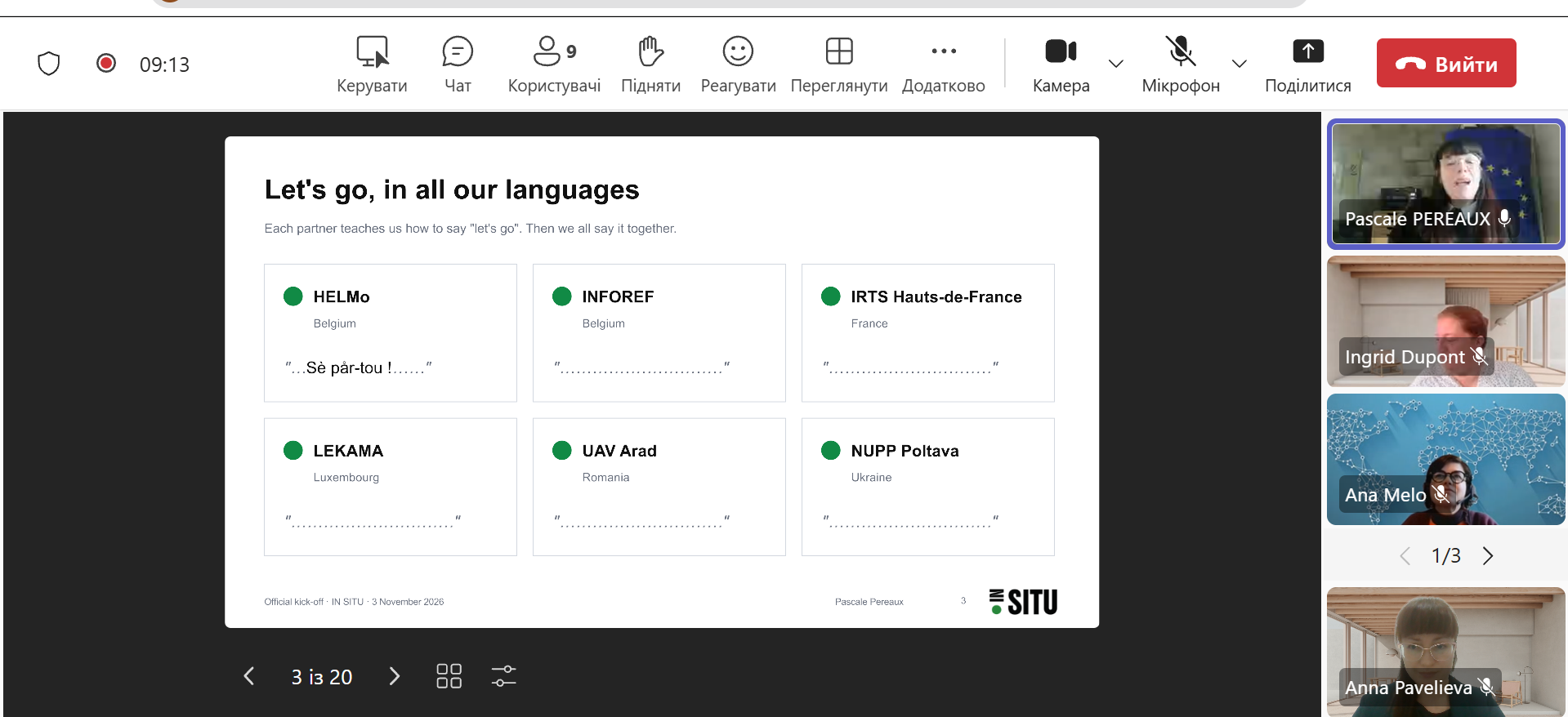
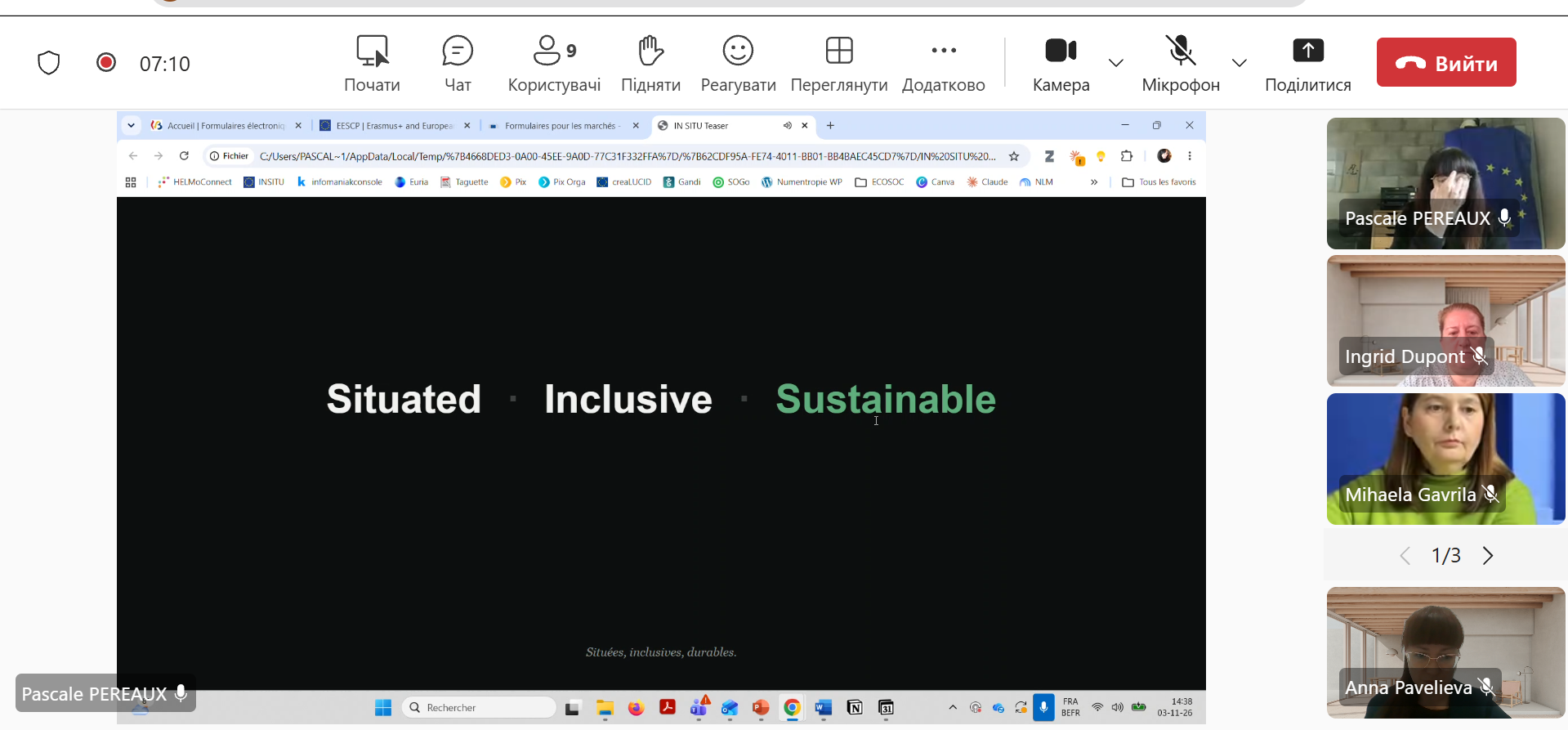
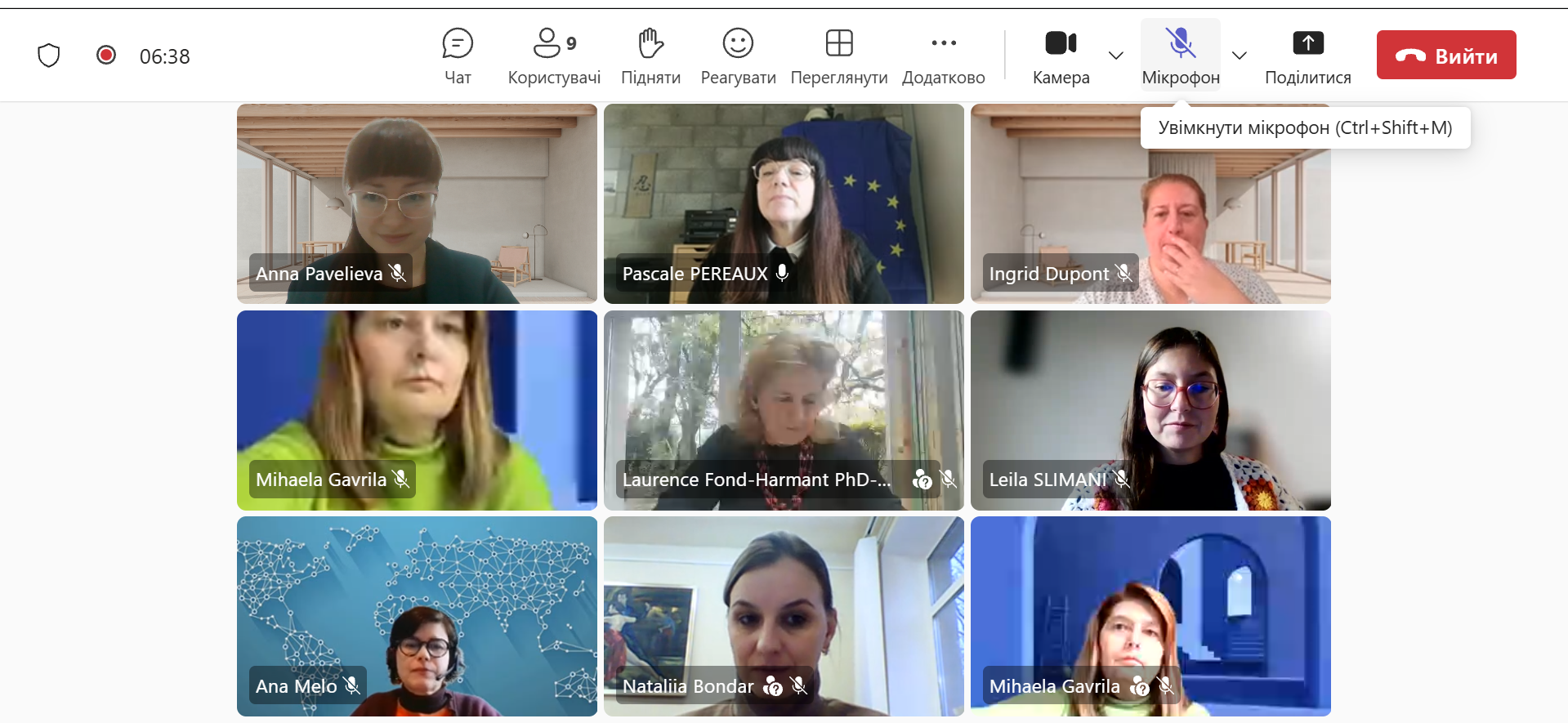
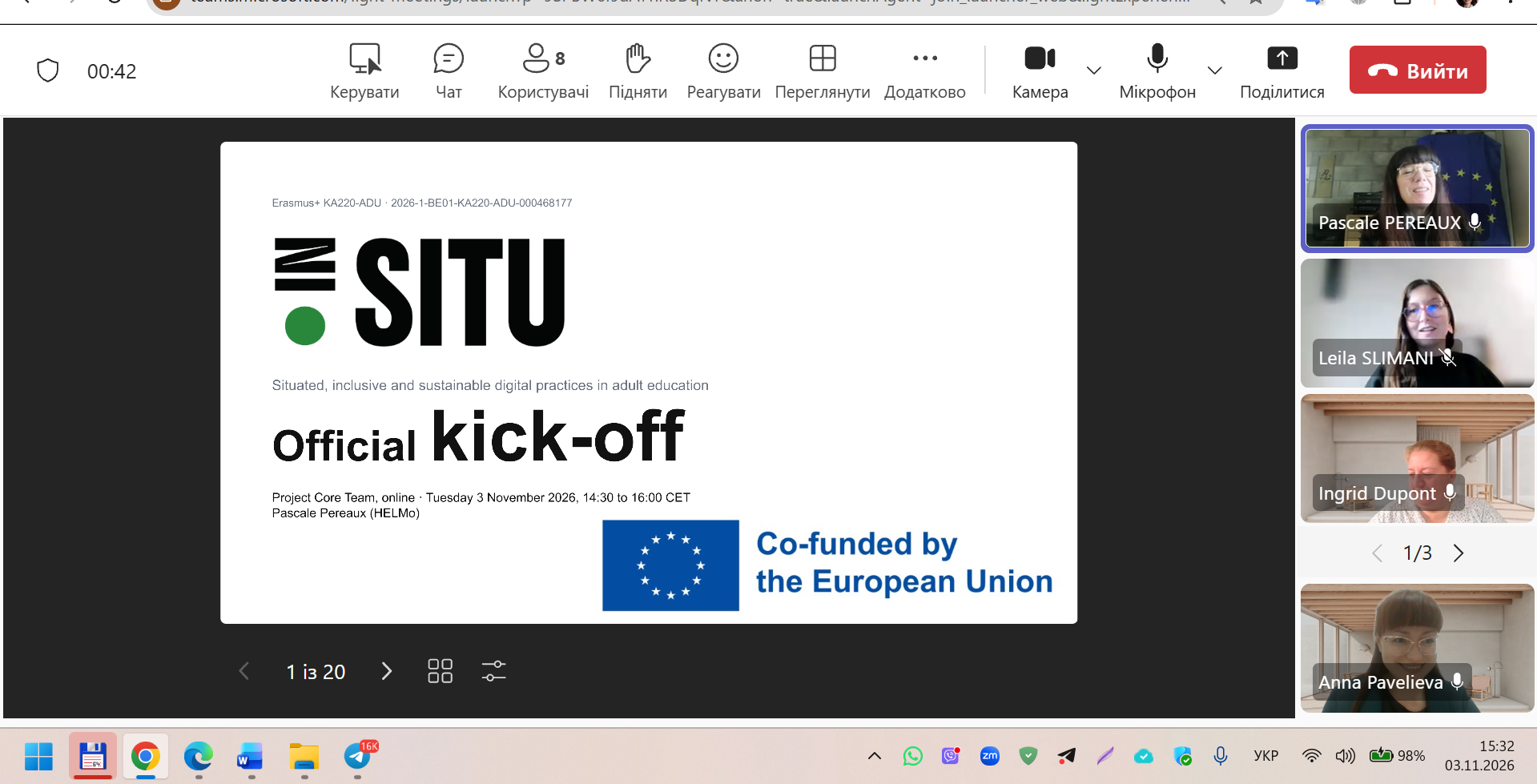
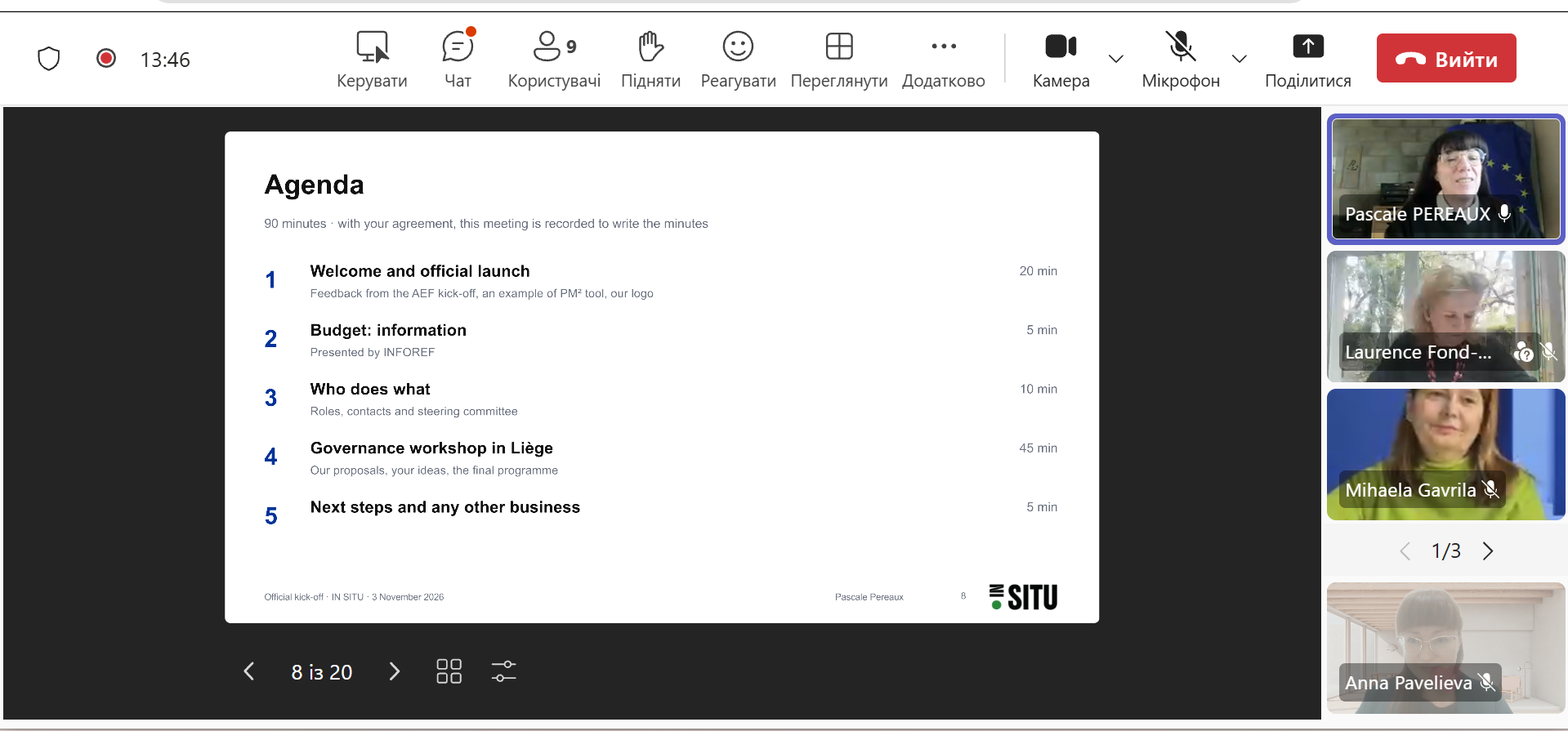
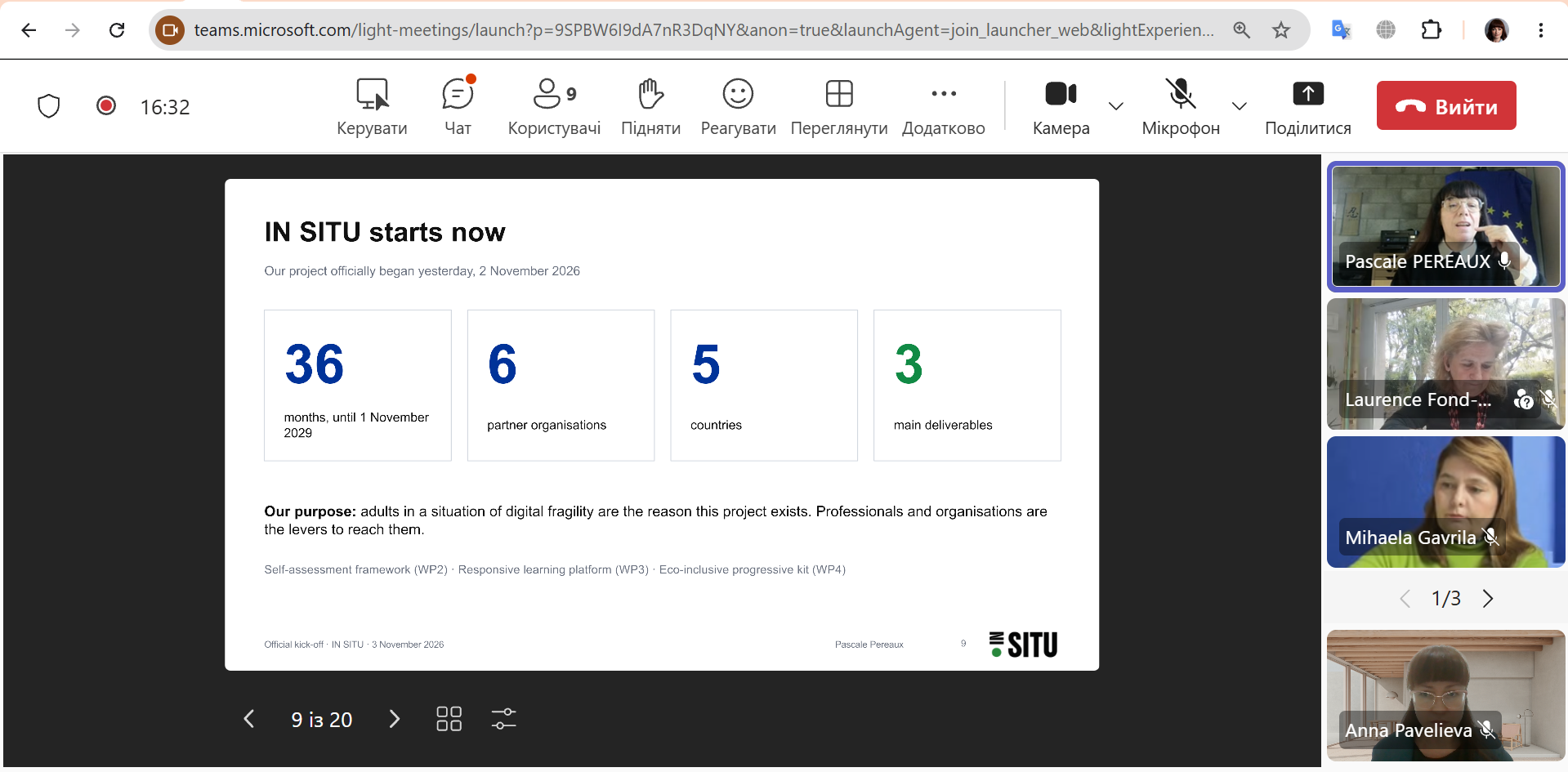
The project's official inauguration was marked by an atmosphere of deep academic solidarity and intercultural dialogue. The meeting moderator, Project Manager on behalf of the lead coordinating institution Haute École Libre Mosane (Belgium), Pascale Pereaux, initiated the collaborative effort with a symbolic interactive activity entitled “Let's go, in all our languages”, during which consortium partners announced the launch of cooperation in their native languages and regional dialects. This gesture highlighted the core philosophy of the “IN SITU” project: respect for local context, human dignity, and the diversity of European communities on the pathway toward safe and conscious engagement with modern technologies.
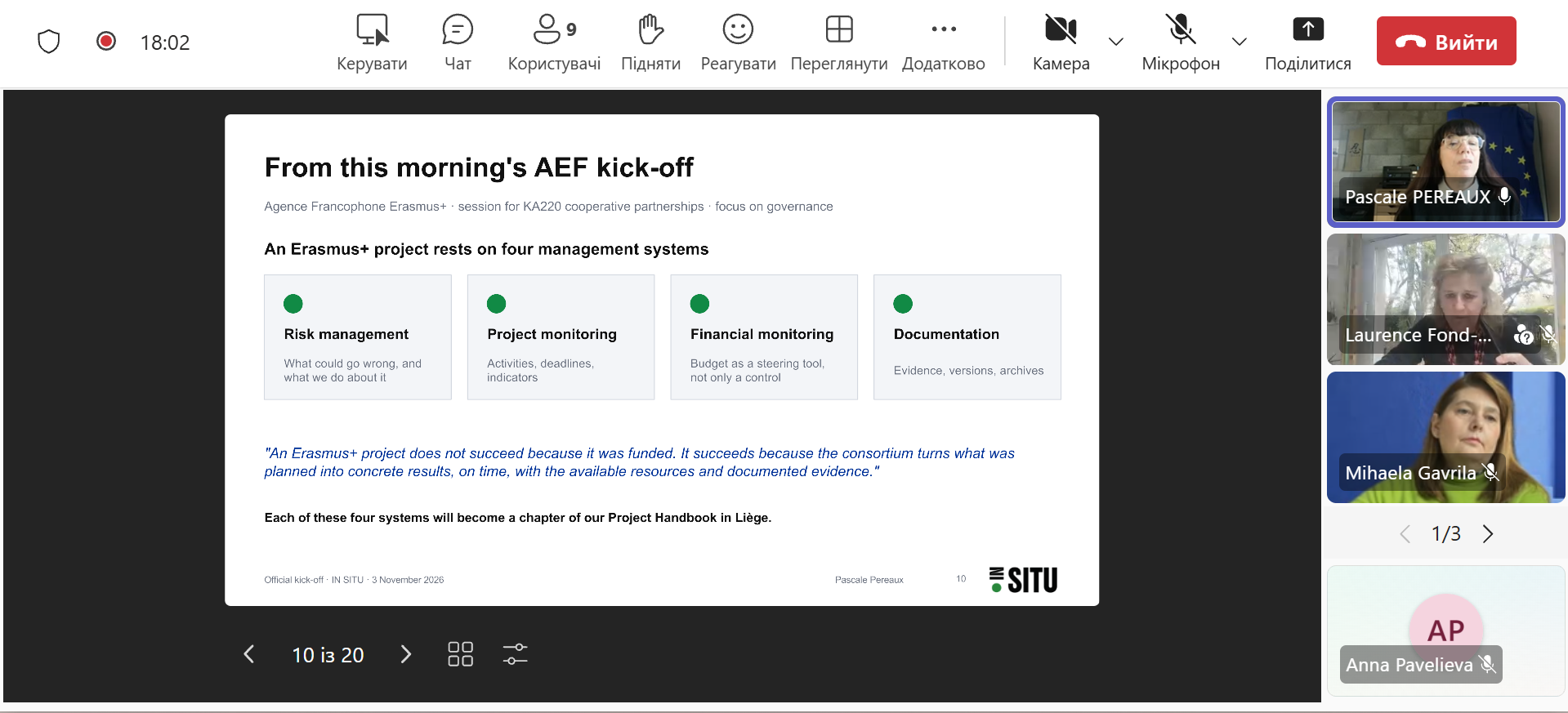
During the first working session, the coordinators presented the outcomes of consultations with the Belgian Francophone National Agency for Erasmus+ (AEF-Europe – Agence Francophone Erasmus+). European experts paid particular attention to the high quality of the prepared documentation and the sound management strategy structured across four fundamental operational pillars: Risk management, Project monitoring, Financial monitoring, and Documentation. Within the risk management framework, the National Agency specifically commended the Poltava Polytechnic team's resilience, determination, and exceptional professionalism, recognising the practical experience of Ukrainian researchers under the critical pressures of wartime conditions as an invaluable model of effective crisis management that ensures superior adaptability and robustness for joint European solutions.
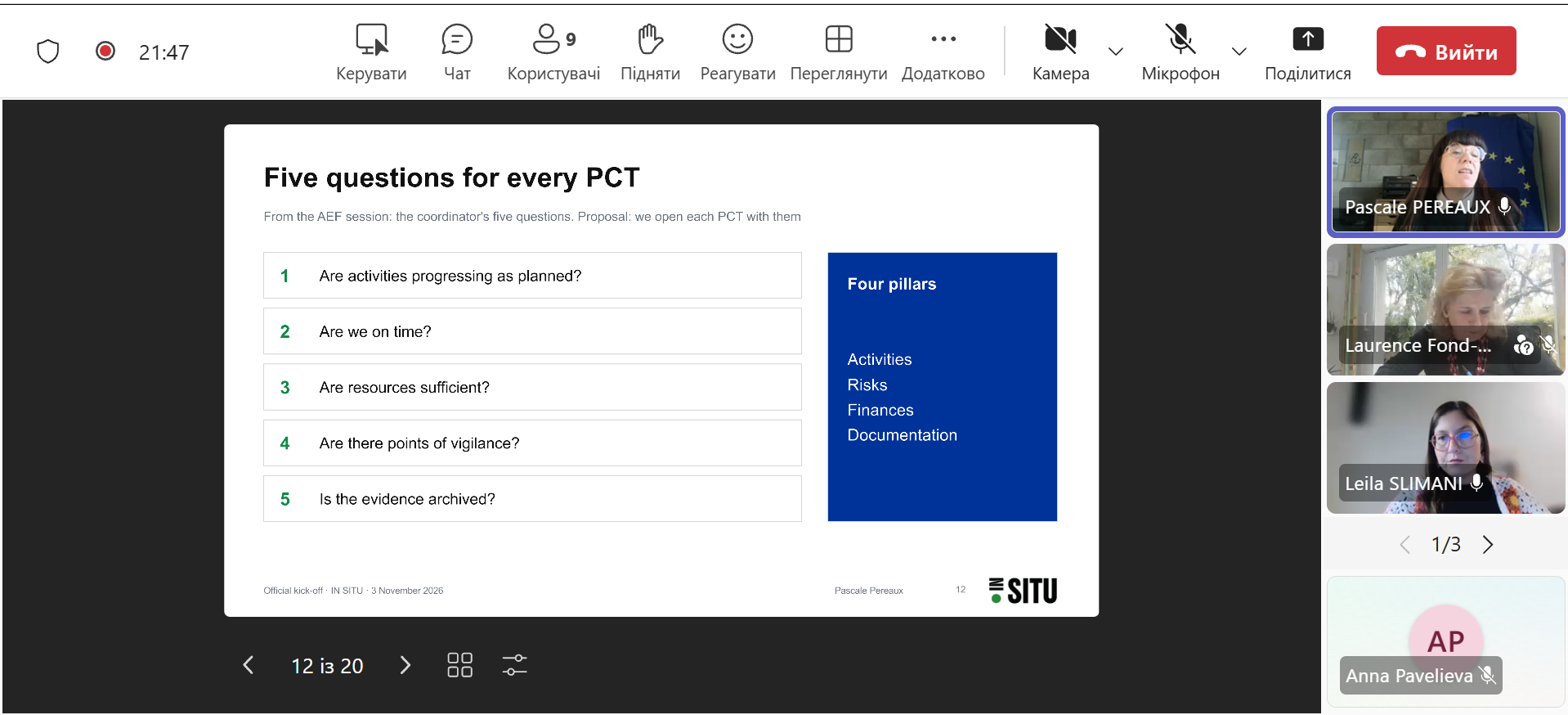
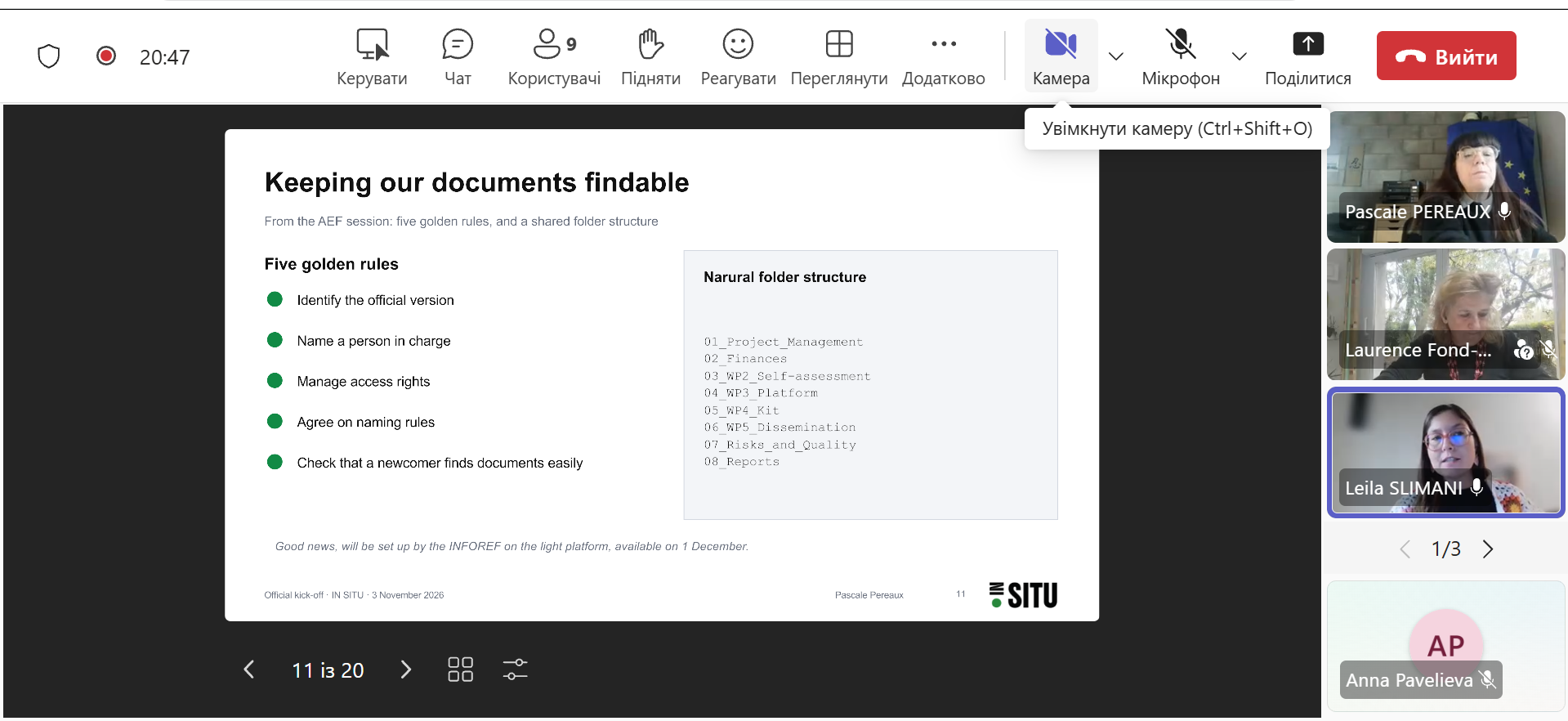
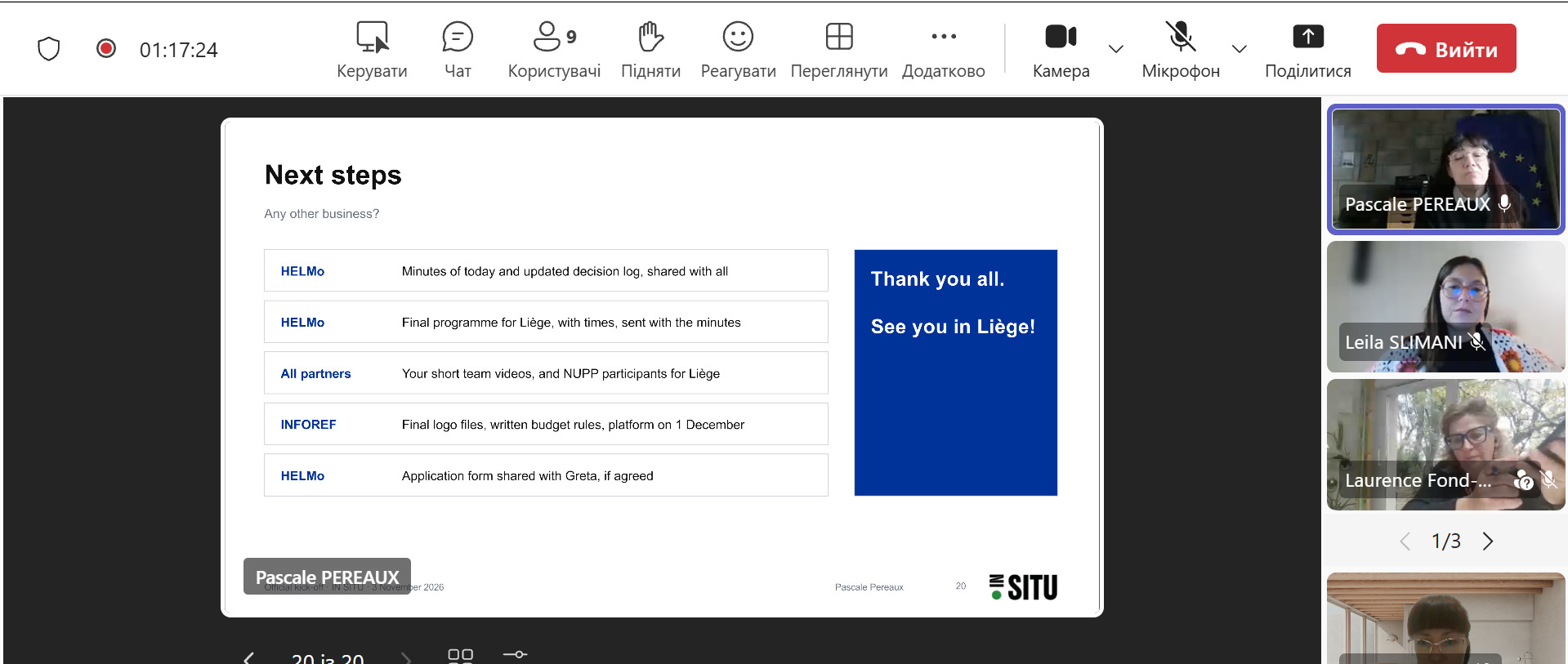
The partners extensively discussed the practical deployment of the European Commission's standardised project management methodology, PM² (Project Management Methodology). The consortium coordinator presented the mandatory rule of “five questions for every Project Coordination Team (PCT) meeting”, adopted from the AEF session: Are activities progressing as planned? Are we on time? Are resources sufficient? Are there points of vigilance? Is the evidence archived? To maintain full operational transparency, the team approved a unified Decision Log, along with five golden rules for document retrievability on a dedicated digital platform. Furthermore, under official consortium decision D20, the participants unanimously validated the project's official logo, designed by Régine Smal from the Belgian organisation INFOREF, embodying the focus on local situatedness, WCAG digital accessibility standards, and “GreenPact” ecodesign principles.
Poltava Polytechnic was represented at the kick-off meeting by Project Coordinator, PhD in Philology, Acting Vice-Rector for Academic Affairs, International Relations and Cooperation Anna Pavelieva, and PhD in Philology, Associate Professor, Deputy Dean of the Faculty of Philology, Psychology, and Pedagogy Nataliia Bondar. Our university holds a prominent leadership role in the international consortium as the Work Package 2 Lead (WP2 Lead). Polytechnic researchers will oversee the development of the European Digital Maturity Self-Assessment Framework and the Sustainable Digital Practices Index across more than fifty educational and social organisations in Europe.
An interdisciplinary team from the Educational and Scientific Institute of Information Technologies and Robotics and the Faculty of Philology, Psychology, and Pedagogy has been mobilised for this mission: PhD in Philology Anna Pavelieva – University Project Coordinator; PhD in Economics Kseniia Verhal and PhD in Technical Sciences Olena Dvirna – leading experts in IT infrastructure, modelling, and data security; Olena Haitan – software testing and digital systems quality assurance specialist; and Doctor of Philology Tetiana Kushnirova, PhD in Pedagogical Sciences Anna Aheicheva, PhD in Philology Alla Bolotnikova, and PhD in Philology Nataliia Bondar – experts in innovative pedagogy, inclusive adult education methodologies, and critical media literacy.
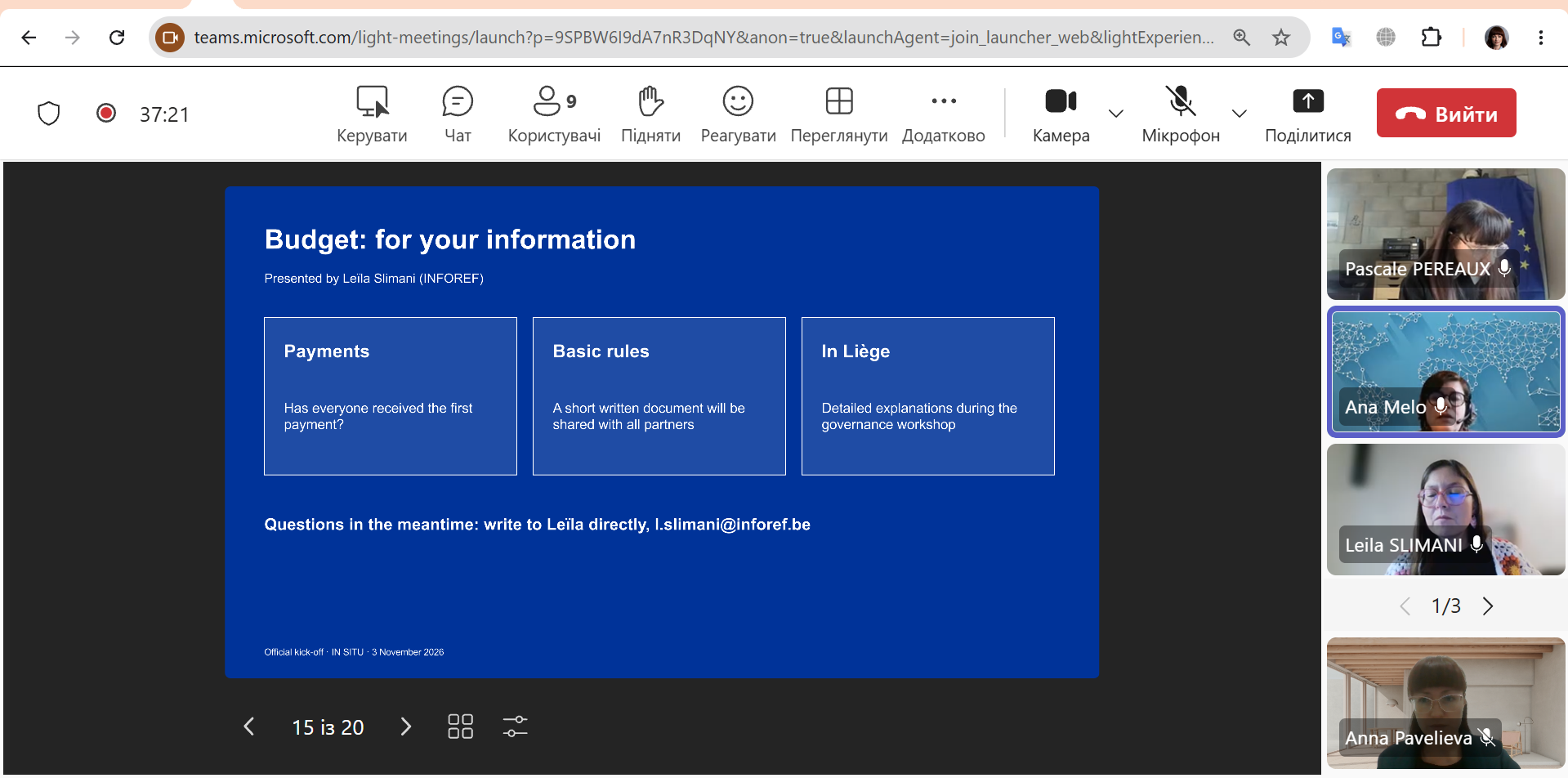
The project's academic foundation is grounded in the findings of a transnational sociological survey involving over three hundred respondents, among whom students of Poltava Polytechnic represented a significant share. The survey identified a stark paradox: while more than 92.5% of young individuals actively engage with generative artificial intelligence tools, only 4.9% utilise them for analytical work or critical data verification. In response, the consortium will deliver three key tangible outputs: the Self-Assessment Framework (WP2); the Responsive Learning Platform (WP3), featuring ten practical micro-modules translated into all consortium languages, including Ukrainian, enabling educators and social professionals to master advanced digital sobriety practices; and the unplugged eco-inclusive pedagogical kit (WP4) – a set of interactive educational games, role-playing simulations, and forum-theatre techniques designed to engage adults with emerging digital literacy through direct interpersonal communication, building an accessible bridge toward modern technology. Leila Slimani, a representative of partner organisation INFOREF, outlined the financial regulations and reporting principles during the session and announced the rollout of the internal coordination platform starting December 01, 2026.
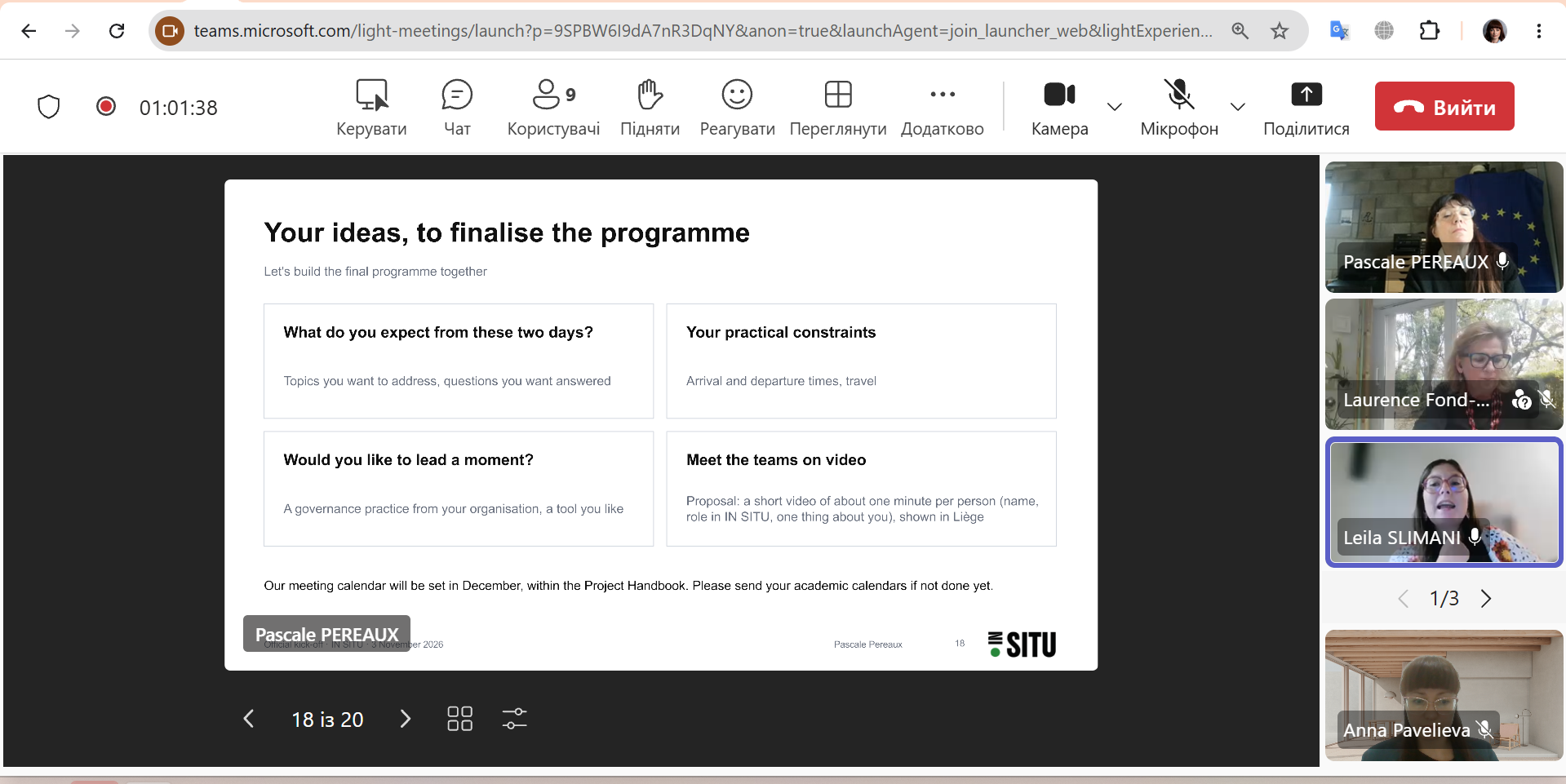
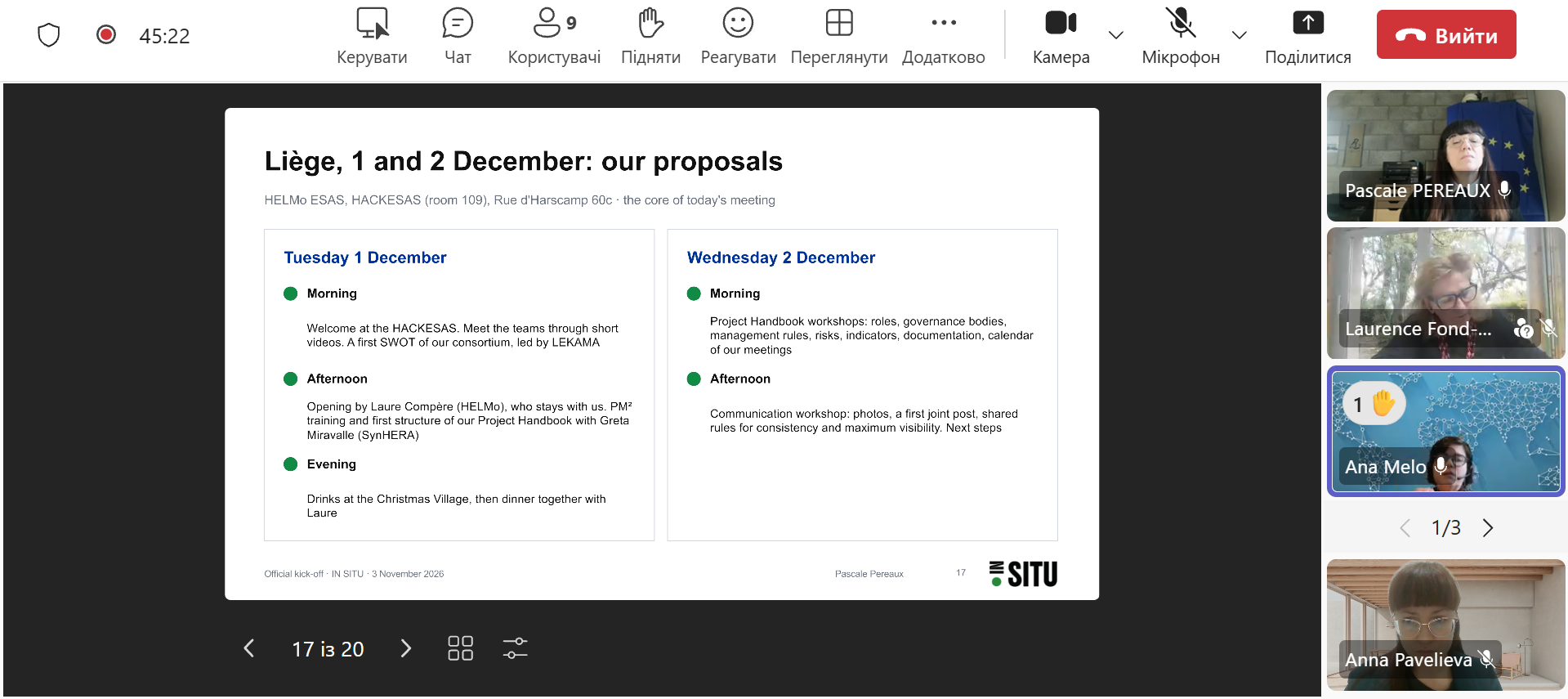
A key agenda item was coordinating the first in-person Transnational Governance Workshop, scheduled for December 01 and 02, 2026, in Liège, Belgium, hosted in the HACKESAS open innovation lab (Room 109, Rue d'Harscamp 60c) at HELMo ESAS. The itinerary will include introductory institutional presentations via short video profiles, a baseline consortium SWOT analysis guided by Dr Laurence Fond-Harmant from Lekama Développement, and the official opening of the working sessions by Laure Compère, Director of HELMo ESAS. A cornerstone session will feature specialised PM² methodology training and the structural elaboration of the Project Handbook, delivered by guest expert Greta Miravalle from SynHERA, the renowned Belgian applied research network. The second day will focus on a hands-on communication workshop, media management, and establishing shared protocols to ensure maximum European visibility for project milestones.
A strategic priority of the kick-off meeting was to develop a multi-tiered consortium communication policy compliant with rigorous European Union transparency and public dissemination standards for grant-funded projects. The partners agreed upon coordinated coverage across university and international media platforms. The partners agreed to establish a centralised multimedia asset repository, ensure professional photographic and video documentation during forthcoming transnational meetings, and maintain systematic cross-translation of analytical publications, fostering wider visibility of Ukrainian researchers' scholarly contributions across academic communities in Belgium, France, Romania, and Luxembourg.
The newly established Project Steering Committee (PSC), comprising executive representatives of the partner organisations, will safeguard institutional sustainability and quality assurance by convening semi-annually to review milestones and calibrate the strategic roadmap. All intellectual outputs, curricula, and guidelines will be published with open, unrestricted access on the European Commission's EPALE (Electronic Platform for Adult Learning in Europe) platform and maintained for at least five years after project funding ends, ensuring enduring multiplicative impact across the European adult learning landscape.
This successful launch in a prestigious Erasmus+ initiative reflects the university’s unwavering strategy toward internationalisation. The project team expresses sincere gratitude to Professor Volodymyr Onyshchenko, President of National University “Yuri Kondratyuk Poltava Polytechnic”, and Associate Professor Olena Filonych, Rector of the University, for their visionary leadership, institutional stewardship, and comprehensive support of the academic staff. Their ongoing dedication to fostering international partnerships empowers Polytechnic researchers to integrate seamlessly into the European Higher Education and Research Area, expand transnational synergies, and uphold the global reputation of Ukrainian academia.
Participation in the “IN SITU” project offers substantial opportunities to upgrade academic curricula at National University “Yuri Kondratyuk Poltava Polytechnic” and expand international mobility. The micro-modules in artificial intelligence and digital inclusion will enrich degree programmes for students majoring in Computer Science, Cybersecurity, Philology, and Secondary Education. At the same time, this robust European network creates compelling new opportunities for semester-long academic exchanges and professional research internships. With the official kick-off completed, three years of impactful scholarly collaboration, in-person workshops, and landmark achievements lie ahead.