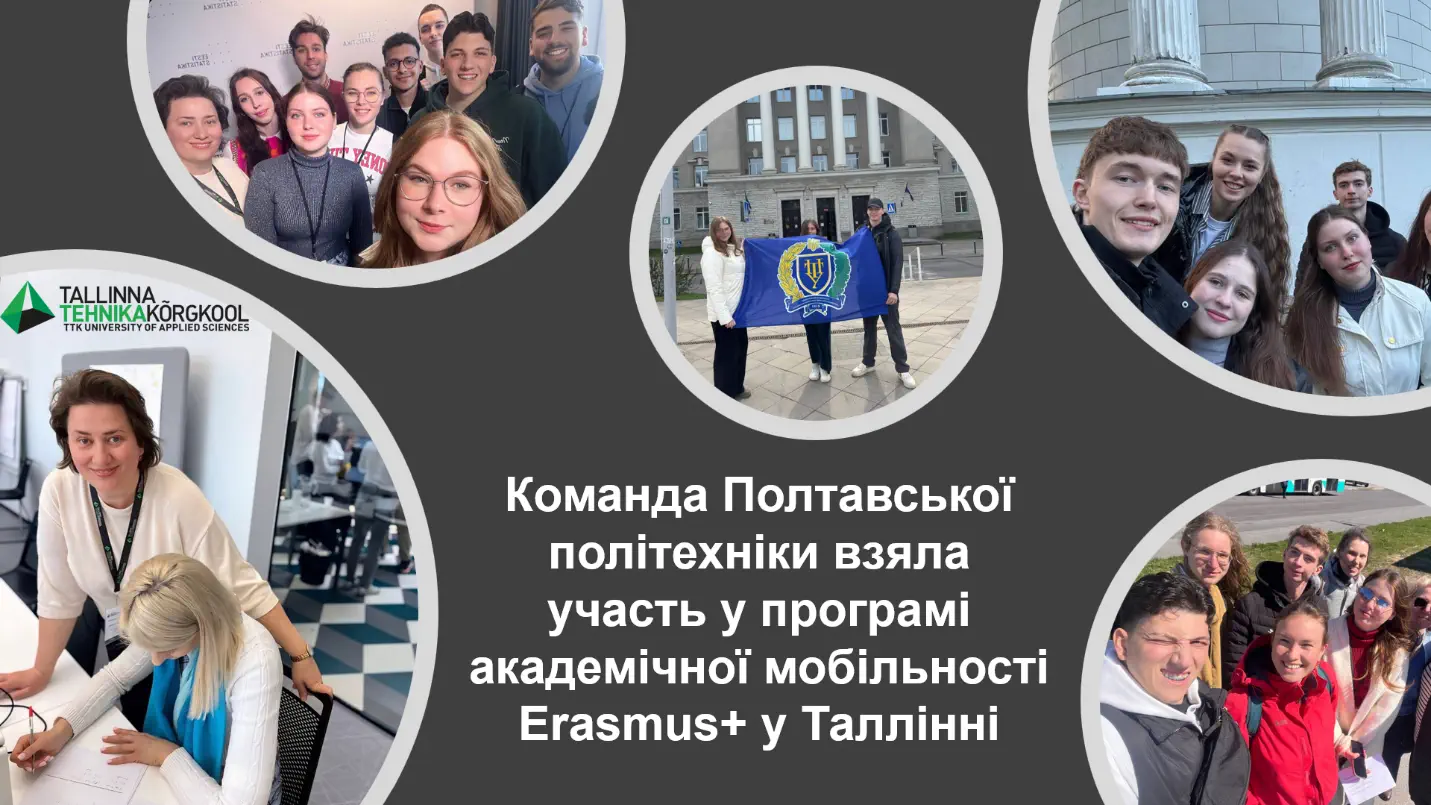
The TTK University of Applied Sciences – a leading Estonian institution renowned for its progressive approach to education – served as the hospitable venue for implementing this large-scale initiative. The mobility program became a unique synergistic platform not only for intensive knowledge exchange but also for transmitting Ukrainian experience through lectures delivered to the international student community. A series of events held at the Estonian higher education institution provided a powerful impetus for the development of a long-term inter-university partnership, opening new prospects for implementing promising grant projects and joint research initiatives that strengthen Poltava Polytechnic's position on the global stage.
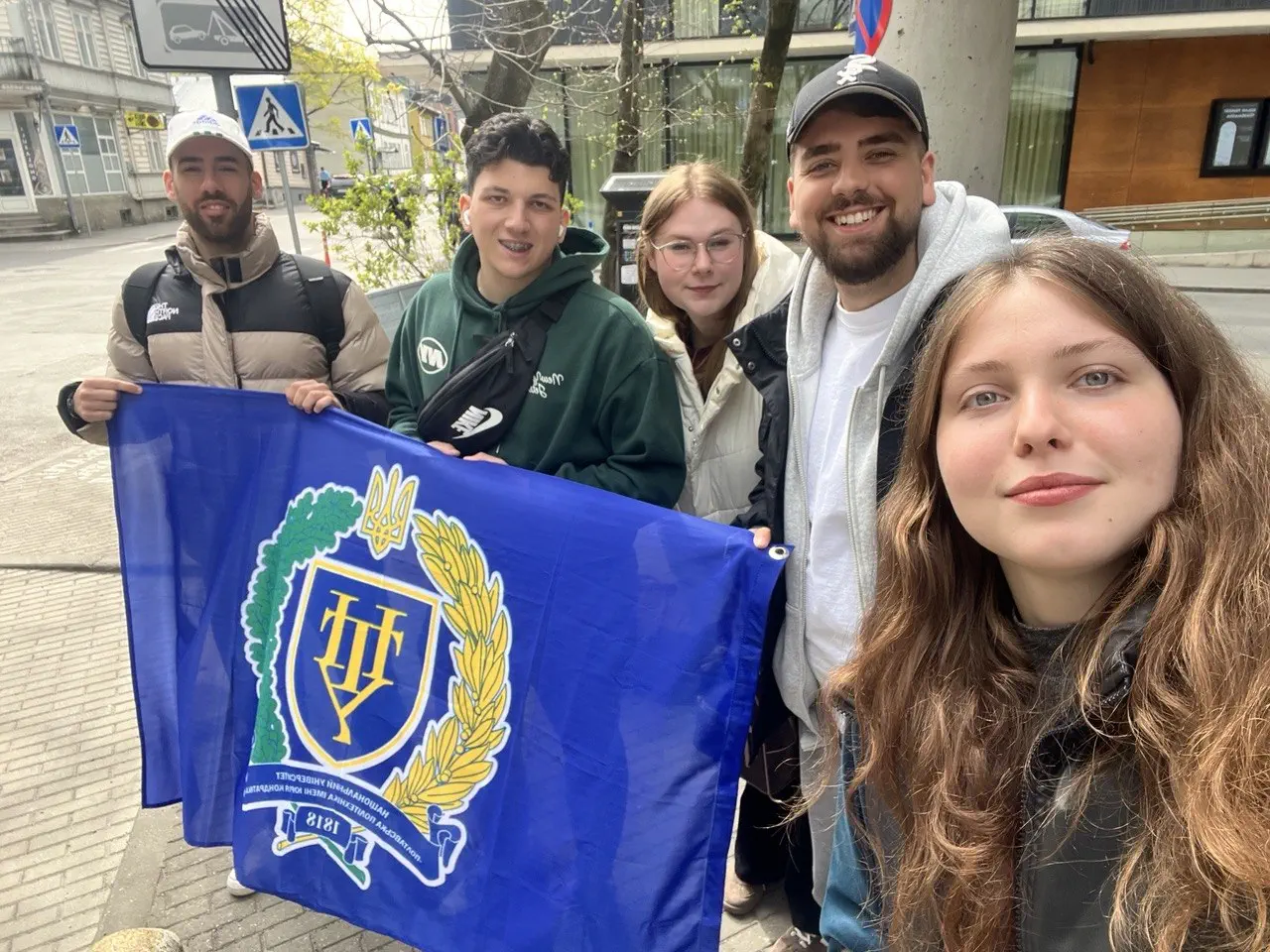
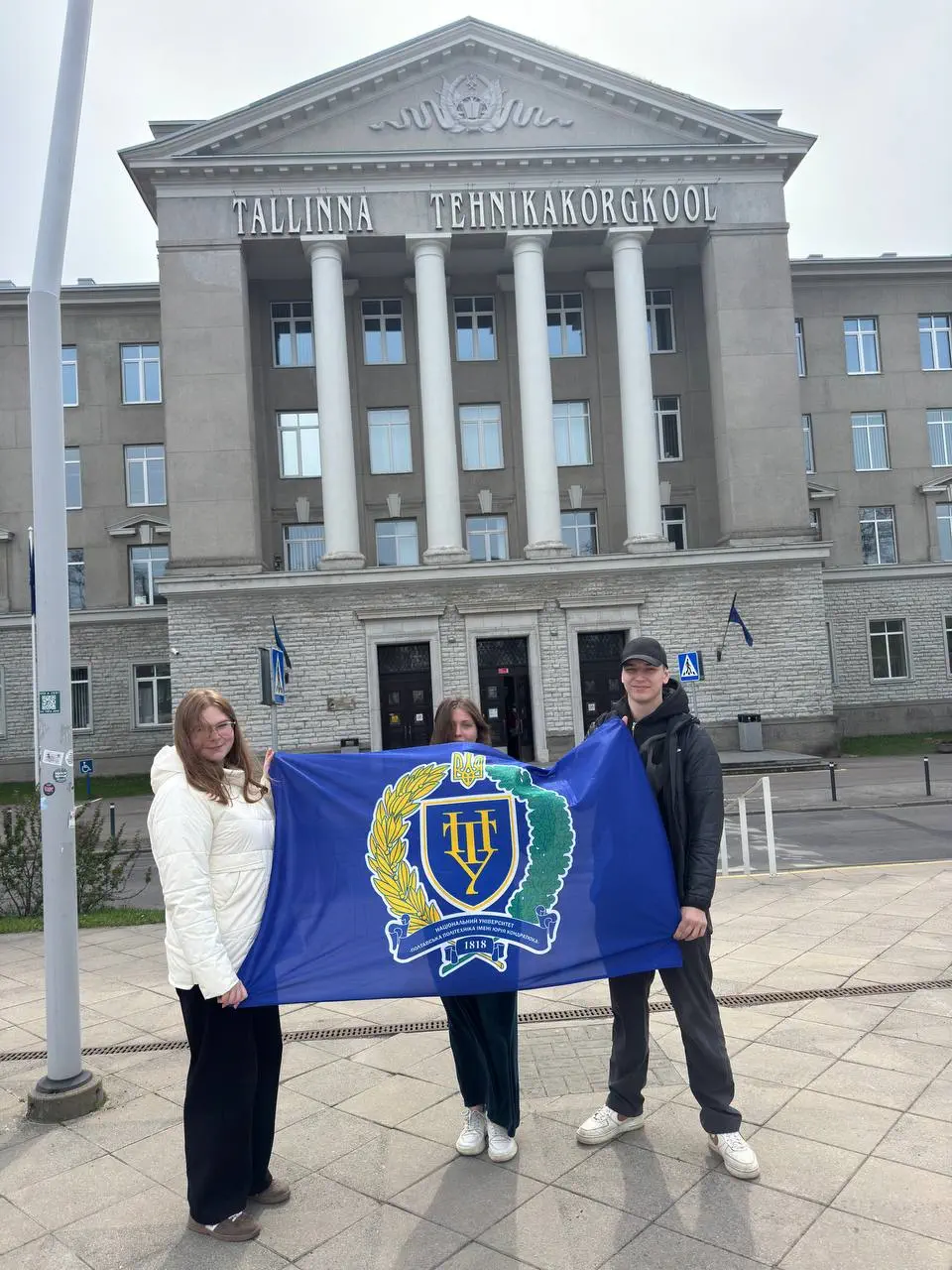
The training consisted of two stages:
- 26.03.2026 – 30.04.2026 – virtual component of the program;
- 04.05.2026 – 08.05.2026 – in-person component of the mobility at the TTK University of Applied Sciences in Tallinn.
Poltava Polytechnic was represented by:
1. Maryna Bylenko – student of group 202-EFMS, Education and Research Institute of Finance, Economics, Management, and Law;
2. Anna Bukhalo – student of group 101-EP, Education and Research Institute of Finance, Economics, Management, and Law;
3. Leonid Golovnenko – student of group 201-TK, Education and Research Institute of Information Technologies and Robotics;
4. Kateryna Skalatska – student of group 201-TK, Education and Research Institute of Information Technologies and Robotics;
5. Oleh Koltsov – student of group 101-EP, Education and Research Institute of Finance, Economics, Management, and Law;
6. Valeriia Pikalova – student of group 501-FD, Faculty of Philology, Psychology, and Pedagogy;
7. Bohdan Polishchuk – student of group 101-EK, Education and Research Institute of Finance, Economics, Management, and Law;
8. Kateryna Prysiazhniuk – student of group 302-FM, Education and Research Institute of Finance, Economics, Management, and Law;
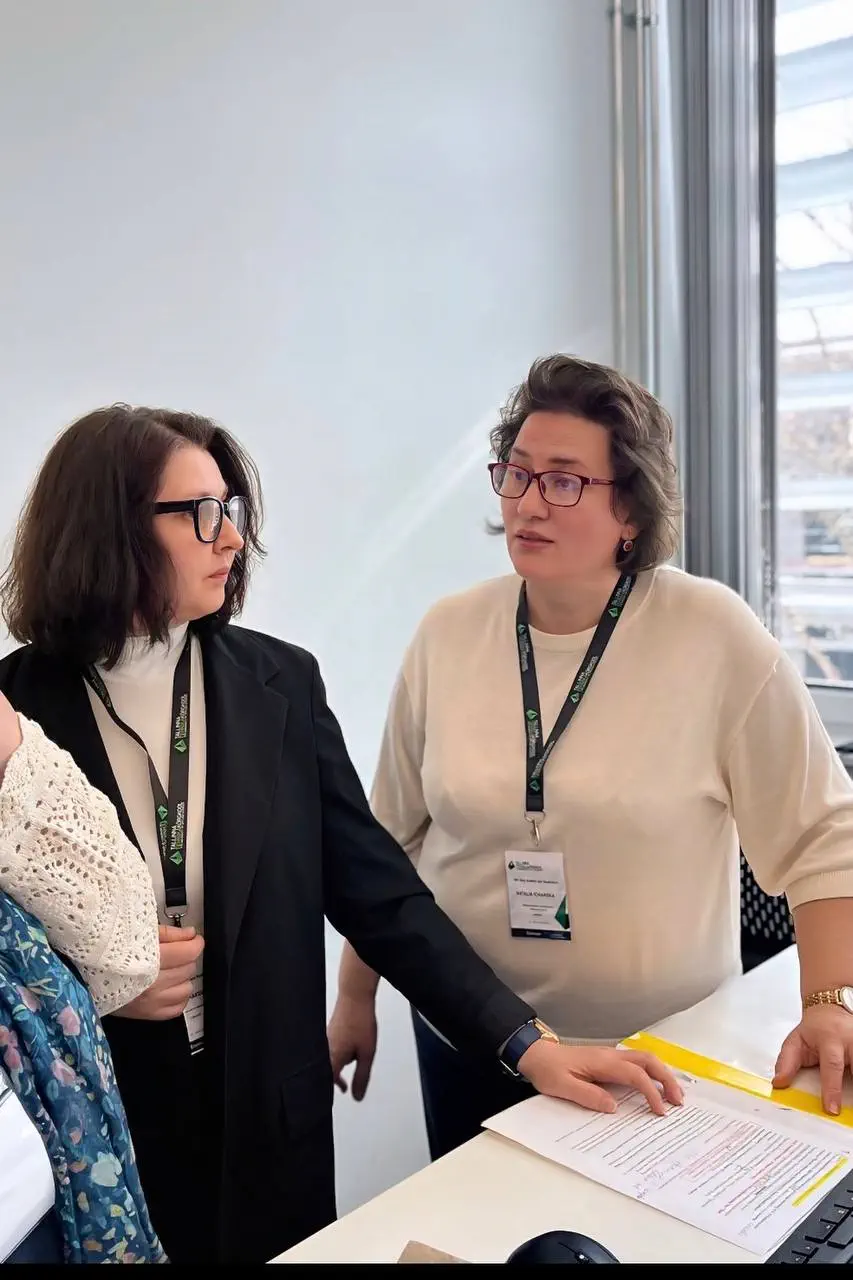
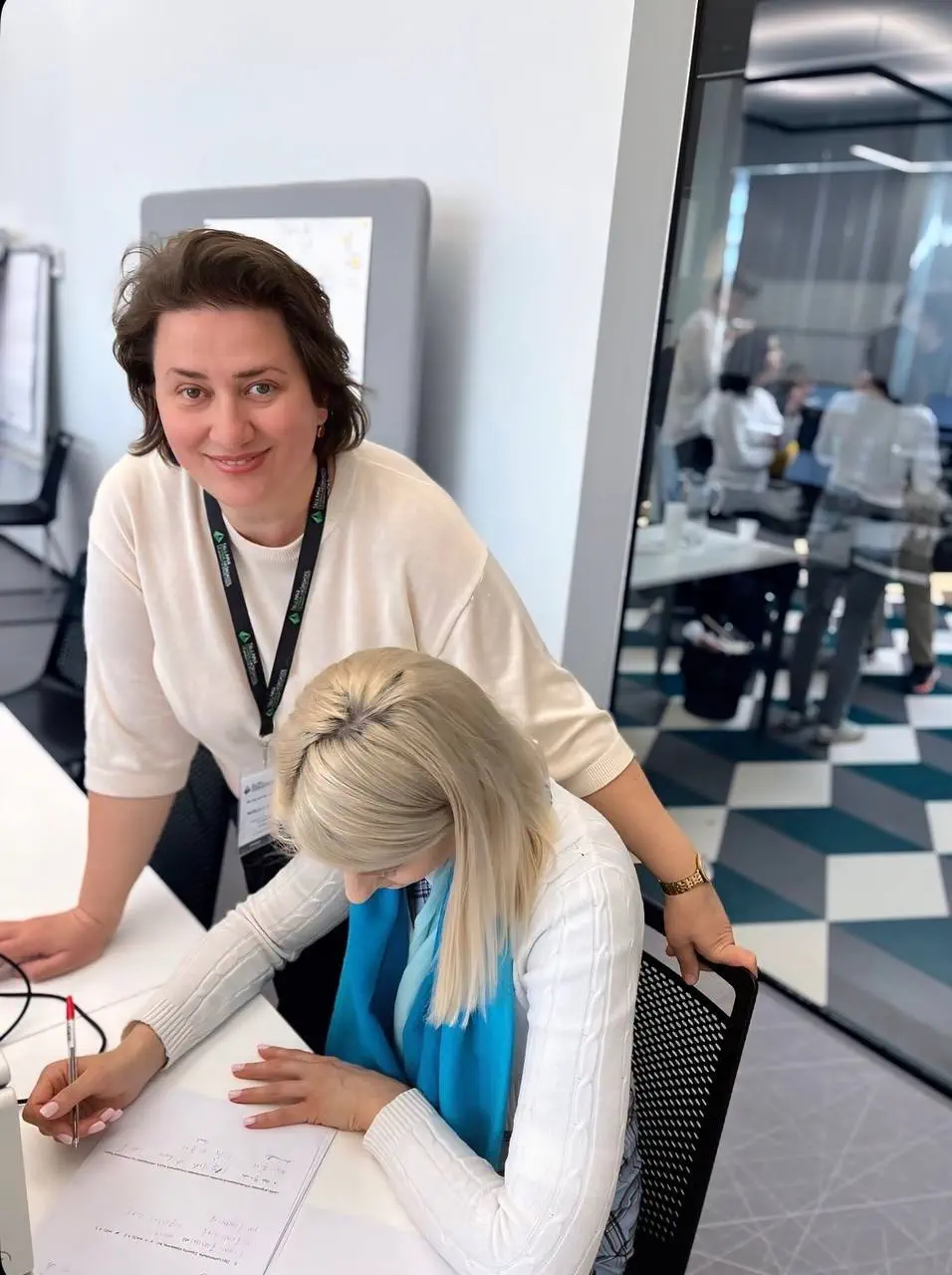
9. Nataliia Ichanska – PhD of Physical and Mathematical Sciences, Associate Professor, Head of the Department of Higher and Applied Mathematics and Physics.
The training followed a highly structured schedule in a hybrid format. The first stage was successfully implemented within the Moodle educational ecosystem, enabling students to prepare for the practical component thoroughly. On May 4, the in-person phase of the program commenced, impressing participants with its intensity and dynamic pace. This week in Tallinn was entirely dedicated to collaborative teamwork on real-world case studies, study visits to technological giants, and deep immersion into the innovative European environment.
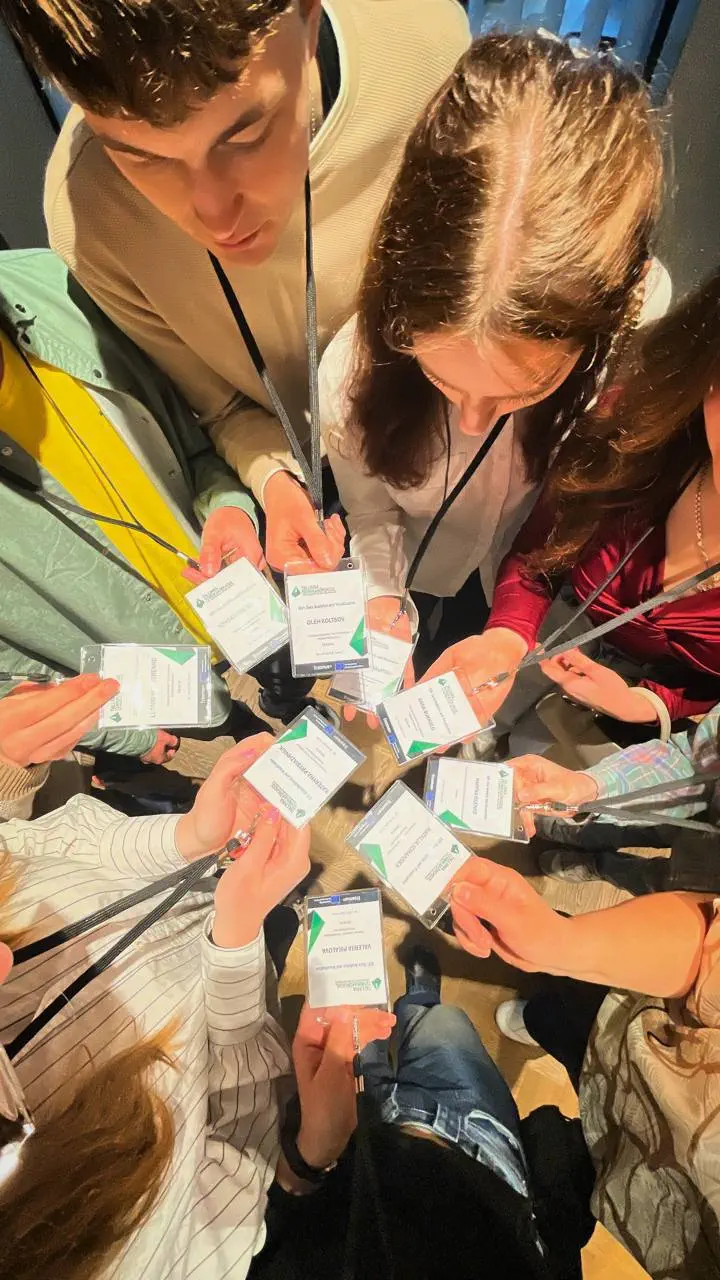
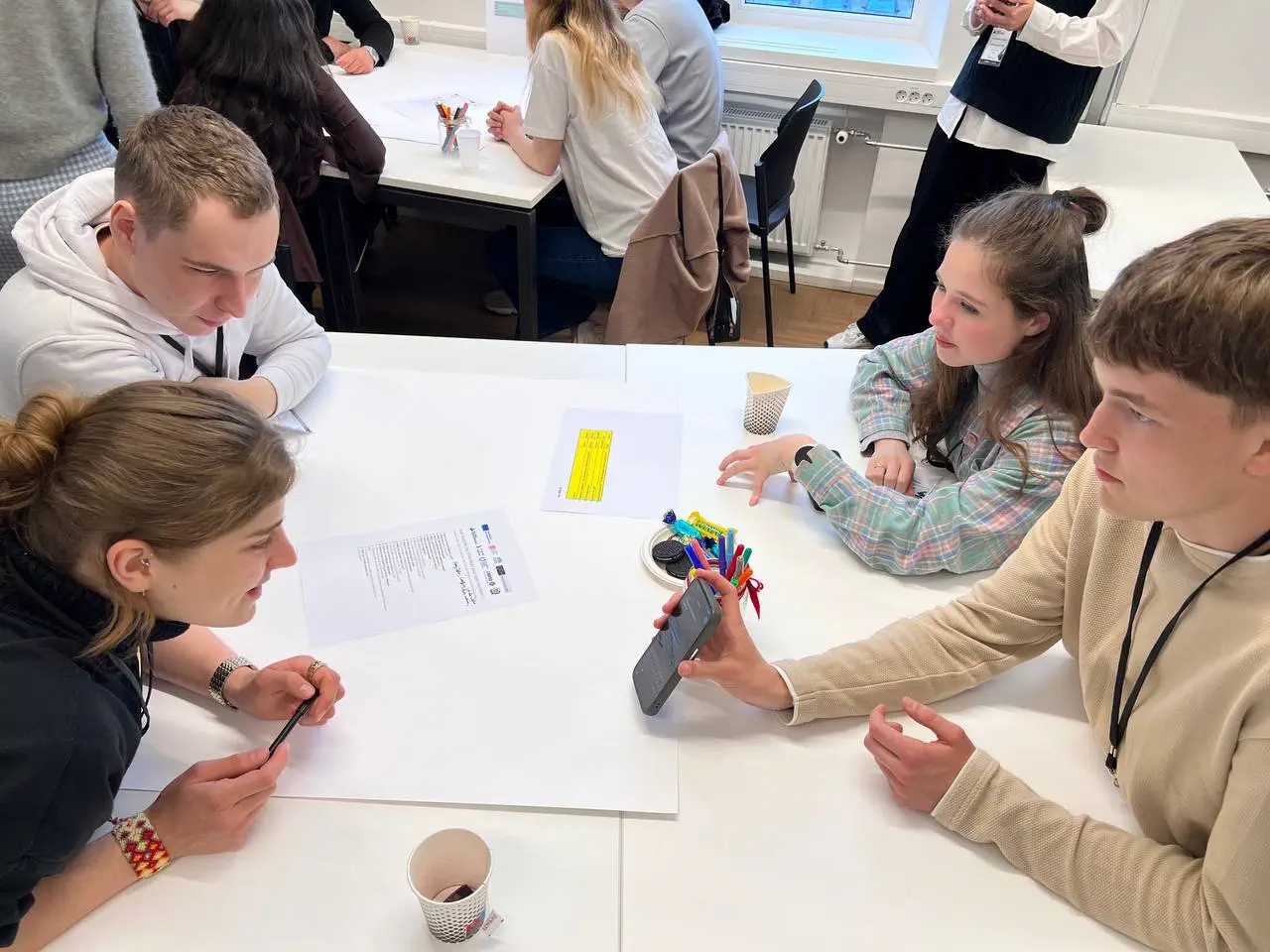
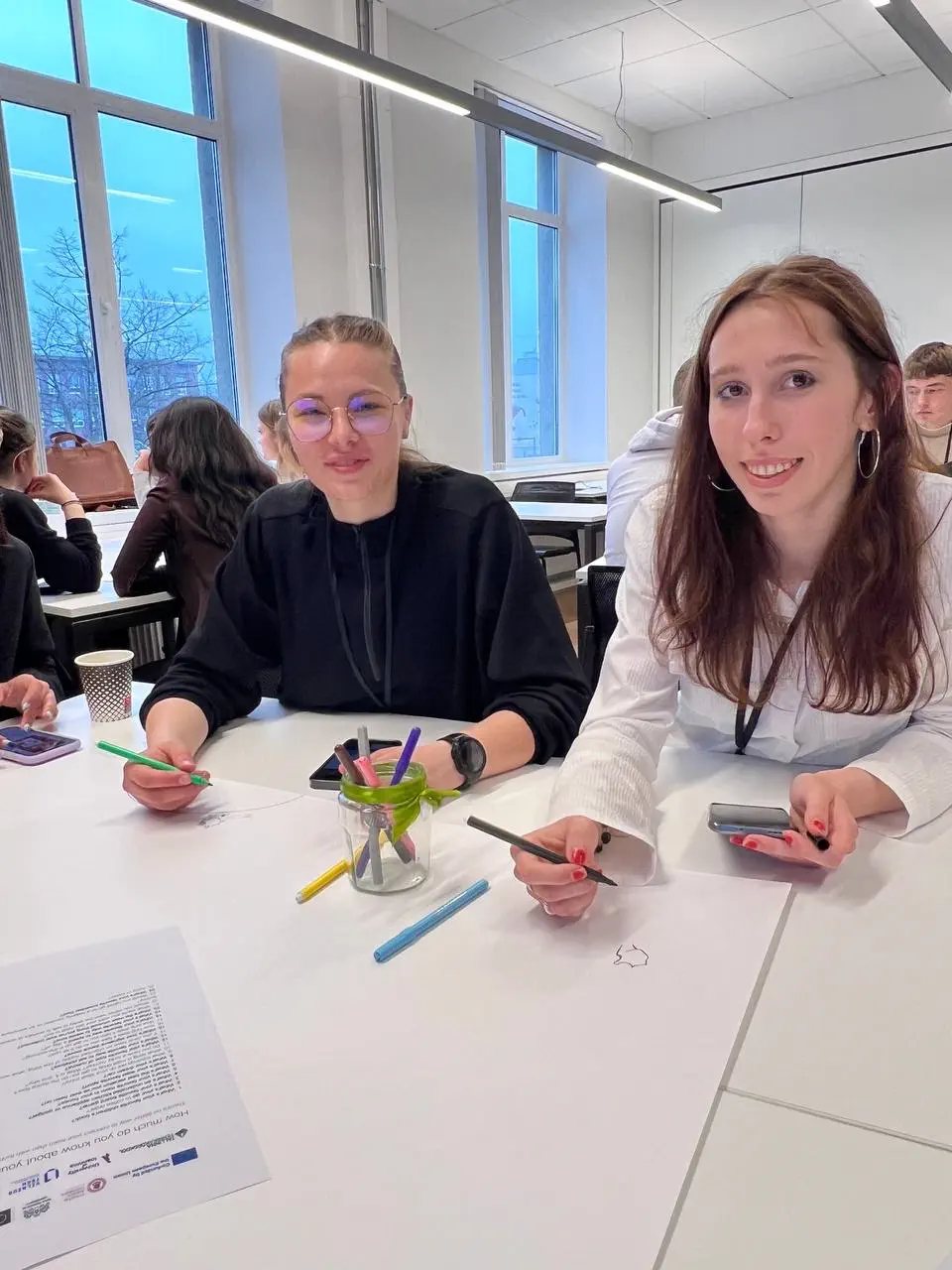
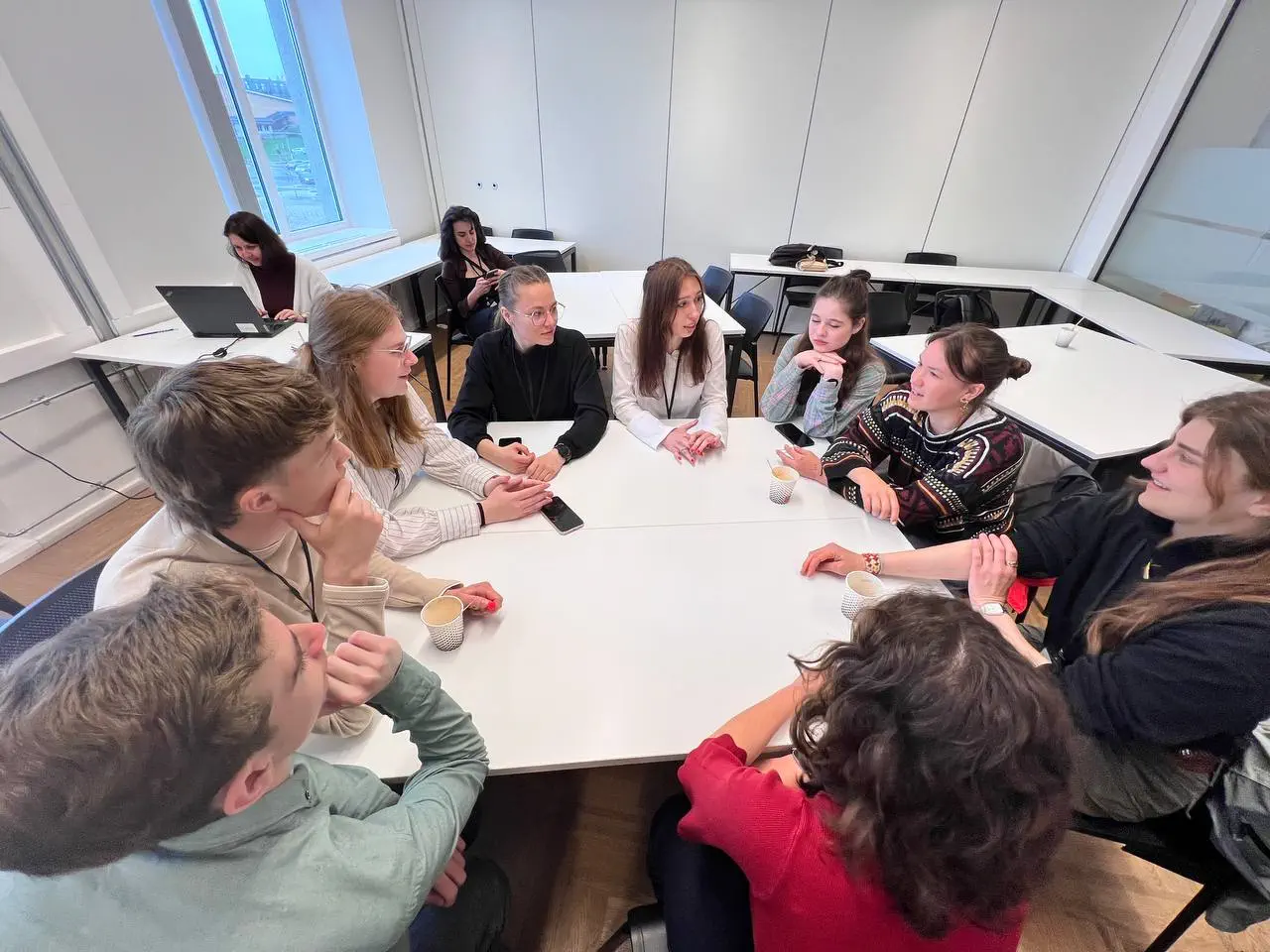
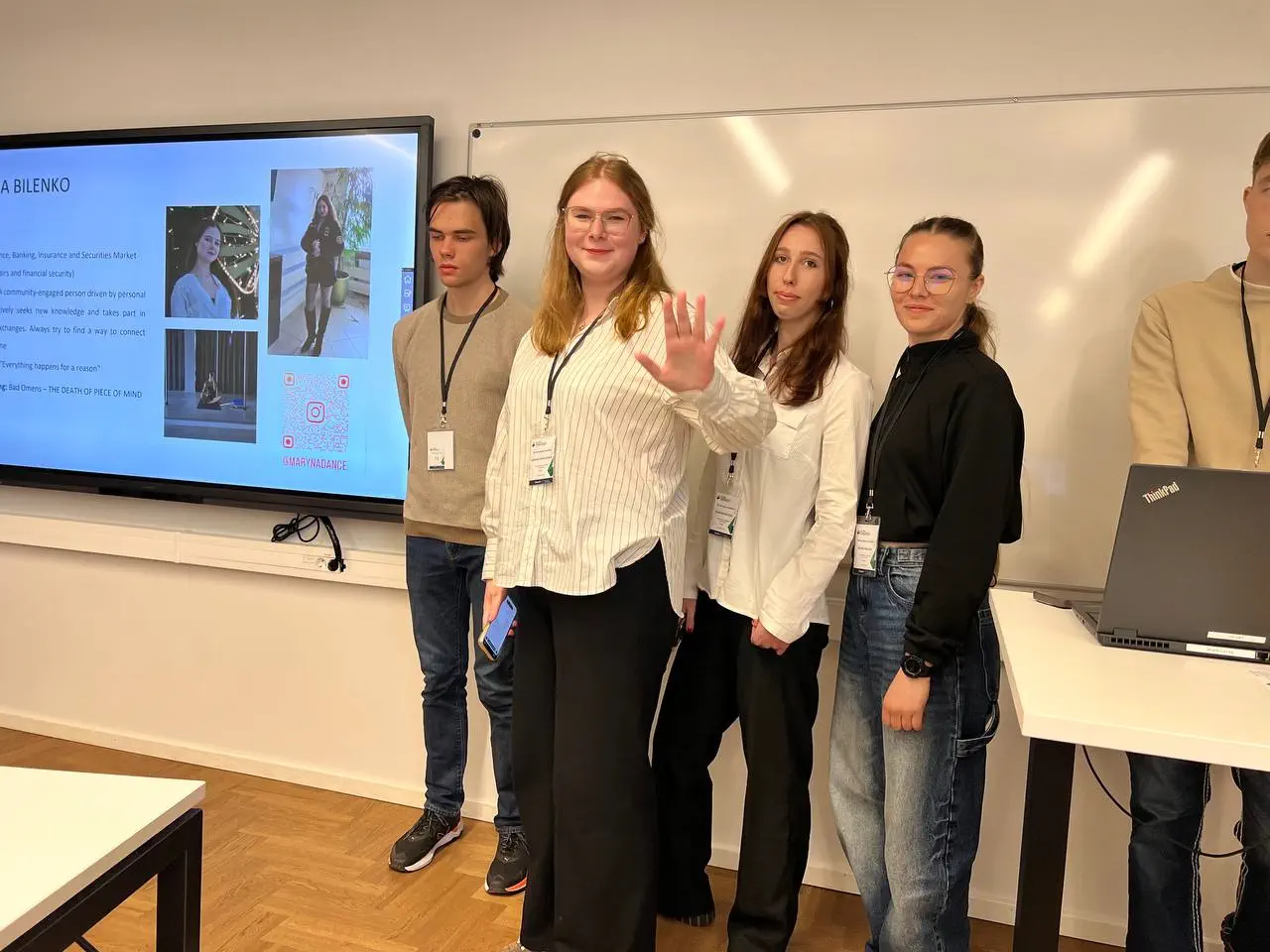
The BIP program united ambitious youth from seven European countries, establishing a unique multicultural space for representatives of ten leading European universities. This extensive networking was harmoniously complemented by a robust course delivered by an international team of professors and experts. The specially designed lecture series “Data Analytics and Visualisation” served as an immersion into the world of Big Data for the students. The curriculum covered the entire cycle of analytical work: from the intricacies of data collection, cleaning, and structuring using Excel and PivotTables to the art of formulating research hypotheses, creating interactive dashboards, and flawlessly visualising analytical results.
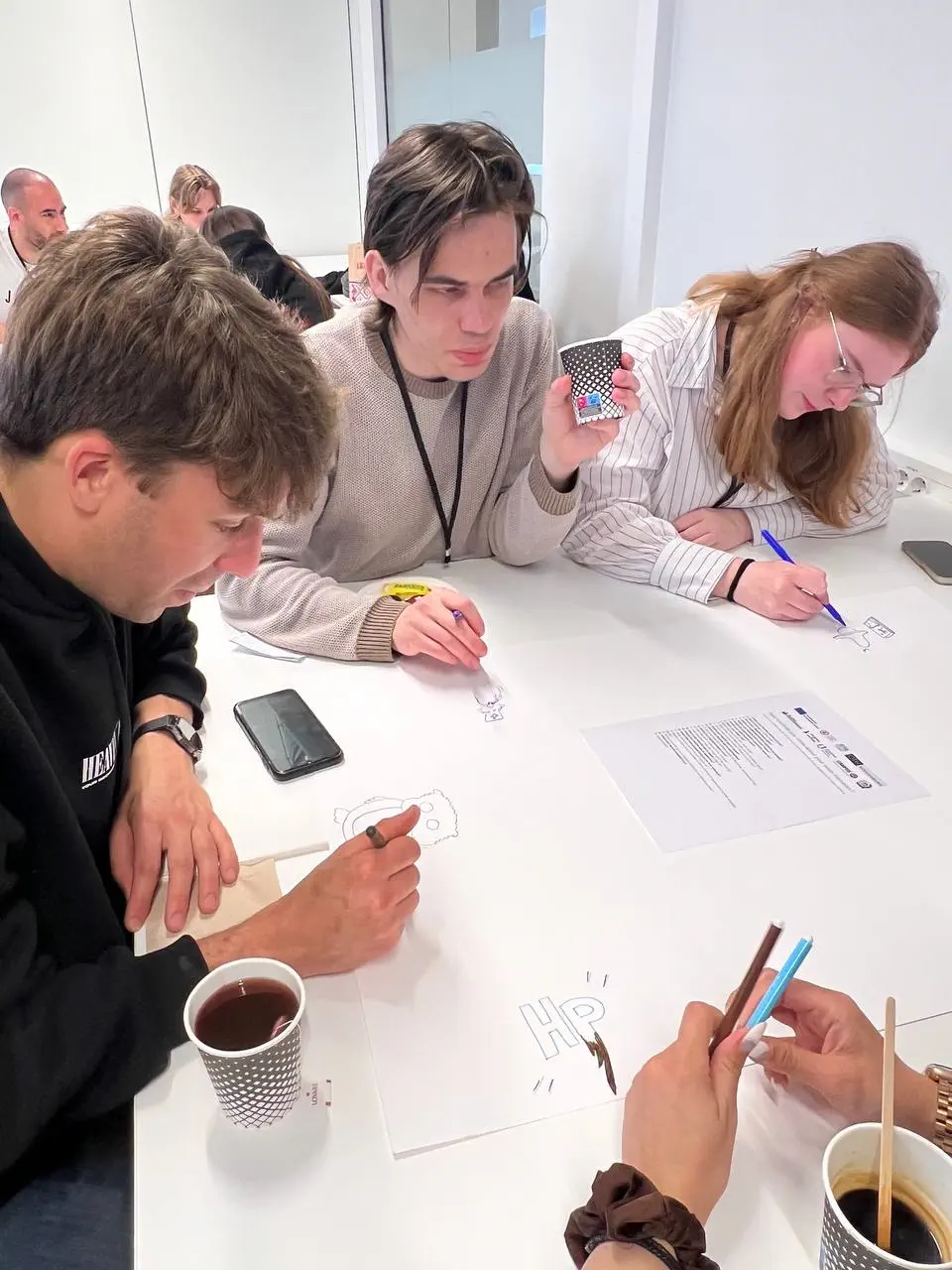
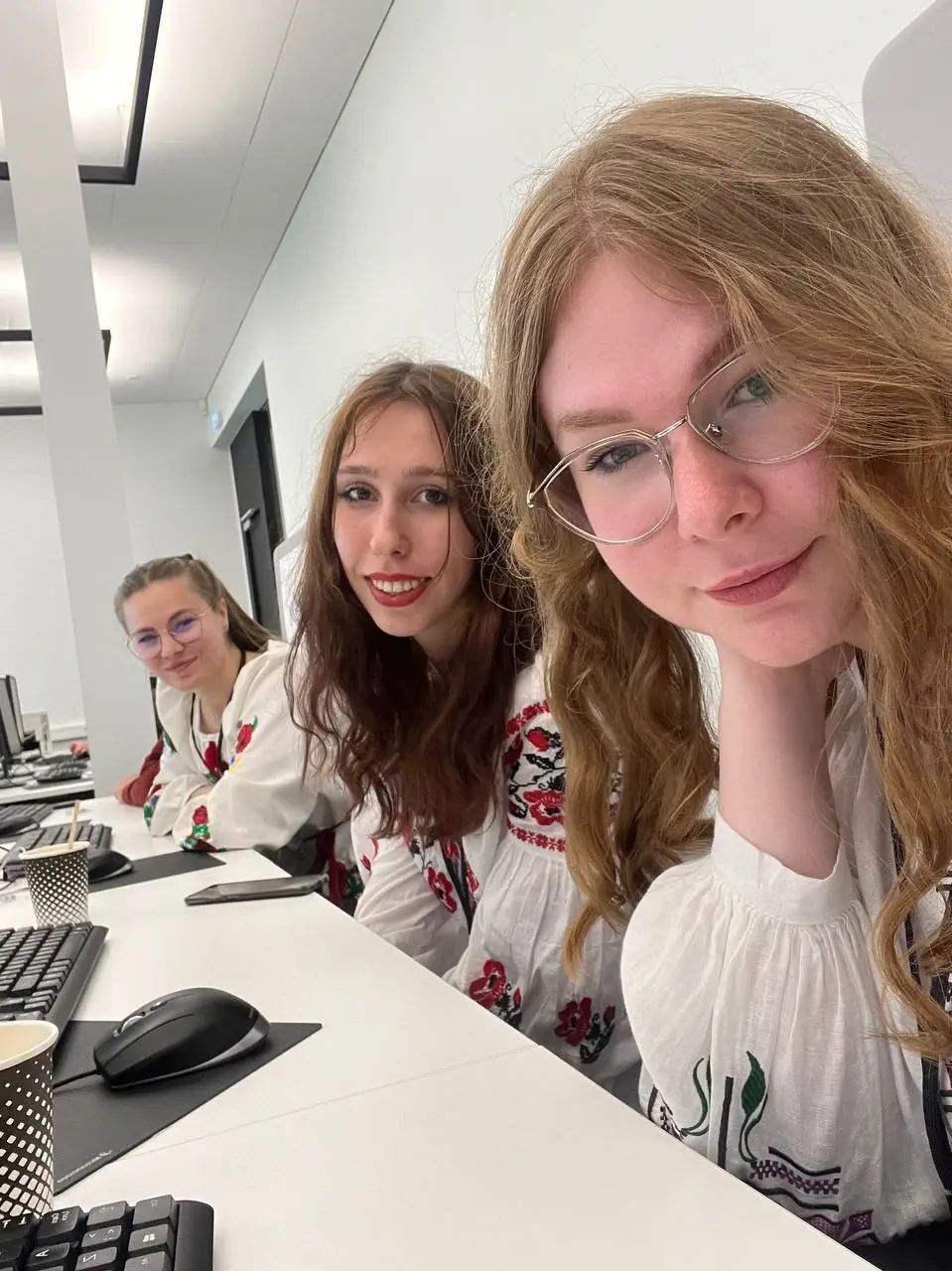
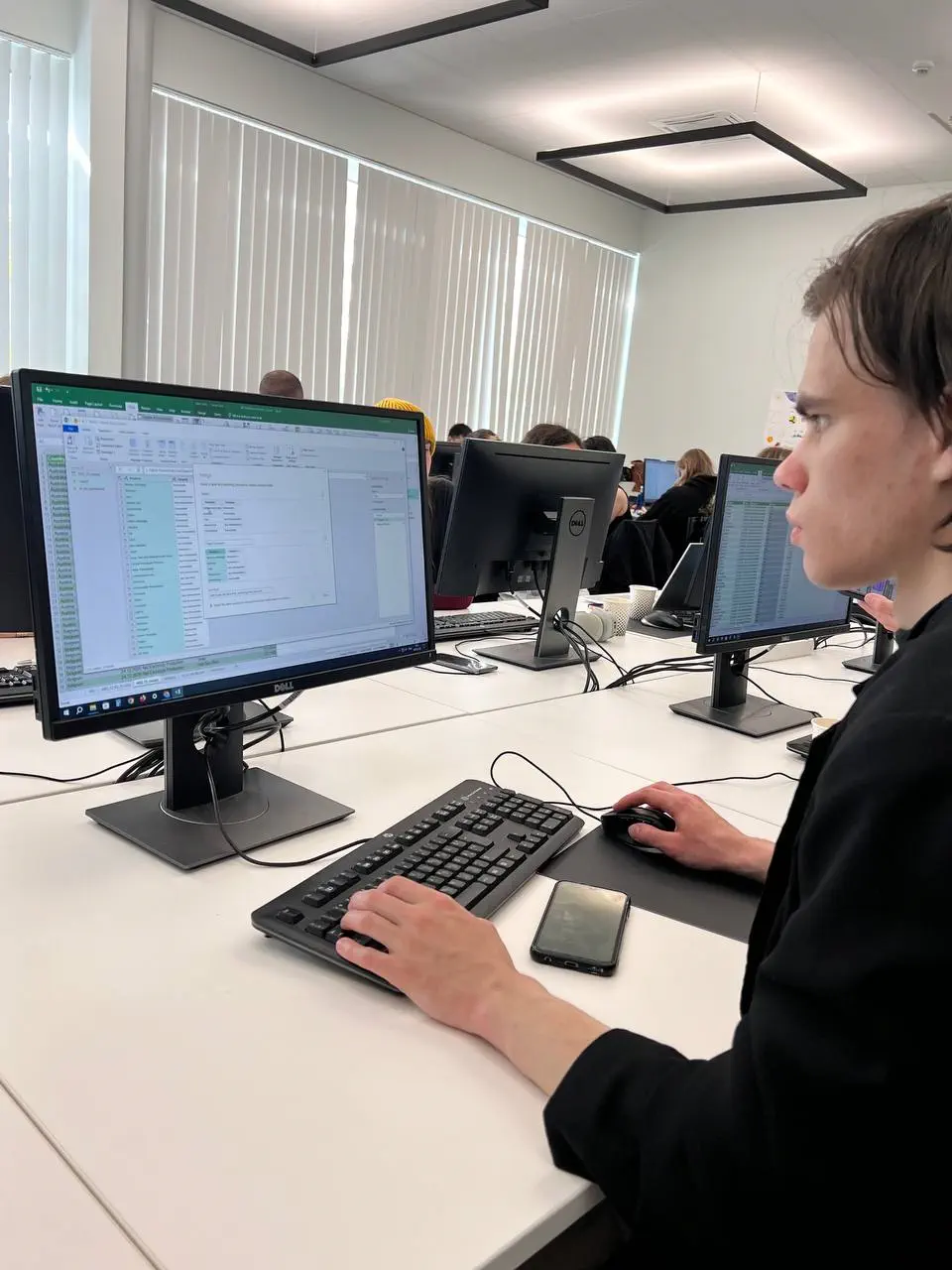
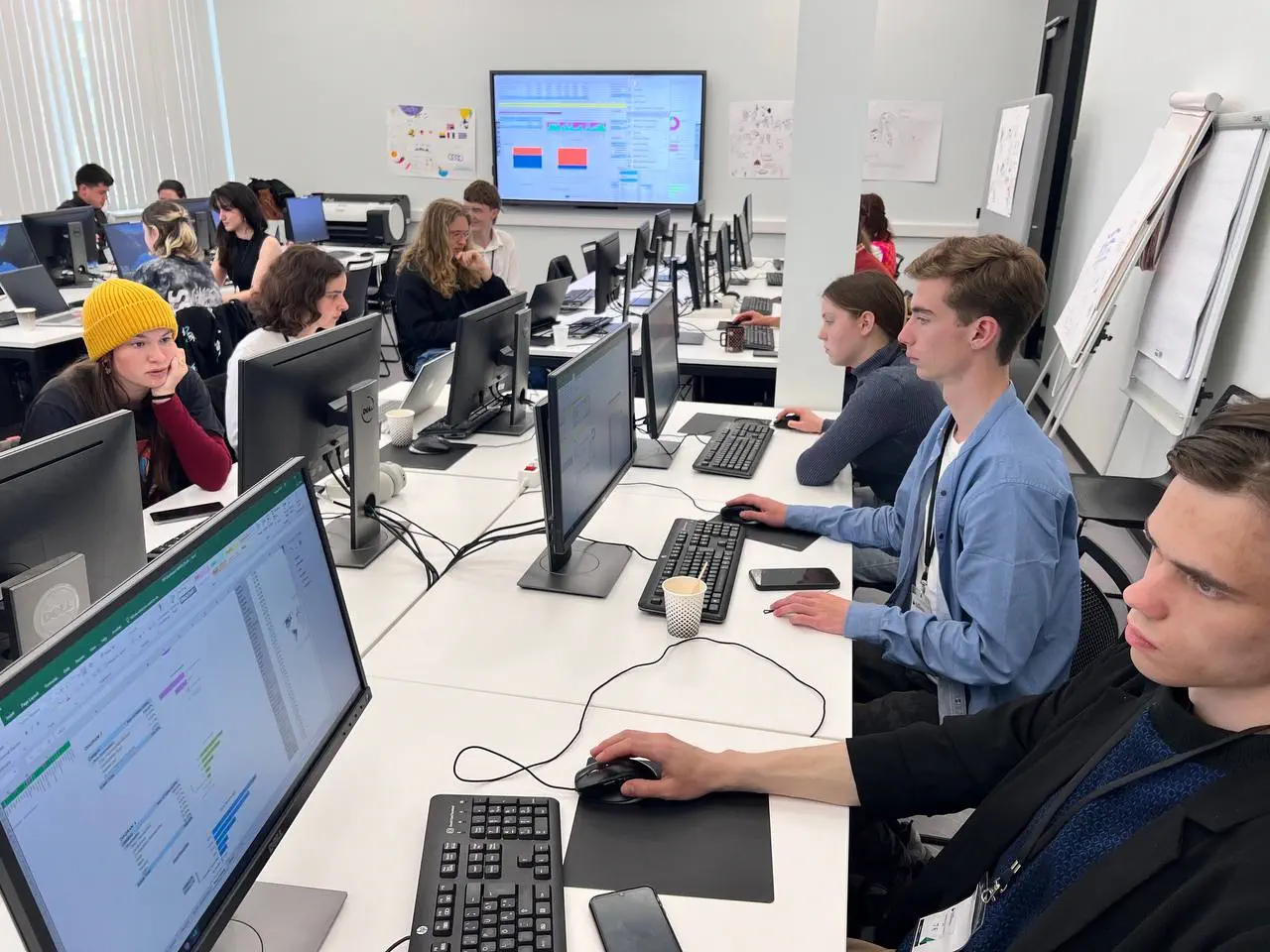
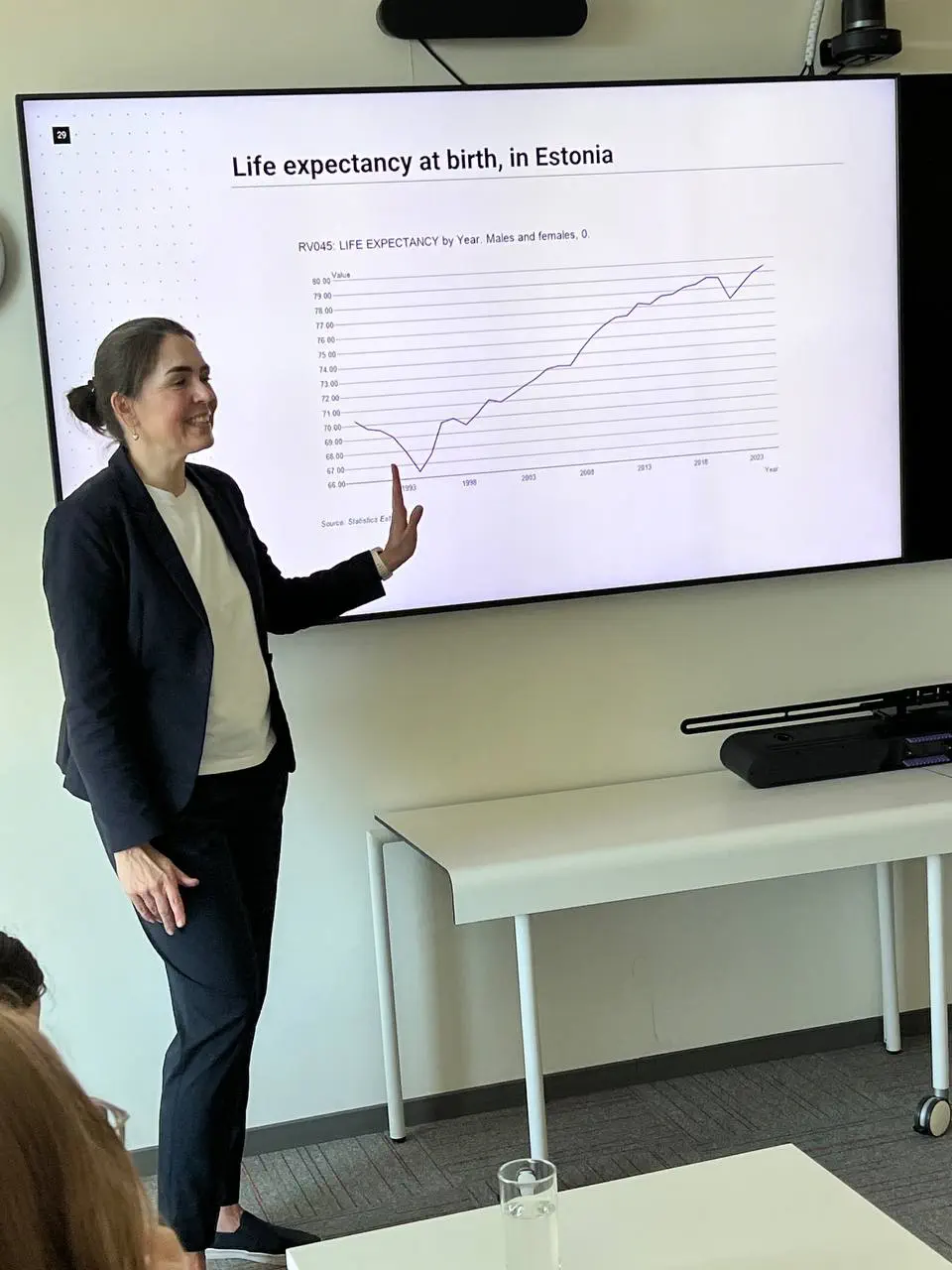
One of the most prominent events of the program was a lecture with Statistics Estonia. Lecturer Annika Lentso shared insights into Statistics Estonia's operations and the role of data analysis in modern society. Participants learned about the process of producing official statistics – from data collection and processing to analysis, dissemination, and evaluation of results. Special attention was paid to digital tools and data visualisation services related to Estonia's labour market, wages, and foreign trade.
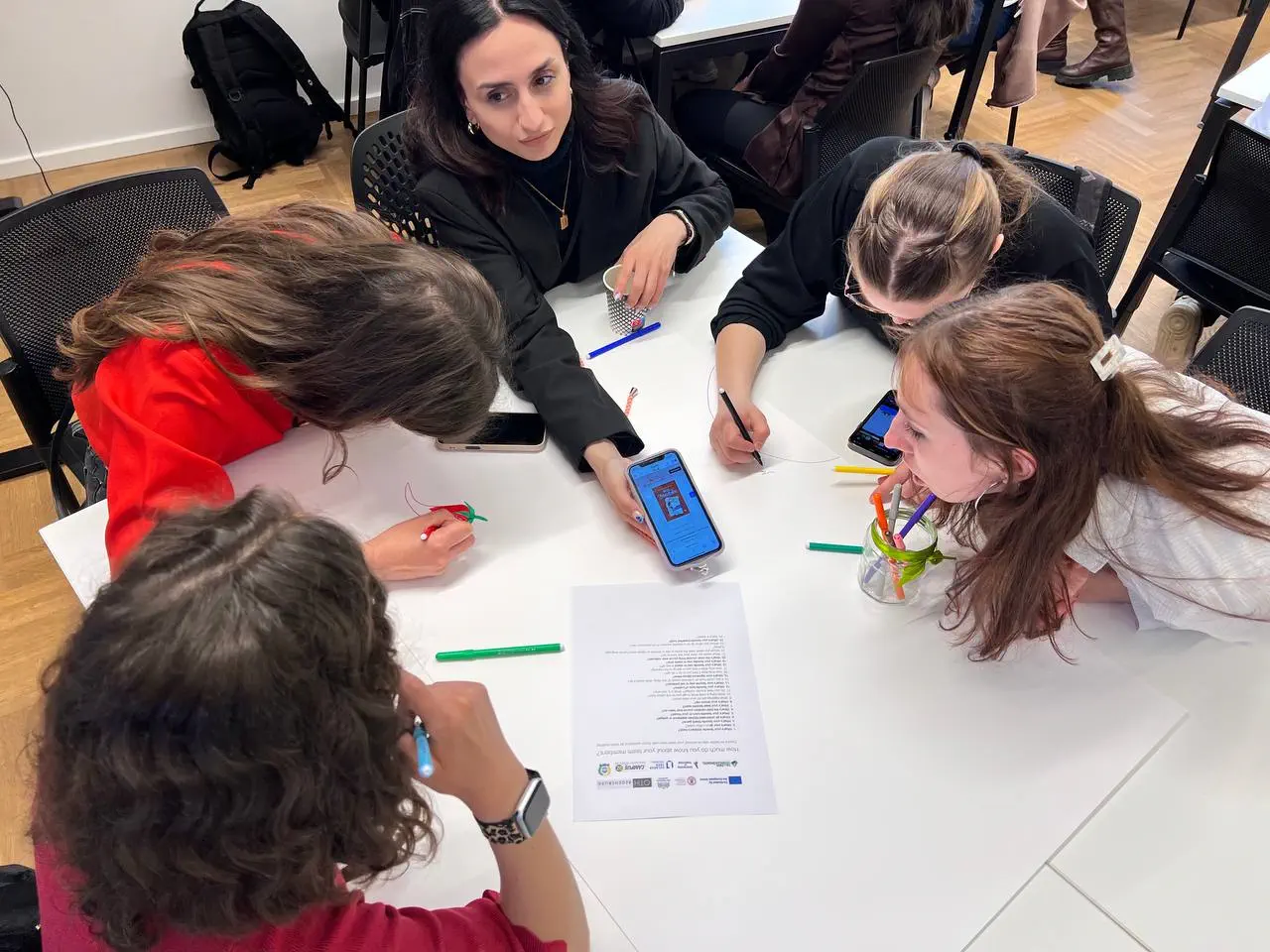
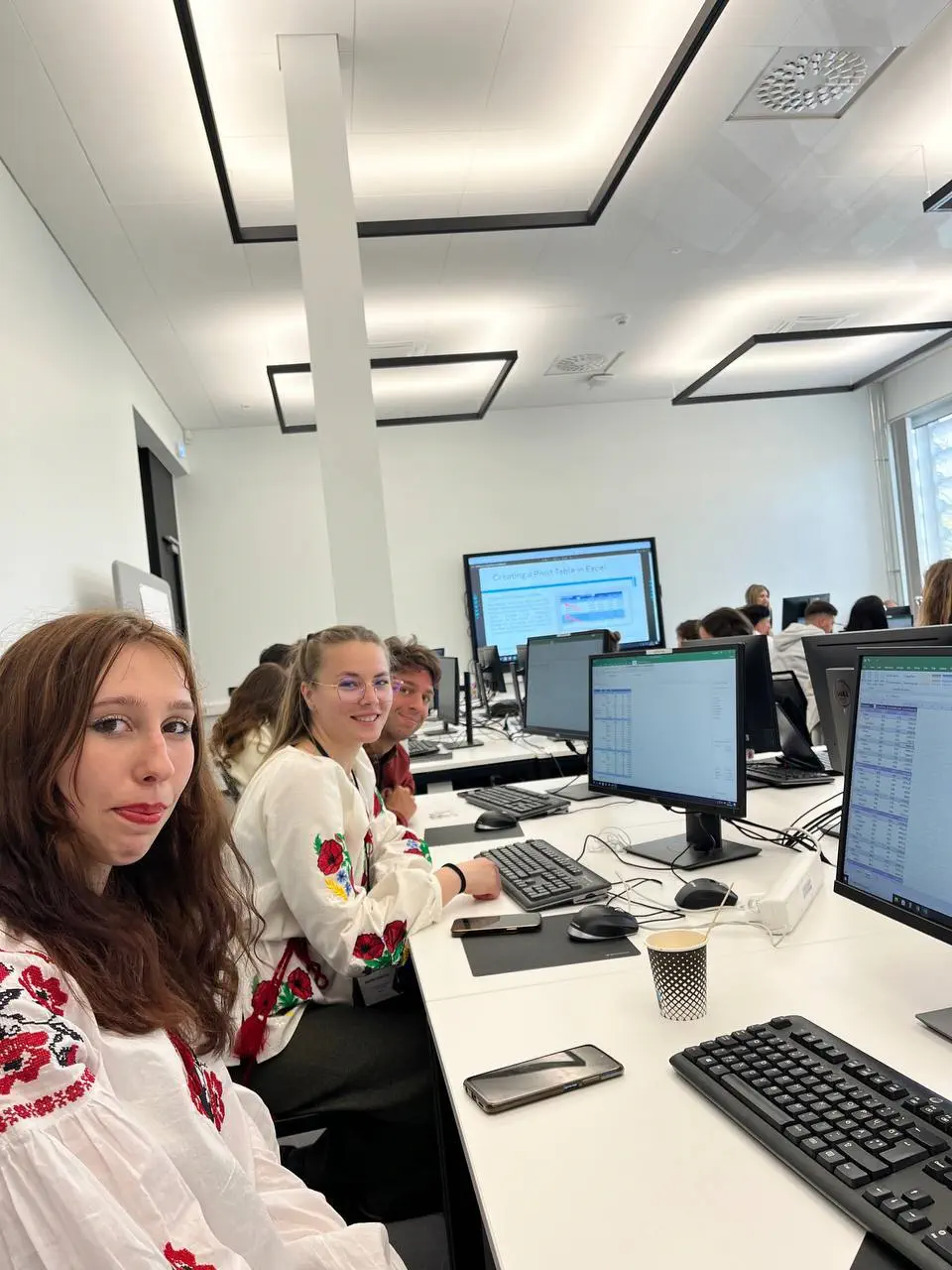
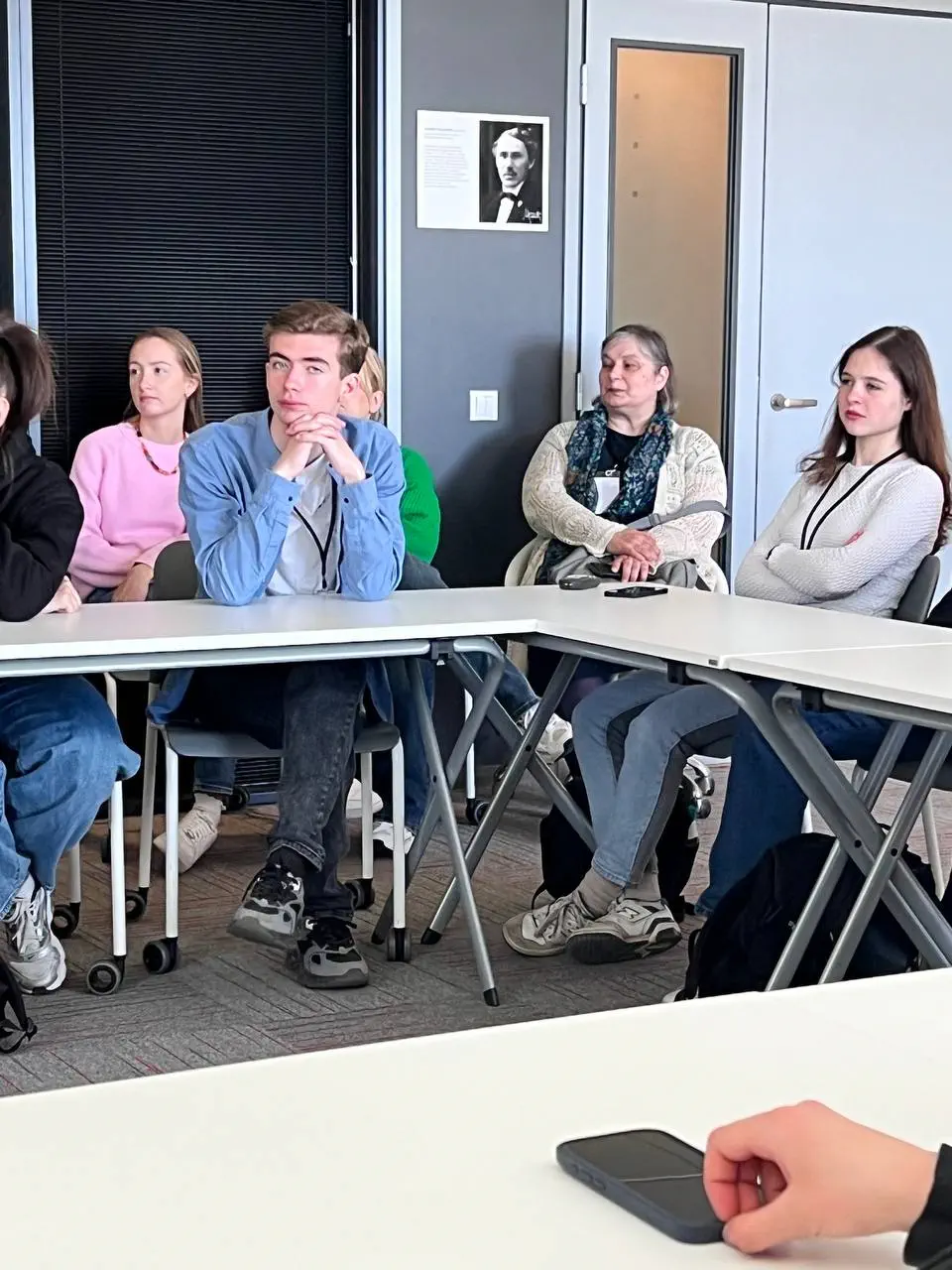
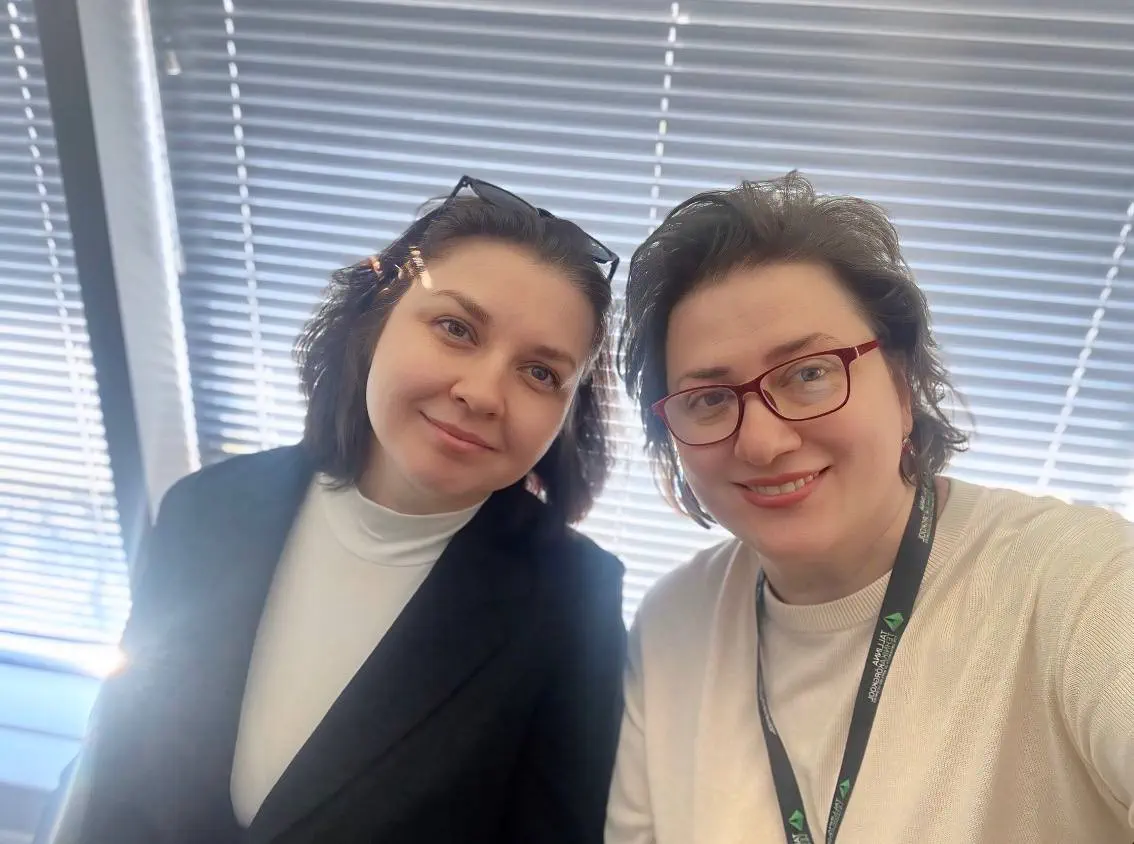
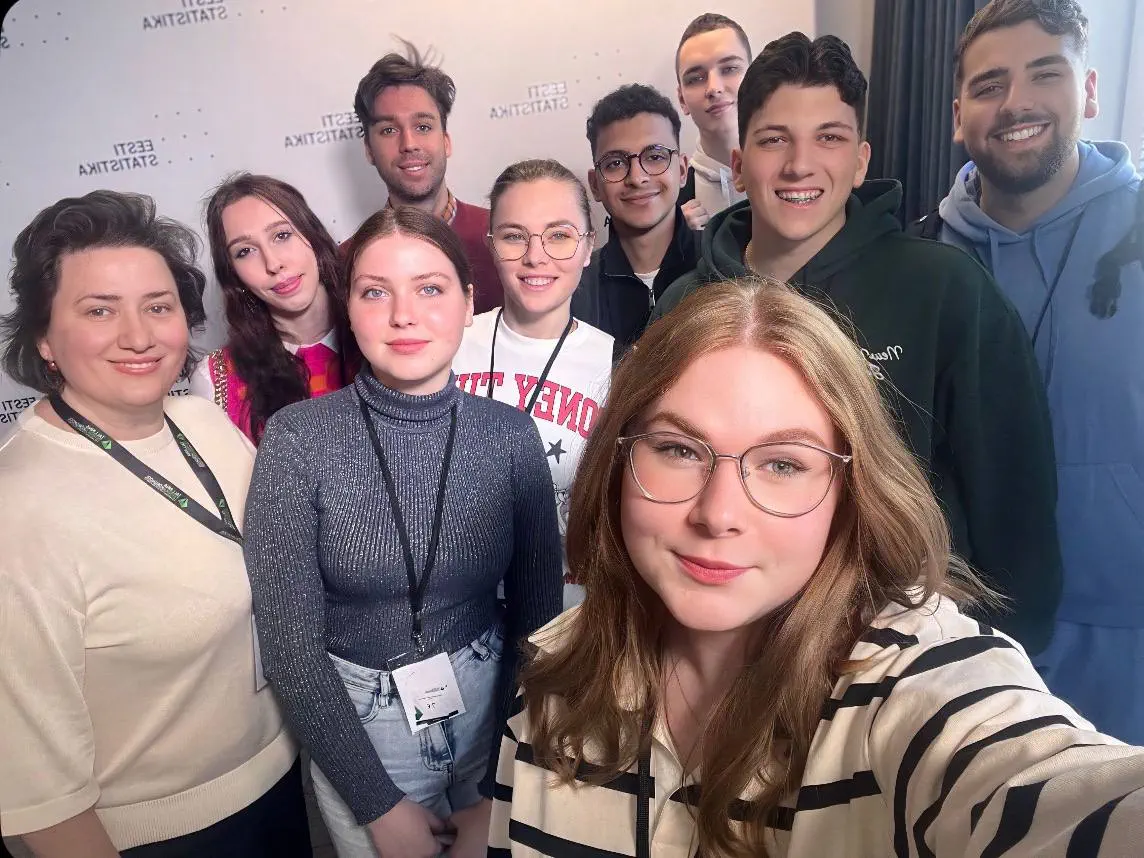
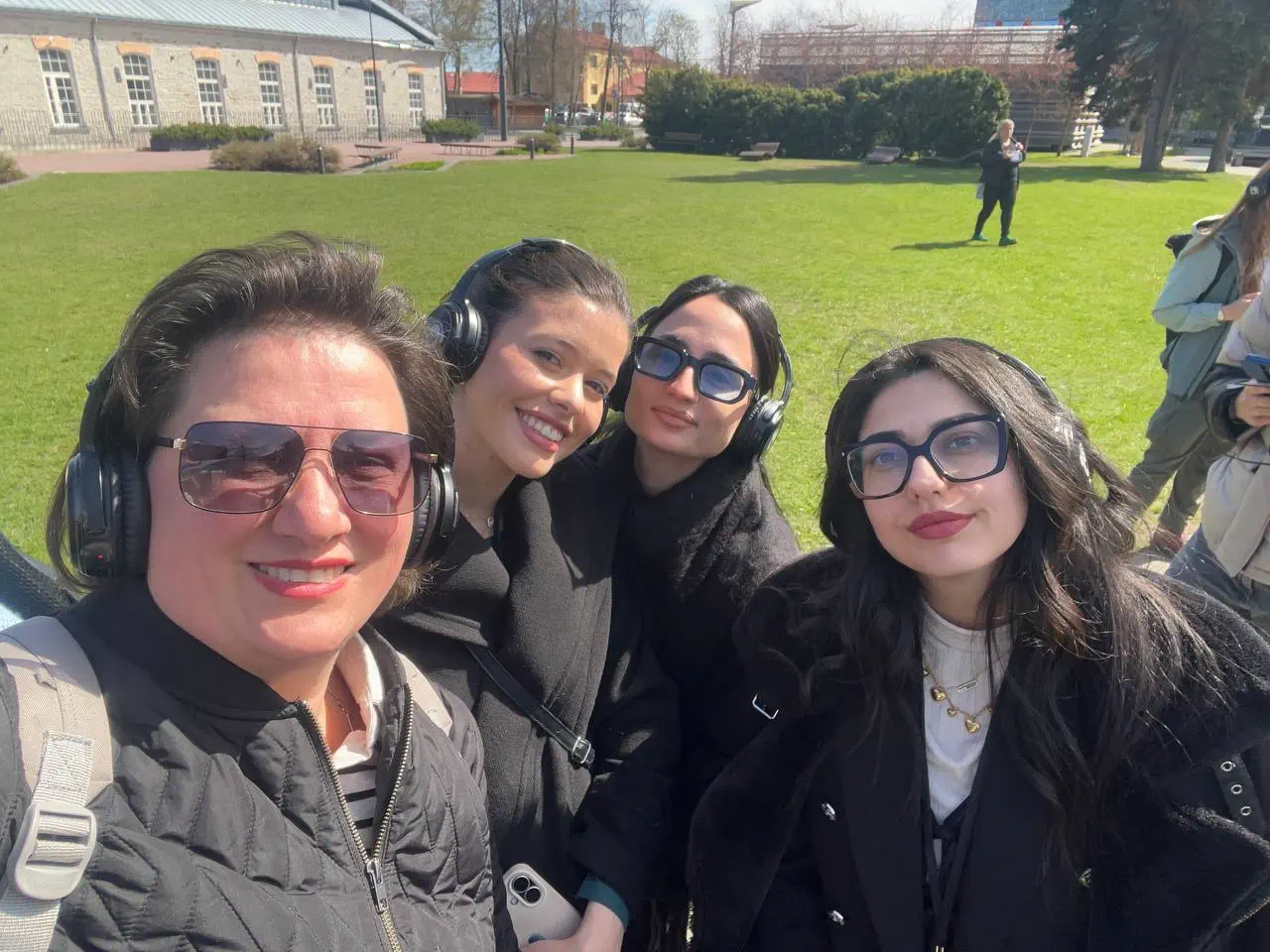
The students also highly appreciated the study visit to Ülemiste City – the largest innovative business hub in the Baltic States, developed based on the Smart City concept. Today, it hosts over 18,000 specialists from more than 70 countries and accommodates approximately 500 companies. During the excursion, the students familiarised themselves with the modern ecosystem of the technology campus, attended lectures on practical data operations, and completed team assignments tailored to each group's learning path.
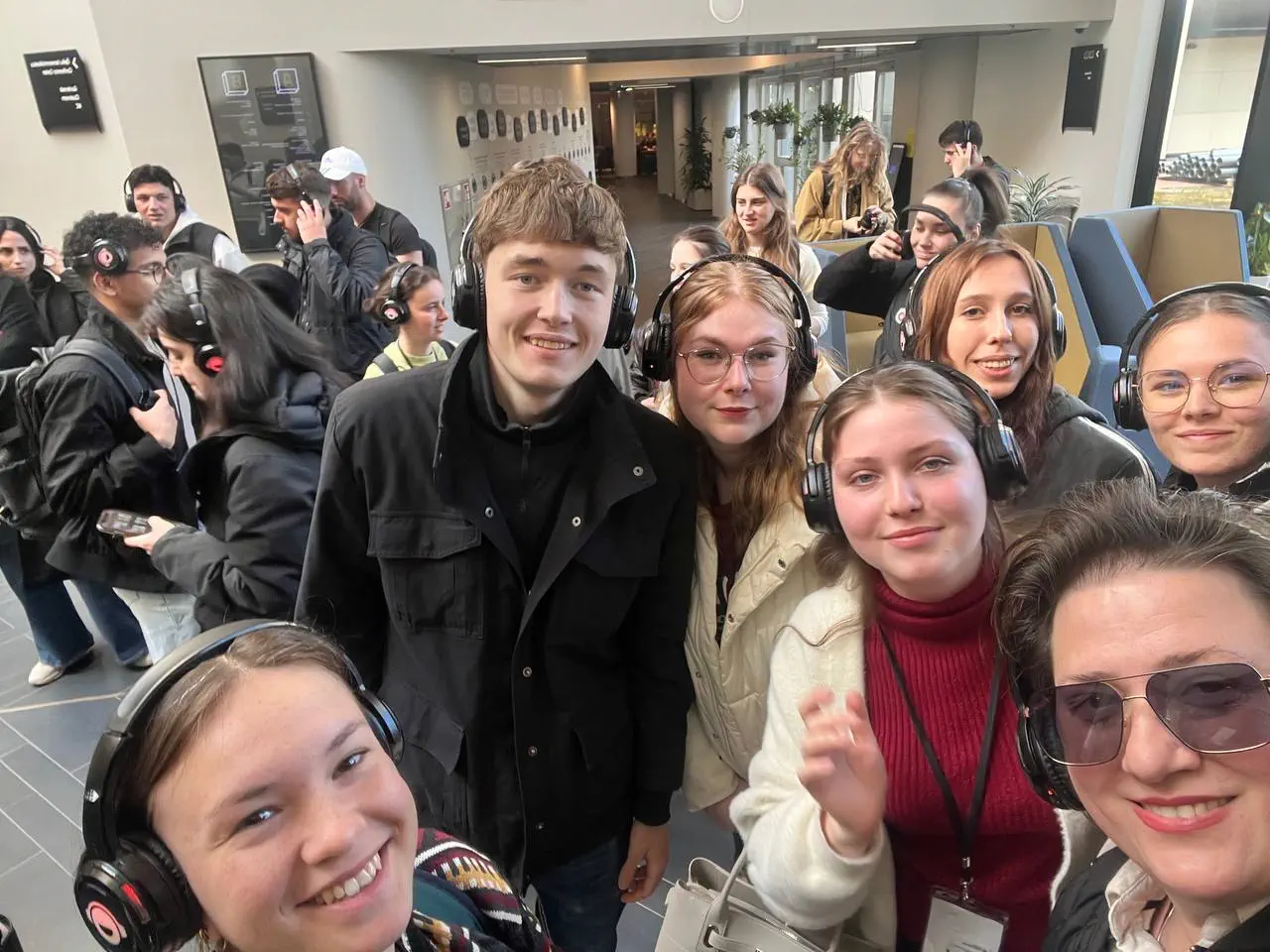
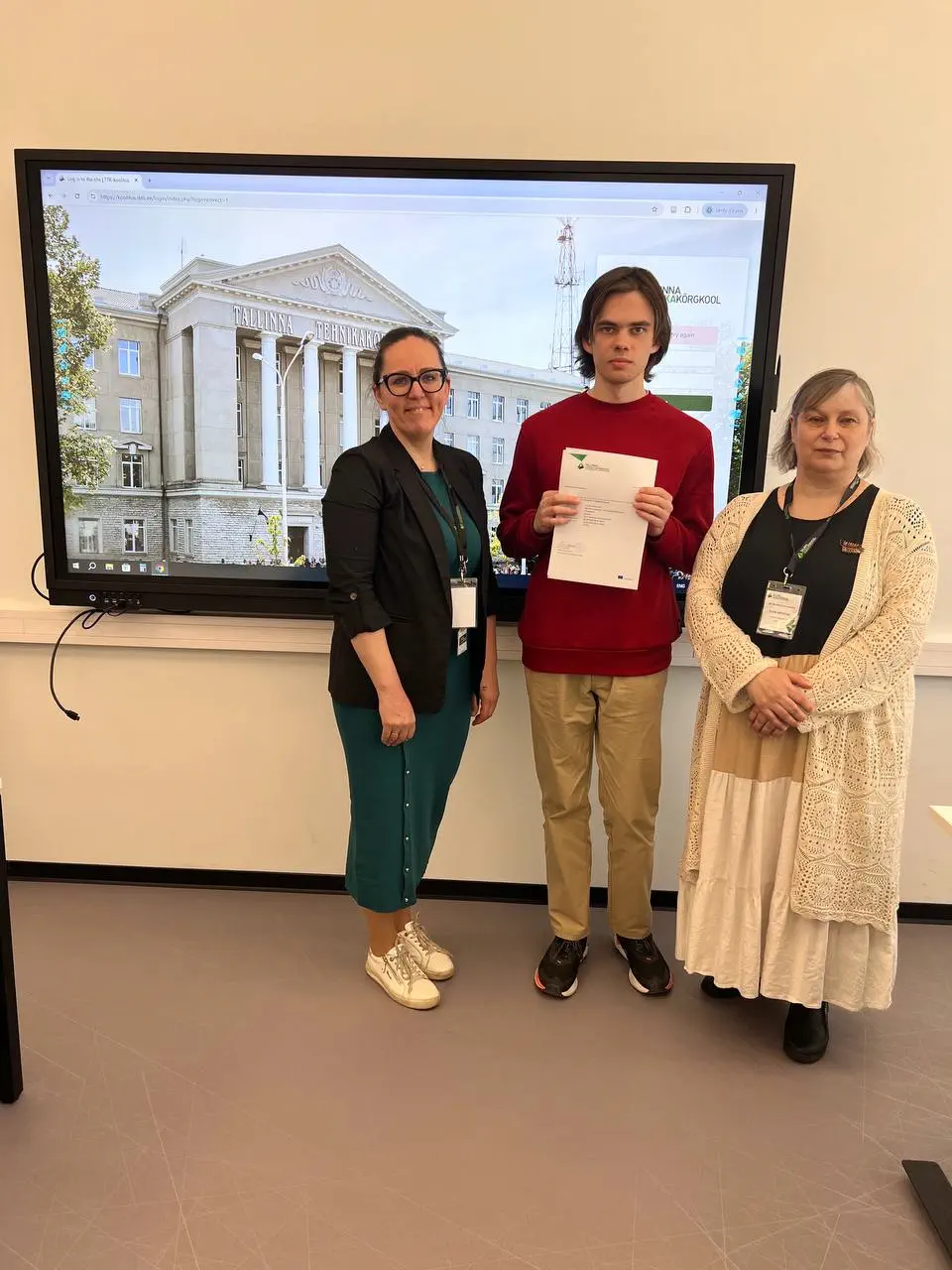
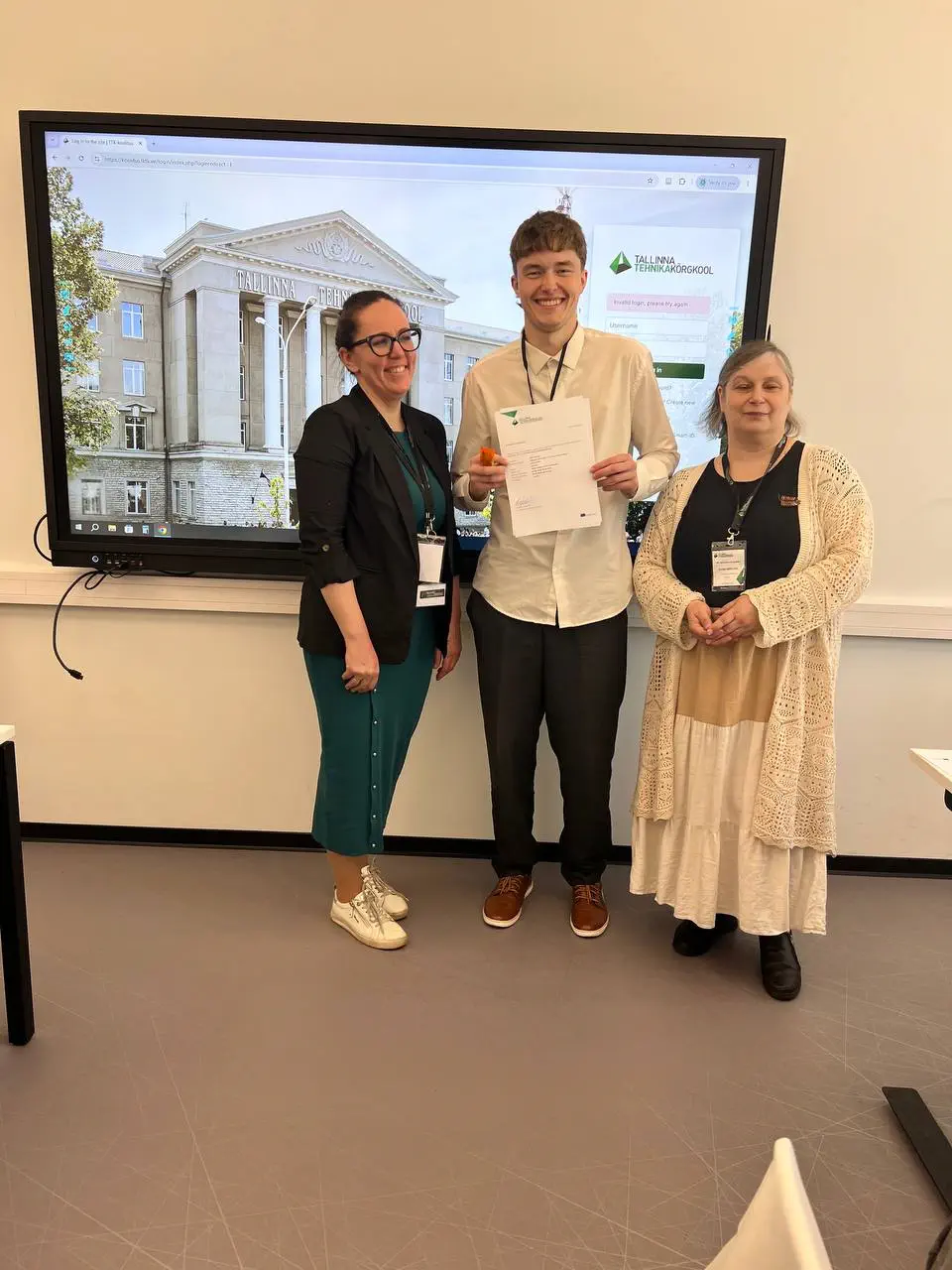
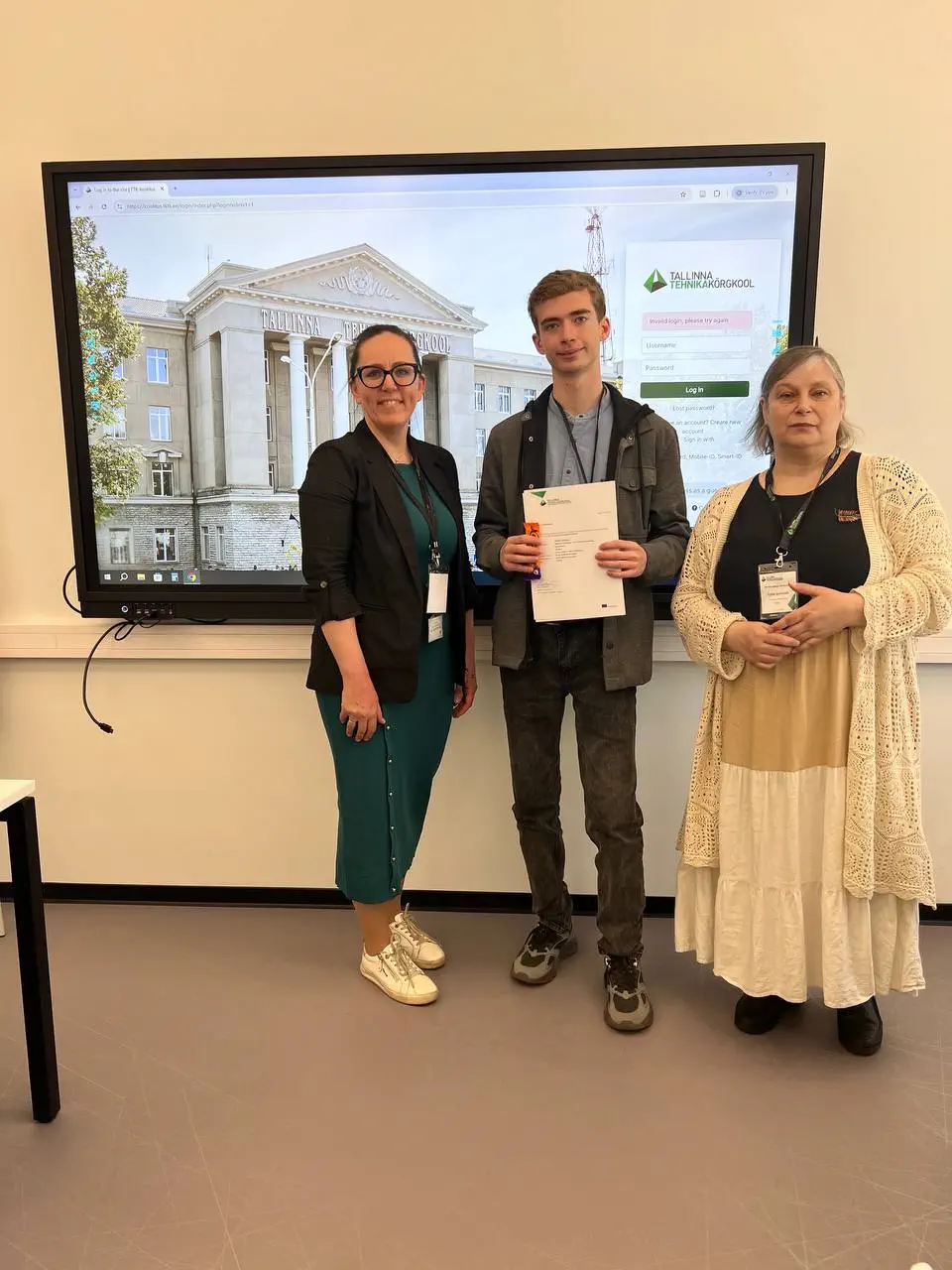
The final stage of the program featured presentations of team projects. The participants demonstrated a high level of preparation, creativity, and data-handling skills. Following the presentations, a formal certificate-award ceremony took place.
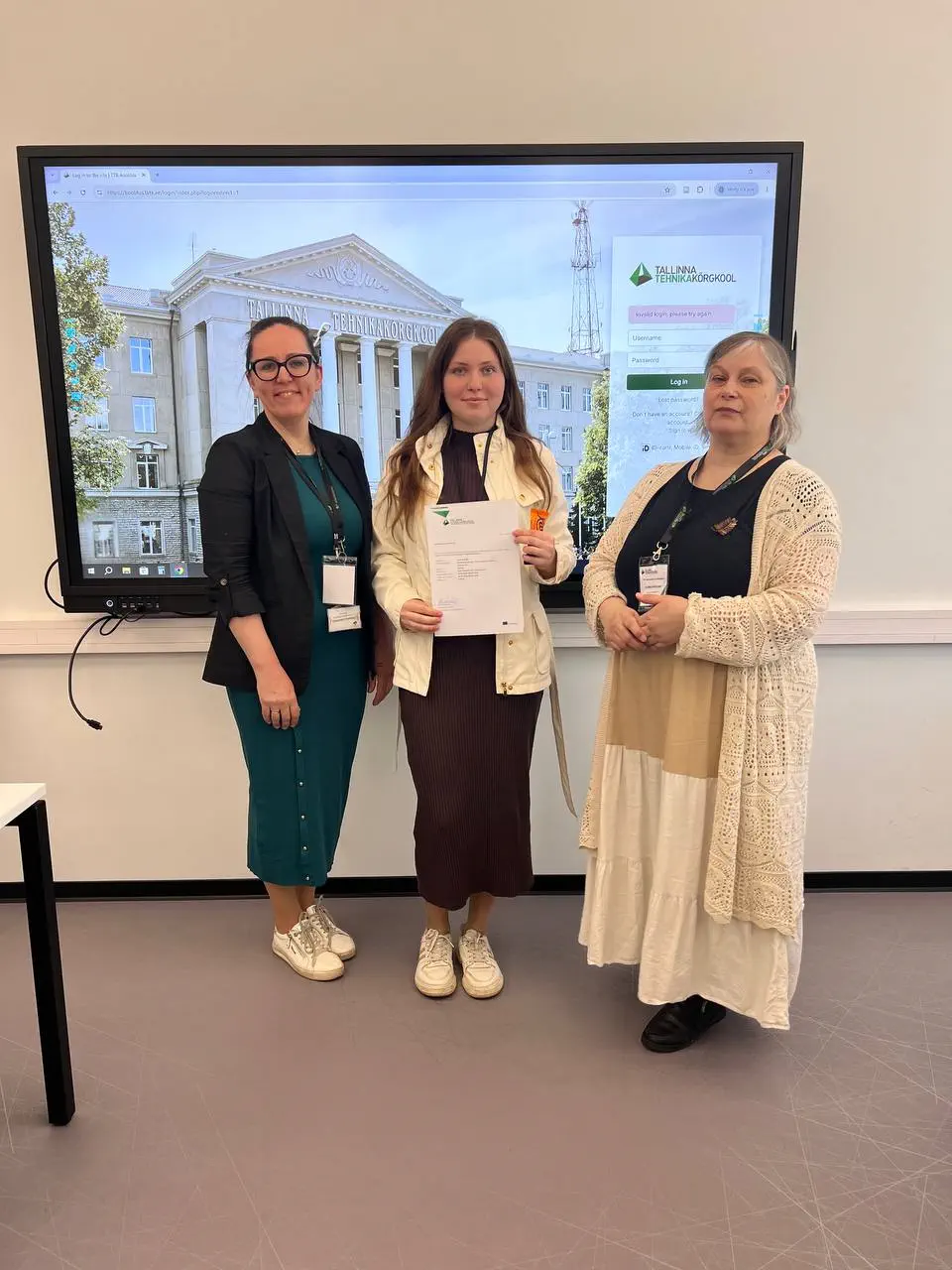
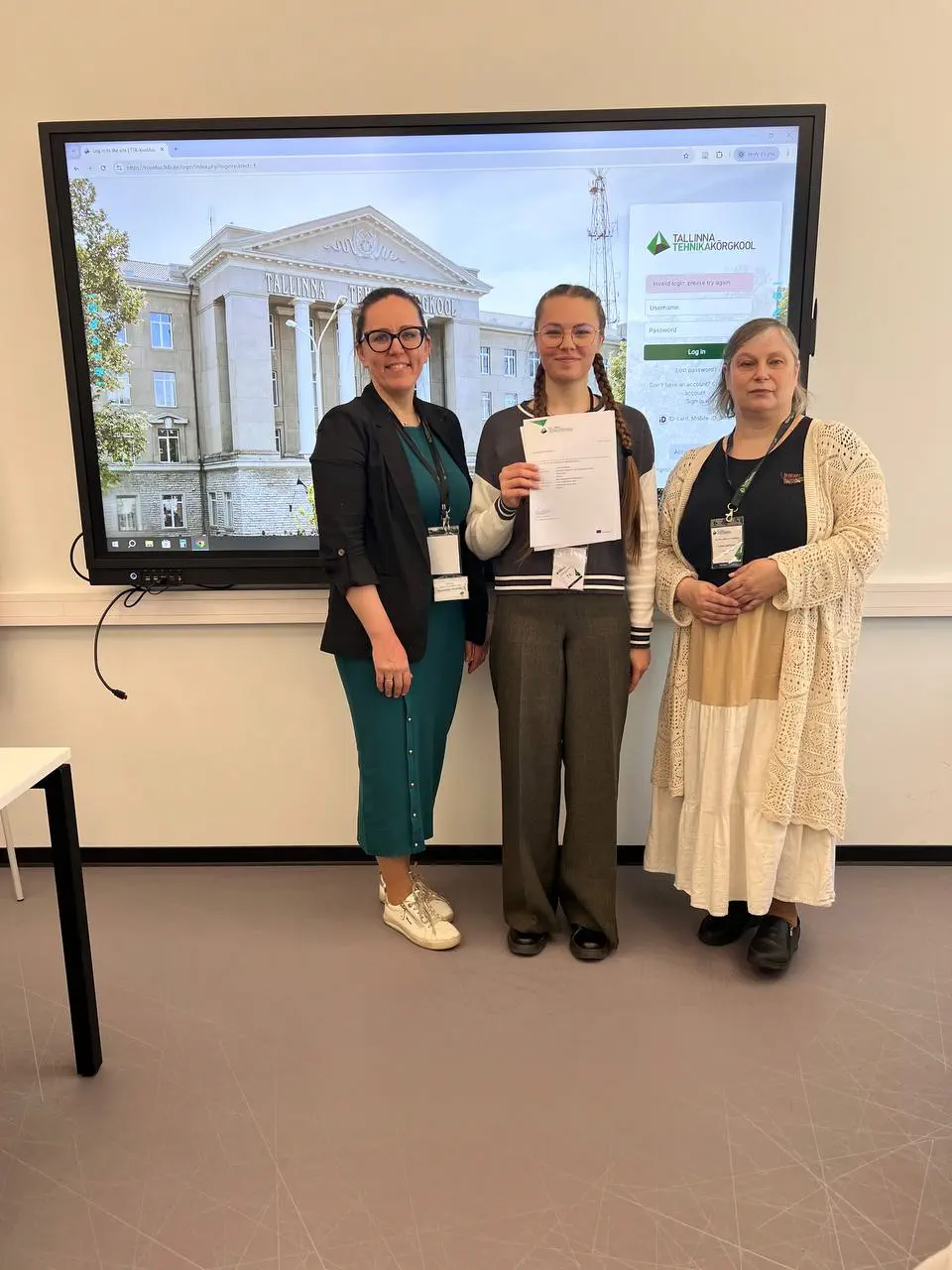
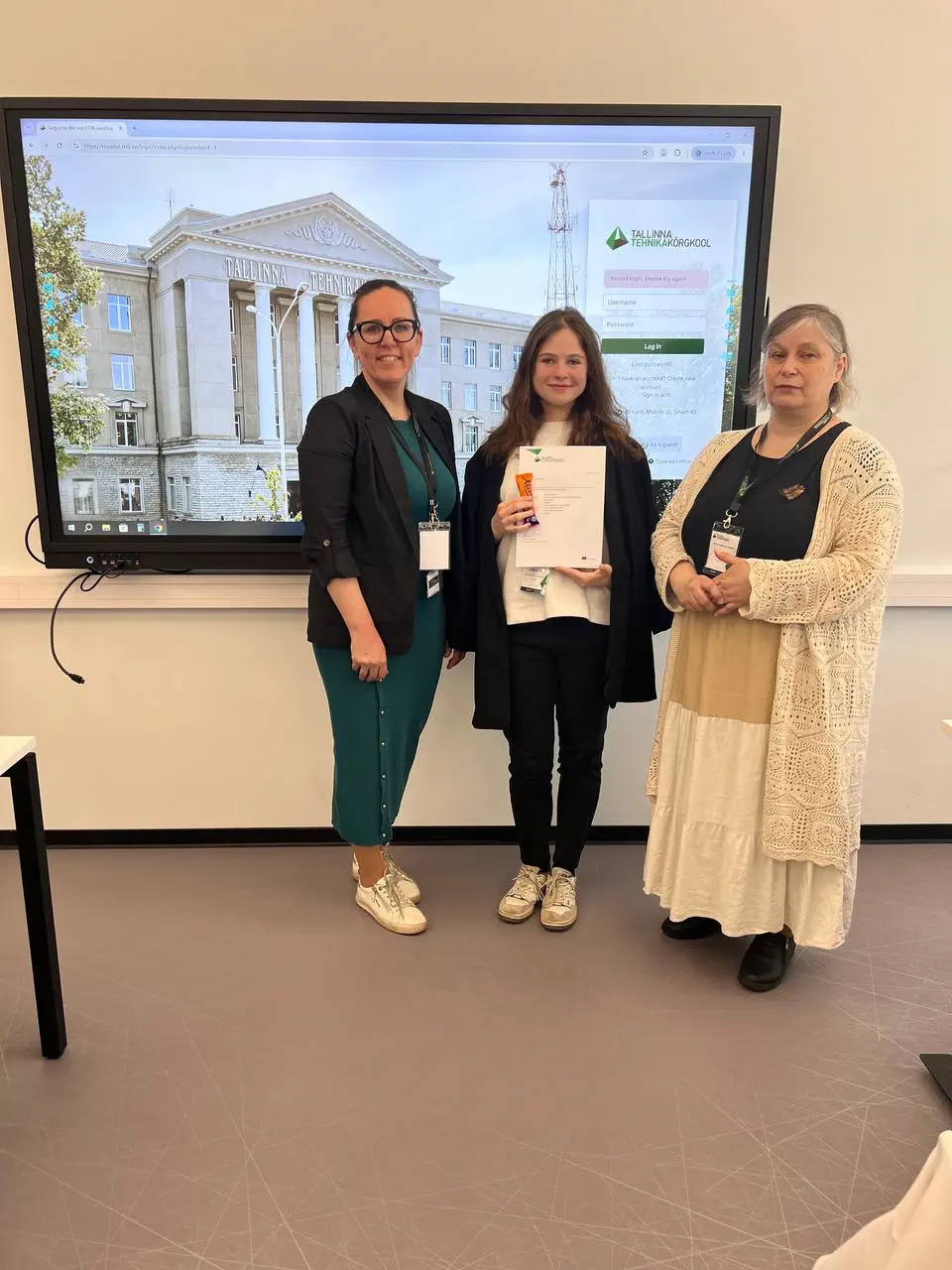
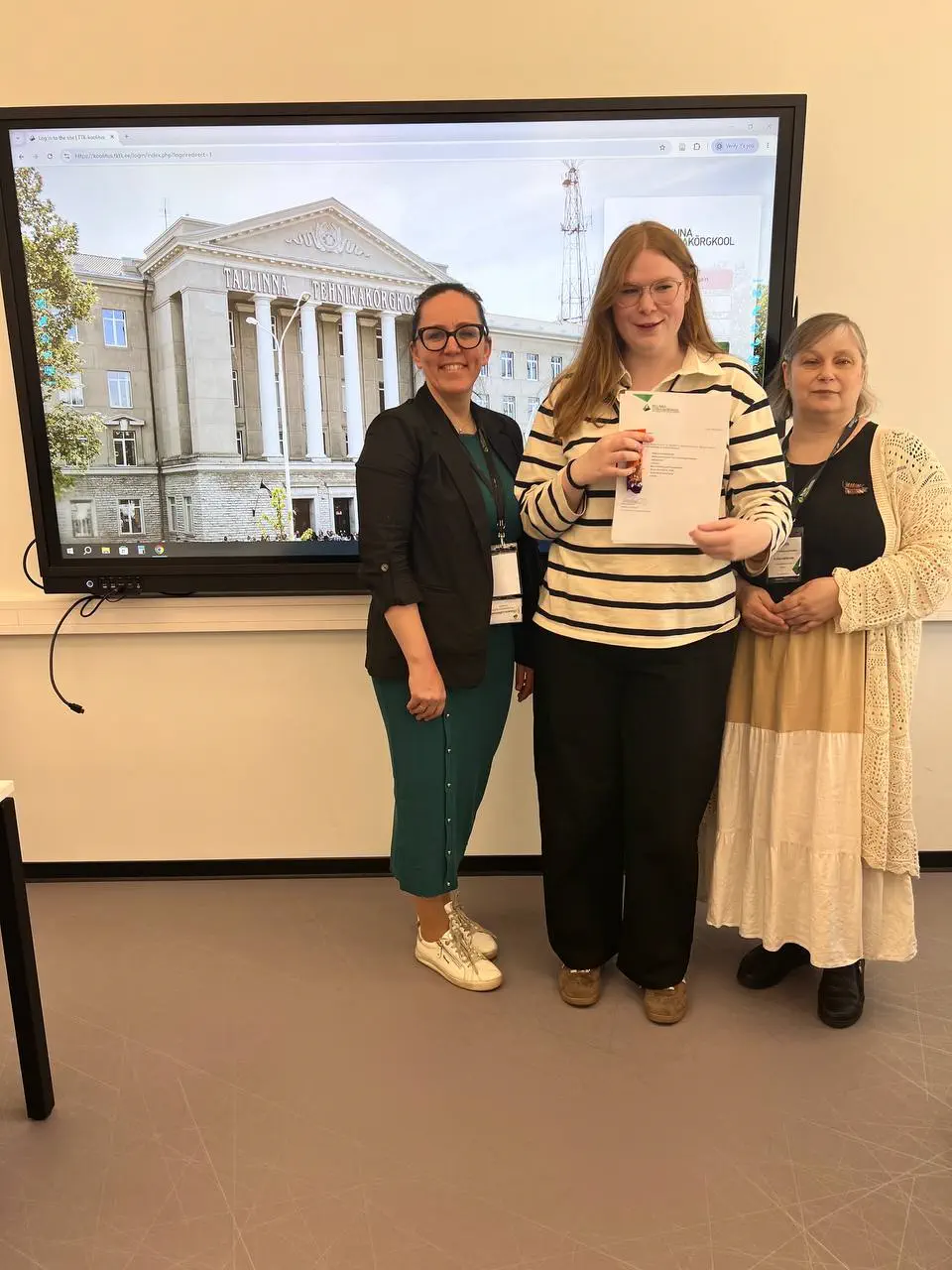
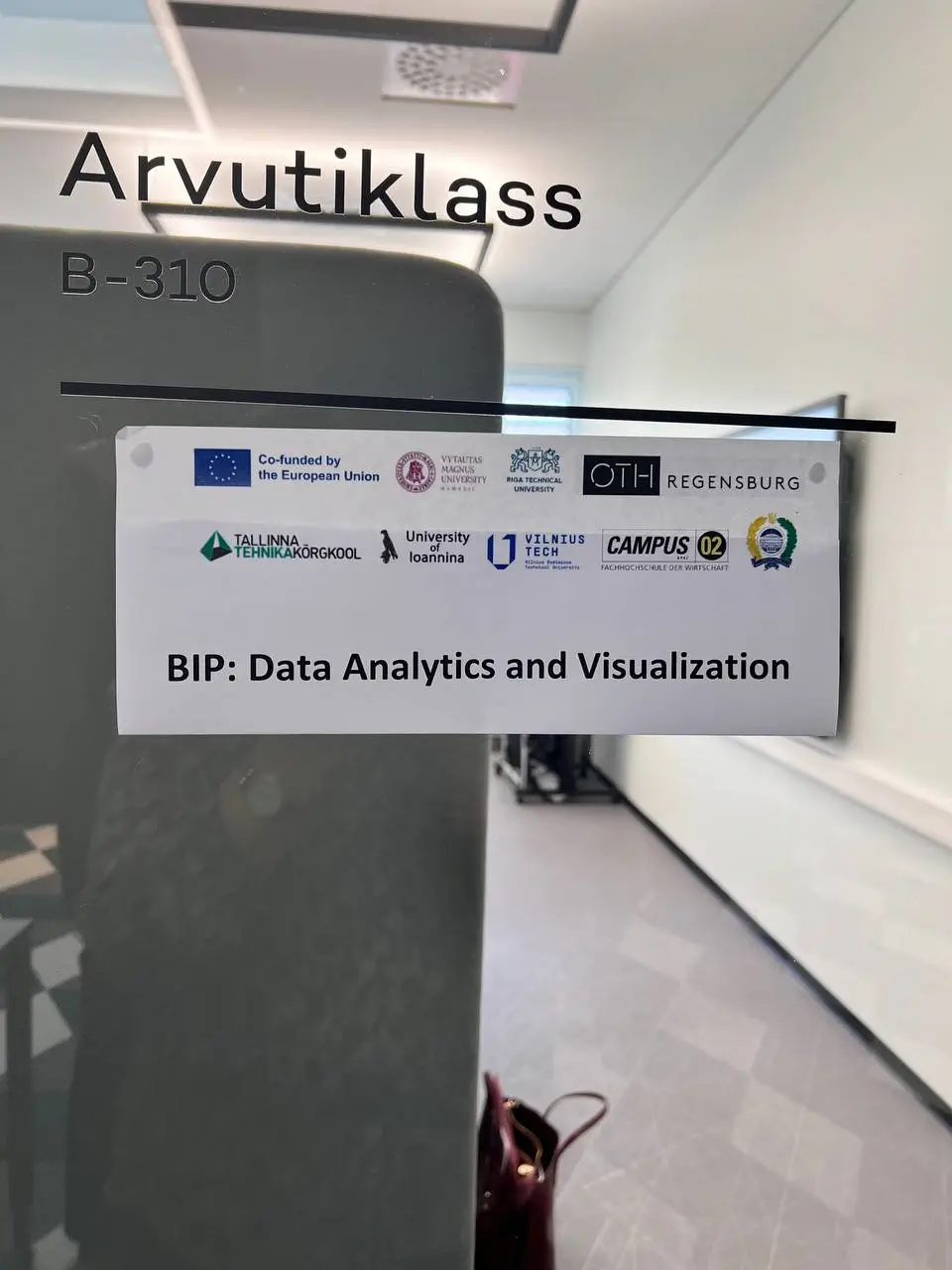
In addition to the academic component, the program included active intercultural communication, excursions, and joint social activities. A particularly profound impression was made by the visit to the Museum of Occupations and Freedom (Vabamu), where modern digital technologies are successfully integrated into the museum space. Interactive boards, multimedia elements, electronic guides, and special effects enabled students to experience Estonia's history more deeply, making their engagement with the exposition highly interactive and emotionally engaging.
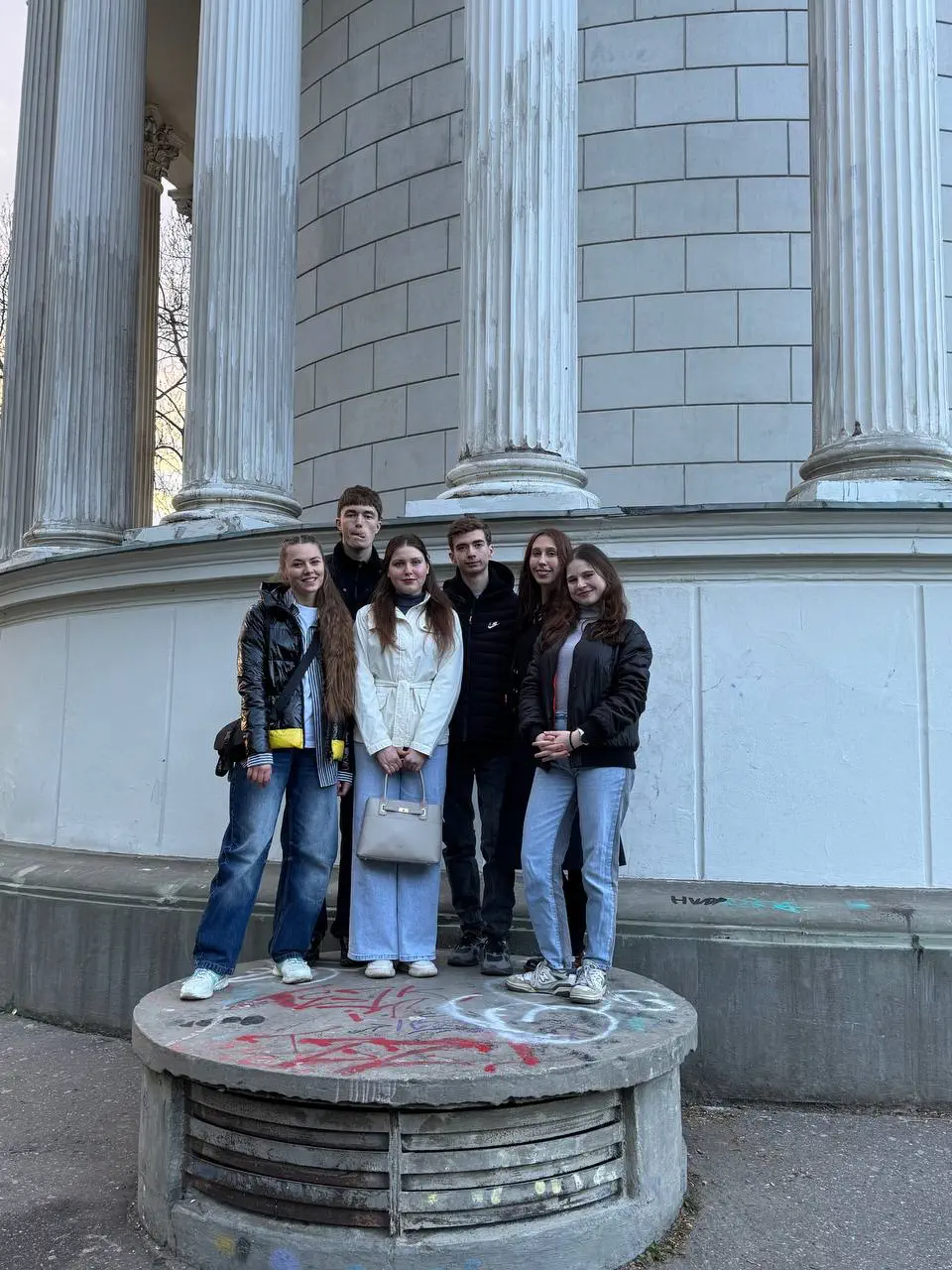
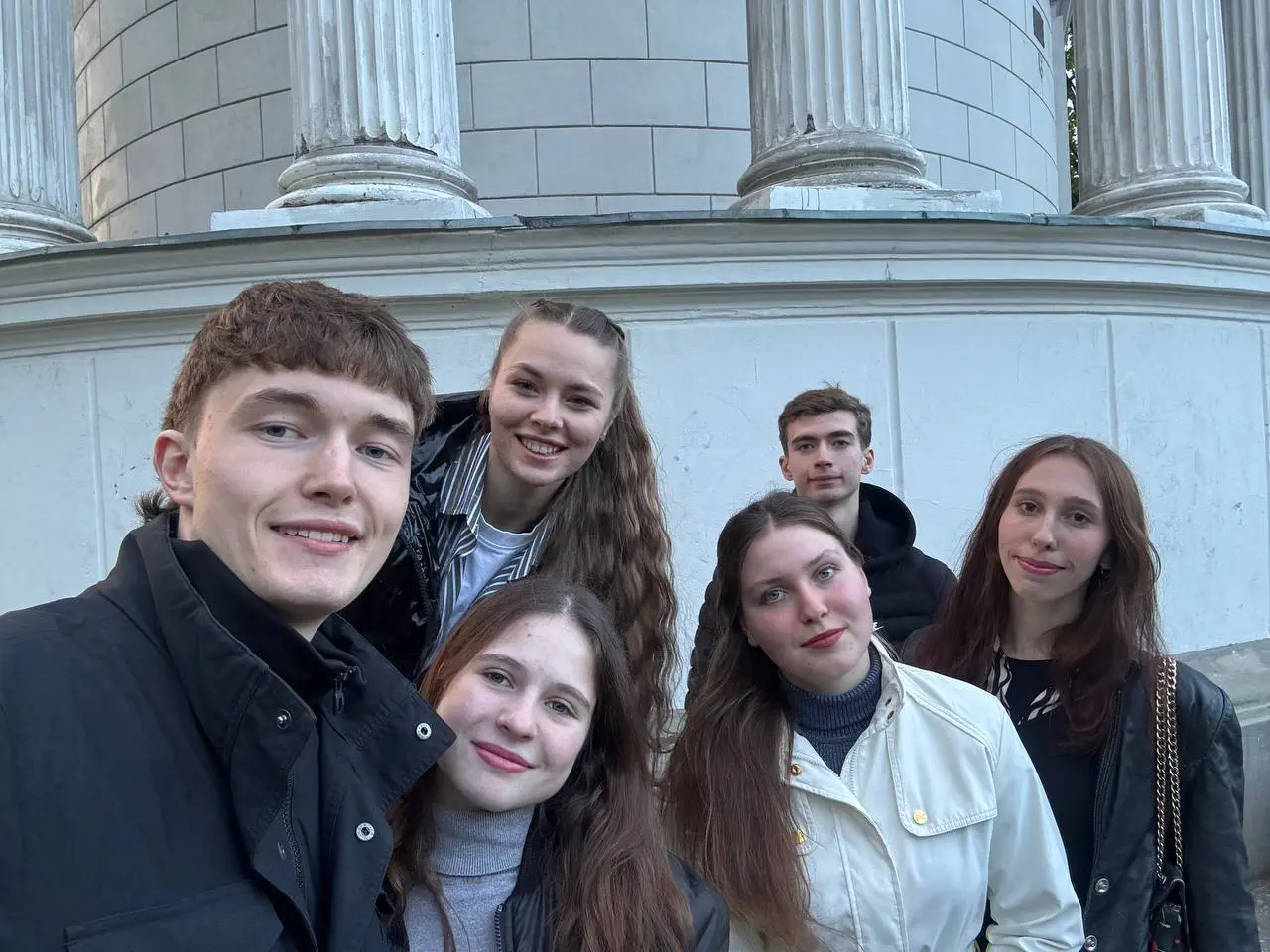
Having returned home with a wealth of unique knowledge, international certificates, and unforgettable memories, the representatives of Poltava Polytechnic will continue to share their emotions from this trip for a long time. Indeed, Erasmus+ is not merely about dry theory; it is about personal transformation, overcoming barriers, making new friends, and inspiring grand dreams. The direct participants of the program share their most vivid insights, memories of their favourite lectures, and the unique atmosphere of the Estonian campus: “Participation in the Erasmus+ program has been an extremely valuable experience for me as a student of an economic speciality. Annika Lentso's lecture on data analysis and statistics left a particularly strong impression, as it demonstrated how vital data visualisation is in modern economics, business, and strategic decision-making. Thanks to the lectures, I not only deepened my knowledge of data management but also learned how to properly analyse information, identify trends, and transform data into practical solutions. This experience has become a source of new ideas, professional development, and inspiration for further studies”, – says Anna Bukhalo, student of group 101-EP.
While for future economists, data analysis serves as the foundation for strategic decisions, for representatives of the information sphere it is an indispensable tool for structuring massive volumes of information. Valeriia Pikalova, a student of group 501-FD, shares her unique perspective on the practical benefits of the program: “Every day we work with large volumes of data and constantly face the challenge of presenting such information in a human-comprehensible format. This is exactly where data analysis comes to the rescue, teaching us how to handle this task using programs available on almost any computer. As a specialist in library, information, and archival sciences, I am highly pleased to have had the opportunity to attend these lectures. The acquired knowledge will significantly support my future work with information.
Future IT specialists, for whom algorithms, formulas, and databases form the direct foundation of their future profession, also hold a special view of the program. Kateryna Skalatska, a student of group 201-TK, describes which applied tools became her greatest discoveries. How theory was instantly put into practice: “I enjoyed the lectures “Excel Functions and Formulas for Data Cleaning” and “Effective Data Visualisation: Methods and Mistakes to Avoid” the most. As an IT student, I found it highly beneficial to learn about modern methods for cleaning and organising data using PivotTables and various Excel functions. It was particularly valuable that during practical tasks we could immediately apply the acquired knowledge. These lectures helped me better understand how to work effectively with data and visualise it correctly.
Participation in the international academic mobility program Erasmus+ provided Poltava Polytechnic students not only with an opportunity to deepen their professional knowledge and acquire new practical skills in data analysis and visualisation but also with valuable experience in intercultural communication, teamwork, and acquaintance with the contemporary European educational environment. The mathematical component of the program was of particular value, as mathematical methods, statistical analysis, and data operations currently form the cornerstone of digital technologies, economic forecasting, the IT sector, and effective managerial decision-making. Such international initiatives foster youth development, open new avenues for scientific cooperation, and once again confirm Yuri Kondratyuk Poltava Polytechnic National University's active integration into the international academic space.
Poltava Polytechnic’s staff and students have already participated 3 times in Erasmus+ BIP programs at the Tallinn University of Applied Sciences – in the spring and autumn of 2024 and in the autumn of 2025.
As a reminder, faculty members of Poltava Polytechnic can participate in academic mobility and internship programs. At the same time, students can study abroad under credit academic mobility grant programs of Erasmus+ for a semester or an entire academic year at leading universities in Austria, Greenland, Denmark, Estonia, Spain, Lithuania, Latvia, Norway, the Netherlands, Germany, Poland, Portugal, Romania, Slovakia, Finland, and the Czech Republic.
For more detailed information regarding current internship, teaching, and academic mobility programs abroad, please get in touch with the International Relations Department (Room 213-C, interoffice@nupp.edu.ua).