National University “Yuri Kondratyuk Poltava Polytechnic” continues to actively integrate into the European educational space, providing its lecturers with opportunities for professional growth and exchange of experience with leading EU institutions. In the context of the rapid digitalisation of society, the introduction of the latest technologies into the educational process is no longer just an advantage but a necessity. Another step in this direction was the participation of university scientists in the prestigious Erasmus+ academic mobility program, aimed at mastering visualisation tools and artificial intelligence in STEM education.
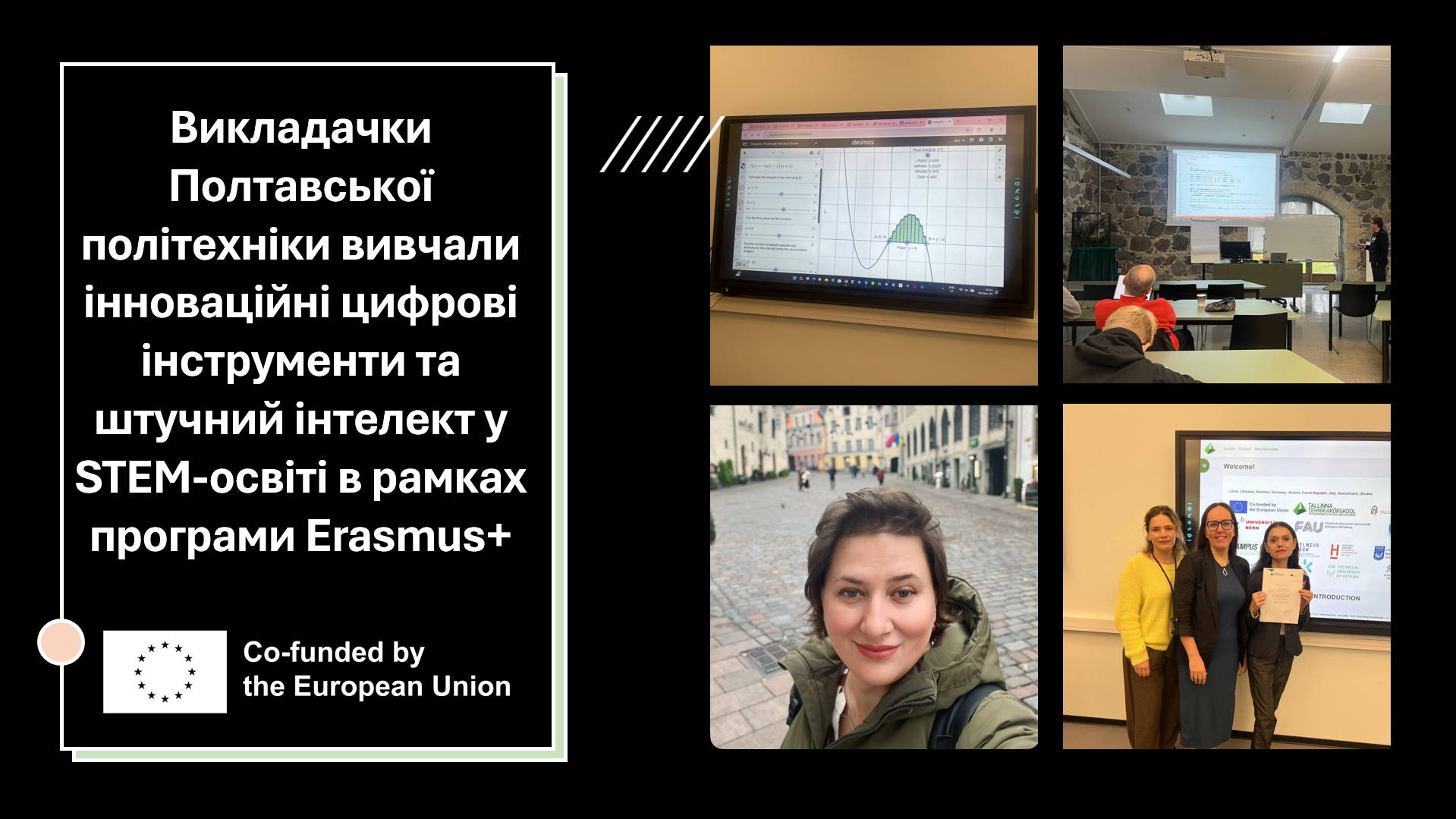
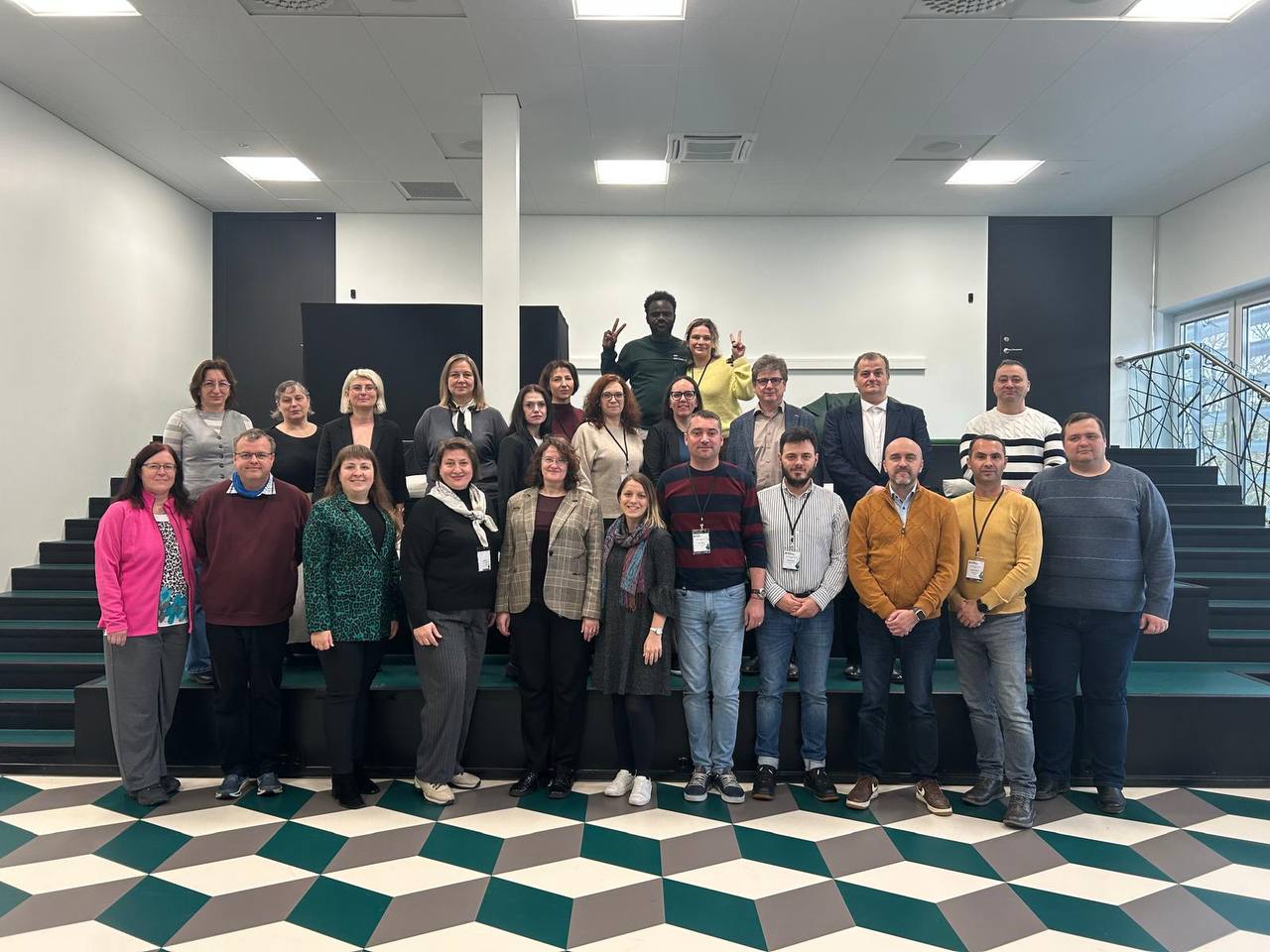
From September 26 to November 7, 2025, the Head of the Department of Higher and Applied Mathematics, Associate Professor Nataliia Ichanska, and Senior Lecturer of the Department of General Linguistics and Foreign Languages, Maryna Moskalenko, took part in a mixed academic mobility program for lecturers Erasmus+ KA171 – Blended Intensive Programme “Visualisation Tools for Teaching in STEM” at the partner university – TTK University of Applied Sciences (Estonia).
The BIP mobility program included a virtual period from 26.09.2025 to 31.10.2025 and a physical module in Tallinn from 03.11.2025 to 07.11.2025, totalling 78 hours and corresponding to 3 academic credits. Upon completion of the program, Nataliia Ichanska and Maryna Moskalenko received official certificates of participation, confirming their mastery of modern digital tools and teaching methods for STEM disciplines. This was an extremely valuable experience that combined an interdisciplinary approach, modern visualisation methods, and active use of digital tools in STEM teaching.
This mobility became a platform for international exchange of experience, uniting representatives of academic communities from eight countries: Romania, Latvia, the Czech Republic, Germany, Italy, Switzerland, Estonia, and Ukraine. The rich program, combining lectures, practical classes, and workshops, focused on integrating modern digital tools into the teaching of STEM disciplines, enabling participants to gain unique scientific and methodological experience.
Among the speakers of the program were leading European experts:
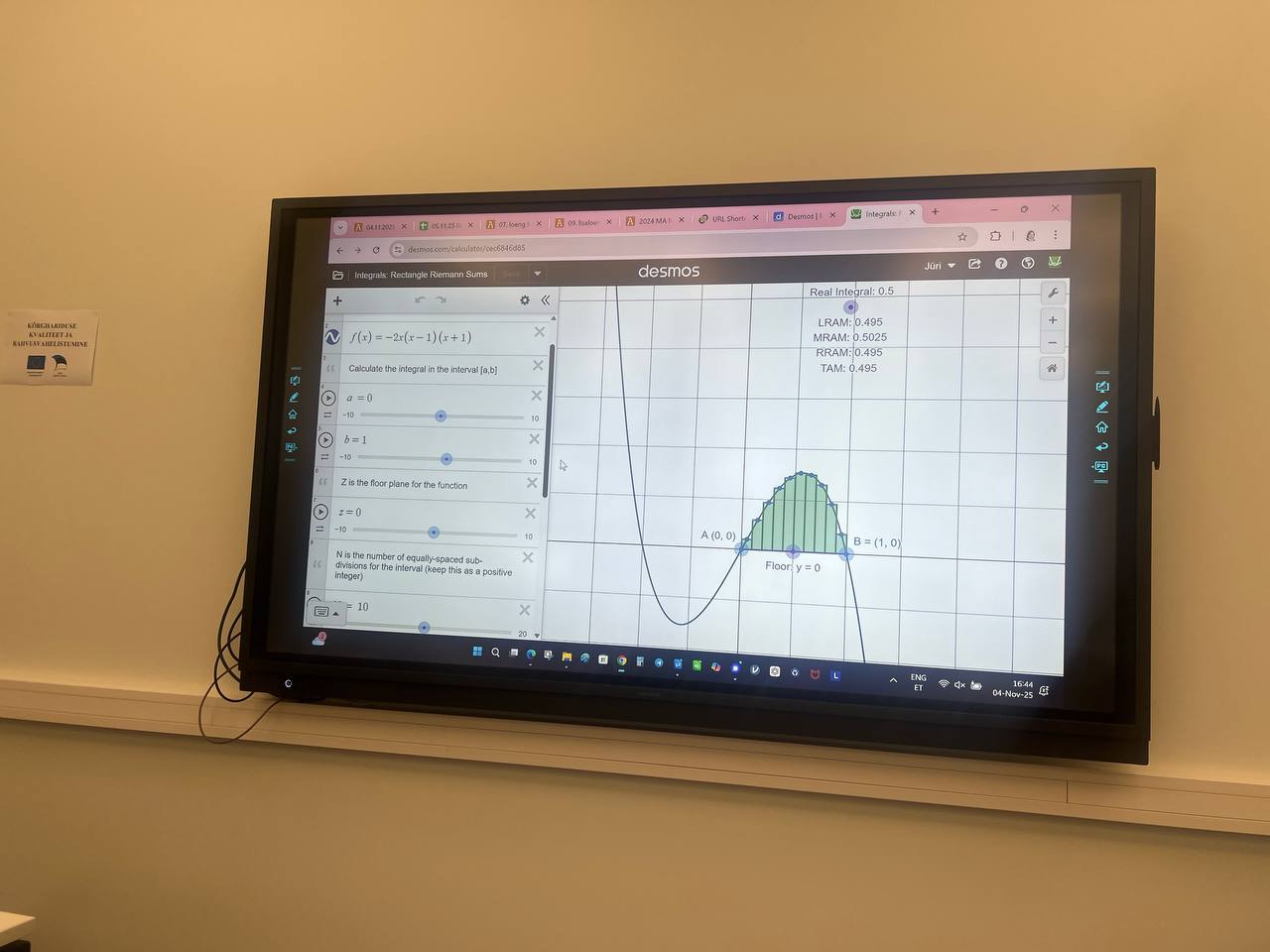
• Jüri Kurvits (Tallinn University, Estonia) – Senior Lecturer of Mathematics Didactics, expert in modern teaching methods such as flipped classroom, active learning, and the use of open educational resources. At BIP, he conducted a session on Desmos.
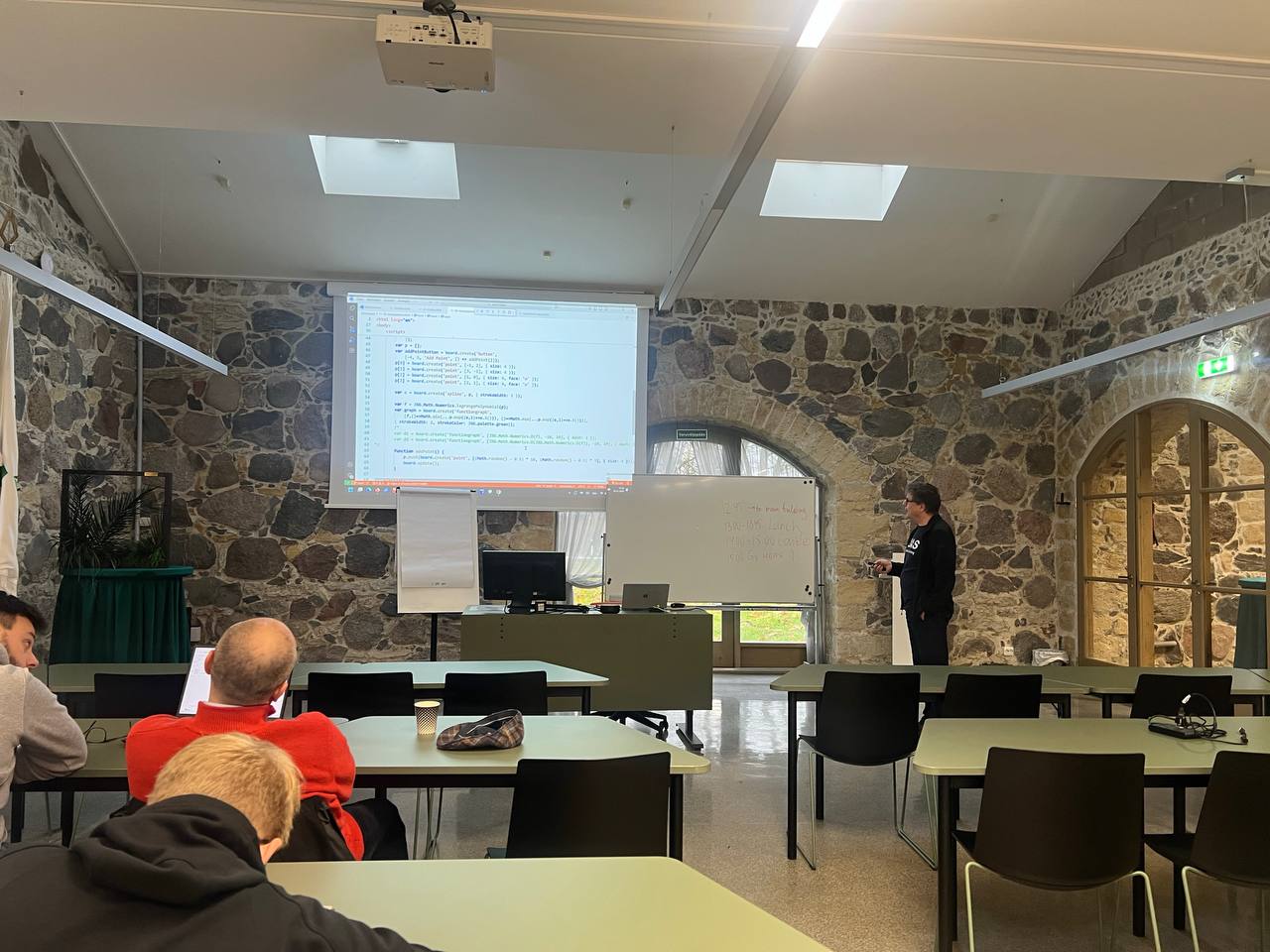
• Dr Kinga Sipos (University of Bern, Switzerland) – researcher in digital learning and visualisation of mathematical concepts, who, together with Dr Wigand Rathmann, conducted a practical workshop on JSXGraph.
• PhD student Maksims Žigunovs (Riga Technical University, Latvia) – lecturer and software specialist, who demonstrated the capabilities of GeoGebra for creating interactive educational materials.
• Dr Wigand Rathmann (FAU Erlangen-Nürnberg, Germany) – expert in active learning and visualisation of mathematical concepts, who co-conducted the session on JSXGraph.
The mobility program included practical modules using GeoGebra, Desmos, and JSXGraph, which allow for interactive visualisation of mathematical and technical concepts, the creation of dynamic tasks, and student engagement in active learning. Their application in teaching technical disciplines to students combines theoretical knowledge with practical skills and develops logical thinking, spatial imagination, and creativity.
Particular attention was paid to the use of artificial intelligence (AI) in teaching, which helps personalise learning, adapt tasks to students’ levels, and provide instant error analysis. The application of AI in STEM disciplines enhances the integration of digital resources with classical teaching methods, increases student motivation, and prepares students for work in a modern scientific and technical environment.
In teaching as a whole, integrating digital tools and AI creates a modern educational environment where students can experiment, receive feedback, and deepen their understanding of the material.
This practice is critical in teaching mathematical disciplines. GeoGebra, Desmos, and JSXGraph tools, as well as AI technologies, make abstract mathematical models visual, allow investigation of dependencies and patterns, and foster analytical and logical thinking. This is critically important for students of technical specialities, as it prepares them for engineering, scientific, and research tasks in the real world.
There was also warm communication and cultural exchange. The program organisers ensured that participants could experience Estonia beyond the study sessions, so an excursion to the historic Ravere Castle was organised. A walk through the ancient halls and the picturesque park became an excellent opportunity not only to relax but also to discuss new ideas and teaching methods in a friendly atmosphere.
“Overall, the Erasmus+ BIP program left only positive impressions, inspired the implementation of new technologies into the educational process, and strengthened international professional ties. This event was enjoyable both scientifically and methodologically. Communication with professionals of the international mathematical community inspires and opens new horizons for teaching STEM disciplines. Sincere gratitude to Poltava Polytechnic for the provided opportunity for an internship at a foreign university, receiving official certificates, completing 78 hours of international internship (equivalent to 3 academic credits), and for the chance to join the global educational space through the most relevant European Union Program in the field of education Erasmus+!” – says the Head of the Department of Higher and Applied Mathematics, Associate Professor Nataliia Ichanska.
“It was especially valuable to work in international teams, exchange experience, and learn new approaches to presenting complex concepts that make learning more interactive and understandable for students. The acquired knowledge already inspires the implementation of new methods in my own pedagogical practice”, – adds Maryna Moskalenko.
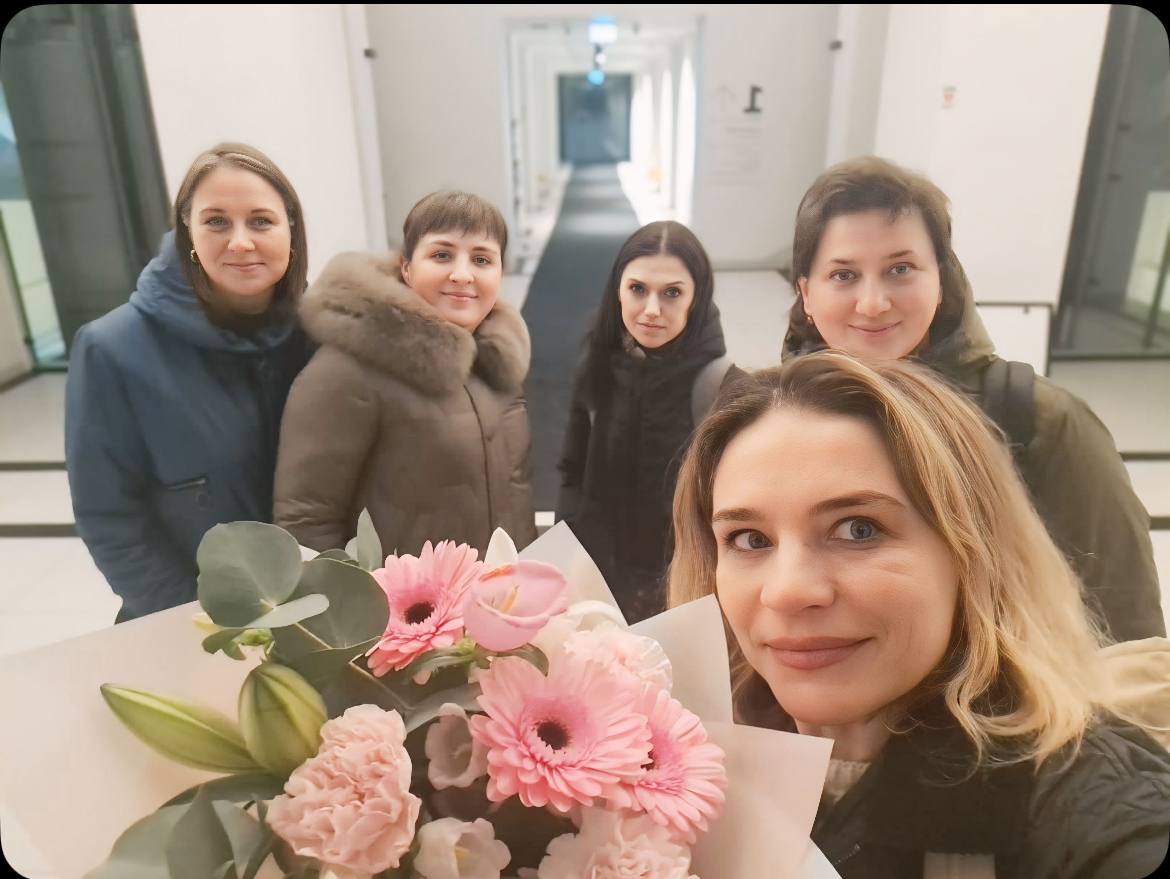
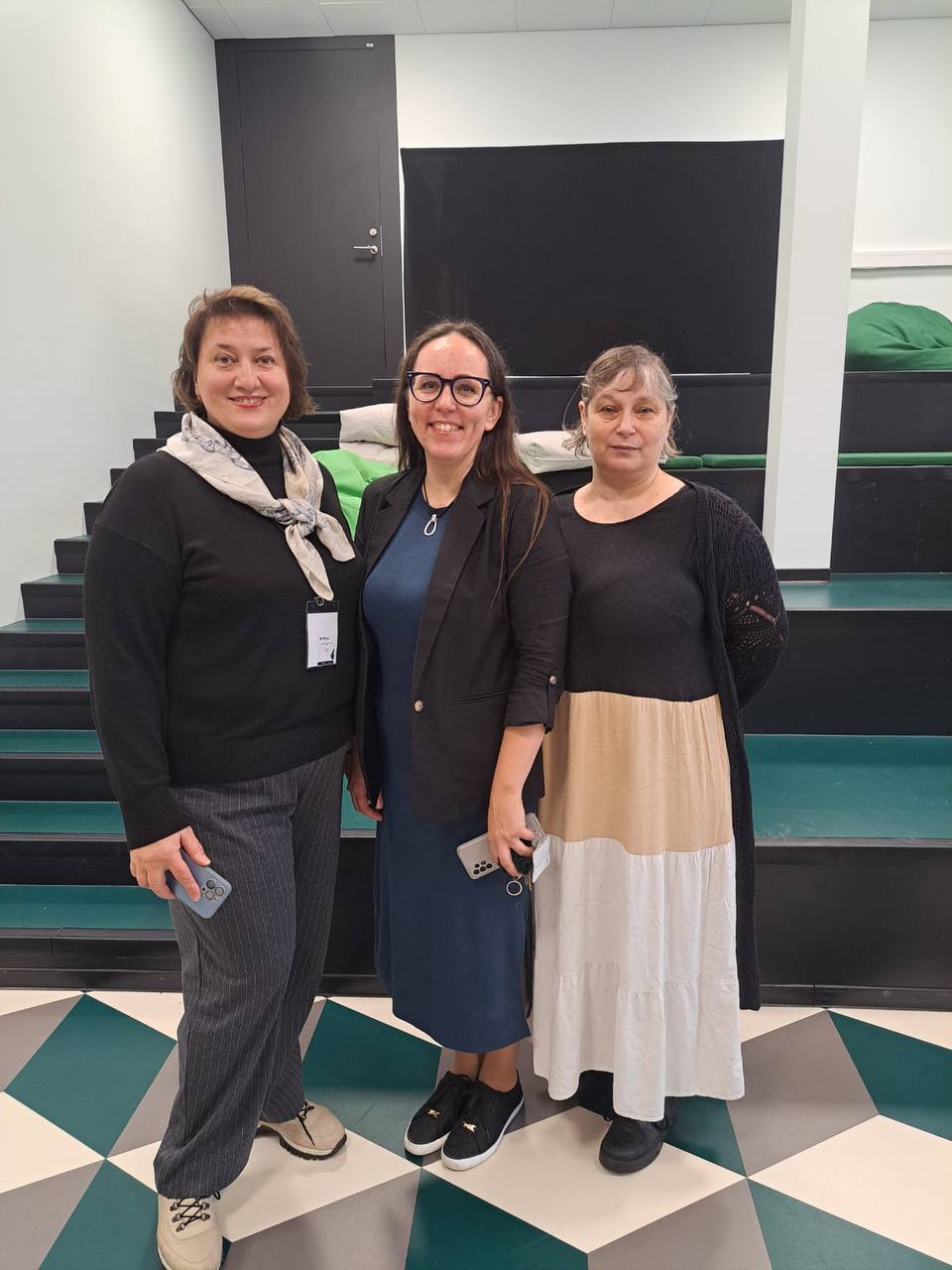
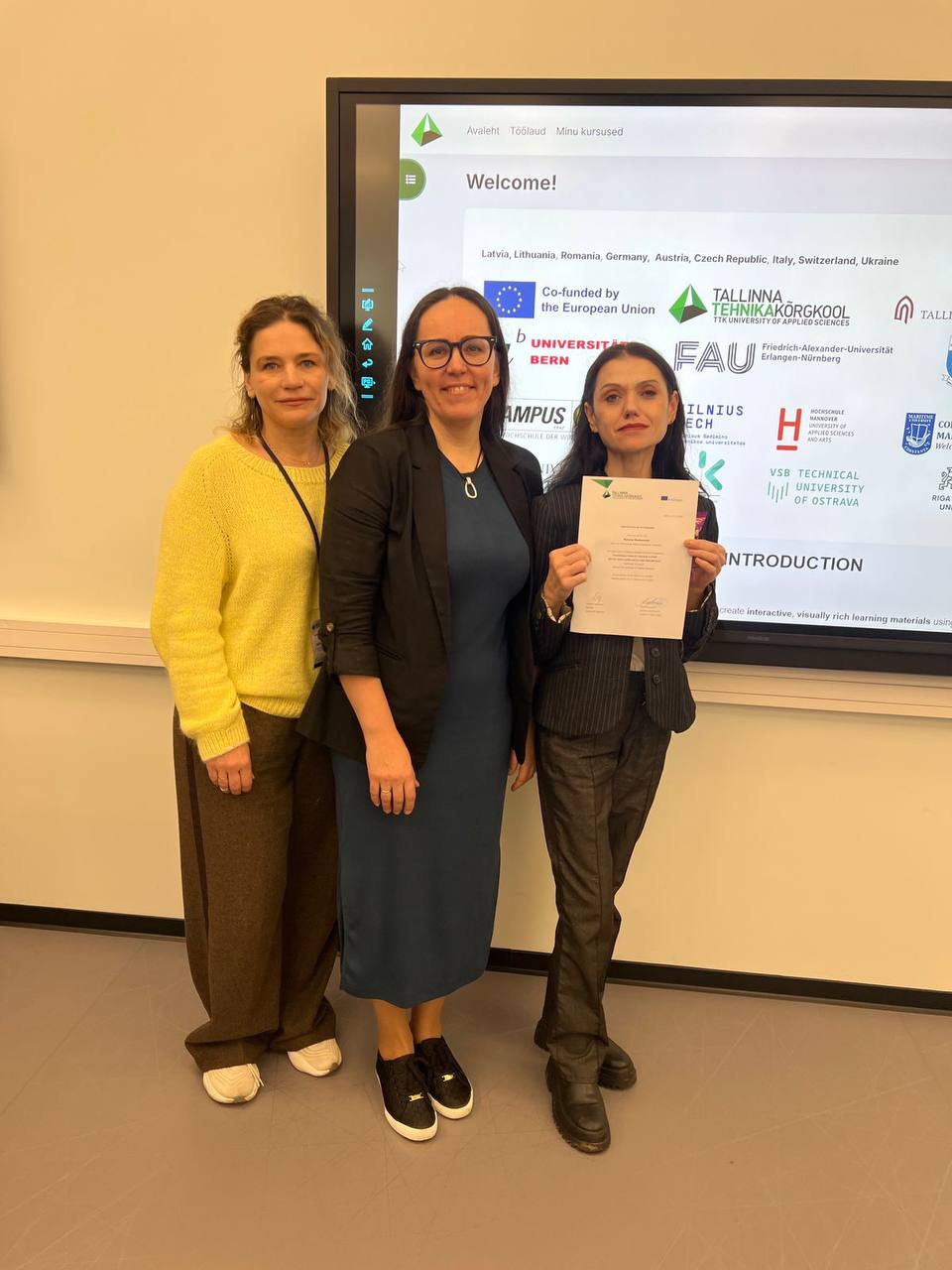
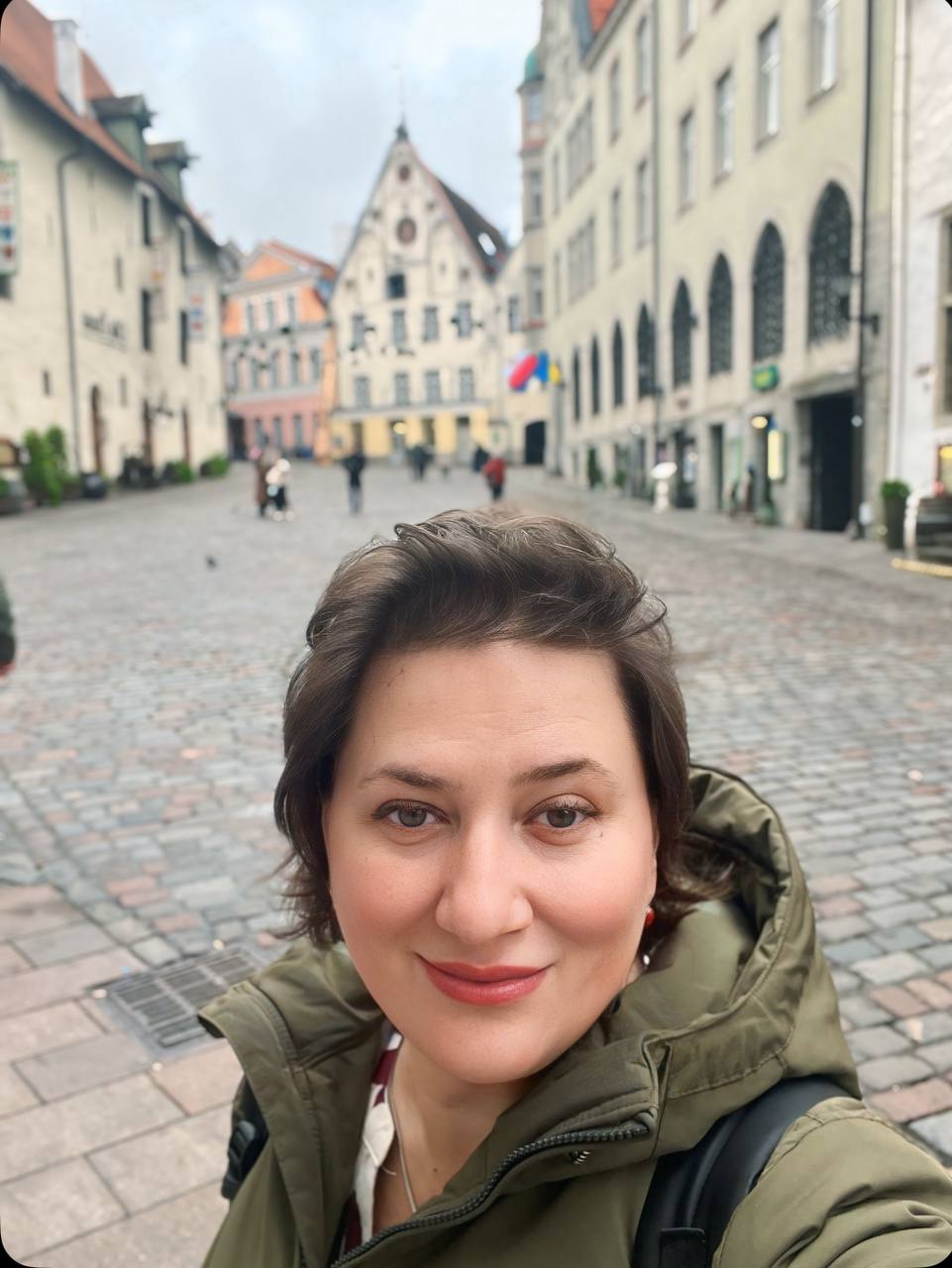
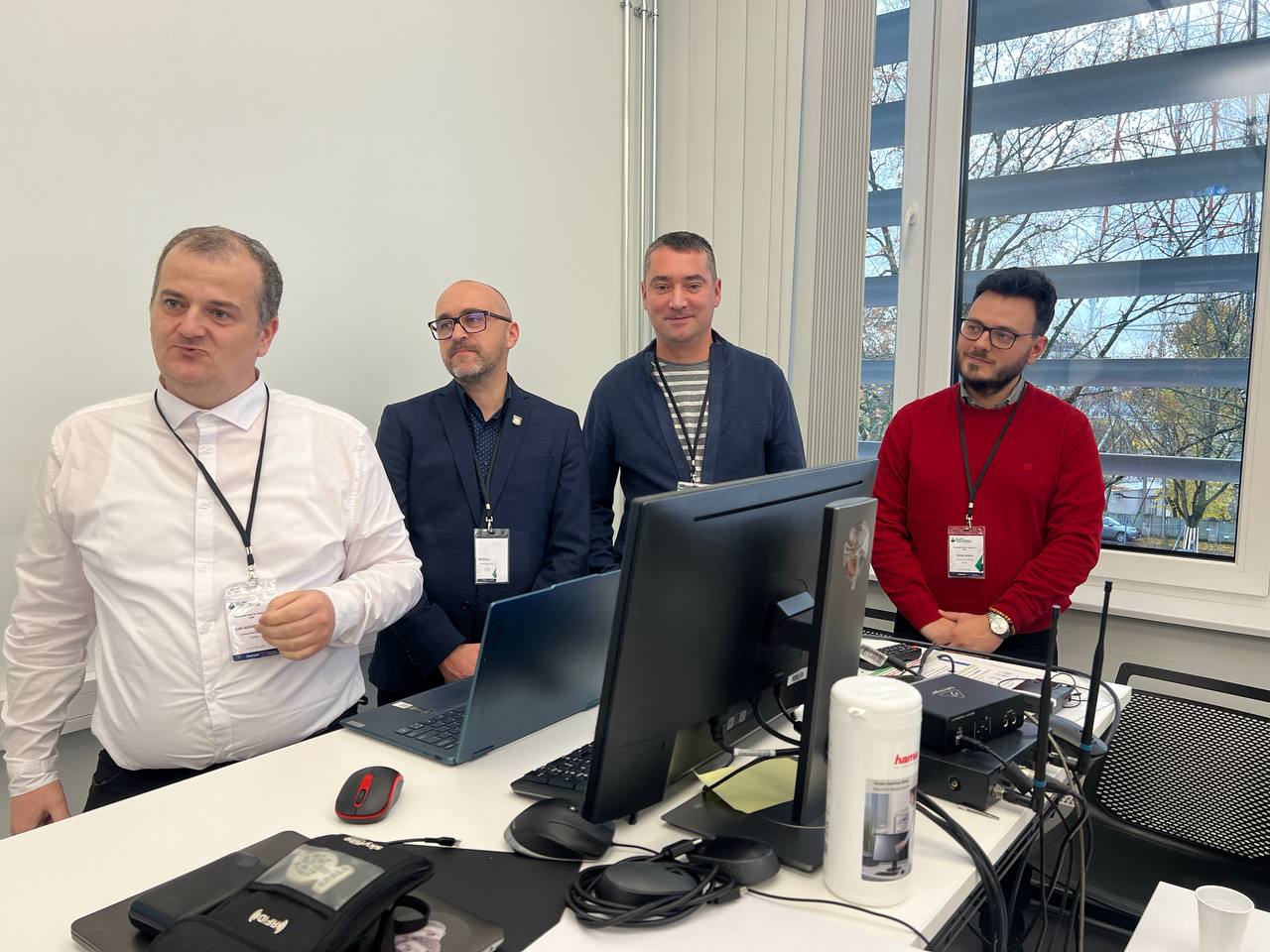
Participation in programs such as Erasmus+ BIP is a vivid testimony that Poltava Polytechnic not only keeps up with the times but also actively implements the best European practices in Ukrainian education. The knowledge and skills in working with GeoGebra, Desmos, JSXGraph, and artificial intelligence tools that our lecturers have acquired will soon be integrated into the university's training courses. This will raise the quality of STEM teaching to a new level, providing students with competitive advantages in the modern labour market and forming a new generation of highly qualified specialists.
Lecturers and students of Poltava Polytechnic have already participated twice in Erasmus+ BIP programs at the Tallinn University of Applied Sciences – in the spring and autumn of 2024.
Recently, a delegation of Poltava Polytechnic held several meetings with representatives of two leading higher education institutions in Romania – the National University of Science and Technology POLITEHNICA Bucharest and the Bucharest University of Economic Studies; senior Lecturer of the Department of General Linguistics and Foreign Languages Yuliia Hunchenko completed an Erasmus+ staff mobility at the Transilvania University of Brasov (Romania), associate professors Liudmyla Svystun and Yuliia Khudolii took part in the E3UDRES2 scientific festival within the framework of the Erasmus+ academic mobility program for lecturers at Vidzeme University of Applied Sciences (Latvia).
As a reminder, faculty members of Poltava Polytechnic are eligible to participate in academic mobility and internship programs. Students can study abroad through Erasmus+ credit academic mobility grant programs for a semester or a full academic year at leading universities in Austria, Greenland, Denmark, Estonia, Finland, France, Germany, Greece, Ireland, Italy, Latvia, Lithuania, Luxembourg, the Netherlands, Norway, Poland, Portugal, Romania, Slovakia, Spain, Sweden, and the Czech Republic.
For more detailed information on current internship, teaching, and academic mobility programs abroad, please get in touch with the International Relations Office (office 213-C, interoffice@nupp.edu.ua) or Poltava Polytechnic’s International Relations Coordinator – Anna Pavelieva, Ph.D. in Philology, Associate Professor of the Department of Germanic Philology and Translation (email: kunsite.zi@gmail.com, phone: +38-(095)-91-08-192).
Media Centre of
National University “Yuri Kondratyuk Poltava Polytechnic”