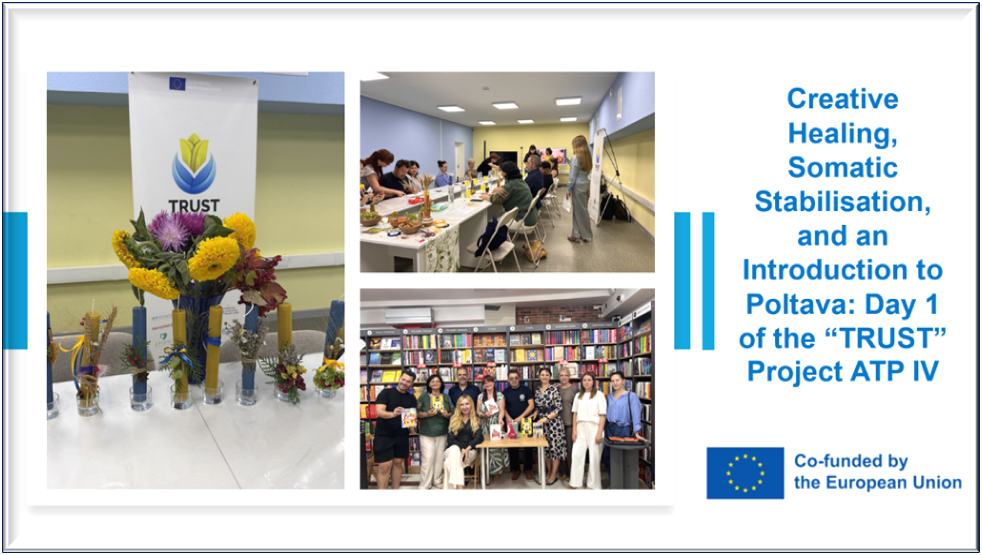
On September 1, 2026, National University “Yuri Kondratyuk Poltava National Polytechnic” hosted the commencement of the practical program for the fourth international meeting (ATP 4) under the prestigious international project Erasmus+ KA220-ADU “TRUST” (“Trauma of refugees in Europe: An approach through art therapy as a solidarity program for Ukraine war victims”, grant agreement No. 2024-1-BE01-KA220-ADU-000257527). Co-funded by the European Union, this initiative aims to develop and implement effective, culturally adapted art therapy methodologies to support and provide psycho-emotional rehabilitation for individuals affected by the consequences of war.
The project title “TRUST” stands for the following:
T – Trauma
R – Refugees
U – Ukraine
S – Solidarity
T – Therapy
The Centre Neuro Psychiatrique St-Martin (Belgium) leads the project in partnership with Poltava Polytechnic (Ukraine), Greek Carers Network EPIONI (Greece), Fondazione Don Luigi Di Liegro (Italy), LEKAMA DEVELOPPEMENT (Luxembourg), and EuroPlural Project (Portugal).
An esteemed international delegation arrived in Poltava to participate in the activities. The comprehensive roster of meeting participants brought together specialists from three partner organisations:
- CNP Saint Martin (Belgium): Project Coordinator Claudio Marques, Senior Psychologist and European Projects Specialist Jocelyn Deloyer, alongside Hanna Samoilenko and Olena Tiptsova.
- EuroPlural Project (Portugal): Choreography and Dance Therapy Specialist Rubielson Medeiros, PhD and Psychiatrist João Alves Neto, alongside Galyna Ilyuk and Francisco Dias Oliveira.
- National University “Yuri Kondratyuk Poltava National Polytechnic” (Ukraine): International Relations Coordinator Anna Pavelieva, Associate Professor of the Department of Psychology and Pedagogy Maryna Teslenko, Professor of the Department of Psychology and Pedagogy Olga Losiyevska, and University Practical Psychologist Olena Kryvenko.
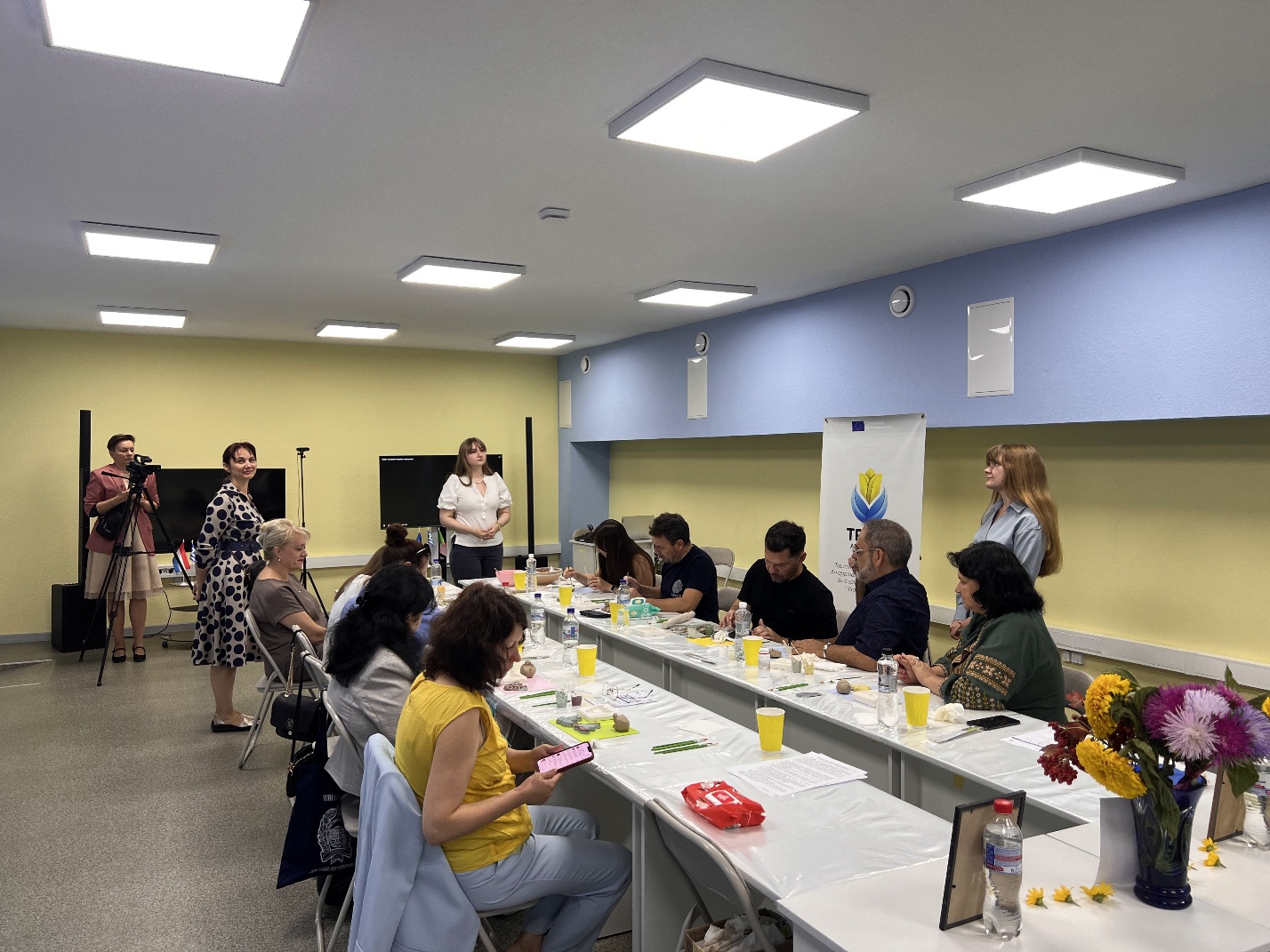
The first day of practical therapy focused on establishing a safe therapeutic space. The meeting began in the shelter of Building A (Room 1), a measure critical to ensuring a secure atmosphere under current circumstances. Maryna Teslenko, Candidate of Pedagogical Sciences and Associate Professor in the Department of Psychology and Pedagogy, conducted a safety briefing before inviting attendees to participate in a gentle interactive exercise, “My Mood Today”. This activity helped participants express their emotional states metaphorically, setting a collaborative tone for open dialogue.
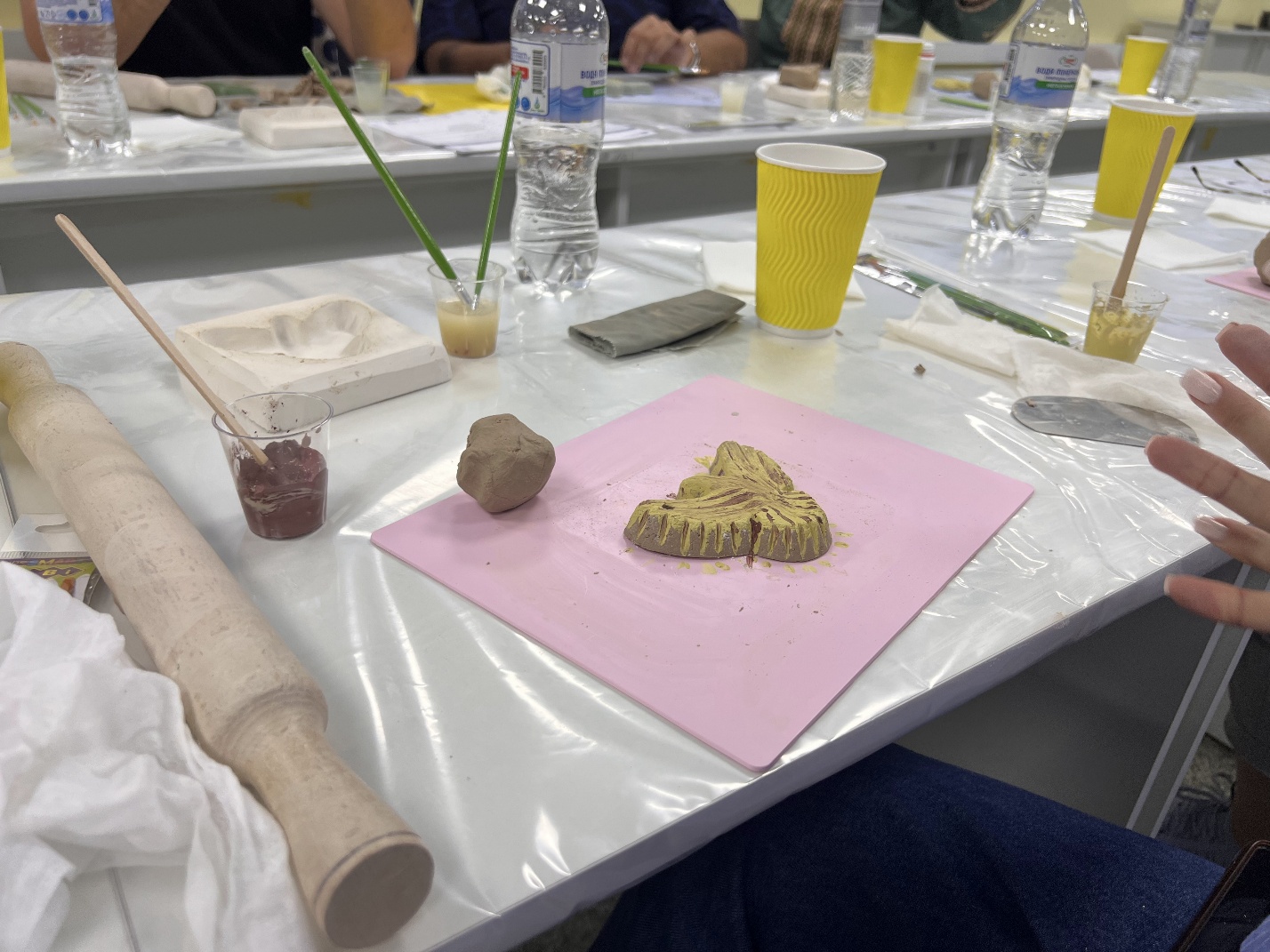
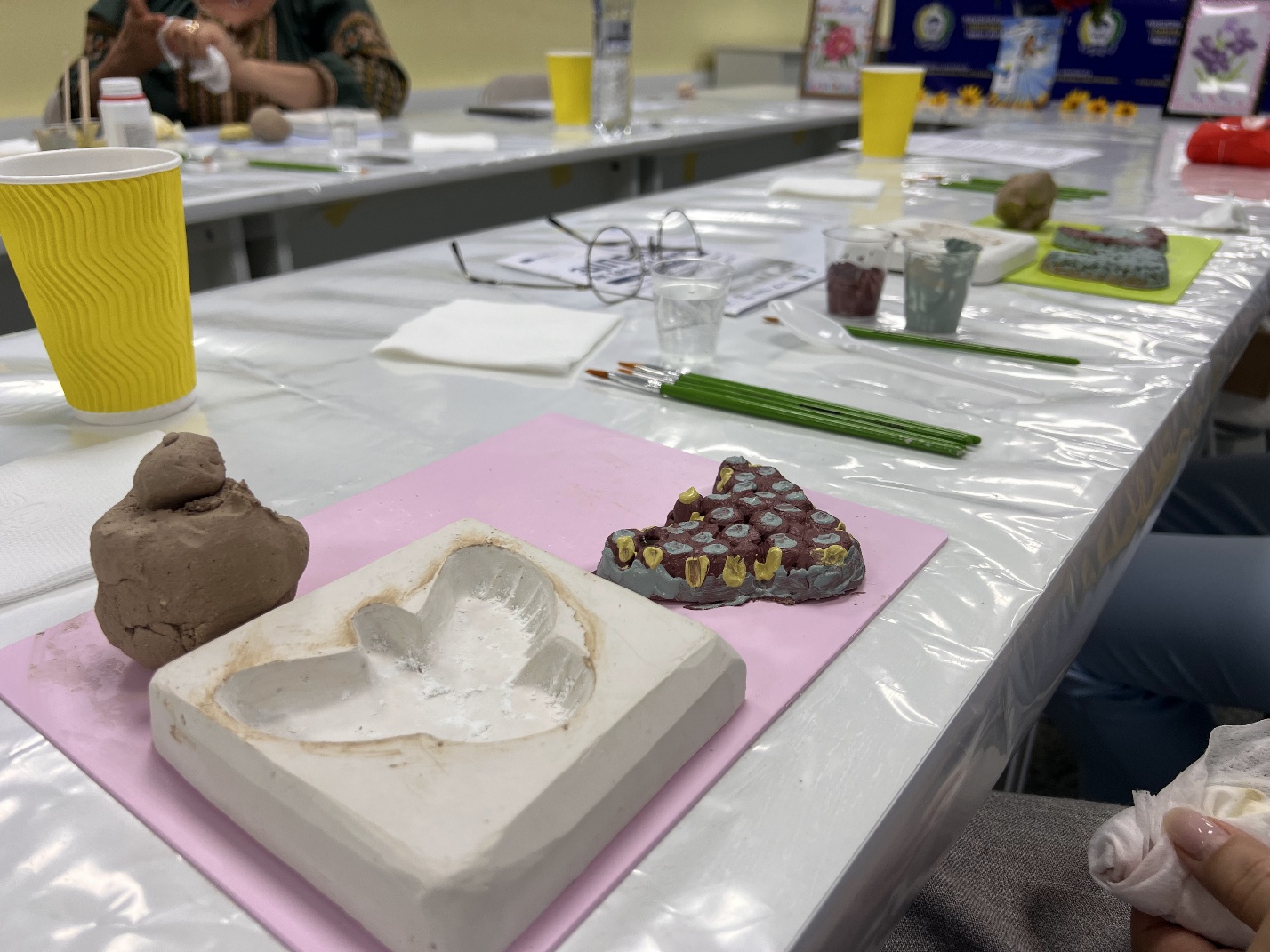
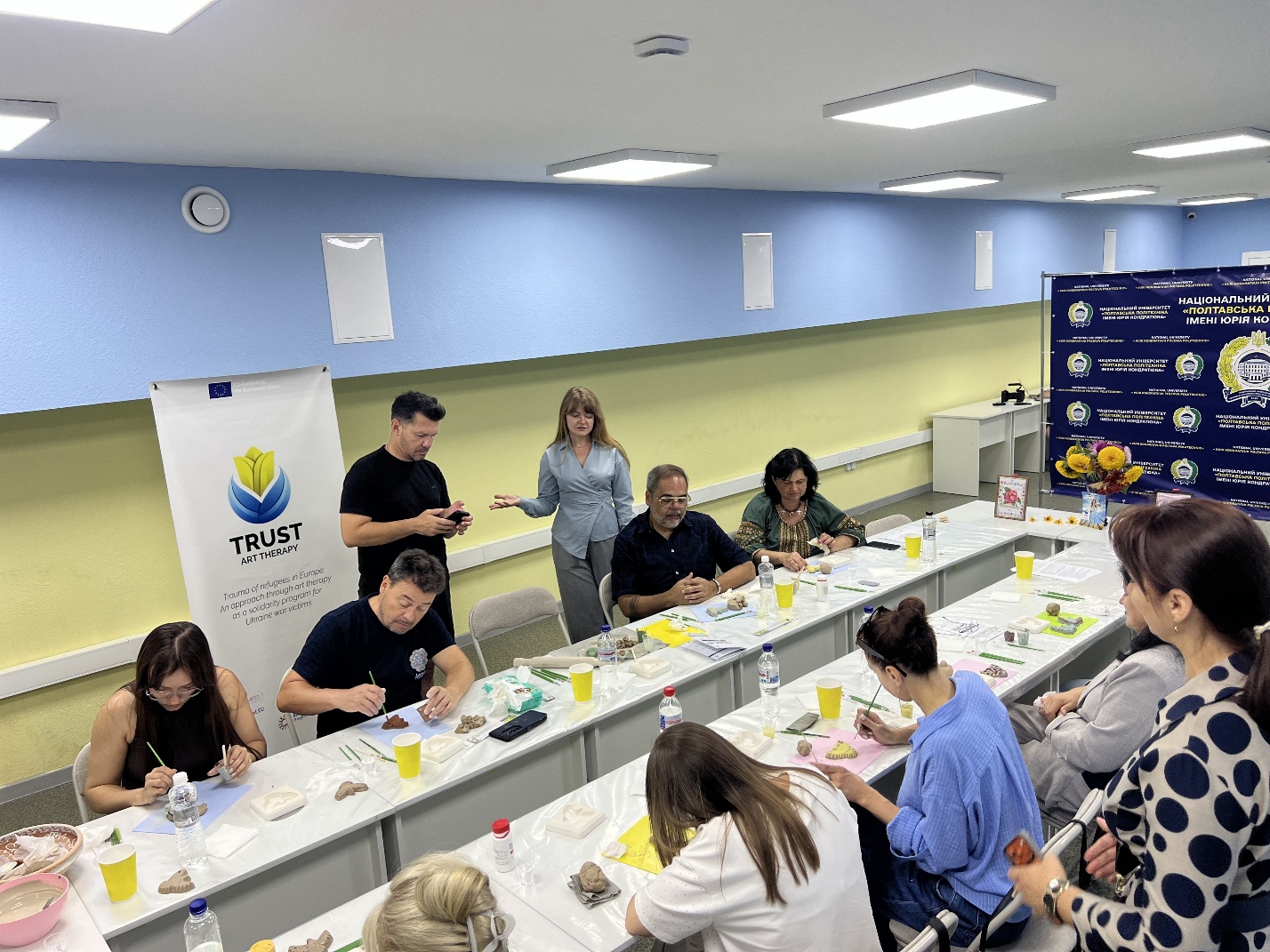
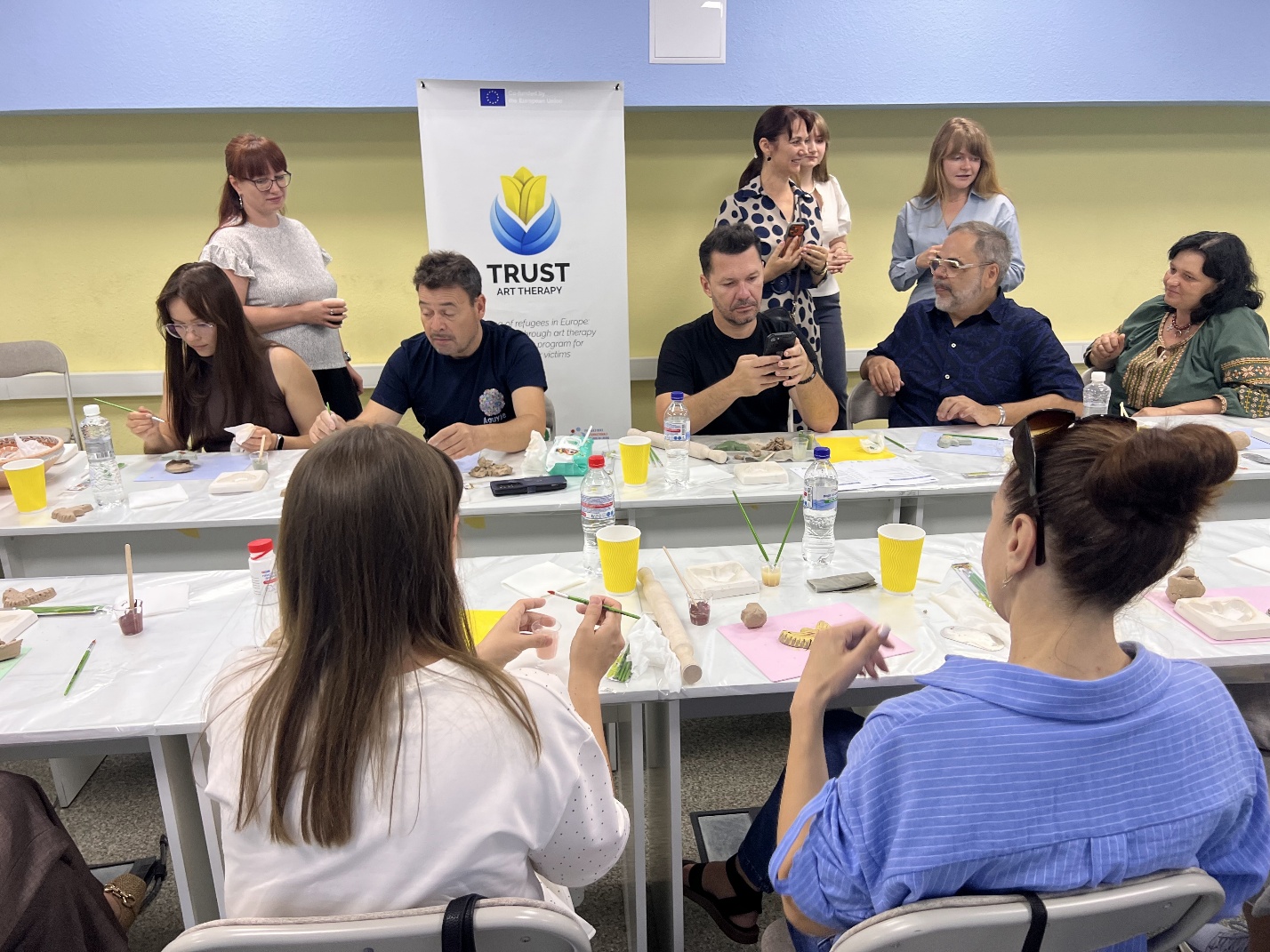
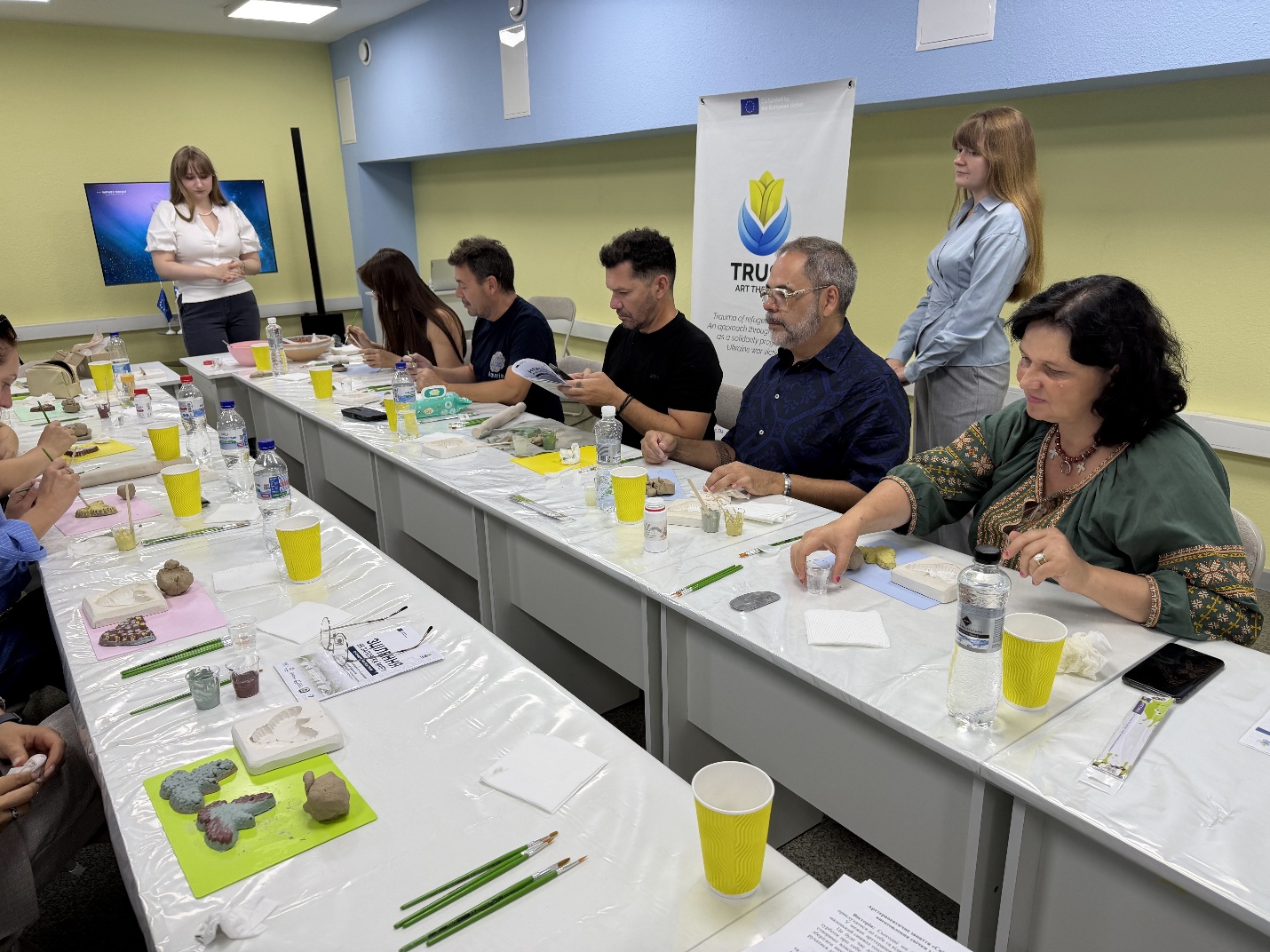
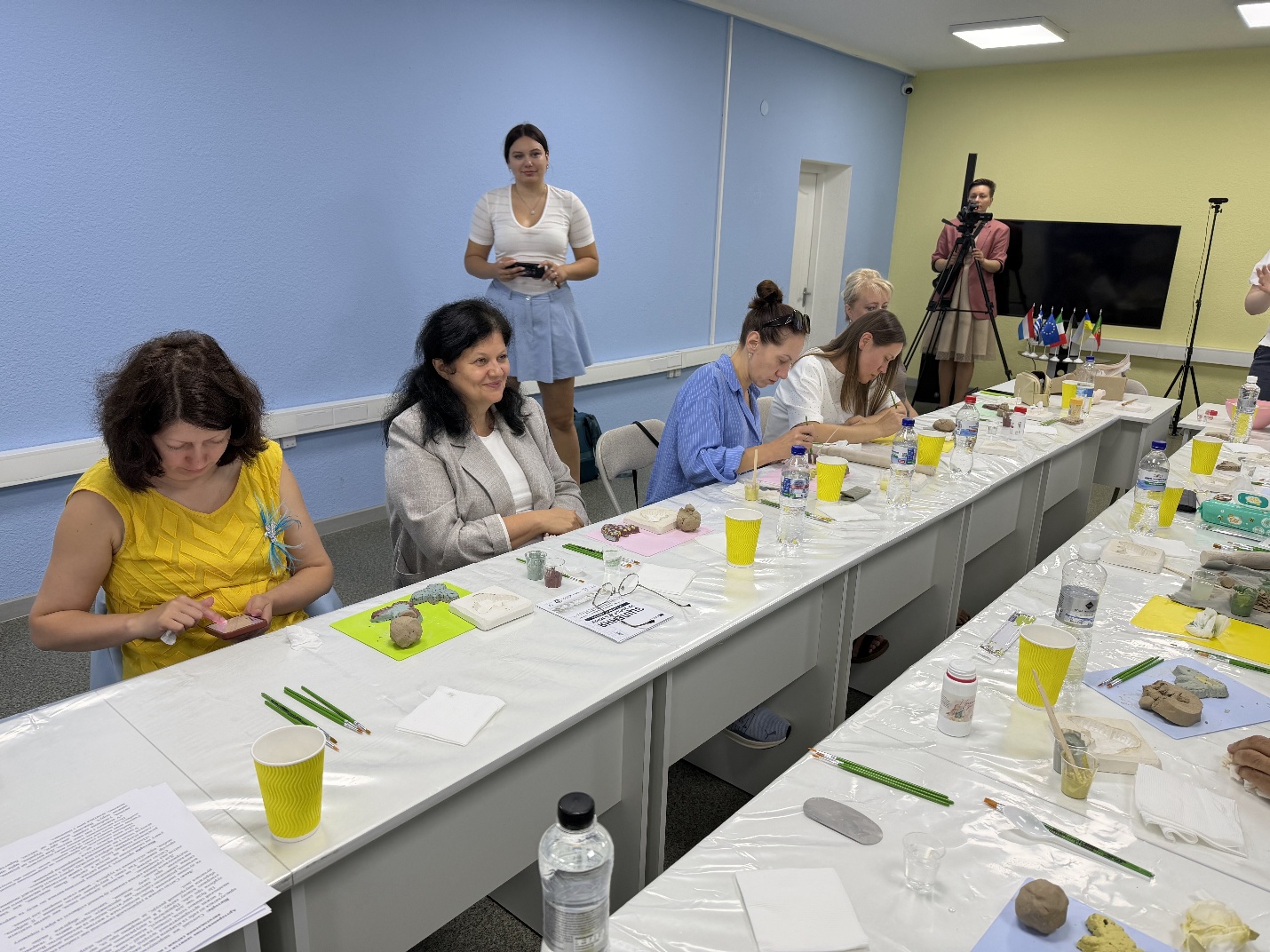
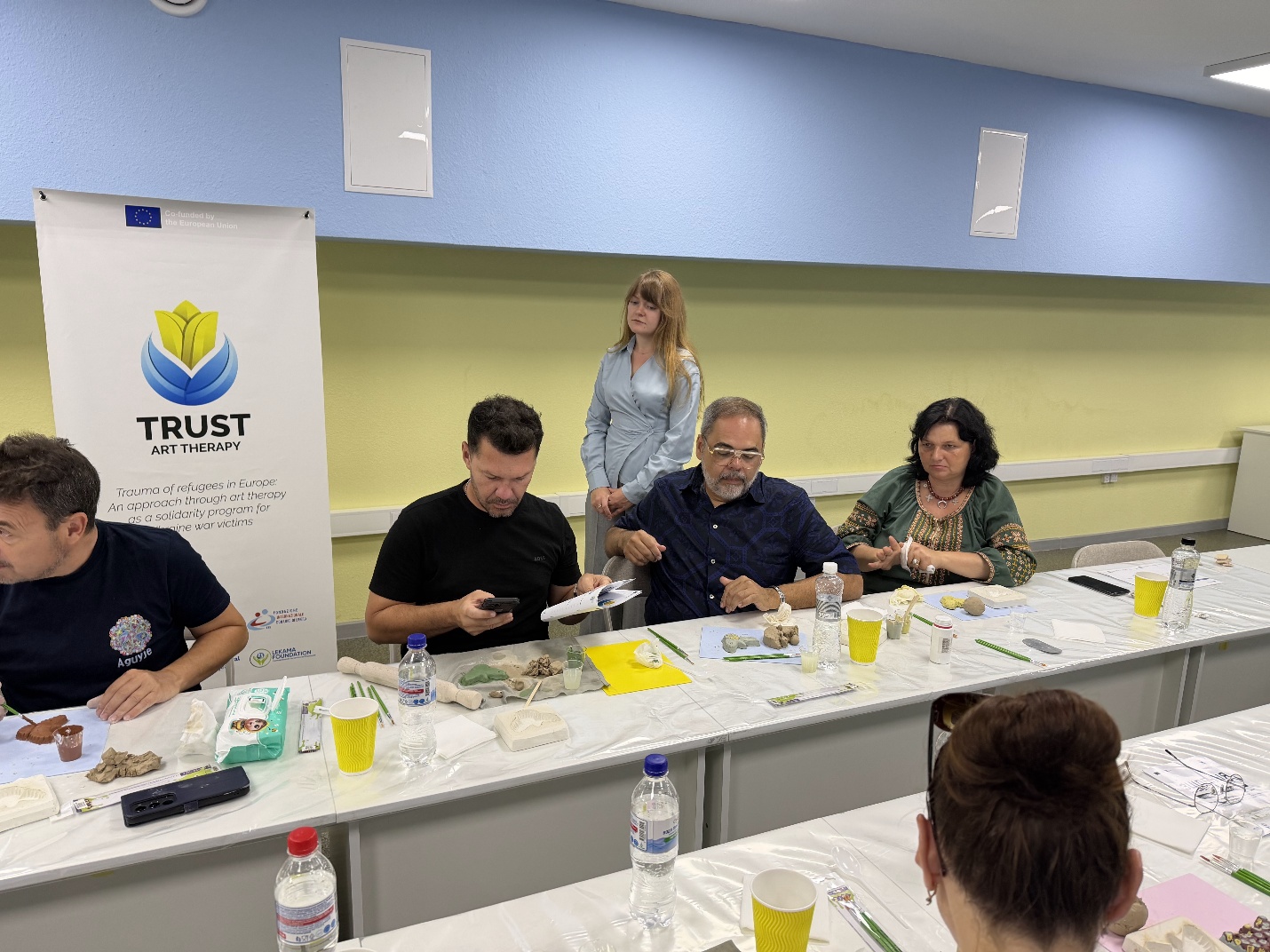
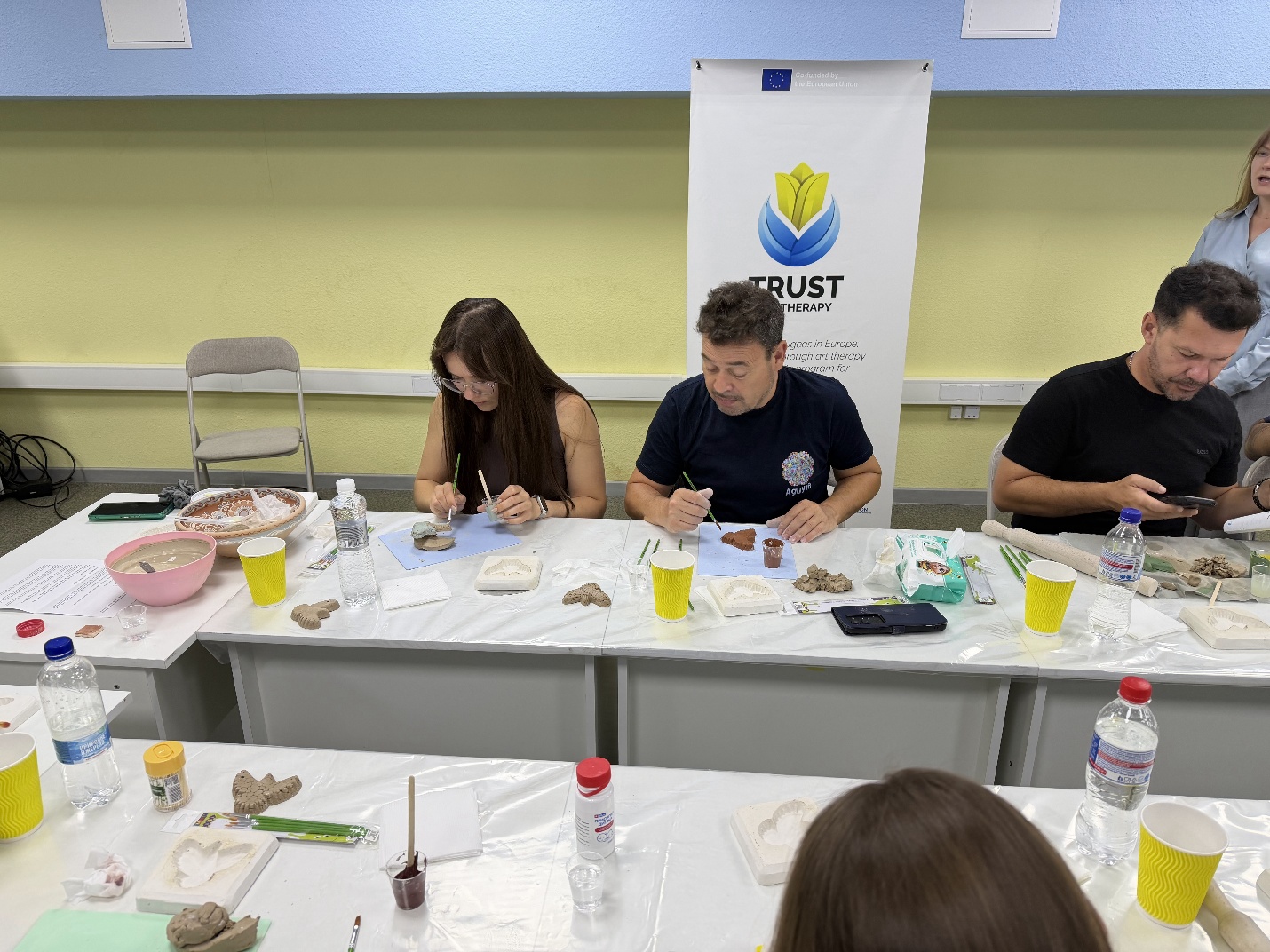
Next, the workshop “Painting a Clay Crane” began, led by Viktoriia Ponomarenko, a talented student majoring in the “Fine Arts” speciality. Each participant received a ceramic crane blank. In the context of trauma therapy, the crane serves as a profound symbol of peace, hope, rebirth, and a safe return home. Working with clay and paint supported fine motor skill development, non-verbal expression of latent emotions, and emotional decompression. During the painting session, representatives of the Belgian delegation (Claudio Marques, Jocelyn Deloyer, Hanna Samoilenko, Olena Tiptsova) and their Portuguese colleagues (Rubielson Medeiros, João Alves Neto, Galyna Ilyuk, Francisco Dias Oliveira), along with Ukrainian specialists, collaborated on shared artistic motifs symbolising international solidarity.
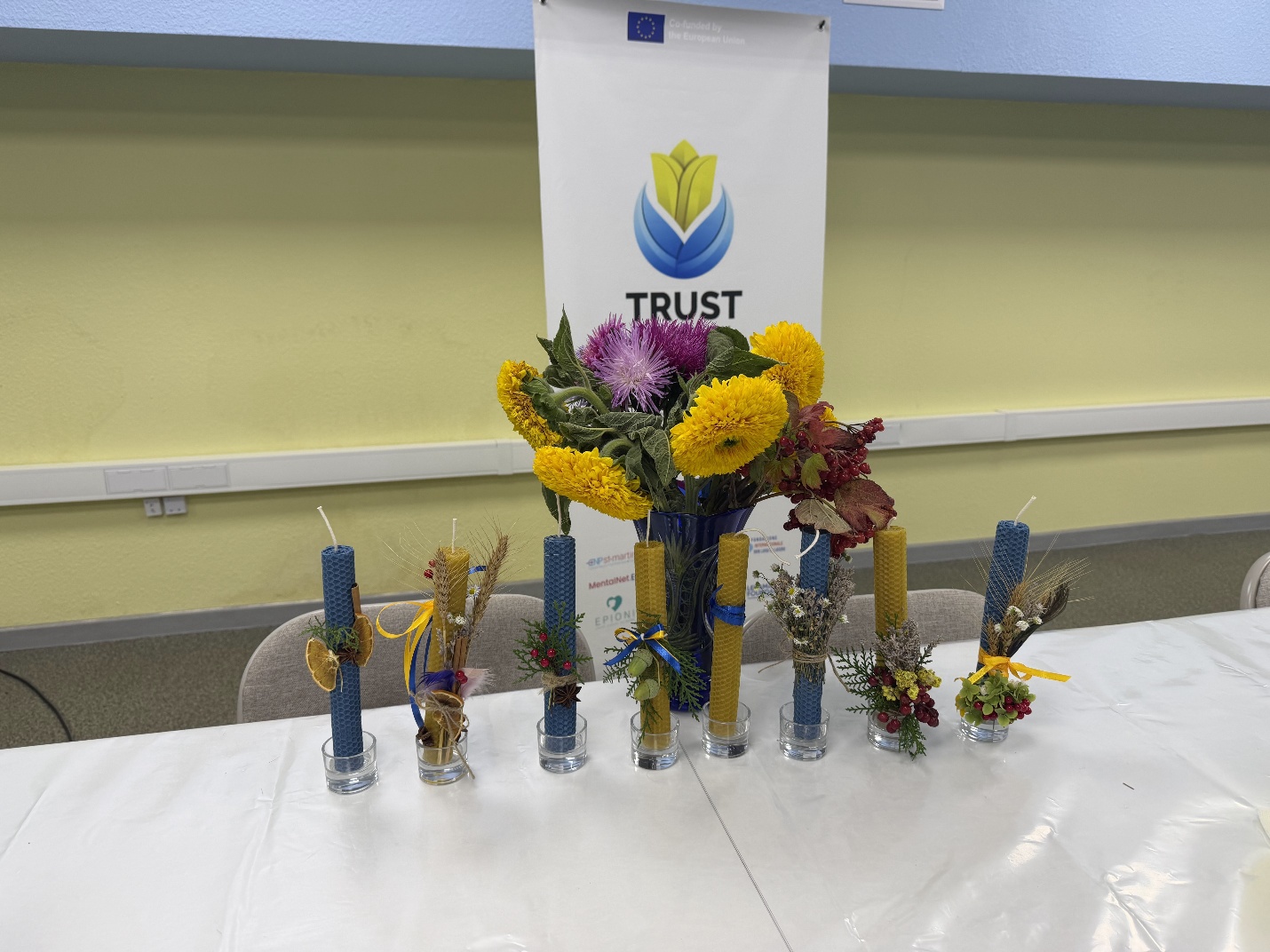
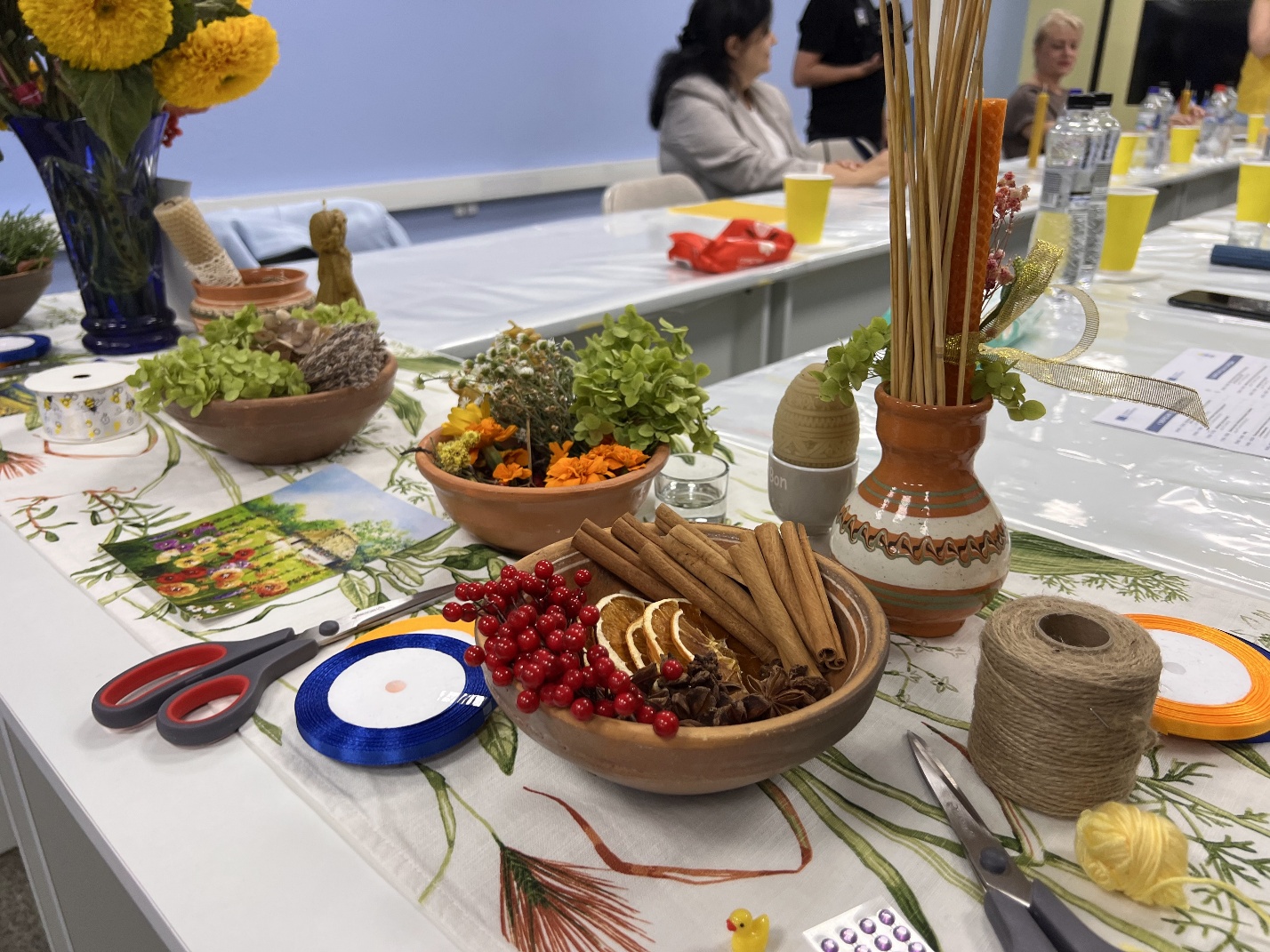
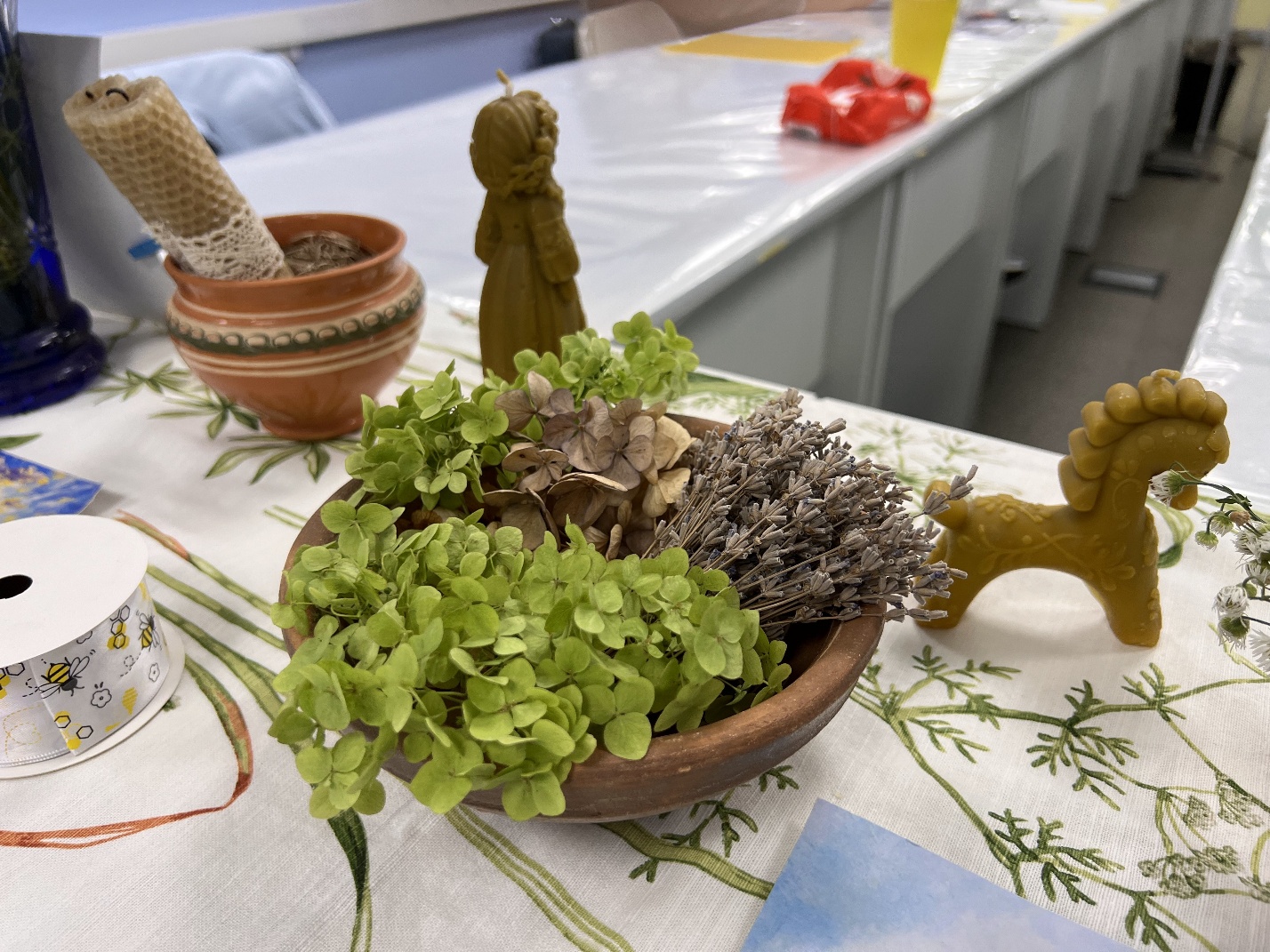
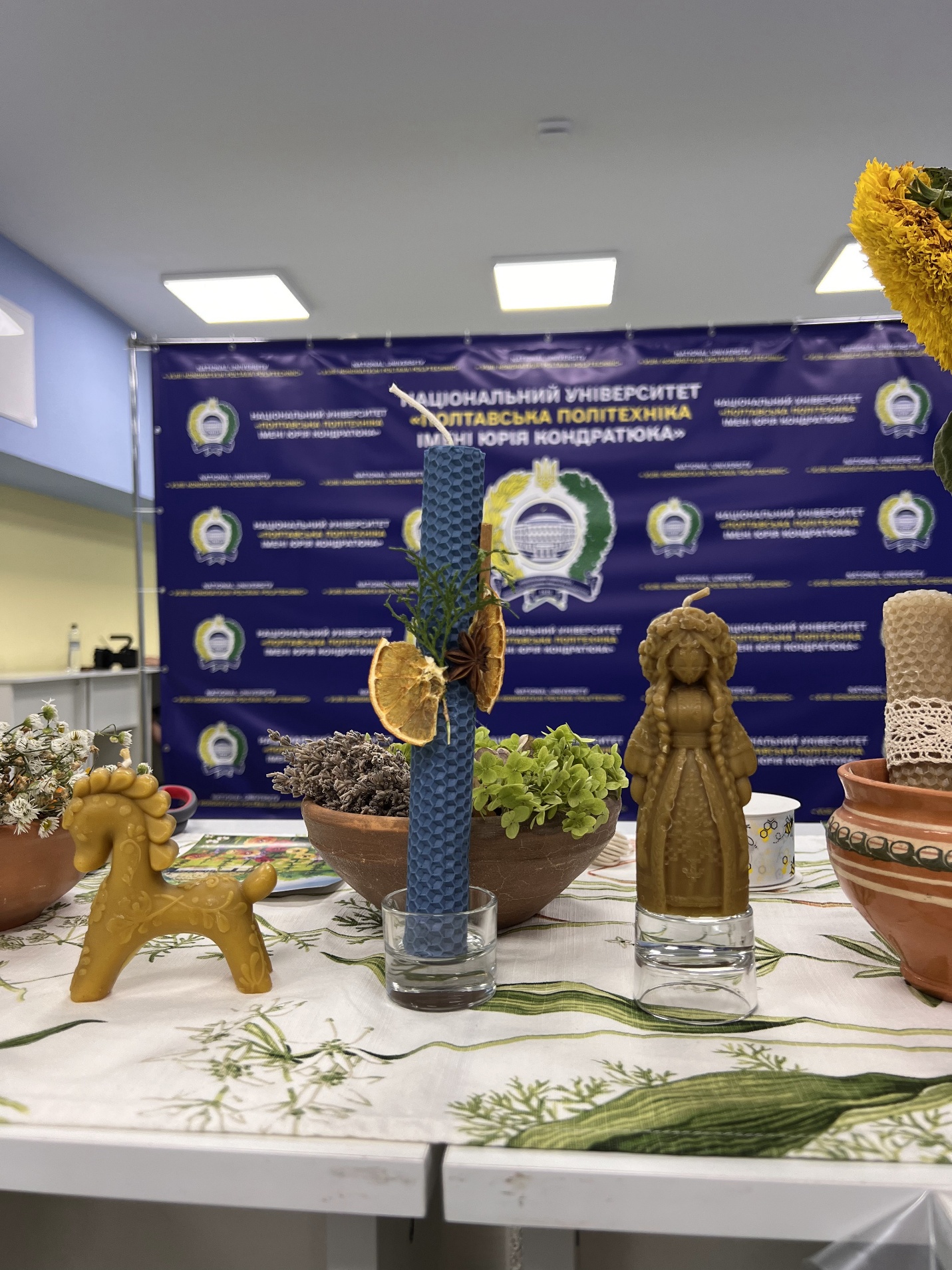
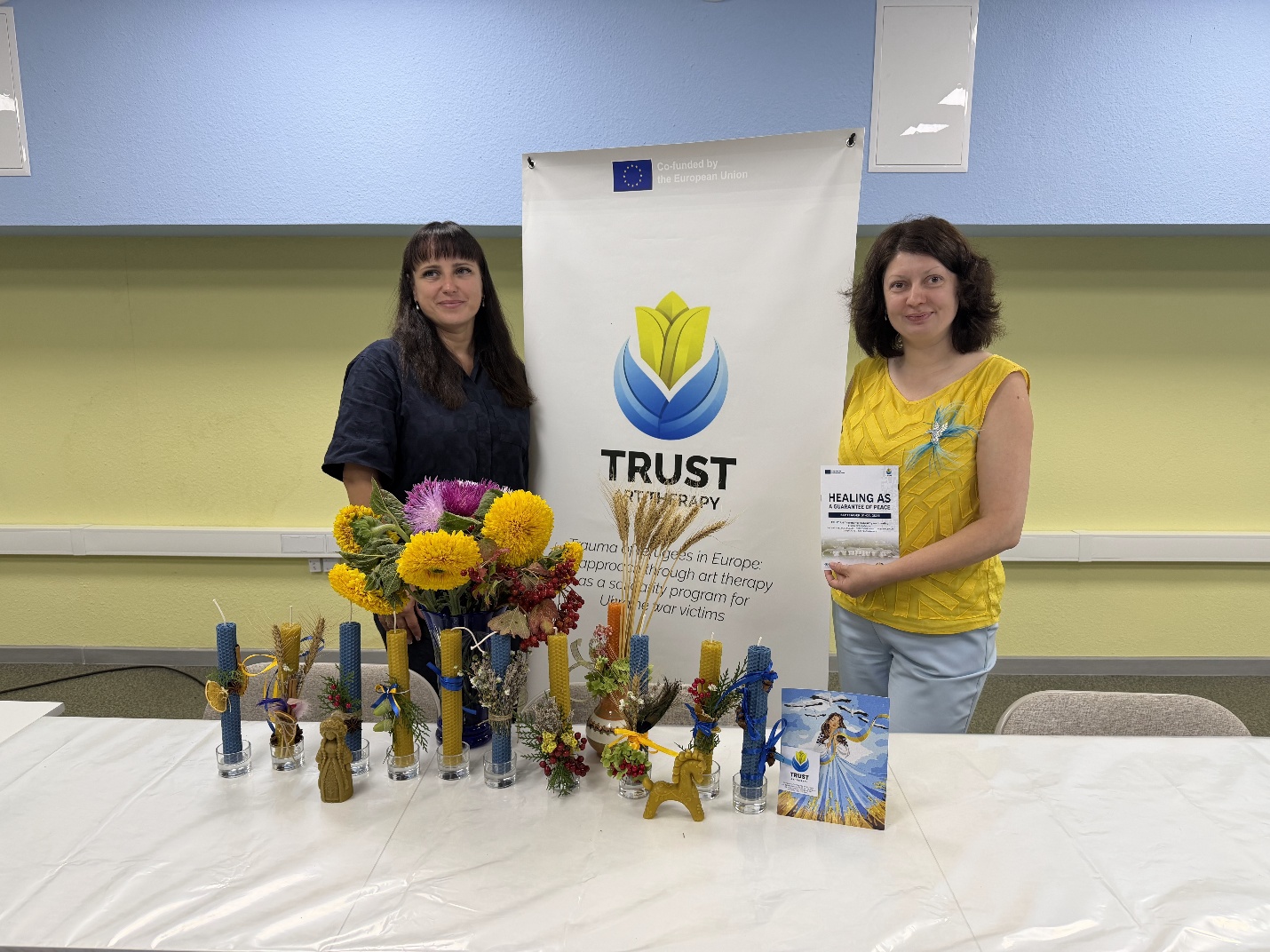
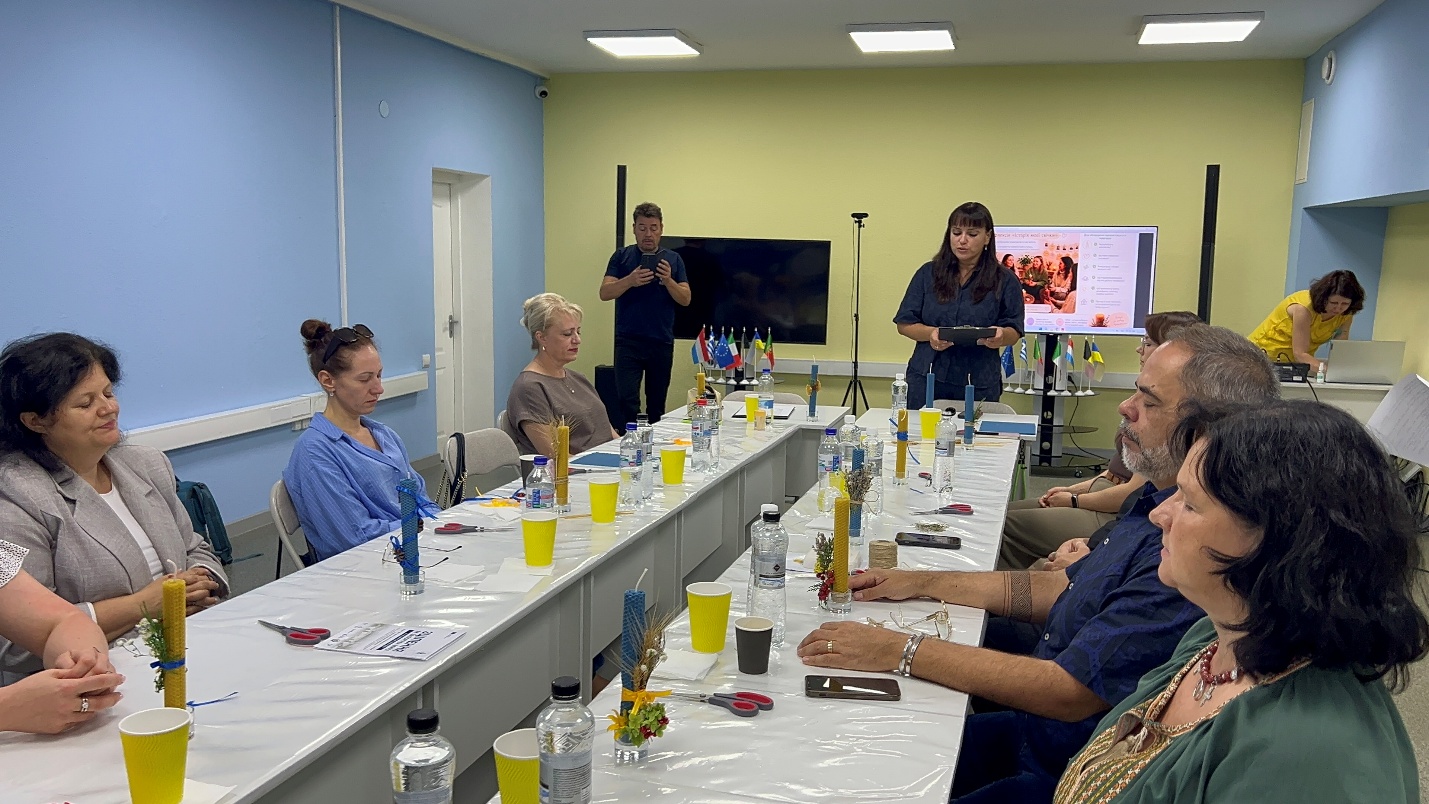
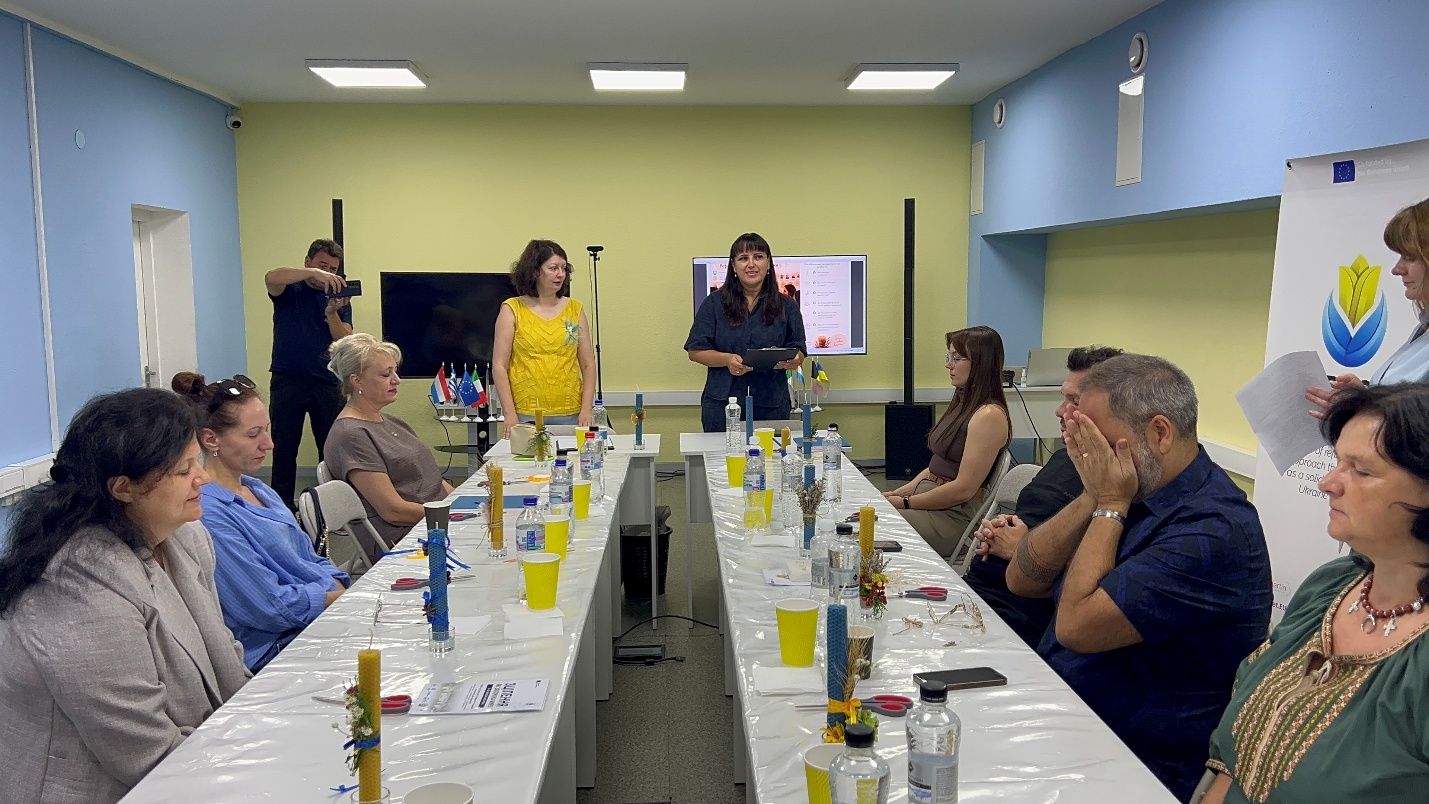
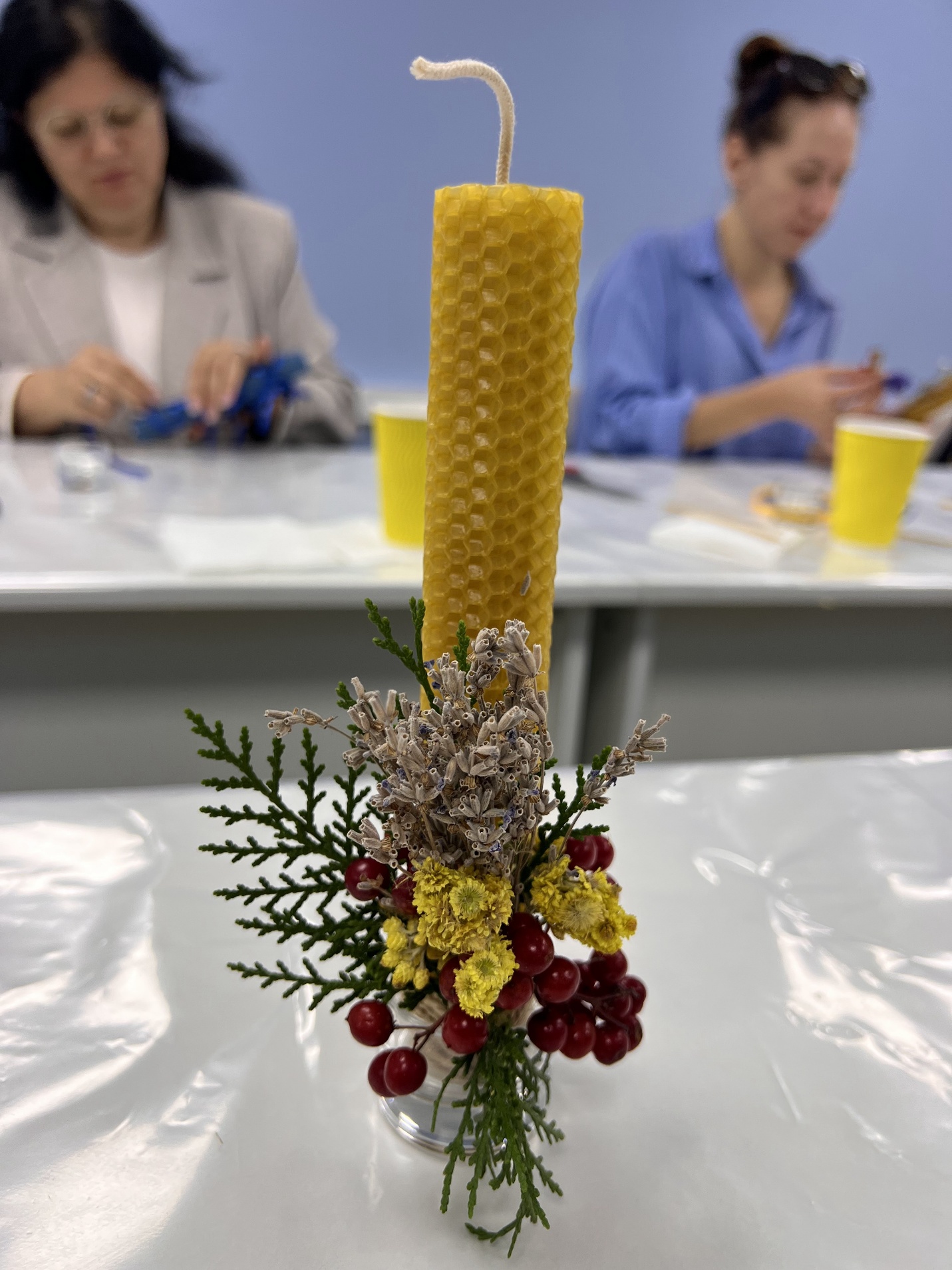
The subsequent stage was the “Beeswax Candle Making” workshop, coordinated by Lesia Klevaka, Head of the Department of Psychology and Pedagogy, and Viktoriia Shevchuk, Associate Professor of the same department. This session aimed to support emotional recovery, increase awareness of personal coping resources, build self-support skills, and foster a positive emotional state among participants. Throughout the activity, utilising the symbolism of light and candles, participants reflected on their individual sources of strength, support, warmth, and hope. Integrating sensory grounding, guided reflection, dialogue, and creative engagement helped redirect attention to the present moment, reduce emotional stress, and restore inner equilibrium. The central art-therapeutic technique involved crafting a personalised candle from natural beeswax sheets. This creative process was accompanied by reflections on personal resources, individuals, and core values that offer support during challenging times, as well as on what helps sustain an “inner light”. The handmade candle became a symbolic expression of personal strength, resilience, hope, and self-care. A vital component of the workshop was the reflection phase, during which participants processed their emotional state, identified resources they wished to preserve or restore, and shared personal associations with their handiwork. The parable of the candle reinforced the session's core message: even the smallest light matters, and support, kindness, and compassion can pass continuously from one person to another. Furthermore, the session highlighted seeking assistance and accepting others' support as a natural and necessary part of maintaining one's well-being.
Consequently, the “Beeswax Candle Making” workshop helped create a safe space for creative self-expression, emotional release, awareness of personal resources and needs, and stronger self-support and mutual solidarity, helping participants discover and preserve their inner light. Each individual crafted a unique candle, which will subsequently be integrated into the final art performance.
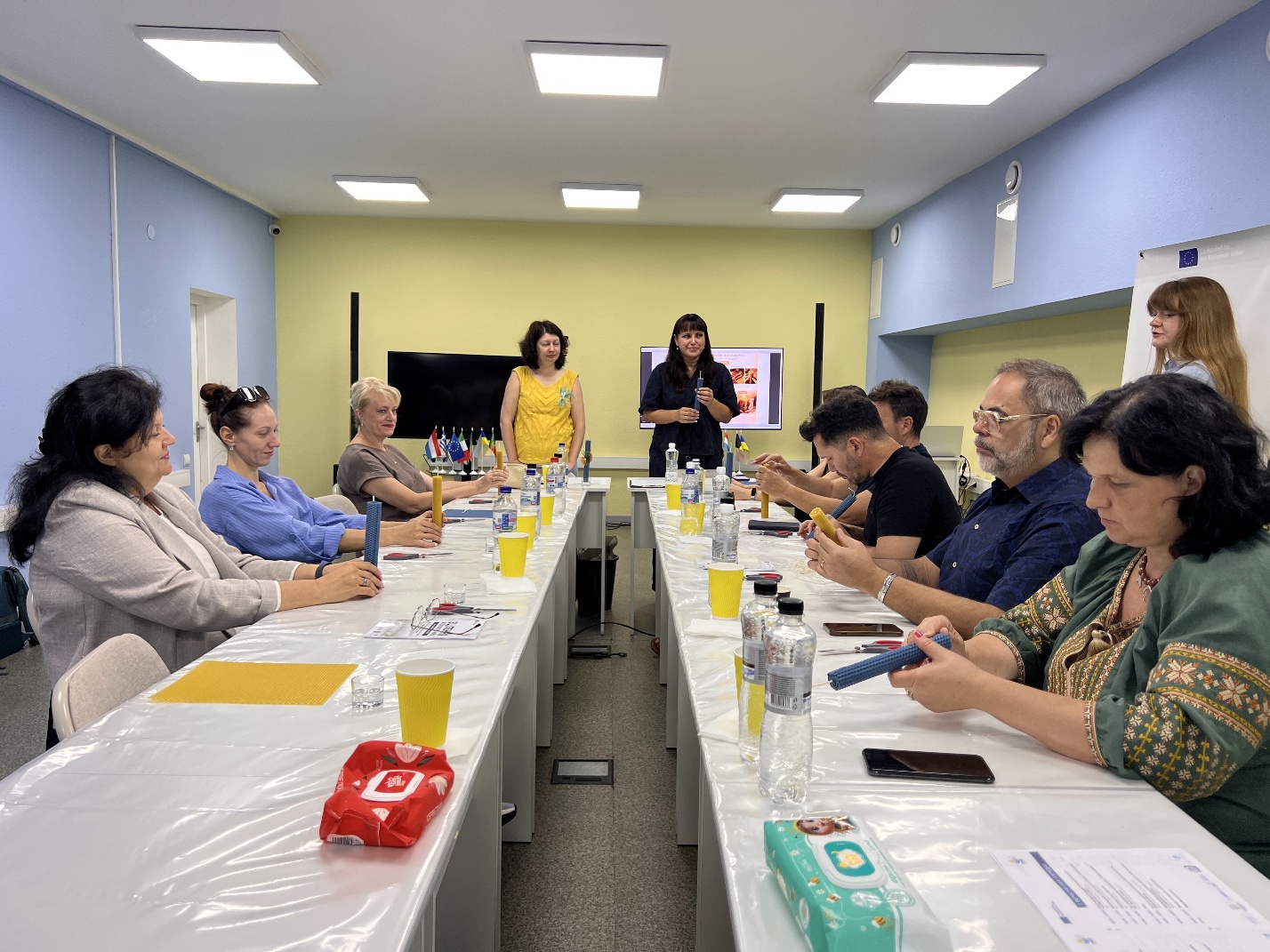
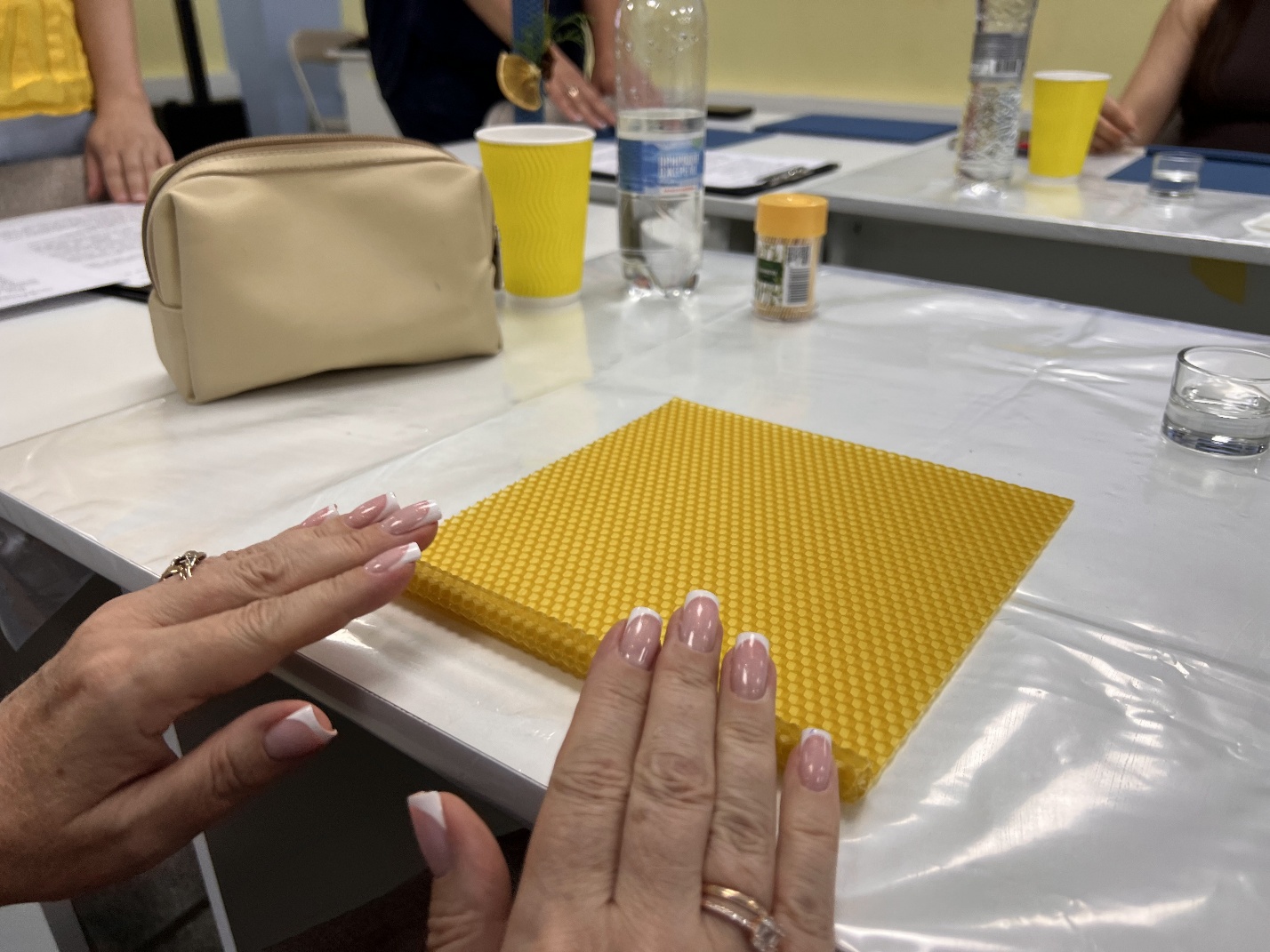
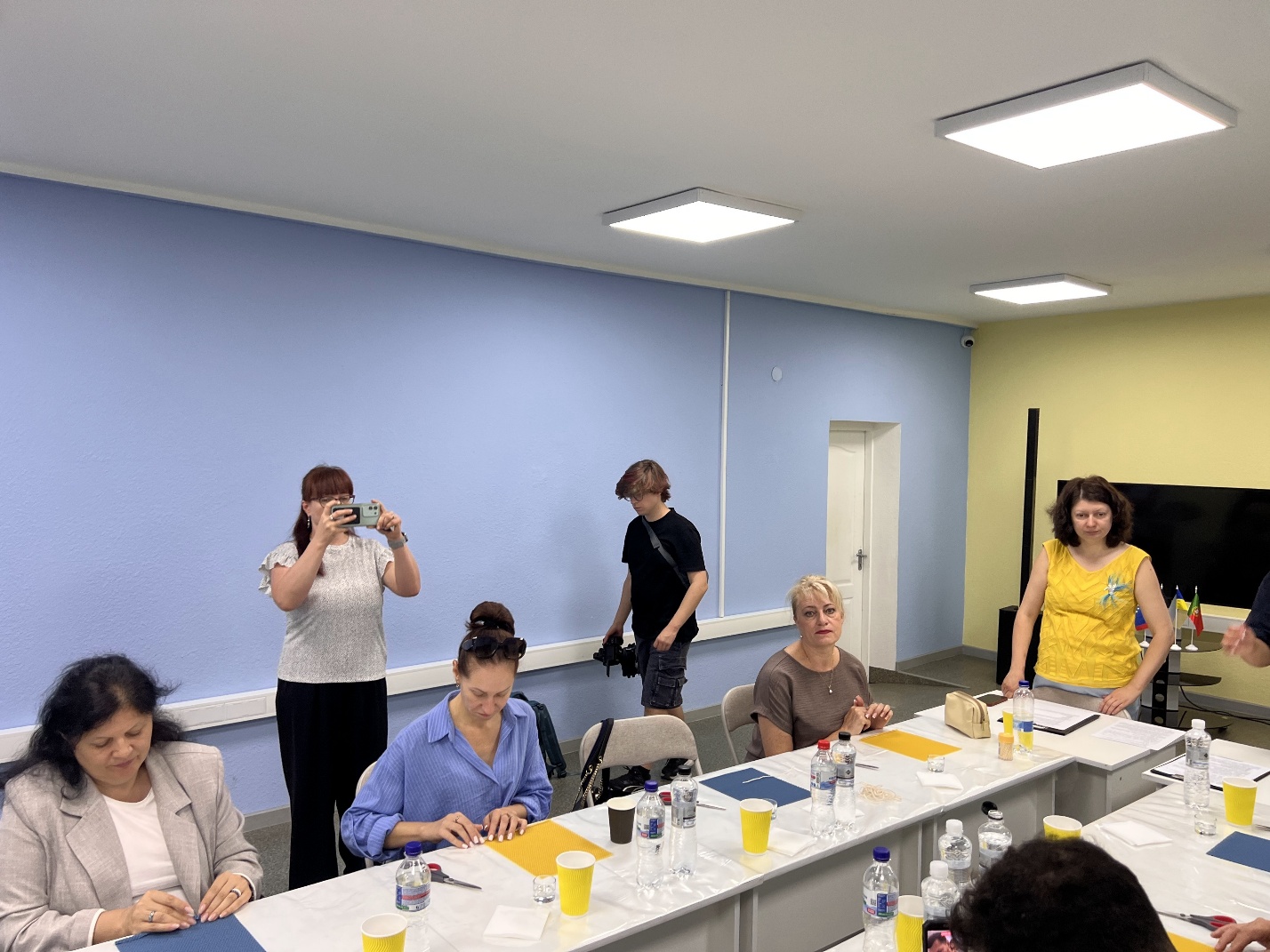
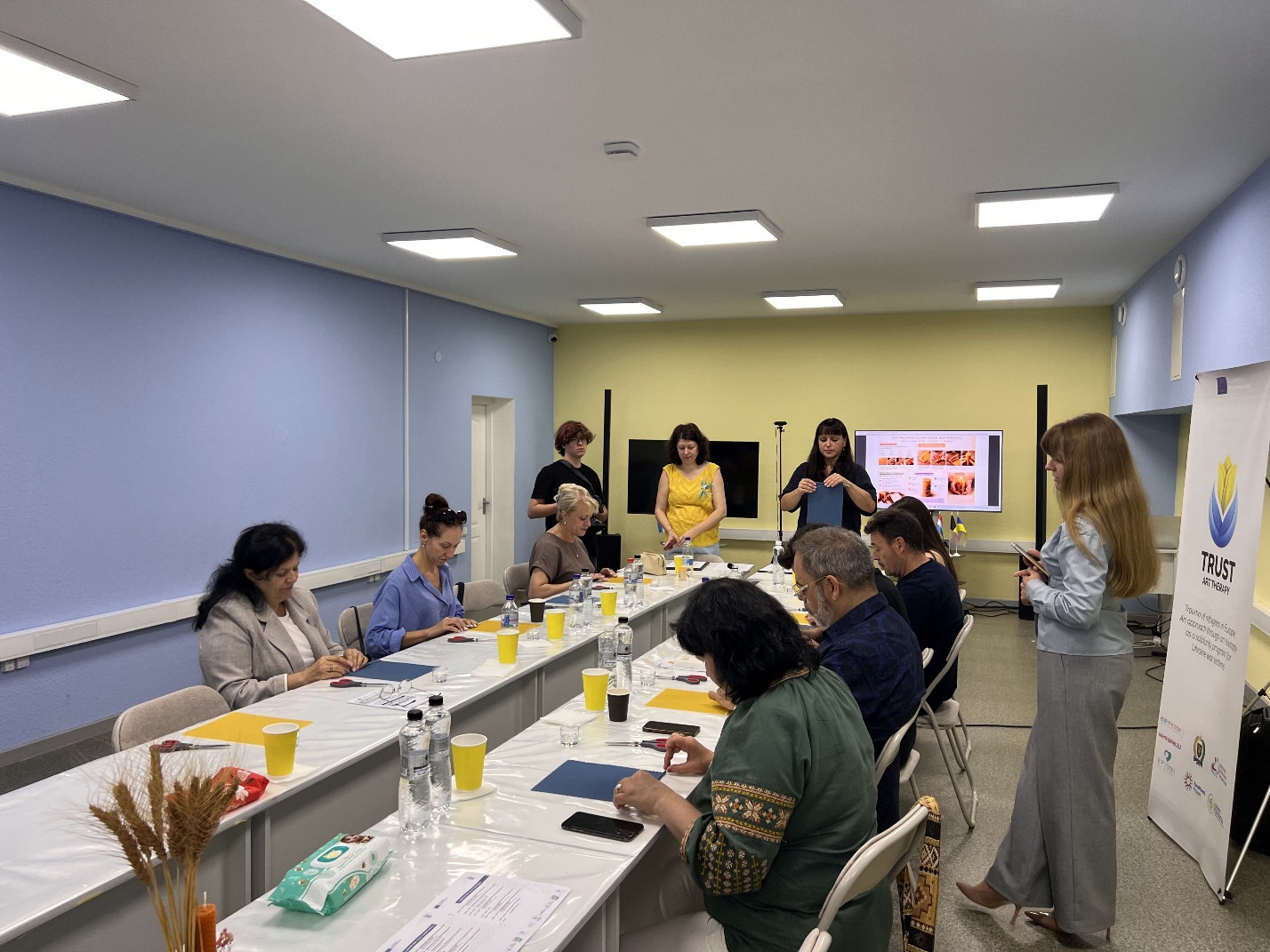
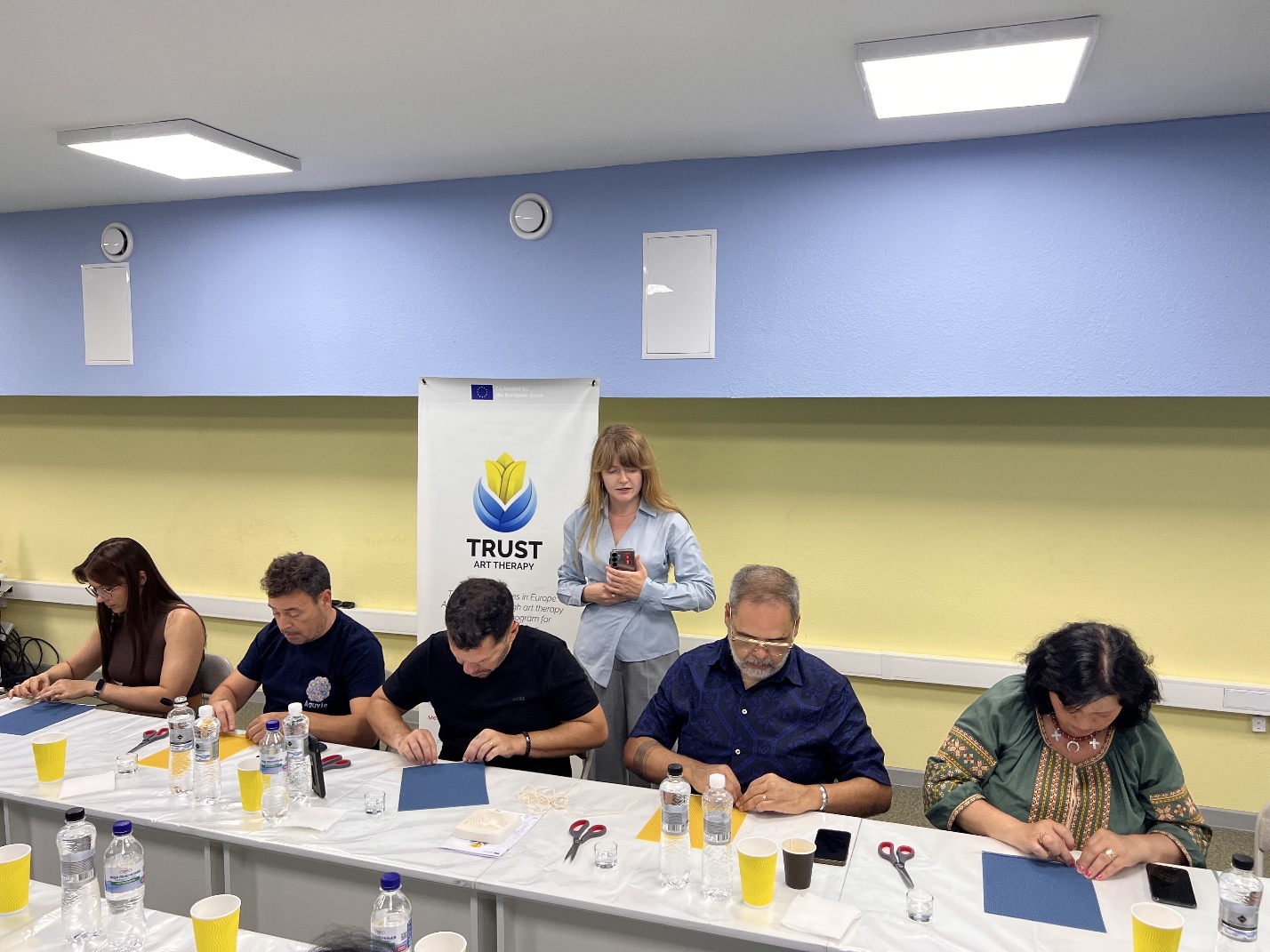
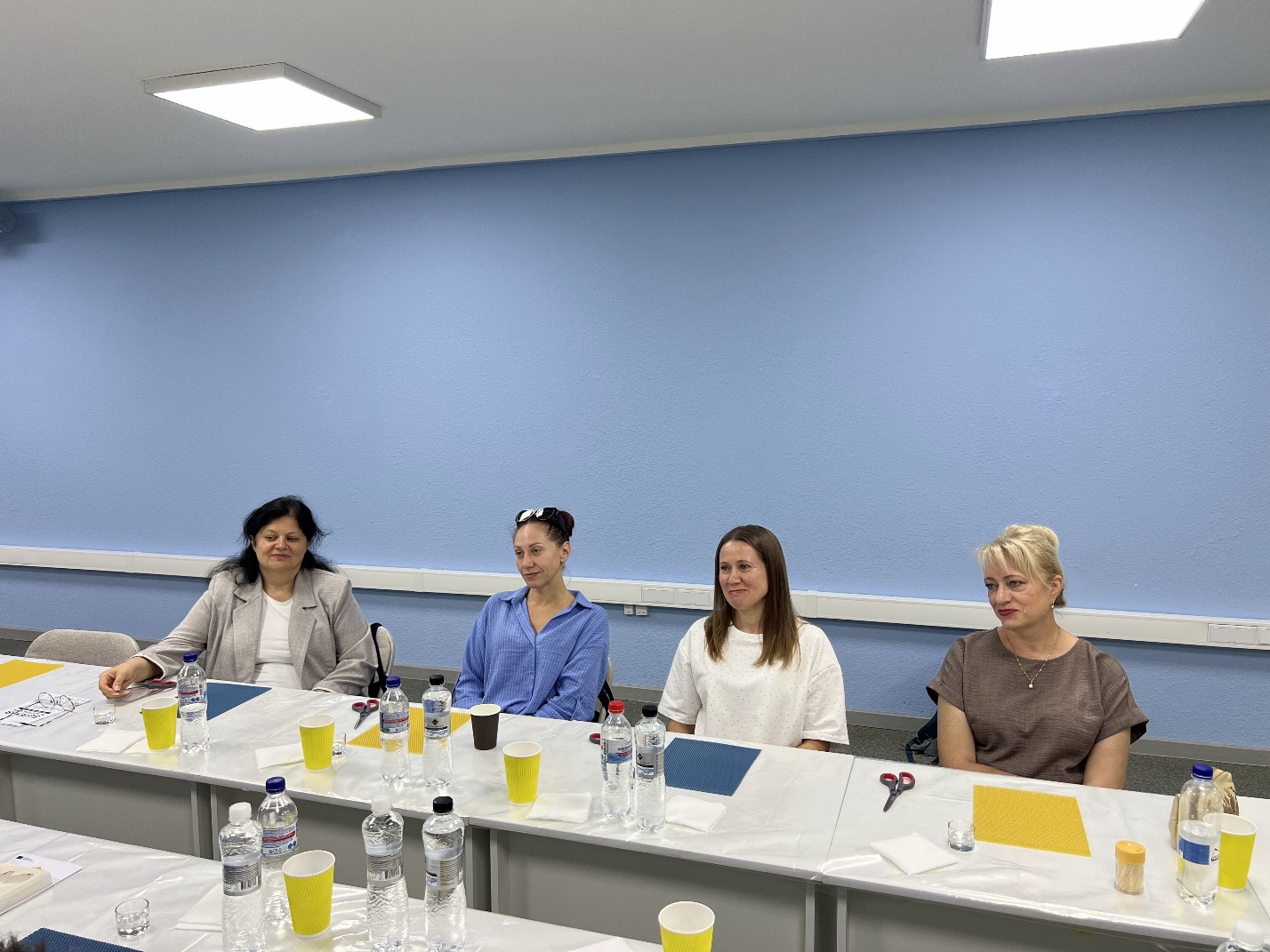
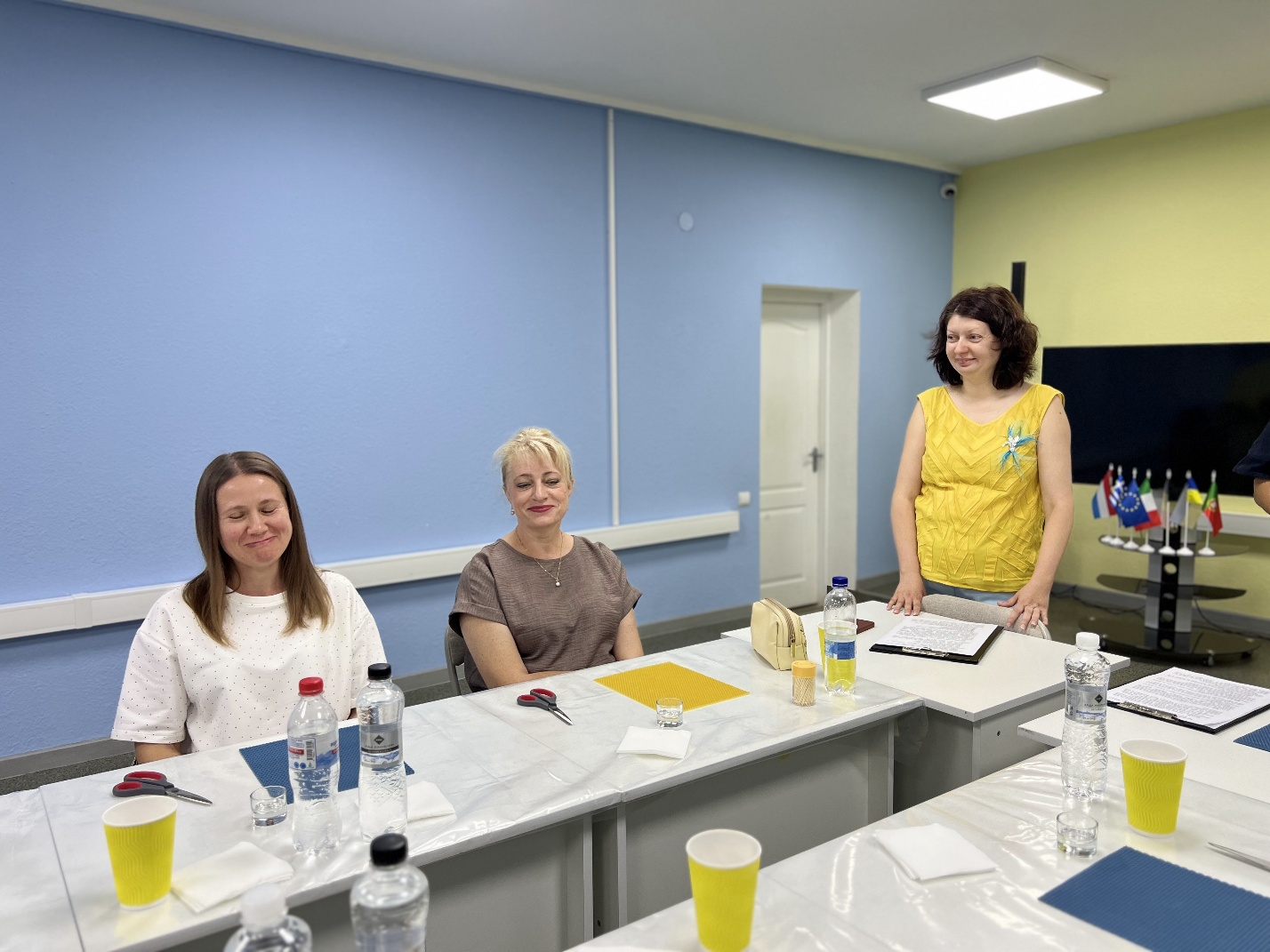
An essential role in ensuring mutual understanding and bridging linguistic barriers during both practical sessions was played by Anya Reva, Assistant of the Department of Germanic Philology and Translation at Poltava Polytechnic. Thanks to her professional consecutive translation of the clay crane painting and beeswax candle making workshops, the international guests fully immersed themselves in the creative atmosphere, communicated seamlessly with the facilitators, and thoroughly grasped the psychotherapeutic essence of each method.
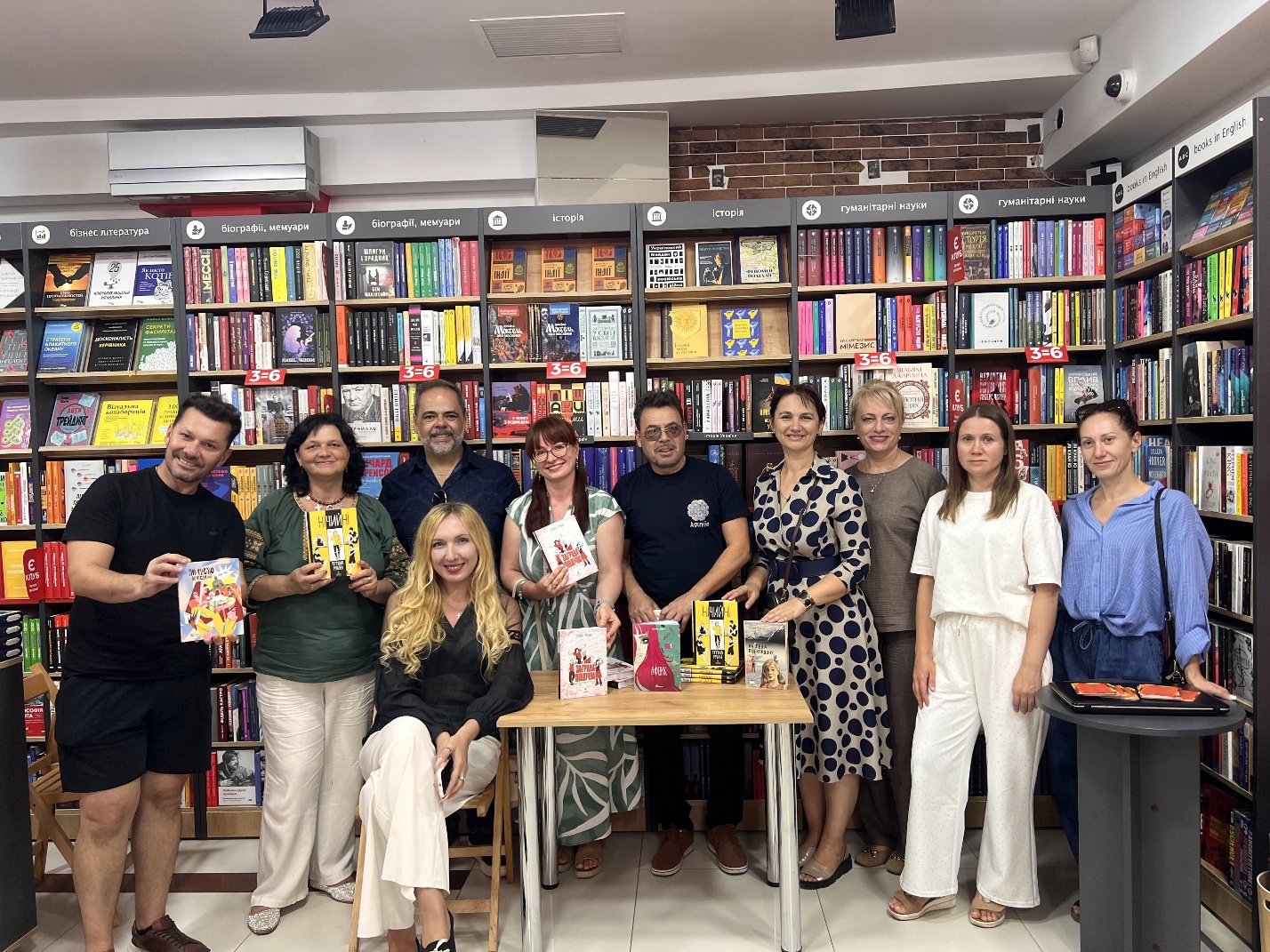
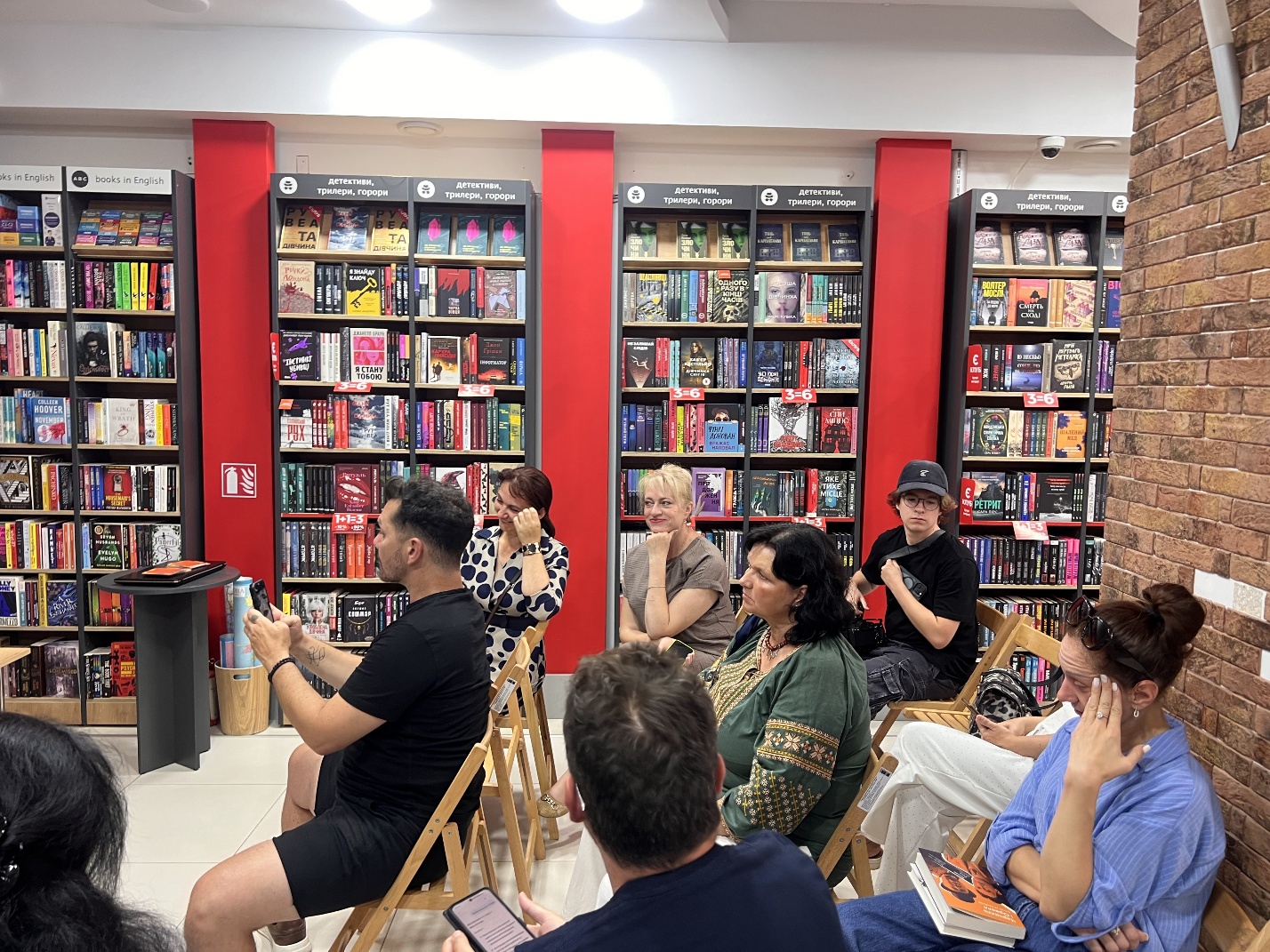
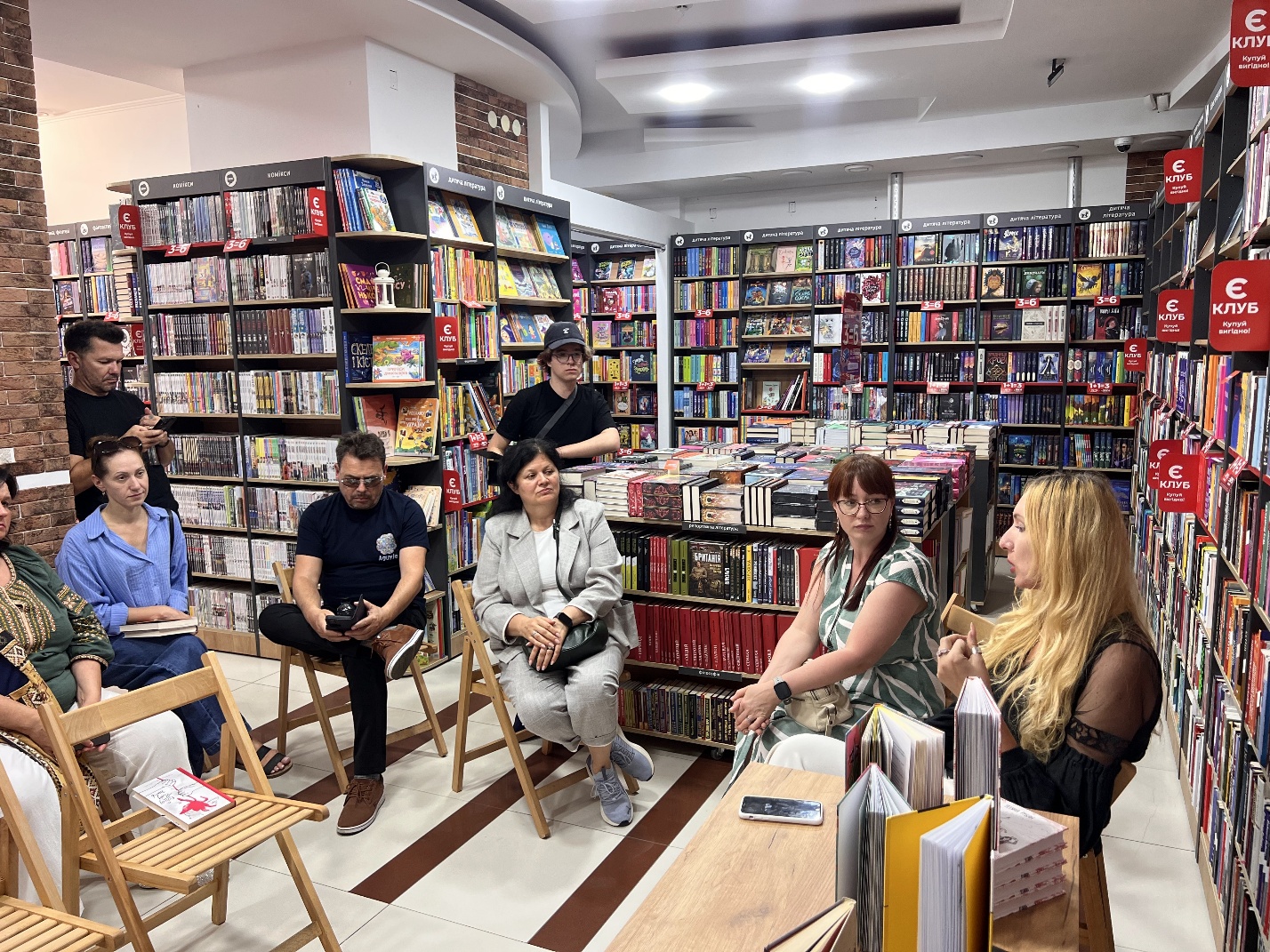
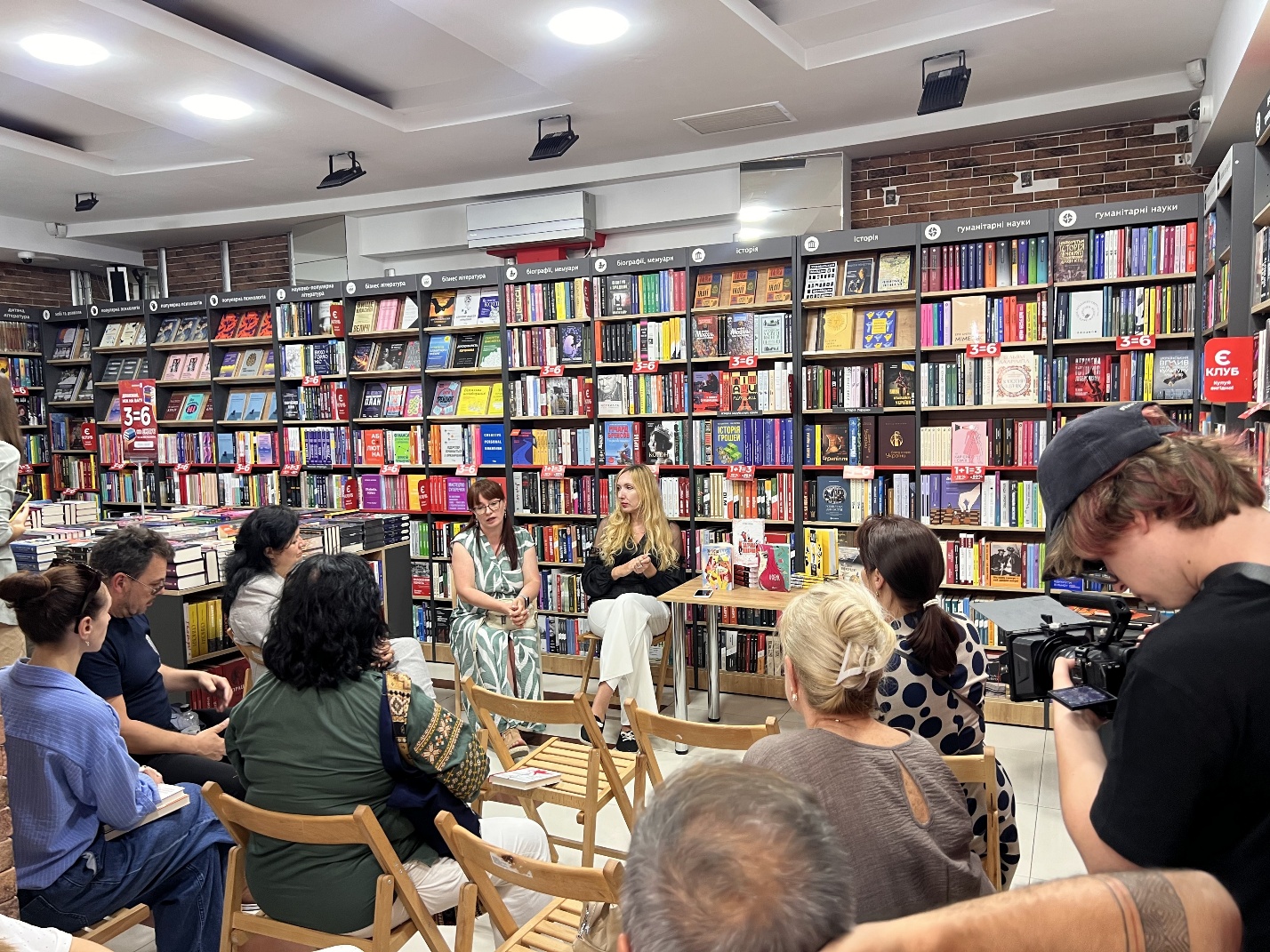
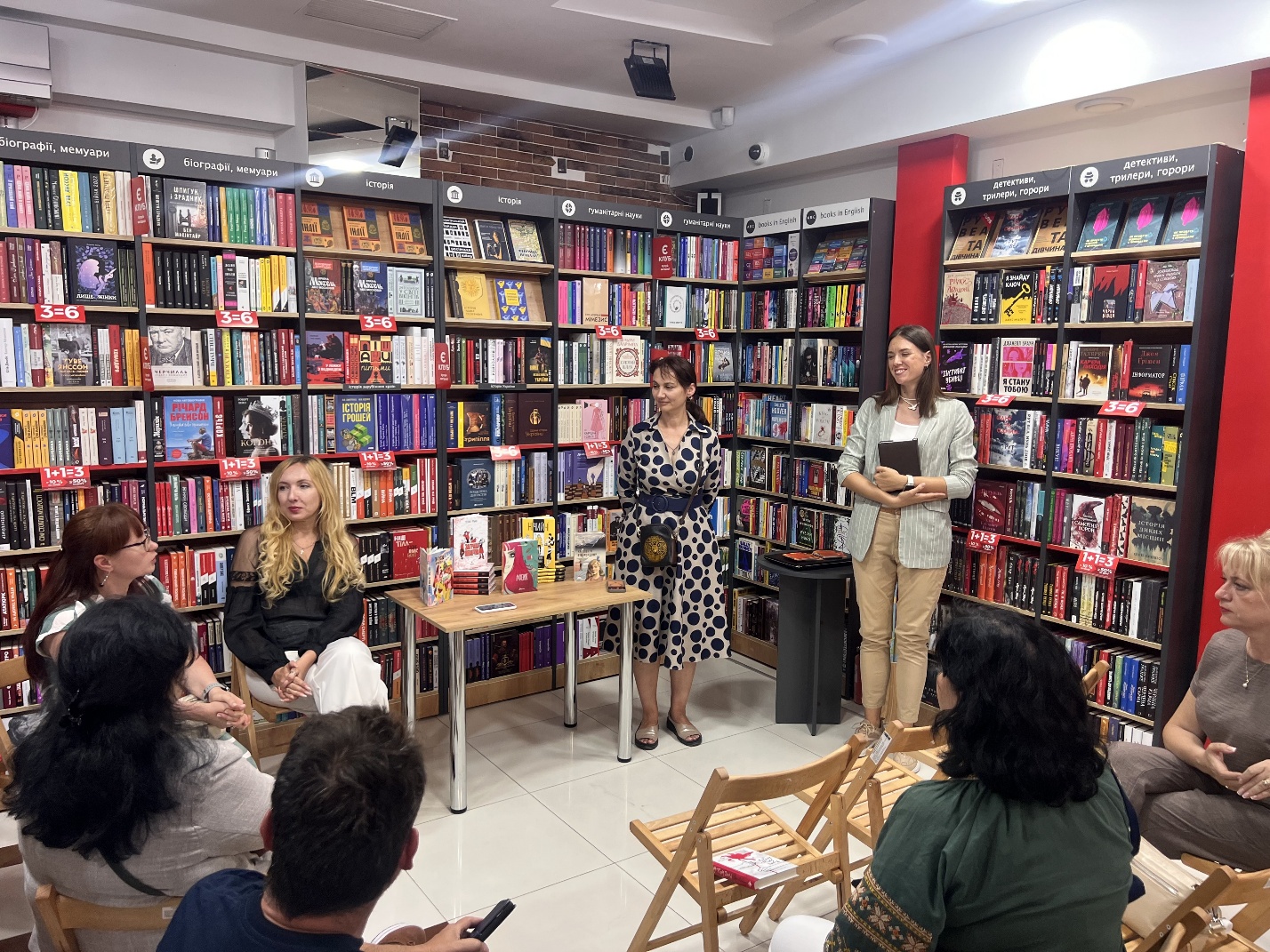
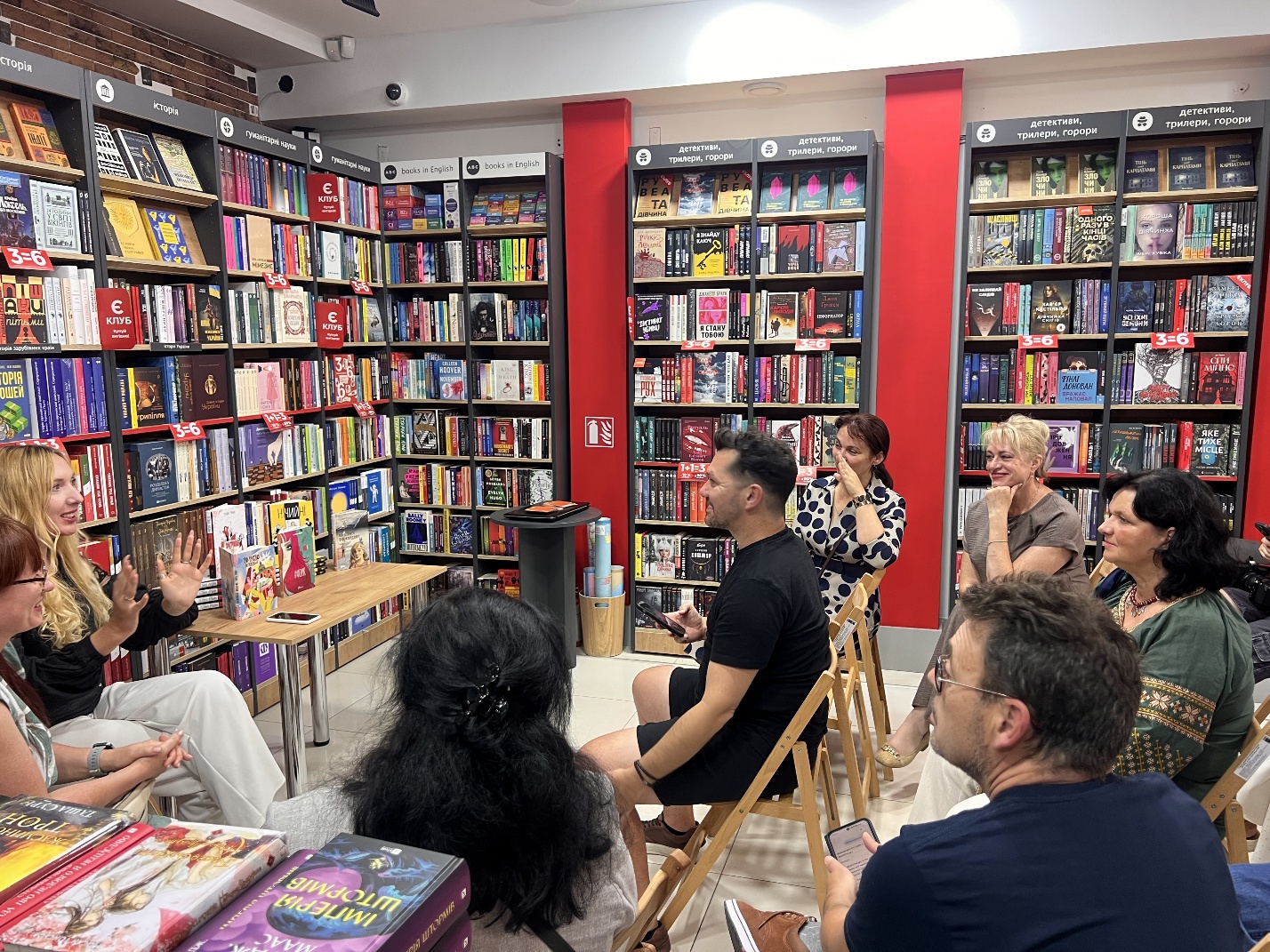
Immediately following lunch, the program continued in the welcoming environment of the Poltava “Ye” Bookstore. Renowned Poltava writer Tetiana Ruban led a practical workshop on narrative therapy and storytelling, during which participants discussed her latest novel, “Temporarily Displaced” (“Tymchasovo pereseleni”, published by Vivat), a significant milestone in Ukrainian young-adult literature.
The writer’s creative journey is closely linked to her deep understanding of adolescent psychology. A history and law teacher by profession, she spent years studying the inner world of youth, enabling her to write books that resonate with teenagers without feeling didactic or insincere. Her previous works – such as “No Man's” (“Nychyni”), which addresses the painful experiences of orphanhood and boarding schools; “#Physicist” (“#Fizyk”), exploring the challenges of school socialisation and bullying; and the novel “North of the Border” (“Na pivnich vid kordonu”), winner of the “Young Coronation of the Word” competition – have earned the trust of thousands of readers precisely because of their therapeutic honesty. The author is convinced that a literary text serves as a unique bridge, allowing a writer to connect with a teenager far more closely than friends or preoccupied adults can, thus helping them overcome internal loneliness and alienation.
The author's new book, “Temporarily Displaced”, is more than fiction; it serves as a genuine socio-psychological guide for a generation growing up in wartime. The novel follows the journey of adolescents Valia, Davyd, and Vlad, who are forced to emigrate to Italy. The writer masterfully and sensitively portrays the full spectrum of complex psychological states teenagers experience during war, illustrating their disorientation and profound longing for home, familiar streets, and friends. She addresses the challenges of establishing and defending personal boundaries in an unfamiliar linguistic and social environment, where young individuals often risk misplaced trust or fall victim to subtle bullying. Additionally, the novel delicately explores the difficulties of communicating with loved ones remaining in Ukraine thousands of miles away, along with the complex feelings of survivor's guilt. For adolescent readers, engaging with these narratives offers a powerful therapeutic effect; by recognising their own fears in the characters' experiences, they realise they are not alone in their grief, understanding that their anxiety and confusion are entirely natural reactions.
A significant milestone in Tetiana Ruban's creative evolution was the professional deepening of her psychological expertise. By pursuing her Master's degree in Psychology at the National University «Yuri Kondratyuk Poltava Polytechnic», the writer integrated her extensive pedagogical background and intuitive understanding of youth with rigorous psychological frameworks. Her novel “Northern Glow” (“Zahrava Pivnichna”) was developed using knowledge gained during her studies of the dynamics of mental development, the experience of crisis and traumatic events, defence mechanisms, and strategies for adaptation and overcoming adversity. This academic foundation has lent her literary work exceptional psychological depth: the internal conflicts of the characters, their apprehensions, doubts, search for support, and paths toward recovery are rendered not only artistically compelling but also psychologically authentic.
During the practical portion of the workshop, Tetiana Ruban invited the participants to complete creative exercises aimed at constructing personal narratives of resilience. Representatives of the Portuguese and Belgian delegations actively participated in modelling storytelling techniques, noting that the metaphorical narratives of her books serve as an excellent, universal tool for group work with adolescent refugees in Europe.
After the workshop concluded, the delegation embarked on an engaging walking tour through downtown Poltava, guided by Hlib Kudriashov, Candidate of Sciences in Social Communications and Associate Professor.
Departing from the “Ye” bookstore on 1100-richchia Poltavy Street, the guests immediately entered the city's main pedestrian artery, the historic Sobornosti Street. Strolling along the paved cobblestones past elegant historic mansions, the delegation admired the grand edifice of the Mykola Gogol Poltava Academic Regional Theatre.
The route then proceeded to Konstytutsii Square, where the guests encountered a true masterpiece of Ukrainian Art Nouveau – the building of the Vasyl Krychevsky Local Lore Museum, decorated with striking majolica tiles and coats of arms on its facade. Nearby, in the shade of Petrovsky Park, the participants viewed the unique constructivist monument to Taras Shevchenko, designed by Ivan Kavaleridze. On their way to the historical citadel (dytynets), the visitors also observed the Spaska (Saviour) Church – one of the city's oldest wooden landmarks from the early 18th century, preserved within a protective stone casing.
The final destination of the excursion was the historic heart of Poltava – Ivanova Hora (Ivan’s Hill) on Sobornyi Square. Here, the delegation toured the reconstructed Holy Dormition Cathedral with its slender bell tower (which they could even ascend), took photos next to the colourful Monument to the Poltava Halushka (Dumpling), and visited the famous White Rotunda, which offers a breathtaking panoramic view of the Vorskla River valley.
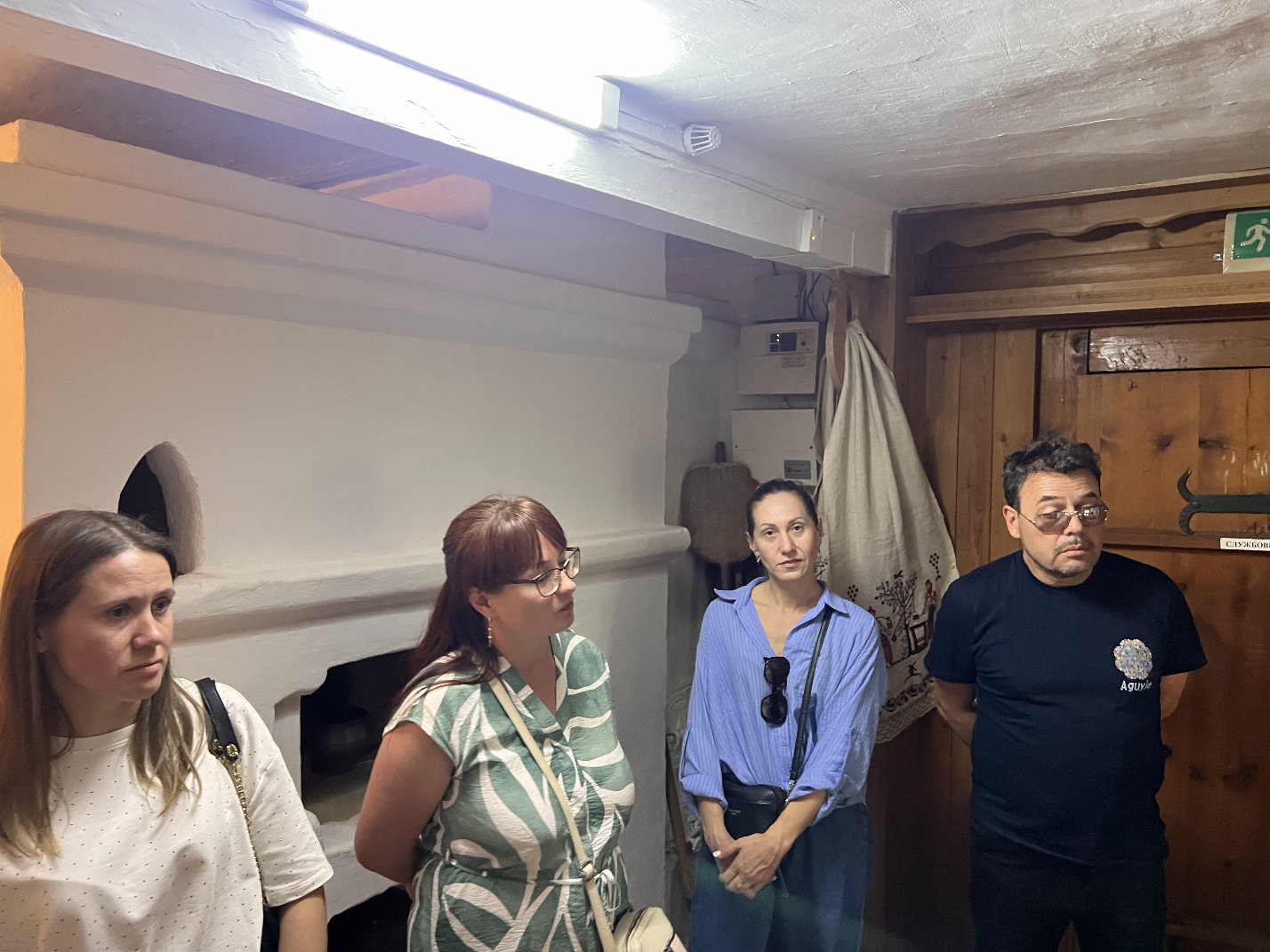
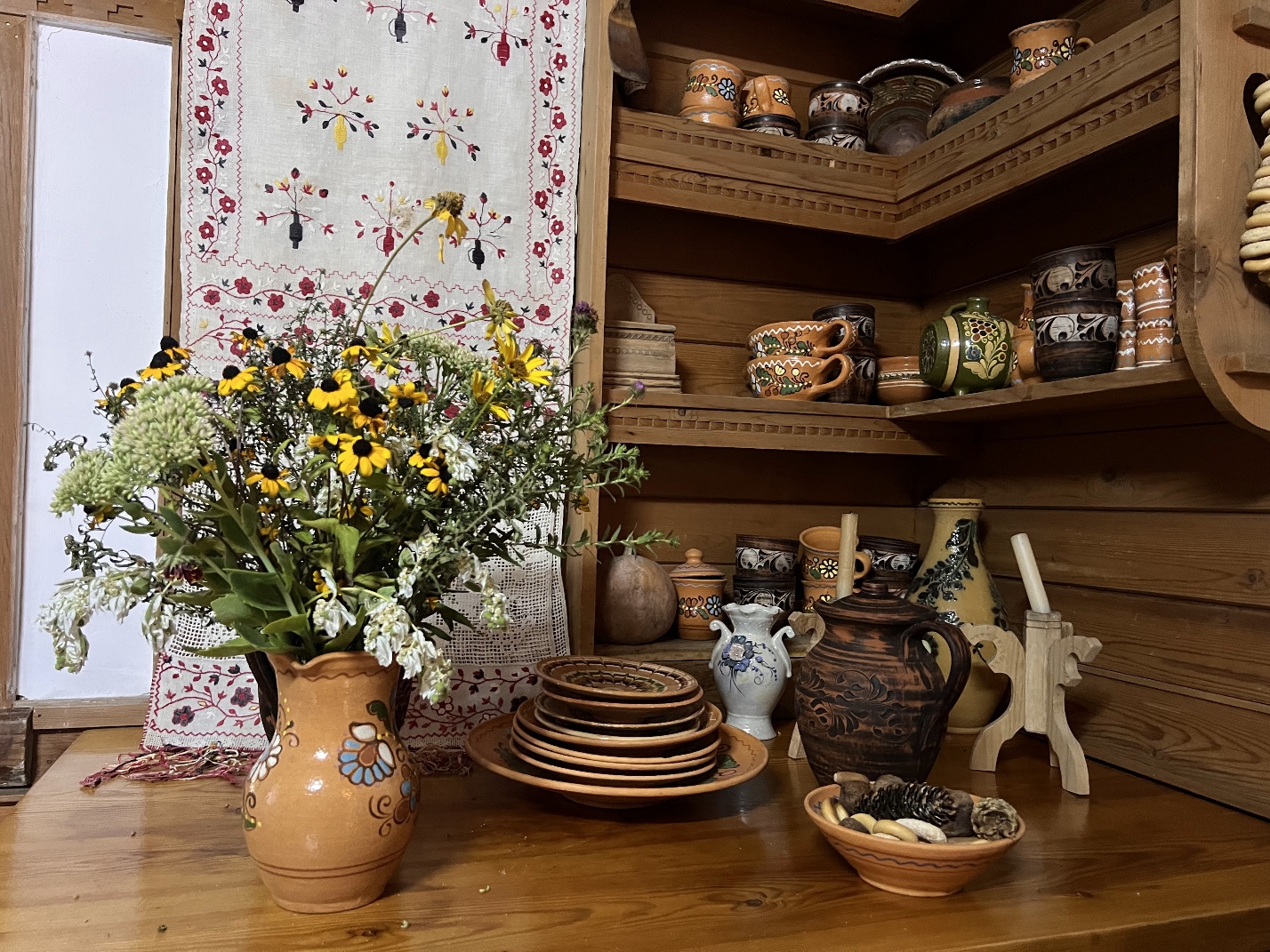
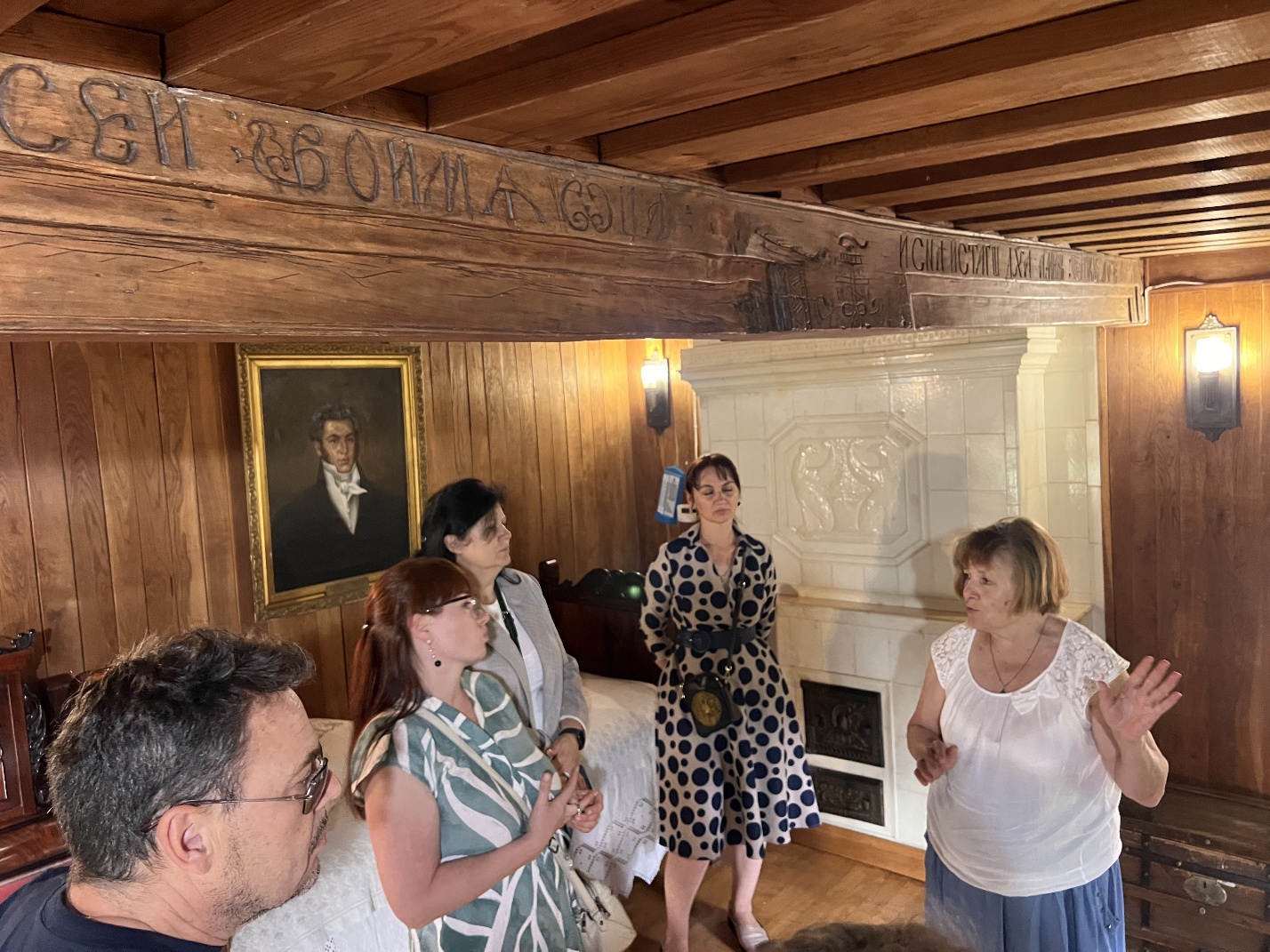
The walking tour concluded at the Ivan Kotlyarevsky Literary Memorial Museum. Touring the authentic 18th-century Poltava homestead, enveloped by a picturesque garden, enabled the guests to gain a deeper understanding of the origins of Ukrainian culture and experience a sense of “historical grounding”, which inherently exerts a powerful stabilising effect.
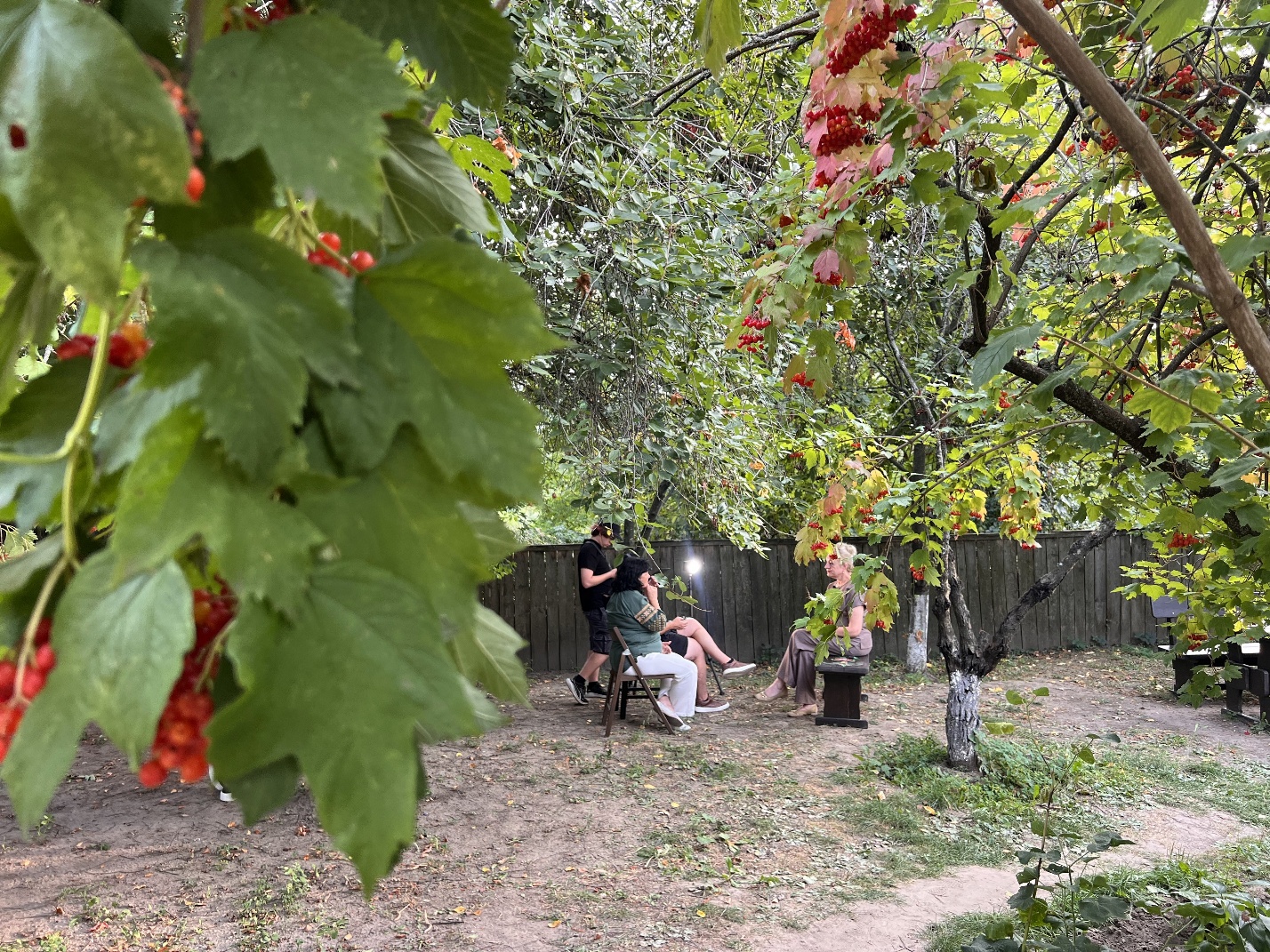
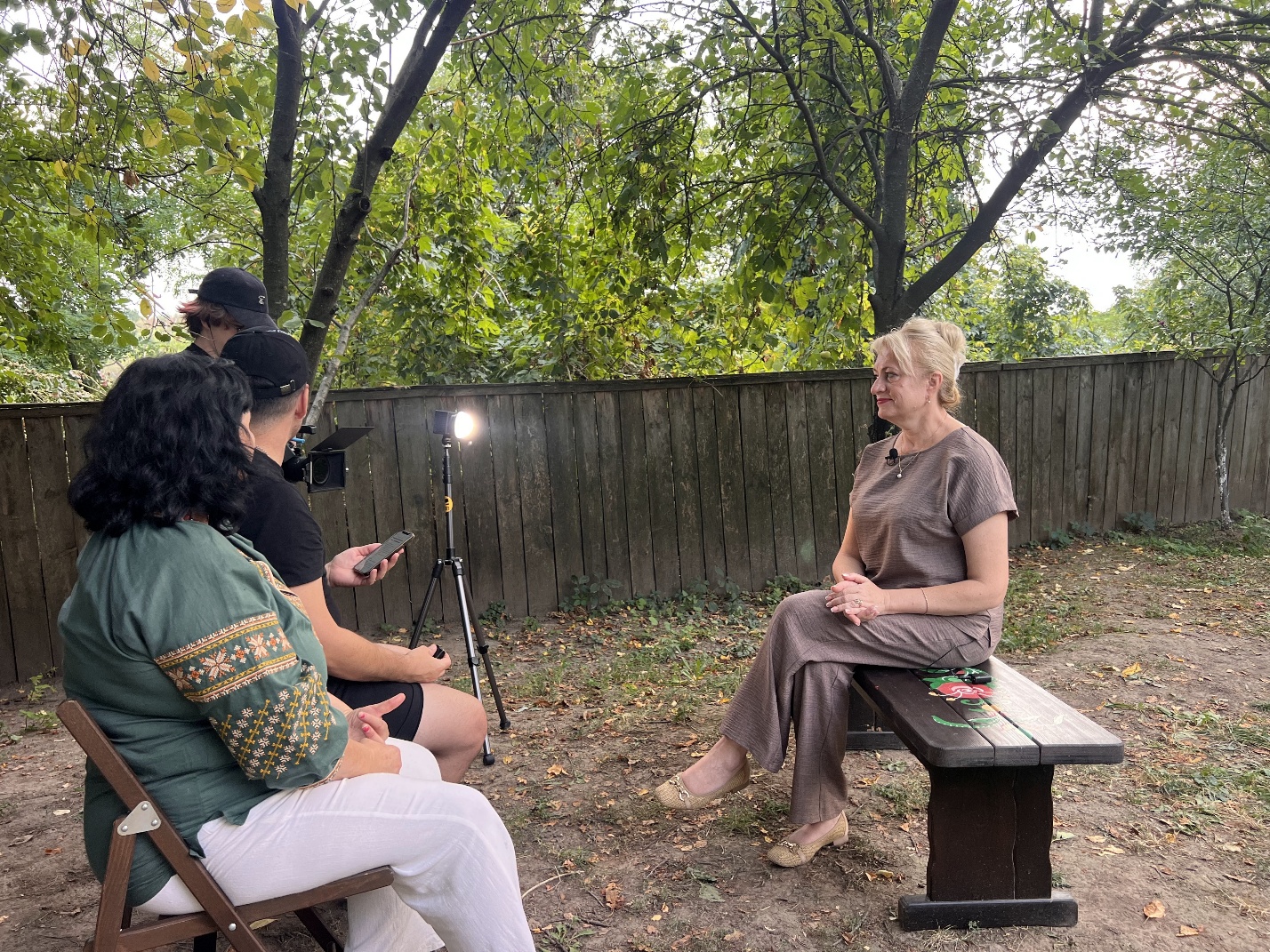
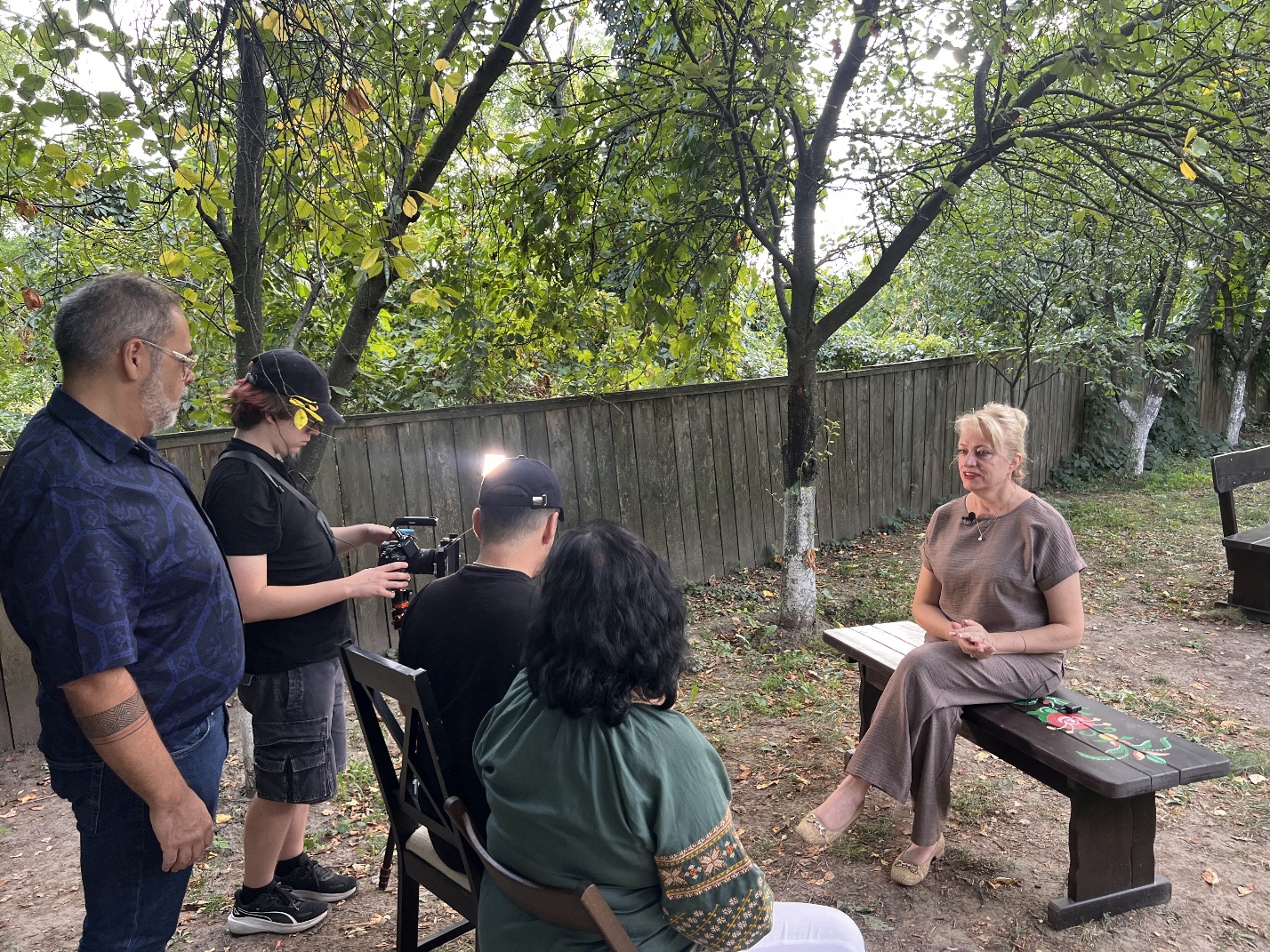
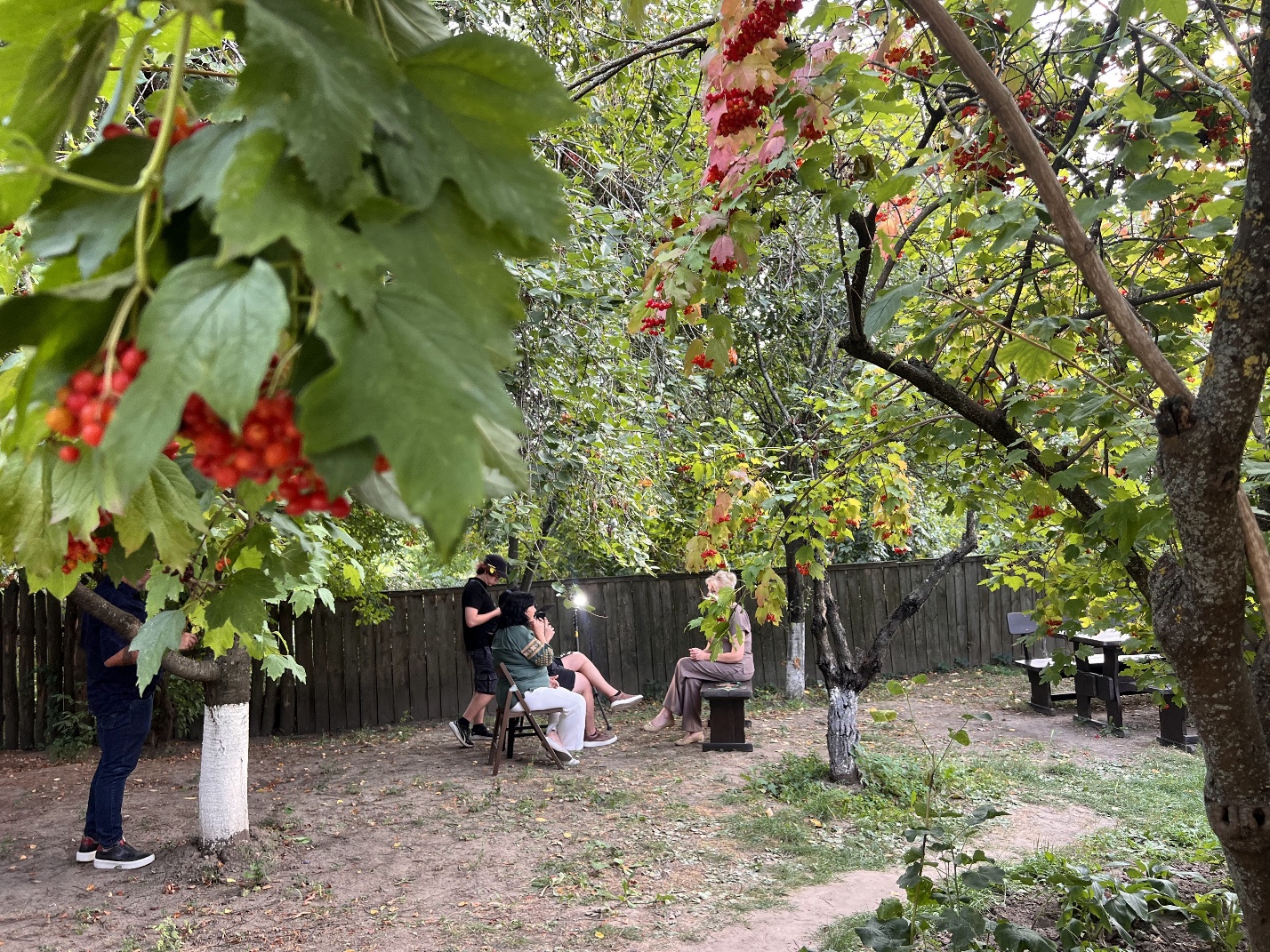
The estate's scenic surroundings served as the setting for another significant and demanding endeavour. Here, against the backdrop of authentic landscapes and the memorial house, a film crew recorded video interviews with the project participants. Several foreign partners and Ukrainian coordinators shared their impressions, emotions, and professional insights on camera. These interviews will form the core of a four-part documentary series being produced within the project to document and disseminate this unique international experience in art-therapeutic assistance.
A joint dinner featuring traditional Ukrainian cuisine provided a natural conclusion to the eventful day. The cosy, informal ambience of the evening facilitated a transition toward deep yet gentle therapeutic integration.
Over dinner, Olena Kryvenko, the practical psychologist at Poltava Polytechnic, invited the attendees to participate in a projective practice utilising resource-oriented Metaphorical Associative Cards (MAC) titled “The Body Knows”. This exercise served as a vital somatic complement to the day's intellectual engagements. Each participant had the opportunity to select a metaphor card unthinkingly, symbolising a specific bodily state, symptom, or latent physiological need.
During the session, as participants drew cards, they reflected on what held the greatest significance for them in that moment. Each card invited inner dialogue. Themes of current importance included: “being in the moment” – where attendees noted the necessity of pausing to experience the present, paying attention to breathing, the body, and ambient sounds; “feeling one's own rhythm” – which prompted reflection on what pace of life is currently natural, whether it aligns with personal resources, and whether adjustments are needed; “allowing oneself a pause” – bringing the realization that rest is not a weakness, but a vital means of recovery; “perceiving reality” – inspiring thoughts on the importance of an honest outlook on situations, accepting facts without illusion; “saying 'no” – emphasizing the value of personal boundaries that protect against burnout and preserve inner freedom; and “stopping” – providing an opportunity to re-evaluate direction, appreciate the benefits of a pause, and reconnect with oneself.
Consequently, drawing the cards became more than an activity, evolving into a process of deep reflection. Each participant connected with their personal needs, articulated them, and identified what precisely helps them remain resilient and resourceful.
“This first practical day has demonstrated that the language of art, empathy, and solidarity requires no translation. We are profoundly grateful to our international colleagues who travelled a long distance to stand with us during this challenging period. Our sincere thanks go to the Belgian delegation consisting of Claudio Marques, Jocelyn Deloyer, Hanna Samoilenko, and Olena Tiptsova, as well as our Portuguese partners – Rubielson Medeiros, João Alves Neto, Galyna Ilyuk, and Francisco Dias Oliveira. Your presence on Ukrainian soil is a deeply humanistic gesture of support that restores a sense of safety and hope.
My Ukrainian colleagues brought exceptional warmth and sincerity to this day through highly coordinated efforts, working tirelessly to create a safe, comfortable, and therapeutic space. I want to express my heartfelt gratitude for the support, professionalism, and extensive work of Maryna Teslenko, Lesia Klevaka, Viktoriia Shevchuk, Hlib Kudriashov, Olena Kryvenko, Anastasiia Vediuk, Olga Losiyevska, Yaroslav Perederii, Anya Reva, our talented students Viktoriia Vizgird and Viktoriia Ponomarenko, as well as the entire team of the International Relations Department – Oleksandr Khadartsev, Daria Katrenko, and Yuliia Nikolenko. Thanks to your empathy, every participant felt like a member of one large family.
I wish to convey my deep respect and gratitude to the University President, Professor Volodymyr Onyshchenko, for his long-standing development of our institution’s international dimension, his unwavering belief in the importance of psychosocial initiatives, and his comprehensive facilitation of our project at every stage. I also sincerely thank the University Rector, Associate Professor Olena Filonych, for her personal support of our team, for ensuring safe, comfortable, and accommodating conditions for the international consortium’s work, and for fostering the systematic integration of advanced art-therapeutic practices into both the educational process and the practical activities of the university.
I thank all colleagues, psychologists, and students of Poltava Polytechnic who contributed to the organisation and filled this day with special warmth. Together, we have created a space of trust, safety, and healing that will undoubtedly benefit many people,” – noted Anna Pavelieva, International Relations Coordinator at Poltava Polytechnic.
This inaugural day of the ATP 4 meeting in Poltava represented a harmonious integration of diverse therapeutic modalities. Beginning the morning with tactile engagement using clay and wax, immersing themselves in the narrative practices of Tetiana Ruban, honouring classical heritage at the Kotlyarevsky Estate, and concluding the day with subtle somatic reflection, the participants established a strong foundation of mutual trust. The initial step toward a shared understanding of trauma and healing was accomplished with warmth, openness, and profound respect for each participant's individual experience.