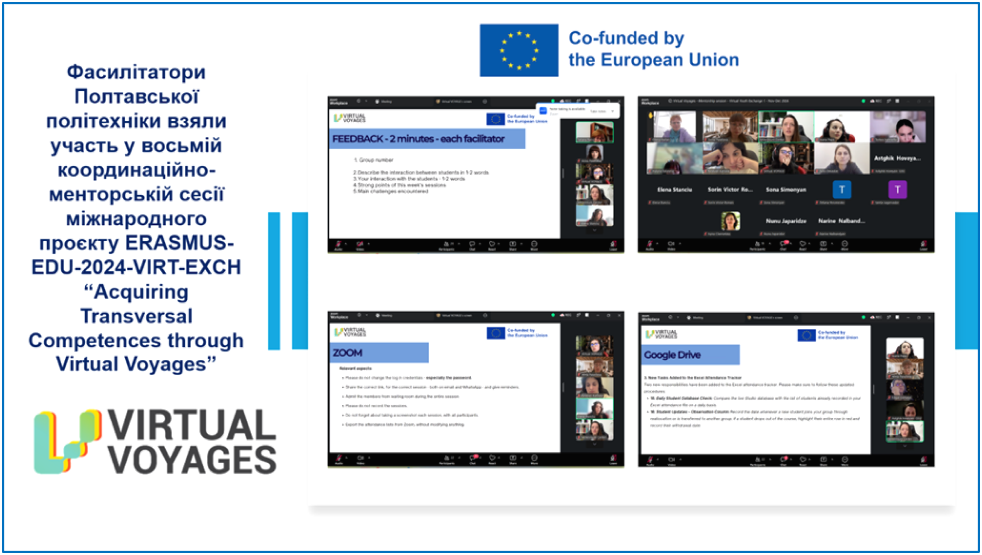
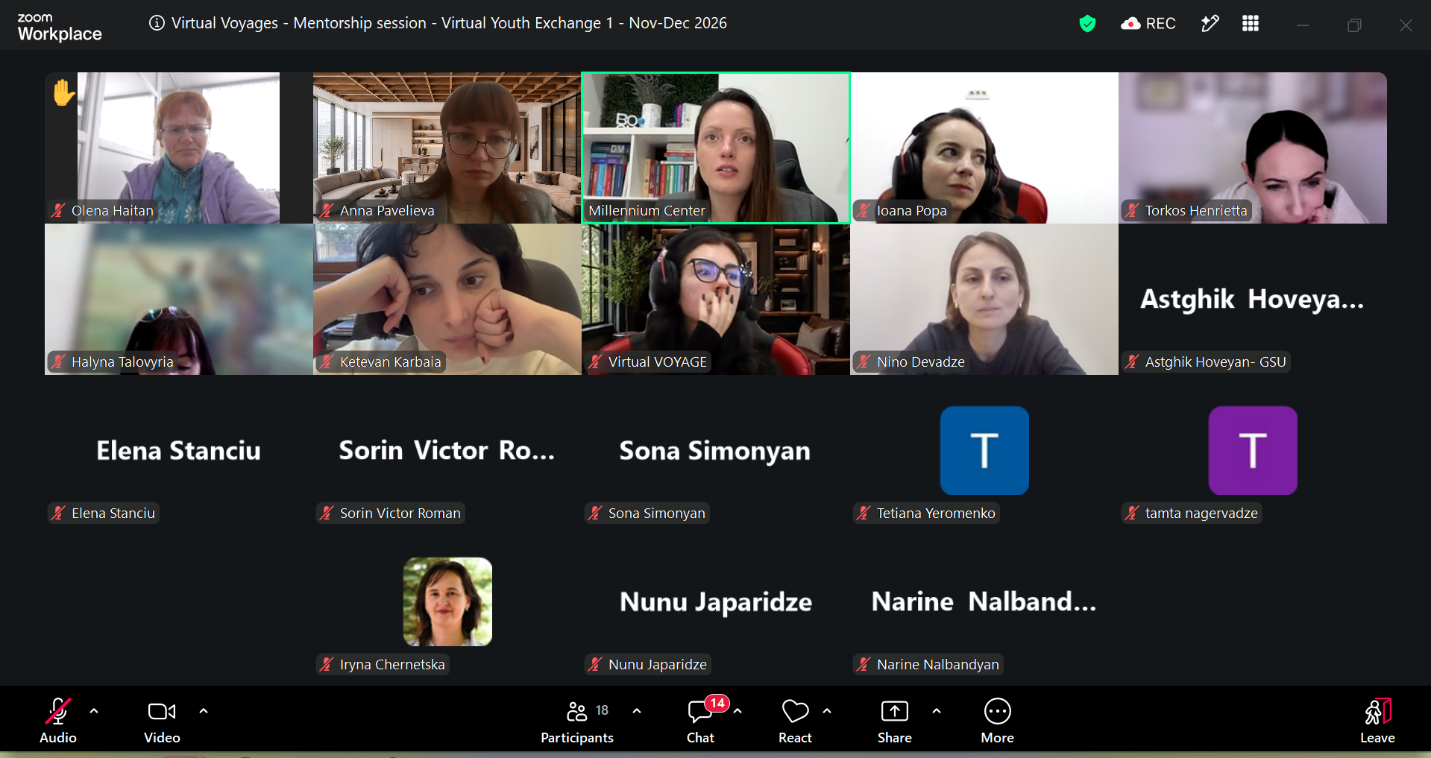
On November 06, 2026, academic facilitators and coordinators of National University “Yuri Kondratyuk Poltava Polytechnic” participated in the eighth international coordination and methodological online meeting of the Erasmus+ project “Acquiring Transversal Competences through Virtual Voyages” (registration number ERASMUS-EDU-2024-VIRT-EXCH No. 101193593), co-funded by the European Union. This mentoring session served as the first scheduled weekly platform for a comprehensive analysis of the outcomes of the student virtual voyages' launch week, alignment of innovative pedagogical practices, optimisation of the digital monitoring system, and presentation of detailed curricula for the subsequent stage of the intensive course.
The international academic partnership of the project, implemented under the overall coordination of Aurel Vlaicu University of Arad (Romania) with the participation of experts from the Millennium Centre and Predict CSD Consulting (Romania), IUL Online University (Italy), Fırat University (Türkiye), Moldova State University, Caucasus University, Batumi Shota Rustaveli State University (Georgia), and Gavar State University (Armenia), demonstrated high cohesion and efficiency at the onset of practical instruction. Poltava Polytechnic, represented by an interdisciplinary team of certified academic staff, once again reaffirmed its status as an active and reliable driver of European integration processes in Ukrainian higher education.
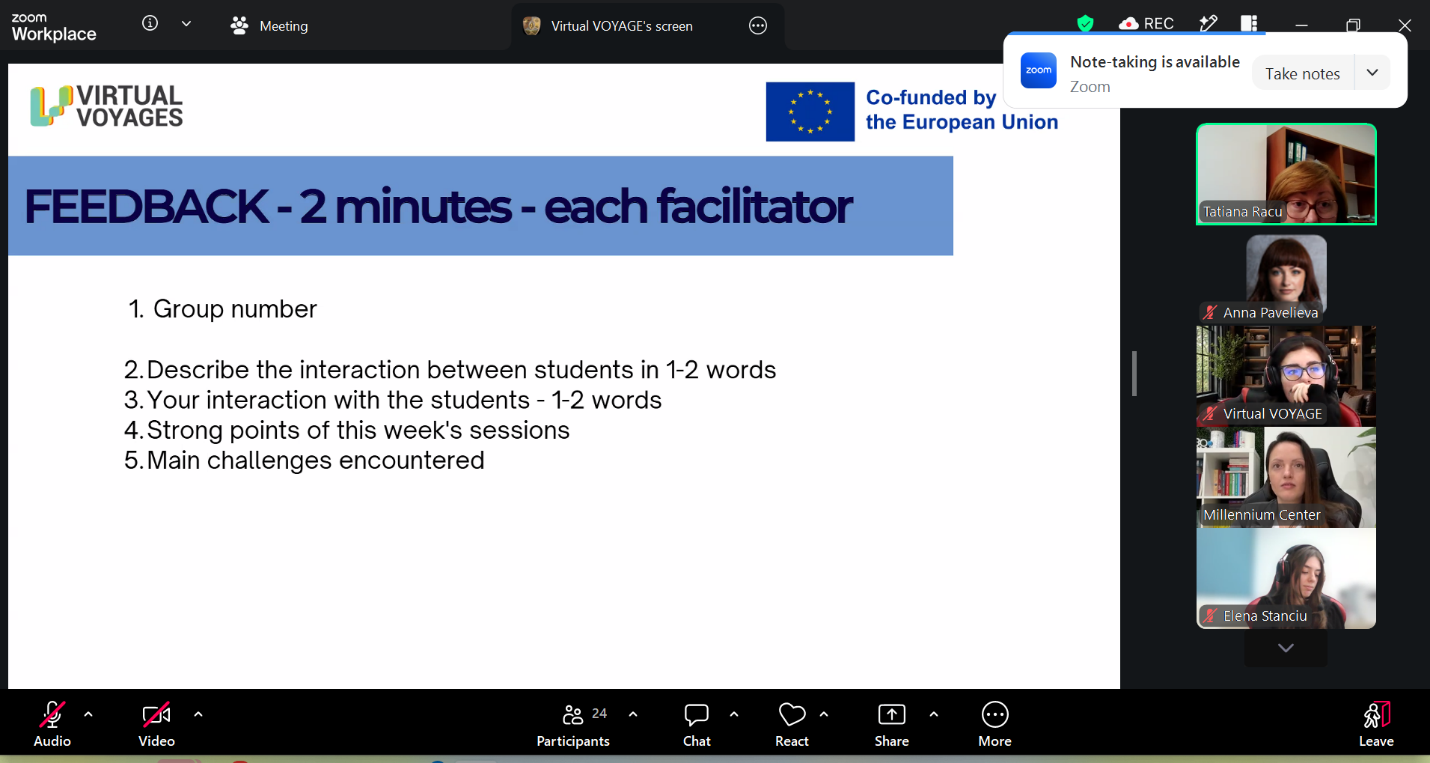
The first part of the working session was traditionally dedicated to professional reflection among educators and a comprehensive analysis of the initial two synchronous sessions of the introductory professional self-determination module, “Career Box”. Academic facilitators from all partner countries unanimously highlighted the exceptionally positive, welcoming, and safe intercultural environment established in the online classrooms from the very first moments of introduction. Interactive maps on Padlet boards, adaptive icebreaker activities, and registration on the digital educational platform thevoyage.eu helped students overcome initial communication inhibitions and build open interpersonal connections. Group work in Zoom breakout rooms proved particularly effective, allowing youth in small groups to analyse their value orientations, talents, and communication skills while demonstrating mutual respect and deep appreciation for their peers' cultural diversity.
During the discussion of the initial practical outcomes, educators paid particular attention to the diversity of language backgrounds and English proficiency levels among students from different countries, which presented an excellent opportunity to implement principles of inclusive communication and mutual support. Facilitators emphasised that utilising parallel chat, visual aids, and pair-work techniques in breakout rooms helped participants who initially felt hesitant about public speaking to gradually open up, express their ideas, and confidently transition to live verbal communication. This considerate pedagogical approach fostered an atmosphere of genuine academic empathy, ensuring every perspective was heard and that the language barrier no longer hindered meaningful cross-national dialogue.
A key part of the reflection was reimagining the teacher's role, which, in virtual exchanges, is not that of a traditional lecturer or disseminator of knowledge but of an attentive mentor, facilitator of group dynamics, and learning partner. The educators shared their experiences moderating complex discussions, showing how gamified tools and personalised questions engaged even the most reserved participants. Attendees underscored that the greatest reward of the first week was the students' enthusiastic feedback: instead of the anticipated dry academic lecturing, they found an inspiring space for friendly European networking that motivates them toward further achievements.
During the methodological discussion, participants thoroughly examined regulatory mechanisms for verifying student learning outcomes and the procedure for awarding ECTS academic credits under the European ACTC standard. Facilitators were reminded that completing each of the two program modules entails a balanced combination of 15 hours of active study, divided between interactive synchronous sessions and independent asynchronous activities on the project's web platform. The team discussed in detail the final certification criteria under the international Youthpass system, which requires attendance at a minimum of 80% of live classes and the completion of both modular courses, as well as the heightened requirements for candidates seeking prestigious Europass certificates, which will attest to 100% completion of the learning trajectory.
To ensure equal opportunities for every motivated student, the consortium agreed on flexible, human-centred academic support mechanisms in case of class schedule clashes with examination sessions at home universities or technical disruptions. The coordinators provided opportunities to catch up on missed material individually by completing supplementary practical assignments on the interactive platform, reviewing presentation materials, and interacting with instructors through personal feedback channels. This flexibility in the educational process once again reaffirmed the European program's unconditional priority: retaining the cohort of participants, supporting every learner on the path to successful certification, and helping everyone realise their educational potential without undue stress.
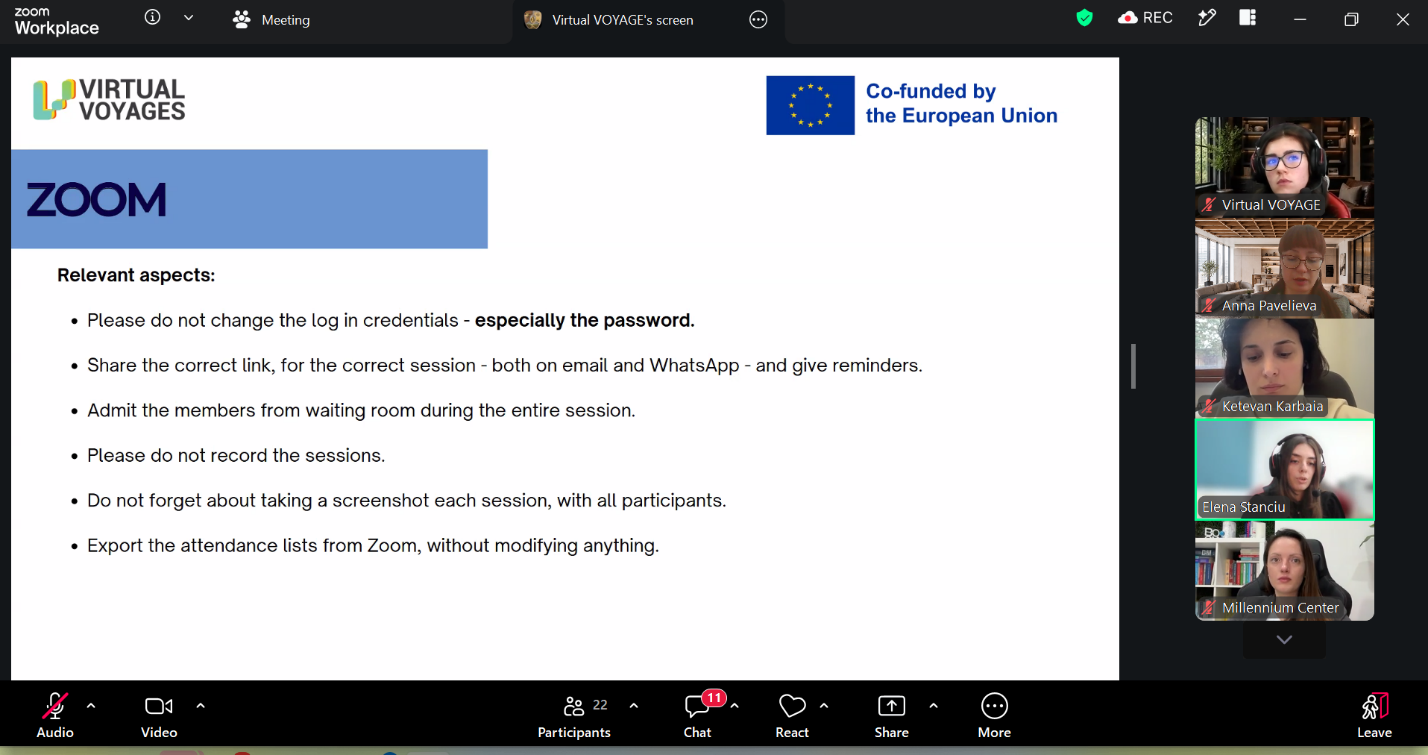
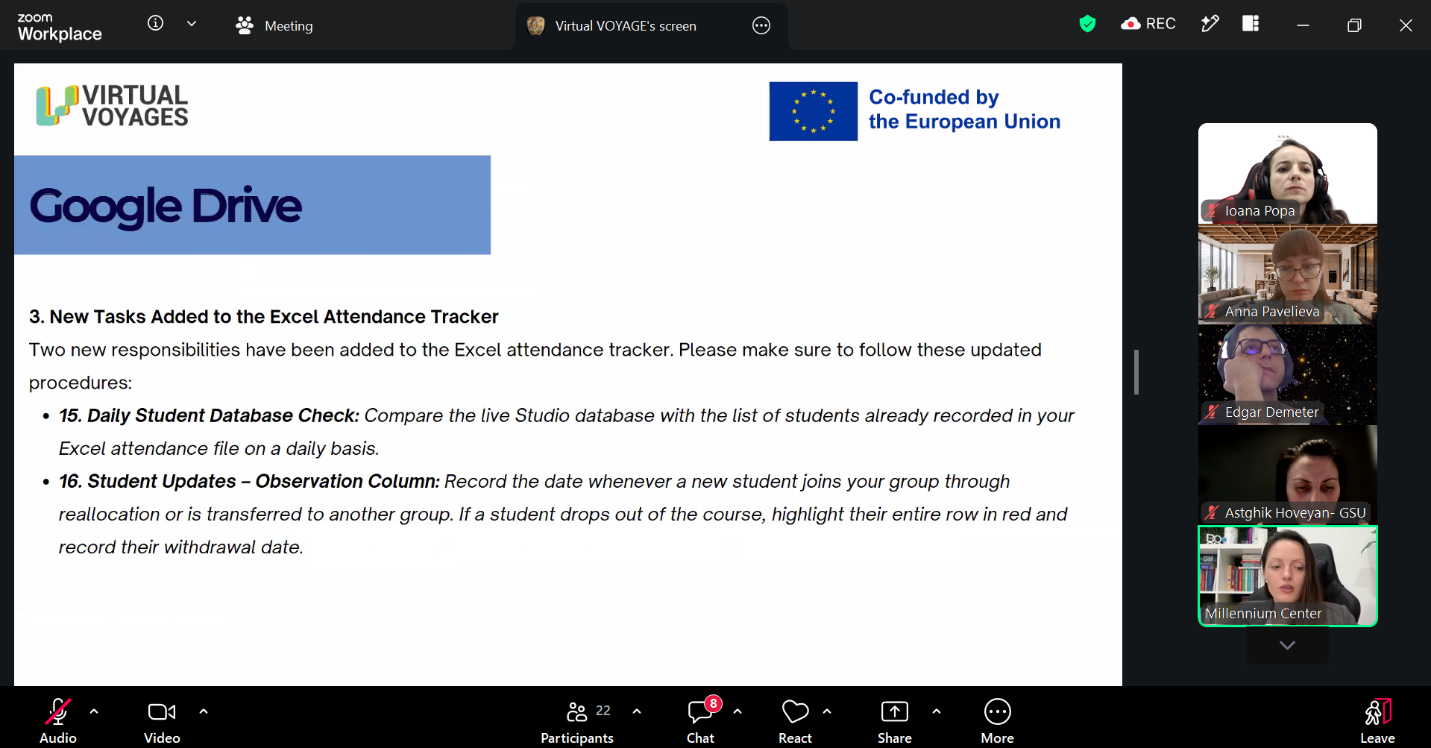
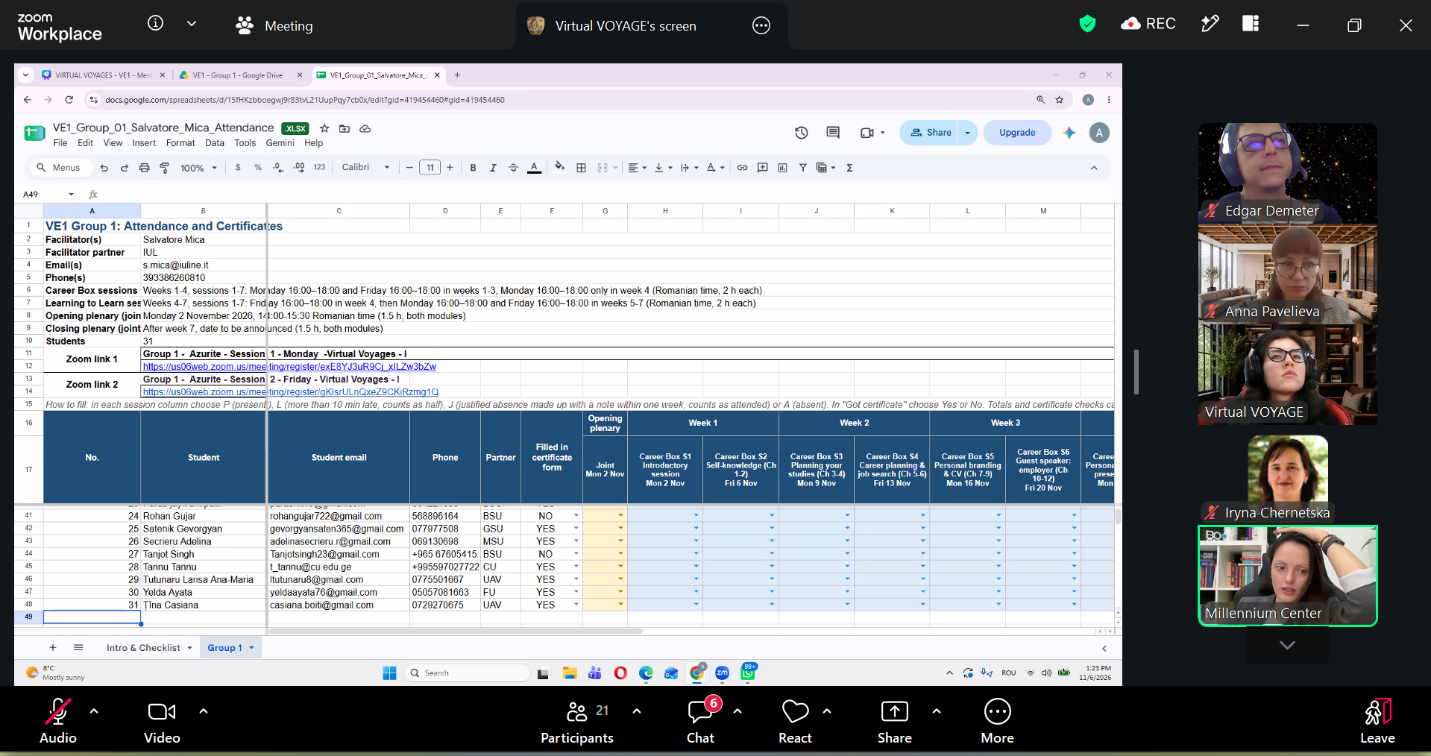
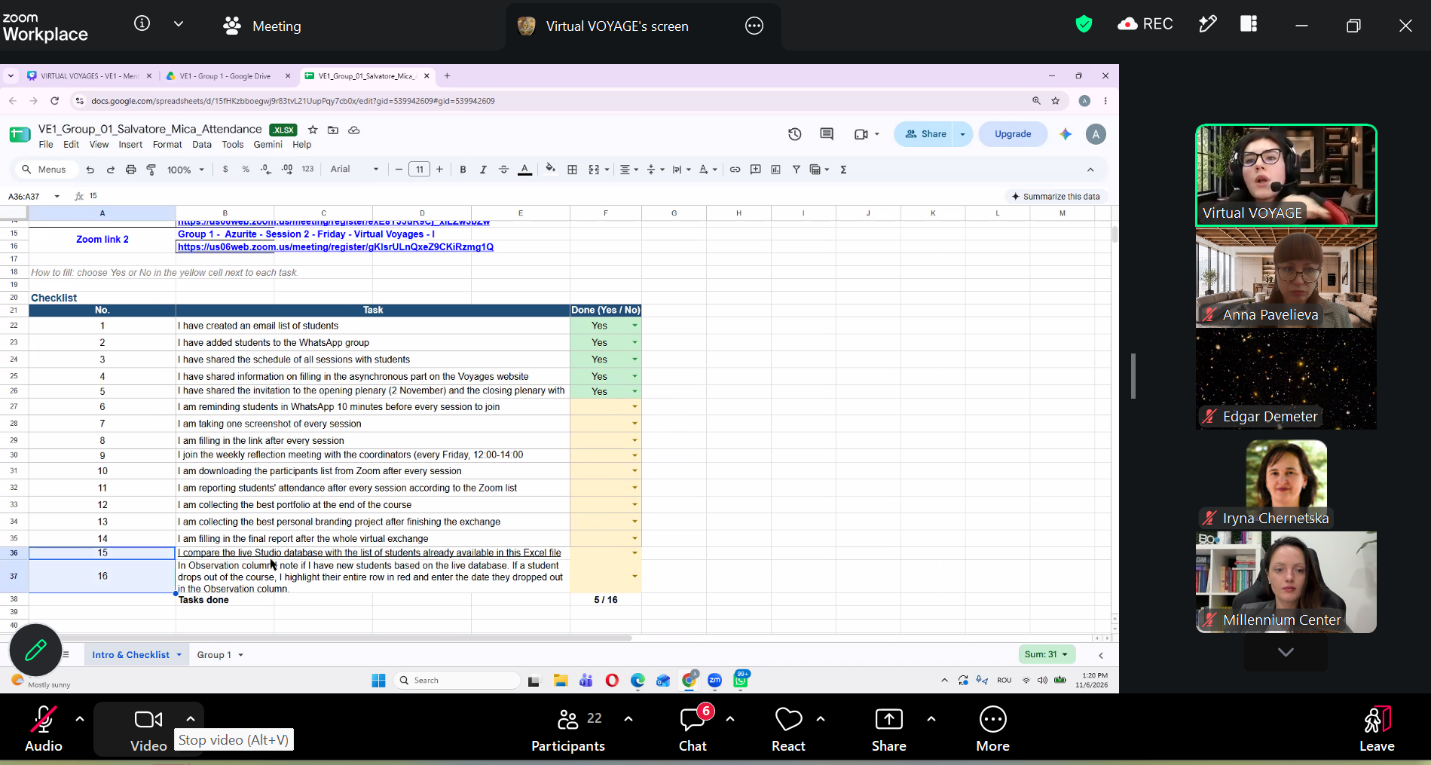
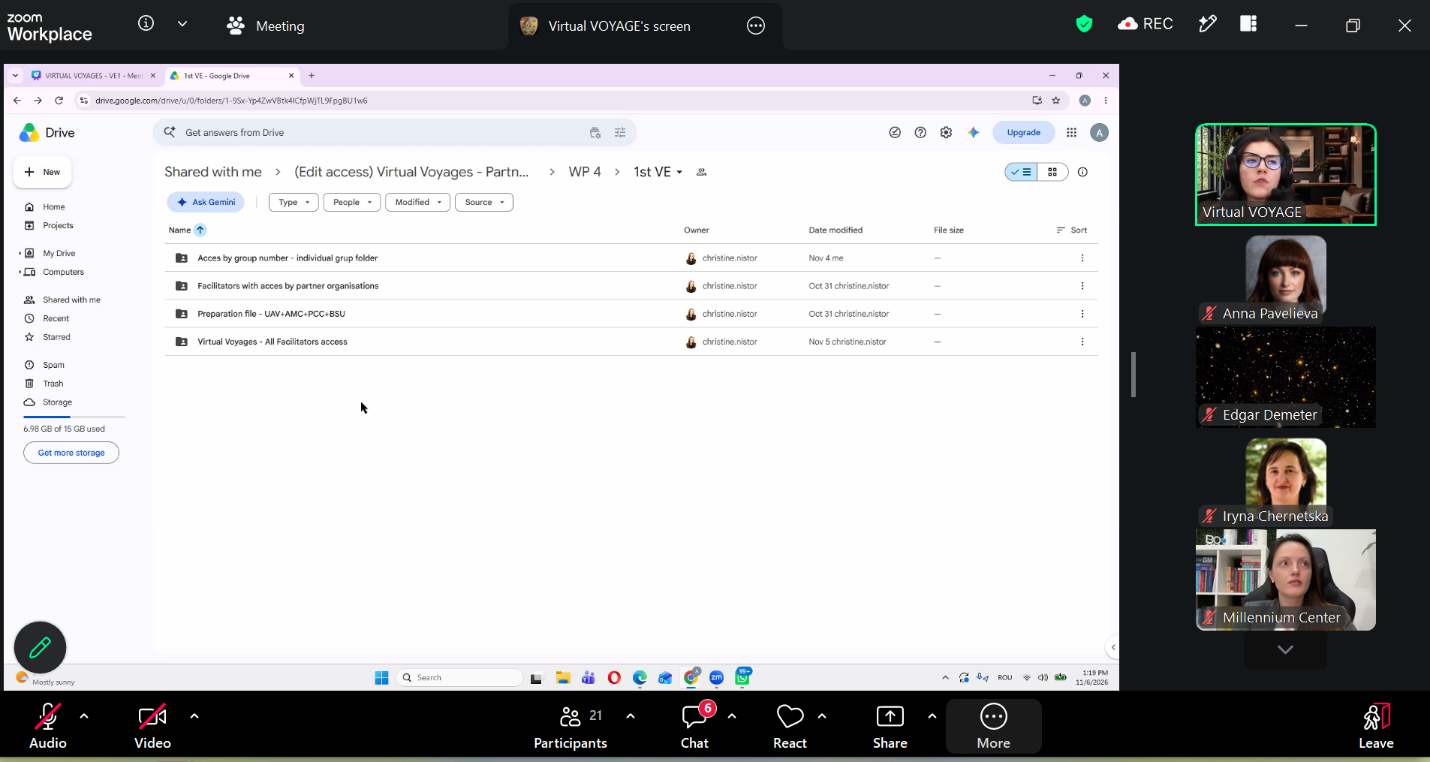
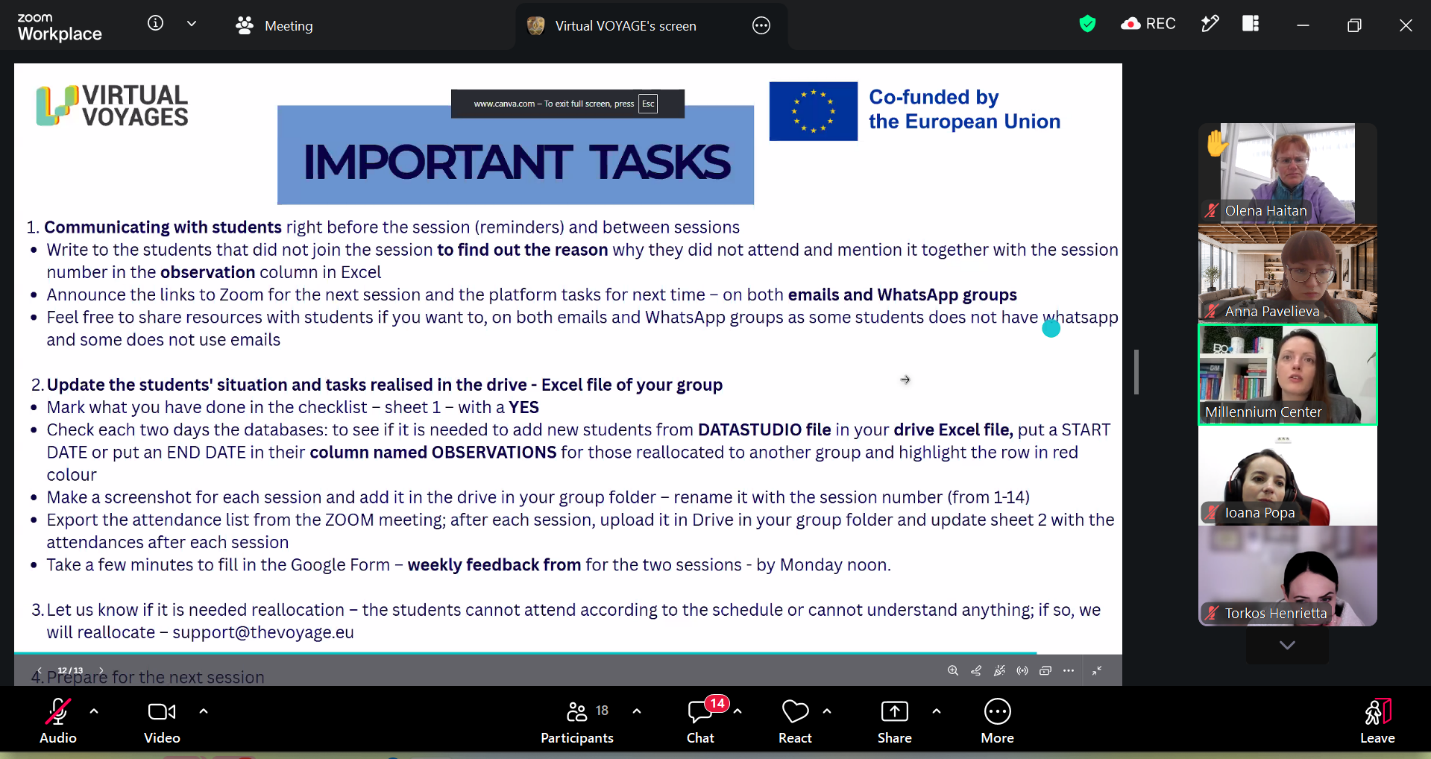
The meeting also focused on standardising and digitising the monitoring of academic activity. The consortium's technical experts presented an optimised administrative model combining direct exports of verified attendance data from licensed Zoom accounts, structured study group folders on Google Drive, and operation within a unified centralised Live Database built on Google Data Studio. This innovative digital framework enables coordinators to track learning dynamics across all 30 international cohorts in real time, provide timely organisational support, and maintain continuous communication among local university offices, thereby ensuring high accuracy in final reporting to Erasmus+ governing bodies.
To systematically monitor session content quality and support instructors pedagogically, we introduced a concise weekly reporting form in Google Forms. This digital tool aggregates facilitators' insights on pacing, student engagement levels, creative adaptations implemented, and methodological challenges overcome. By collecting feedback promptly, coordinators can refine upcoming session plans, scale up the consortium's most successful facilitation practices, and ensure full alignment with European standards for virtual mobility quality.
The concluding section of the coordination meeting featured a comprehensive presentation of upcoming session scenarios prepared by the work package lead team from Batumi Shota Rustaveli State University. The facilitators examined the step-by-step timing of the third and fourth practical sessions of the “Career Box” module, which focus on an in-depth examination of the contemporary global labour market through chapters three to six of the curriculum. Students will learn to apply strategic SWOT analysis tools to chosen career paths, design their Personal and Professional Development Plans (PPDP), articulate short- and long-term educational goals, and master digital job-search algorithms that best align with their unique skill sets and core values.
To maintain high energy and a relaxed working environment, the developers complemented the training packages with thematic sets of original energisers, reflection exercises, and interactive tasks that facilitators can freely select based on their group's specific profile. An essential part of the preparation also involved coordinating guidelines to support students' asynchronous work on the voyage.eu platform, where youth reinforce the material covered during synchronous sessions via electronic textbooks, interactive tests, and mind maps, gradually building their comprehensive career portfolios.
The successful delivery of another weekly mentoring session reaffirmed the importance of a culture of ongoing professional interaction and mutual peer support within the international consortium. For the academic staff of National University “Yuri Kondratyuk Poltava Polytechnic”, participation in the project has provided a powerful source of professional enrichment, enhanced digital teaching skills, and hands-on experience with European approaches to fostering transversal skills in youth. The university continues to stand as a flagship of international academic cooperation, opening limitless opportunities for students' self-realisation, cross-cultural growth, and a European future.
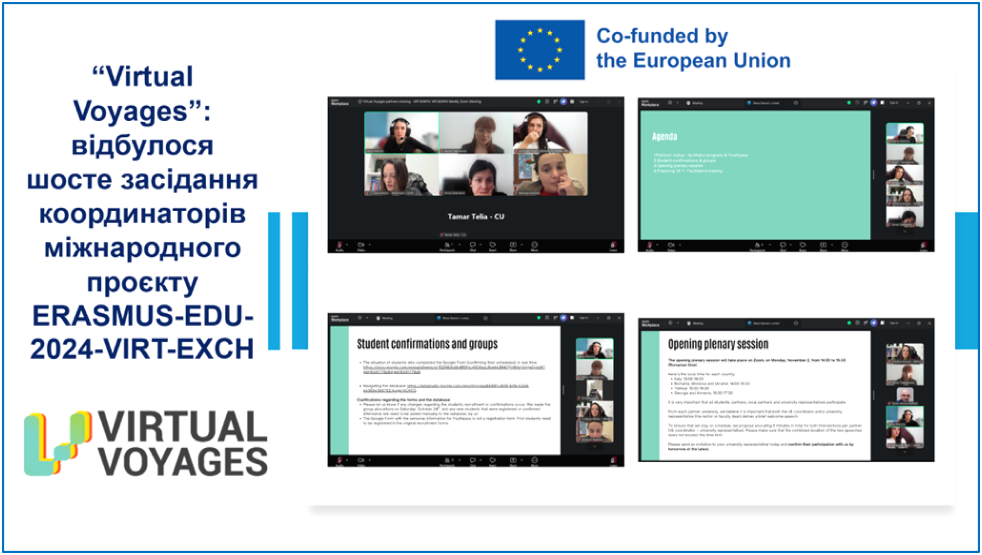
The university’s participation follows a steady and consistent pathway: on September 24, 2026, the university team participated in a coordination meeting of partners of the Erasmus+ project “Acquiring Transversal Competences through Virtual Voyages” (No. 101193593), during which, together with colleagues from seven countries, the educators reviewed the outcomes of the first implementation phase and agreed upon the launch of virtual exchanges for students; they also continued aligning key steps during the second meeting of project coordinators on October 1, 2026; on October 8, 2026, discussed the results of testing the digital platform, the training of the facilitators’ pool, and the finalization of the launch of the first student exchange wave; on October 15, addressed the synchronisation of academic schedules, finalising the preparation and certification of the international pool of facilitators, structuring intercultural student cohorts, and deploying a comprehensive dissemination campaign ahead of the launch of the first wave of virtual exchanges; on October 22, discussed forming student cohorts, certifying facilitators according to the Youthpass standard, and coordinating dissemination materials ahead of the official launch of the 7-week virtual exchange cycle, on October 29, confirmed operational readiness at the sixth meeting; and on November 5, demonstrated exemplary student engagement during the seventh coordination session.