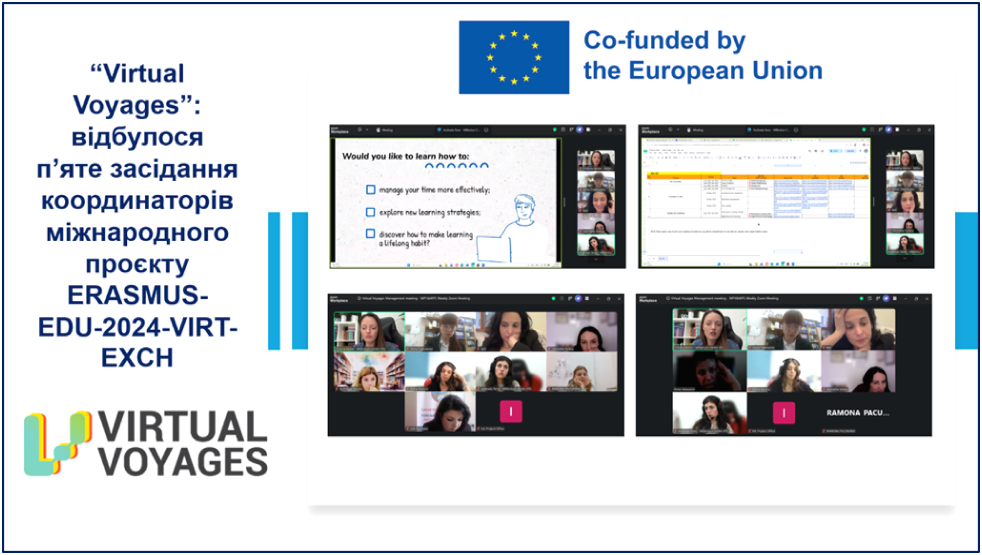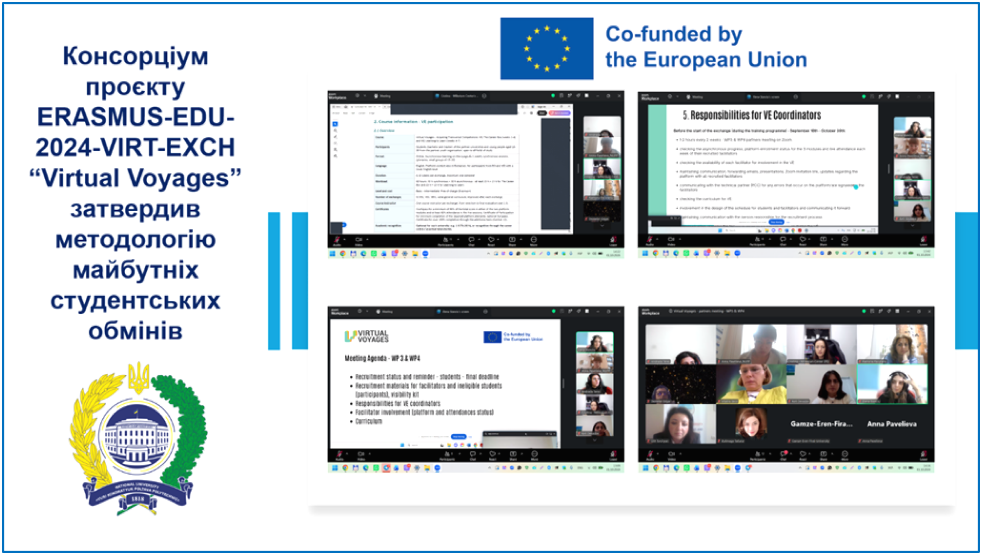
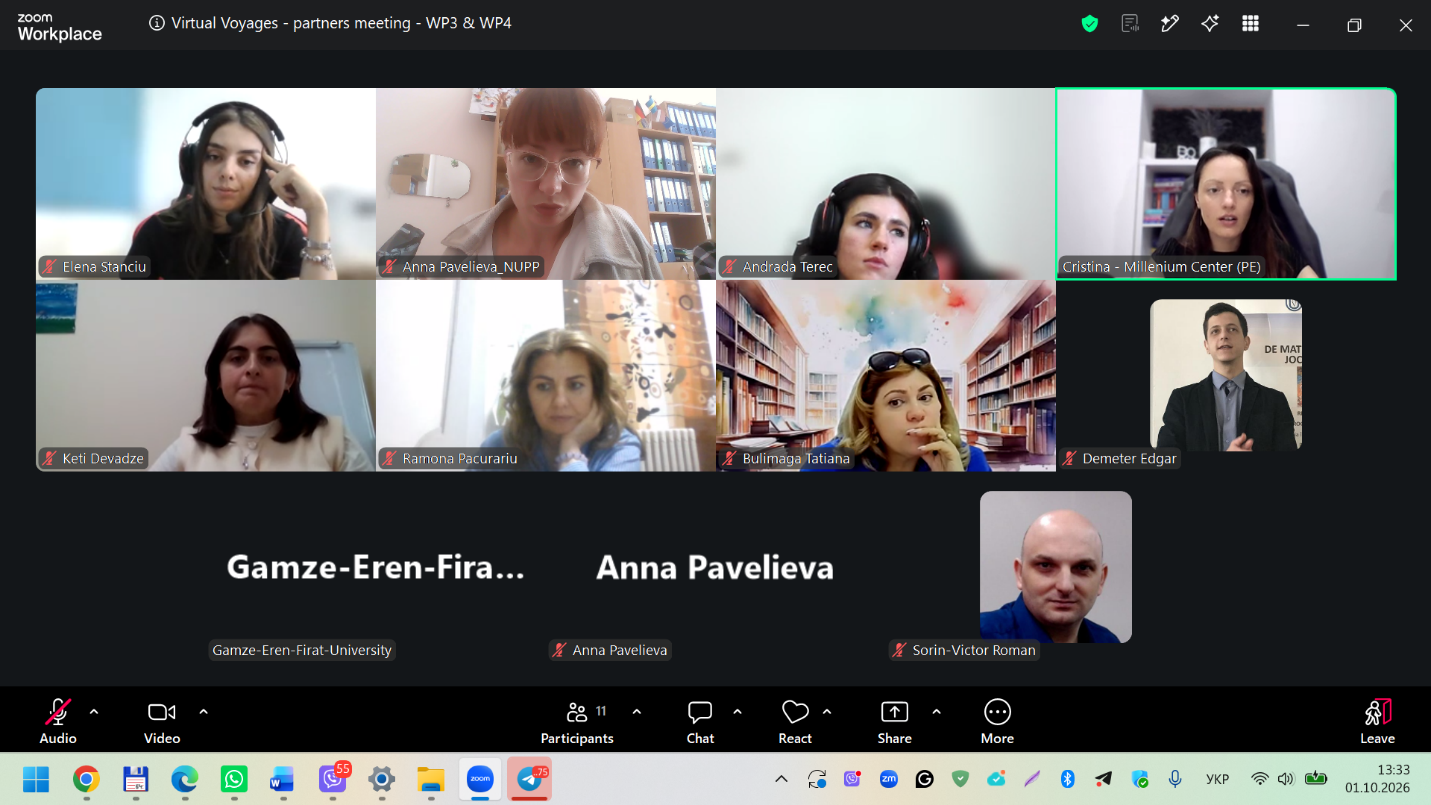
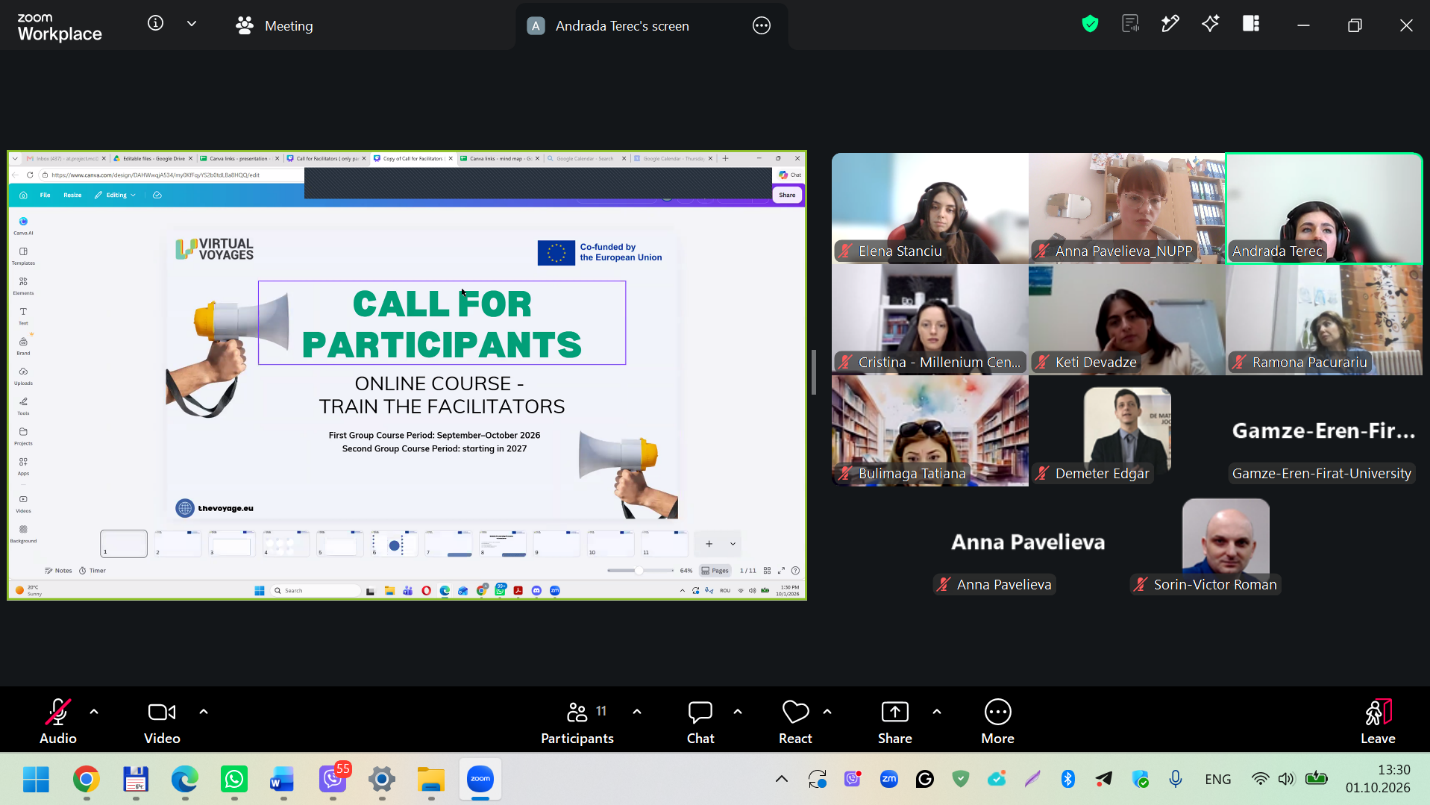
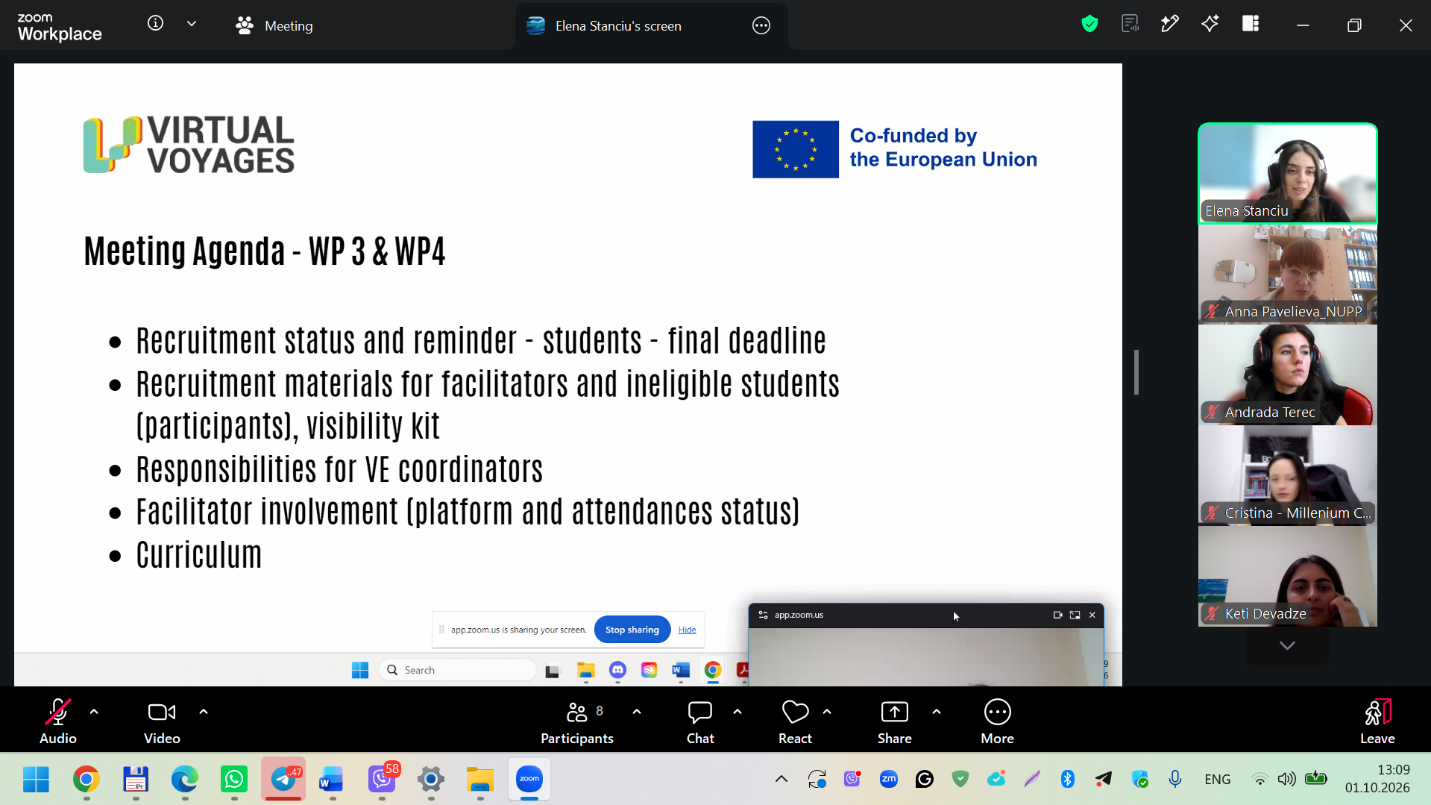
On October 1, 2026, the partners of the international project “Acquiring Transversal Competences through Virtual Voyages” (registration number ERASMUS-EDU-2024-VIRT-EXCH No. 101193593), implemented under the European Union’s Erasmus+ programme in the field of virtual exchanges in higher education and youth, held its second extended online coordination meeting.
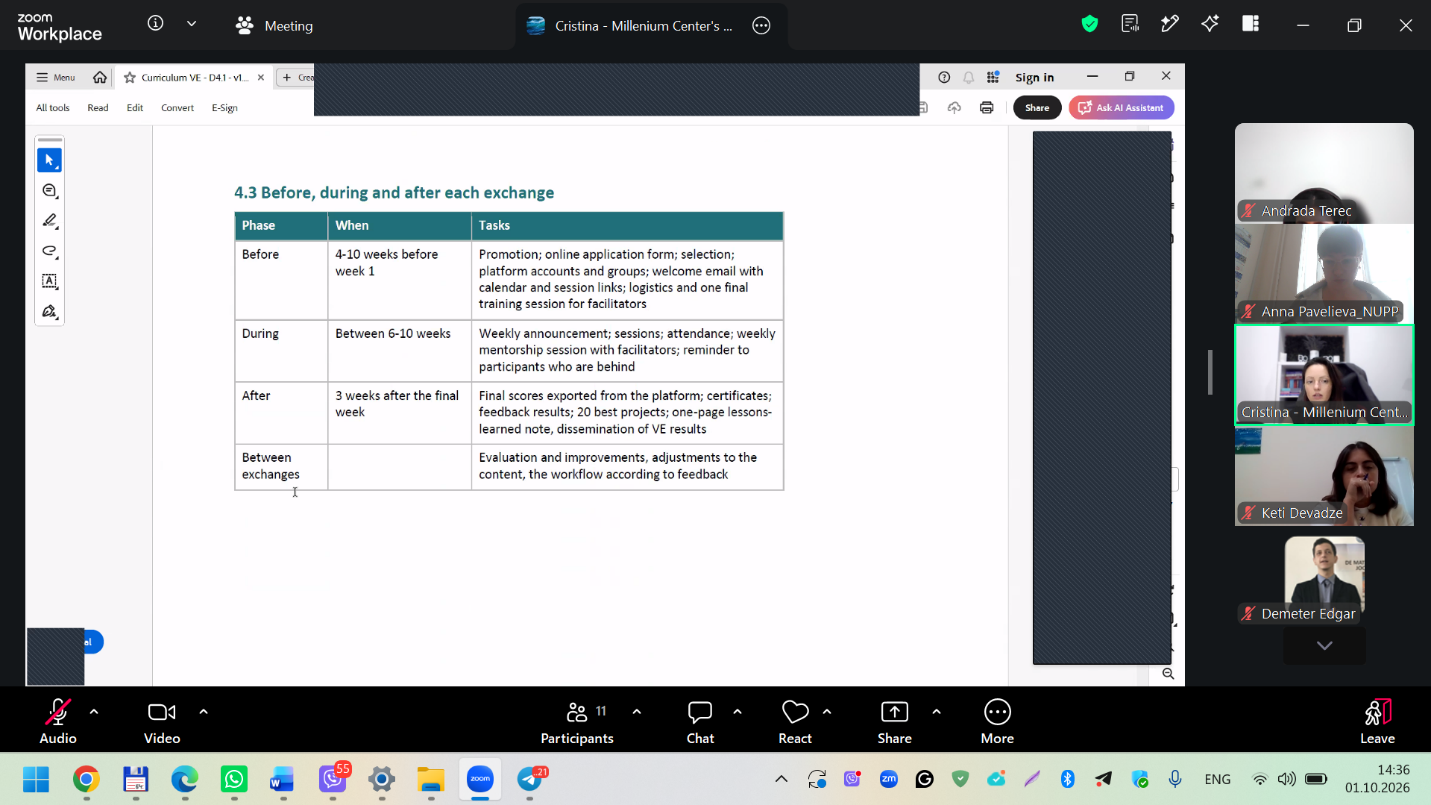
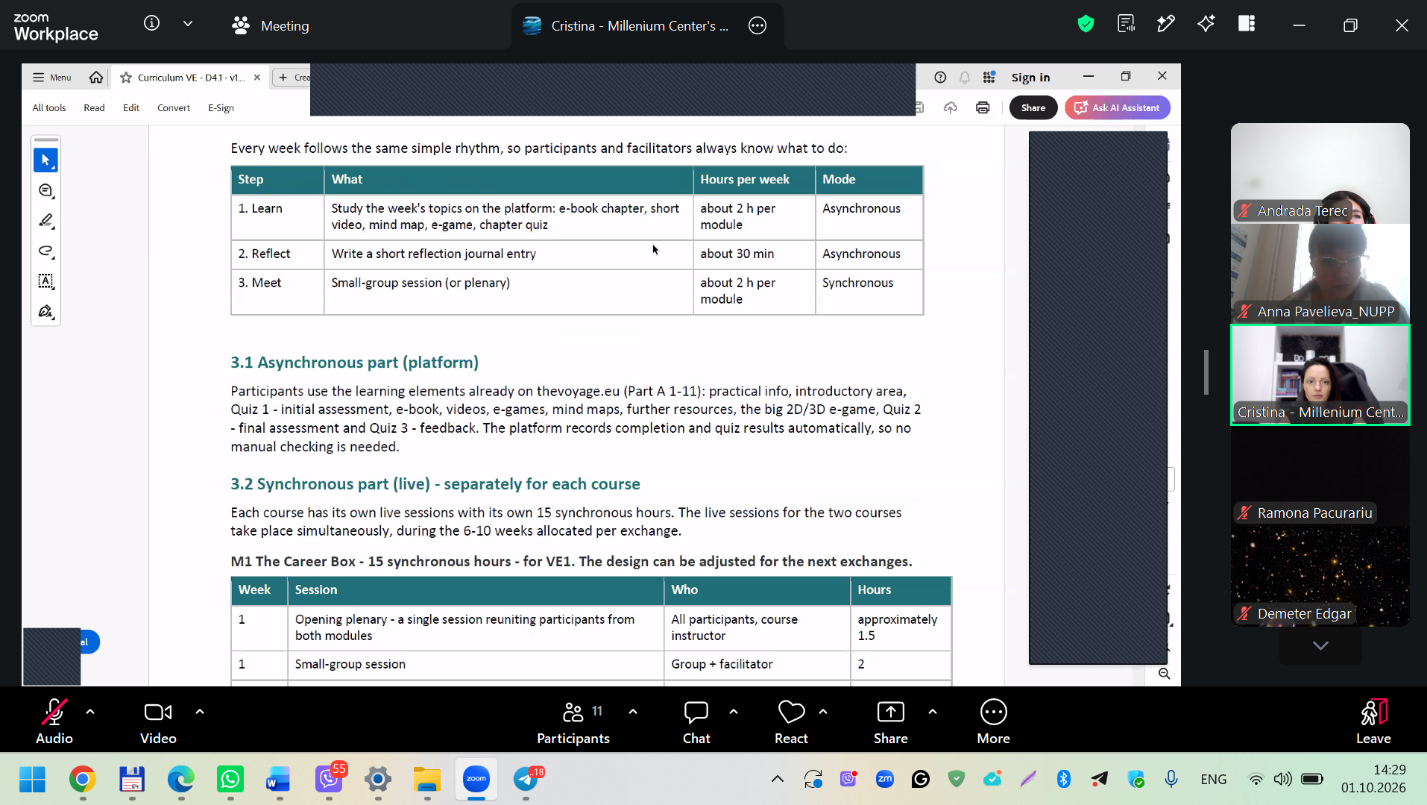
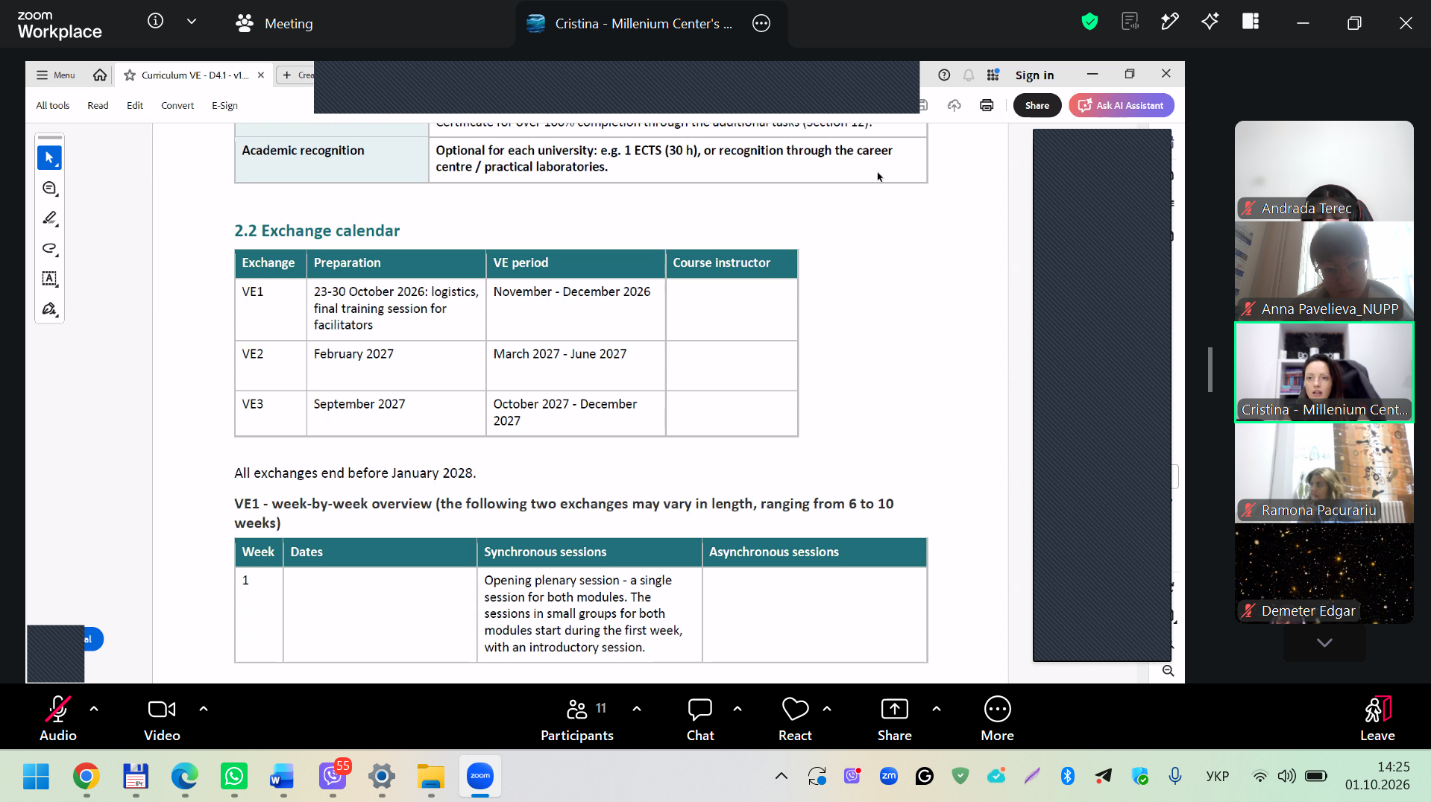
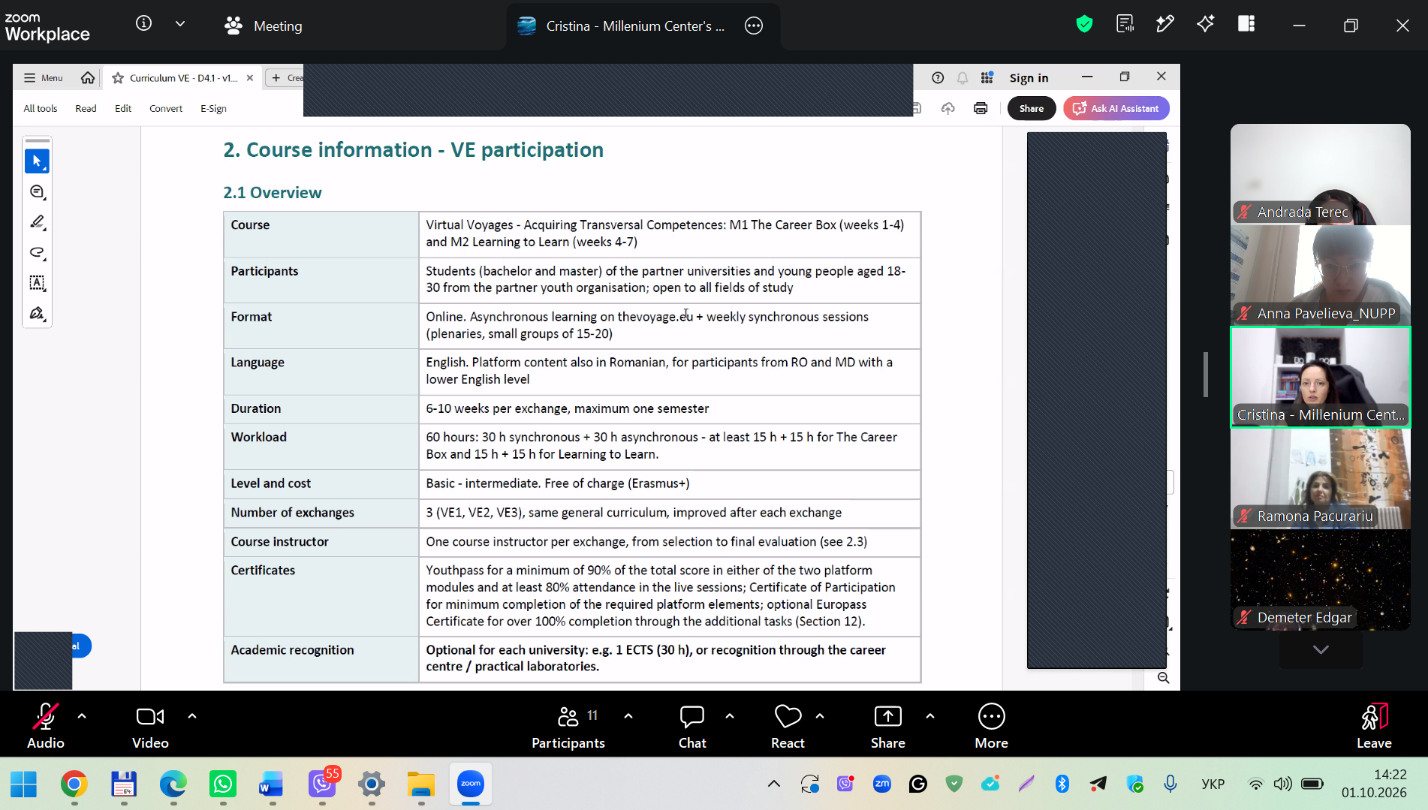
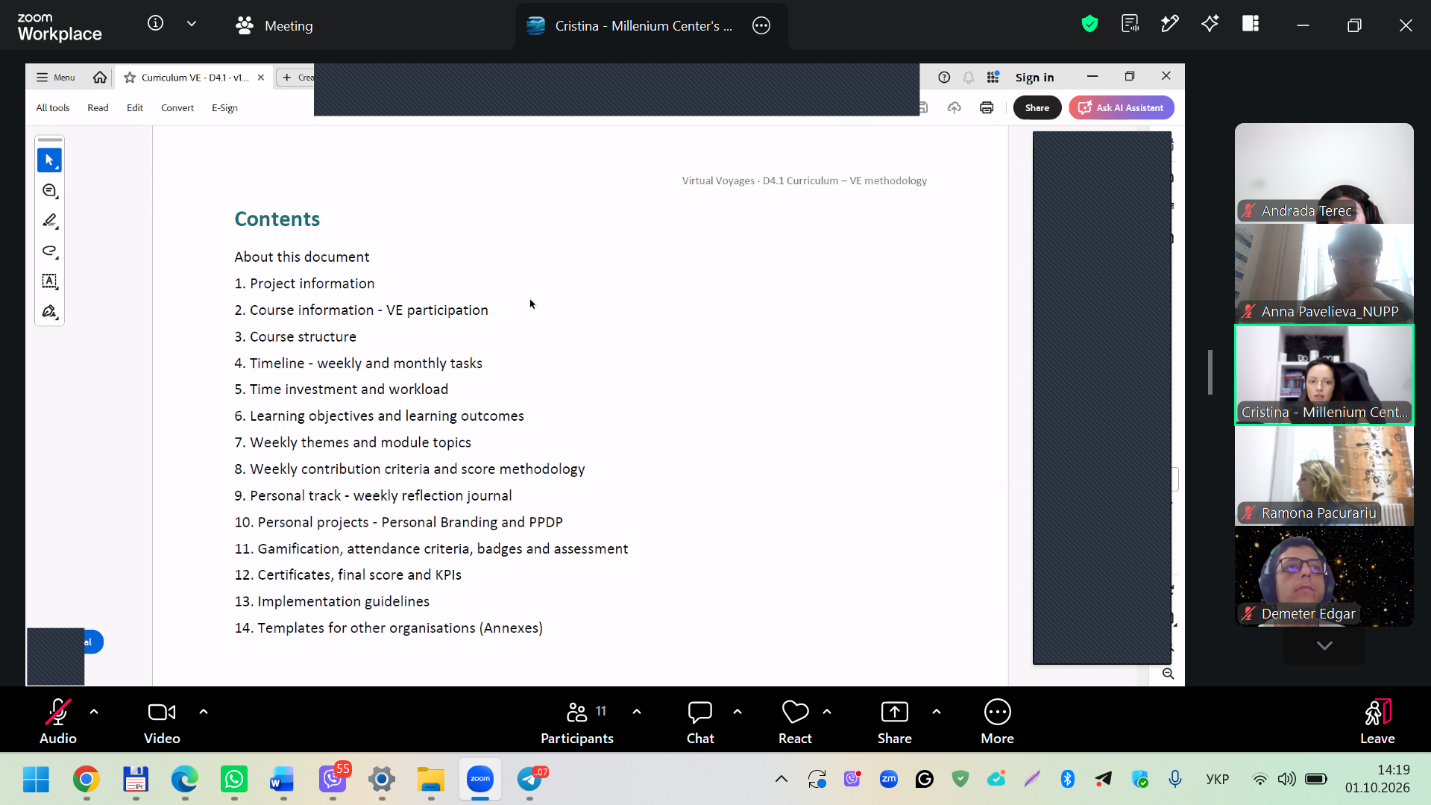
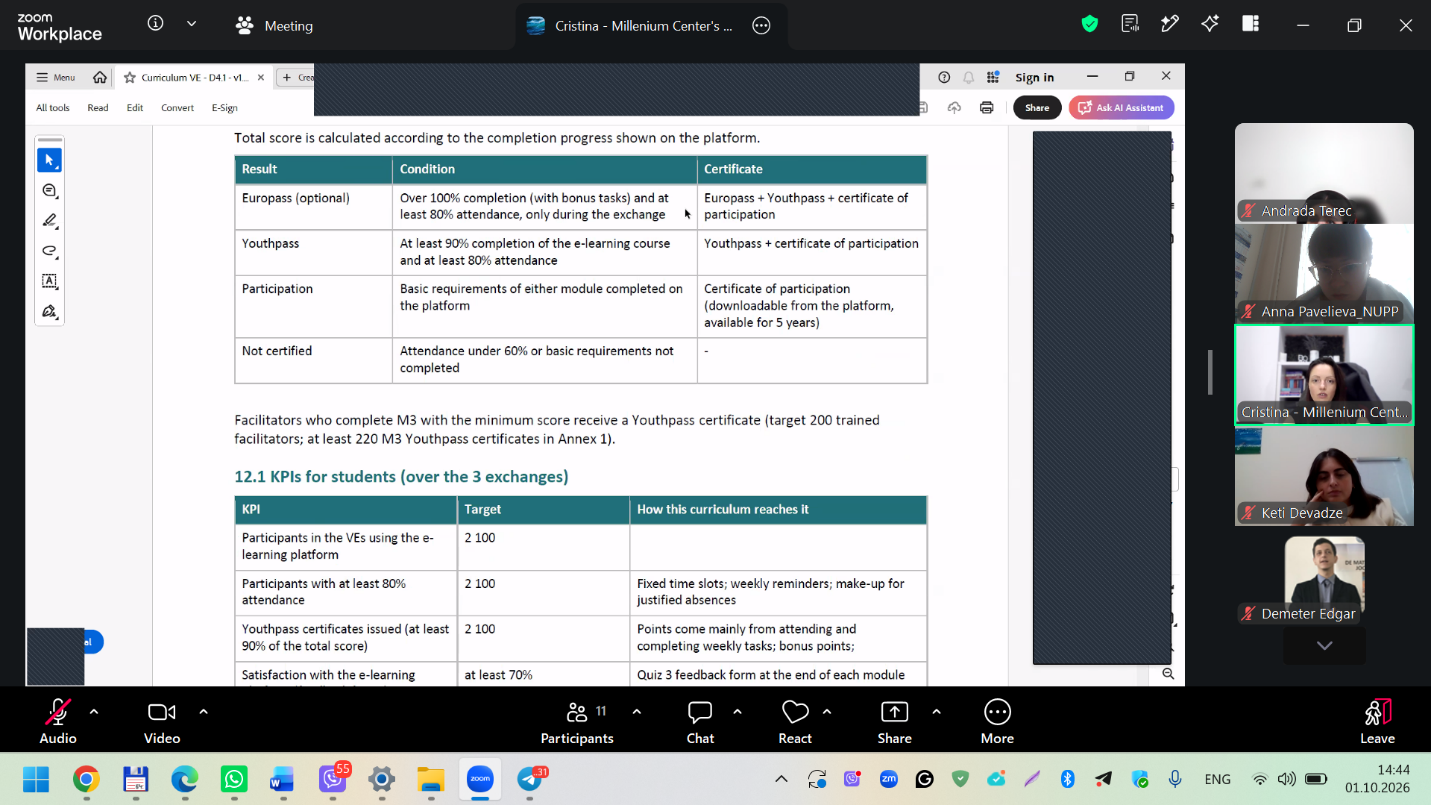
The meeting brought together work package coordinators and representatives from higher education institutions and partner organisations in seven countries. The key item on the agenda was the presentation and detailed discussion of the project’s foundational educational document – the comprehensive methodology and curriculum for virtual exchanges, Deliverable 4.1 “Virtual Exchange Curriculum Methodology” – which establishes the structural and pedagogical framework for conducting upcoming virtual exchanges ranging in duration from six to ten weeks. The proposed educational model is based on blended learning, combining self-directed work on the project's digital platform with regular synchronous, real-time interaction. In addition to general introductory and concluding plenary sessions featuring international experts and guest lecturers, students will work weekly in small intercultural groups of 15–20 participants from different countries, under the professional guidance of certified faculty moderators.
The educational trajectory focuses on two complementary learning blocks designed to cultivate key transversal competences in modern university students. The “Learning to Learn” module aims to develop metacognitive skills, effective time management, strategies for overcoming learning barriers, and a peer-to-peer mutual learning culture, which is particularly valuable for first-year students preparing for their first university examination period. In turn, the “Career Box” module provides applied preparation for entering the international labour market: students learn to identify their professional priorities, draft competitive CVs and cover letters in accordance with European standards, practice job interview techniques in a foreign language, and develop an individual personal branding strategy.
A key advantage of the developed digital ecosystem is its thorough gamification of the learning process, designed to maintain high engagement and intrinsic motivation among participants. The learning pathway includes a dynamic progress bar, unlocking thematic digital badges, earning experience points, and completing more than twenty interactive digital games integrated directly into the online courses. Each student’s progress will be assessed using a transparent 100-point cumulative scale that accounts for completion of platform assignments, attendance and constructive engagement during live meetings, weekly reflection journals, and competency assessment dynamics. The exchange will culminate in each participant creating an individual professional development plan or branding portfolio, with the consortium's top 20 submissions publicly showcased at an international final student project fair.
During the coordination meeting, special attention was paid to the multi-level system for validating learning outcomes and academic recognition. Students who complete the course will receive prestigious European Youthpass and Europass certificates. At the same time, consortium universities continue to harmonise procedures for the full transfer of ECTS credits within elective course components or practical training. In addition, the developed digital resources and learning platform will remain fully open to educators and students for at least five years after the grant agreement ends, ensuring strong institutional sustainability of the solutions.
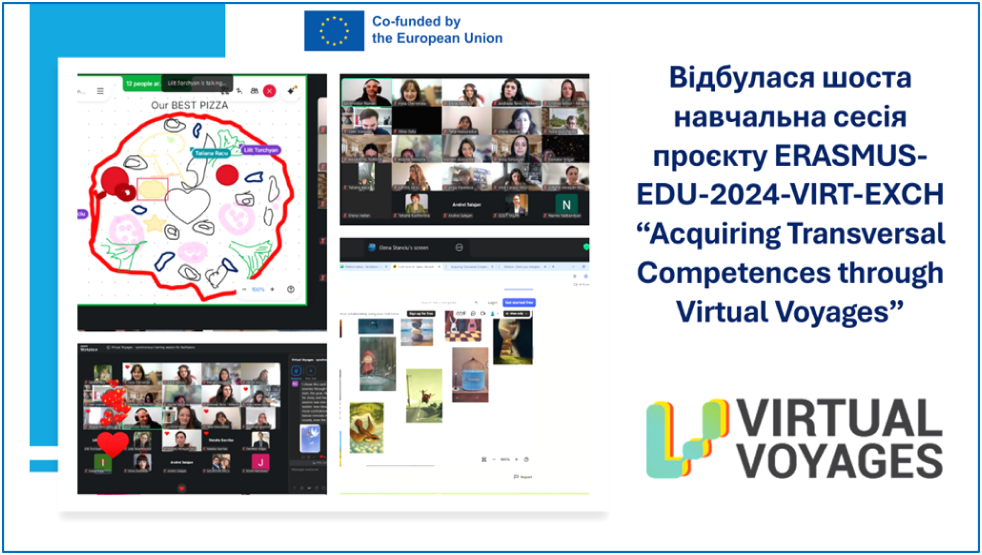
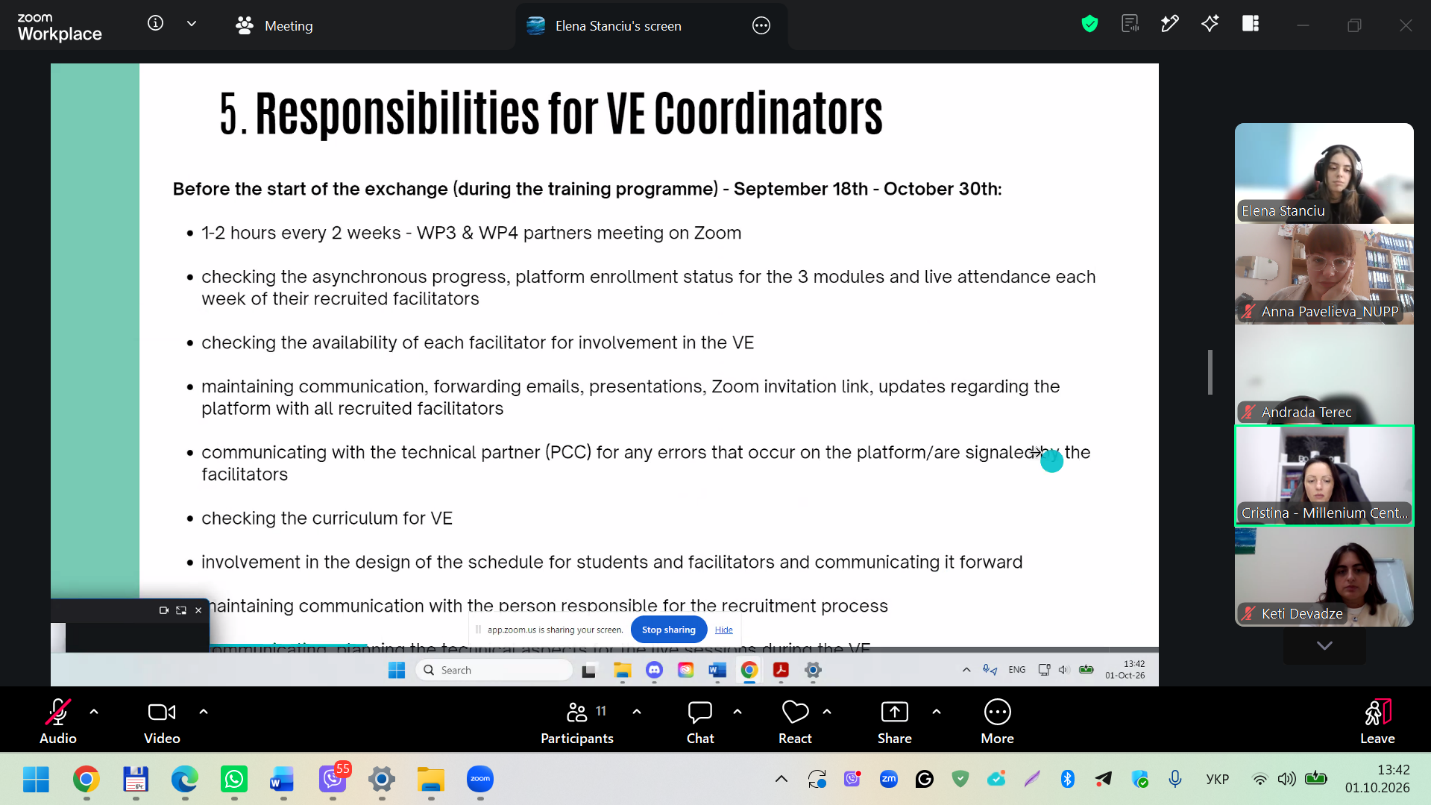
An indispensable prerequisite for the program's success remains high-quality training for facilitators who will directly coordinate the work of international student teams. Representatives of the international team commended the leadership and proactive engagement of the academic and pedagogical staff of Poltava Polytechnic, who demonstrated high participation rates in the training course. Lecturers from our university are confidently mastering cutting-edge online moderation methodologies, managing group dynamics in interactive breakout rooms, and applying artificial intelligence tools to facilitate productive intercultural dialogue.
Another crucial focus of the meeting was approving an updated package of information and dissemination materials, including bilingual promotional brochures, informational roll-up banners with direct registration QR codes, and multimedia guides. Concurrently, the consortium announced the launch of an initiative to build a regional partnership network: to amplify the project's societal impact, each higher education institution should start initiating the conclusion of memorandums of understanding with secondary education institutions, civil society organisations, and enterprises representing the real sector of the economy.
“On behalf of our entire university team and myself personally, I express deep and sincere gratitude to Volodymyr Onyshchenko, President of the National University “Yuri Kondratyuk Poltava Polytechnic”, and Rector Olena Fylonych for their unwavering comprehensive support, far-reaching strategic vision, consistent development of Polytechnic's international vector, and the creation of optimal conditions for academic advancement, enabling our university to firmly consolidate its status as a leading innovative hub of European education. This support inspires Polytechnic's academic staff to master advanced virtual facilitation methods, integrate artificial intelligence tools, and successfully implement large-scale initiatives such as the Erasmus+ project “Virtual Voyages”.
For our student youth, this program opens up a unique trajectory of barrier-free international academic mobility: without leaving the walls of their home university, each participant has the opportunity to immerse themselves in authentic intercultural dialogue with European peers, enhance critically important transversal competences, master self-management skills, and build a successful career plan. I am convinced that the synergy of robust university governance and international partnership fosters a qualitatively new, competitive generation of professionals capable of shaping the future of a strong, modern, and prosperous Ukraine,” noted Anna Pavelieva, project coordinator from Poltava Polytechnic.
It is worth noting that practical implementation at the local level is already well underway: on September 24, 2026, the university team participated in a coordination meeting of partners of the Erasmus+ project “Acquiring Transversal Competences through Virtual Voyages” (No. 101193593), during which, together with colleagues from seven countries, the educators reviewed the outcomes of the first implementation phase and agreed upon the launch of virtual exchanges for students; a team of 14 university lecturers has already participated in two facilitator sessions within the Erasmus+ project “Acquiring Transversal Competences through Virtual Voyages” (No. 101193593), where, alongside colleagues from seven countries, they mastered virtual facilitation methodologies for future work with students, refined their virtual facilitation expertise, simulated group interaction cases, and mastered digital tools for the successful delivery of international student exchanges.
National University “Yuri Kondratyuk Poltava Polytechnic” continues to demonstrate high standards of project management and is confidently moving toward the official launch of international virtual exchanges.