Developing international partnerships with leading European universities offers students of National University “Yuri Kondratyuk Poltava Polytechnic” tangible opportunities to gain high-quality practical experience and integrate into the European educational area. Thanks to the polytechnic's active participation in Erasmus+ ICM programs, future specialists can master modern business tools, sustainable development standards, and advanced management practices directly in the lecture halls of foreign higher education institutions, developing the professional skills essential for a successful career at the international level.
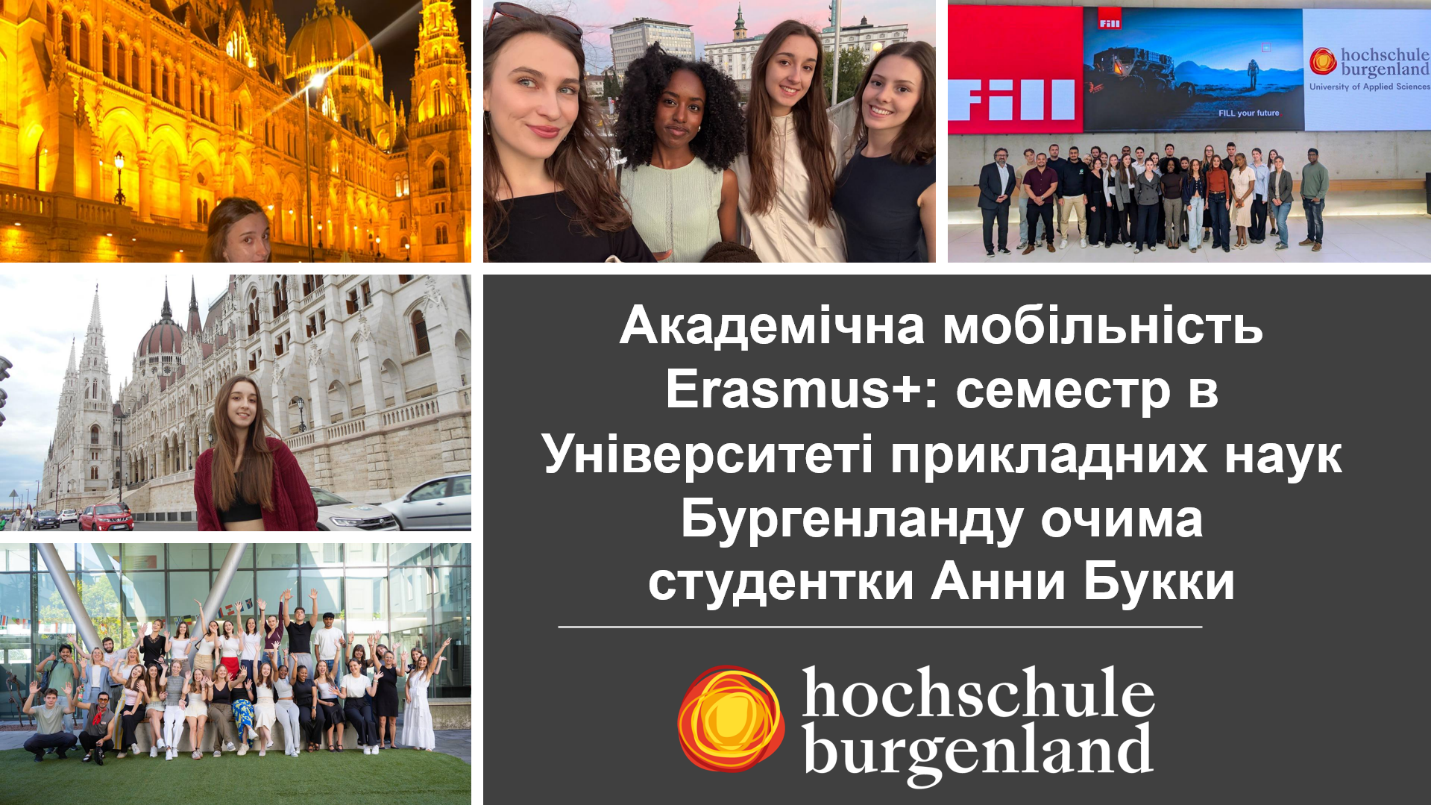
A striking example of a consistent academic trajectory is the experience of Anna Bukka, a 3-year student (group 301-FM) majoring in speciality 292 “International Economic Relations”. Having completed her studies at the Austrian partner university during a previous mobility period (in the spring semester of the 2025/2026 academic year), the student once again earned the right to represent the polytechnic and returned to the University of Applied Sciences Burgenland (Eisenstadt, Austria) under the Erasmus+ ICM program for the winter semester.
Anna Bukka shared with us her impressions of the new semester, the specifics of the Austrian educational process, practical business simulations, international research, a study visit to leading factories in Linz, and life in a multicultural student community: “The opportunity to study abroad is not only a chance to gain high-quality professional knowledge, but also a wonderful opportunity to experience another culture, make reliable friends from diverse corners of the world, discover new countries, and step outside one's comfort zone with confidence. Studying in Austria under the Erasmus+ ICM program at the University of Applied Sciences Burgenland, in the small and cosy town of Eisenstadt, has been precisely that multifaceted experience for me.
My journey in Burgenland began in the summer semester of my second year and left exceptionally vivid impressions. I liked the university itself, the open learning atmosphere, the professors, and the international student environment so much that upon returning home, I decided to apply for the program once again – this time for the winter semester of my third year. As a result, I was granted a wonderful opportunity to continue my studies in Austria, significantly deepen my knowledge in international business and sustainable development, and once again become part of this welcoming international community.
The University of Applied Sciences Burgenland offers a completely different approach to structuring the educational process compared to what we are used to in Ukraine. Here, learning is built not around the passive accumulation of theory, but around its daily practical application. Instead of the traditional division into purely lecture-based and seminar classes, the course places substantial emphasis on continuous student engagement throughout each session. It is important not merely to sit in the classroom, but to interact constantly with professors and peers, voice one’s opinions, analyse situations, engage in discussions, and complete applied assignments.
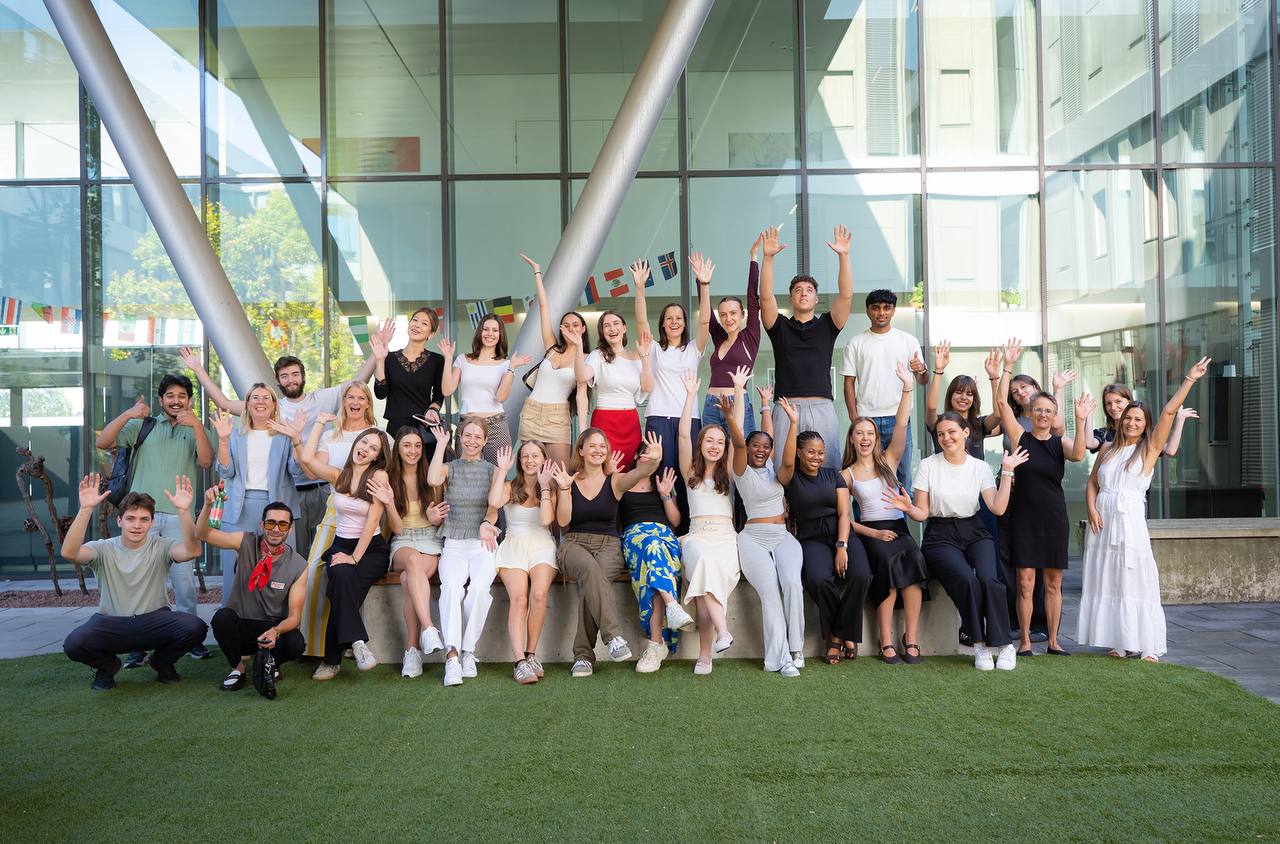
The primary feature is the extensive number of group projects. We consistently work in small teams, where each member brings their own vision, background, and approach to the assigned tasks. This format effectively fosters communication skills, negotiation abilities, the equitable delegation of responsibilities, respectful handling of differing viewpoints, and finding common ground. Moreover, students from Austria, Hungary, Slovakia, Germany, Albania, and other European countries, as well as representatives from African and Asian nations, study together here. As a result, every academic day becomes an opportunity to discover something new not only in professional disciplines but also in the customs, traditions, and lifestyles of other nations. It is fascinating to observe how individuals with fundamentally different cultural and educational backgrounds approach the same case. What seems obvious to one person appears from an entirely fresh perspective to another. Such discussions truly teach one to understand the dynamics of the global market more deeply and to remain open to the world.
This winter semester, I am taking several courses directly related to my field of study: international business, logistics, marketing, sustainable development, and cross-cultural communication. Each subject has its own focus, yet they all align toward a single objective: to teach us to see how modern business operates systematically on a global scale.
In particular, the course “International Supply Chain Management & Green Logistics” focuses on the processes through which products travel from the manufacturer to the end consumer. We examine in detail how modern supply chains are structured, the manufacturing and customs stages a product undergoes before appearing on supermarket shelves, and the roles played by raw material suppliers, manufacturing plants, carriers, logistics hubs, and retail networks.
It was especially valuable that we did not limit ourselves to dry theory, but experienced all these processes in practice. As part of the discipline, we organised a specialised business simulation: students assumed the roles of clients, buyers, factory managers, and other participants in the supply chain. In real time, we interacted with one another, placed and processed orders, balanced each link's interests, and resolved unexpected contingencies. This simulation clearly demonstrated how delicate and complex supply organisation is, even for everyday consumer goods. A distinct emphasis in the classes was placed on green logistics – environmentally responsible storage and transportation, carbon footprint reduction, and energy efficiency, as modern European business must take into account not only financial profit but also the environmental impact of its operations.
The course “Intercultural & Responsible Consumer Behaviour” is closely linked to international marketing. We explore why consumers in different countries prefer different products, how culture, mentality, and income levels shape consumer habits, and why the same product can vary drastically in price across different European countries. We examine B2B (Business-to-Business) and B2C (Business-to-Consumer) interaction models and analyse brand strategies tailored to specific target audiences.
One of the most engaging tasks was a joint research project with a university from the Republic of South Africa. Working alongside students from South Africa, we conducted a comparative analysis of the Austrian and South African markets, comparing consumer behaviour patterns, price levels, advertising instruments, and local business characteristics. This interuniversity collaboration allowed us to view international marketing through a global lens. It showed, in practice, how critical it is to consider cultural and economic nuances when expanding a company to new continents.
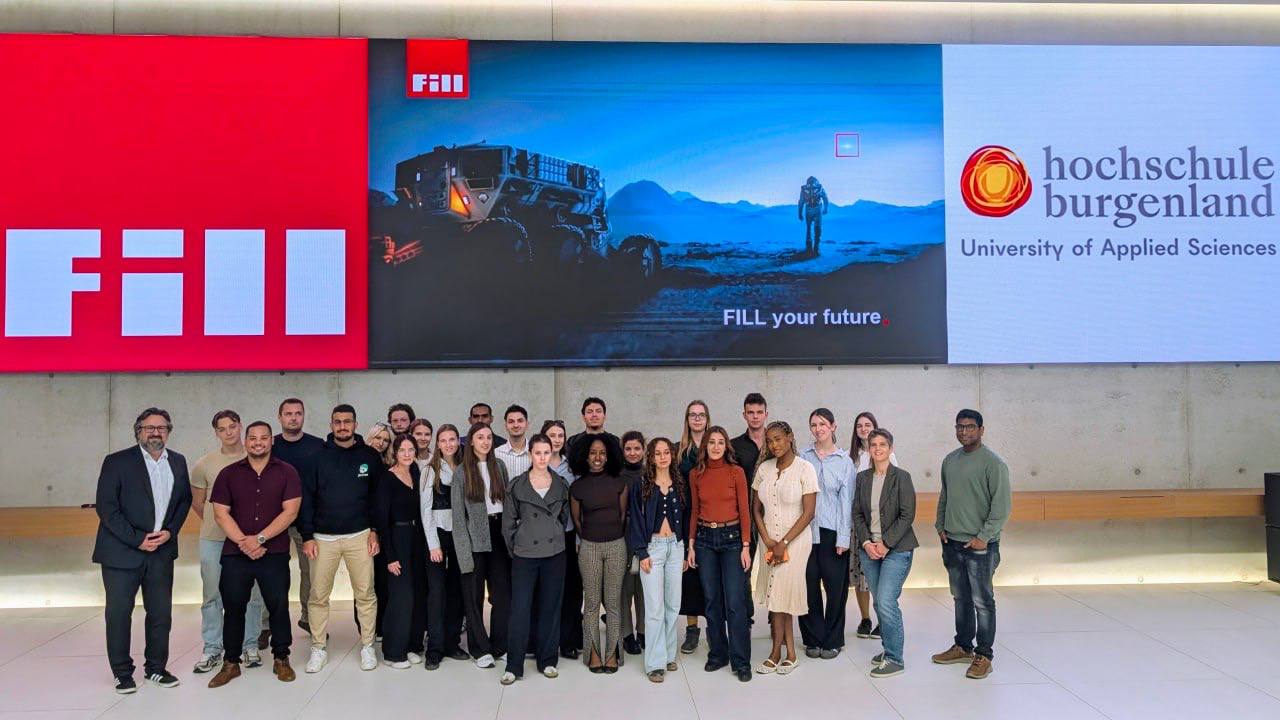
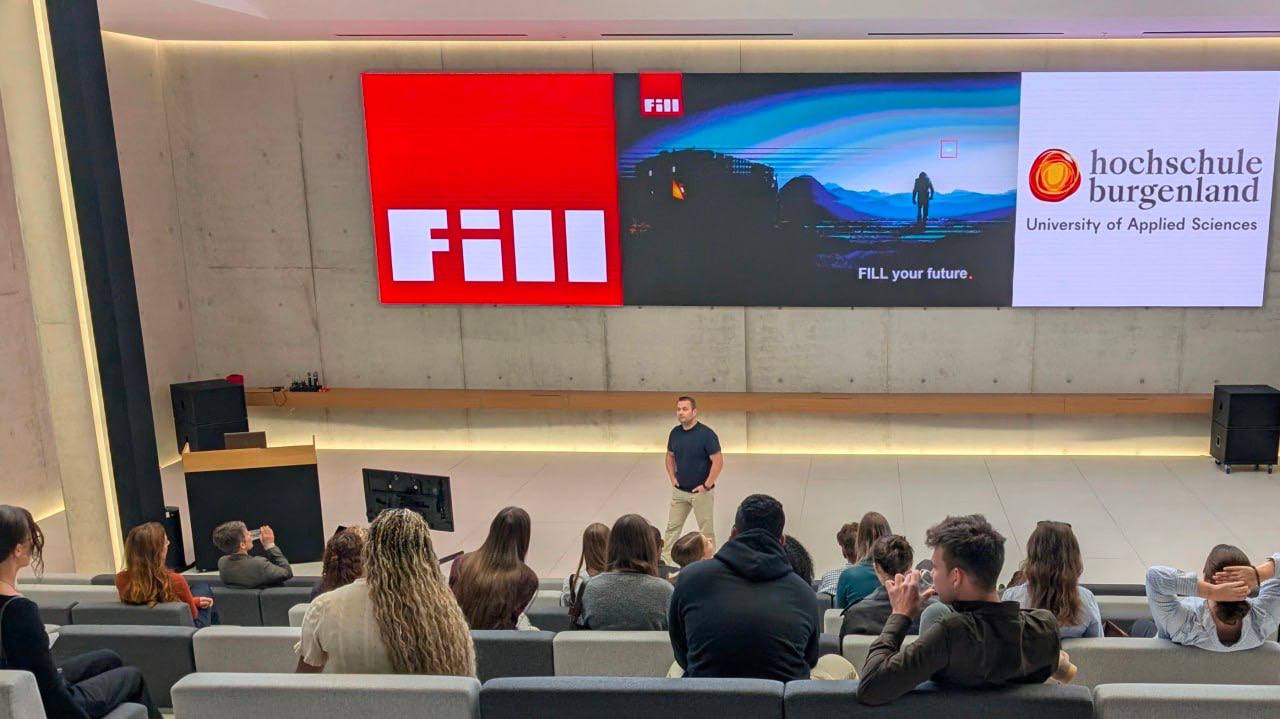
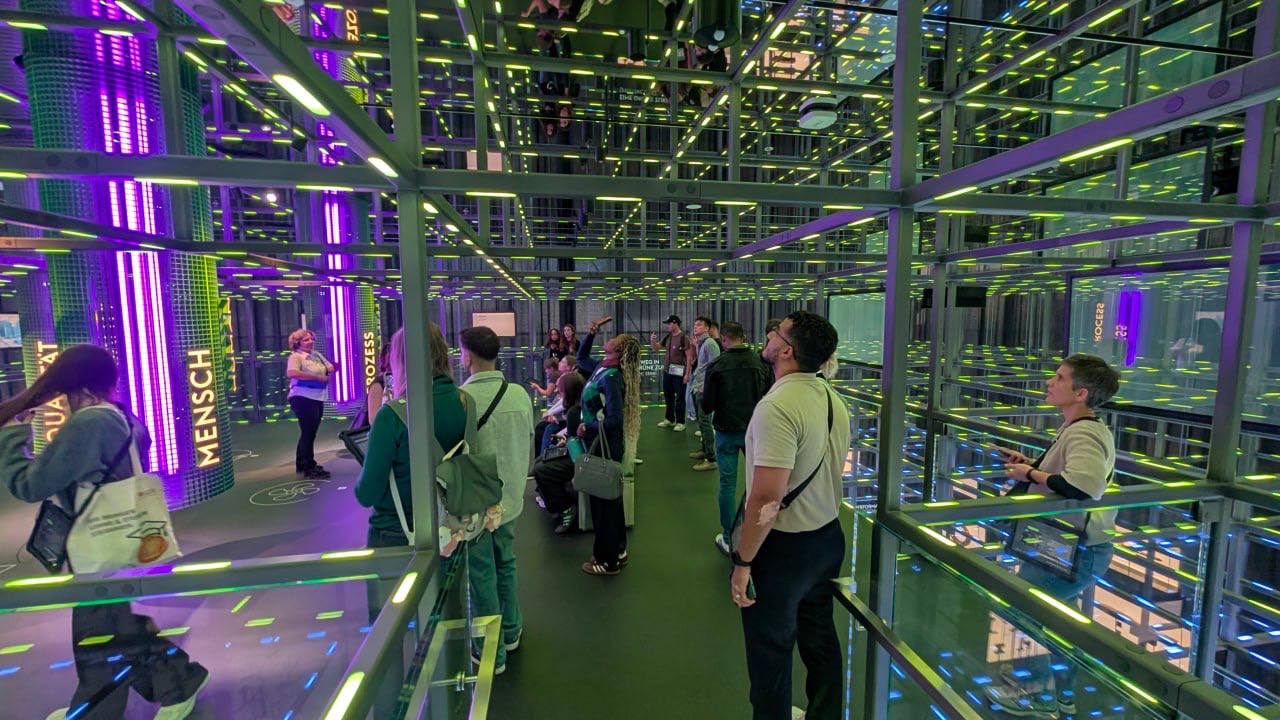
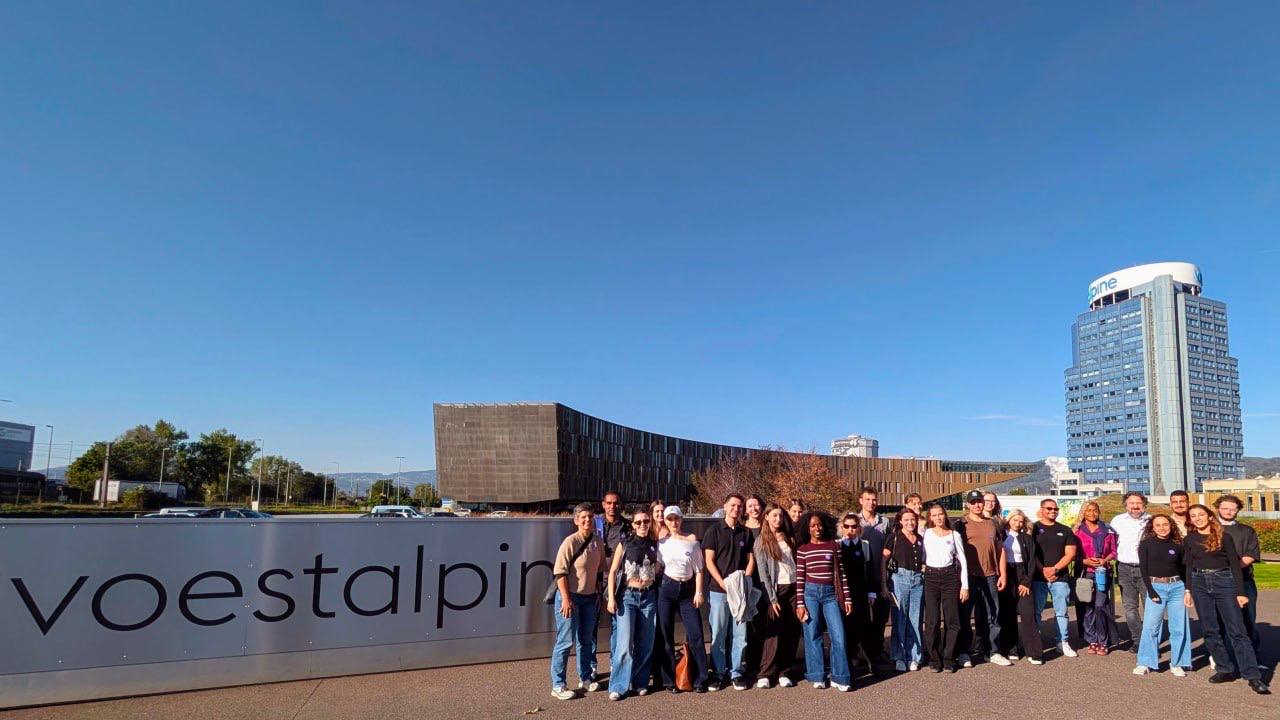
Another crucial course was “Collaboration & Participation”. It focuses entirely on teamwork, developing leadership and communication skills, presenting results, taking responsibility for collective decisions, and acting in non-standard business situations. The highlight of this course was a mandatory study trip to the city of Linz – the industrial and innovation hub of Upper Austria.
Together with professors and the student group, we visited seven leading enterprises and organisations representing various economic sectors:
• Voestalpine – a global steel and technology group, a leader in the manufacture of high-tech steel and railway systems;
• FACC – an advanced company that designs and produces composite components for the world’s leading aerospace giants;
• Fill Maschinenbau – a high-tech company producing complex industrial machinery and automated production lines;
• Business Upper Austria – the regional business and investment agency coordinating economic development and innovation support in the region;
• GRAND GARAGE | TGW Future Wings GmbH – an extensive hub for technological innovation, prototyping, creativity, and hands-on learning;
• Linz Centre of Mechatronics GmbH – a scientific research centre implementing cutting-edge developments in mechatronics and digital technologies;
• Ars Electronica Centre – a futuristic interactive museum and science centre dedicated to the symbiosis of technology, artificial intelligence, science, and the future of society.
Each visit was unique: we had a rare opportunity to see firsthand how modern industrial giants operate and to learn about automated processes, modern operations management, and innovation implementation. This trip clearly illustrated how academic theory translates directly into highly competitive European business practice.
Since I live and study in Austria, an integral part of my curriculum is the course “German for Business and Leisure A1/A2”. We systematically acquire linguistic fundamentals: grammar, business vocabulary, typical idioms, practice dialogues, and train to express ourselves fluently in both everyday and professional situations. This significantly speeds integration into Austrian society, facilitates communication with residents, and builds confidence in daily life.
A logical addition to my individual study plan was the course “Sustainability & Business”. We examine the concept of sustainable development in depth: why it has become an absolute imperative for the modern world and why corporations must assess not only financial profit but also the social and ecological impacts of their operations. In class, we discuss implementing environmentally responsible approaches, resource conservation, waste recycling, employee welfare, and local community support. We also analyse the risks enterprises face when they neglect these principles and lose competitiveness. This course made it clear that sustainable development is not a passing trend, but a prerequisite for any company's long-term survival.
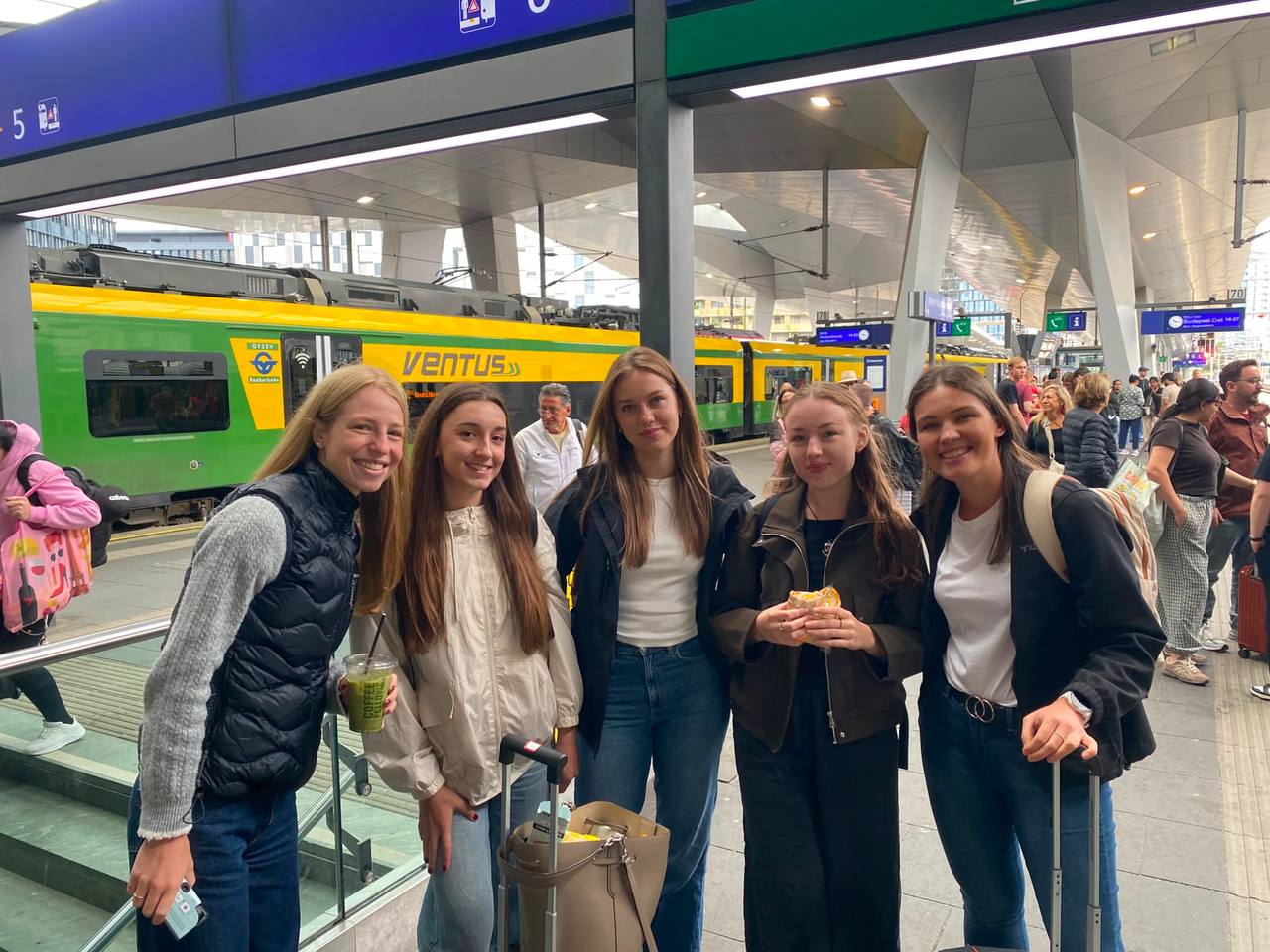
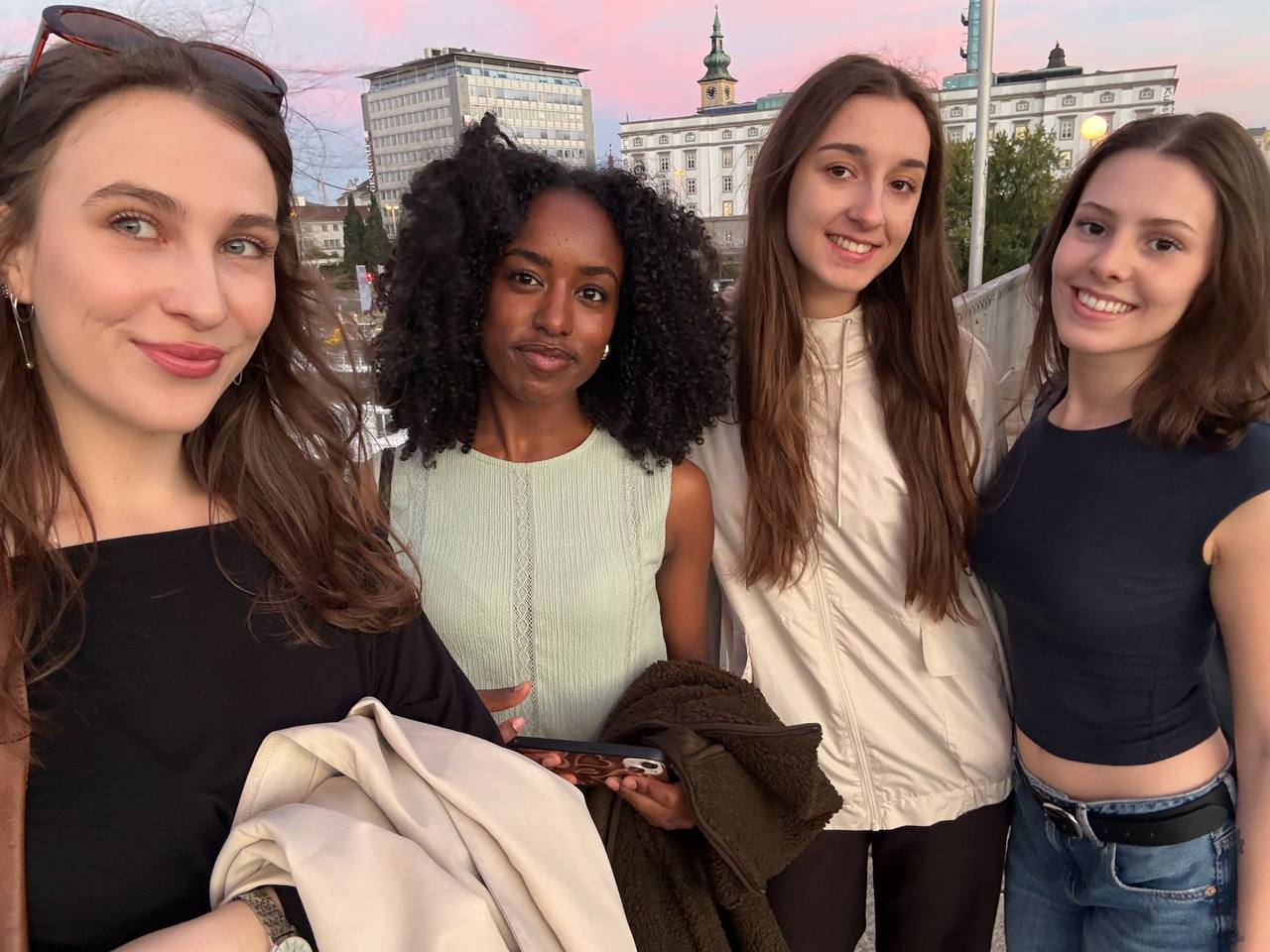
However, Erasmus+ is undoubtedly not only about studying. An equally significant part of mobility is travel, making new connections, and discovering the world. Eisenstadt is an exceptionally quiet, safe, and scenic town. It is situated very conveniently: just an hour’s drive from Vienna and about an hour from Bratislava. Despite its compact size, the university creates an amazing international atmosphere: numerous languages are spoken on the streets, you meet new people every day, and you make friends from all over the world, so it is never boring.
During this semester, I have already been fortunate enough to visit Budapest and Istanbul independently. Budapest captivated me with its grand architecture, broad promenades, charming alleys, and distinctive evening glow. It is a city where you can wander for hours, stopping at cosy cafes and admiring historic buildings.
Istanbul offered entirely different, yet incredibly colourful impressions. The city at the crossroads of Europe and Asia impresses with its rich, centuries-old history, majestic mosques, bustling bazaars, ancient streets, and breathtaking views of the Bosphorus. Each district has its own unique character, and Istanbul surprises with something new at every turn.
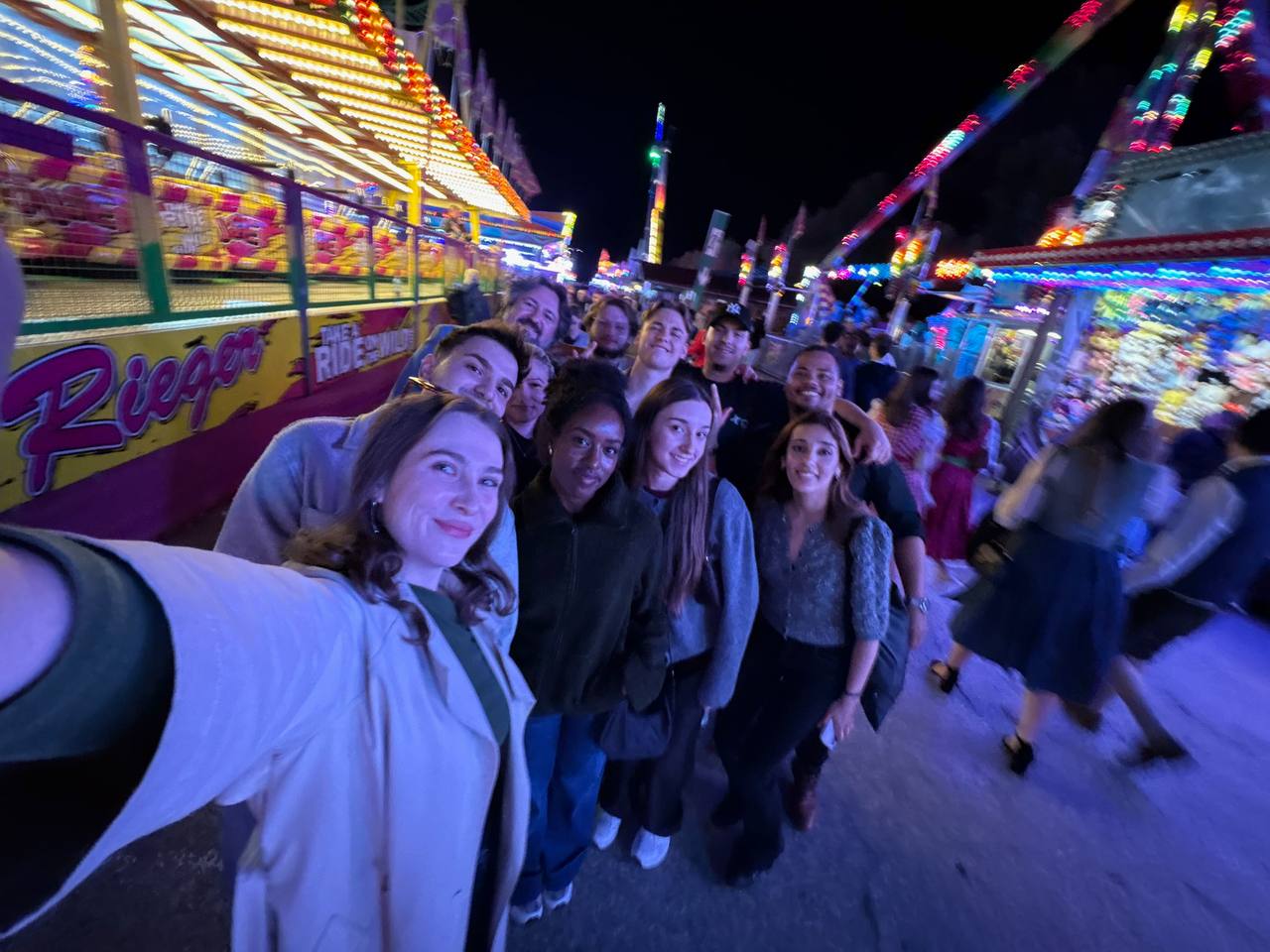
In addition to independent travel, the university itself organises wonderful joint events. One of the most pleasant was an excursion to the famous chocolate factory Zotter Schokoladen-Erlebniswelt, where we not only observed the unique manufacturing process of craft organic chocolate firsthand, but also sampled many of its varieties. It was a great opportunity to spend time with classmates in an entertaining and educational setting. Our Erasmus student community plays an enormous role in my life: on weekends, we organise picnics, take walks around town, travel to Vienna, host joint movie nights, and enjoy friendly dinners in the dormitory. Such moments bring people together most quickly and leave the warmest memories for a lifetime.
Studying in Austria has become much more than just a semester abroad for me. It serves as a powerful catalyst for both professional and personal development. I feel I have become much more confident communicating fluently in English, learned to work collaboratively in multicultural teams, and gained strong applied knowledge in logistics, marketing, project management, and ESG standards. The opportunity to compare the educational systems of Ukraine and Austria, recognise the strengths of different methodologies, and adopt the best European practices is exceptionally valuable.
I am genuinely happy that after my first semester, I dared to return to the University of Applied Sciences Burgenland for a second time. This decision has brought me new experience, true friends, and skills that will form a solid foundation for my future career. I am convinced that Erasmus+ is a unique opportunity every student should take advantage of, because some of the most important life lessons come from connecting with people, travelling, collaborative work, and daily challenges outside one’s home country. I am immensely grateful to my alma mater, Poltava Polytechnic, for this opportunity and for its continued support of my aspirations!”.
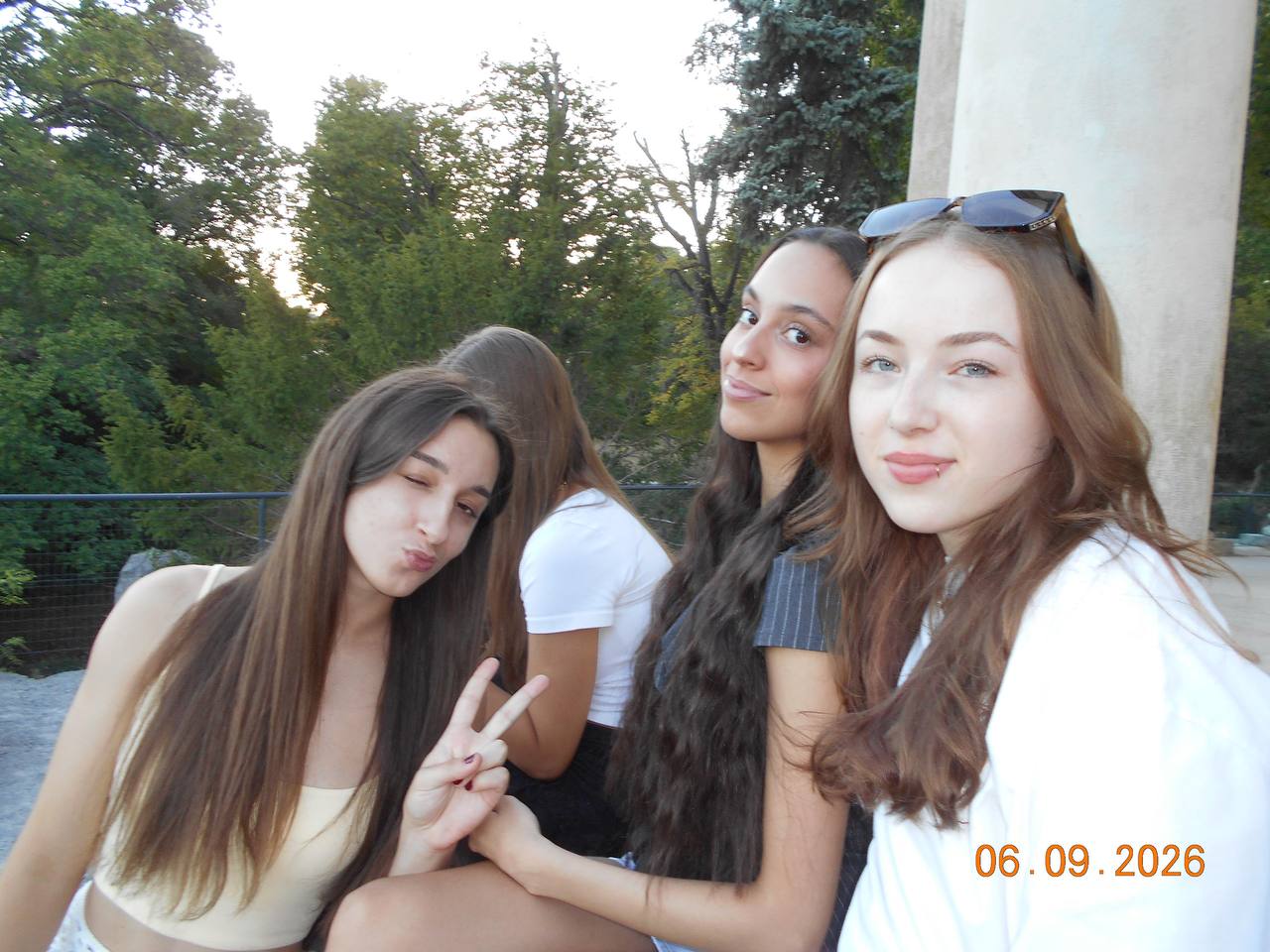
The cooperation between National University “Yuri Kondratyuk Poltava Polytechnic” and the University of Applied Sciences Burgenland has been actively ongoing for more than three years:
• in the 2023/2024 academic year, Nadiia Kubrak and Anastasiia Arkhypova (Autumn Semester), as well as Nadiia Kubrak, Anzhelika Didechkina, and Dana Sholokh (Spring Semester), studied at this HEI under the Erasmus+ program;
• in the 2024/2025 academic year, Bohdana Kurylo, Daria Shurdik, and Maryna Kostenko;
• in the 2025/2026 academic year, participants of the program included Sofiia Udovytska, a student of group 301 ET majoring in “Tourism and Recreation”, as well as students majoring in “International Economic Relations”: Maksym Popov, Anastasiia Afonkina, and Anna Bukka (Spring Semester).
Currently, Anna Bukka is successfully continuing the international mobility cycle of Poltava Polytechnic students at an Austrian university, completing her second consecutive semester.
As a reminder, academic staff at Poltava Polytechnic can participate in international internships, teaching visits, and professional development programs. At the same time, students can obtain a high-quality European education under Erasmus+ credit academic mobility grant programs for a semester or an academic year at leading universities across Austria, Greenland, Denmark, Estonia, Spain, Lithuania, Latvia, Norway, the Netherlands, Germany, Poland, Portugal, Romania, Slovakia, Finland, and the Czech Republic.
For more detailed information on current credit academic mobility programs, please get in touch with the university's International Relations Department (Room 213-C, e-mail: interoffice@nupp.edu.ua).