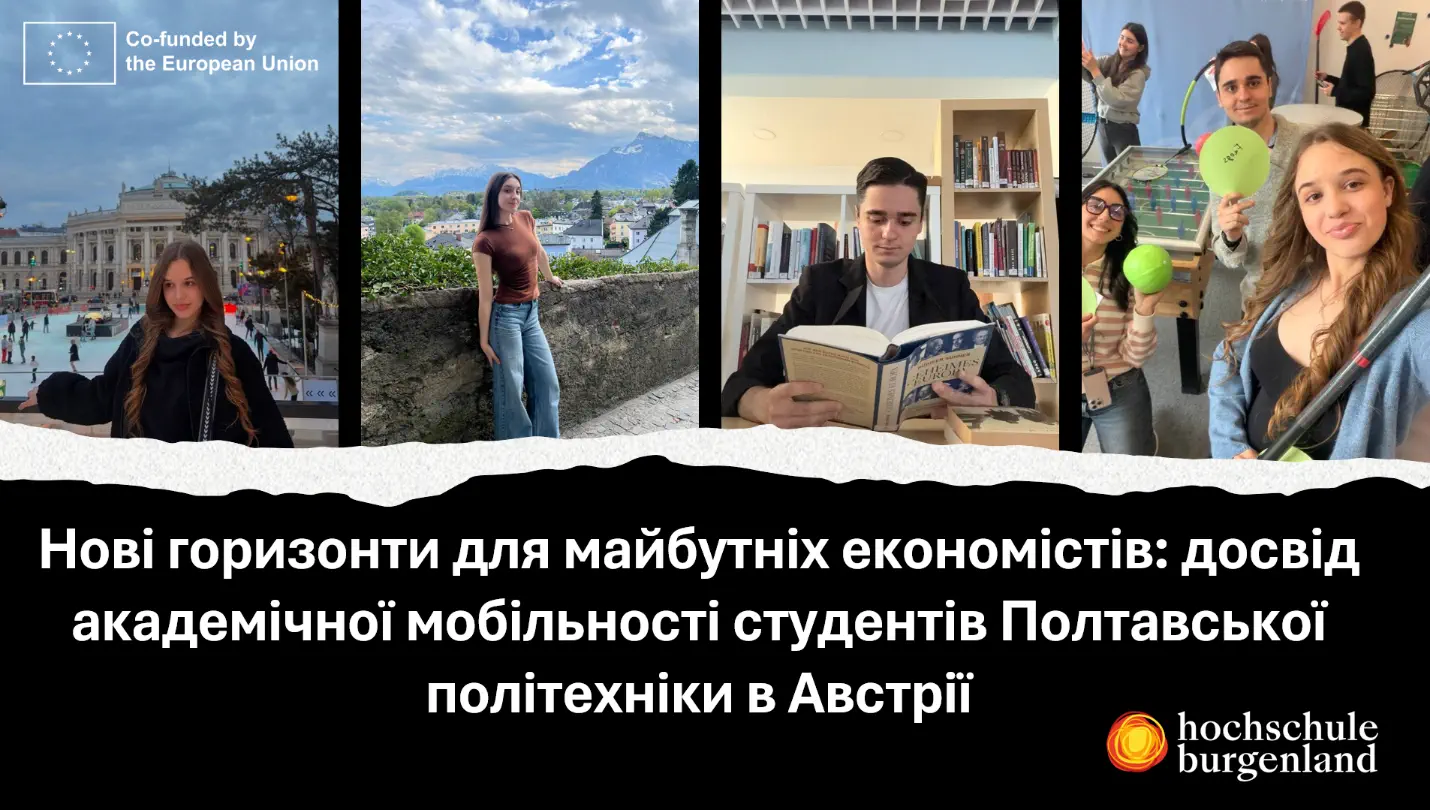
During the spring semester of the 2025/2026 academic year, Poltava Polytechnic students underwent training at the University of Applied Sciences Burgenland (Austria) under the Erasmus+ ICM program. Participants in this program were students of the speciality 292 “International Economic Relations”: Maksym Popov, Anna Bukka, and Anastasiia Afonkina. The experience gained allowed them to become familiar with European approaches to learning, acquire practical knowledge in their chosen field, improve communication skills in an international environment, and integrate into a new academic community.
Below, the students share their impressions of the educational process in Austria, the practical component of their studies, adaptation, and travel to European cities.
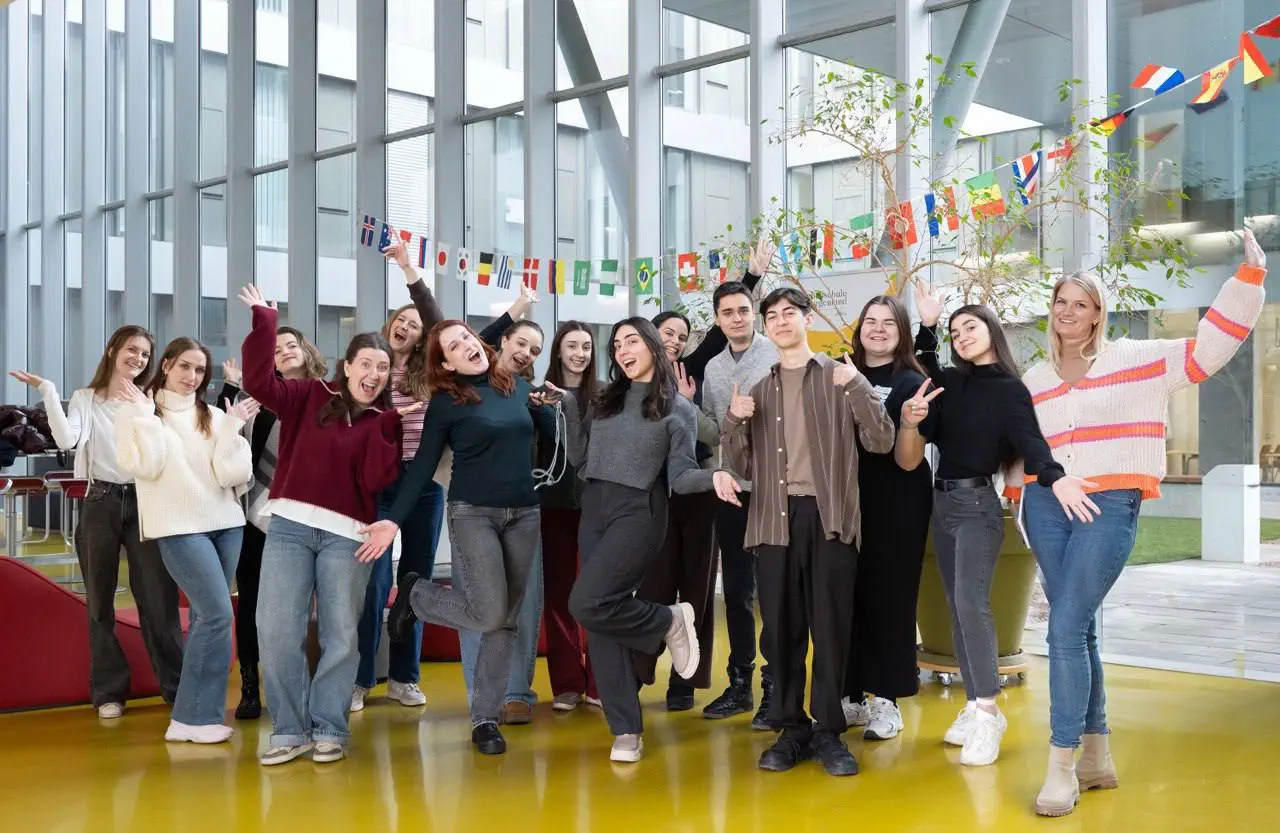
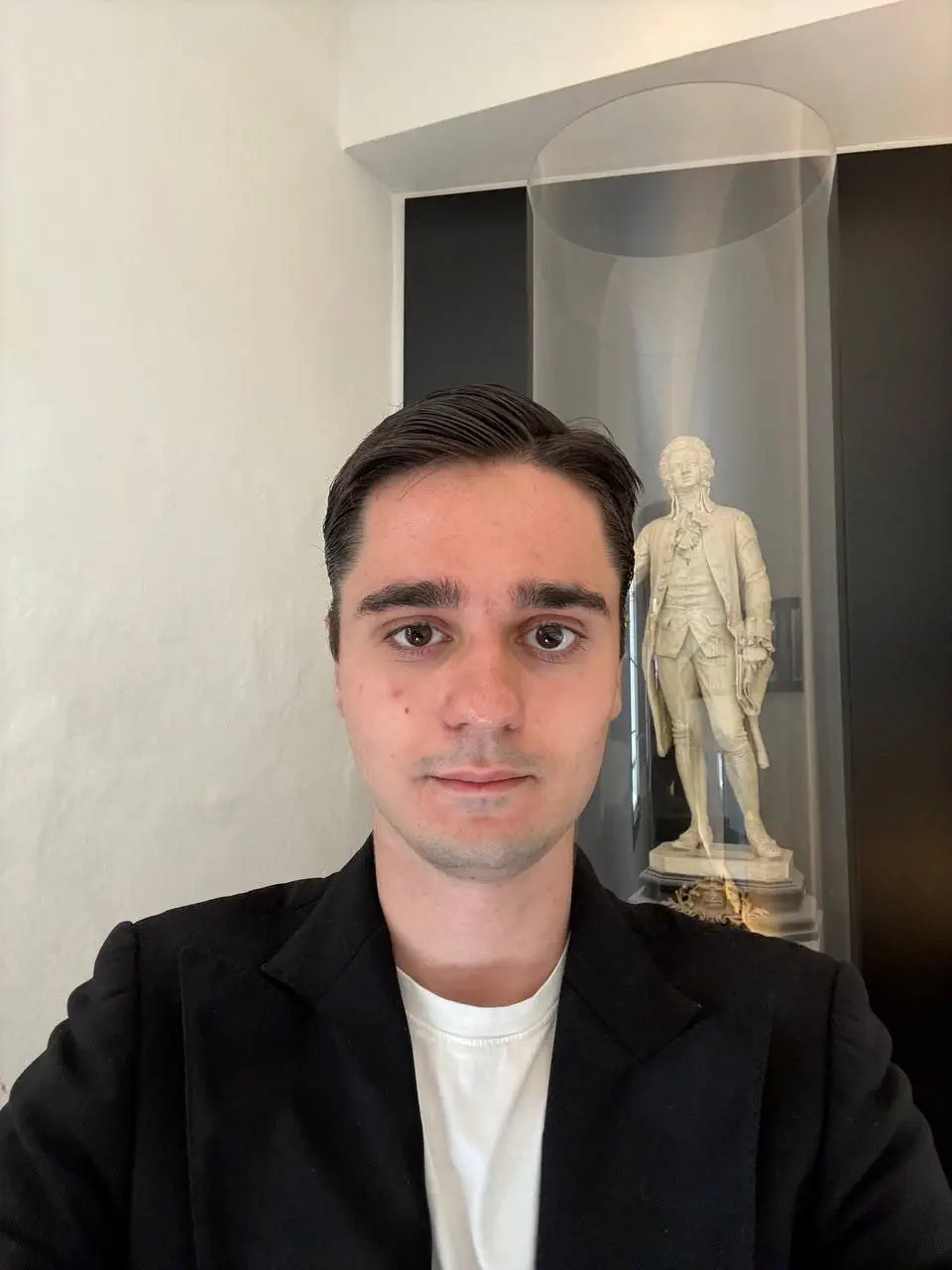
Maksym Popov, a 3rd-year student (group 302-FM) majoring in speciality 292 “International Economic Relations”: “The University of Applied Sciences Burgenland makes a wonderful impression from the very first days. The educational process here is built on the principles of openness, barrier-free communication, and an individual approach to each student. Professors are always open to dialogue, which eliminates any distance in communication.
The modern and ergonomic campus is designed to the smallest detail: comfortable zones have been created for individual study and teamwork, as well as for relaxation. Thanks to the widespread implementation of digital tools, the learning process is dynamic and free of unnecessary difficulties.
A separate advantage was the orientation week (Welcome Week) organised for the Erasmus+ students. The event facilitated the rapid integration of newly arrived students into the academic environment, helped establish social connections, and allowed them to make new friends.
The curriculum was intensive, practice-oriented, and fully met the modern requirements of the international labour market. The following courses were of particular value:
The discipline “Data Management and IT Systems” aimed to master the principles of data collection, processing, and analysis in modern information systems. Significant attention was paid to the practical component: teamwork and detailed analysis of real business cases.
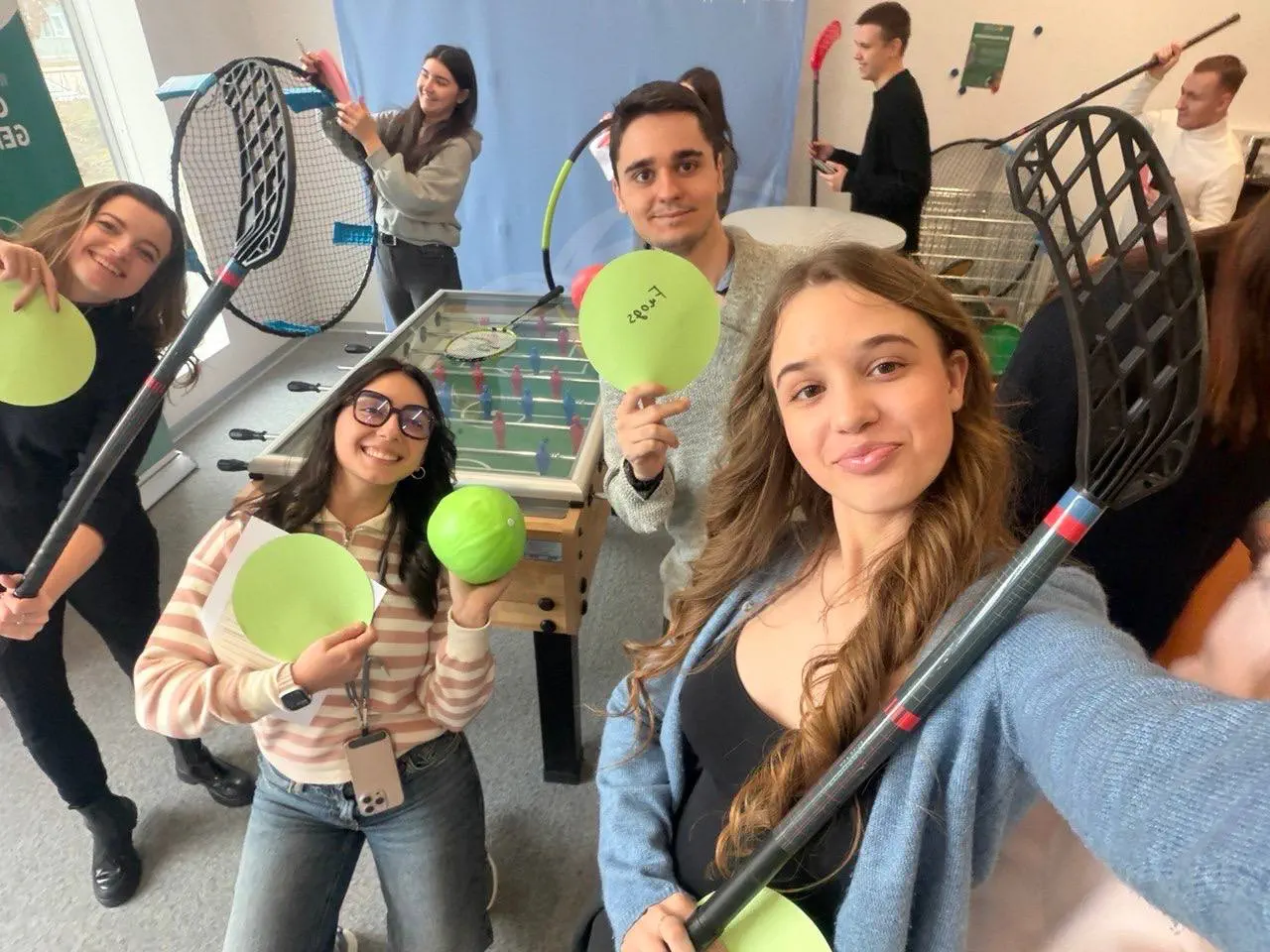
The course “Intercultural Team Communication and Outdoor Training” is dedicated to the specifics of communication in a cross-cultural environment. The most interactive part was the outdoor training session, during which students developed skills in teamwork, negotiation, and making joint decisions under non-standard conditions.
Within the framework of studying “International Project and Process Management”, we mastered the methodologies of planning, structuring, and successfully managing international projects. Particular emphasis was placed on the process approach as an effective tool for achieving an organisation's strategic goals.
The course “International Sustainability Reporting and Communication” focused on non-financial reporting and communication standards. Students had the opportunity to study in detail how modern companies integrate ESG indicators (environmental, social, and governance criteria) into their strategic and operational activities.
The subject “Sustainable European Business Environment” focused on the specifics of the European business space and the European Green Deal strategy. The EU’s role in shaping sustainable development policy, including regulatory initiatives, climate goals, and corporate responsibility requirements, was studied in an interactive format.
The learning process at the university is highly practice-oriented. Through teamwork, the case study method, and solving real business problems, students acquire the skills necessary for their future professional activities. The active use of modern online platforms makes each class dynamic and interactive.
Extracurricular life at the university is extremely vibrant. Regular cultural events and joint activities create a favourable environment for quick adaptation and easy communication with students from different parts of the world. A visit to the university’s other campus in the town of Pinkafeld, which specialises in technical fields, was a particularly bright experience. The trip allowed us to become acquainted with its infrastructure and expand our network of acquaintances within the student community.
An important advantage of the university is the mentoring program. Mentors are representatives of the university community who provide comprehensive support to newly arrived students, helping them resolve a wide range of issues: from academic matters to daily household concerns.
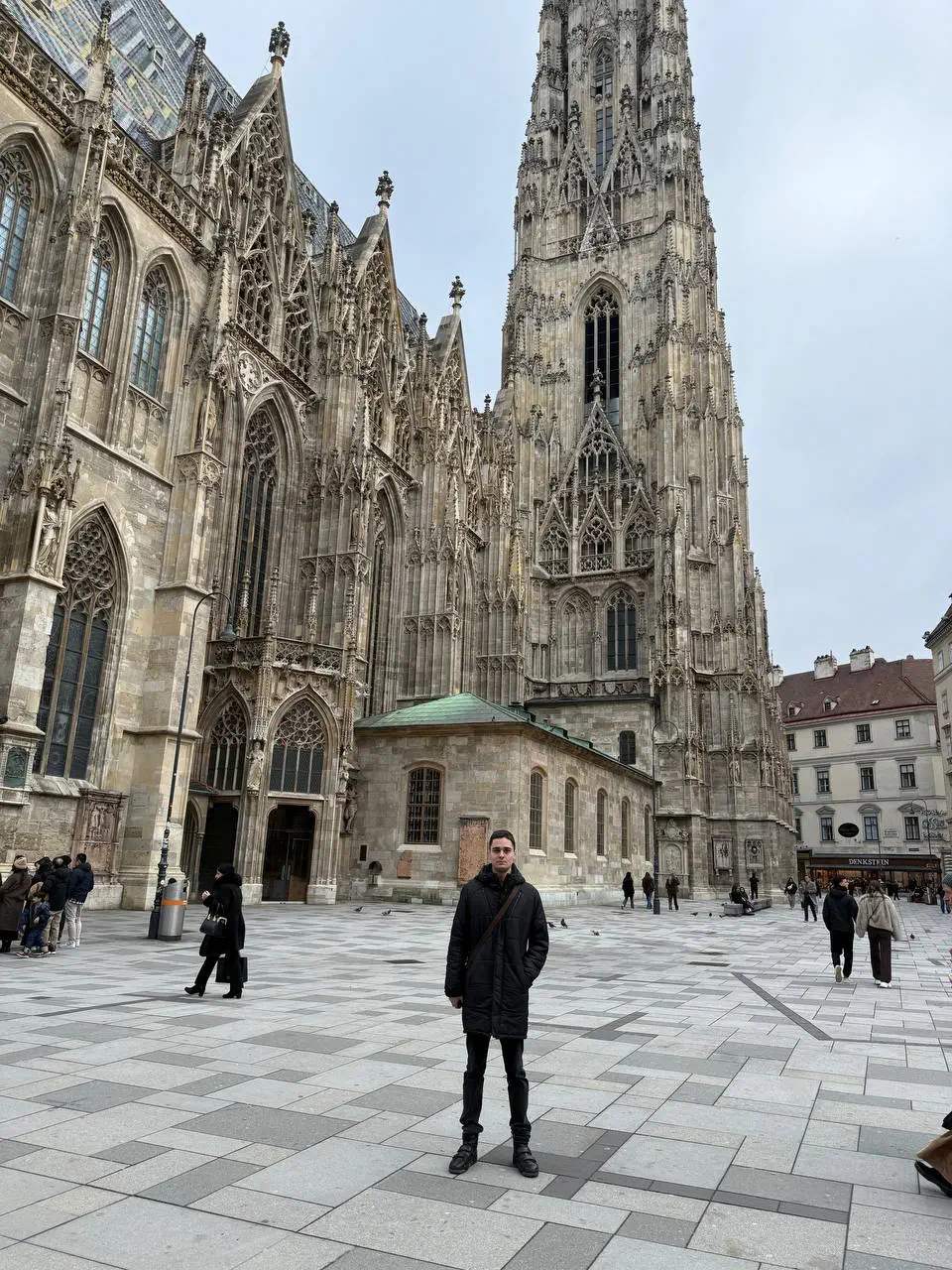
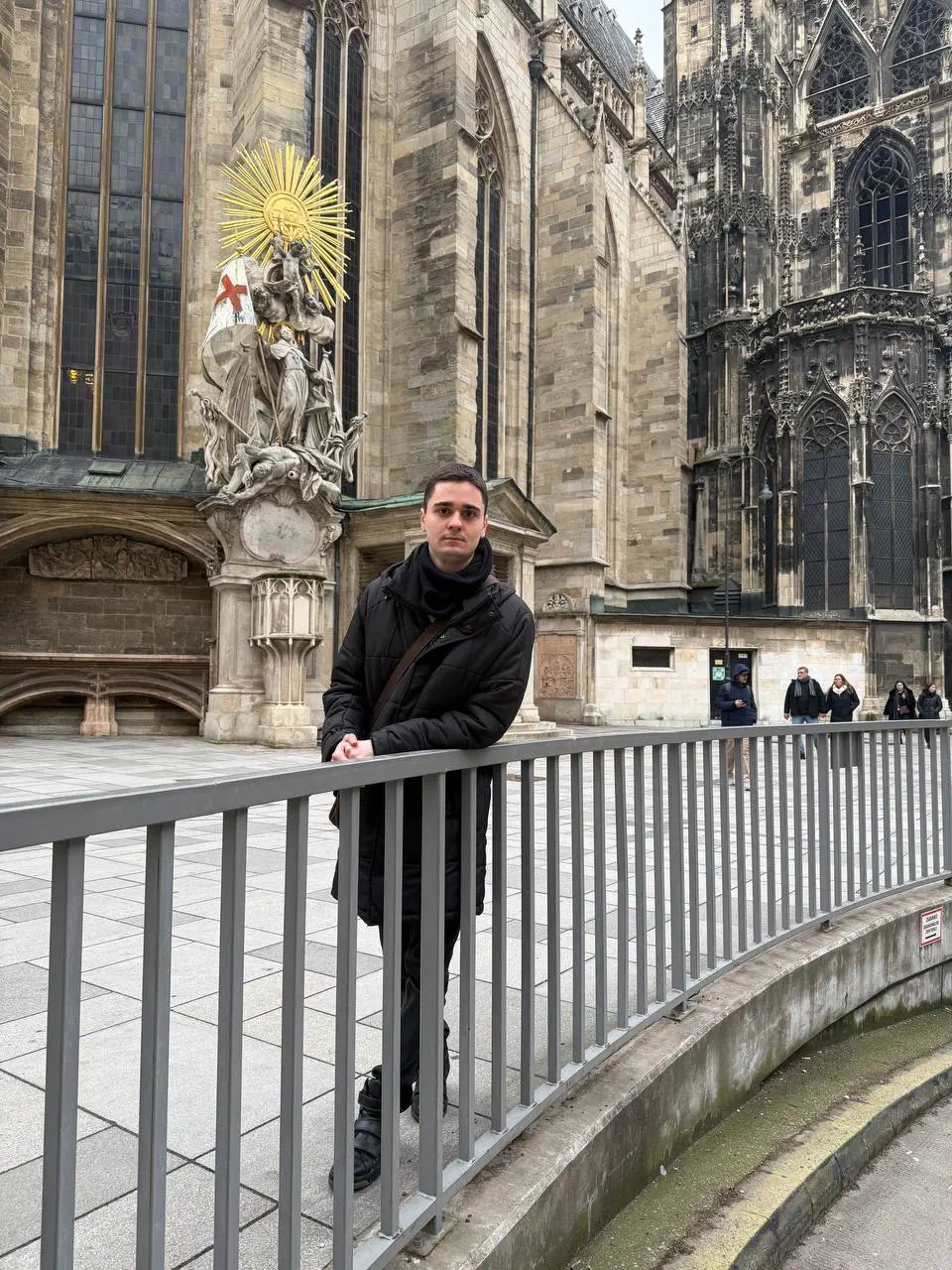
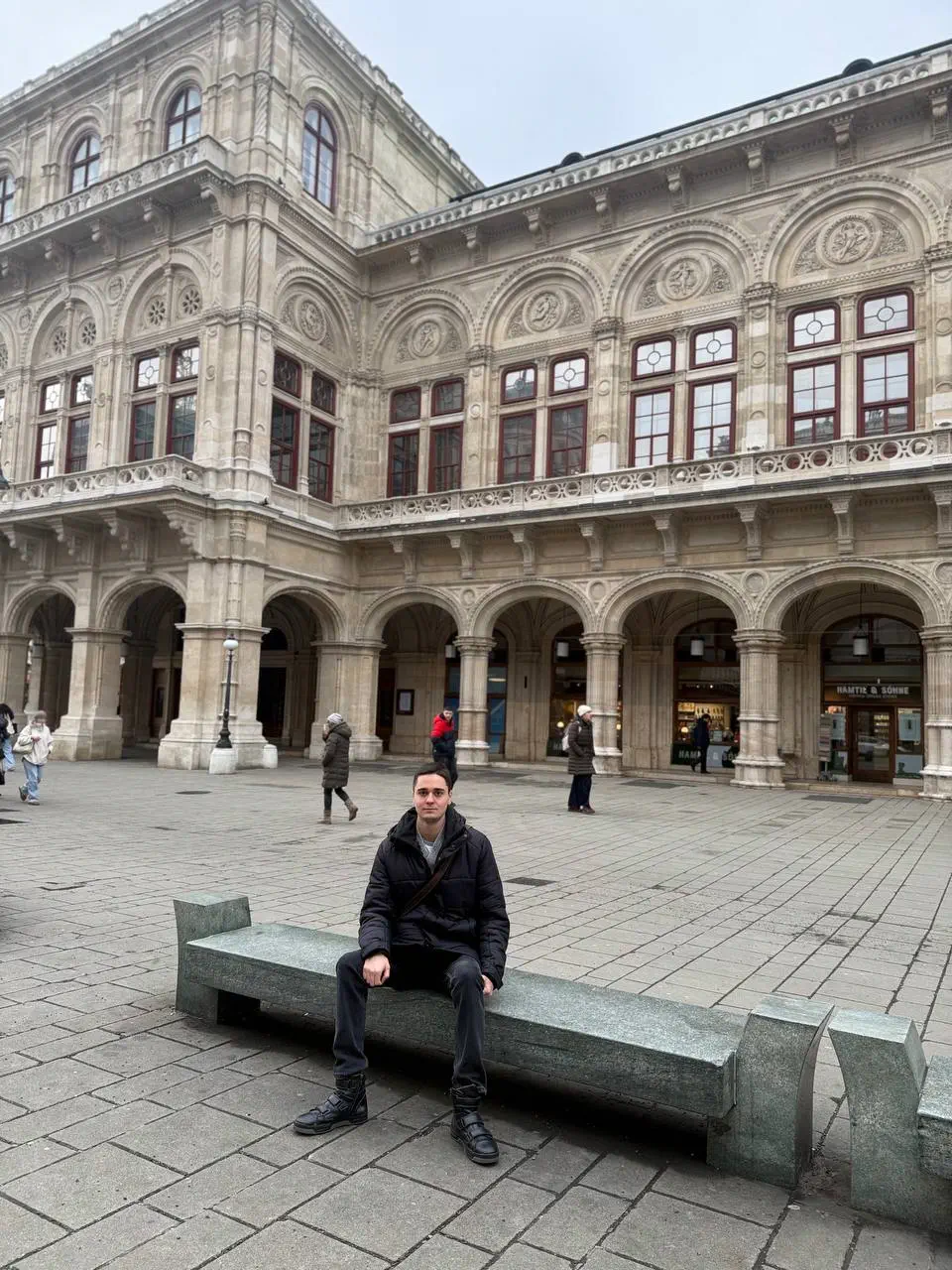
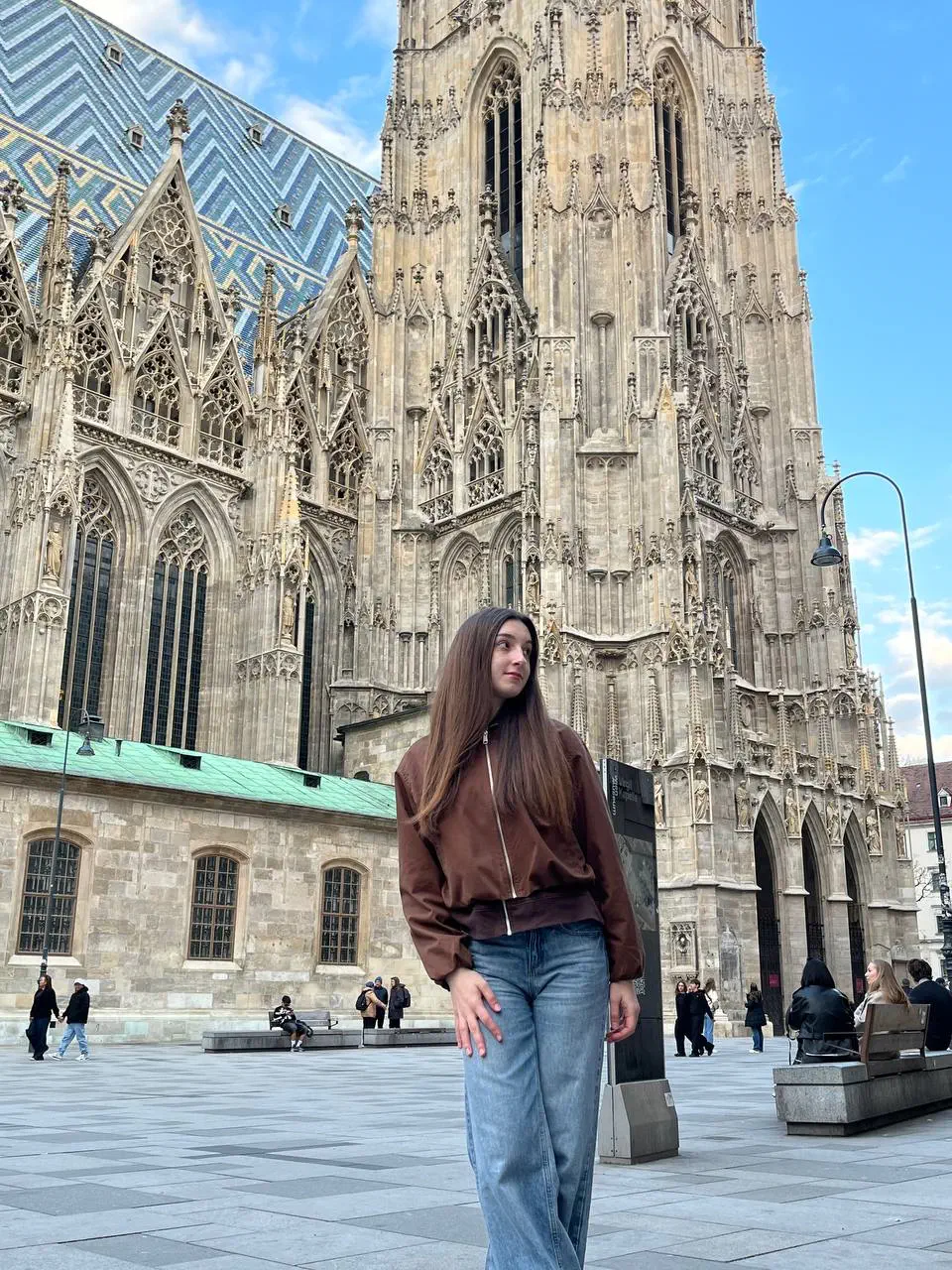
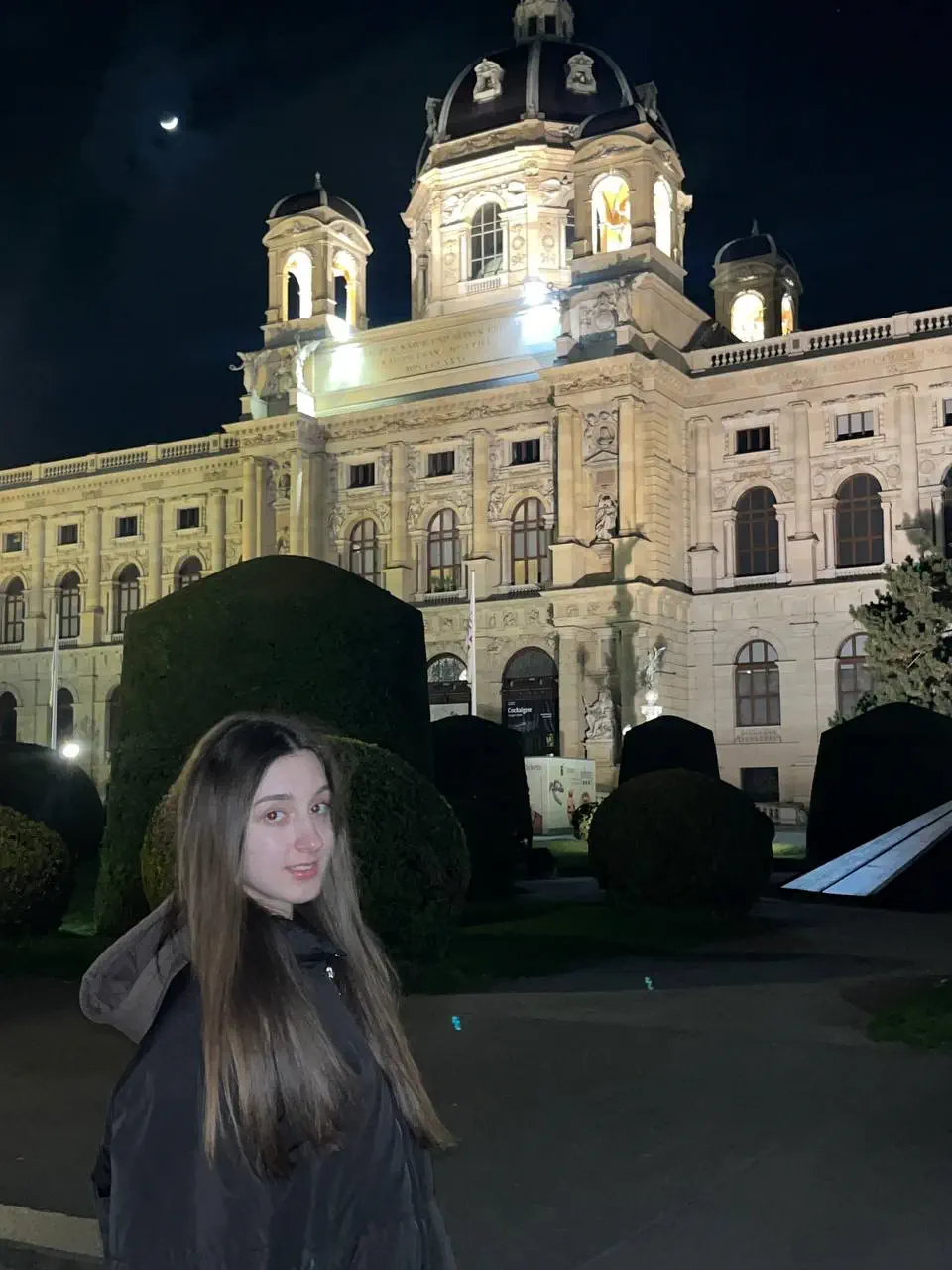
Eisenstadt has an exceptionally convenient geographical location, which allows for comfortable travel to other cities. In particular, a trip to Vienna left unforgettable impressions. The Austrian capital impresses with its majestic architecture, special atmosphere, and well-thought-out infrastructure. St. Stephen’s Cathedral and a walk along the famous Graben street were the most memorable.
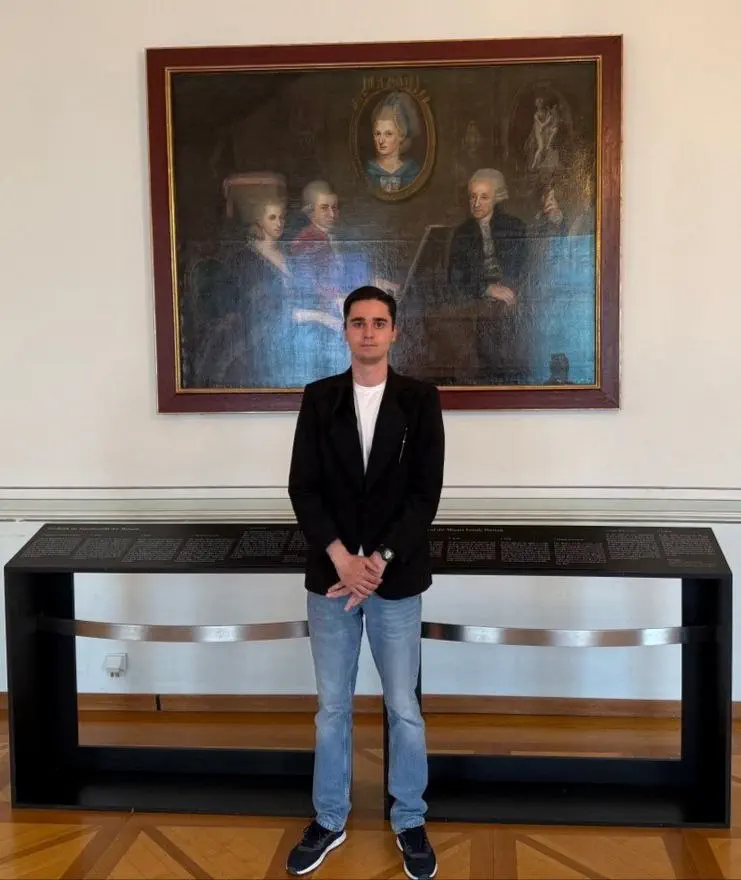
Anna Bukka, a 2nd-year student (group 201-FM) majoring in speciality 292 “International Economic Relations”: “Studying under the Erasmus+ ICM program at the University of Applied Sciences Burgenland was not just an academic adventure for me, but a genuine period of personal growth, discoveries, and vivid impressions. From the very first days here, one is struck by the special atmosphere of freedom, openness, and mutual respect that prevails in the learning environment. There is absolutely no sense of artificial distance or barriers between students and professors at the university. Everyone is easily approachable, and simple communication and sincere support form the foundation of daily interaction. Here, students are not afraid to express their thoughts, ask bold questions, and engage in open discussions during classes.
The university campus itself is an extremely modern, convenient, and well-thought-out space where one actually wants to spend time. It harmoniously combines innovative classrooms, cosy areas for individual study and teamwork, a library with a large number of useful resources, and even green zones for outdoor relaxation during breaks. The entire educational process is digitised to the maximum extent, so every organisational detail is resolved quickly and without unnecessary difficulties. To help newly arrived students adapt easily, the university organised an intensive Welcome Week for Erasmus+ students during the first week of studies. This helped us quickly integrate into the student community, make new friends, and establish our first social connections.
The teaching methodologies in Burgenland differ significantly from those I am used to at home, and learning here is highly practical. First and foremost, great attention is paid to student autonomy: professors provide general guidance, resources, and freedom of action, expecting activity and initiative in return. In addition, teamwork is the core of the educational process. Almost every course includes group projects, during which we learned to coordinate efforts, assign roles, and take into account different cultural approaches. Together, we developed concepts, analysed markets, formulated strategies, and defended our ideas before an audience. This format effectively teaches responsibility, time management, and the ability to find common ground with people who think completely differently, which is extremely valuable in an international environment. Finally, grading here is comprehensive and flexible. The final grade is based on presentations, tests, class participation in discussions, and teamwork, meaning that the result does not depend on a single final exam, and stress levels are significantly reduced.
The curriculum was filled with relevant disciplines directly linked to real business. For instance, the course “Data Management and IT Systems” allowed for a deep understanding of the principles of data collection and analysis in IT systems, combining theory with the team analysis of practical cases of real companies. The discipline “Intercultural Team Communication and Outdoor Training” helped master the subtleties of communication in an international environment, with its most vivid part being an off-site outdoor training session, where we learned to work in a team and make joint decisions in non-standard situations. Within the “International Project and Process Management” course, we studied how to plan and implement international projects effectively, focusing on the process approach to achieve strategic goals. We also thoroughly examined modern non-financial reporting standards and the integration of ESG indicators into corporate operations during classes in “International Sustainability Reporting and Communication”. No less important was the course “Sustainable European Business Environment”, dedicated to the European business environment and the European Green Deal, where the EU's role in implementing climate goals and corporate social responsibility was studied in an interactive format.
Student life in Burgenland turned out to be rich not only in studies, as various events, meetings, and joint activities constantly took place, facilitating communication with peers from different countries. A huge support on this path was the university's mentoring program, through which representatives of the university community helped resolve any issues – from academic to daily household concerns.
In addition, we had the opportunity to visit our university's other campus in the town of Pinkafeld, where students of technical disciplines study, allowing us to compare our experiences and make new acquaintances.
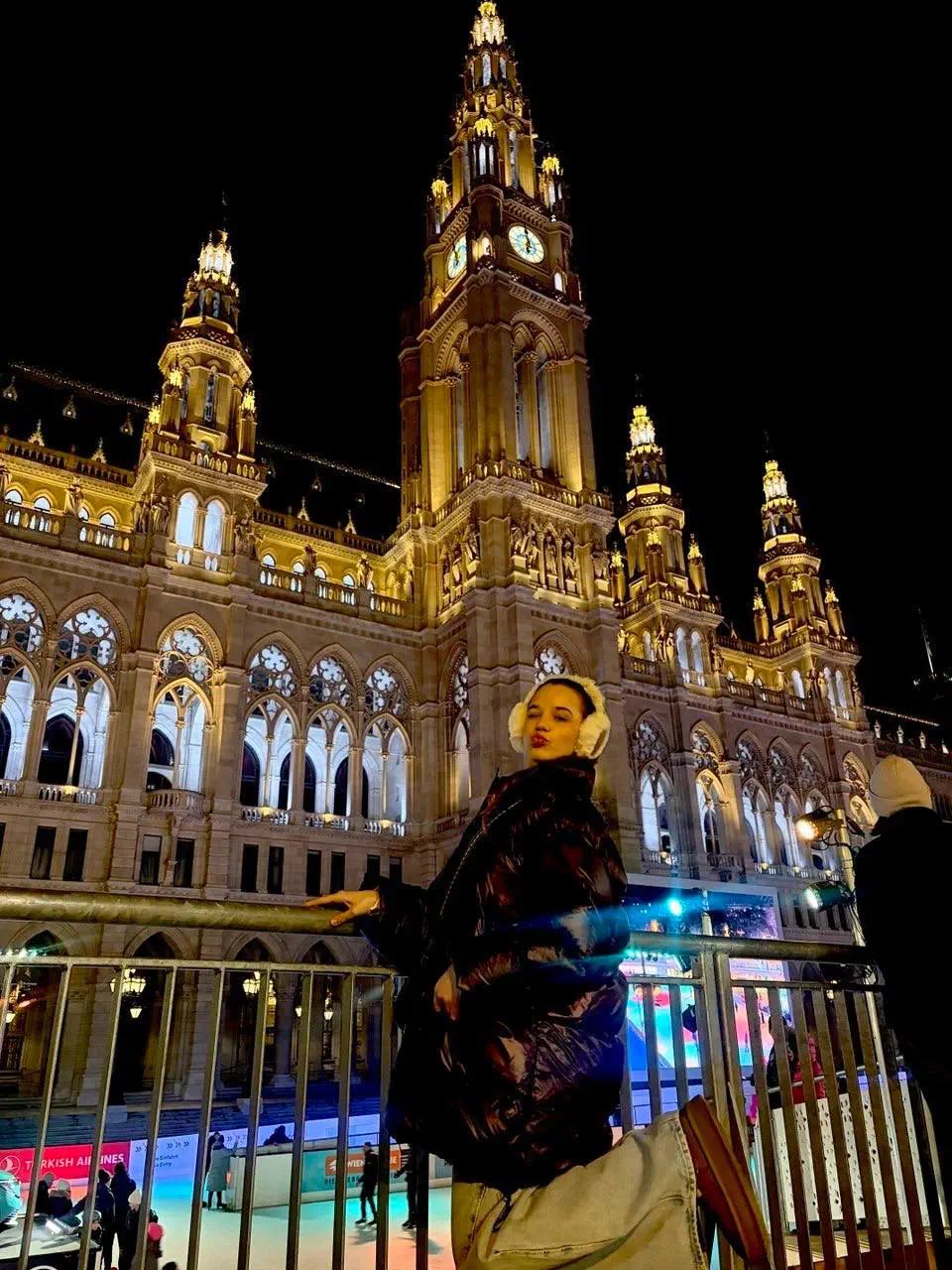
Eisenstadt itself is very conveniently located for travel, so in my free time, I had the opportunity to visit other cities. Trips to Vienna, with its majestic architecture, well-thought-out infrastructure, and charming atmosphere, were a special pleasure. A stroll along the atmospheric Graben street and a visit to the majestic St. Stephen's Cathedral will forever remain among the warmest memories of this unforgettable mobility period, confirming that this university is a space where one wants to be and develop.
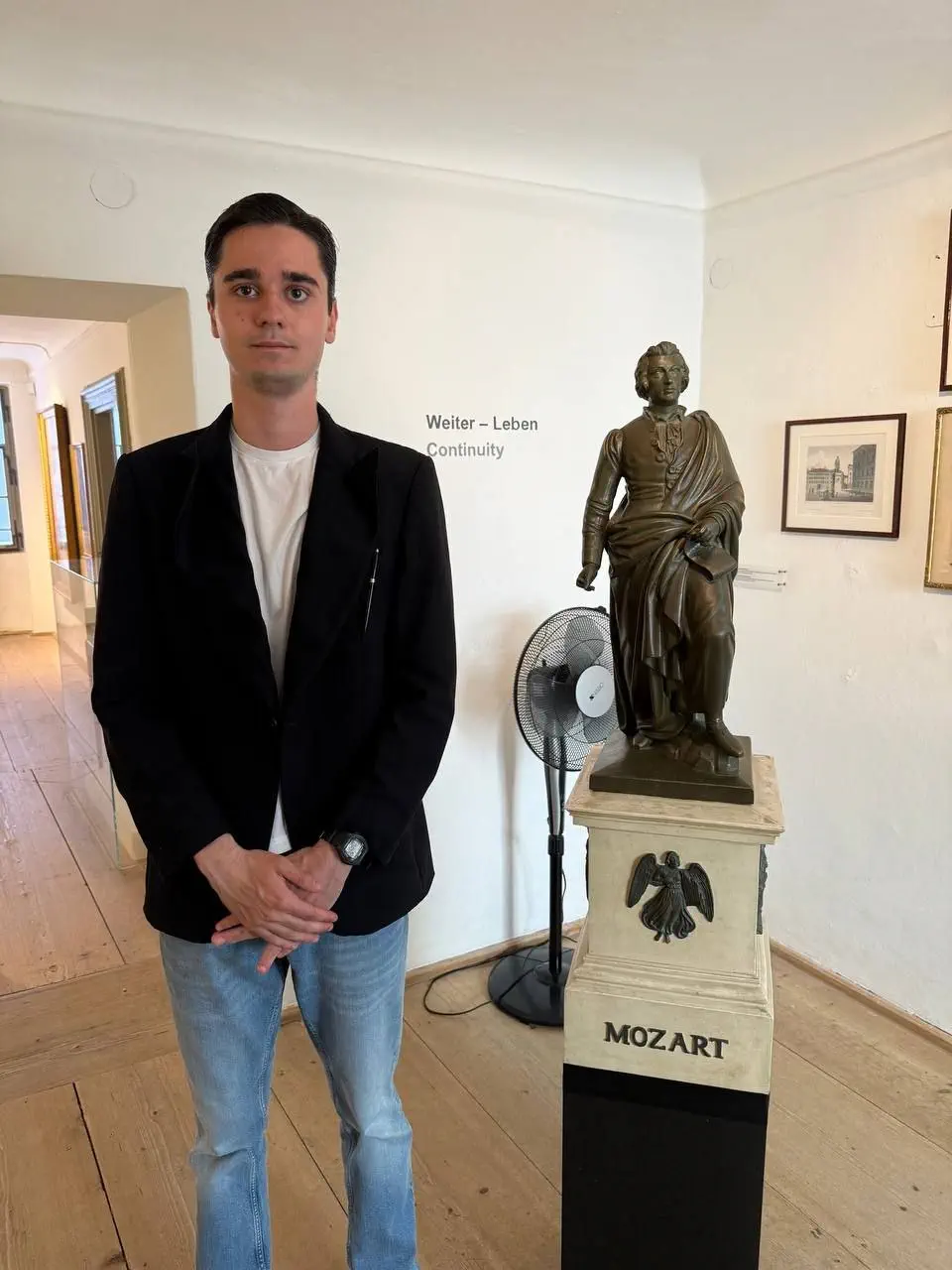
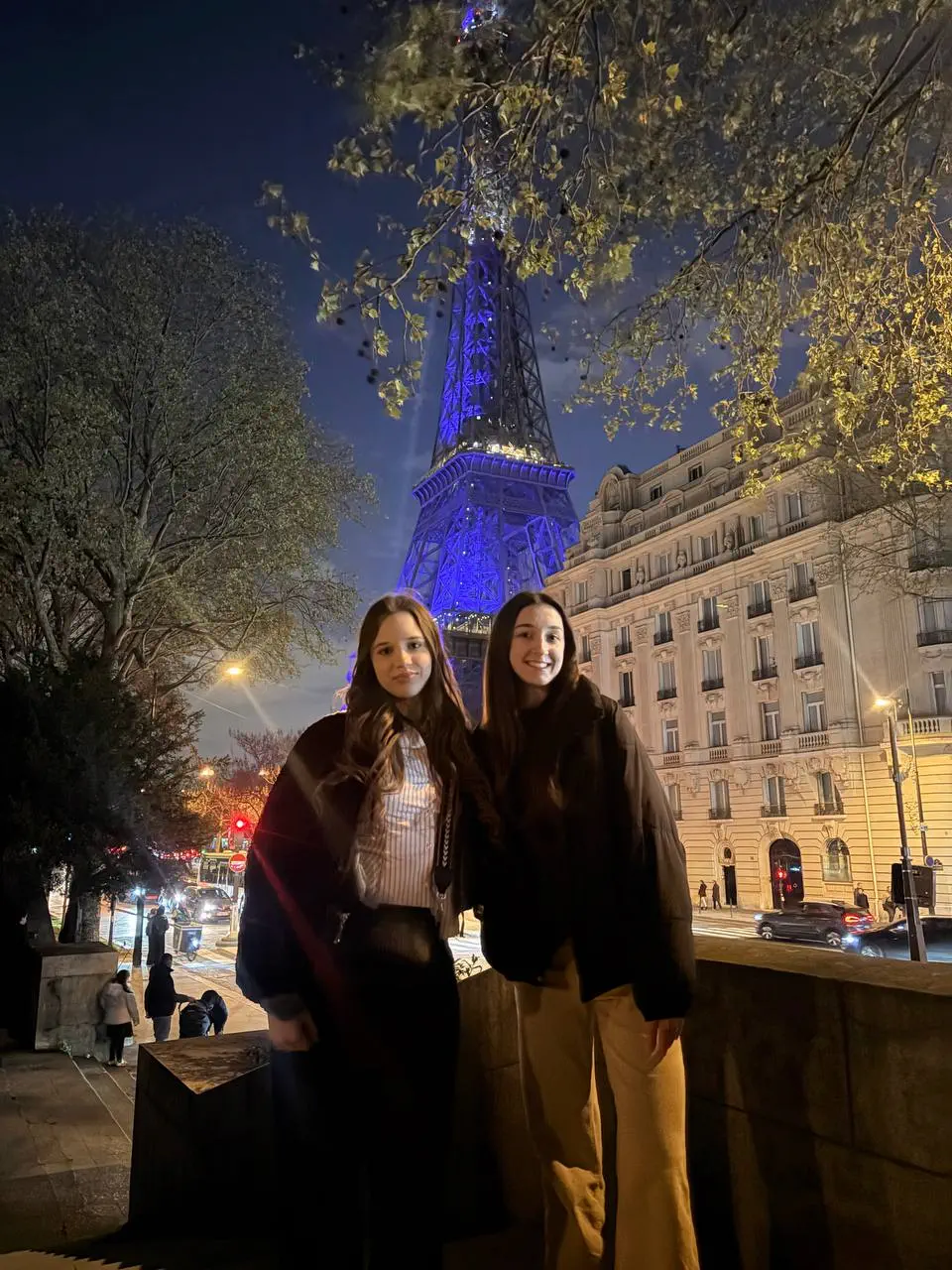
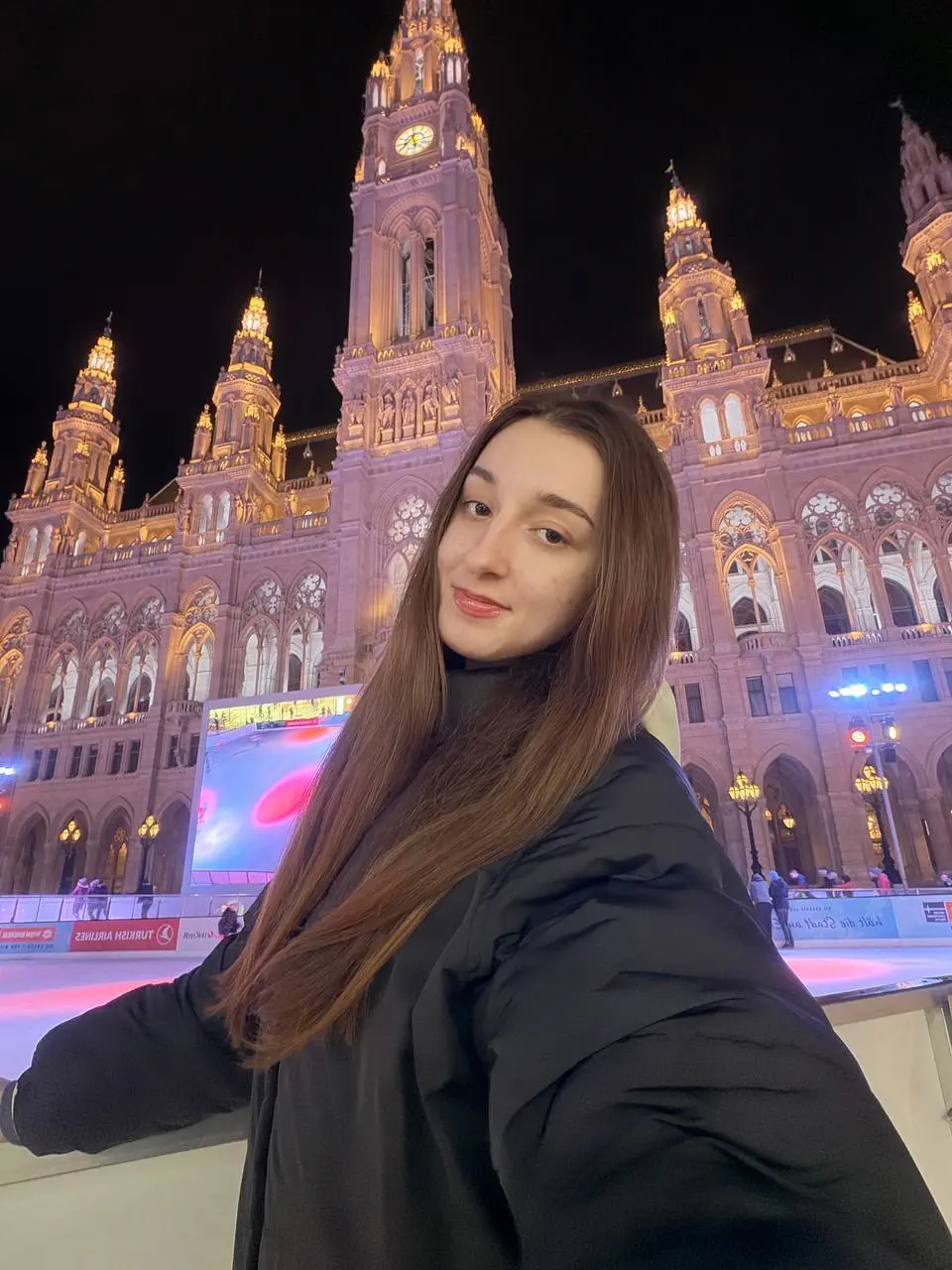
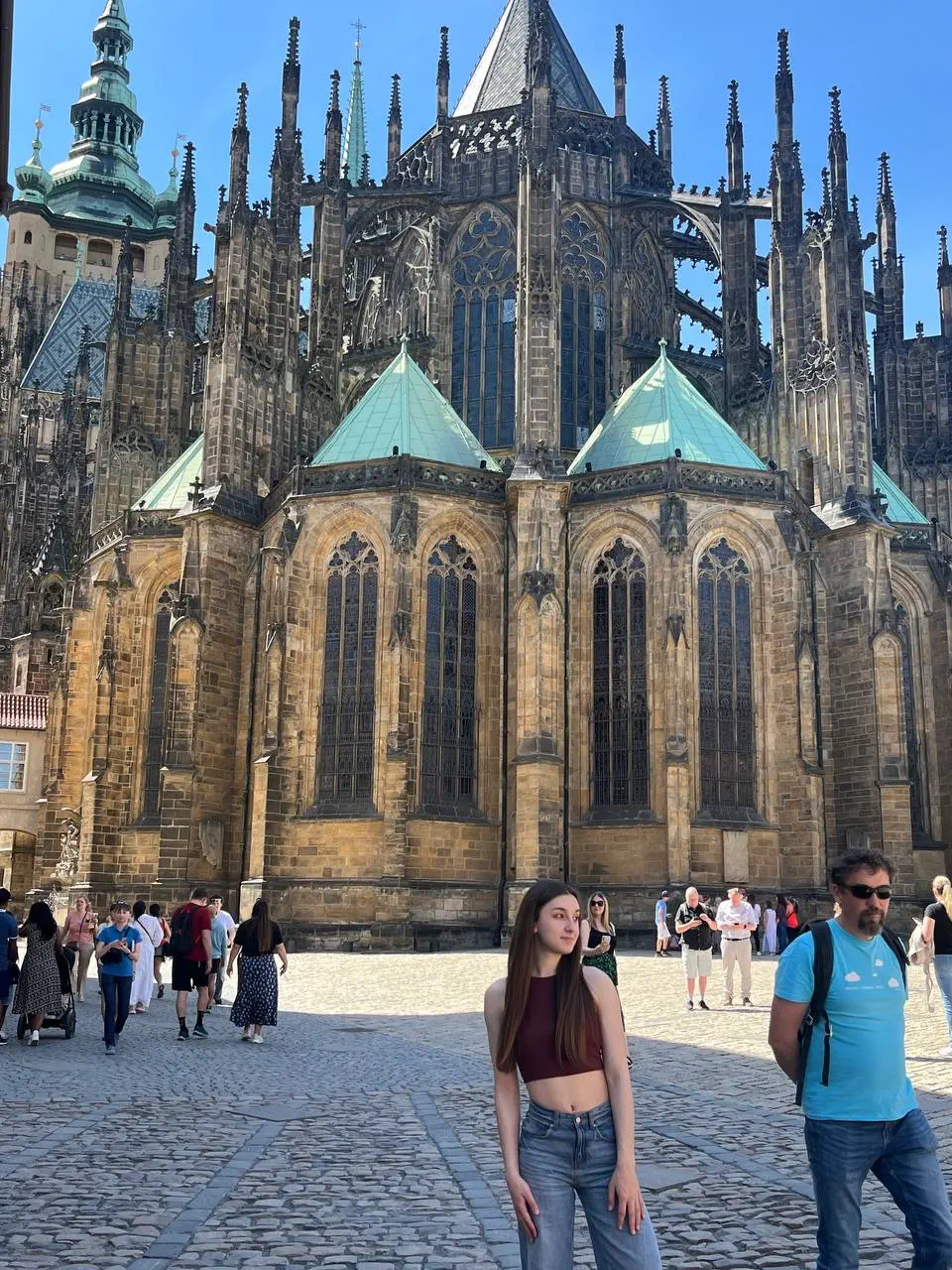
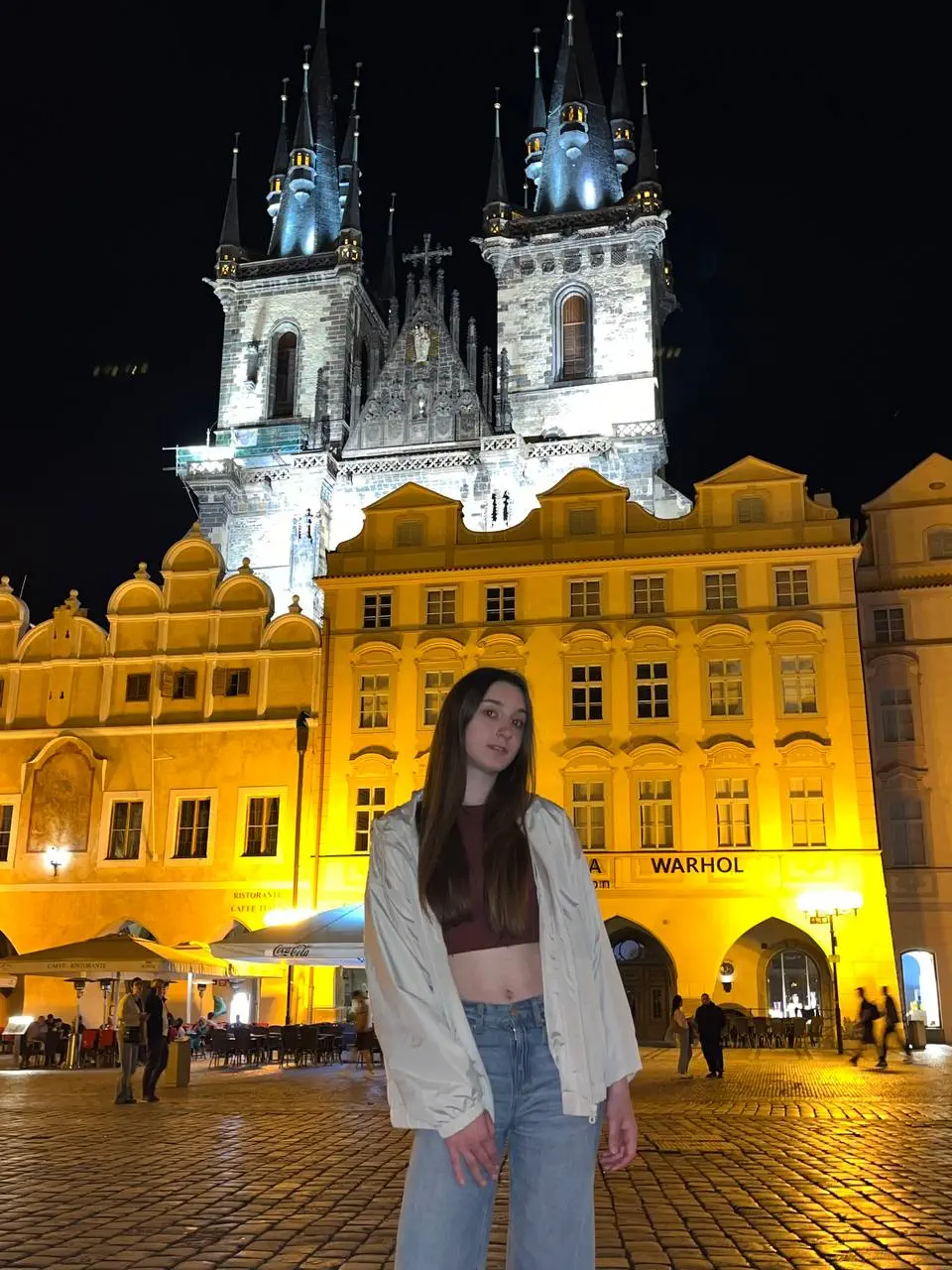
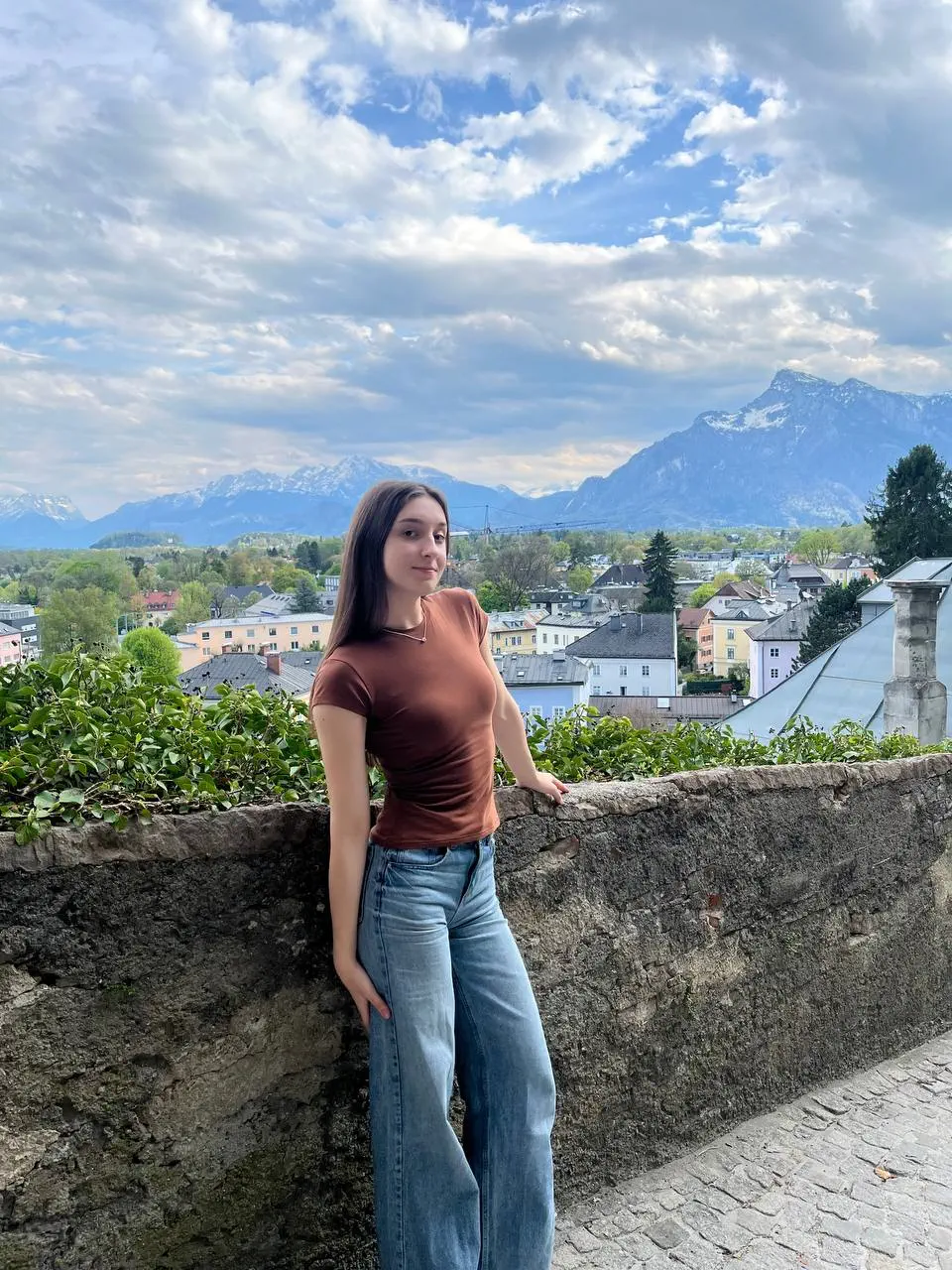
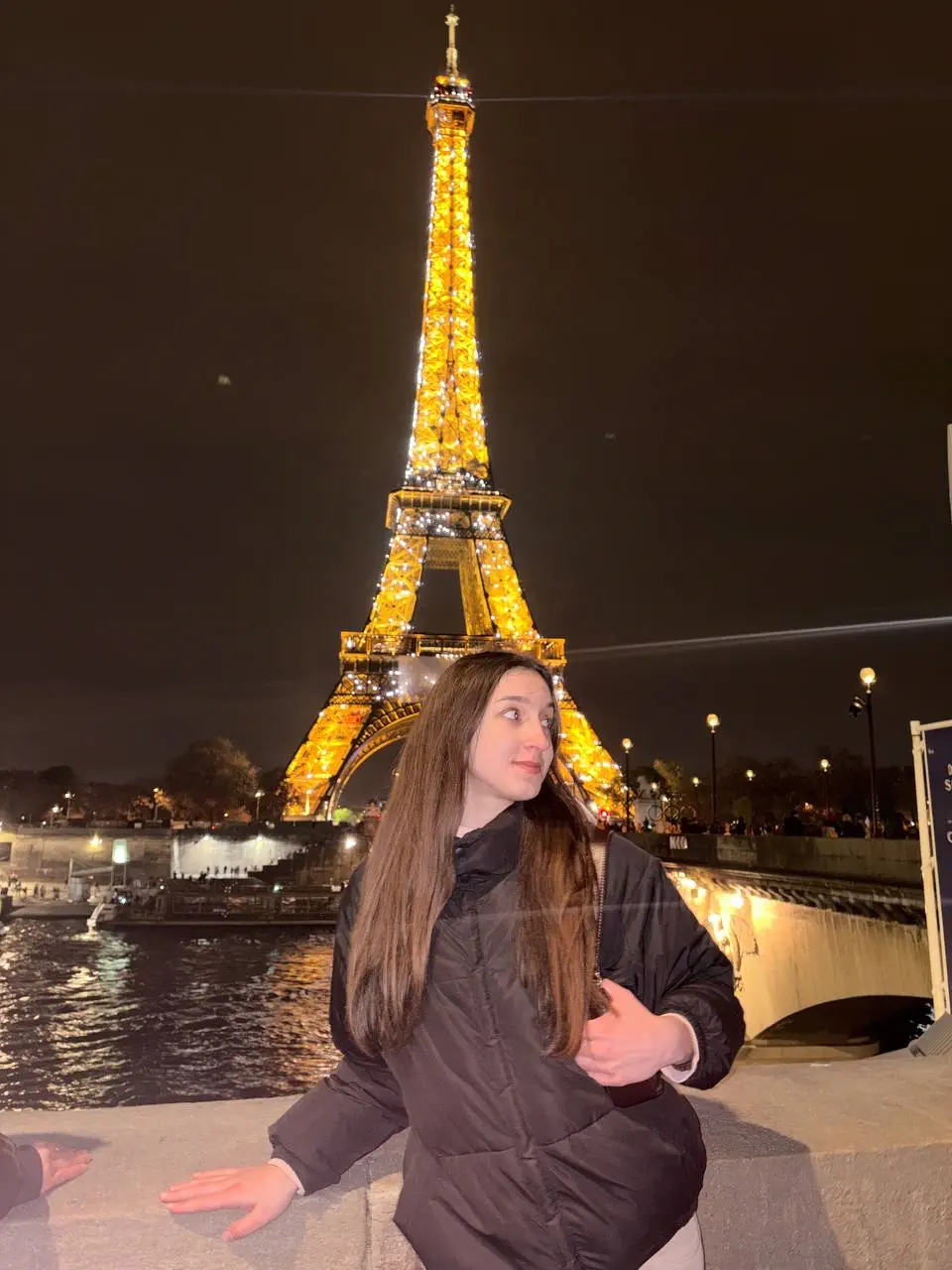
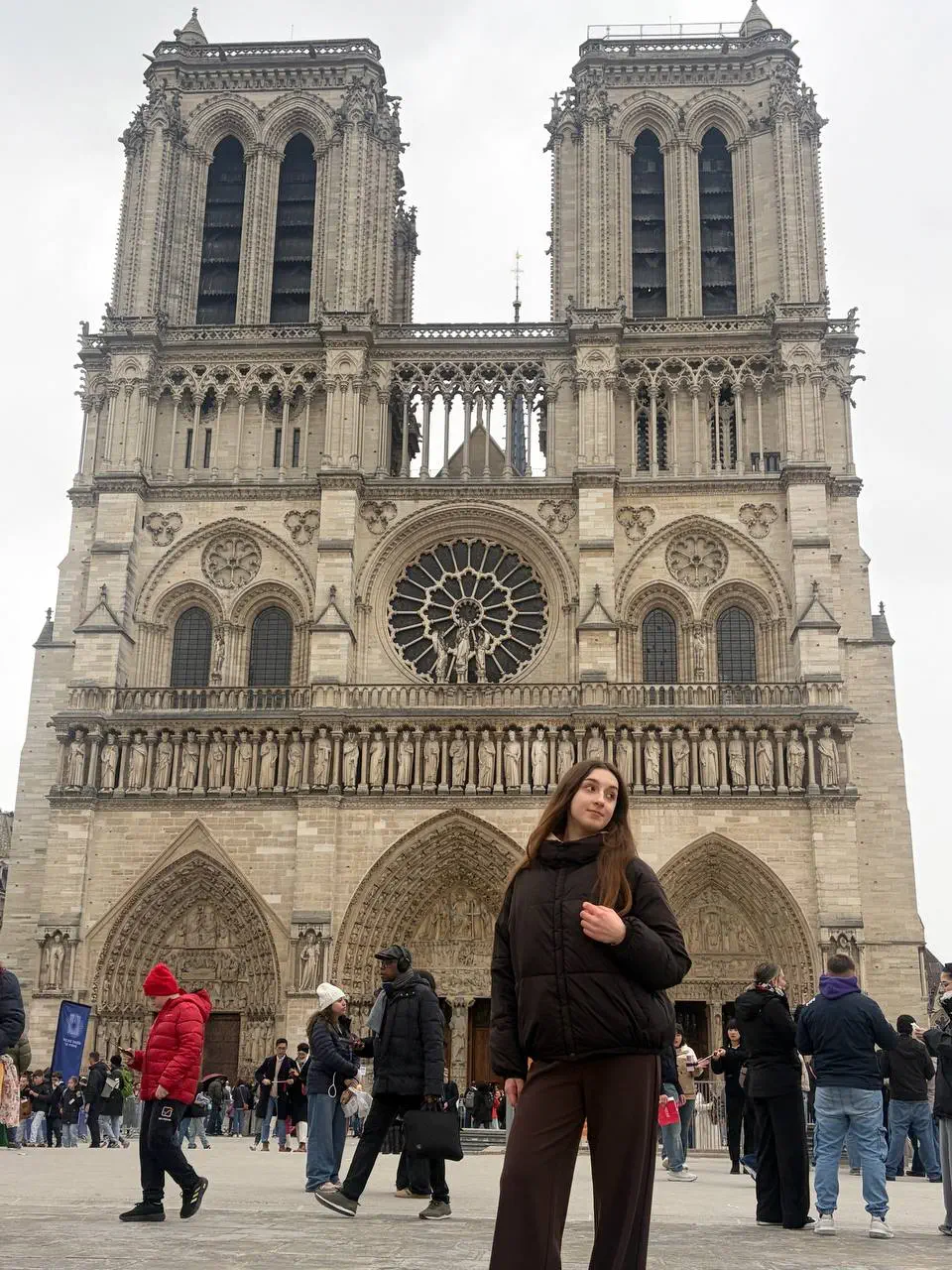
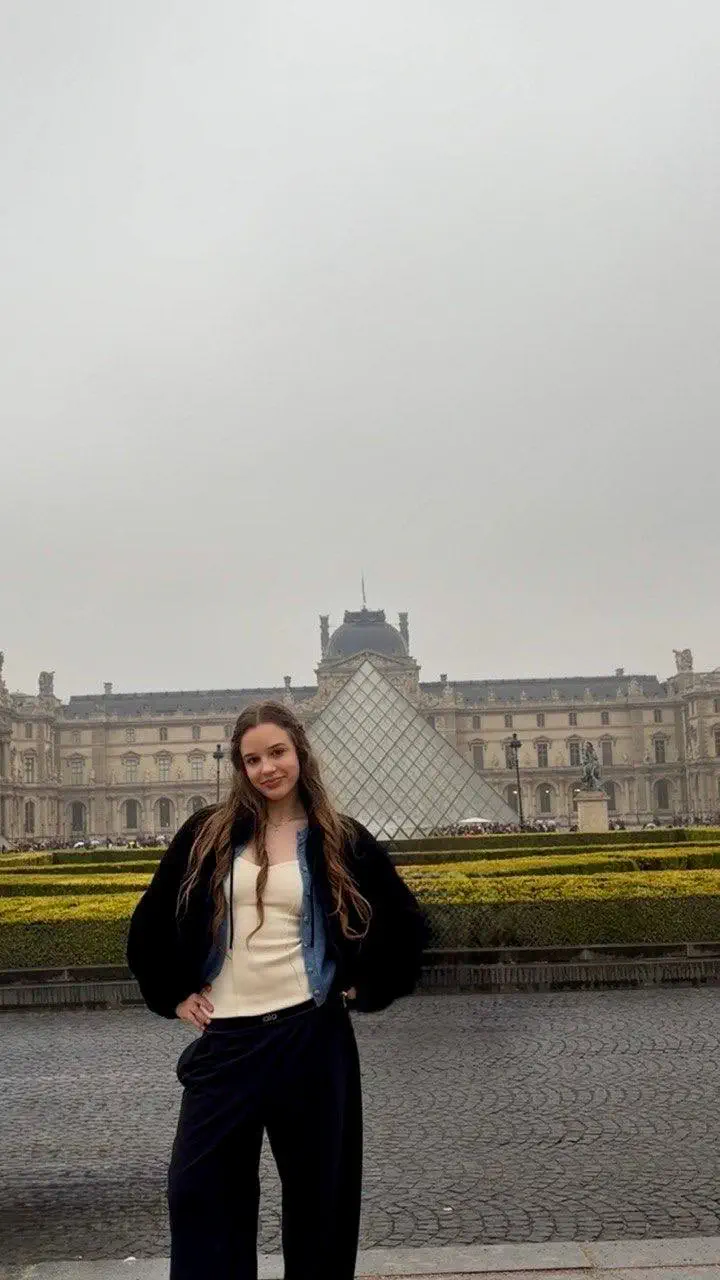
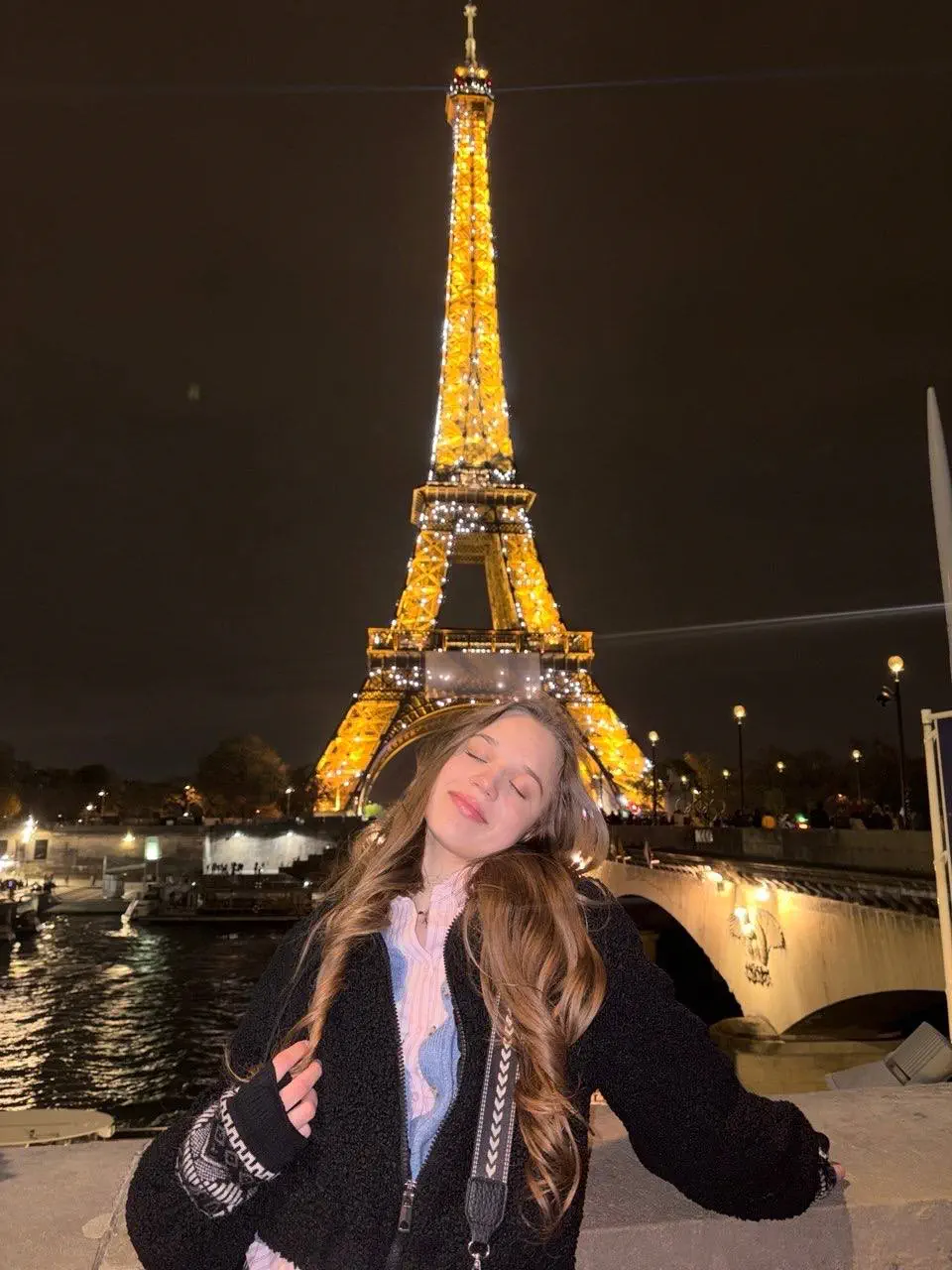
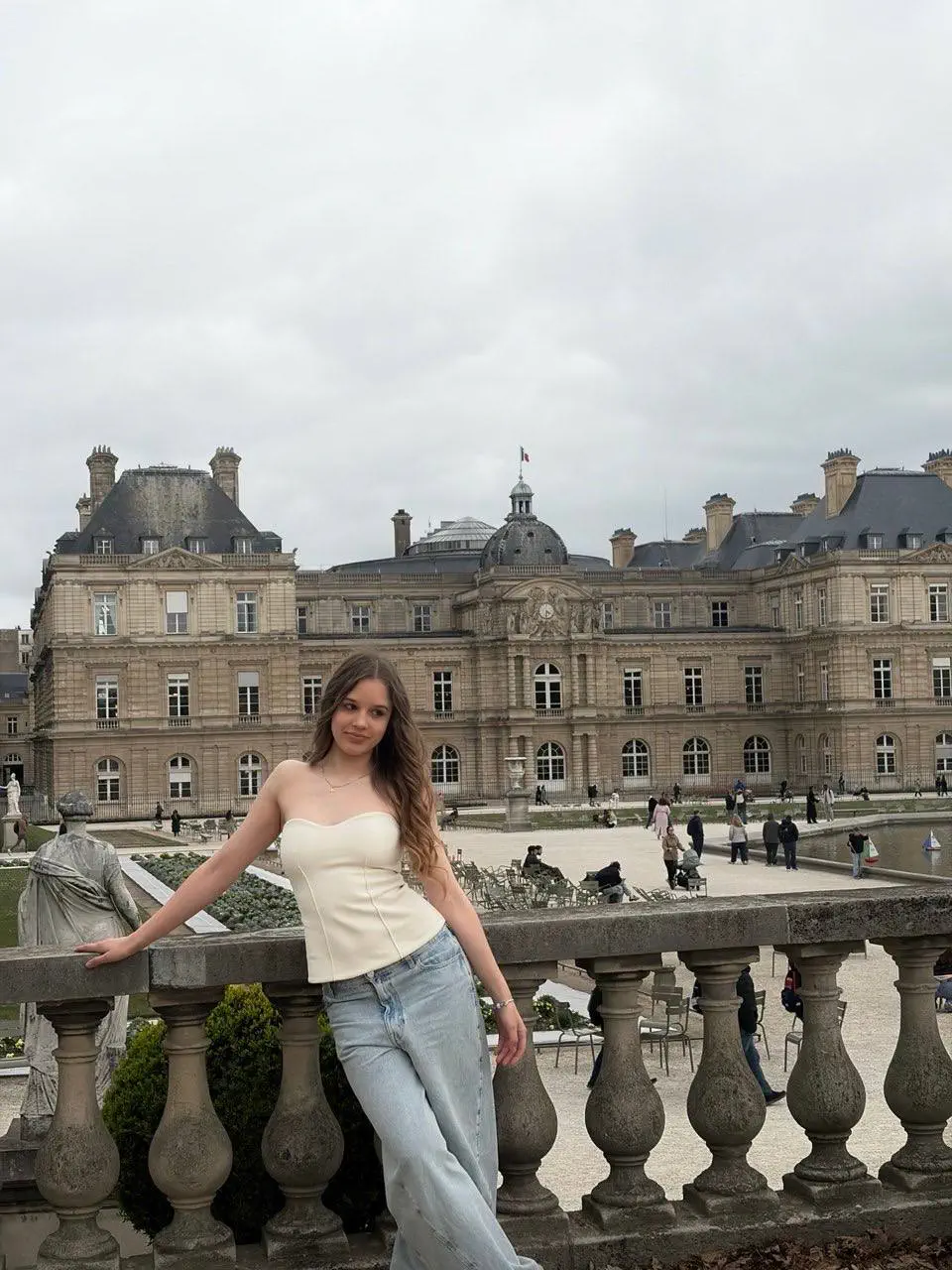
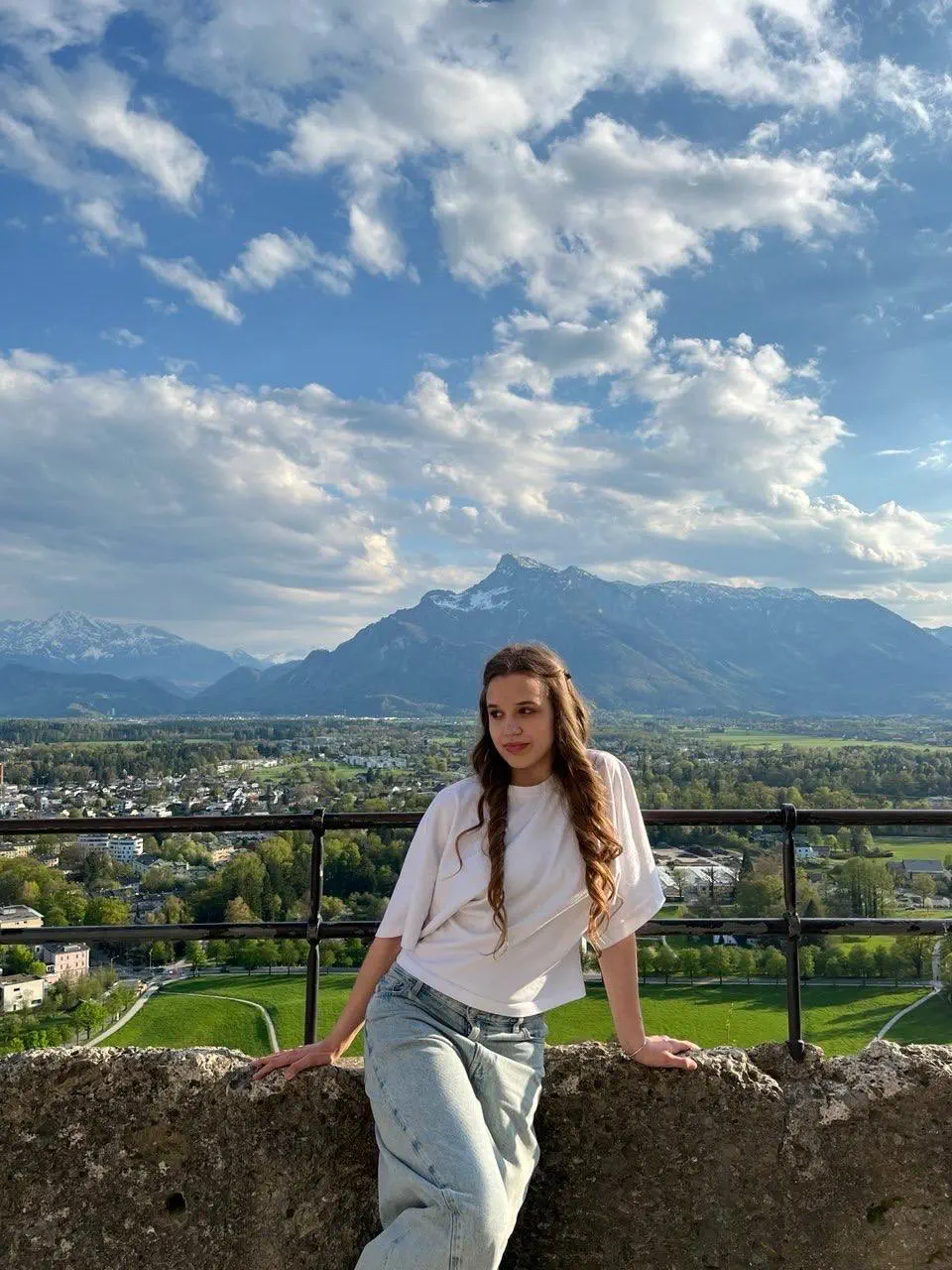
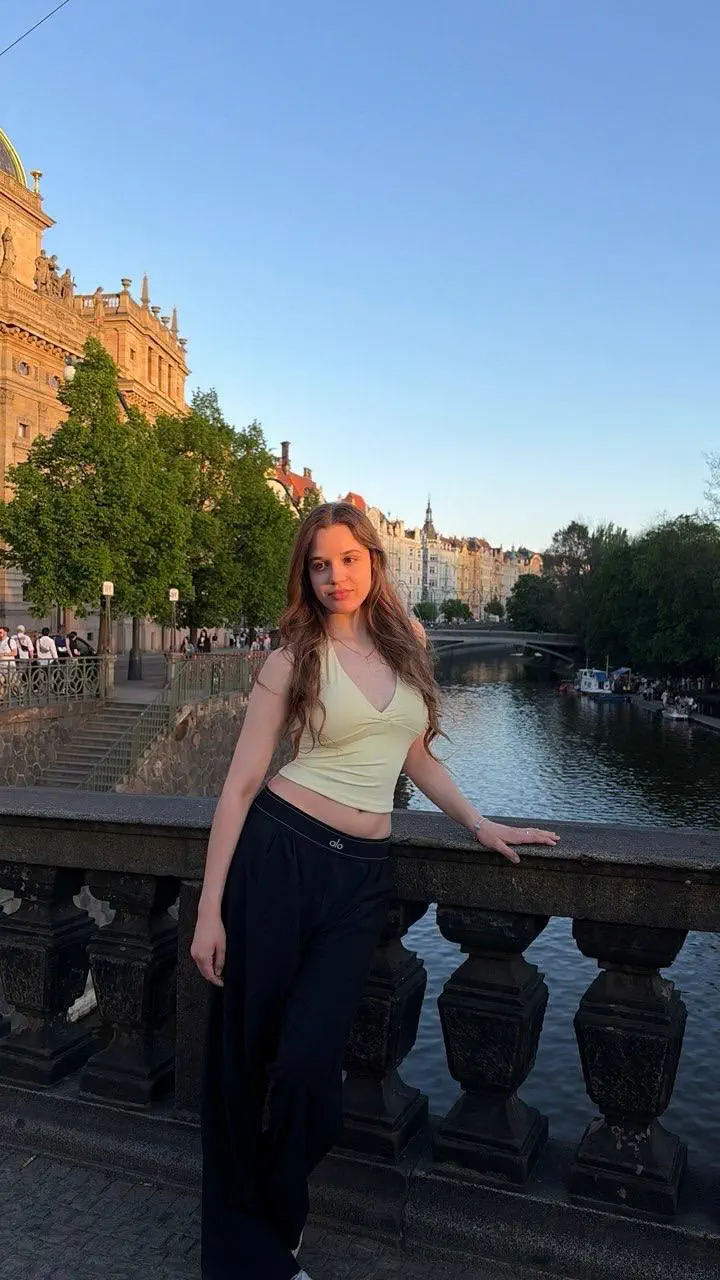
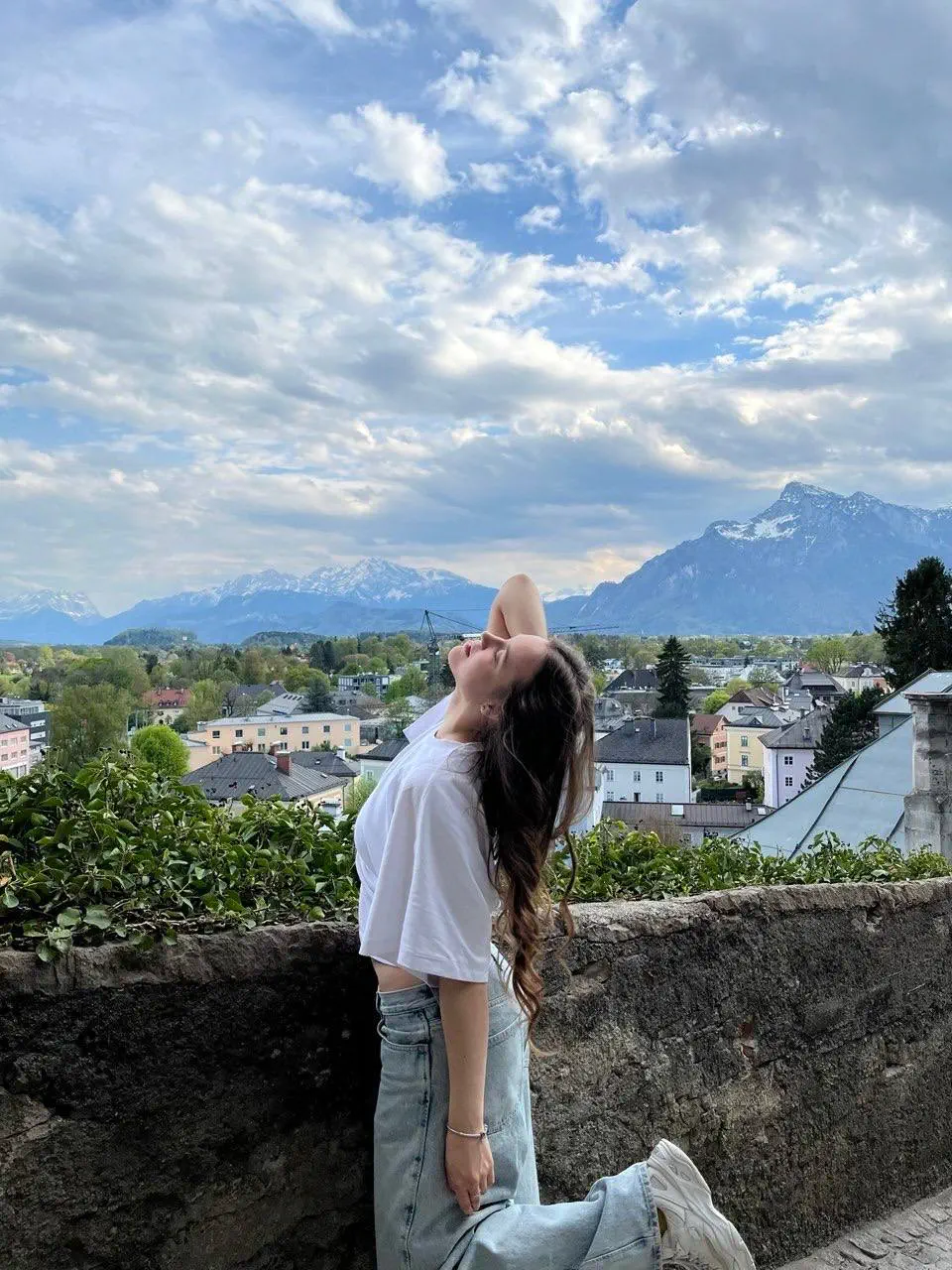
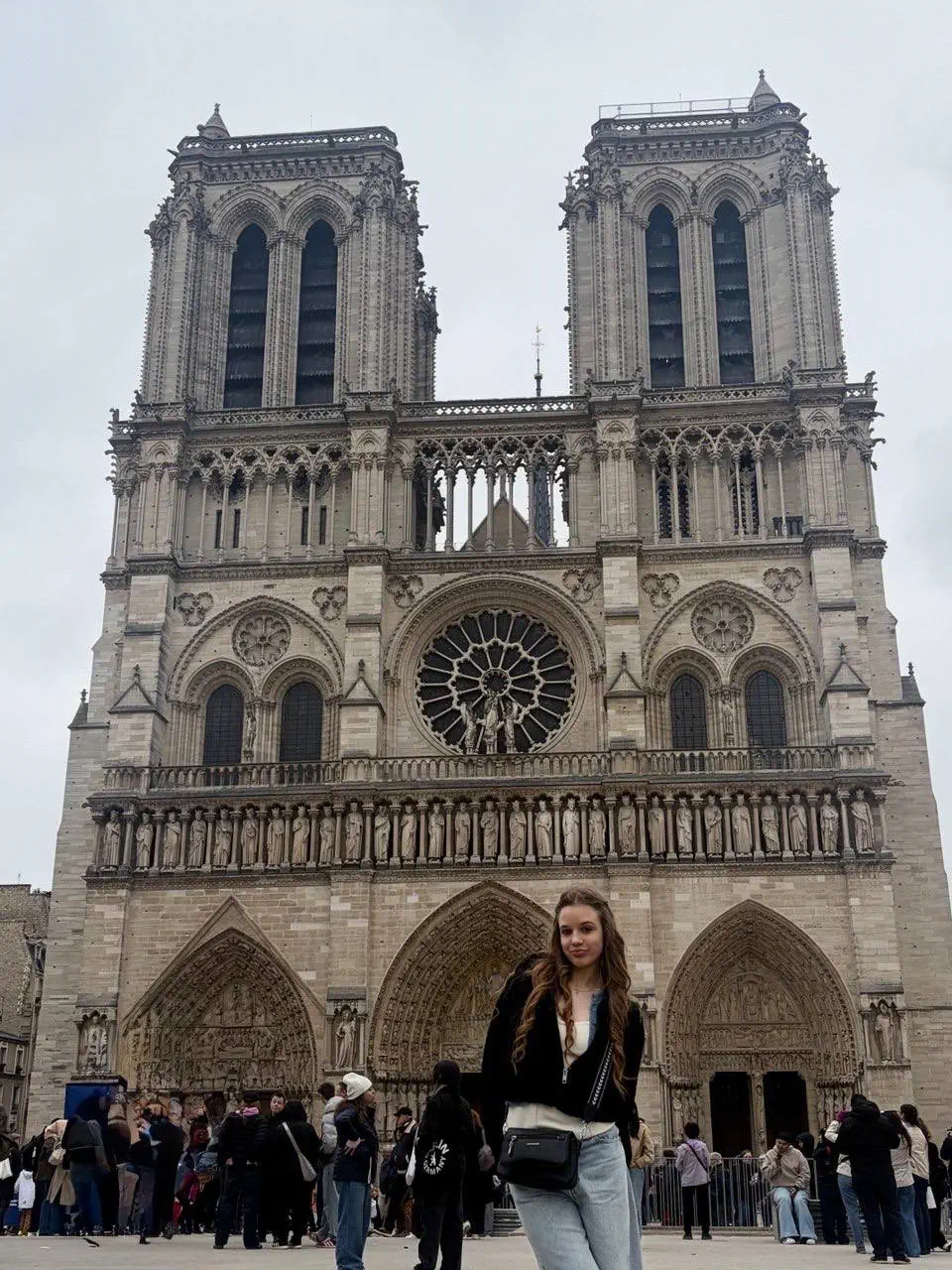
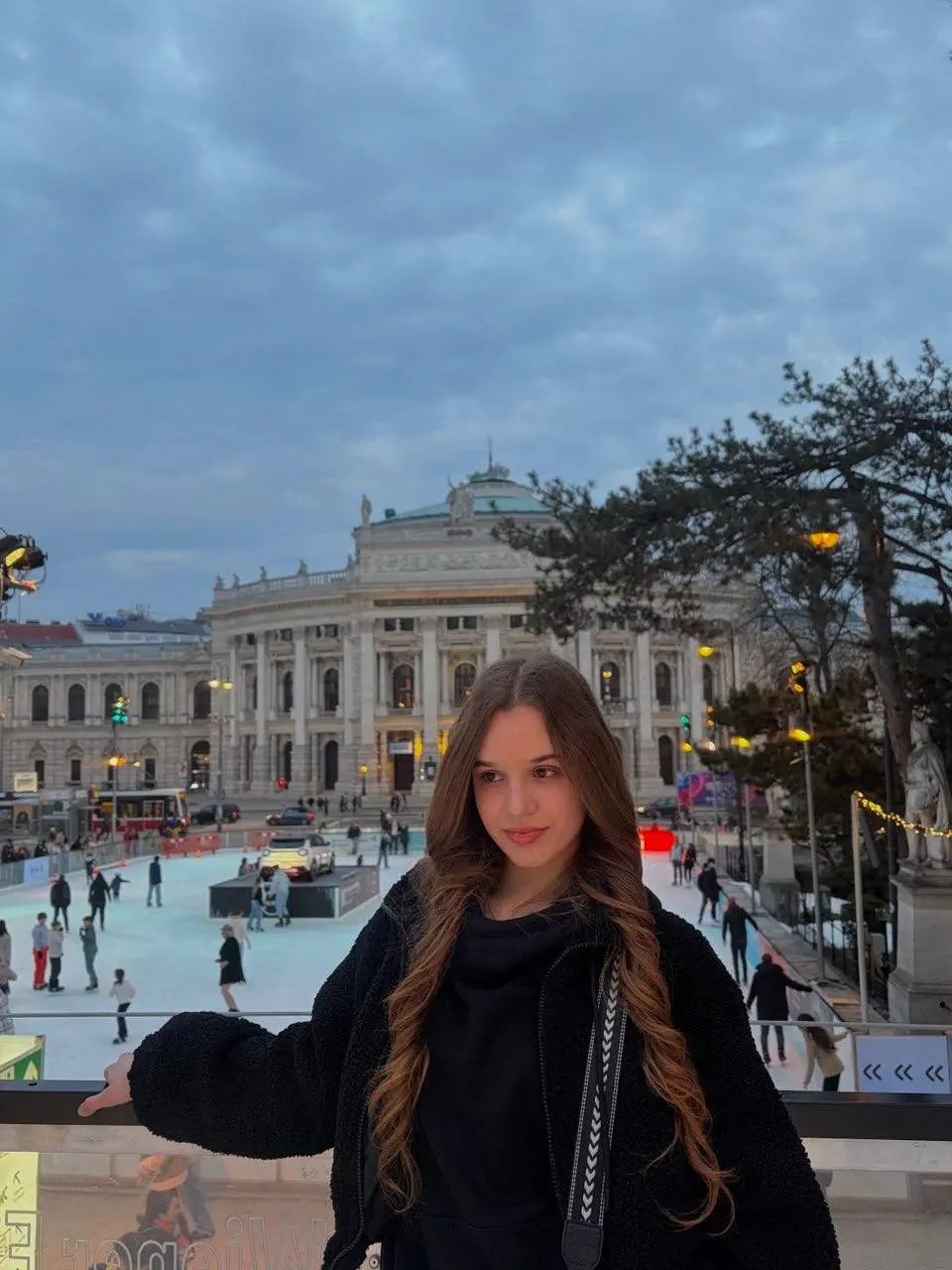
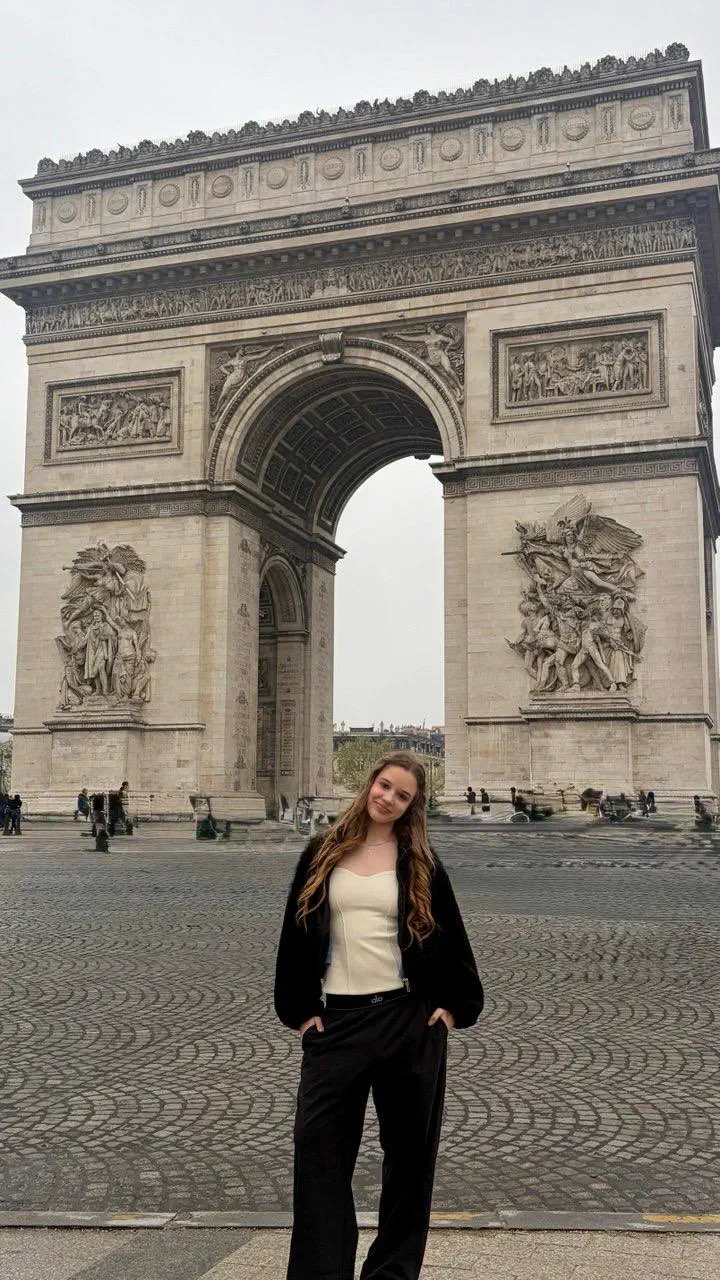
Student life abroad is a separate, incredibly bright story, full of events, new acquaintances, and unforgettable travels. Thanks to the university’s convenient location and flexible class schedule, I managed to visit several amazing European cities, each of which left a special mark. For example, Prague impressed me with its unique medieval atmosphere. Its narrow, cosy streets, the majestic Charles Bridge, ancient architecture, and the climb to the grand Prague Castle created a persistent feeling of stepping into the pages of a fairy tale. Paris turned out to be completely different but no less inspiring. The city did not appear to be as romantically quiet as it is often depicted in films – it is alive, noisy, multicultural, and incredibly dynamic. What I remember most are the scale of the Louvre, the elegance of the Eiffel Tower, a leisurely walk along the Seine, and the magical shimmer of the French capital's evening lights. A true gem of Austria was Salzburg – the birthplace of Mozart, surrounded by majestic mountains and filled with the charming sounds of music. A visit to the medieval Hohensalzburg Fortress, walks along the picturesque Salzach River, and enjoying the surrounding tranquillity allowed me to feel Austrian culture and peace much more deeply. However, my personal favourite and a city to which I want to return again and again was Vienna. Each of my visits there revealed the capital from a new side, making me fall in love with its elegant streets, cosy cafes, and street music in the squares even more. My mandatory walks through the historic centre were always accompanied by savouring the legendary Viennese sausages, and during one of the winter trips, I was lucky enough to skate on the giant city ice rink, where, to the sounds of music and under the glow of thousands of lights, Vienna seemed like the embodiment of a true holiday.
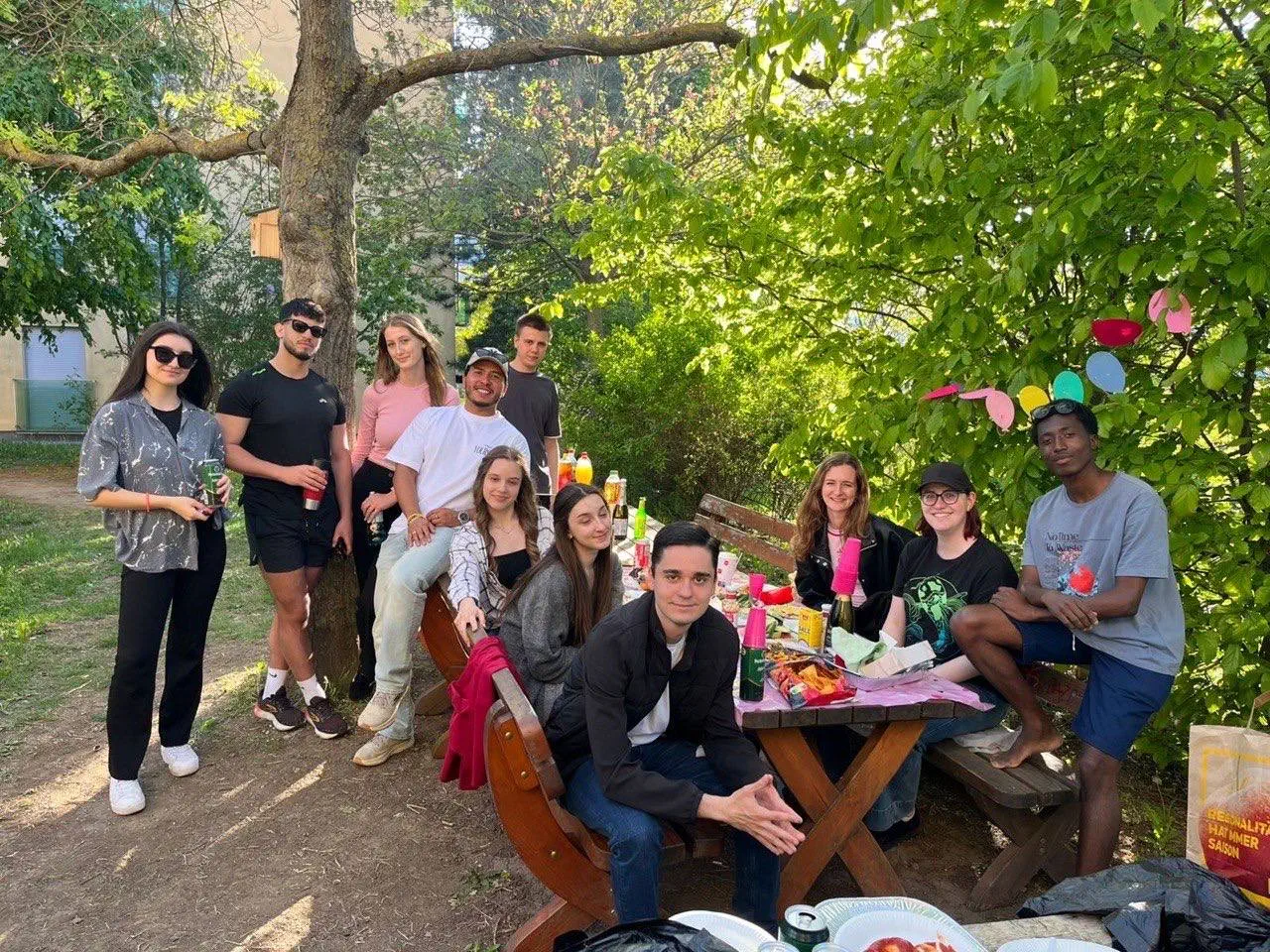
Ultimately, perhaps the greatest achievement of studying abroad was the people. My group included students from various corners of the world – Germany, Slovakia, Albania, Latvia, the Czech Republic, Georgia, and Ukraine. Our shared time allowed us to exchange traditions, recipes, life stories, and even celebrate national holidays together, which expanded our horizons and taught us to understand other cultures more deeply. Our evenings in the dormitory will remain particularly valuable memories, when we cooked various dishes together, played board games, or talked until late at night. It is in such sincere moments that one realises that student life is not only about academic achievements, but also about strong friendship, mutual support, and shared moments that unite us despite any borders. This semester turned out to be an extremely important life stage for me, which gave me not only new knowledge and friends but also a broader vision of my own future. In conclusion, I would like to express my sincere gratitude to my alma mater, National University “Yuri Kondratyuk Poltava Polytechnic”, for this incredible opportunity, which opened the doors to the world of international education and presented entirely new life perspectives!”.
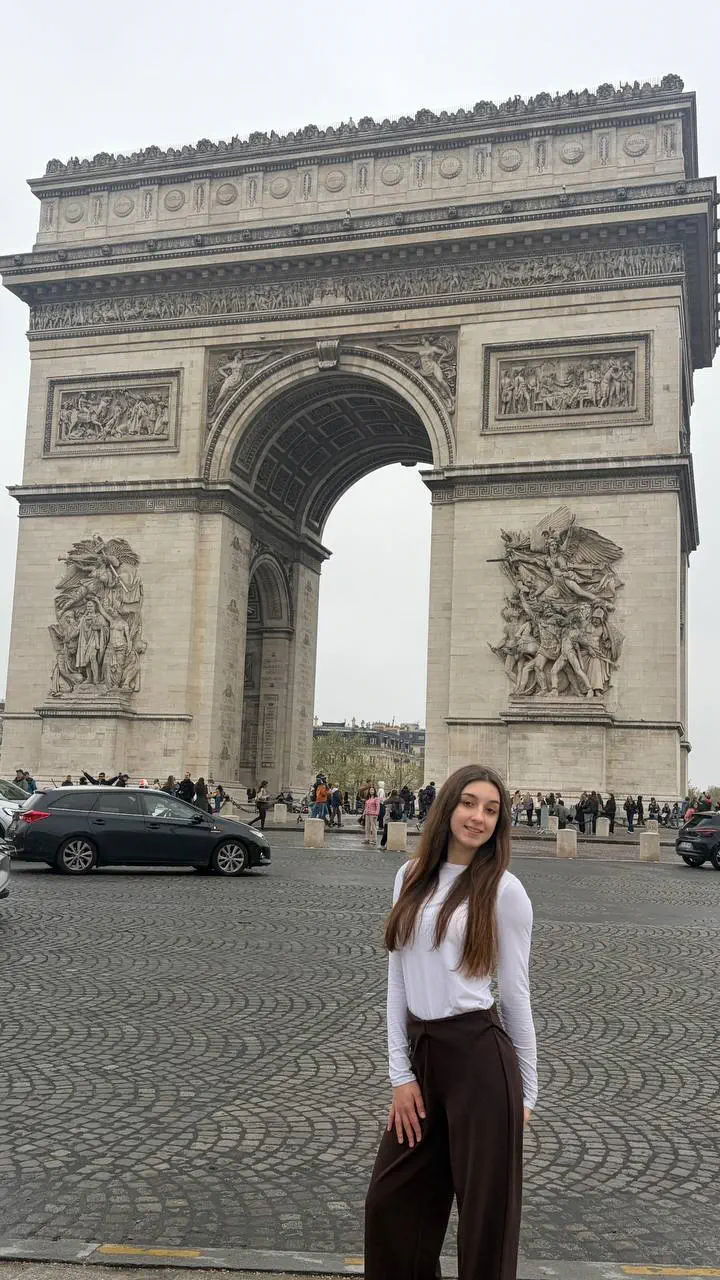
Anastasiia Afonkina, a 2nd-year student (group 201-FM) majoring in speciality 292 “International Economic Relations”: “The Erasmus+ program in Austria has already become my second major international experience, so this time I came here not only with genuine curiosity but also with the ability to compare.
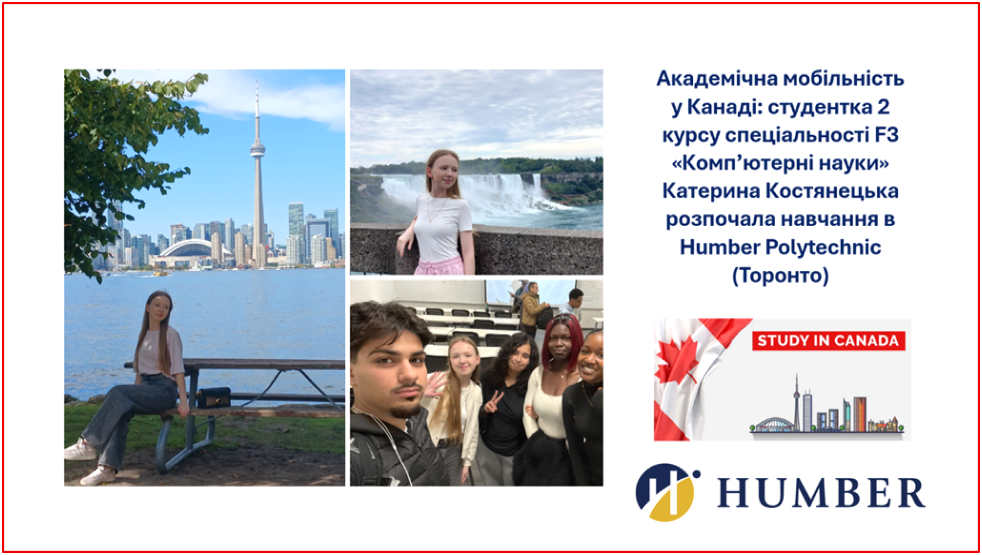
Previously, I studied on exchange at Humber College in Toronto, so I remember very well the feeling of living in a huge Canadian metropolis where everything moves at a breakneck speed. That is why Austria offered me a completely different, yet highly valuable, life experience. Currently, I am pursuing my education at the University of Applied Sciences Burgenland under the “International Sustainable Business” program in Eisenstadt. While Toronto will forever be associated with skyscrapers, constant noise, crowded subways, and the feeling that the city never sleeps, Eisenstadt has become its absolute opposite. It is a small, wonderfully quiet, and cosy town where time seems to slow down. Initially, after Canada, such a pace seemed unusual, but over time, I began to appreciate this peace much more. There is no constant stress of a big city; instead, a deep sense of inner balance emerges. The abundance of nature, greenery, and picturesque vineyards, combined with mountain landscapes, creates a special atmosphere. After a noisy metropolis, this is felt particularly sharply: in such a cosy atmosphere, it is much easier to concentrate on studies and self-development and enjoy the moment.
The university itself also differs significantly from my previous experience, and what impressed me most was the approach to teaching. While in many institutions students mostly passively listen to lectures and take notes on theory, here learning is built on the principles of constant practice and active interactivity. Even when a class lasts three or four hours, time flies by unnoticed, as we complete several full-fledged group tasks. In a single class, we manage to analyse a business case in detail, find the optimal solution to a problem, work in a team, prepare a short presentation, and defend our results in front of the audience in just twenty to thirty minutes. Initially, this pace caused slight stress, as it required lightning-fast thinking, negotiating with team partners, and structuring information in English. However, I soon realised that this format is indeed the most effective. New business tools and concepts are remembered much better when you do not just read about them but immediately apply them in practice. I especially like that professors pay attention not so much to the formally correct answer as to the process of thinking itself: problem analysis, team interaction, argumentation of one's position, and presentation of ideas.
Studying in the “International Sustainable Business” program, we discuss modern global challenges, the concept of sustainable development, international business, and intercultural communication in detail. A special place among all disciplines for me was held by the course “Intercultural Team Communication and Outdoor Training”. In class, we analyse the nuances of communication between people from different parts of the world, explore cultural differences, and see how mentality affects work in international teams. This is incredibly fascinating, as you immediately observe theoretical knowledge in everyday life among the community of Erasmus+ students. This is also facilitated by the extremely open, relaxed atmosphere in communication with professors. There is no fear of making a mistake or expressing an unconventional opinion; on the contrary, initiative and discussions are highly encouraged, creating a comfortable environment for developing self-confidence.
A separate bright part of this experience was the people and the unique Erasmus+ community. Many diverse activities were organised for international students, which helped us bond quickly. One of the brightest moments was a joint hiking tour, where we spent the whole day outdoors, participating in team challenges and competitions. In many tasks, we had to act as one: make decisions quickly, support each other, and find common ground despite differences in mindset or personality. It was then that I truly felt how Erasmus+ unites completely different people.
Surprisingly warm emotions were also left by the local wine tasting, which took place in a cosy, informal atmosphere and allowed everyone to get to know each other even better. In addition to planned events, we often gather in the evenings at the dormitory – we play board games, drink tea, have long conversations, or work out together in the gym. These simple, seemingly mundane evenings are remembered the most. At some point, people you have known for only a few weeks become a real little family for you in another country. It is amazing to observe how, despite different languages and cultural habits, we gradually find a common wavelength.
Travel became another wonderful component of this semester. During the exchange, we have already managed to visit romantic Paris, picturesque Salzburg in Austria, cosy Bratislava, and spend several unforgettable days in Prague. Sometimes it is still hard to believe that just yesterday you were sitting in a class in Eisenstadt, and a few days later you are walking the historic streets of European capitals with people you did not even know a few months ago.
Sometimes I am surprised by the thought that just a few years ago I could not even imagine being able to live and study so freely in an international environment. Both Canada and Austria have influenced my development in very different ways. Toronto taught me speed, instant adaptation, and survival in the rhythm of a metropolis. In contrast, Austria taught me to find balance, focus on depth of knowledge, analyse details, and sometimes allow myself to slow down and enjoy the moment. I can confidently say that Erasmus+ is much more than just a semester abroad. It is an experience after which you begin to look at education, the world, and your own capabilities in a completely different way. And I am immensely grateful to Yuri Kondratyuk Poltava National Polytechnic University for the chance to live through this important stage of life in exactly this way”.
Poltava Polytechnic has been actively cooperating with the University of Applied Sciences Burgenland for more than three years. In the 2023/2024 academic year, Nadiia Kubrak and Anastasiia Arkhypova (Autumn Semester), and Nadiia Kubrak, Anzhelika Didechkina, and Dana Sholokh (Spring Semester) studied at Hochschule Burgenland under the ICM program. In the 2024/2025 academic year, Bohdana Kurylo, Daria Shurdik, and Maryna Kostenko participated in the ICM program there; and in the autumn of the 2025/2026 academic year – Sofiia Udovytska, a student of group 301 ET majoring in “Tourism and Recreation”.
As a reminder, professors of Poltava Polytechnic can participate in academic mobility programs and internships. Students can study abroad under Erasmus+ credit academic mobility grant programs for a semester or an entire academic year at leading universities in Austria, Greenland, Denmark, Estonia, Spain, Lithuania, Latvia, Norway, the Netherlands, Germany, Poland, Portugal, Romania, Slovakia, Finland, and the Czech Republic.
For more detailed information regarding current internship, teaching, and academic mobility programs abroad, please get in touch with the International Relations Department (Room 213-C, interoffice@nupp.edu.ua) or the International Relations Coordinator Anna Pavelieva (+3-8-095-91-08-192).