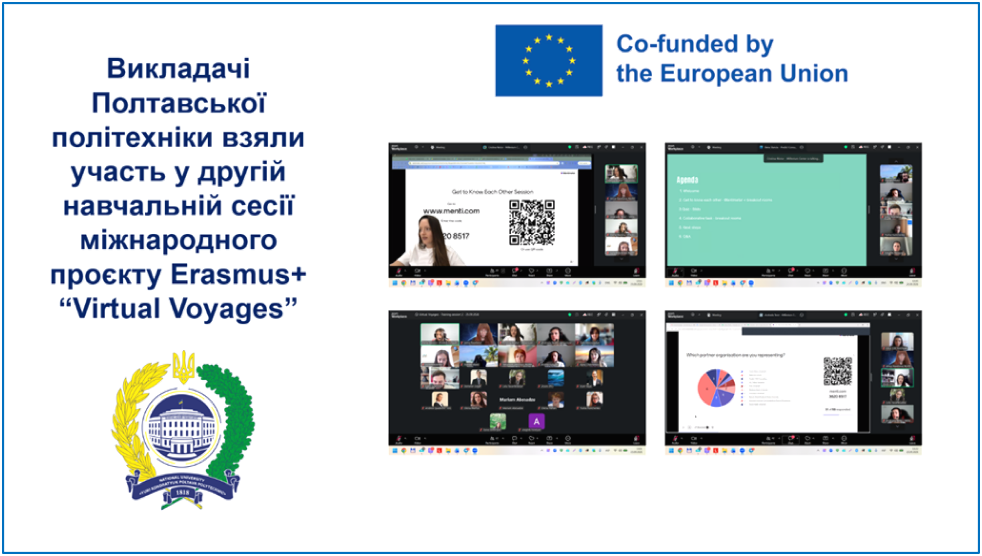
On September 25, 2026, the second synchronous online session for faculty facilitators was held within the framework of the large-scale international Erasmus+ project under the strand “Virtual Exchanges in Higher Education and Youth” – “Acquiring Transversal Competences through Virtual Voyages” (registration number ERASMUS-EDU-2024-VIRT-EXCH No. 101193593), implemented with the support of the European Union.
The international project consortium, which unites leading educational institutions and expert organisations from seven countries, is coordinated by “Aurel Vlaicu” University of Arad (Romania). The partner network comprises renowned institutions, including the “Millennium” Centre and the consulting company “Predict CSD Consulting” (Romania), IUL Online University (Italy), Fırat University (Turkey), Moldova State University, Caucasus University and Batumi Shota Rustaveli State University (Georgia), Gavar State University (Armenia), as well as the National University “Yuri Kondratyuk Poltava Polytechnic,” which worthily represents national higher education in this distinguished academic alliance.
The academic community of the National University “Yuri Kondratyuk Poltava Polytechnic” was represented by a strong team of 14 academic and research staff members who successfully passed the competitive selection to participate in the project. Together with their foreign colleagues, they continue to master modern methodologies for organising international virtual exchanges aimed at developing students’ transversal skills (soft skills).
The interdisciplinary team of faculty facilitators from Poltava Polytechnic who passed the competitive selection and successfully commenced work in the project includes:
• Olena Haitan – Senior Lecturer at the Department of Computer and Information Technologies and Systems, Educational and Scientific Institute of Information Technologies and Robotics;
• Alina Hlushko – PhD in Economics, Associate Professor at the Department of Finance, Banking and Taxation, Educational and Scientific Institute of Finance, Economics, Management and Law;
• Yuliia Hunchenko – Senior Lecturer at the Department of General Linguistics and Foreign Languages, Faculty of Philology, Psychology and Pedagogy;
• Olena Dvirna – PhD in Physics and Mathematics, Associate Professor at the Department of Computer and Information Technologies and Systems, Educational and Scientific Institute of Information Technologies and Robotics;
• Tetiana Yeromenko – Lecturer at the Department of General Linguistics and Foreign Languages, Faculty of Philology, Psychology and Pedagogy;
• Oleksandra Kuzmenko – PhD in Economics, Associate Professor at the Department of Computer and Information Technologies and Systems, Educational and Scientific Institute of Information Technologies and Robotics;
• Tetiana Kushnirova – Doctor of Philology, Professor at the Department of Germanic Philology and Translation, Faculty of Philology, Psychology and Pedagogy;
• Olena Martus – Assistant Lecturer at the Department of Oil and Gas Engineering and Technologies, Educational and Scientific Institute of Oil and Gas and Energy;
• Oleksandra Maslii – PhD in Economics, Associate Professor at the Department of Finance, Banking and Taxation, Educational and Scientific Institute of Finance, Economics, Management and Law;
• Yuliia Nikolaienko – PhD in Pedagogical Sciences, Associate Professor at the Department of Germanic Philology and Translation, Faculty of Philology, Psychology and Pedagogy;
• Yuliia Nikolenko – Assistant Lecturer at the Department of General Linguistics and Foreign Languages, Faculty of Philology, Psychology and Pedagogy;
• Anna Pavelieva – PhD in Philology, Associate Professor at the Department of Germanic Philology and Translation, Faculty of Philology, Psychology and Pedagogy;
• Halyna Talovyria – PhD in Pedagogical Sciences, Associate Professor at the Department of General Linguistics and Foreign Languages, Faculty of Philology, Psychology and Pedagogy;
• Iryna Chernetska – PhD in Technical Sciences, Associate Professor at the Department of Heat and Gas Supply, Ventilation and Thermal Power Engineering, Educational and Scientific Institute of Oil and Gas and Energy.
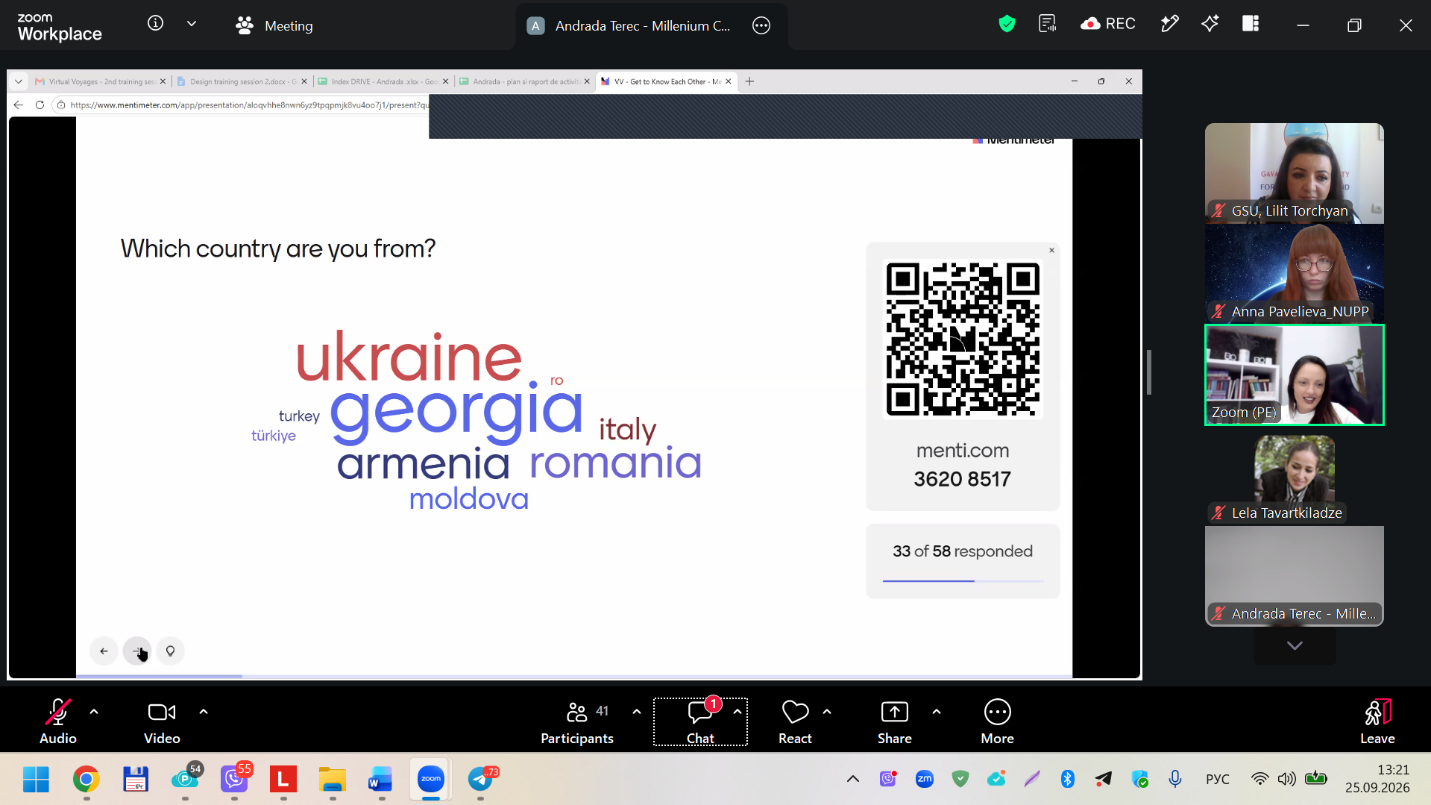
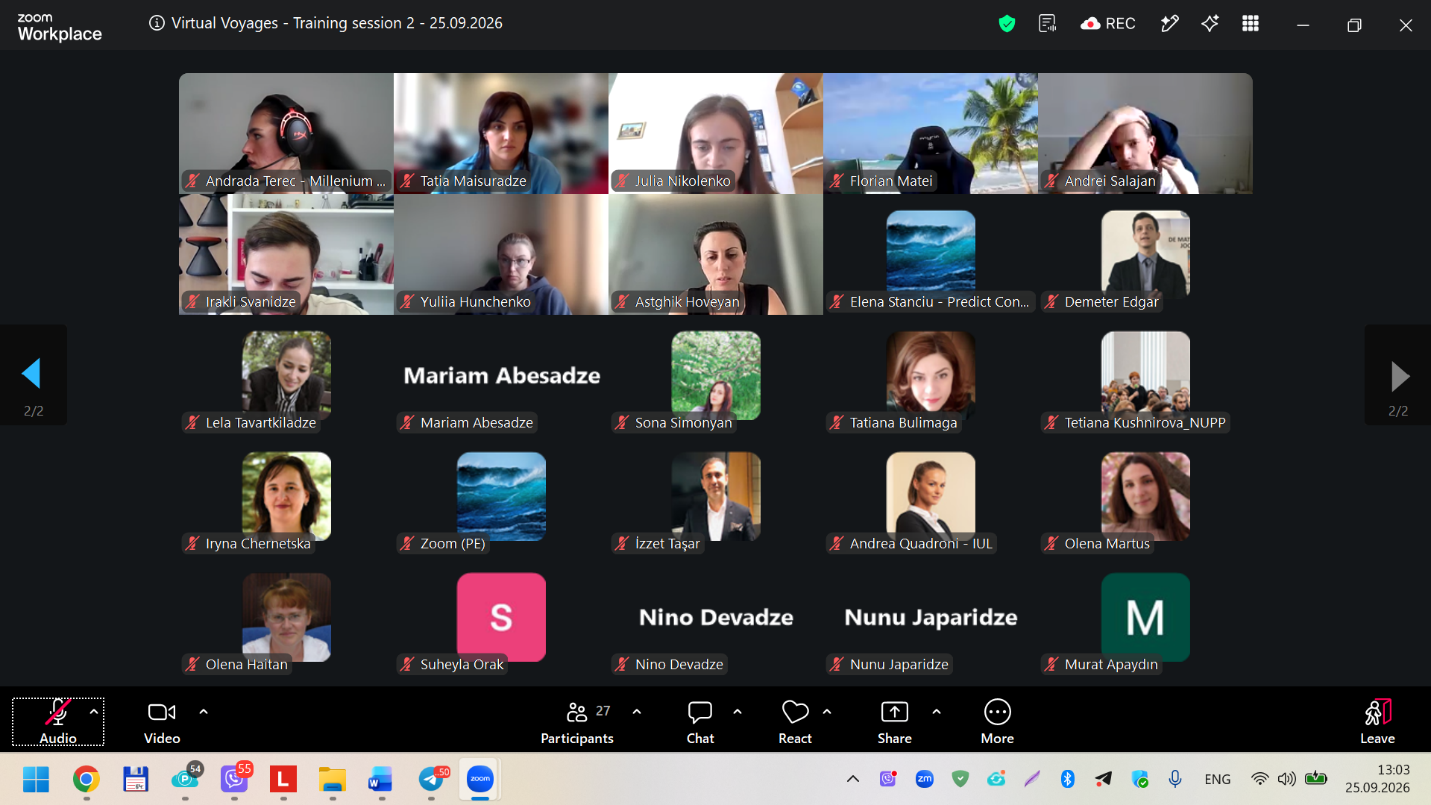
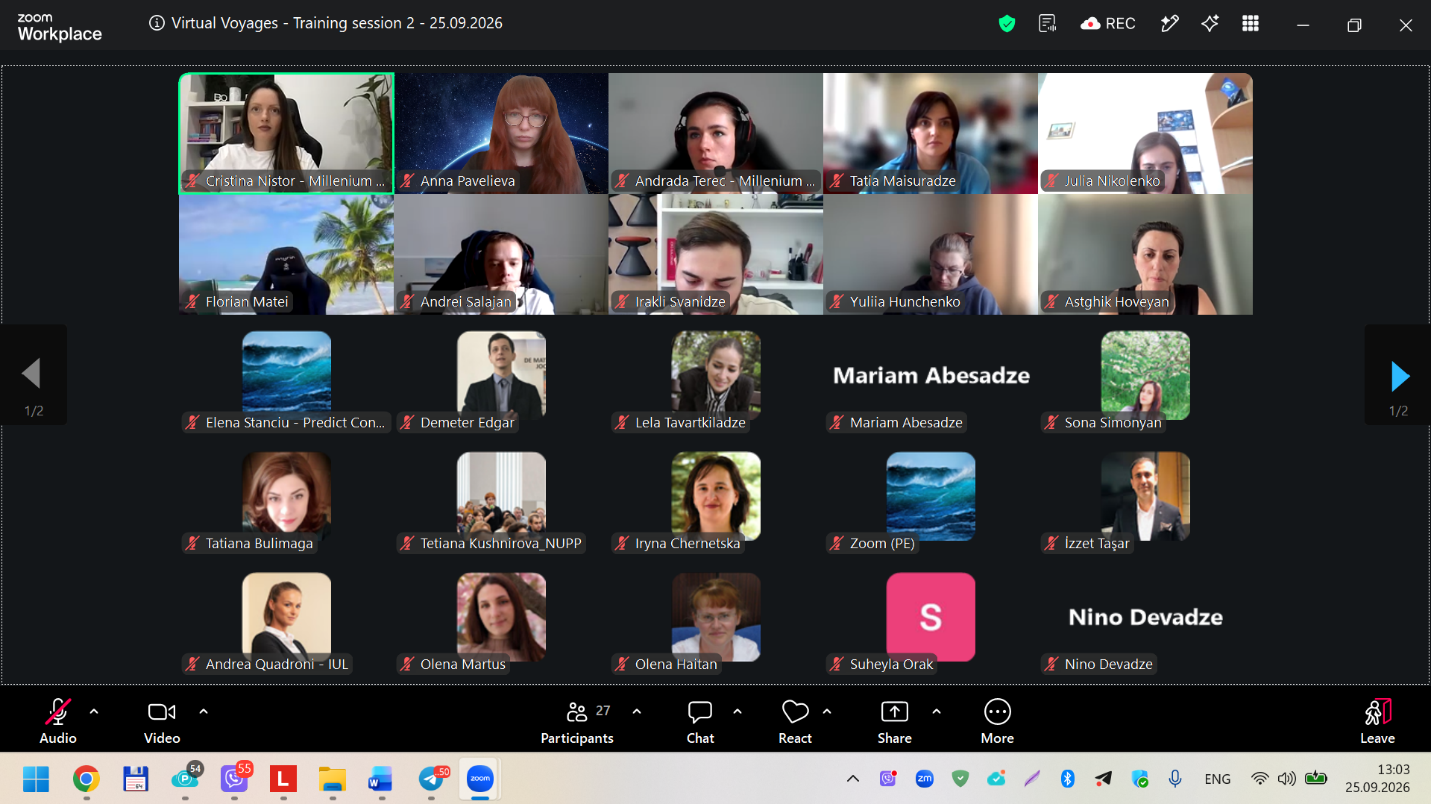
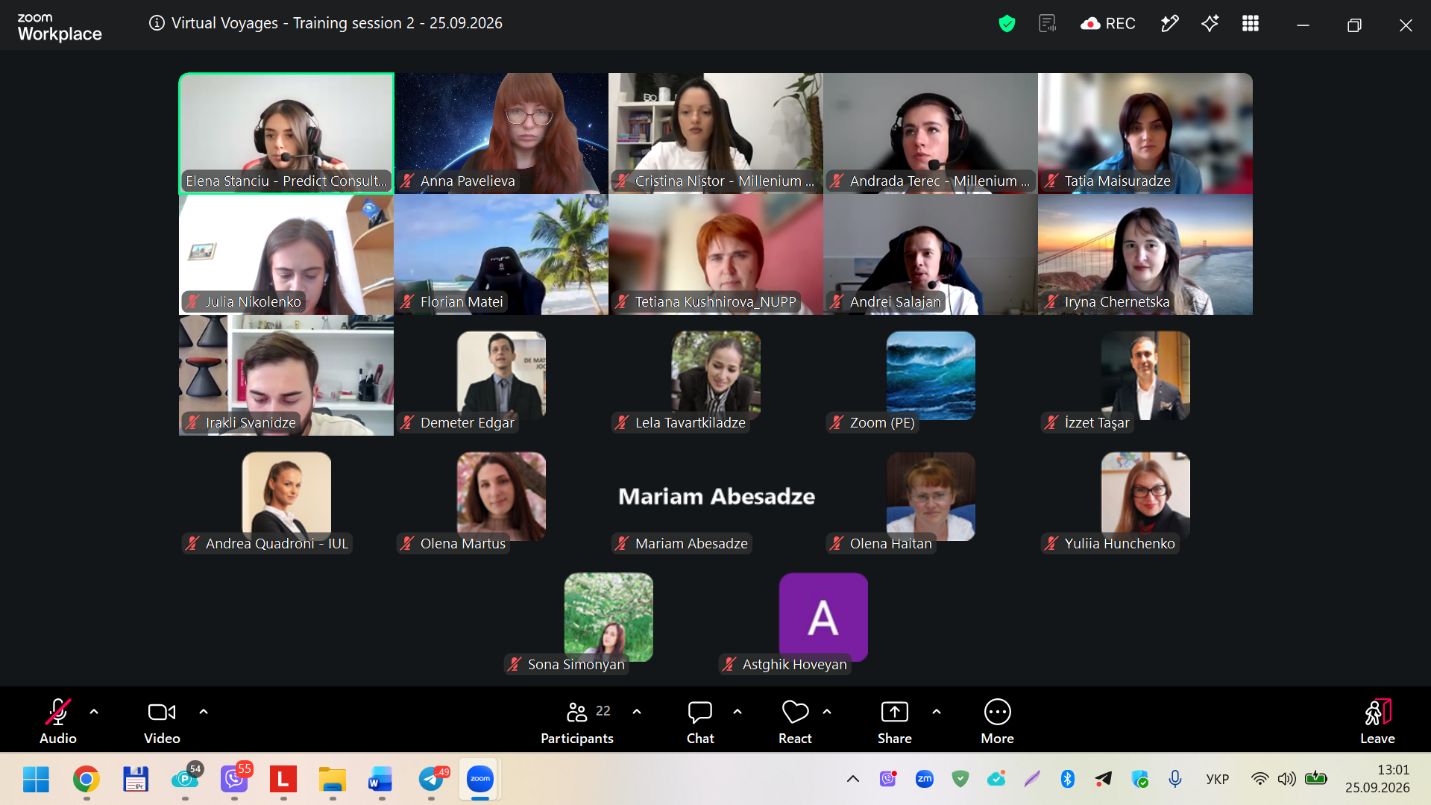
The second online meeting on Zoom brought together over 50 scholars, faculty members, academic program coordinators, and international office specialists from higher education institutions and partner organisations across seven countries (Ukraine, Romania, Italy, Georgia, Armenia, Turkey, and Moldova).
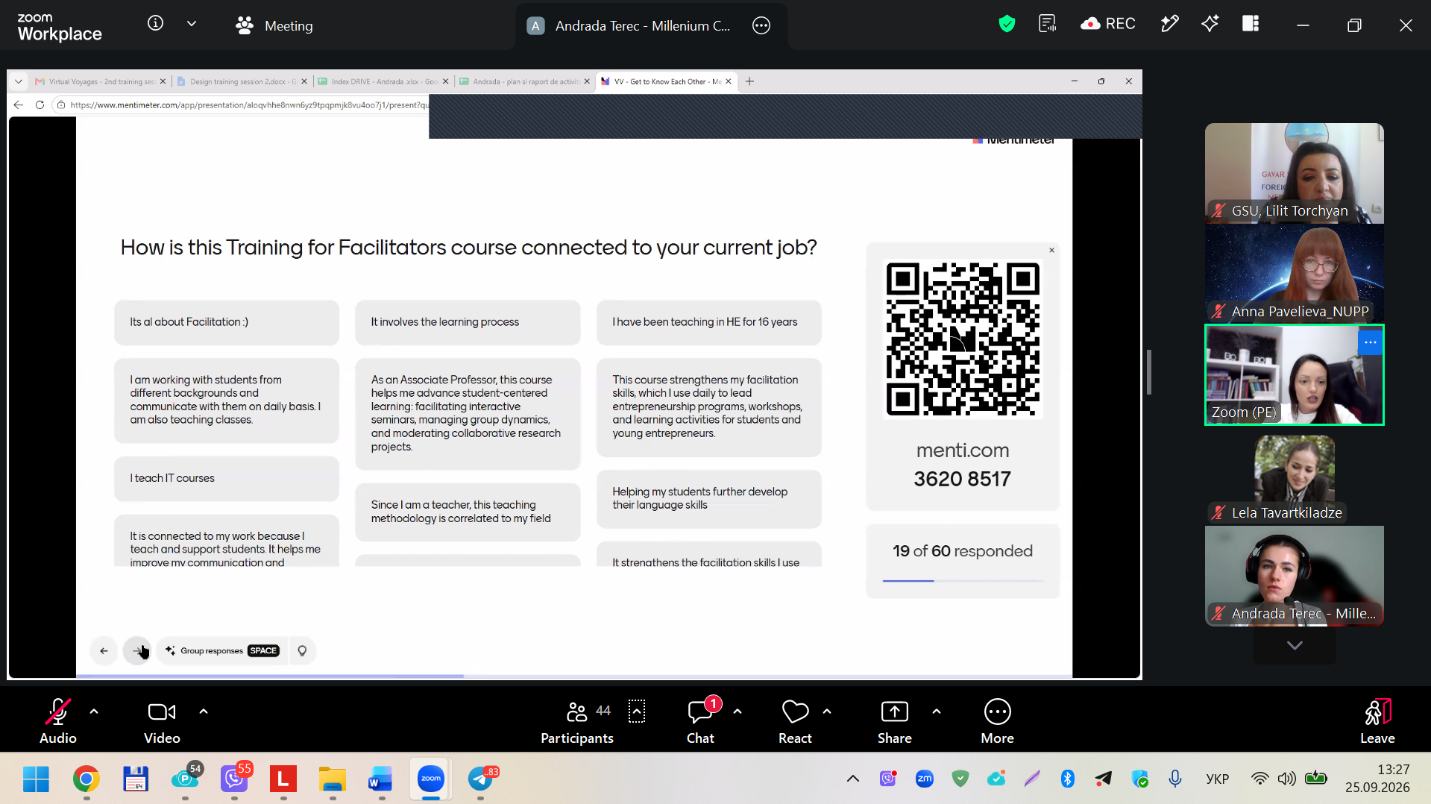
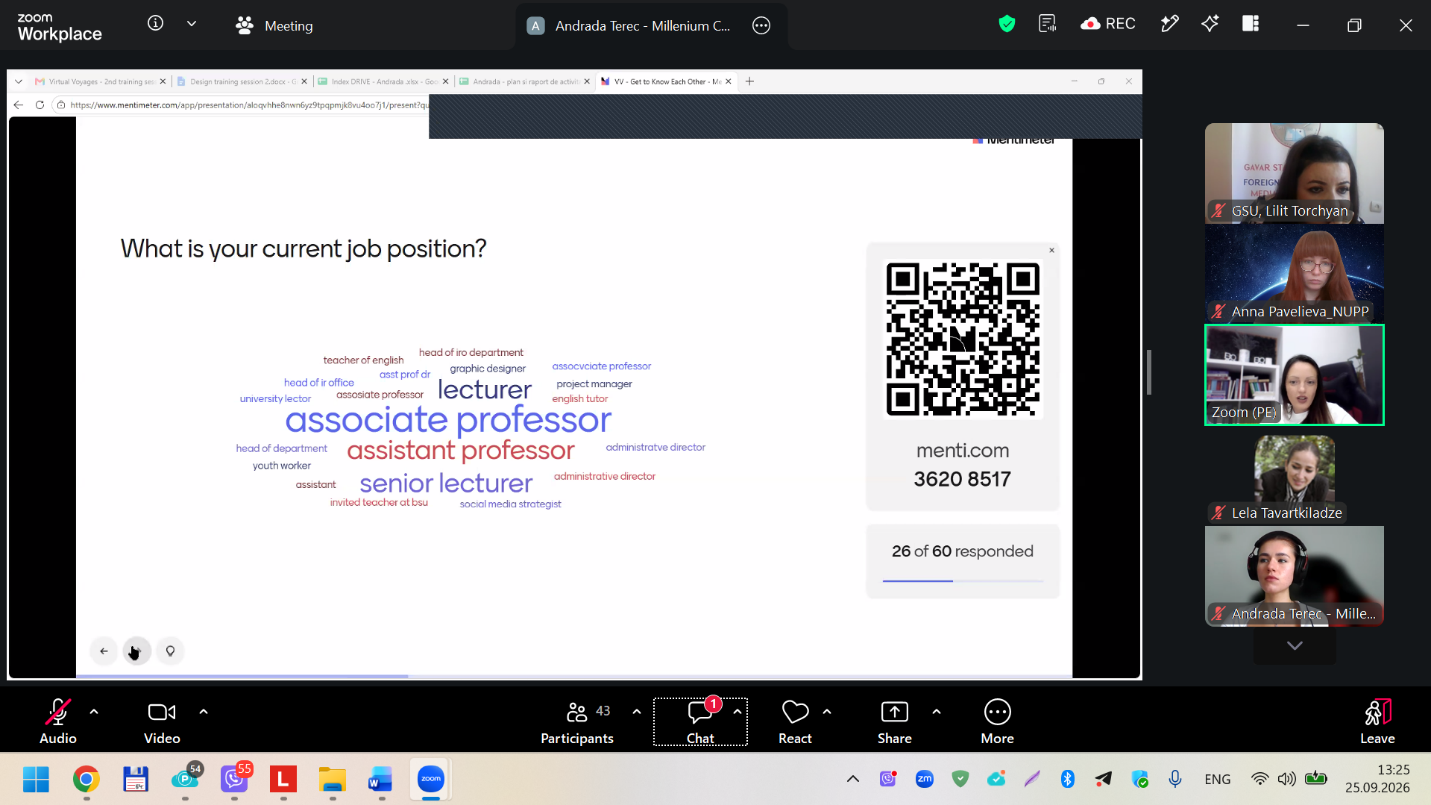
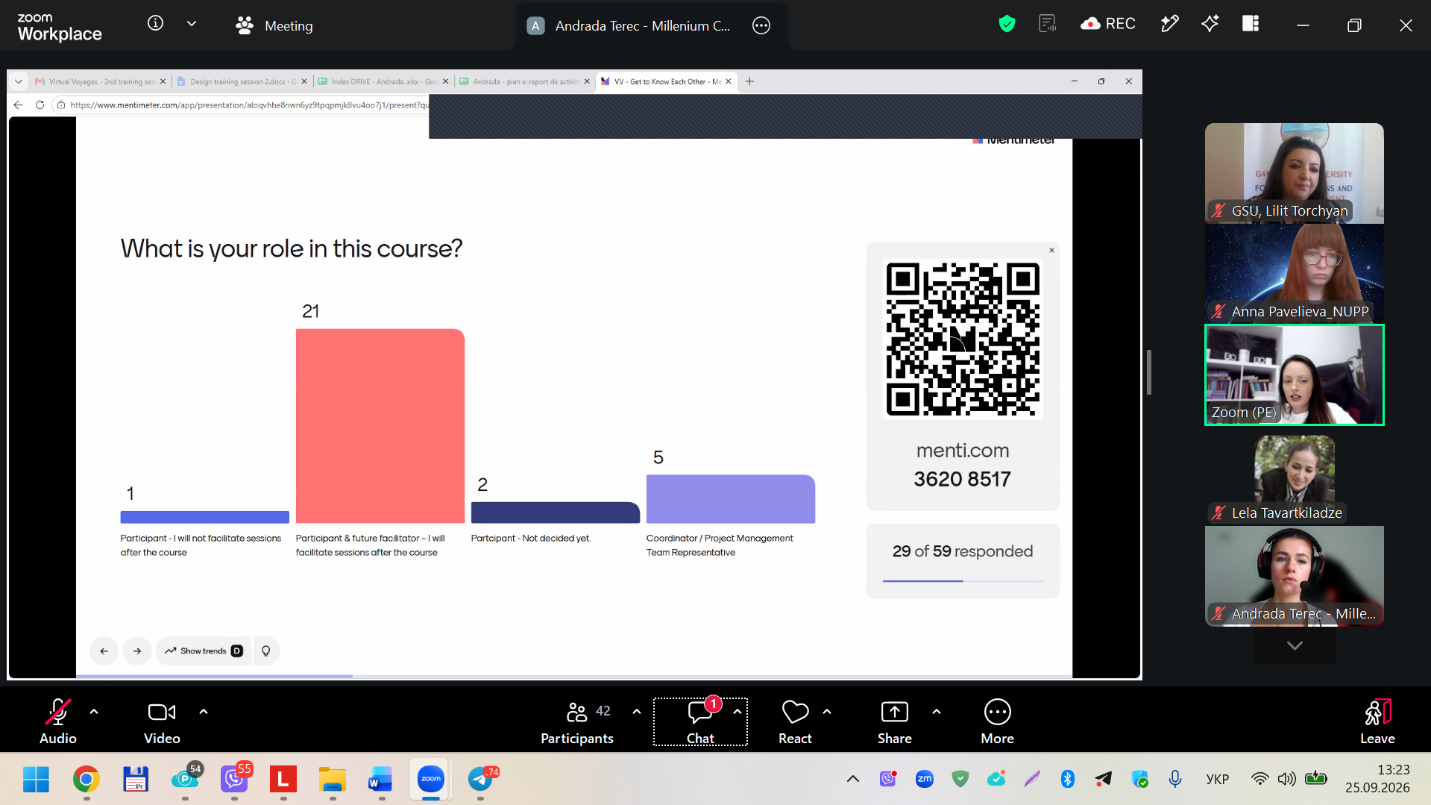
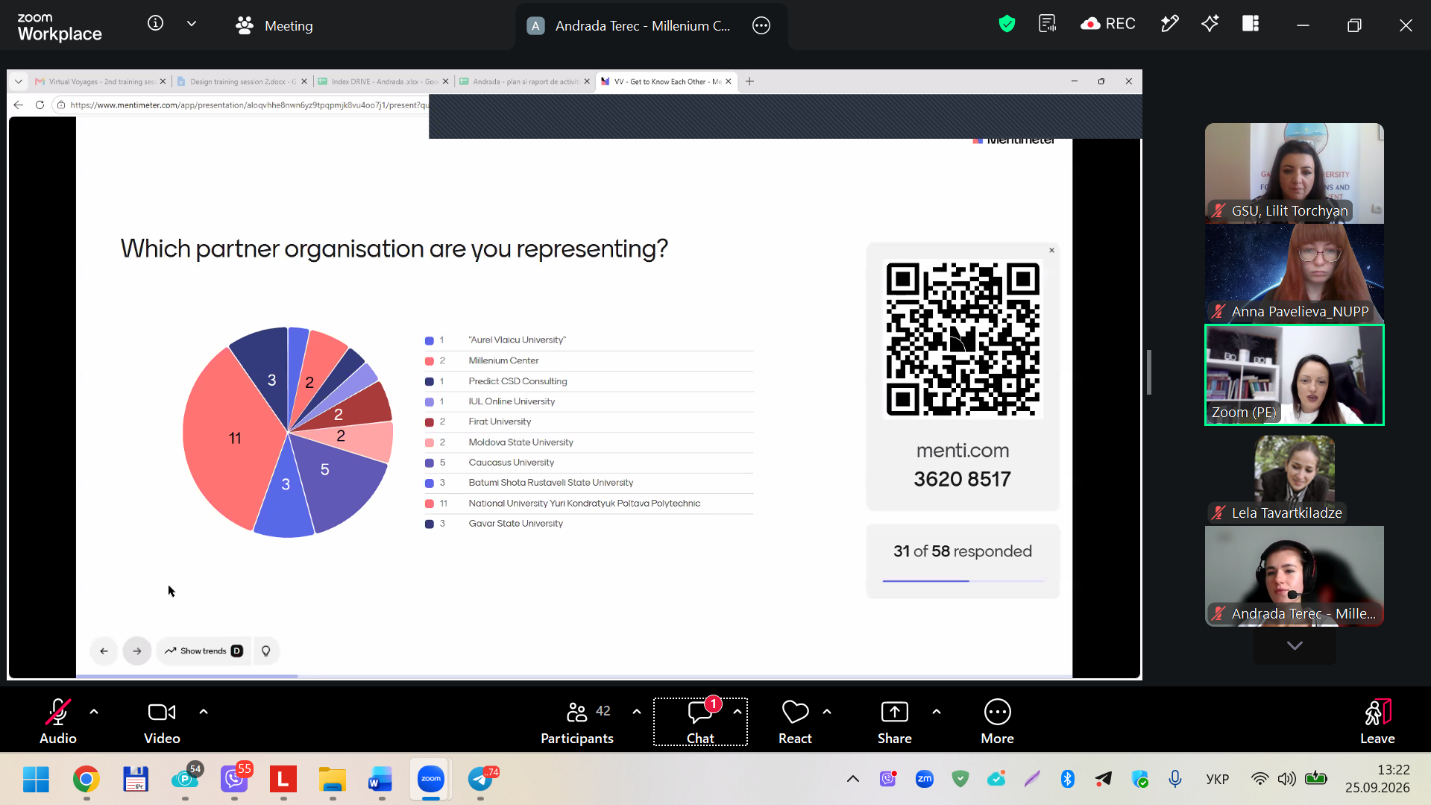
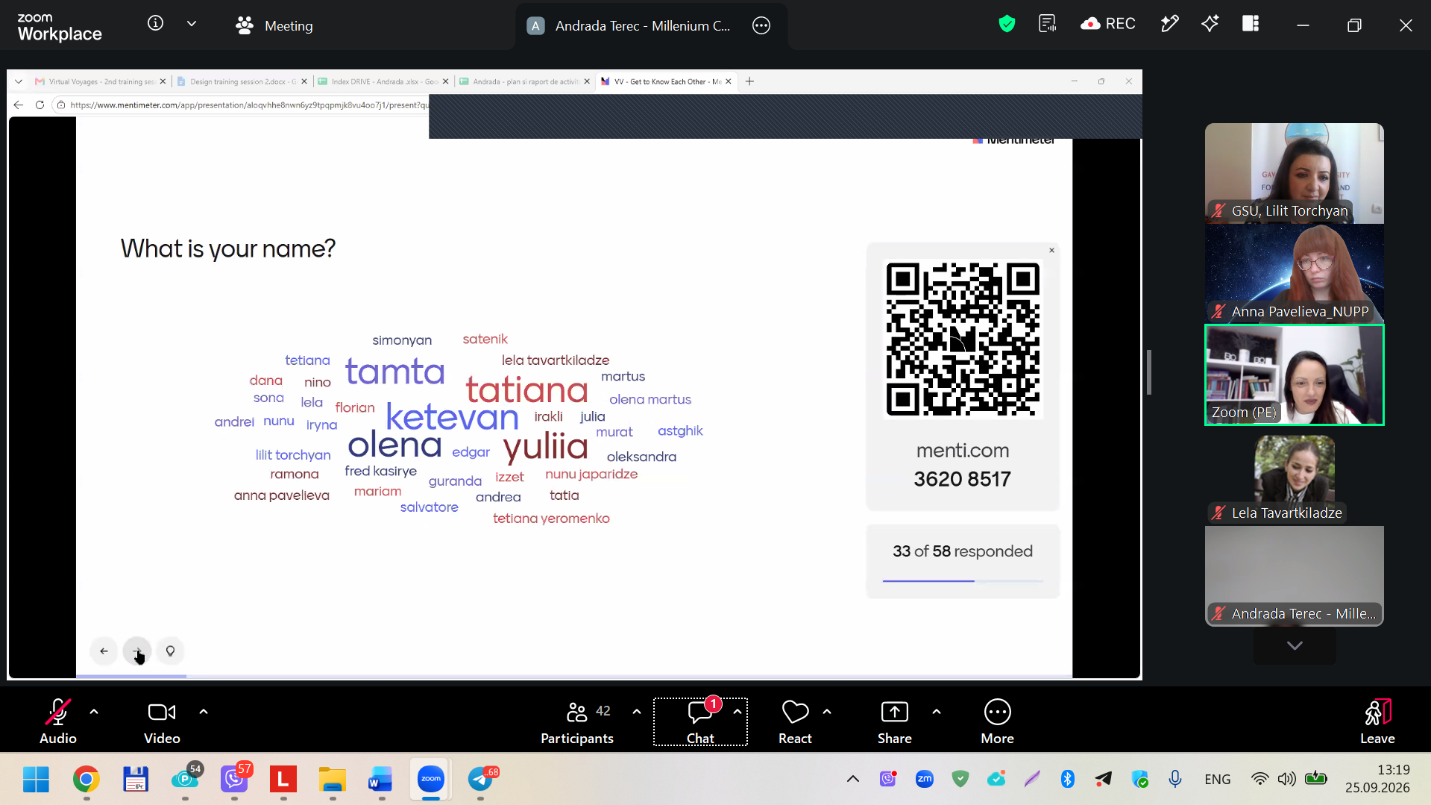
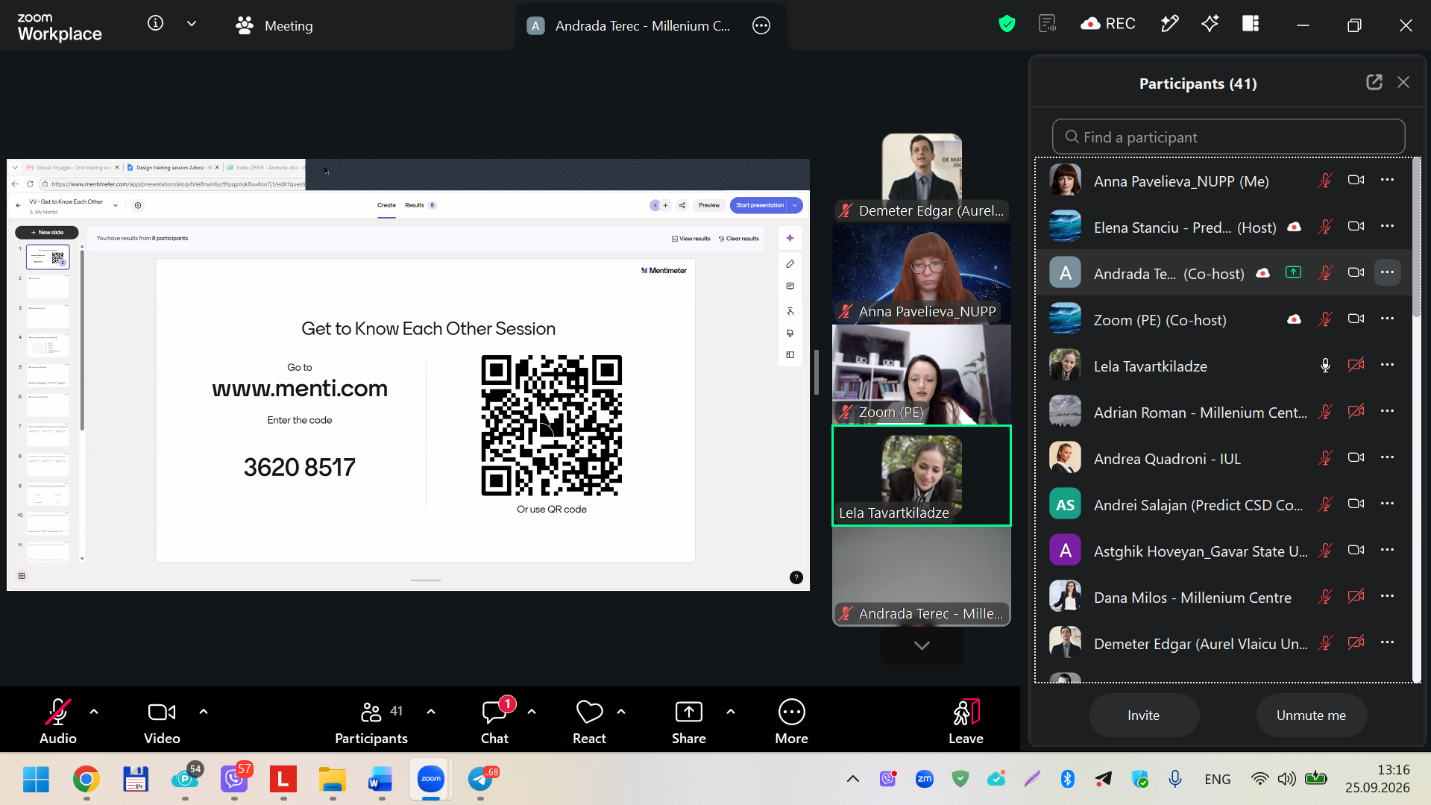
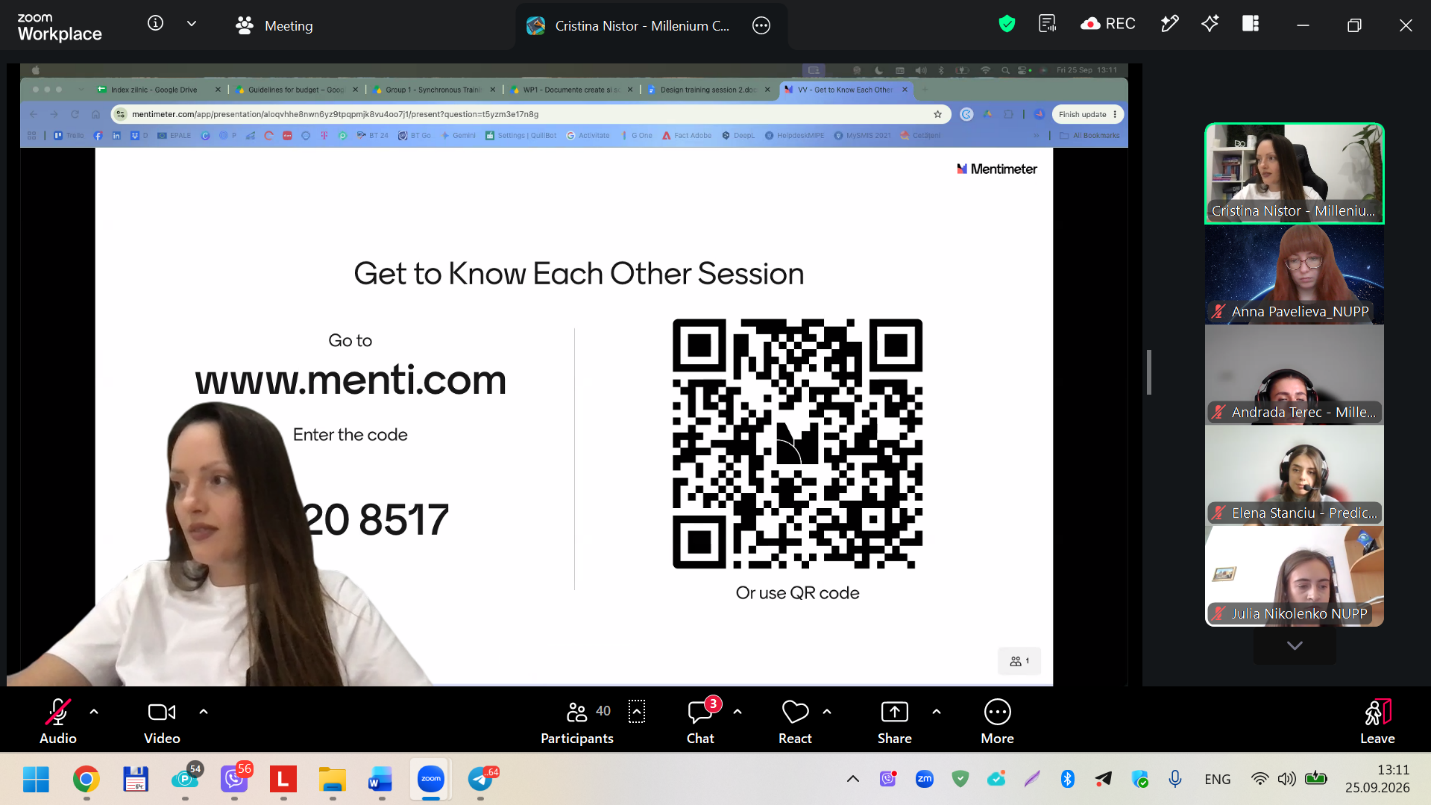
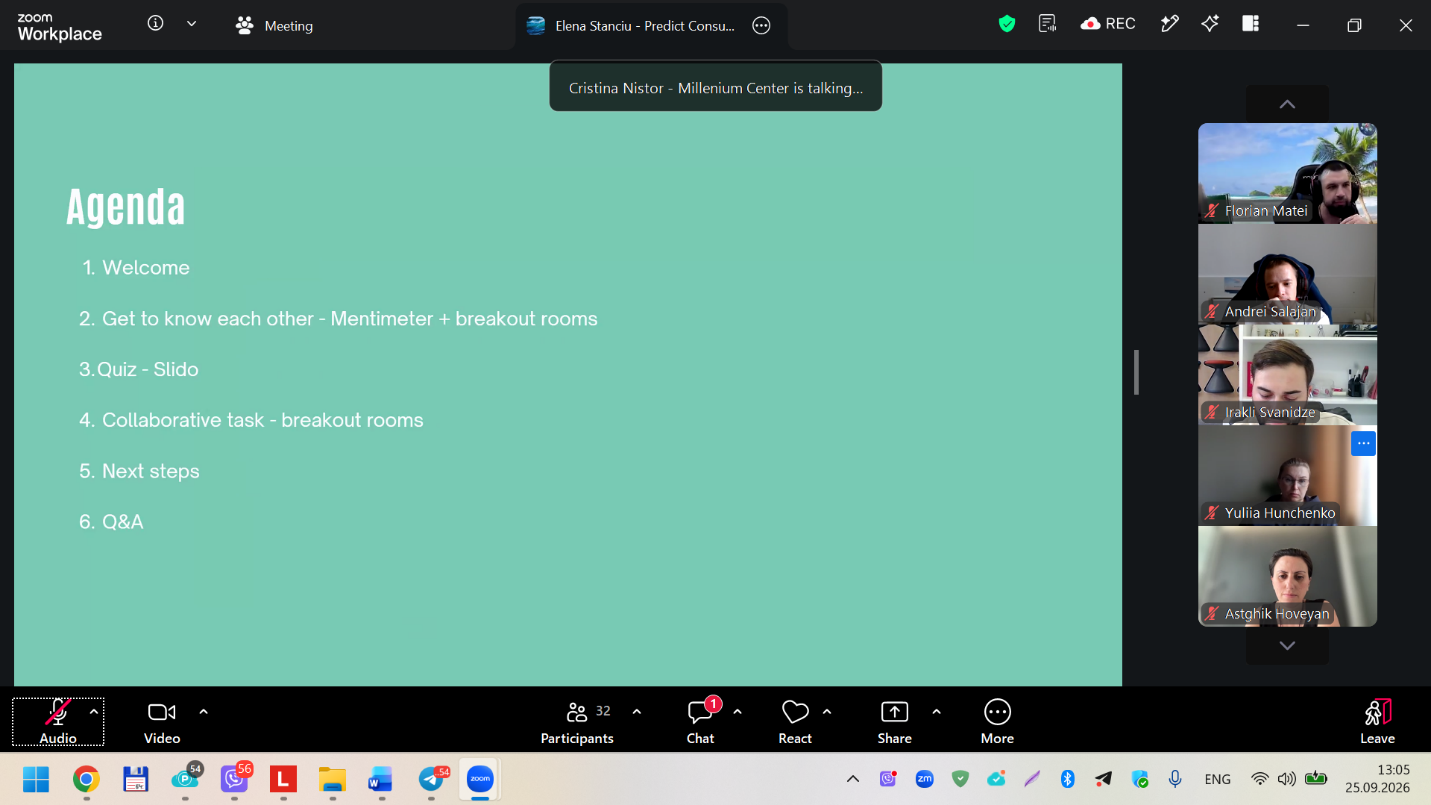
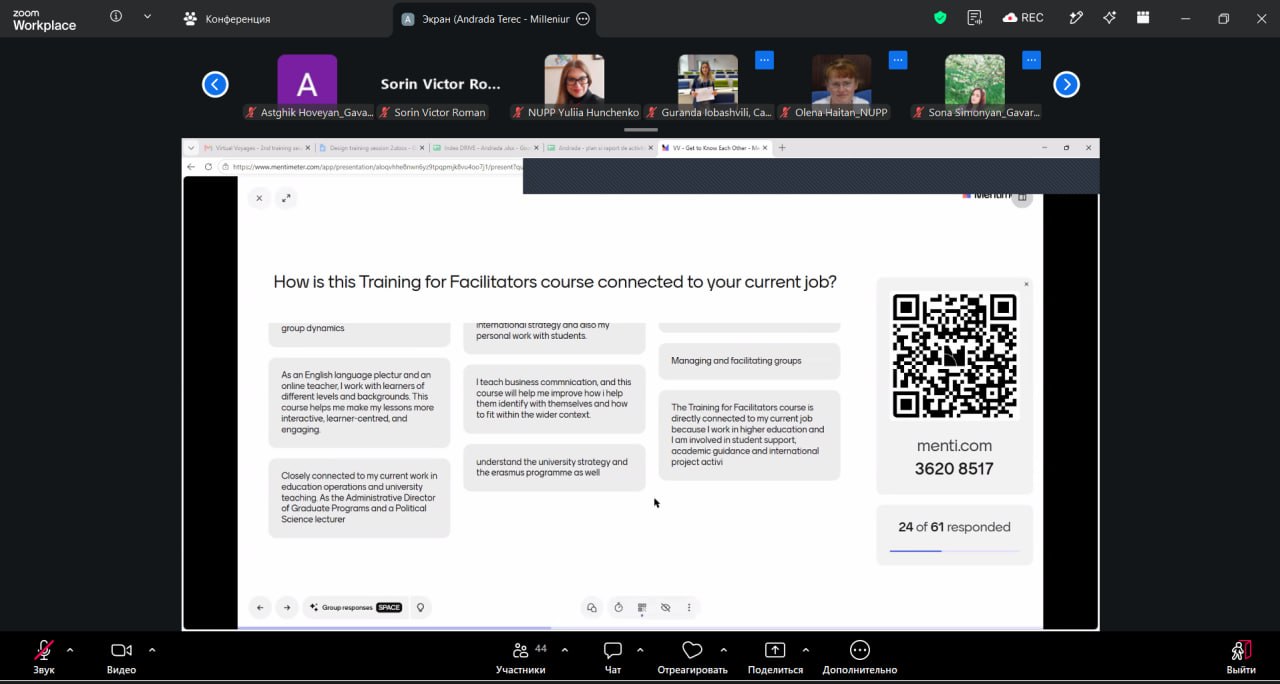
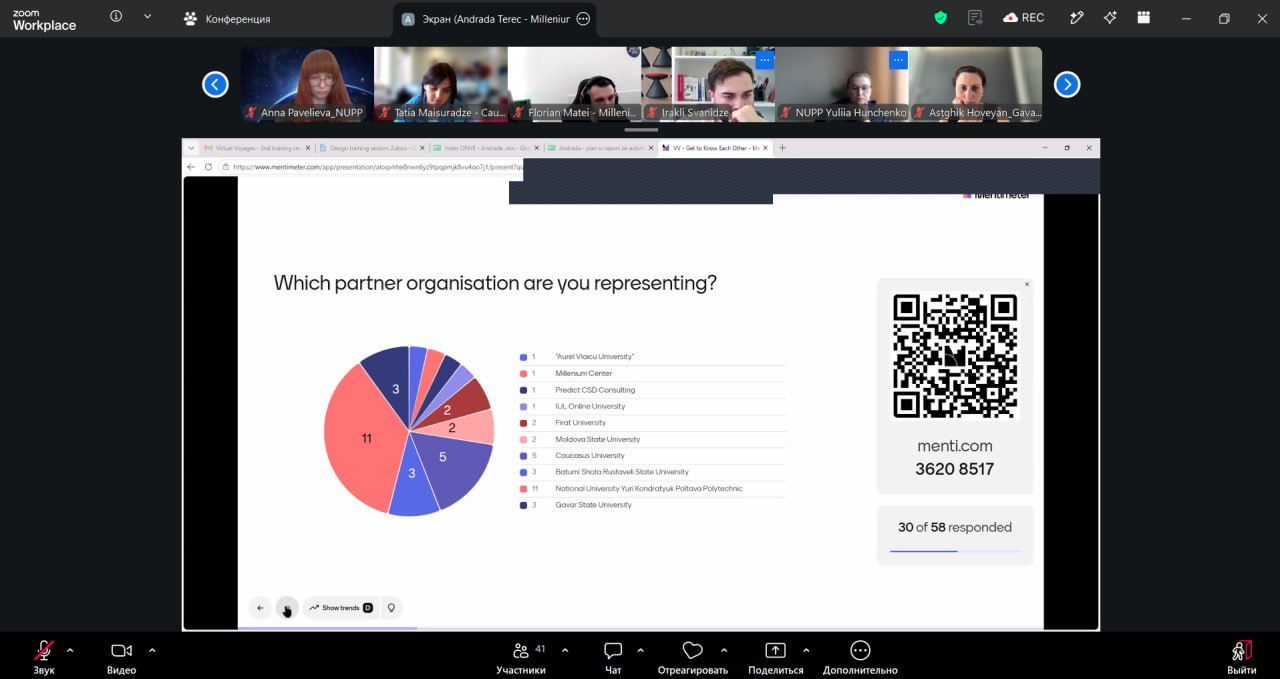
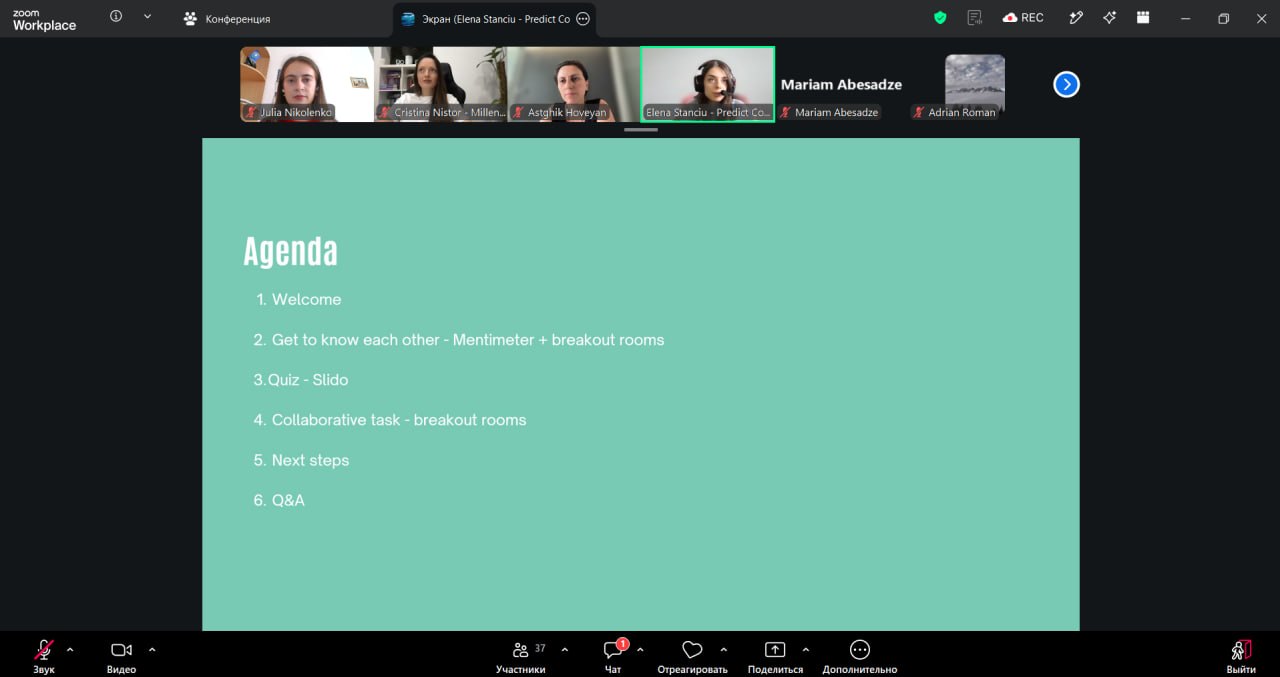
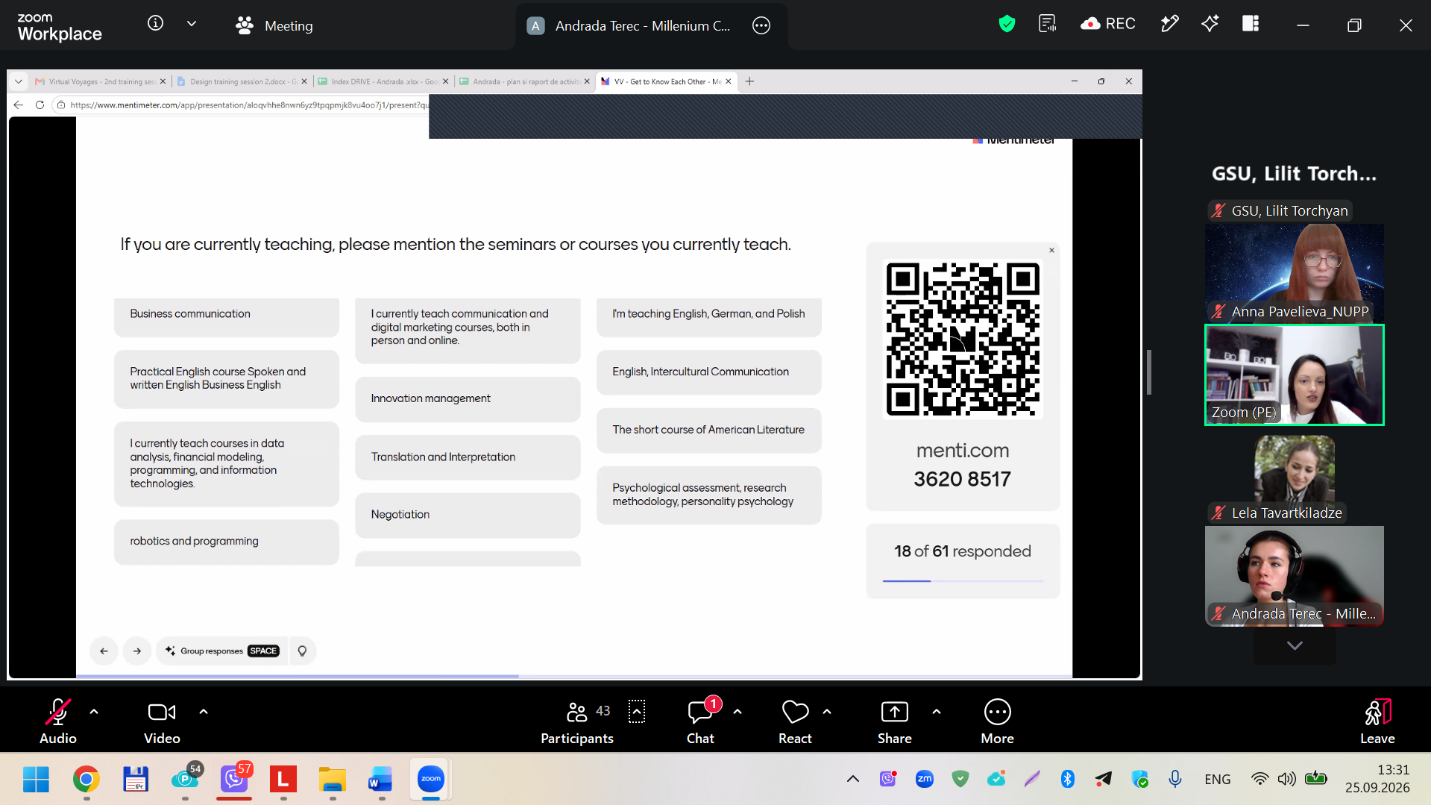
The session agenda opened with welcoming remarks from the organisers and an interactive ice-breaking session on the Mentimeter platform, which helped outline a detailed professional profile of the audience and assess the faculty’s motivation:
• according to the express poll results, the Poltava Polytechnic delegation accounted for the largest share among all partner institutions, demonstrating high engagement and solidarity;
• the word cloud highlighted a wide range of academic positions, including professors, associate professors, senior lecturers, assistant lecturers, heads of international relations offices, and directors of master’s programs;
• the participants presented their academic disciplines, covering Business English practical courses, intercultural communication, digital technologies and programming, data analysis and financial modelling, robotics, innovation management, American literature, psychological assessment, and negotiation theory;
• the majority of participants noted that their primary goal was to master the role of a facilitator to implement a student-centred approach, manage group dynamics in a multicultural environment, advance their universities’ internationalisation strategies, and integrate elements of non-formal education into university curricula.
A prerequisite for the second synchronous meeting was the faculty's independent preliminary study of theoretical materials (Chapters 1–4 of the facilitators’ course on the platform from September 18 to September 25). To verify the assimilation of fundamental concepts of virtual exchanges, interaction ethics, and the framework of facilitated discussions, the moderators administered a dynamic quiz on the Slido platform.
After discussing the test results, the educators conducted a collaborative practical task in Zoom breakout rooms.
In small groups, Poltava Polytechnic scholars actively simulated professional scenarios and interacted with colleagues from Georgia, Armenia, Moldova, and Romania. The educators held in-depth discussions on:
• methods for creating a psychologically safe and inclusive environment during virtual sessions;
• tools for engaging passive students and overcoming language or cultural barriers;
• role allocation within teams and effective time management during online sessions.
At the concluding stage, the moderators introduced the audience to the architecture of the project’s educational platform, thevoyage.eu, developed on Moodle with a metaphorical thematic design inspired by maritime voyages and medieval guilds.
Participants were introduced to three parallel modules (available in English and Romanian with corresponding access keys):
• “Train the Facilitators” – a specialised training course focusing on facilitation methodology;
• “Learning to Learn” – a module dedicated to fostering learner autonomy, critical thinking, and metacognitive skills;
• “Career Box” – a module oriented toward professional development planning, career navigation, and self-presentation in the contemporary labour market.
Before the next meeting, the faculty members received a comprehensive practical assignment:
• complete the study of the next four chapters of the facilitators’ course (Chapters 5, 6, 7, and 8);
• explore the contents of the “Career Box” and “Learning to Learn” modules at their own pace;
• design an original plan for a 2-hour virtual session (based on the visual template from Chapter 5) on one of the selected topics from the “Career Box” or “Learning to Learn” courses.
Next time facilitators will have to present individual session scenarios, along with constructive feedback from peers and trainers, during the third synchronous meeting scheduled for October 2, 2026.
The session concluded with a Q&A segment where participants clarified technical and organisational aspects of working on the platform.
The participation of Poltava Polytechnic’s academic and research staff in the “Acquiring Transversal Competences through Virtual Voyages” project is an important contribution to implementing the university’s internationalisation strategy. The expertise gained in virtual facilitation will allow the faculty not only to modernise their own academic courses, but also to successfully coordinate international virtual exchanges for Poltava Polytechnic students in the near future, expanding their career horizons and integrating them into the common European Education Area.
It is worth noting that earlier, 14 Poltava Polytechnic teacher-facilitators participated in the kick-off introductory session of the Erasmus+ project.
“On behalf of the entire team of faculty facilitators and personally, I express my sincere gratitude to the President of Poltava Polytechnic, Professor Volodymyr Onyshchenko, and the Rector of the University, Olena Fylonych, for their steadfast, comprehensive support of international initiatives, their strategic vision for the university’s development, and the provision of optimal conditions for our professional advancement. Thanks to your leadership and encouragement of innovative educational initiatives, our university continues to strengthen its standing in the European academic space. Such robust support inspires us to implement cutting-edge global practices, master digital facilitation tools, and open new horizons of barrier-free mobility for the student youth of Poltava Polytechnic”, – emphasised Associate Professor Anna Pavelieva, project coordinator (from Poltava Polytechnic’s side).