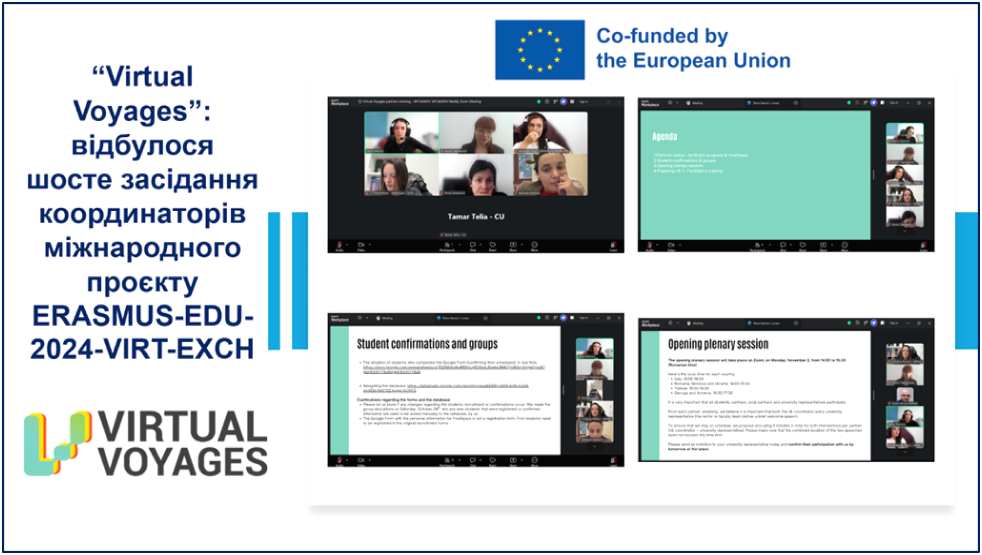
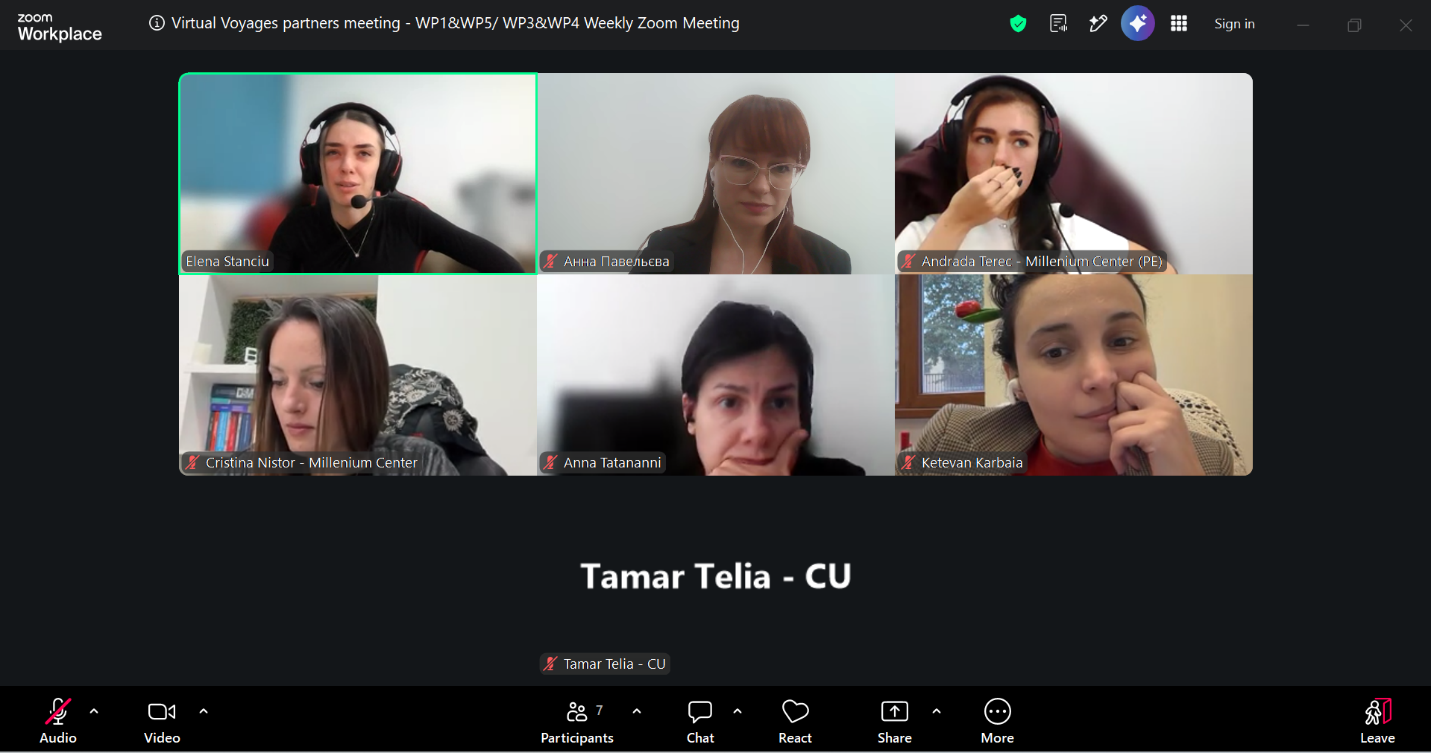
On October 29, 2026, the steering committee and work package leaders of the international Erasmus+ project “Acquiring Transversal Competences through Virtual Voyages” (registration number ERASMUS-EDU-2024-VIRT-EXCH No. 101193593) convened for their sixth online meeting. The project operates under the European Union's Erasmus+ Programme, in the Virtual Exchanges in Higher Education and Youth strand.
The alliance brings together leading higher education institutions and expert non-governmental bodies from seven countries, coordinated by the “Aurel Vlaicu” University of Arad (Romania). The partnership consortium includes the Millennium Centre and Predict CSD Consulting (Romania), IUL Online University (Italy), Fırat University (Türkiye), Moldova State University, Caucasus University and Batumi Shota Rustaveli State University (Georgia), Gavar State University (Armenia), and National University “Yuri Kondratyuk Poltava Polytechnic”, which represents Ukraine’s higher education system with distinction. The Institutional Project Coordinator, PhD in Philology, and Acting Vice-Rector for Academic and Pedagogical Work, International Relations and Cooperation, Anna Pavelieva, represented the university.
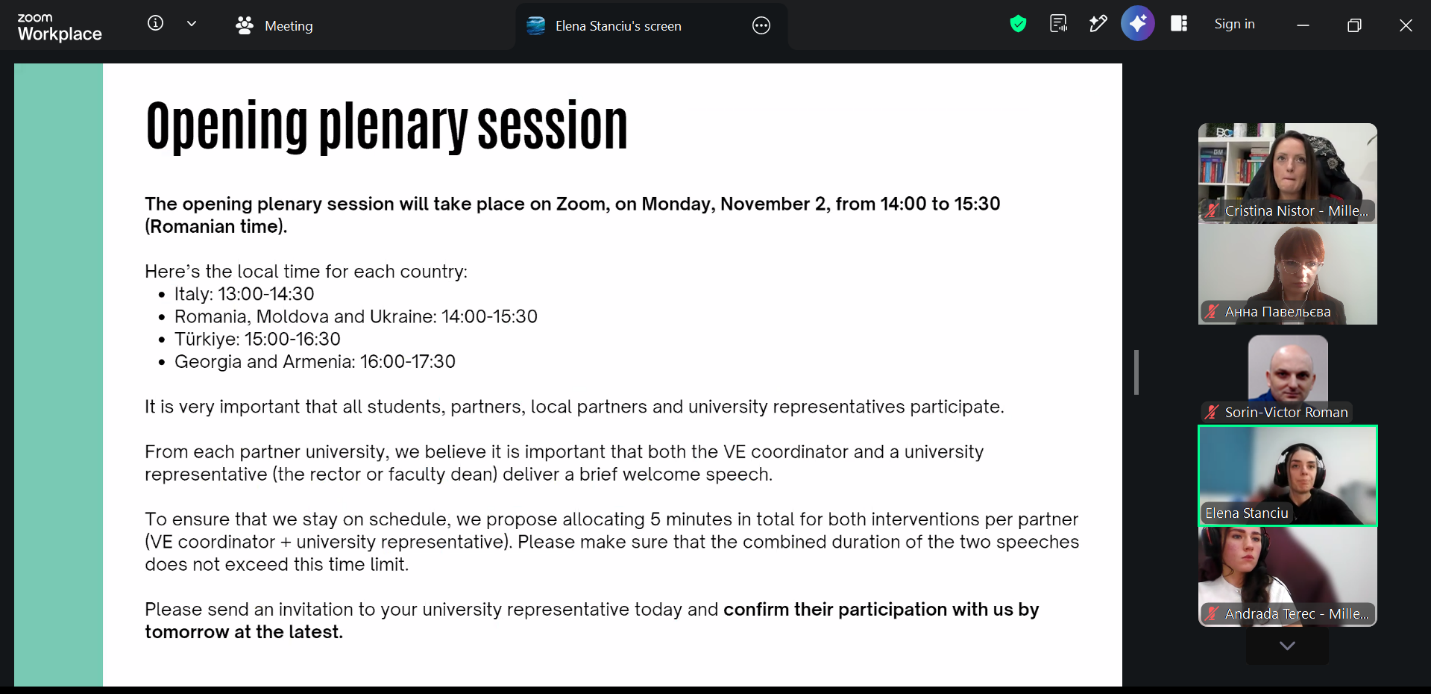
The meeting focused on preparing the Grand Plenary Opening Session, scheduled for Monday, November 02, 2026, at 14:00 EET / Kyiv time, marking the official launch of the first virtual exchange cycle. The consortium agreed that the plenary will serve as a prominent intercultural gathering to welcome and inspire hundreds of participating students. The programme will feature short welcome addresses from university rectors, deans, and institutional coordinators, offering learners an inspiring perspective on intercultural cooperation, project milestones, and the core benefits of developing transversal competences.
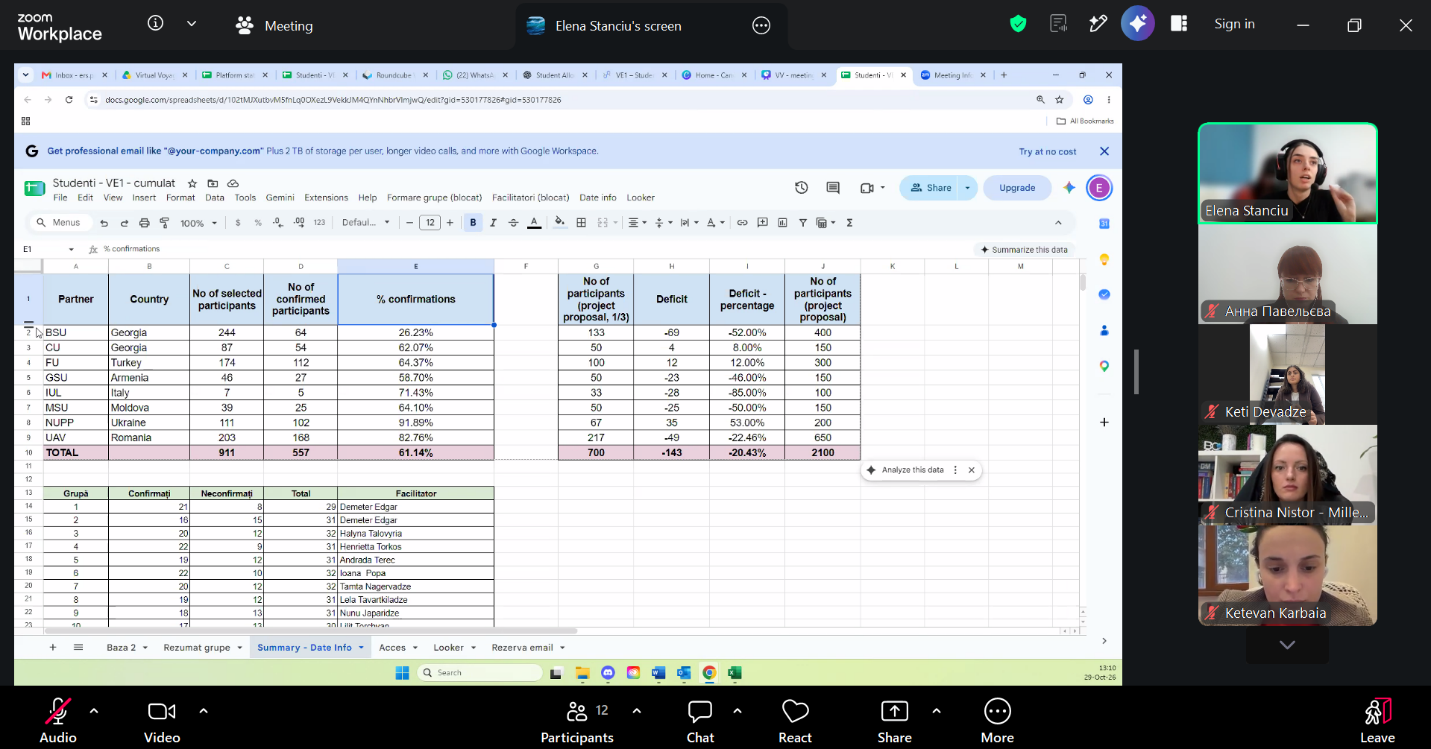
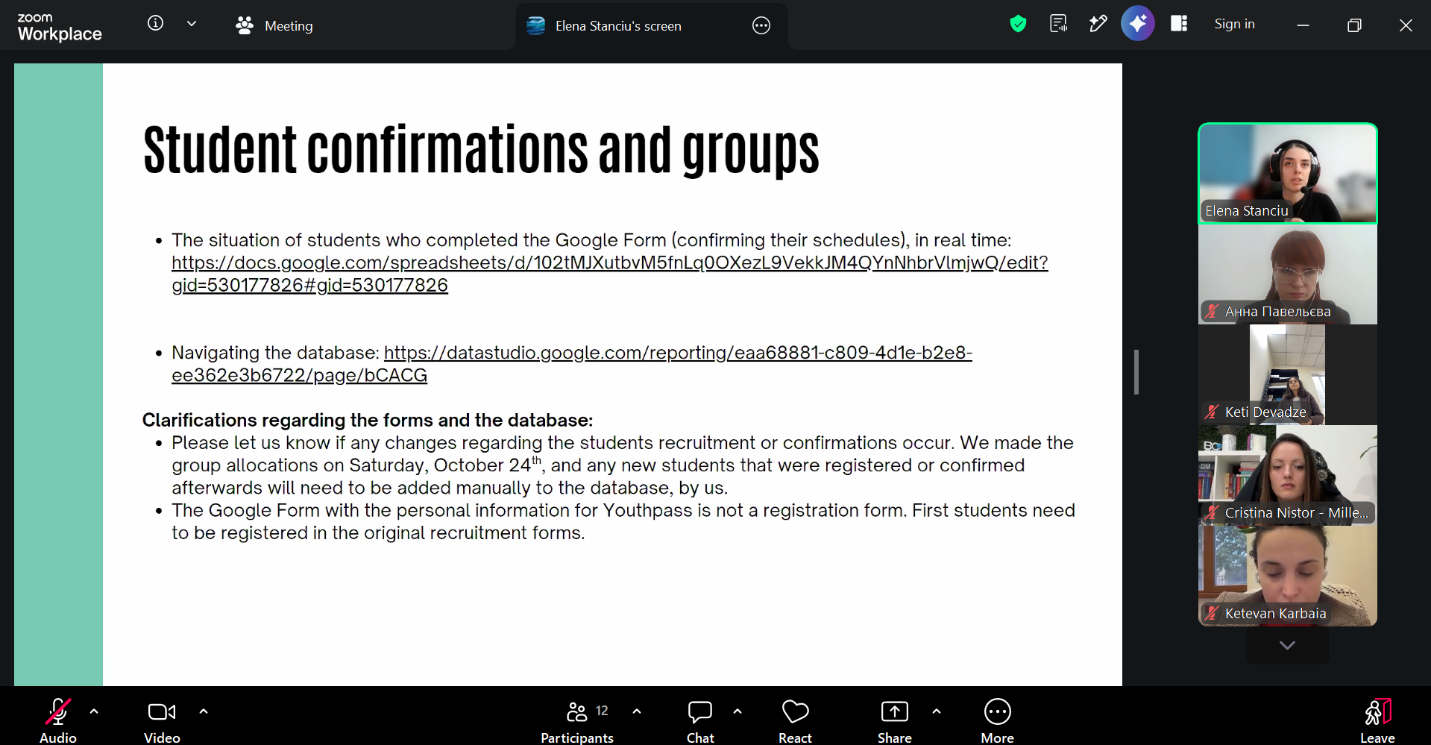
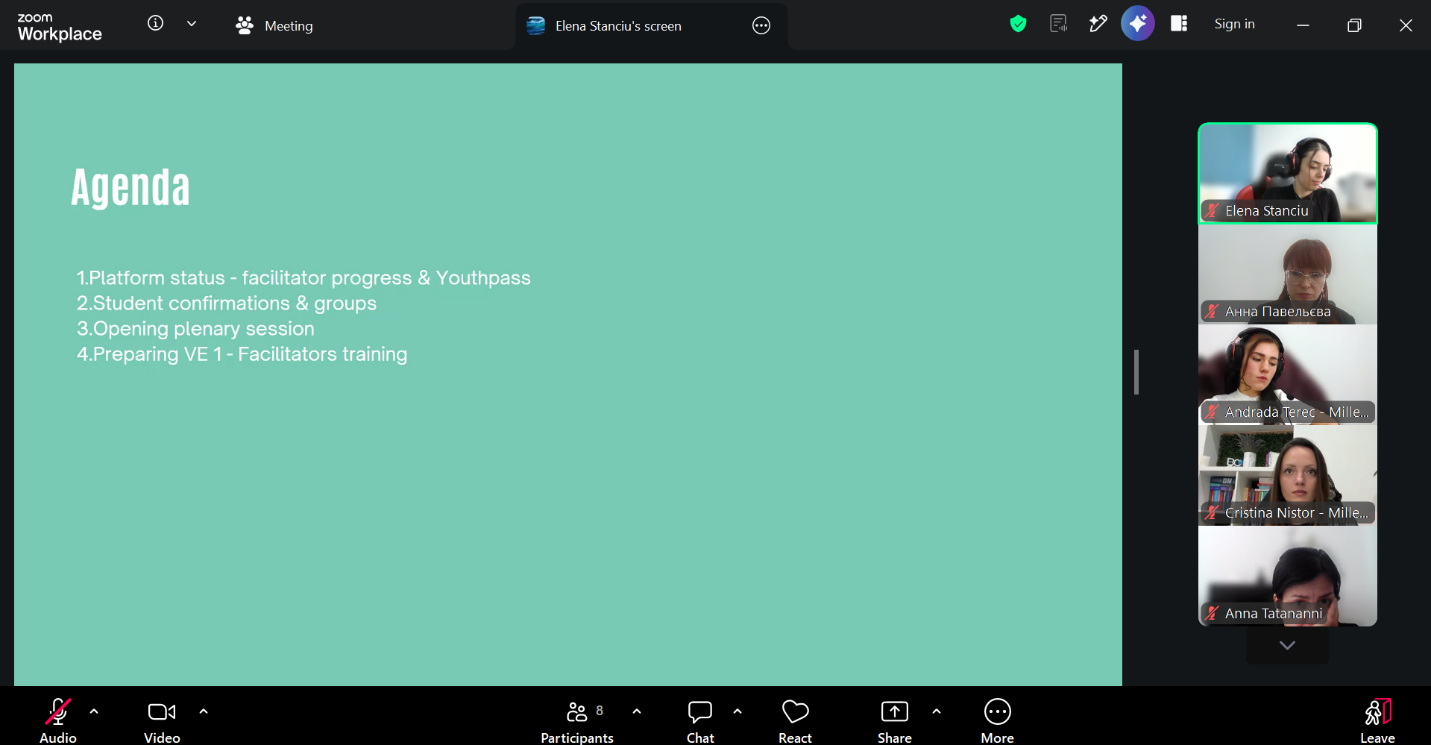
The coordinators also reviewed the outcomes of student verification and international cohort allocation. Thanks to active outreach by partner universities, a substantial cohort of motivated students has confirmed participation in the upcoming 7-week cycle. Partners aligned their real-time databases, adjusted schedules to accommodate time zones, and ensured well-balanced, multicultural micro-groups designed to foster engaging peer-to-peer collaboration.
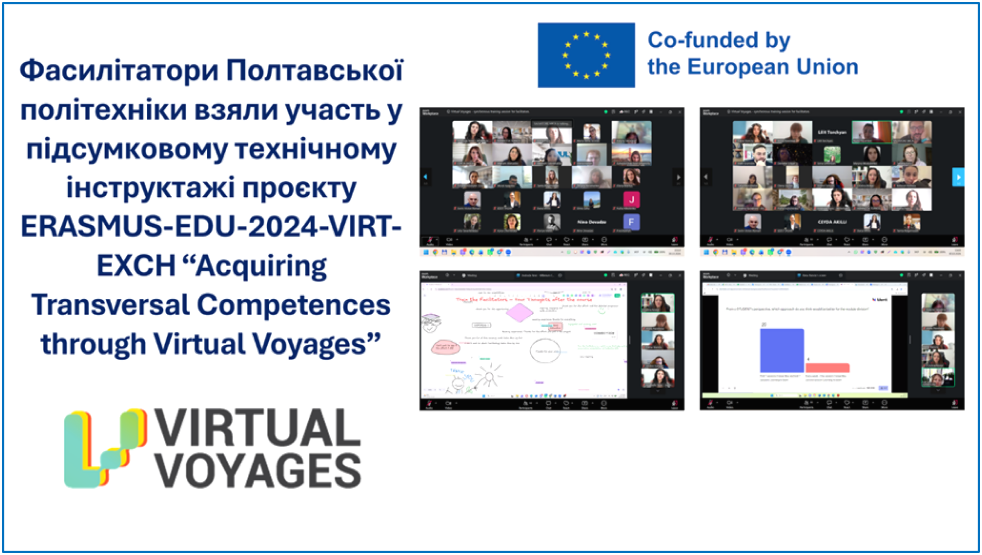
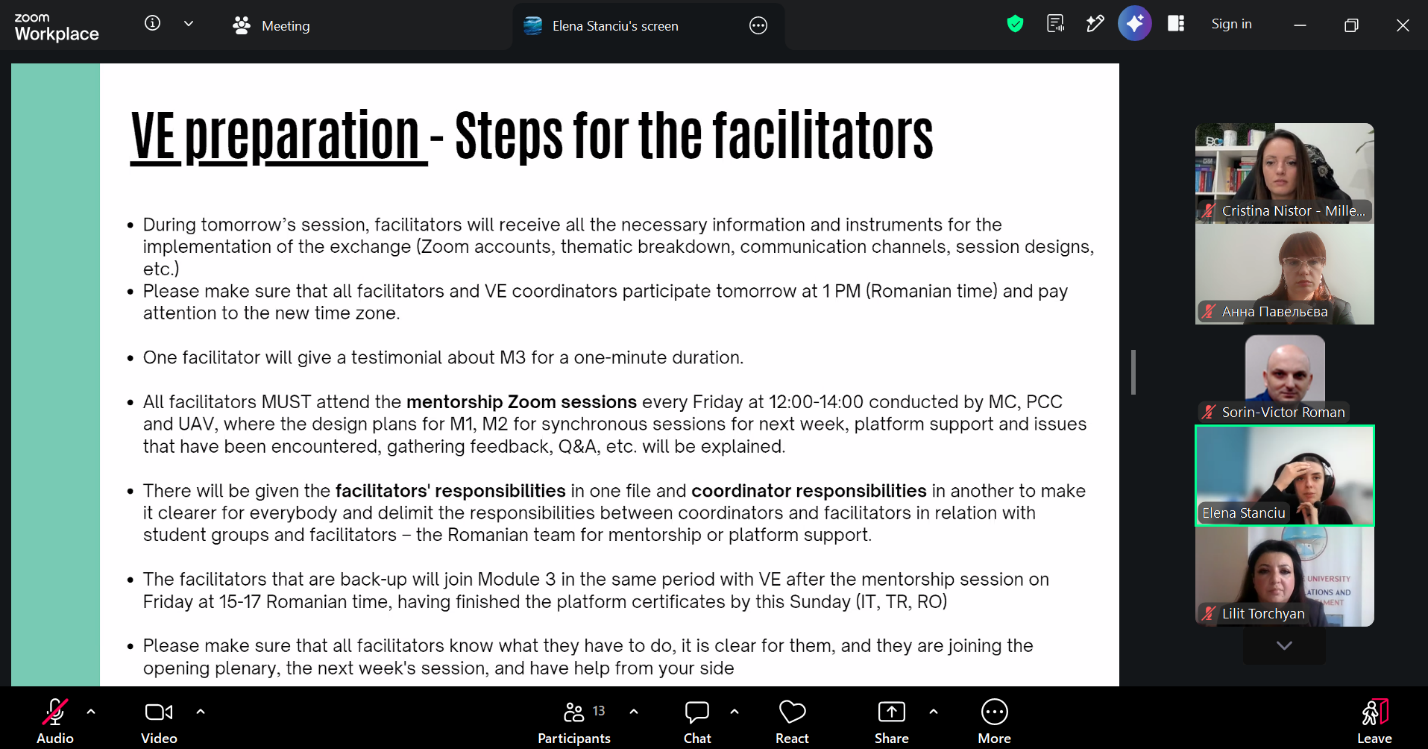
Facilitator certification and pedagogical support were also key agenda items. Educators have finalised their coursework on thevoyage.eu digital platform and are completing the procedures for European Youthpass certification. To ensure seamless academic guidance throughout the exchange, the consortium established a weekly Friday mentorship framework. During these sessions, facilitators and project trainers will review weekly lesson designs, share peer feedback, and resolve digital platform queries. Poltava Polytechnic reaffirmed its strong institutional readiness by deploying qualified facilitators and maintaining a backup pool of trained educators.
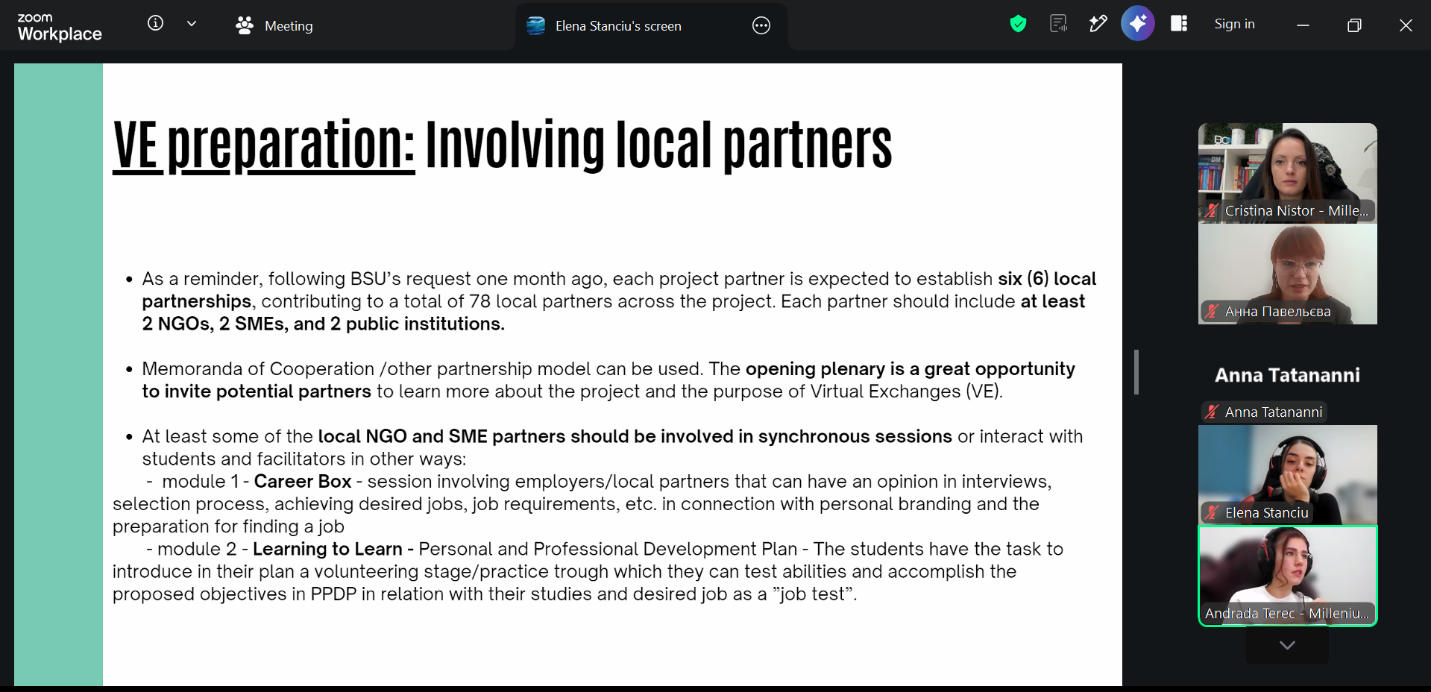
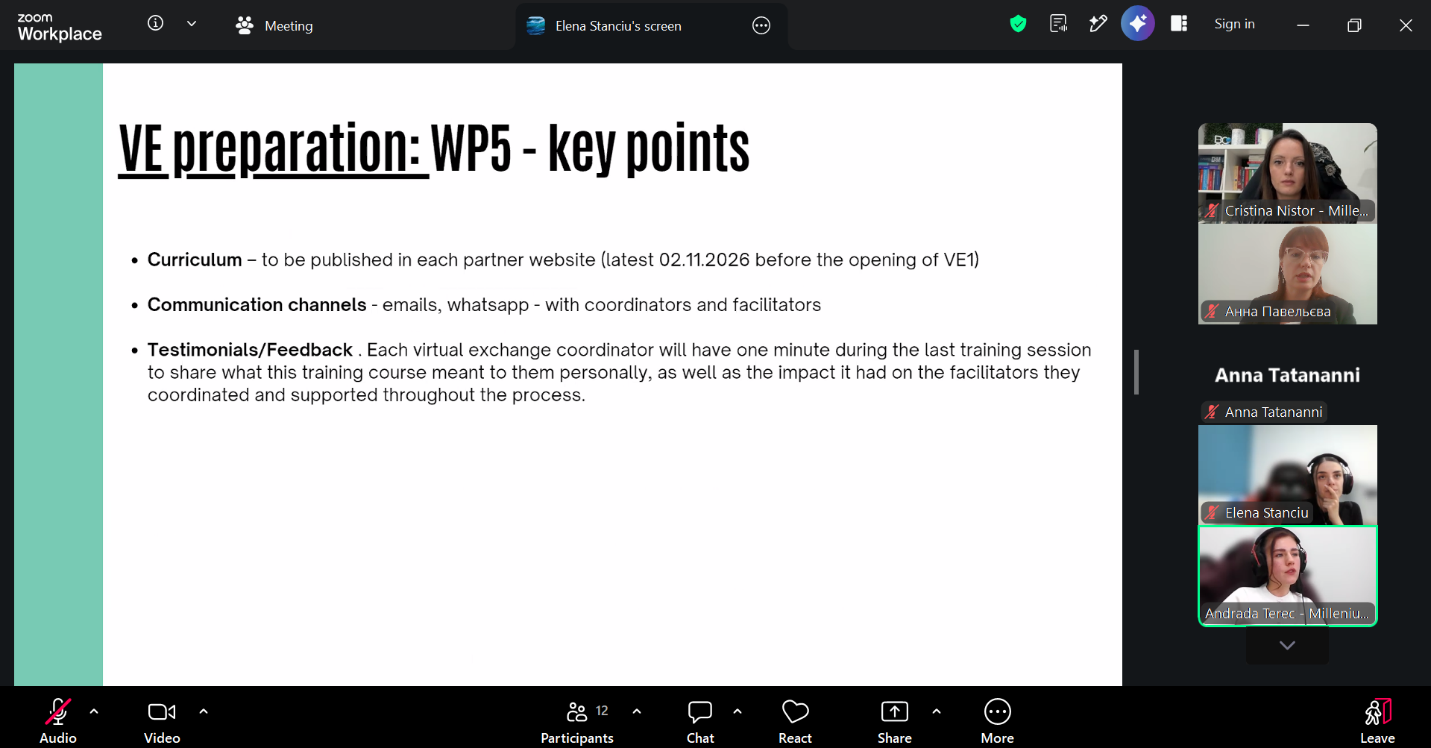
Within the scope of Work Packages WP2 and WP5, the meeting examined local partnerships and dissemination strategies. Consortium members emphasised collaborating with non-governmental organisations (NGOs), small and medium-sized enterprises (SMEs), and public bodies, inviting them to engage with participants in the “Career Box” and “Learning to Learn” modules. This engagement will demonstrate to students how transversal competences and the European Youthpass bolster career readiness and employability. Additionally, all partner universities will publish project curricula on their institutional websites and maintain multi-channel communication systems for prompt coordination.
Poltava Polytechnic's Institutional Coordinator, Anna Pavelieva, praised the alliance's synergy and commitment: “We have reached the culmination of weeks of thorough preparation. On November 2, our students will join peers from seven countries for an inspiring opening event. This project provides Ukrainian students with an exceptional opportunity to build soft skills, cultural intelligence, adaptability, and professional English communication. I express my deepest gratitude to the leadership of our university – the President of Poltava Polytechnic, Professor Volodymyr Onyshchenko, and the Rector, Associate Professor Olena Filonych, whose continuous dedication to European integration initiatives, academic excellence, and student opportunities makes these international achievements possible.”
This milestone builds on consistent local preparation: on September 24, 2026, the university team participated in a coordination meeting of partners of the Erasmus+ project “Acquiring Transversal Competences through Virtual Voyages” (No. 101193593), during which, together with colleagues from seven countries, the educators reviewed the outcomes of the first implementation phase and agreed upon the launch of virtual exchanges for students; they also continued aligning key steps during the second meeting of project coordinators on October 1, 2026; on October 8, 2026, discussed the results of testing the digital platform, the training of the facilitators’ pool, and the finalization of the launch of the first student exchange wave; on October 15, addressed the synchronisation of academic schedules, finalising the preparation and certification of the international pool of facilitators, structuring intercultural student cohorts, and deploying a comprehensive dissemination campaign ahead of the launch of the first wave of virtual exchanges; and on October 22, discussed forming student cohorts, certifying facilitators according to the Youthpass standard, and coordinating dissemination materials ahead of the official launch of the 7-week virtual exchange cycle.
Driven by dedicated teamwork and unwavering adherence to European project management standards, National University “Yuri Kondratyuk Poltava Polytechnic” approaches the official rollout of virtual exchanges with full readiness, creating smooth, reliable, high-calibre pathways for its students into the international academic community.