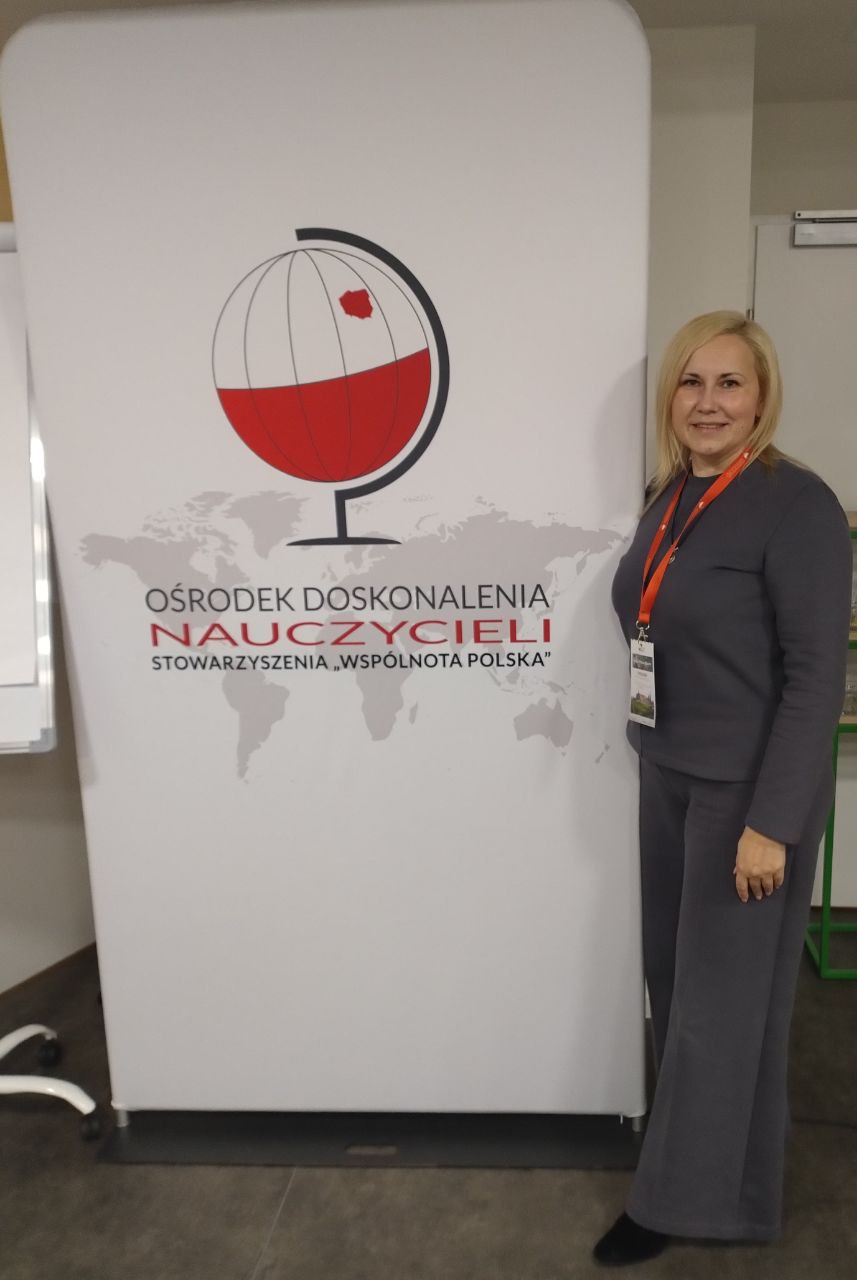
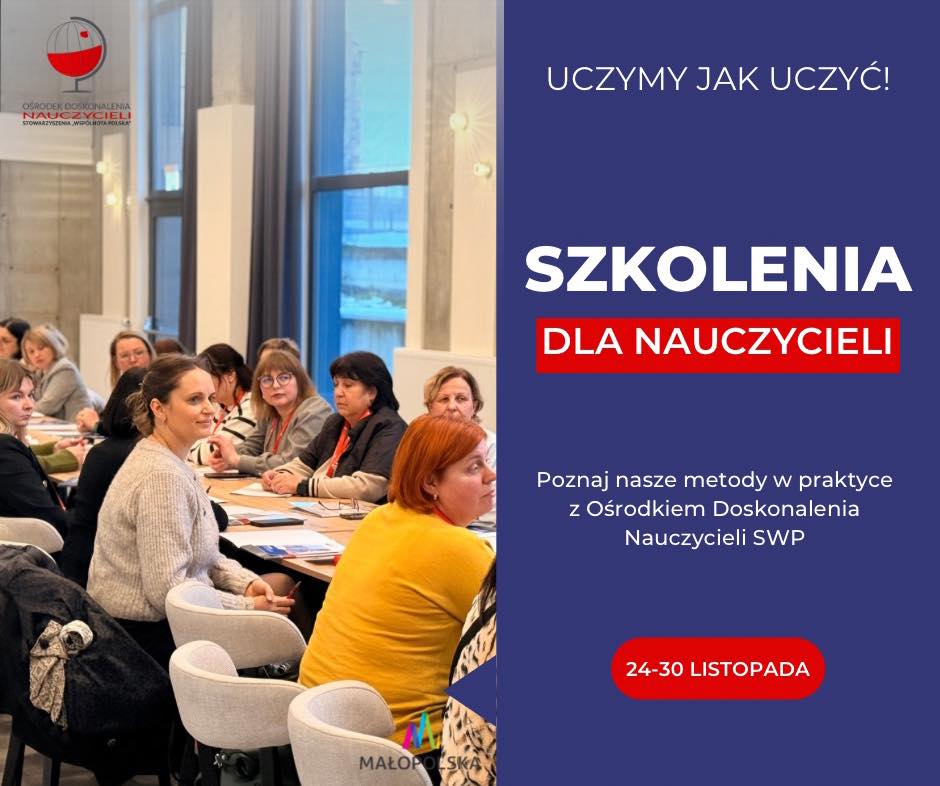
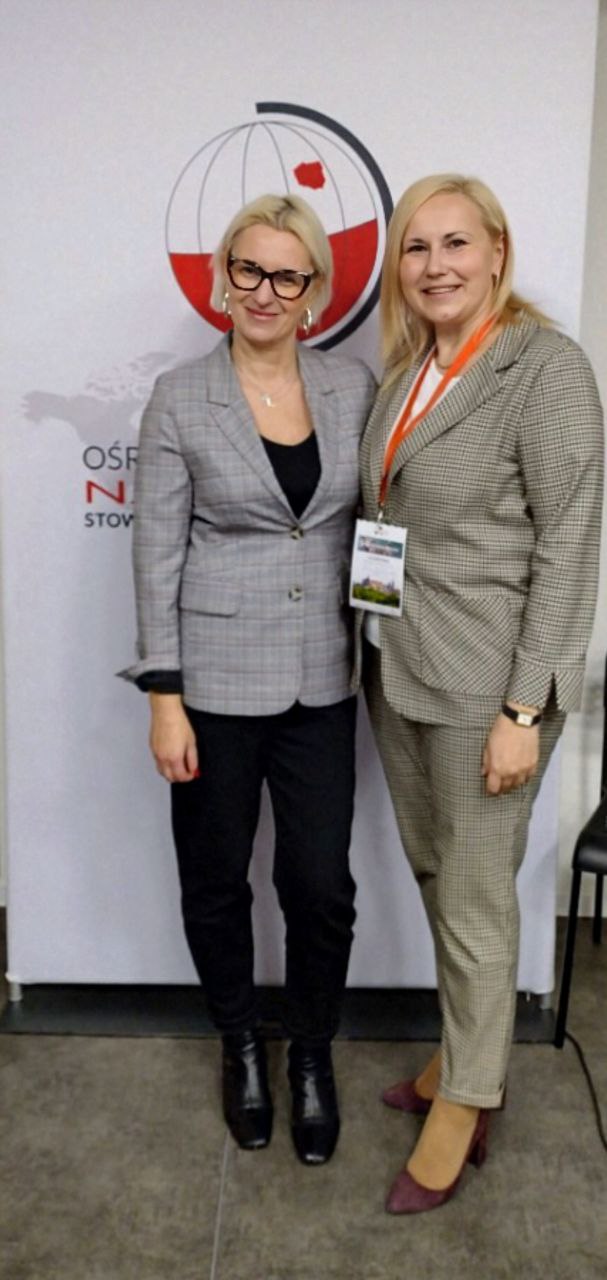
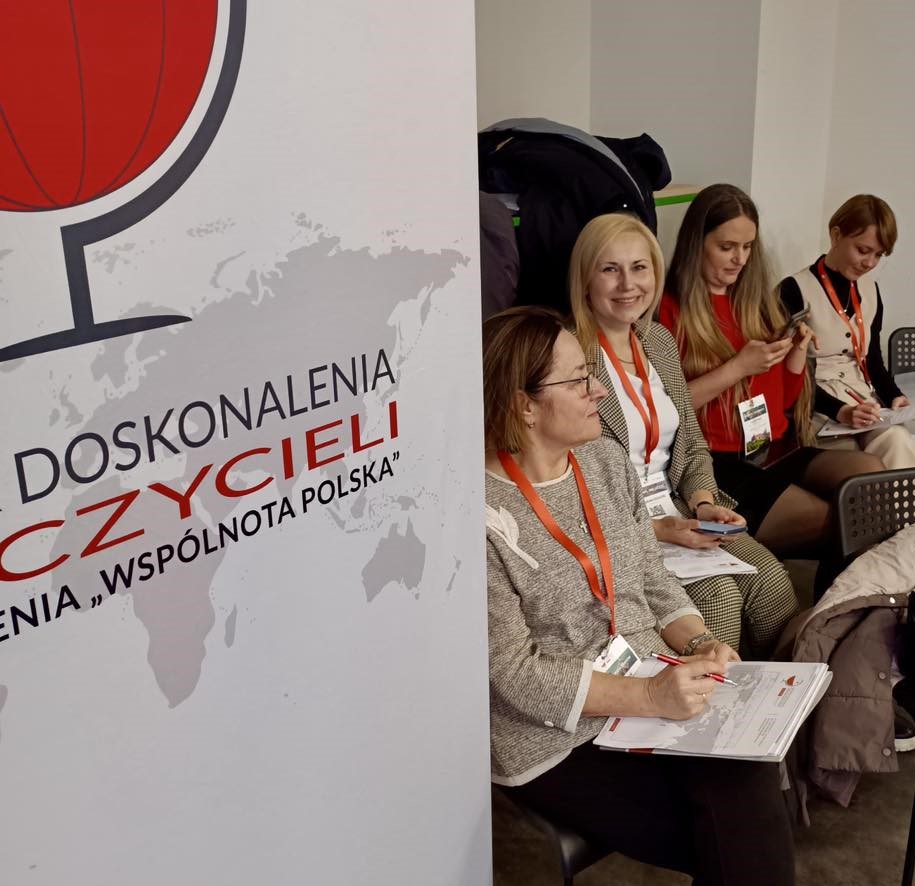
On November 24-30, Alla Bolotnikova, Head of the Department, attended a series of methodological workshops organized by Ośrodek Doskonalenia Nauczycieli SWP. The project was co-financed by the Małopolska Voivodeship. The classes were conducted by well-known authors of textbooks and teaching aids for Polish as a foreign language and professors of Jagiellonian University. In particular, Anna Syretny highlighted aspects of teaching Polish in mixed-ability groups; Danuta Galyga presented intralingual translation as an innovative practice, a source of inspiration, and a modern methodology for teaching Polish; Dominika Izdebska introduced grammar for Slavic learners in a contrastive way through practical, inspiring, and extremely necessary classes for Polish teachers; Tomasz Moźdżeń shared knowledge about new technologies and artificial intelligence in teaching Polish; together with Marzena Wawrzyn, modern techniques for developing cultural competence were discussed; and with Dominika Bucko, the development of phonological competences was addressed.
In addition, the training provided an excellent opportunity to become acquainted with the history and culture of Krakow and to visit Cricoteka, as language should be experienced through emotions, art, movement, space, and encounters with living culture. The Tadeusz Kantor Art Documentation Centre is an absolutely unique place that provokes, questions, inspires movement, and sometimes even challenges established patterns. A trip to Nowa Huta became a live lecture that cannot be reproduced in classroom settings either in Poland or in Ukraine. Participants studied the language of an era – propaganda slogans, names of institutions, the language of the Polish People’s Republic and its cultural context; analyzed space, exploring how architecture and urban planning tell the story of the 20th century; and learned how to discuss complex topics such as social resistance, transformation, and generational memory. They also visited Zakopane, a historical and literary canon, experienced the living culture of the regions, and saw art born in dialogue with nature, having the opportunity to feel, experience, and see the country in many dimensions: art, the history of place, and the people who shaped that history.
.jpg)
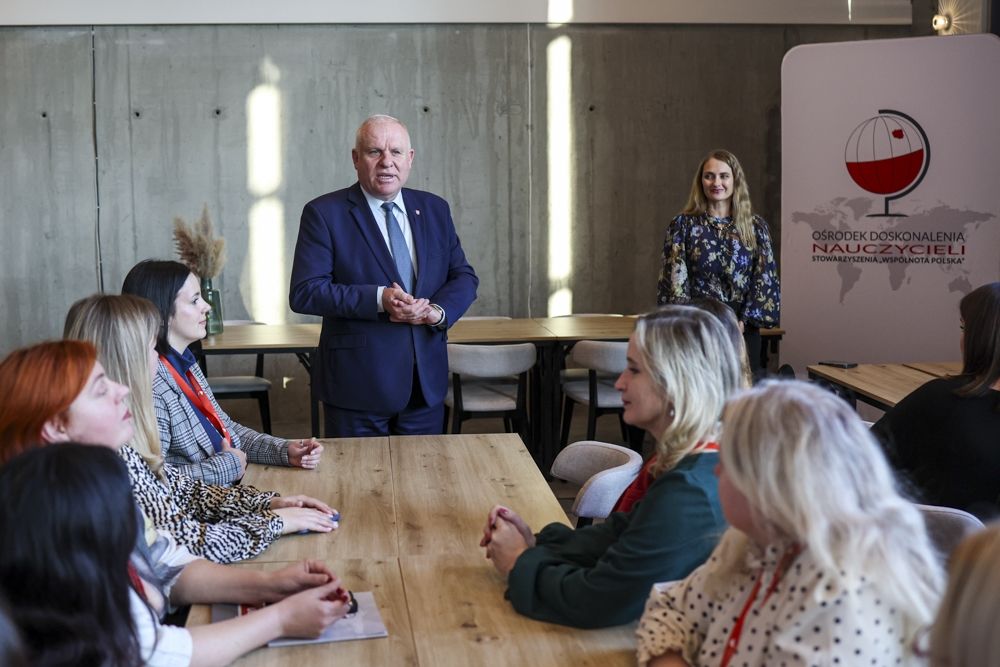
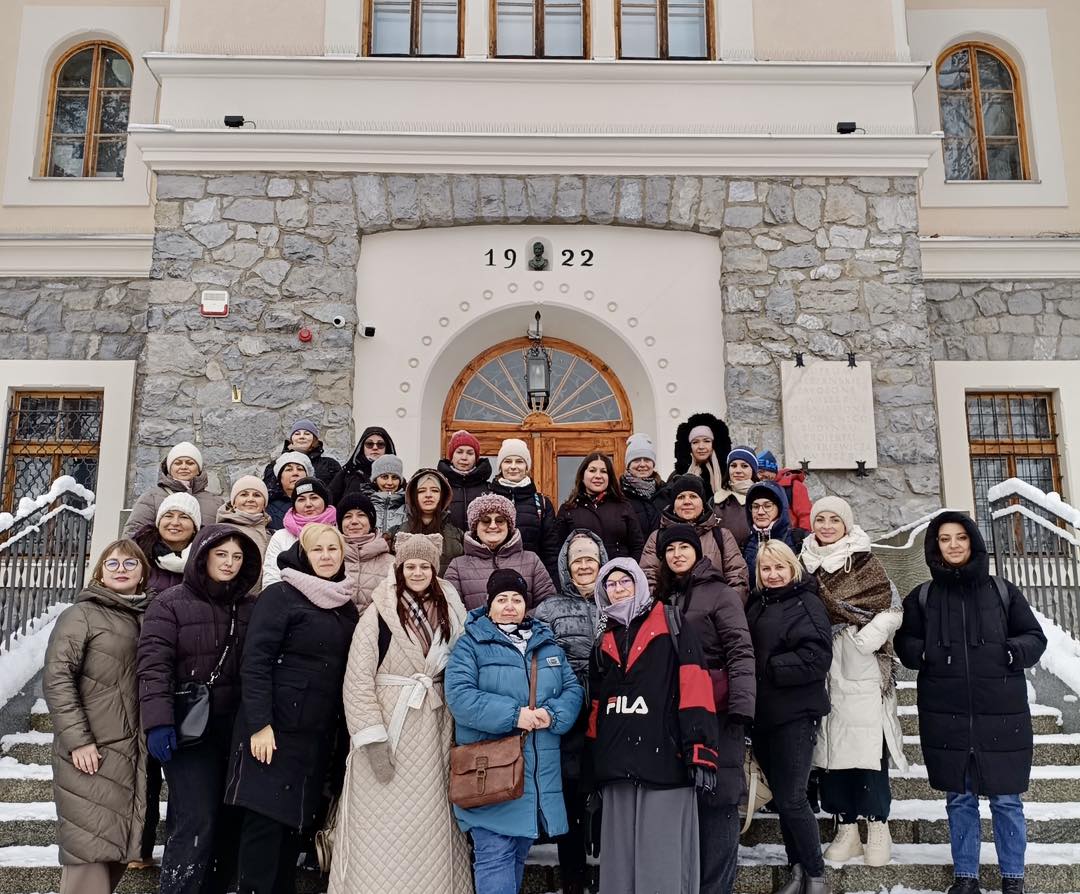
Importantly, within the framework of the training, a meeting took place with the Vice-Marshal of the Małopolska Voivodeship, Ryszard Pagacz, as this visit became a significant event for Polish language teachers working outside Poland, and such meetings strengthen the sense of community and national identity.