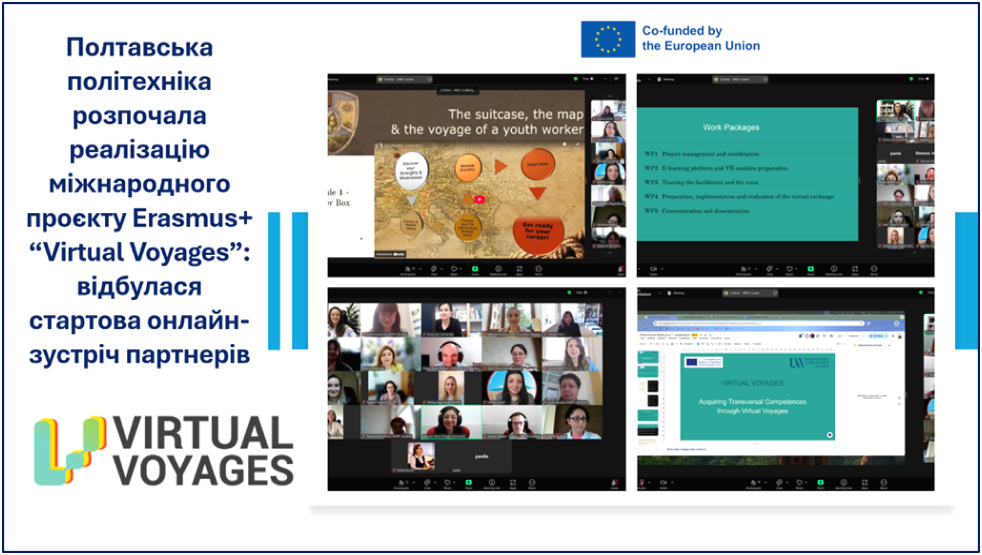
On April 29, 2025, representatives of National University “Yuri Kondratyuk Poltava Polytechnic” participated in the kick-off online conference that marked the official launch of the large-scale 36-month European project “Acquiring Transversal Competences through Virtual Voyages”.
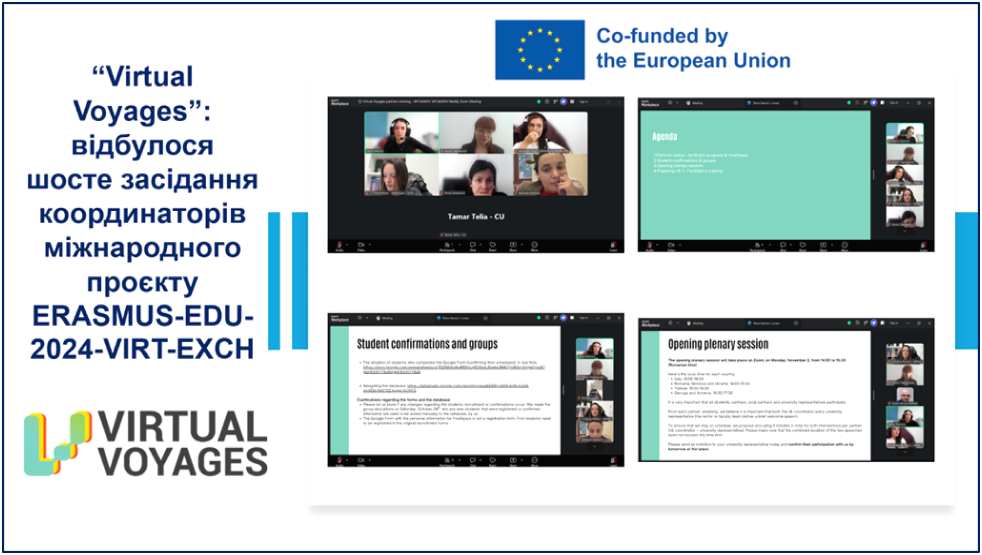
The European Union funds the project under the Erasmus+ Programme, under the call ERASMUS-EDU-2024-VIRT-EXCH, using the Lump-Sum grant model (grant agreement number: 101193593). The first meeting of the partners took place within the framework of Work Package 1 “Project Management and Coordination”, dedicated to the overall governance and coordination of the three-year activities of the international consortium with a budget exceeding 416,000 euros.
“Aurel Vlaicu” University of Arad (Romania) leads the international partnership under the leadership of Associate Professor Tiberiu Dughi. The consortium brings together ten key beneficiaries from seven European countries and neighbouring regions: higher education institutions and specialised organisations from Romania (“Aurel Vlaicu” University of Arad, the youth NGO Asociația Millenium Centre Arad, and the innovative enterprise Predict CSD Consulting SRL), Italy (IUL Telematic University), Turkey (Fırat University), Moldova (Moldova State University), Georgia (Caucasus University and Batumi Shota Rustaveli State University), Armenia (Gavar State University), and Ukraine, represented by National University “Yuri Kondratyuk Poltava Polytechnic”. Renowned organisations from Spain (Asociación Mundus) and Portugal (Mondego Mobility) have also joined as associated partners to support dissemination efforts and youth engagement.
The project's core concept is grounded in modernising and enhancing the popular educational platform thevoyage.eu, developed under a previous Erasmus+ project that received the highest expert evaluation from the European Commission and was awarded “Success Story” status. The new phase entails a profound digital transformation of this tool: the integration of advanced gamification elements, the development of two new educational 2D and 3D video games lasting 20–30 minutes to simulate real-life scenarios and decision-making, as well as the creation of over 85 hours of interactive content, e-books, mind maps, and instructional video materials. The educational programme combines students’ independent asynchronous learning on the online platform with weekly synchronous online debates in small intercultural groups of 15–20 participants, conducted entirely in English.
The thematic scope of the training courses focuses on cultivating critical transversal skills of the future through three sequential modules: career self-determination, planning, and personal brand building (“Career Box”); fostering self-directed learning capabilities (“Learning to Learn Competence”); and soft skills, notably leadership, emotional intelligence, critical thinking, tolerance, and conflict resolution. The project has an ambitious quantitative scope: across three virtual exchange cycles lasting 6 to 10 weeks each, it aims to engage 2,100 students from EU Member States, third countries associated with the Programme, and Eastern Partnership countries. Importantly, each participant’s achievements will be officially certified with European-recognised Youthpass and Europass credentials, validating their acquired competences and enhancing their professional profiles for future employment.
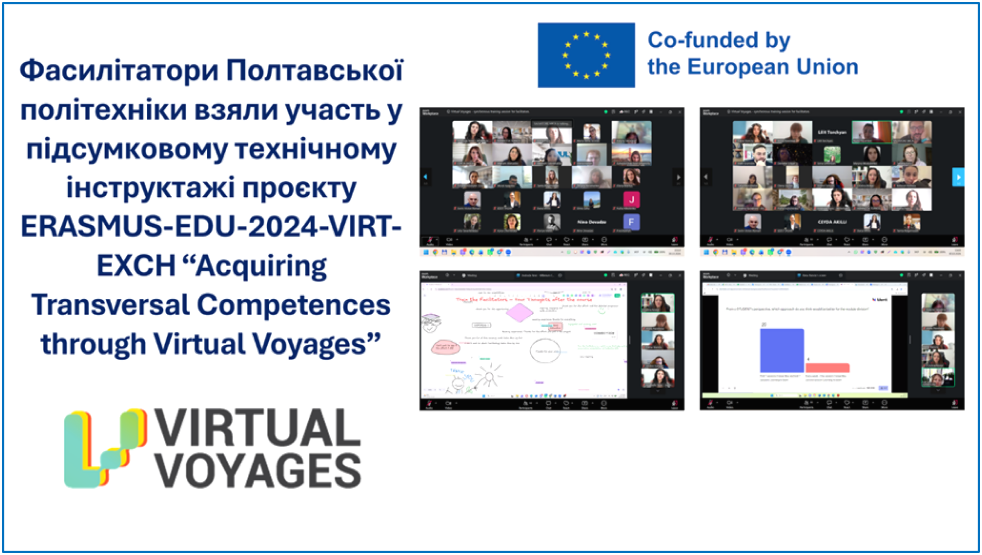
Another key objective of the project is training over 200 facilitators and trainers among academic and teaching staff. Guided by experienced consortium trainers, they will master methodologies for moderating online debates in a multicultural environment, applying artificial intelligence tools to the learning process, and integrating non-formal education instruments into an academic setting. Poltava Polytechnic has committed to involving at least 200 Ukrainian students in the virtual exchanges and training 20 of its own academic staff members as facilitators, providing 37 person-months of intensive academic and methodological work backed by institutional grant funding of over 20,000 euros.
The organisers placed special emphasis on the unique mission of the Ukrainian higher education institution: amid the full-scale war, when in-person visits by international students and faculty to Ukraine are impossible due to security concerns, the virtual exchange format serves as an indispensable bridge for intercultural dialogue. For the students and faculty of Poltava Polytechnic, this offers an opportunity to gain cutting-edge international experience, build academic resilience, and collaborate with foreign colleagues without the constraints of physical mobility. The University possesses a robust foundation for the successful realisation of these objectives: experience in dispatching hundreds of students on in-person Erasmus+ semester mobility programmes to leading European universities, an advanced digital ecosystem built upon the MOODLE platform and the MKR application, proprietary mechanisms for recognising non-formal learning outcomes, and vibrant student-led initiatives such as the “Institute of Curators” and the English Speaking Club.
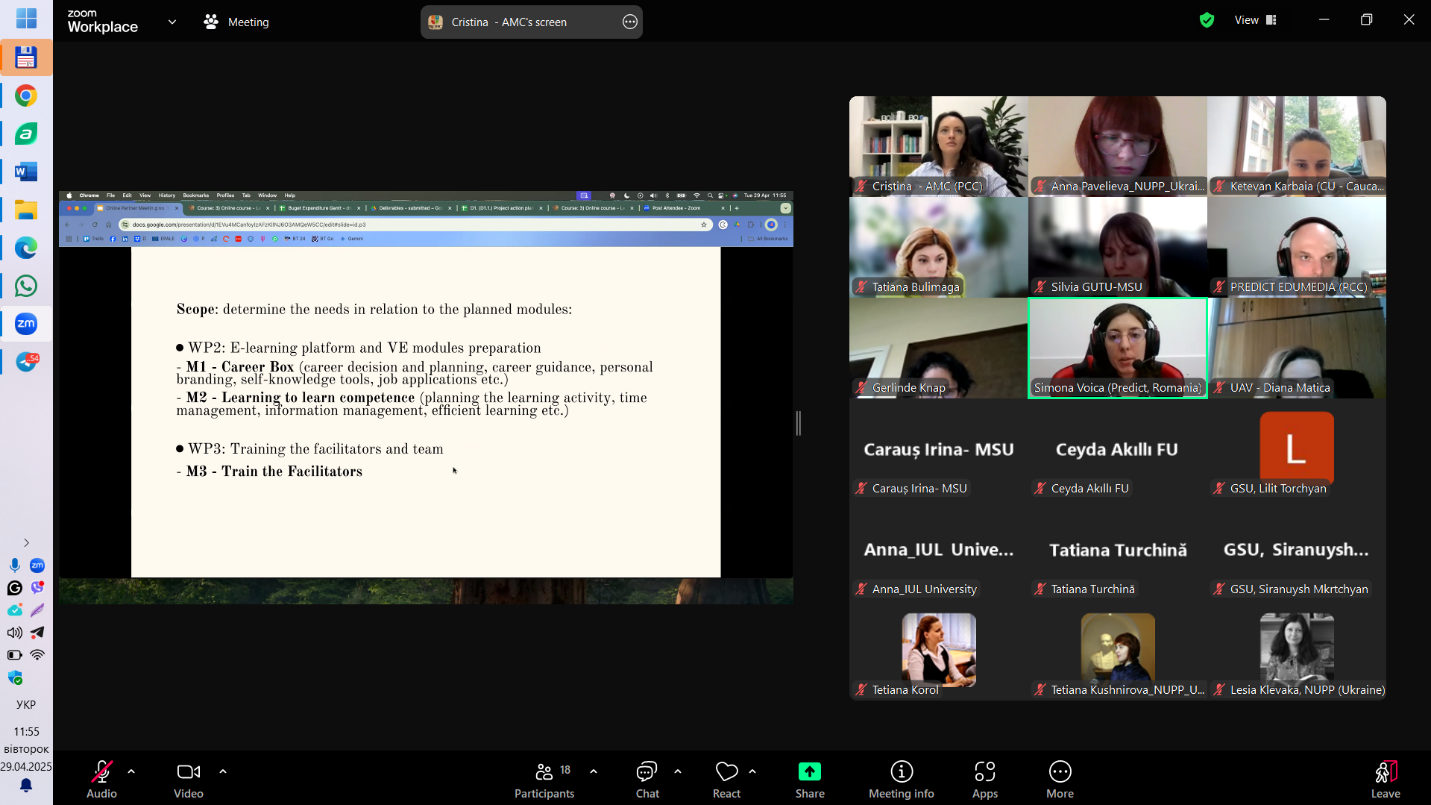
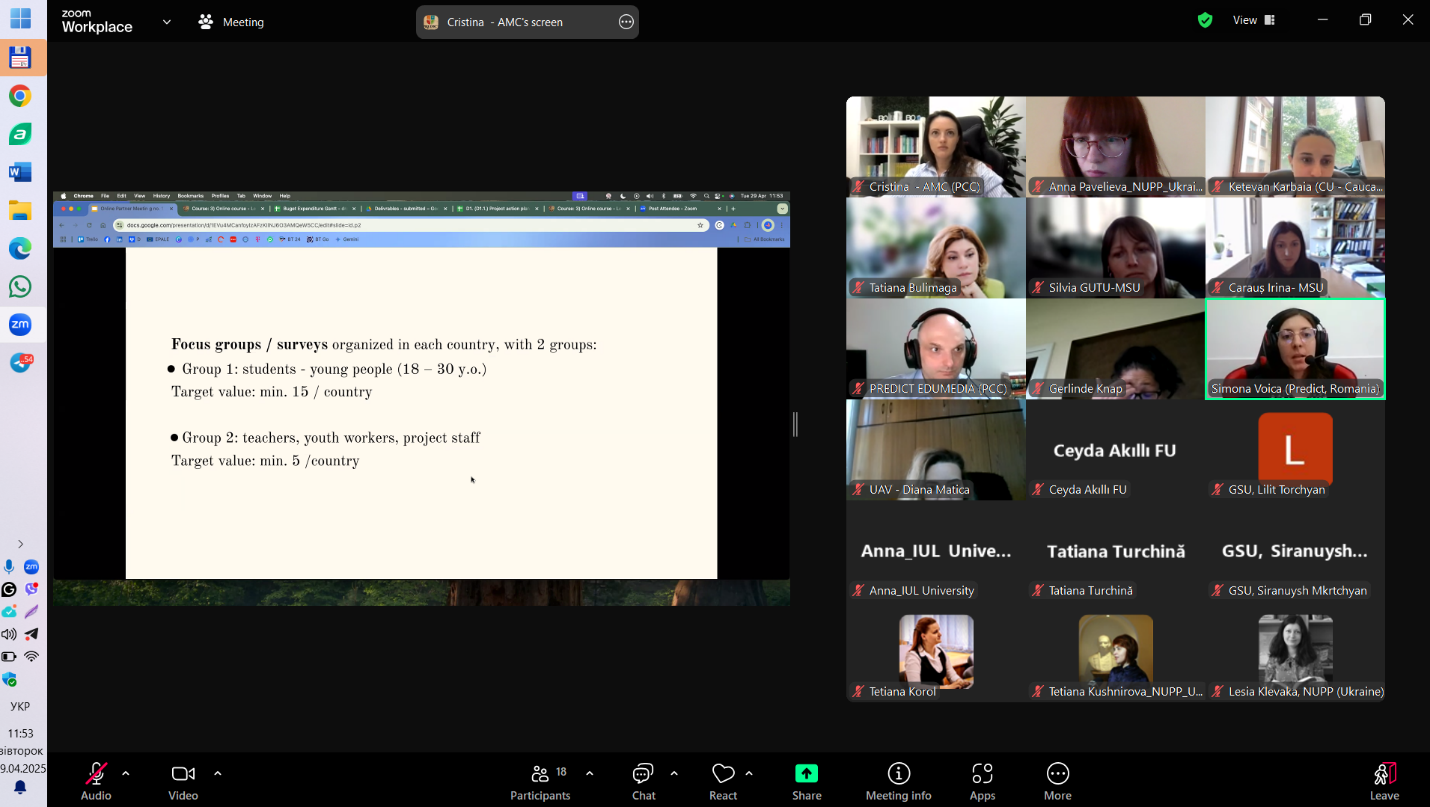
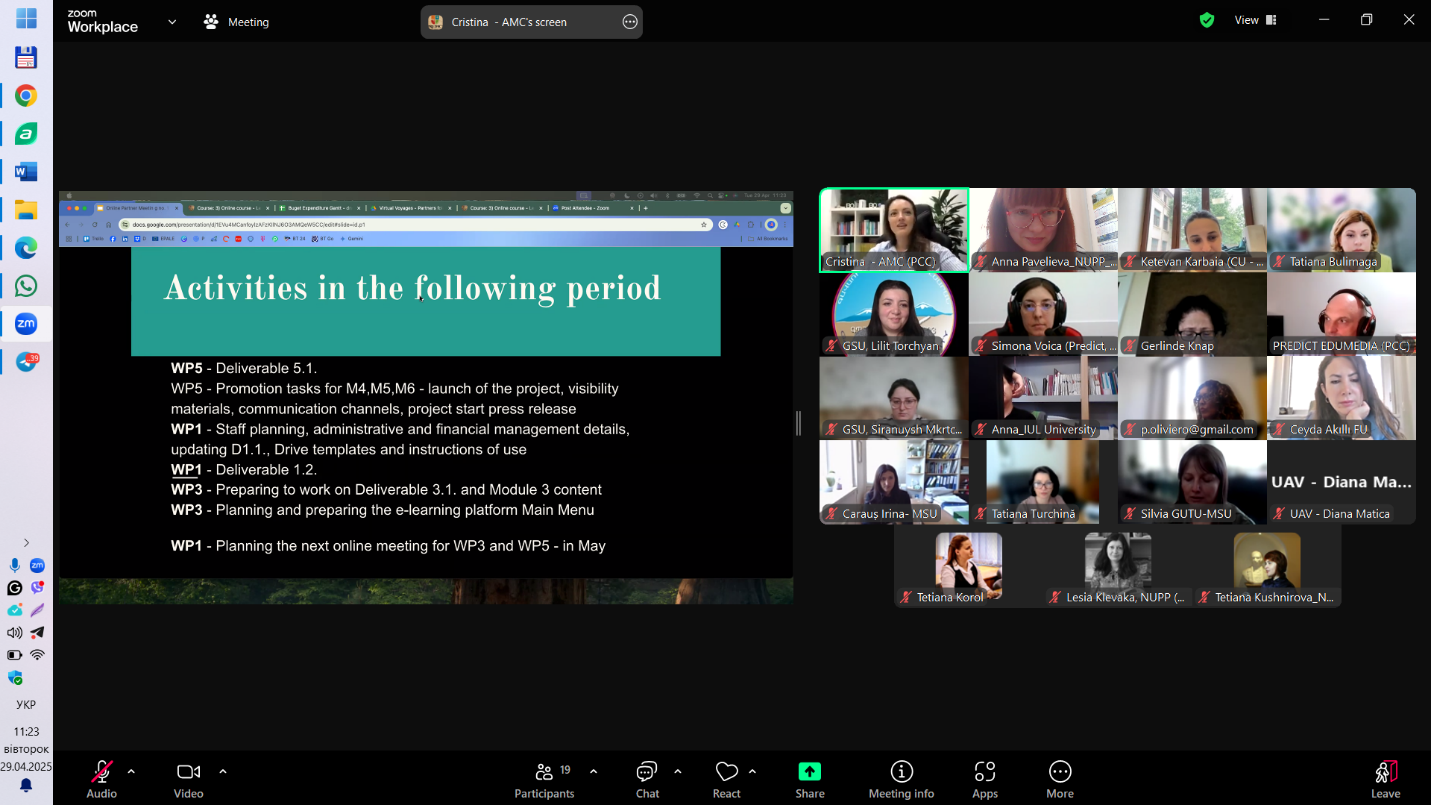

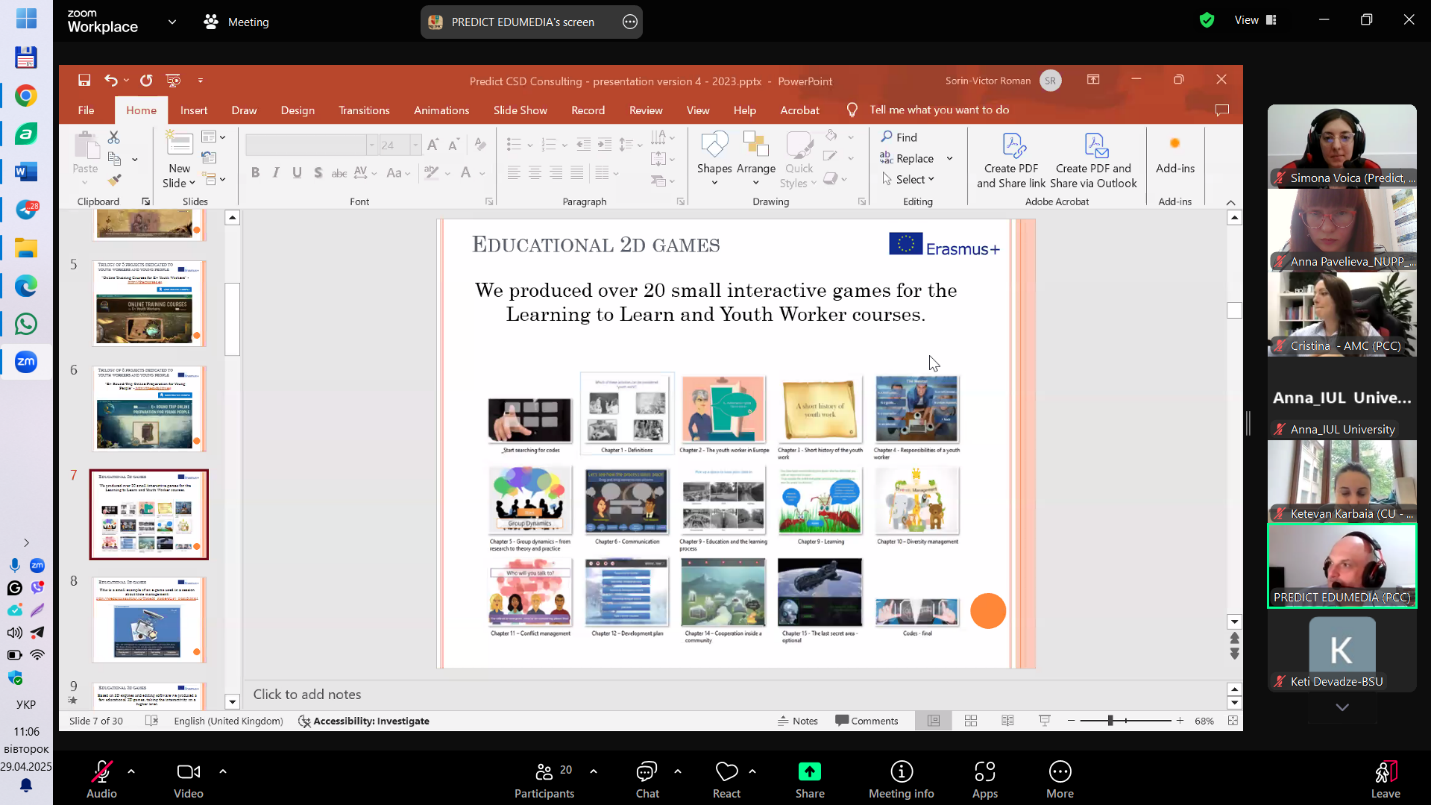
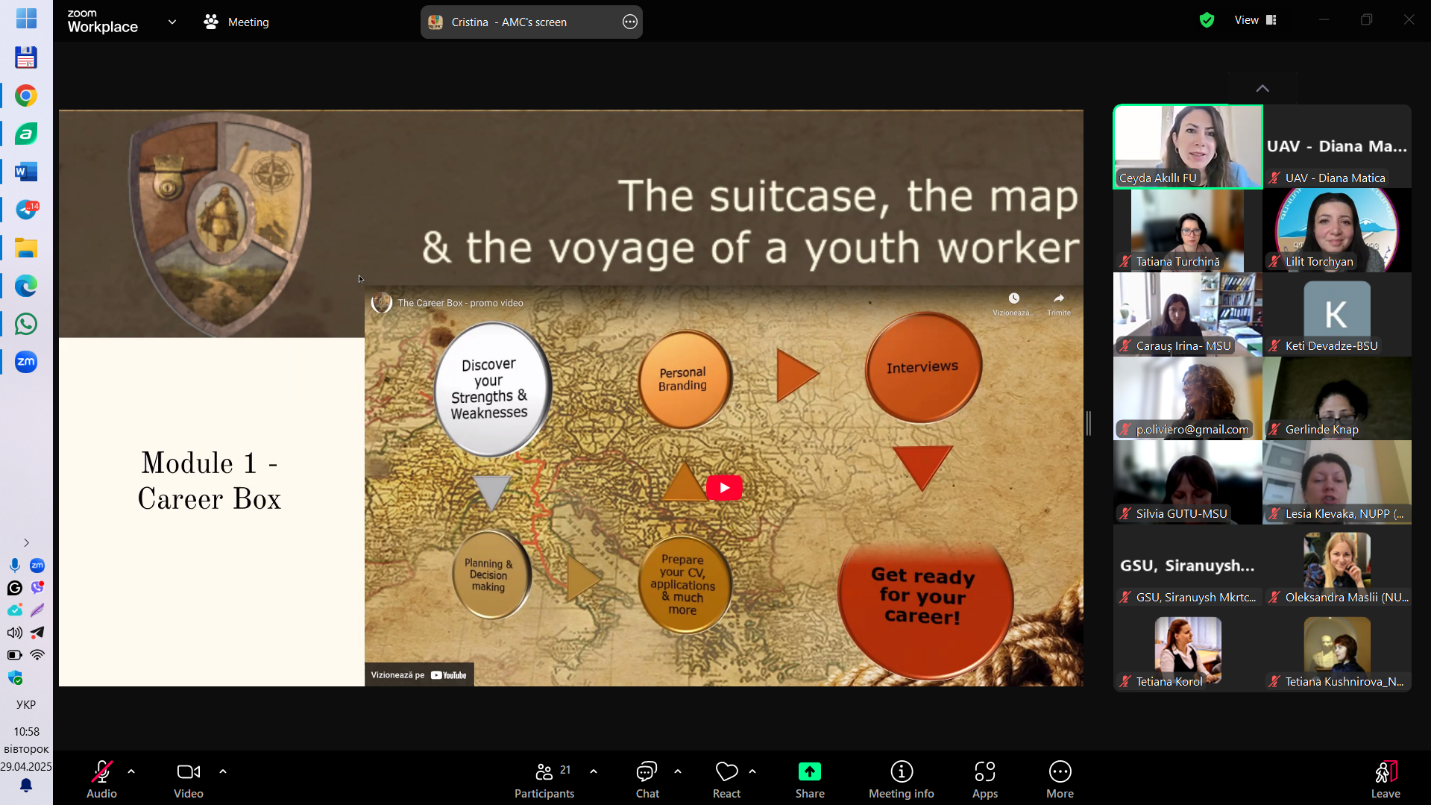
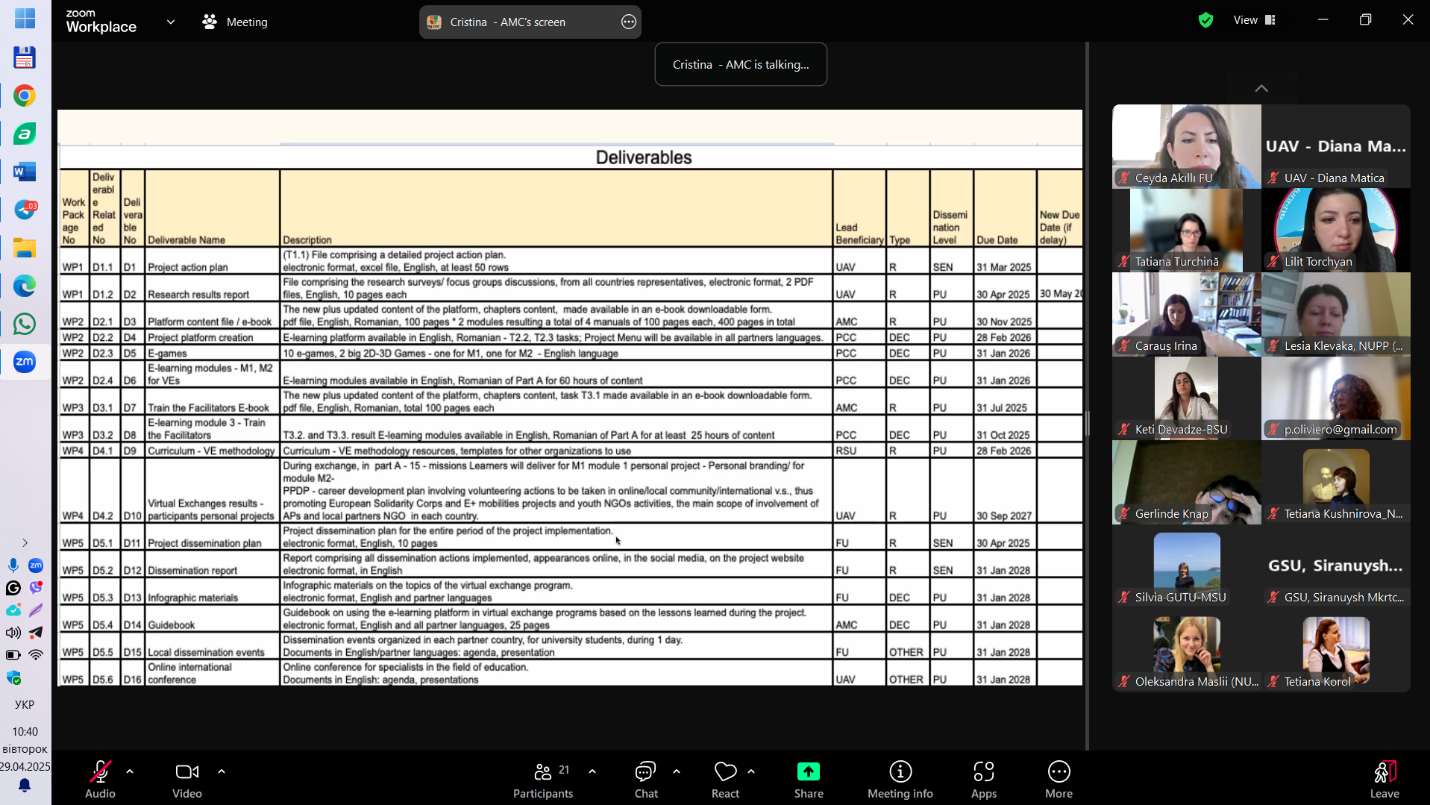
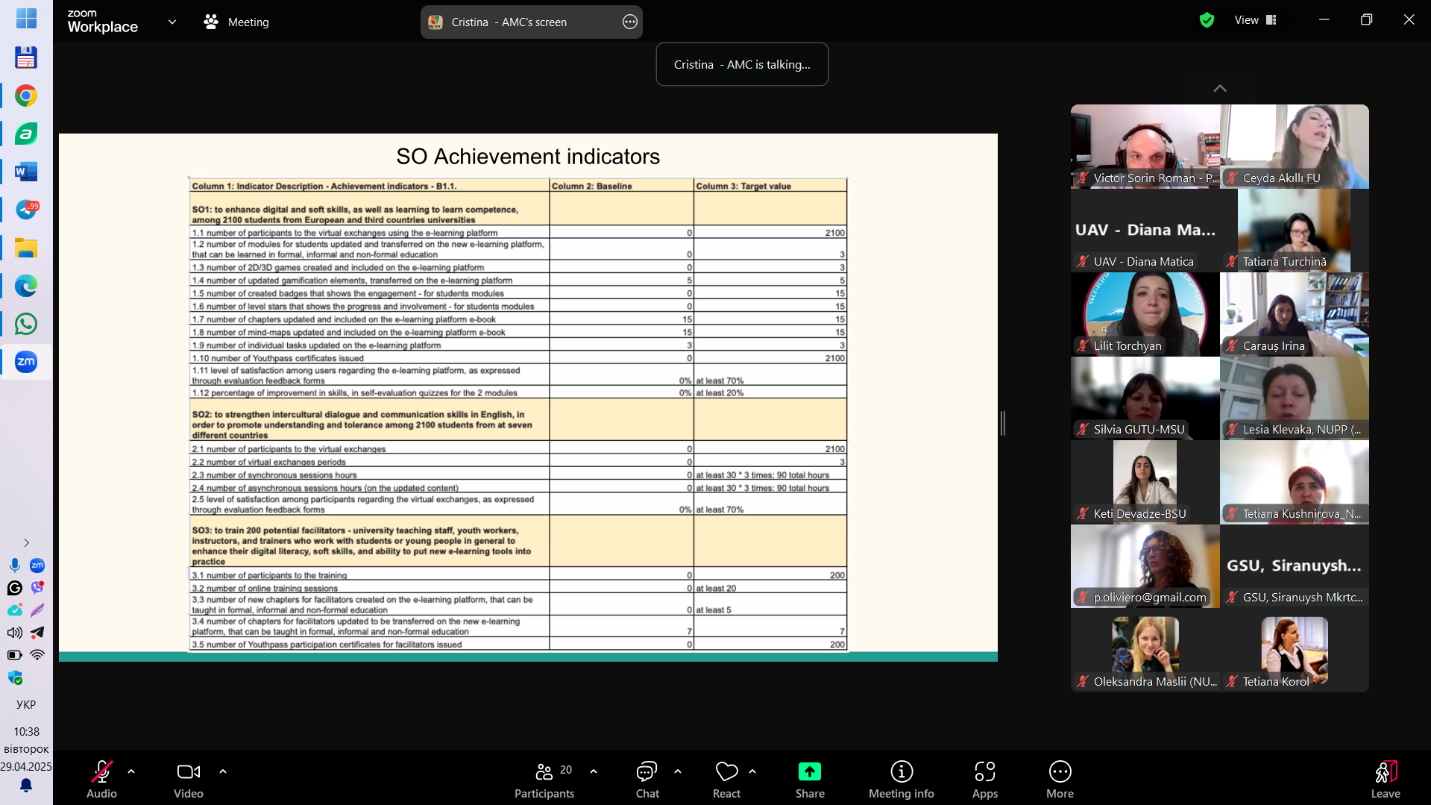
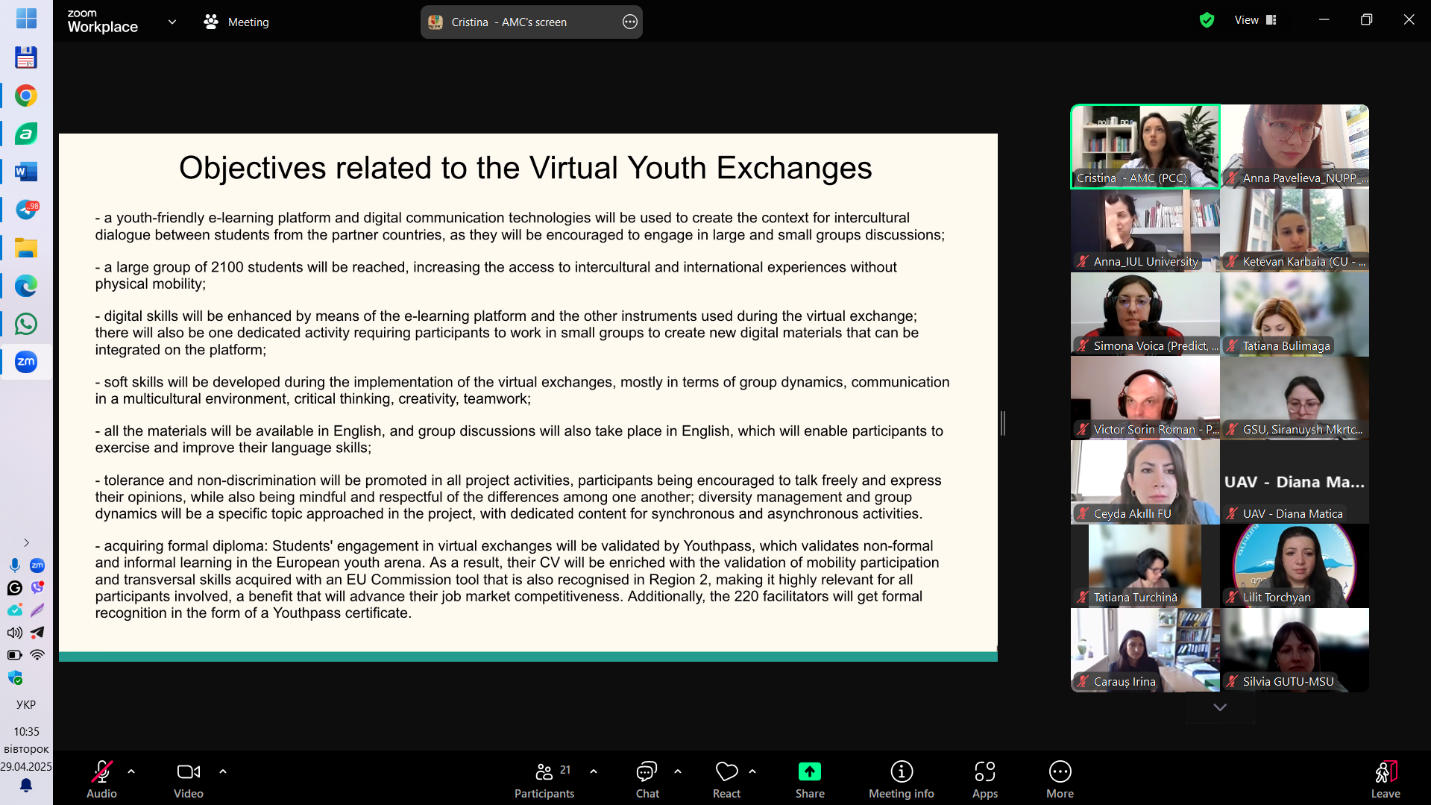
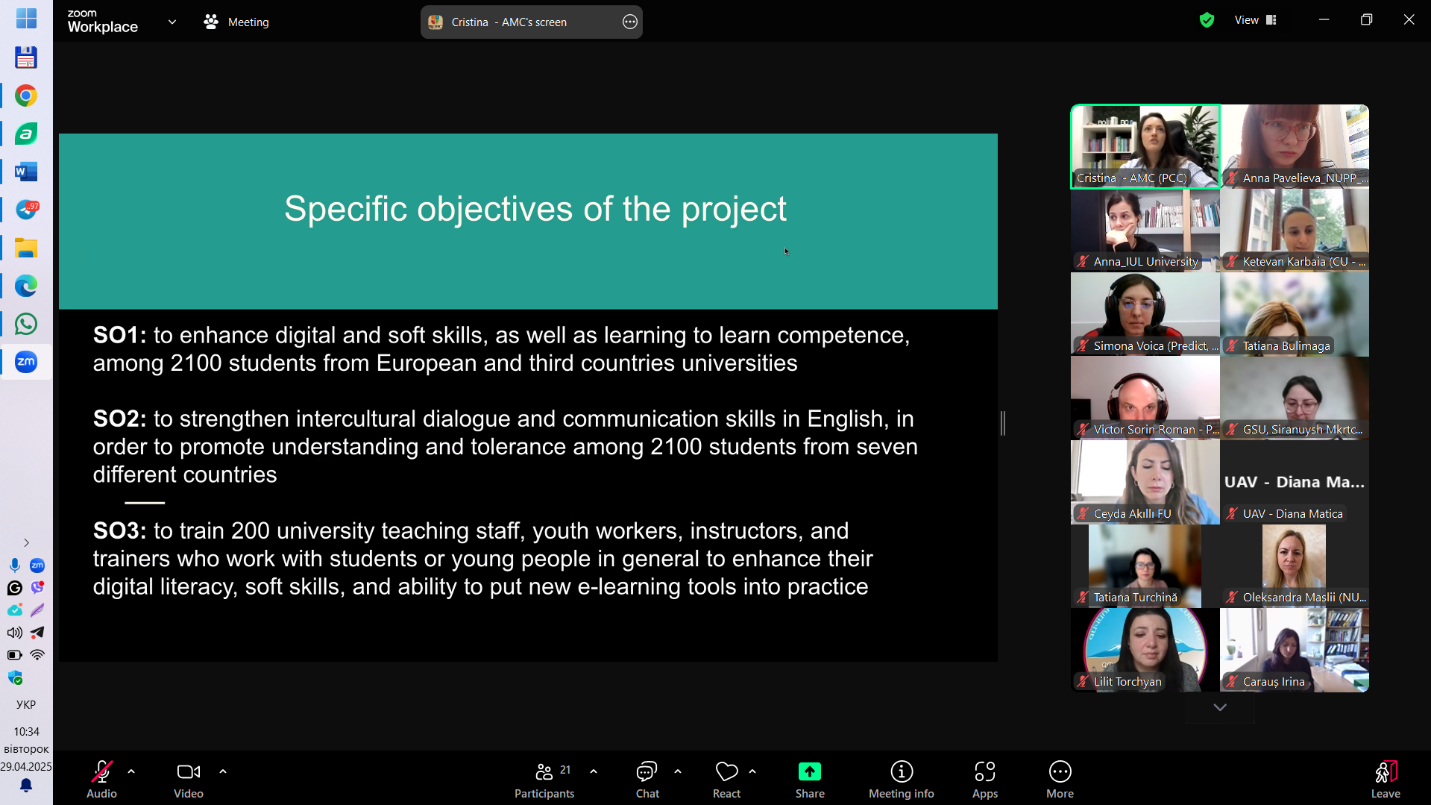
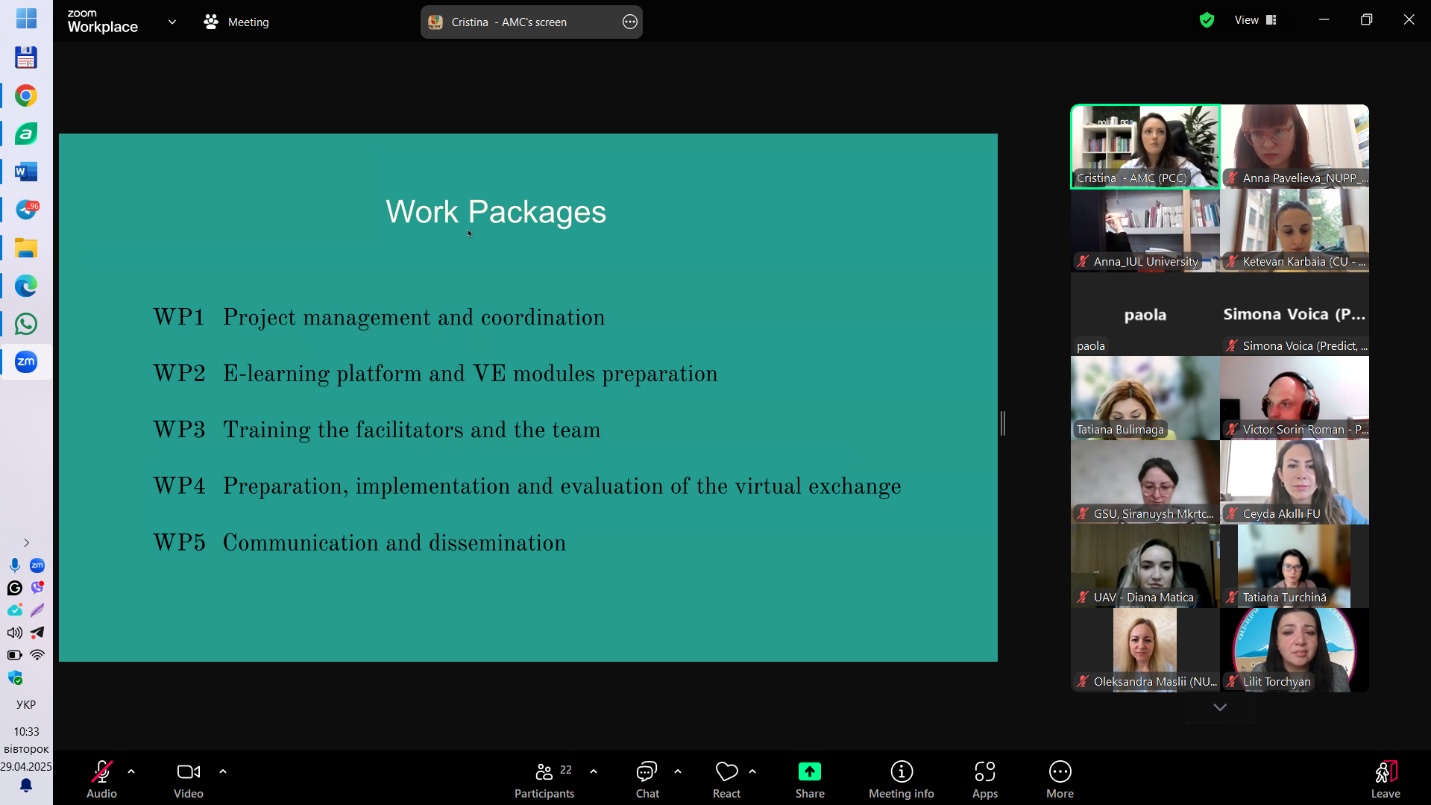

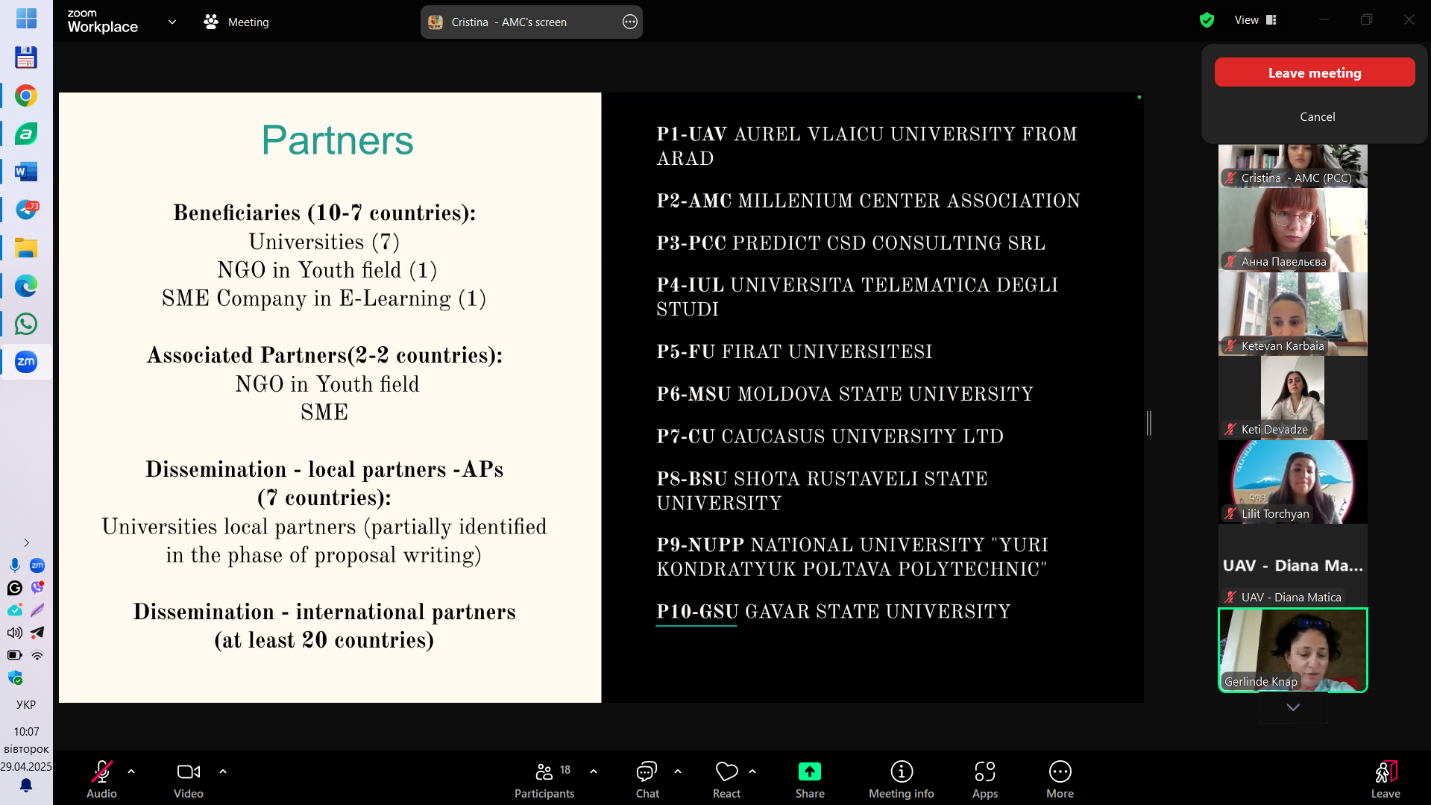
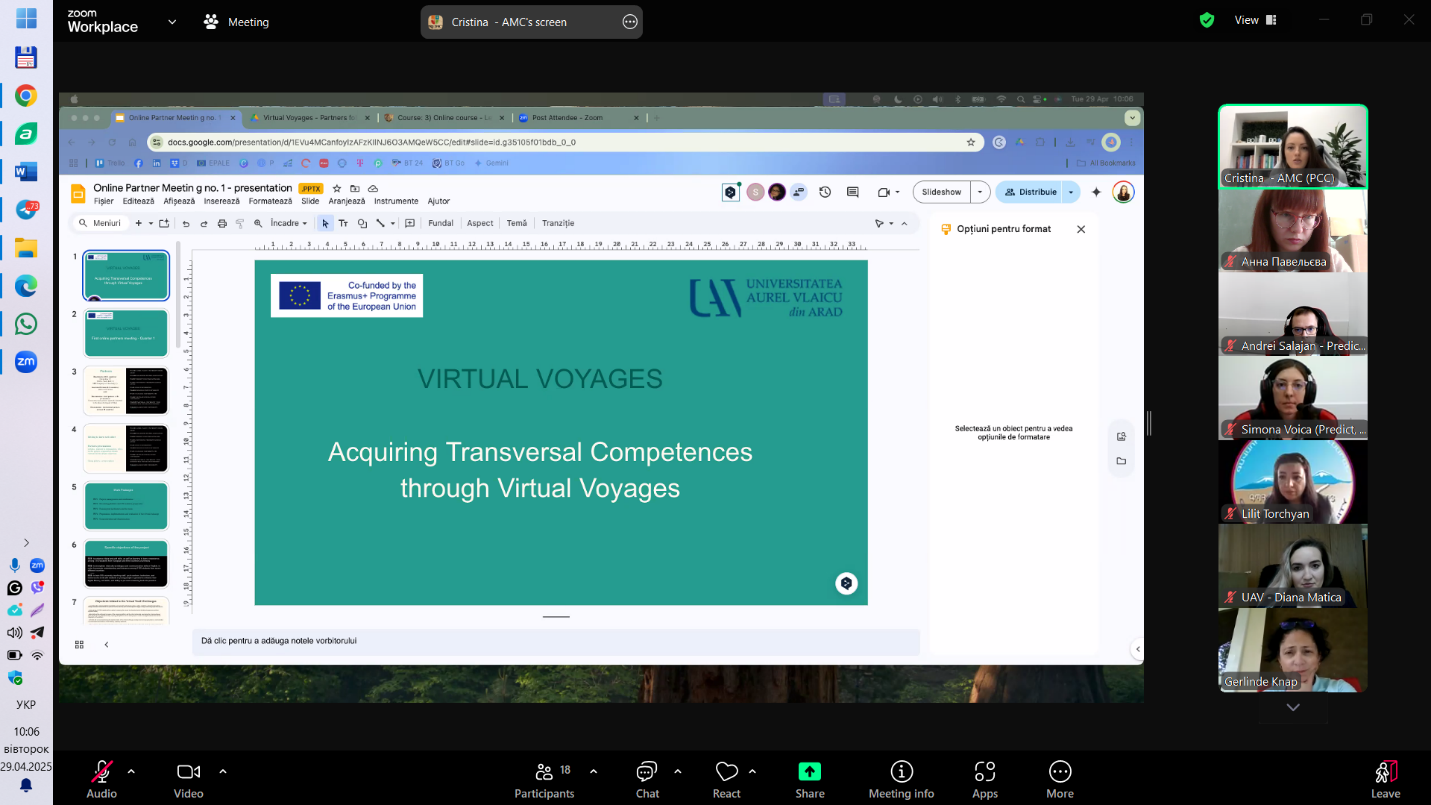
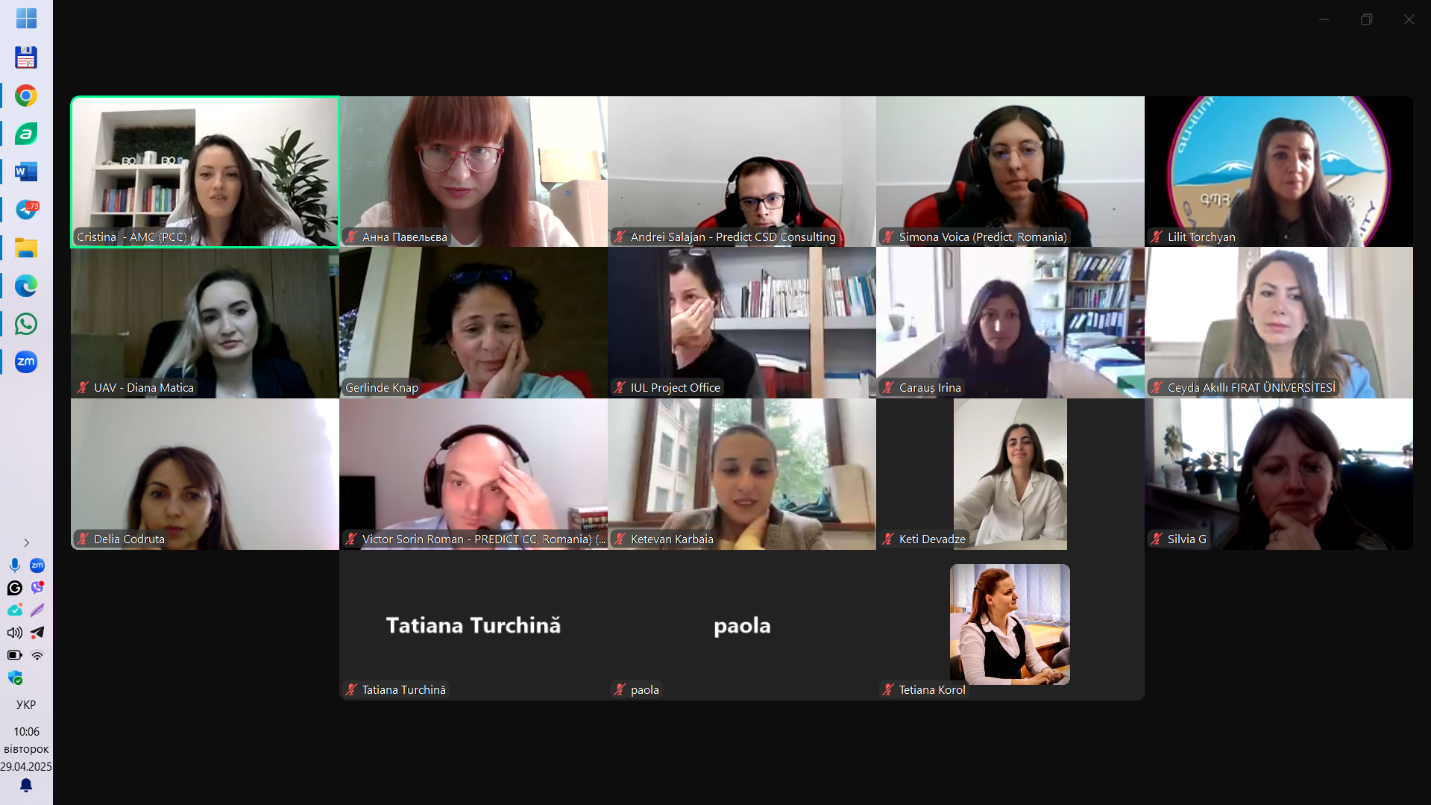
The University’s project working group comprises leading academics and researchers from various departments and institutes across Poltava Polytechnic, with each member overseeing a designated strategic area of activity.
During the kick-off online meeting, participants established the project governance framework. They approved the creation of the Quality Monitoring Steering Committee and the Consortium’s Scientific Council, which will provide ongoing oversight of the educational content and adherence to higher education quality standards. The partners outlined the timeline for the initial three-month research stage, which will include surveys and focus groups with students and academic staff to align the instructional modules with pressing labour market challenges, financial reporting regulations, and project performance indicators. The event concluded with a comprehensive discussion that brought the European partners together around shared aspirations for innovation, mutual support, and strengthened academic cooperation for the benefit of future generations.