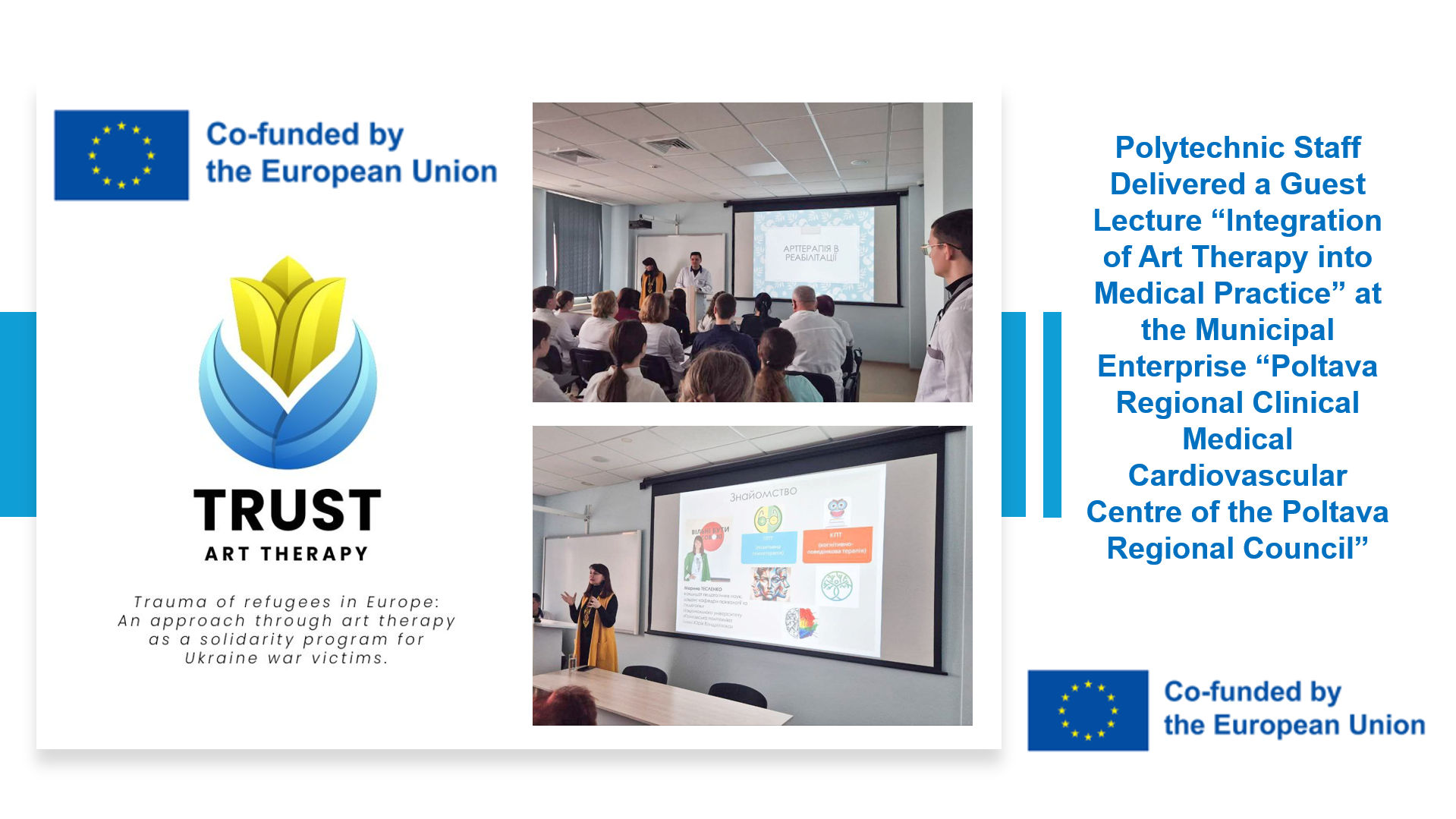
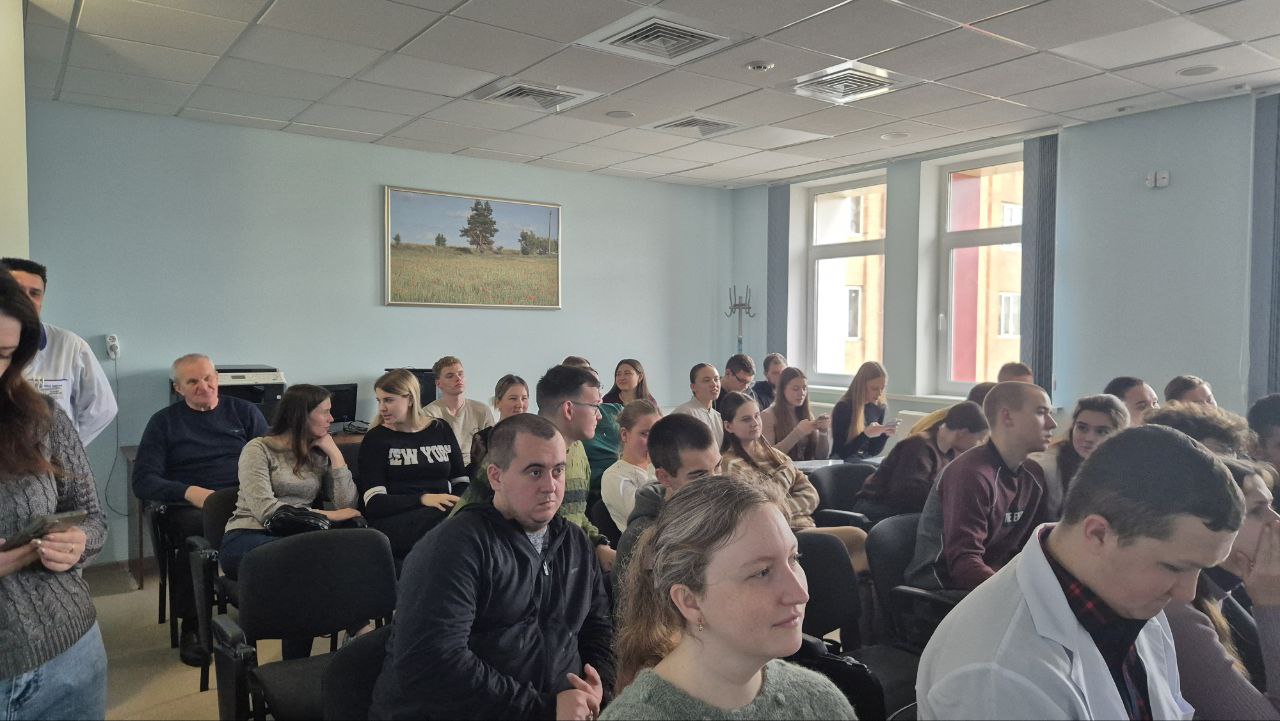
As part of the international Erasmus+ KA220-ADU project “TRUST”: Trauma of refugees in Europe: An approach through art therapy as a solidarity program for Ukraine war victims (Grant Agreement No. 2024-BE01-KA220-ADU-000257527), a guest lecture on the topic “Integration of Art Therapy into Medical Practice” was held on November 03, 2025, at the Municipal Enterprise “Poltava Regional Clinical Medical Cardiovascular Center of the Poltava Regional Council”.
The invited speaker for the event was Maryna Teslenko, Associate Professor of the Department of Psychology and Pedagogy at the National University “Yuri Kondratyuk Poltava Polytechnic”. She presented current approaches to implementing art therapy as an integral component of comprehensive medical and psychosocial rehabilitation, emphasising its role in working with the consequences of psychotraumatic experiences.
The lecture was attended by specialists from the Department of Rehabilitation and Elective Cardiology (cardiologists, physical and rehabilitation medicine physicians, physical therapists, occupational therapists, and therapy assistants), as well as third-year students of the “Physical Therapy, Occupational Therapy” educational program and fifth-year students of the Faculty of Medicine from Poltava State Medical University.
During the event, the conceptual foundations and key modalities of art therapy were thoroughly explained, revealing its profound transformative impact on the individual’s psycho-emotional sphere. Special emphasis was placed on practical algorithms for implementing art therapy tools directly within the activities of medical and rehabilitation units. The speaker emphasised that creating a holistic and effective patient care system is only possible through seamless interdisciplinary collaboration – coordinated interaction among psychologists, doctors, and rehabilitation specialists, in which each expert contributes to the person's comprehensive recovery.
A separate focus of the lecture was dedicated to justifying art therapy as a strategically necessary component of modern medicine. In the face of an unprecedented increase in the number of patients with severe traumatic war experiences, chronic somatic diseases, and states of psycho-emotional deficit, the art of healing takes on special significance. Maryna Teslenko emphasised that art therapy methods become a powerful catalyst for recovery: they help mitigate anxiety, harmonise emotional self-regulation, and regenerate an individual’s internal resources. This, in turn, significantly enhances the cumulative effect of rehabilitation programs and restores patients’ will to live.
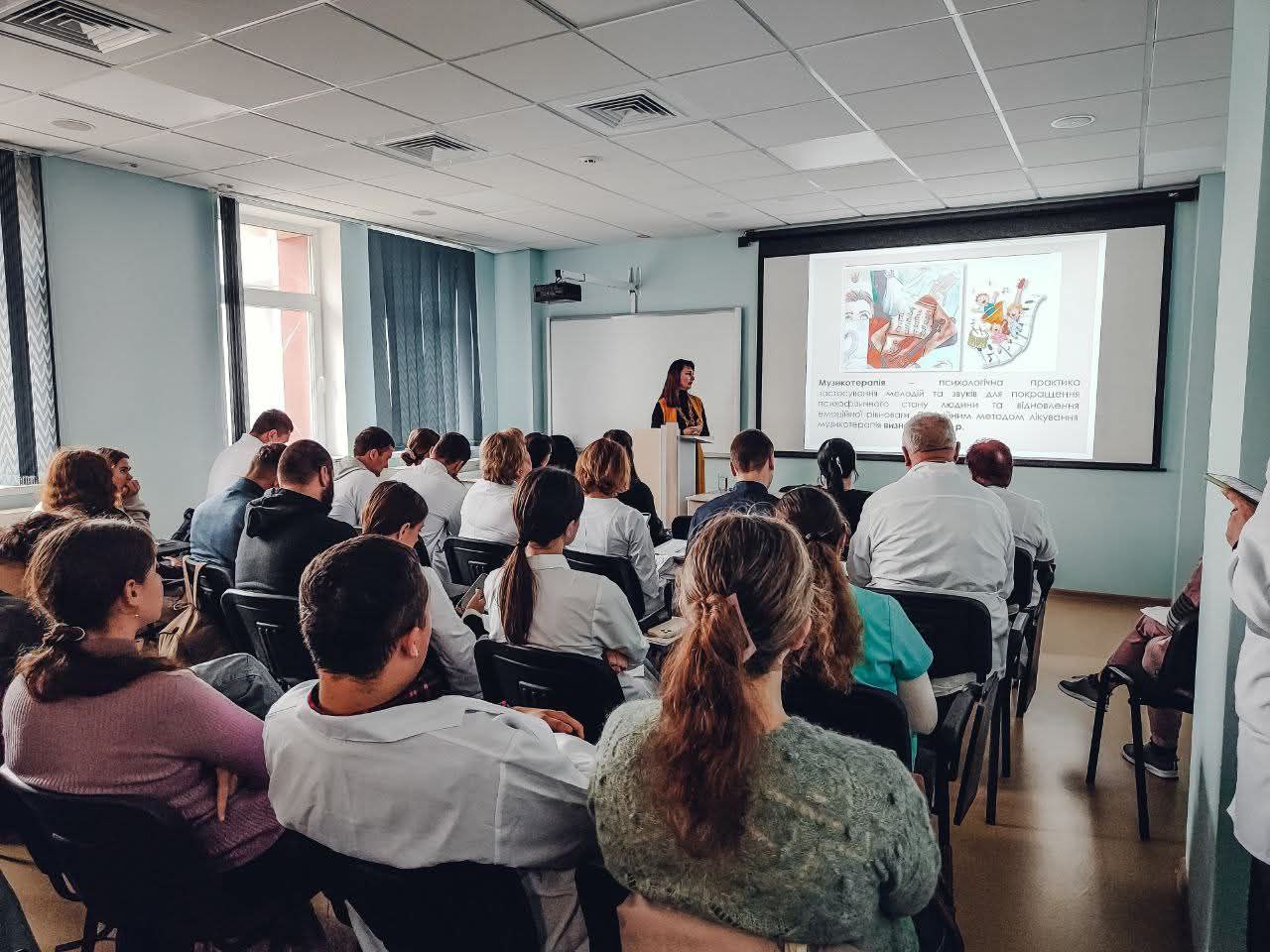
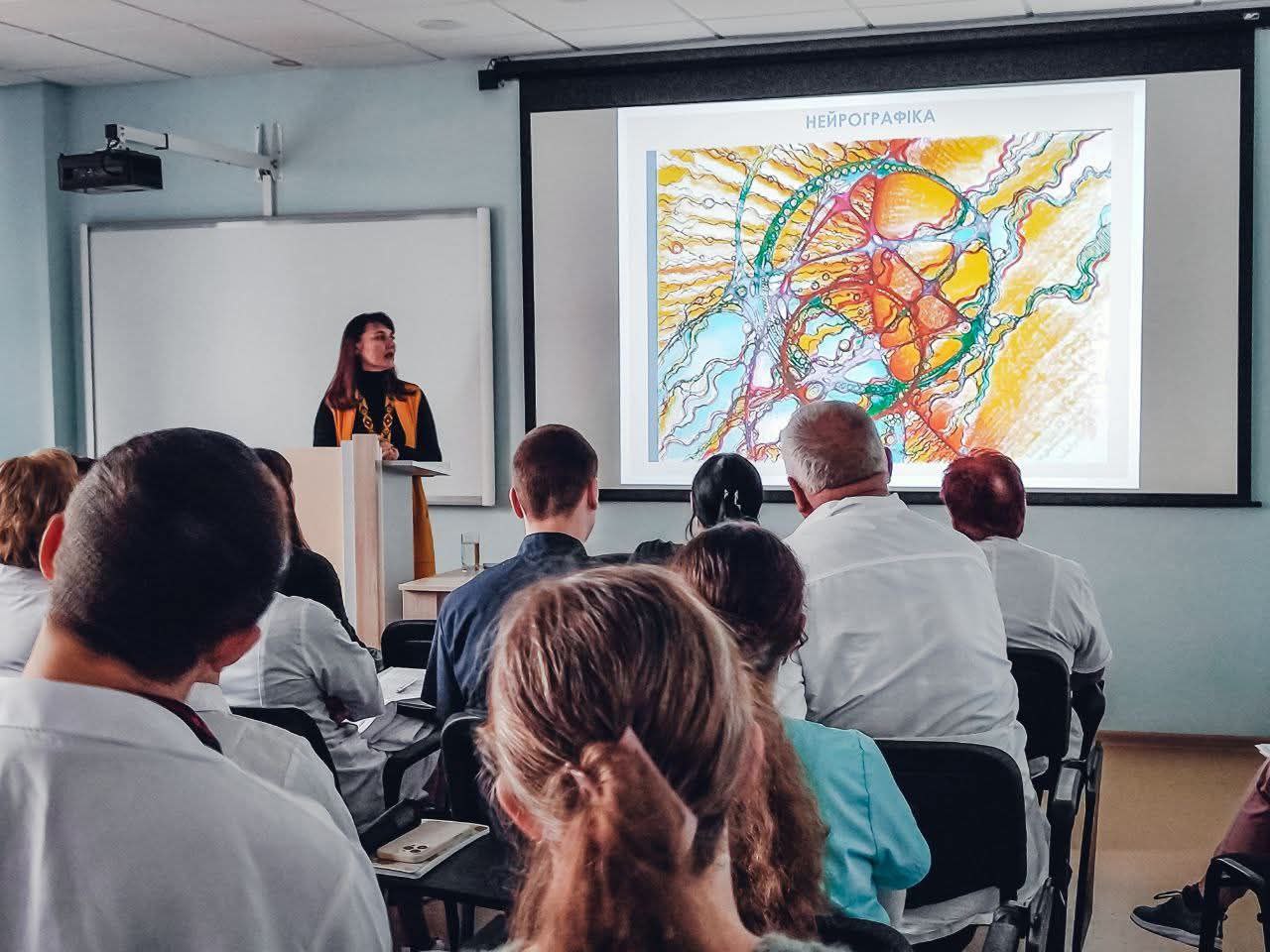
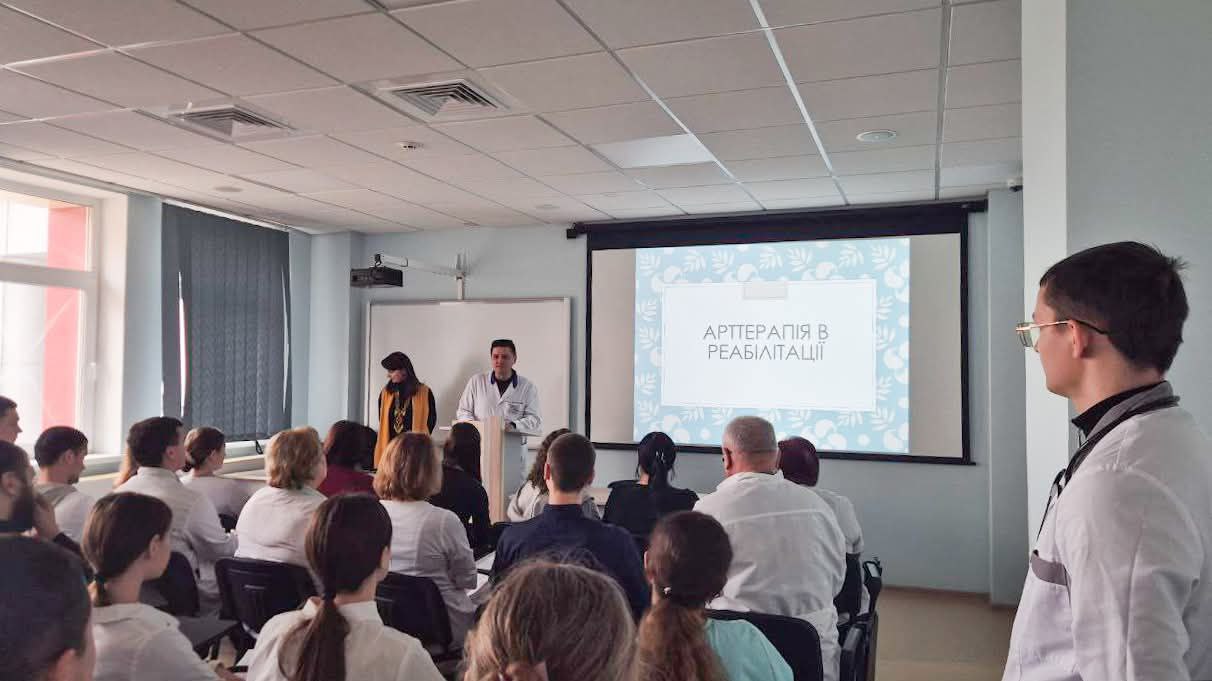
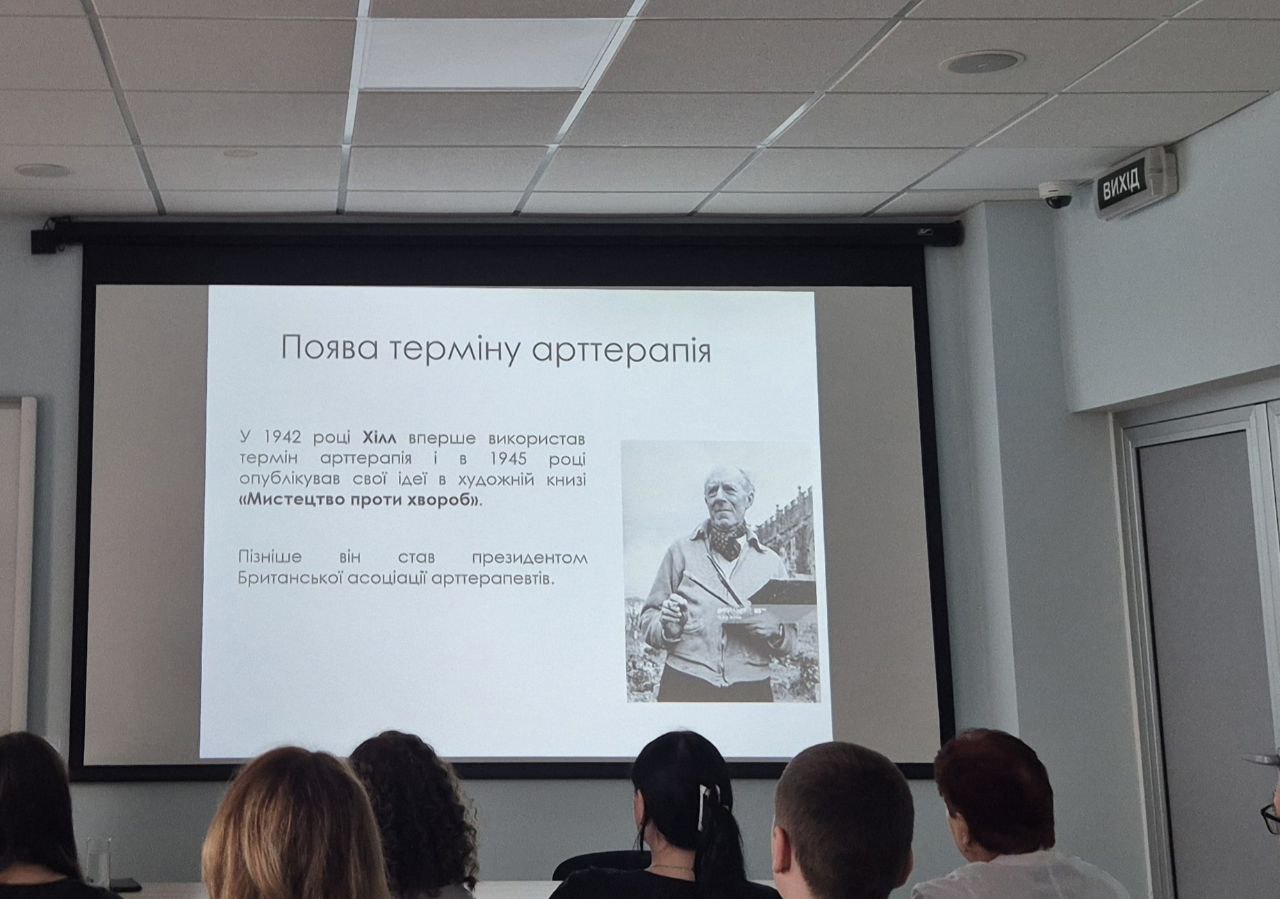
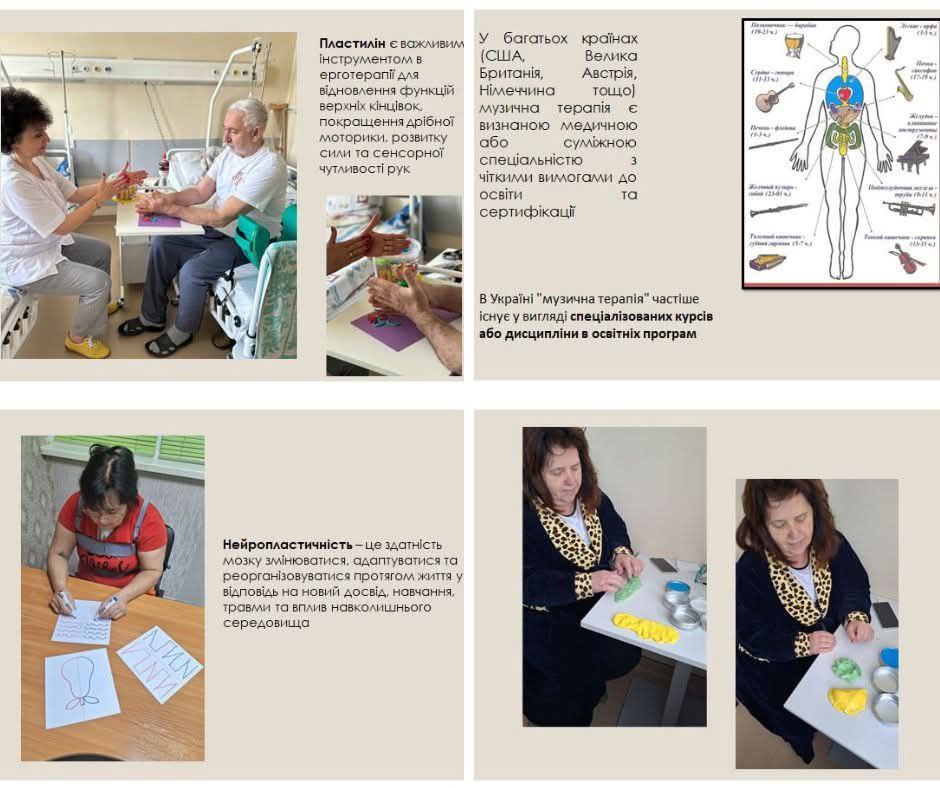
Maryna Teslenko paid special attention to presenting the international large-scale EU-funded Erasmus+ KA220-ADU project “TRUST” – Trauma of refugees in Europe: An approach through art therapy as a solidarity program for Ukraine war victims (Grant No. 2024-BE01-KA220-ADU-000257527).
The project title is decoded as follows:
TRUST
T – Trauma
R – Refugees
U – Ukraine
S – Solidarity
T – Therapy
The project is co-funded by the EU and led by the Centre Neuro Psychiatrique St-Martin from Belgium, in partnership with the National University “Yuri Kondratyuk Poltava Polytechnic” (Ukraine), Greek Carers Network EPIONI (Greece), Fondazione Don Luigi Di Liegro (Italy), Lekama Foundation (Luxembourg), EuroPlural Project (Portugal).
The lecturer detailed the key components and innovative products of the project:
1. European educative e-book guide, which accumulates theoretical and practical knowledge for mental health professionals, educators, artists, and even relatives of patients. Its goal is to provide valuable tools for positive therapeutic support.
2. Adult education program and HMOOC – developing professional competencies through the creation of a Hybrid Massive Open Online Course (HMOOC), focusing on themes of inclusion and well-being, highlighting the transformative power of art in strengthening self-esteem and building resilient social support networks (community building).
3. “Art Peace: a tribute to Ukraine” initiative, dedicated to highlighting the life stories and artistic experiences of Ukrainians as “visual witnesses” to the impact of war. The project aims to connect mental health centres with artists and the public to organise art events both within and outside hospital walls, allowing patients not only to express and process their traumatic experience but also to overcome the social stigma surrounding mental health effectively.
According to Maryna Teslenko, the strategic mission of this initiative is to restore the psycho-emotional state of those affected by war. Through the unique synergy of art and medicine, the project helps individuals manage the consequences of stress and cultivate internal resources for life, while promoting humanism, justice, and European values.
Such a person-centred approach entirely correlates with the priorities of the “TRUST” project. Indeed, the continuous professional development of specialists, interdisciplinary collaboration, and the implementation of innovative psychosocial methods are fundamental to achieving a substantial improvement in the quality of medical care and enhancing the effectiveness of rehabilitation strategies in Ukraine.
The implementation of such educational and practical lectures in the spirit of solidarity and respect for human dignity contributes not only to strengthening intersectoral cooperation but also to the systemic integration of European standards into national healthcare. Ultimately, this brings Ukrainian medicine closer to leading global practices, ensuring comprehensive and professional support for people in need of healing after the severe traumatic experience of war.