Today, international academic mobility is a key driver of the qualitative modernisation of higher education and a powerful catalyst for the professional development of future specialists. Participation in prestigious programs such as Erasmus+ provides Ukrainian students with barrier-free access to advanced scientific infrastructure, innovative European methodologies, and global best practices. By mastering cutting-edge technologies and digital tools abroad and participating in interdisciplinary research, students return equipped with a strategic store of knowledge, leadership skills, and a global vision – assets critically essential for Ukraine's post-war recovery, technological breakthrough, and sustainable development.
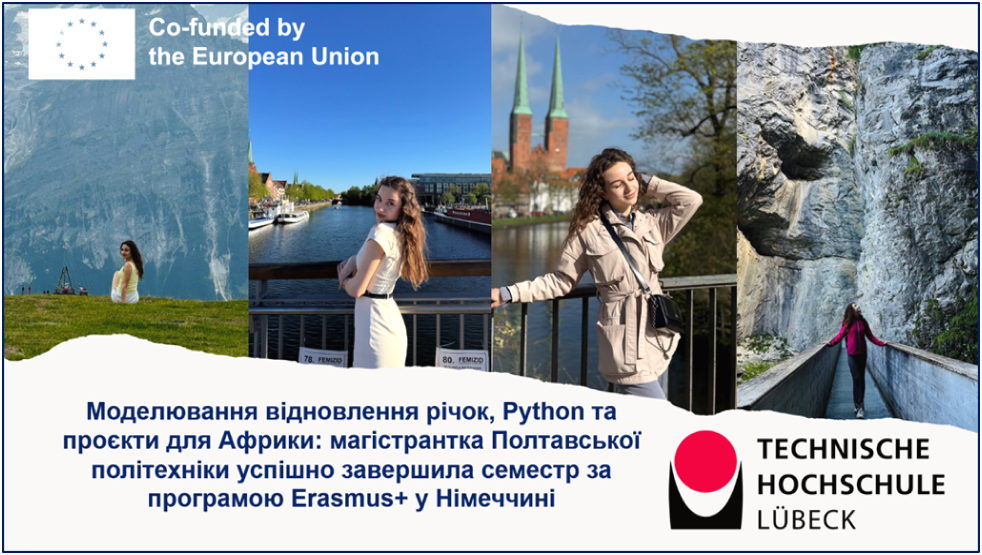
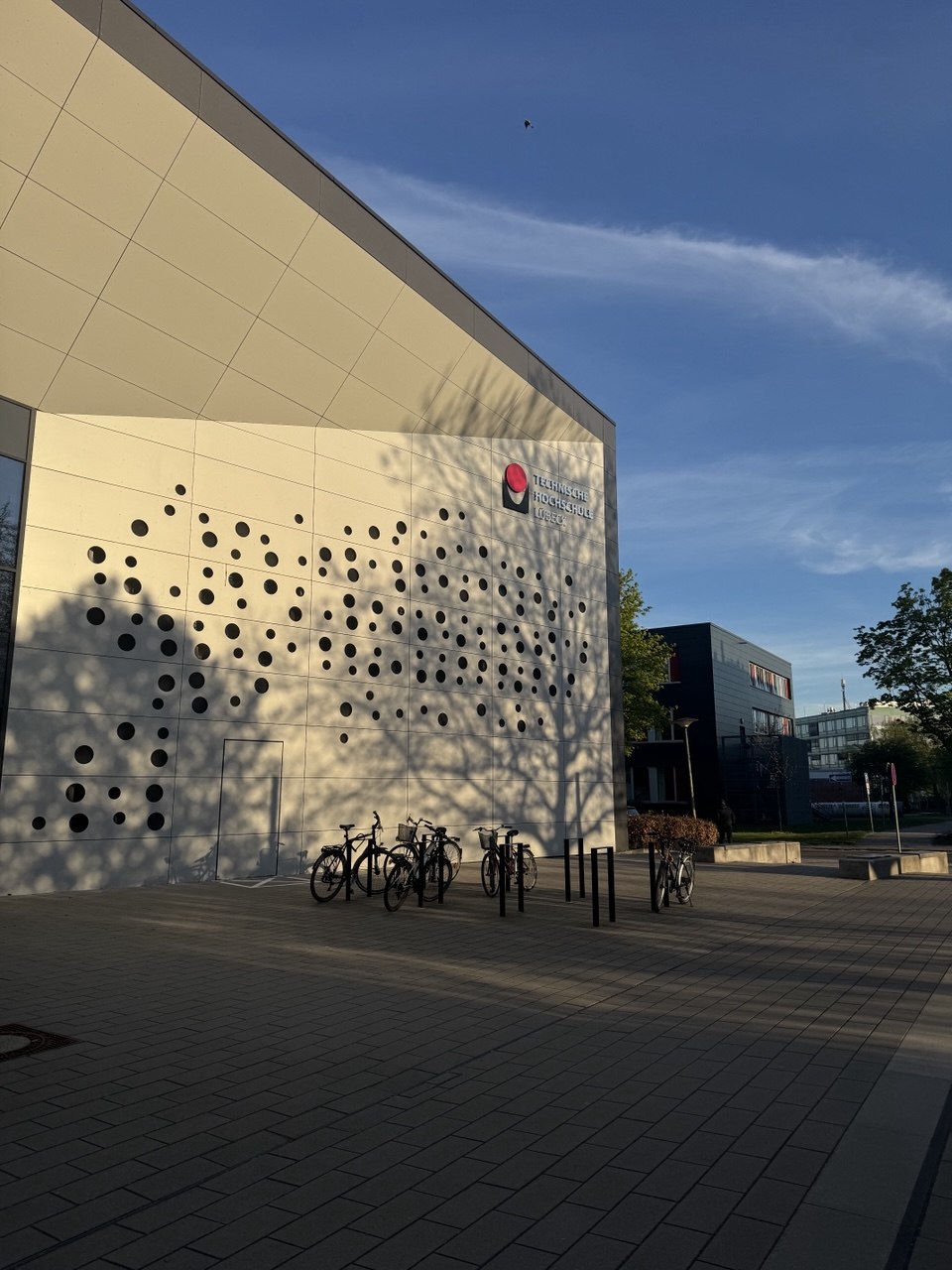
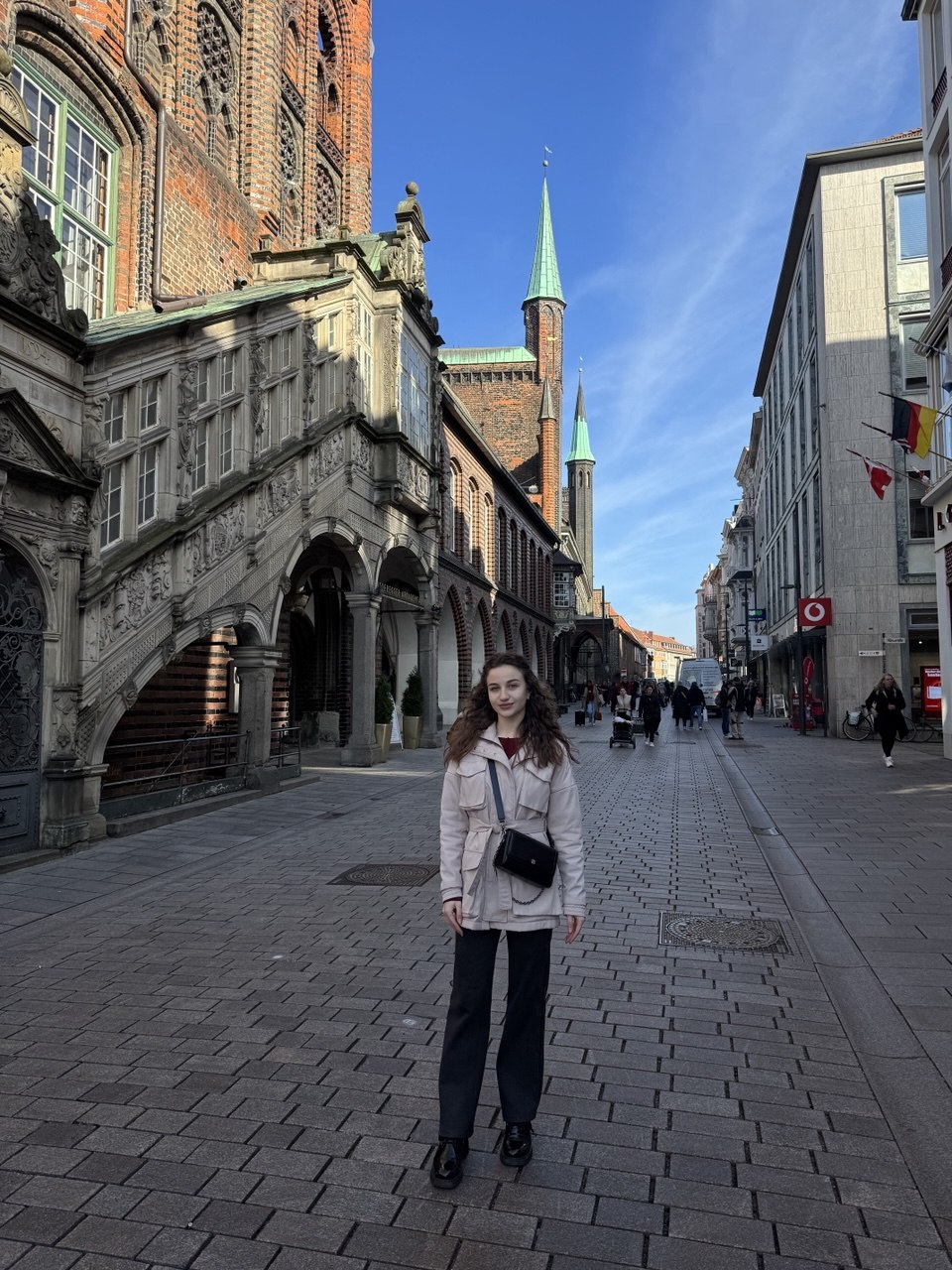
National University “Yuri Kondratyuk Poltava Polytechnic” consistently integrates Ukrainian higher education into the European Research Area. A vivid testament to the high competitiveness of Polytechnic students was the successful defence of final projects by Anastasiia Molodcha, a master’s student in group 501-NZ at the Educational and Research Institute of Oil, Gas and Energy, who spent the summer semester of 2026 at Technische Hochschule Lübeck (TH Lübeck) – one of the leading universities of applied sciences in northern Germany, recognised as a European centre for engineering innovation, urban studies, and sustainable development. Located in the historic Hanseatic city of Lübeck, the university is renowned for seamlessly integrating fundamental science with practice-oriented education and maintaining close ties to European industry leaders. The university’s programs in Water Engineering, Civil Engineering, and Environmental Engineering have earned particular international acclaim, training future specialists to address humanity's most pressing global challenges through digital modelling, modern programming, and nature-based solutions.
The curriculum of the “Water Engineering” master’s program at TH Lübeck’s Faculty of Architecture and Civil Engineering combined advanced water engineering theory with the resolution of real-world environmental engineering cases. Throughout the semester, students not only acquired theoretical knowledge of hydrology, but also applied it to large-scale individual and collaborative projects of European and global scope.
Anastasiia Molodcha summarised the outcomes of her international study semester and shared both professional and personal insights: “Studying in Lübeck revealed an entirely new dimension of engineering to me and served as a powerful impetus for personal growth. The academic system here is impeccably structured: every lecture was not merely theoretical material, but a launching pad for practical developments.
We conducted comprehensive hydrodynamic modelling of the ecological restoration of the Este riverbed near Hamburg, reconstructing the river system and, based on the resulting data, simulating flow patterns and flood propagation and assessing the effectiveness of flood risk reduction measures. In Engineering Hydrology classes, we used Python to model interactions among precipitation, soil, groundwater, and evaporation, determining the time to soil saturation and surface water emergence, as well as the risks of area flooding.
In addition, as part of the Sustainable Development course, we developed a comprehensive engineering project to improve living conditions, water supply systems, and sustainable development for the town of Malya in Tanzania. A valuable part of the experience was communicating directly with residents, who consulted with us online and gave detailed feedback on how realistic our proposed ideas were.
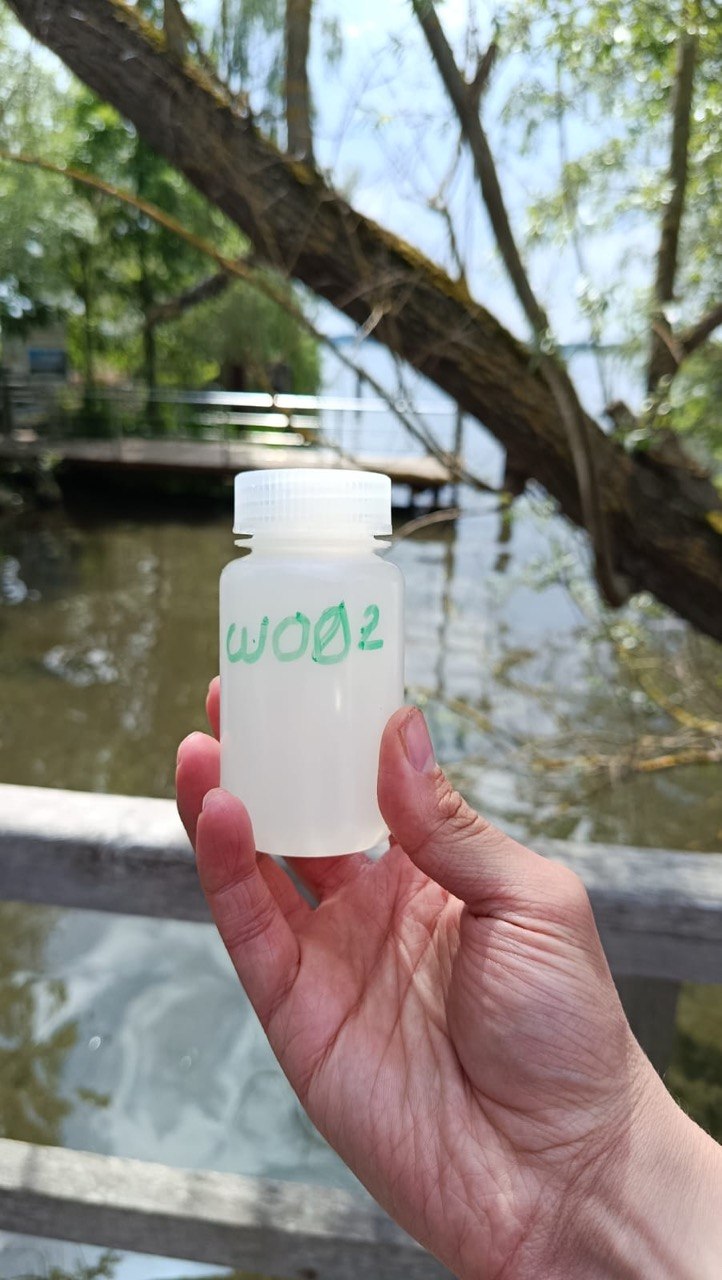
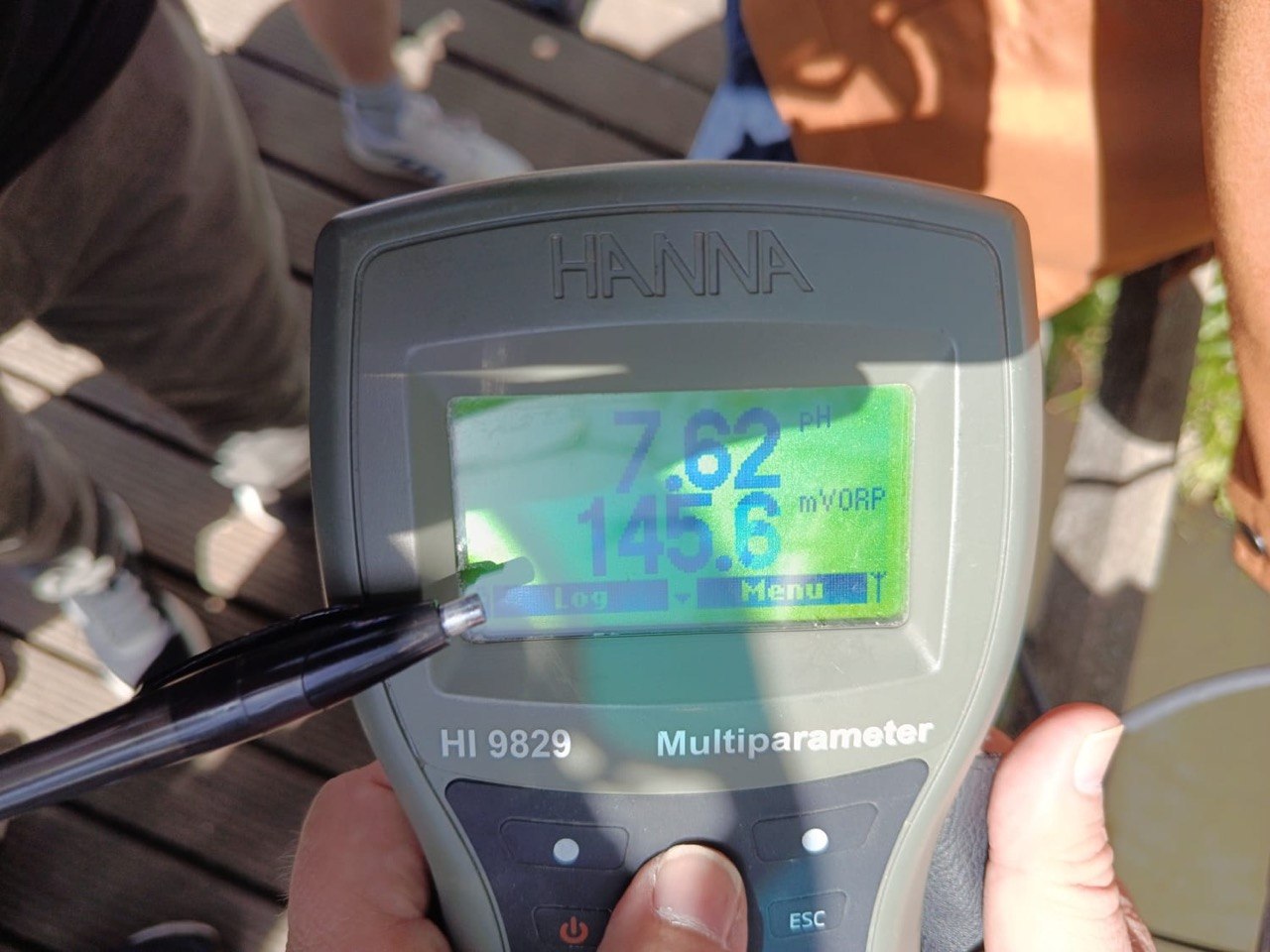
An important milestone of the semester was the "World of Work" hydrological science conference, where students presented their own research alongside professors. Regular field practices were an invaluable resource for our research work. Together with professors, we travelled to water bodies in the region, observed natural hydrological processes, collected water samples, and carried out detailed analyses.
A distinctive asset of the program was its multicultural synergy. The study group was composed primarily of students from the prestigious Erasmus Mundus joint degree program who had arrived in Lübeck for their third semester, alongside German and international students.
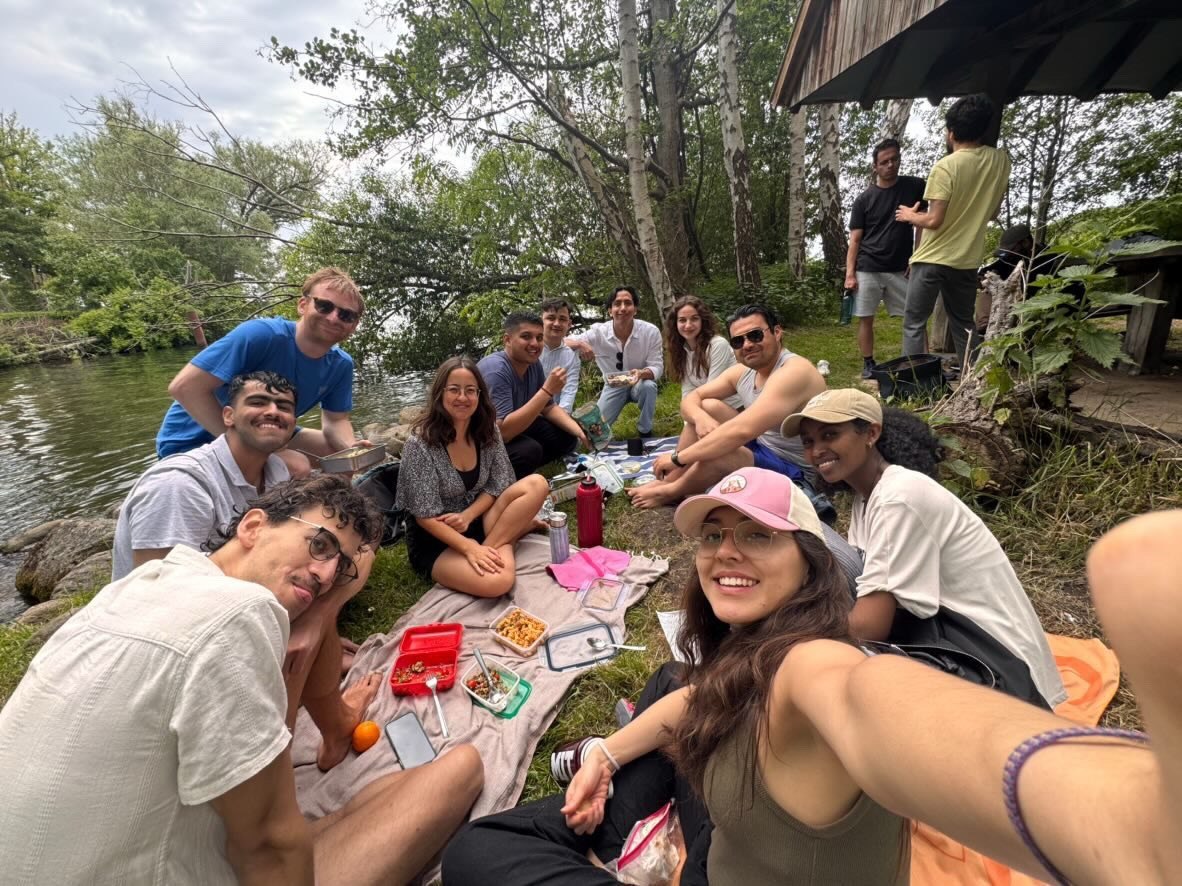
The emphasis on teamwork brought us together from the first days: to build a comfortable and productive working environment, we sought to learn more about each other’s traditions and backgrounds. Outside the lecture halls, we spent a lot of time together: picnics, trips to the seaside, movie nights, and activities organised by the TH Lübeck International Office.
I met my closest friends during the German language course. The language groups brought together people of diverse ages and professions from across Lübeck and its surrounding areas, which greatly broadened my worldview. Additionally, I joined the university sports club. Although the sessions were held exclusively in German and I was the only international participant, it was a wonderful experience of complete linguistic and cultural immersion.
As someone who had never lived in a student dormitory before, I experienced the European student spirit to the fullest. I shared an apartment with a fellow Ukrainian student, who became a close friend. The heart of our student home was the communal kitchen. Opening that door, you never knew what to expect: whether it would be a brief 15-minute exchange of jokes or a three-hour-long in-depth conversation. We cooked traditional dishes from different countries, played games, discussed the past, shared plans, and reflected on how this experience in Germany was shaping our character.
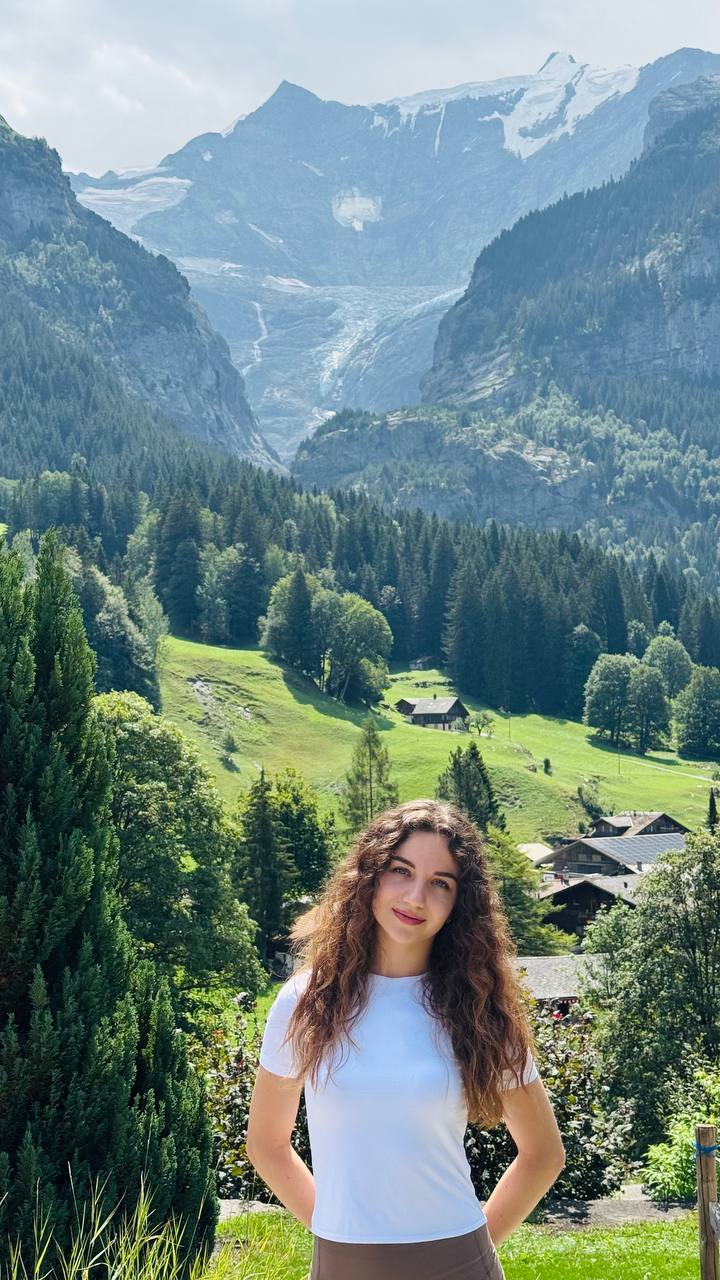
On weekends, we travelled frequently. Together with my friend, I explored the Netherlands and Switzerland. The cosy towns surrounding Lübeck were an absolute joy: their historic architecture, picturesque forests and lakes, and relaxed pace of life created a truly special atmosphere. Looking back now, I can say with confidence: if I had been told at the very beginning what was in store for me, I would without hesitation say yes all over again! I sincerely encourage every Poltava Polytechnic student not to hesitate and to seize every opportunity for international mobility boldly”.
Anna Pavelieva, International Relations Coordinator at National University “Yuri Kondratyuk Poltava Polytechnic”, PhD in Philology, Associate Professor at the Department of Germanic Philology and Translation, emphasised the strategic value of such academic mobility periods: “Anastasiia Molodcha’s successful completion of the semester at TH Lübeck is yet another confirmation of the highest level of training received by Poltava Polytechnic students. At a time when Ukraine faces the challenges of large-scale post-war reconstruction and the modernisation of water, oil, gas, and municipal infrastructure, specialists skilled in modern GIS technologies, programming languages, and sustainable design methodologies become a key strategic asset for our nation. Anastasiia has not only adopted European engineering standards, but has also served as a strong ambassador for our university on the international stage.
These success stories are a direct result of the systematic internationalisation of our higher education. I express my sincere gratitude to the President of our university, Professor Volodymyr Onyshchenko, and Rector, Associate Professor Olena Filonych, for their steadfast support of all international initiatives, their strategic vision for the development of the Polytechnic, and for creating conditions where our students, even in the most challenging times, have open doors to leading European universities and laboratories!
This strategy is best embodied in the long-standing, productive partnership between Poltava Polytechnic and Lübeck University of Applied Sciences. For instance, in the summer of 2024, Anna Kvasnevska, a third-year student of the Education and Research Institute of Architecture, Construction, and Land Management, participated in the summer school on urban planning, design, urbanism, and architecture “CHANGING CITIES LAB,” held at Lübeck University of Applied Sciences. Furthermore, in the spring semester of the 2024/2025 academic year, student Anton Filonenko studied there as part of the Erasmus+ ICM program.
Detailed information on how the mobility program commenced, Welcome Weeks, and Anastasiia Molodcha’s initial impressions of Lübeck can be found here.
As a reminder, faculty members of Poltava Polytechnic are eligible to participate in academic mobility and internship programs. Students can study abroad through Erasmus+ credit academic mobility grant programs for a semester or a full academic year at leading universities in Austria, Greenland, Denmark, Estonia, Finland, Germany, Lithuania, Latvia, Norway, the Netherlands, Poland, Portugal, Romania, Slovakia, Spain, and the Czech Republic.
For more detailed information on current internship, teaching, and academic mobility programs abroad, please contact the International Relations Office (Room 213-C, interoffice@nupp.edu.ua).