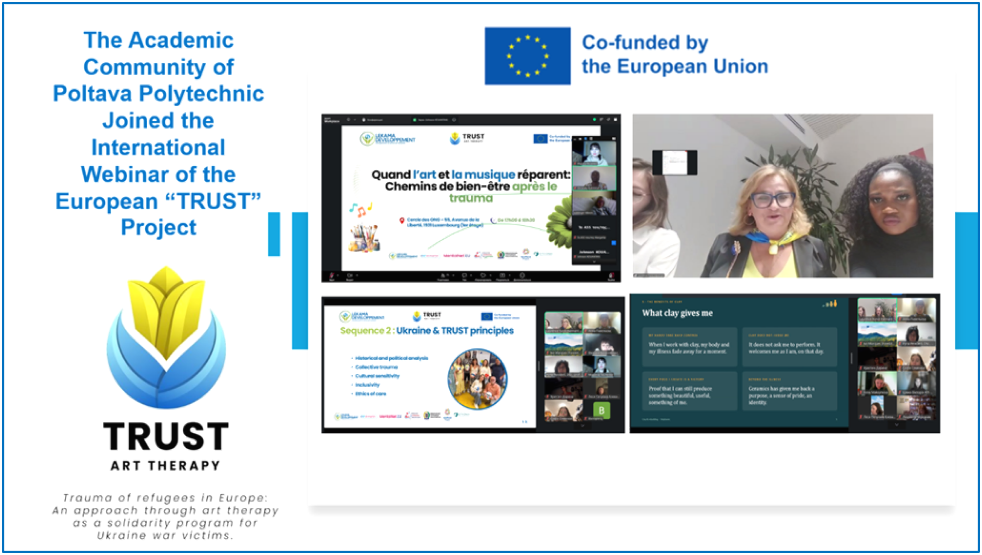
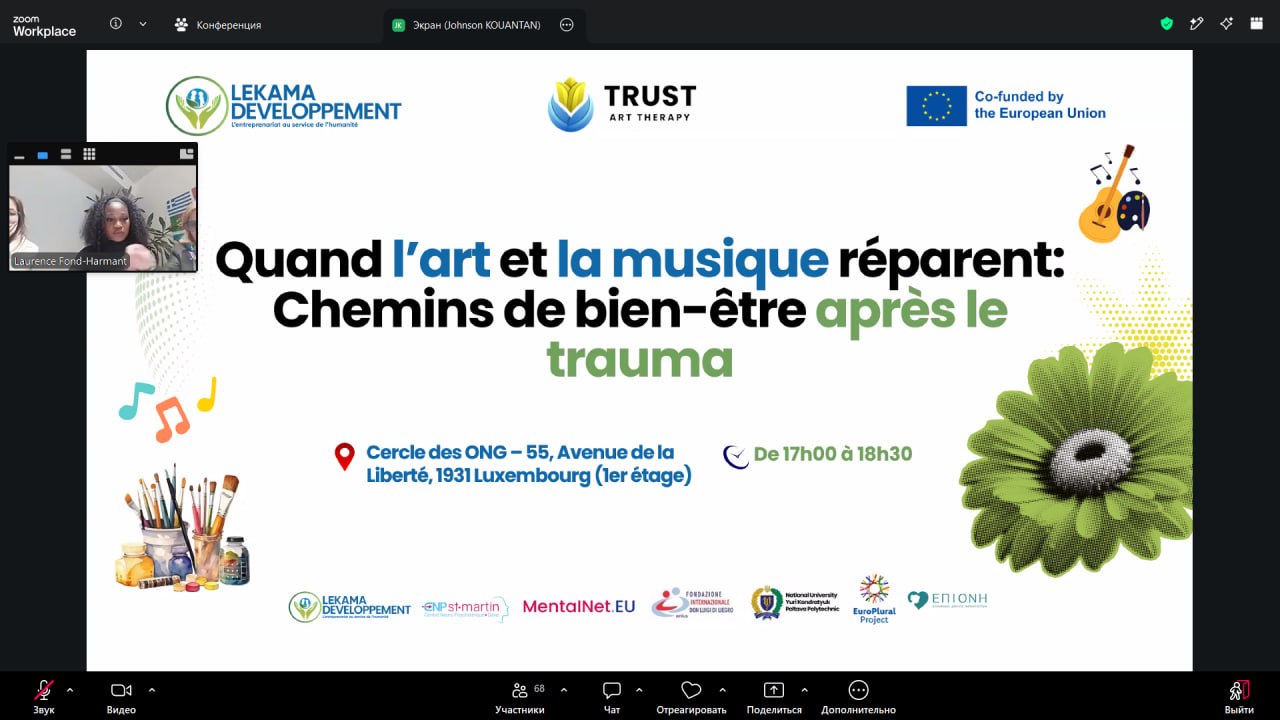
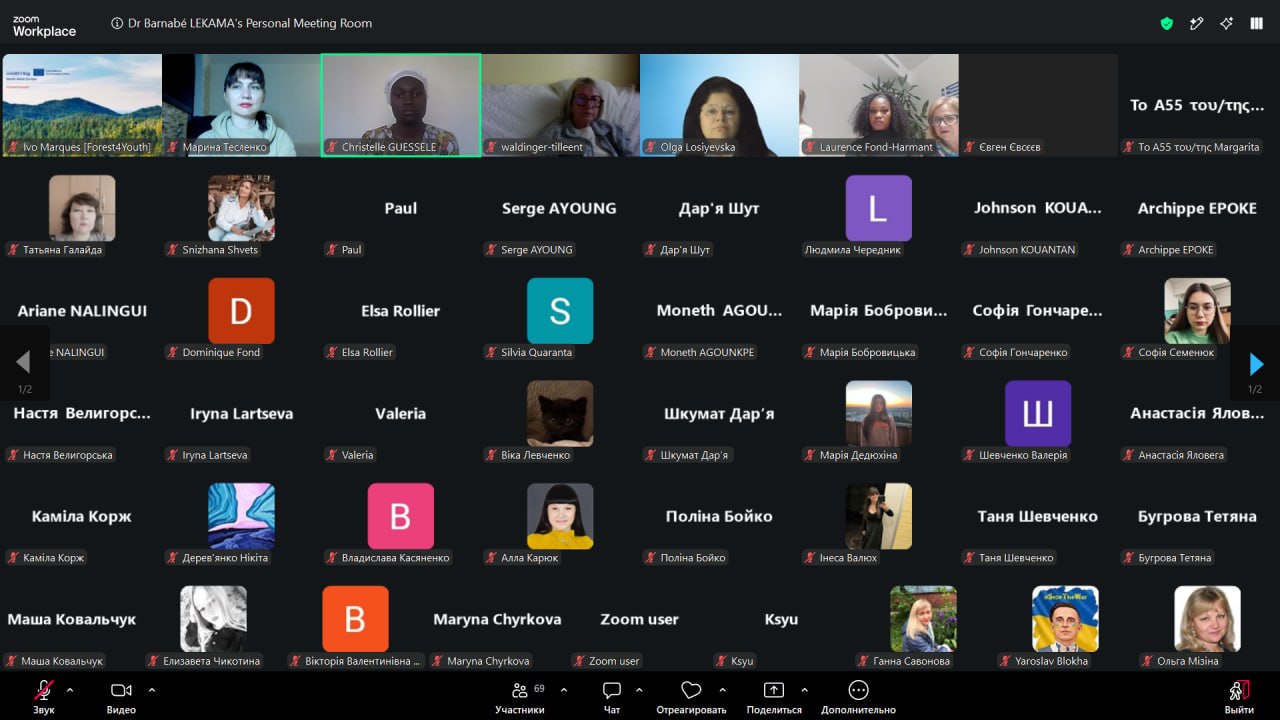
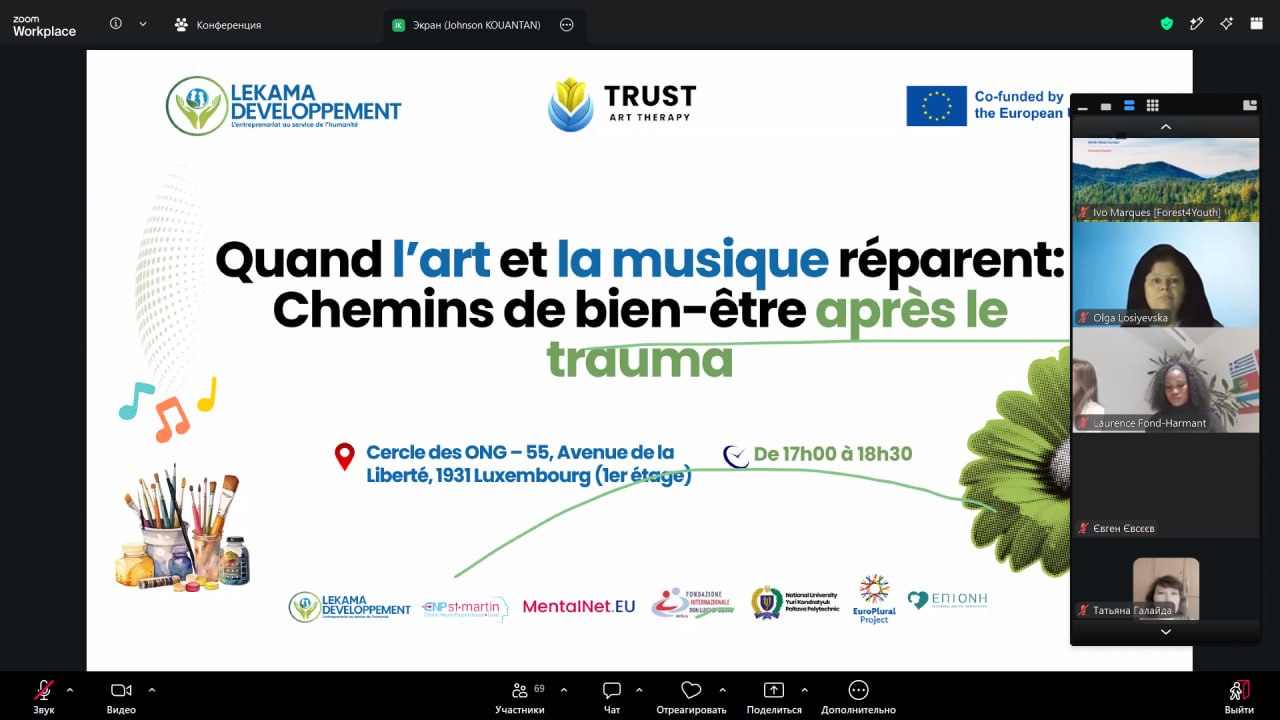
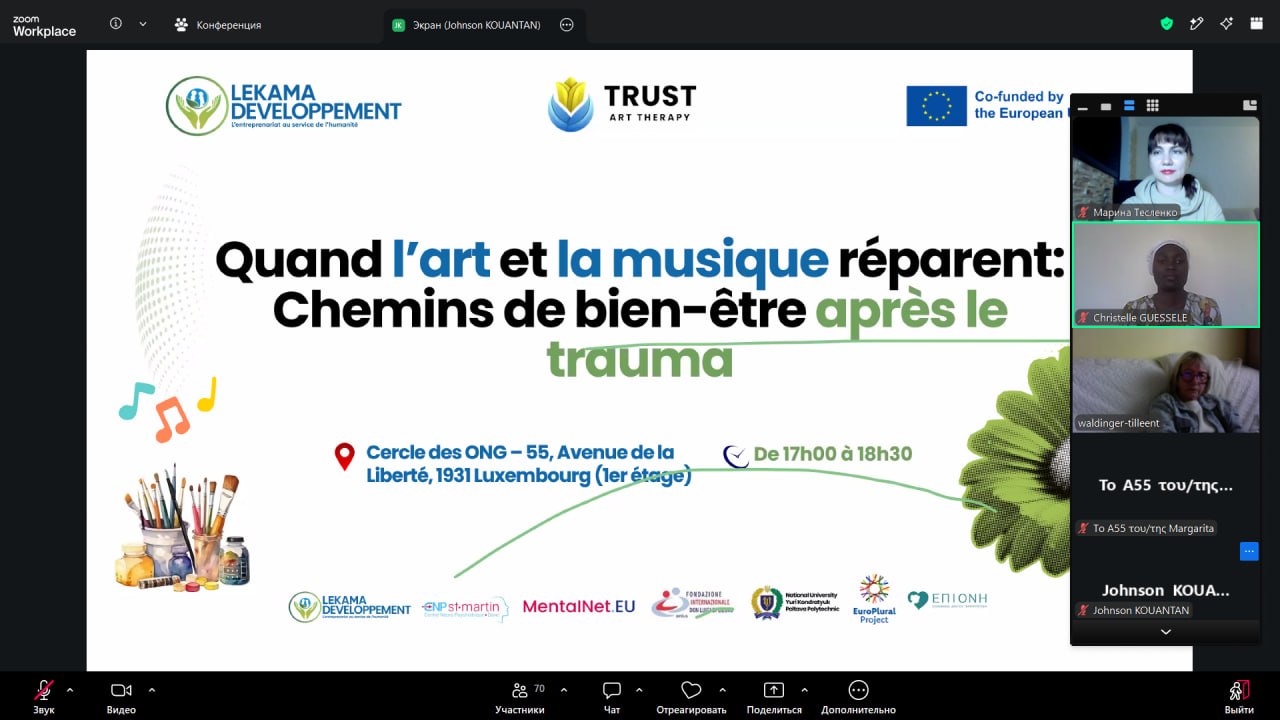
The academic community of National University “Yuri Kondratyuk Poltava Polytechnic” continues to expand its horizons in international cooperation, consolidate its leadership in European research and education, and implement advanced global practices in psychosocial rehabilitation. A landmark event in this area was the large-scale international conference “Quand l’art et la musique réparent: Chemins de bien-être après le trauma” / “When art and music heal: Paths to well-being after trauma”, which took place on October 08, 2026, in Luxembourg at the Cercle des ONG premises (55, Avenue de la Liberté). The event was held in a hybrid format, bringing together a distinguished international audience: approximately 50 experts attended in person in Luxembourg. At the same time, 95 specialists joined via videoconferencing from across Europe and Africa. An integral part of this global professional community was the academic staff and student youth of Poltava Polytechnic, who actively participated in the discussions remotely.
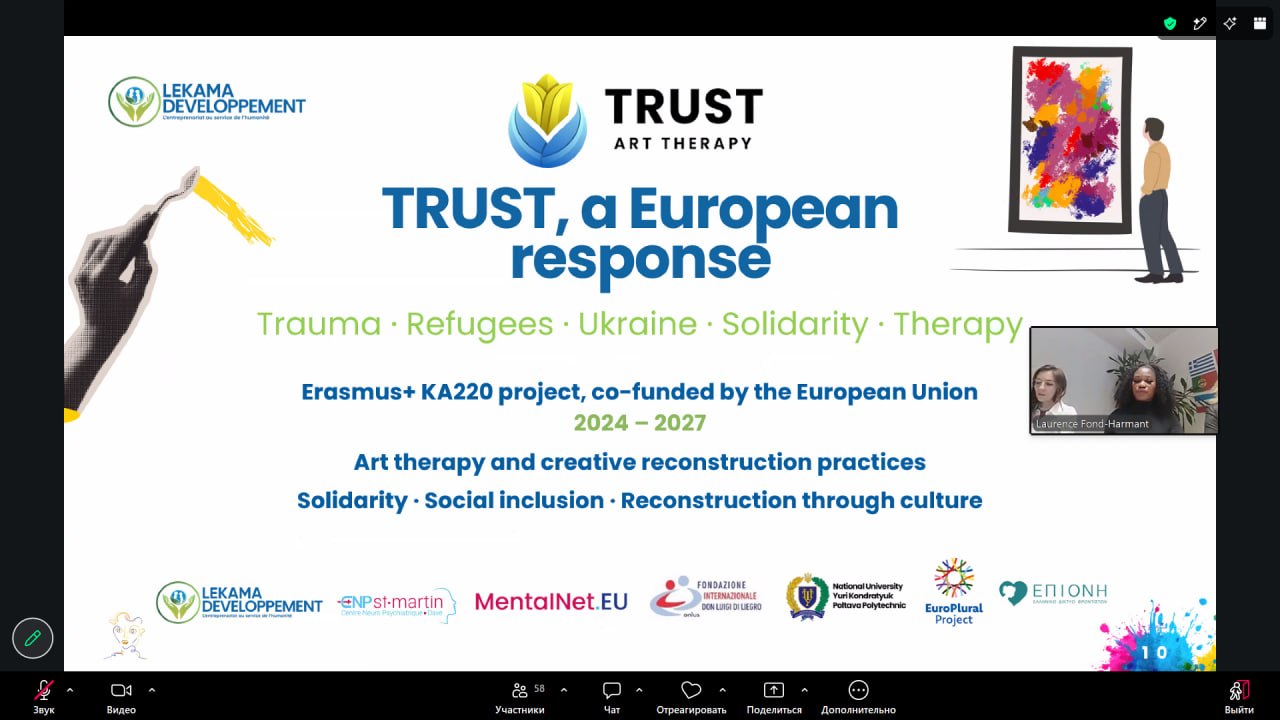
The event was organised as a key multiplier event within the EU-funded Erasmus+ KA220-ADU project “TRUST” – Trauma of refugees in Europe: An approach through art therapy as a solidarity program for Ukraine war victims (Grant No. 2024-BE01-KA220-ADU-000257527).
The project title is decoded as follows:
TRUST
T – Trauma
R – Refugees
U – Ukraine
S – Solidarity
T – Therapy
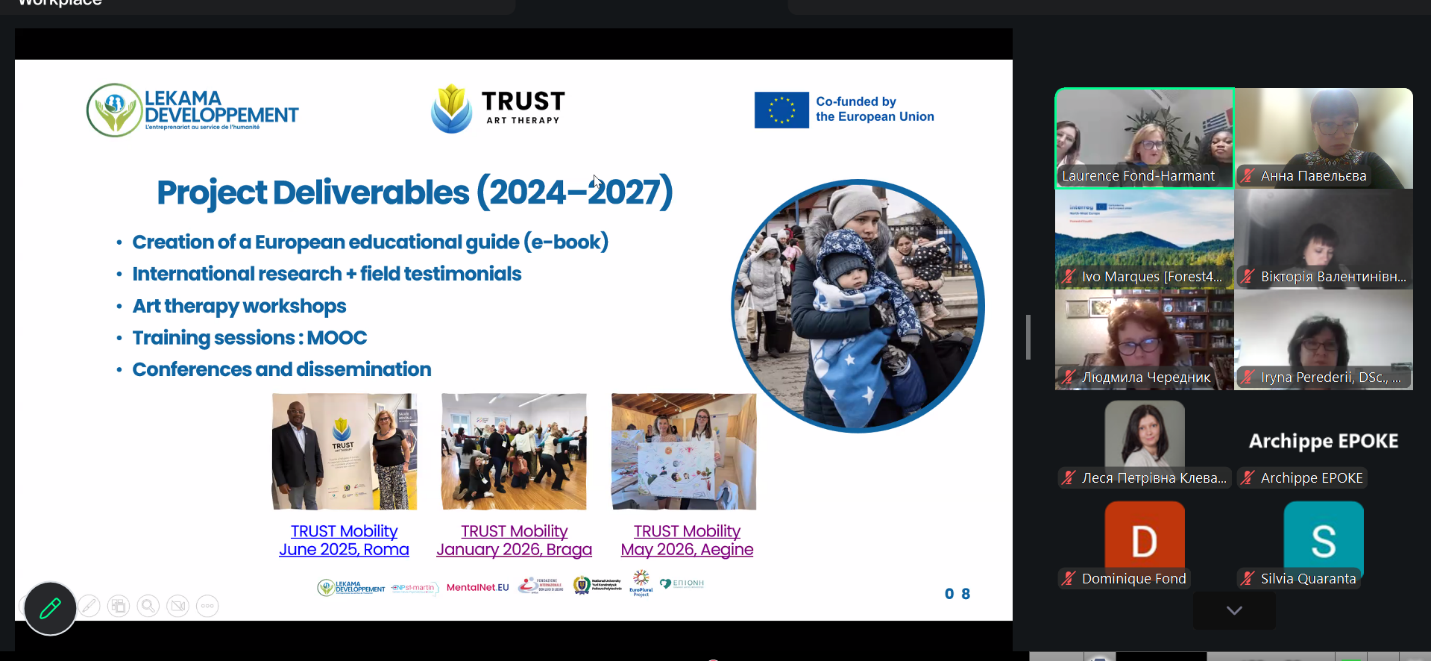
The project is co-funded by the EU and led by the Centre Neuro Psychiatrique St-Martin from Belgium, in partnership with the National University “Yuri Kondratyuk Poltava Polytechnic” (Ukraine), Greek Carers Network EPIONI (Greece), Fondazione Don Luigi Di Liegro (Italy), Lekama Foundation (Luxembourg), and EuroPlural Project (Portugal).
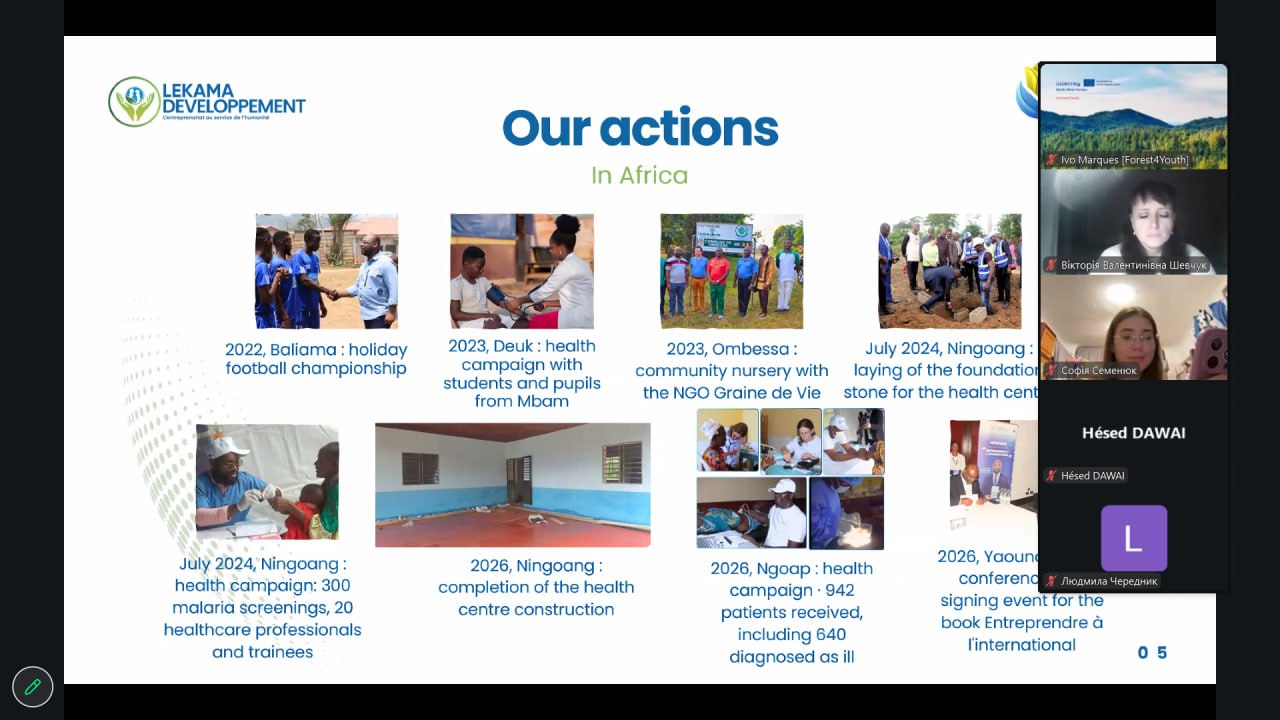
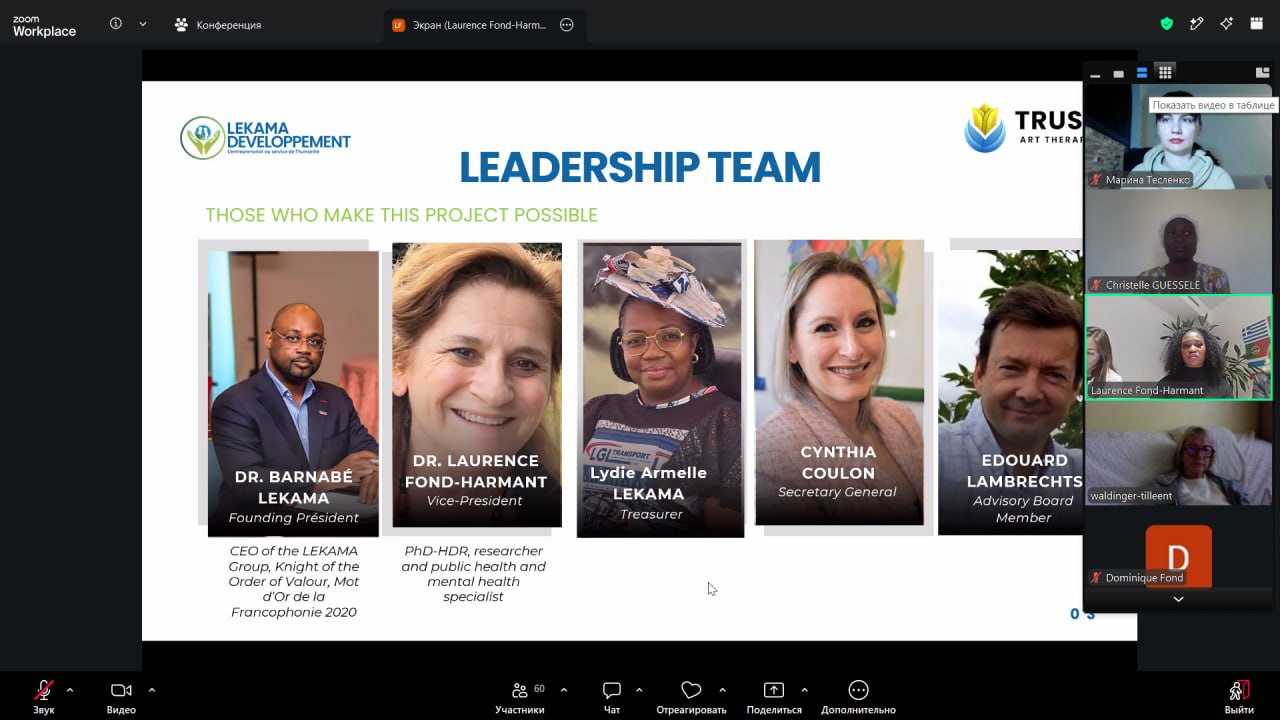
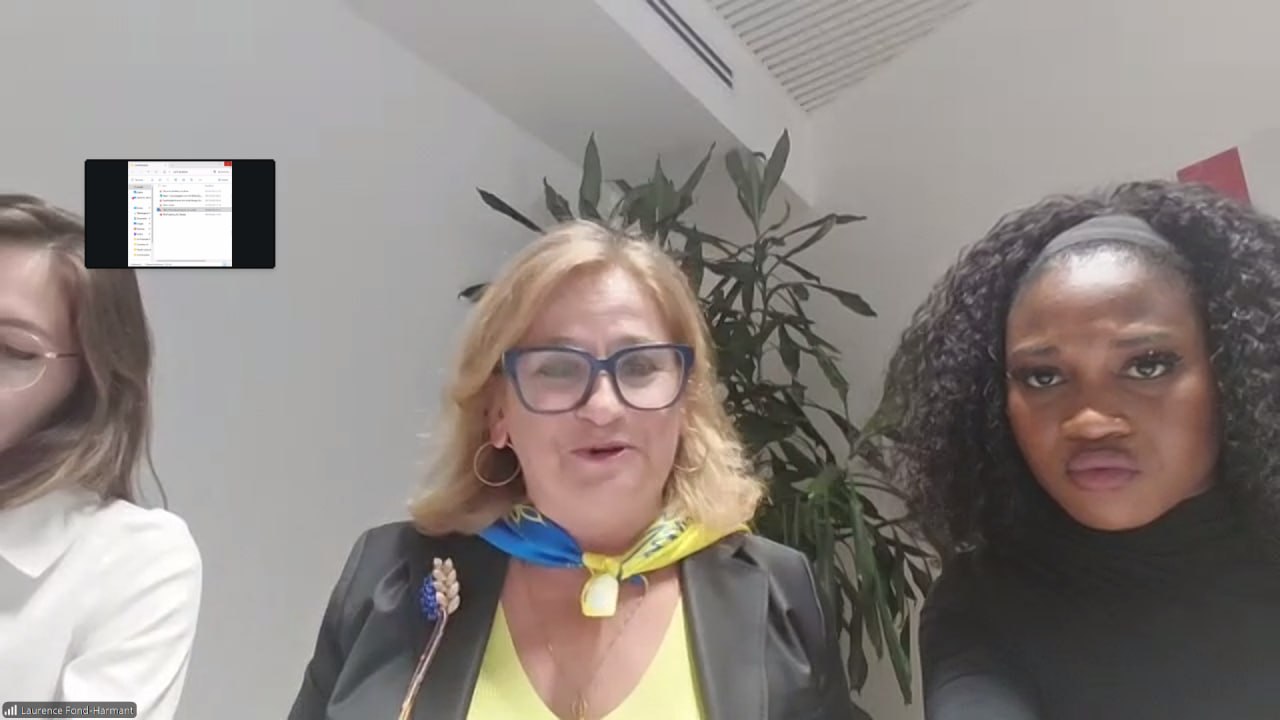
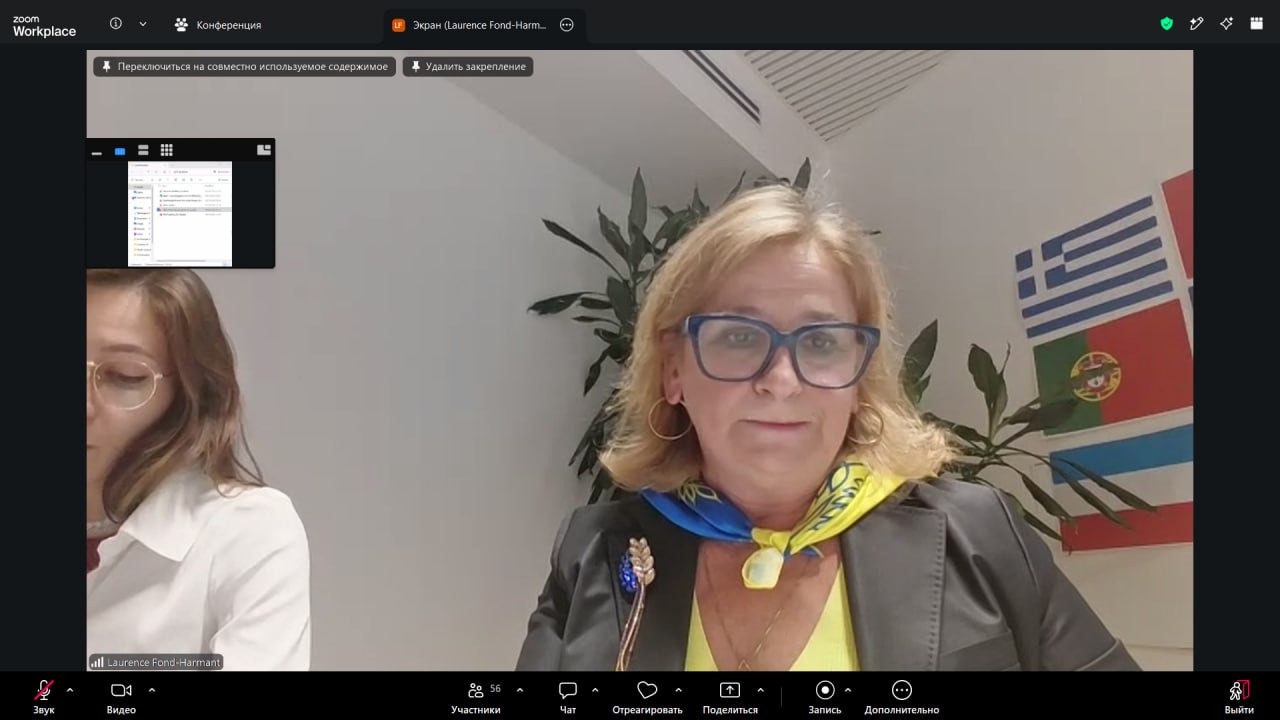
Key speakers Dr Barnabé Lekama, President of Lekama Développement, and Dr Laurence Fond-Harmant, Vice-President of Lekama Développement, moderated the conference. Together with their European colleagues, they shared the project's practical outcomes, including the results of the summer field art therapy workshops already successfully conducted in Ukraine. The organisers presented video materials and documentary evidence capturing their work with children, youth, and adults affected by hostilities. Creative sessions involving painting, sculpting, and body-oriented practices clearly demonstrated that art serves as a powerful therapeutic resource, helping individuals overcome numbness, emerge from chronic stress, and regain a sense of inner security among like-minded people.
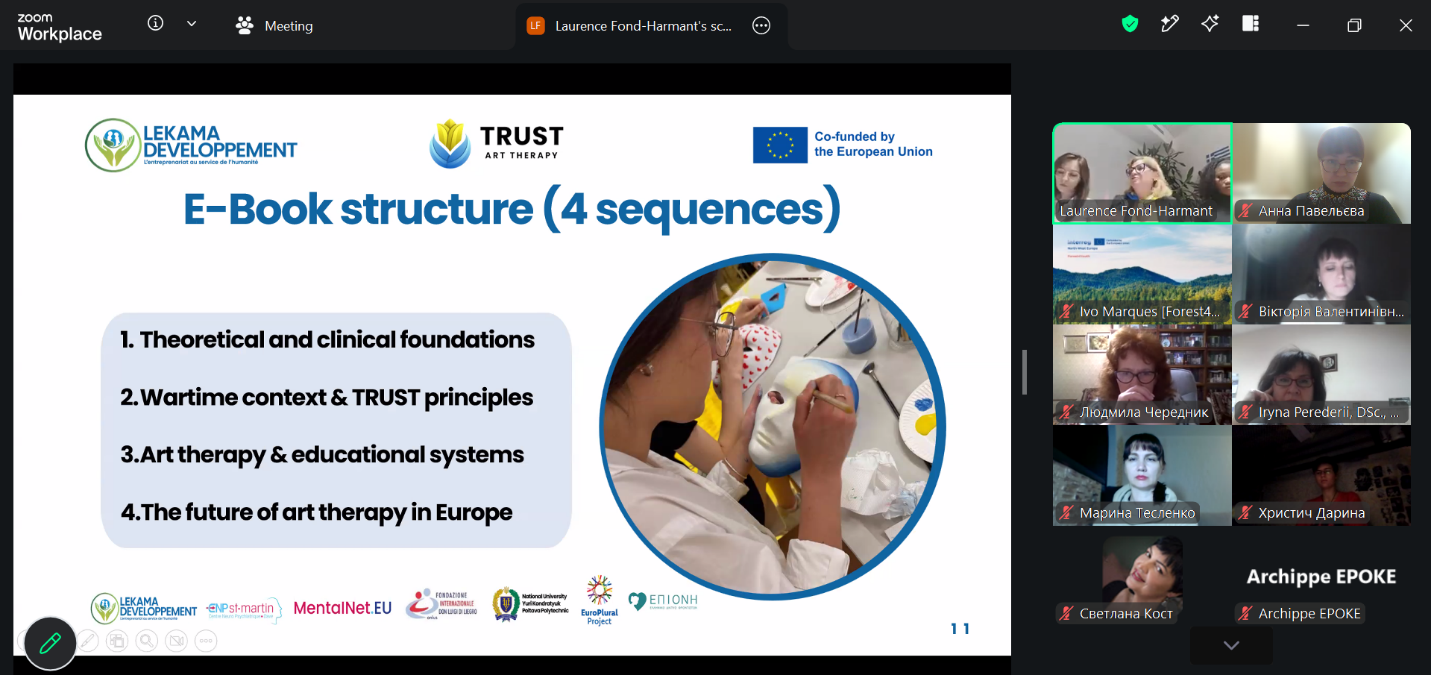
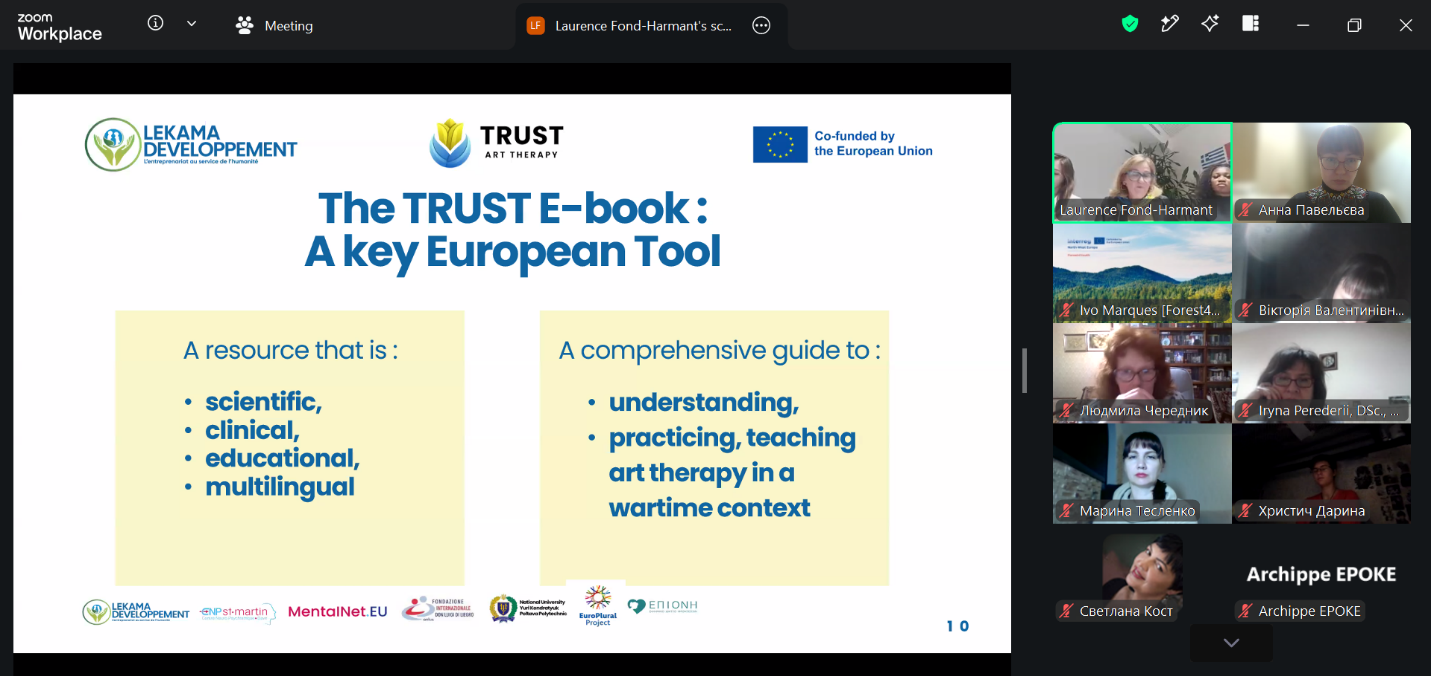
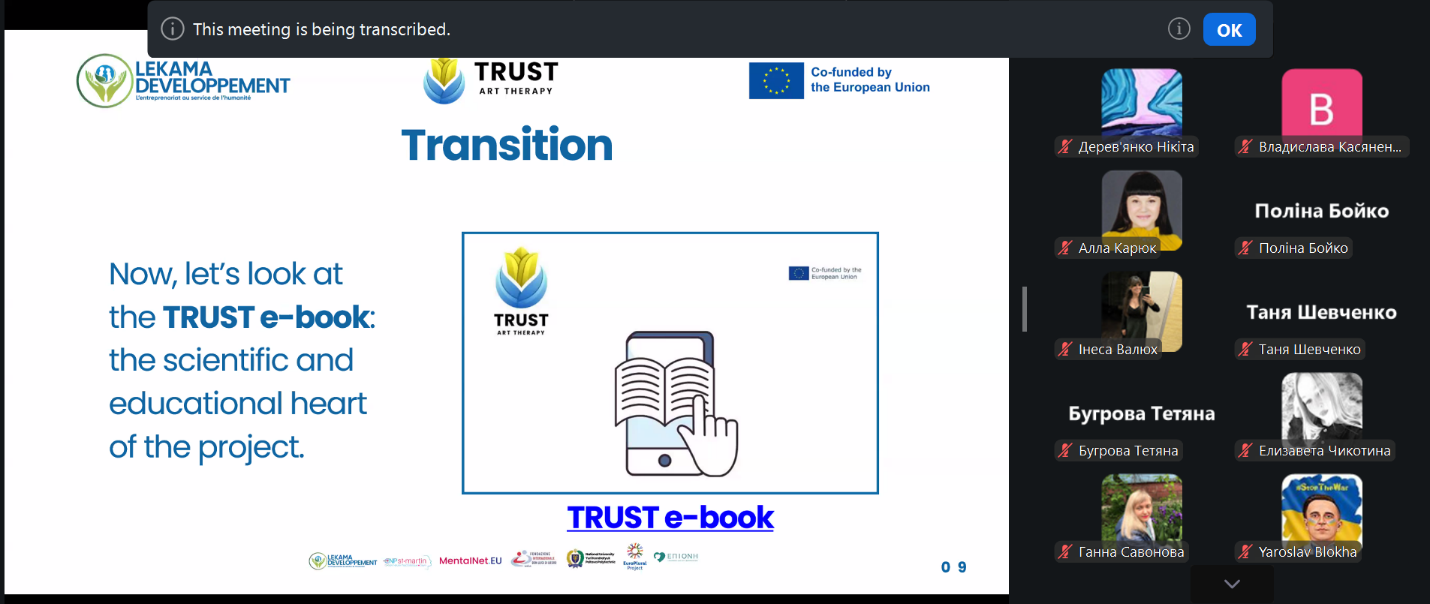
The meeting's highlight was the presentation of a foundational e-book spanning over 120 pages, which synthesises advanced European expertise in wartime art therapy. A multinational team of specialists has worked on the publication. Very soon, it will be available to download for free in five languages: English, French, Italian, Greek, and Ukrainian. The event organisers emphasised that the handbook is intended to serve as a comprehensive guide for researchers, practising therapists, and higher education faculty preparing future specialists in the helping professions.
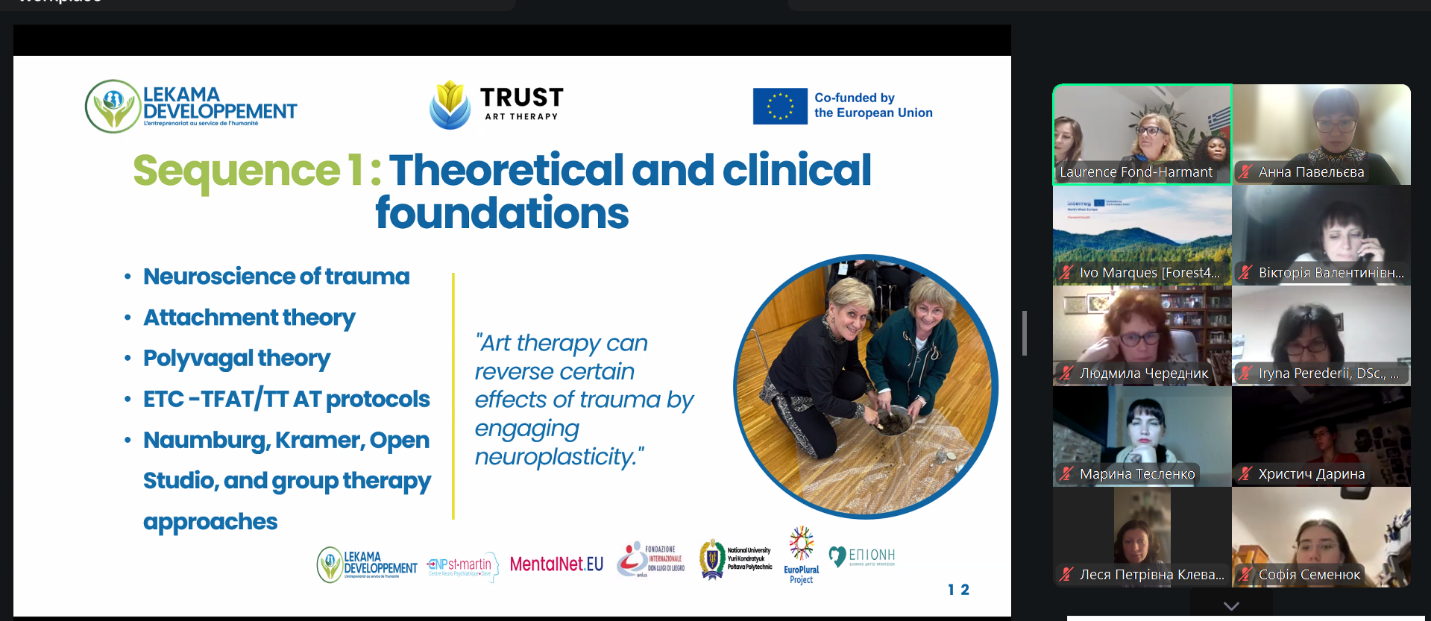
In terms of content, the handbook brings together four interrelated sections, the first of which lays out the field's theoretical and clinical foundations. The speakers underlined that modern art therapy is grounded in rigorous evidence-based practice and advances in neuroscience. The publication details the mechanisms underlying psychological trauma, polyvagal theory, and attachment theory, with a primary focus on the phenomenon of brain neuroplasticity. Scientific research shows that the human brain remains dynamic and plastic, capable of rewiring even after severe adversity, and that creative engagement can help mitigate the impact of traumatic stress and initiate self-recovery.
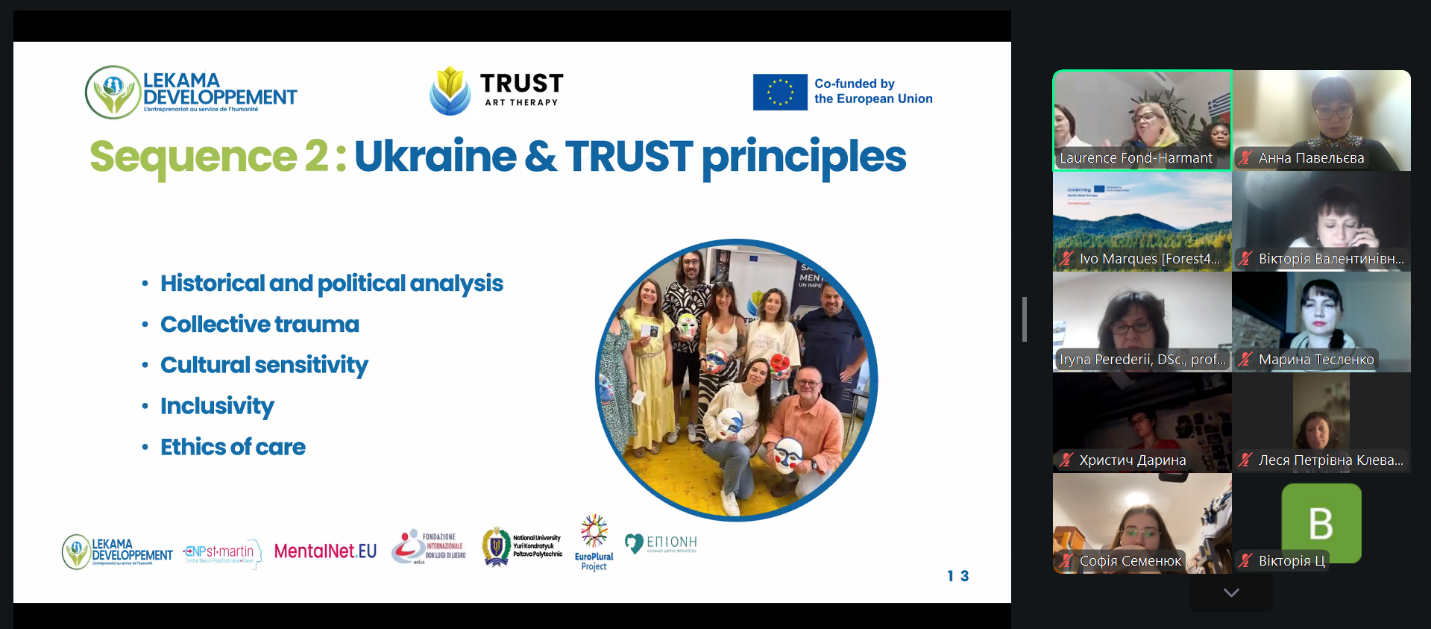
The second section of the guide focuses entirely on the Ukrainian context, analysing the historical and political determinants of societal trauma and emphasising the crucial role of cultural sensitivity in professional practice. Participants drew particular attention to inclusivity and helping individuals displaced by war adapt to new environments. As internally displaced persons integrate into new host communities, it is vital to avoid pressure, respect personal boundaries, and account for local cultural traditions, creating a safe, welcoming, and predictable environment for integration.
The third and fourth parts of the publication examine how art therapy interacts with the educational system and the profession's future in the digital era. The experts focused on how educational institutions can foster emotional self-regulation skills while also addressing the responsible use of digital tools and artificial intelligence in therapeutic workflows. The book places special emphasis on the link between clinical practice, educational curricula, and public health policy, as the sustainability of any rehabilitation system depends on effective governance, funding, and well-defined operational protocols.
The handbook has a clear target orientation: it provides practitioners with structured toolkits and intervention protocols, researchers with an extensive bibliographic foundation and theoretical synthesis, and policymakers and institutional leaders with ready-to-implement models for effective psychosocial support programs. The speakers noted that the wartime crisis demands not merely localised remedies, but long-term assistance frameworks in which art therapy serves as a core pillar.
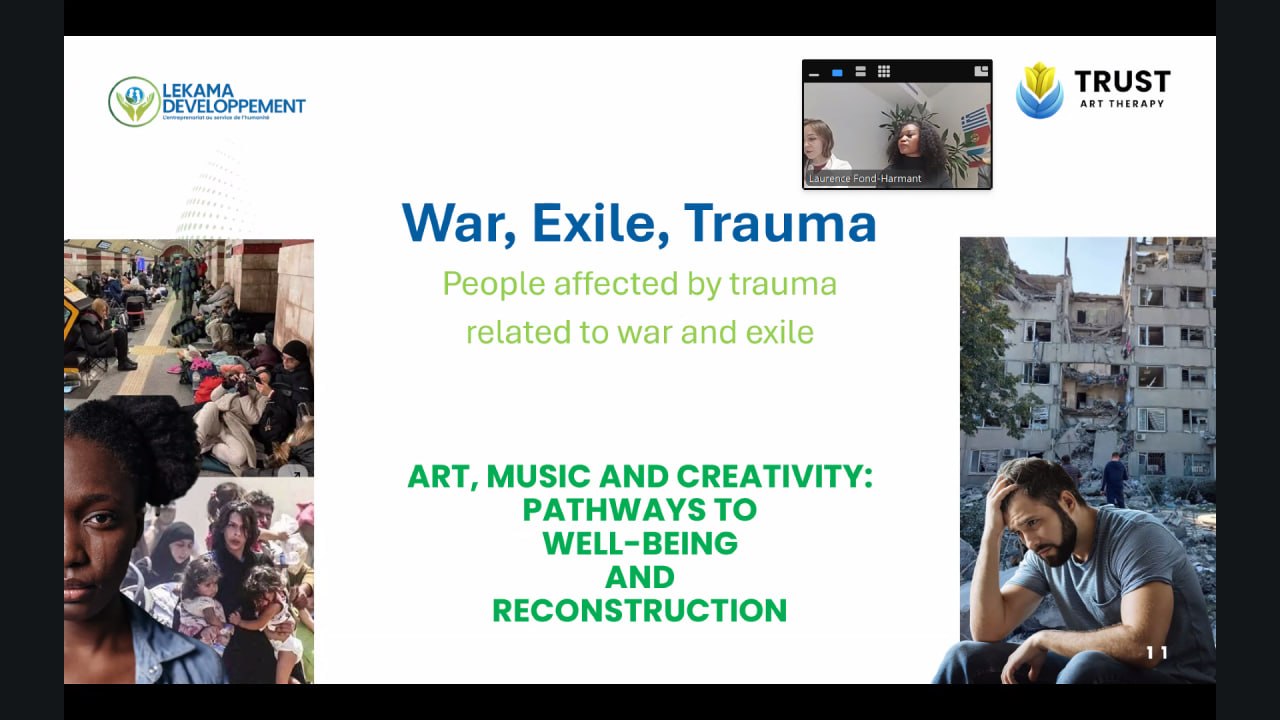
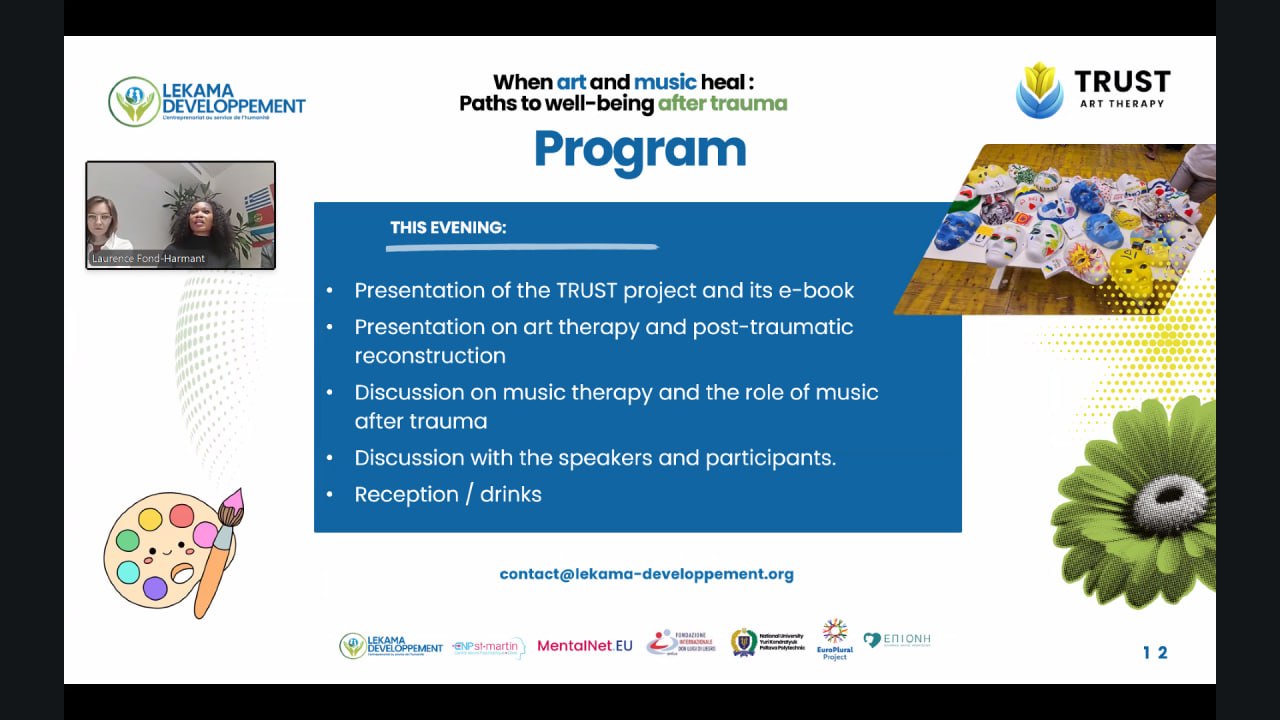
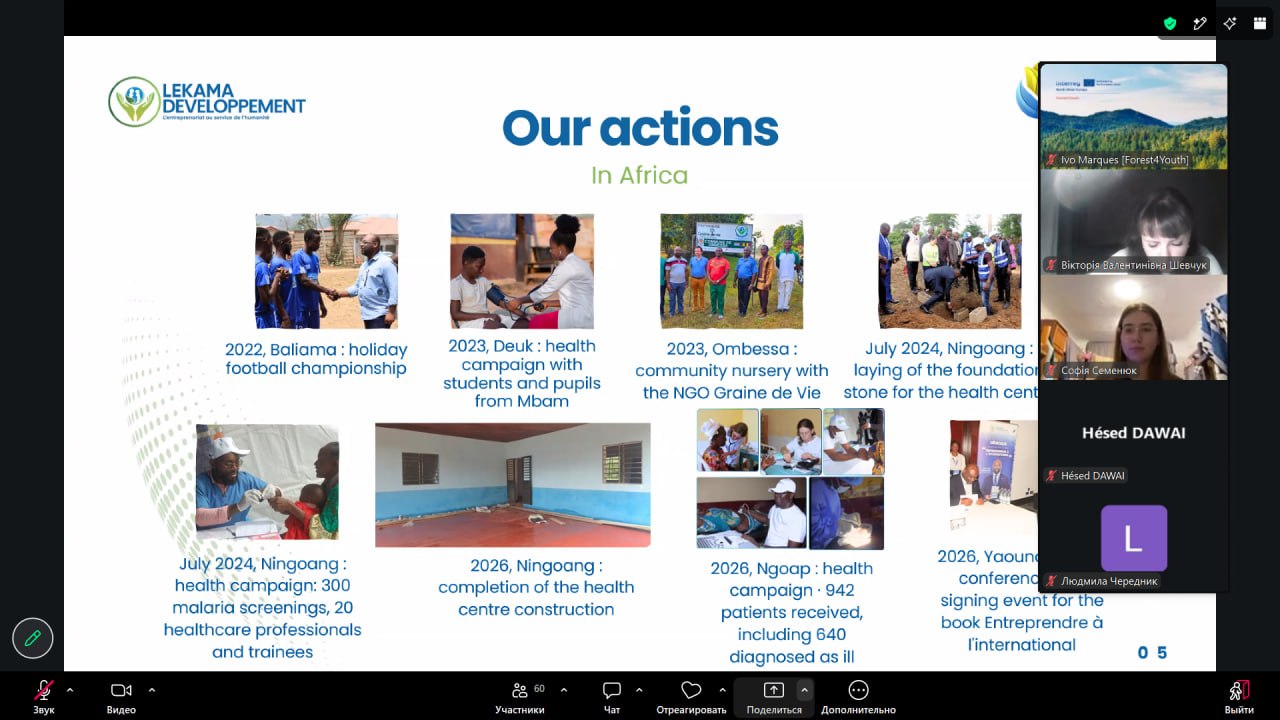
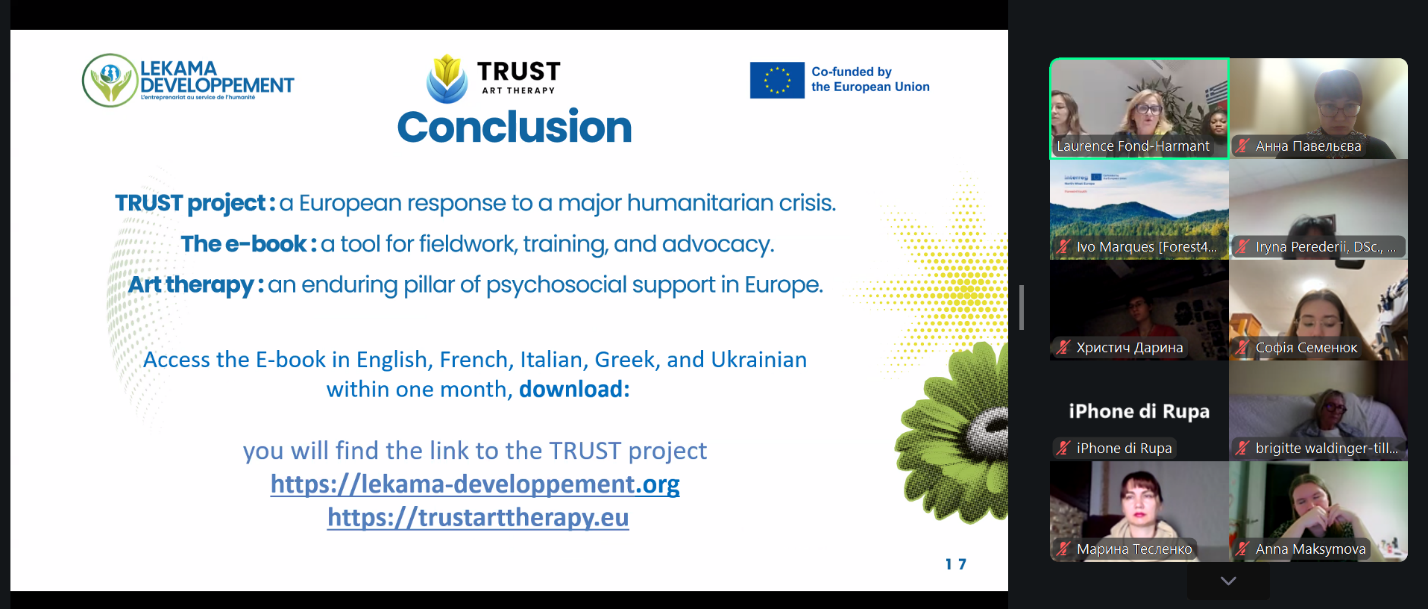
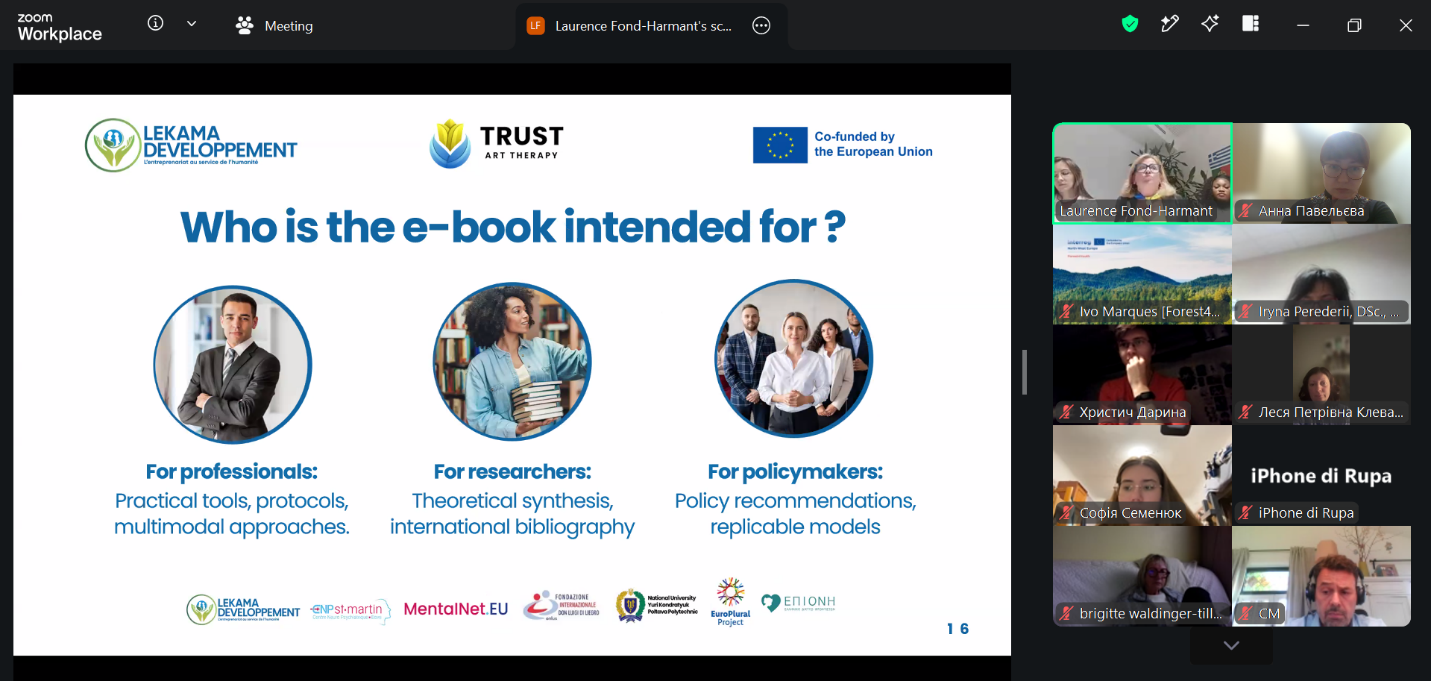
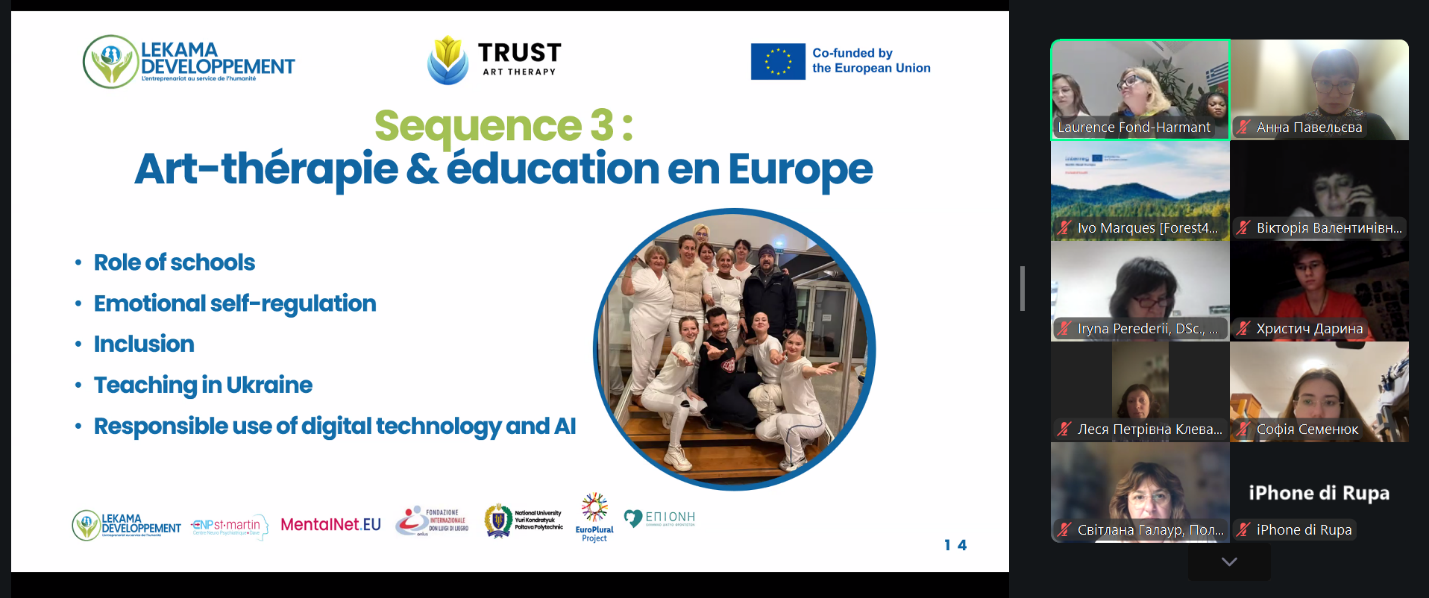
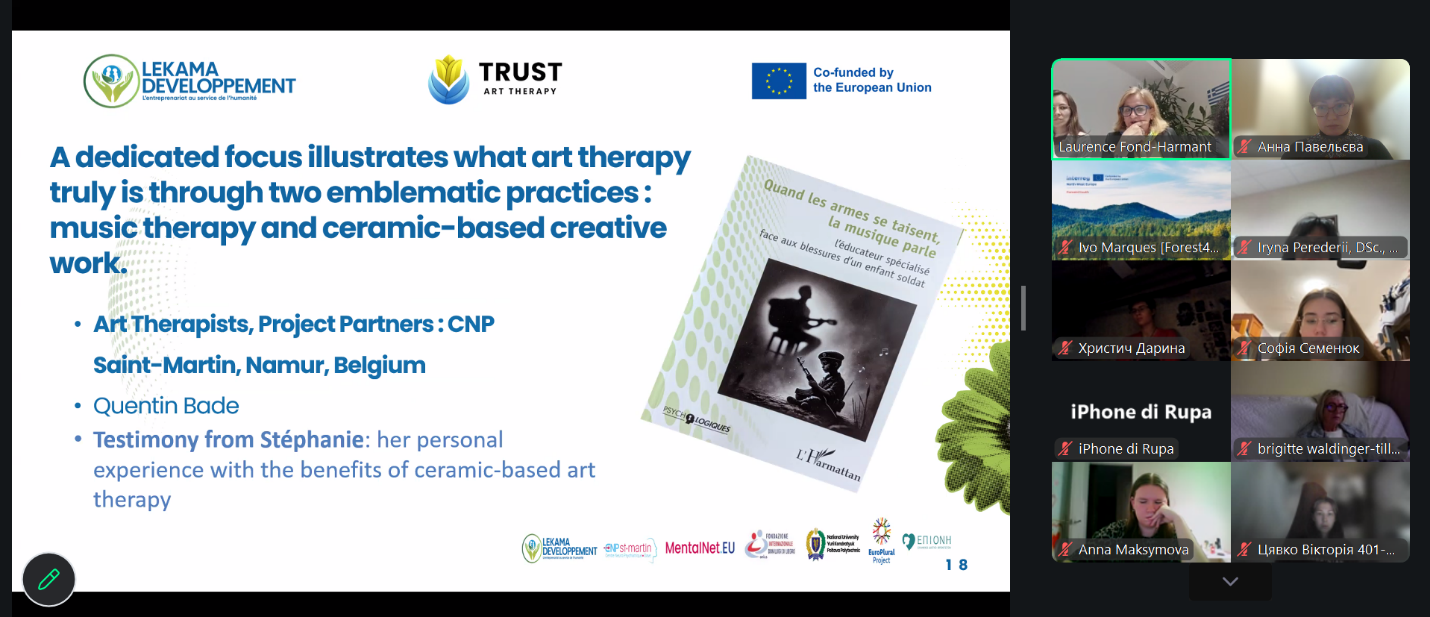
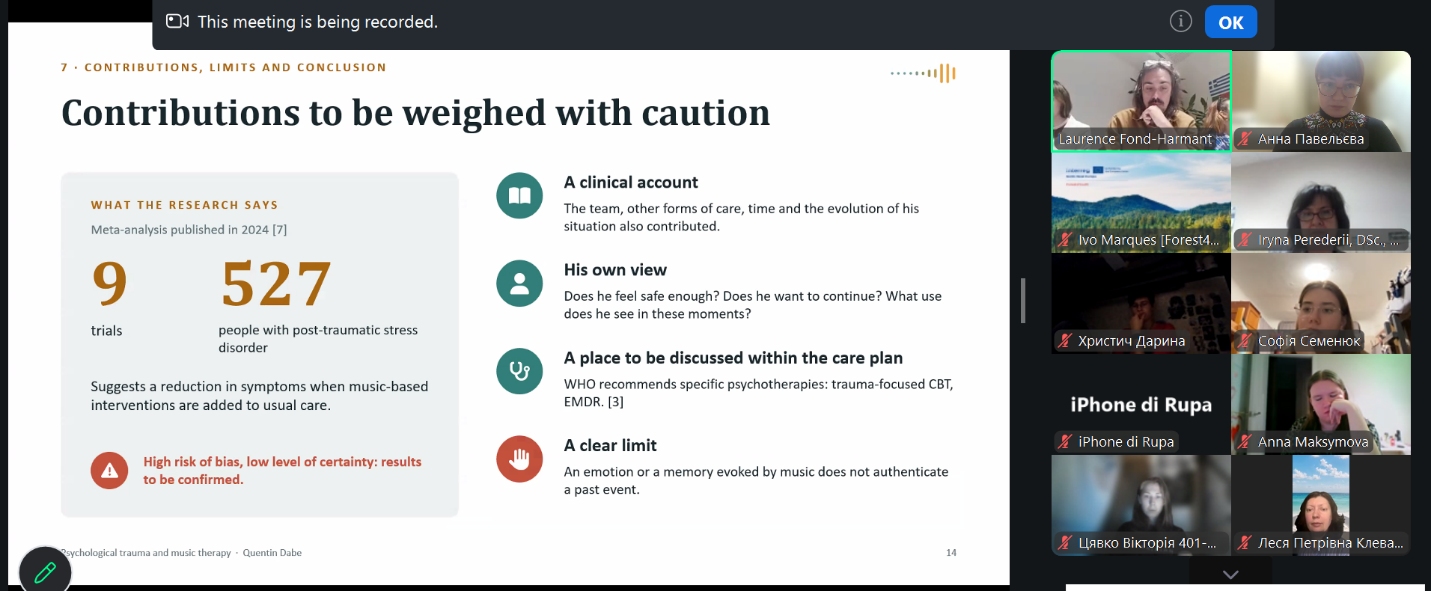
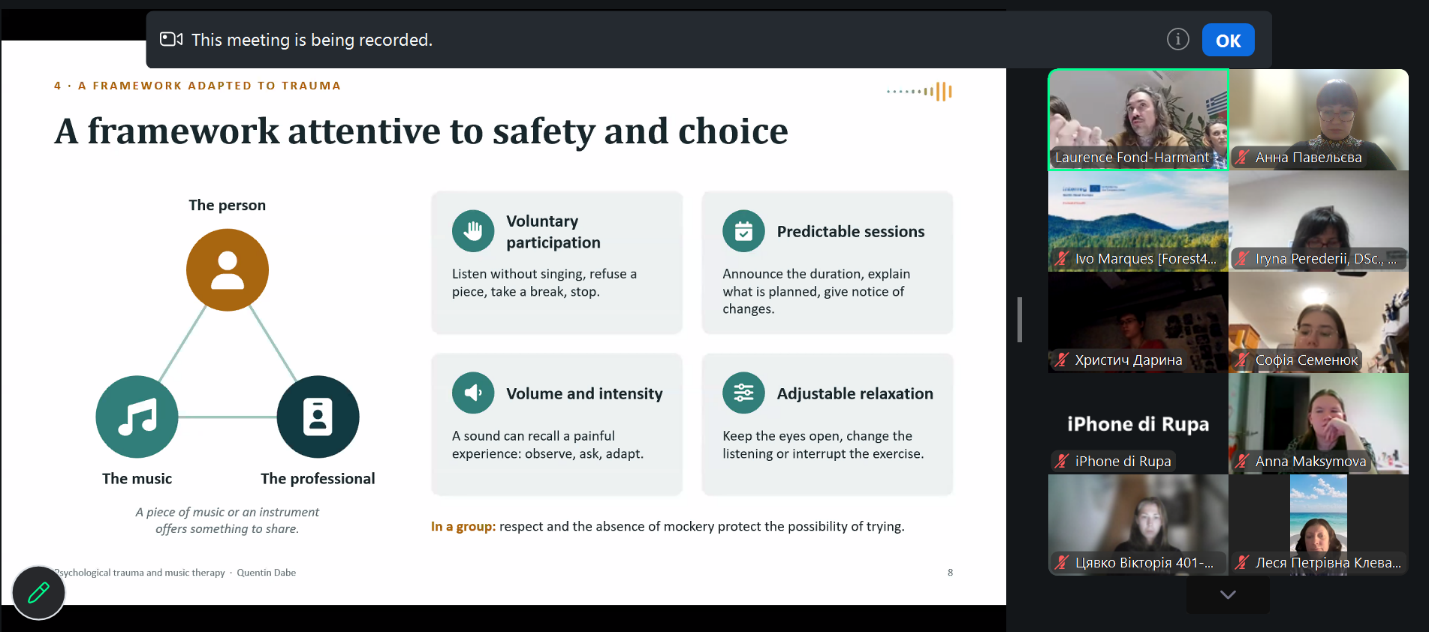
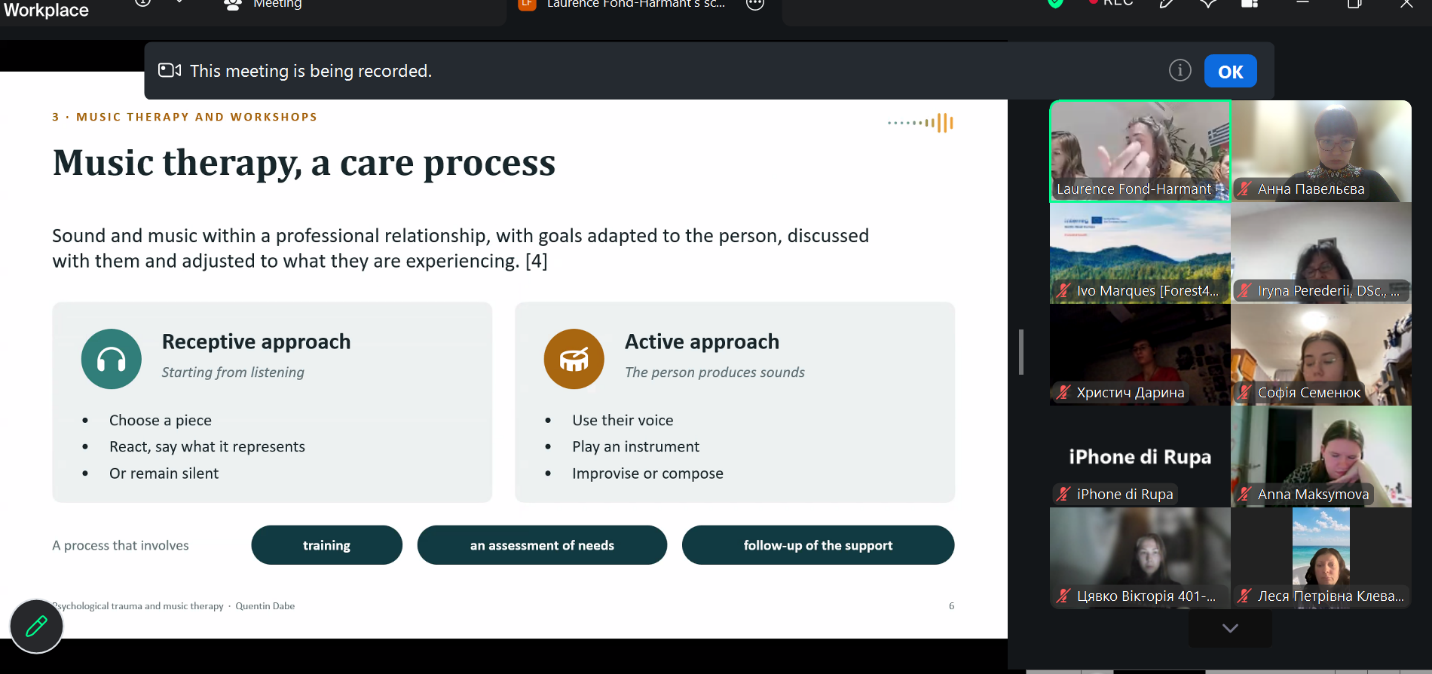
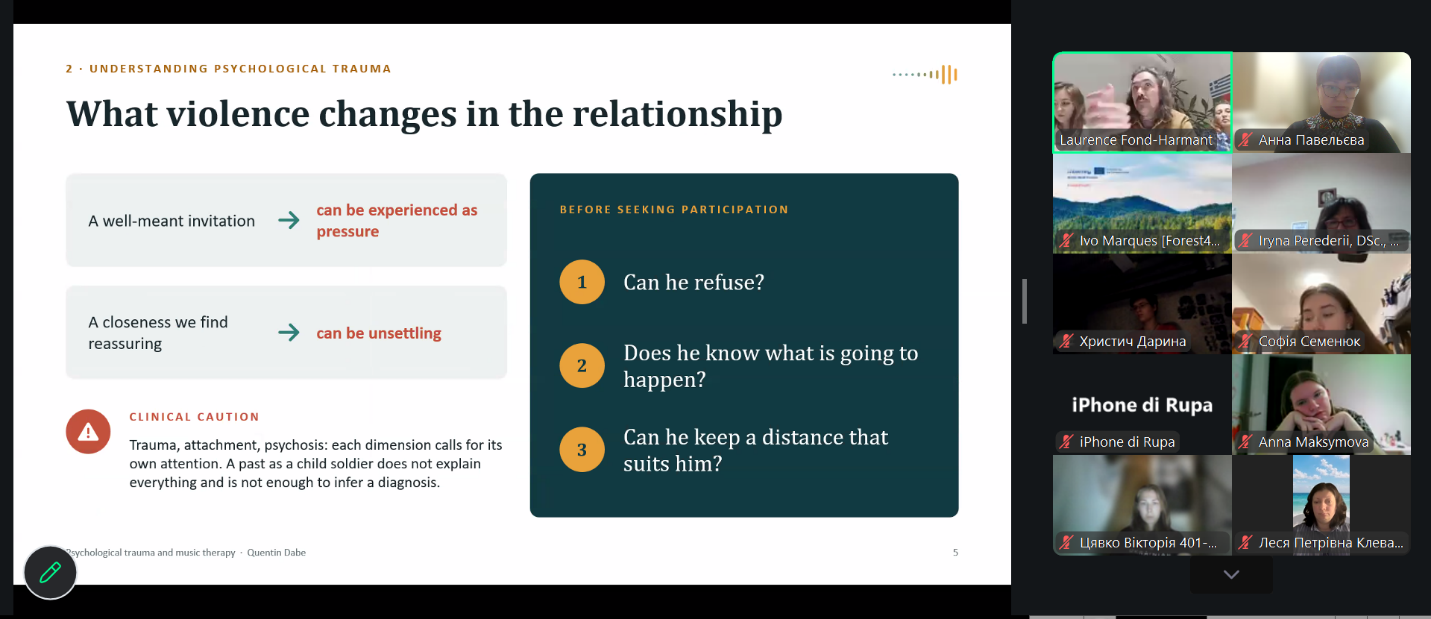
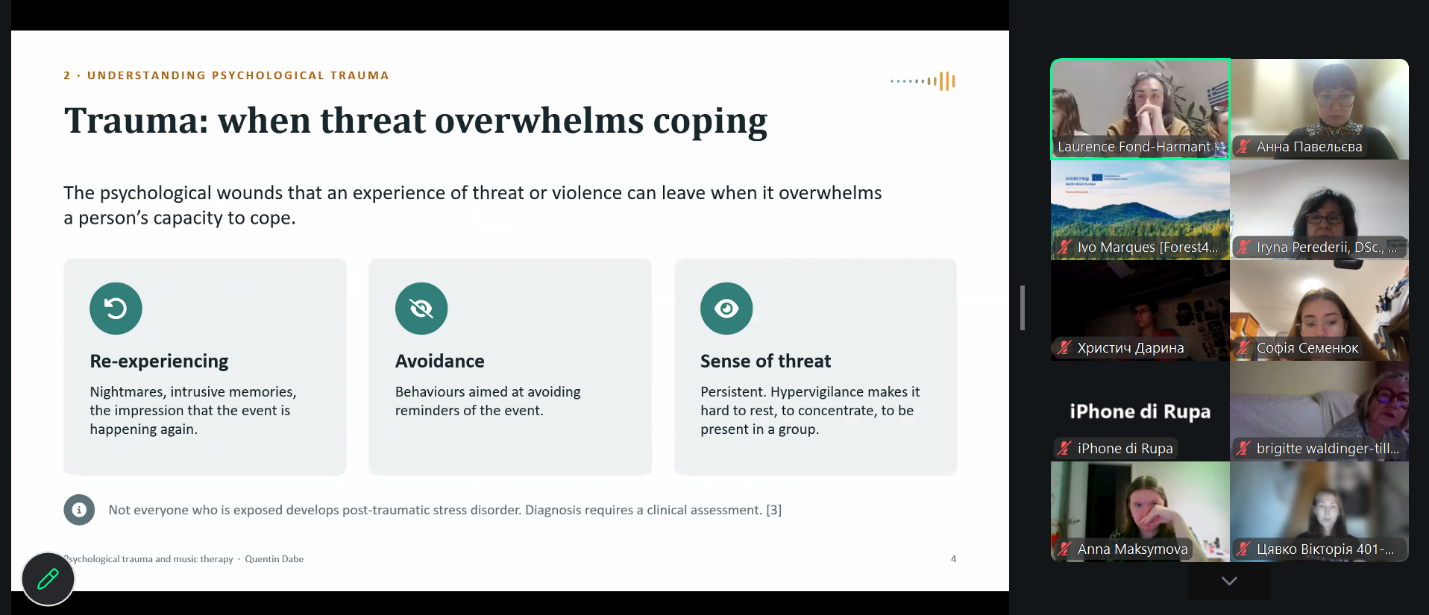
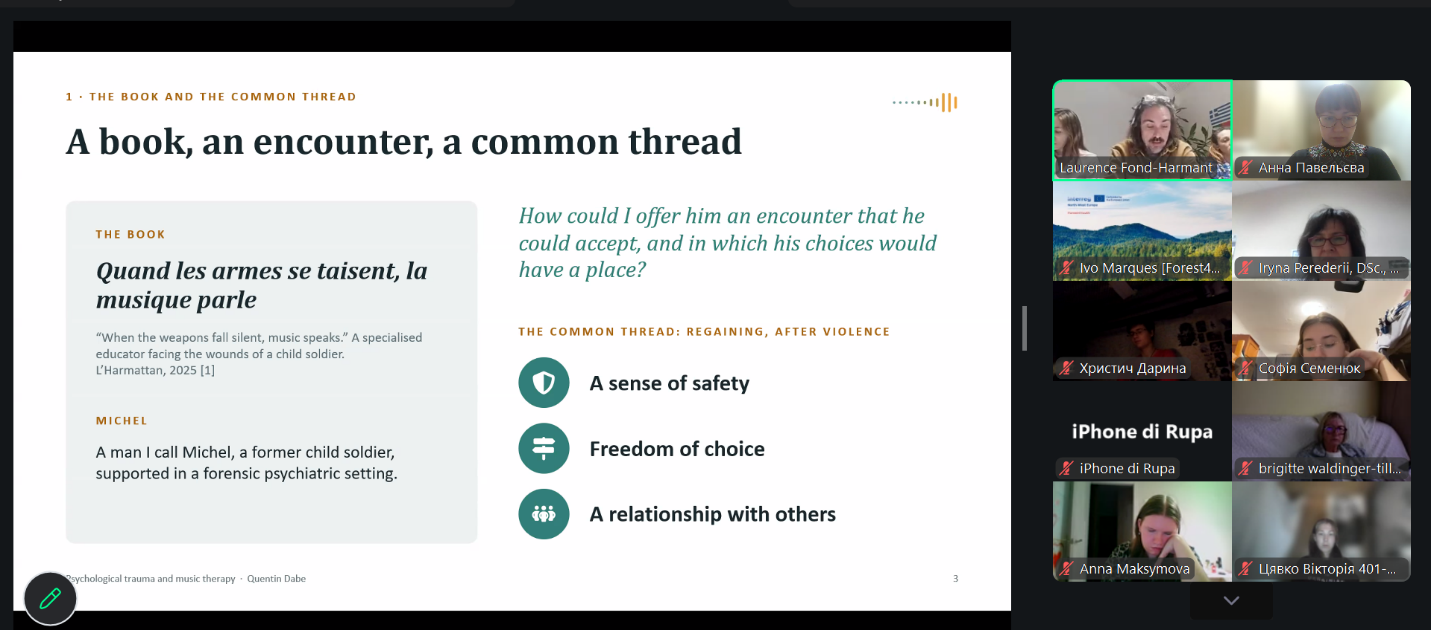
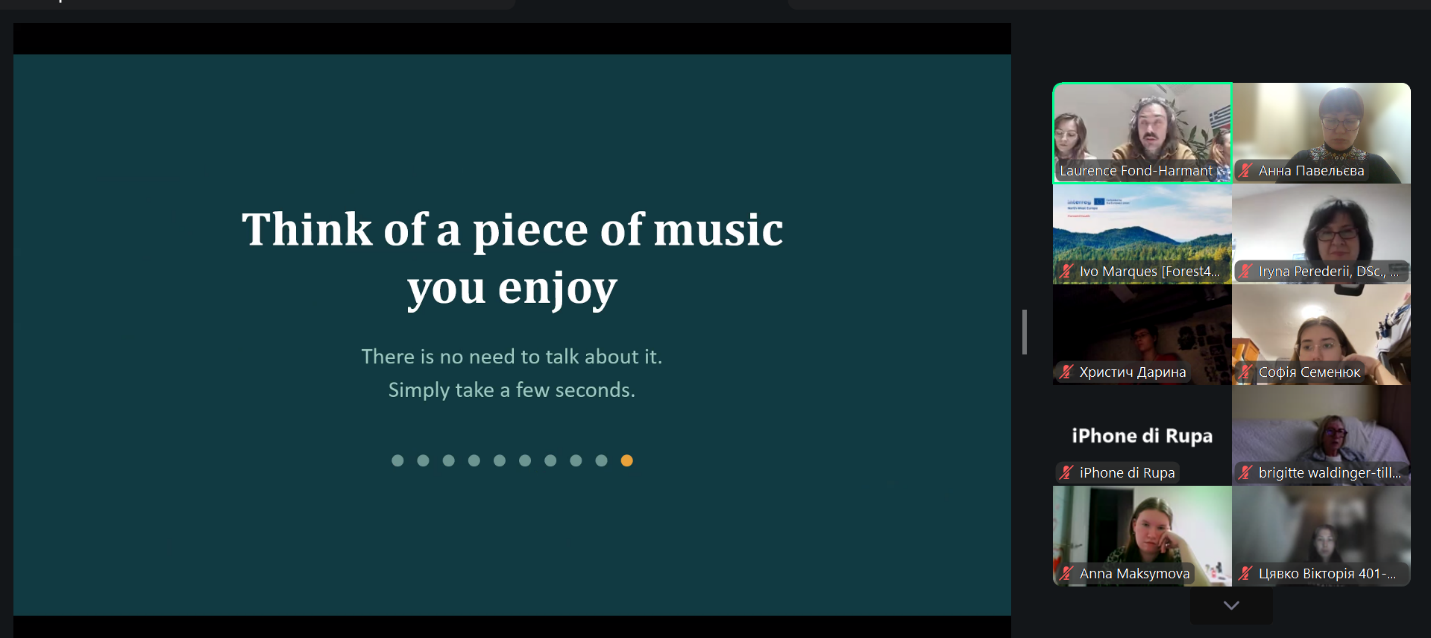
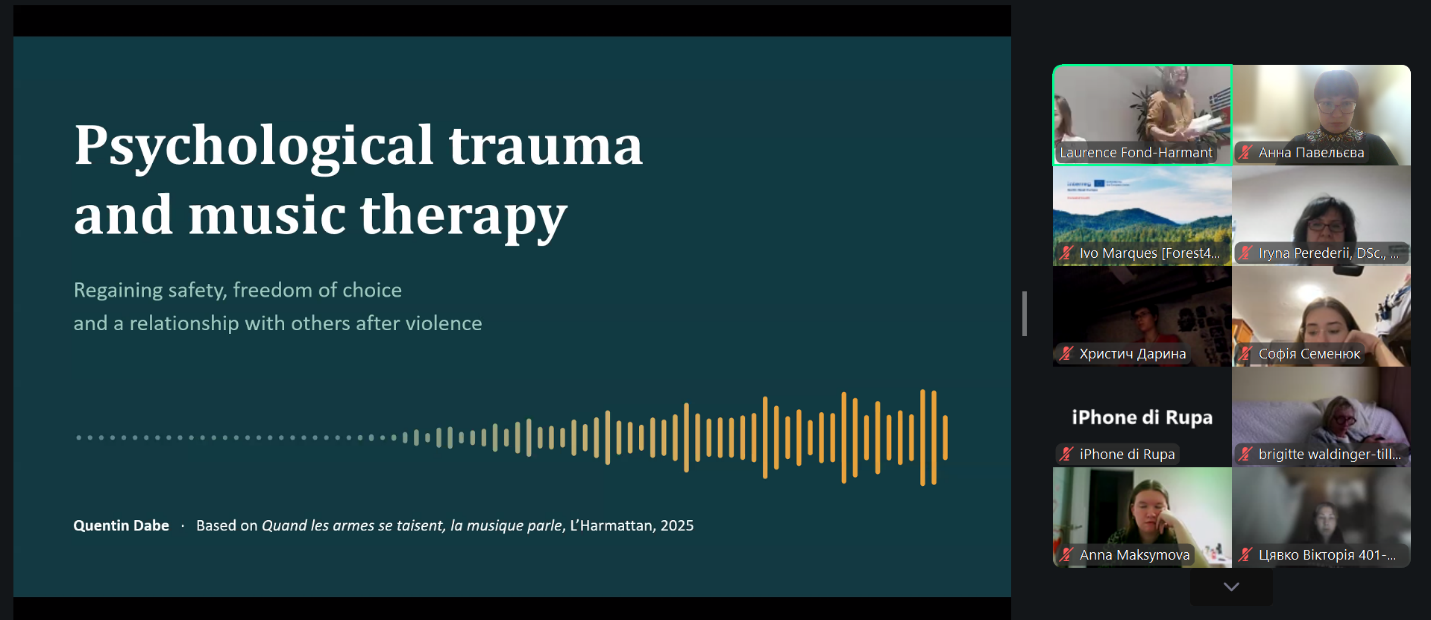
The practical segment of the conference was opened by Quentin Dabe, a specialist educator in psychiatry and art therapist at the Belgian CNP Saint-Martin centre, author of the book “When Weapons Fall Silent, Music Speaks”. Quentin provided an in-depth analysis of the clinical manifestations of post-traumatic stress disorder, including intrusive flashbacks, nightmares, emotional avoidance, and the debilitating state of hypervigilance, wherein an individual remains constantly primed to defend against perceived threats. Under such circumstances, direct verbal inquiries or even sincere offers of assistance can be met with suspicion, so the approach should be anchored in Carl Rogers’ humanistic principles – empathy, congruence, and unconditional positive regard.
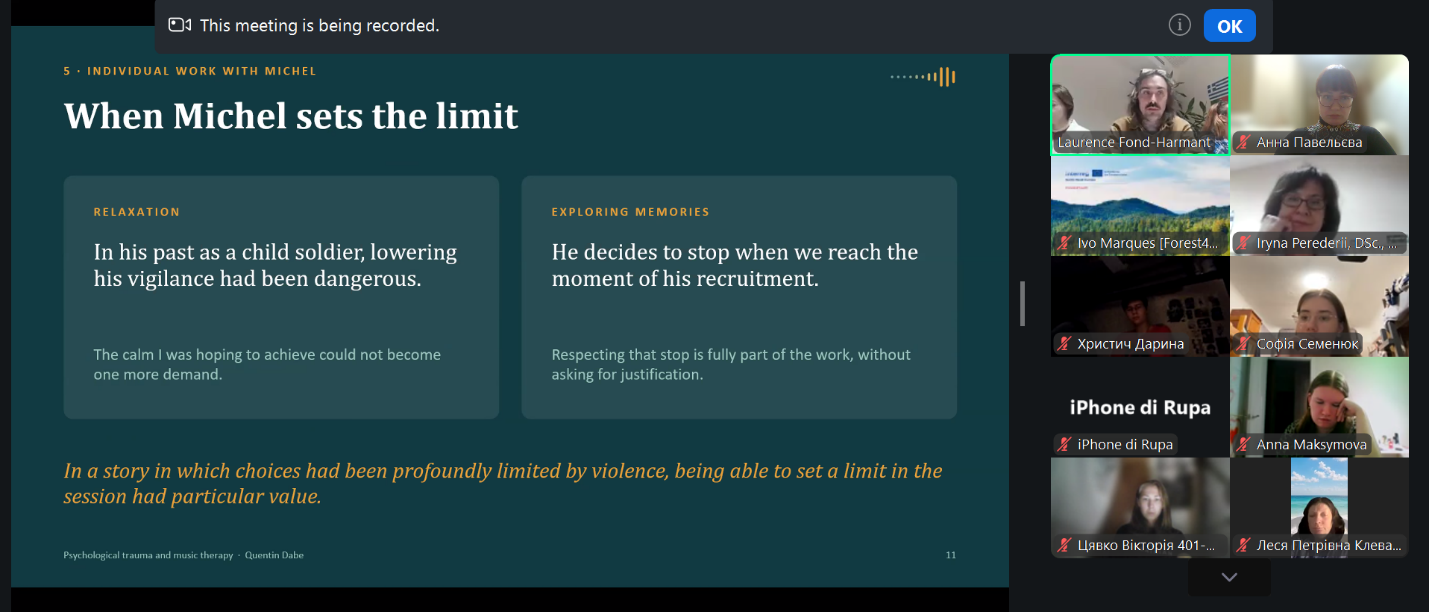
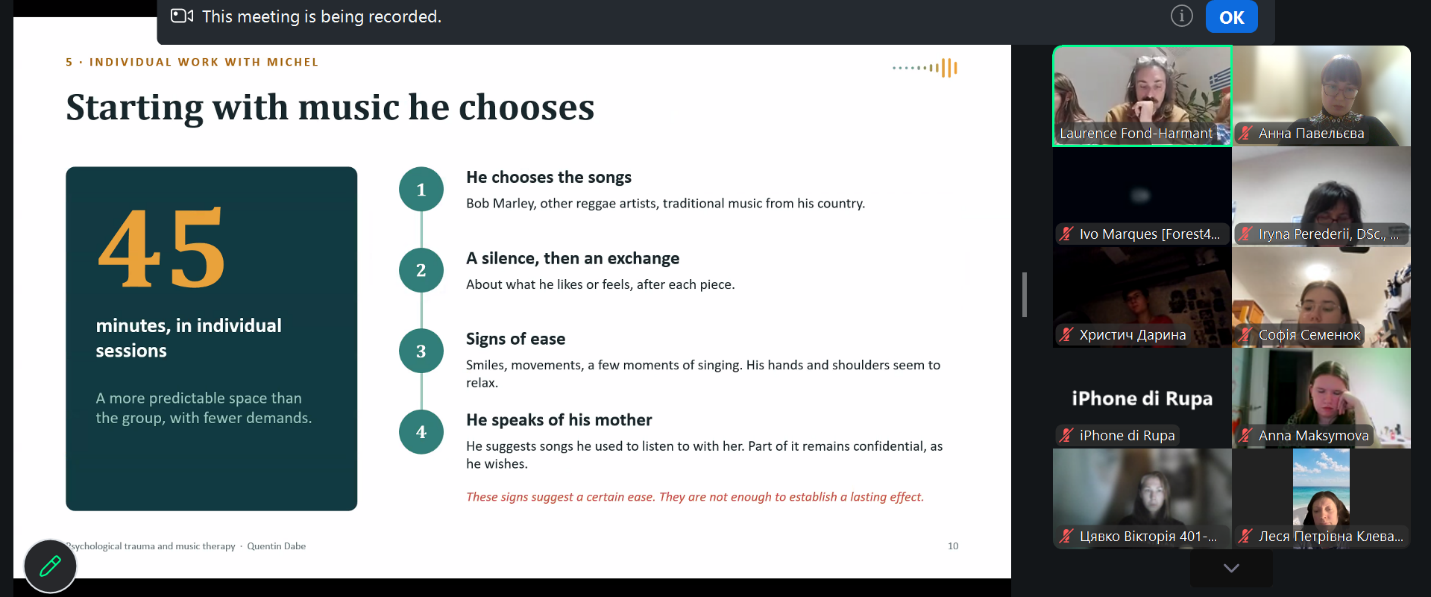
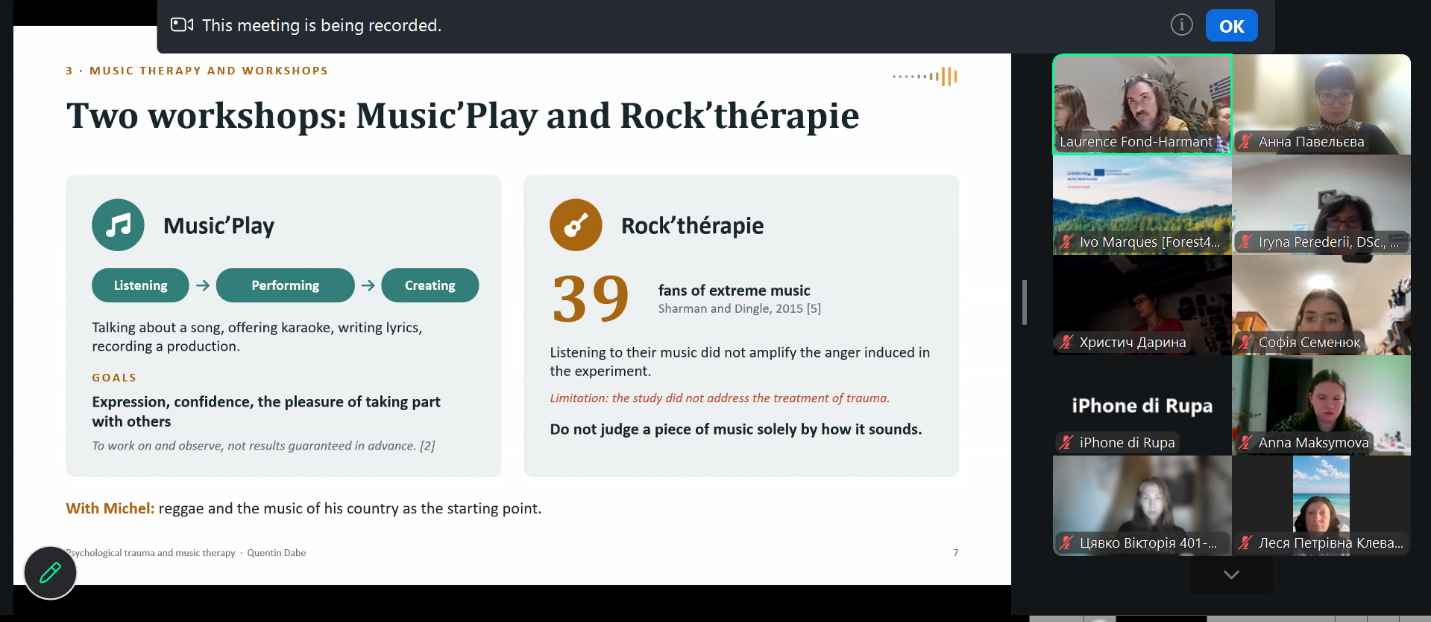
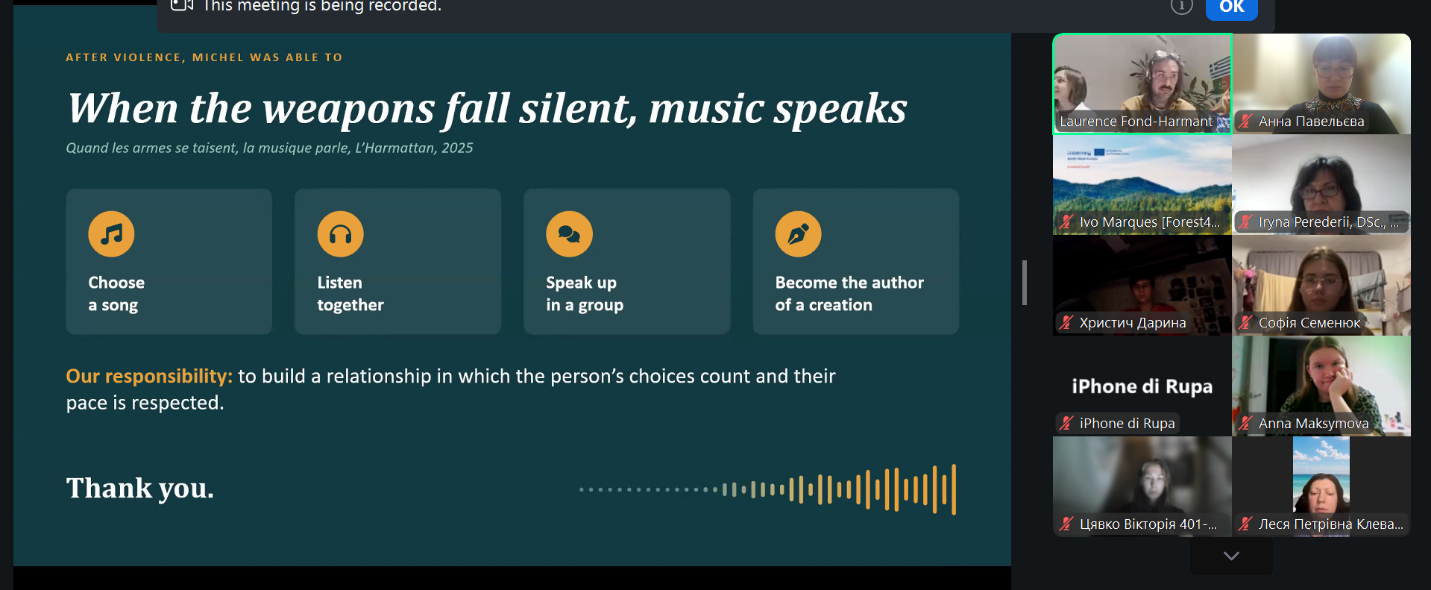
Drawing on his extensive work with a young man named Michel, who endured the tragic ordeal of being a child soldier and lived in profound mistrust of the world, Quentin Dabe demonstrated the potential of music therapy and “rock therapy”. He explained that conventional relaxation techniques can prove ineffective or intimidating for such individuals, as letting go of control is perceived as a loss of vigilance and an immediate threat. Conversely, shared listening to energetic music, selecting preferred rhythms, participating in karaoke, and progressively moving toward lyric writing helped establish a therapeutic triangle of “individual – music – professional”, in which music acted as a protective buffer and a bridge toward restoring trust.
The culmination of this practice was creating a full-fledged original song, for which Michel independently selected the instruments, set the tempo, and wrote the lyrics. According to the therapist's observations, the progressive transition from individual 45-minute sessions to recording the track and interacting within a group constituted a remarkable clinical success. The disruptive experience became creative expression, restoring the young man’s sense of personal dignity, agency, and openness to meaningful social relationships.
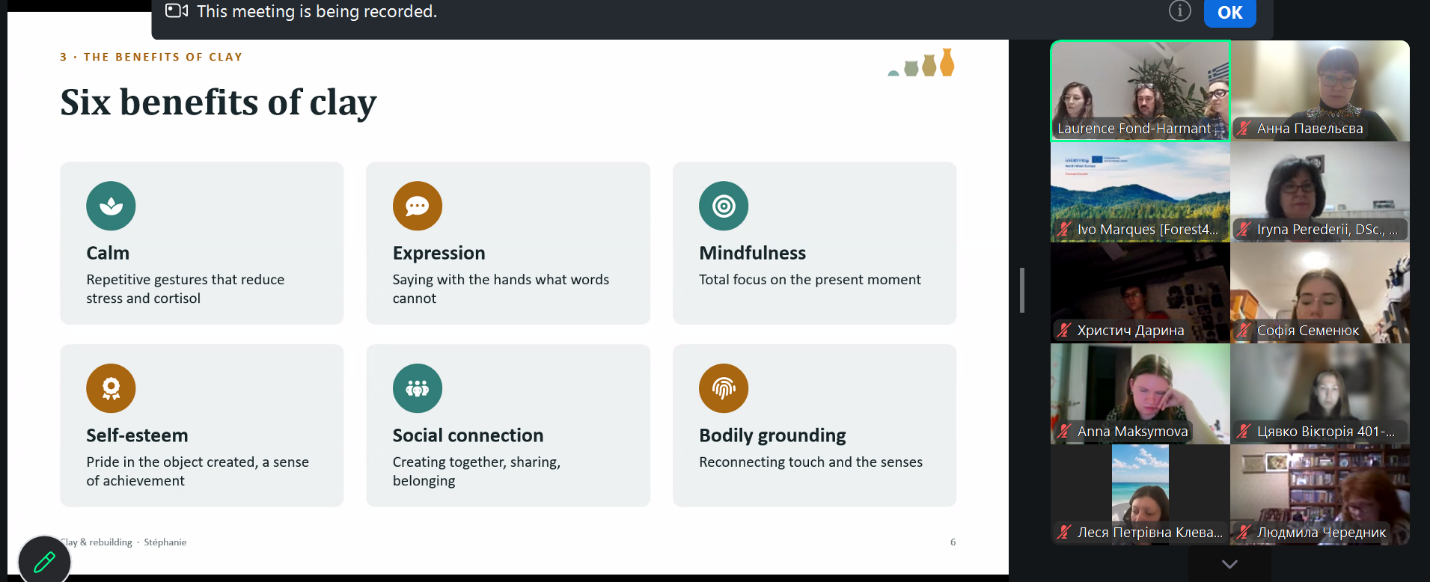
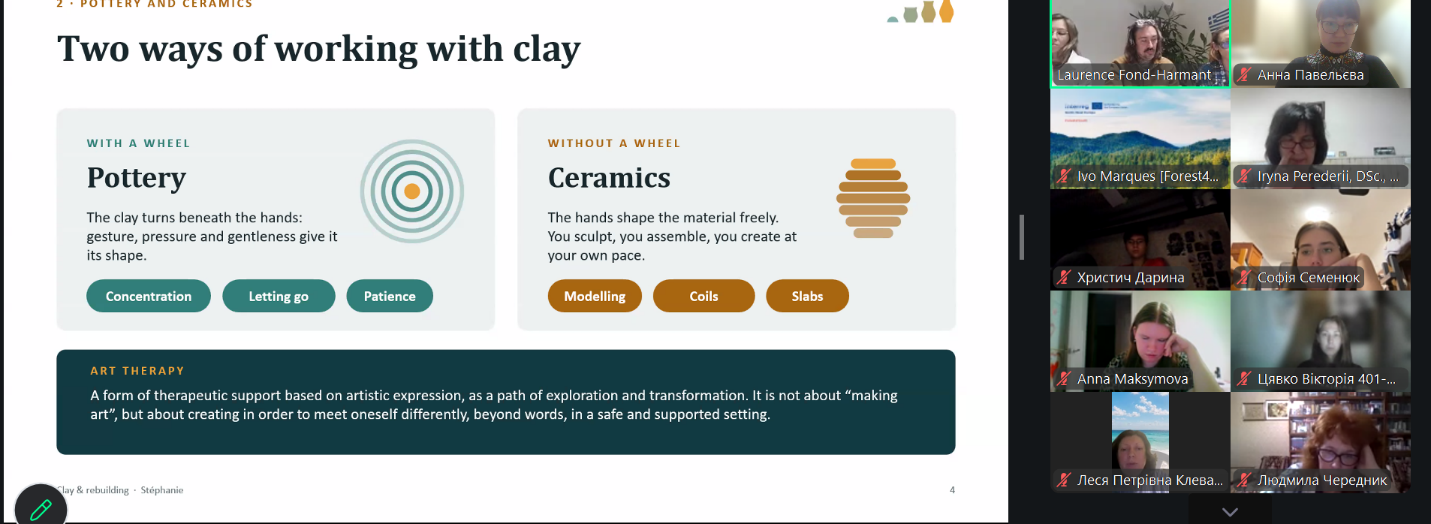
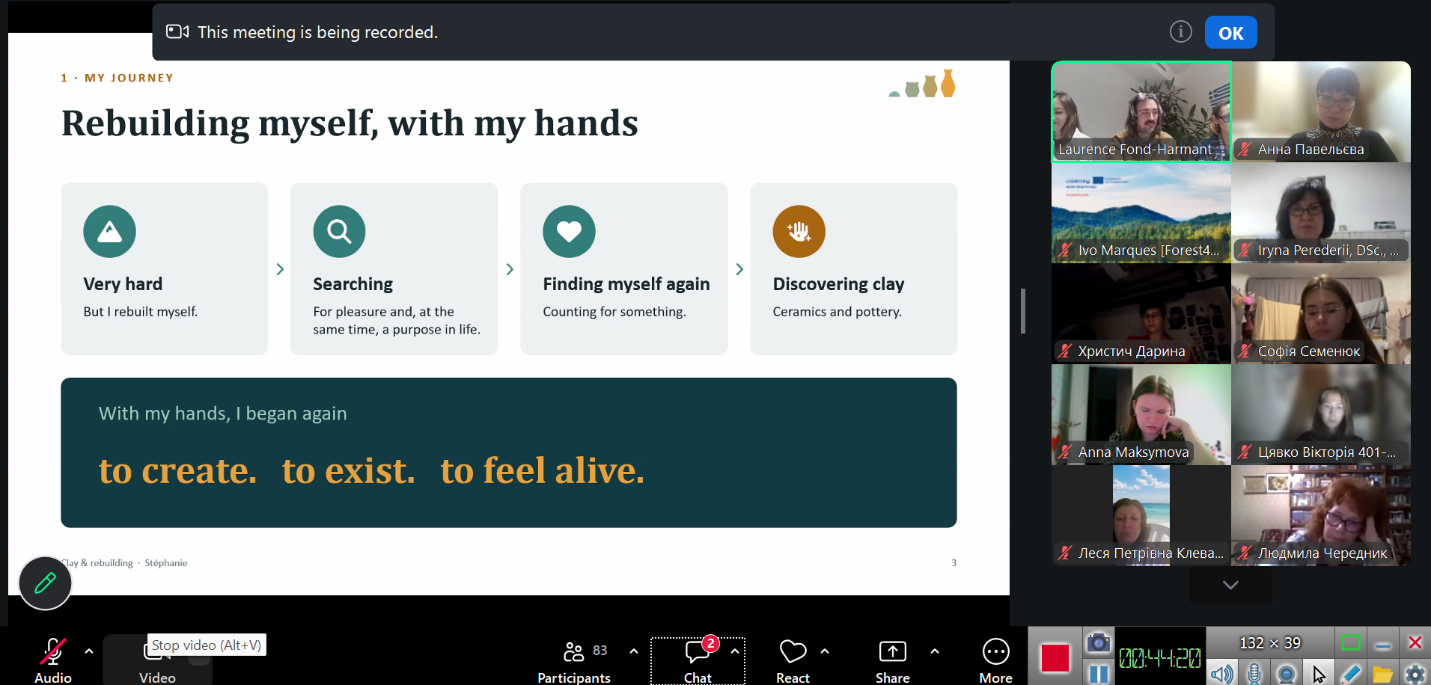
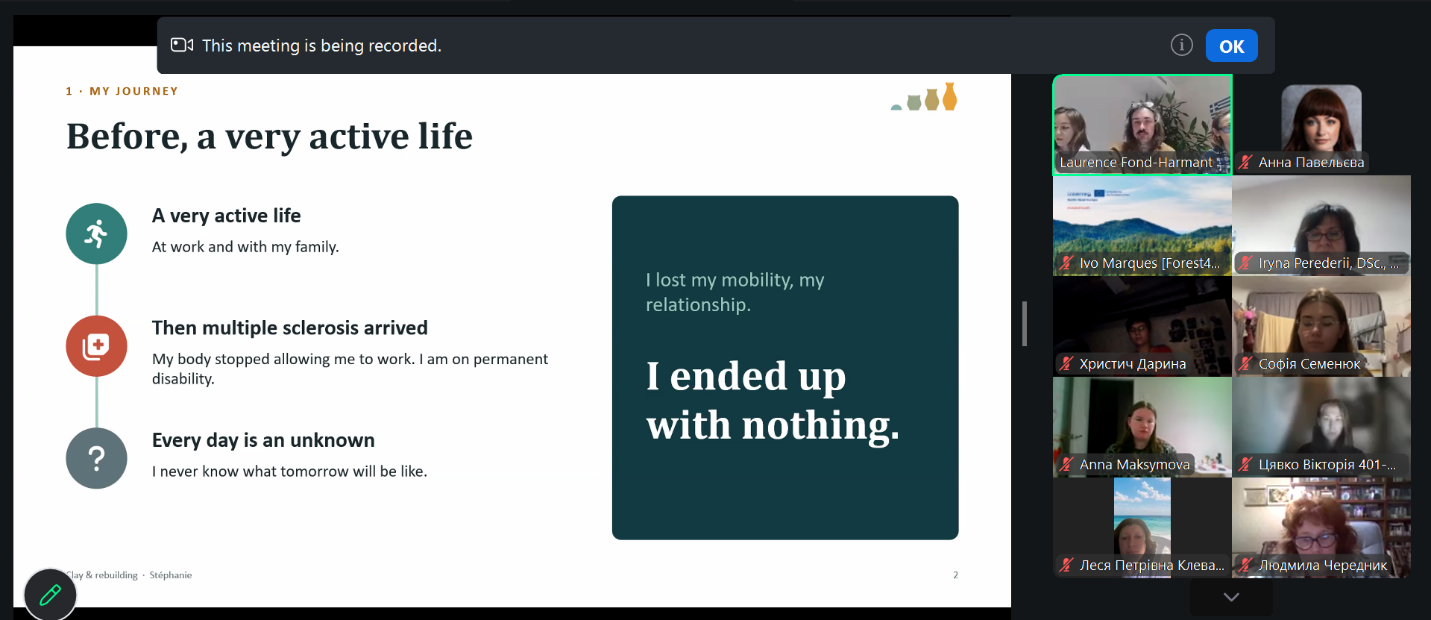
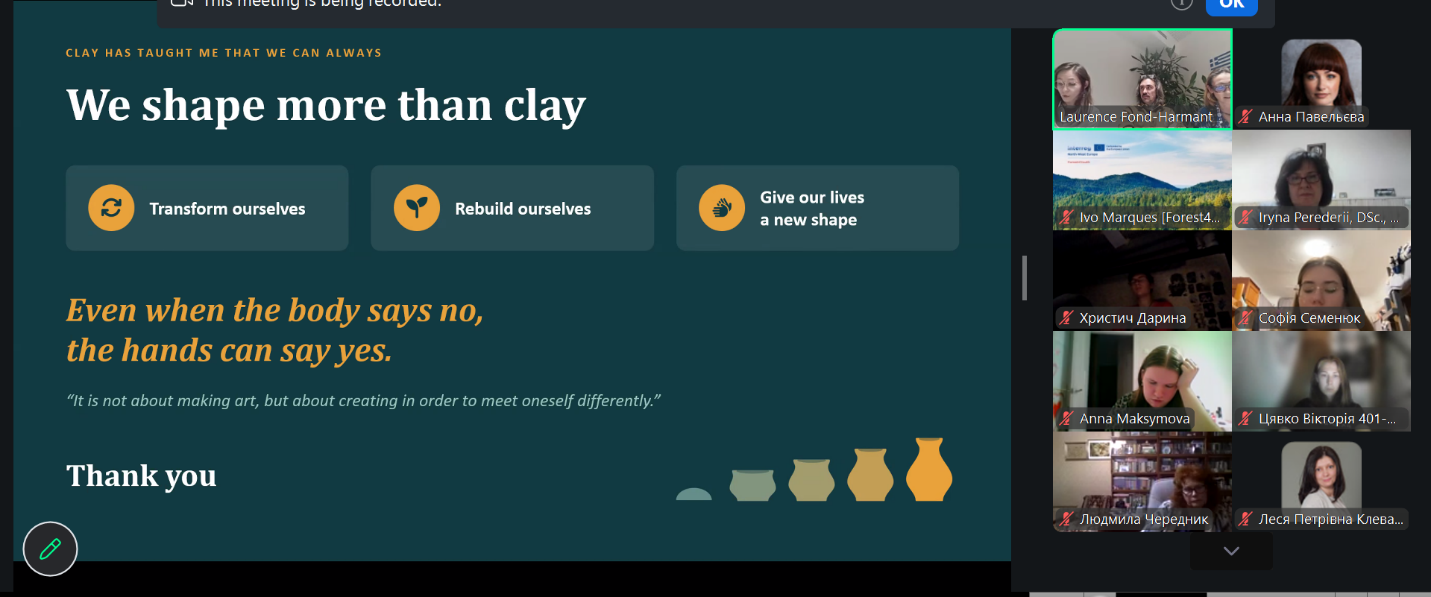
A deeply moving moment of the conference was the personal testimony of Stéphanie Dabe, an art therapy educator and ceramic artist at CNP Saint-Martin, who candidly shared her journey of overcoming the consequences of multiple sclerosis. In 2019, an acute exacerbation of the disease suddenly confined her to a wheelchair, leaving her unable to walk, write, or speak clearly. Facing complete uncertainty, she felt the pressure of a society oriented strictly toward productivity, yet found renewed purpose and grounding by working with clay and the potter's wheel.
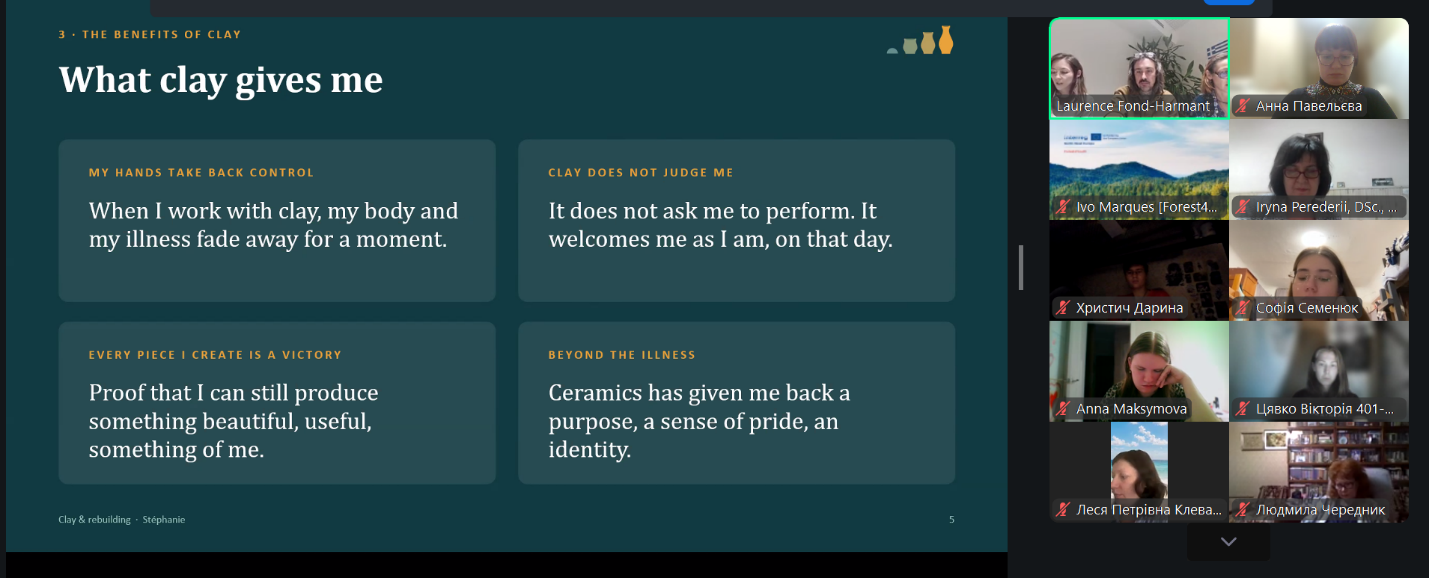
Stéphanie Dabe emphasised that clay is an inherently non-judgmental medium that never condemns mistakes or unsteady hands, offering a sense of triumph with every crafted piece. Initially, to release repressed pain, despair, and anger, she sculpted figures of “demons and monsters”, effectively externalising her traumatic state. Once she channelled these destructive feelings into the medium, her creative expression turned toward light: she began crafting delicate sculptures and dog figurines, bringing solace to people coping with loss. This therapeutic journey enabled her to overcome the stigma of being an incapacitated patient and cultivate a renewed personal and professional identity as a ceramic artist. Art allowed her to redefine herself, taking pride not in being a patient with a disability, but in being a skilled, empowered ceramicist.
For National University “Yuri Kondratyuk Poltava Polytechnic”, as a full-fledged consortium partner in the Erasmus+ TRUST project, participation in the conference represents a substantial contribution to enhancing its research and practical capacity. The analytical insights, methodological resources, and advanced European practices gained will be actively integrated into the educational process across psychology, pedagogy, and social work curricula, enriching the training of future professionals with up-to-date international standards.
Furthermore, faculty and students plan to implement the project’s deliverables extensively in the day-to-day work of the university’s psychological service and the Poltava Polytechnic Veteran Development Centre. Evidence-based art therapy approaches, tactile clay modelling techniques, and music therapy will serve as powerful instruments for the comprehensive rehabilitation of veterans, military personnel, their families, as well as internally displaced students and staff affected by armed aggression.
“The successful implementation of such large-scale international initiatives as the “TRUST” project, along with Poltava Polytechnic’s integration into leading European consortia, is above all the result of a forward-looking strategy and high standards of leadership established by our university leadership. We sincerely thank the President of the University, Volodymyr Onyshchenko, and Rector Olena Filonych for their unwavering support of our international endeavours, their readiness to embrace new horizons of cooperation, and their steadfast belief in the potential of the university community. Thanks to their strategic vision, Polytechnic firmly maintains its status as a reliable partner at the European Union level, demonstrating that even amid the challenges of war, a Ukrainian university can actively drive vital social and humanitarian transformation.
For our team, a solid institutional foundation to implement such initiatives is paramount. Fostering an enabling academic environment within the university allows us to prepare high-quality, competitive grant proposals, engage faculty and students in advanced European practices, and swiftly execute solutions beneficial to society. Such constructive support and encouragement of international projects by the university leadership enable us to confidently expand our partnership network and pursue new essential initiatives in mental health support and societal resilience for Ukrainians”, – emphasised Anna Pavelieva, International Relations Coordinator and “Trust” project manager at the University.
Poltava Polytechnic sincerely thanks its international partners for their profound trust and unwavering solidarity with Ukraine. It remains committed to systematically building a safe, barrier-free, and psychologically resilient educational environment.