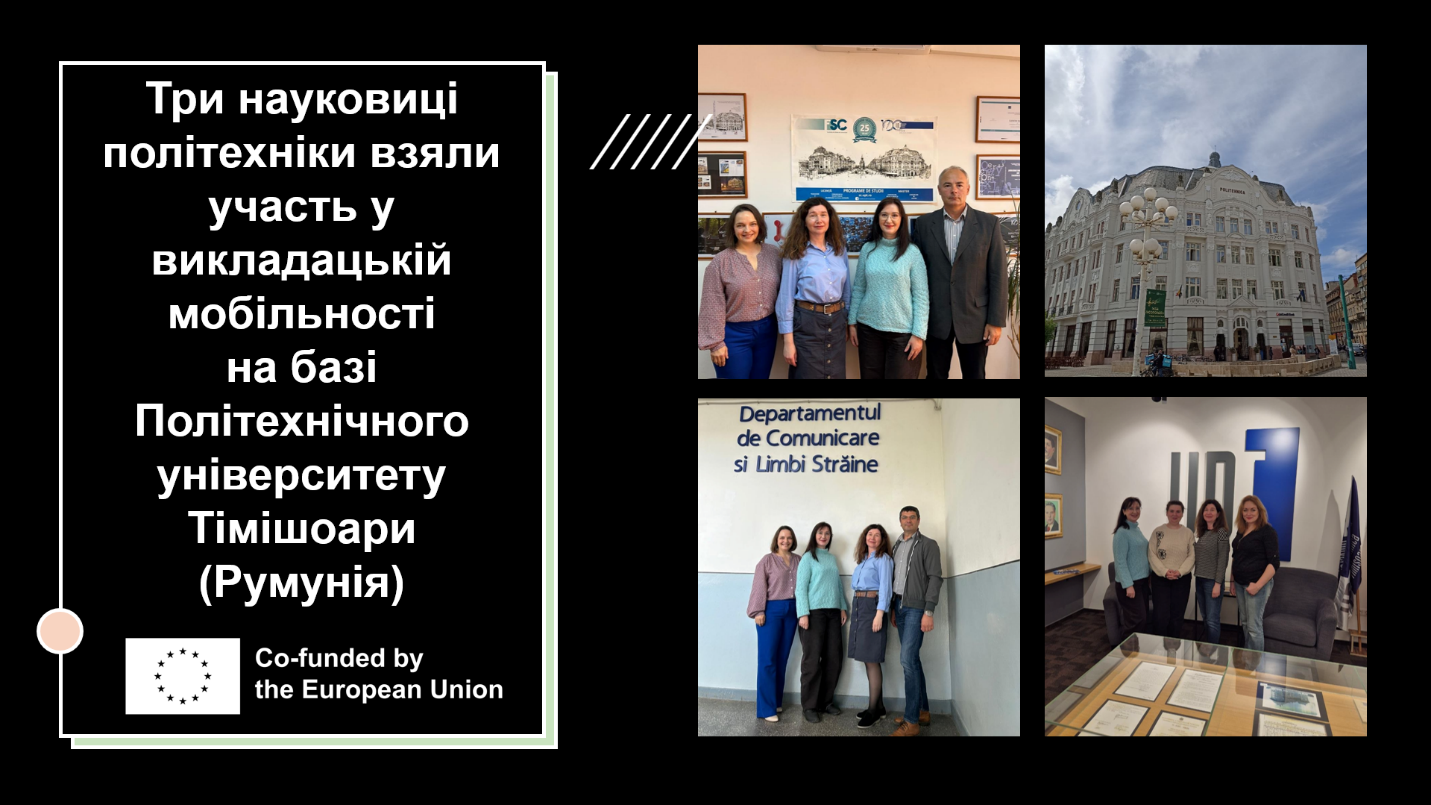
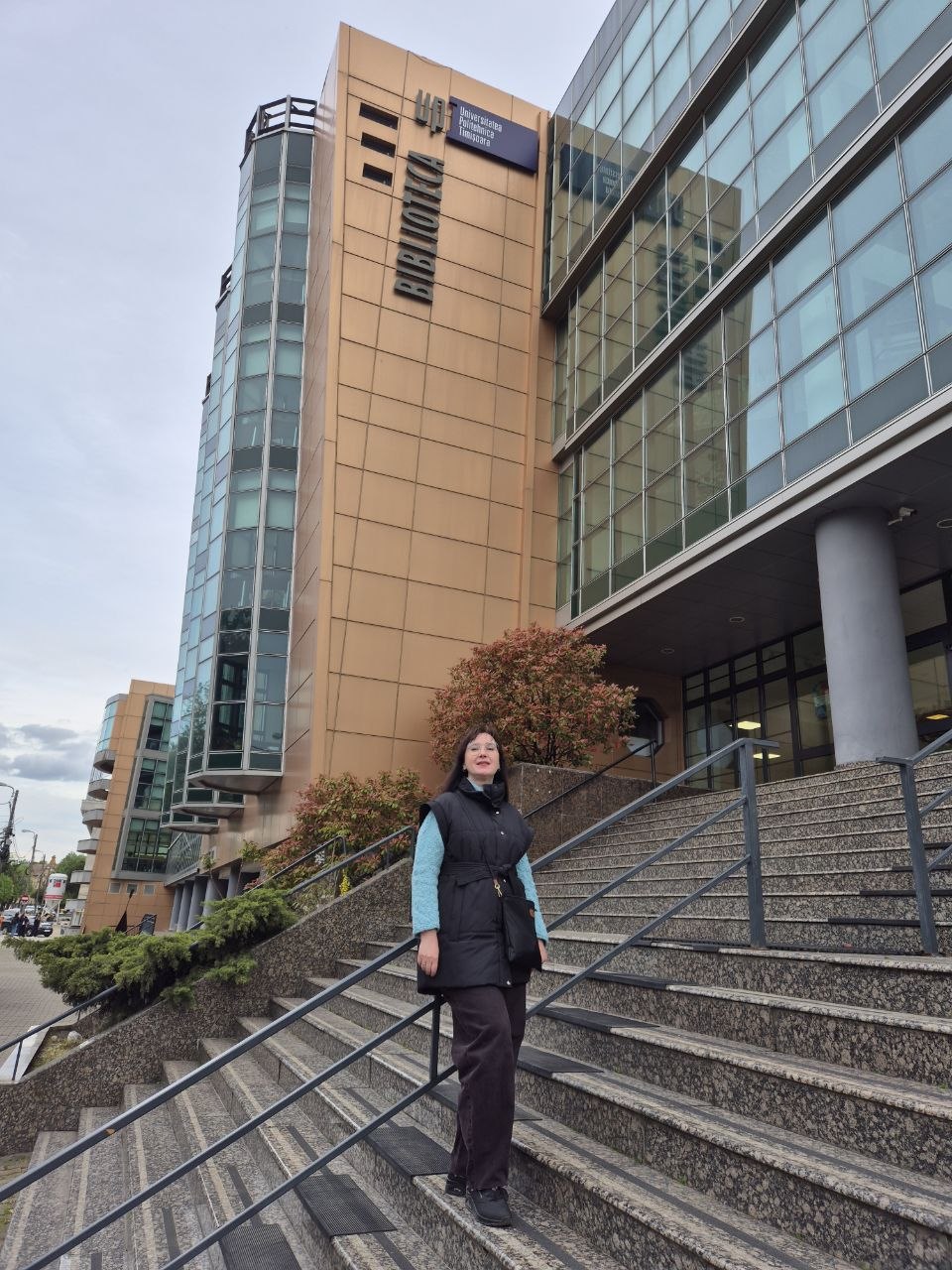
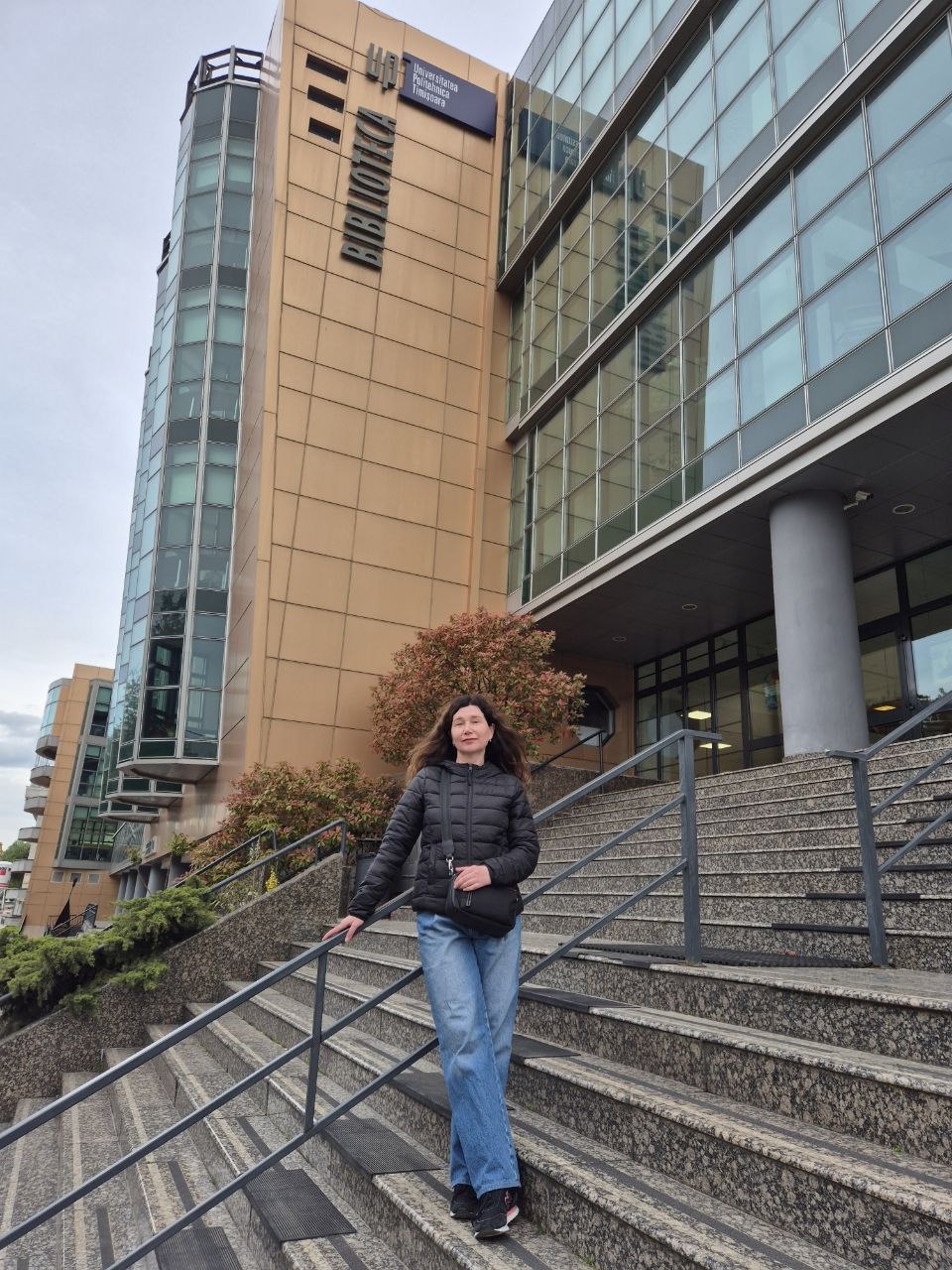
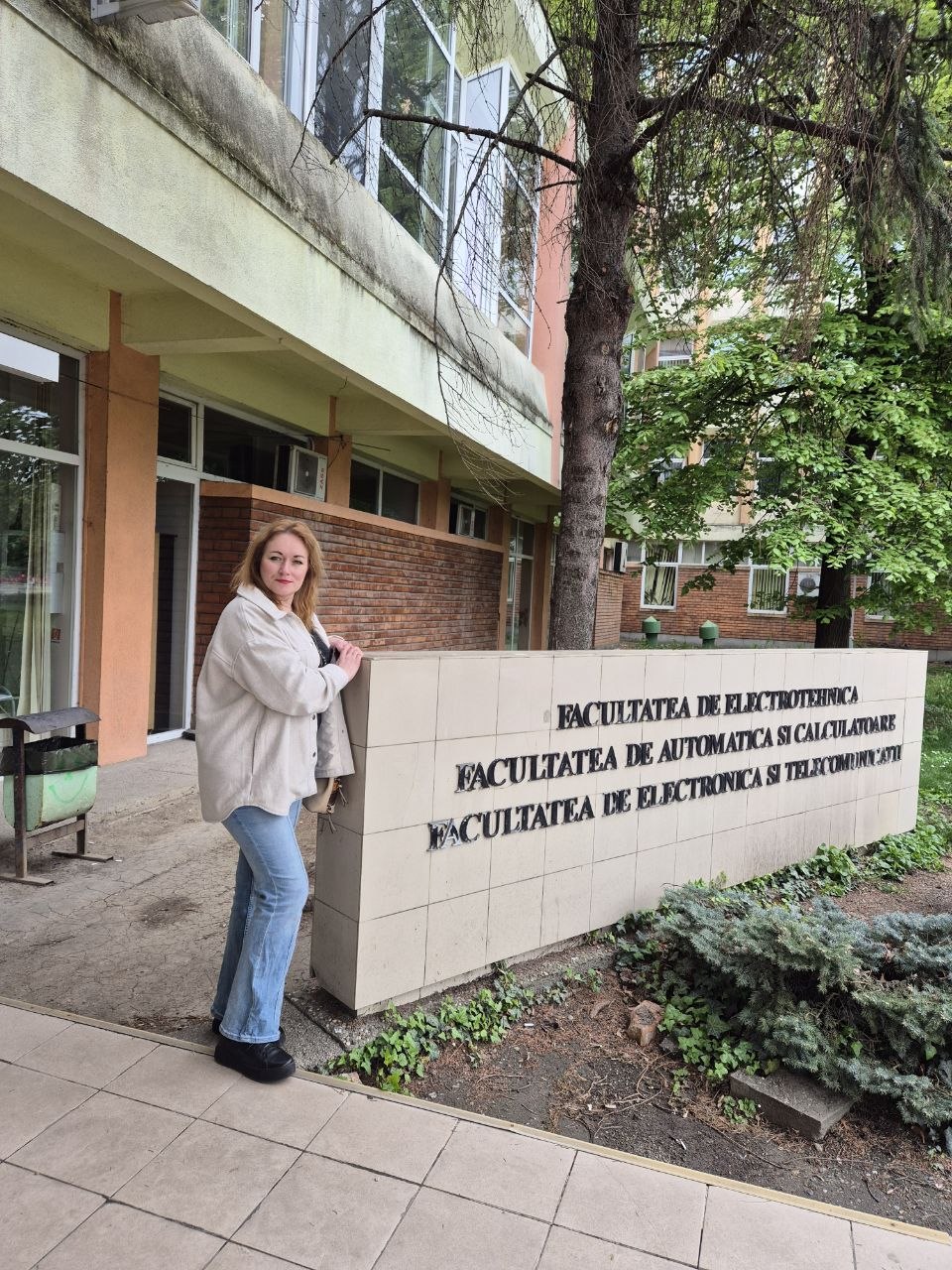
From April 20 to 24, 2026, within the framework of the strategic development of international partnerships and the continuous improvement of educational standards, representatives of the National University “Yuri Kondratyuk Poltava Polytechnic” visited the Politehnica University of Timișoara (Romania). This teaching mobility became another step in strengthening academic ties between leading technical institutions of Europe.
Politehnica University of Timișoara, founded in 1920, is today one of the most prestigious scientific and educational centres in Central and Eastern Europe. The university is famous not only for its century-long history but also for its futuristic infrastructure, which harmoniously complements its powerful research potential. Thanks to a wide network of international contacts, this institution is a hub of innovation where academic traditions meet the technologies of the future. Cooperation with a university of this level opens new horizons for Poltava Polytechnic to implement advanced European methodologies into the educational process.
As part of the visit, lecturers Kseniia Verhal, PhD in Economics, Associate Professor of the Department of Computer and Information Technologies and Systems, Deputy Director of the Educational and Scientific Institute of Information Technologies and Robotics; Halyna Talovyria, PhD in Pedagogical Sciences, Associate Professor of the Department of General Linguistics and Foreign Languages; and Yuliia Nikolaienko, PhD in Pedagogical Sciences, Associate Professor of the Department of Germanic Philology and Translation, conducted a series of lectures for students of philological and IT specialties. The classes covered modern approaches to teaching foreign languages, intercultural communication, translation studies, and the use of digital technologies in education.
The experience of cooperation with the Faculty of Communication Sciences – a relatively young but dynamic structural unit of the university established in 2011 – was particularly valuable. The faculty specialises in training specialists in communication, translation, and applied linguistics, combining humanitarian knowledge with the needs of the modern labour market. The training of future specialists is carried out through an interdisciplinary approach and the extensive use of innovative technologies.
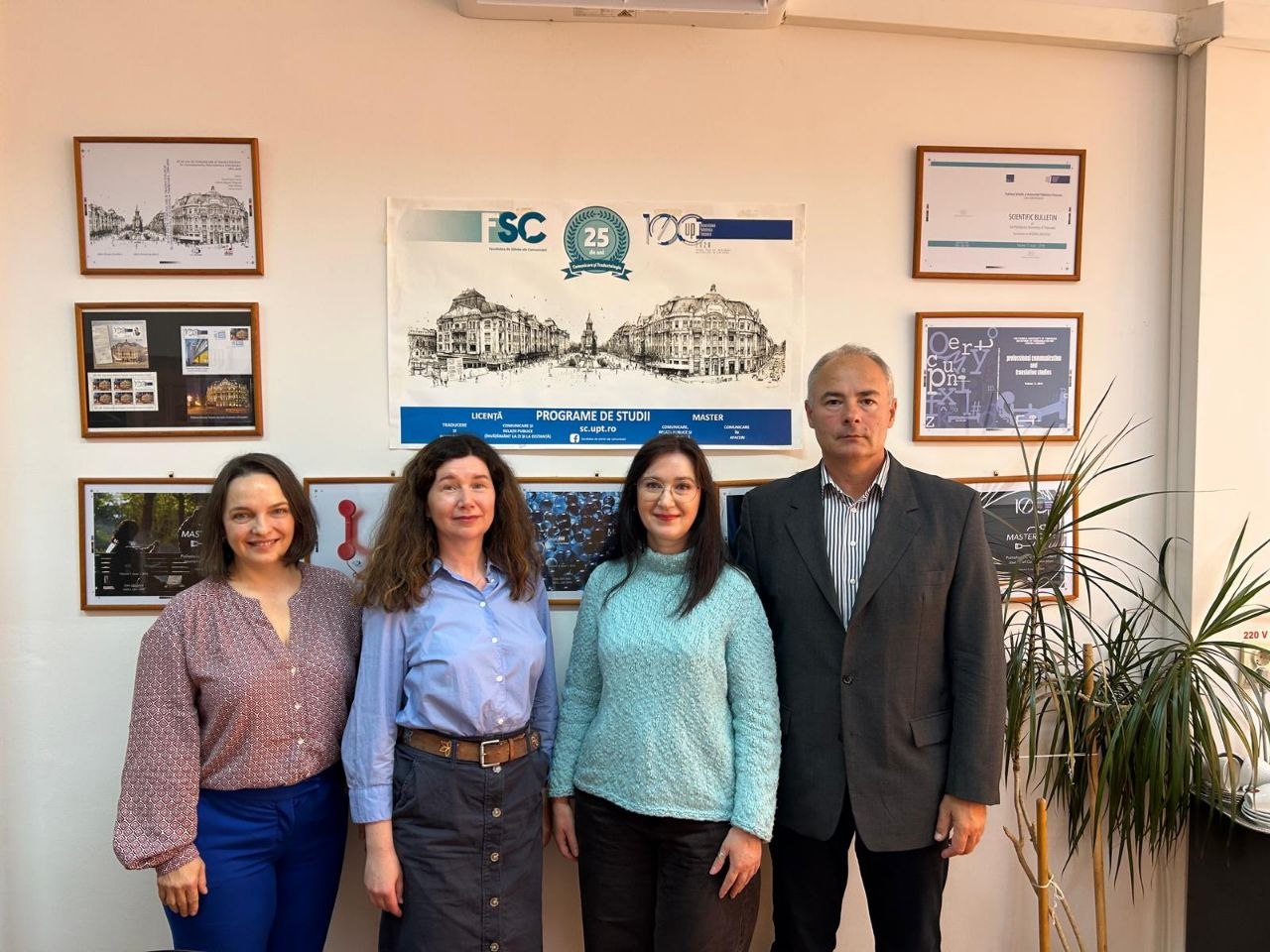
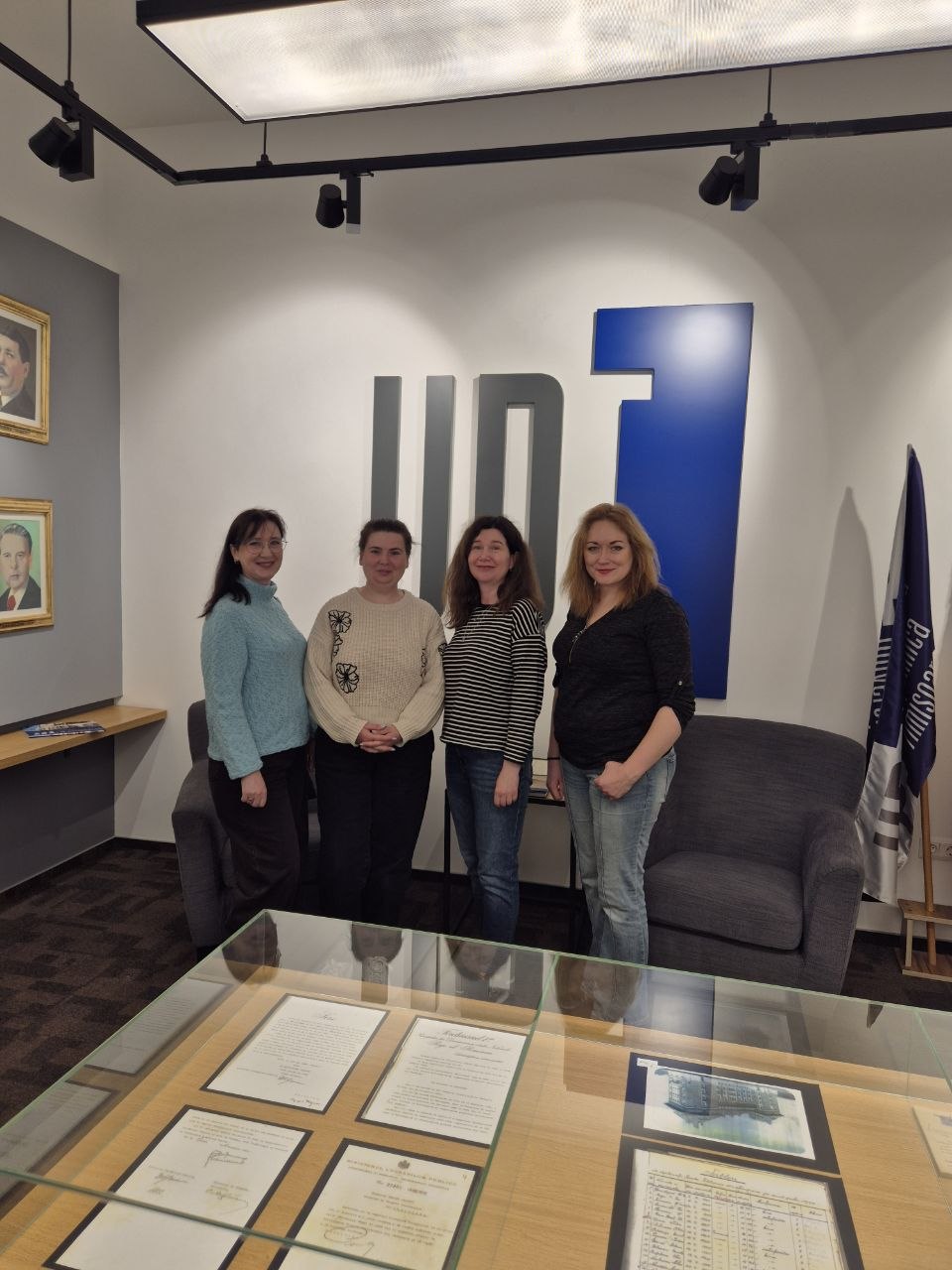
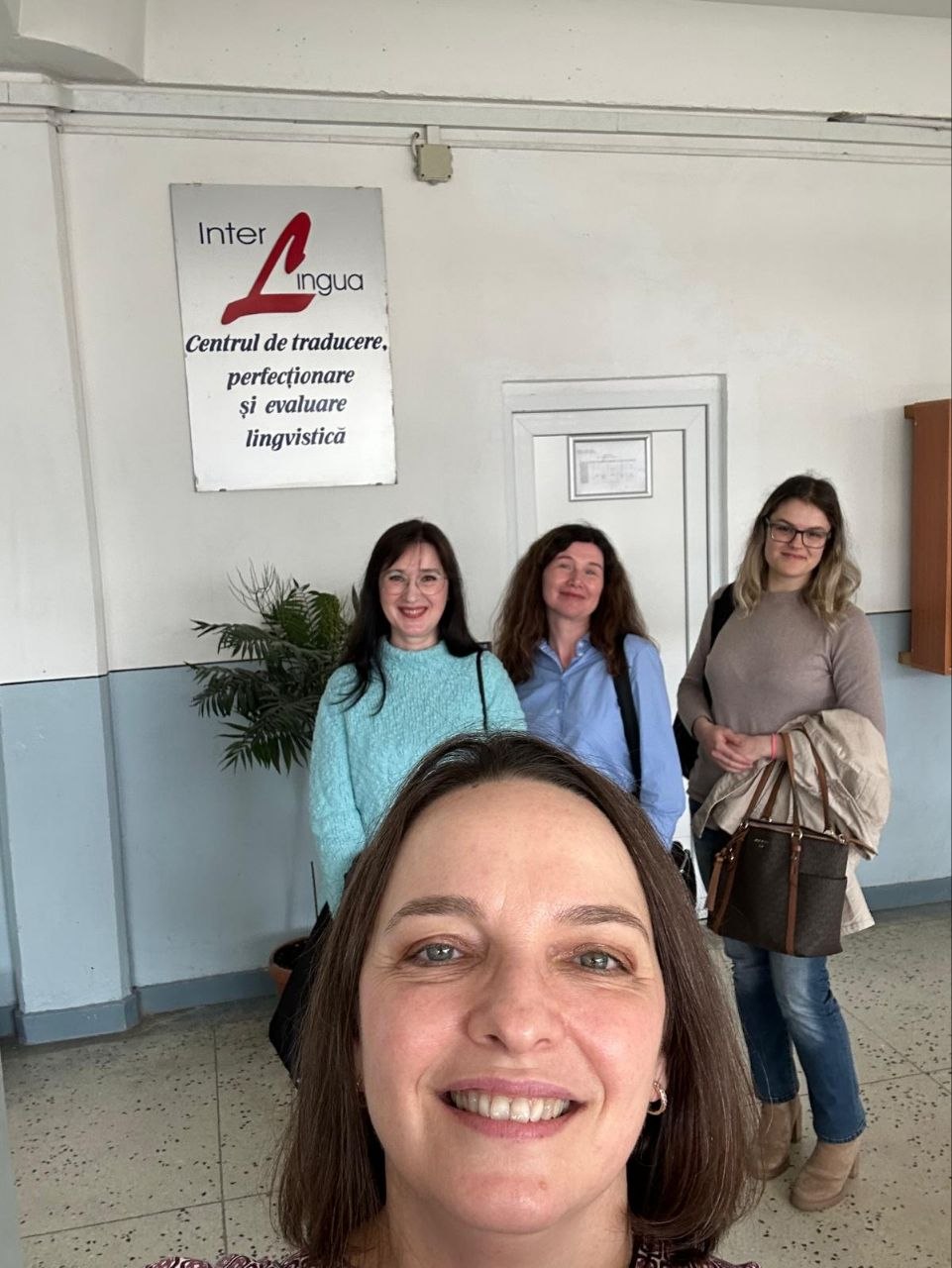
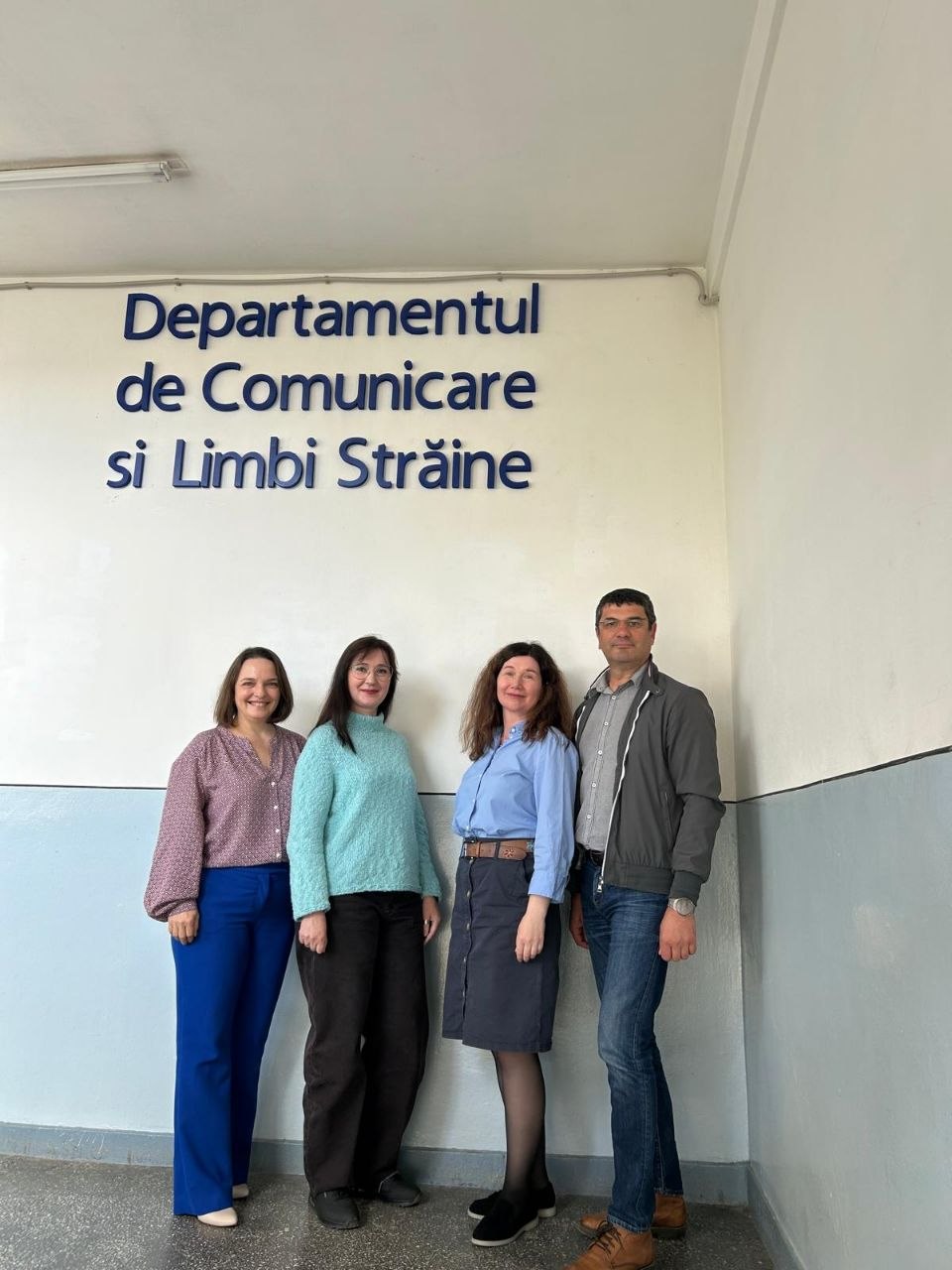
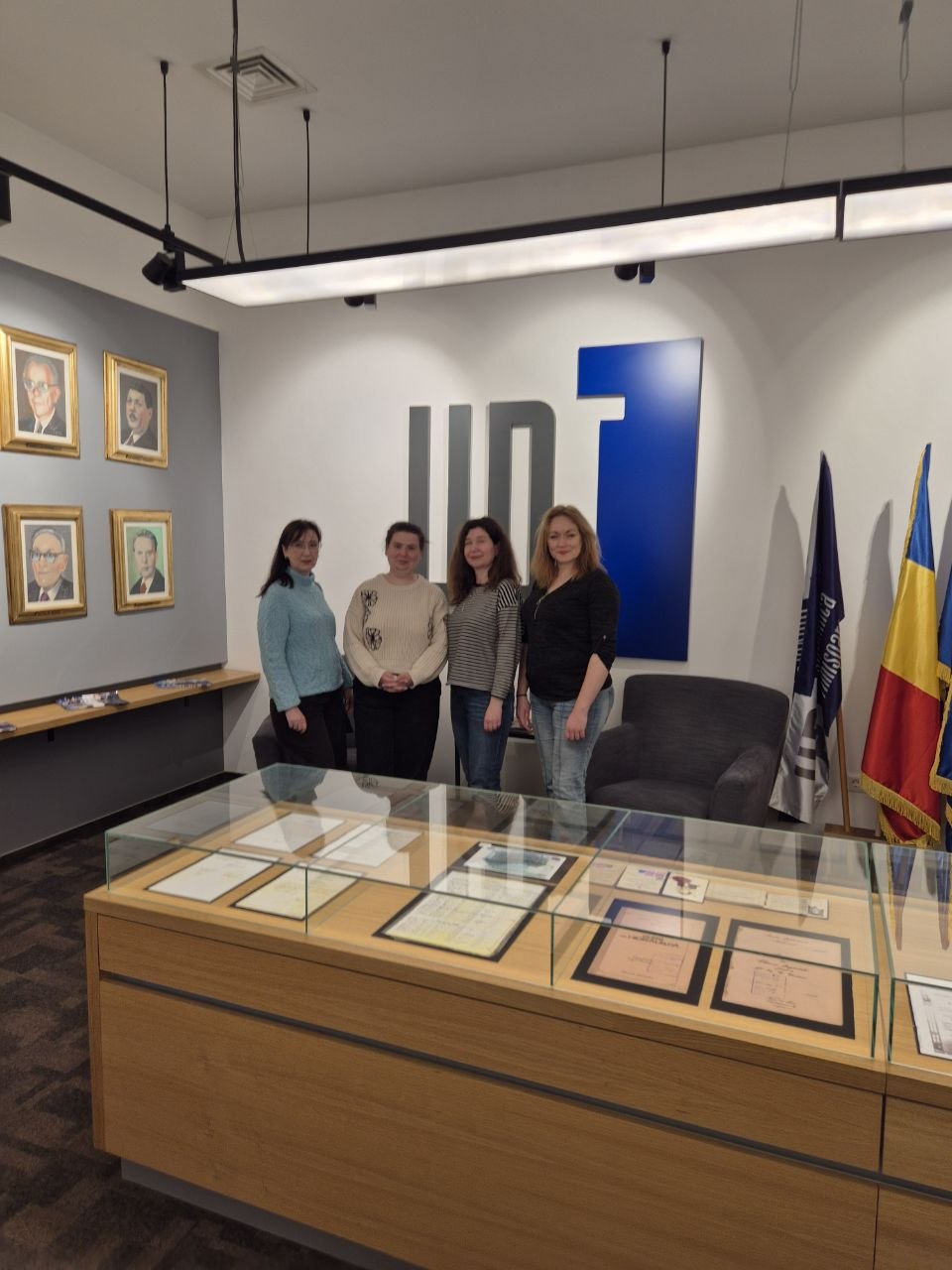
It was in such an innovative environment that Halyna Talovyria, PhD in Pedagogical Sciences, Associate Professor in the Department of General Linguistics and Foreign Languages, implemented her professional program by delivering a series of lectures for second-year students in the “Communications and Public Relations” speciality. The classes covered key aspects of modern PR communication, from the architecture of an effective message and stylistic variability to the methodology for writing professional press releases. Special attention was paid to strategies for press secretaries’ interactions with the public during corporate crises.
The lectures resonated deeply with the audience, sparking profound discussions and an intensive exchange of experience. This interaction allowed for a professional analysis of the educational methodologies of both countries. Considering the level of training and linguistic competence, it is worth emphasising that students of Poltava Polytechnic demonstrate results that fully comply with European standards. This provides solid grounds to assert that our university is a worthy and competitive platform for higher education on par with leading European universities.
It should be emphasised that this visit was a logical continuation of a successful partnership, as it was Halyna Talovyria’s second professional mission to the Politehnica University of Timișoara. The beginning of this fruitful cooperation was laid in May 2024, when the researcher participated in the II Erasmus+ International Staff Week “Synergies in Academia: Cultivating Alliances, Embracing Interculturality and Promoting Sustainability”. The experience gained from studying stress management techniques and the first lectures for Romanian translation students formed the foundation for further deepening of academic ties between our universities.
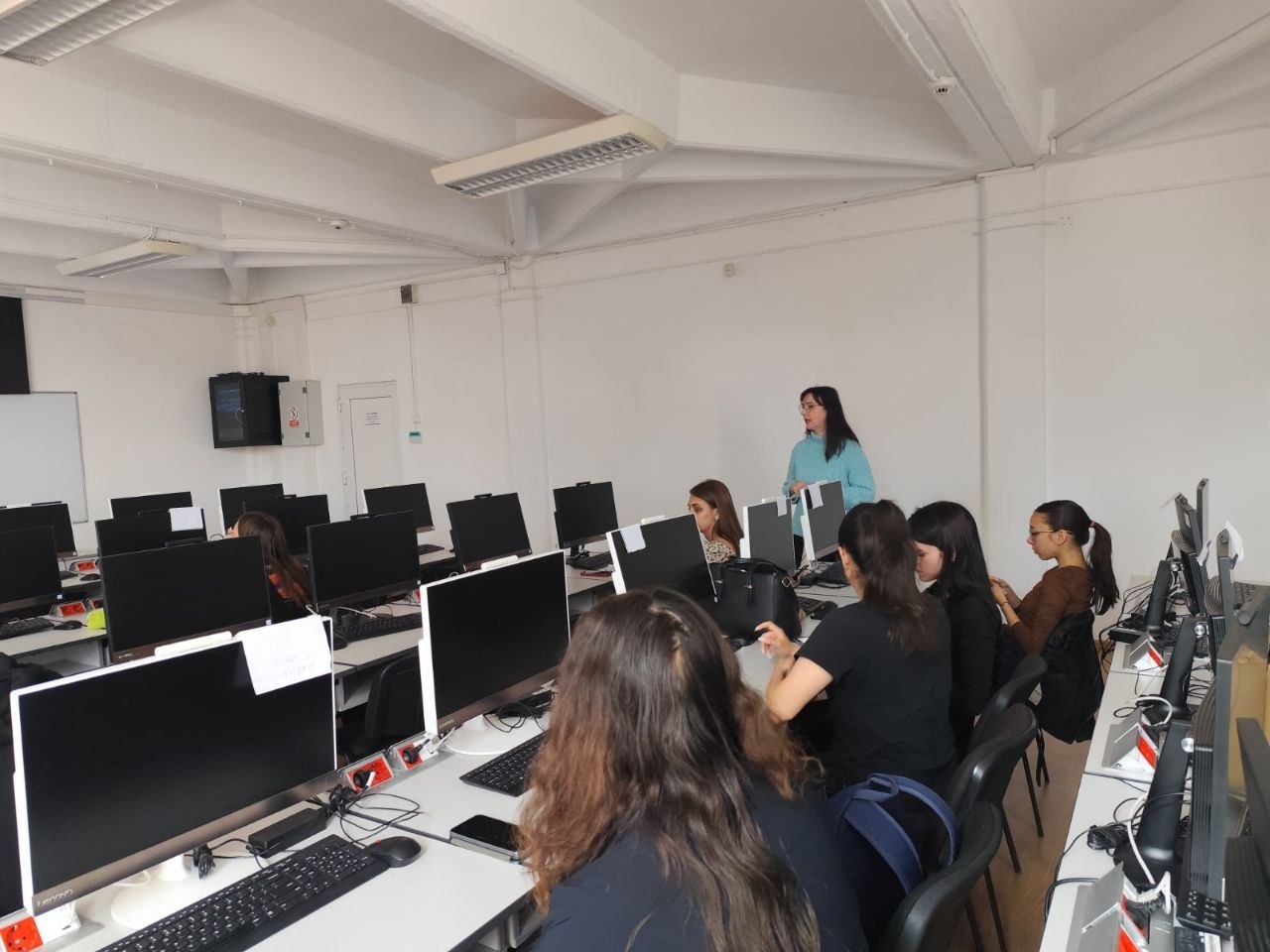
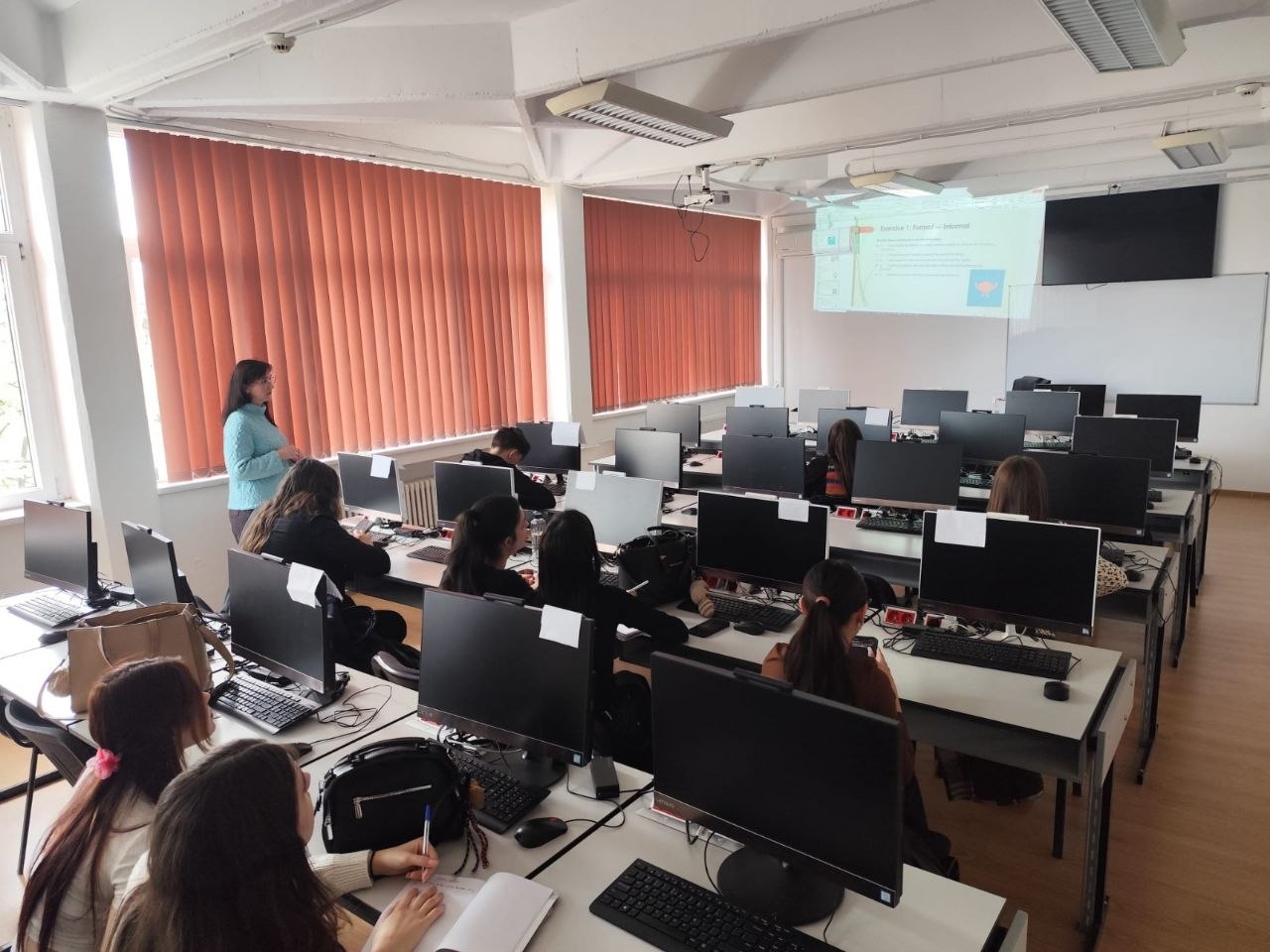
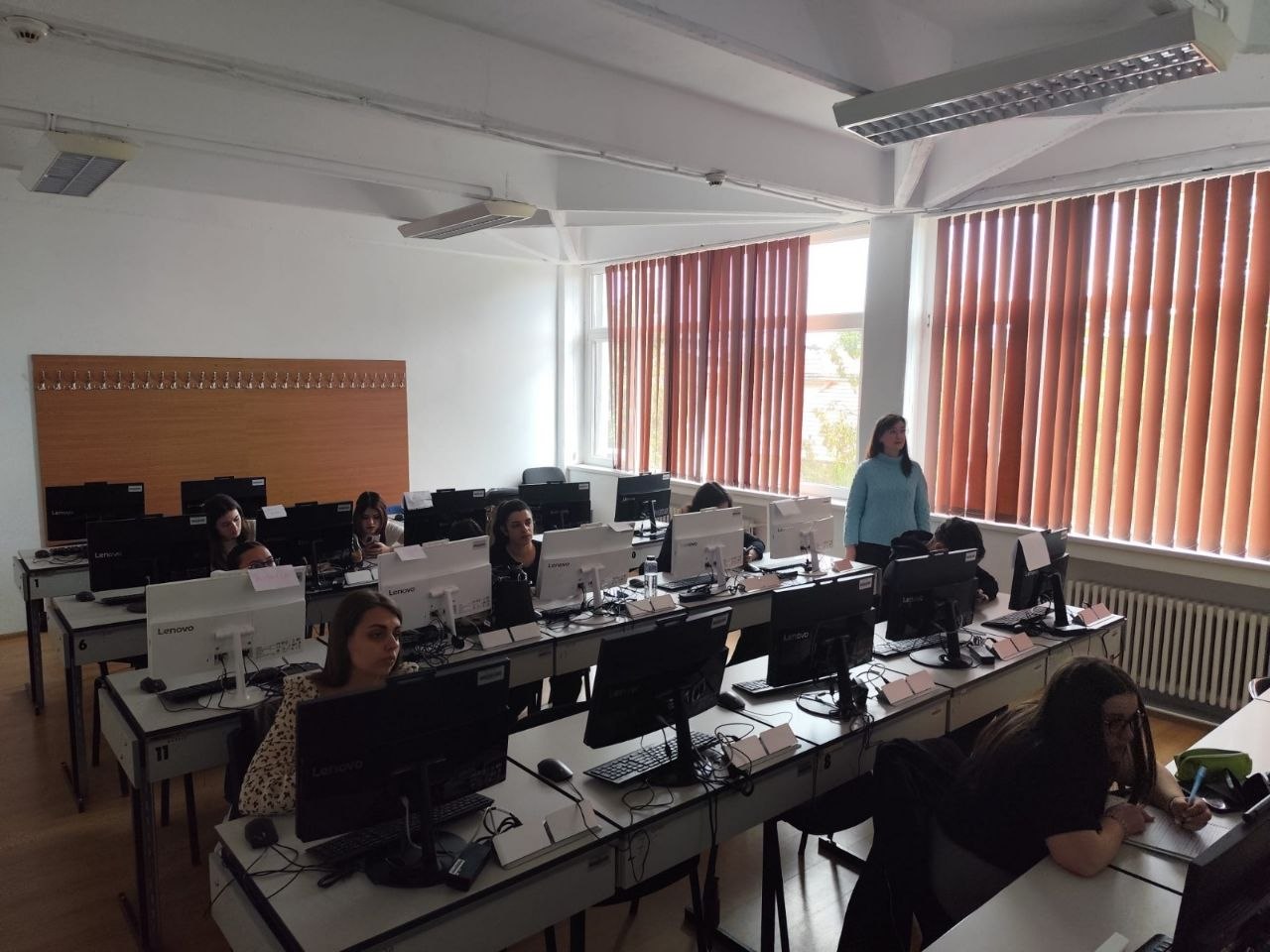
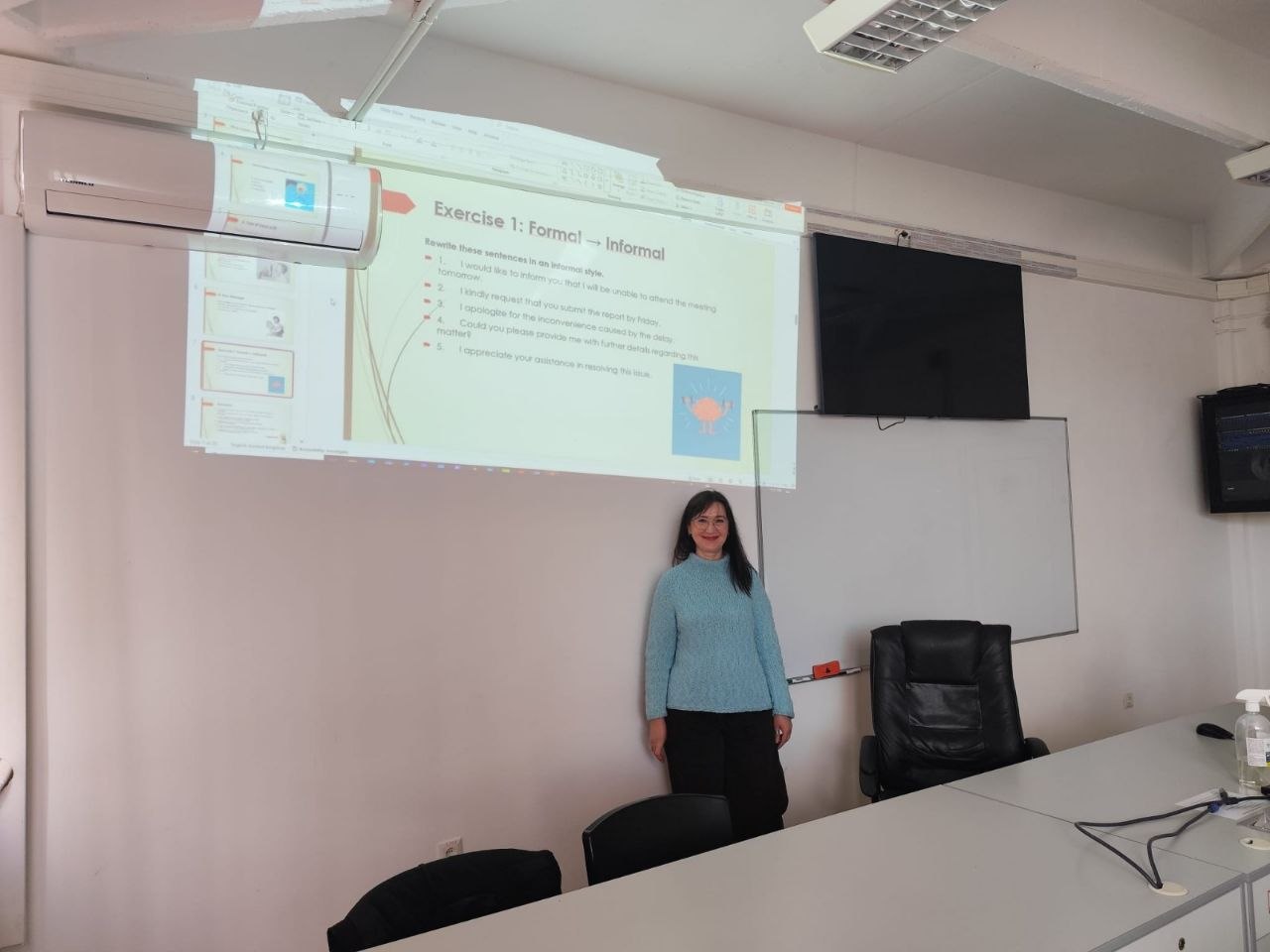
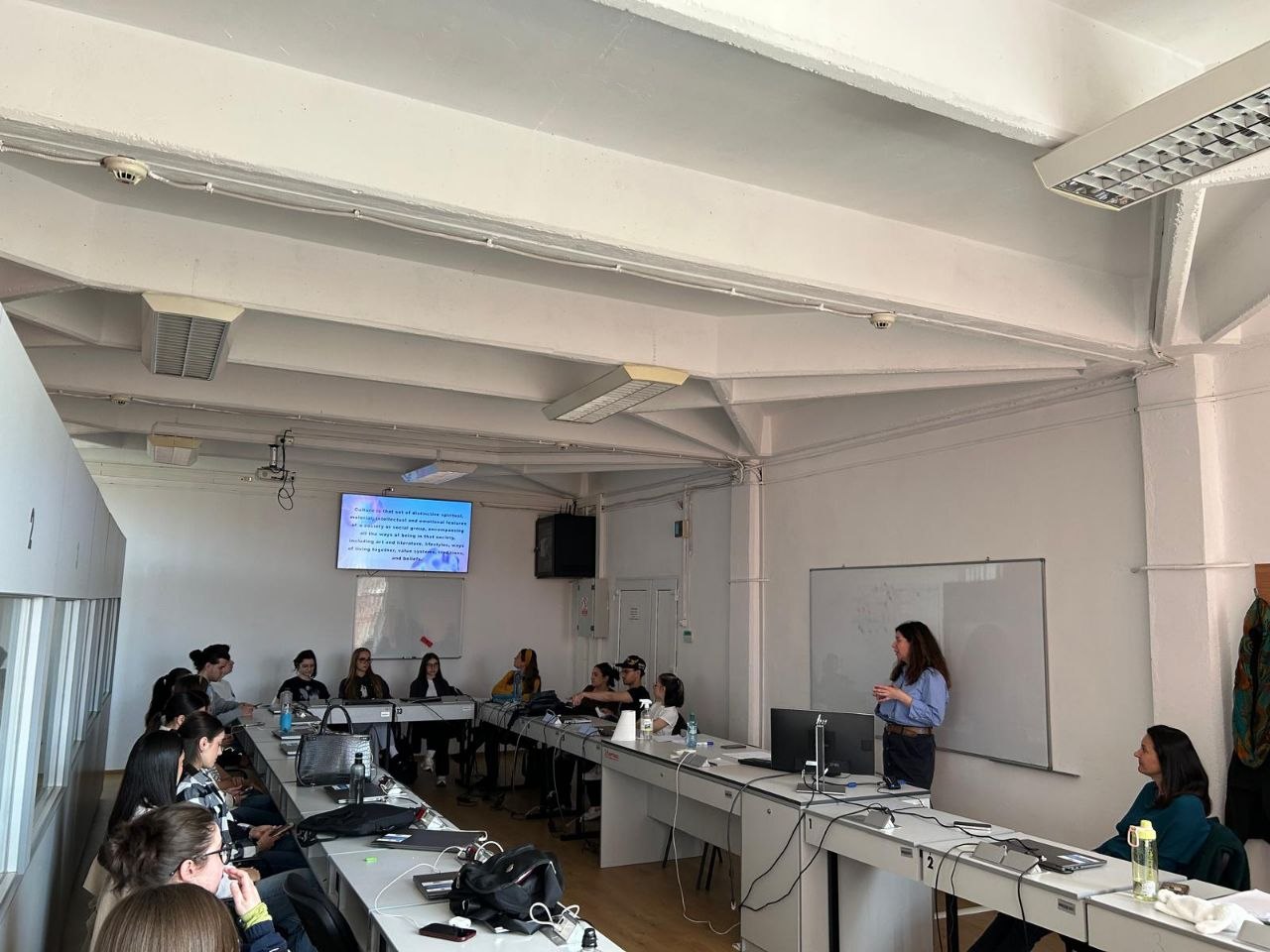
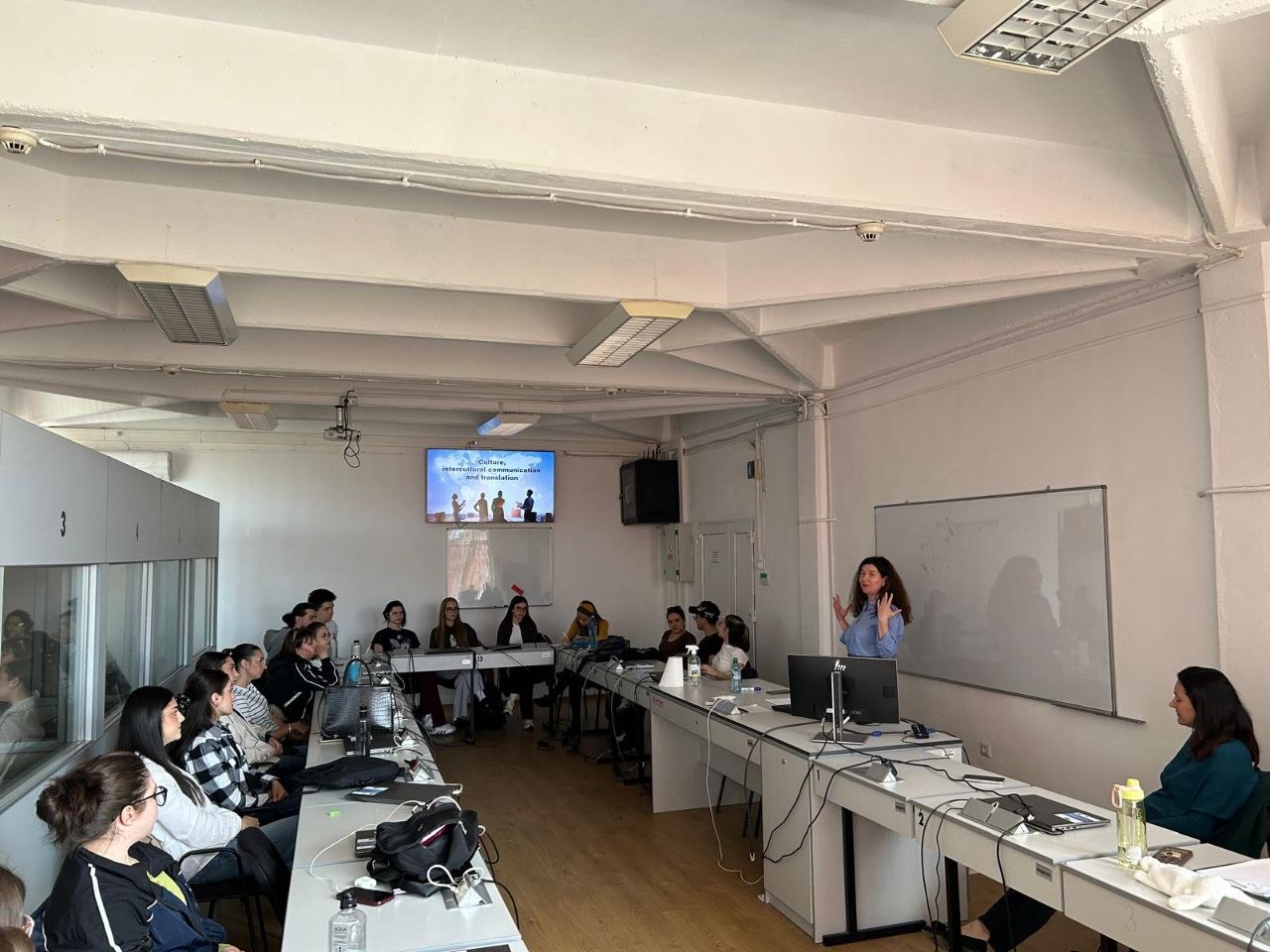
Yuliia Nikolaienko, PhD in Pedagogical Sciences, Associate Professor in the Department of Germanic Philology and Translation, delivered lectures to second-year bachelor students majoring in “Translation and Interpreting”. During the discussion of the topic “Culture, Intercultural Communication and Translation”, the interrelationships among language, communication, culture, and translation were explored; approaches to defining the concepts of “culture” and “intercultural communication” were examined; and Ukrainian and Romanian cultures were compared. The lecturer introduced the students to the most common translation strategies for conveying cultural context using the example of translating Ukrainian cultural realia into English. Students were also invited to translate Romanian cultural realia into English and justify the choice of the appropriate translation strategy.
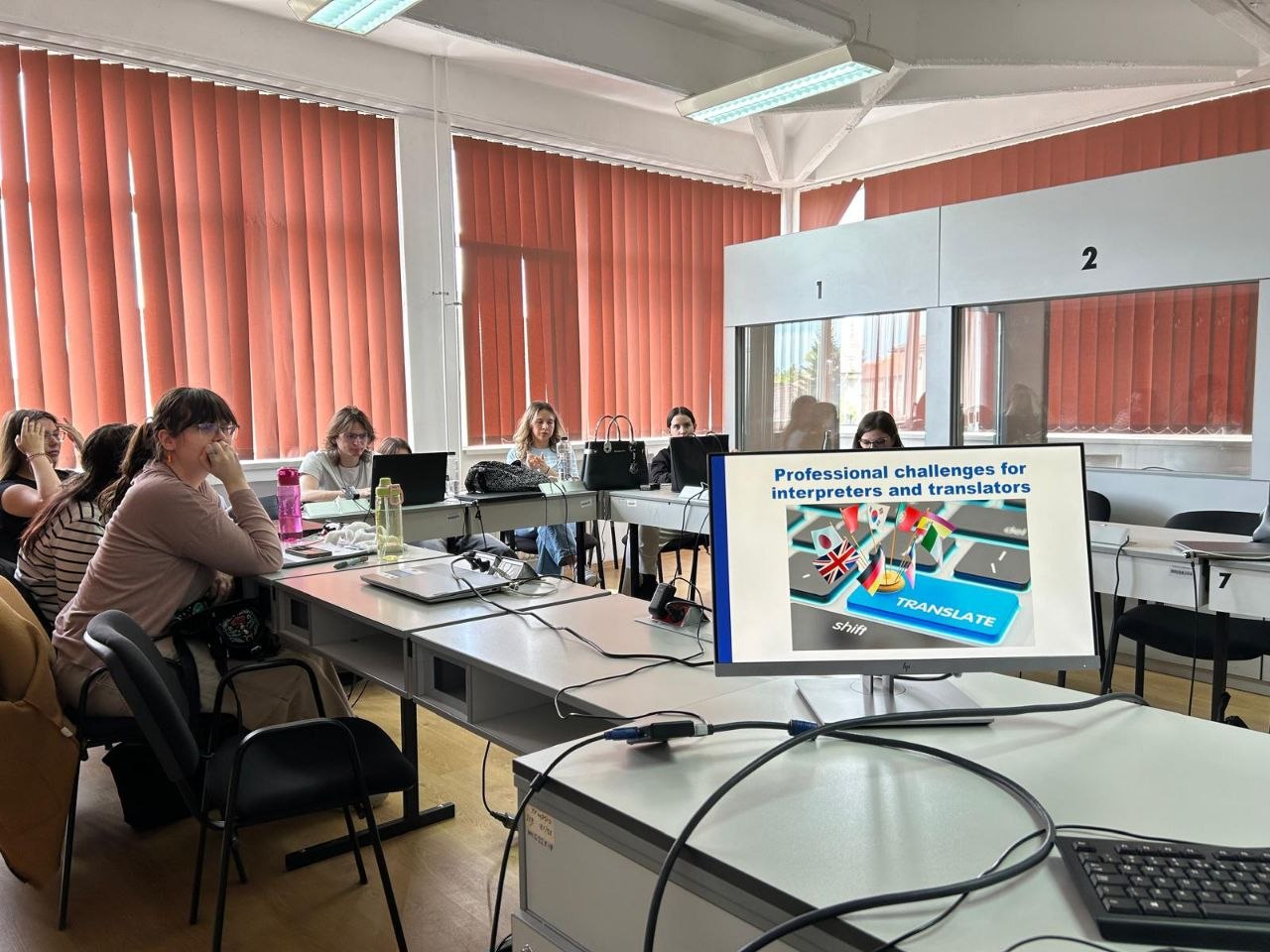
The topic “Professional challenges for translators and interpreters” resonated with the students, who joined the discussion on multitasking, the impact of digital technologies and AI, market competition, and the need for constant professional development. The lecturer introduced students to basic self-regulation techniques for stressful situations during translation activities and to time-management techniques to increase efficiency in studies and their future profession. The issue of balancing professional distance and emotional involvement was considered during group work, using real cases involving a translator as examples.
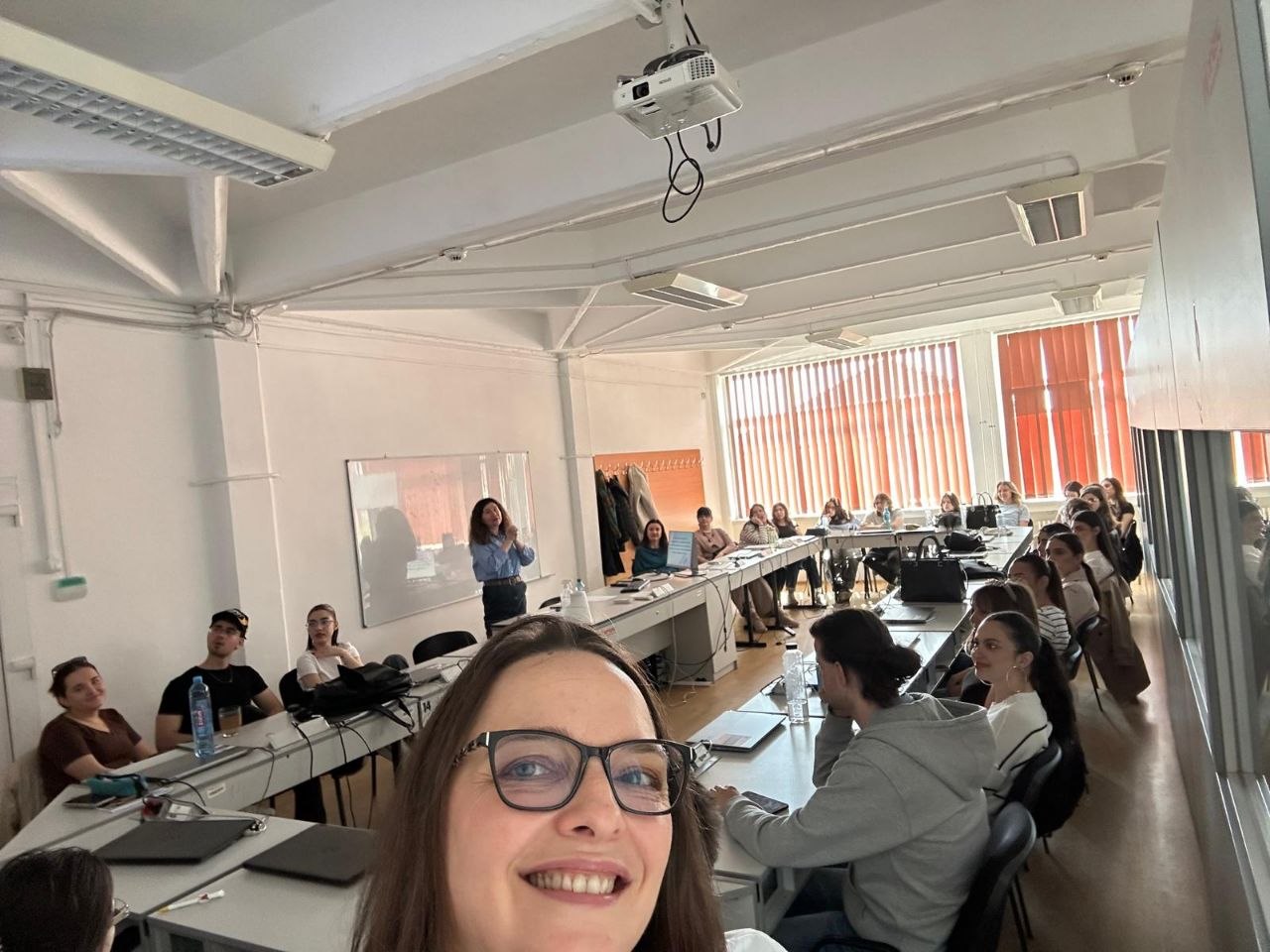
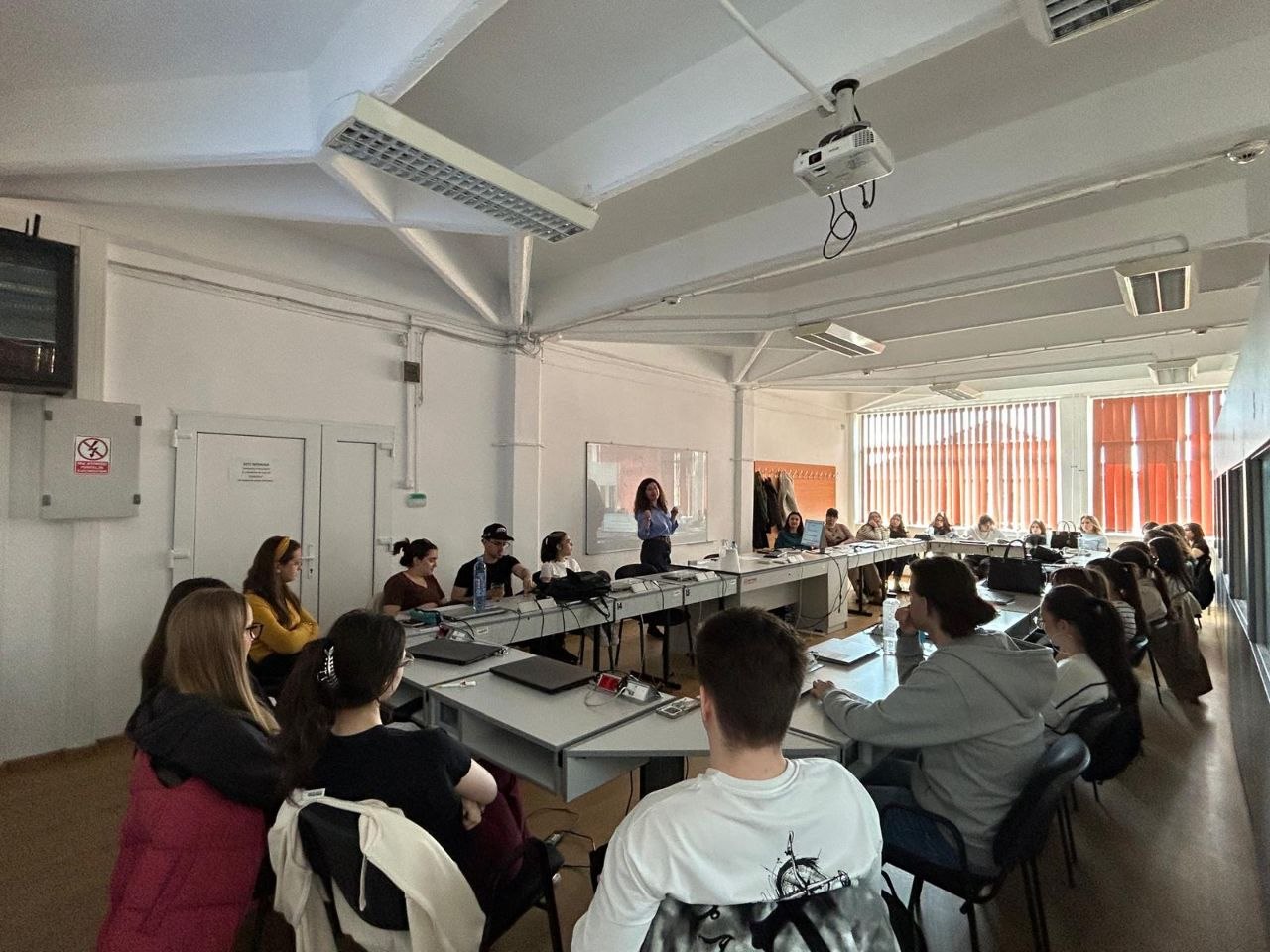
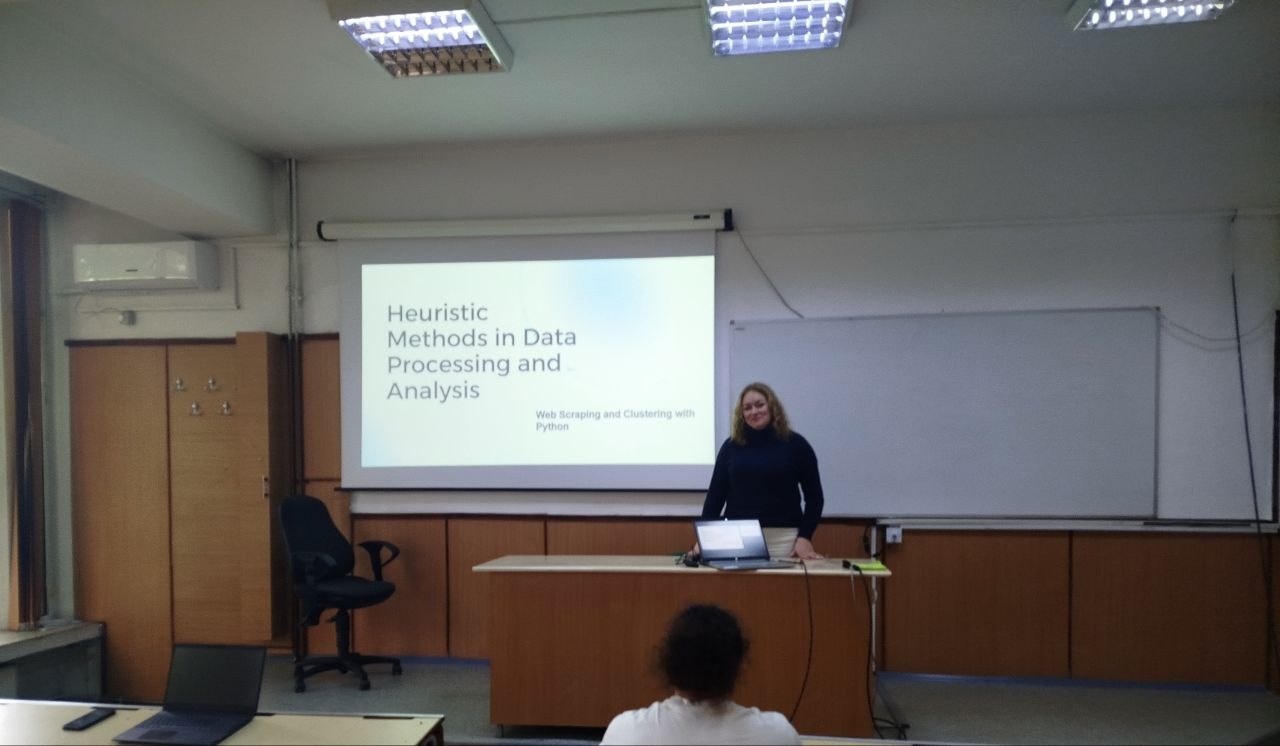
Within the academic mobility program, Kseniia Verhal, PhD in Economics, Associate Professor in the Department of Computer and Information Technologies and Systems, and Deputy Director of the Educational and Scientific Institute of Information Technologies and Robotics, delivered lectures and practical classes for first-year students in the “Software Engineering” master’s program. Teaching was conducted within the discipline “Heuristic Methods”, aimed at developing a modern approach to data processing and analysis using heuristic algorithms. The lecture series was devoted to the topic “Heuristic Methods in Data Processing and Analysis”, which examined approaches to decision-making under uncertainty and the role of heuristic methods in data analysis tasks. The practical part of the course covered the topic “Web Scraping and Clustering with Python”. Students became familiar with tools for collecting data from web resources, methods for pre-processing the data, and the application of clustering algorithms to identify structures and patterns in data. Special attention was paid to the practical use of Python for implementing the corresponding tasks.
During the lectures, students of Politehnica University of Timișoara demonstrated a high level of training, interest in intercultural communication, and active participation in discussions. It is worth noting that the atmosphere of openness, academic freedom, and interdisciplinarity creates a favourable environment for the formation of a modern specialist in communication and translation. Academic mobility in such an environment is not only an exchange of experience but also an opportunity to rethink one's own approaches to teaching, integrate European practices into the educational process, and initiate new formats of cooperation.
In addition to teaching activities, the delegation had the opportunity to hold a series of working meetings with the faculty of Politehnica University of Timișoara, in particular with the Dean of the Faculty of Communication Sciences, Professor Daniel Dejica; the Vice-Dean, Professor Simona Șimon; and the Head of the Department of Communication and Foreign Languages, Professor Vasile Gherheș.
During the negotiations, prospects for expanding academic cooperation were discussed, particularly in joint scientific research, participation in international projects, and further student and teacher exchange programs. Based on the results of the visit, the parties agreed to continue scientific cooperation and to implement new joint initiatives, including the participation of Romanian colleagues in the annual international scientific and practical conference “Innovative Technologies in the Context of Foreign Language Training of a Specialist”.
Participation in the teaching mobility program was an important step in the professional development of the lecturers, contributing to their pedagogical skills, expanding their international contacts, and integrating them into the global academic community.
“We express our sincere gratitude to the leadership of the National University “Yuri Kondratyuk Poltava Polytechnic” for the opportunity to participate in international exchanges. The university’s support is an important factor in the development of teaching potential, improving the quality of education, and building effective international cooperation!” – says Yuliia Nikolaienko.
“The development of international academic mobility is one of the priority vectors of our university’s strategy. The visit to Politehnica University of Timișoara is not only another successful project but also a confirmation that Poltava Polytechnic is synchronised with the European educational space. Each such trip lays the foundation for long-term partnership, joint scientific discoveries, and the introduction of innovative teaching standards. We are proud of our teachers who represent the university with distinction on the international arena, proving that the quality of Ukrainian education meets the highest international standards”, – notes the university’s International Relations Coordinator, PhD in Philology, Associate Professor of the Department of Germanic Philology and Translation, Anna Pavelieva.
As a reminder, teachers of Poltava Polytechnic can participate in academic mobility programs and internships. Students can study abroad under Erasmus+ credit academic mobility grant programs for a semester or an entire academic year at leading universities in Austria, Greenland, Denmark, Estonia, Spain, Lithuania, Latvia, Norway, the Netherlands, Germany, Poland, Portugal, Romania, Slovakia, Finland, and the Czech Republic.
For more detailed information regarding current internship, teaching, and academic mobility programs abroad, please contact the International Relations Department (room 213-C, interoffice@nupp.edu.ua) or the International Relations Coordinator Anna Pavelieva (+3-8-095-91-08-192).