In today's world, technology is advancing at a breathtaking pace. Writing software code solely from textbooks or studying industrial automation circuits purely in theory is not enough to launch confidently into the global high-tech industry. With this in mind, National University “Yuri Kondratyuk Poltava Polytechnic” is systematically expanding its network of international academic partnerships, opening doors for its students to the finest research centres and university laboratories across the European Union.
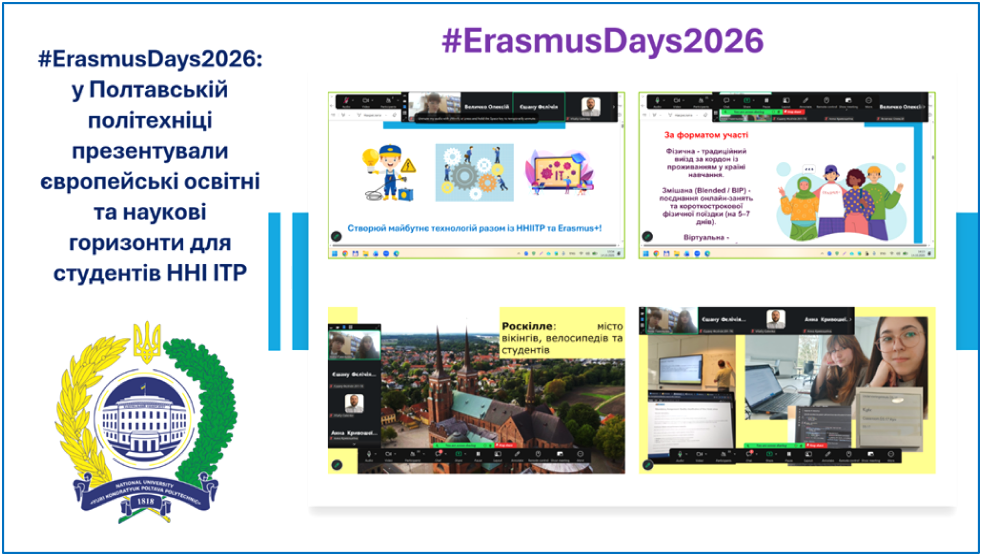
It was for this purpose that on October 14, 2026, the Educational and Research Institute of Information Technologies and Robotics (ERI ITR) organised an open meeting titled “Innovations, Code, and Technologies: Studying and Internships in Europe with Erasmus+”, dedicated to the global #ErasmusDays2026 campaign.
Although the event was scheduled for Lecture Hall 214-L, an air raid alert moved the meeting online, where it proceeded as an open dialogue. This forced change in format highlighted the adaptability of the university community, showing that digital technologies dissolve barriers while Ukrainian youth's dedication to acquiring knowledge and global experience remains unbroken.
The International Relations Coordinator of Poltava Polytechnic, Candidate of Philological Sciences and Associate Professor Anna Pavelieva, moderated and delivered the keynote. She outlined in detail the opportunities provided by the Erasmus+ program for students of the Educational and Research Institute of Information Technologies and Robotics, emphasising that modern technology knows no borders, as source code compiles identically in Poltava, Berlin, or Krakow; however, access to advanced European laboratories grants young specialists an immense professional edge.
The speaker stressed that studying abroad does not lead to expulsion or academic setbacks: students retain their enrollment at Poltava Polytechnic, and all ECTS credits and grades earned abroad are officially recognised and transferred according to an individual study plan. In addition, the program ensures full financial independence by waiving all tuition fees at the host university and providing a non-repayable monthly stipend starting at €1,150, plus reimbursement for travel expenses, which fully covers accommodation, living costs, and travel.
Participants learned about the wide range of available formats – from short-term workshops and Blended Intensive Programmes (BIP) to traditional semester-long credit mobility, double degree programs, and practical internships in international laboratories.
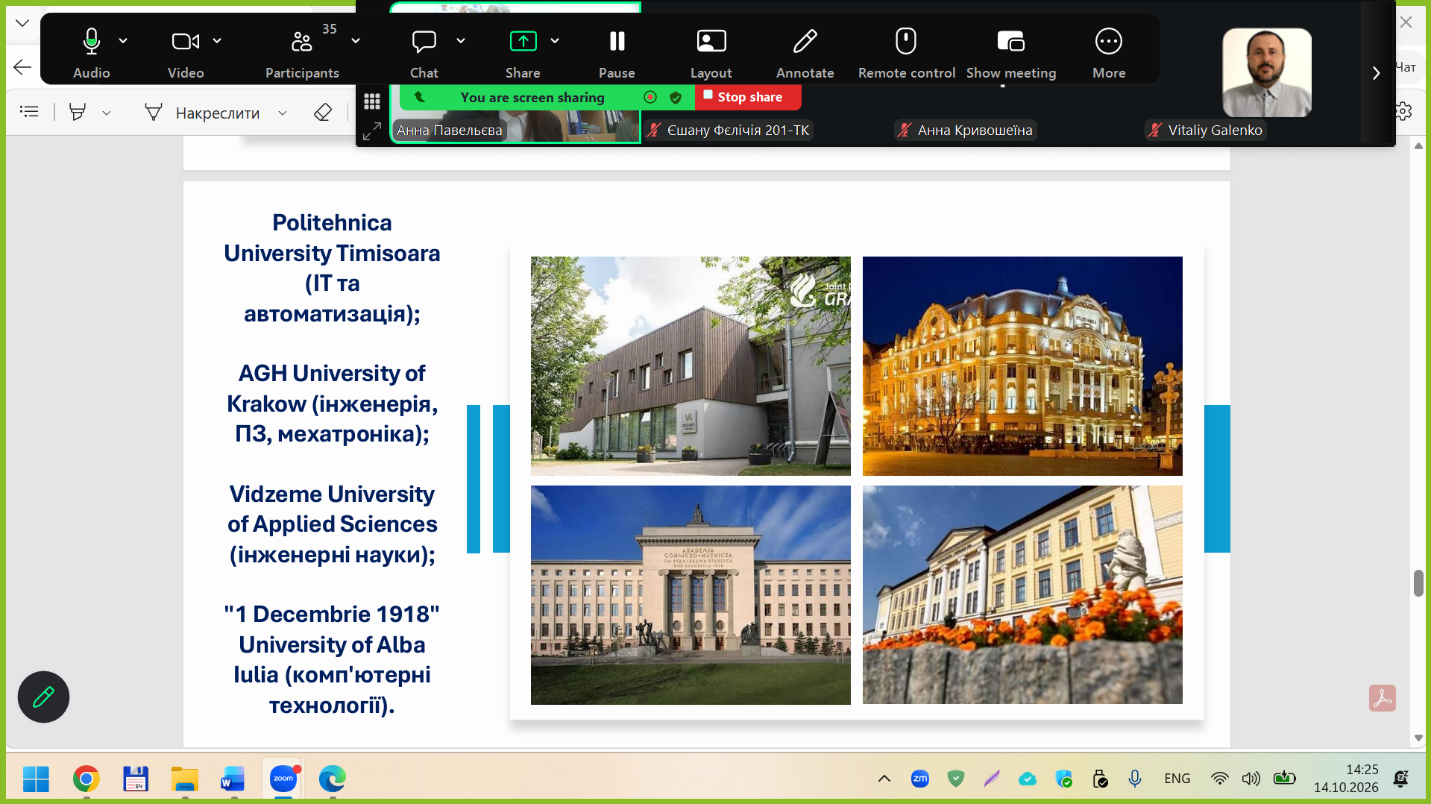
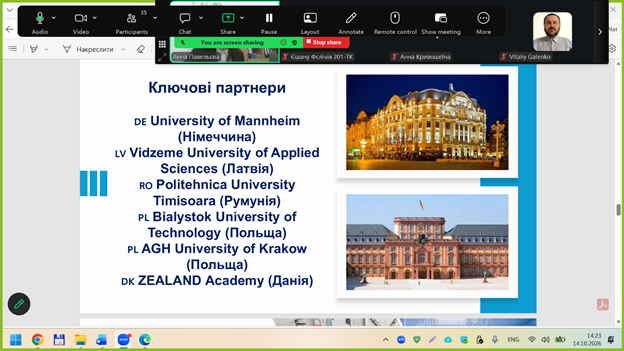
The coordinator presented a detailed overview of the institute's partner network, organised by academic and industry clusters. For specialists in computer science and computer engineering, opportunities are available at the University of Mannheim in Germany, Vidzeme University of Applied Sciences in Latvia, Politehnica University of Timișoara in Romania, Bialystok University of Technology and AGH University of Krakow in Poland, as well as the Danish Zealand Academy of Technologies and Business.
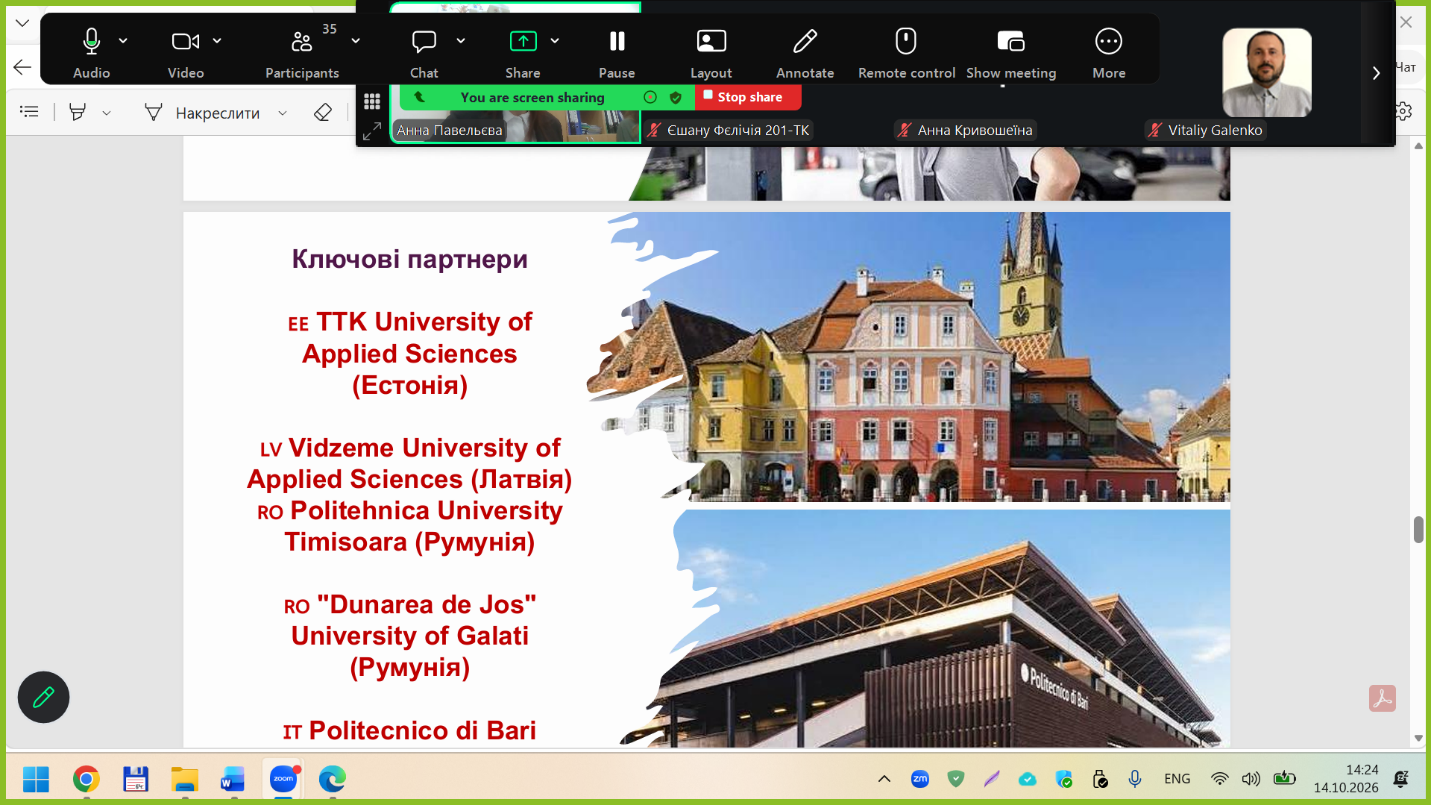
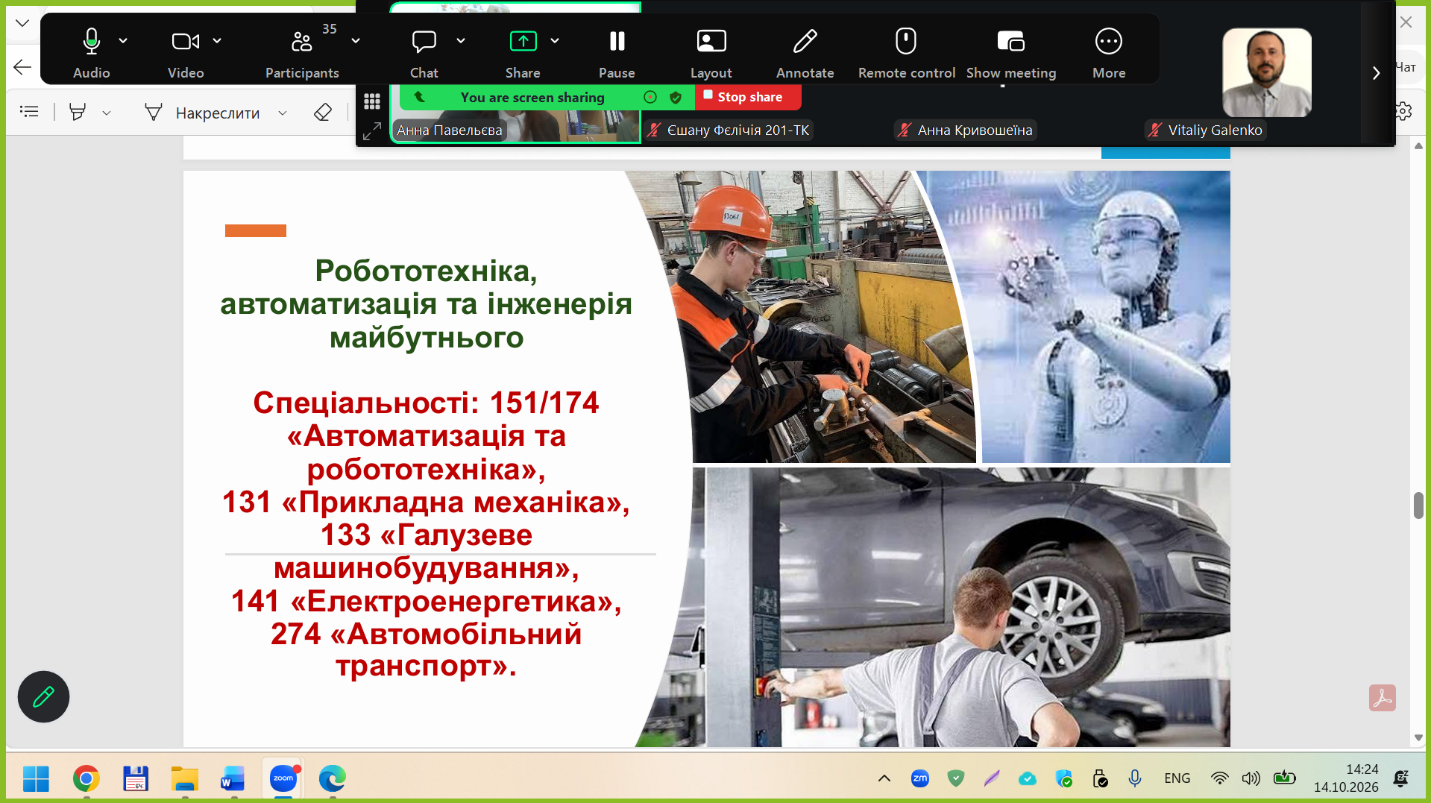
For degree programs in robotics, automation, applied mechanics, mechanical engineering, energy engineering, and transportation, the university has established robust partnerships with TTK University of Applied Sciences in Estonia, the world-renowned Polytechnic University of Bari in Italy, and Dunărea de Jos University of Galați in Romania. The coordinator placed special emphasis on opportunities for doctoral students and early-career researchers to conduct investigations using state-of-the-art European testing equipment, engage in Horizon Europe projects, and prepare papers for high-impact Scopus and Web of Science Quartile 1 journals.
To succeed in the selection process, the coordinator outlined a clear four-step algorithm: proficiency in English at the B1 or B2 level, which an official certificate or internal testing can verify at the polytechnic; successful completion of at least one academic year with a strong grade point average; preparation of an application package comprising a Europass CV, a motivation letter, and an academic transcript; and timely submission of documents to the university's International Relations Department.
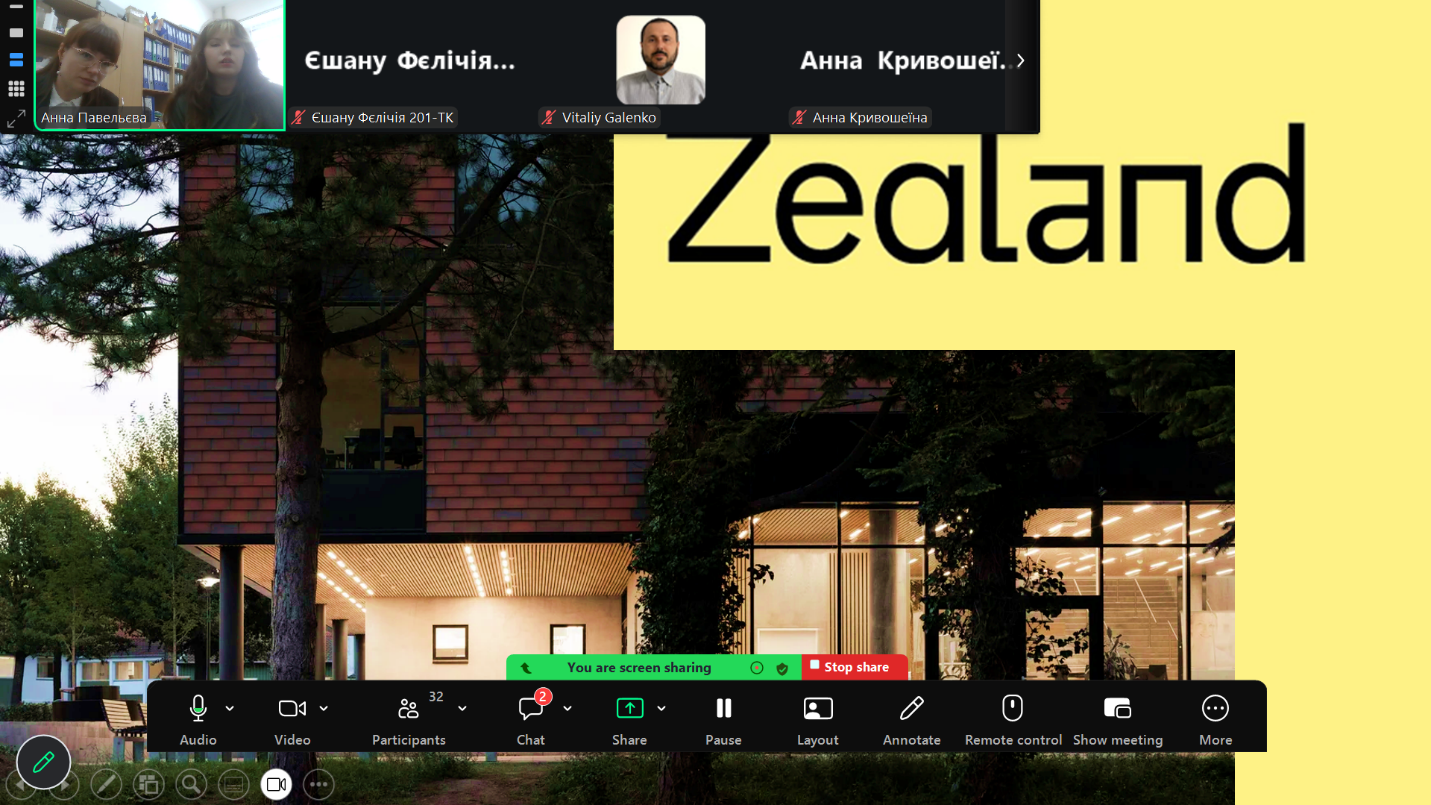
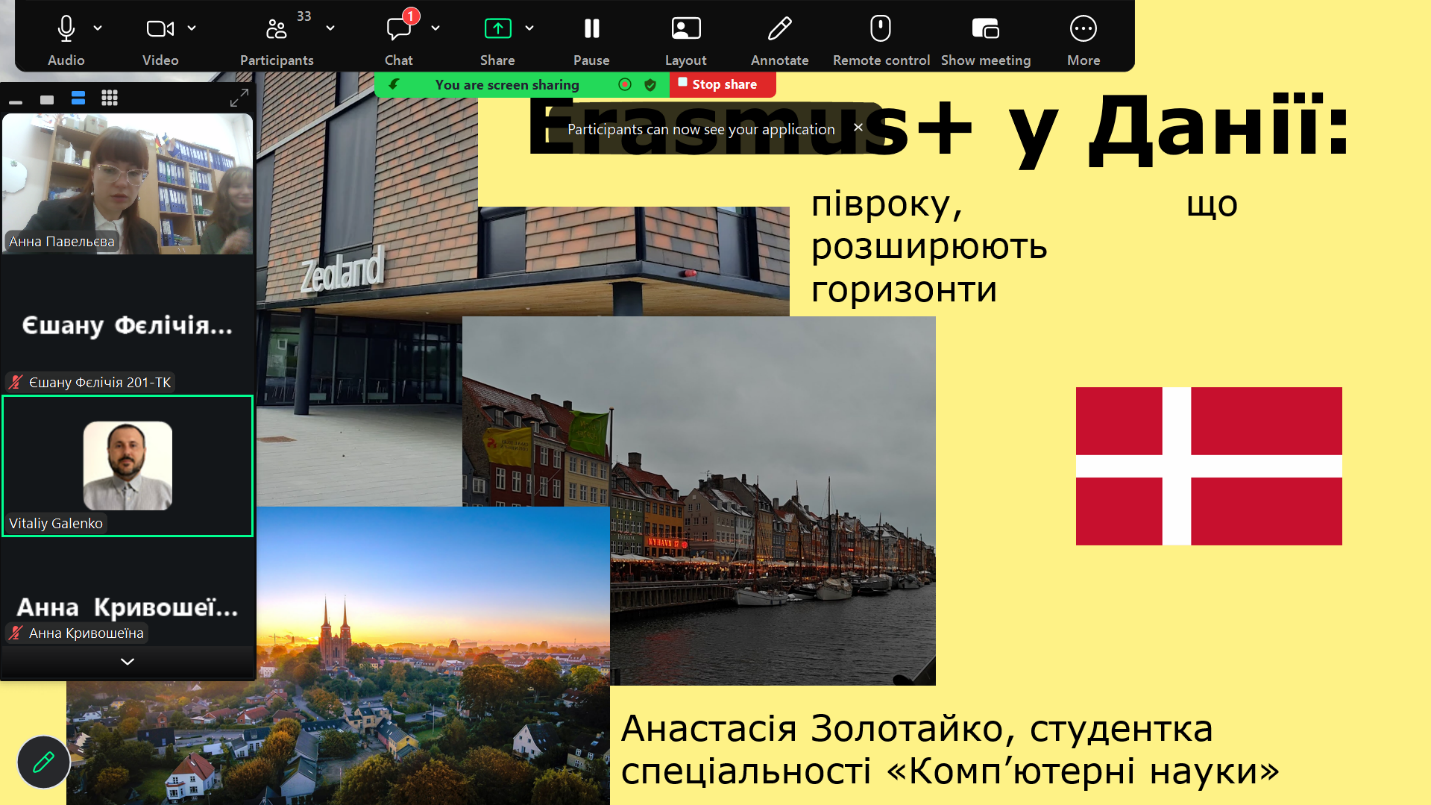
The second part of the event highlighted Anastasiia Zolotayko, a fourth-year Computer Science student, who shared her hands-on experience of a semester abroad in Denmark. She delivered a presentation titled “Erasmus+ in Denmark: Six Months That Expand Horizons”, recounting firsthand her life and studies at the Zealand Academy of Technologies and Business.
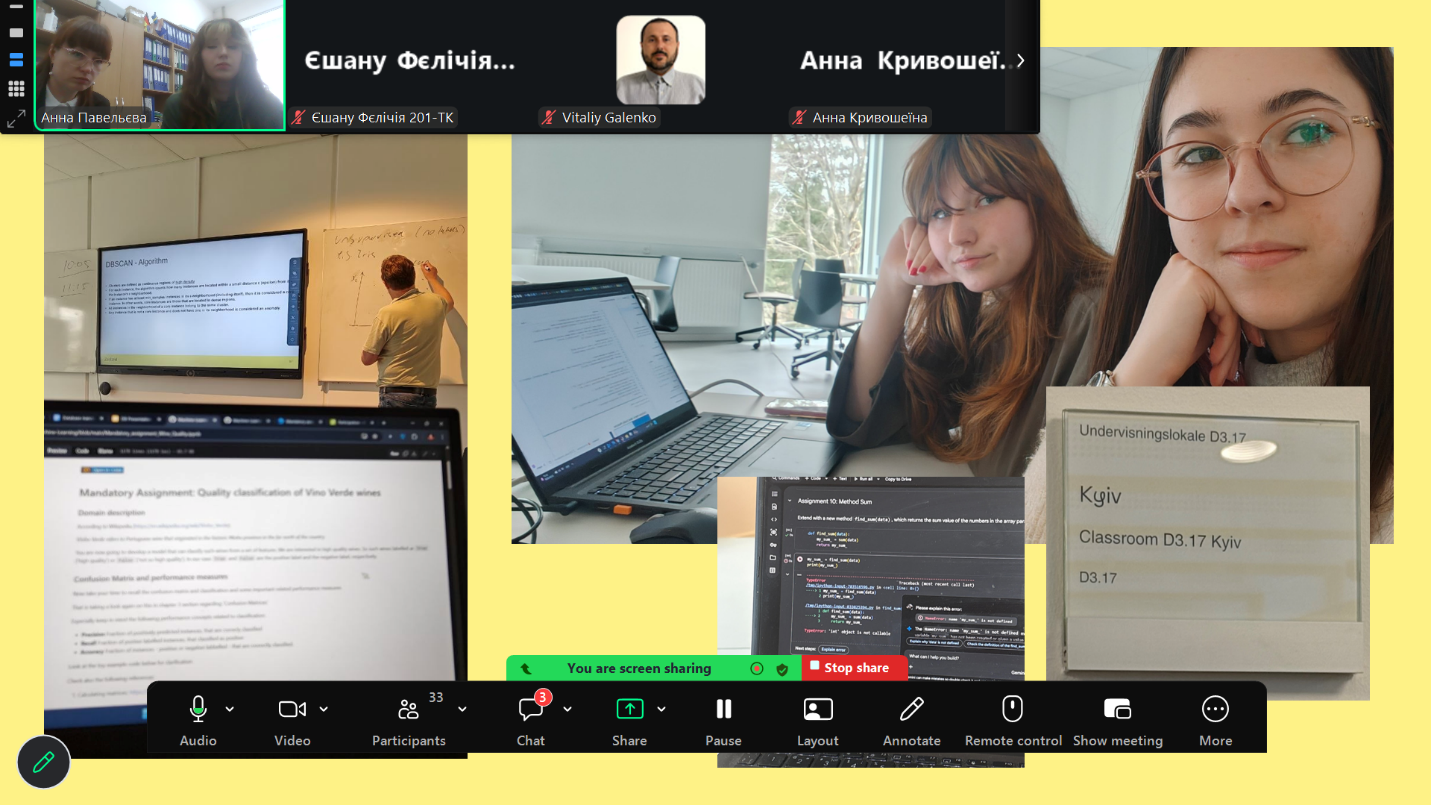
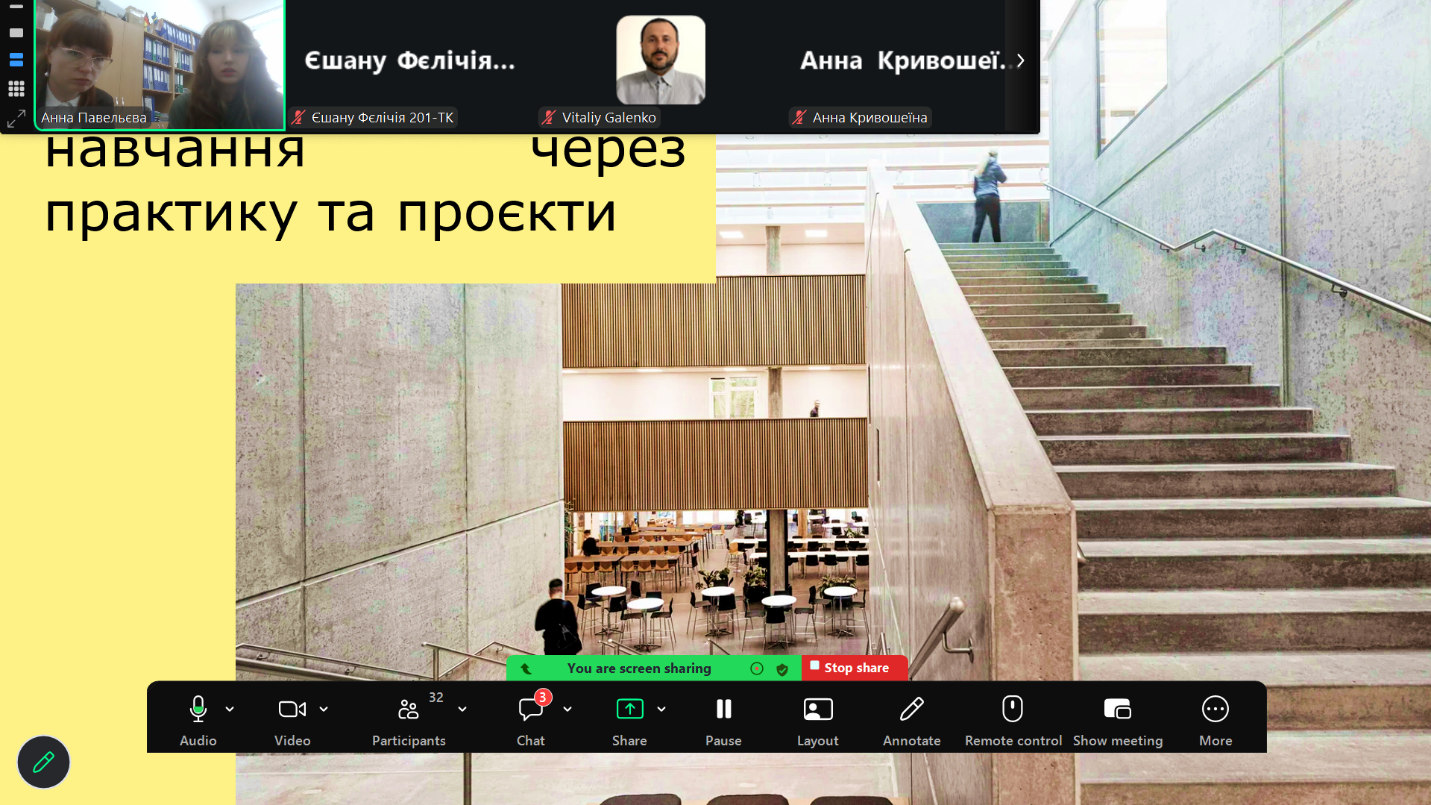
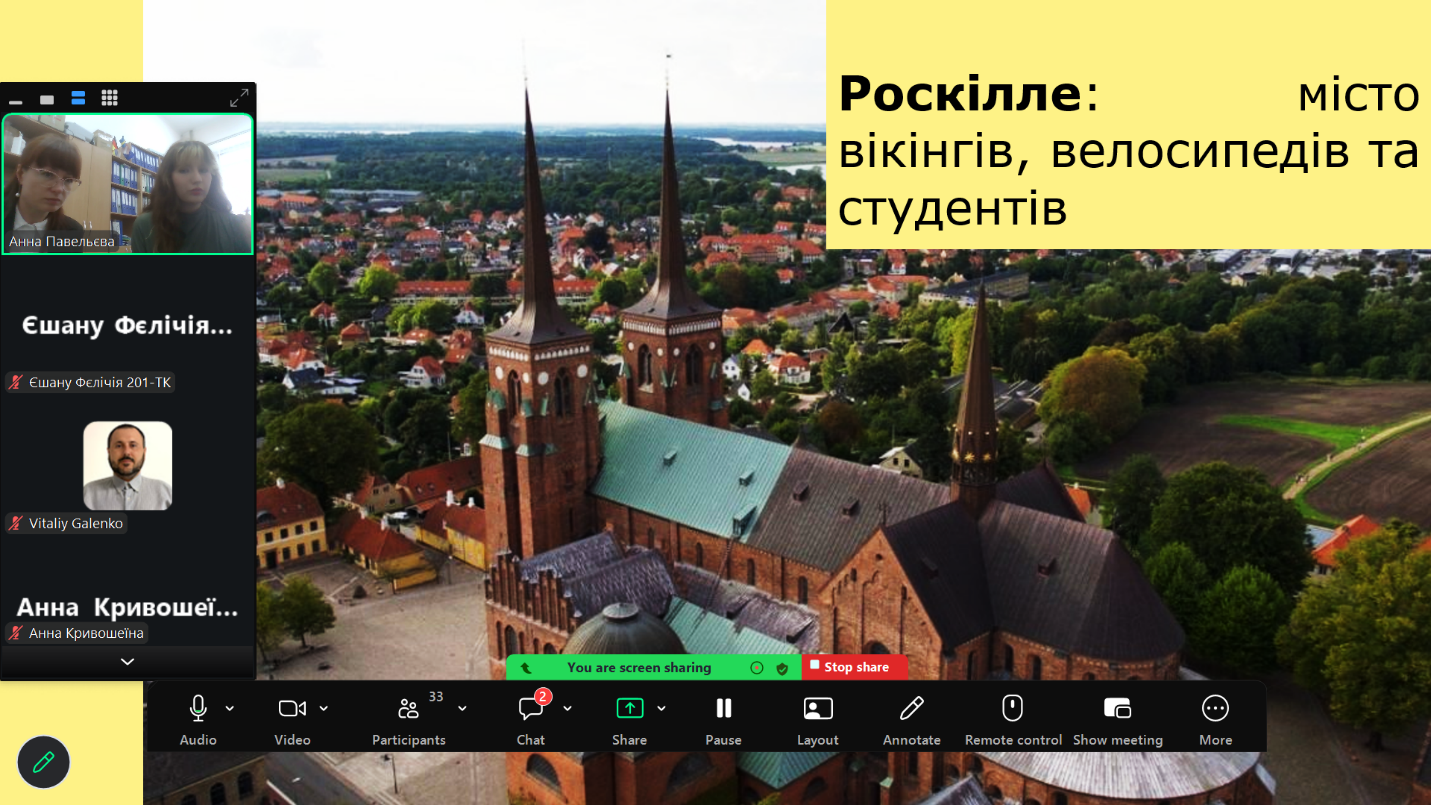
Anastasiia introduced the audience to the historic city of Roskilde, the former Viking capital known for its magnificent cathedral and icy fjords, where cycling culture and cosy Scandinavian “hygge” thrive. She showcased the academy's modern campus, featuring minimalist architecture, spacious study areas, and a symbolic lecture hall proudly named “Kyiv”.
Reflecting on the academic process, the student noted that Danish higher education is entirely focused on practical application and collegial collaboration between faculty and students. In the artificial intelligence and machine learning course, students did not memorise abstract theory; instead, they tackled applied challenges: developing Python code in Google Colab, training models, exploring clustering algorithms such as DBSCAN, and classifying real-world datasets, all while instructors served as attentive mentors, always available to assist with code debugging.
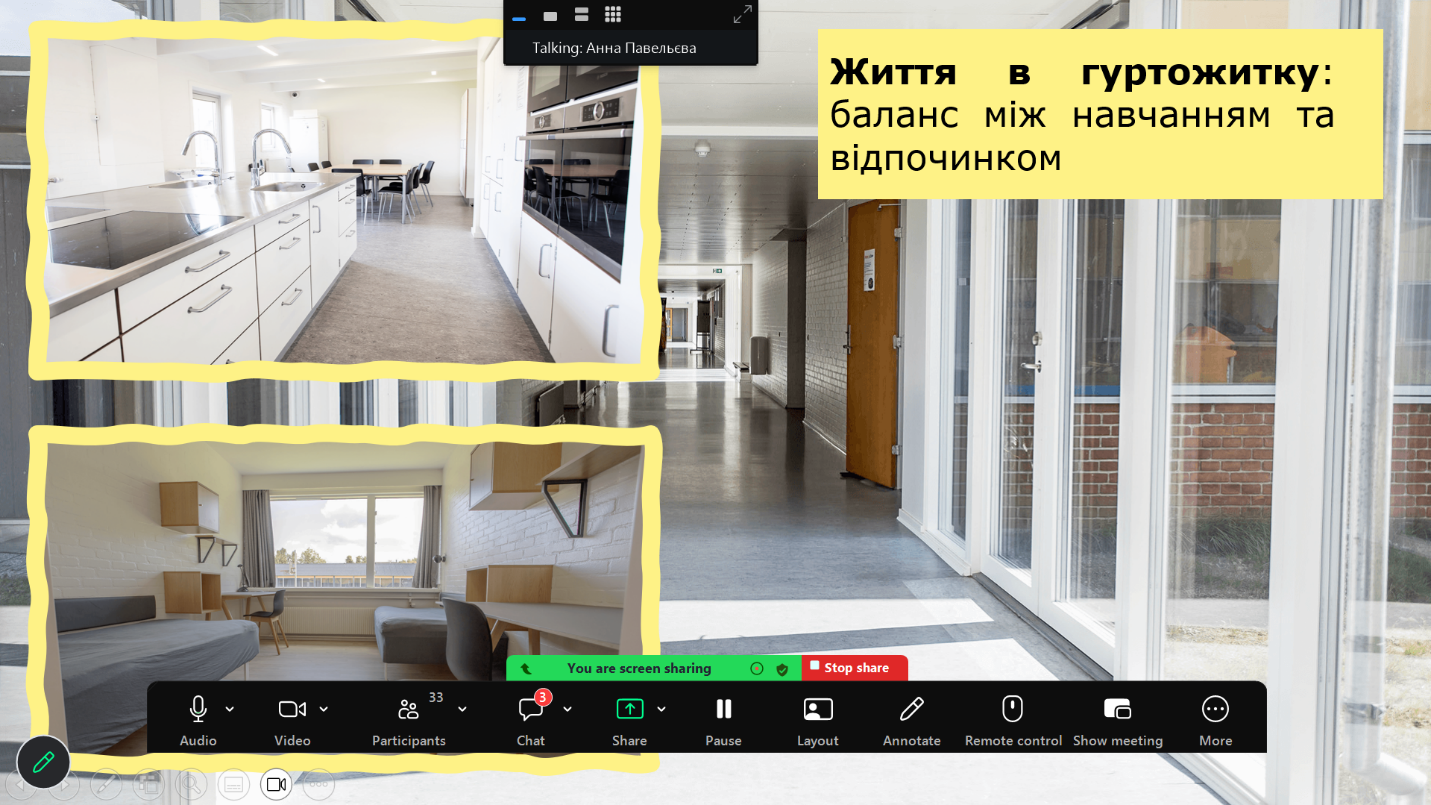
Anastasiia painted an equally vivid picture of student life in a comfortable dormitory featuring a large, bright kitchen and well-maintained grounds. In her spare time, she regularly attended an archery club, training both indoors and at an outdoor course with 3D targets, and hosted friendly picnics with international peers. A particularly touching moment was a patriotic event organised by Ukrainian students: dressed in vyshyvankas, they presented Ukrainian culture, history, and resilience to their foreign peers, treating them to traditional dishes.
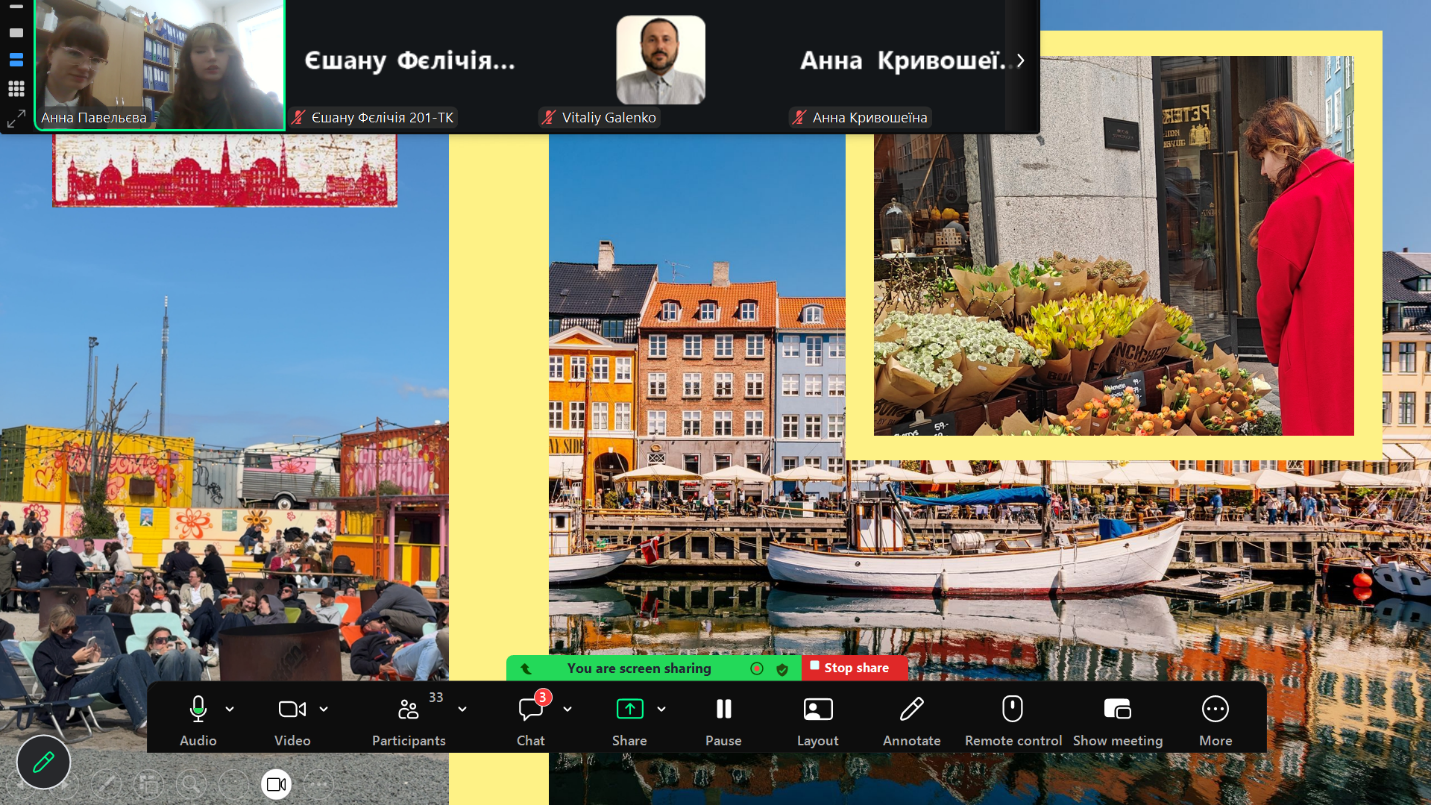
Thanks to the European scholarship, Anastasiia was able not only to support herself while residing in Denmark, but also to explore Copenhagen in springtime with its blooming cherry blossoms, picturesque Nyhavn waterfront, and the Little Mermaid statue, as well as travel across the Baltic and Nordic regions, visiting Helsinki, Tallinn, Riga, and Vilnius. She concluded her presentation with heartfelt gratitude in Danish, “Tak for jeres opmærksomhed!”, and reassured the audience that Poltava Polytechnic had fully transferred and recognised all her European courses, encouraging everyone to set aside doubts and seize the opportunity.
At the conclusion of the meeting, a lively Q&A session took place. Students and postgraduate researchers asked about language testing, writing a compelling motivation letter, conducting work in specialised laboratories at partner universities, and aligning foreign coursework with Poltava Polytechnic’s curriculum, and the speakers provided comprehensive answers.
The meeting clearly demonstrated that Poltava Polytechnic provides all the necessary conditions for building a successful, world-class career in engineering and IT.
The organisers encouraged young scholars to take bold action today, monitor open calls for applications on the official portal international.nupp.edu.ua, and reach out to the International Relations Department in Room 213-C or via email at interoffice@nupp.edu.ua for individual consultations, as the future of technology is being shaped right now.
“The large-scale implementation of Erasmus+ academic mobility programs, the rapid expansion of our international partnership network, and the opportunity for our students and early-career researchers to complete internships in leading research centres and laboratories across the European Union are the direct result of our university's systematic efforts.
I express my deep and sincere gratitude to the President of National University “Yuri Kondratyuk Poltava Polytechnic”, Professor Volodymyr Onyshchenko, for his forward-looking strategic vision, tireless energy, and long-standing leadership. Thanks to the foundations he established, the polytechnic has become a recognised flagship of international academic partnership, turning European integration in higher education from theory into effective daily practice.
I extend my heartfelt thanks to the Rector of Poltava Polytechnic, Associate Professor Olena Filonych, for her comprehensive support, dedicated attention to the development of students and academic staff, and for fostering an environment where every ambitious idea finds a path to practical implementation. Your effective coordination, high academic standards, and commitment to transparent, clear procedures for recognising learning outcomes achieved abroad enable our students to integrate European experience into their professional development seamlessly and represent the Poltava region and all of Ukraine with distinction on leading international platforms.
I am confident that the practical skills in artificial intelligence, coding, robotics, and advanced technologies that our students acquire at leading European universities will make a significant contribution to the further development of the Educational and Research Institute of Information Technologies and Robotics, the university's academic programs, and will contribute toward Ukraine's victory and high-tech reconstruction”, – emphasised Anna Pavelieva.
The academic and teaching staff of Poltava Polytechnic can participate in international fellowship and teaching mobility programs. At the same time, undergraduate and postgraduate students can study under Erasmus+ credit mobility grant programs for a semester or a full academic year at partner universities across Austria, the Czech Republic, Denmark, Estonia, Finland, Germany, Latvia, Lithuania, the Netherlands, Norway, Poland, Romania, Slovakia, and Spain.