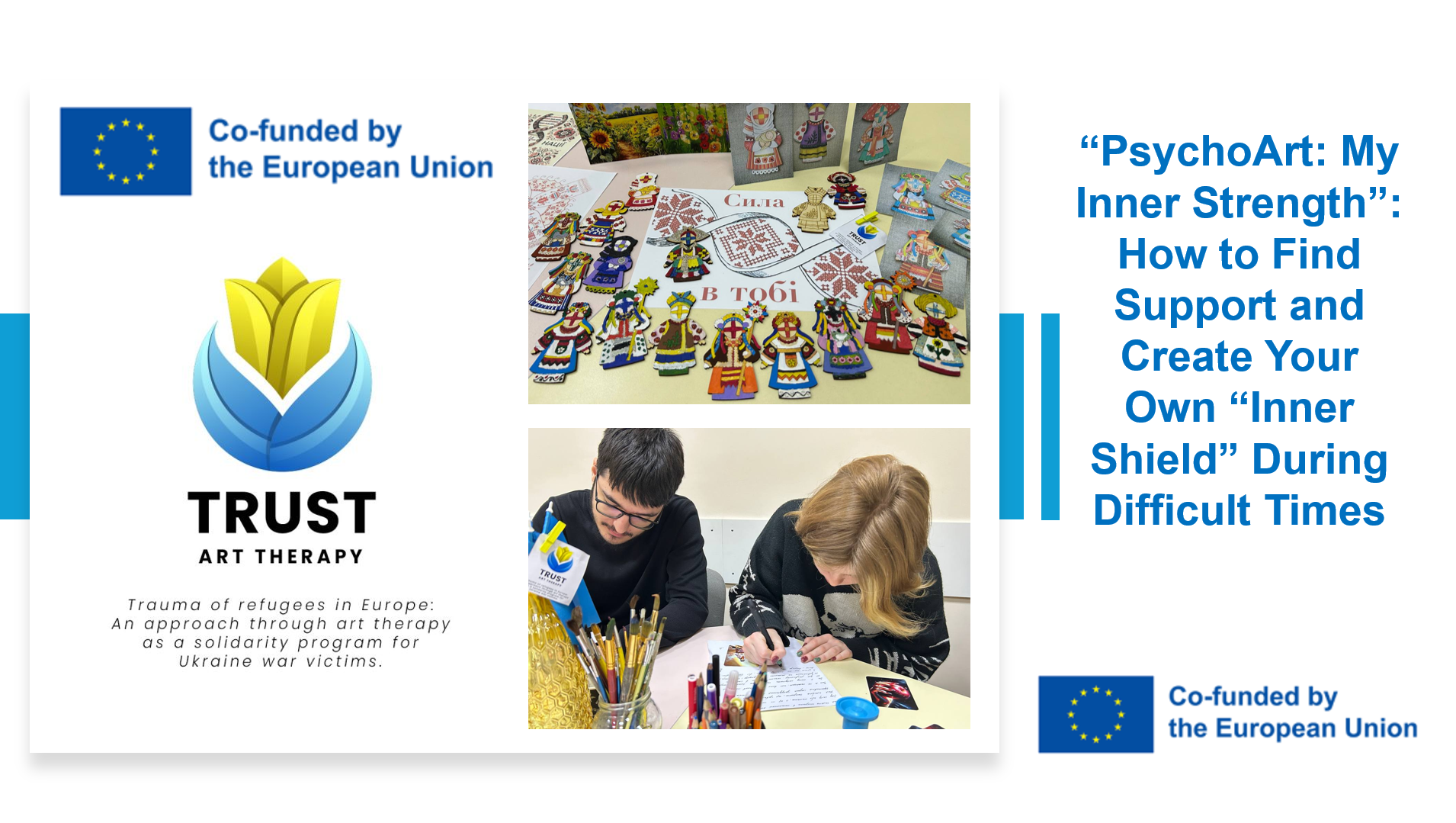
On December 17, 2025, a landmark event aimed at bolstering the mental health of individuals affected by the war took place at the National University “Yuri Kondratyuk Poltava Polytechnic”. An extended art therapy session titled “PsychoArt: My Inner Strength” was held in room 315-C, bringing together those seeking to explore their personal resources and find inner support during difficult times.
The event was organized and moderated by experienced specialists from the Department of Psychology and Pedagogy: Acting Head of the Department, PhD in Pedagogy, Associate Professor Lesia Klevaka, and Associate Professors, PhDs in Psychology, Viktoriia Shevchuk and Maryna Teslenko. The trainers’ professional approach allowed for the creation of a unique space where scientific psychological methods harmoniously blended with elements of folk art and body-oriented therapy.
The work began with the formation of a “circle of trust”, characterized by an atmosphere of complete acceptance and safety. The first stage involved grounding exercises, which are critical for stabilizing one’s emotional state. Participants learned to feel physical support beneath their feet, focus on deep breathing, and maintain awareness of their presence in the “here and now”. The mentors emphasized that within this session, everyone has the right to their own pace and level of openness, as working with the inner world requires particular delicacy. This introduction helped reduce background anxiety and prepared the attendees for deeper reflection on their life experiences.
Particular interest was sparked by the session involving Metaphorical Associative Cards (MAC), which allowed participants to peer into their subconscious. By exploring the images on the cards, attendees sought answers regarding their strengths and areas of vulnerability. A key focus of the session was the transformation of the perception of weakness: the trainers helped participants understand that vulnerability is not a flaw, but a signal of the need for self-care and a potential point for personal growth. This analysis was complemented by exercises such as “Messages to Self from a Position of Strength” and “My Victories”, where everyone could record their achievements in writing. Realizing the path already traveled and verbalizing inner support allowed participants to strengthen their belief in their own ability to overcome any life challenge.
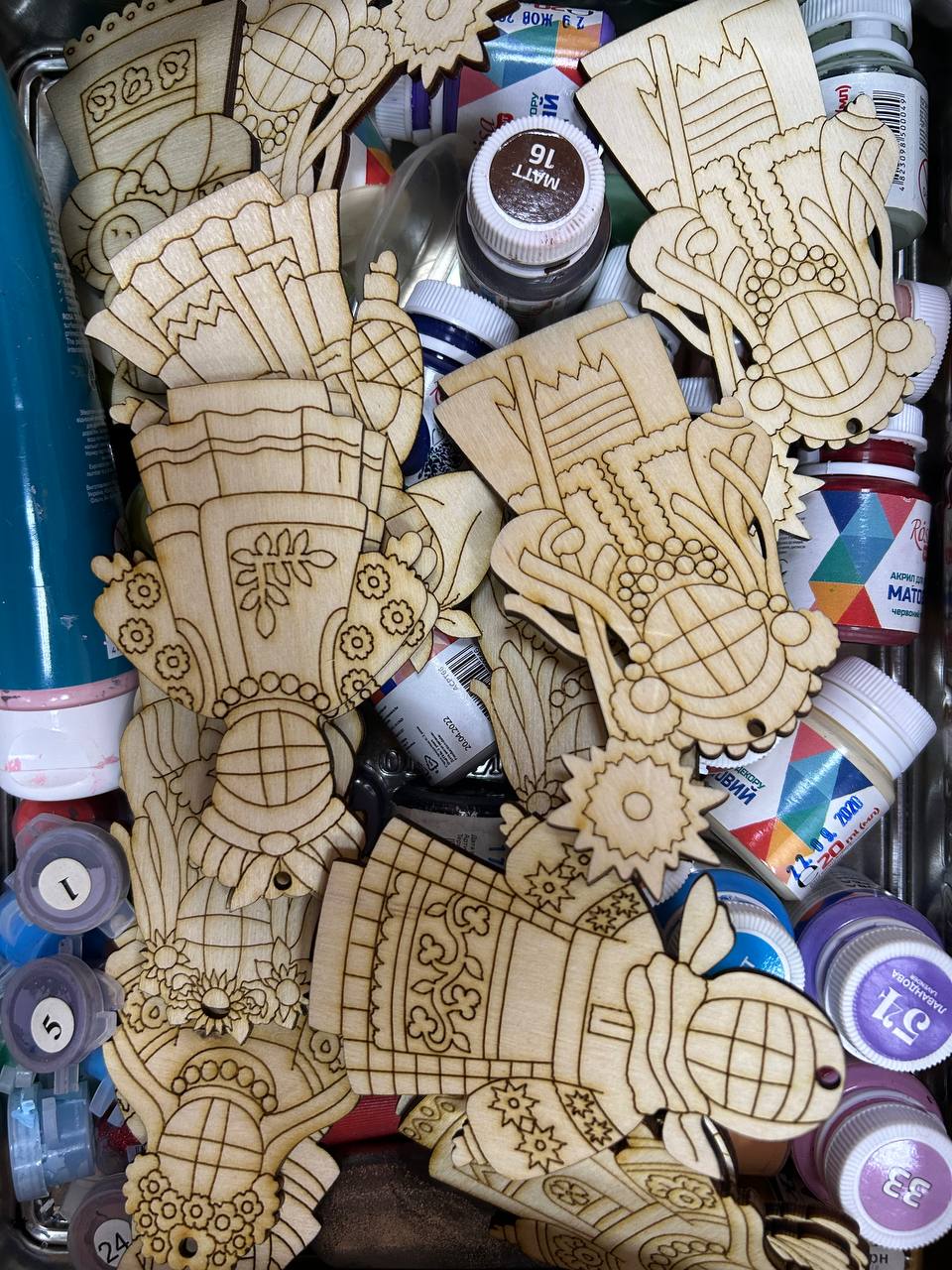
A logical continuation of the psychological work was the body-oriented practice “I Stand Firm”. It aimed to transfer the feeling of confidence from a mental level to a physical one. Participants practiced a stable posture symbolizing a person’s right to be themselves and to stand firmly on their chosen path. This prepared the group for the culminating and most creative stage of the session – the creation of an art therapy object that combines the centuries-old wisdom of ancestors with modern psychological knowledge. This involved making a “Motanka” doll, which, in the context of the session, served as a personal “inner shield” and a symbol of invincibility.
The creation of the Motanka took place in a cozy atmosphere accompanied by quiet, relaxing music. The trainers explained in detail the deep symbolism of this amulet, which is created without using a needle, through a winding method that represents the continuity of life and the integrity of the individual.
Each element of the doll held its own meaning: white symbolized purity of thought and a new beginning; red added energy and protection; blue promoted inner balance; and green represented recovery and hope. An additional therapeutic function was provided by aromatic herbs used to fill the dolls: lavender for calming, thyme for endurance, and mint for clarity of thought. Participants decorated their creations with patterns and symbols, such as the cross or the circle, representing harmony and solar energy, transforming ordinary materials into a powerful tool for self-support.
At the conclusion of the event, a joint reflection was held, during which participants shared their feelings about the creative process and the insights they gained. The hand-crafted Motanka doll remained with each participant as a tangible embodiment of inner strength and readiness for new achievements. The mentors concluded that true resilience lies not in the absence of problems, but in the ability to find resources for recovery within oneself. The “PsychoArt: My Inner Strength” session was not only a psychology lesson but a true celebration of creativity and unity, once again highlighting the role of Poltava Polytechnic as a center for holistic development and psychological support.
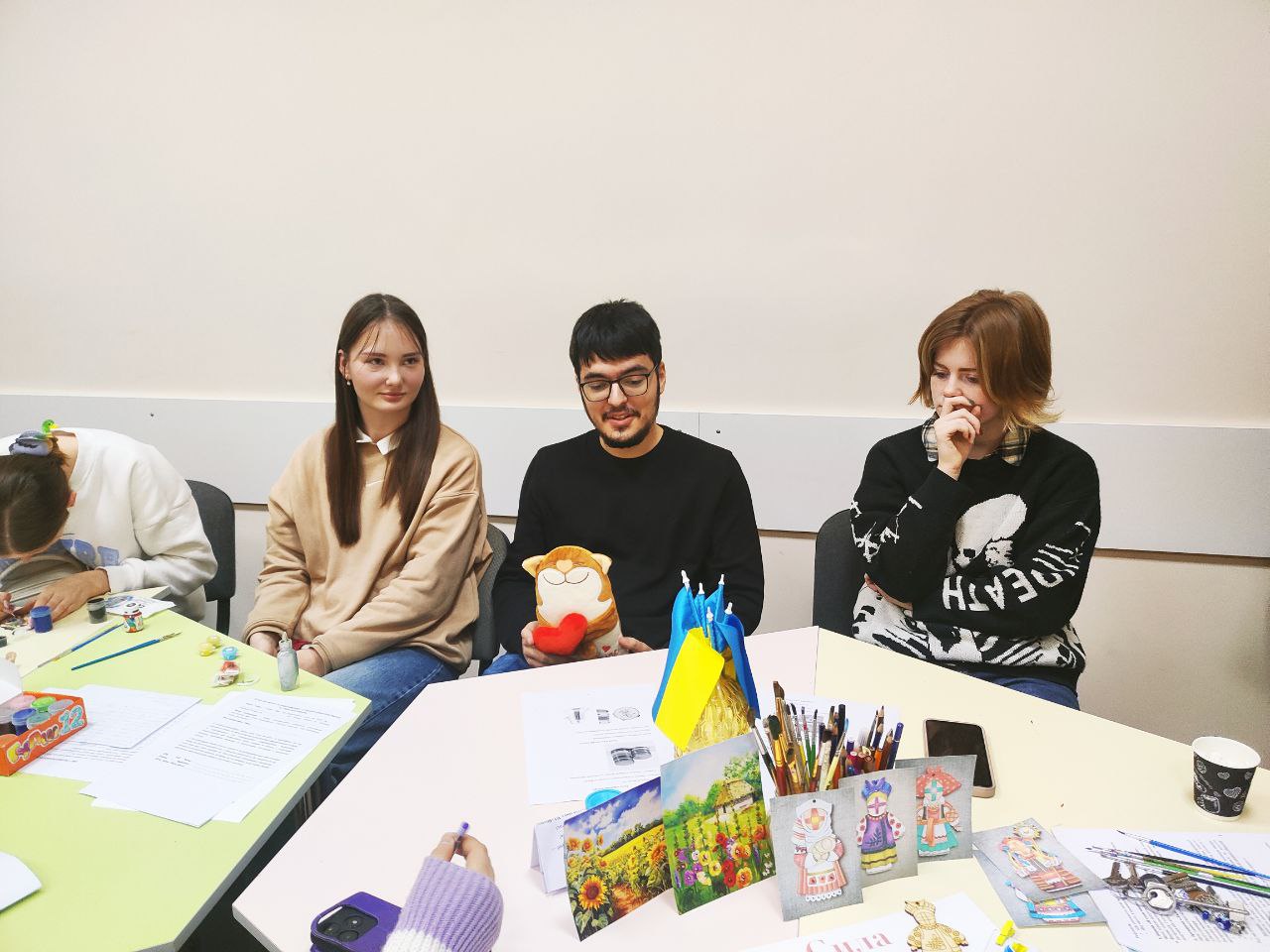
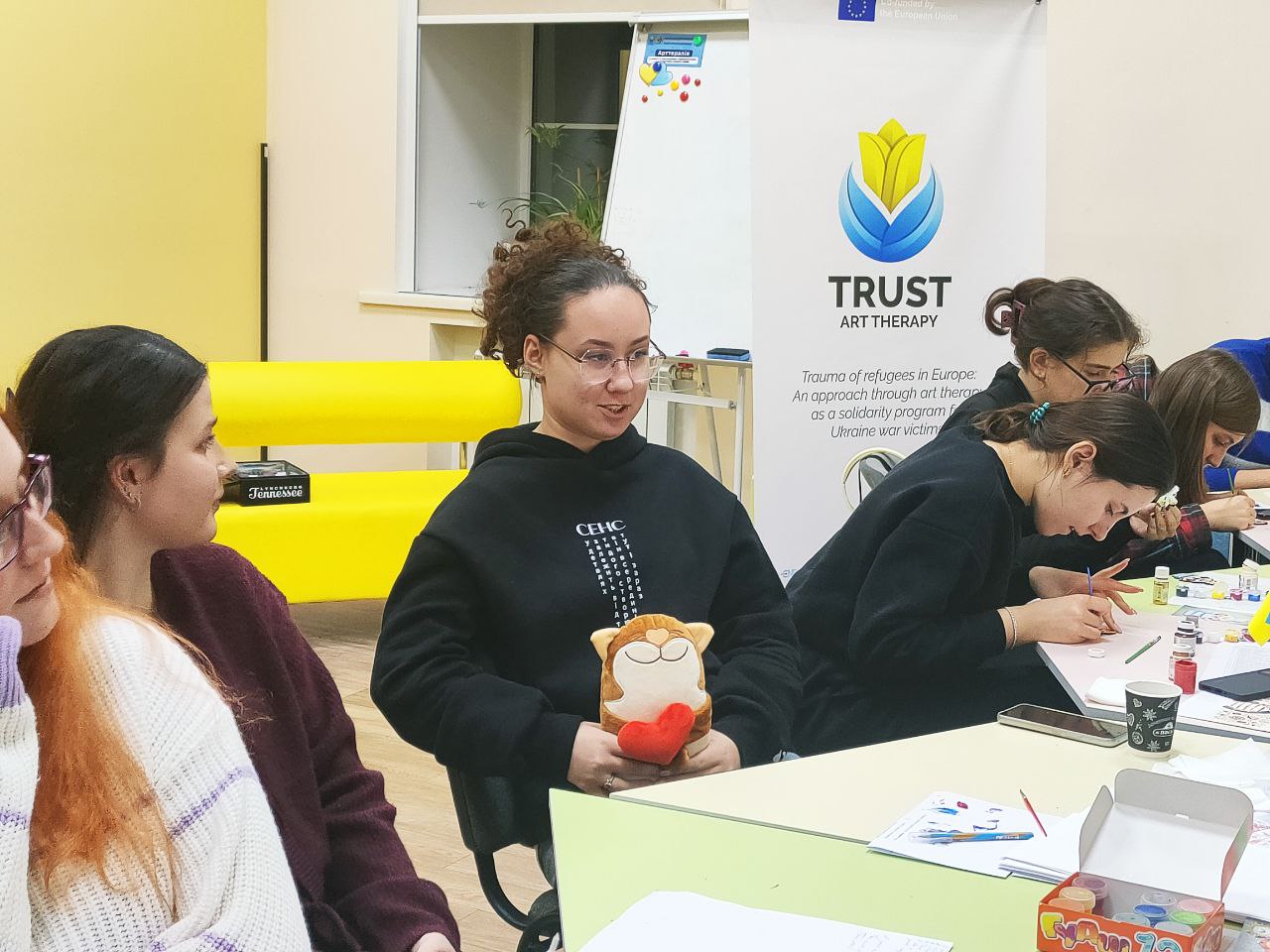

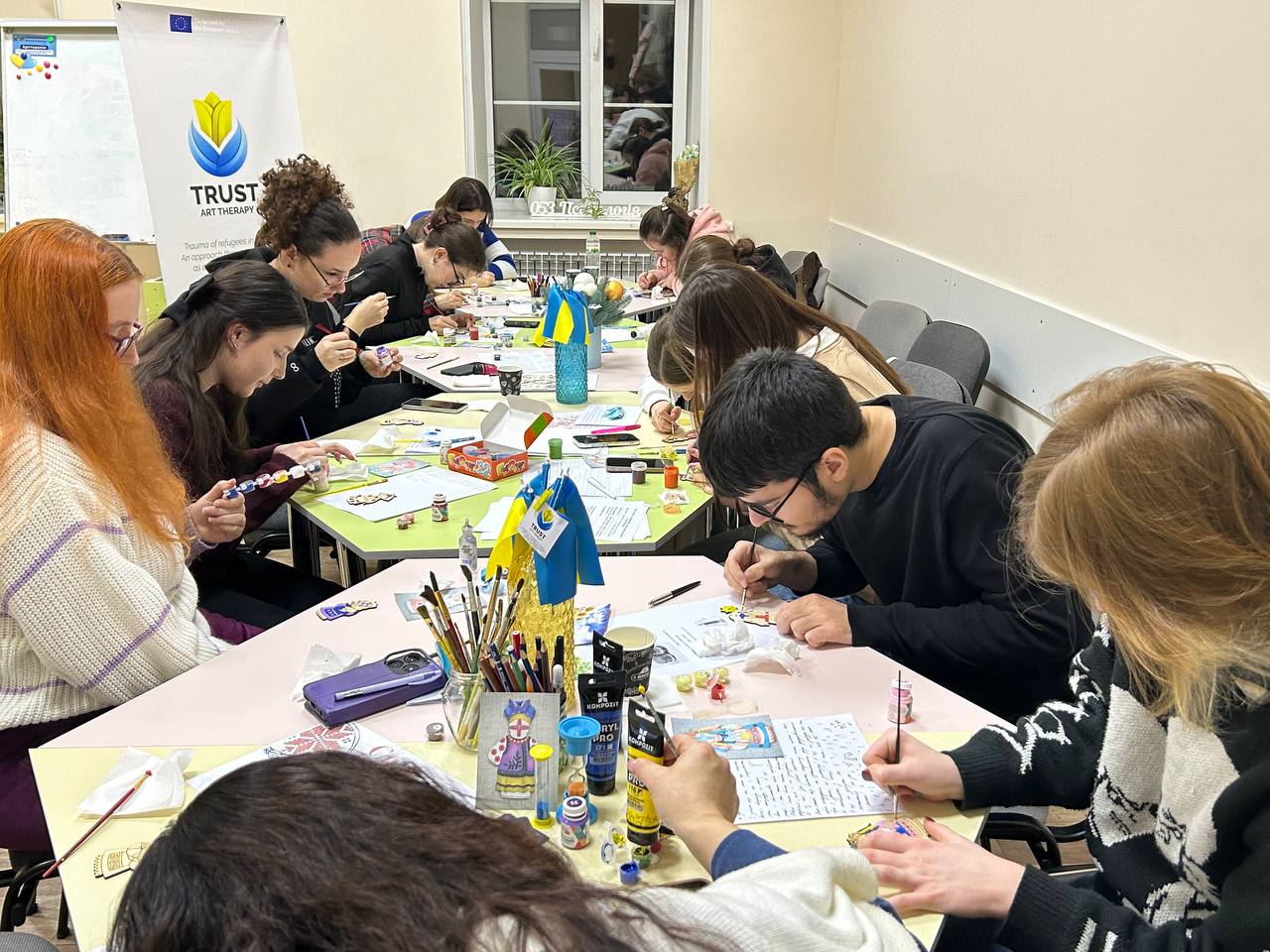
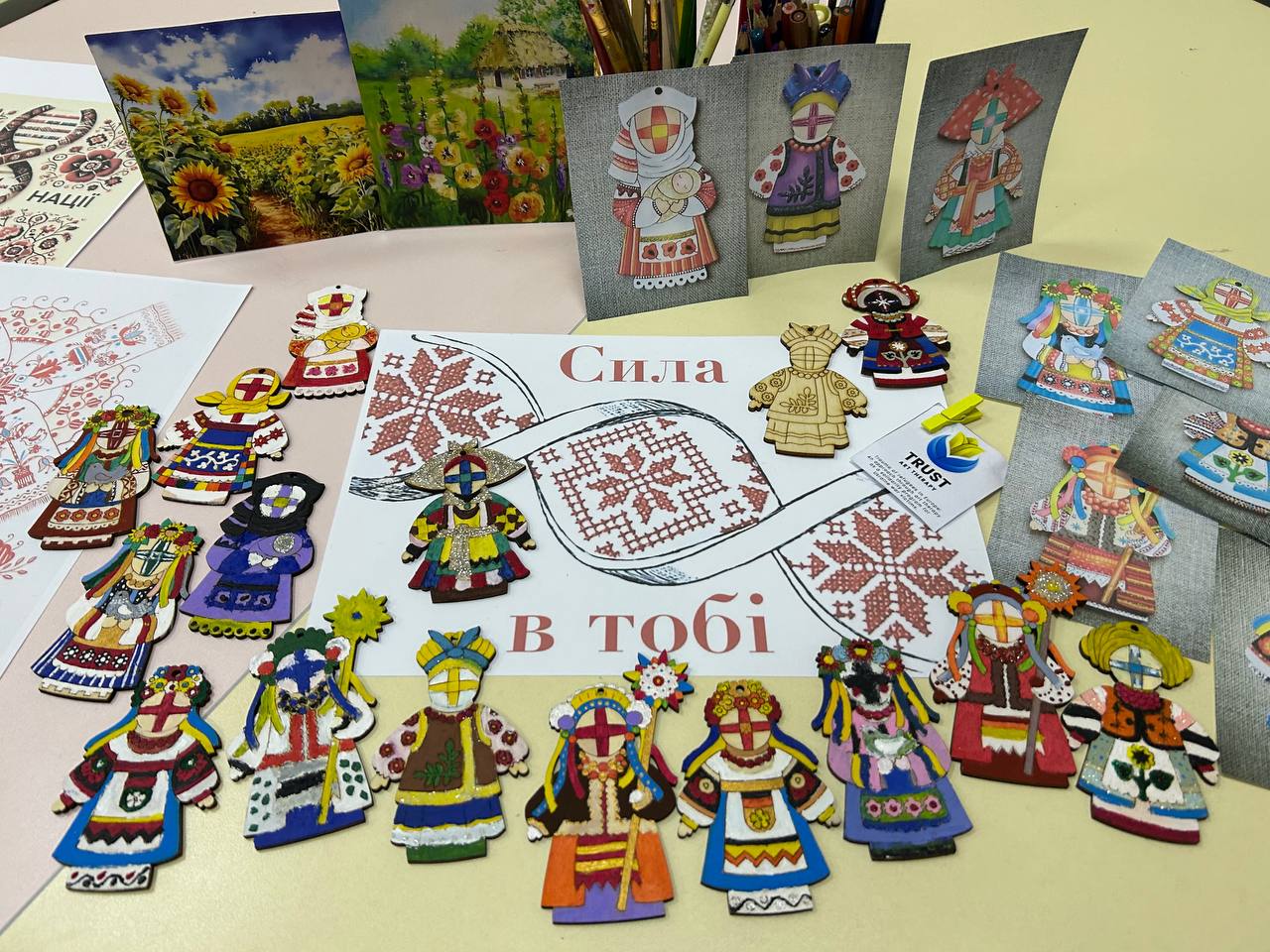
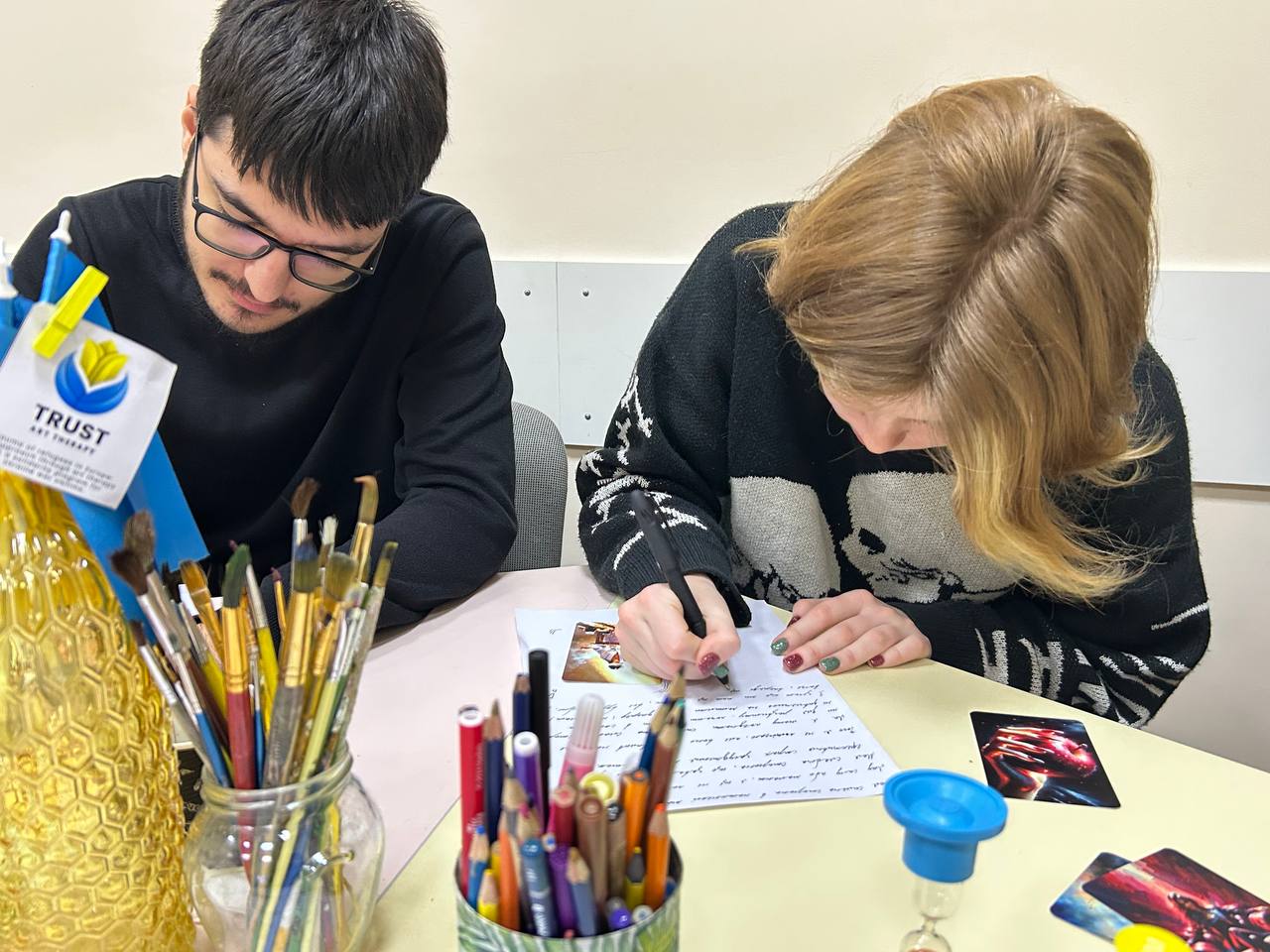
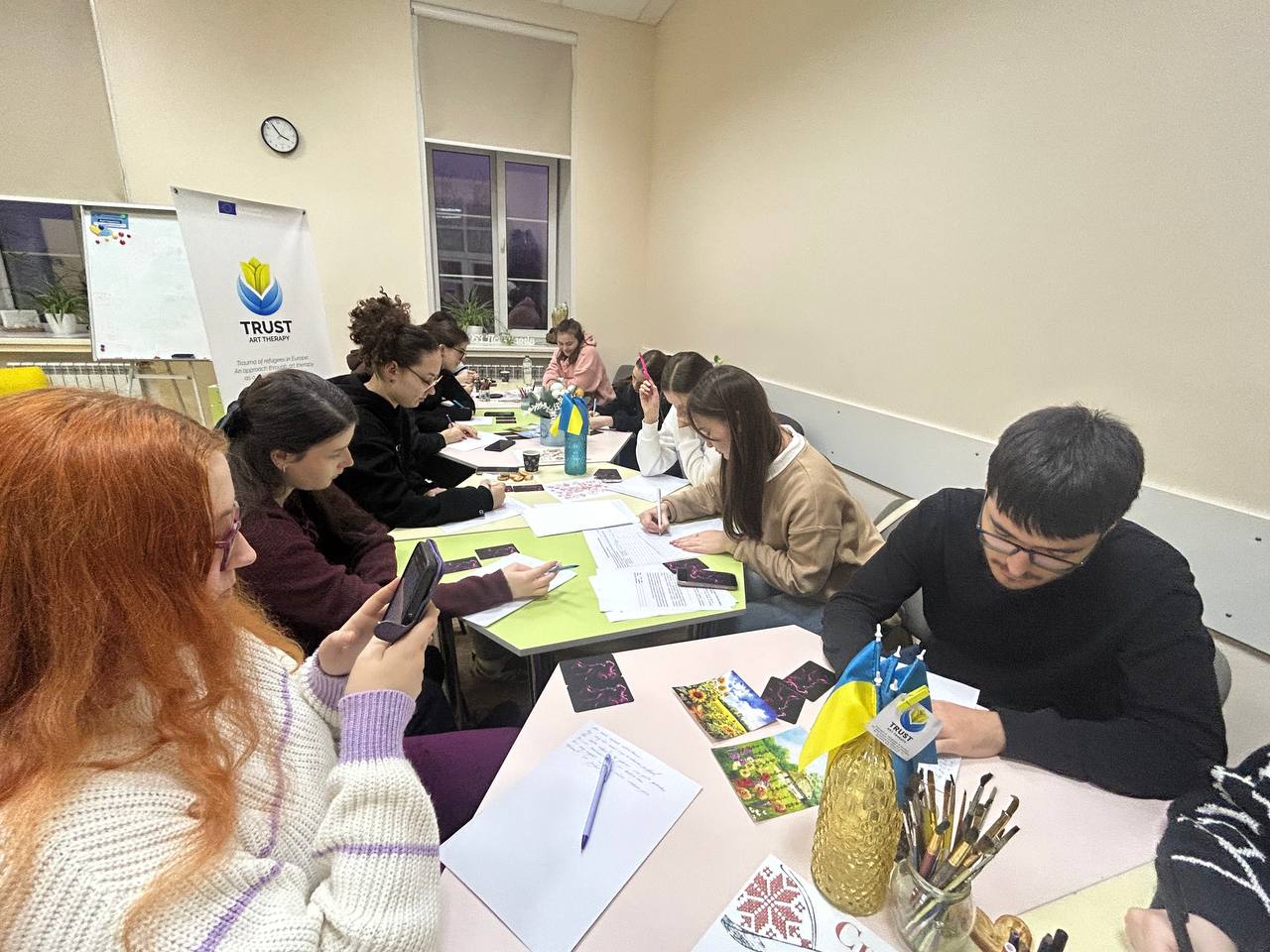
The event was held as part of the international, large-scale EU-funded Erasmus+ KA220-ADU project “TRUST” – Trauma of refugees in Europe: An approach through art therapy as a solidarity program for Ukraine war victims (Grant No. 2024-BE01-KA220-ADU-000257527).
The project title is decoded as follows:
TRUST
T – Trauma
R – Refugees
U – Ukraine
S – Solidarity
T – Therapy
The project is co-funded by the EU and led by the Centre Neuro Psychiatrique St-Martin from Belgium, in partnership with the National University “Yuri Kondratyuk Poltava Polytechnic” (Ukraine), Greek Carers Network EPIONI (Greece), Fondazione Don Luigi Di Liegro (Italy), Lekama Foundation (Luxembourg), EuroPlural Project (Portugal).
We express our sincere gratitude to our partners for their invaluable support, which makes it possible to implement such vitally important initiatives that bring the light of hope and healing to those who need it most.
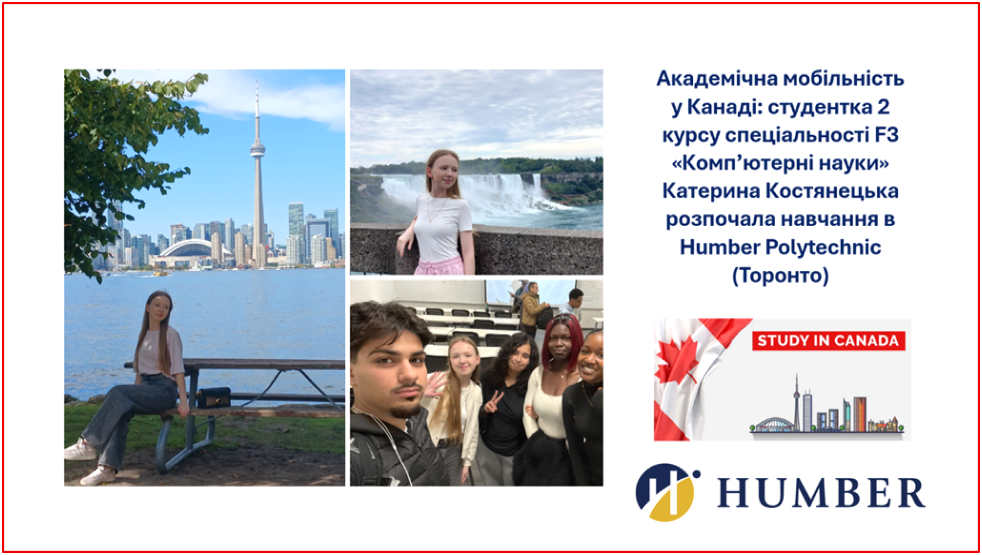
It is worth noting that Poltava Polytechnic lecturers are eligible to participate in academic mobility and internship programs. Students can study abroad through Erasmus+ credit academic mobility grant programs for a semester or a full academic year at leading universities in Austria, Denmark, Estonia, Finland, Germany, Greenland, Latvia, Lithuania, the Netherlands, Norway, Poland, Portugal, Romania, Slovakia, Spain, and the Czech Republic.
For more detailed information regarding current internship, teaching, and academic mobility programs abroad, please get in touch with the International Relations Department (office 213-C, interoffice@nupp.edu.ua) or Poltava Polytechnic’s International Relations Coordinator – Ph.D. in Philology, Associate Professor of the Department of Germanic Philology and Translation, Anna Pavelieva (email: kunsite.zi@gmail.com, phone: +38-(095)-91-08-192).