Today, academic mobility plays a strategic role in the professional development of academic and research staff and in integrating Ukrainian higher education into the European educational and research area. Participation in such international programs enables faculty members to step beyond the local academic environment, present their research findings to the global community, and engage in discussions on pressing global issues.
For researchers themselves, internships abroad serve primarily as a powerful resource for professional growth. Faculty members gain valuable experience working in multinational classrooms, master innovative teaching methodologies, become acquainted with the modern laboratory facilities of foreign universities, and participate in field research. At the same time, it offers a unique opportunity to exchange expertise with international colleagues and bring European best practices back to their home university to enhance their own academic courses.
Such international collaboration takes on particular significance in fields critical to Ukraine’s resilience and future post-war reconstruction, notably environmental safety and waste management. Combining European technological standards with the practical experience of Ukrainian researchers makes it possible to find effective solutions to contemporary challenges. Another confirmation of the effectiveness of such cooperation was this successful mobility project involving a researcher from Poltava Polytechnic.
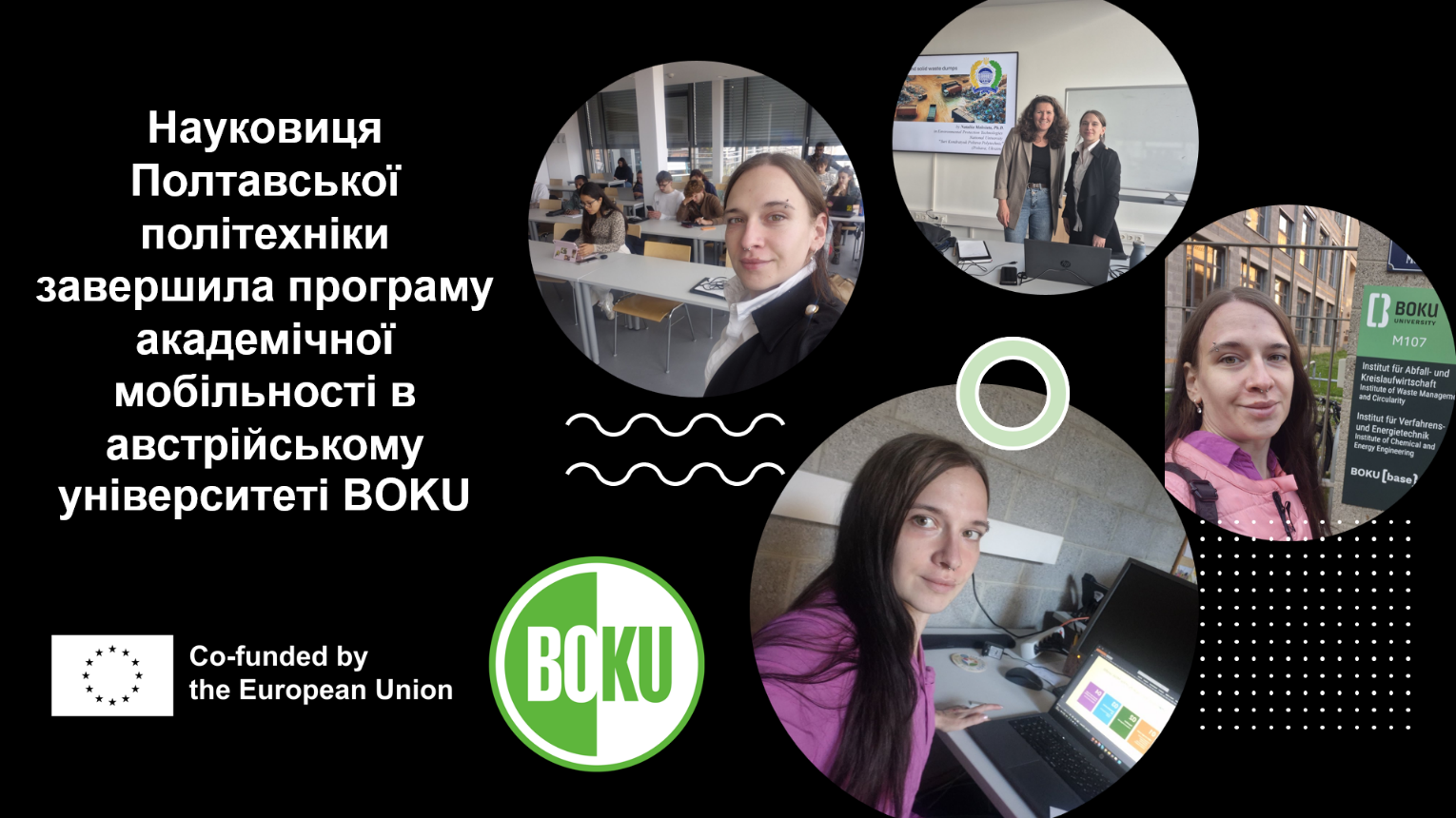
From October 12 to 23, 2026, within the framework of the EU Erasmus+ program (Key Action 1: International Credit Mobility Project, “Staff Mobility for Teaching” strand), Nataliia Maksiuta – PhD in Environmental Protection Technologies and Head of the Department of Analysis of Innovation Activity and Intellectual Property at National University “Yuri Kondratyuk Poltava Polytechnic” – completed an internship at the Institute of Waste Management and Circularity of the University of Natural Resources and Life Sciences, Vienna (BOKU, Austria).
The key objective of the mobility was to exchange expert knowledge and empirical research results in municipal solid waste management with Master’s students at BOKU University, as well as to acquire practical skills in applying laboratory methods for analysing organic waste.
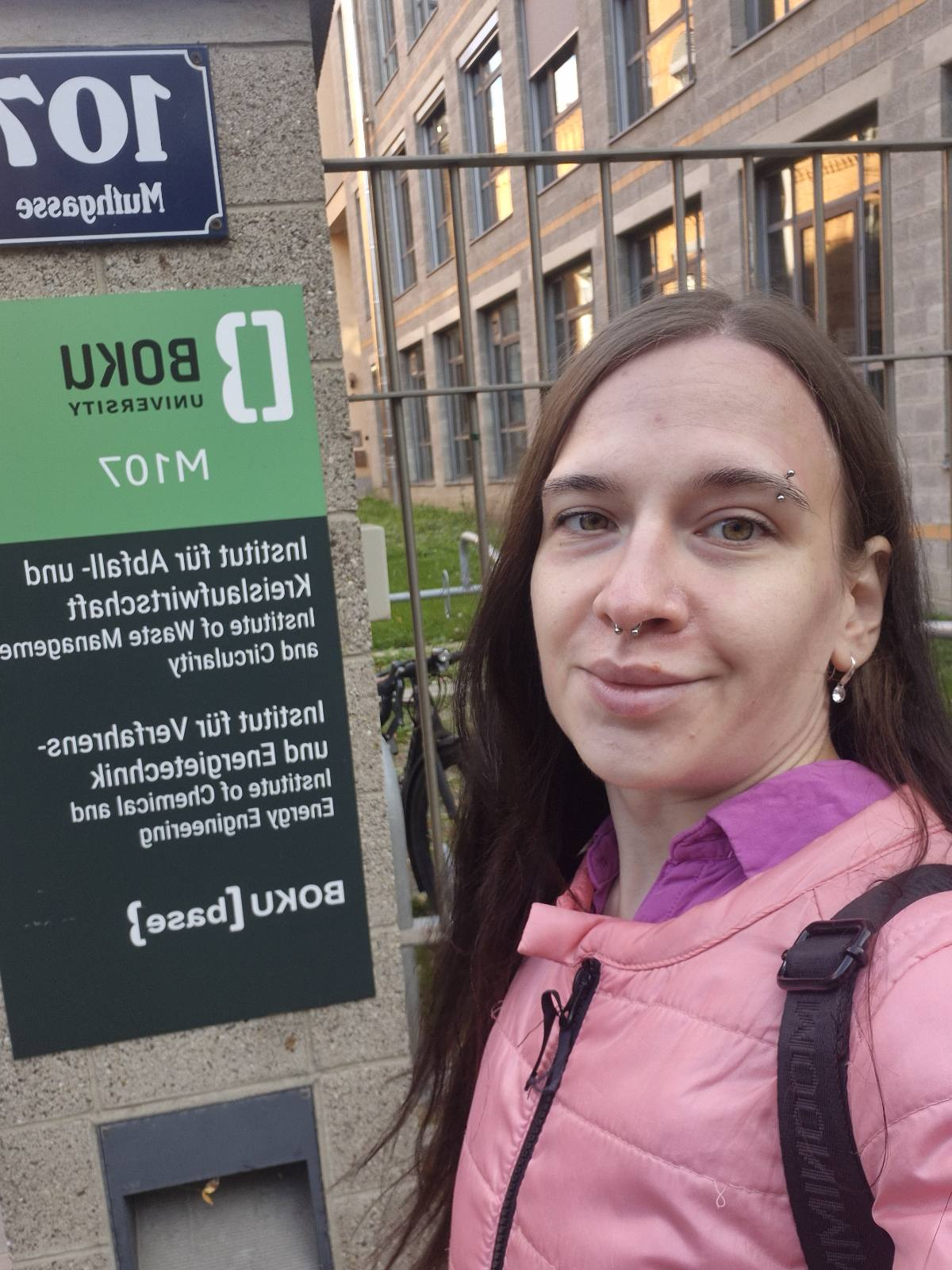
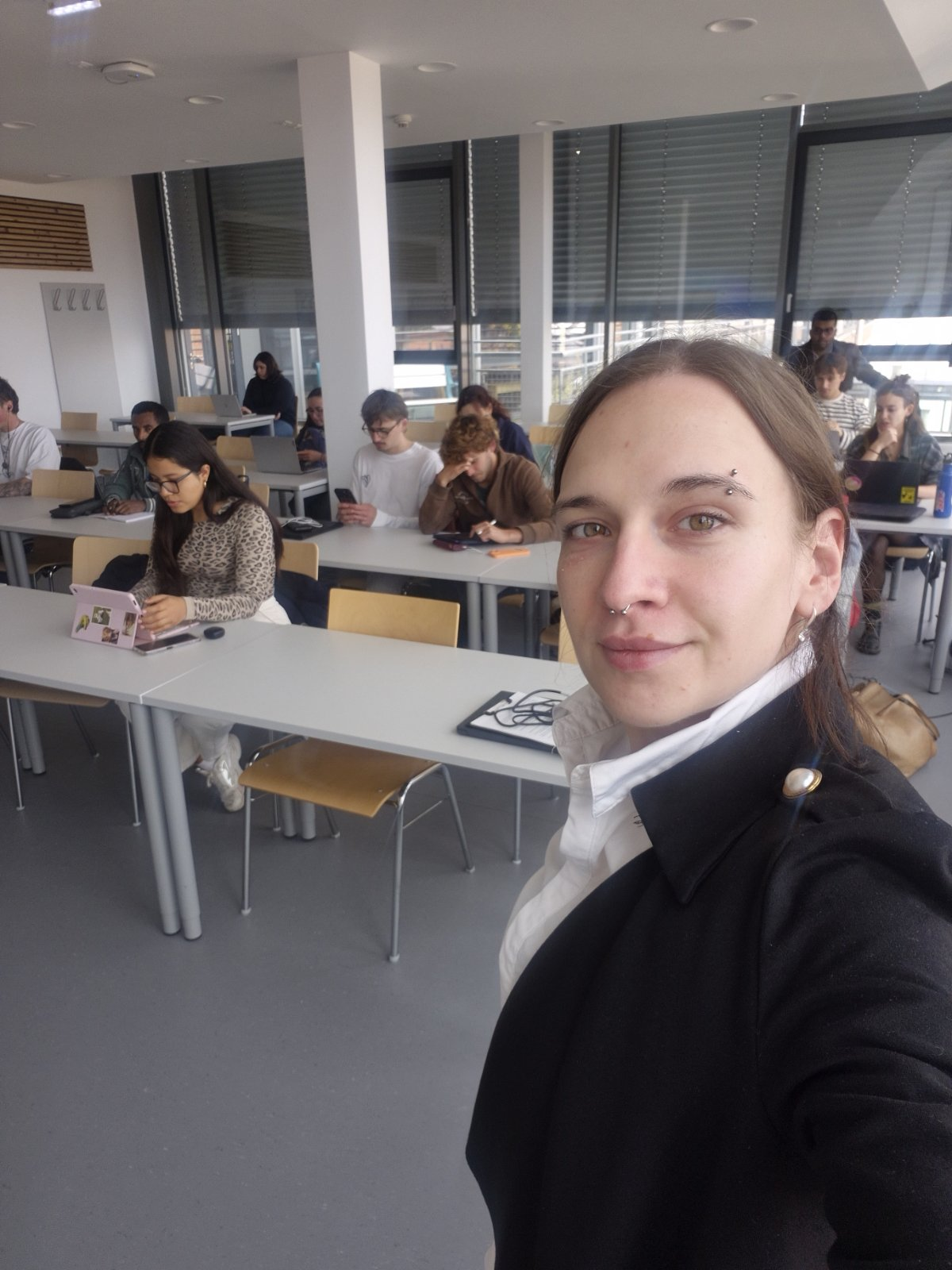
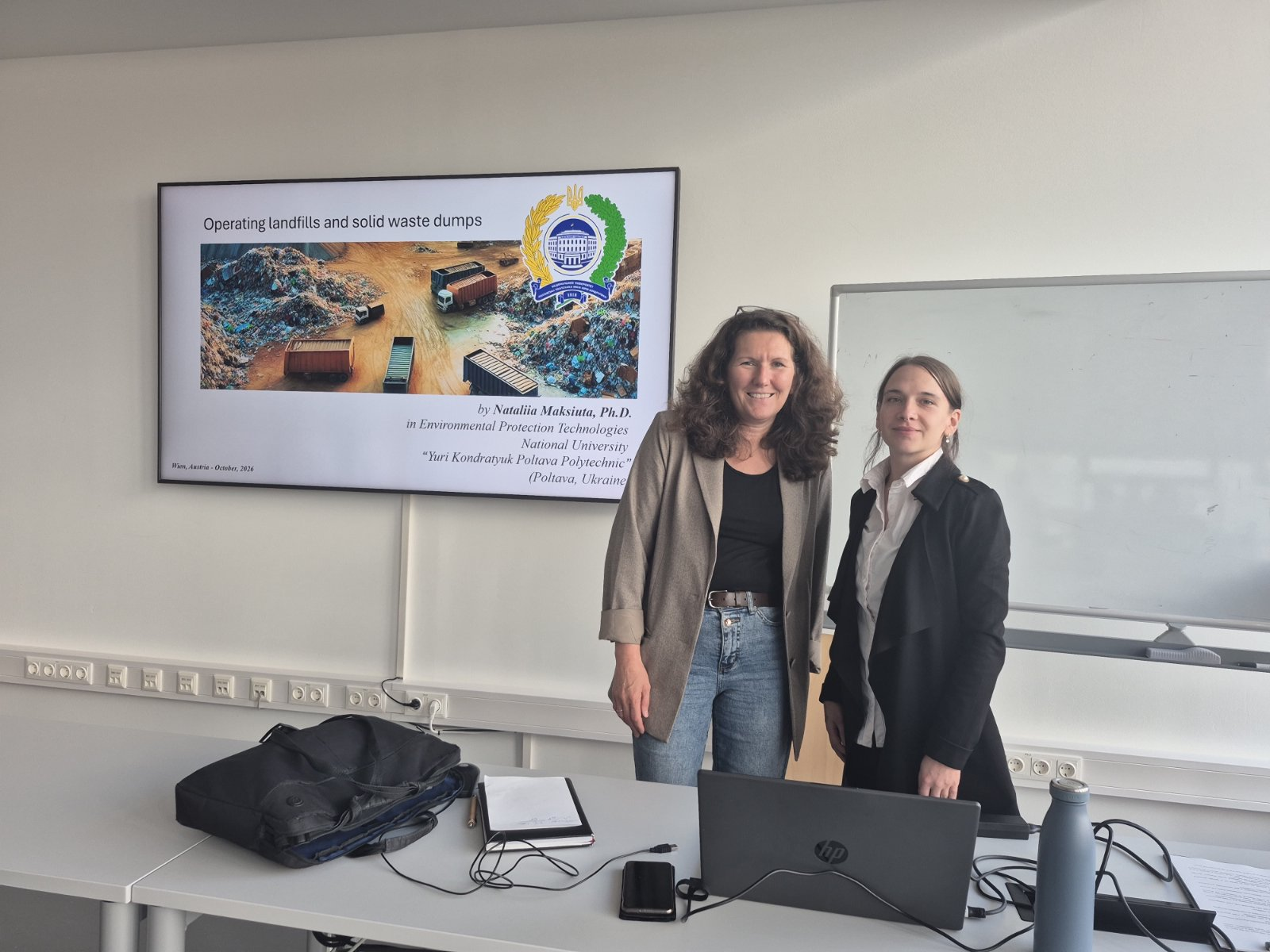
In particular, within the framework of the academic course “Global Waste Management”, lecture sessions were delivered for BOKU University students representing various countries around the world. The session consisted of two thematic blocks. The first part, devoted to the general classification of landfills, was delivered by Marion Huber-Humer – University Professor, Dipl.-Ing., Dr.nat.techn., and Head of the Institute of Waste Management and Circularity. The second part of the lecture, entitled “Operation of Solid Waste Landfills and Dumpsites”, was delivered by Nataliia Maksiuta, PhD.
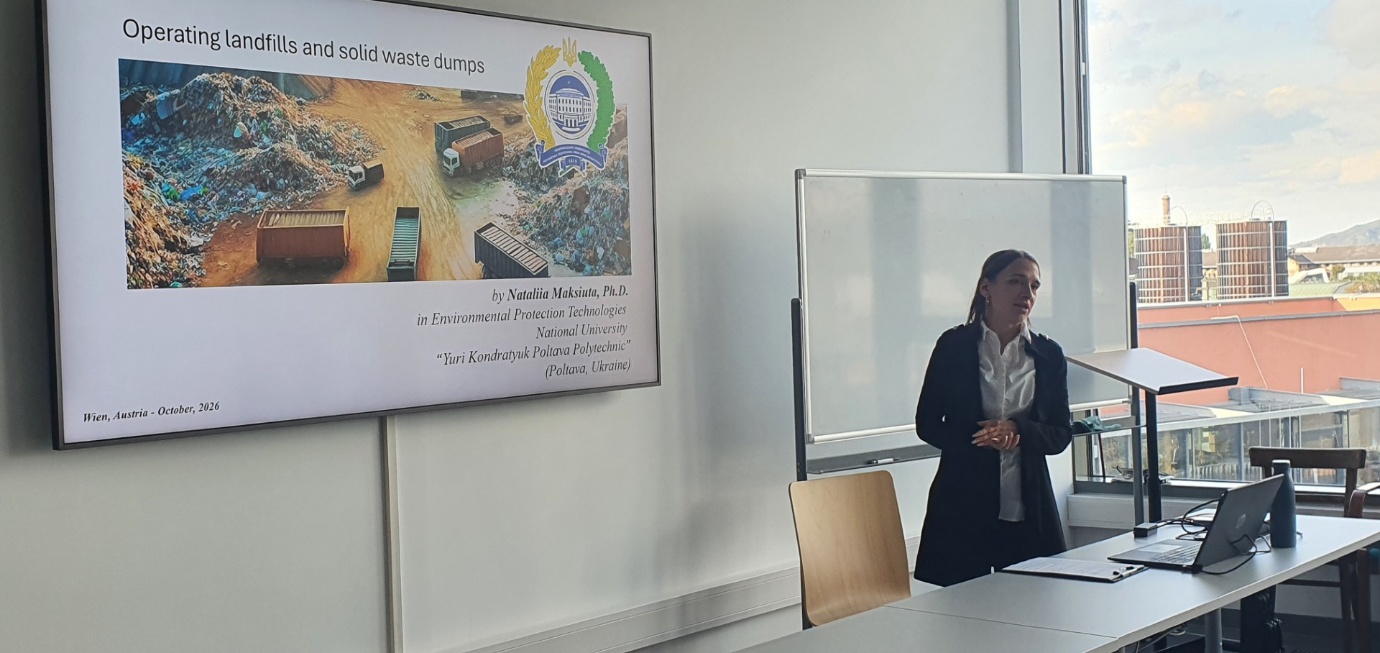
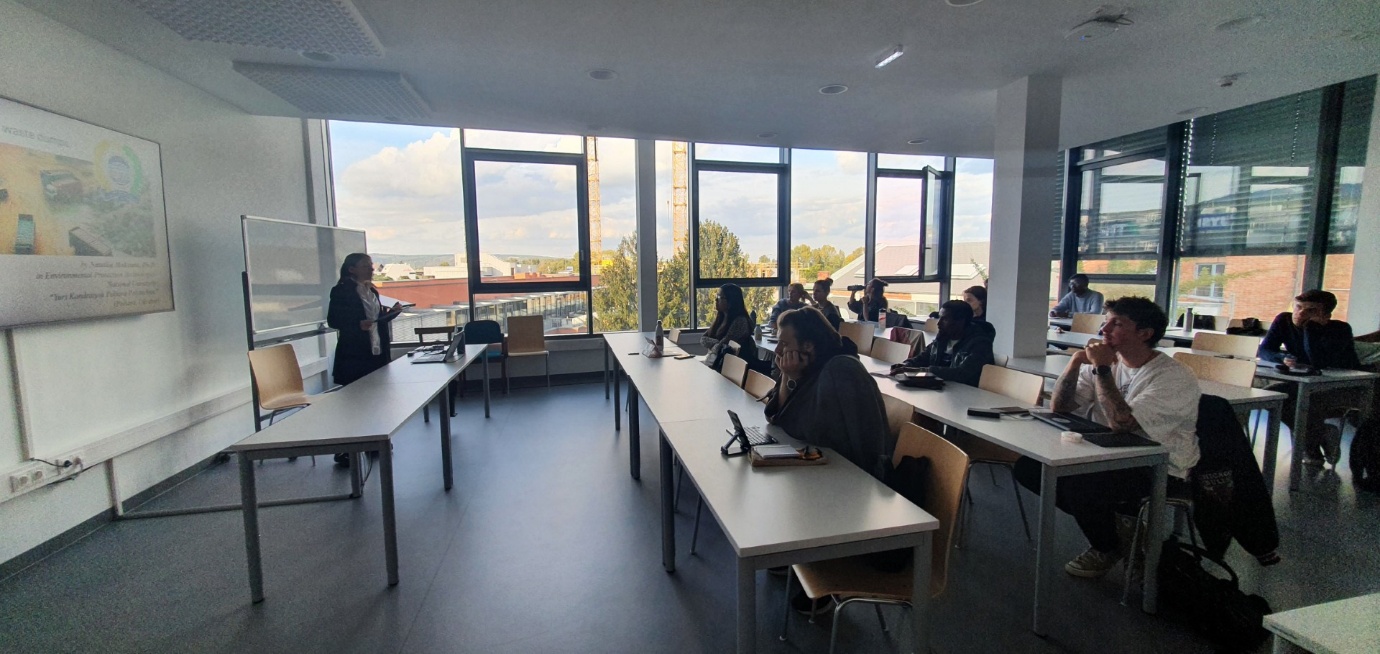
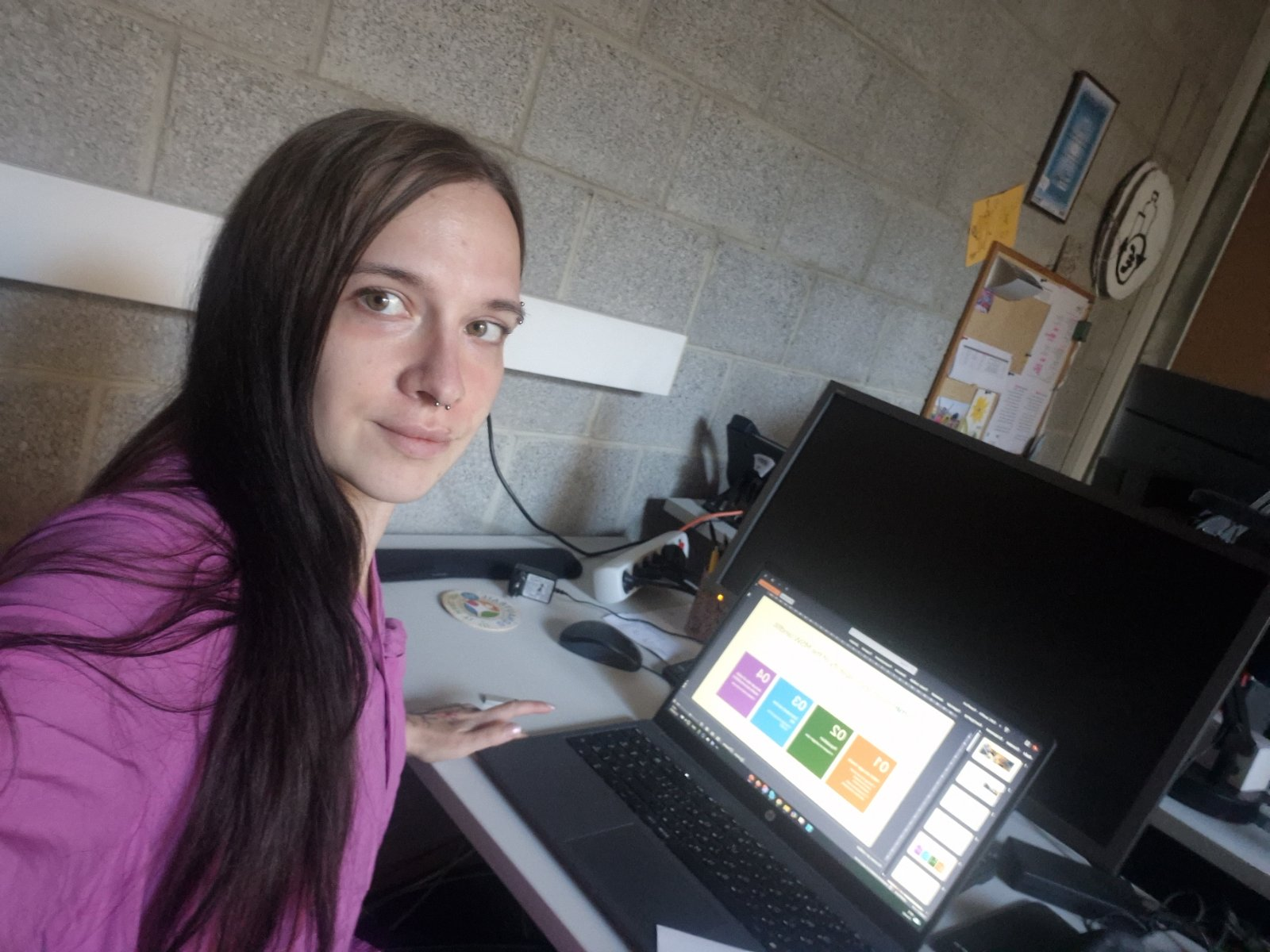
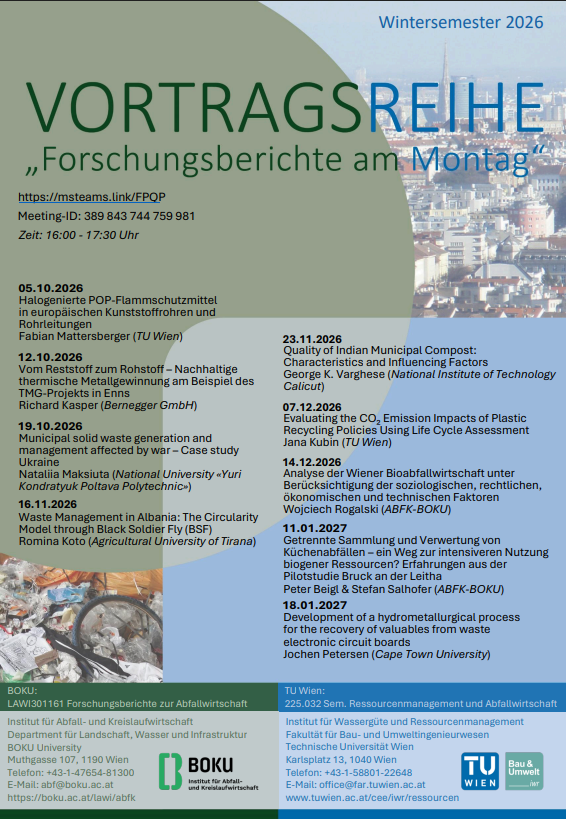
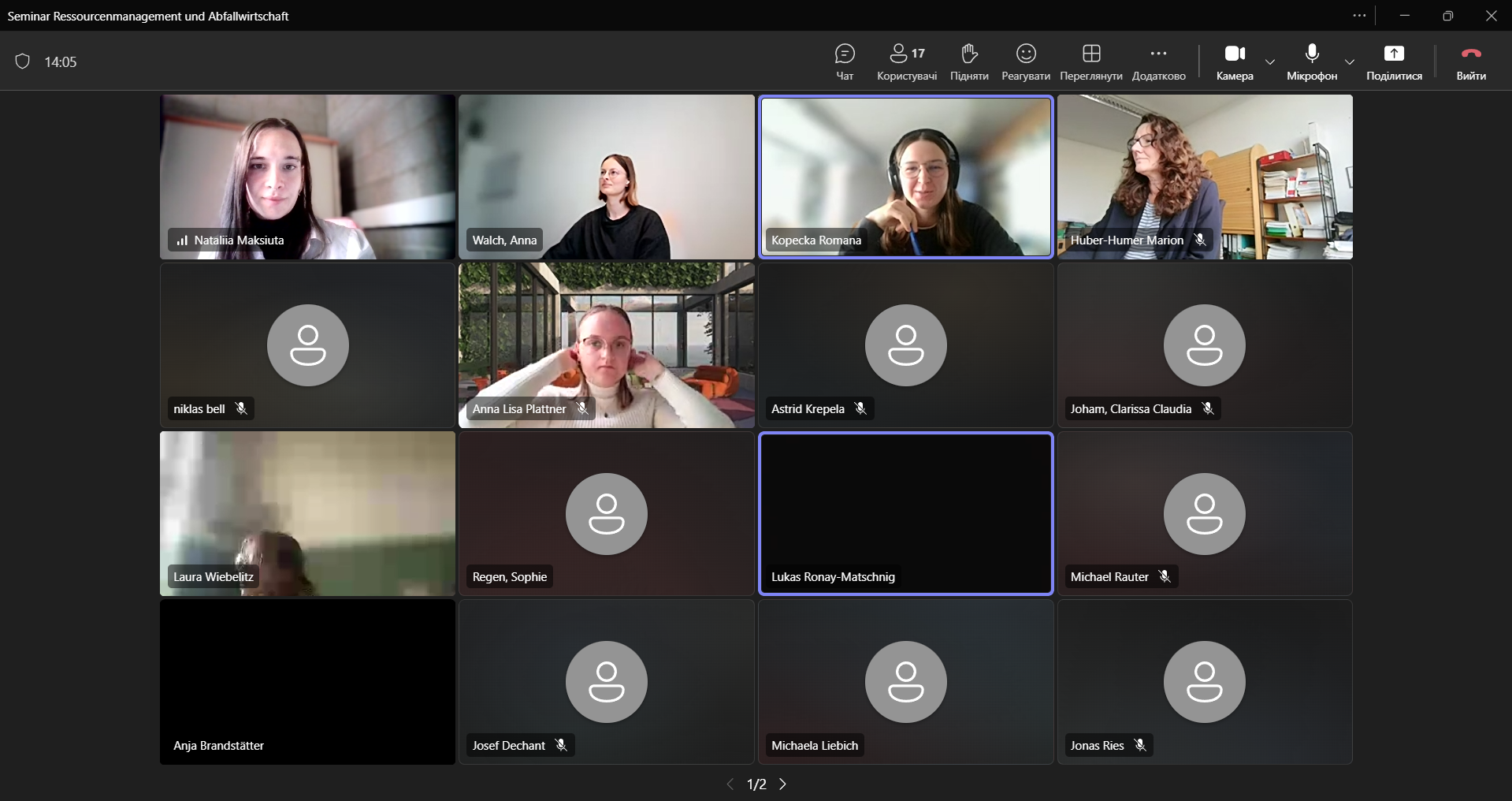
In addition, as part of the academic course “Research Reports on Waste Management”, an online scientific seminar entitled “Municipal Solid Waste Generation and Management Affected by War: A Case Study of Ukraine” was held. The event examined the impact of war on municipal solid waste generation and management processes in Ukraine. Specifically, the characteristics of destruction waste and associated environmental risks were analysed, key challenges in waste management systems under wartime conditions were outlined, and the possibilities of applying circular economy principles for post-war reconstruction were evaluated.
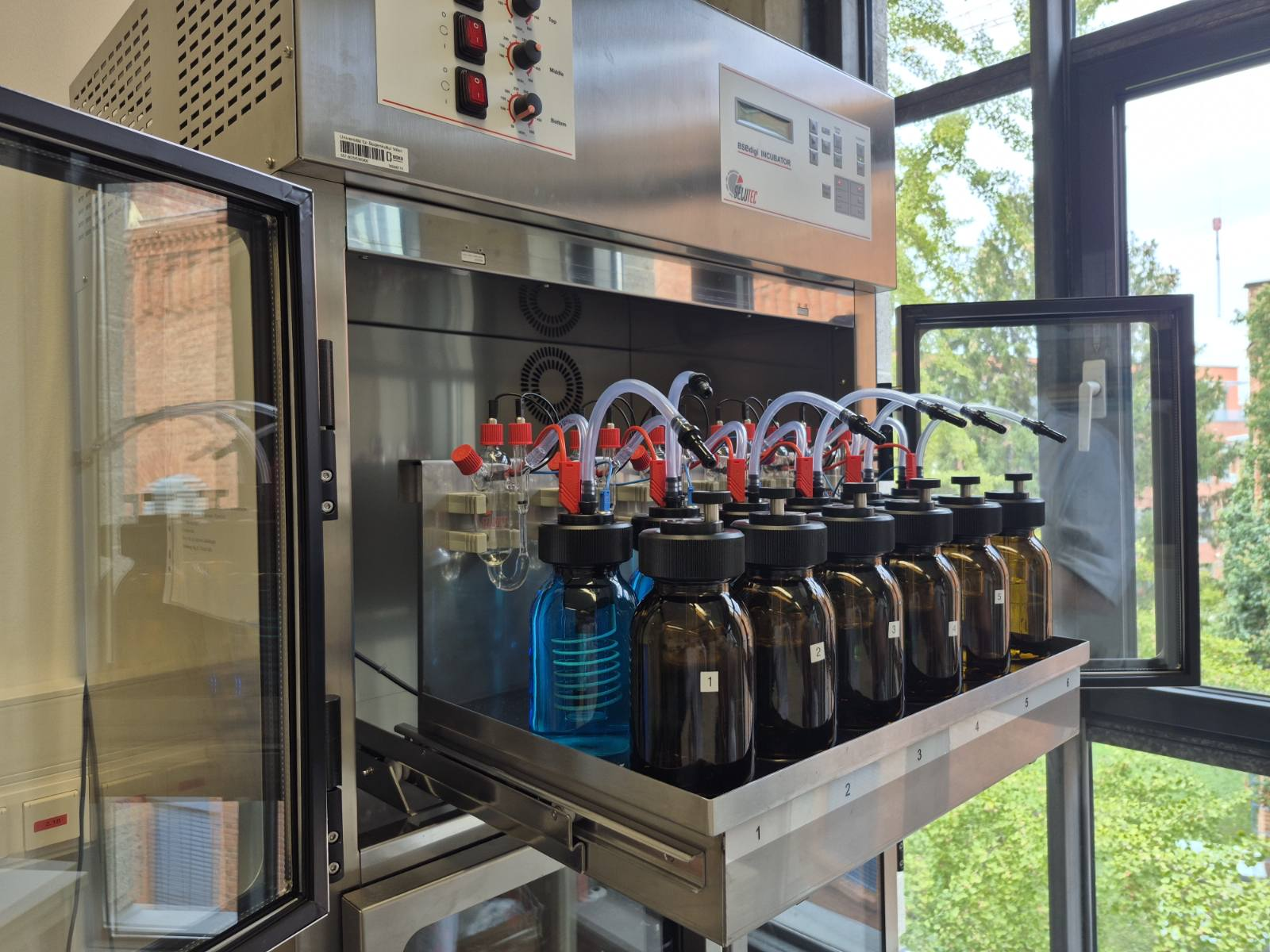
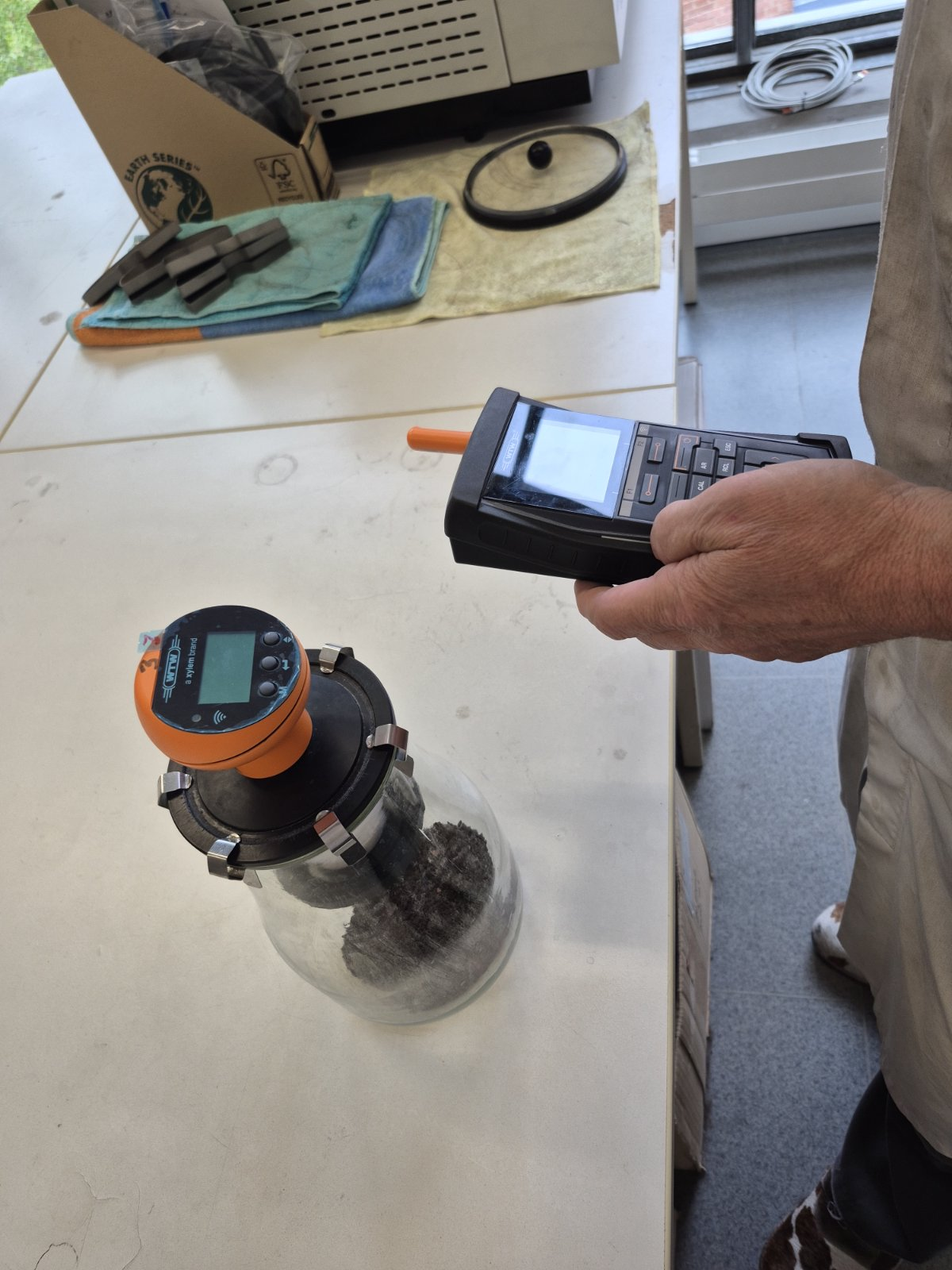
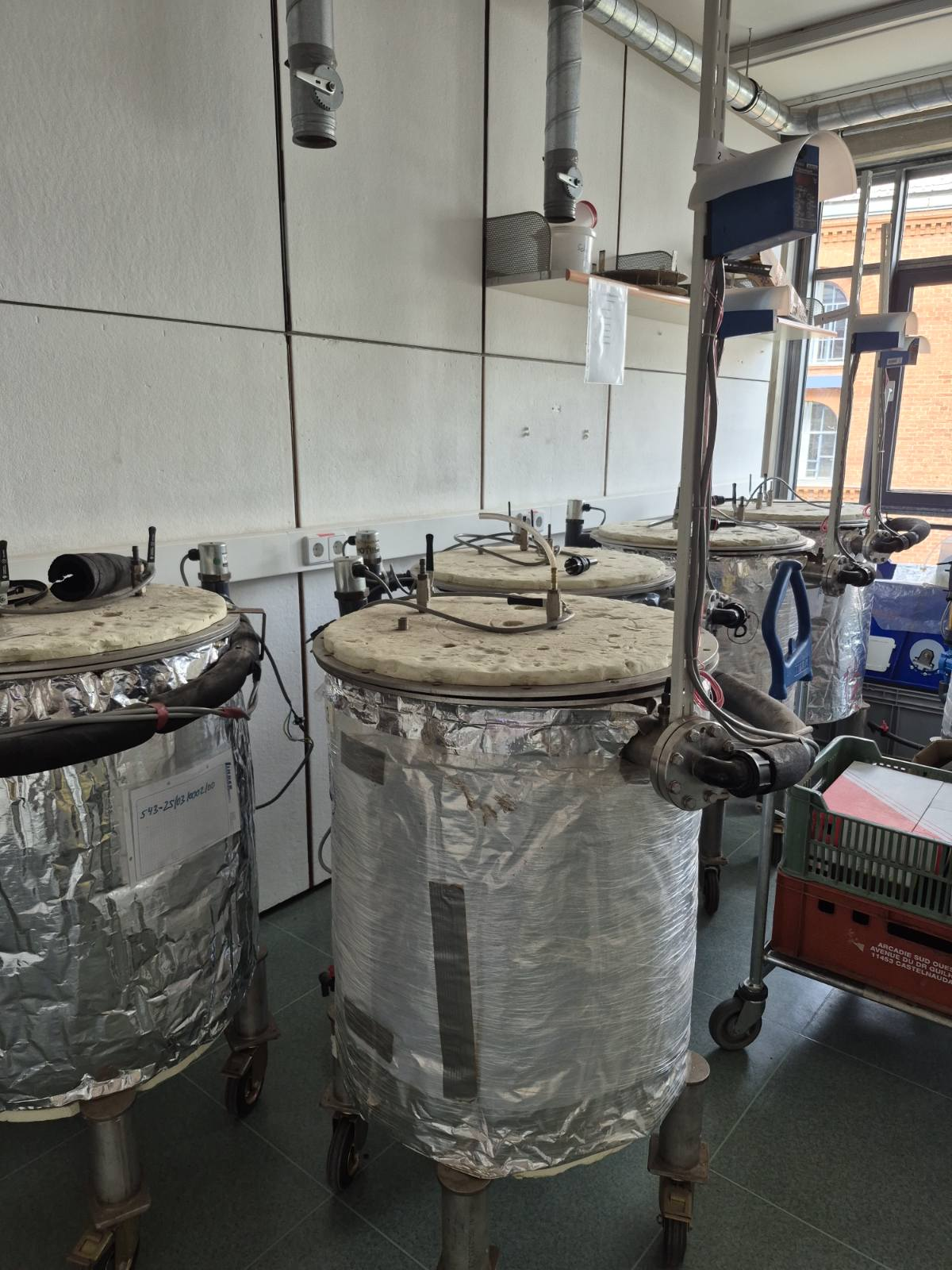
Beyond teaching activities, the academic mobility program also included a practical component. Specifically, a study visit was conducted to the laboratory facilities of the Institute of Waste Management and Circularity, where research primarily focuses on the respiration activity of organic waste.
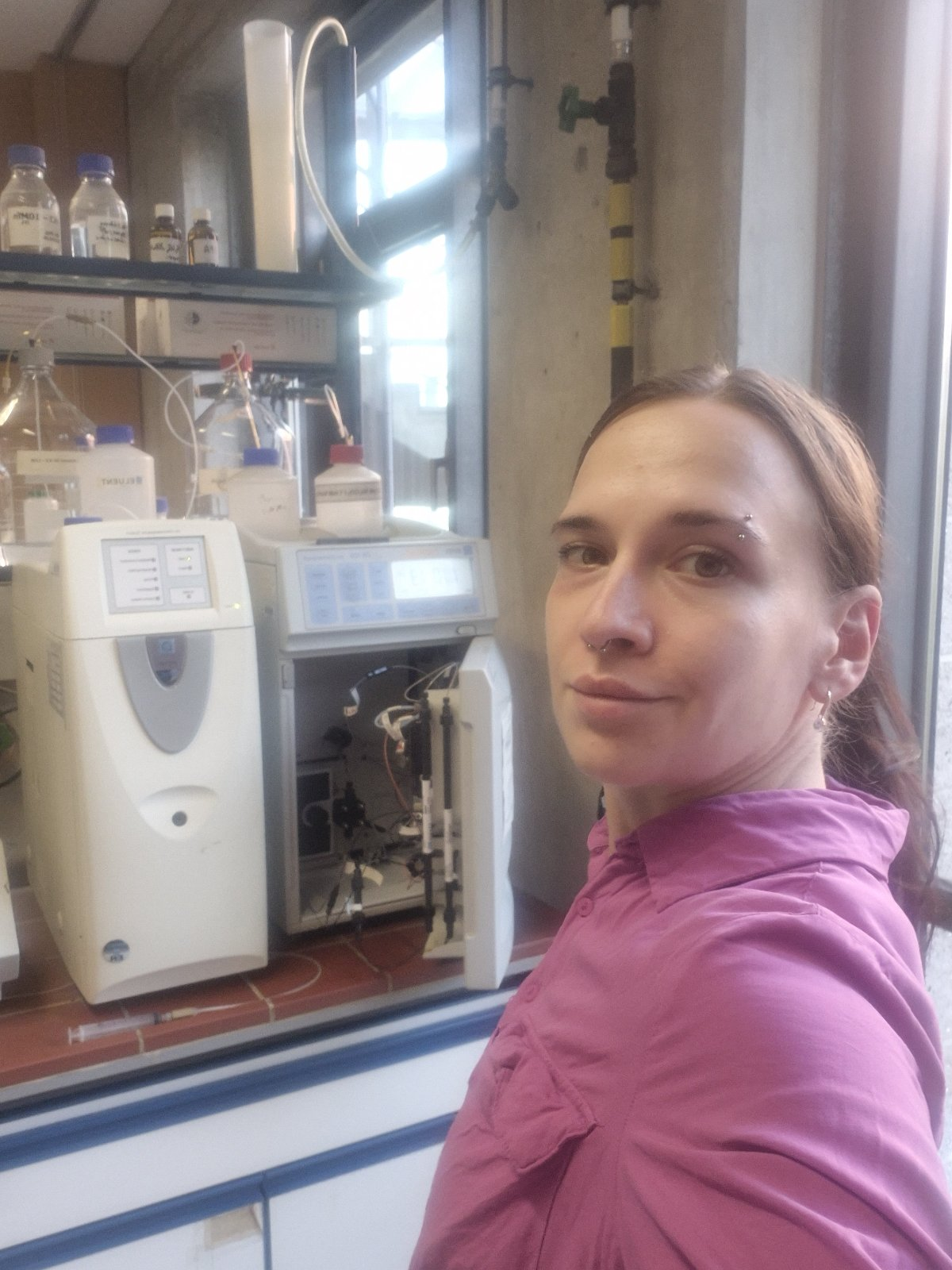
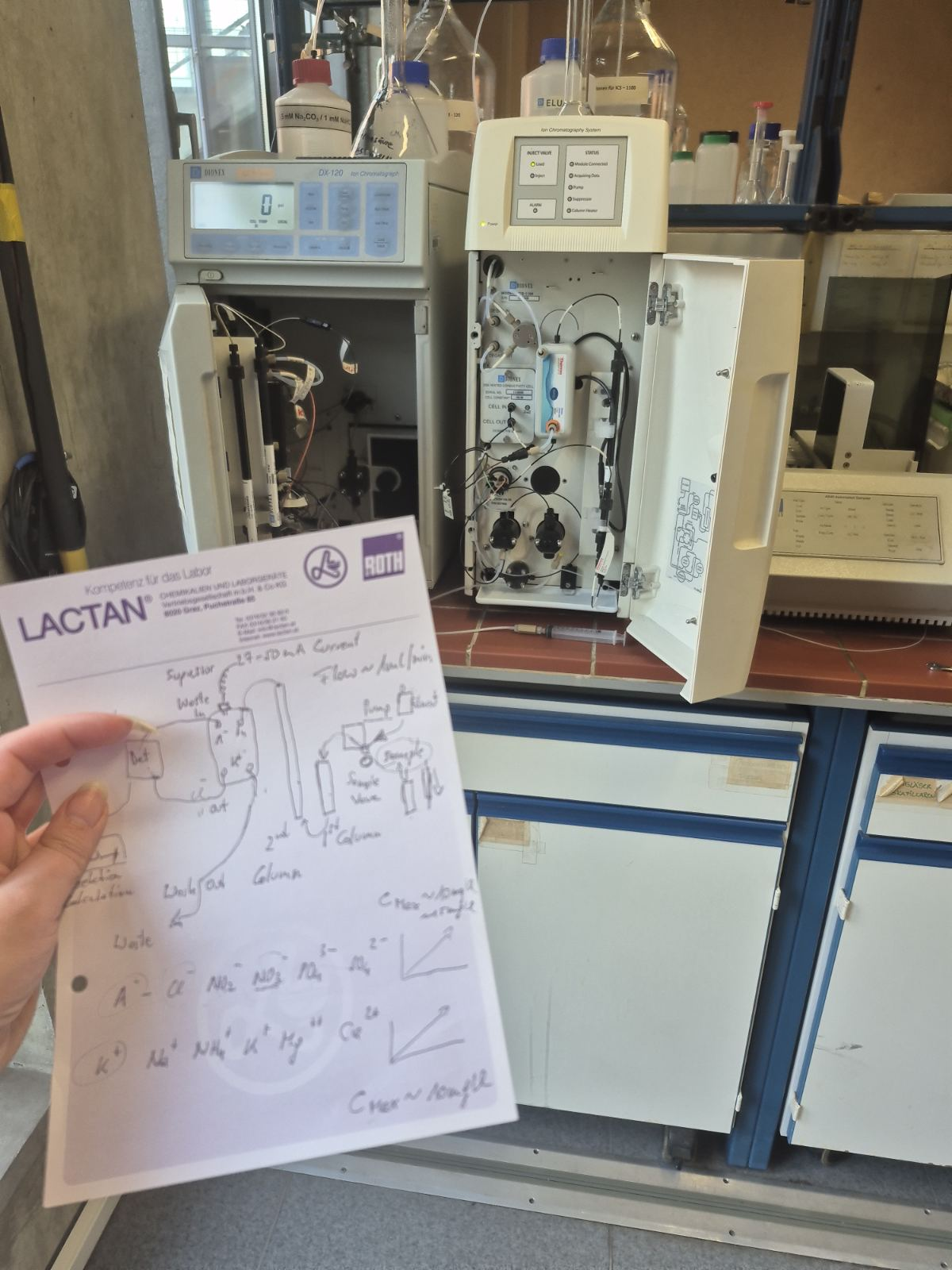
Particular attention was paid to the fundamental operating principles of an ion chromatograph, which enables the determination of concentrations of individual cations and anions in the tested samples.
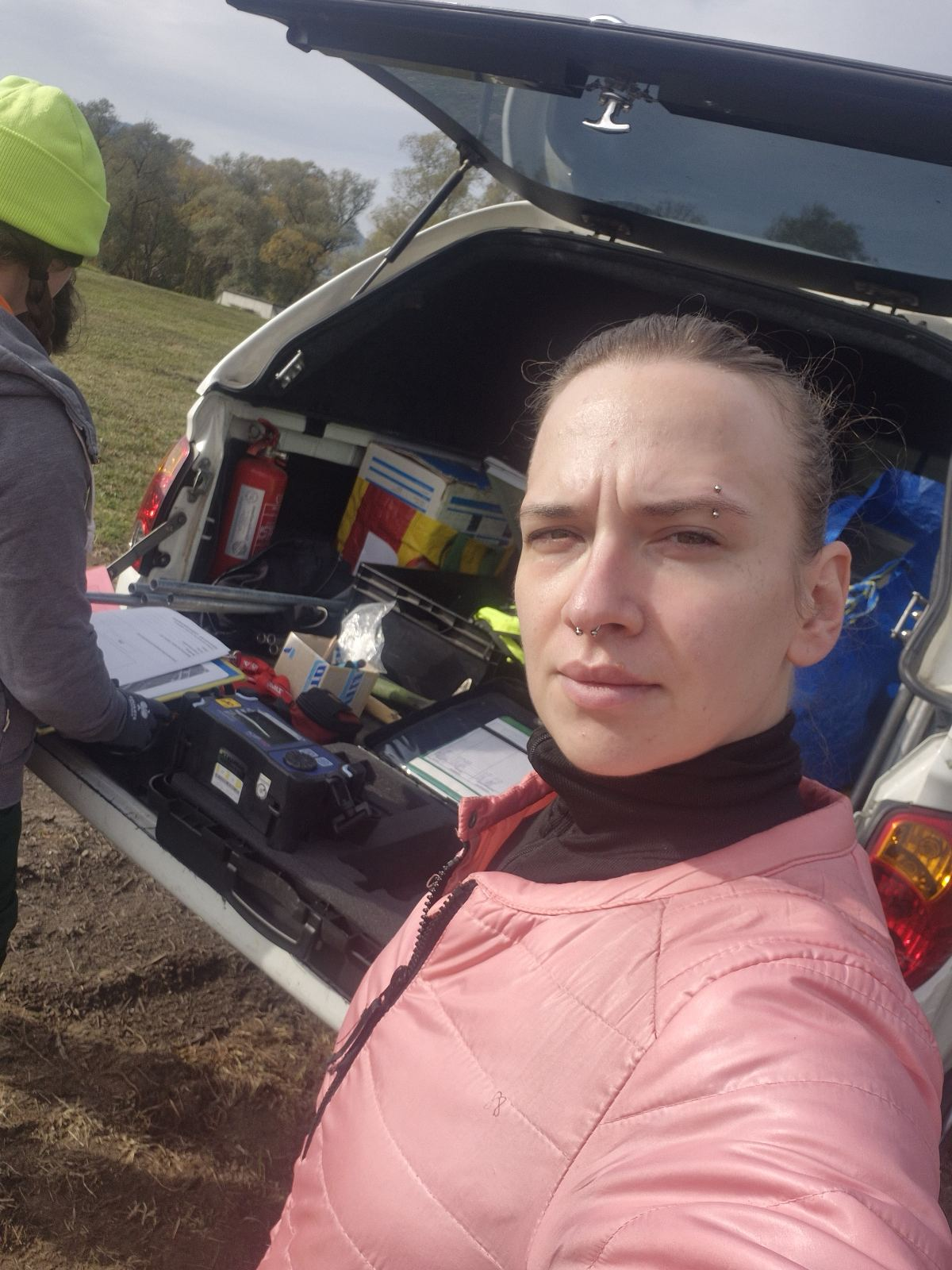
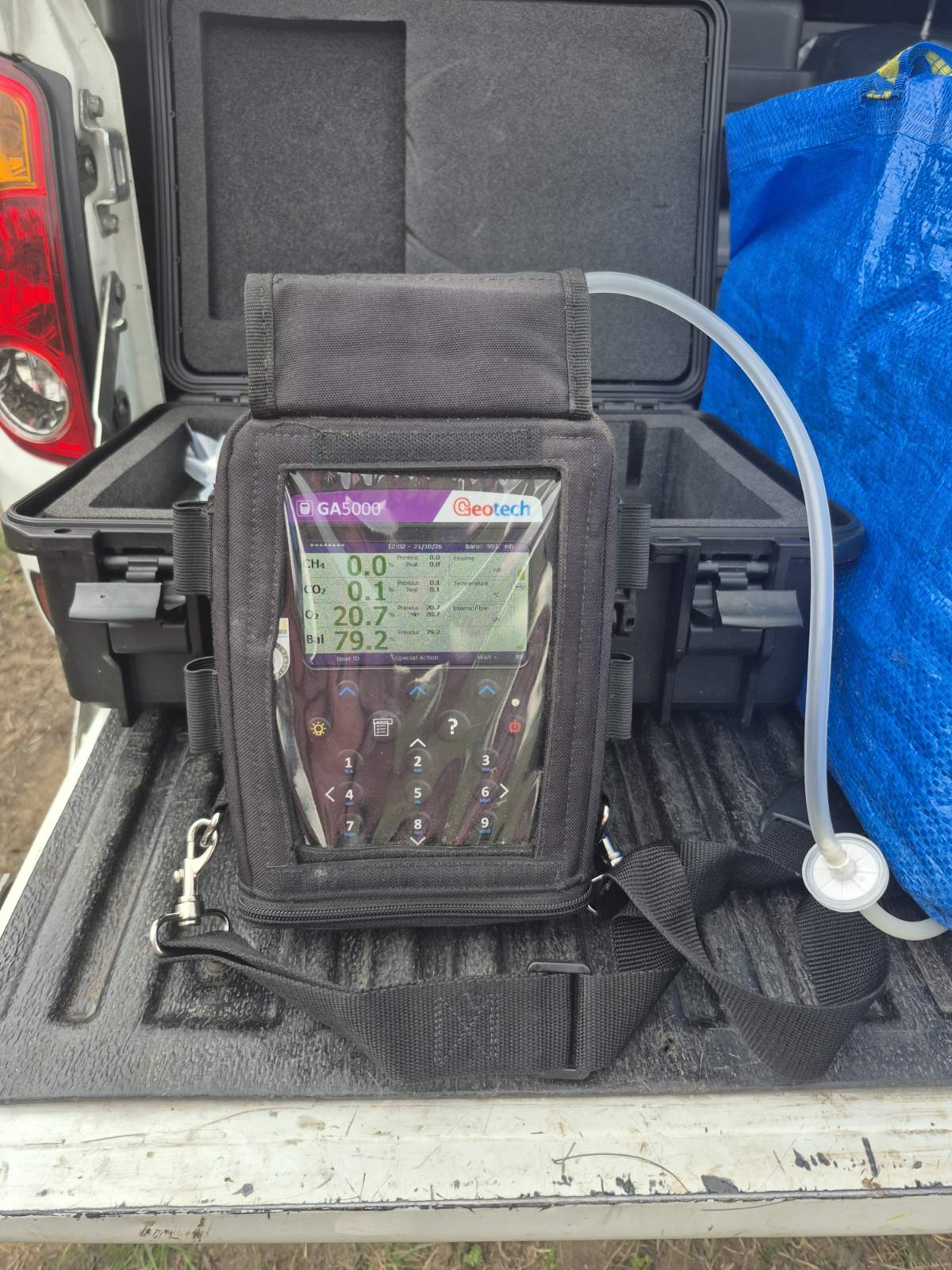
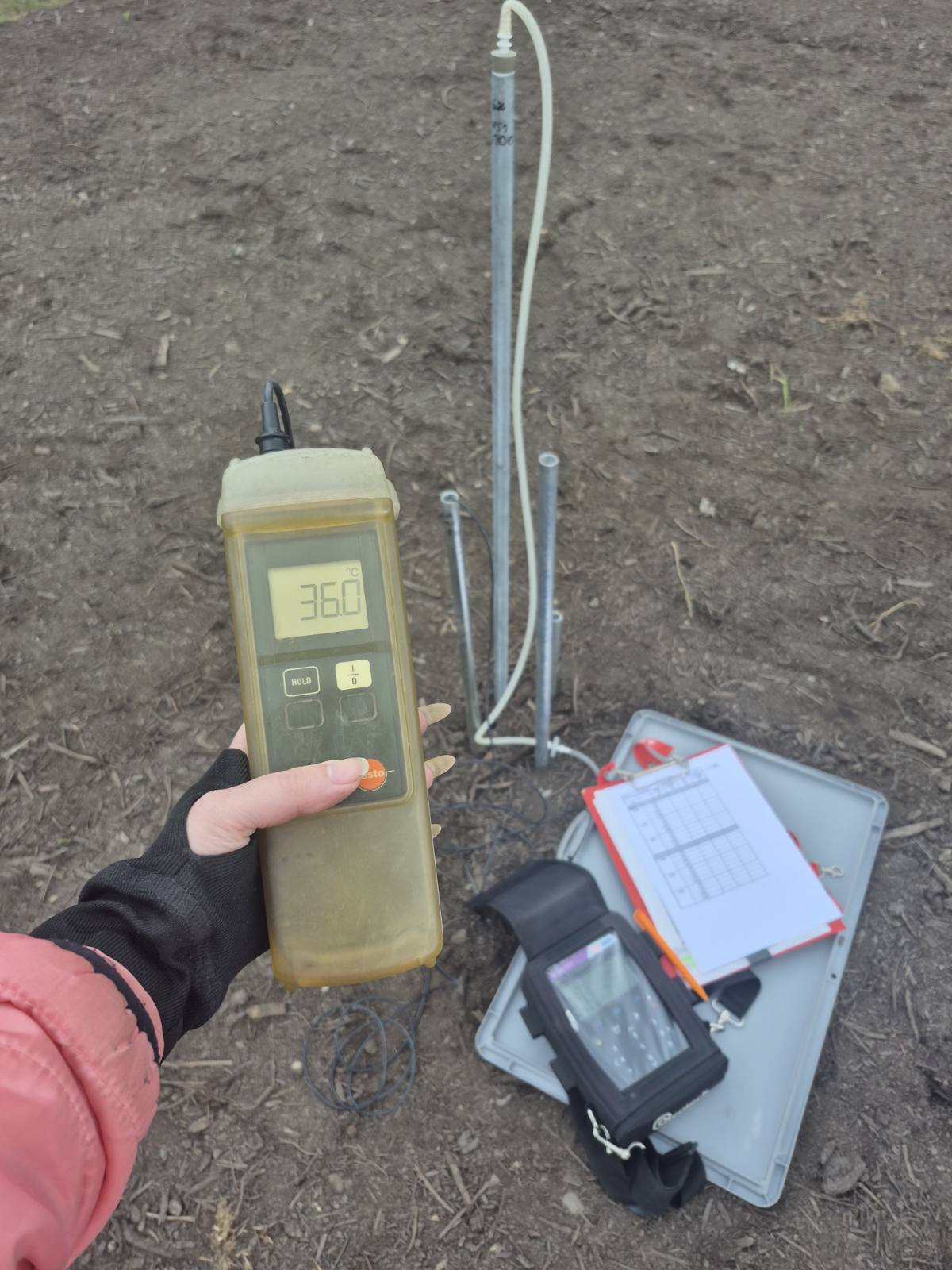
A distinctive feature of this academic mobility was the opportunity to be directly involved in field research at a municipal solid waste landfill located outside the city, including measurements of methane levels and related parameters both at the ground surface and beneath it. The landfill ceased its primary waste accumulation operations approximately 10 years ago, and remediation measures are currently underway to restore the area and prevent methane emissions into the ambient air of the surrounding territory.
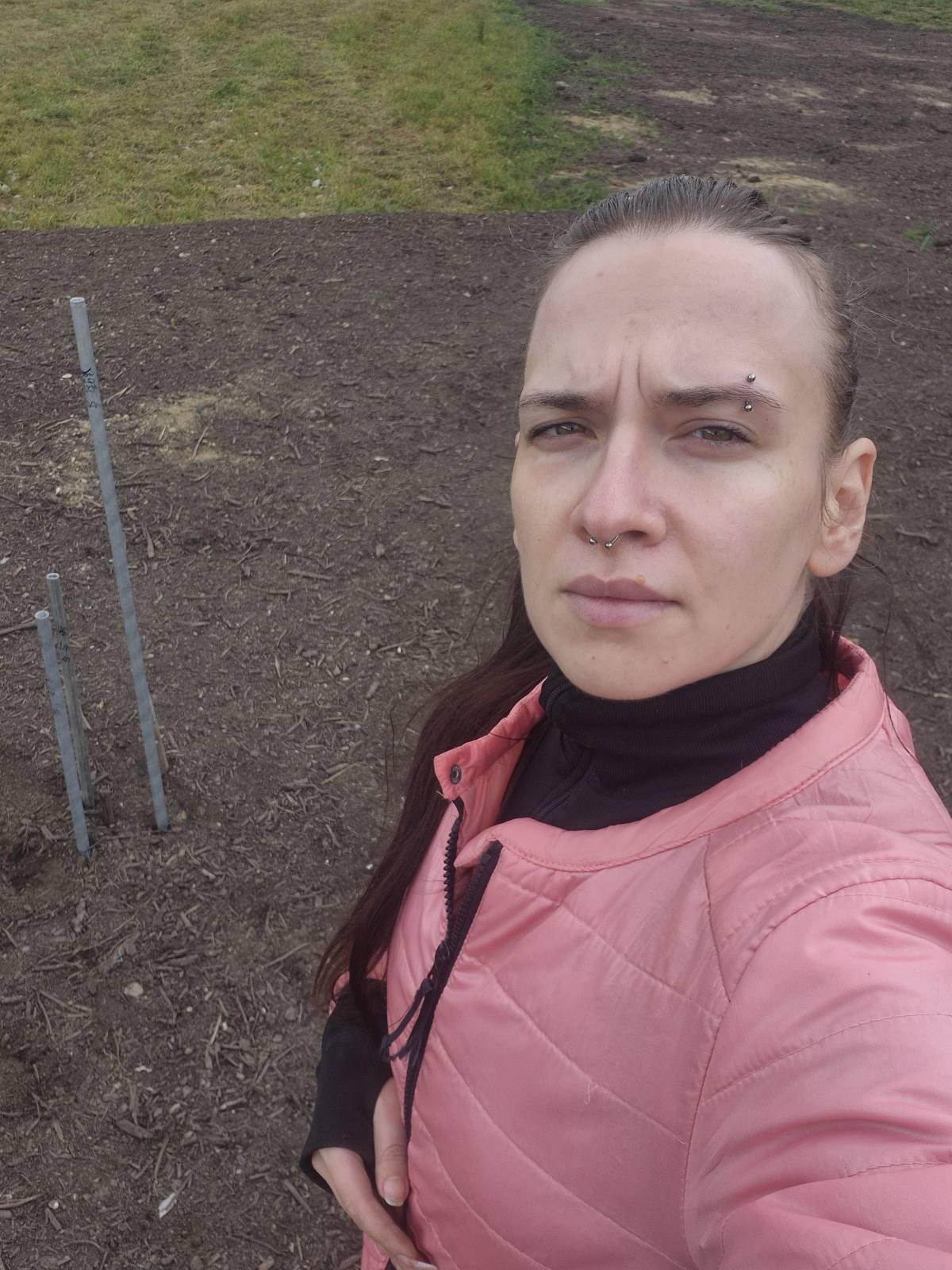
“I am sincerely grateful to my alma mater, National University “Yuri Kondratyuk Poltava Polytechnic”, for the opportunity to participate in the academic mobility program. I express special gratitude to the university’s administration – President Volodymyr Onyshchenko and Rector Olena Filonych – for their continuous support of researchers, their trust, and for opening new horizons for international cooperation and professional development”, – noted Nataliia Maksiuta.
Cooperation between the National University “Yuri Kondratyuk Poltava Polytechnic” and the University of Natural Resources and Life Sciences (BOKU) is well established and encompasses academic mobility, teaching activities, and joint scientific research. In particular, in 2025, Nataliia Maksiuta successfully completed an Erasmus+ Staff Mobility for Teaching programme, during which she delivered a 19-hour lecture course entitled “Processes and Technologies for Waste Management” to international Master's students at BOKU and presented findings from a joint Ukrainian-Austrian research project on municipal solid waste management.
At the same time, the partnership between the two universities continues to create valuable opportunities for international academic exchange, benefiting both academic staff and students. In February 2026, Poltava Polytechnic announced an open call for applications for Erasmus+ academic mobility at BOKU for the 2026/2027 academic year, inviting students, doctoral candidates, and academic staff to participate. Subsequently, the University extended the application period, offering additional opportunities for students and doctoral candidates to pursue academic mobility in Vienna. The consistent implementation of joint educational and research initiatives strengthens Ukrainian-Austrian academic cooperation, advances Poltava Polytechnic's internationalisation efforts, and enhances the University's research capacity.
As a reminder, faculty members of Poltava Polytechnic are eligible to participate in academic mobility and internship programs, while students can study abroad through Erasmus+ credit academic mobility grant programs for a semester or a full academic year at partner universities in Austria, Greenland, Denmark, Estonia, Spain, Lithuania, Latvia, Norway, the Netherlands, Germany, Poland, Portugal, Romania, Slovakia, Finland, and the Czech Republic.
For more detailed information regarding current internship, teaching, and academic mobility programs abroad, please contact the International Relations Office of Poltava Polytechnic (Room 213-C, interoffice@nupp.edu.ua).