For future specialists in computer science, understanding the principles of sustainable development and possessing “green” skills are becoming integral components of professional training in the digital era. Modern technologies play a key role in environmental monitoring and the development of ecological solutions; therefore, the synergy between IT tools and the principles of environmental responsibility opens new opportunities for future developers. Recognising these contemporary demands, Poltava Polytechnic actively promotes students' participation in technical specialities within international non-formal education programmes. This allows future generations of specialists not only to adopt leading European experience but also to develop the soft skills necessary to design sustainable technological solutions for Ukraine's recovery.
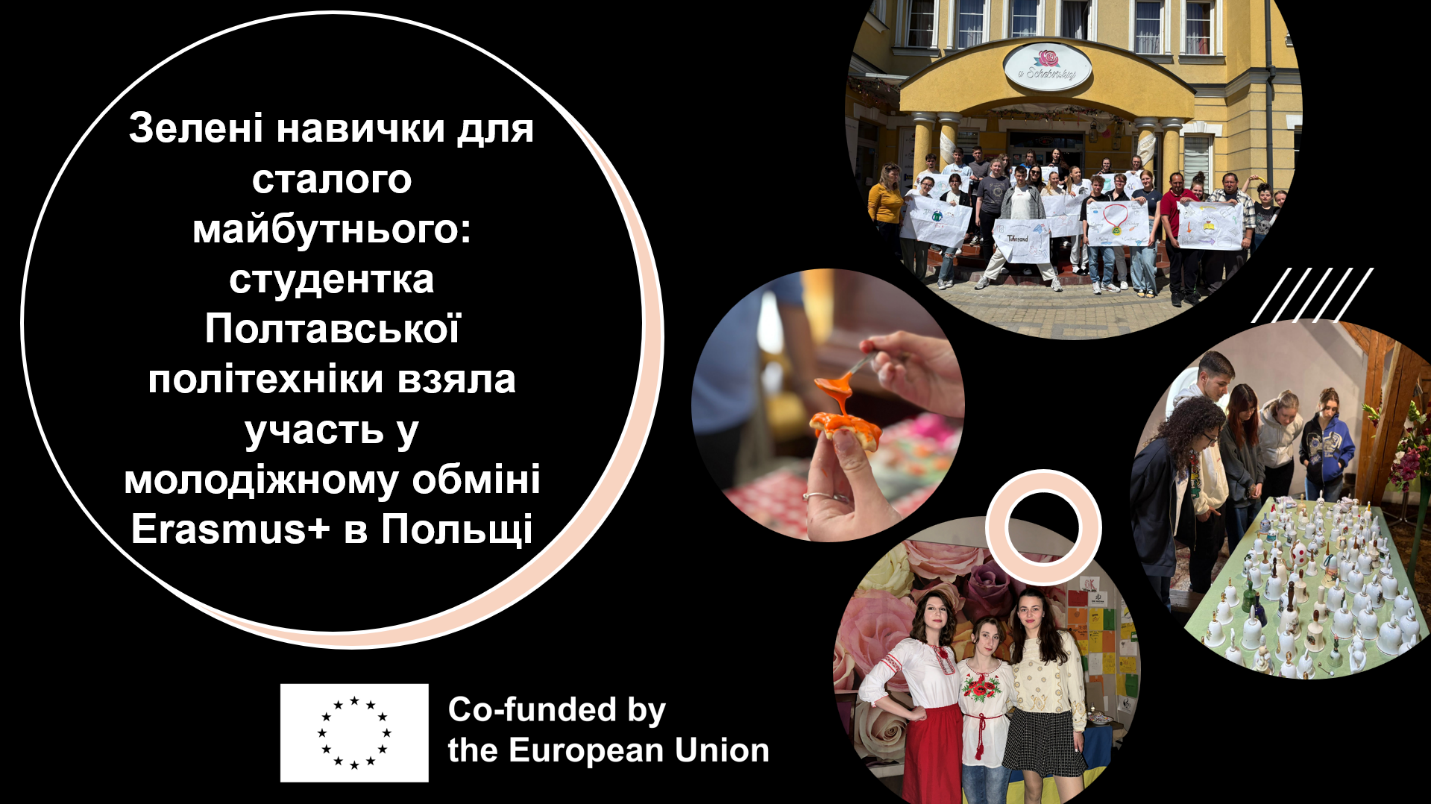
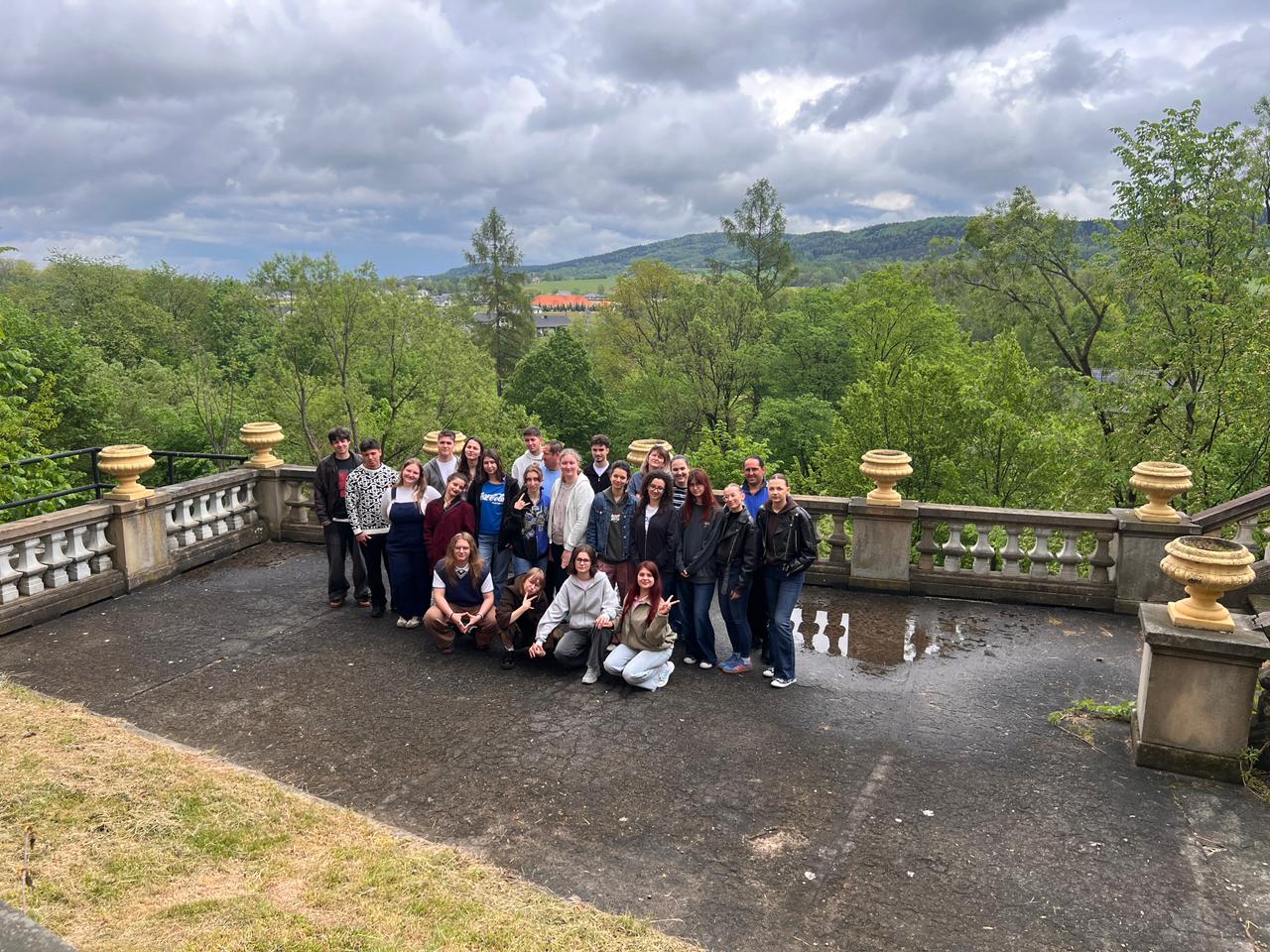
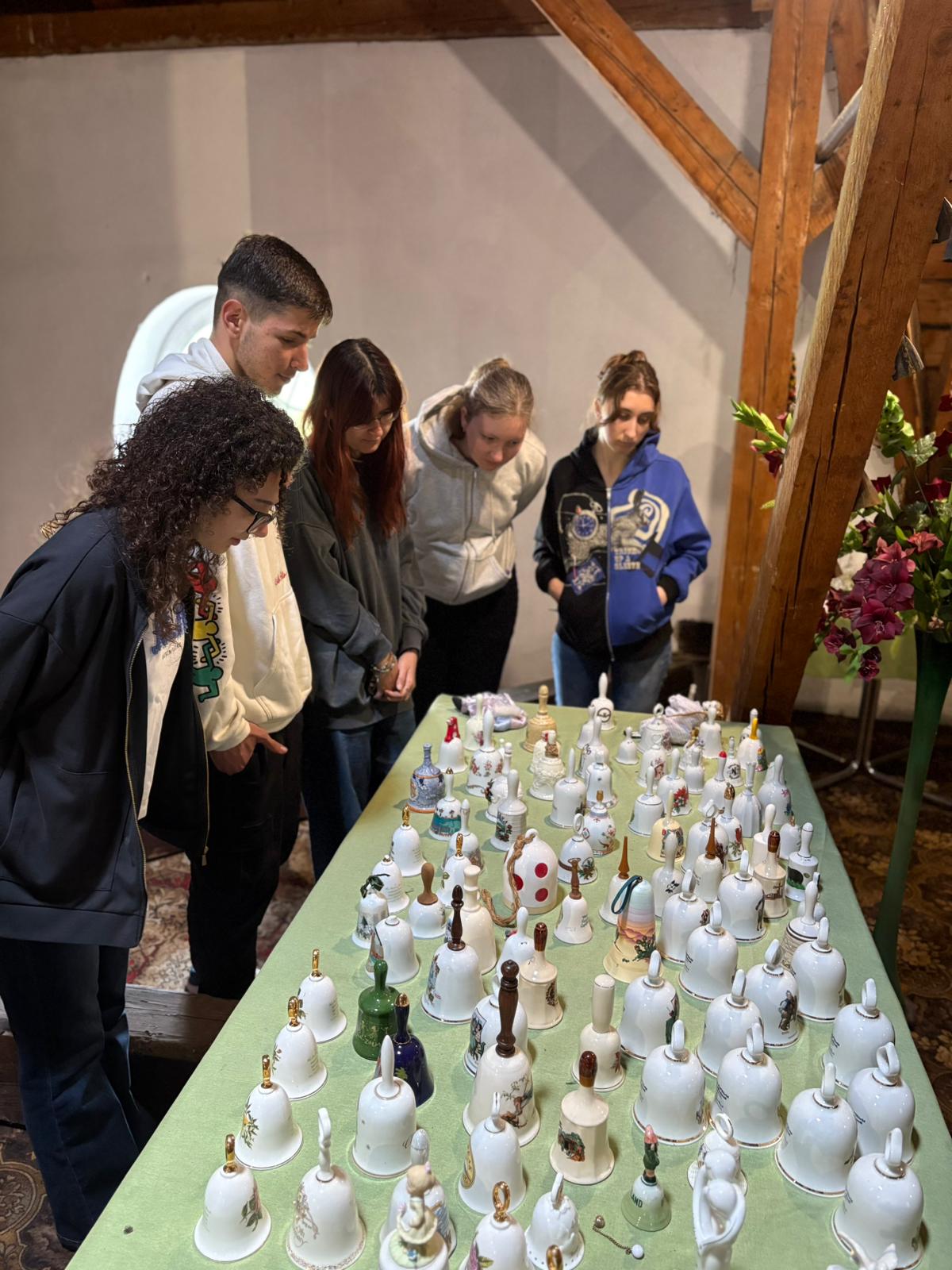
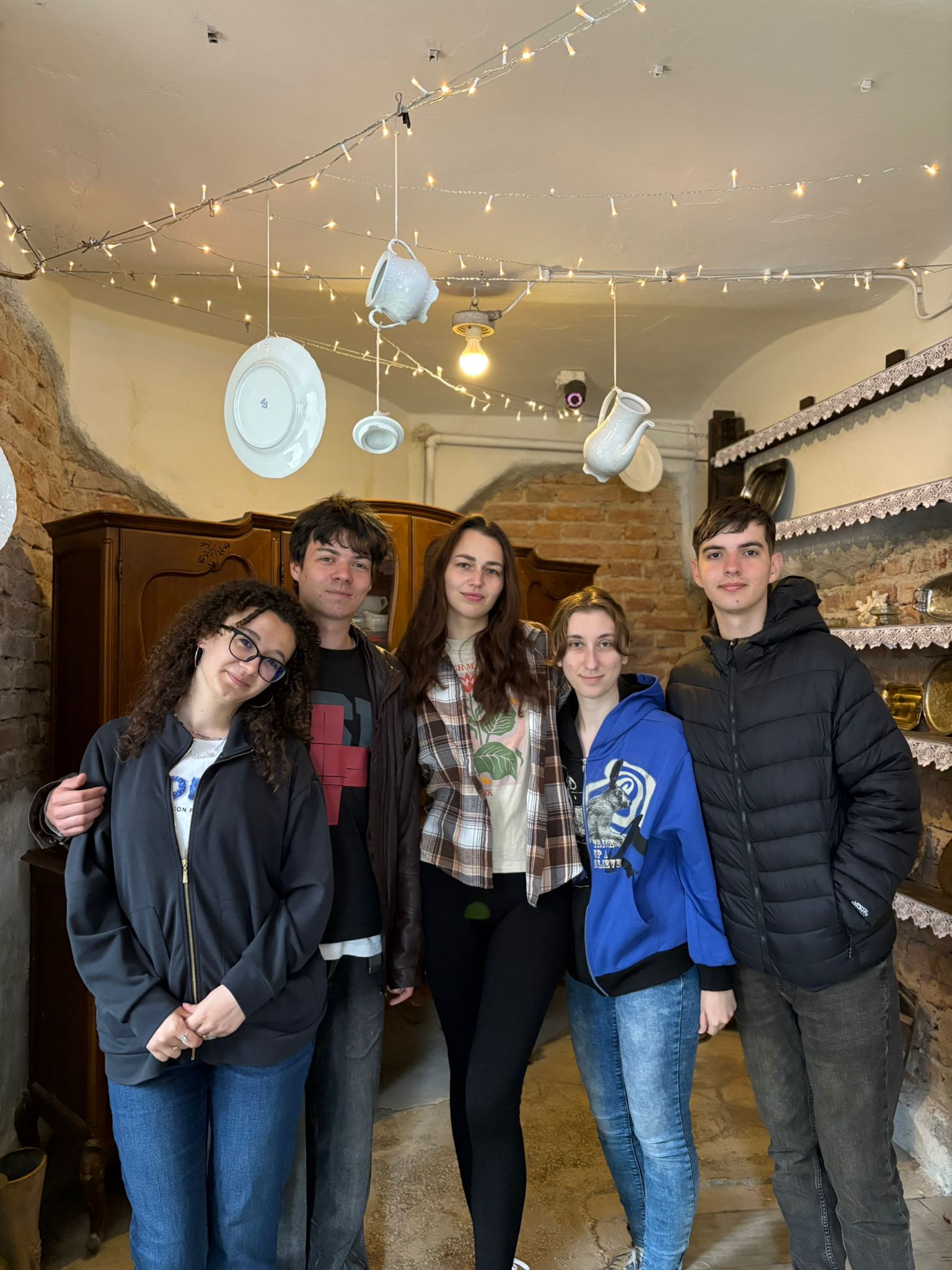
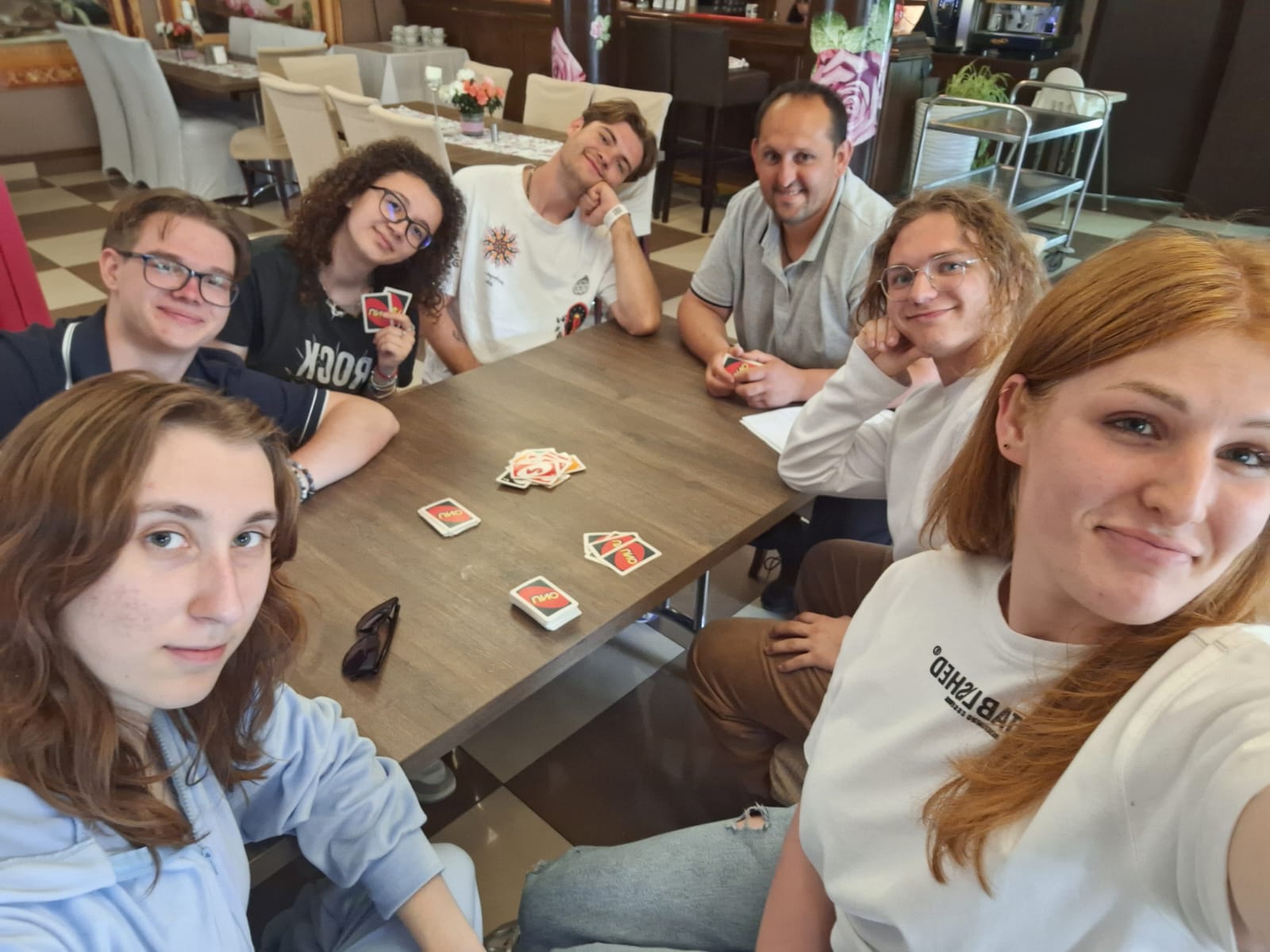
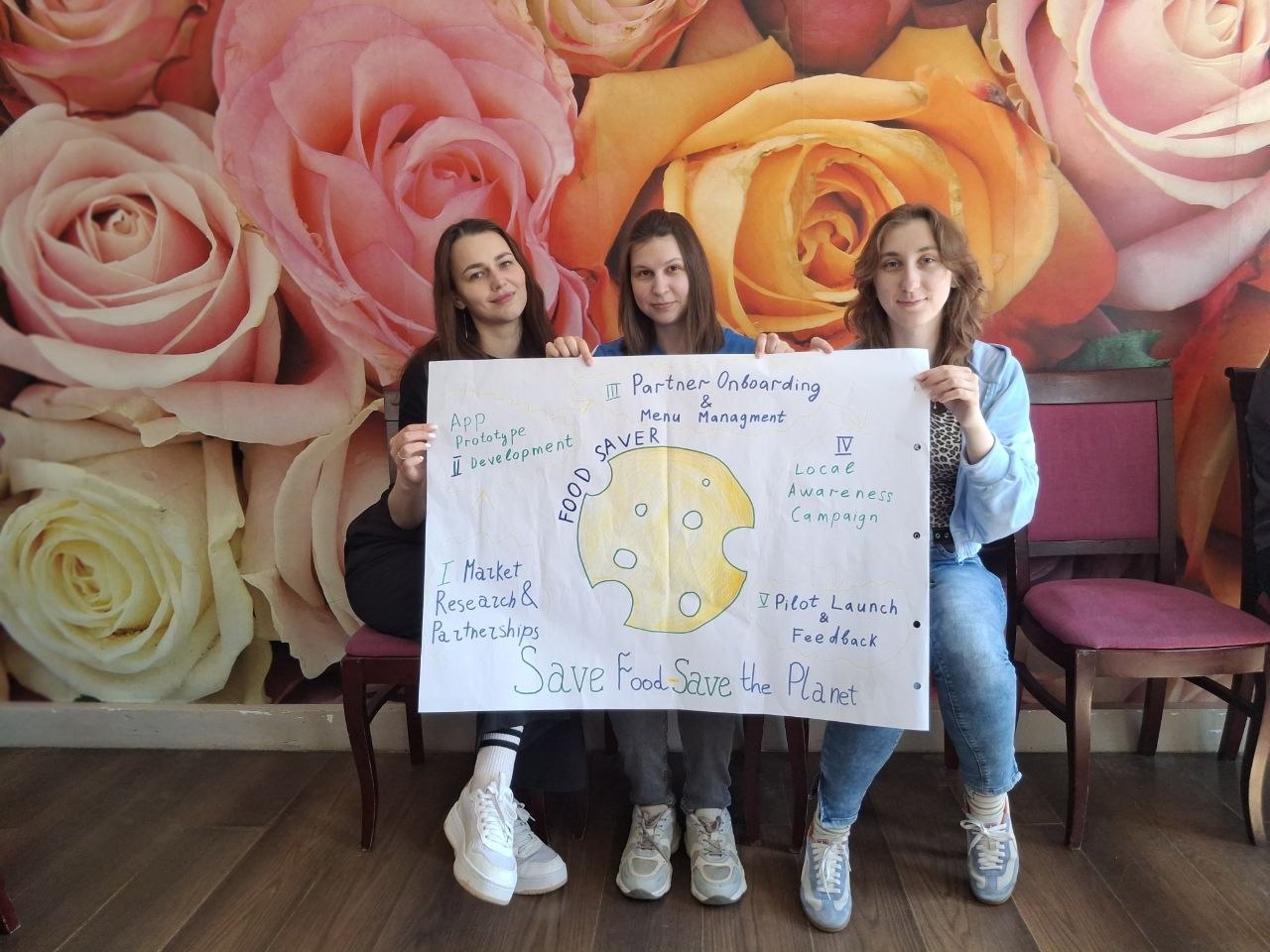
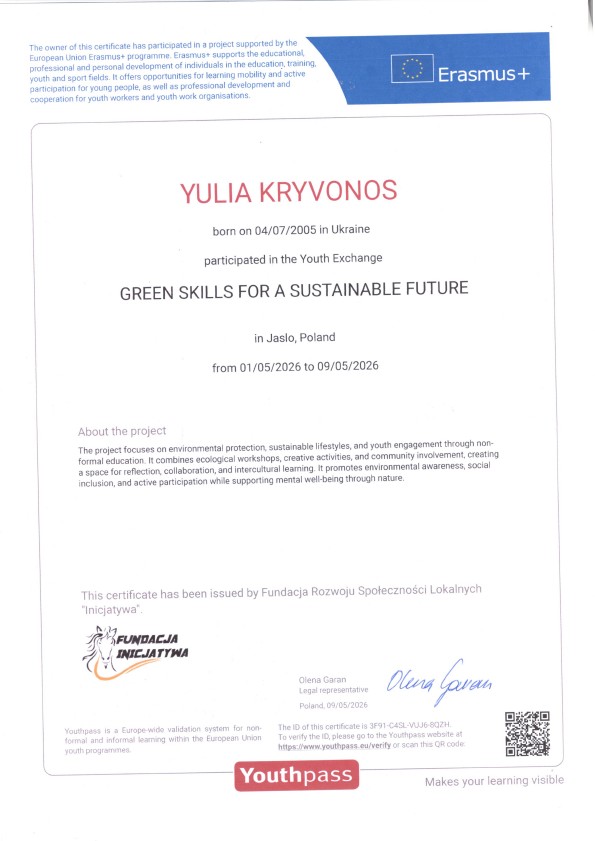
As part of the development of international academic mobility and the expansion of environmental awareness, fourth-year Computer Science student Yulia Kryvonos took part in the Erasmus+ youth exchange program titled “Green Skills for a Sustainable Future”. The event took place from May 1 to May 9, 2026, in the city of Jasło (Republic of Poland) under the auspices of the Polish organisation Fundacja Rozwoju Społeczności Lokalnych “Inicjatywa”. This international project brought together more than 30 young people from Ukraine, Poland, Romania, and Croatia to study the principles of sustainable development and non-formal education and to enhance social inclusion and intercultural dialogue.
The official program for the first working day focused on introducing the project coordinators, establishing group rules, and outlining the key objectives of the exchange. Special emphasis was placed on incorporating innovative ecological practices and emotional relief methods, including canine-assisted therapy (canister therapy) featuring specially trained therapy dogs, which facilitated rapid adaptation and the establishment of initial communication links among representatives of different countries.
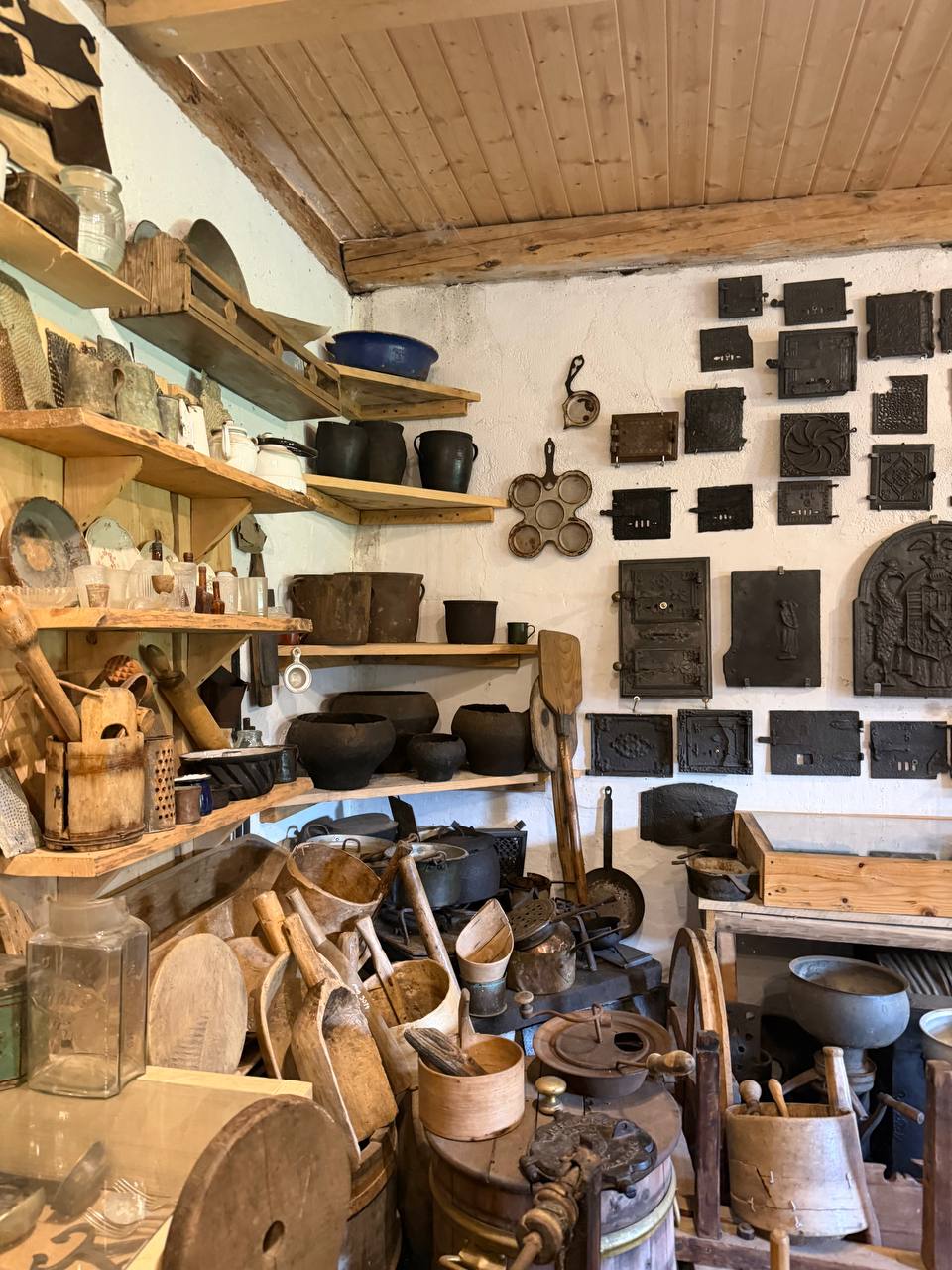
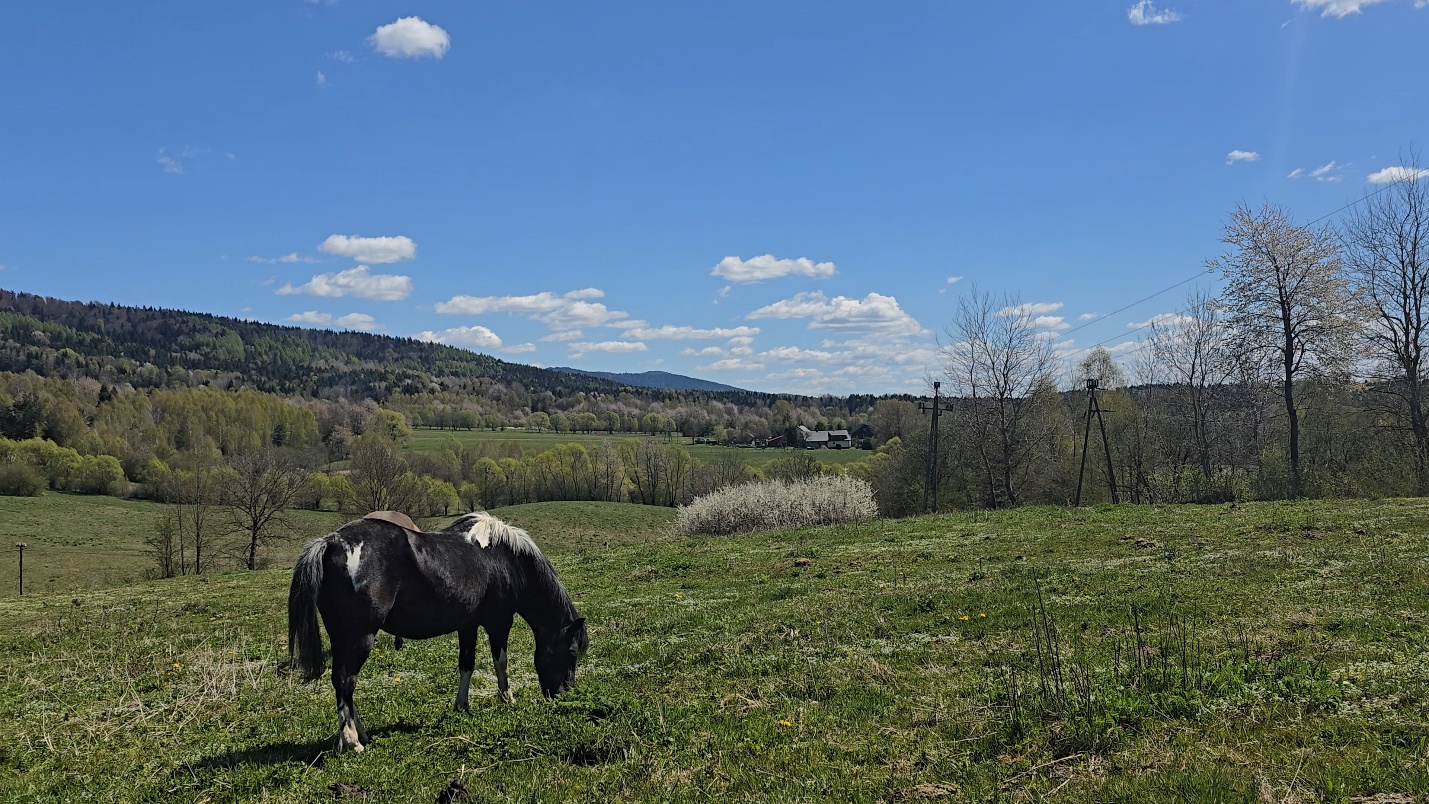
An important practical component of the project was the study of hippotherapy methods, for which the participants conducted a field session in the Bieszczady National Park. Direct contact with nature and animals was combined with an introduction to regional history and local life during a visit to the ecomuseum "In the Land of the Boykos". The intensive educational day concluded with an intercultural integration event, during which the Croatian delegation presented authentic wedding traditions, national cuisine, and folklore, demonstrating the importance of preserving European cultural heritage.
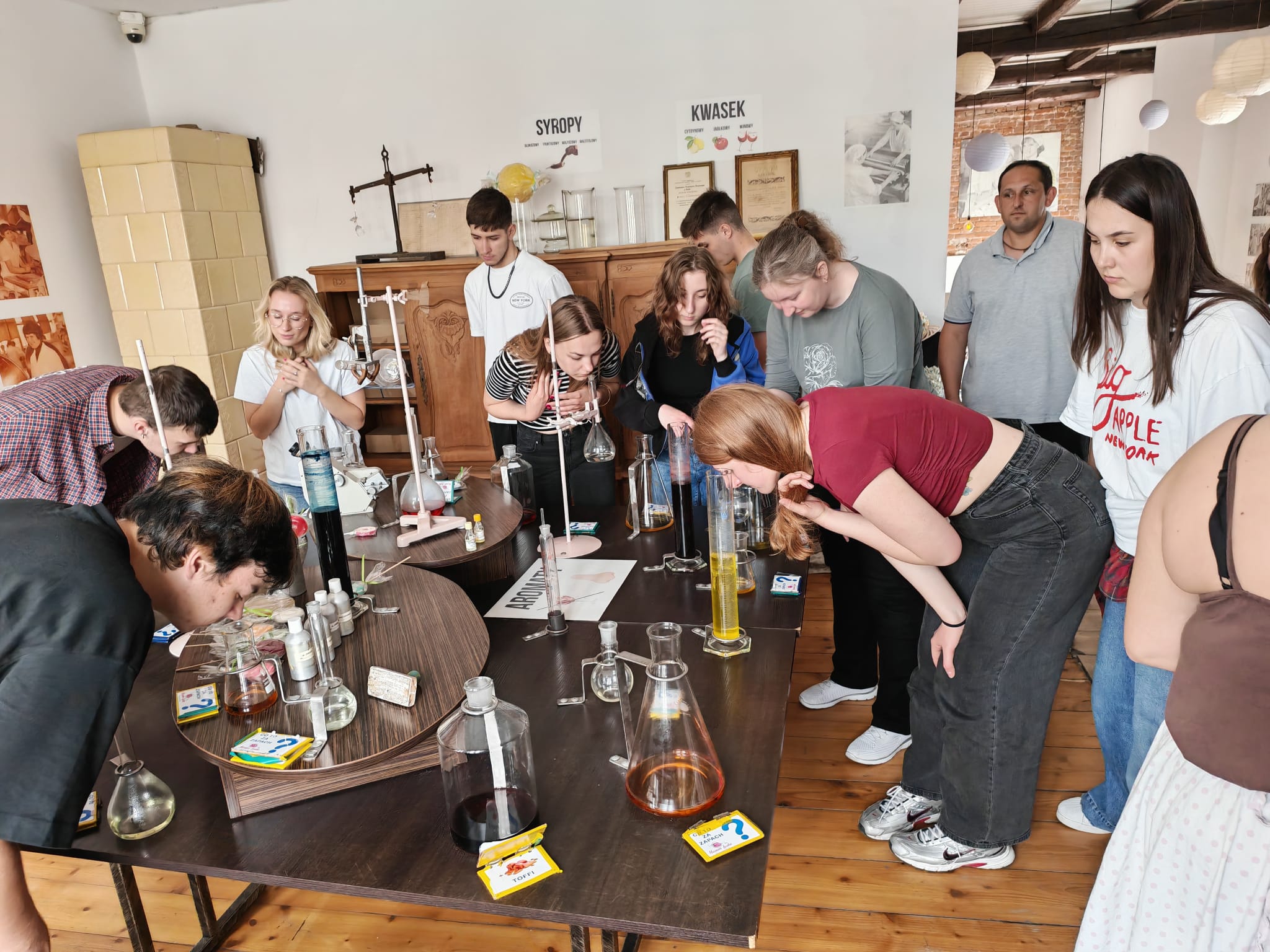
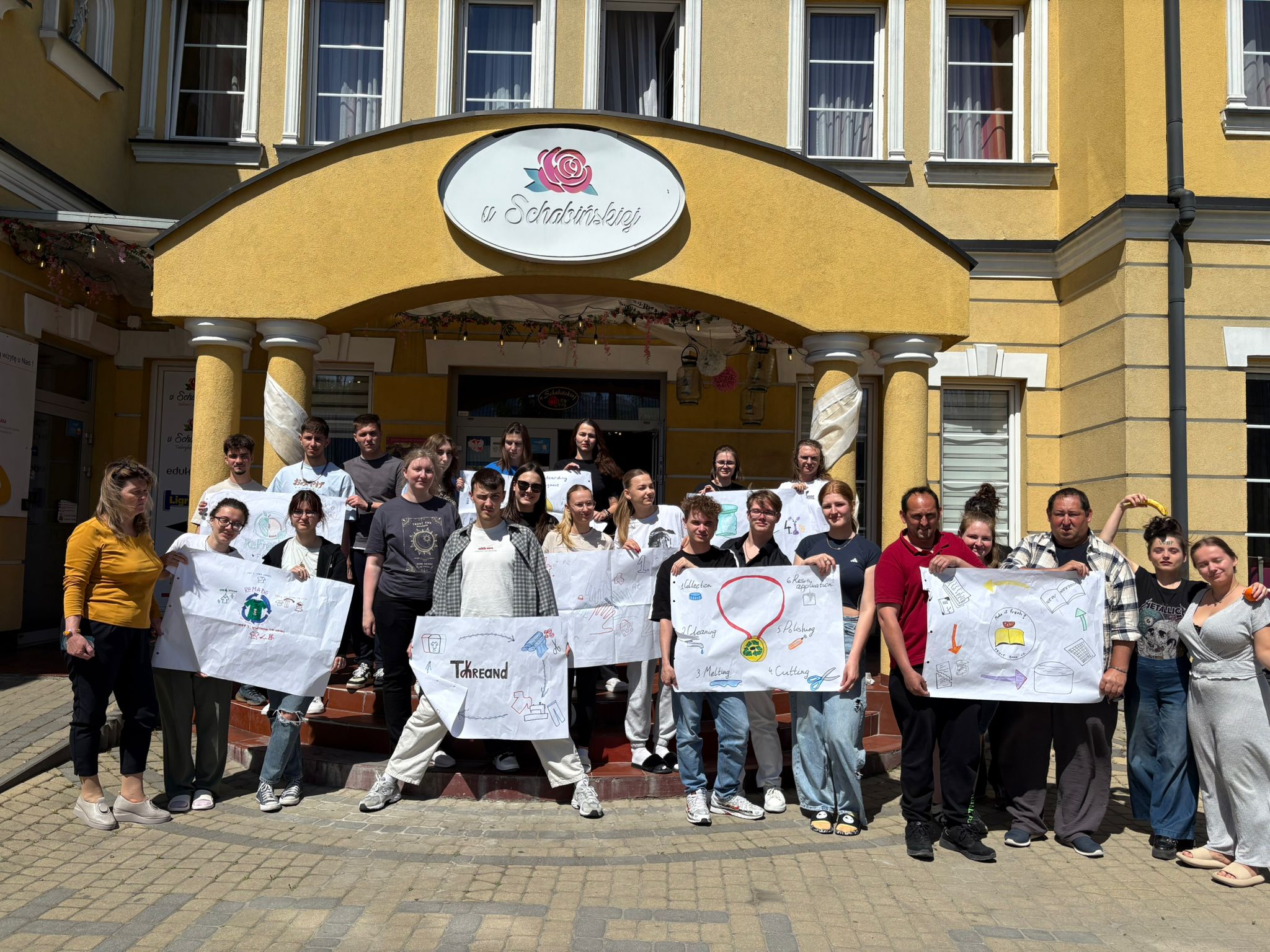
The following days were dedicated to active teamwork and to developing media literacy in an environmental context. The exchange participants, divided into international groups, worked on creating short social impact videos highlighting global environmental challenges. This practical experience alternated with theoretical lectures and eco-fundraising workshops, during which the youth analysed financial support tools for sustainable initiatives and planned personal development trajectories. Concurrently, Romanian and Polish partners organised their national evenings, presenting theatrical performances, traditional dishes, and souvenirs, thereby significantly broadening attendees' horizons.
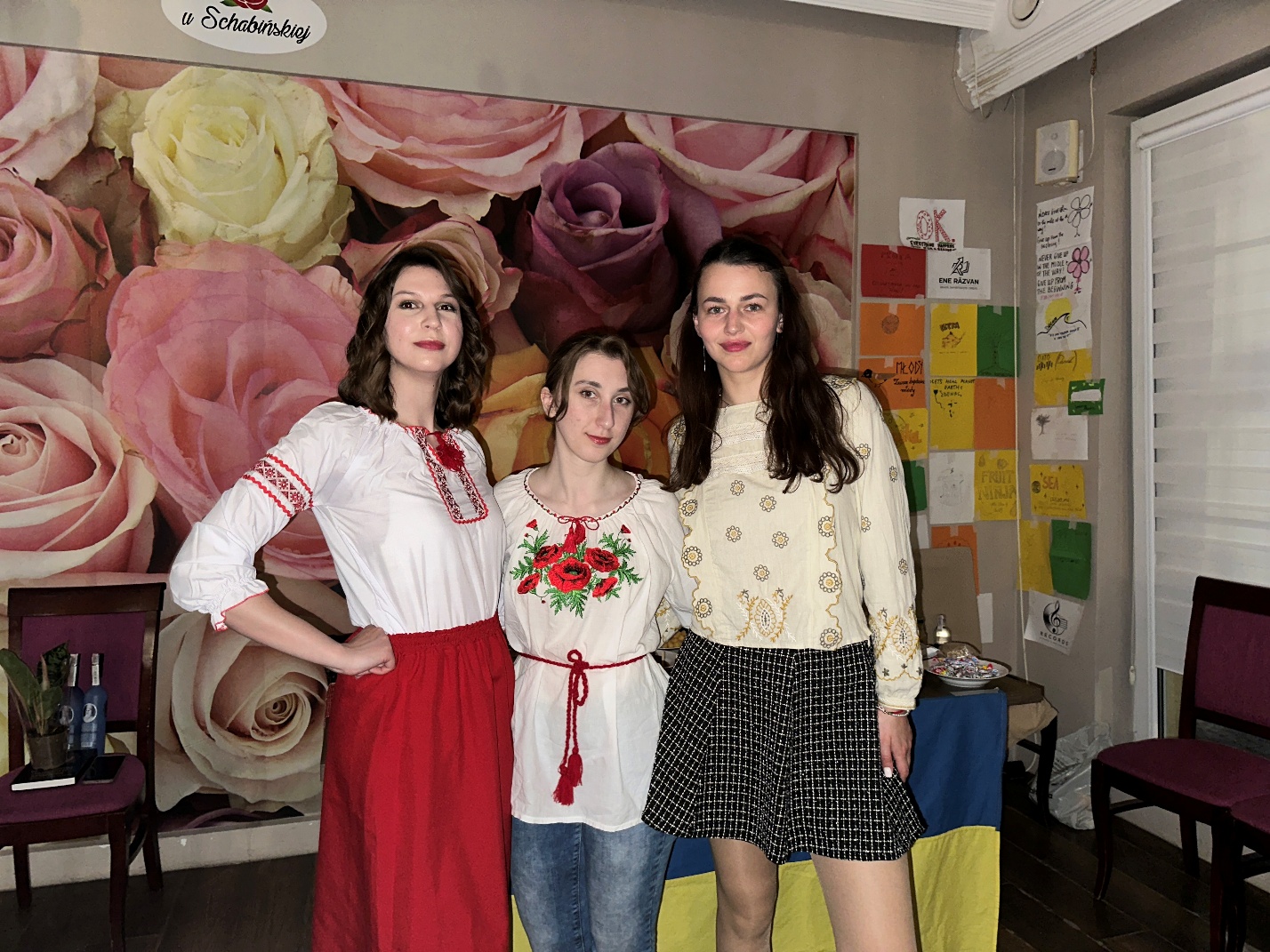
The educational block continued with an interactive quest through the city of Jasło, aimed at exploring the local historical and architectural landscape using non-formal education methods. A significant stage of the project was the Ukrainian cultural evening prepared by the national delegation. Our students approached the representation of national identity with great responsibility, offering international colleagues interactive contests, traditional food tastings, and an introduction to contemporary Ukrainian music culture, which garnered significant interest and positive feedback from the international community.
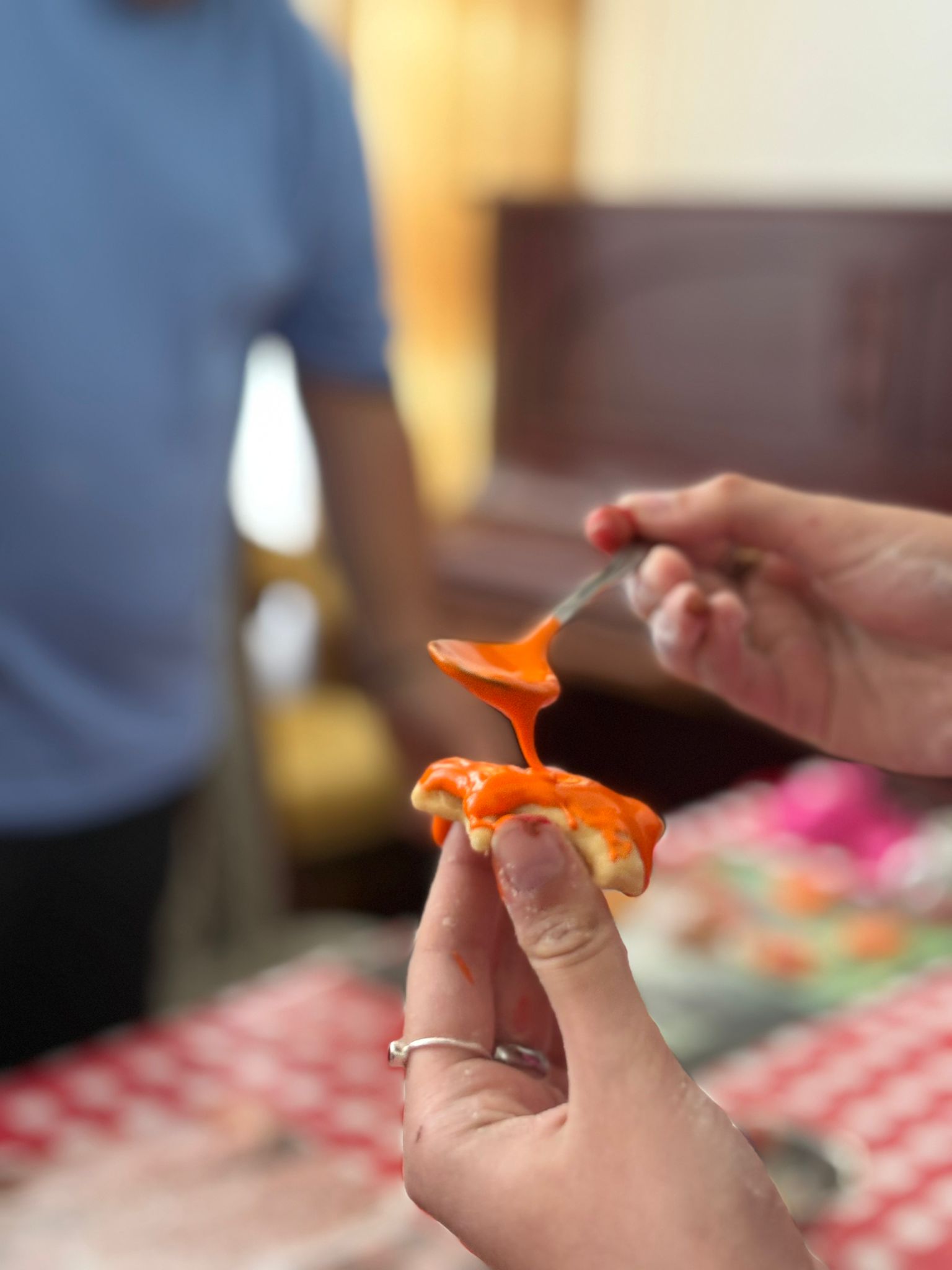
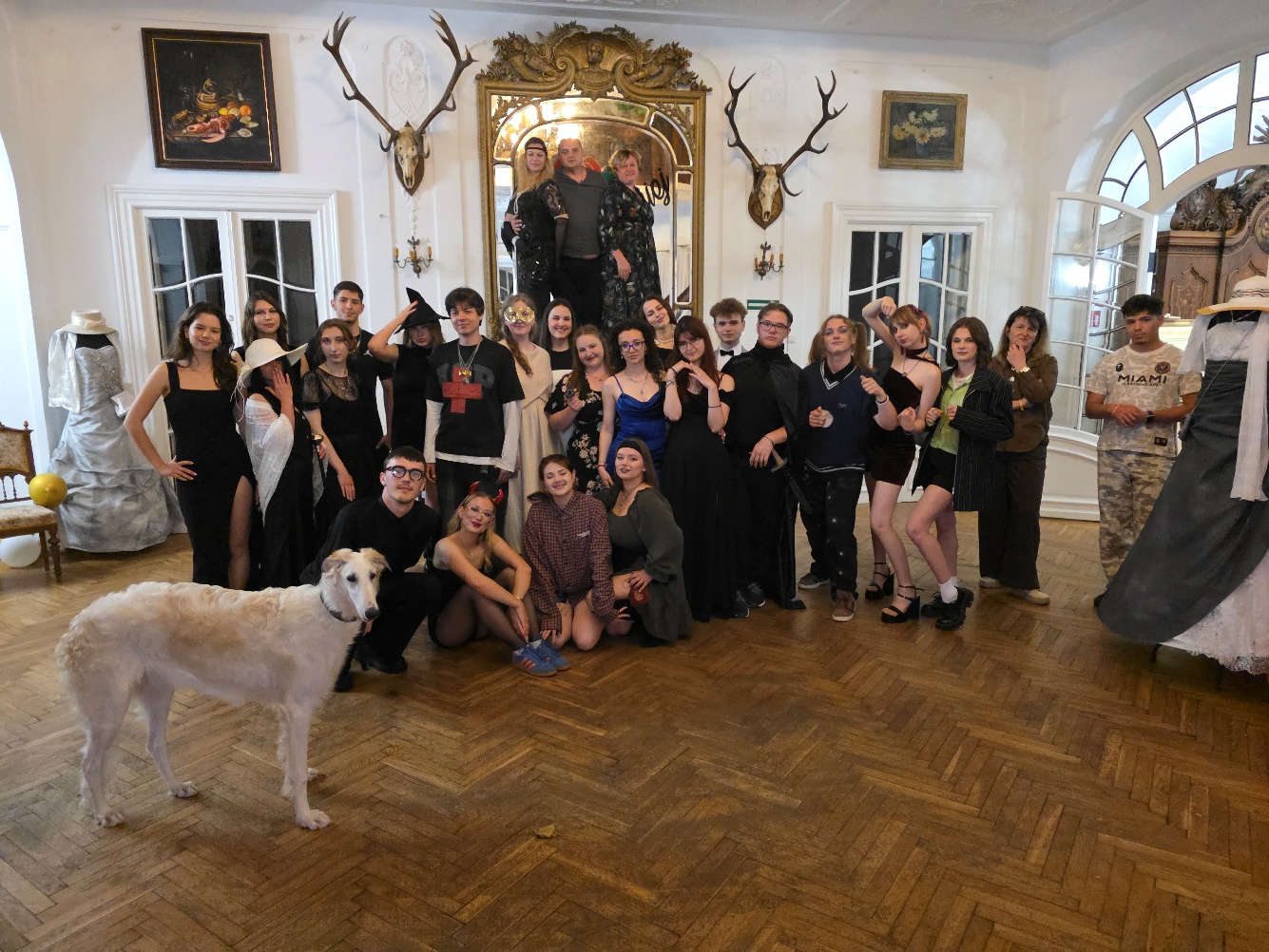
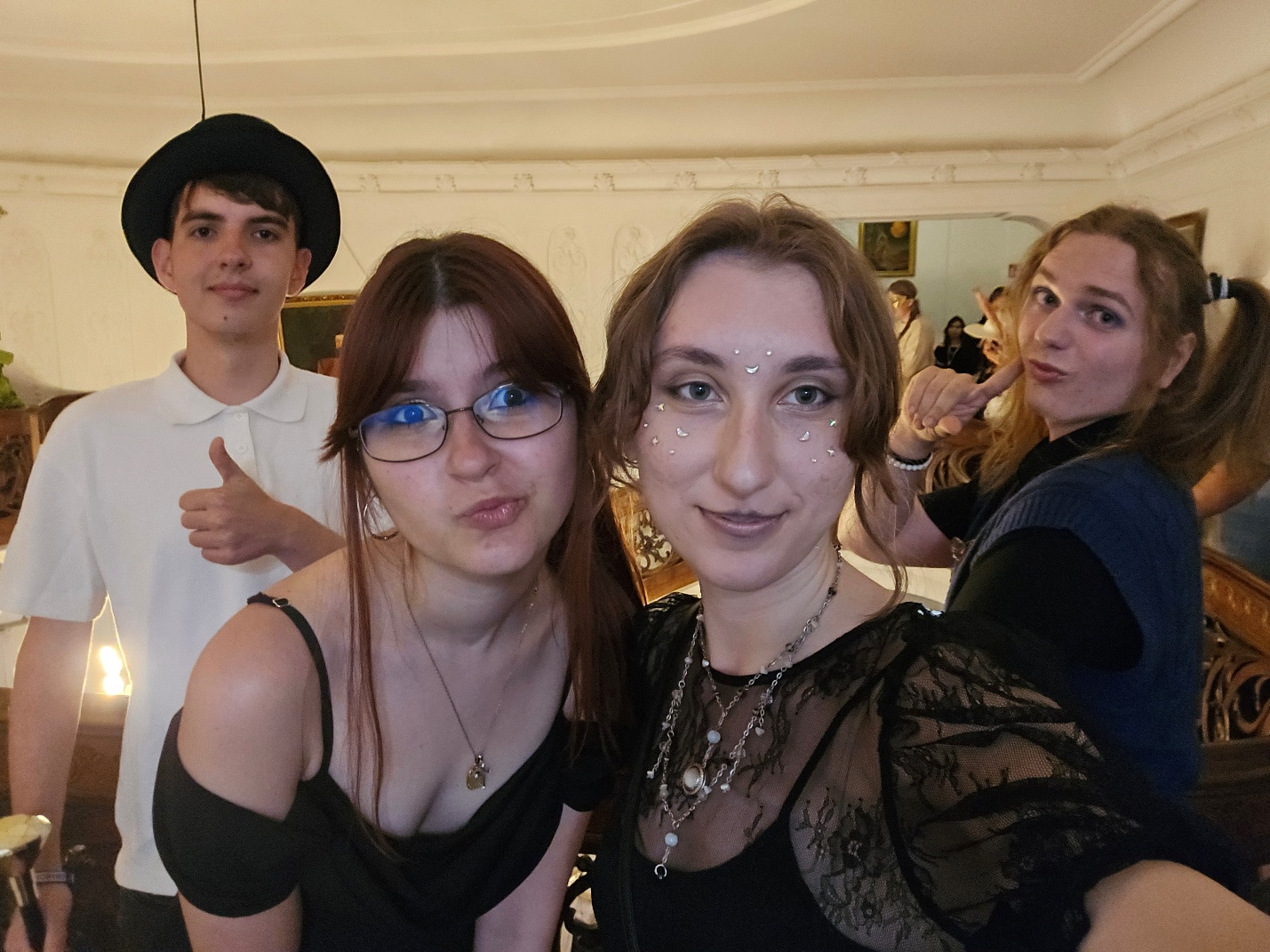
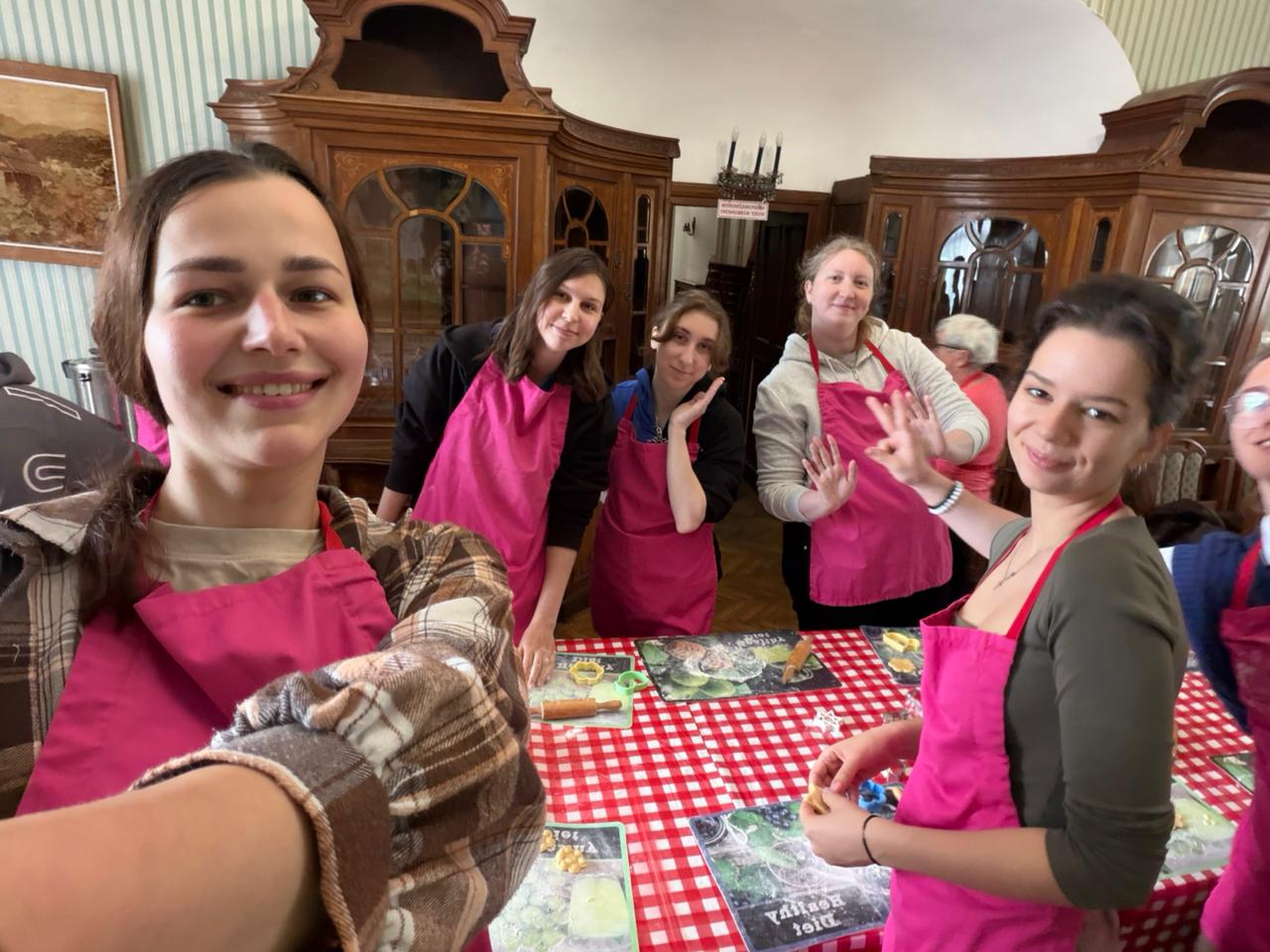
The final part of the youth exchange took place in the unique historical setting of the castle in the city of Gorlice. The change of location fostered deeper reflection, the drawing of intermediate conclusions, and informal communication during an organised masquerade ball. The final day of the project was dedicated to a joint culinary activity, a summary of the overall learning outcomes, and the ceremonial presentation of Youthpass certificates, which officially verified the participants' acquisition of new ecological, social, and linguistic competences.
Participation in an international project of this scale has been a significant experience for the computer science student, underscoring the importance of combining technical education with humanitarian and environmental values. The acquired knowledge in environmental management, the experience of teamwork in a foreign-language environment, and the expansion of the professional contact network lay a solid foundation for further academic and public activity. We express our sincere gratitude to the host organisation, Fundacja Rozwoju Społeczności Lokalnych “Inicjatywa”, for the high level of event preparation and comprehensive support in integrating Ukrainian youth into the European educational space.

National University “Yuri Kondratyuk Poltava Polytechnic” fully supports student initiatives in international activities and academic mobility. By creating conditions for young people to participate in European educational programs, the polytechnic contributes to the development of a new generation of specialists who combine professional knowledge with contemporary values of sustainable development and are ready to apply the experience gained for the further development and reconstruction of our country.
As a reminder, Poltava Polytechnic faculty members can participate in academic mobility programs and internships. At the same time, students can study abroad under Erasmus+ credit academic mobility grant programs for a semester or an entire academic year at leading universities in Austria, Greenland, Denmark, Estonia, Spain, Lithuania, Latvia, Norway, the Netherlands, Germany, Poland, Portugal, Romania, Slovakia, Finland, and the Czech Republic.
For more detailed information regarding current internship, teaching, and academic mobility programs abroad, please get in touch with the International Relations Department (Room 213-C, interoffice@nupp.edu.ua).