In today’s globalised space, higher education has long transcended the boundaries of a single university’s classrooms. International academic mobility programs, particularly the well-known European Erasmus+ initiative, open up unique opportunities for students. They allow them not only to acquire high-quality knowledge at leading European institutions but also to step out of their comfort zones and develop critical soft skills, such as adaptability, cross-cultural communication, and independence.
Studying abroad is not merely about mastering new academic disciplines. It is a deep integration into a different cultural and linguistic environment, overcoming stereotypes, and broadening one’s horizons. Students are allowed to compare different educational systems, adopt advanced teaching methodologies and practical training, and build a network of useful professional and personal contacts spanning the globe. Such an experience makes graduates significantly more competitive in the labour market and helps them develop as conscious global citizens.
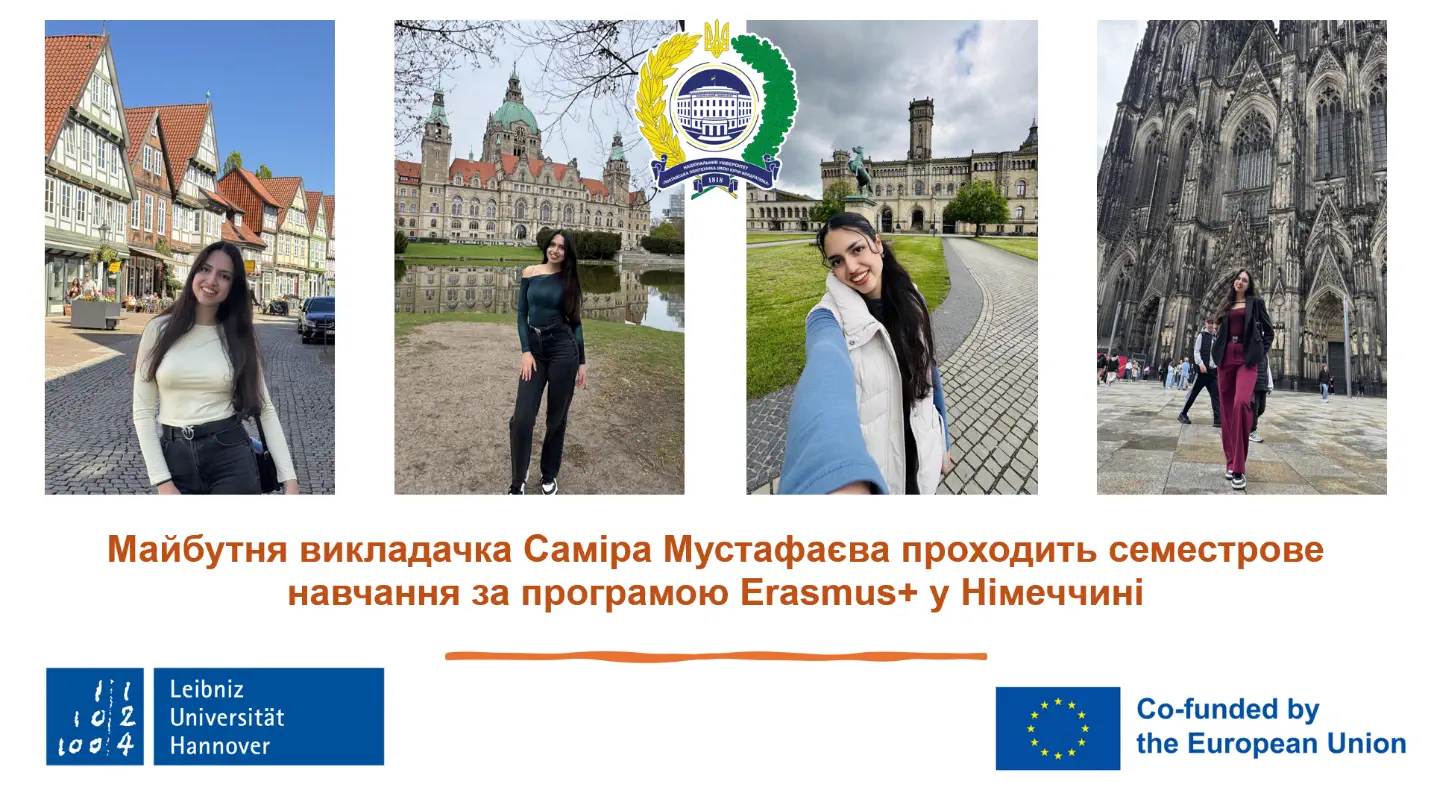
A prominent example of the successful realisation of this potential is the experience of Samira Mustafaieva, a third-year student majoring in 014 “Secondary Education: English Language and Second Foreign Language” (group 301-FO). From April 1 to July 31, 2026, Samira is studying under the Erasmus+ credit academic mobility program at the Gottfried Wilhelm Leibniz Universität Hannover (Germany). She shares her impressions, the peculiarities of the German education system, and unforgettable travels in detail in her review:
“I was very eager to discover Germany, dismantle established stereotypes, immerse myself in language learning, and gain vivid memories. Participating in the Erasmus+ credit academic mobility program at the Gottfried Wilhelm Leibniz Universität Hannover became an excellent opportunity to realise these aspirations.
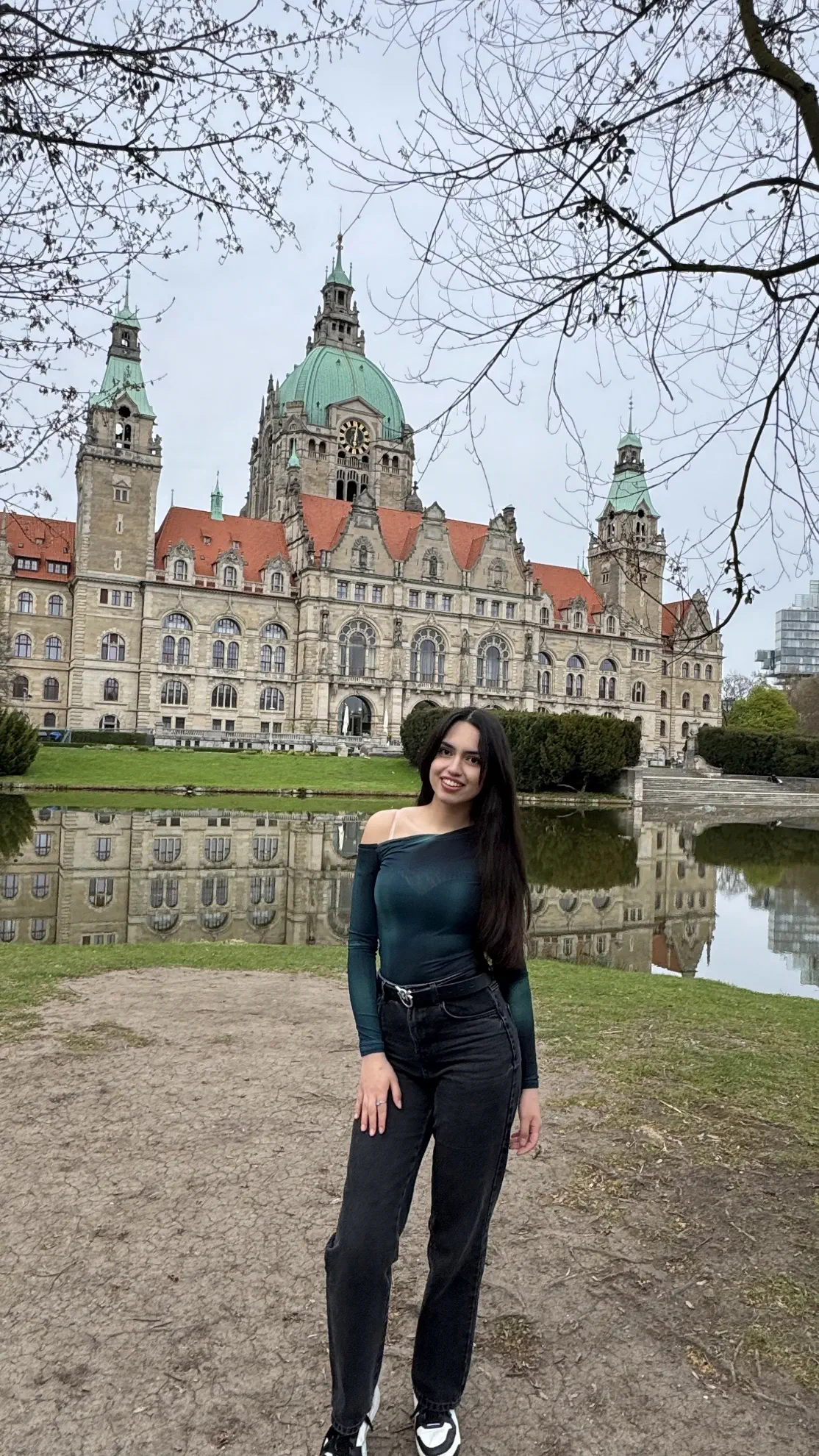
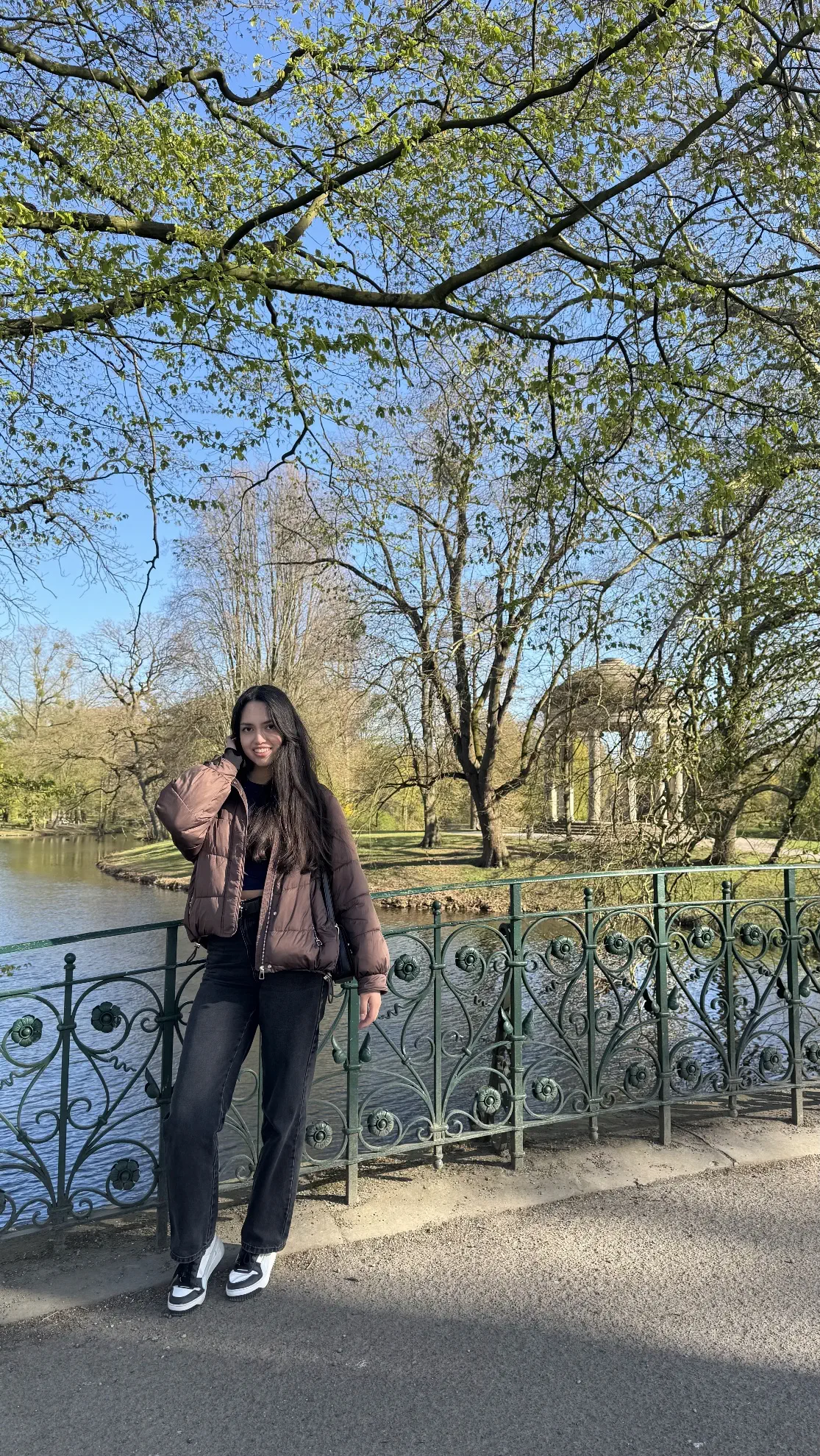
Since this is already my second exchange program, I felt ready for independent living. Despite this, Germany still brought new colours to my worldview – I feel significant personal growth, as each such experience reveals new facets of oneself. Hannover itself captivated me at first sight. It is an amazing city: picturesque, green, extremely vibrant, and full of interesting details.
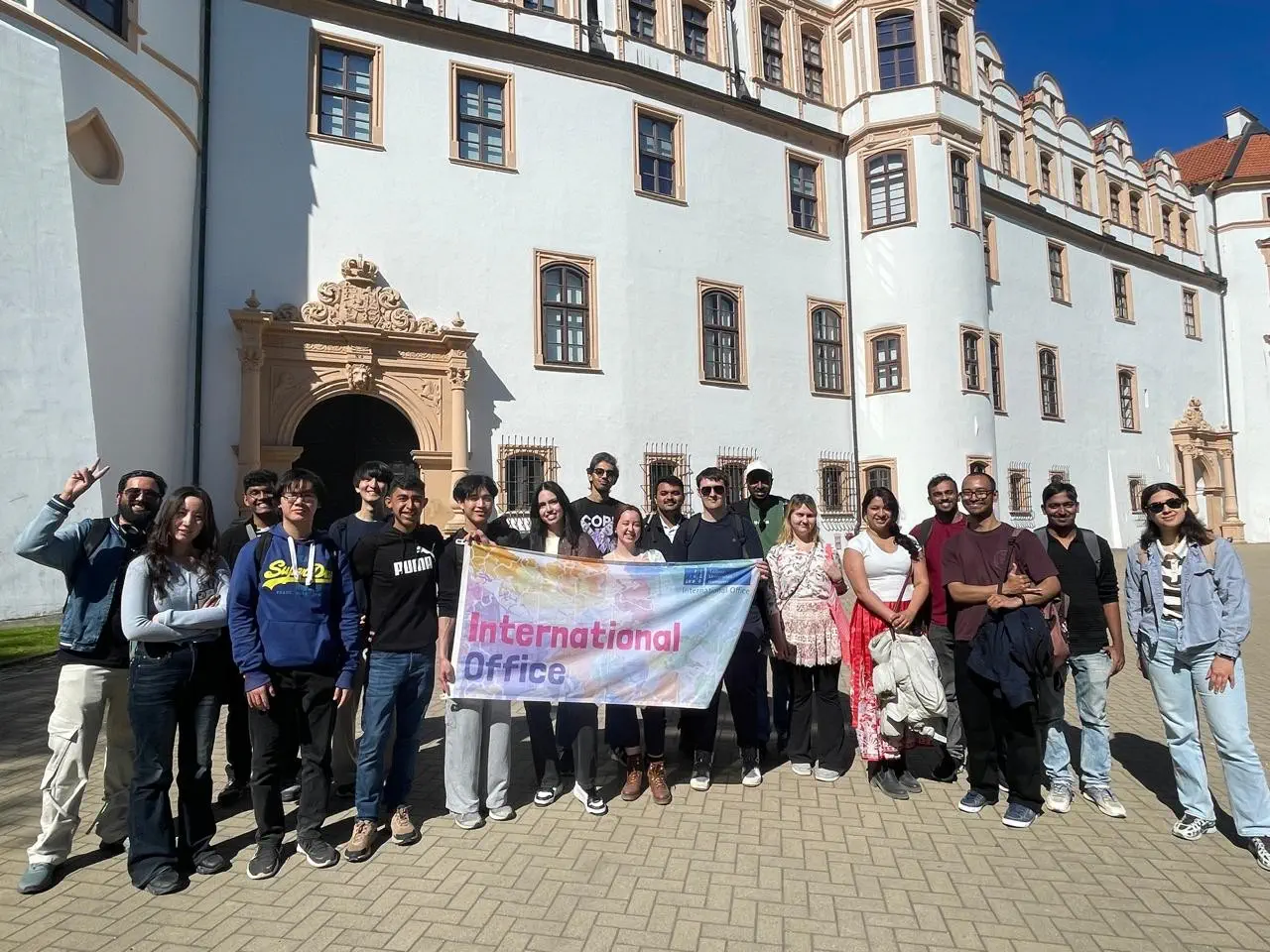
A friendly coordinator helped me adapt quickly to the new place by conducting a tour of the faculty. The Welcome Week – a traditional orientation week for international students filled with networking, excursions, and various activities – was also extremely helpful. On the very first day after my arrival, a welcome barbecue was organised for us in the cosy garden of the International Office.
My classes are held at the Conti-Campus, located near the university’s main building. Great study conditions have been created on our campus: you can concentrate in the silent room or head up to the 14th floor, which offers an incredible panoramic view of the city. Next to the academic building are the library, the Mensa Contine student cafeteria with very affordable prices, and the hanoMacke student cafe, where it is pleasant to have a coffee during the day, socialise with classmates, or play board games in the evening.
The educational process in Germany has its own characteristics and differs somewhat from that in Ukraine. Great emphasis is placed here on independent work and partnership-based interaction between students and teachers. An important advantage is the opportunity to select subjects independently and form one’s own schedule. I chose the subjects that best aligned with my major and areas of interest.
One of them was the “Advanced Composition” course, where we learn to write academic essays (summaries and opinion essays). I was pleasantly impressed by the level of technical organisation: the exam will be conducted on electronic devices, and during classes, we upload our work directly to the learning platform.
Another discipline, “Oh, the Places We'll Go: Language Practice through Diverse Stories”, is dedicated to exploring fairy tales, poetry, and literature. The course offers a great deal of freedom in choosing topics for final projects. For example, during the mid-term break, I visited the Brothers Grimm Museum GRIMMWELT in Kassel, which helped me prepare and successfully present a report on this topic. The course instructor – a native speaker from Australia – explained the material in a highly accessible and detailed manner.
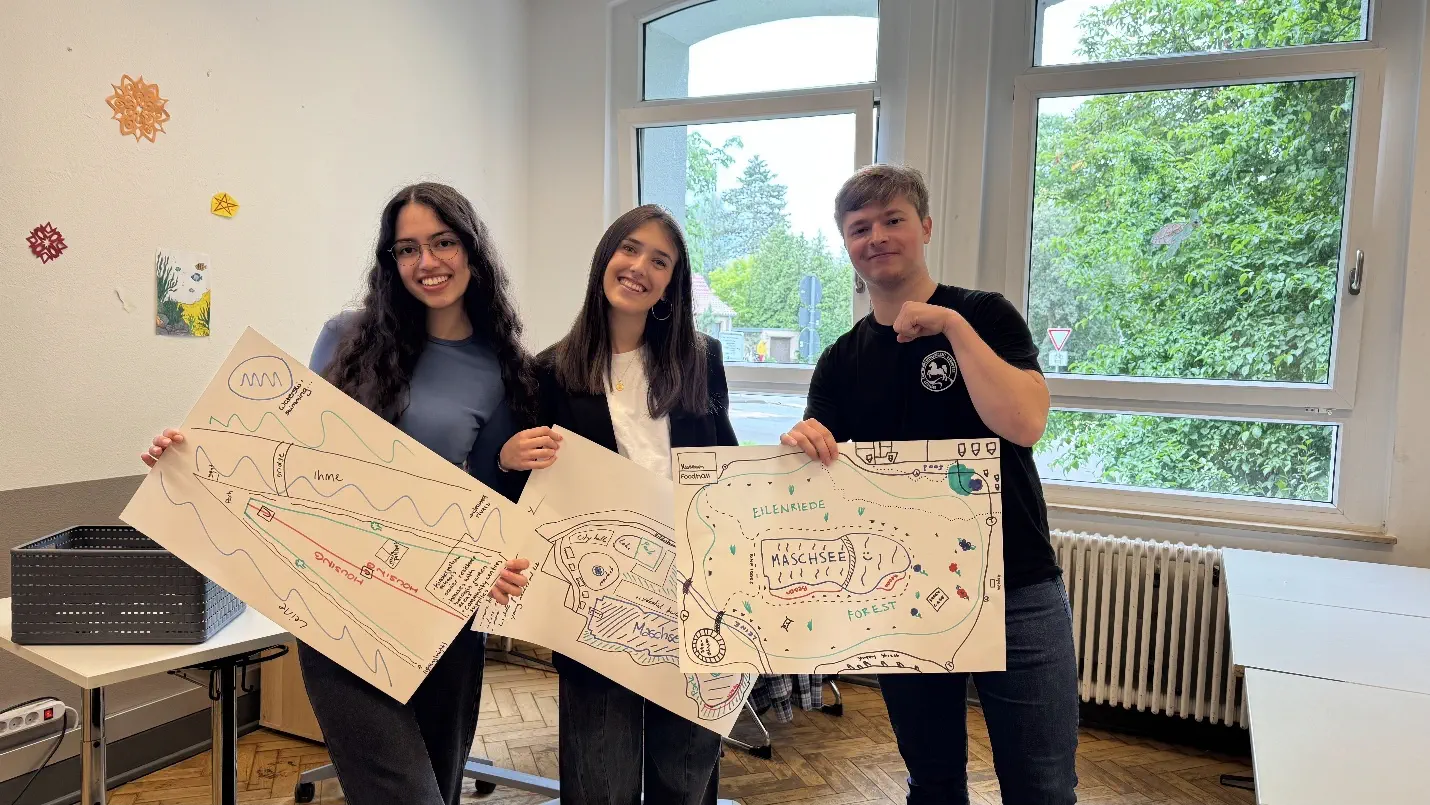
However, my favourite discipline was “Classroom Analysis: Engaging Methods”. The instructor captured our attention from the very first meeting, demonstrating the practical application of various interactive methodologies. As part of the course, each student had to design and conduct a lesson for pupils at a German school. My team consisted of a Spanish girl, a German guy, and myself. We prepared the topic “Improving City Life: Designing an Ideal City District for Hannover”. This was an extremely creative experience: the high school students demonstrated a high level of English proficiency, so working with them was a pleasure. In general, most classes here are held in a seminar format, where everyone is actively involved in discussions and pair work.
The International Office, ESN, and the Tutorenprogramm für internationale Studierende (tutor program for international students) run by Studentenwerk Hannover helped me integrate into student life and make new friends. They regularly publish information about events on their website and in chats so that everyone can choose an activity to their liking.
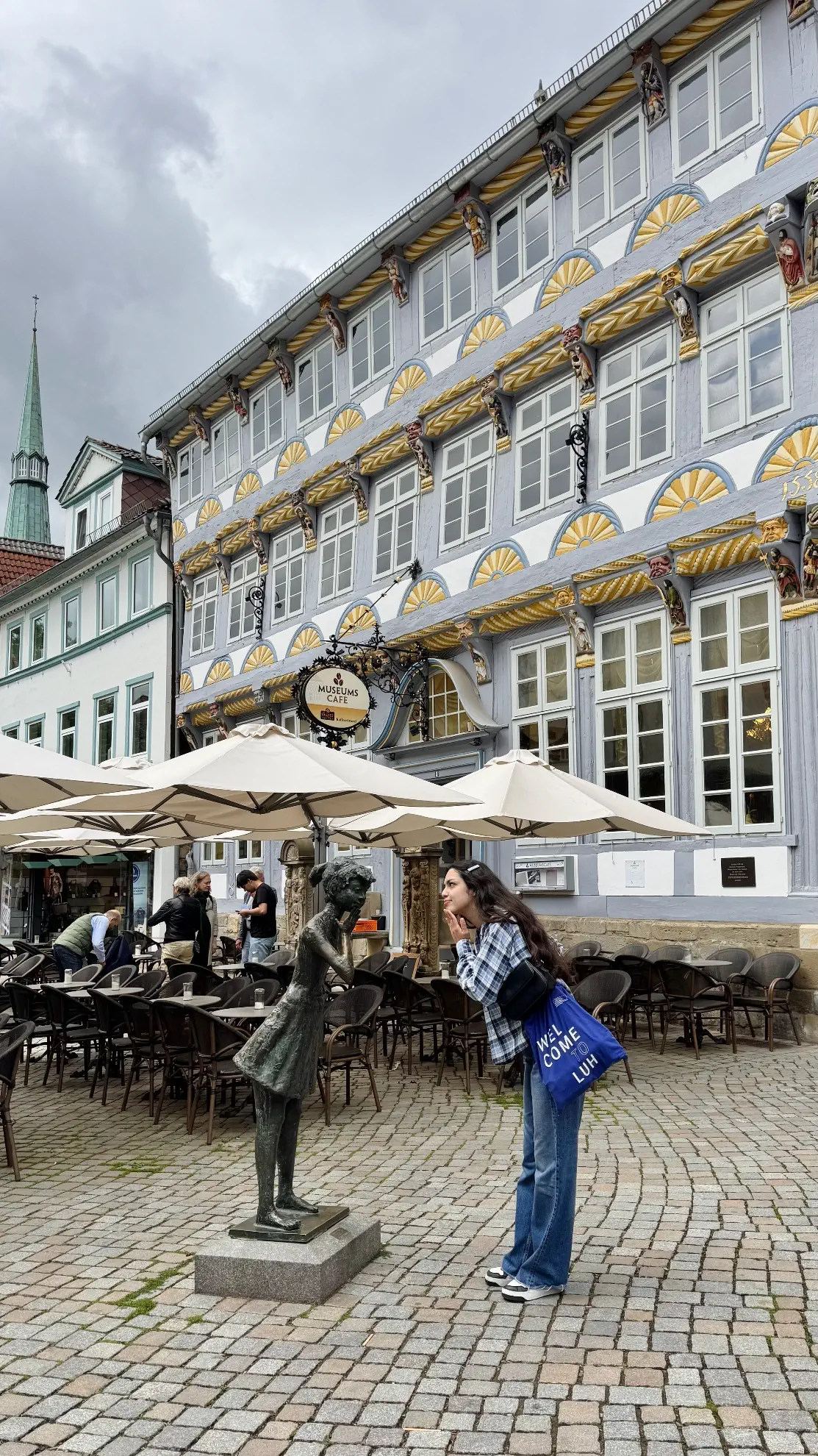
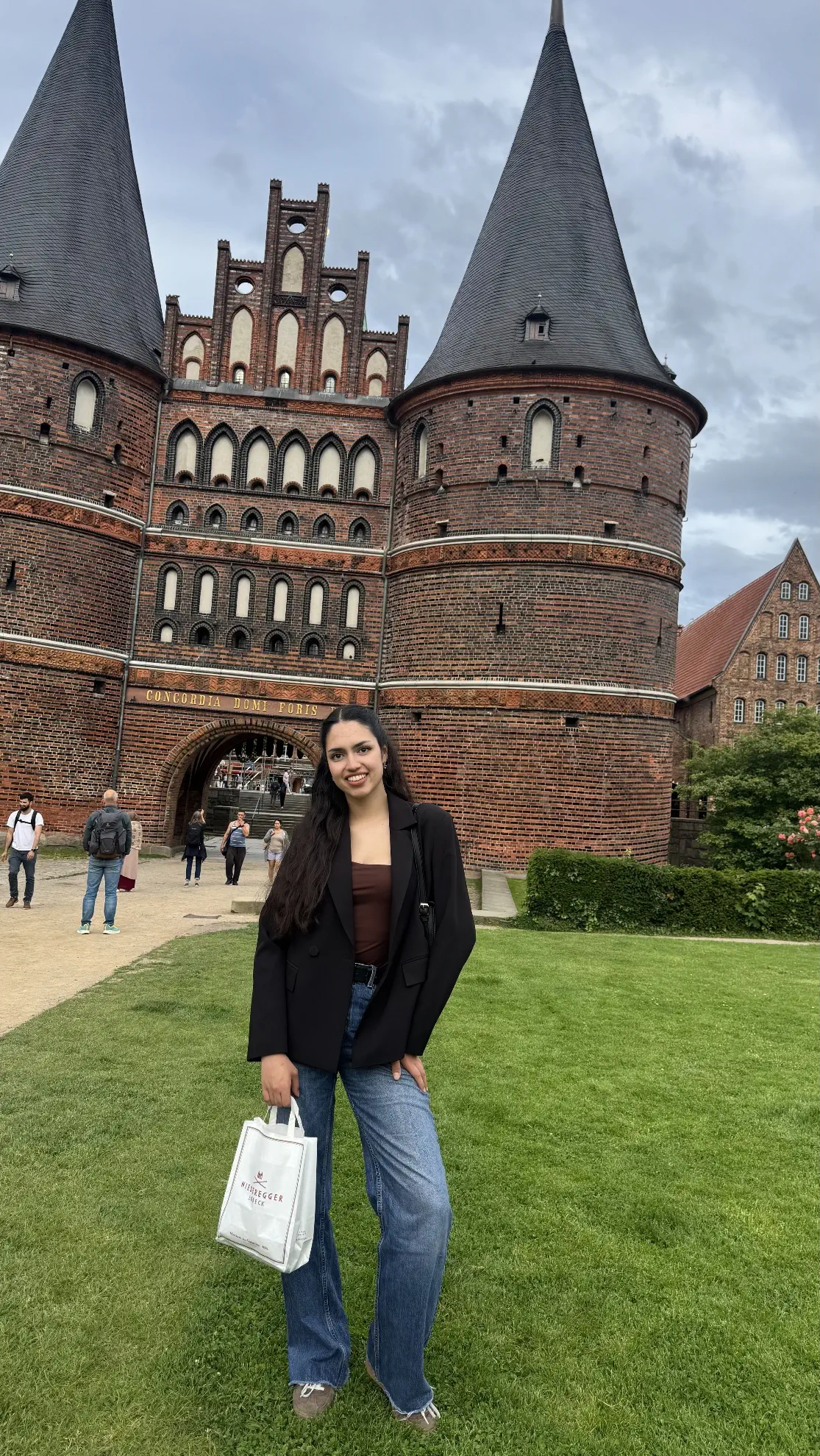
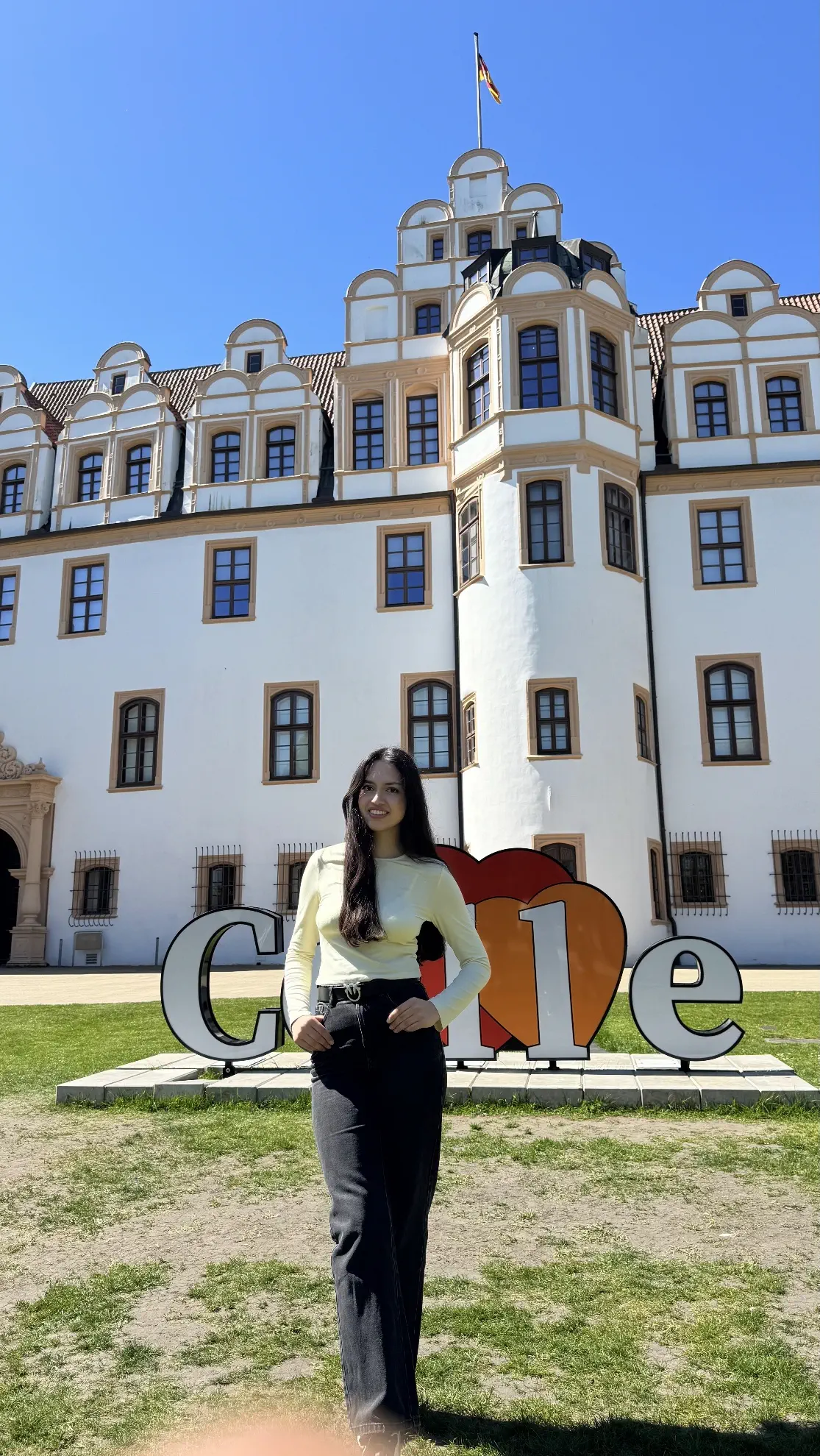
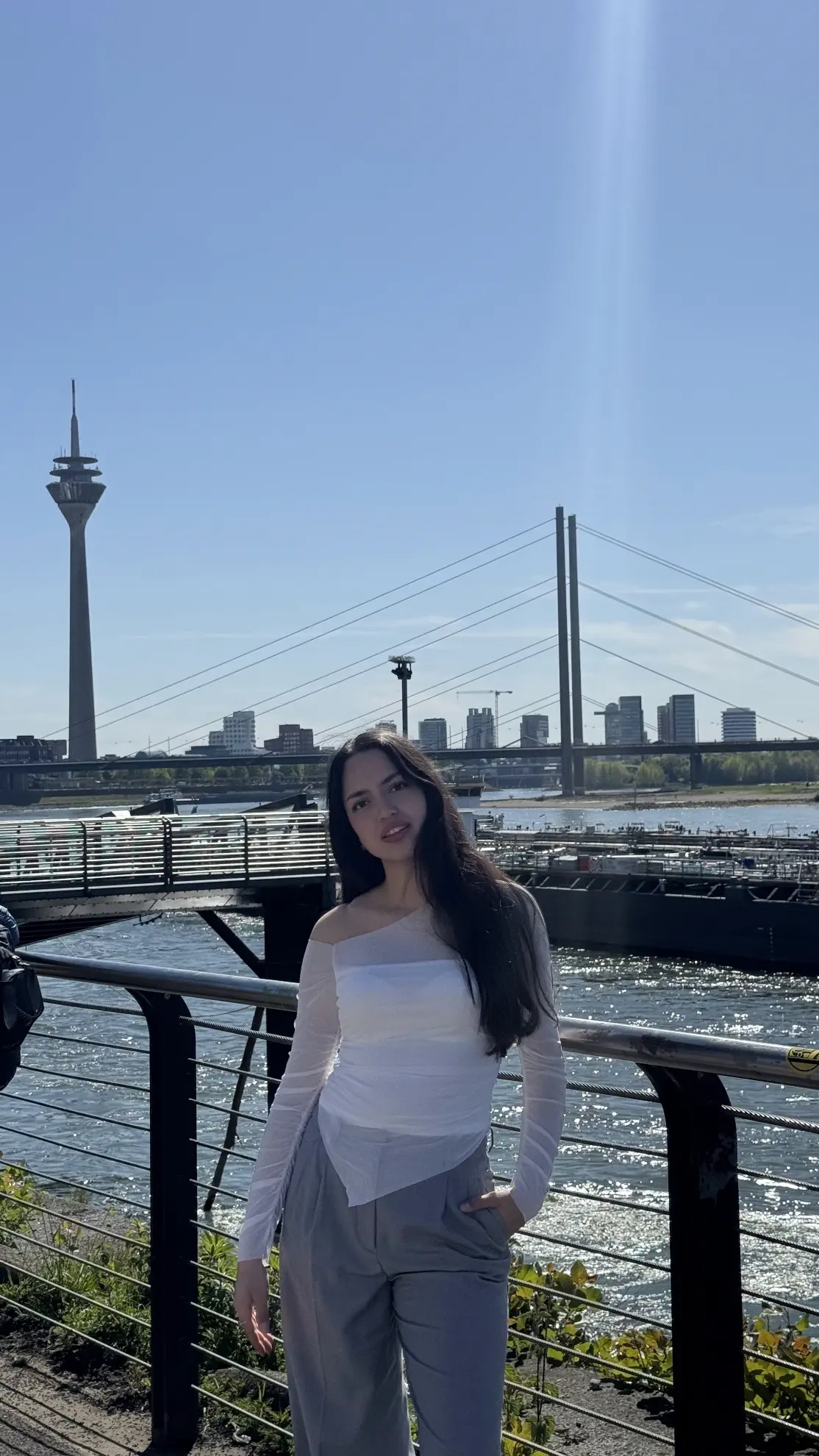
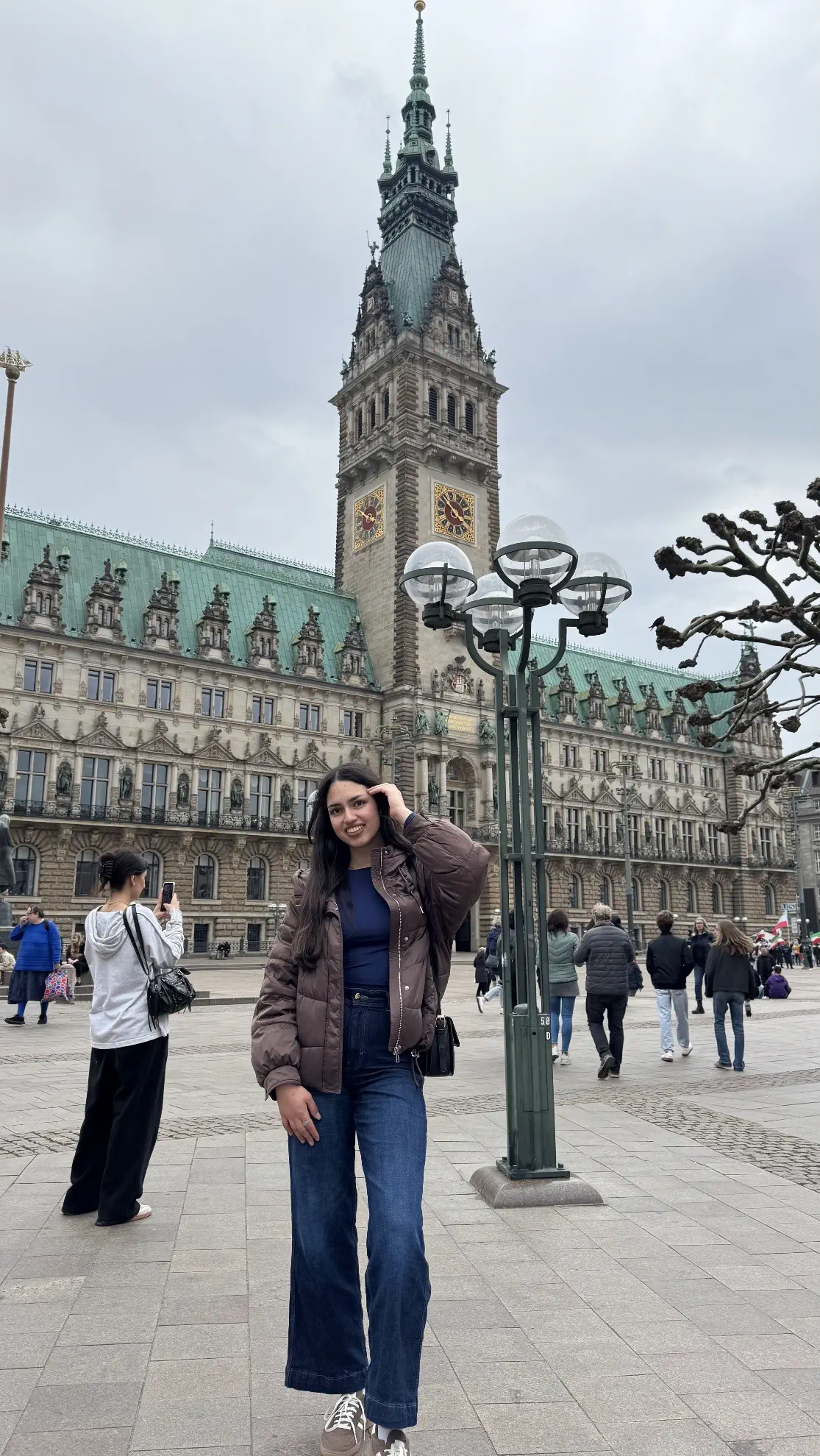
The traditional gathering point for our travels was the horse statue near the central station, from which we set off on new adventures. Thanks to this, we discovered new German cities almost every weekend: Berlin, Cologne, Bremen, Düsseldorf, Hamburg, Lübeck, Braunschweig, Hamelin, and others. A major advantage was the Deutschland-Ticket, which was received after enrollment and allows free travel on regional transport throughout the country, as well as the Leibniz Card, which serves as a library card and a payment method in the cafeteria.
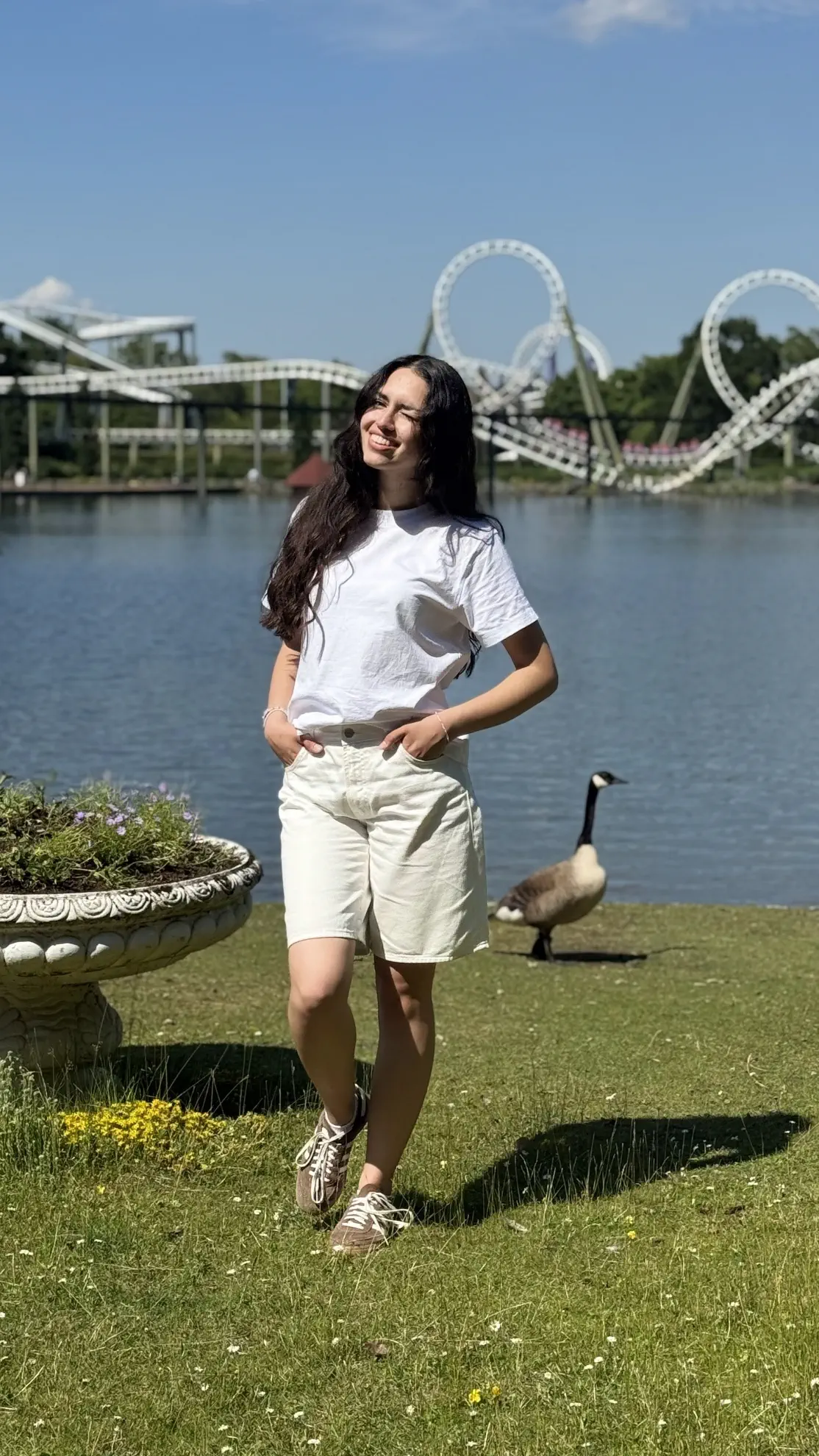
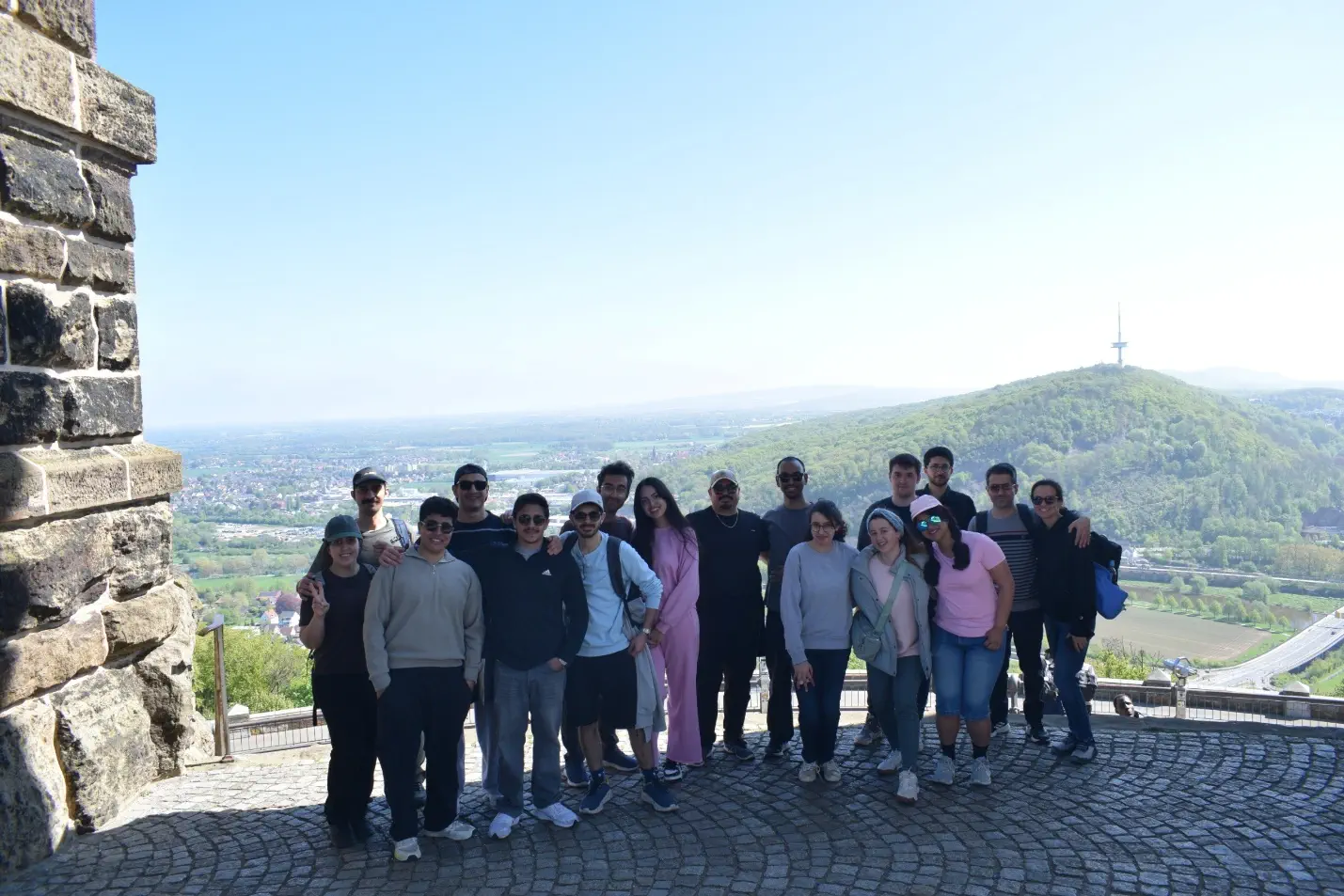
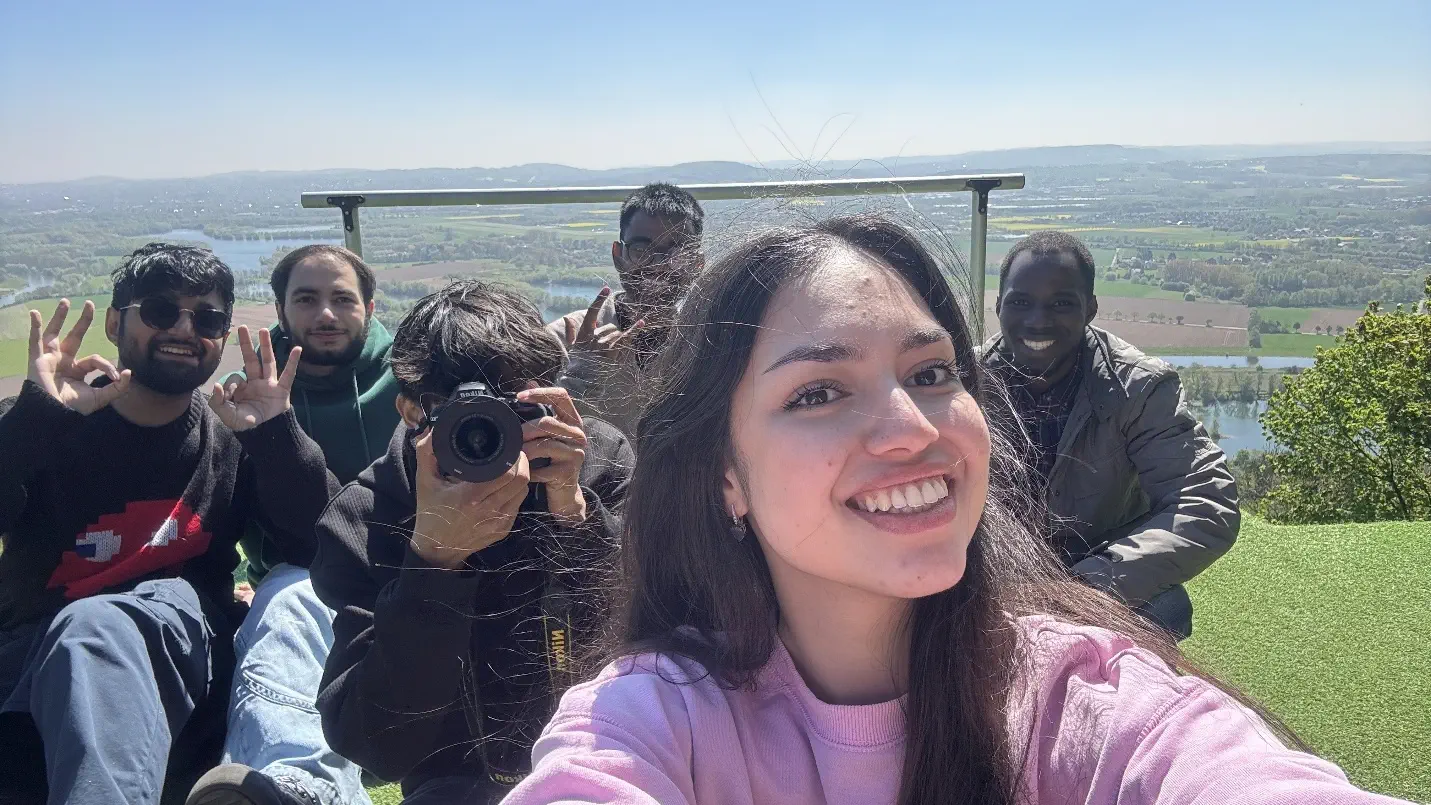
I particularly remember my first hiking experience in the picturesque area of Porta Westfalica, organised by the International Office. Students from all over the world and residents gathered there. During the climb up the mountain, the organiser encouraged us with the phrase “Only 10 minutes left!” and, thanks to casual conversations, the journey felt easy and brought a wave of enjoyment. Recently, we also visited northern Germany’s largest amusement park, Heide Park Resort, where I finally rode a roller coaster for the first time. It was incredibly thrilling and a bit scary, but we managed to try almost all the rides.
Now we are actively preparing for exams and continuing to study German, and we believe there are many more meetings and discoveries ahead!”.
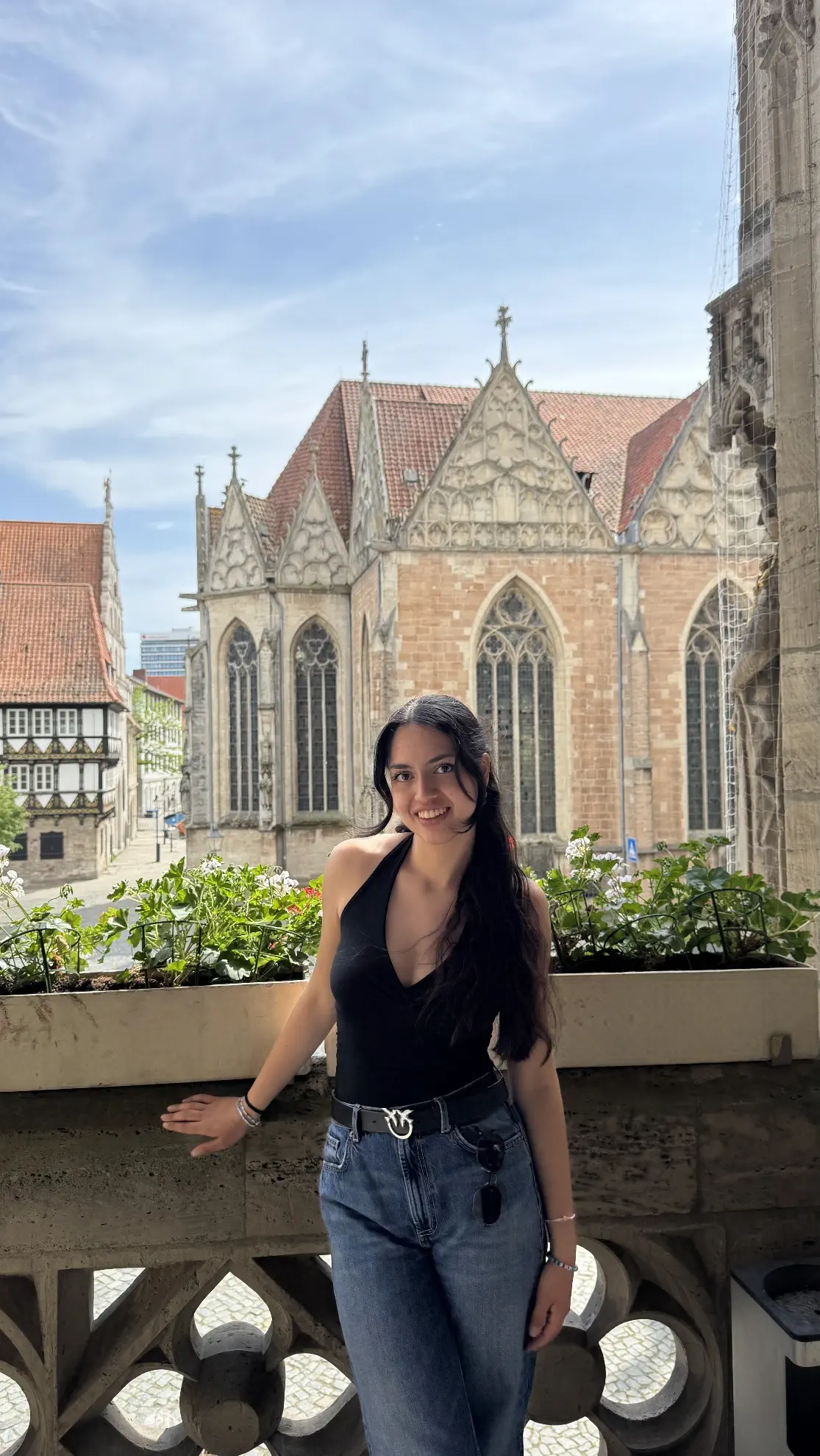
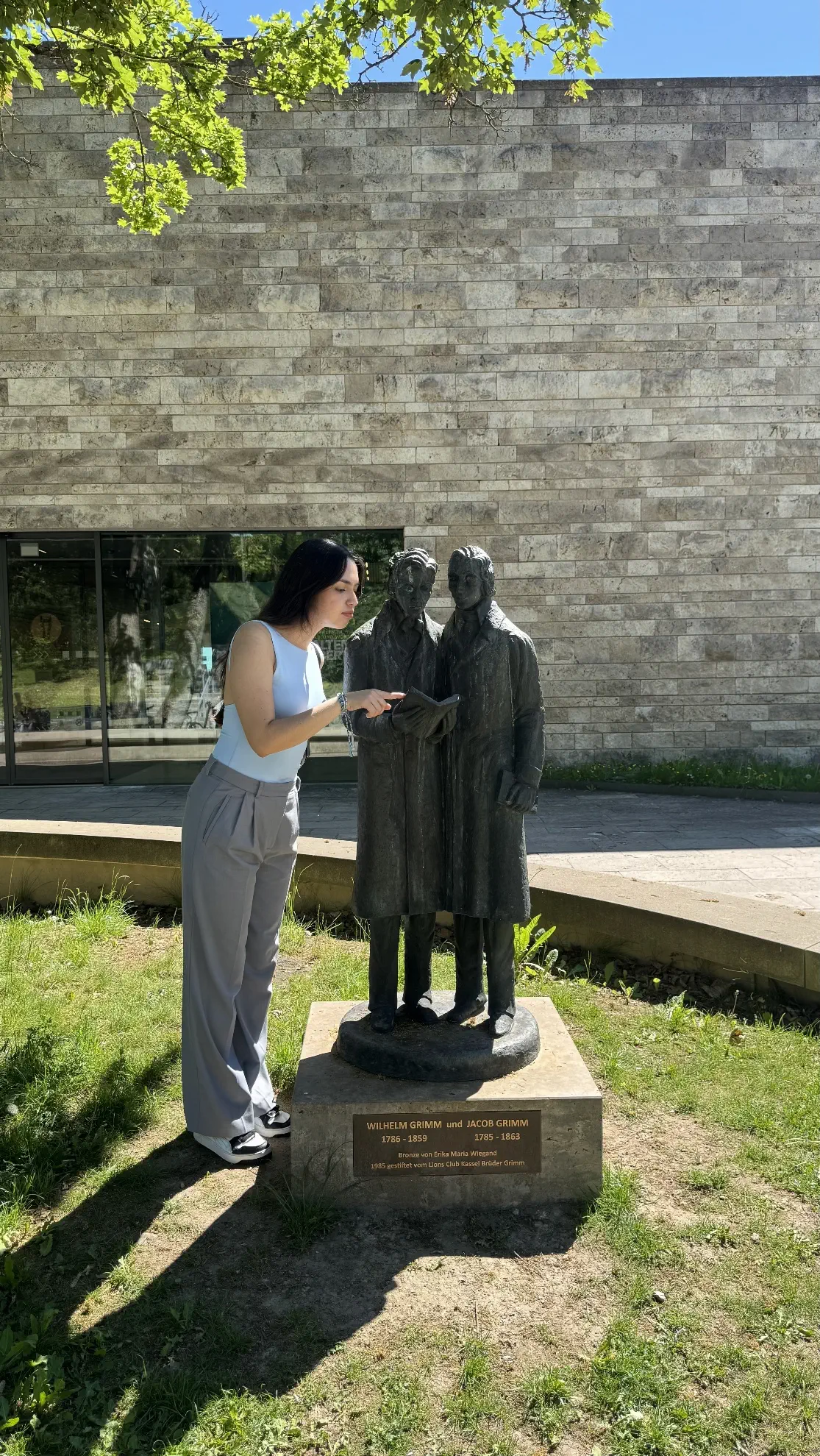
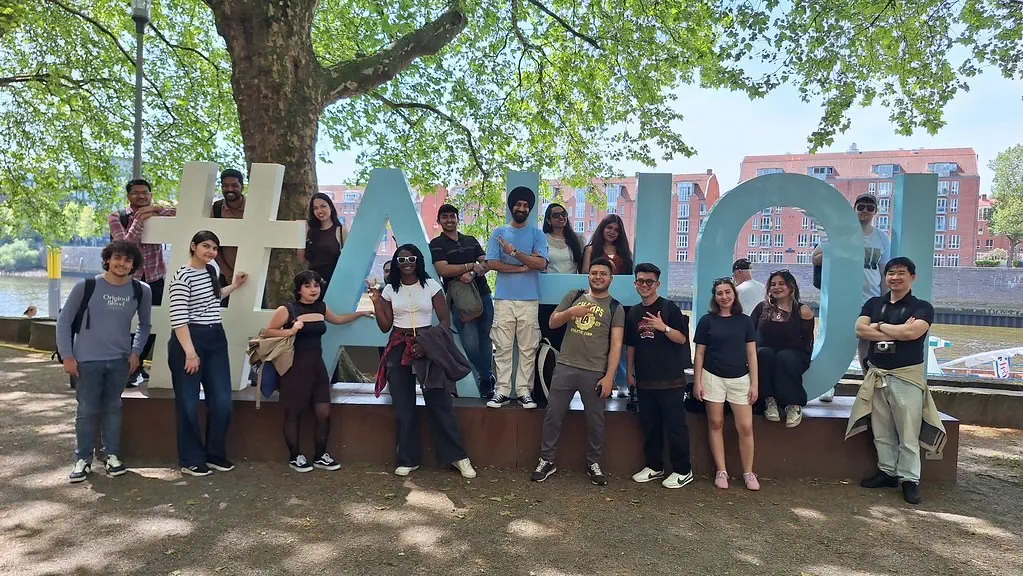
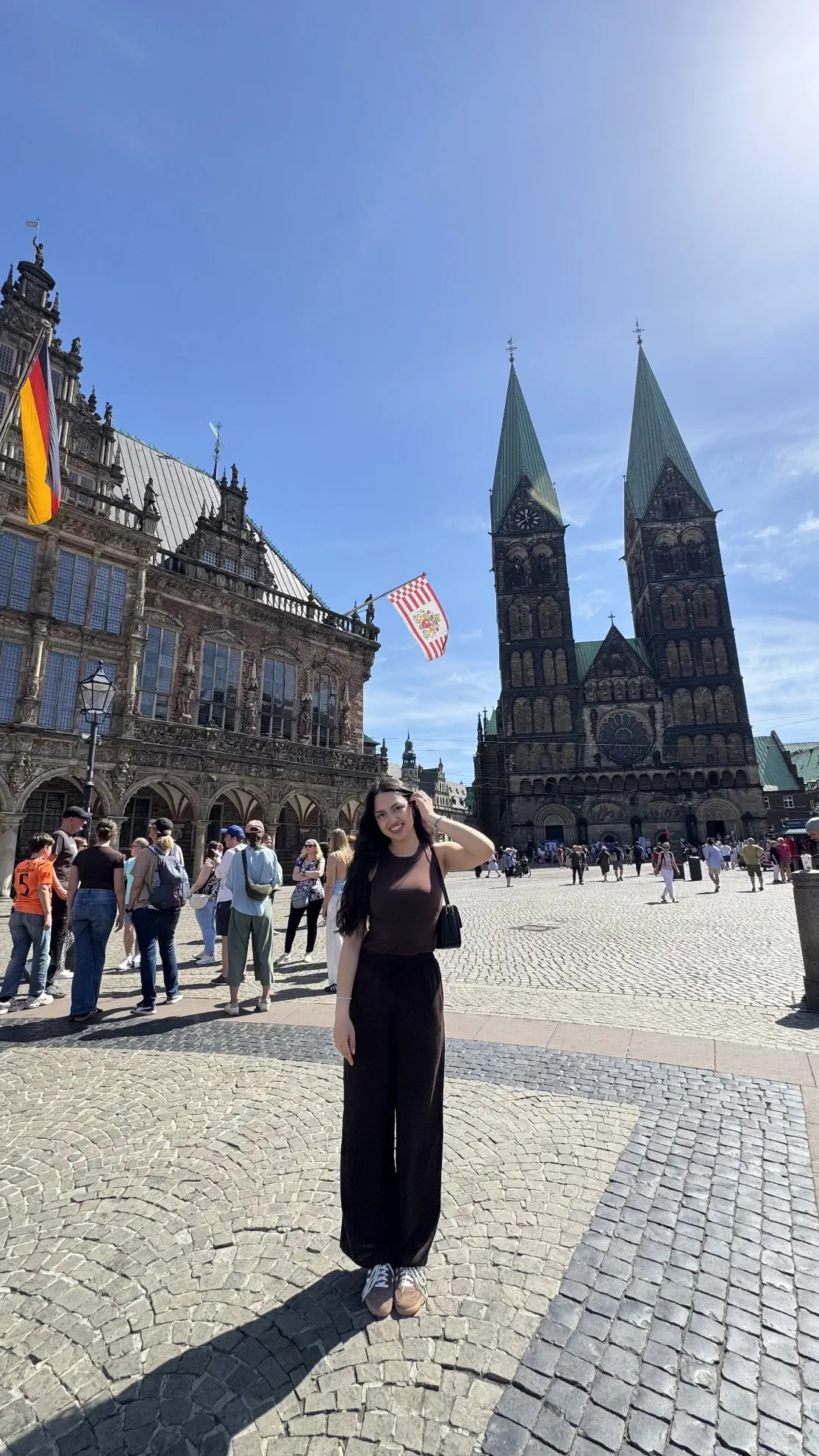
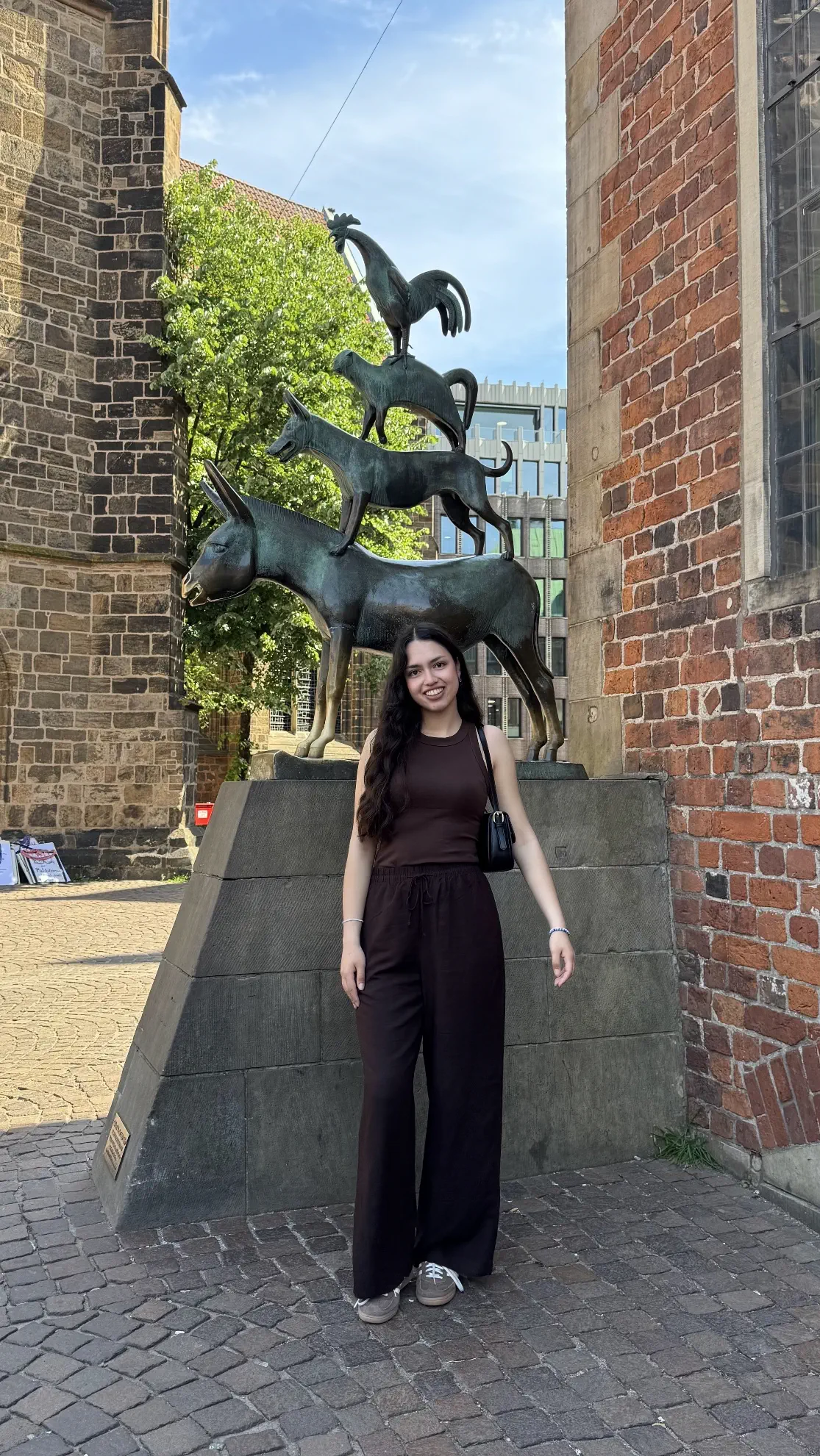
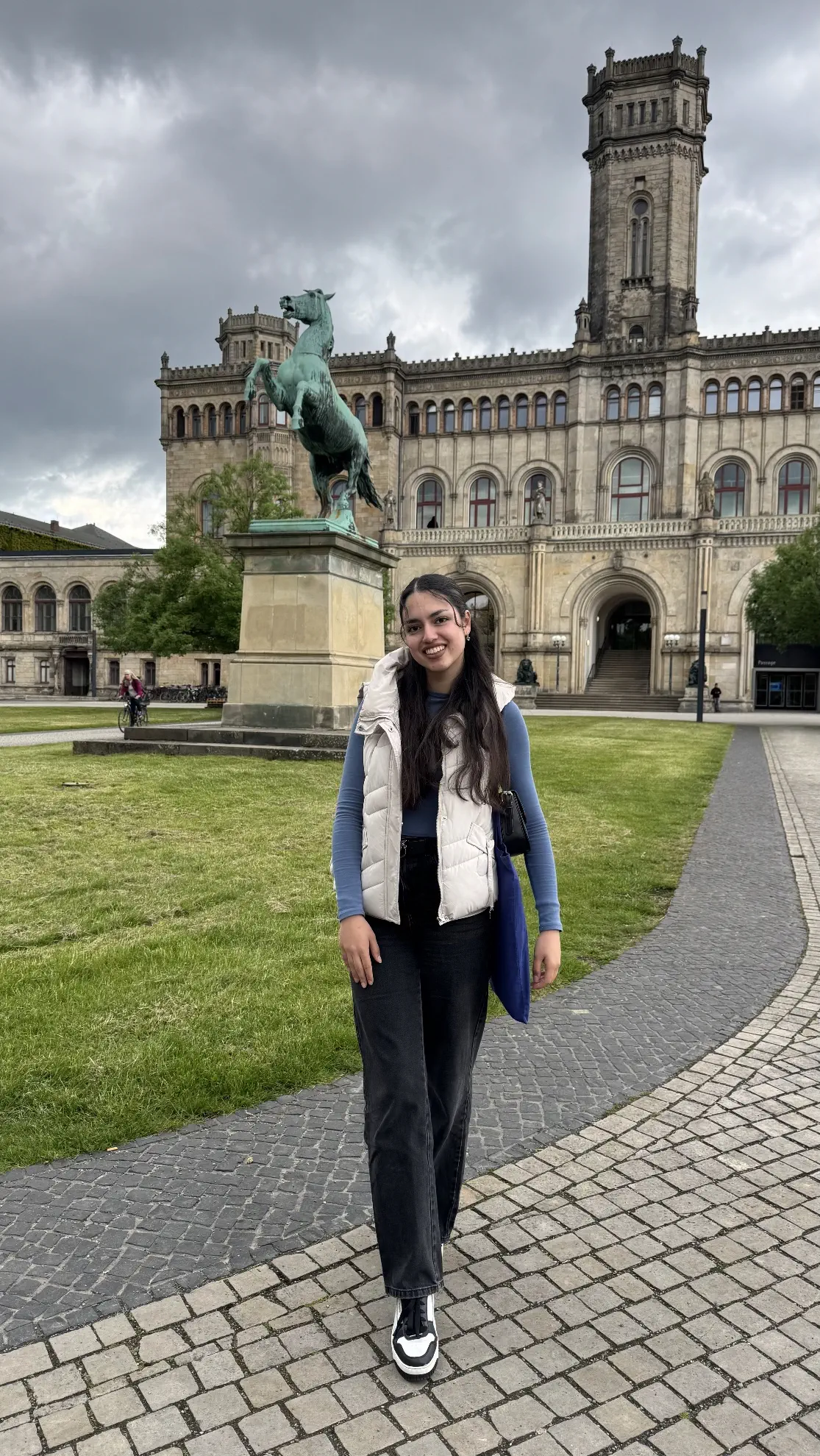
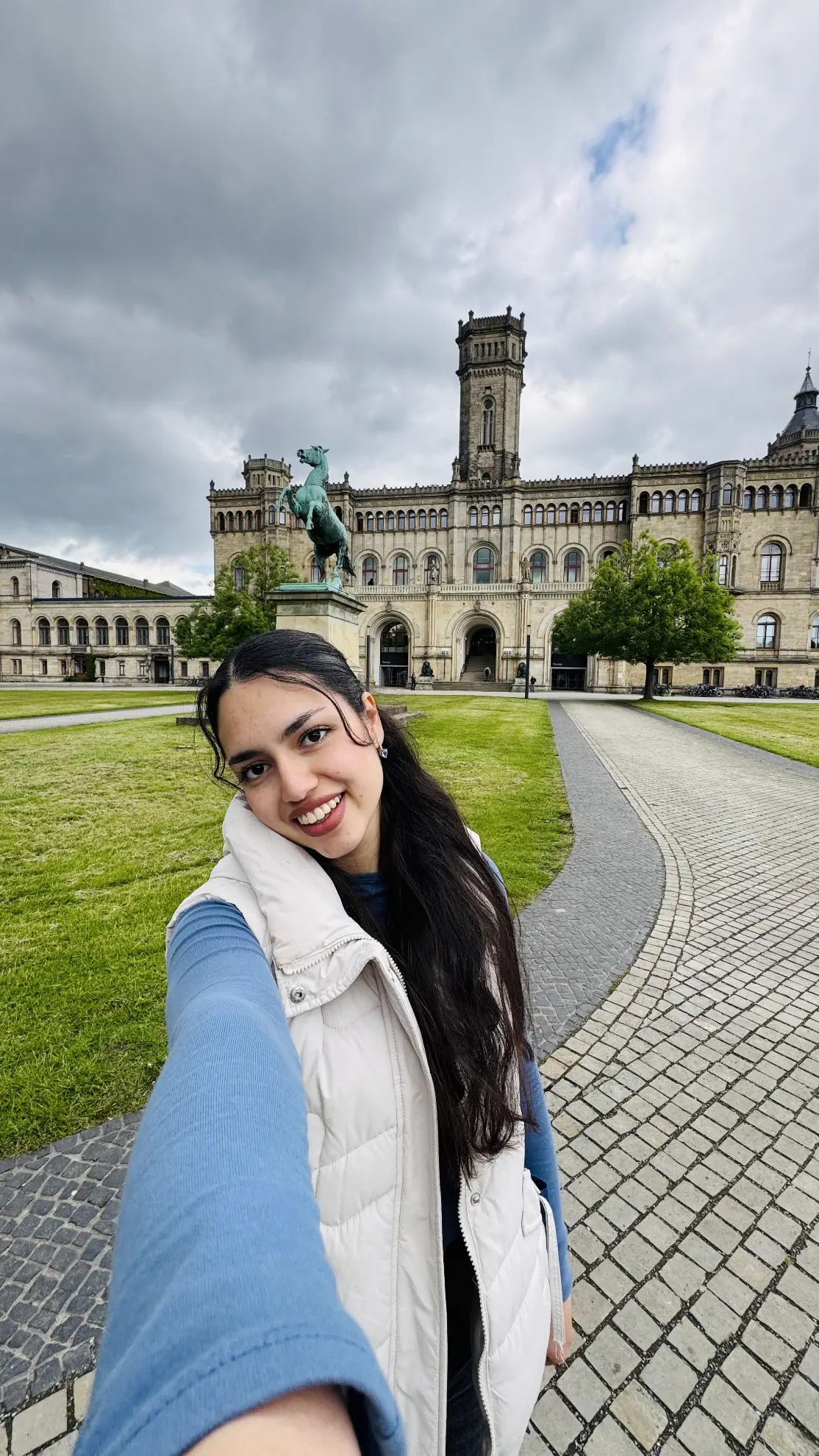
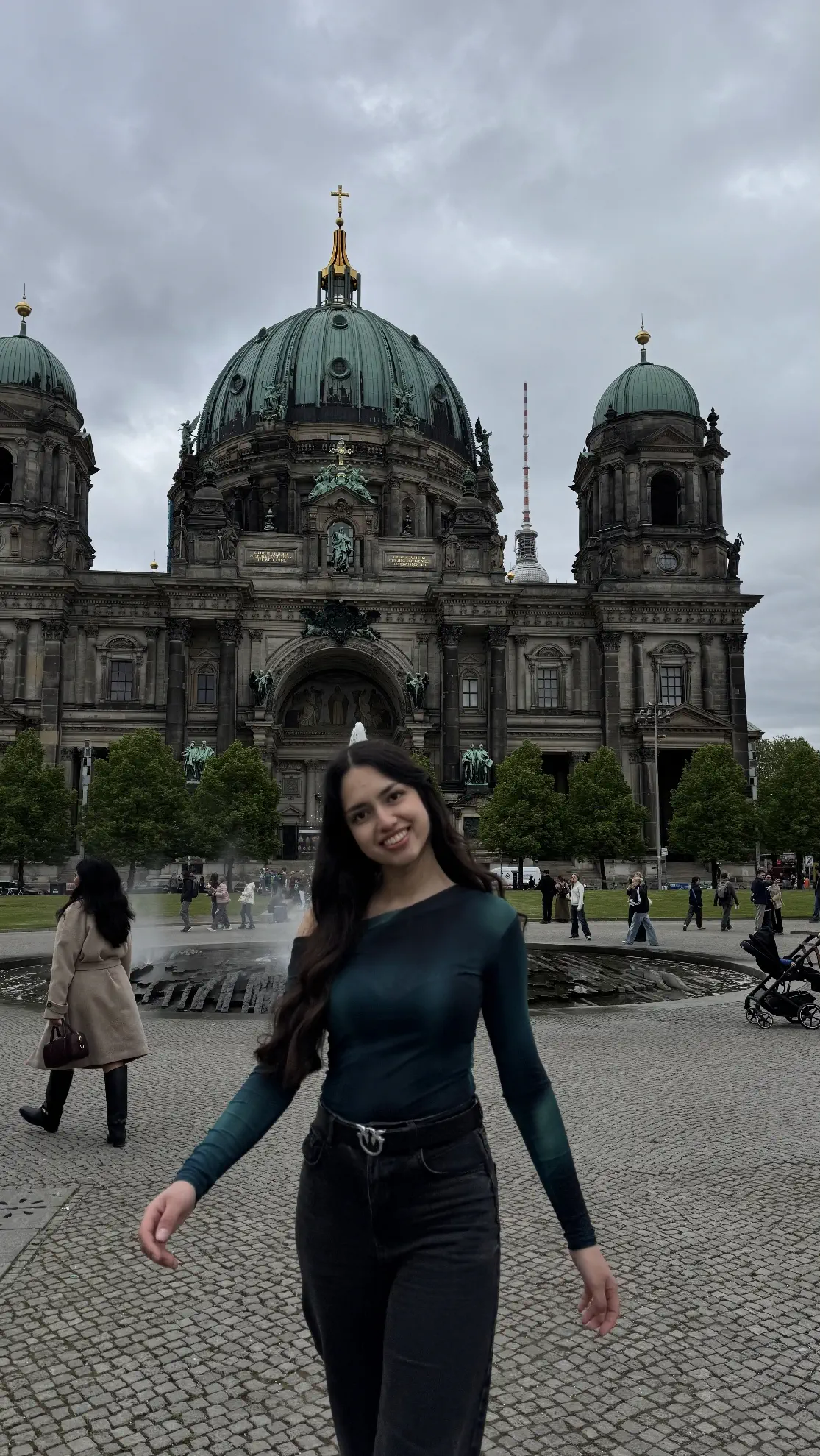
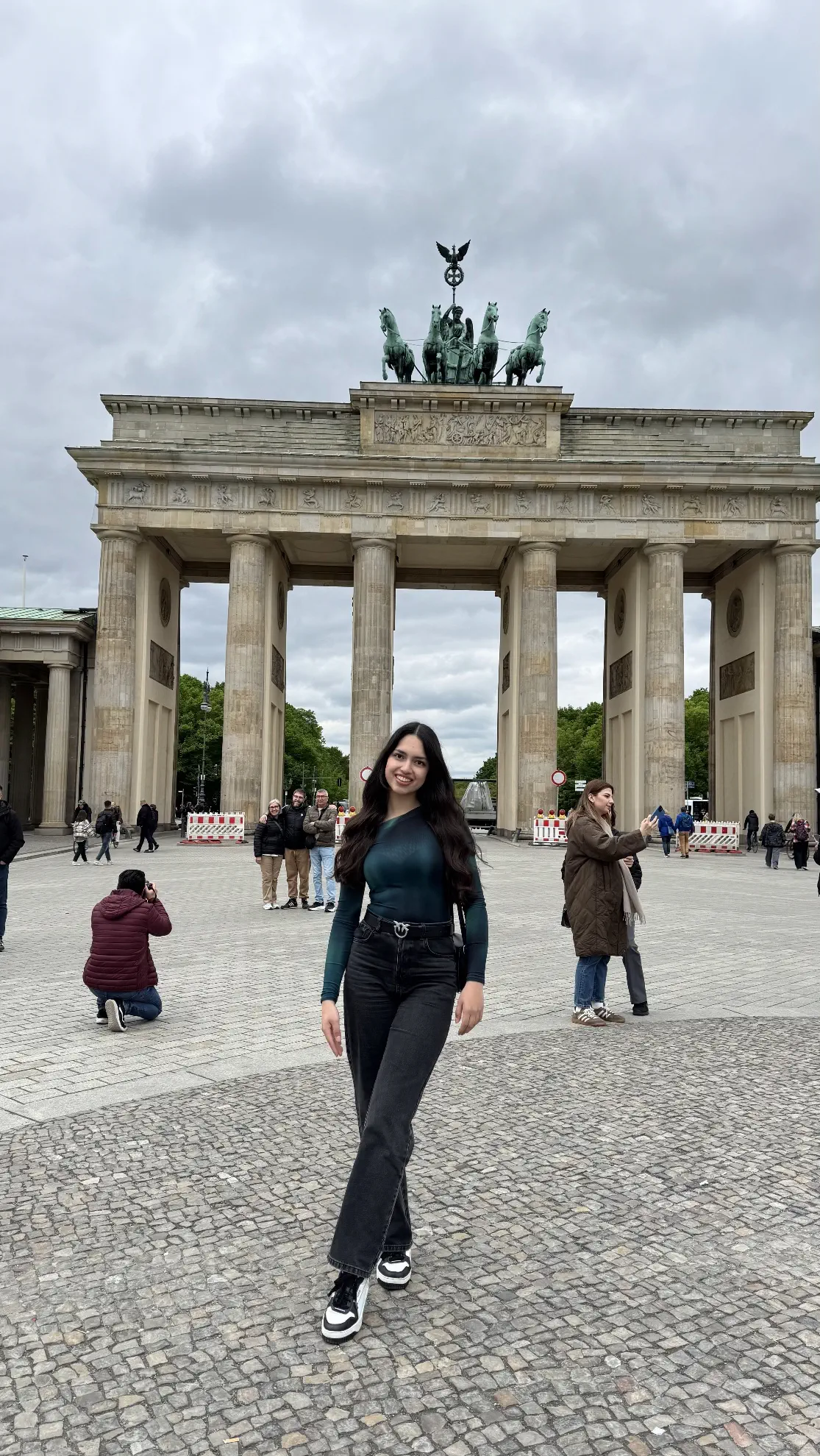
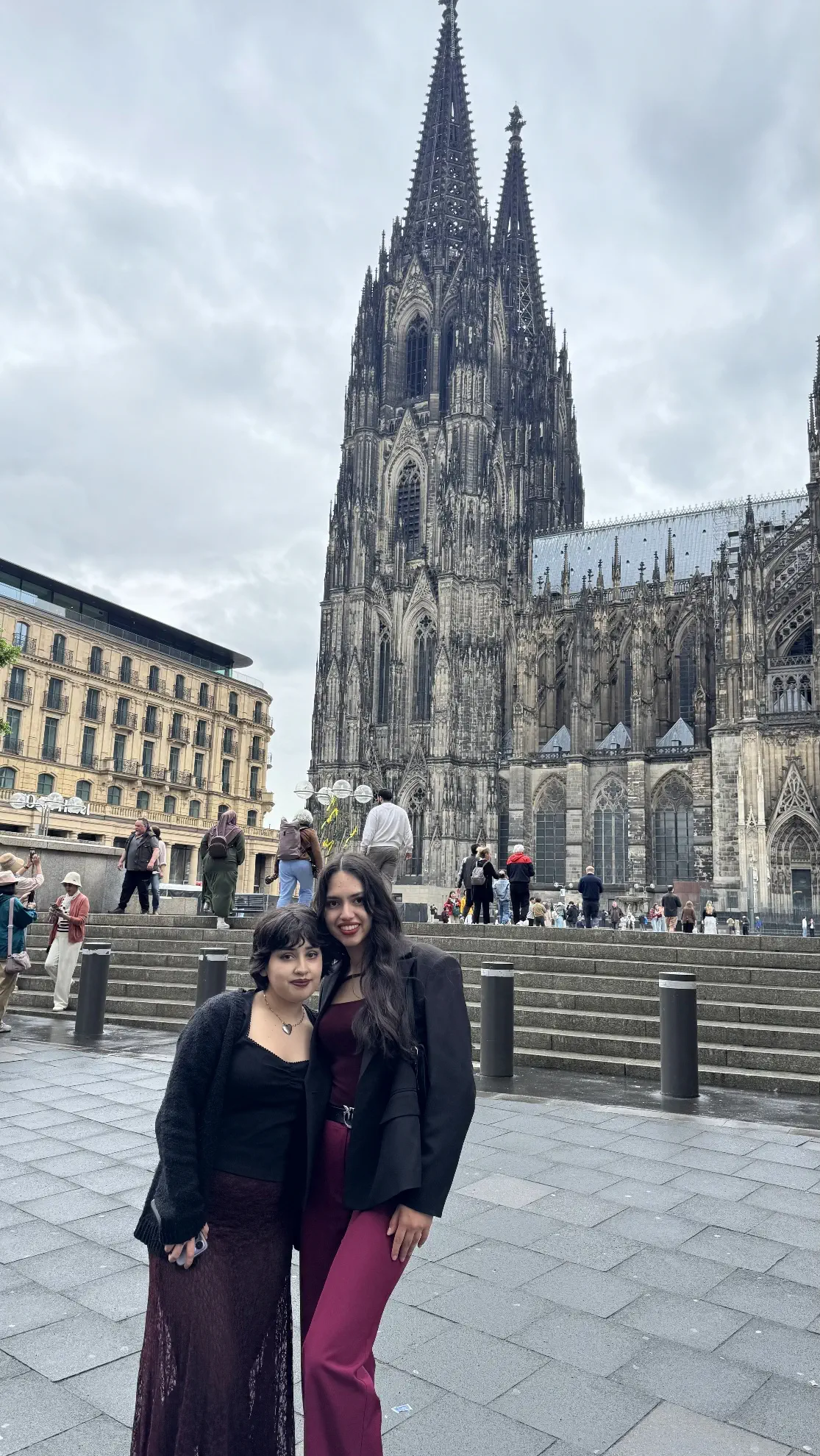
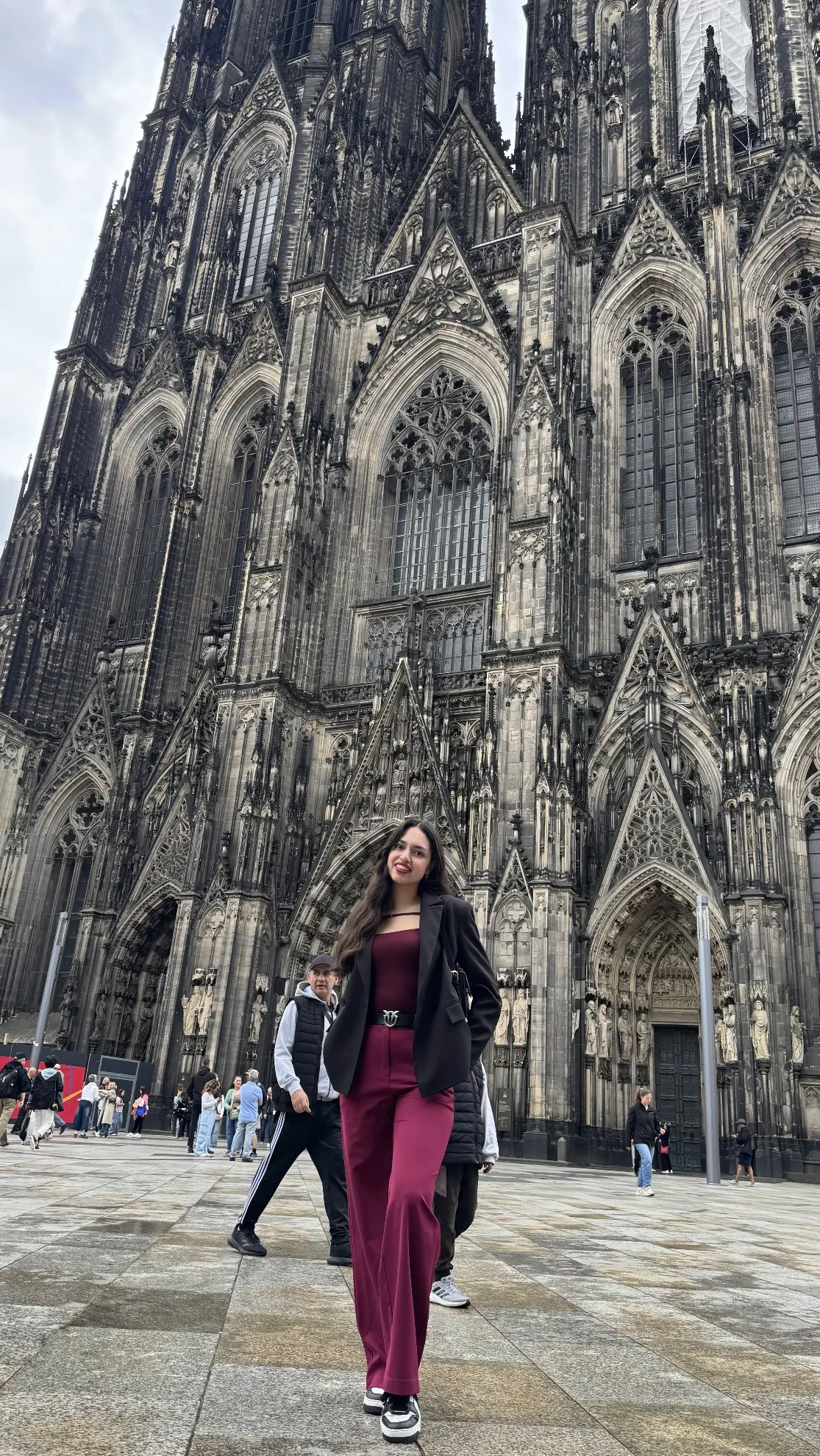
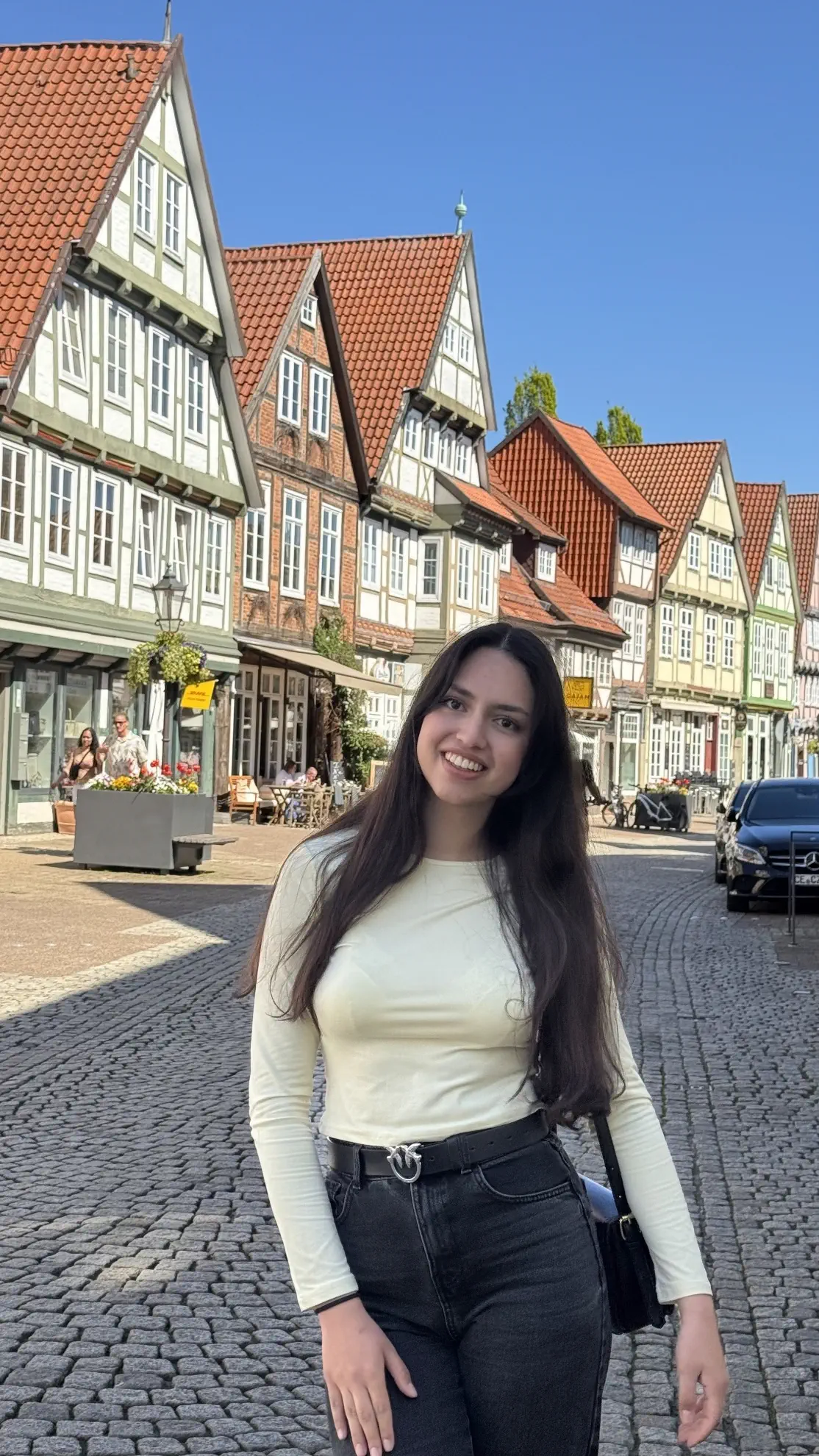
Samira Mustafaieva’s experience clearly demonstrates that international academic mobility programs are a significant factor in the professional and personal development of future specialists. Studying abroad is not limited to acquiring new theoretical knowledge; it helps students gain practical skills in cross-cultural interaction and develop adaptability, flexibility, and independence in solving life and professional challenges. Integration into the European educational space not only enhances graduates’ competitiveness in the labour market but also lays a solid foundation for broadening the horizons of future specialists who can work effectively in a globalised world.
Learn more about the long and successful history of academic mobility of Poltava Polytechnic students at the Gottfried Wilhelm Leibniz Universität Hannover: read about the first impressions and final feedback of Anna Novozhenina, learn about the semester-long study experience of philologist Daria Yehorova in the 2024/2025 academic year here and here, and find out how Yelyzaveta Trebka and Shakhlo Kosimova improved their language and methodological skills in the 2023/2024 academic year here and here.
As a reminder, lecturers of Poltava Polytechnic can participate in academic mobility programs and internships. Students can study abroad under the Erasmus+ credit academic mobility grant programs for a semester or an entire academic year at leading universities in Austria, Greenland, Denmark, Estonia, Spain, Lithuania, Latvia, Norway, the Netherlands, Germany, Poland, Portugal, Romania, Slovakia, Finland, and the Czech Republic.
For more detailed information regarding current internship, teaching, and academic mobility programs abroad, please get in touch with the International Relations Department (Room 213-C, interoffice@nupp.edu.ua).