International academic mobility opens up boundless horizons for professional and personal development for students at the National University “Yuri Kondratyuk Poltava Polytechnic”. A striking example of the successful implementation of these opportunities is Anna Novozhenina’s experience as a second-year student majoring in 035 “Philology”. Currently, she is mastering professional disciplines at the prestigious Gottfried Wilhelm Leibniz Universität Hannover in Germany, combining studies under the Erasmus+ credit academic mobility program with immersion in a new cultural environment.
The student sincerely shares her first successes, impressions of the German education system, and the atmosphere of European student life: “I have always strived to discover new places and gain vivid impressions, so participating in the Erasmus+ credit academic mobility program at Leibniz University Hannover in Germany was the perfect opportunity for this. This is my first experience living abroad, and although the prospect was unusual, I looked forward to the opportunity to enjoy student life at one of Germany’s leading universities.
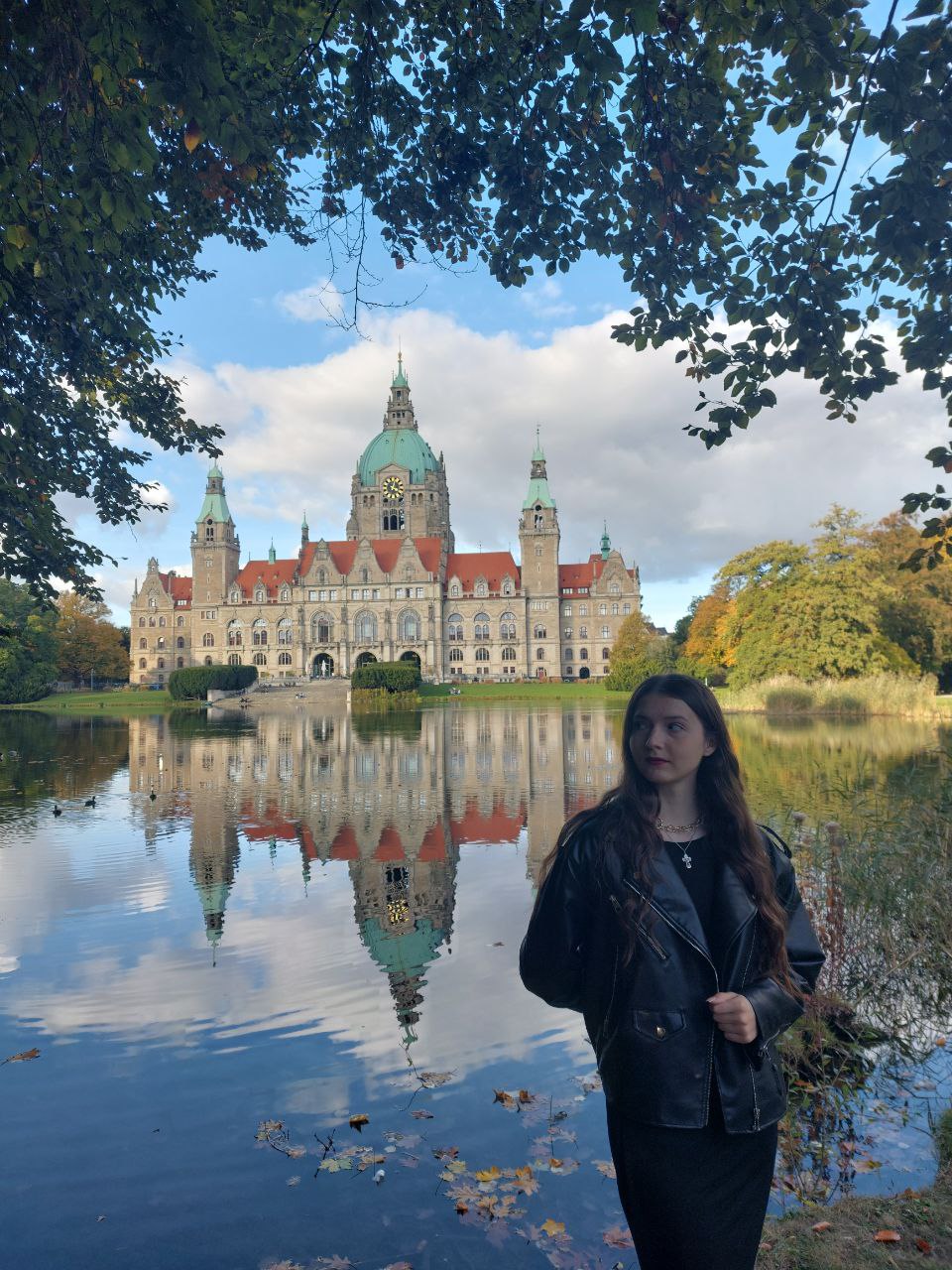
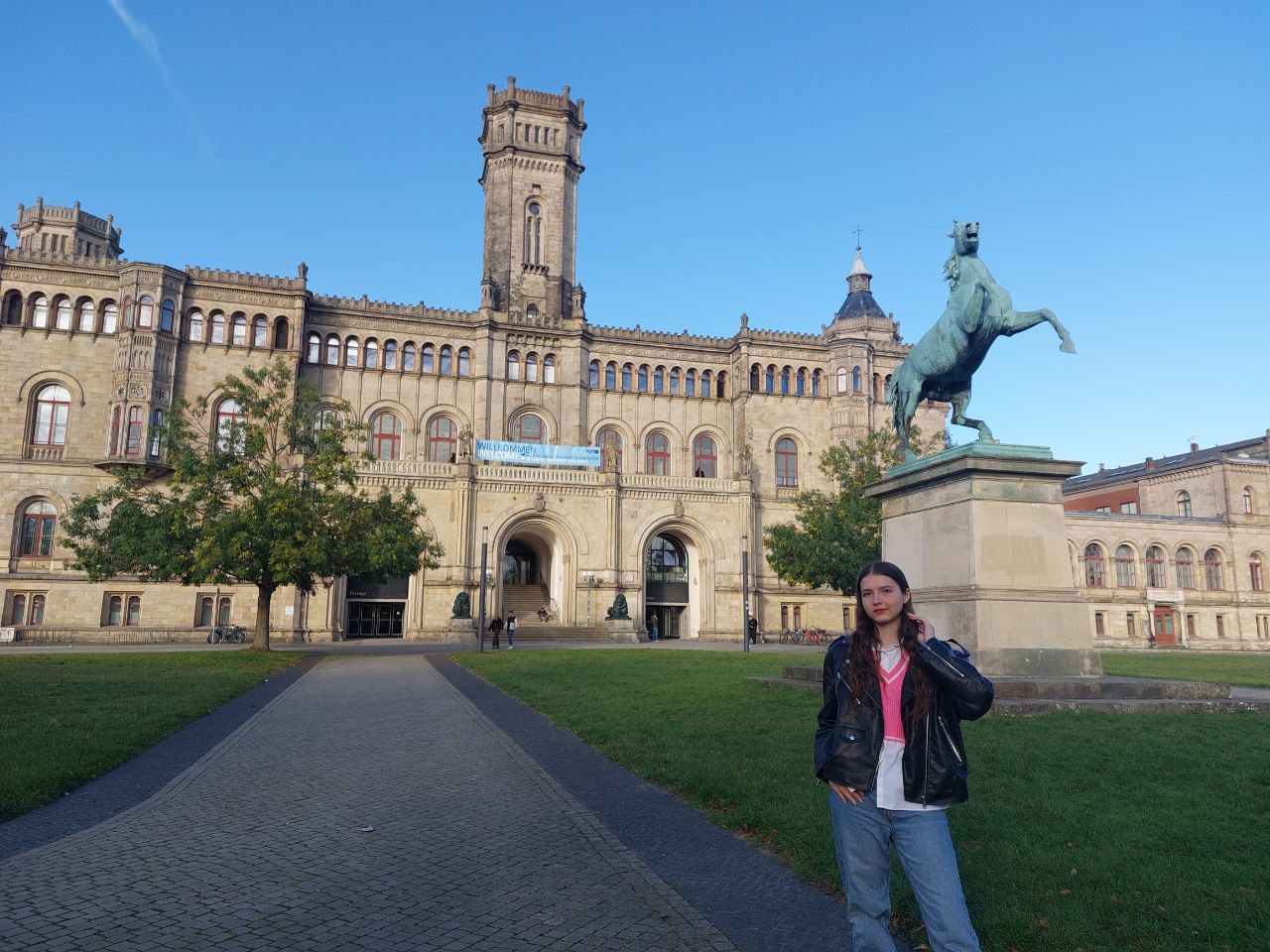
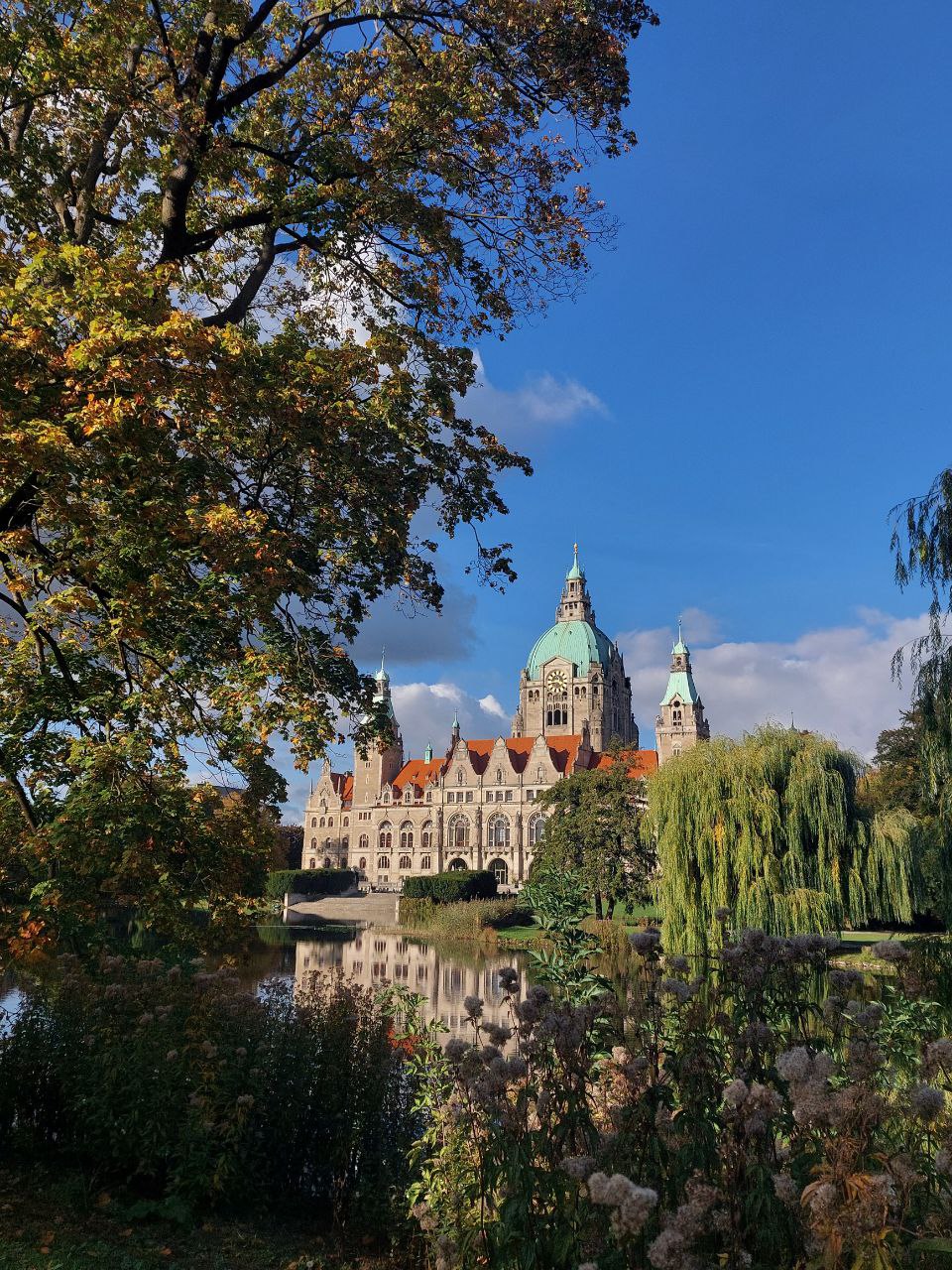
I haven’t regretted my choice for a single moment, as Hannover captured my heart at first sight. It is a remarkable city: it impresses with its picturesque and tranquil character, which seems incredible for such a large centre. Although it was not easy to get a place in a dormitory due to the vast number of students – about 25,000 – I was lucky enough to settle almost in the very centre. A huge advantage of my location is its proximity to Eilenriede – the oldest and largest urban forest in Europe, covering 640 hectares. My daily 20-minute walk to the university is an aesthetic pleasure, as the grandeur of the former residence of the Kings of Hanover, now home to the educational institution, never ceases to fascinate.
My acquaintance with the university environment began literally from the first days of my stay in Hannover. A supportive supervisor gave me a guided tour of the faculty, which helped me adapt more quickly. The Welcome Week – a traditional orientation week for international students filled with social events and excursions, culminating in a welcome barbecue – was beneficial. The scale of Leibniz University Hannover is impressive: it comprises 167 buildings across the city, creating a unique multicultural atmosphere. Ideal conditions for self-development are provided here: from cosy park areas where you can study outdoors to quiet, modern co-working spaces in every building. My classes take place at the Conti-Campus, near which the Mensa – the students’ favourite cafeteria – is located. The institution’s infrastructure, including two well-stocked libraries and an international support office, ensures optimal conditions for productive learning.
Studying in Germany differs slightly from studying at a Ukrainian university, as the emphasis here is on independent work and on cooperation between students and their teacher. Each student chooses the subjects they want to study and creates their own schedule, which is a convenient advantage. All classes are conducted in English, which helps eliminate the language barrier and enables students to use English freely in everyday life. I chose the most interesting subjects for myself: Introduction to Linguistics, Academic Writing, English Pronunciation and Grammar, and Learning English through Children’s Stories. The teachers are native speakers, so the classes are always helpful and instructive. Almost all classes are held in a seminar format, in which all students have the opportunity to participate in discussions and work effectively in pairs. Perhaps my favourite class is Pronunciation Practice, where we study English phonetics and learn to pronounce words correctly, thereby deepening our understanding of the language. Owing to the professors’ sincere openness, an atmosphere of academic freedom prevails in the classes, encouraging the open exchange of ideas.
In general, studying at a German university has become a school of independence for me: here, academic success is the result of one’s own responsibility and discipline. In addition to improving my English, I have an invaluable opportunity to immerse myself in a German-speaking environment. Live communication with native speakers is a critically important stage in my professional development as a future translator, and I am sincerely grateful for this unique experience.
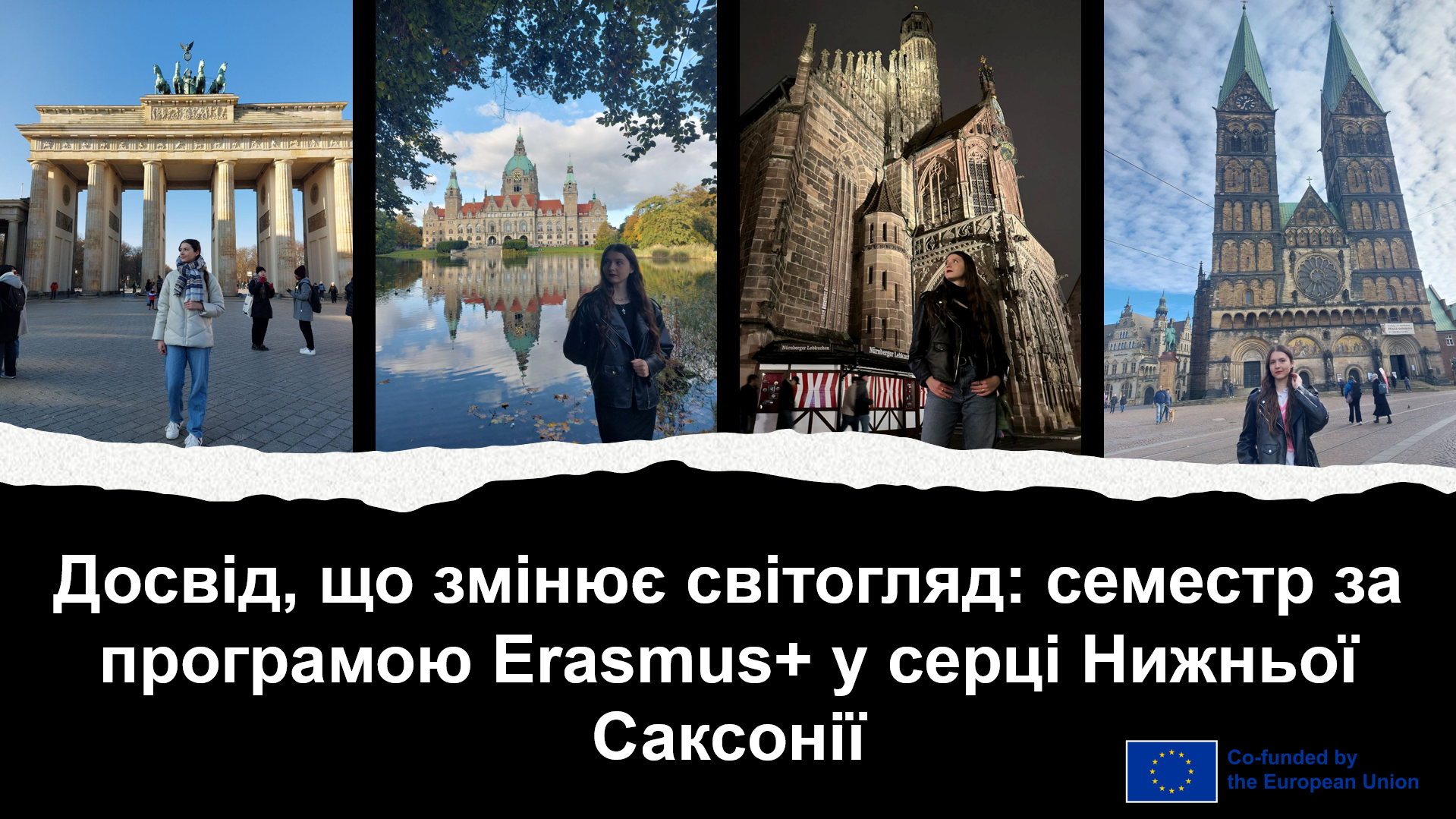
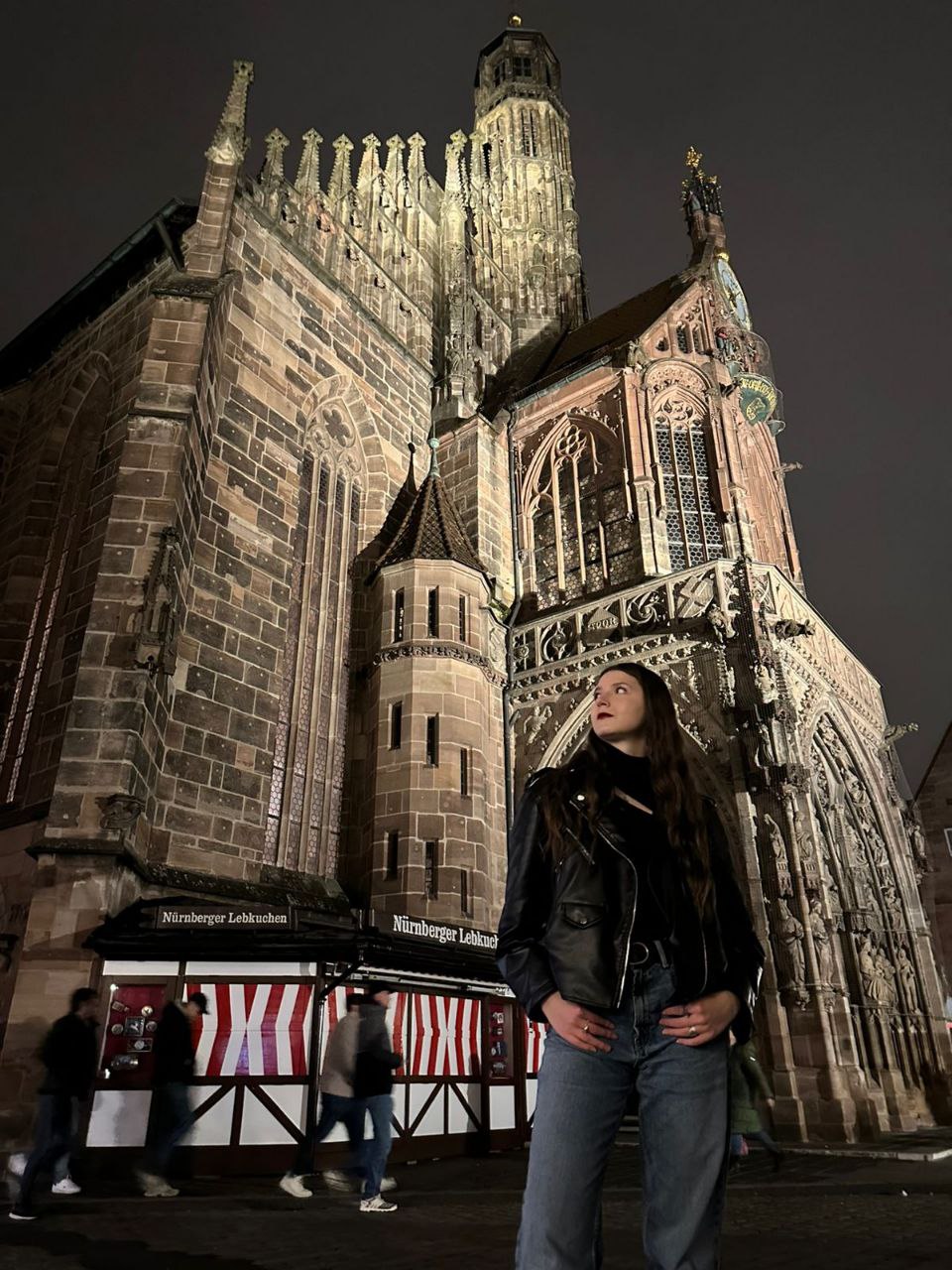
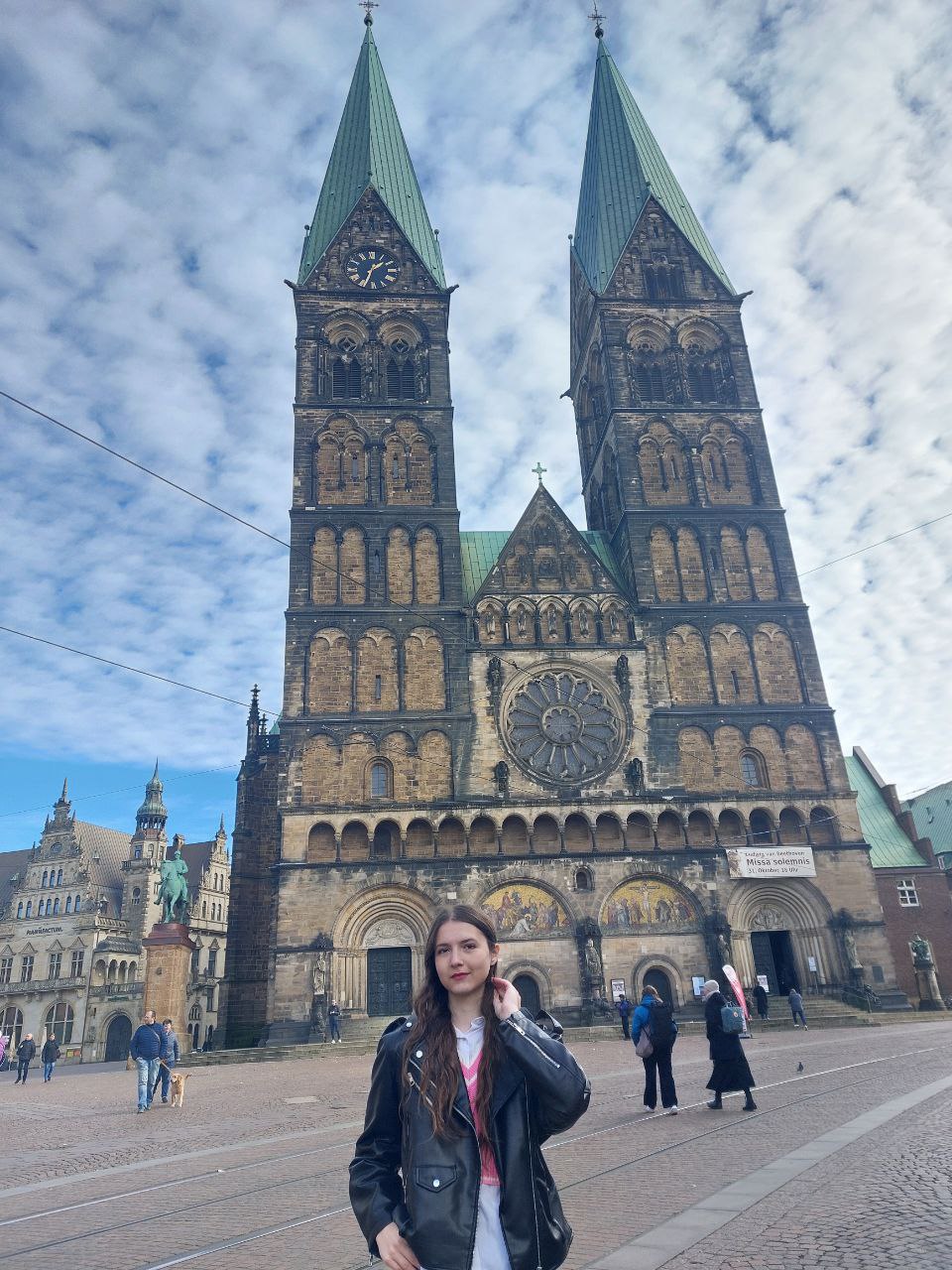
Although my journey in German began recently, I strive to make every moment a discovery. Exploring the country’s culture through its cities has become a real passion for me: I have already experienced the grandeur of Cologne, the atmosphere of Nuremberg, and the cosiness of colourful towns near Hannover. Each time, Germany reveals itself to me from a new side – through its endless green landscapes and exquisite architecture. A significant benefit for students is that our student ID automatically entitles them to the Deutschlandticket. This provides considerable freedom: the opportunity to travel in Hannover at no cost and to travel by train across the entire country at no additional cost.
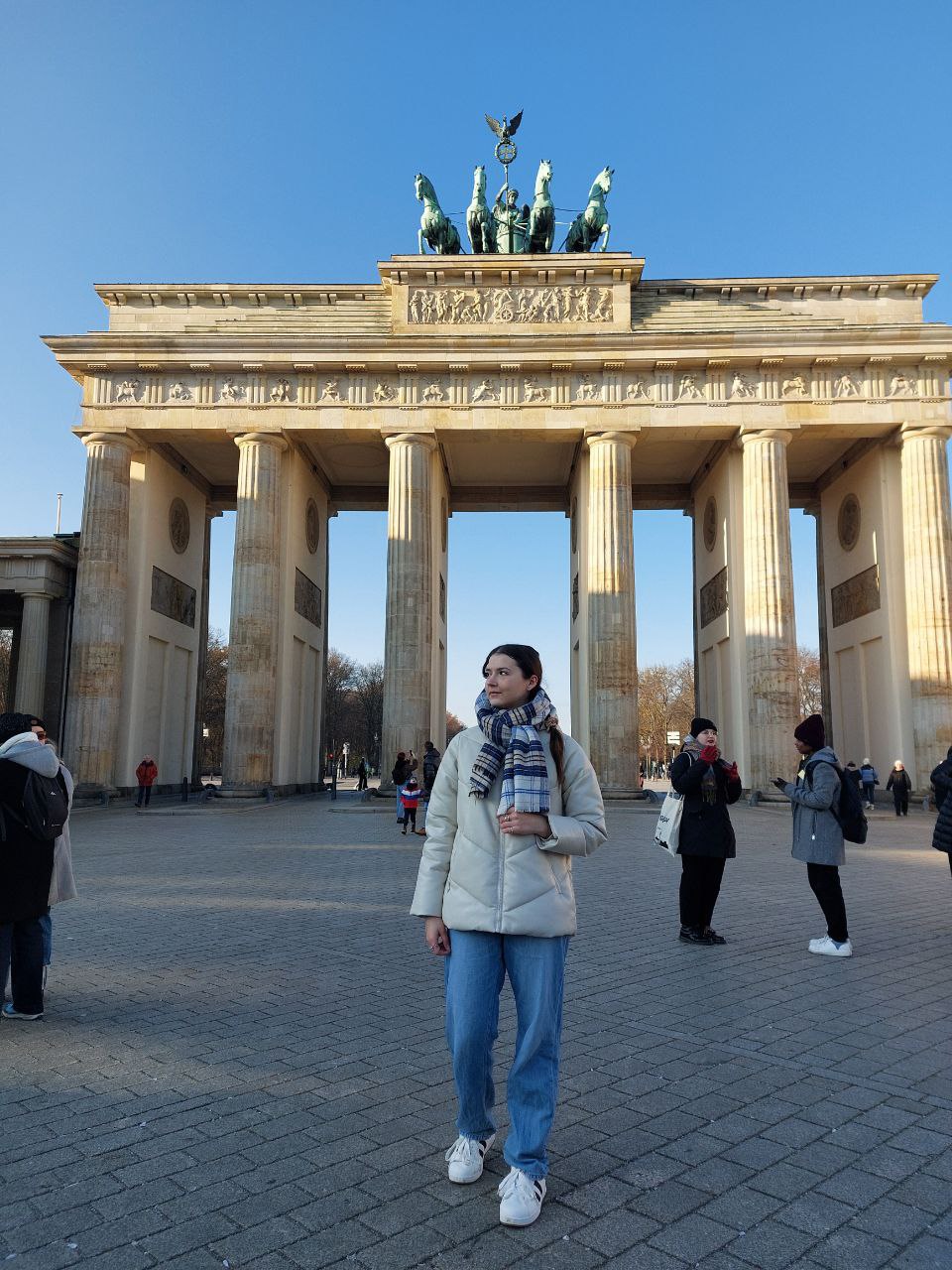
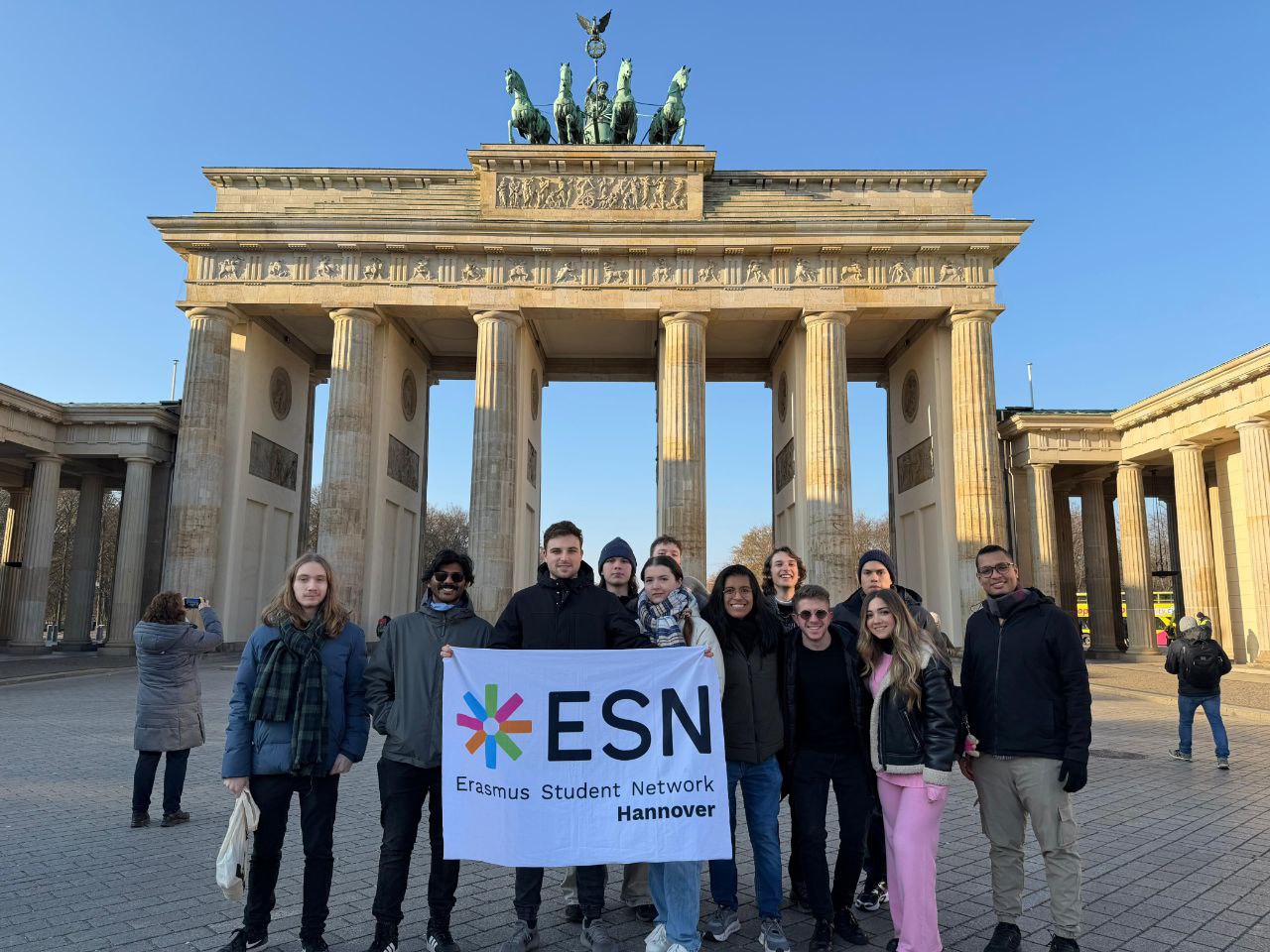
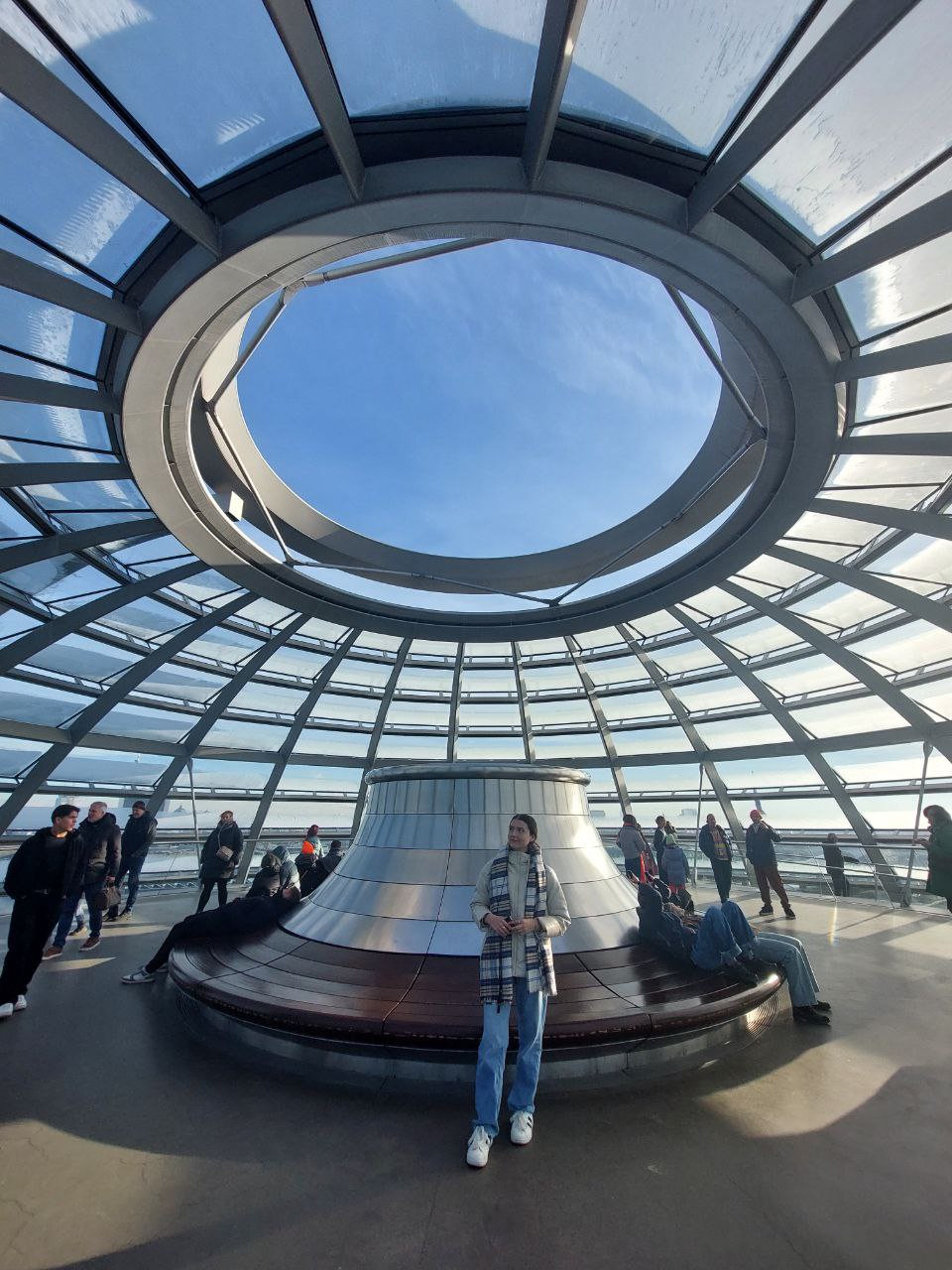
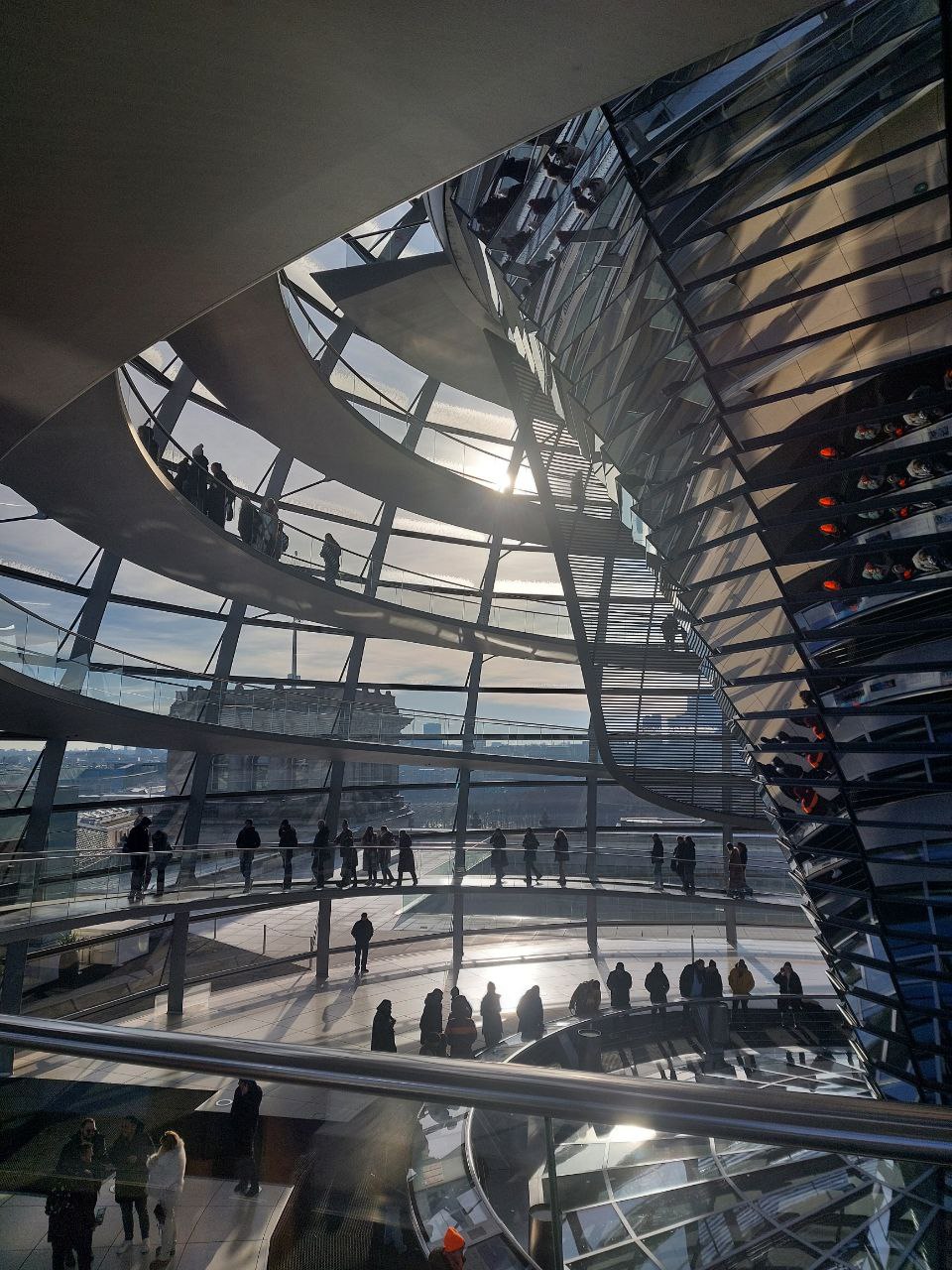
The most emotionally significant event of my stay in Germany was a trip to Berlin organised by the Erasmus Student Network (ESN). This community does incredible things for the adaptation of international students, uniting us into one large global family. The weekend in the capital, in the company of young people from different parts of Europe, was full of drive and new acquaintances. Together, we explored iconic locations: the Brandenburg Gate, the Reichstag, and Museum Island. However, the real triumph was the visit to the glass dome of the German Parliament – it is almost impossible to get there without a prior appointment, but thanks to ESN’s efforts, I was able to see Berlin from a bird’s-eye view.
Although I have been in Hannover for only two months, I can already confidently call this time the brightest and most important stage of my student years. The German education system impressed me with its unique balance: it fosters iron independence while also teaching the art of effective teamwork. Every challenge I face here becomes a new point of growth, strengthening my confidence in my own strength. The Erasmus+ program is more than studying; it is an opportunity to broaden your worldview, make friends from around the world, and gain experience that will stay with you for a lifetime. I am sincerely grateful to Poltava Polytechnic for this fantastic opportunity, and I urge every student: do not be afraid to step out of your comfort zone. Apply, open up the world – I promise, it will be your best adventure!” – Anna shares her impressions.
Learn more about the study experience of Polytechnic students at this university in 2023 and 2024.
As a reminder, faculty members of Poltava Polytechnic are eligible to participate in academic mobility and internship programs. Students can study abroad through Erasmus+ credit academic mobility grant programs for a semester or a full academic year at leading universities in Austria, Greenland, Denmark, Estonia, Finland, France, Germany, Greece, Ireland, Italy, Latvia, Lithuania, Luxembourg, the Netherlands, Norway, Poland, Portugal, Romania, Slovakia, Spain, Sweden, and the Czech Republic.
For more detailed information on current internship, teaching, and academic mobility programs abroad, please get in touch with the International Relations Office (office 213-C, interoffice@nupp.edu.ua) or Poltava Polytechnic International Relations Coordinator – Anna Pavelieva, Ph.D. in Philology, Associate Professor of the Department of Germanic Philology and Translation (email: kunsite.zi@gmail.com, phone: +38-(095)-91-08-192).