International academic mobility holds a central place in the strategic development vector of the National University “Yuri Kondratyuk Poltava Polytechnic”, as it is an indispensable catalyst for the professional and personal growth of our students. Participation in prestigious exchange programs, primarily Erasmus+, allows young professionals not only to integrate into the dynamic European educational space but also to acquire critically important competencies, master innovative teaching methodologies, and develop intercultural communication skills, all of which are crucial for a successful career in a globalised world. Why are these programs so valuable, and why should one strive hard to participate in them?
Firstly, mobility programs offer a unique opportunity to step outside the familiar academic environment and immerse directly in leading global education systems, where the focus is placed on independence, responsibility, and results-oriented work, which differs significantly from traditional approaches. Students learn to independently shape their curriculum, make complex decisions, and maintain a high pace of work throughout the semester, fostering a discipline that is difficult to acquire within the confines of a single campus.
In addition to professional enrichment, mobility ensures intensive personal development. The adaptation period to a new environment, language, and social norms, despite initial challenges, is a powerful stimulus for stepping out of one’s comfort zone. Constant communication in a foreign language in daily life and studies significantly boosts linguistic confidence and helps overcome language barriers. Simultaneously, travelling and interacting with students from all over the world develop necessary intercultural competence and build a broad, valuable international network.
It is important to emphasise that this experience is not just about lectures and exams, but also about personal transformation. Students return with noticeably greater independence, self-confidence, and the ability to solve life’s problems effectively. This represents a qualitative leap in self-awareness that makes a graduate competitive in any international job market. Participation in Erasmus+ programs is a strategic investment that guarantees not only academic advantage but also the formation of an independent, adaptive, and conscious individual ready for the challenges of the global professional environment.
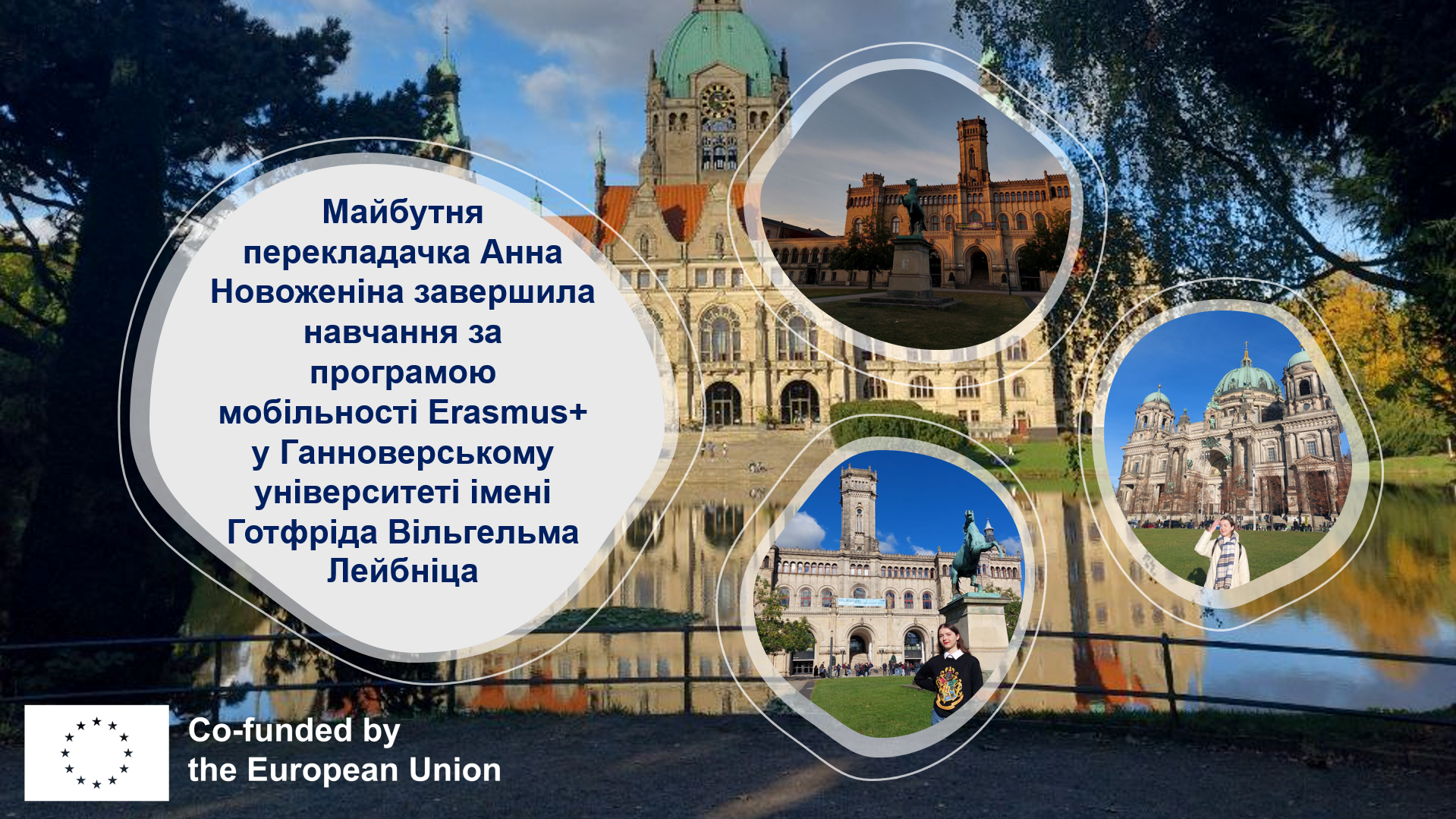
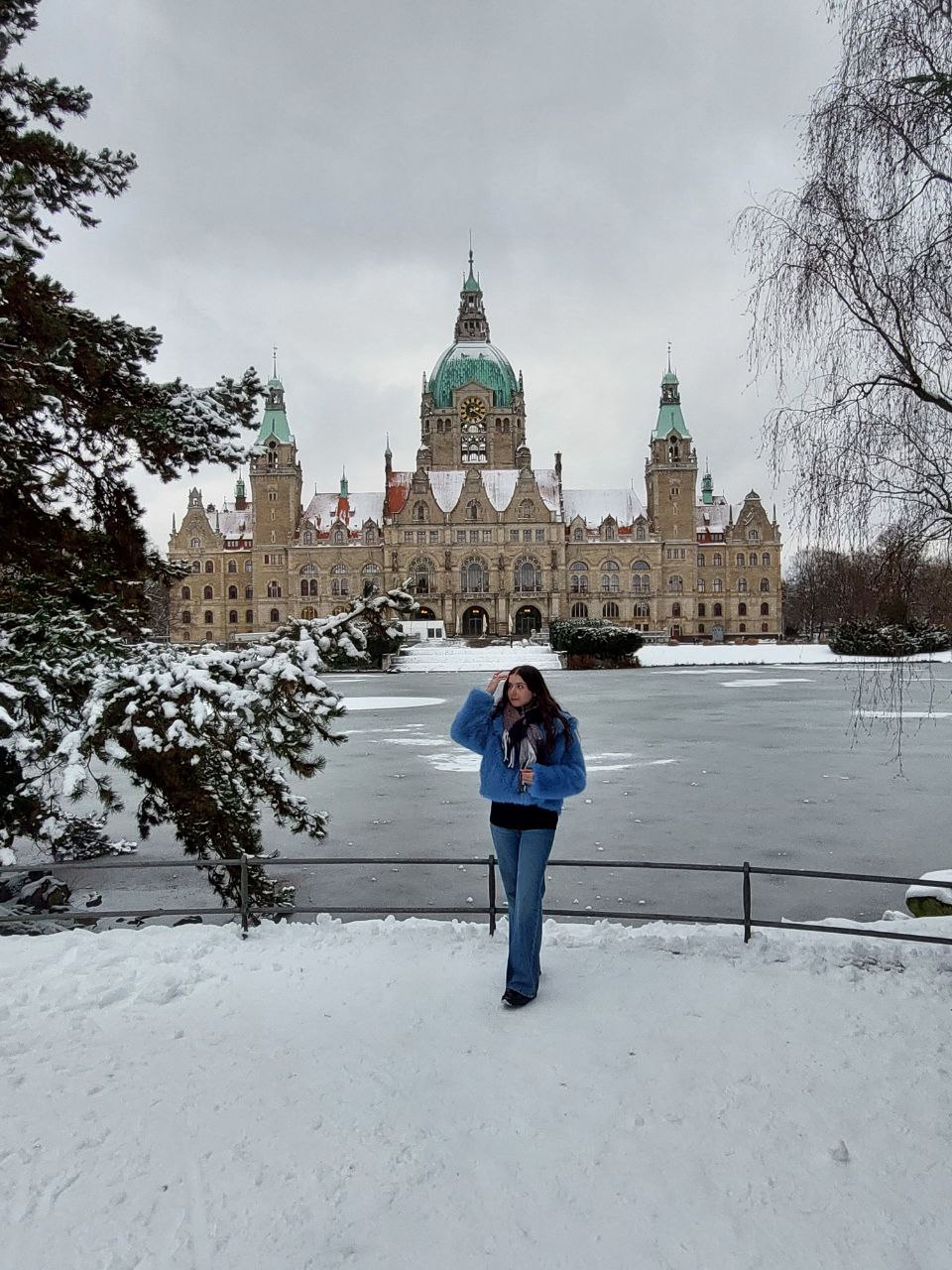
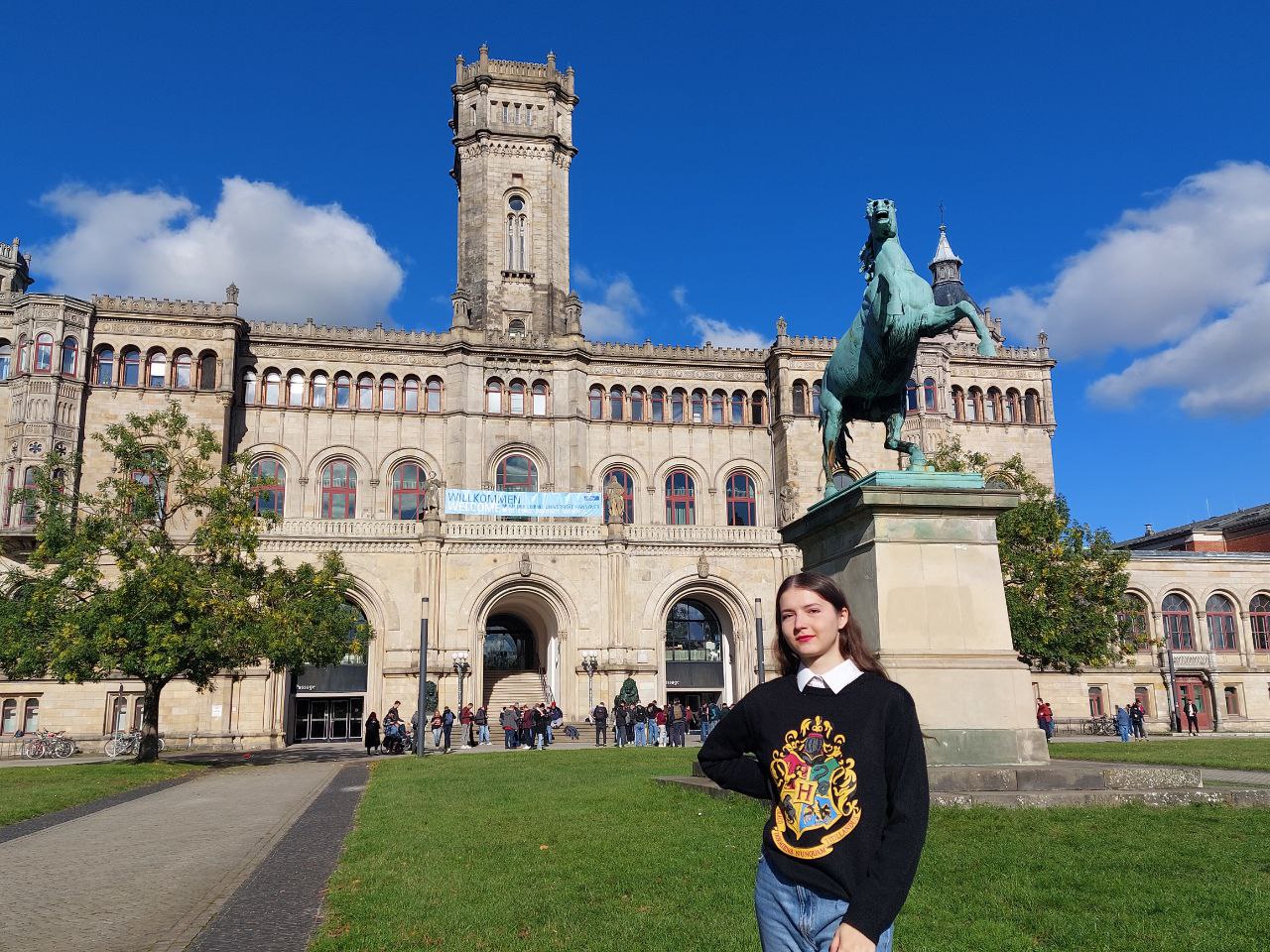
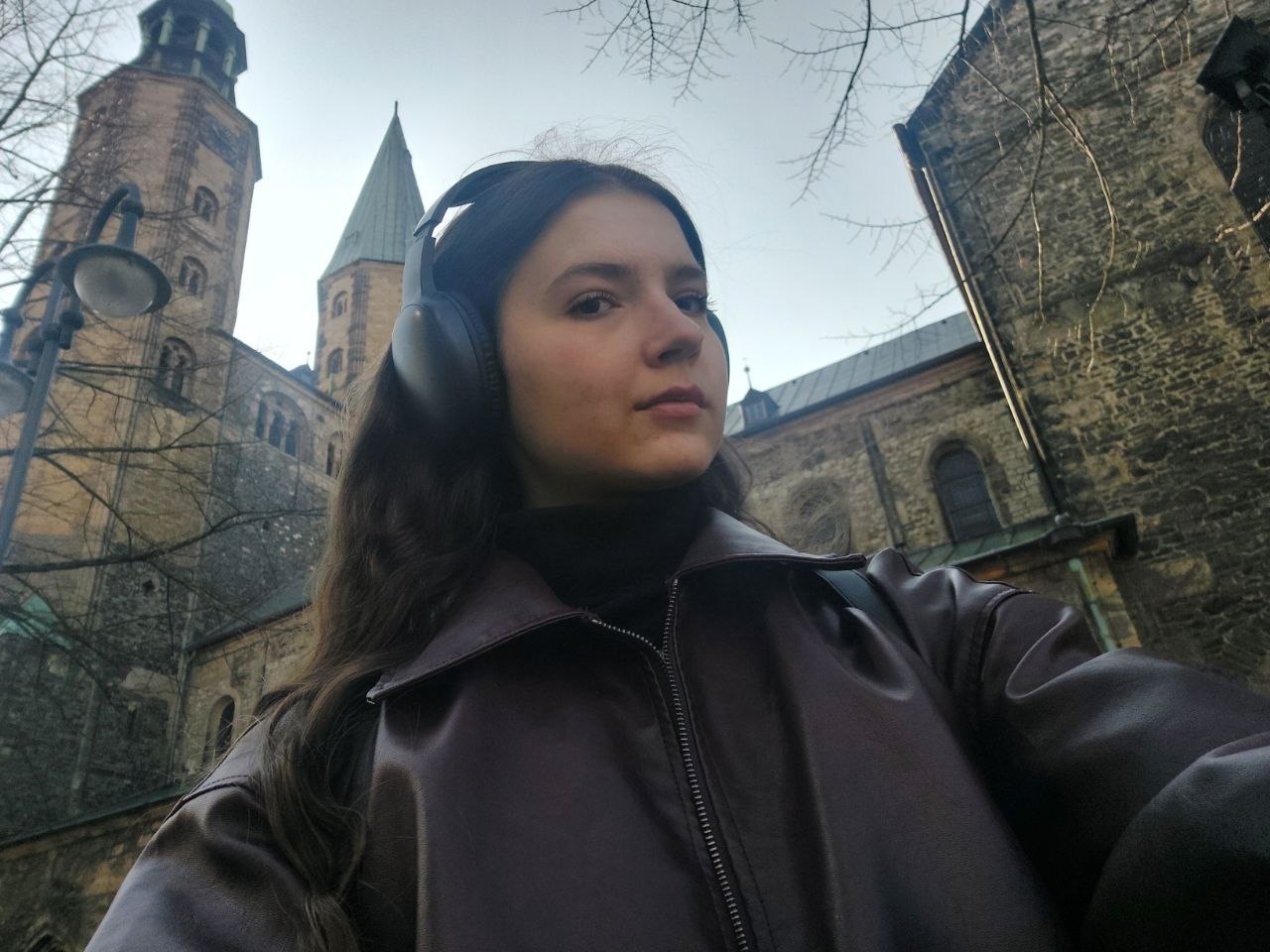
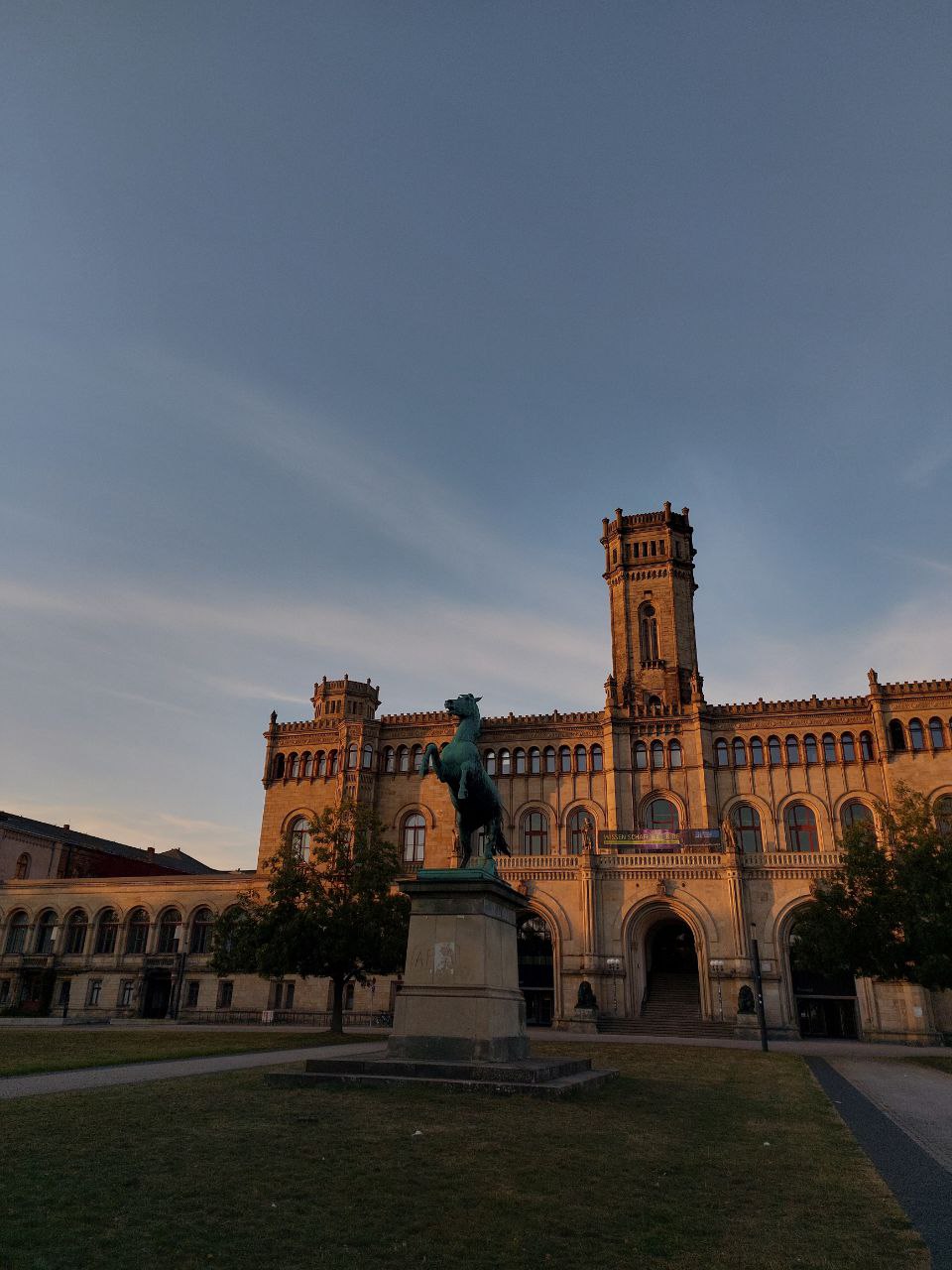
A vivid example of successfully realising these opportunities is Anna Novozhenina’s semester experience as a second-year translation student under the Erasmus+ ICM Program at the prestigious Gottfried Wilhelm Leibniz University Hannover in Germany. In this interview, Anna shares her final impressions of her studies, the challenges of adaptation, and the significance of the experience she has gained, which has already become the brightest stage of her student life: “My participation in the Erasmus+ ICM Program at Gottfried Wilhelm Leibniz University Hannover has come to an end, and looking back now, I realise how important and enriching this period has been for me. It seems like just yesterday I arrived in Hannover feeling anxious and uncertain, and today this city has become truly familiar and dear to me.
The first few weeks were a period of adaptation: a new environment, a different language, an unfamiliar education system. However, it was precisely these challenges that helped me step out of my comfort zone faster and start developing. Day by day, I grew more accustomed to life here, found my favourite places, planned new routes, and met new people. Over time, Hannover ceased to be just a city where I studied and became a place where I feel comfortable living.
Studying at the university was one of the most crucial elements of this experience for me. The education system here differs significantly from the Ukrainian one: students are given much more freedom, but with it comes greater responsibility. I independently chose my courses, structured my schedule, and planned my learning process. This taught me to organise my time better and understand that the result depends entirely on my efforts.
A distinctive feature of studying in Hannover is that the emphasis is not on class attendance but on final exams and projects. These are what determine the student’s level of knowledge. At first, it seemed difficult, as one needs to maintain a high pace of work consistently throughout the semester. Still, eventually, I realised that this system motivates one to work more consciously and responsibly.
My courses were related to the English language – linguistics, academic writing, phonetics, literature, and the culture of English-speaking countries. It was particularly interesting to delve into phonetics, as it helped me better understand the structure of the language and improve my pronunciation. Academic writing was also very important, teaching me how to articulate thoughts and work with academic texts correctly.
The learning process was organised not as passive lectures but through dynamic seminar formats, which was a radical departure from usual practices. Almost every study session turned into an interactive space filled with in-depth discussions, collaborative group projects, and tasks that encouraged active participation. This approach not only significantly increased the effectiveness of material absorption but also made learning engaging, as the student was constantly at the centre of the cognitive process. Equally important, the instructors cultivated a friendly, open, and relaxed atmosphere in which mistakes were perceived not as failures but as an integral part of learning, encouraging the free expression of the boldest ideas and critical reflection.
A particularly bright aspect of this mobility was full immersion in the language environment. Constant, intensive practice of English in both informal and academic contexts led to a qualitative leap in my communication skills: I significantly increased my confidence in leading discussions, the speed at which I formulated thoughts, and my overall linguistic flexibility. Concurrently, living in Germany itself created ideal conditions for the daily, natural application of the German language. From everyday interactions at the market or on public transport to conversations with locals, every routine act became a practical lesson that finally erased the language barrier and made linguistic growth organic and inseparable from everyday life.
An important part of my student life was the university libraries and study spaces. They are very comfortable and modern, and they create ideal conditions for preparing for classes and exams. This is where I spent much of my time preparing for the final assignments. This experience taught me discipline, independence, and the ability to work for results.
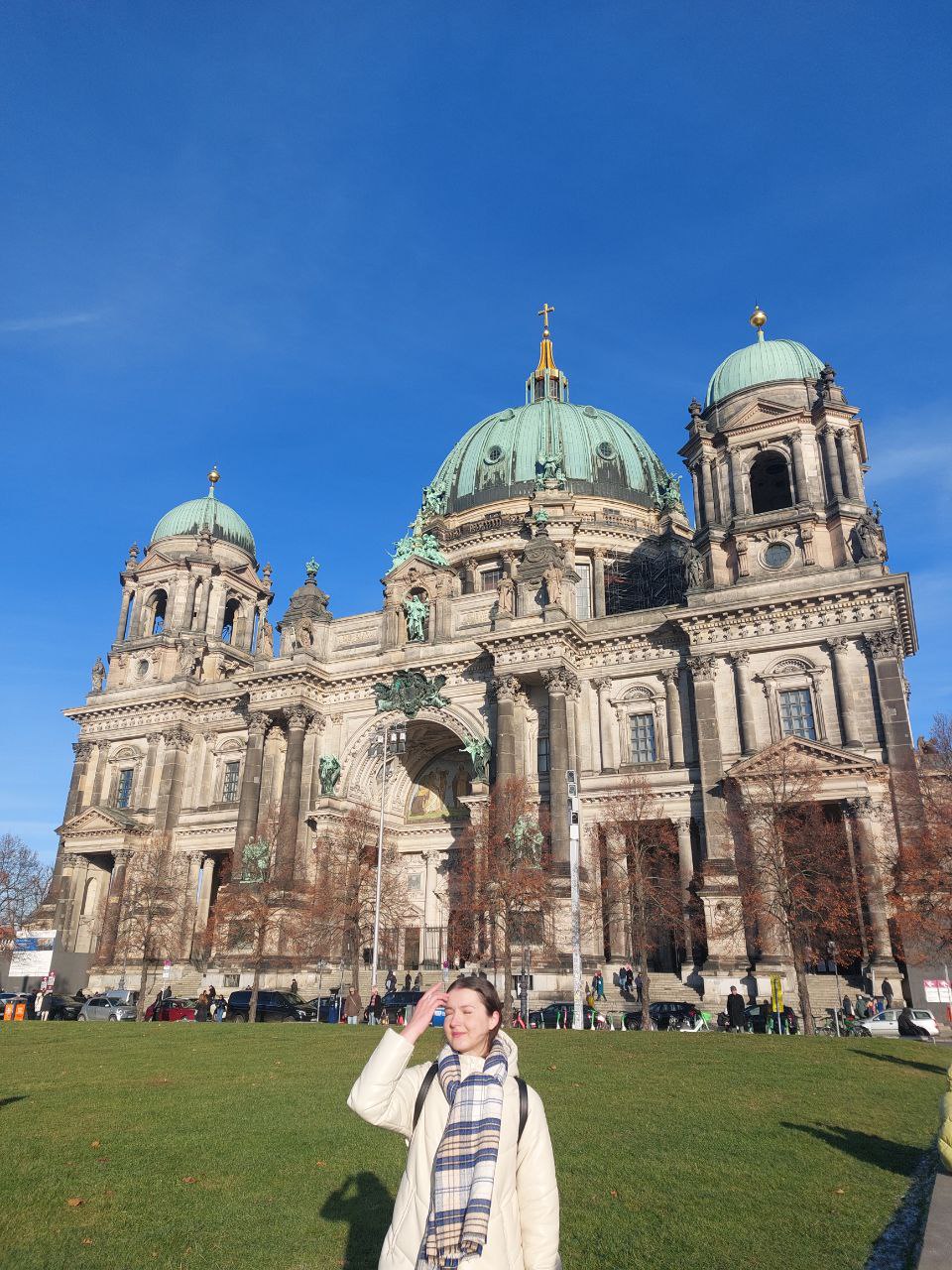
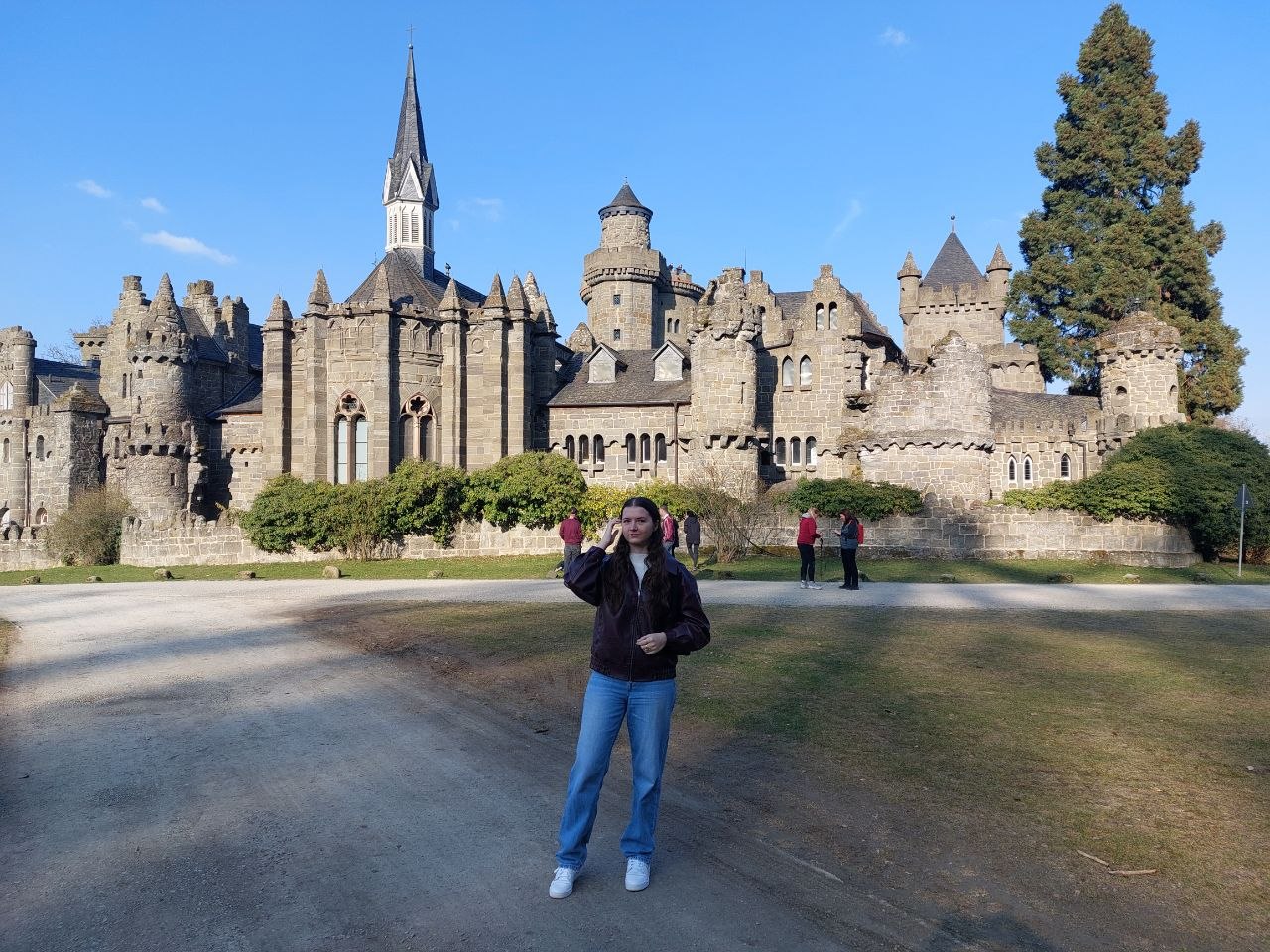
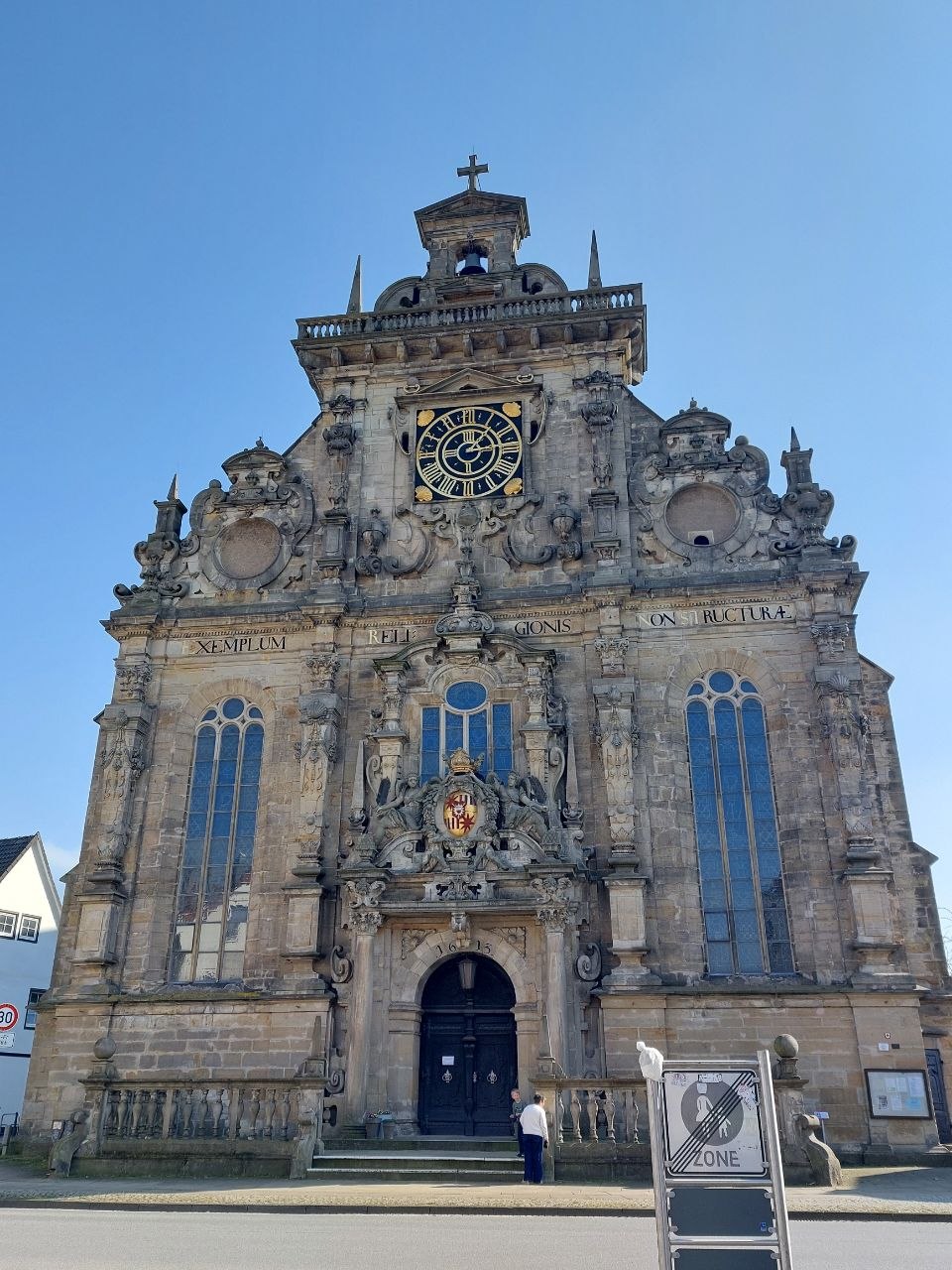
Besides academics, travel was an equally important part of my stay in Germany. I tried to use every opportunity to discover new cities and better understand the country’s culture. During this time, I managed to visit Berlin, Cologne, Nuremberg, and many other German cities, each with its unique atmosphere, leaving pleasant memories. And walking in the city forest, Eilenriede, became a wonderful way for me to relax from studying and spend time in nature.
One of the highlights was the trip to Berlin with the ESN. It was a wonderful opportunity not only to see Germany’s capital but also to spend time in an international environment. We visited the city’s most famous landmarks, learned more about its history, and enjoyed the journey’s atmosphere.
An integral and perhaps the most important component of this international phase was the people. During my stay in Germany, I had the exceptional opportunity to meet students from the most diverse corners of the world, and these new connections proved to be extremely valuable. Joint studies, exciting trips, mutual support in difficult situations, and simple moments of shared leisure created a unique community. It was these new friends and colleagues, thanks to their diversity and openness, who cast a special light on my experience, making it truly bright and unforgettable.
The end of this phase brings mixed feelings. On the one hand, I am happy about everything I experienced, and on the other, a little sad to say goodbye to this period. But I know this experience will stay with me forever.
Over these months, I have changed significantly. I have become more independent, more confident in my abilities, learned to make decisions, and not fear difficulties. The Erasmus+ ICM program allowed me not only to gain new knowledge but also to understand myself better.
I express my sincere gratitude to the National University “Yuri Kondratyuk Poltava Polytechnic” for realising this opportunity, as this experience will undoubtedly be a powerful foundation for my future professional path. Hannover-city and Gottfried Wilhelm Leibniz University Hannover now hold a special place in my heart, and I eagerly look forward to the hope of returning to this unique place again”.
Find out more about Anna Novozhenina’s first impressions of studying at Leibniz University Hannover, as well as the experience of Polytechnic students studying at this university in 2023 and 2024.
We remind you that instructors at the Poltava Polytechnic can participate in academic mobility and internship programs. At the same time, students can study abroad under Erasmus+ ICM programs for a semester or a full academic year at leading universities in Austria, Greenland, Denmark, Estonia, Spain, Lithuania, Latvia, Norway, the Netherlands, Germany, Poland, Portugal, Romania, Slovakia, Finland, and the Czech Republic.
For more detailed information on current internship, teaching, and academic mobility programs abroad, please contact the International Relations Department (Office 213-C, interoffice@nupp.edu.ua).