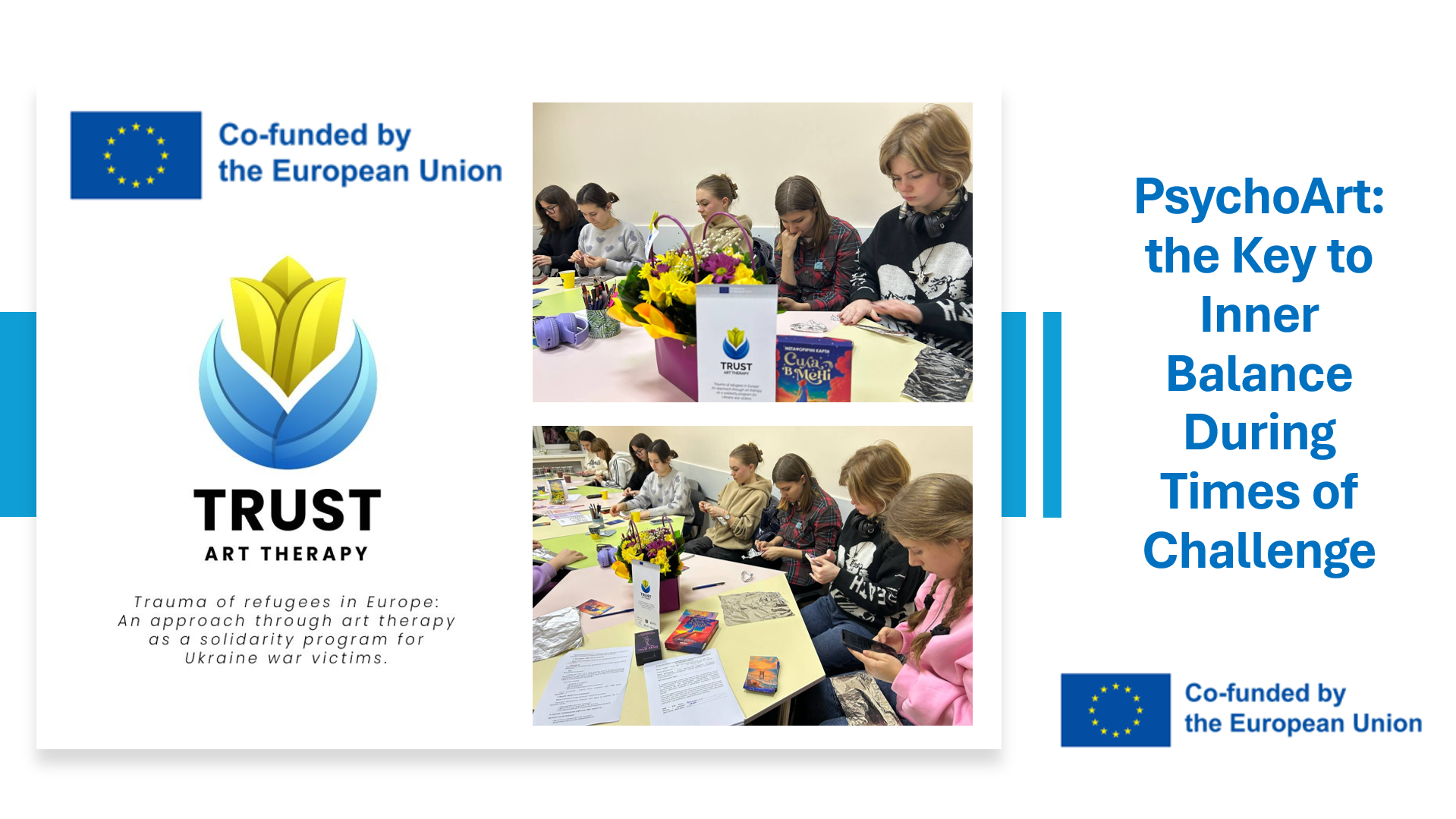
On November 19, 2025, the art therapy session “PsychoArt: A Key to Harmony with Oneself” was held at the National University “Yuri Kondratyuk Poltava Polytechnic”. The event was aimed at supporting the most vulnerable categories of youth – internally displaced persons, children of combatants, orphans, and young people experiencing difficult life circumstances.
The organisers and facilitators of the art therapy were Lesia Klevaka, Acting Head of the Department of Psychology and Pedagogy, PhD in Pedagogy, Associate Professor, and Viktoriia Shevchuk, Associate Professor of the Department of Psychology and Pedagogy, PhD in Psychology.
The main goal of the meeting was to create a safe environment where participants could not only explore their current emotional state but also find practical self-regulation tools. The organisers sought to help students shift their focus from external anxiety to internal supports, activating creative potential as a means of self-discovery and healing.
The therapeutic process was structured as a sequential inward journey, beginning with creating an atmosphere of trust and safety. The first step was a technique of emotional grounding and cleansing. The psychologists invited participants to symbolically leave behind everything preventing them from being “here and now” outside the circle: fatigue, anxious thoughts, tension, or negative experiences. Using a board as a metaphorical “container” for the unnecessary, students were able to free up internal space for new, resourceful energy, tuning in to productive contact with their own “Self”.
Once the group’s emotional background stabilised, work with the subconscious began using Metaphorical Associative Cards (MAC). This tool allowed participants to gently and safely bypass the psyche’s defence mechanisms. Students chose two images: a “Me Now” card, reflecting their current state, and a “My Key to Harmony” card – a visual image of a desired resource that inspires and provides a sense of balance. During the discussion, everyone had the opportunity to vocalise their associations, exploring the individual path from their current experience to desired peace. The facilitators emphasised that this path is unique to each person, and the task of the meeting was to create a personal visual metaphor for recovery.
The culmination of the creative process was working with foil – a material that, thanks to its plasticity and shine, allows for easy transformation of form. Participants were invited to create their own “Key” – a physical embodiment of the force that opens the door to harmony. Some made the key realistic, while others gave it an entirely symbolic, abstract form. This stage engaged fine motor skills and tactile sensations, helping to realise the need for stability and meaning more deeply through bodily interaction with the material.
To consolidate the experience on a cognitive level, after the creative work, students moved to a written reflection. They were asked to formulate thoughts that resonate with their state by answering the question: “What does my harmony open up for me?” “What state do I want to invite into my life?” and “What steps will help maintain internal balance?” This task enabled abstract sensations to be translated into concrete intentions, reminding them of their personal responsibility for their emotional resources.
The final stage was a support circle and wrap-up. In a warm atmosphere of trust, participants shared their discoveries: which symbol became most important to them, what they learned about themselves, and, most importantly, what small real step toward harmony they are ready to take today. This reflection became a space of sincerity, where everyone could voice their feelings, receive support from the group, and demonstrate their work while telling the stories of its creation.
The final chord of the session was the ritual of proclaiming a resource phrase: “My key to harmony today is…”. Completing this sentence, each participant named their image, state, or thought that they were taking with them into everyday life. Summarising the meeting, Lesia Klevaka reminded those present of a fundamental truth: “Harmony is an internal dialogue with oneself. And today you took an important step to hear yourself”, thereby reinforcing the therapeutic effect of the work performed.

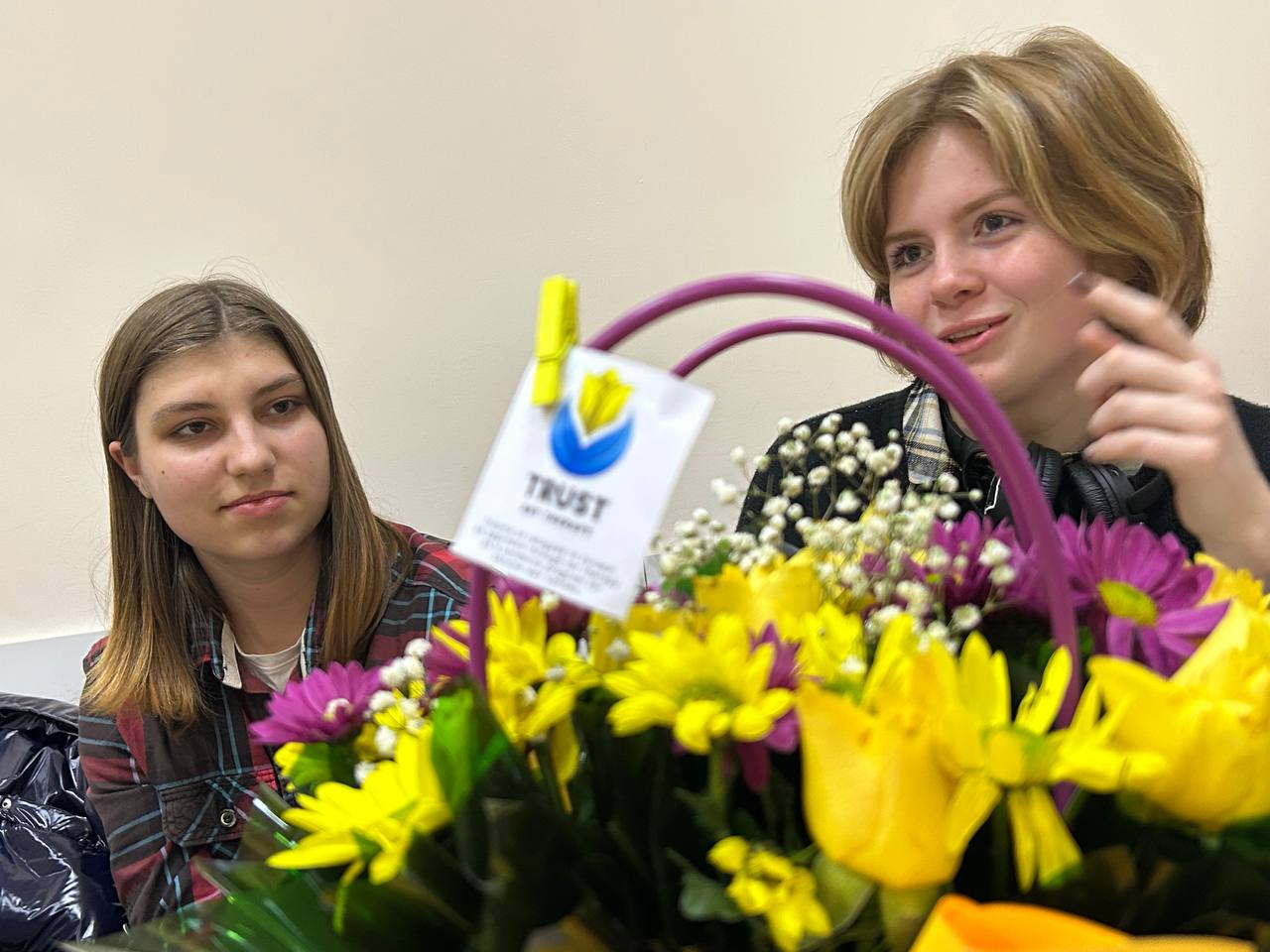
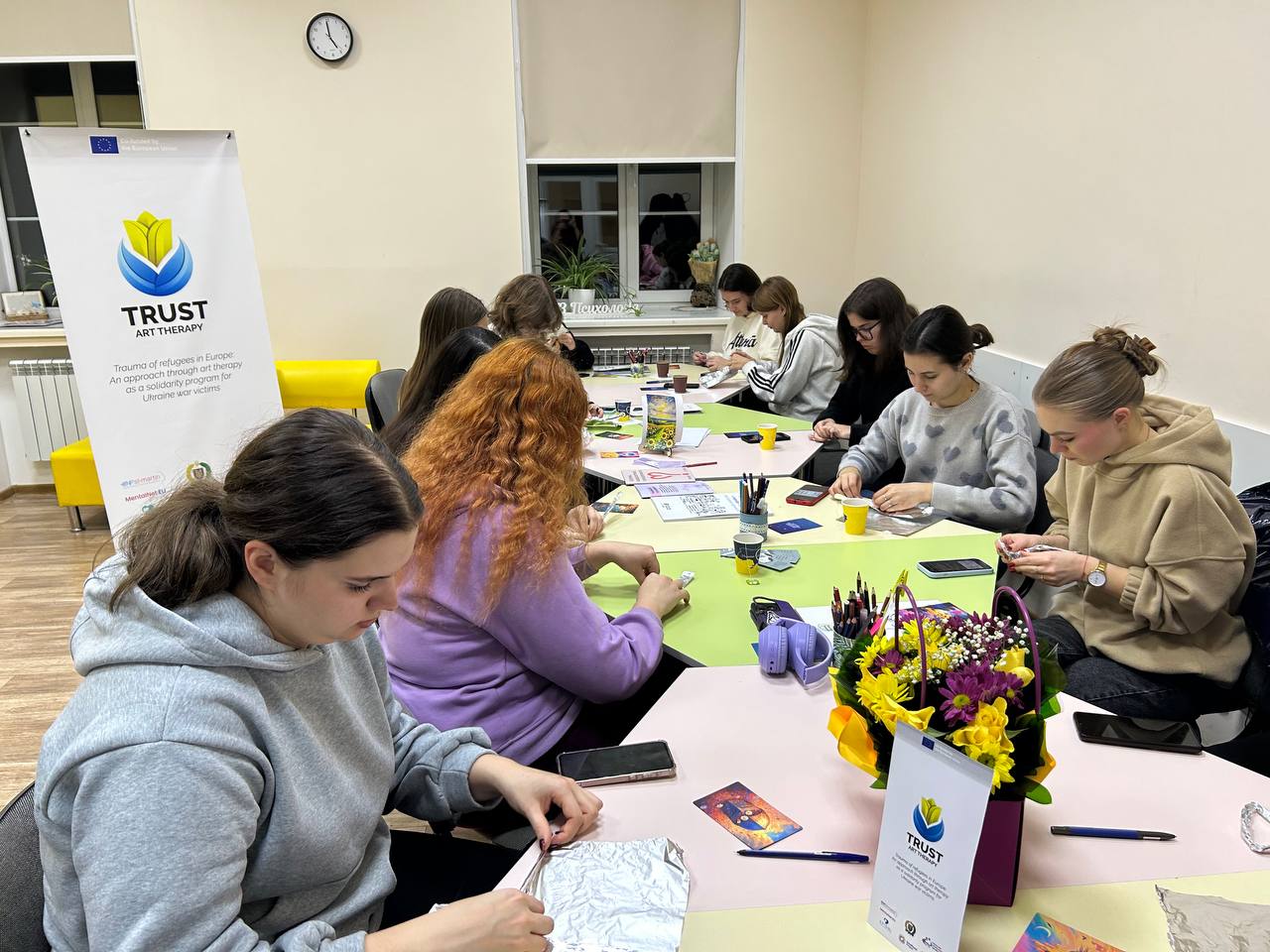
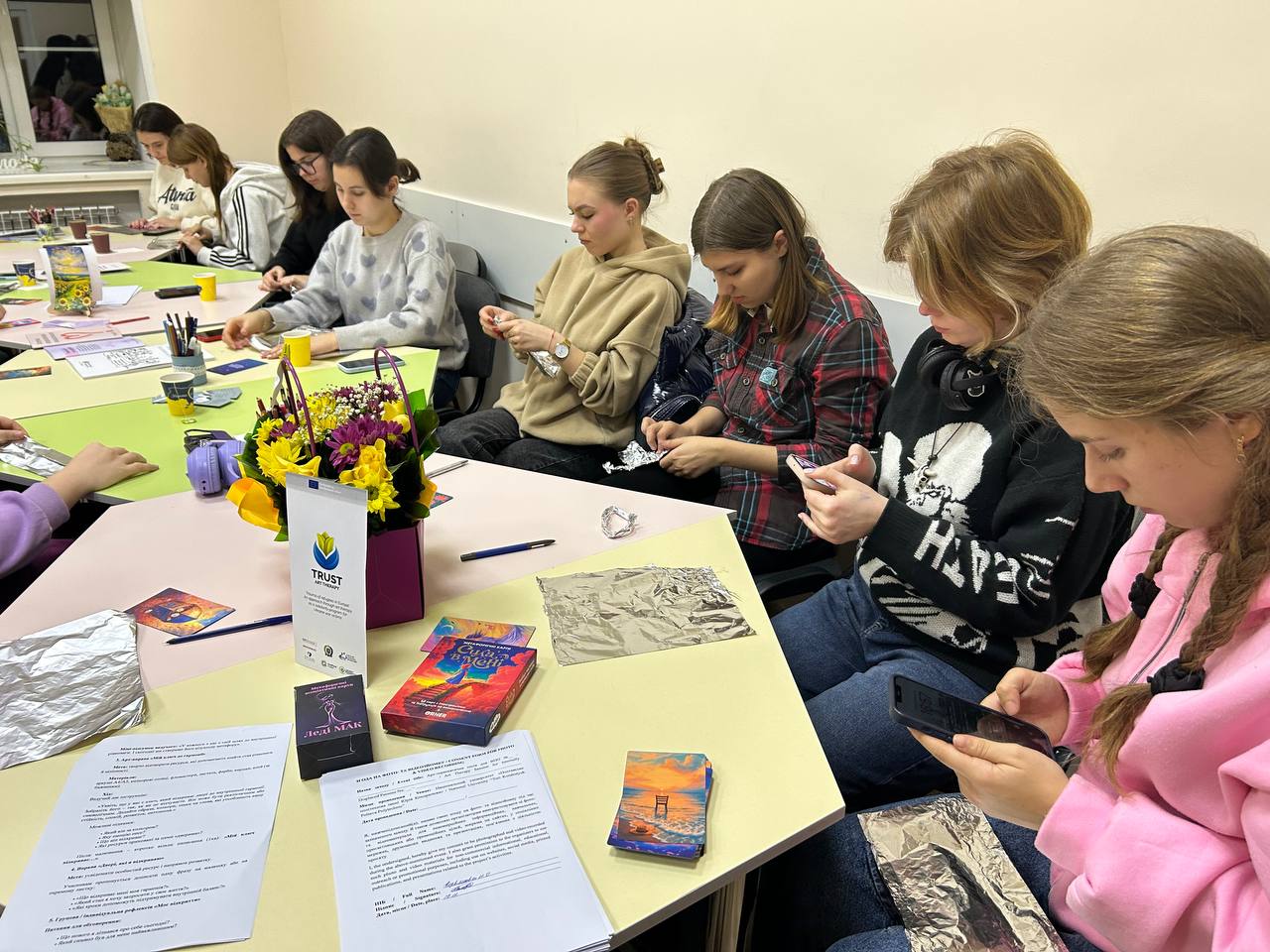

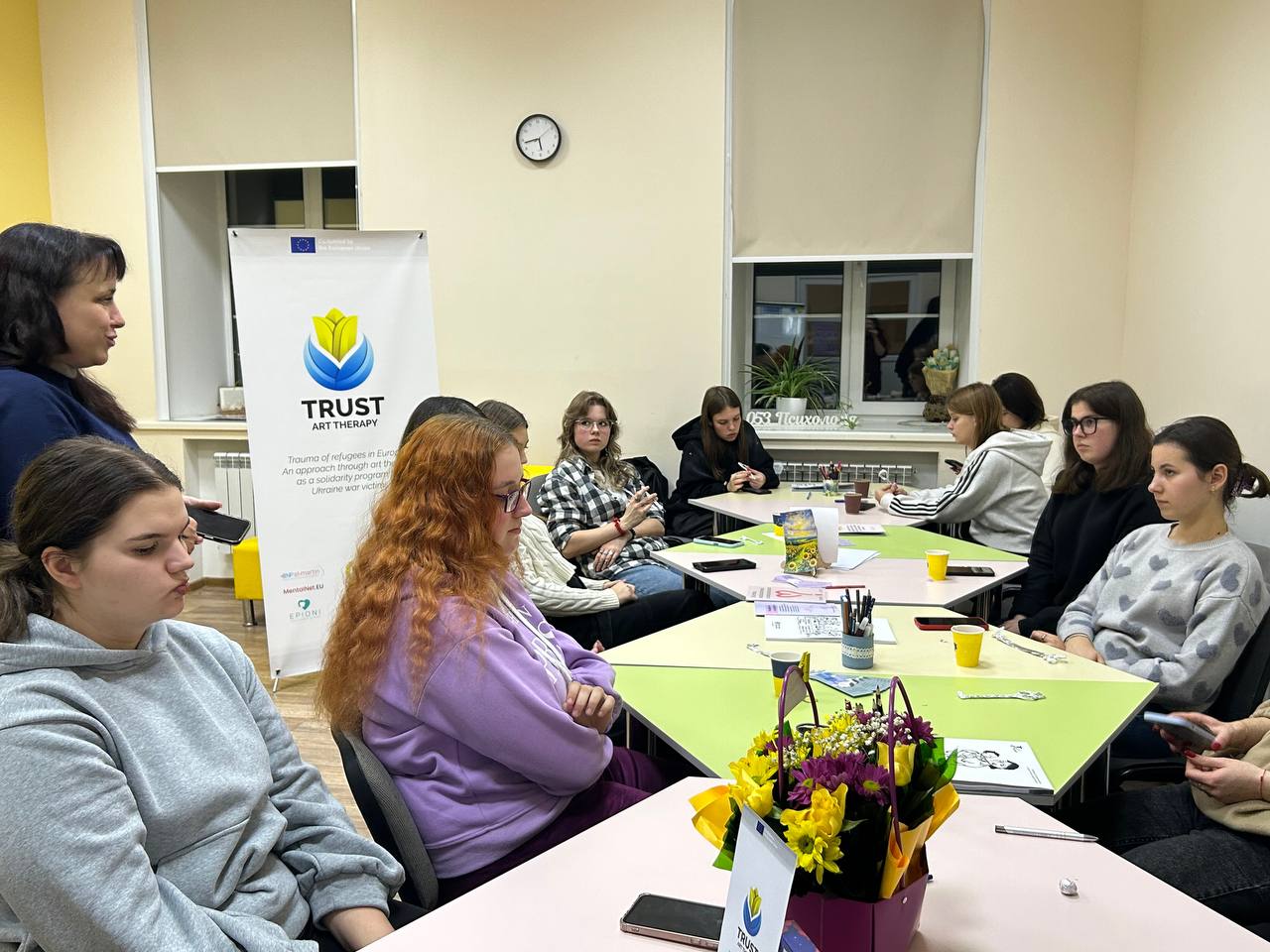
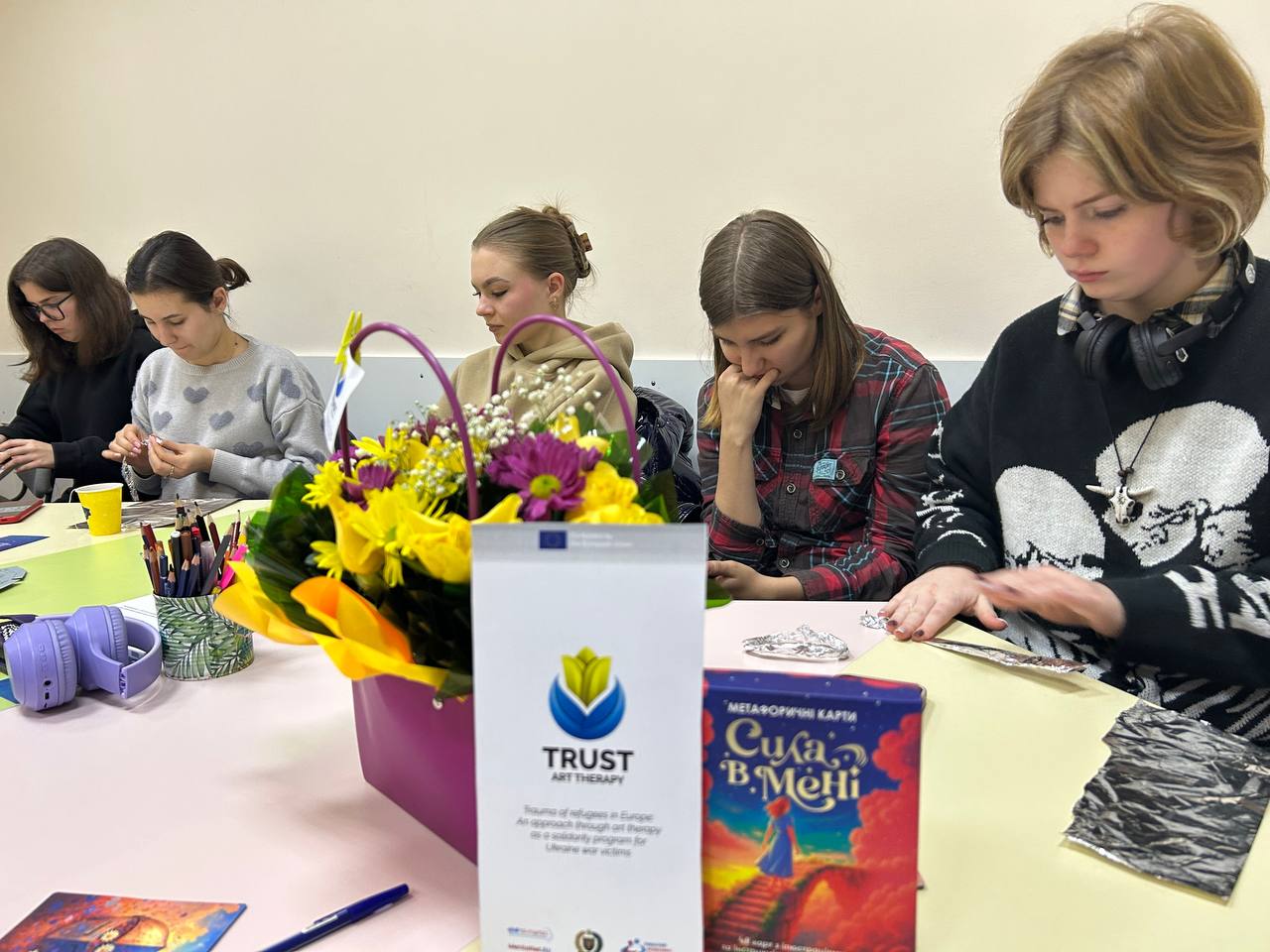
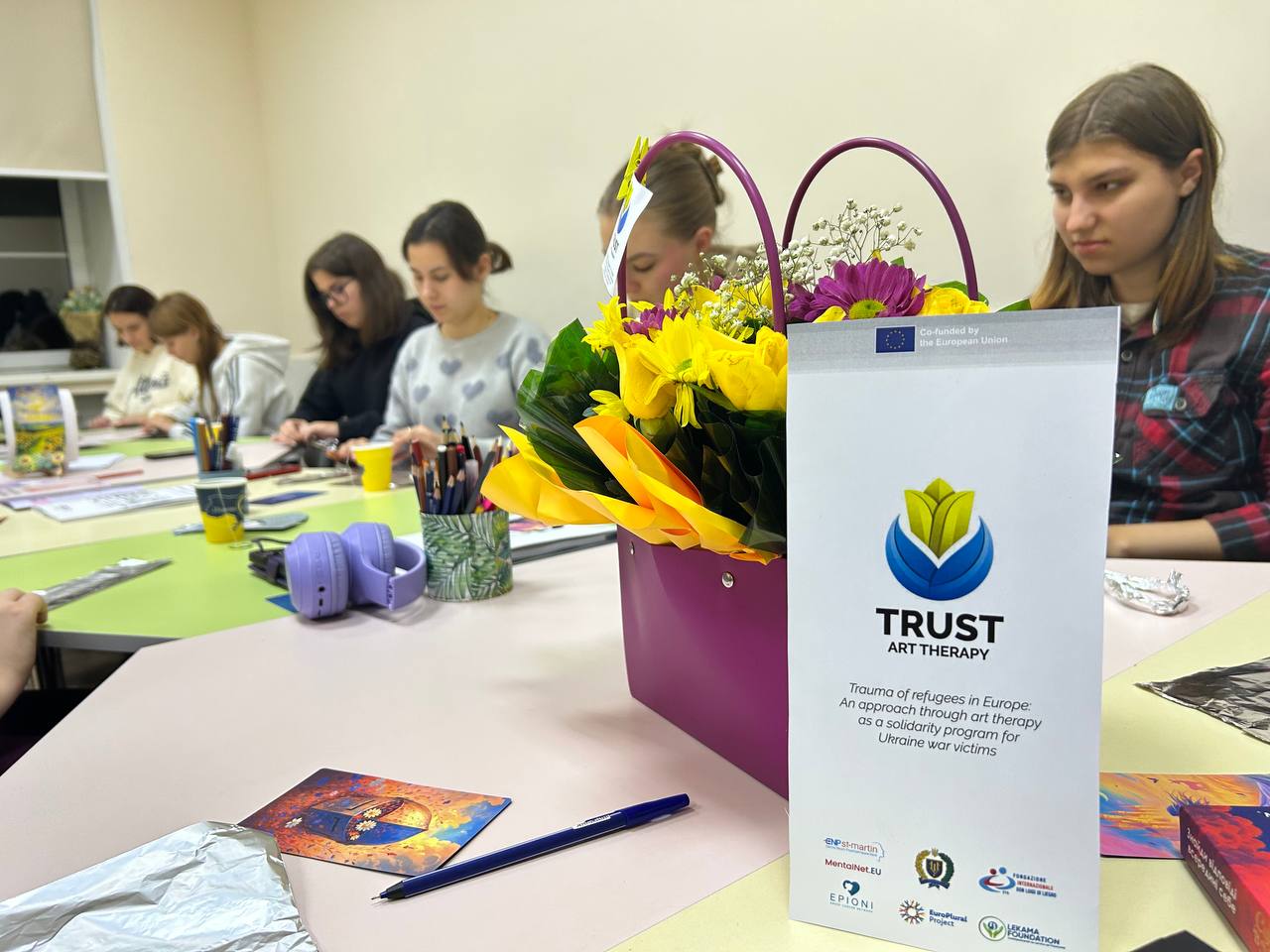
The event was held as part of the international, large-scale EU-funded Erasmus+ KA220-ADU project “TRUST” – Trauma of refugees in Europe: An approach through art therapy as a solidarity program for Ukraine war victims (Grant No. 2024-BE01-KA220-ADU-000257527).
The project title is decoded as follows:
TRUST
T – Trauma
R – Refugees
U – Ukraine
S – Solidarity
T – Therapy
The project is co-funded by the EU and led by the Centre Neuro Psychiatrique St-Martin from Belgium, in partnership with the National University “Yuri Kondratyuk Poltava Polytechnic” (Ukraine), Greek Carers Network EPIONI (Greece), Fondazione Don Luigi Di Liegro (Italy), Lekama Foundation (Luxembourg), EuroPlural Project (Portugal).
We express our sincere gratitude to our partners for their invaluable support, which makes it possible to implement such vitally important initiatives that bring the light of hope and healing to those who need it most.
It is worth noting that Poltava Polytechnic lecturers are eligible to participate in academic mobility and internship programs. Students can study abroad through Erasmus+ credit academic mobility grant programs for a semester or a full academic year at leading universities in Austria, Denmark, Estonia, Finland, Germany, Greenland, Latvia, Lithuania, the Netherlands, Norway, Poland, Portugal, Romania, Slovakia, Spain, and the Czech Republic.
For more detailed information regarding current internship, teaching, and academic mobility programs abroad, please get in touch with the International Relations Department (office 213-C, interoffice@nupp.edu.ua) or Poltava Polytechnic’s International Relations Coordinator – Ph.D. in Philology, Associate Professor of the Department of Germanic Philology and Translation, Anna Pavelieva (email: kunsite.zi@gmail.com, phone: +38-(095)-91-08-192).
Media Centre of
National University “Yuri Kondratyuk Poltava Polytechnic”