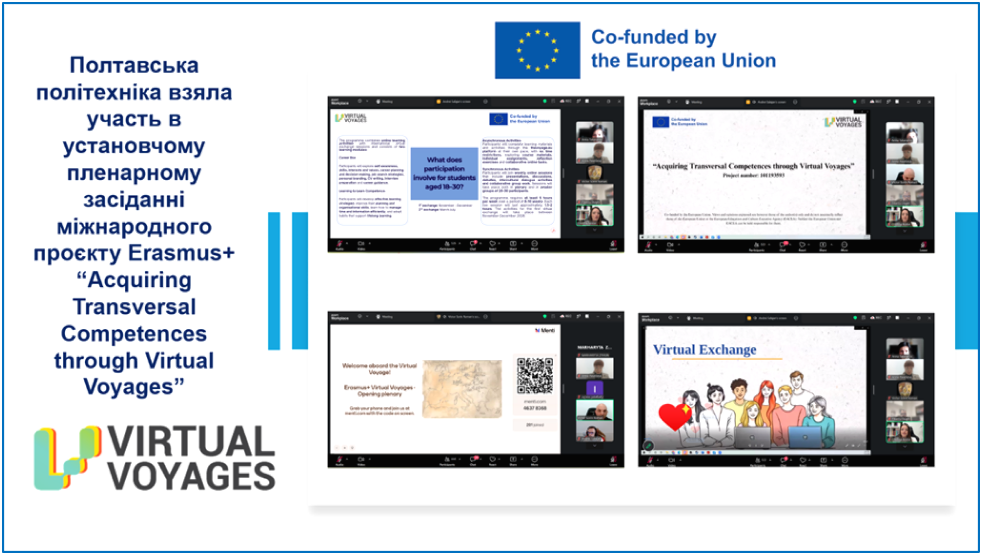
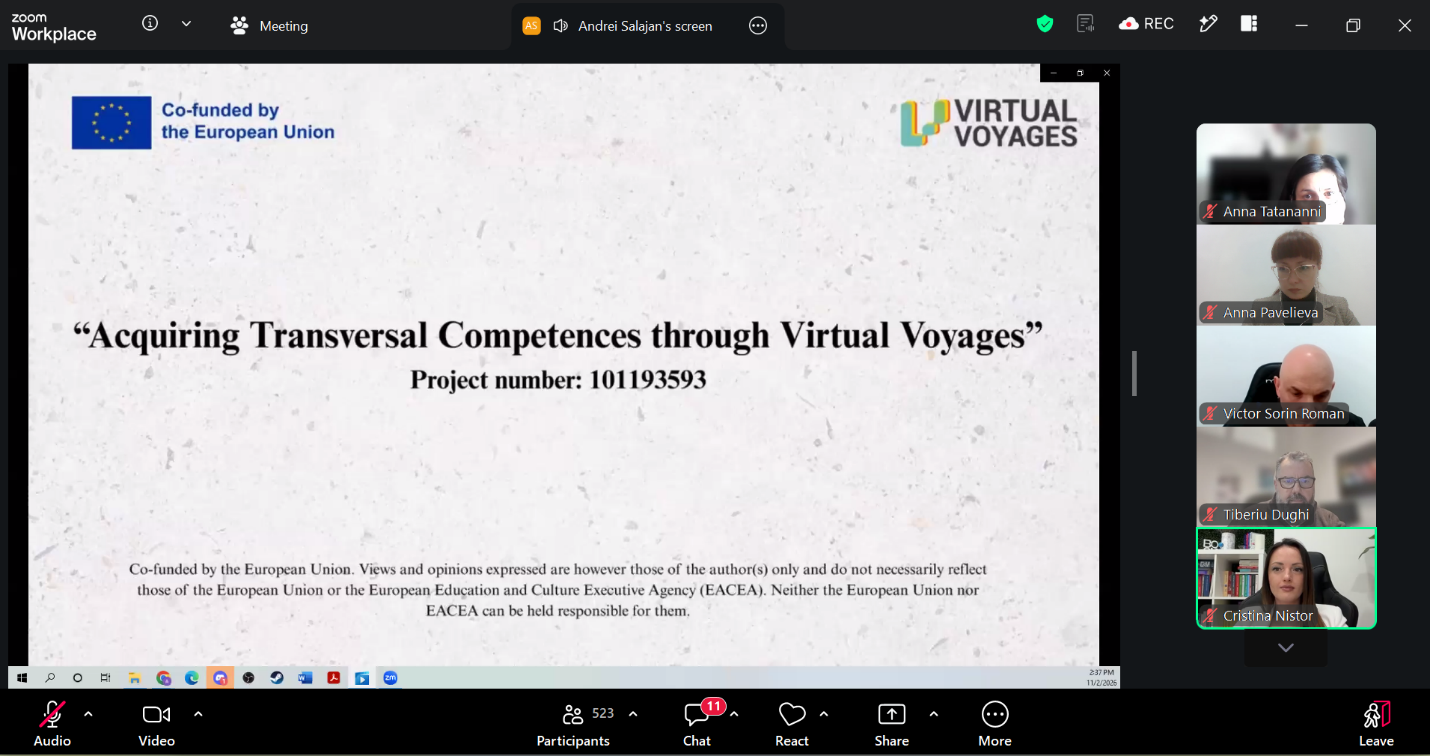
On November 2, 2026, the official Opening Plenary Session was held, marking the formal launch of large-scale student virtual exchanges within the Erasmus+ programme under the “Acquiring Transversal Competences through Virtual Voyages” (registration number ERASMUS-EDU-2024-VIRT-EXCH No. 101193593), implemented with the comprehensive financial support of the European Union.
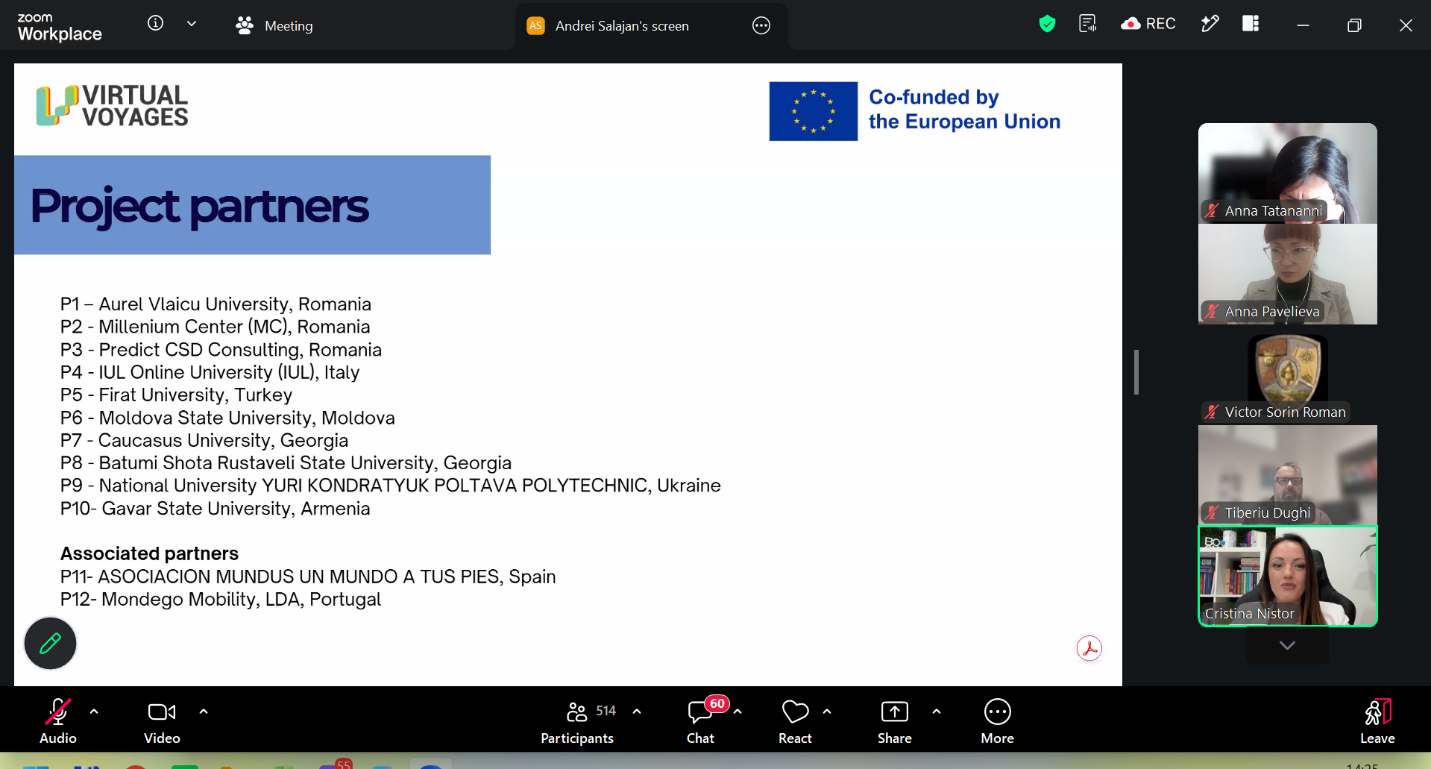
The international project consortium, bringing together leading educational institutions and expert organisations from seven countries worldwide, is coordinated by the “Aurel Vlaicu” University of Arad (Romania). The partnership network comprises esteemed institutions, including the Millennium Centre and the consulting company Predict CSD Consulting (Romania), IUL Online University (Italy), Fırat University (Türkiye), Moldova State University, Caucasus University and Shota Rustaveli Batumi State University (Georgia), Gavar State University (Armenia), as well as National University “Yuri Kondratyuk Poltava Polytechnic”, which represents Ukrainian higher education within this distinguished academic alliance.
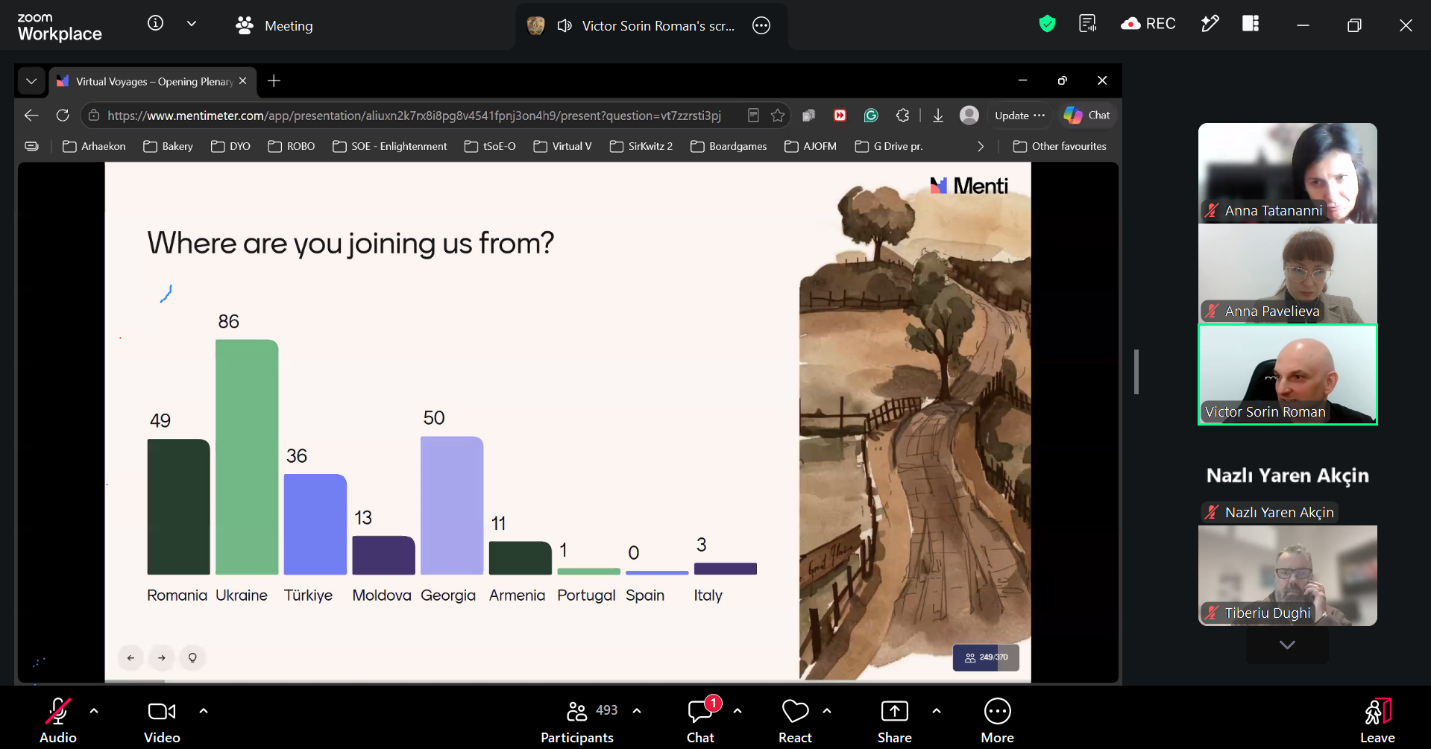
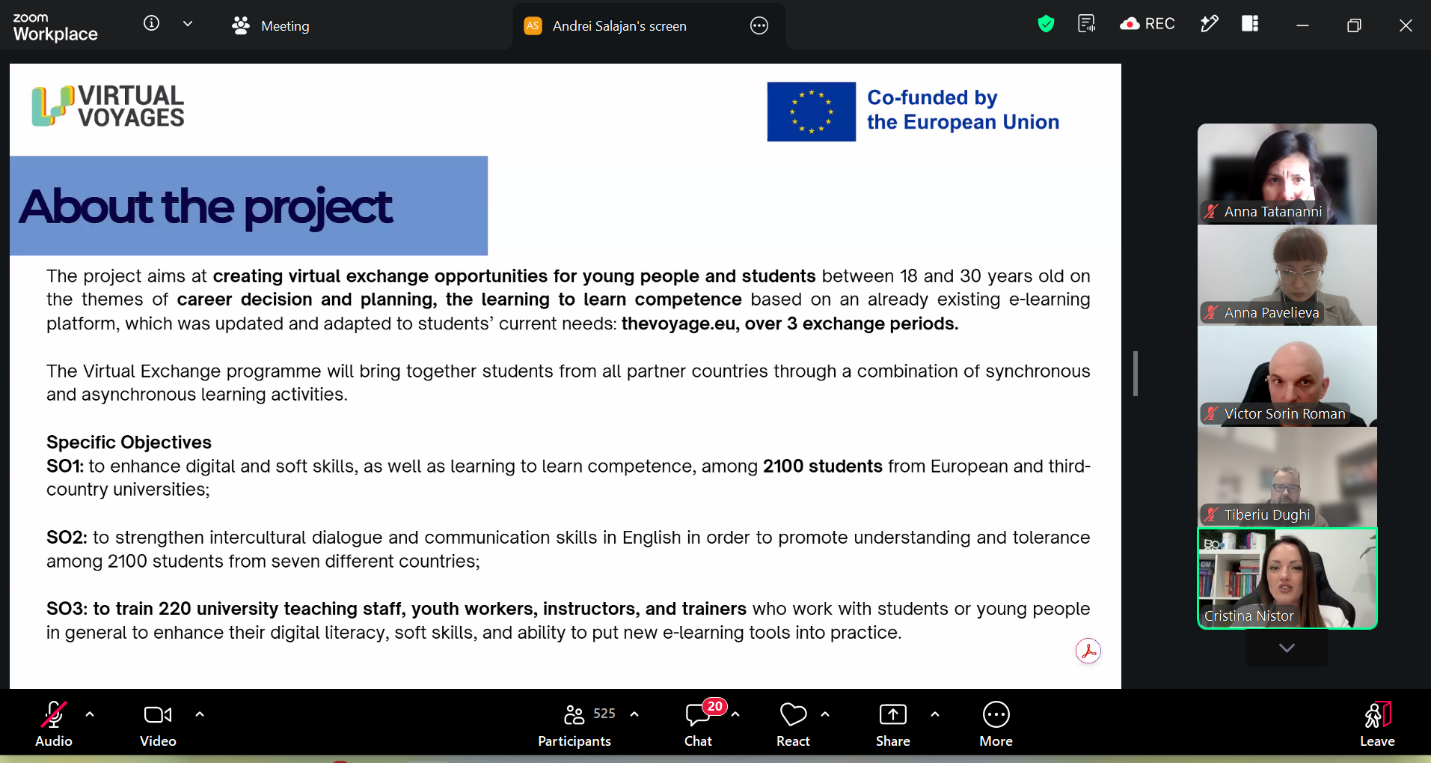
The event brought together over five hundred participants – students, lecturer-facilitators, experts, and heads of educational institutions from seven European countries and neighbouring regions – creating an unprecedented platform for cross-cultural unity. The interdisciplinary team from National University “Yuri Kondratyuk Poltava Polytechnic” played an active role in the plenary session, demonstrating strong methodological readiness to facilitate international student groups and fielding the largest national student cohort among all partner universities.
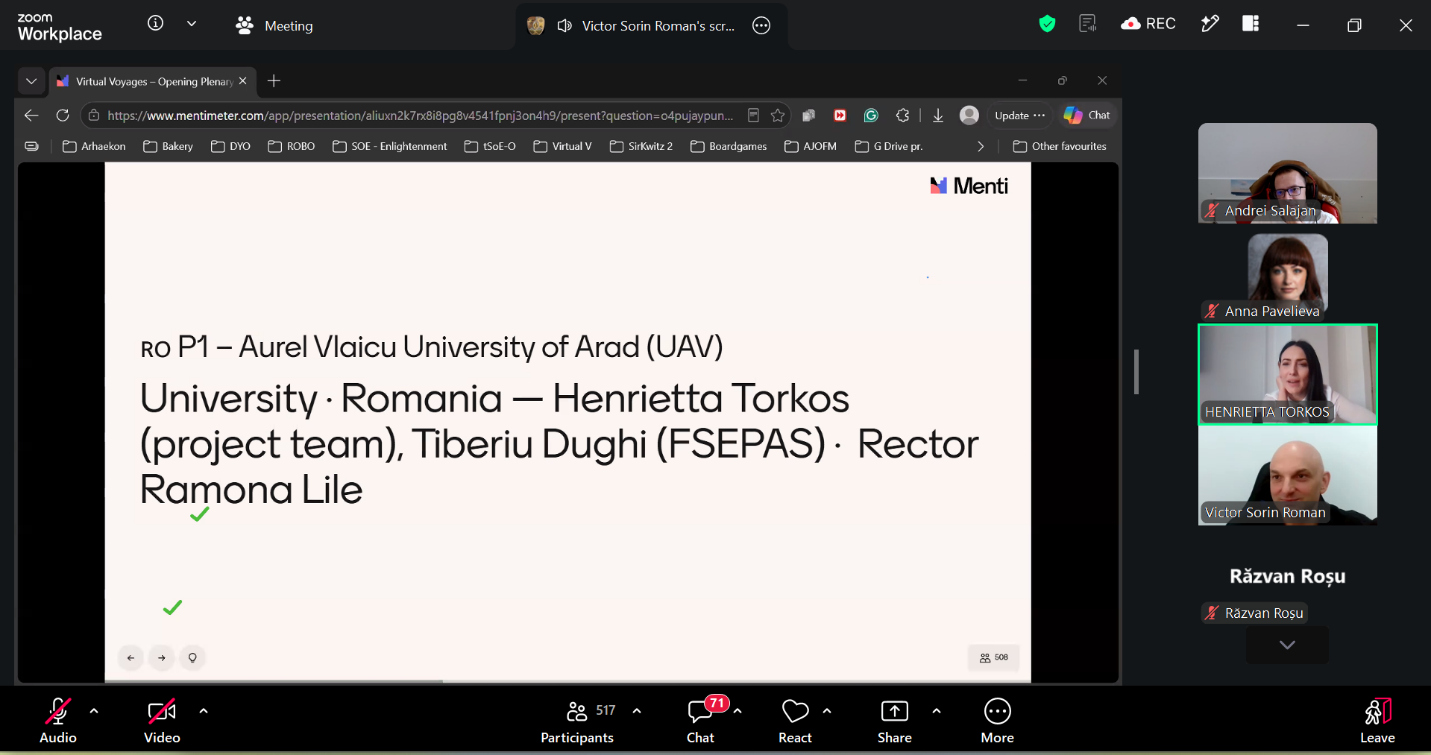
The plenary opening commenced with welcoming addresses from the leadership of the international consortium coordinated by “Aurel Vlaicu” University of Arad (Romania). On behalf of the coordinating institution, Vice-Rector Professor Ramona Lile and Vice Dean of the Faculty of Educational Sciences, Psychology and Social Work, Habilitated Professor Tiberiu Dughi, welcomed participants. The latter underscored the distinct continuity of Erasmus+ project initiatives, emphasising that joint achievements in non-formal education, career guidance, and youth professional development not only enrich the academic process but are also successfully integrated into university curricula, ensuring sustainable institutional impact far beyond formal grant funding.
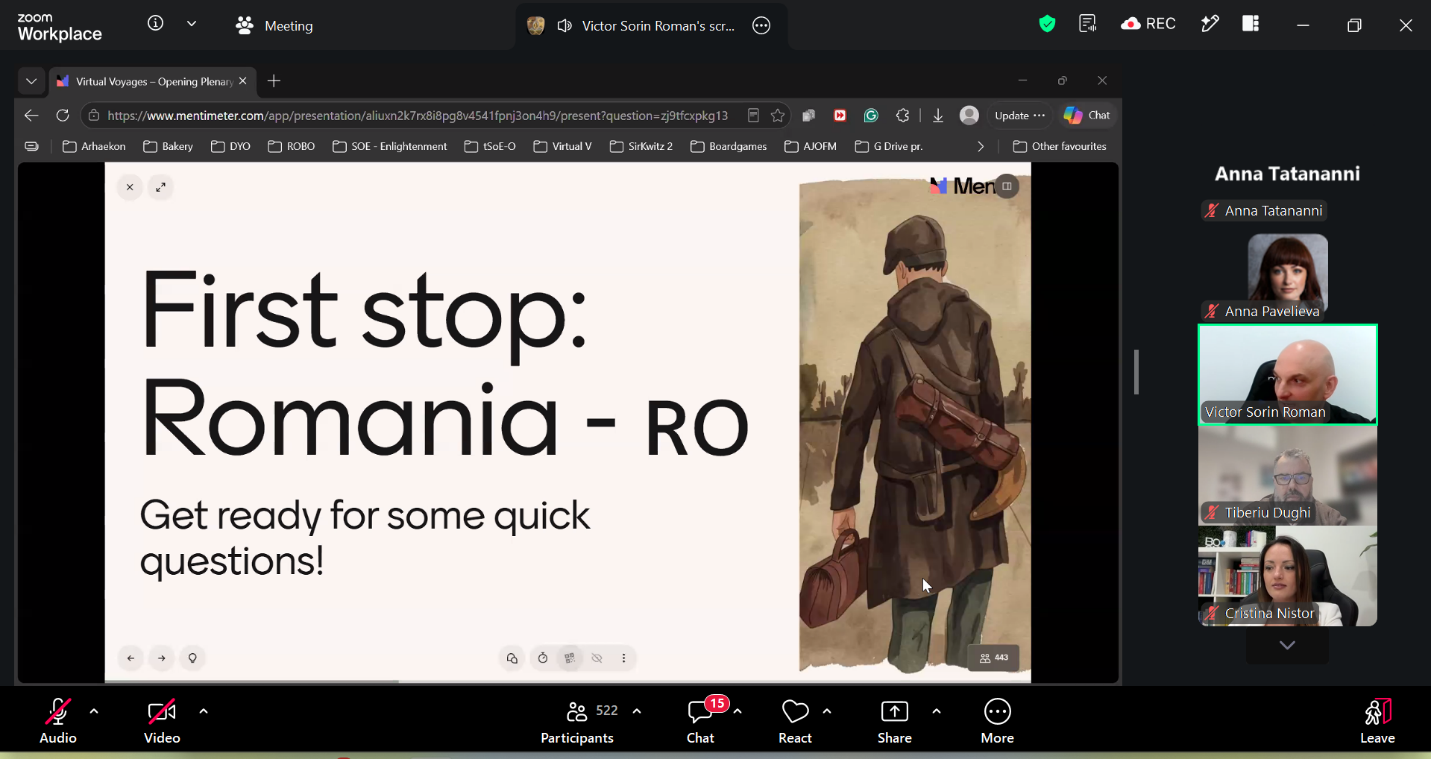
A particular highlight of the inaugural meeting was an exploration of the project's historical and philosophical foundations, presented by the course moderators and developers. Participants were reminded of the medieval European tradition of journeymen, where aspiring craftsmen embarked on multi-year travels across European cities, gaining practical expertise in premier craft guilds, adapting to new environments, and learning cultural diversity to attain master status. This historical legacy in Sibiu, Romania, inspired the initiators to launch a project for young workers that has now taken a new, high-tech form in virtual voyages. Today, humanity no longer needs horses or heavy suitcases to expand its horizons: the modern digital environment enables travel across seven countries without leaving one’s room, fostering the soft skills most in demand on the contemporary labour market – communication, teamwork, critical thinking, and creative problem-solving.
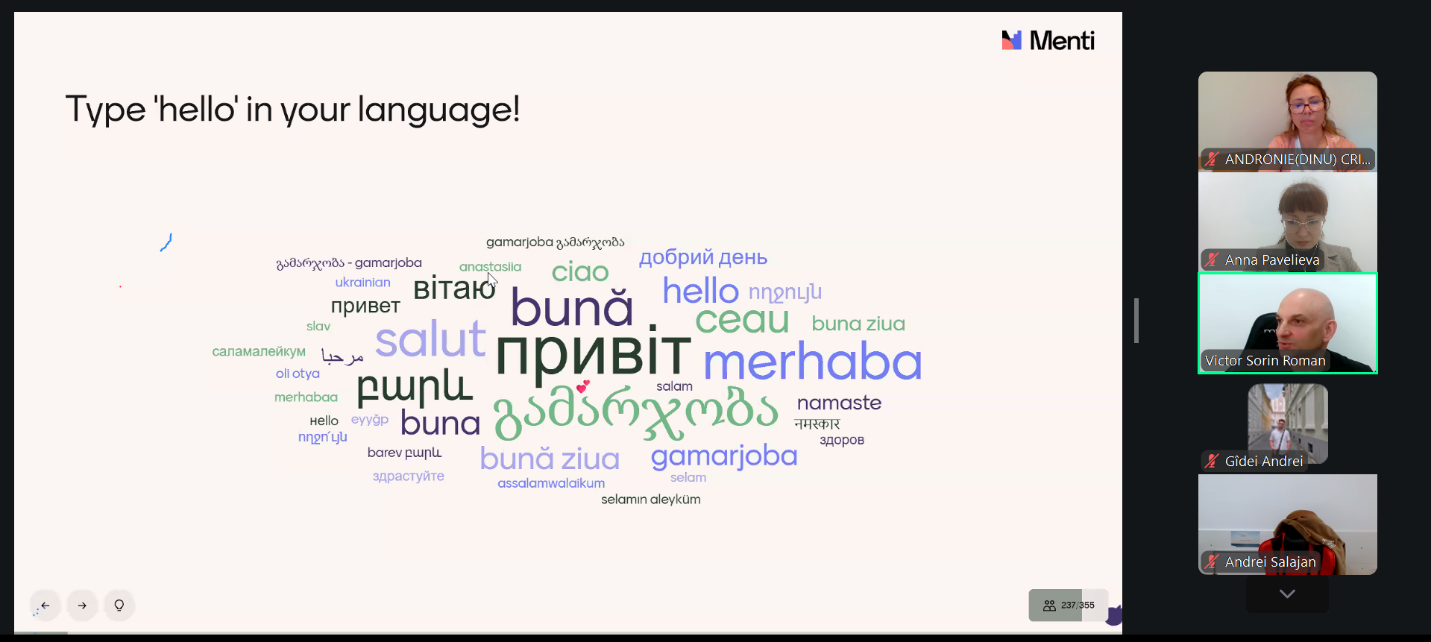
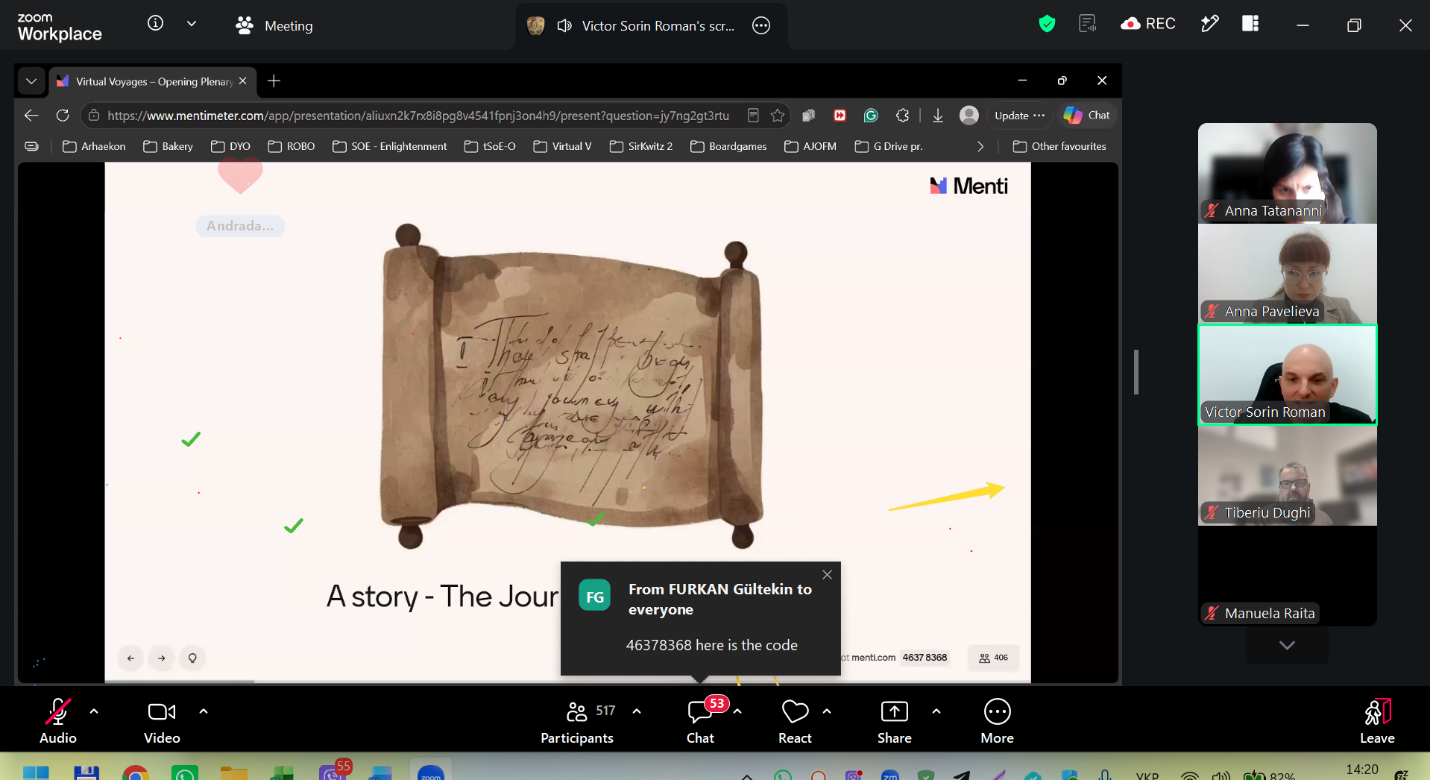
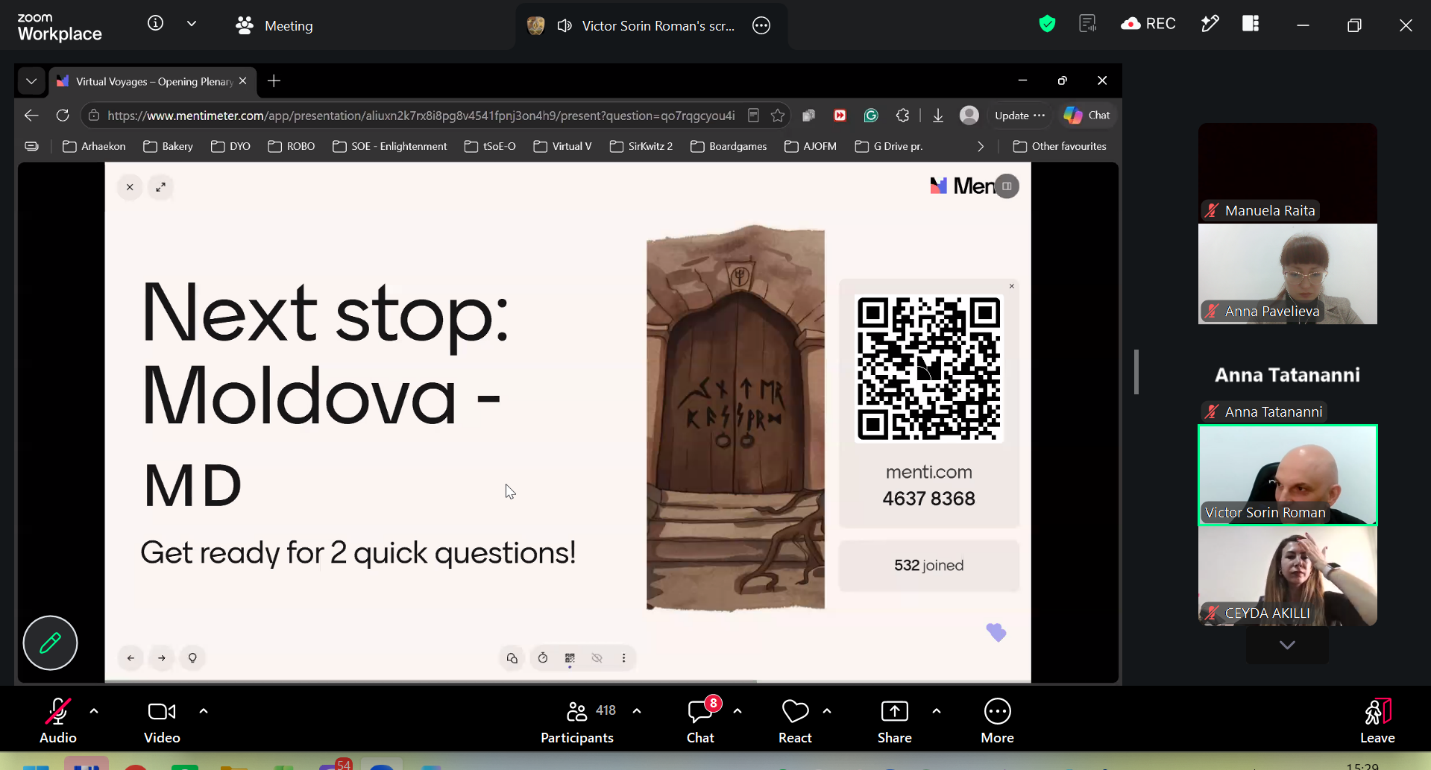
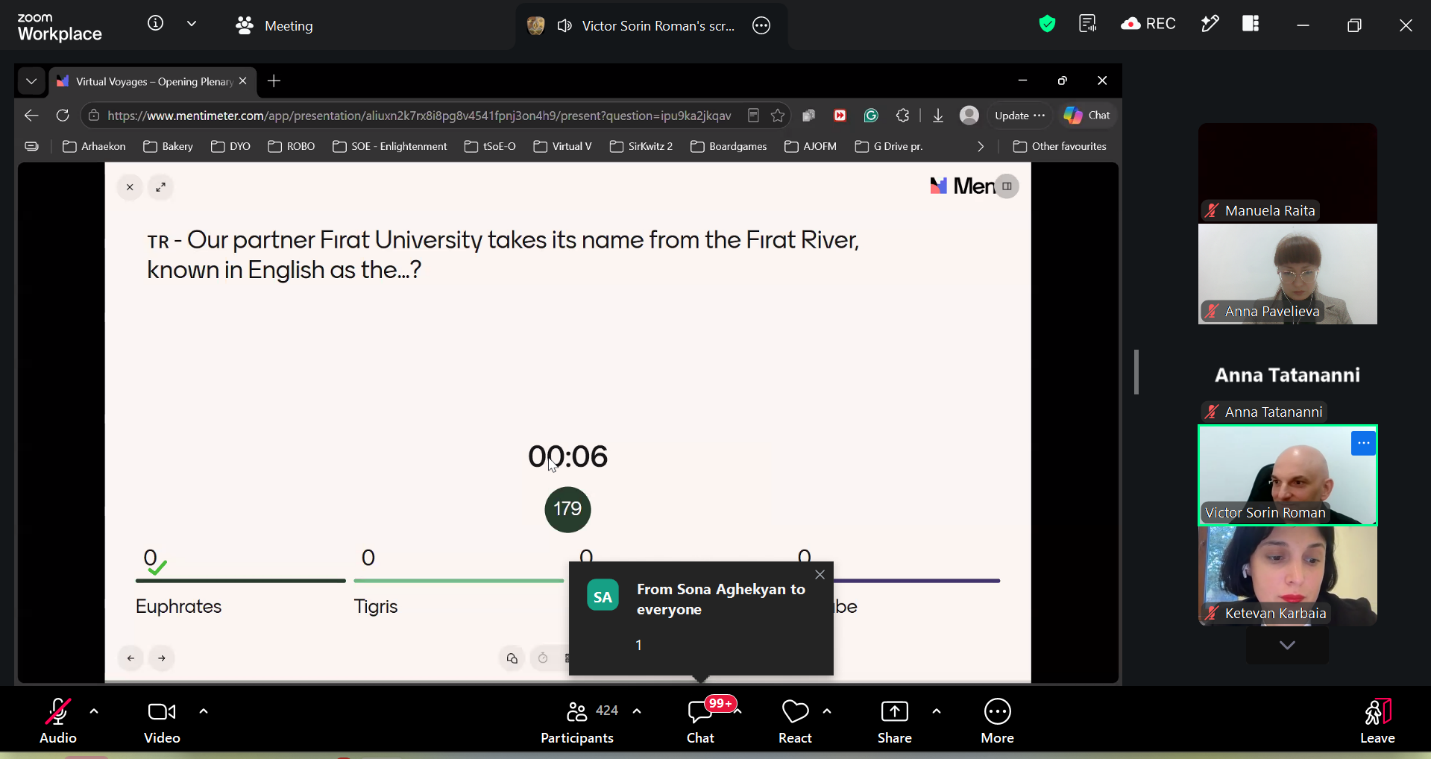
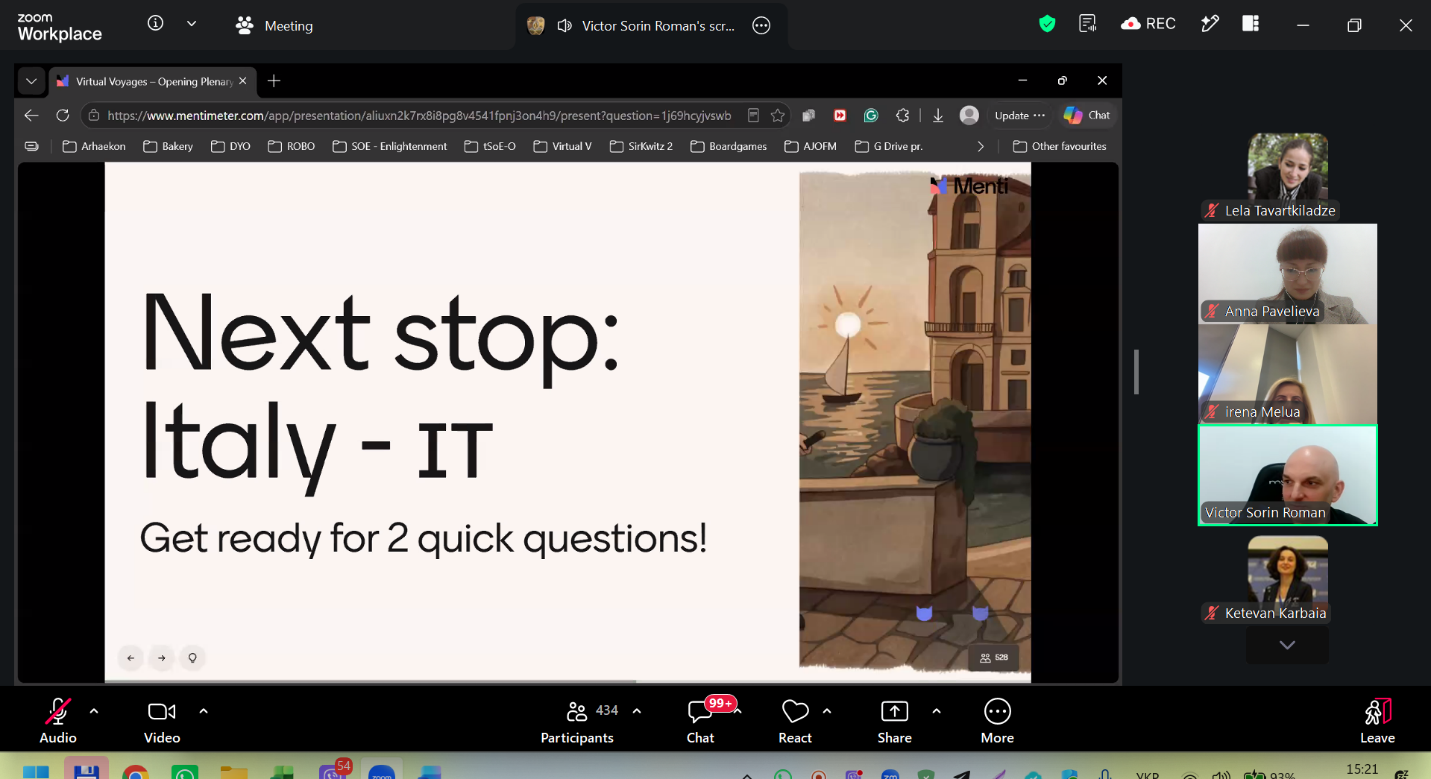
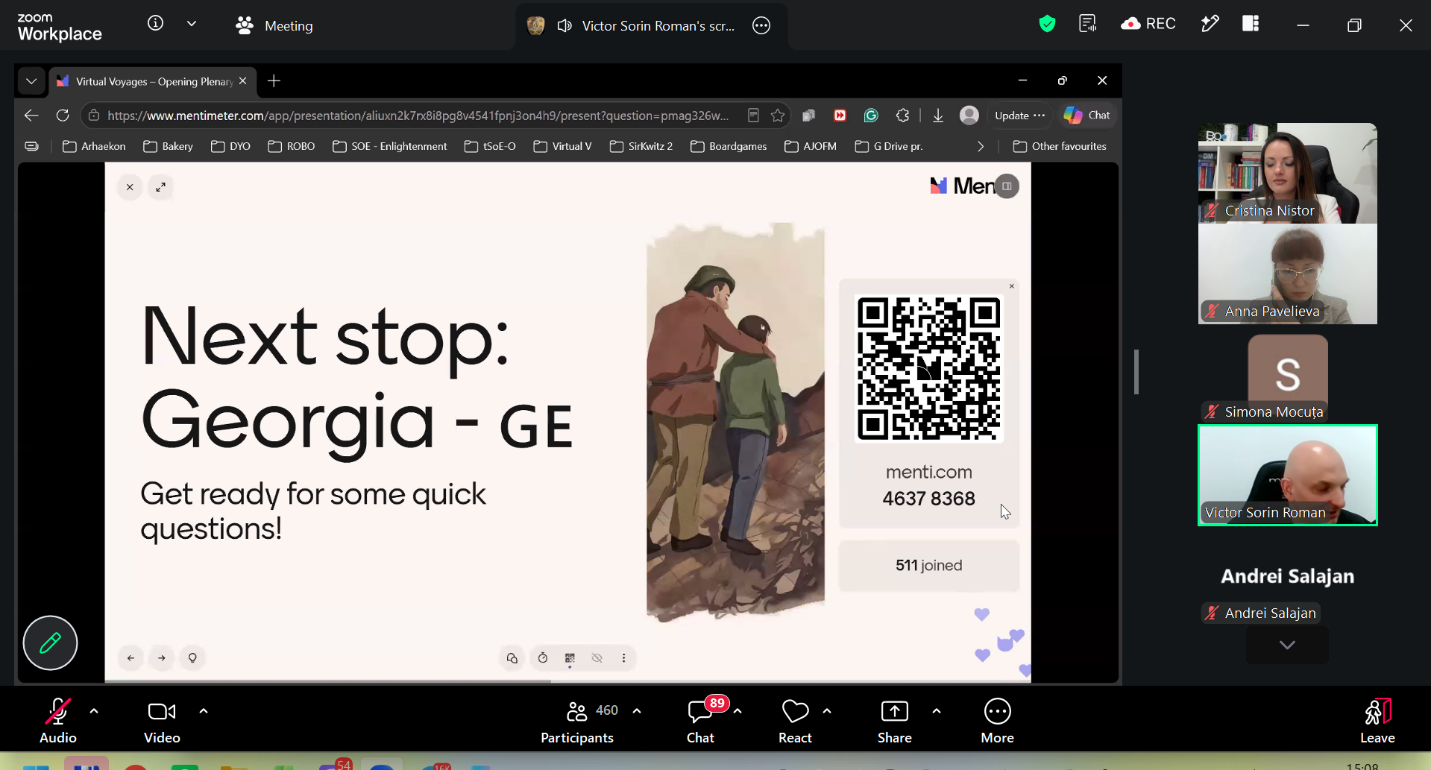
The interactive segment of the plenary session on the Mentimeter platform showcased the audience's vibrant intercultural character. Students greeted one another in their national languages, introducing peers to the cultural codes of their homelands: from the warm Georgian “Gamarjoba”, symbolising the wish for victory, and Armenian “Barev”, to Romanian “Bună ziua”, Turkish “Merhaba”, and heartfelt Ukrainian greetings, which resounded most vibrantly due to the substantial presence of Ukrainian youth.
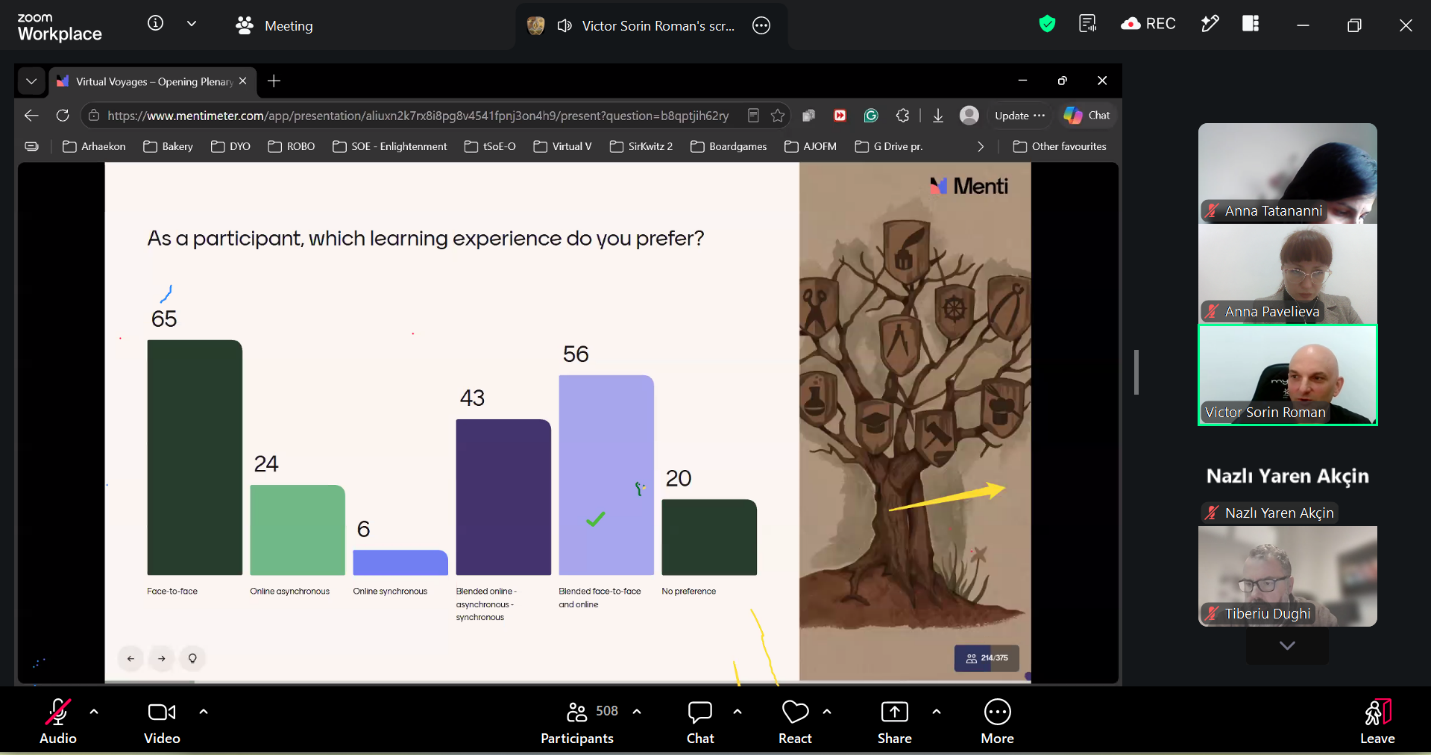
The audience survey outlined the profile of the contemporary European student – predominantly ambitious young individuals aged 18–25 who, while valuing traditional face-to-face interaction, enthusiastically choose blended learning formats, demonstrating high adaptability and a willingness to step outside their comfort zones for the sake of international experience.
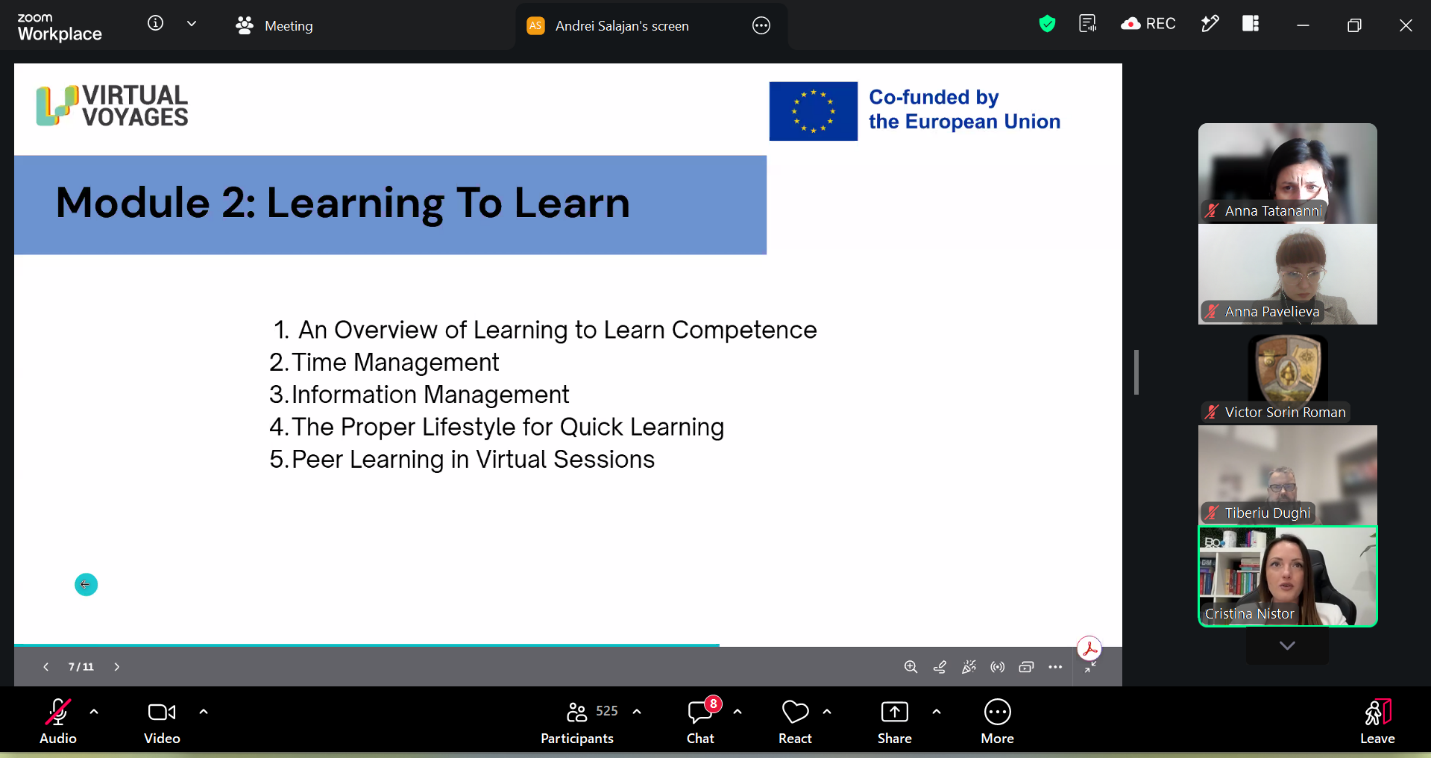
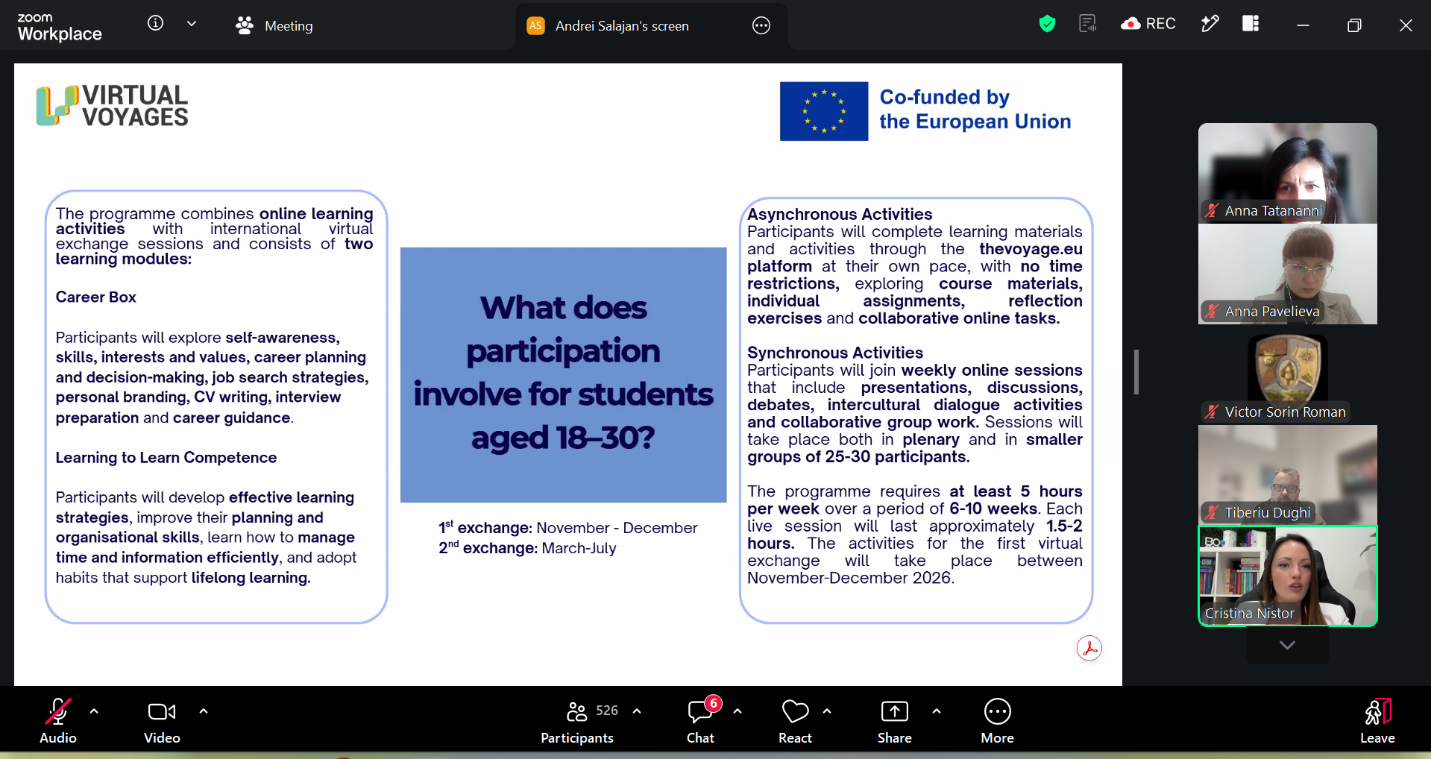
Educational coordinators Cristina Nistor, Andrada Terec and Henrietta Torkos detailed the programme's curriculum architecture and methodological framework, highlighting the expertise of the Romanian non-governmental organisation Millennium Centre. They emphasised that over the next seven weeks, more than 900 students, divided into 30 balanced cross-cultural groups guided by certified lecturer-facilitators, will complete an intensive programme consisting of two complementary modules. The initial three and a half weeks are dedicated to the “Career Box” module, focused on self-awareness, personal branding, CV writing, and job interview preparation. The subsequent thematic block, “Learning to Learn”, will focus on mastering metacognitive strategies, time management, information literacy, and cultivating self-regulated lifelong learning skills. Concurrently, training begins for the second cohort of educators within the specialised “Train the Facilitators” module, designed to enhance teachers’ digital literacy and integrate artificial intelligence tools into the instructional process.
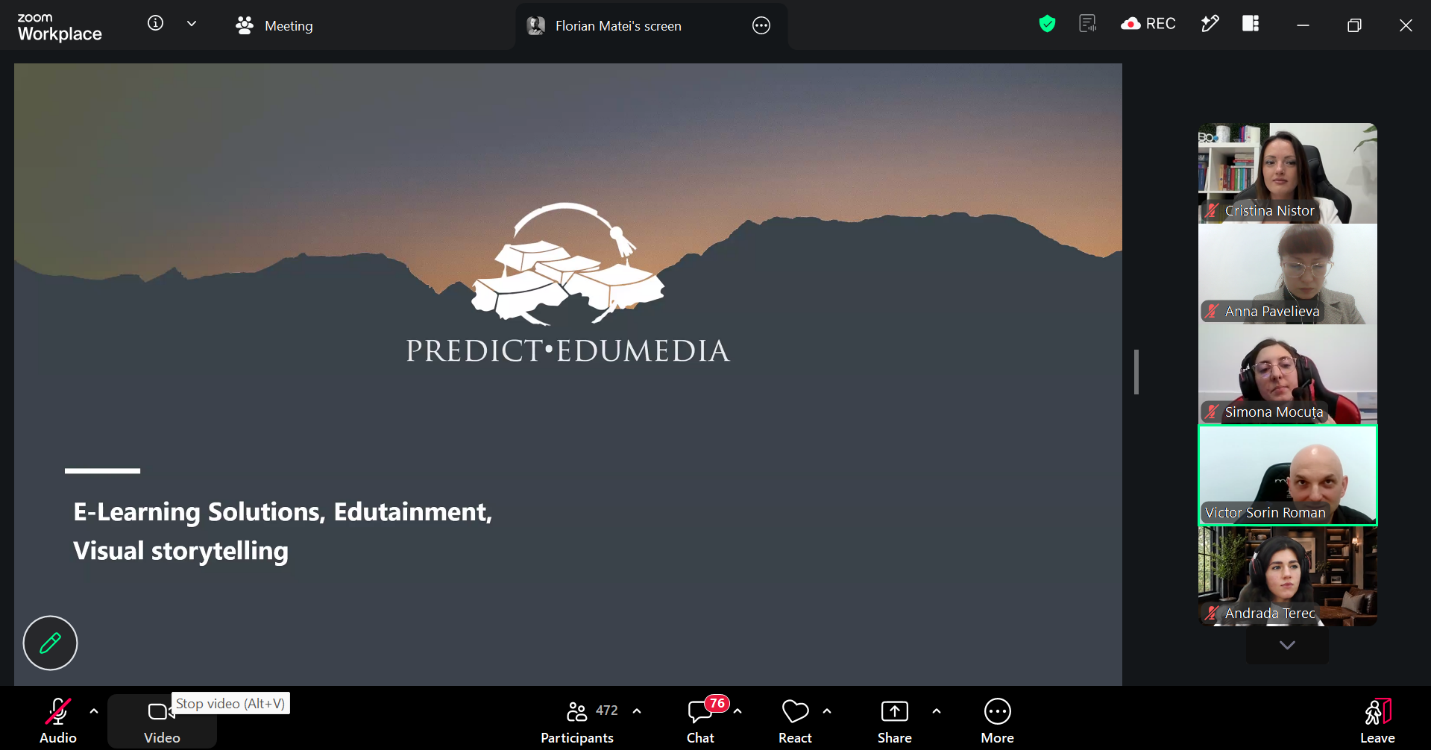
Technical partners from Predict CSD Consulting familiarised participants with the innovative functionality of thevoyage.eu digital hub and the elements of gamified education. Students were granted access to a comprehensive suite of learning resources: interactive handbooks, audio and video summaries, conceptual mind maps, quizzes, and peer assessment missions. The developers showcased proprietary educational simulations and video games designed for educational integration, shifting learning from passive information intake to dynamic, participatory learning.
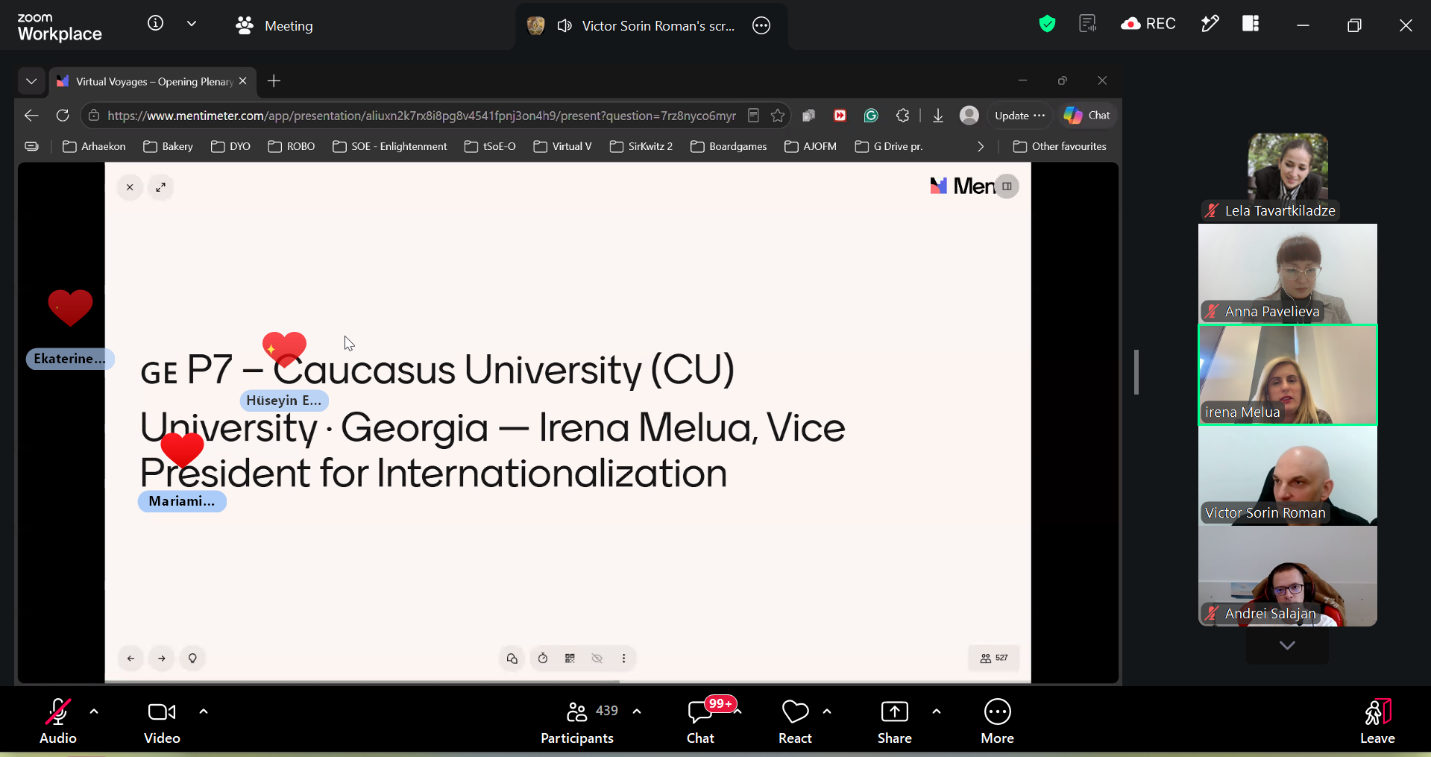
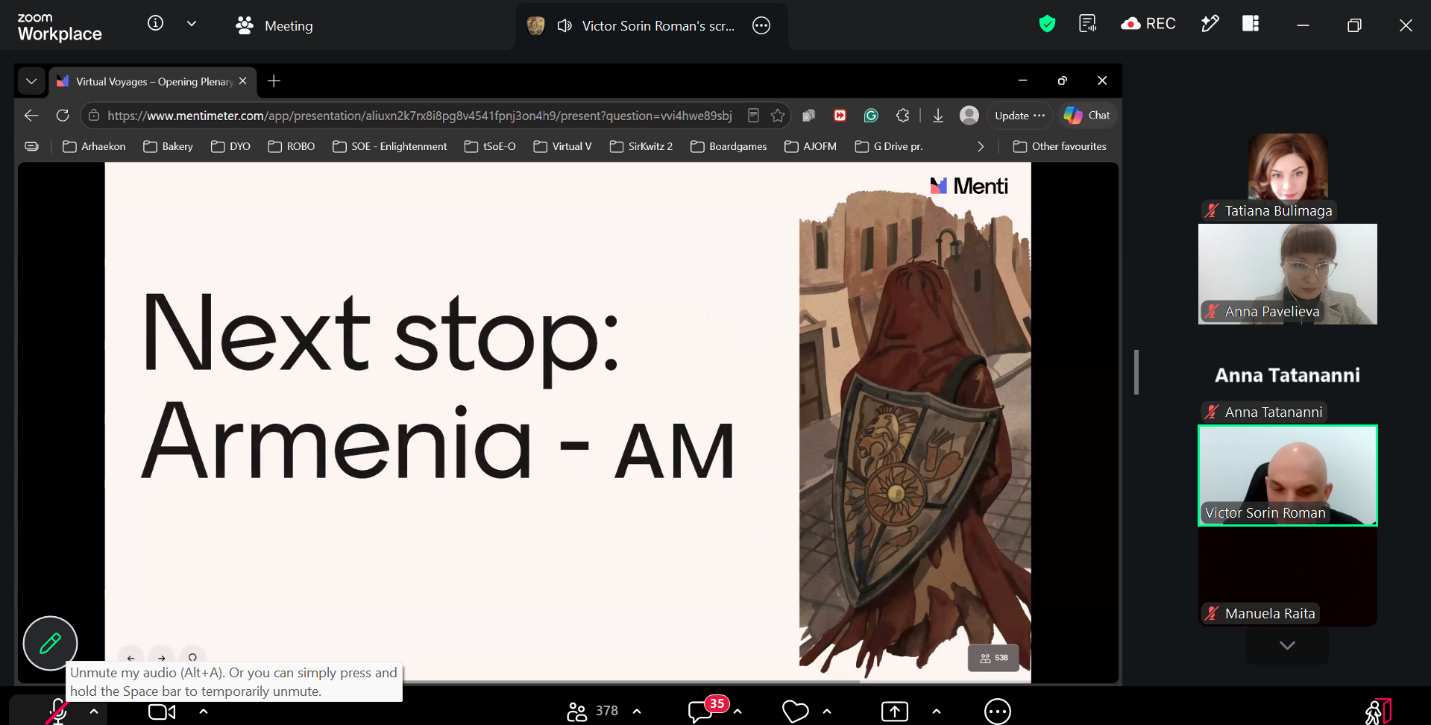
The plenary session featured inspiring contributions from representatives of the consortium’s partner universities, reaffirming their strategic dedication to internationalisation and European integration. In particular, Lela Kiladze, Head of the Student Exchange Work Package from Batumi Shota Rustaveli State University, and Irene Melua, Vice President for Internationalisation at Caucasus University, emphasised the crucial synergy between virtual and physical mobilities, as well as the cultivation of resilient academic partnerships. Welcoming remarks were also delivered by Anna Tatanani, representative of IUL Online University in Florence; Dr Ceyda Akıllı, scholar from Fırat University; Tatiana Bulimaga, representative of Moldova State University, whose institution recently marked its 80th anniversary; Lilit Torchyan, coordinator from Gavar State University; as well as representatives of associated partners from Spain (“Mundus Association”) and Portugal (“Mondego Mobility”).
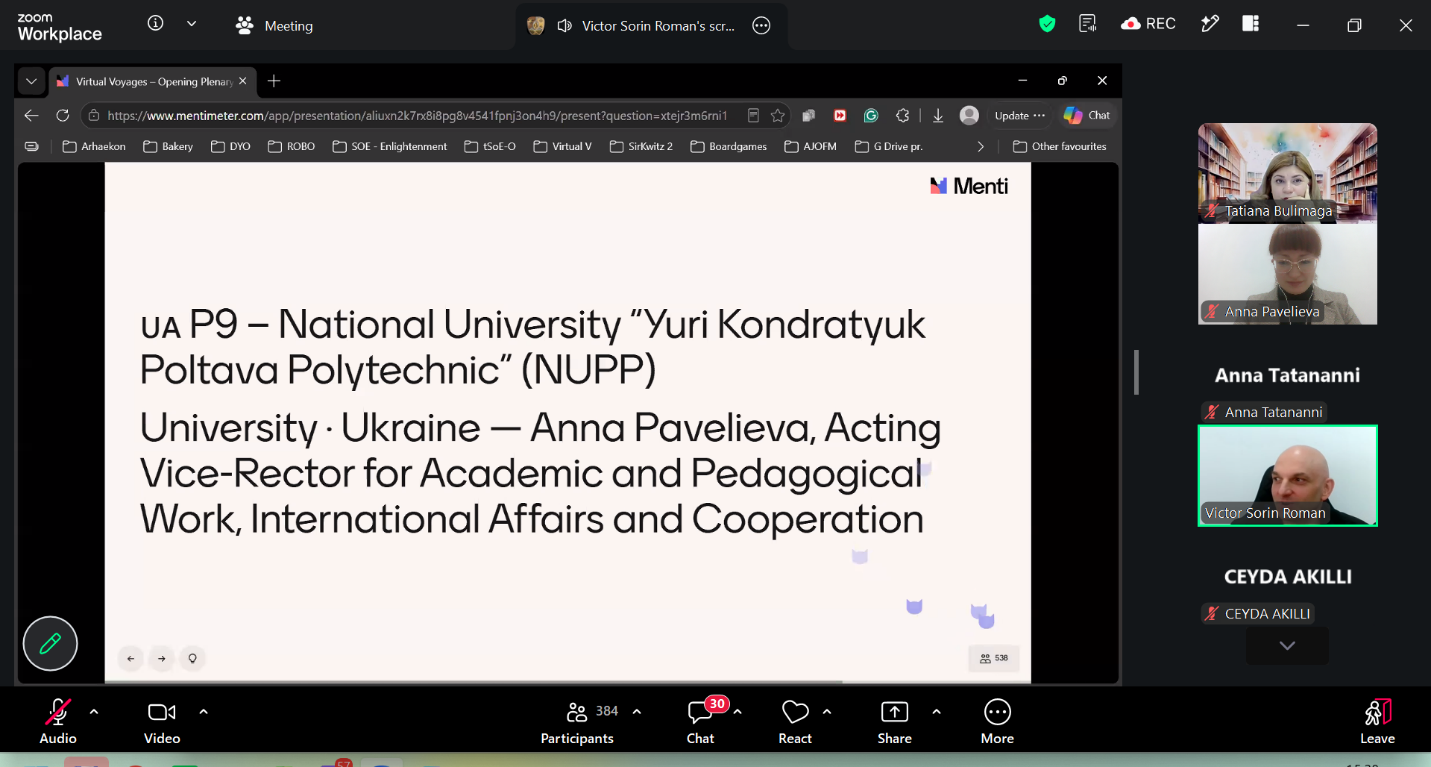
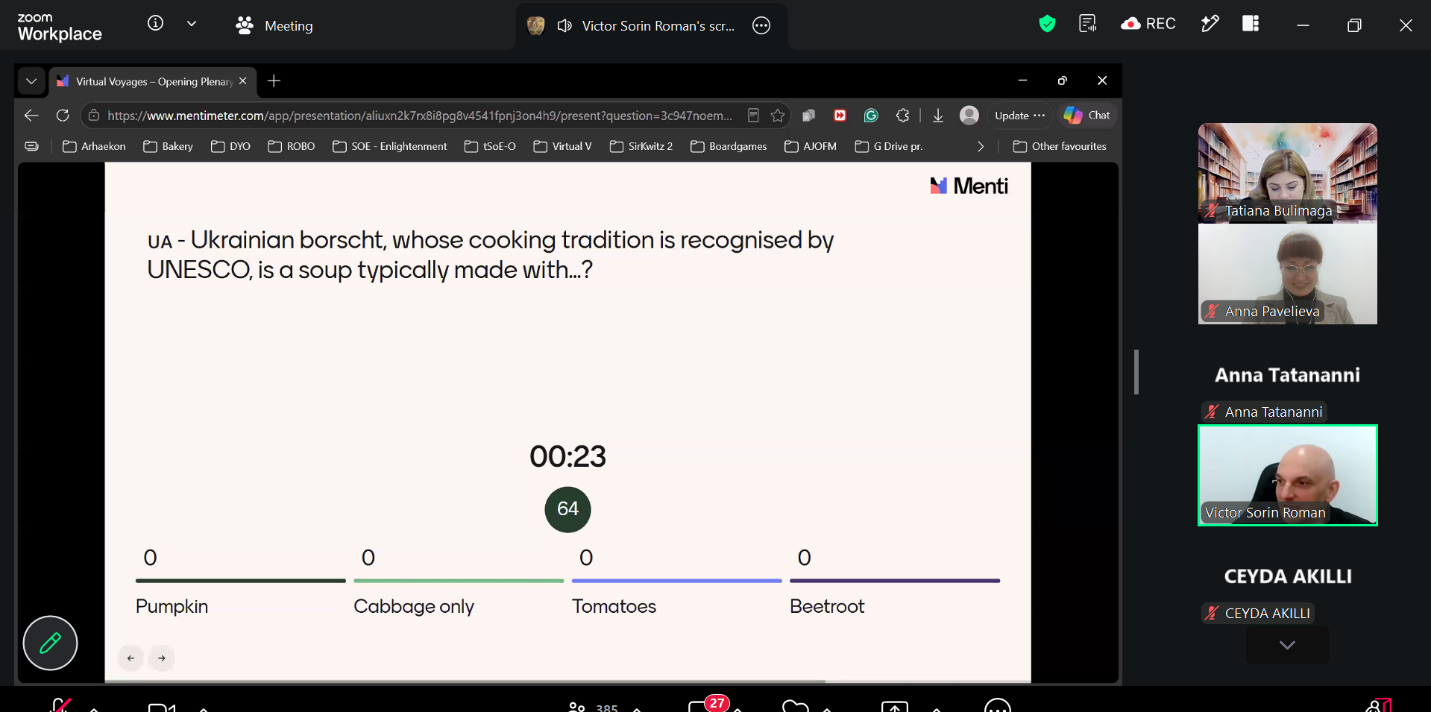
The online event also featured a prominent presentation on Ukraine and the National University “Yuri Kondratyuk Poltava Polytechnic”. During an interactive geographical and cultural quiz, the audience could revisit their knowledge of the wealth of Ukrainian intangible cultural heritage inscribed on UNESCO lists, specifically the tradition of cooking Ukrainian borscht. Addressing the international audience live, Anna Pavelieva, PhD in Philology, Associate Professor, Acting Vice-Rector for Academic and Pedagogical Work, International Relations and Cooperation at Poltava Polytechnic, highlighted the indomitable spirit of the Ukrainian academic community, expressed sincere gratitude to partners for their comprehensive solidarity and support, and underscored the dedication of Poltava students and faculty to actively contributing to the construction of a shared European Education Area.
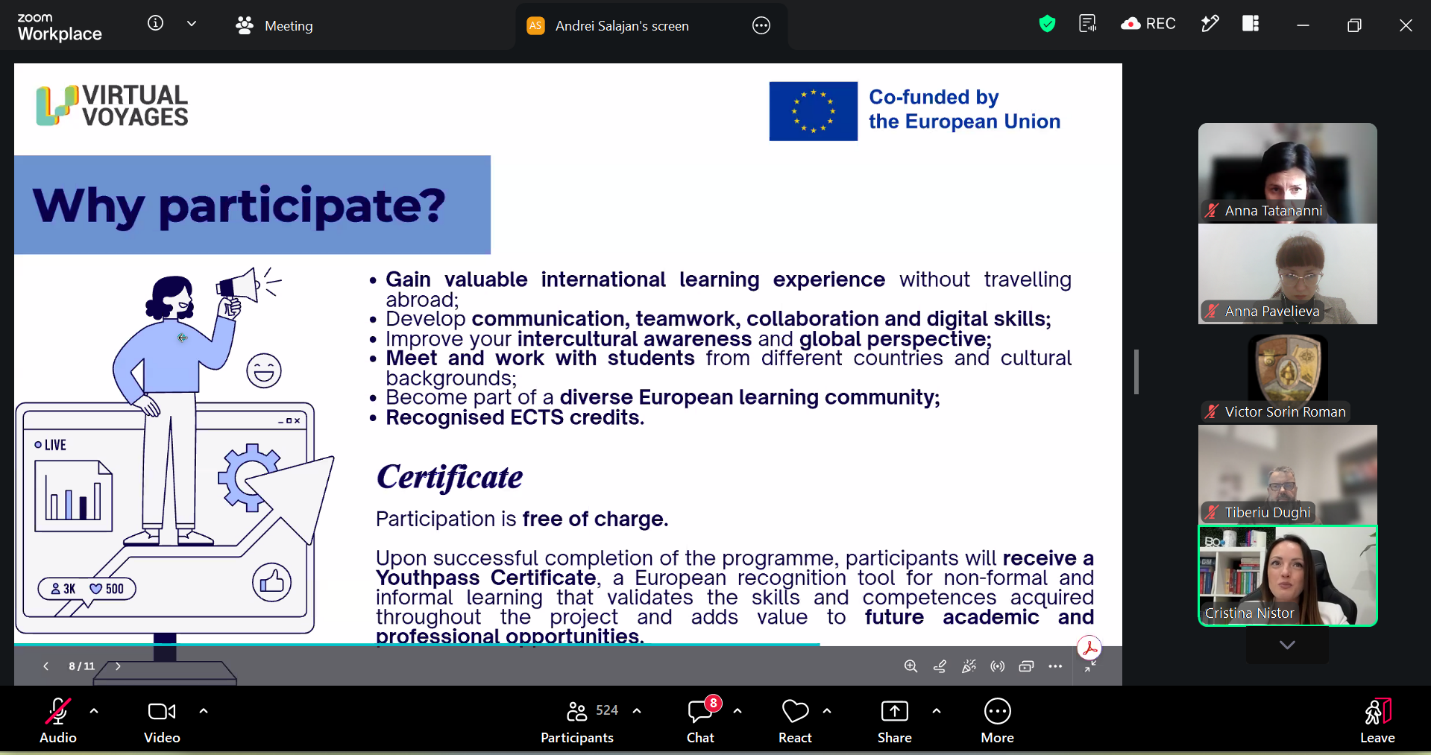
The opening plenary concluded with a discussion on procedures for academic recognition of learning outcomes, a cornerstone of the project: based on active synchronous engagement on Zoom and asynchronous completion of materials on thevoyage.eu platform, students will be eligible to earn transferable ECTS credits under the innovative ACTC system, as well as prestigious European Youthpass and Europass certificates. The launch of this first exchange wave has laid a solid groundwork for long-term inter-university cooperation; upon concluding the current cycle, the consortium will roll out the second and third waves of virtual voyages in the spring, steering domestic higher education ever closer to leading European standards of inclusivity, digital accessibility, and academic mobility.