Today’s youth are the architects of the future, who strive not only to observe change but also to create it through innovation and cooperation. That is why Poltava Polytechnic supports initiatives that enable education seekers to go beyond traditional classrooms and immerse themselves in the European non-formal education landscape.
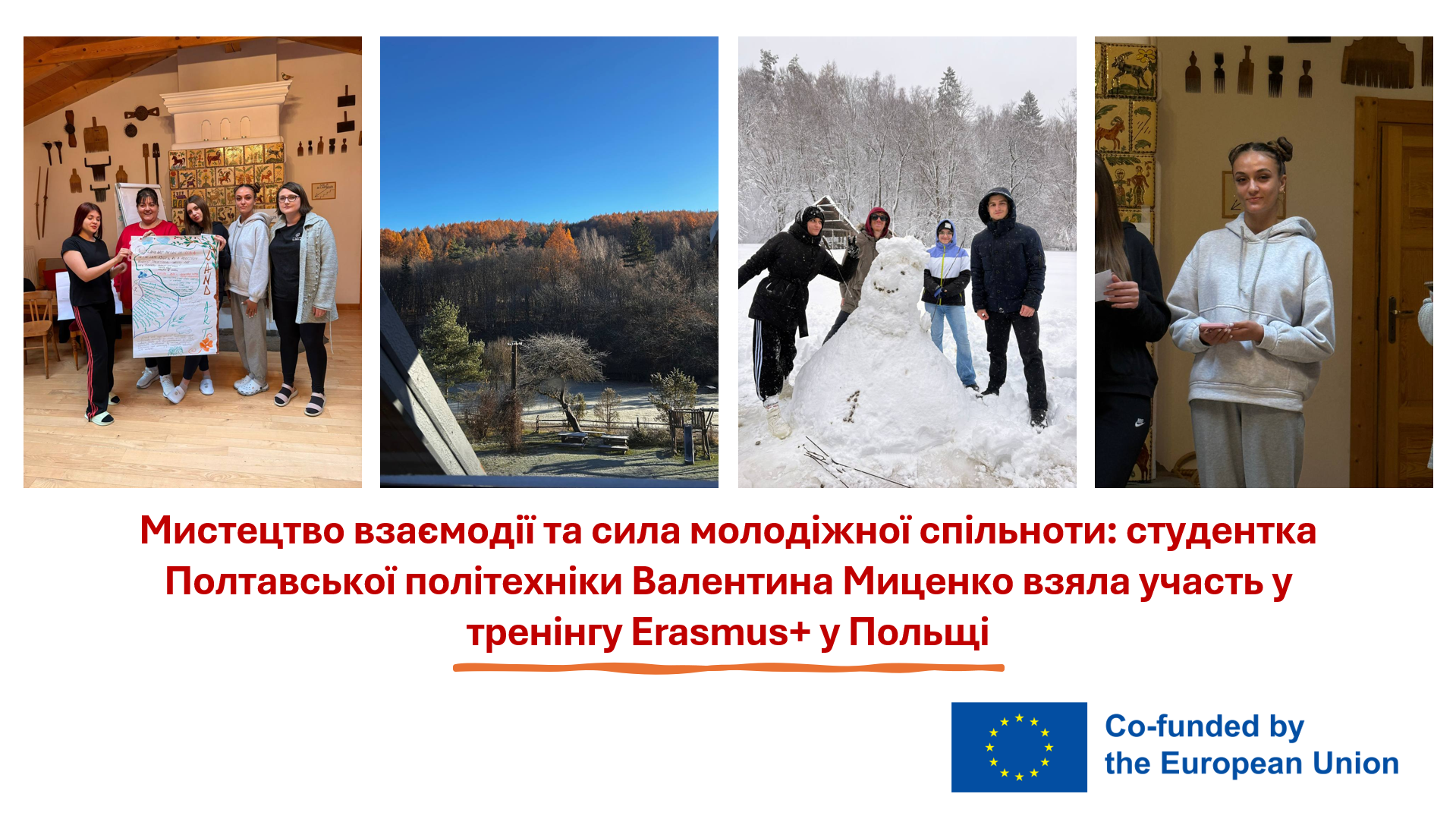
This time, the ambassador of these values on the international arena was Valentyna Mytsenko, a 2nd-year student (group 201-BZ) majoring in 193 “Geodesy and Land Management” at the Education and Research Institute of Architecture, Construction and Land Management, who successfully passed the selection and joined the training course under the Erasmus+ program “Social entrepreneurship for non-formal education and integration” to master tools of social impact in a multicultural environment.
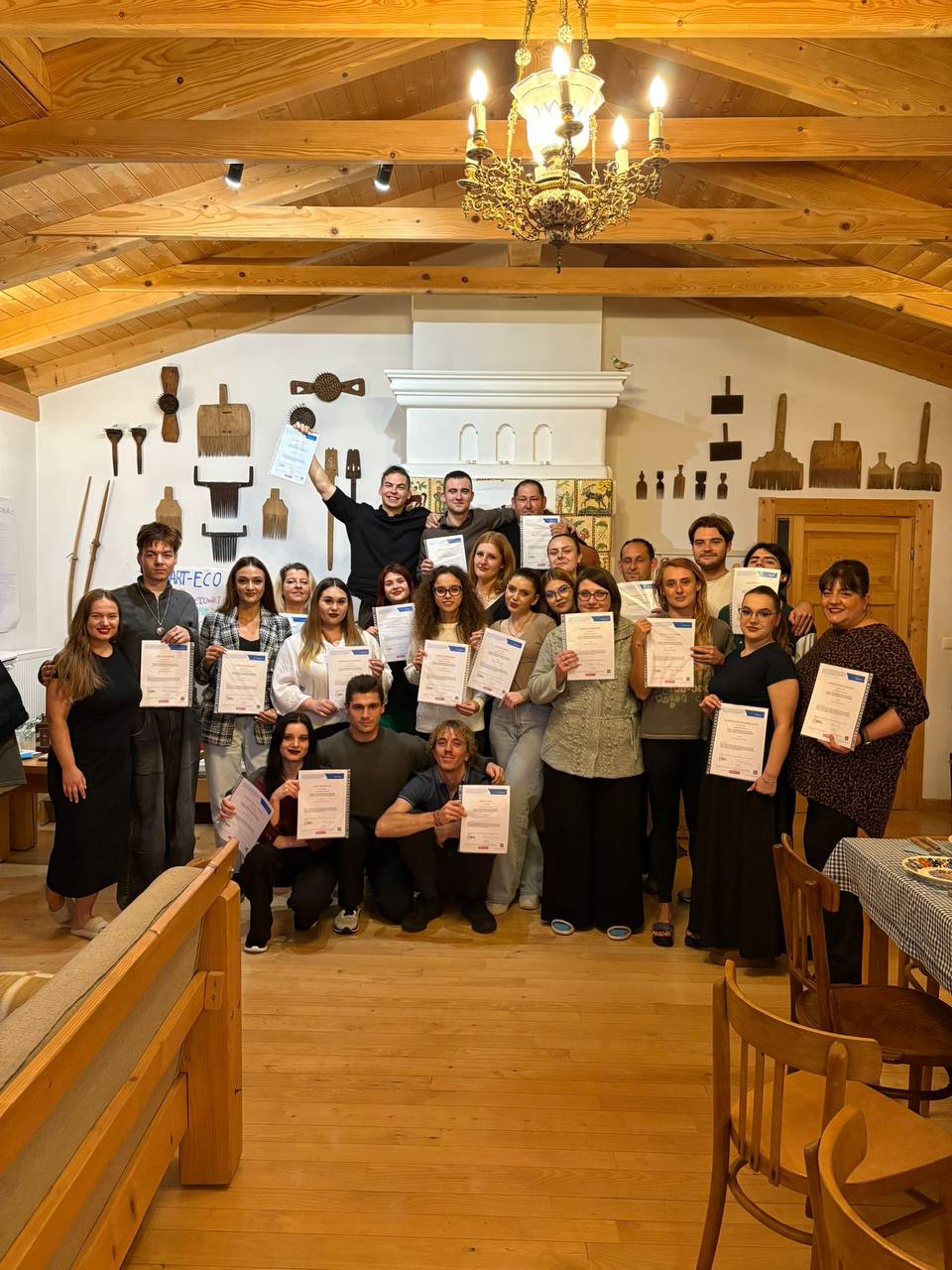
The organiser of the international intensive was Fundacja Rozwoju Społeczności Lokalnych “Inicjatywa”. The project, which took place from November 18 to 27, 2025, in the Polish city of Huta Polańska, aimed to comprehensively develop participants’ soft skills. On the agenda was the formation of future competencies: effective intercultural communication, leadership potential, and social entrepreneurship. Through the non-formal education toolkit, youth had a unique opportunity to learn how to influence social processes and implement their own initiatives.
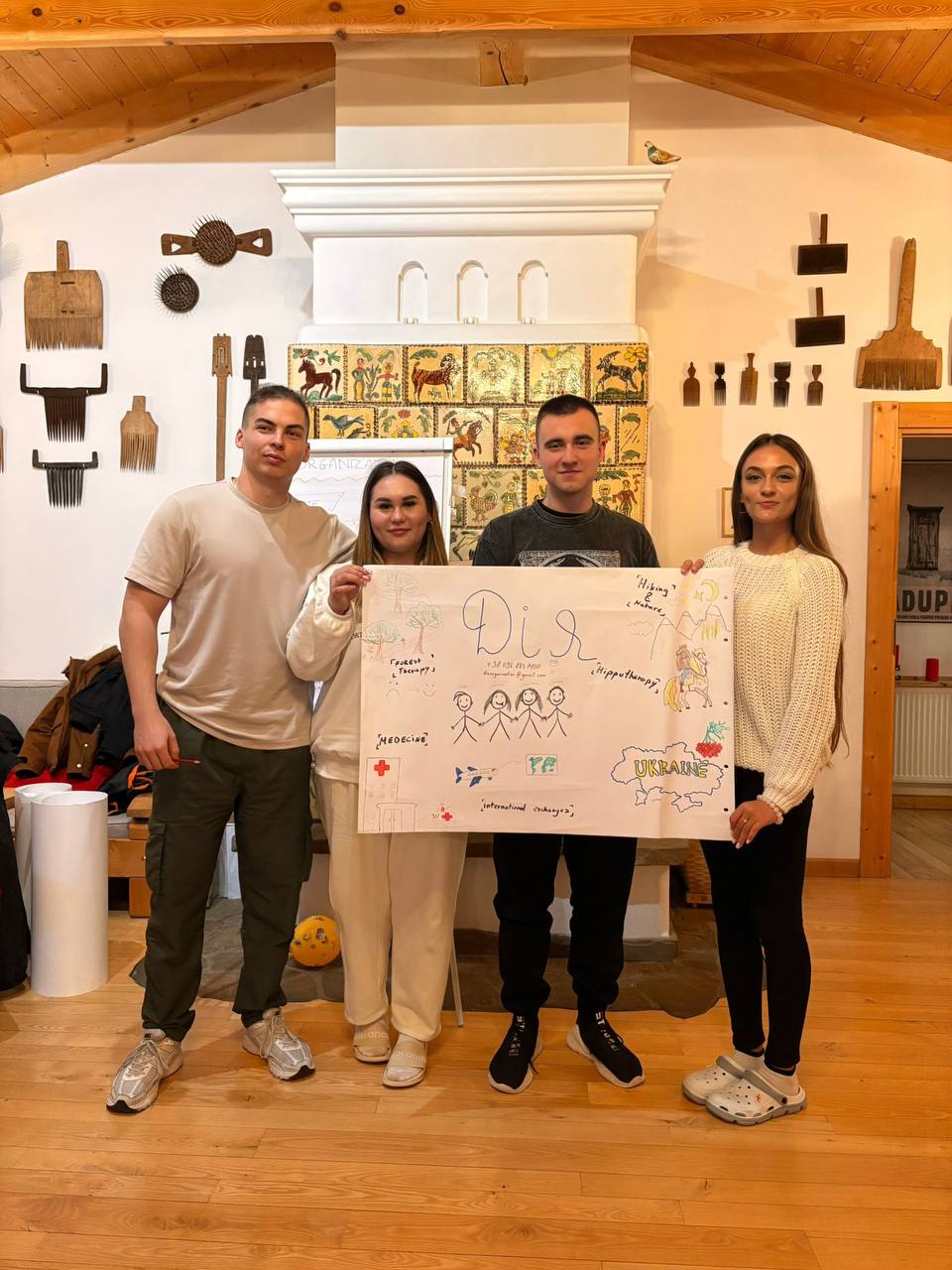
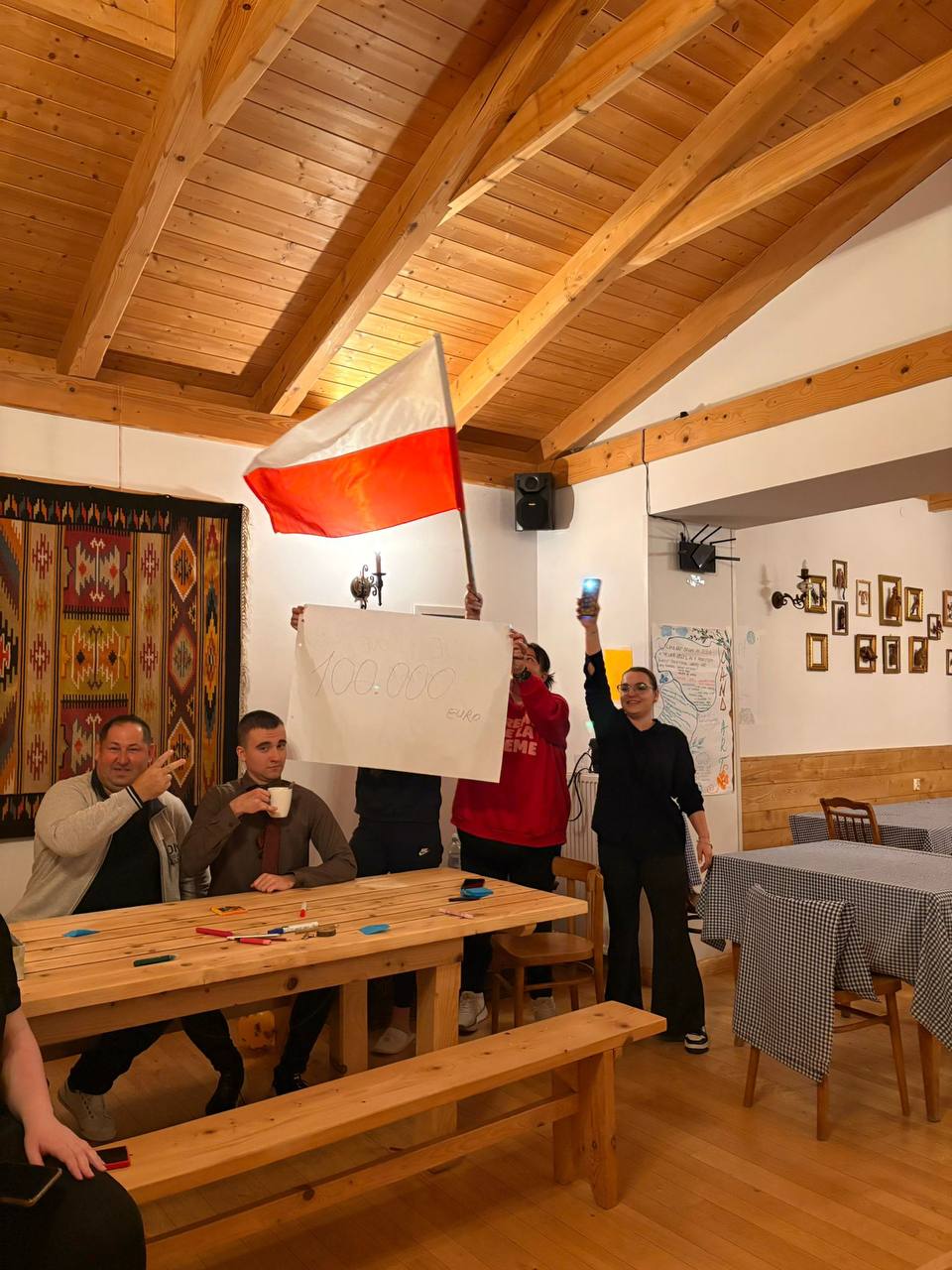
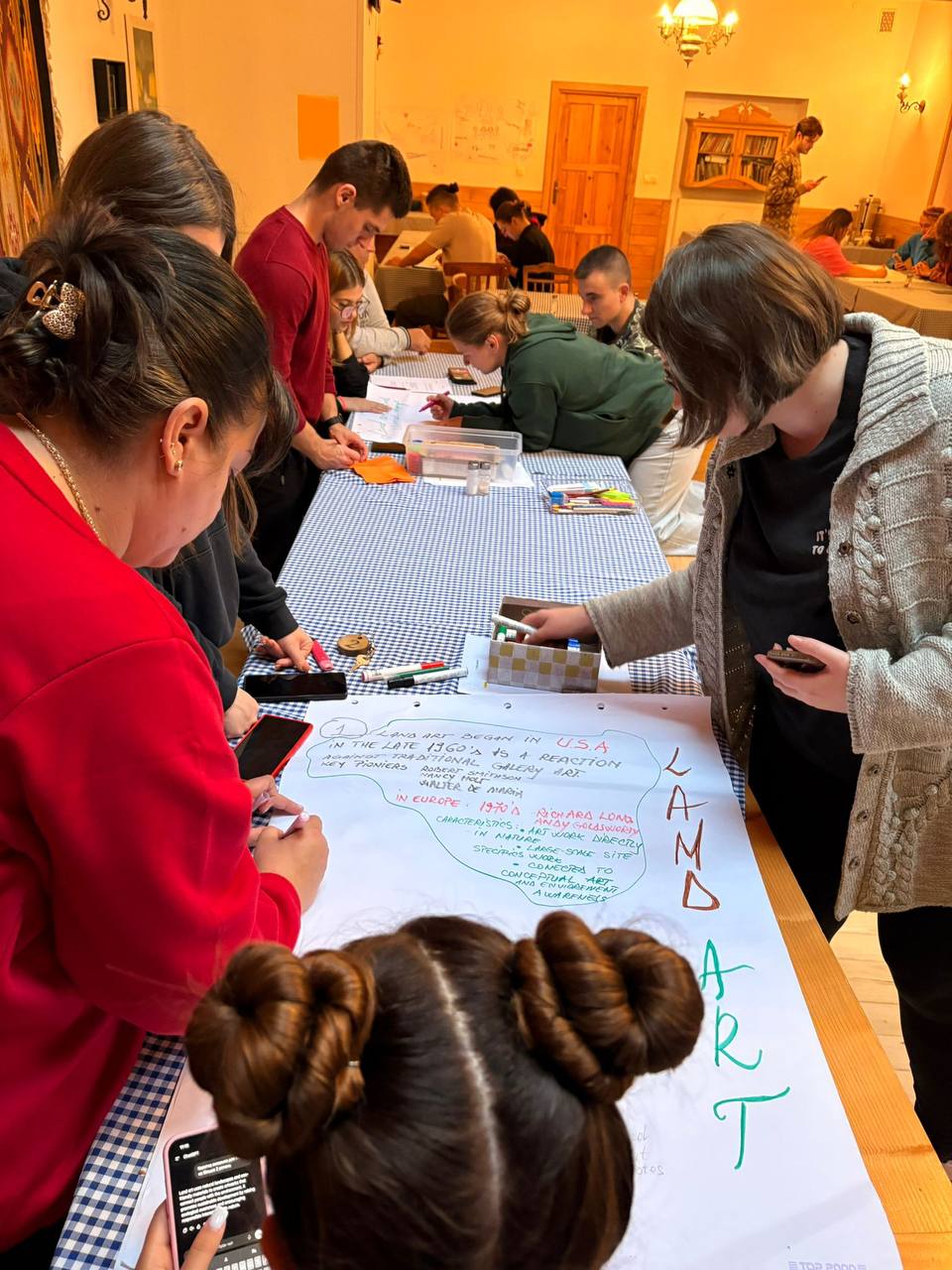
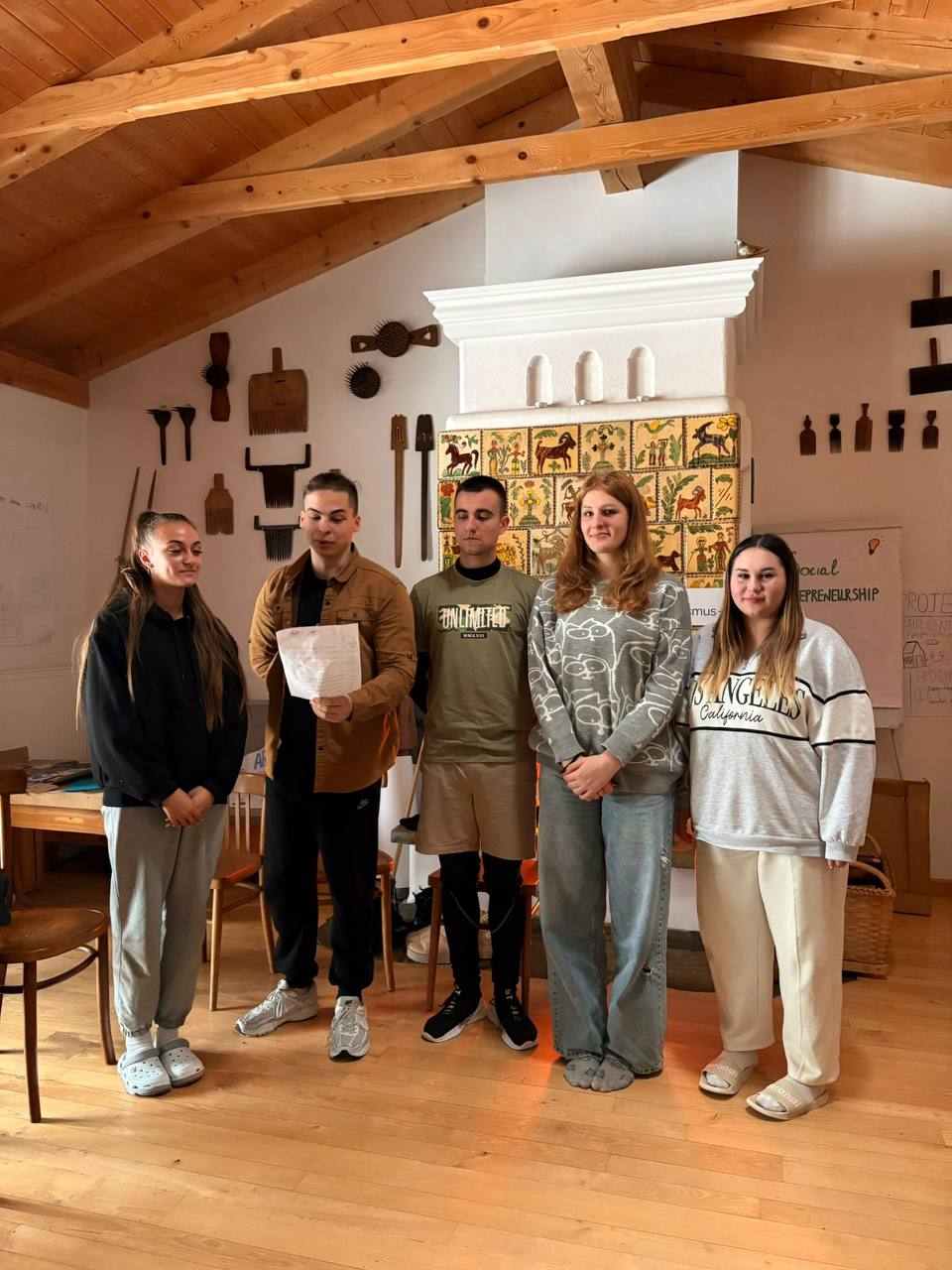
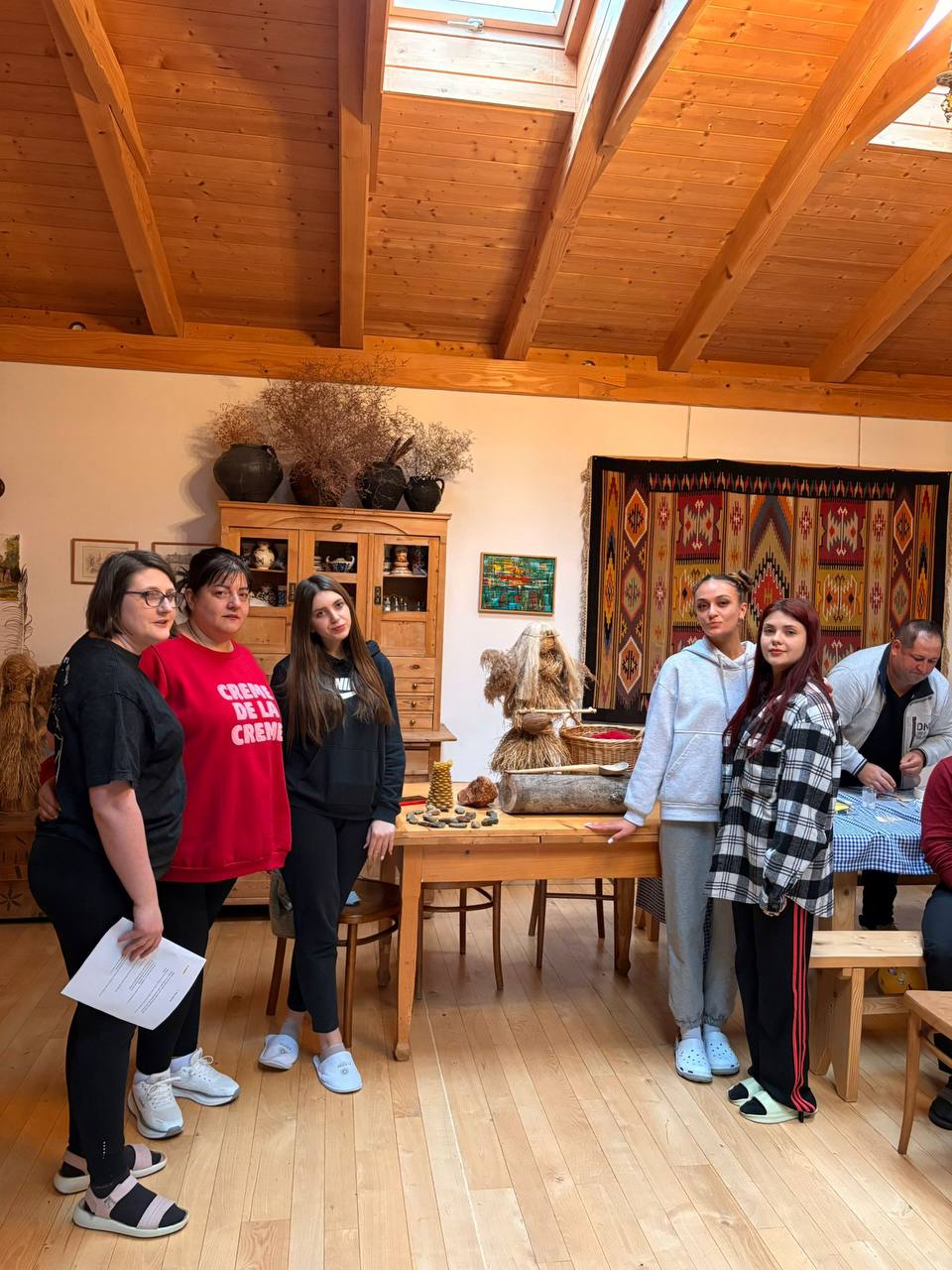
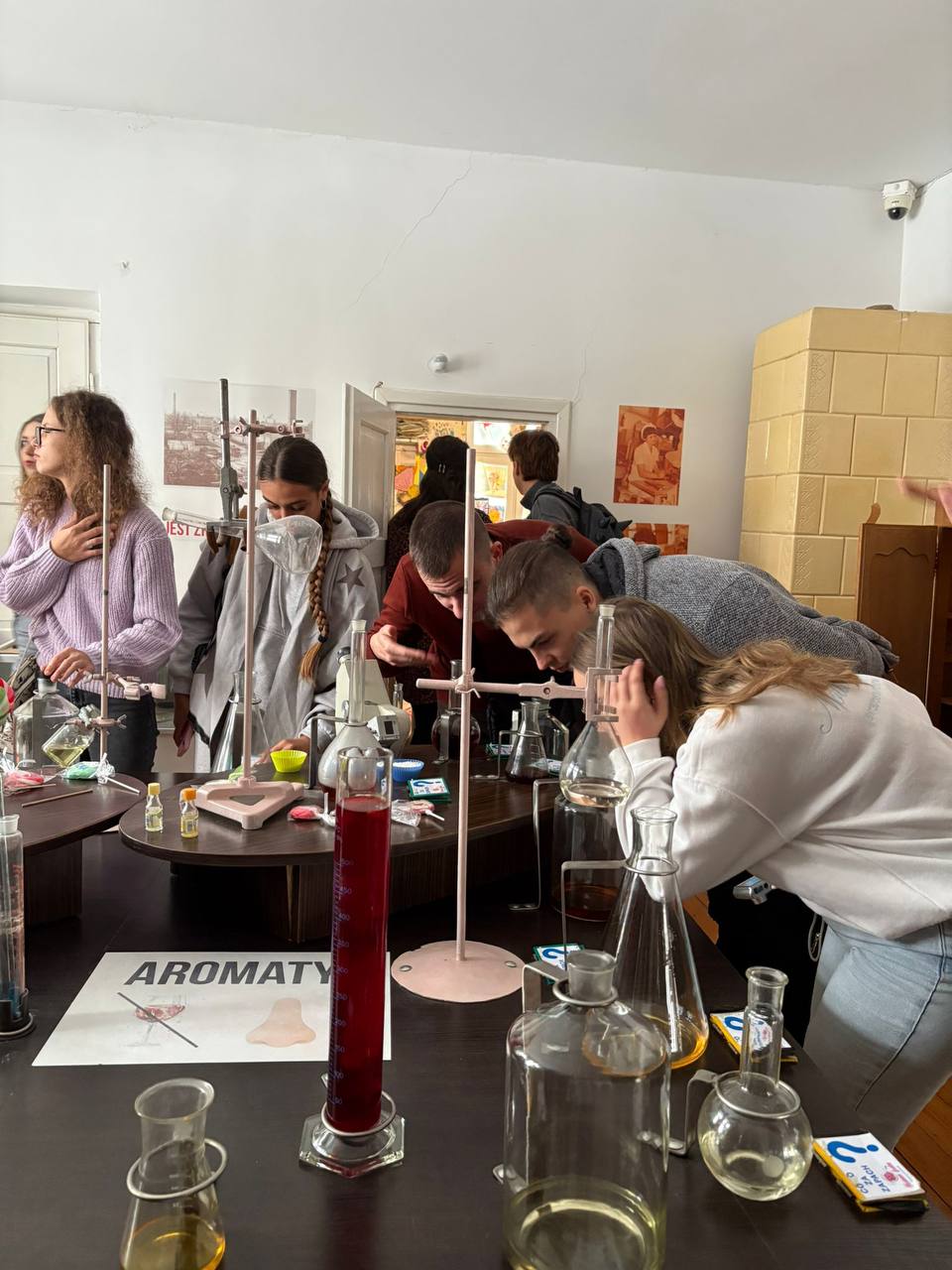
The project united youth from Romania, Poland, Croatia, and Ukraine, turning cultural diversity into a foundation for creating an actual European educational space. The program harmoniously combined interactive learning with practical teamwork. Participants deepened their knowledge daily in the spheres of social entrepreneurship and effective intercultural communication, and also explored the role of art as an effective instrument of integration. Mastering non-formal education methodologies was achieved through the implementation of joint mini-projects and the preparation of creative presentations, which enabled the youth to consolidate the skills acquired in practice immediately.
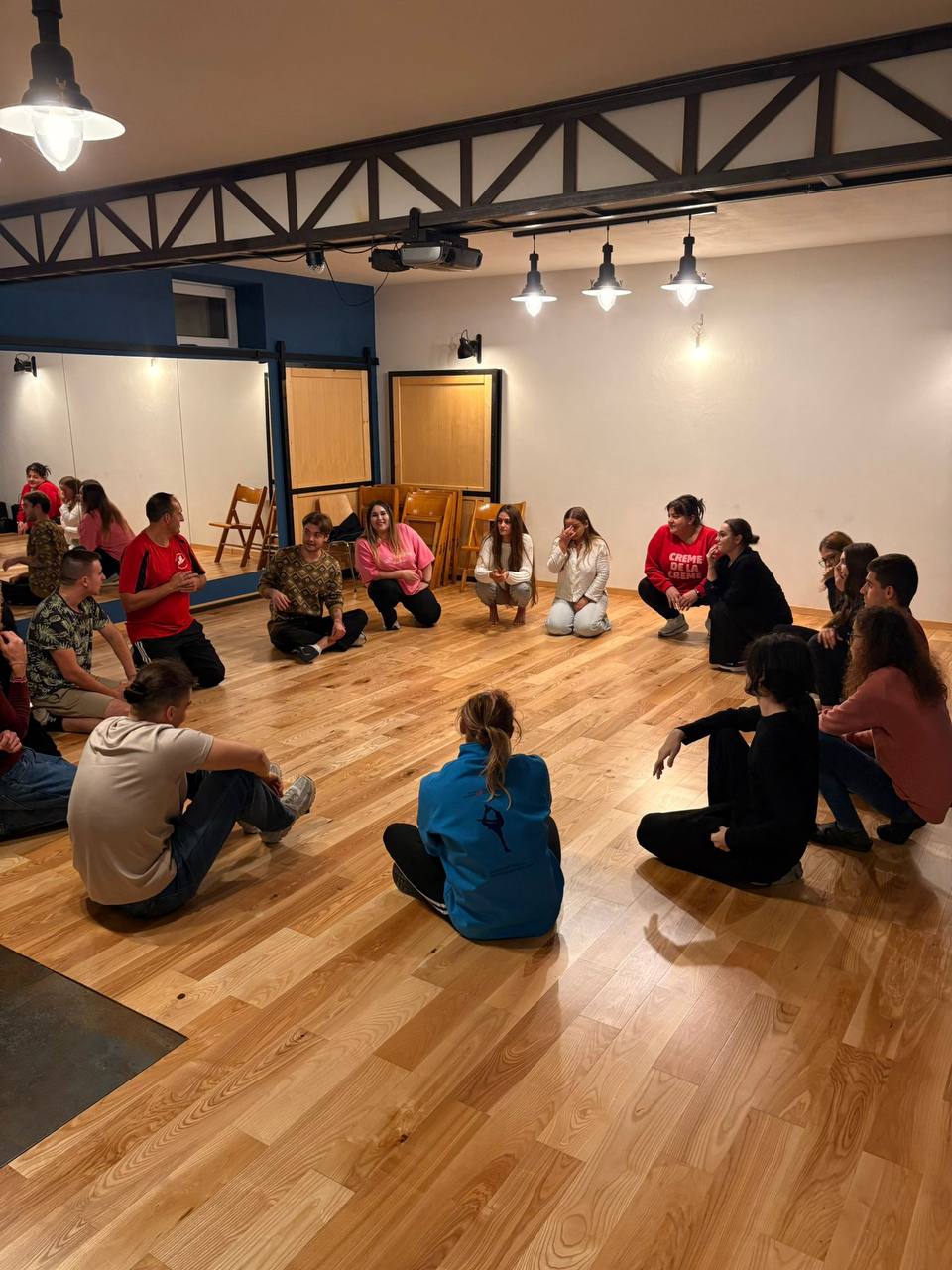
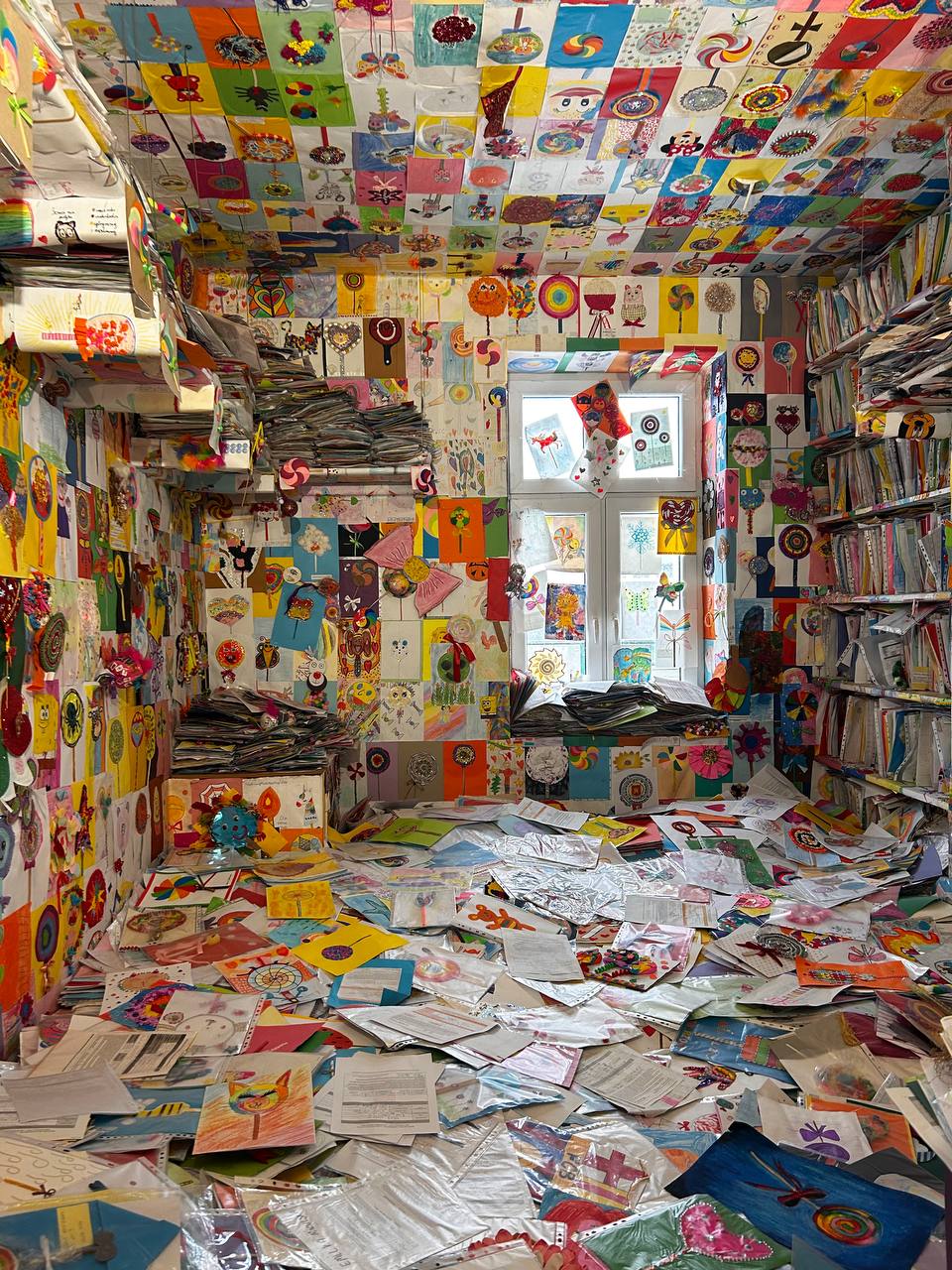
Going beyond the limits of traditional learning, participants engaged in creative experimentation, ranging from theatrical etudes and musical improvisations to painting and performance. This experience vividly demonstrated that art is a powerful universal language capable of uniting the community and building strong communication bridges.
An interactive psychological game added depth to the program – an essential tool for self-reflection. In a safe, trust-based environment created by facilitators, everyone had the opportunity to work through internal barriers, better understand themselves, and identify new pathways for personal growth.
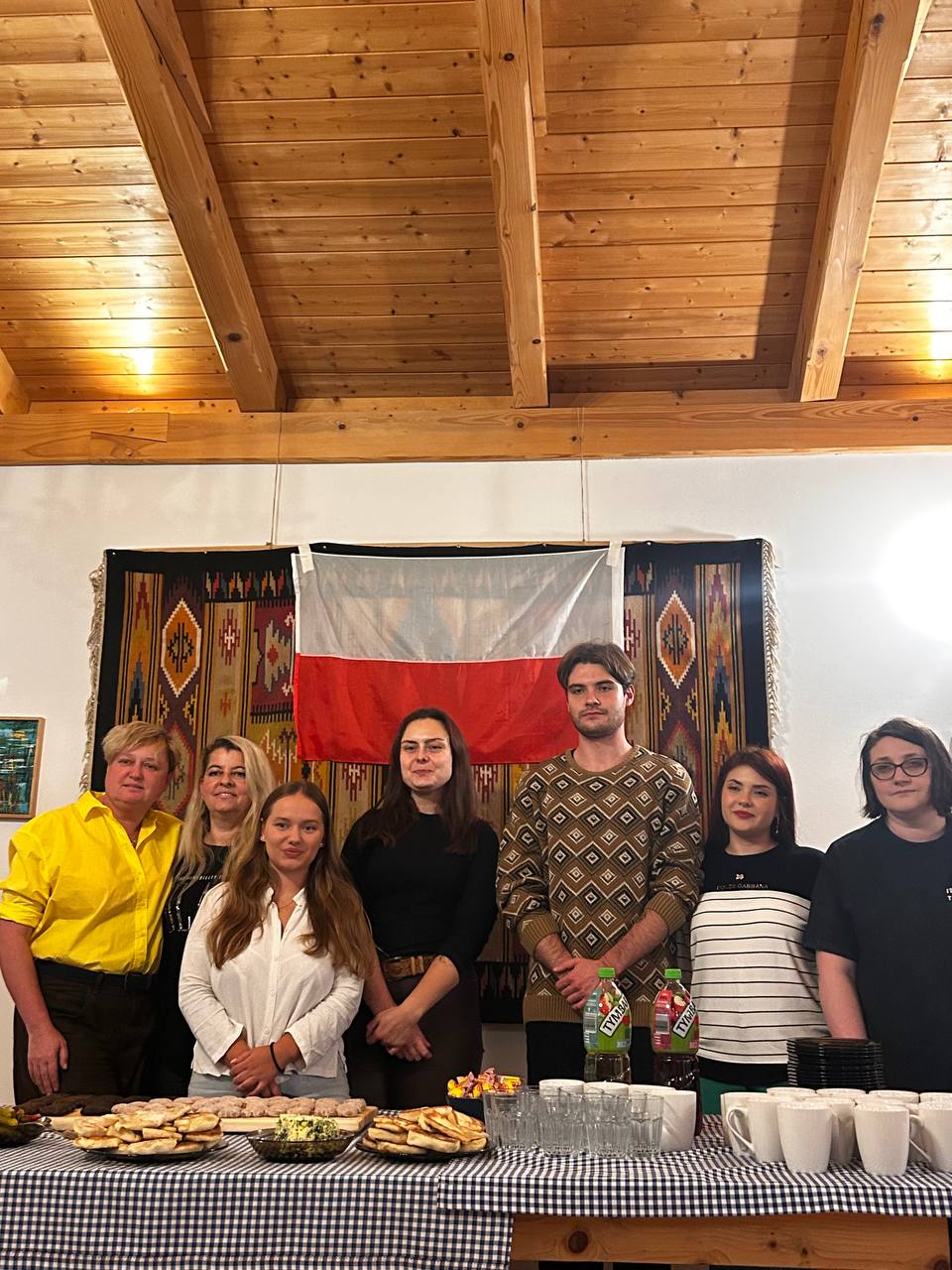
Evenings of intercultural exchange added a distinctive colour to the program, during which participants showcased their countries’ distinctiveness through national dishes and customs. This experience served as a catalyst not only for team cohesion but also for the realisation of shared values. Immersion in the culture of neighbours allowed the youth to feel like part of a large European community built on respect and dialogue.
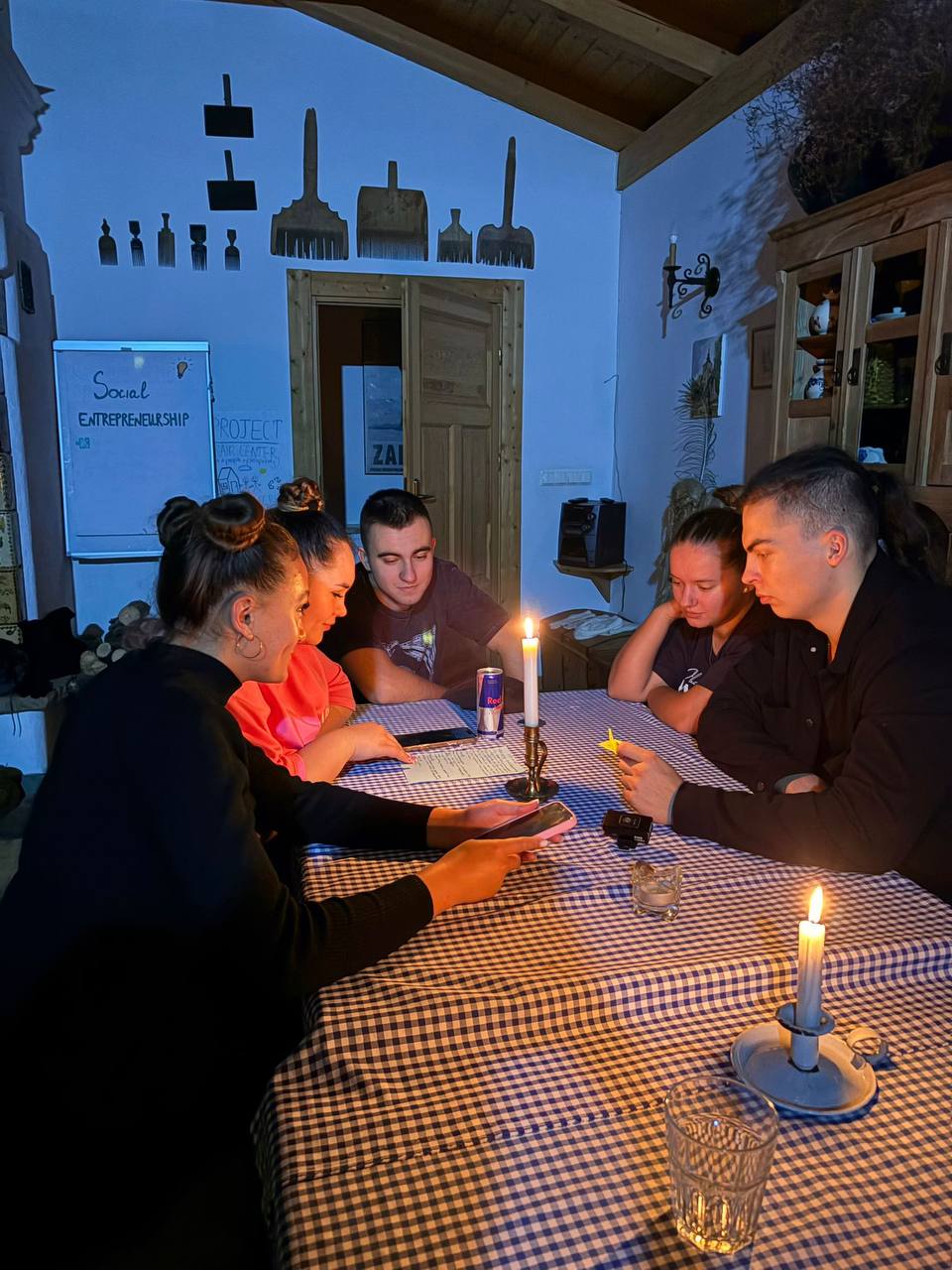
Busy days were replaced by evenings of intellectual leisure. Games in English and team tasks served not only as entertainment but also as a means of bonding. The cosy atmosphere, complemented by warm blankets and hot drinks, removed barriers, fostering close friendships and promoting lively, sincere communication.
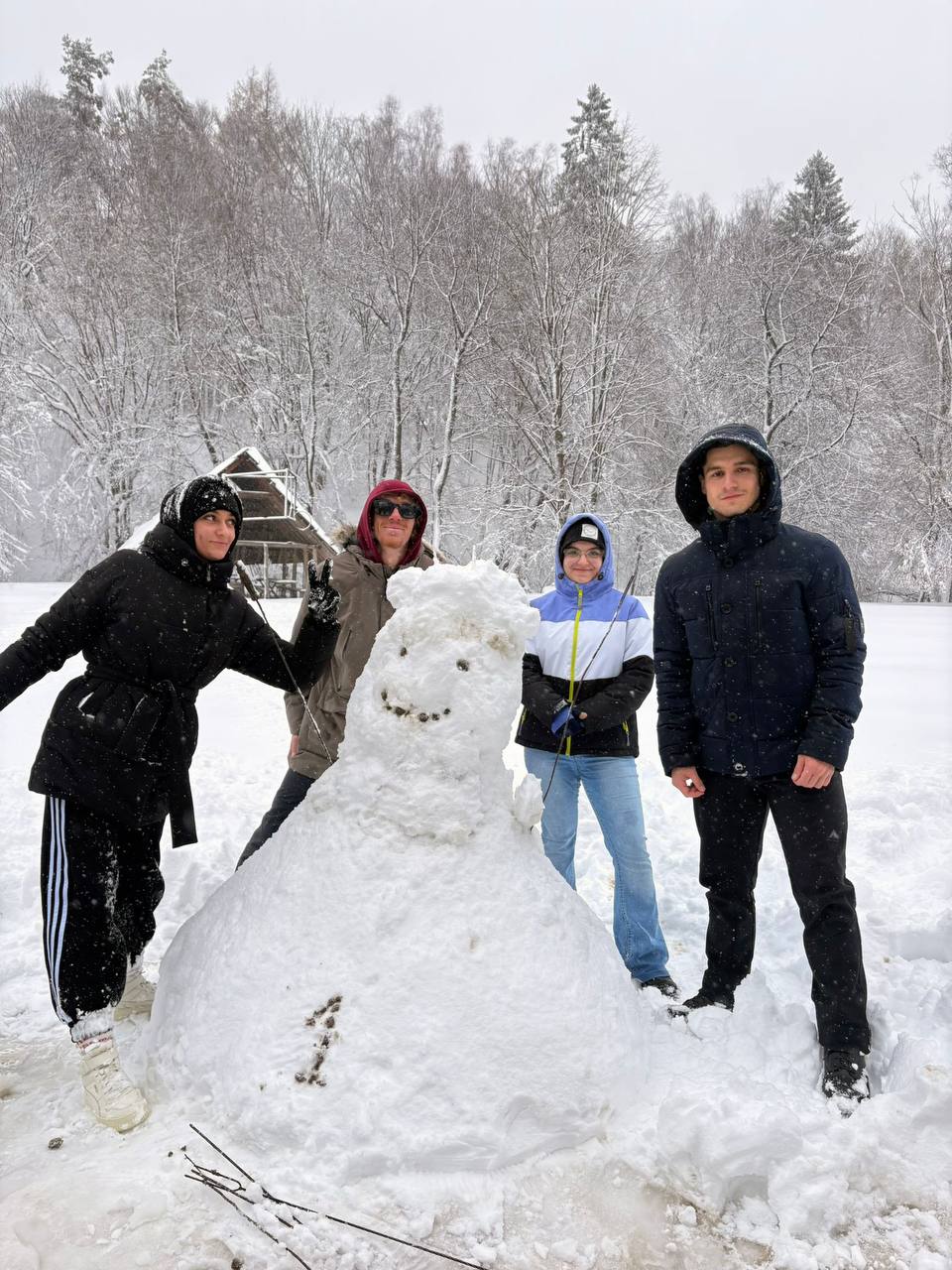
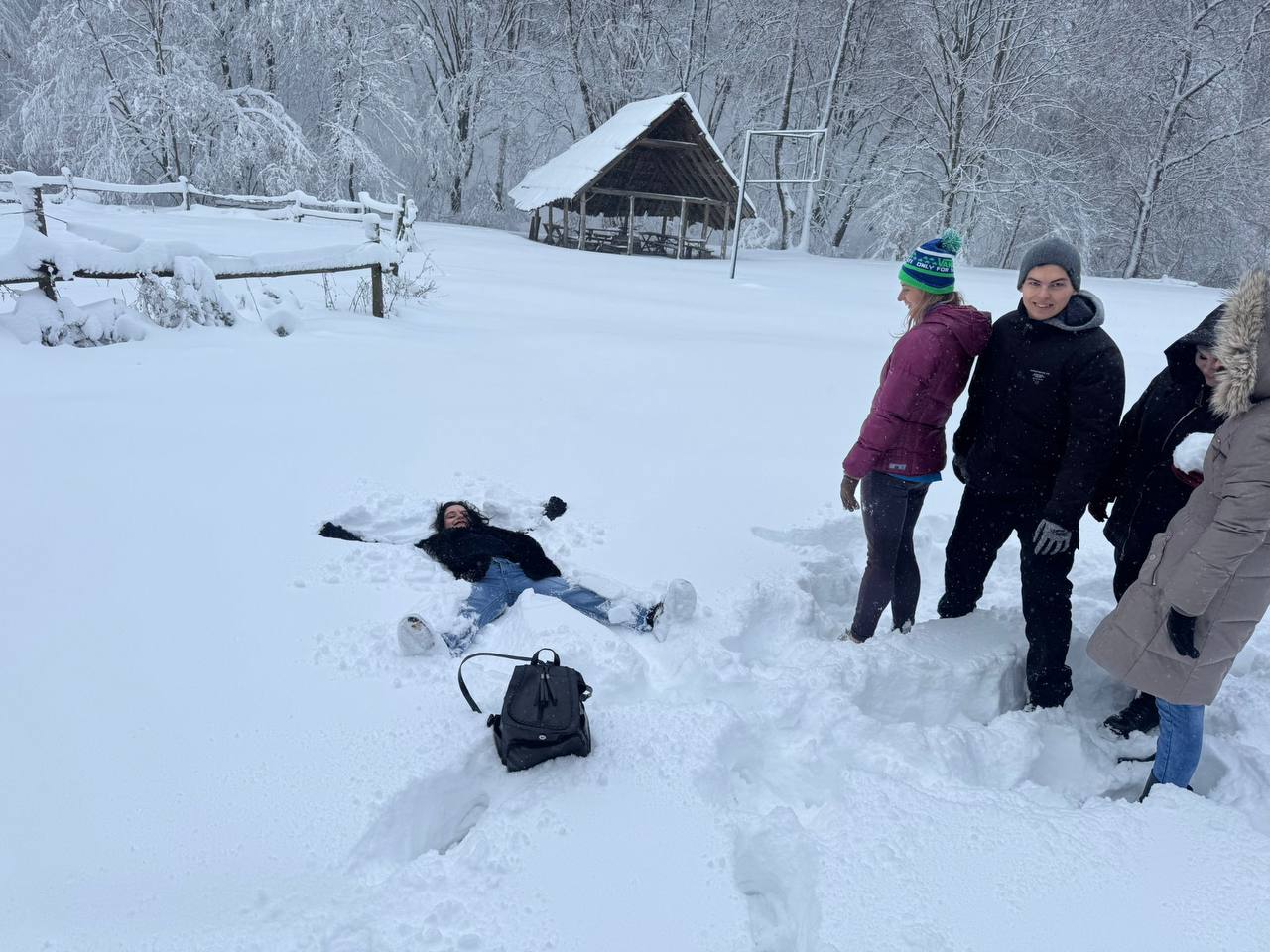
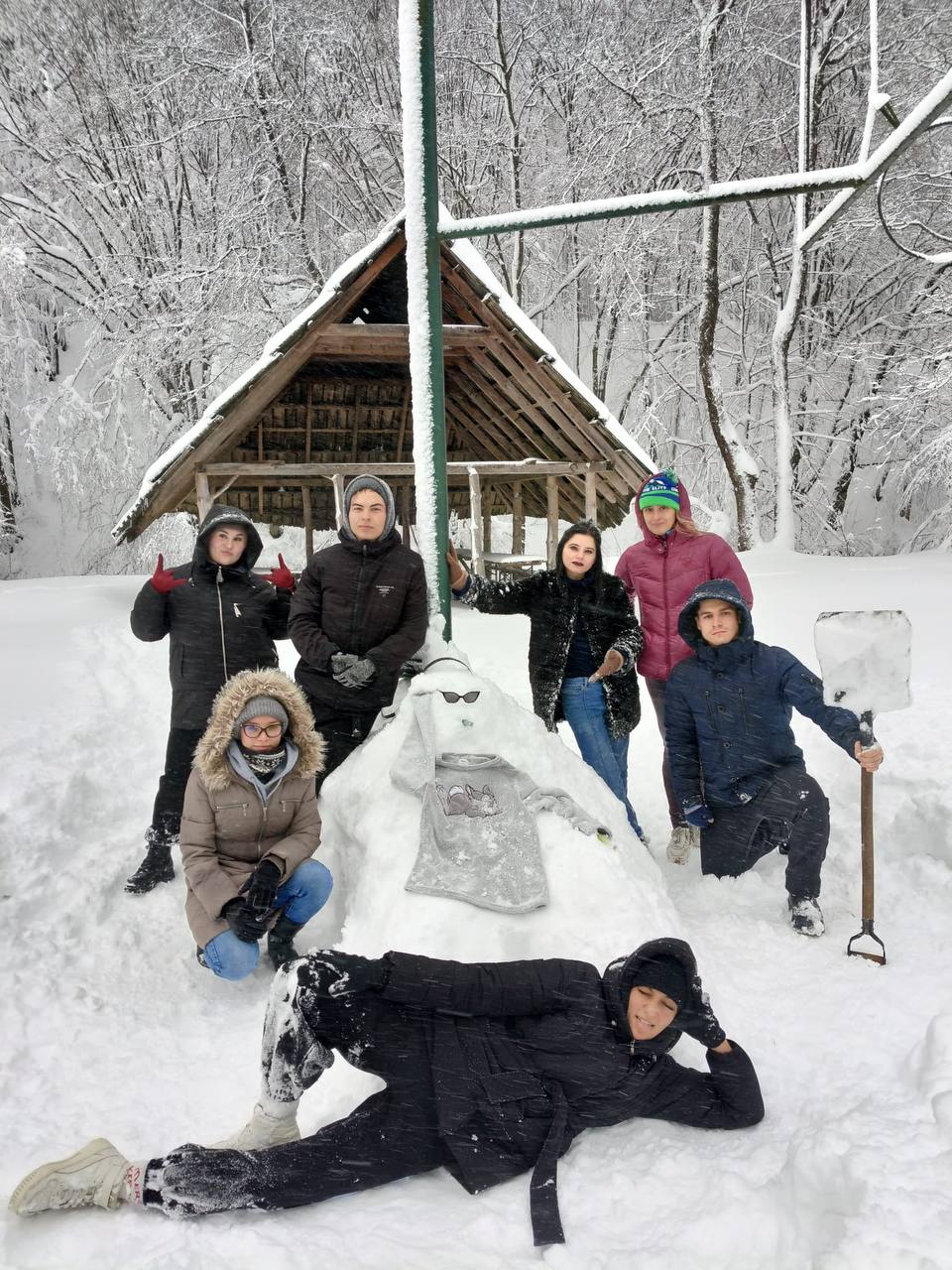
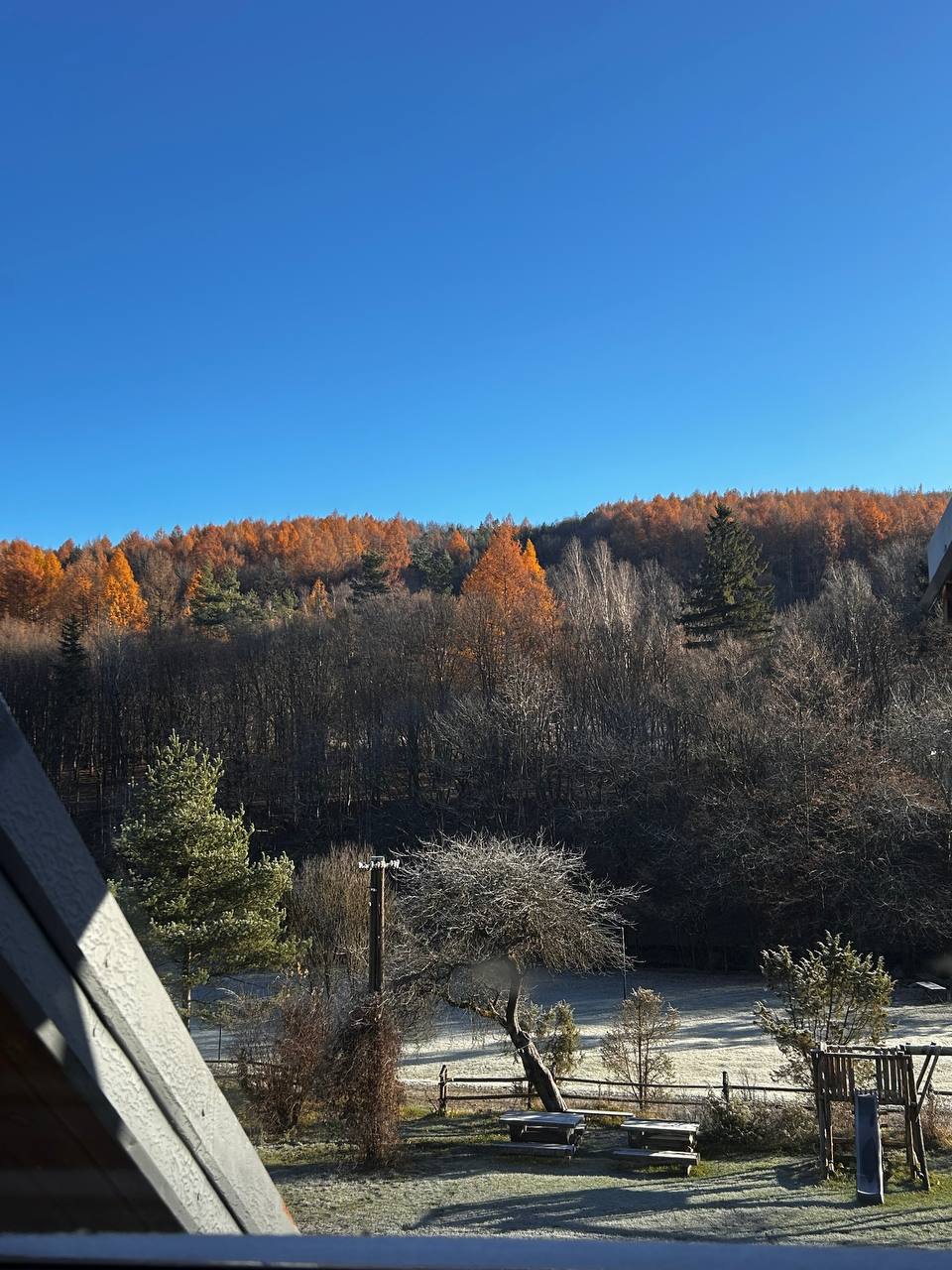
Huta Polańska, located among picturesque mountains, created unique conditions for work and rest. The snowy weather, which began immediately after the participants’ arrival, added a special sense of cosiness and festivity to the project. The youth enjoyed walks, games in the fresh air, and winter landscapes.
“This program became an important stage of personal and professional development for me. I not only gained new knowledge but also experienced the power of international cooperation, support, and a shared desire for positive change. It was here that I found friends, experience, and inspiration that I want to preserve for a lifetime”, – noted Valentyna Mytsenko.
The Erasmus+ project opened new horizons for the student: from improving professional skills and studying social entrepreneurship to deep immersion in a multicultural atmosphere. This made it possible not only to rethink the significance of creativity in social processes but also to find new friends and partners abroad. The results obtained confirm that active participation in Erasmus+ programs is a key to students’ success, ensuring high-quality cultural development and broad educational opportunities across Europe.
Recently, a master’s student at Poltava Polytechnic participated in an Erasmus+ youth exchange in Malta; Poltava Polytechnic teachers studied innovative digital tools and artificial intelligence in STEM education in Estonia; and a future translator took part in an Erasmus+ youth exchange in Georgia, where she learned to counter discrimination and stereotypes.
As a reminder, faculty members of Poltava Polytechnic are eligible to participate in academic mobility and internship programs. Students can study abroad through Erasmus+ credit academic mobility grant programs for a semester or a full academic year at leading universities in Austria, Greenland, Denmark, Estonia, Finland, France, Germany, Greece, Ireland, Italy, Latvia, Lithuania, Luxembourg, the Netherlands, Norway, Poland, Portugal, Romania, Slovakia, Spain, Sweden, and the Czech Republic.
For more detailed information on current internship, teaching, and academic mobility programs abroad, please get in touch with the International Relations Office (office 213-C, interoffice@nupp.edu.ua) or the coordinator of international activities at the National University “Yuri Kondratyuk Poltava Polytechnic” – Anna Pavelieva, Ph.D. in Philology, Associate Professor of the Department of Germanic Philology and Translation (email: kunsite.zi@gmail.com, phone: +38-(095)-91-08-192).