In today's highly competitive global landscape, the demands placed on emerging professionals are increasingly rigorous, making a localised, traditional university education frequently insufficient to foster a successful international career. Consequently, International Credit Mobility (ICM) initiatives, such as the Erasmus+ programme, have emerged as an indispensable cornerstone of contemporary higher education. For students, these initiatives offer a transformative opportunity to transcend their accustomed academic and cultural environments, integrate into the global scholarly community, refine linguistic competencies, and cultivate essential soft skills – including adaptability, autonomy, and cross-cultural fluency. This multifaceted experiential learning not only enriches their professional portfolios but also fosters a global perspective that is highly coveted in the modern labour market.
For higher education institutions, active engagement in such mobility programmes serves as a powerful testament to their prestigious international standing and their comprehensive integration into the European educational space. The cultivation of strategic partnerships, exemplified by Poltava Polytechnic’s proactive collaboration with international counterparts, facilitates the reciprocal exchange of cutting-edge pedagogical methodologies, the implementation of innovative educational approaches, and the continuous elevation of professional training quality. This synergy builds a strong bridge between national academic traditions and global benchmarks, so each student’s success abroad reflects honourably on both their homeland and their alma mater, showcasing the institution as a crucible of talented, driven, and visionary youth.
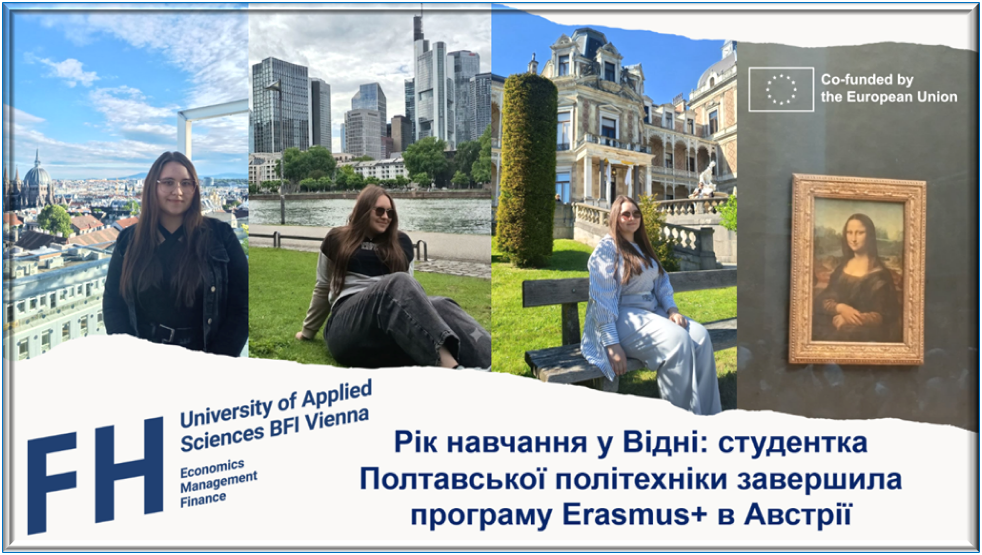
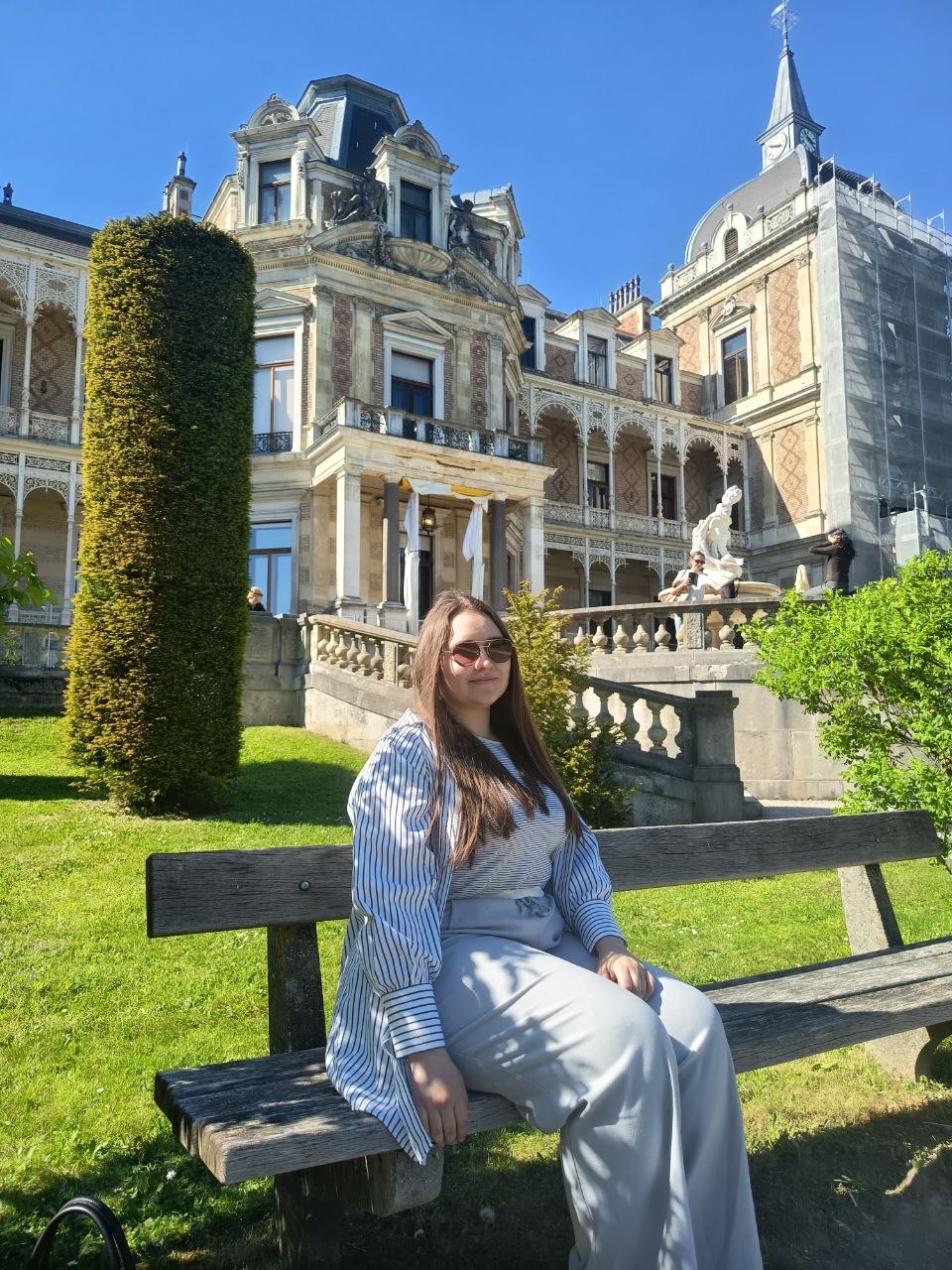
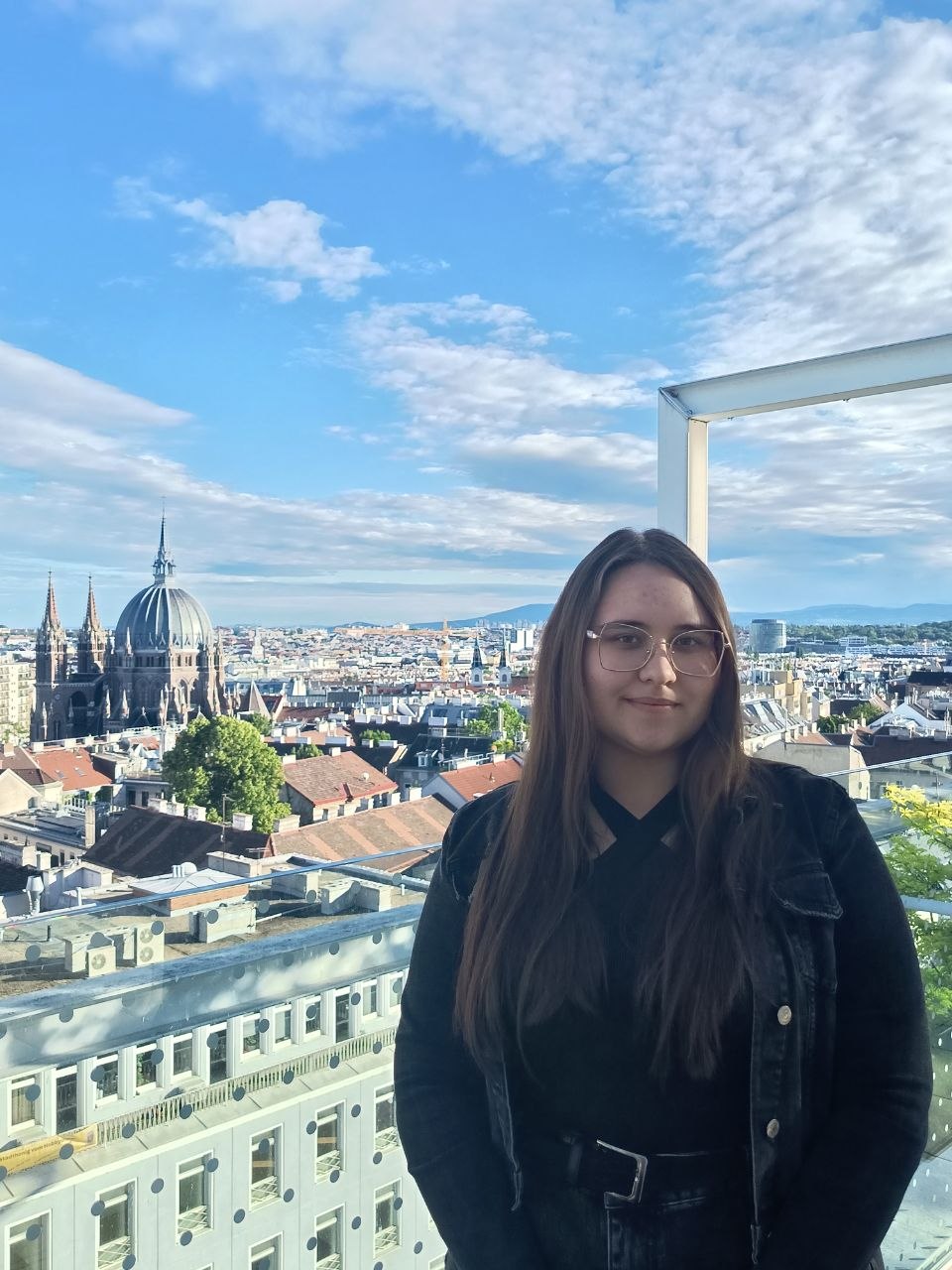
Academic mobility yields its most profound outcomes when students are afforded the opportunity for comprehensive immersion within a novel socio-cultural environment. While the initial semester is typically dedicated to acculturation and adaptation to unfamiliar academic frameworks, extending the experience to a second consecutive semester enables students to consolidate acquired knowledge, engage more deeply with advanced disciplines, and cultivate enduring professional and interpersonal networks. Kateryna Bondarenko, a student of Group 303-EM majoring in 073 “Management” speciality at Poltava Polytechnic, pursued this extended, intellectually rigorous trajectory and spent an entire academic year at the University of Applied Sciences BFI Vienna in Austria. In her personal narrative, she reflects upon her academic insights, cultural discoveries, and the profound personal transformation that marked her second semester in Vienna.
“The conclusion of my Erasmus semester in Vienna marks the completion of a period defined by academic enrichment and profound personal growth, leaving in its wake an abundance of vivid memories and invaluable experience. This tenure was not merely a pivotal milestone in my higher education but a transformative journey of self-discovery. The concluding months proved exceptionally demanding, as the culmination of my coursework coincided with a rigorous period of exam preparation and academic assessment. Despite this intense pace, this final phase offered a valuable opportunity to reflect on the substantial knowledge I had acquired over the past six months, instilling in me a heightened sense of confidence in the international academic sphere.
I was particularly impressed by the academic rigour and practical orientation of the curriculum at FH des BFI Wien. Within the negotiation course, for instance, theoretical frameworks were immediately translated into practice through interactive simulations and peer-to-peer debates, which cultivated our ability to forge consensus in complex, real-world scenarios. Furthermore, the finance modules—encompassing investments and corporate finance—provided a granular understanding of the intricate mechanisms governing enterprise operations within global markets, primarily through the empirical analysis of contemporary case studies. Concurrently, exploring the international dimensions of sustainable development enabled me to evaluate contemporary business practices through the critical prism of global ecological and societal challenges. An equally rewarding aspect of the curriculum was the course dedicated to Austrian language and culture, which not only enhanced my German language proficiency but also fostered a deeper appreciation for the local socio-cultural ethos.
Extracurricular life at the university was equally engaging and focused on integration. Events like Open House, Meet a Student, and Master-Afterwork provided excellent opportunities to network with professors, fellow students, and representatives of Austrian businesses. What felt particularly valuable was how learning consistently extended beyond the classroom: working on team business cases, engaging in practical simulations, and collaborating on joint projects made the academic journey dynamic and clearly demonstrated the bridge between higher education and future career paths.
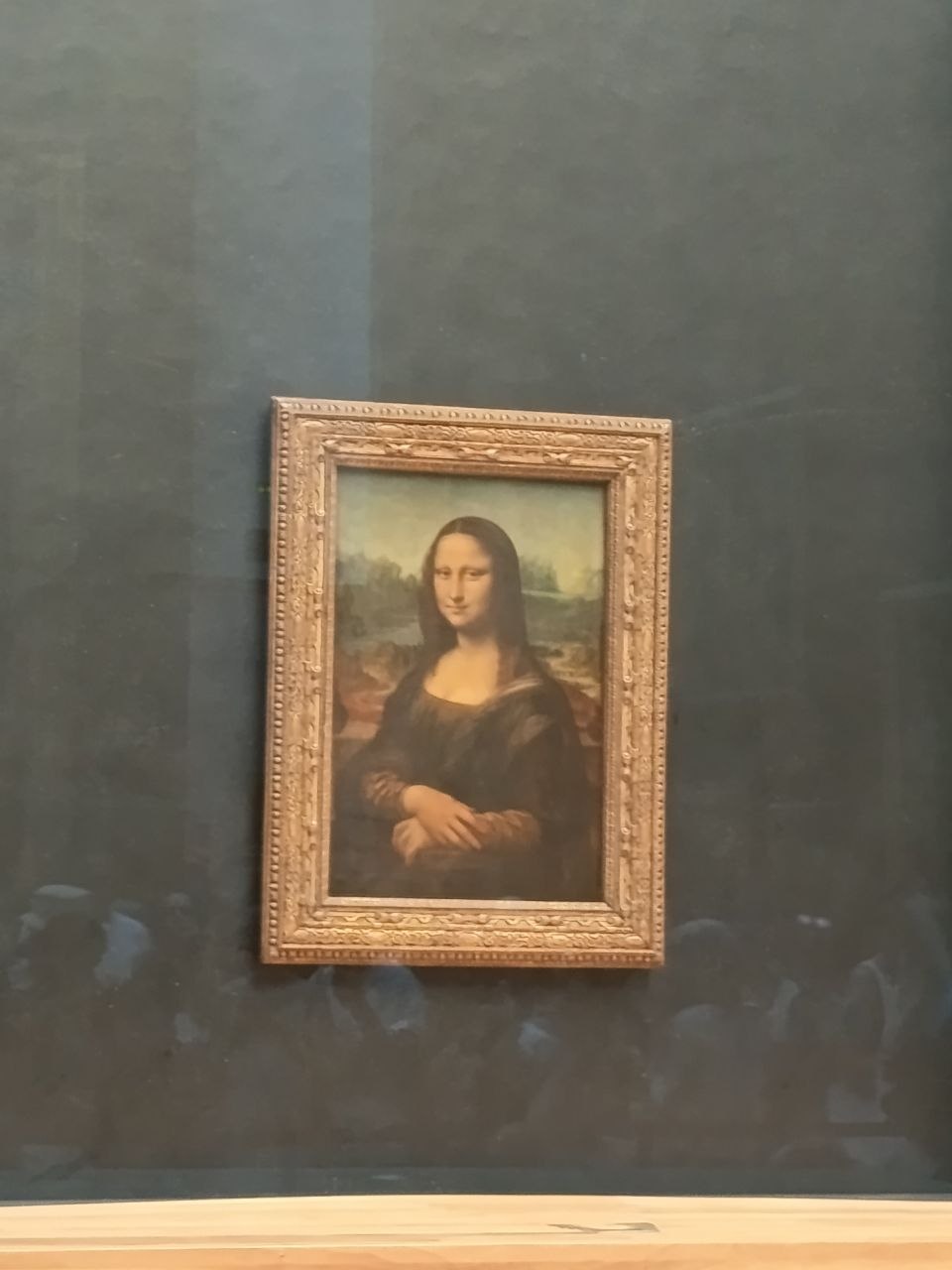
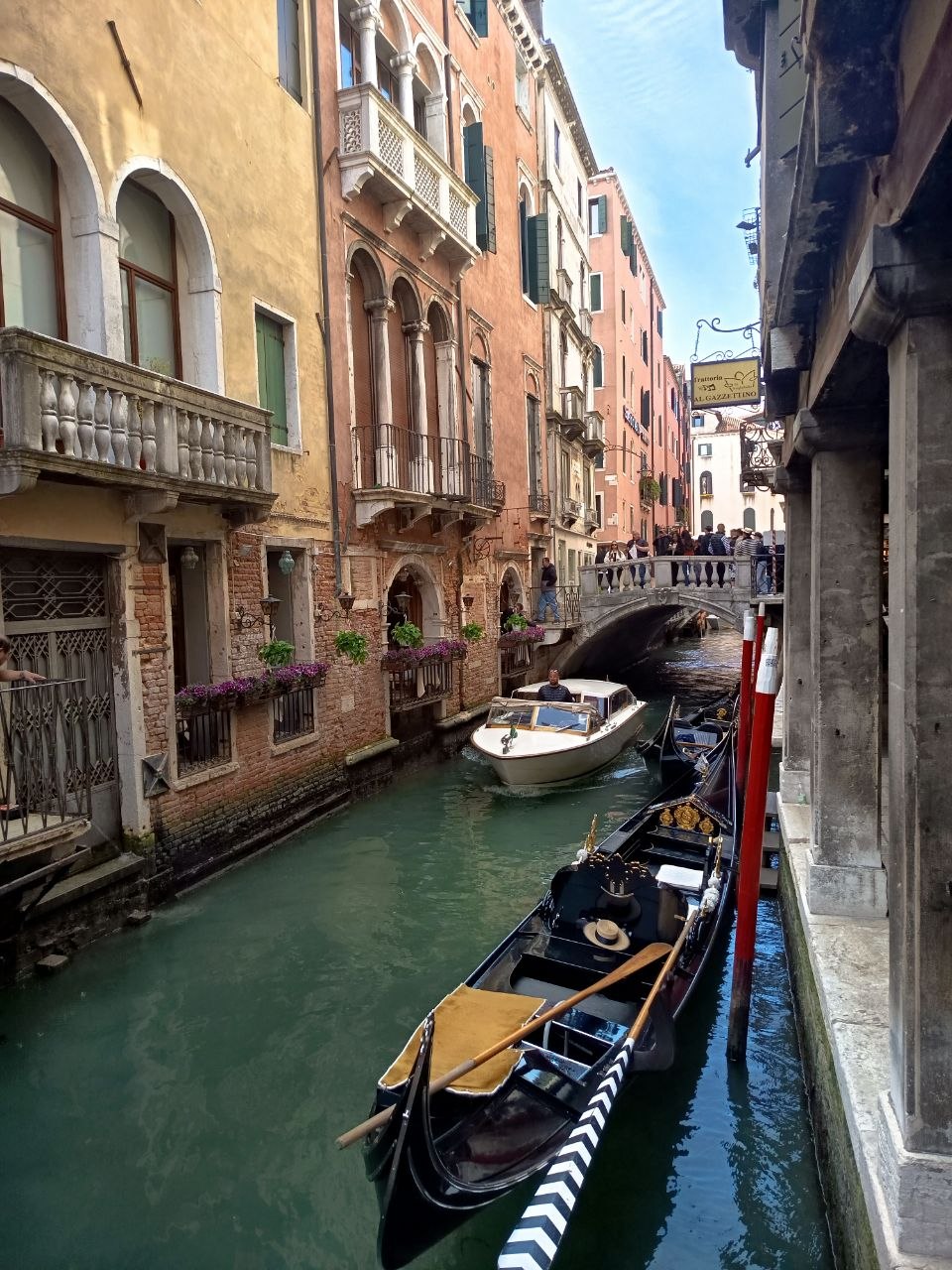
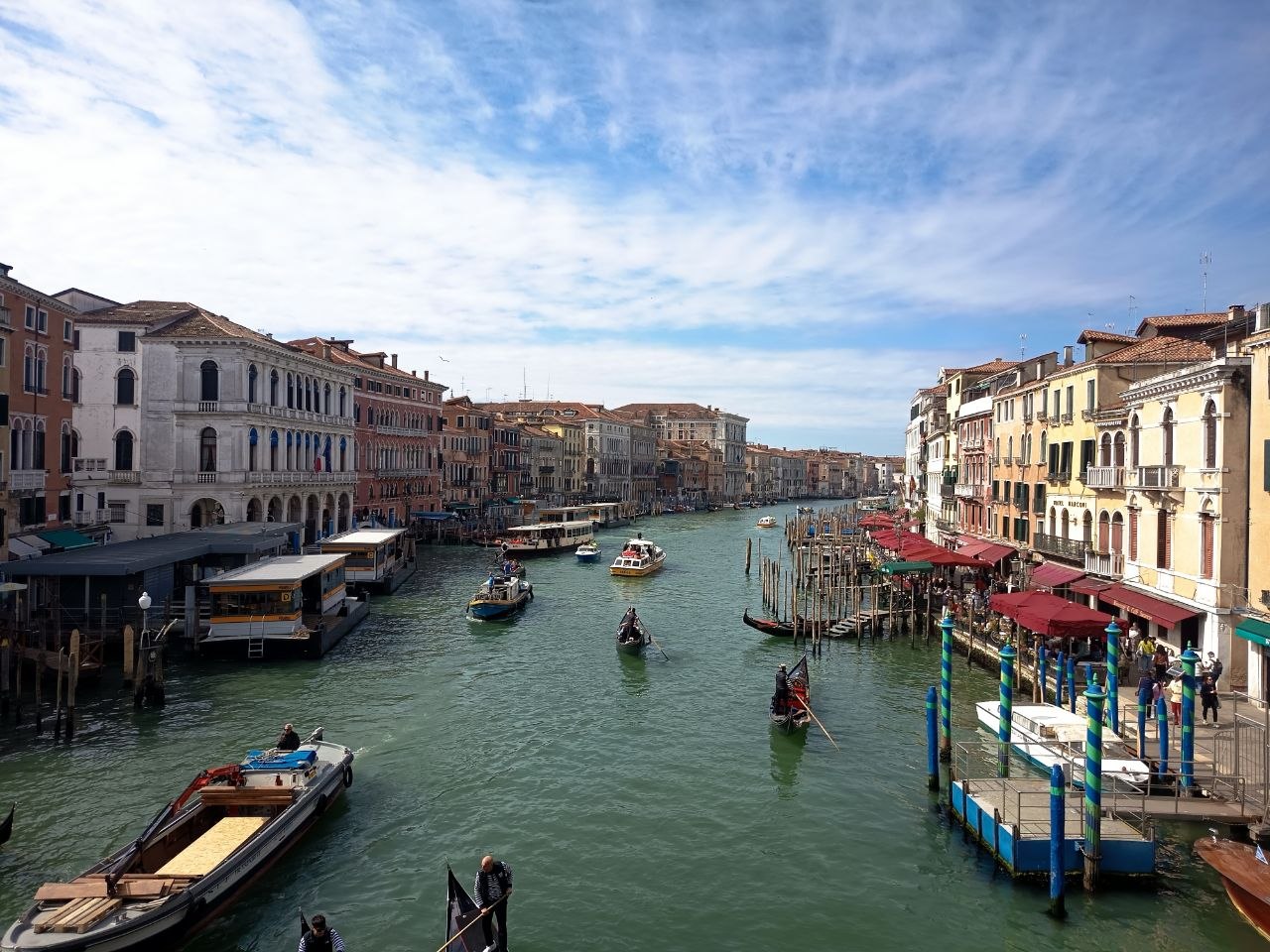
Of course, the Erasmus+ experience goes far beyond academic studies—it is also a gateway to exploring the world. During this period, I had the opportunity to visit several remarkable European cities, each leaving a lasting impression. Venice captivated me with the unique charm of its historic canals, Paris offered memorable walks along grand avenues and close encounters with world-renowned landmarks, while Frankfurt stood out for its harmonious blend of modern glass skyscrapers and a cozy historic center. Every journey became a unique chapter that enriched my perspective on European culture.
One of the most memorable and emotional highlights of the semester was attending the Eurovision Song Contest 2026. Witnessing a show of such immense scale first-hand, feeling the vibrant energy of the performances, and experiencing the incredible support of the global audience was truly unforgettable. This event was a powerful reminder of how art and music can transcend boundaries, uniting people of different nationalities and cultures into one supportive community.
An equally meaningful aspect of the semester was building connections with peers from all corners of the globe. Sharing a living space, traveling together, engaging in deep conversations, and supporting one another through the exam period forged bonds that turned us into a true international family. Thanks to these friendships, my Erasmus experience became far more than just a semester of academic study. It was a transformative journey that helped me grow more independent, open-minded, and confident in my own potential.
As I wrap up this wonderful chapter of my life, I can confidently say that international experience is one of the most valuable investments one can make in their future. I am deeply grateful to the administration of Poltava Polytechnic and to everyone who shared this incredible journey with me. Although this semester has come to an end, the knowledge gained, the genuine friendships, and the warmest memories will stay with me for a lifetime!”.
Kateryna Bondarenko's story is an inspiring example of how international exchange programs empower Ukrainian students to broaden their horizons and shape a global perspective. Poltava Polytechnic is proud of its students' accomplishments on the international stage and remains dedicated to actively developing partnerships with leading European universities, creating new pathways for the professional and personal development of our youth.
We congratulate Kateryna on completing this important stage, wish her success in applying all the knowledge she has gained in her future professional activities, and are confident that this experience will become a solid foundation for her future achievements!
You can read about Kateryna Bondarenko’s first impressions of studying at the University of Applied Sciences BFI Vienna here and here.
In the previous academic year, students Tetiana Holub and Karyna Kalnyk studied at the University of Applied Sciences BFI Vienna (you can read about their impressions of participating in the academic mobility program here and here), and in the 2023/2024 academic year – Oleksandra Kurylo and Veronika Melnyk (you can read about their experience of studying under the Erasmus+ ICM program at this HEI here), and Kseniia Kolomiiets.
As a reminder, Poltava Polytechnic academic staff can participate in academic mobility programmes and internships. At the same time, students can study abroad under the Erasmus+ ICM program and other grant programmes for a semester or an entire academic year at leading universities in Austria, Greenland, Denmark, Estonia, Spain, Lithuania, Latvia, Norway, the Netherlands, Germany, Poland, Portugal, Romania, Slovakia, Finland, and the Czech Republic.
For more detailed information on current internship, teaching, and academic mobility programmes abroad, please get in touch with the International Relations Department (room 213-C, interoffice@nupp.edu.ua).