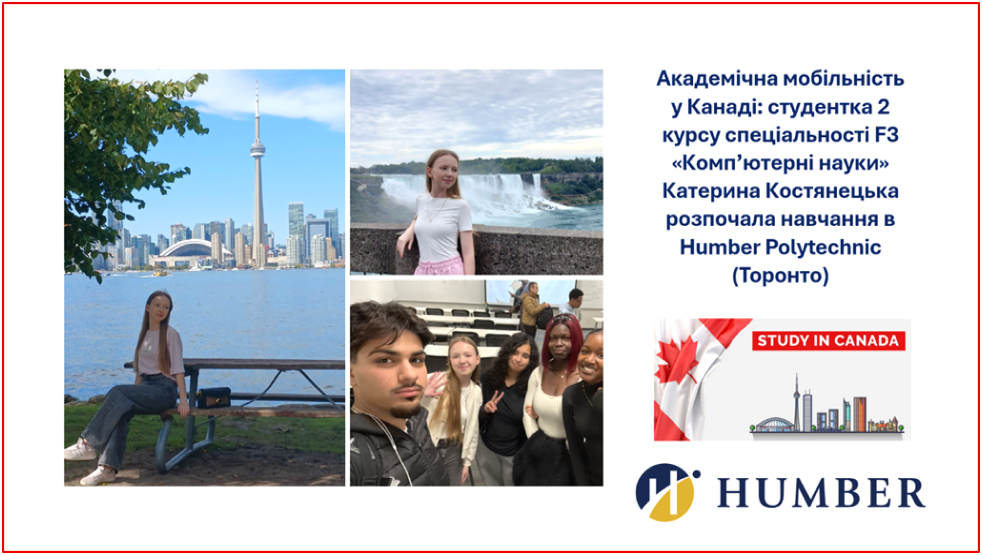
The autumn semester of the 2026/2027 academic year marked a defining stage in the professional growth and personal development of Kateryna Kostianetska, a second-year student in group 202-TN majoring in F3 “Computer Science”. Through her participation in the credit academic mobility program, she had a unique opportunity to complete a semester of study at one of Canada's most innovative, practice-oriented higher education institutions, Humber Polytechnic in Toronto, Canada under the prestigious 2026 Study in Canada Scholarships (SICS) program.
For the aspiring IT specialist, this period became an immersive dive into the North American educational paradigm, allowing her to rethink her chosen field from a fresh perspective, master cutting-edge development tools, and experience the dynamic rhythm of life in one of the world's major financial and technological metropolises.
“The journey to Canada was long and eventful, as the transit route traversed several countries. Despite the natural fatigue from an exhausting trip and a long transatlantic flight, the very first minutes of being in Toronto inspired me with its unique atmosphere,” – shared Kateryna Kostianetska. – “The city immediately impressed me with the grandeur of its architecture, the majestic skyline of skyscrapers, an exceptionally fast pace of urban life, and striking multiculturalism. From my earliest days in this new environment, I faced several substantial challenges in handling everyday domestic, organisational, and academic matters entirely in English. I had to quickly navigate a different regulatory framework, adapt to a distinct social structure, and integrate into an international socio-cultural environment.
Nonetheless, adapting to these new realities proved remarkably smooth and comfortable: Toronto turned out to be an exceptionally welcoming city where immigrants make up a significant portion of the population; consequently, locals are always ready to help, showing genuine understanding and hospitality toward international guests. Within weeks, the initial disorientation gave way to confidence and ease in daily interactions.
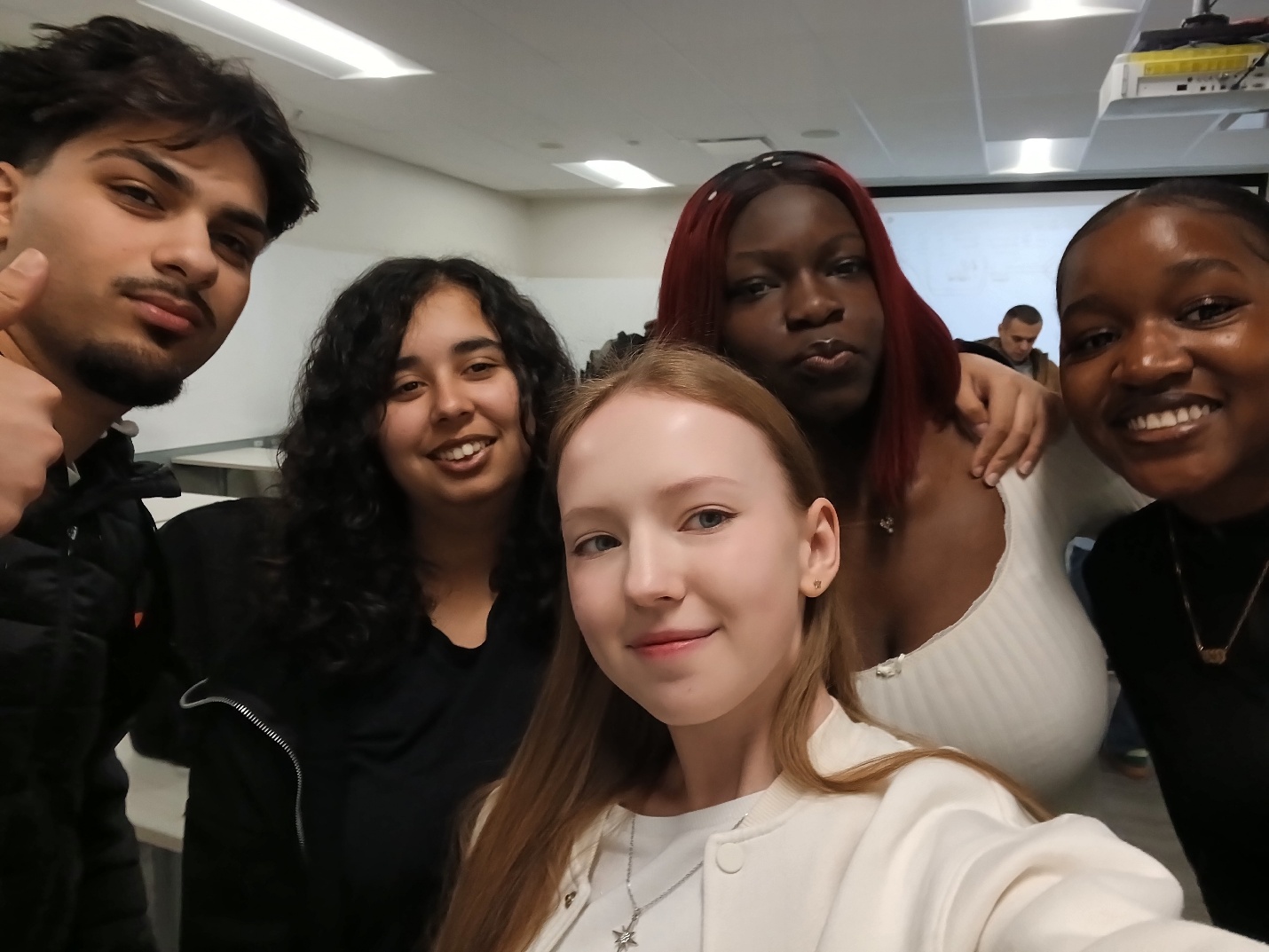
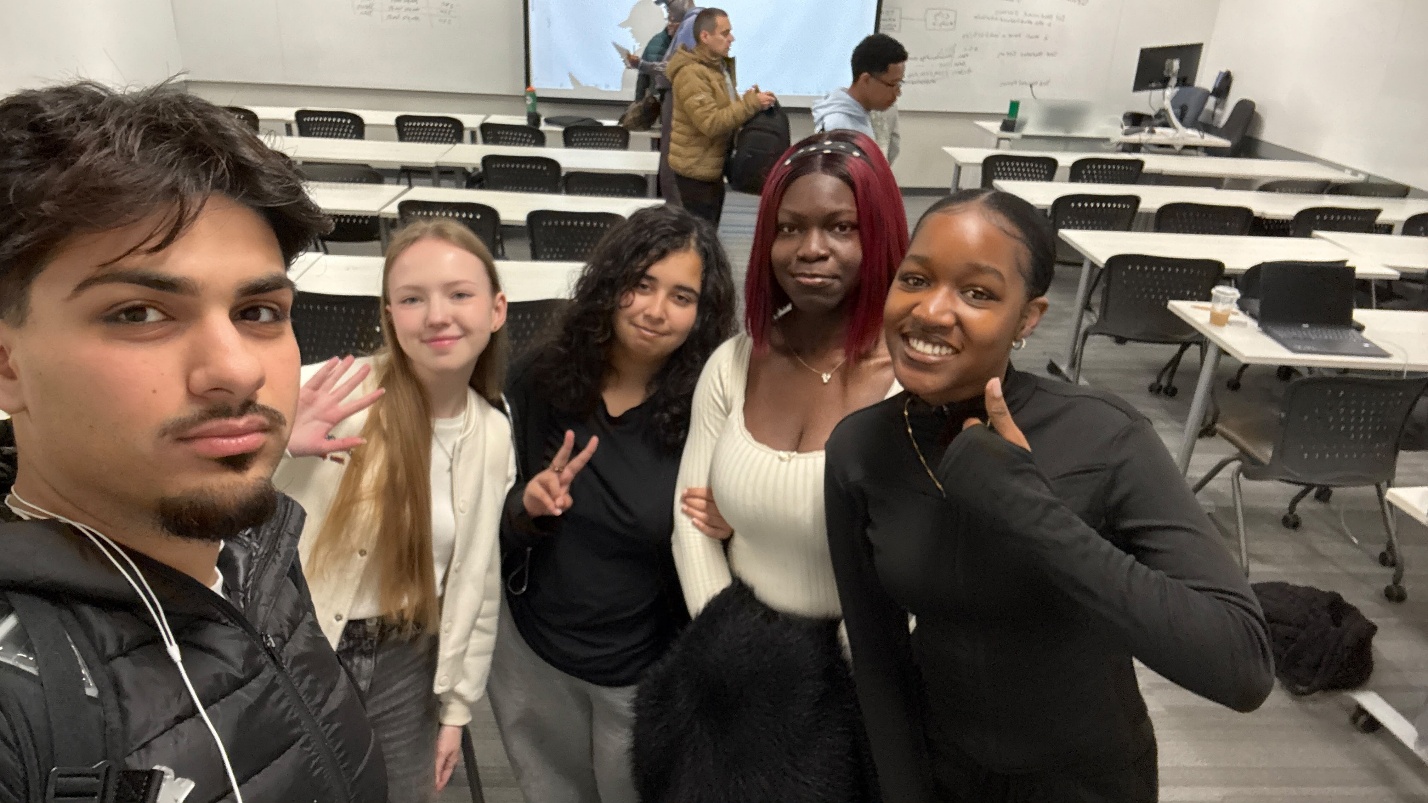
A distinct and vibrant chapter of my study abroad experience has been living in the university student residence. This environment brought together young people from all corners of the globe, as many dormitory residents were also international exchange students. Shared daily life and frequent gatherings quickly fostered friendships, genuine intercultural dialogue, and the discovery of common interests. In our leisure time outside of scheduled classes, my new friends and I actively explored the city and the province of Ontario. We admired the striking contrast between majestic business districts, picturesque parks, sophisticated contemporary architecture, and massive shopping centres, and our excursions culminated in an unforgettable trip to the legendary Niagara Falls.
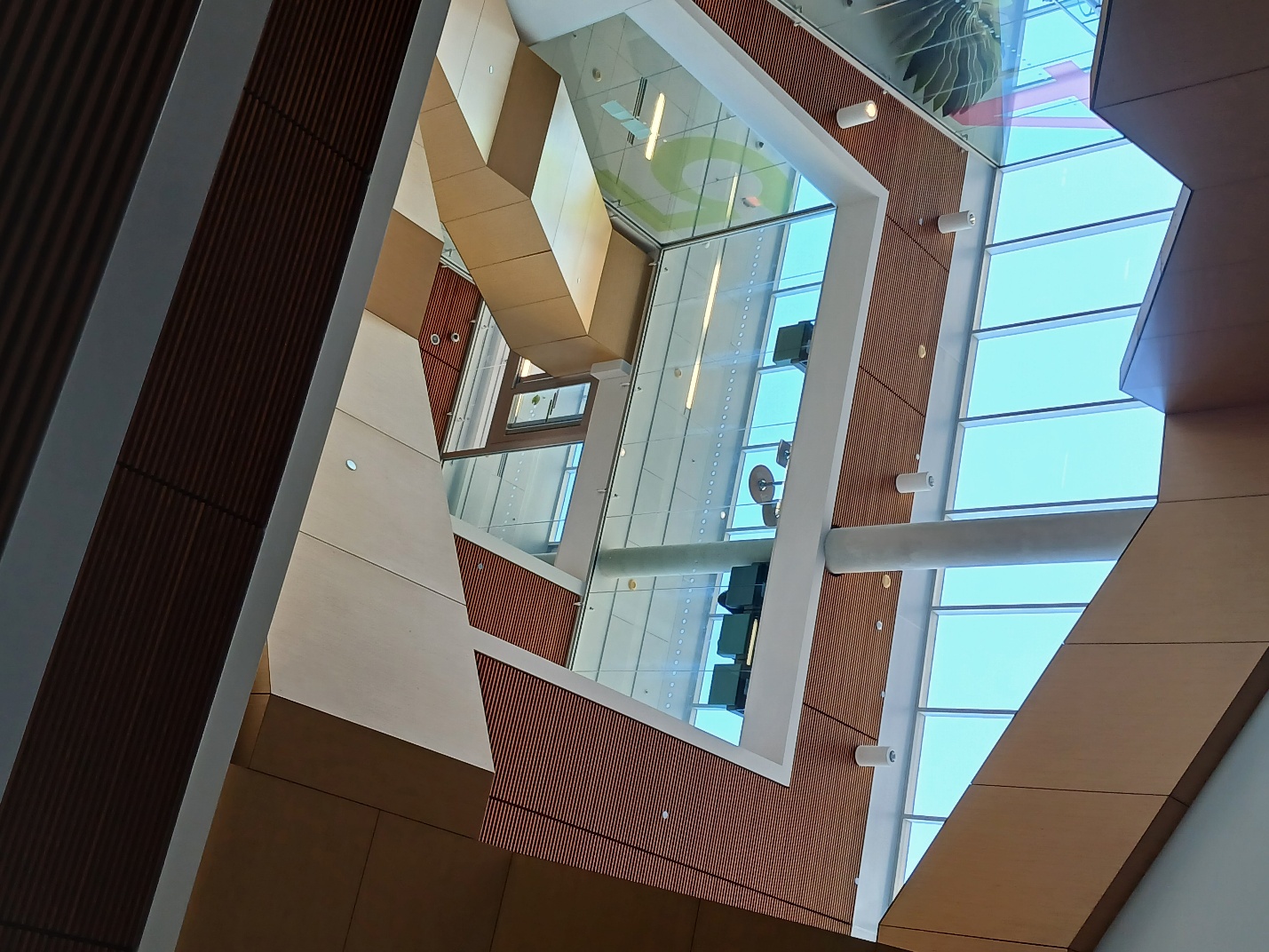
The Humber Polytechnic campus impressed me from our first encounter through its scale, futuristic aesthetic, and meticulous attention to detail. The learning environment is an imposing campus complex of 25 buildings connected by comfortable, enclosed walkways. This extensive infrastructure poses no navigational difficulties: thanks to a well-conceived system of visual signage and the university’s proprietary mobile application, every student can instantly map an optimal route and easily find the required lecture hall or laboratory.
The entire university space is maximally tailored to the day-to-day requirements of the student community. Inside the academic buildings, comfortable lounge zones and compact workstations are available, where numerous students study online, collaborate on projects, or prepare for upcoming classes. These facilities also include large coffee shops and modern centres for copying, printing, and technical support. Classrooms and specialised computer laboratories feature advanced hardware and high-speed internet, complemented by functional coworking spaces for group work and quiet, welcoming libraries.
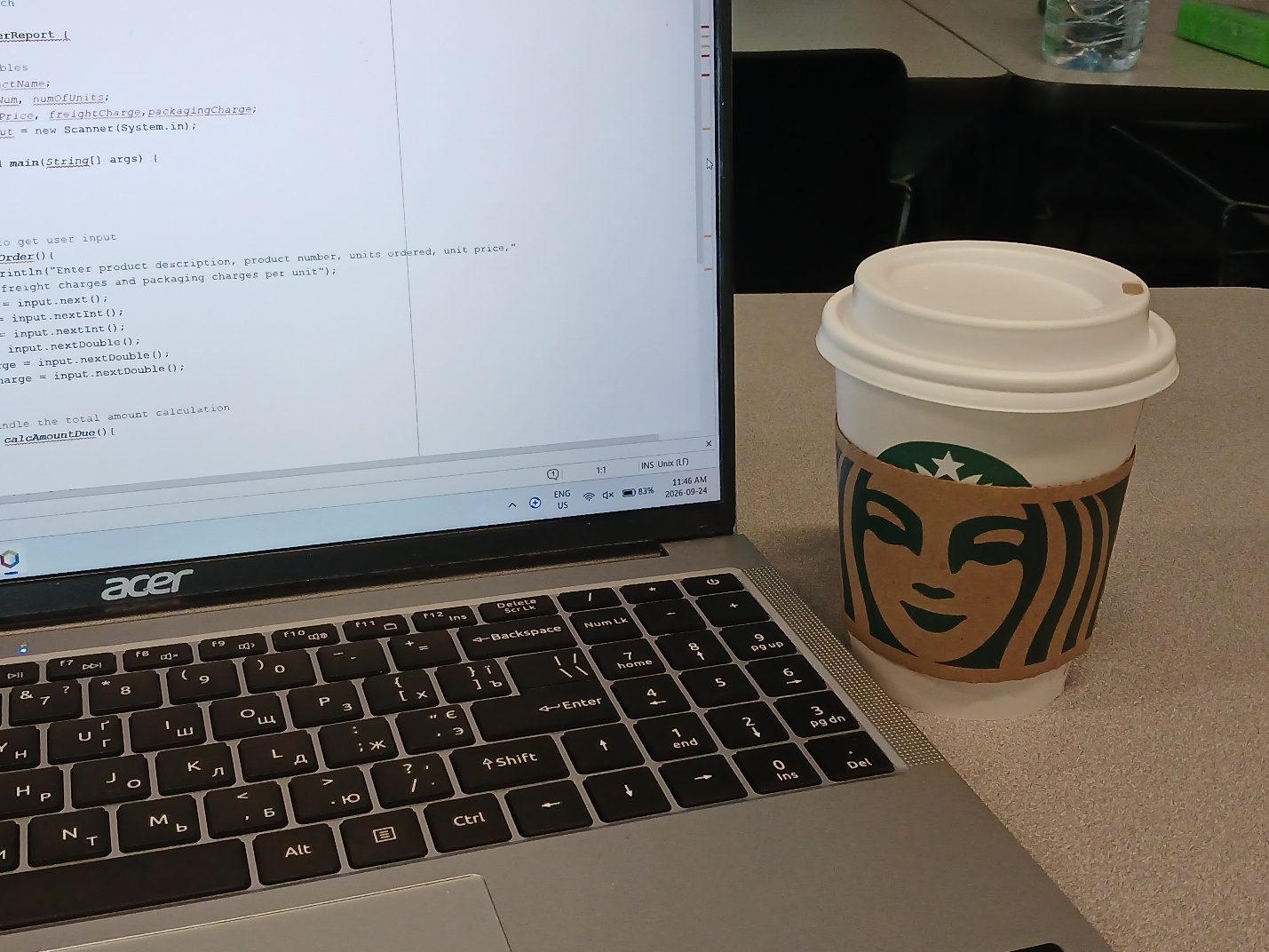
My academic curriculum encompasses five fundamental and applied disciplines that directly shape the professional profile of a modern IT specialist: “Foundations of Computing”, “Databases”, “Algorithms and Problem Solving”, “Engineering Graphics”, and “Web Design”. The lion’s share of the coursework focuses on the in-depth study and practical application of programming languages and technologies such as Python, Java, and HTML.
Humber’s educational process is highly practical and built on contemporary digital foundations. Traditional handwritten lecture note-taking in paper notebooks is virtually nonexistent here – students work exclusively on their personal laptops, which they use to review digital course materials, write code, implement algorithms, and compile laboratory reports. The curriculum is structured so that, while emphasising thorough independent study of theoretical concepts, students complete the core practical assignments, computational tasks, and laboratory projects directly during class sessions. This guarantees the effective consolidation of material “in real time” while simultaneously preserving ample opportunity for rest and extracurricular engagements.
Humber’s pedagogical philosophy is grounded in equitable partnership, openness, and democratic dialogue. Faculty members serve as experienced mentors and advisors, moving away from dry, didactic lecturing. Instruction takes the form of an active polylogue: while developing software, the instructor discusses problem-solving strategies with the class, and students formulate hypotheses, conduct peer code reviews, and engage in intellectual debates. Mentors focus on clarifying fundamental concepts and jointly analysing and debugging errors, encouraging independent thought and the search for alternative, unconventional engineering solutions. Concurrently, the institution upholds rigorous standards for academic integrity, individual assignment completion, and strict deadline compliance, which cultivate internal discipline, time-management skills, and accountability to team members.
An exclusively English-medium academic environment, technical documentation, and routine communication enabled me to overcome the language barrier in record time. I significantly expanded my vocabulary with specialised IT terminology, gained confidence during project defences, and learned to articulate and defend engineering solutions fluently among an international cohort of peers.
Participating in this credit academic mobility program has become an invaluable life and professional experience for me. It not only enriched me with relevant, practical knowledge in computer science and advanced software development technologies, but also broadened my worldview, strengthened my resilience, instilled unwavering confidence in my abilities, and opened new horizons for future global career advancement.
I am profoundly grateful to the leadership of my alma mater – National University “Yuri Kondratyuk Poltava Polytechnic” – the university administration, the International Relations Department, and the academic faculty for their comprehensive support, deep trust, and the unique opportunity to study in Canada. Because of Poltava Polytechnic’s active expansion of international partnerships, rigorous academic standards, and the strong professional foundation we receive at home, such large-scale initiatives become a tangible reality for Ukrainian students. I am sincerely proud to represent Poltava Polytechnic on the international stage. I am confident that I will effectively apply all the acquired knowledge and cutting-edge Canadian experience toward the advancement of our national IT industry!”.
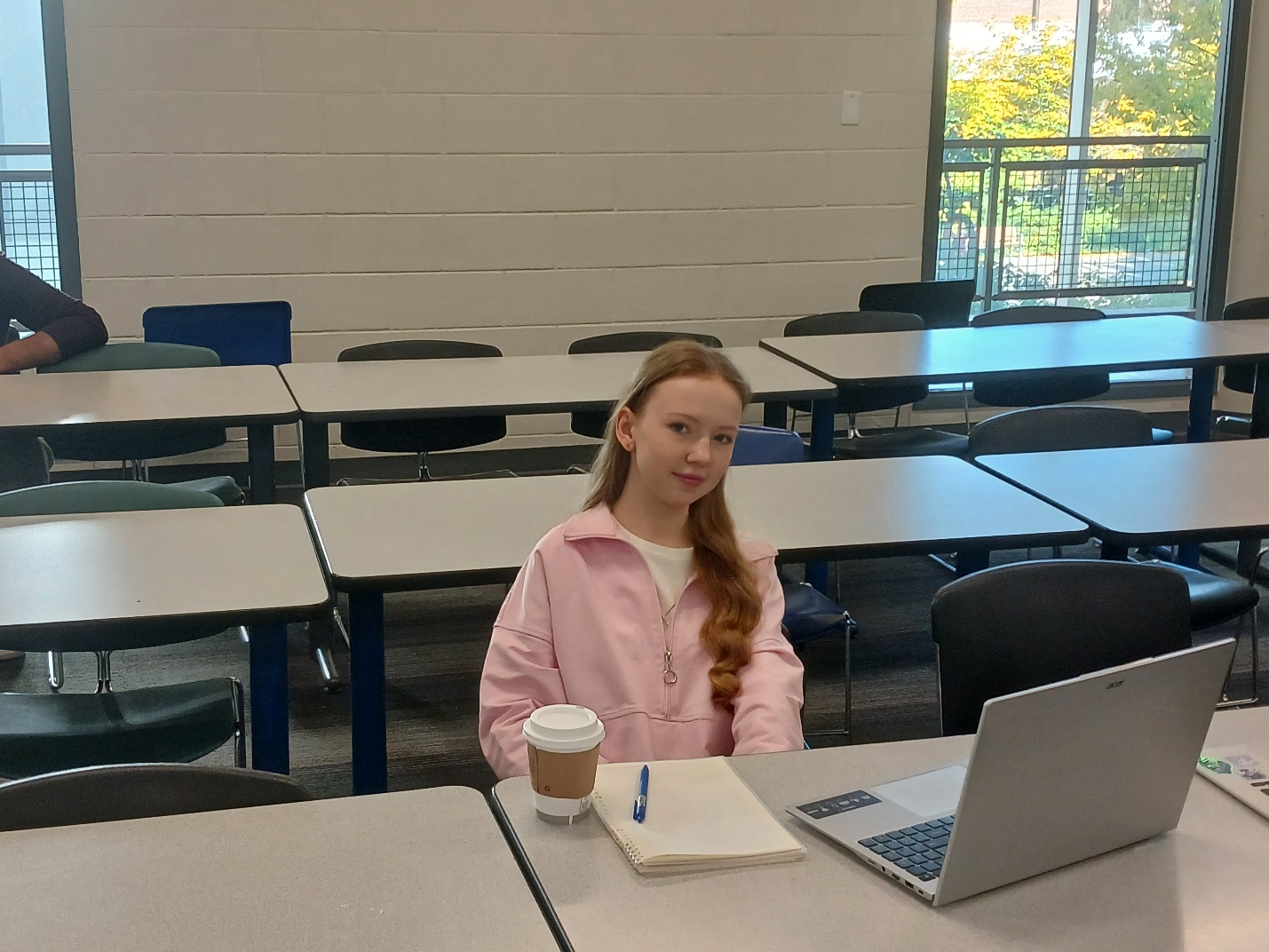
As a reminder, Kateryna Kostianetska continues the successful partnership between the institutions: previously, Poltava Polytechnic students Anastasiia Afonkina, Iryna Hasan, and Oleksandra Kurylo successfully completed their semester exchange at Humber Polytechnic under the prestigious SICS program.
Anna Pavelieva, PhD in Philology, Associate Professor and International Relations Coordinator at the National University “Yuri Kondratyuk Poltava Polytechnic”, emphasised the strategic significance of expanding international horizons for students and conveyed her appreciation for the comprehensive support of this endeavour: “The successful implementation of the credit academic mobility program at Humber Polytechnic, one of Canada’s leading higher education institutions, is a vivid testament to Poltava Polytechnic’s systemic, consistent, and effective efforts toward the comprehensive internationalisation of the educational process.
On behalf of the International Relations Department, I express sincere gratitude to our university leadership, University President Volodymyr Onyshchenko and Rector Olena Filonych, for their strategic leadership, comprehensive support for innovative projects, steadfast faith in our student body’s potential, and daily backing of international activities. Thanks to the leadership team’s well-coordinated work, Poltava Polytechnic steadily maintains its leading positions. It integrates into the global scientific and educational space, giving talented youth access to top-tier global educational platforms even in the most challenging times.
We also extend our profound respect and gratitude to our trusted Canadian partners, the administration and faculty of Humber Polytechnic, for their trust, warm reception of our student, and the impeccable conditions they provide for her academic studies and professional development. Academic mobility not only enriches our learners with invaluable knowledge and world-class competencies, but also dignifiably showcases the high intellectual potential of Ukraine and Poltava Polytechnic on the global stage”.
As a reminder, Poltava Polytechnic faculty members can participate in academic mobility programs and professional internships. At the same time, students have the opportunity to study abroad under Erasmus+ credit academic mobility grant schemes for a semester or an entire academic year at leading universities across Austria, the Czech Republic, Denmark, Estonia, Finland, Germany, Greenland, Latvia, Lithuania, the Netherlands, Norway, Poland, Portugal, Romania, Slovakia, and Spain.
For more information about current internship, teaching, and international academic mobility opportunities, please contact the International Relations Department (Room 213-C, interoffice@nupp.edu.ua).