The integration of Ukraine’s higher education system into the European Higher Education Area remains a cornerstone of contemporary institutional advancement, with international academic mobility programs serving as a vital catalyst in this trajectory. Through these initiatives, students are allowed not only to broaden their academic horizons but also to engage directly with pioneering global methodologies. Aligned with this strategic vision, the National University “Yuri Kondratyuk Poltava Polytechnic” continually strengthens its bilateral relations with esteemed foreign higher education institutions, thereby fostering optimal conditions for the holistic professional cultivation of its students.
This exposure is of paramount importance for aspiring professionals in architecture and urban planning. Engaging with European ecological design frameworks, progressive urban planning concepts, and sustainable energy-efficient technologies cultivates a comprehensive, forward-looking perspective on urban development. Furthermore, the valuable precedents established by the Baltic states, which elegantly synthesise the preservation of historical heritage with state-of-the-art architectural solutions, offer highly constructive insights for our students.
Active bilateral agreements empower our university's students to participate in collaborative educational endeavours, thereby facilitating the seamless integration of future Ukrainian architects into the global scientific and professional community.
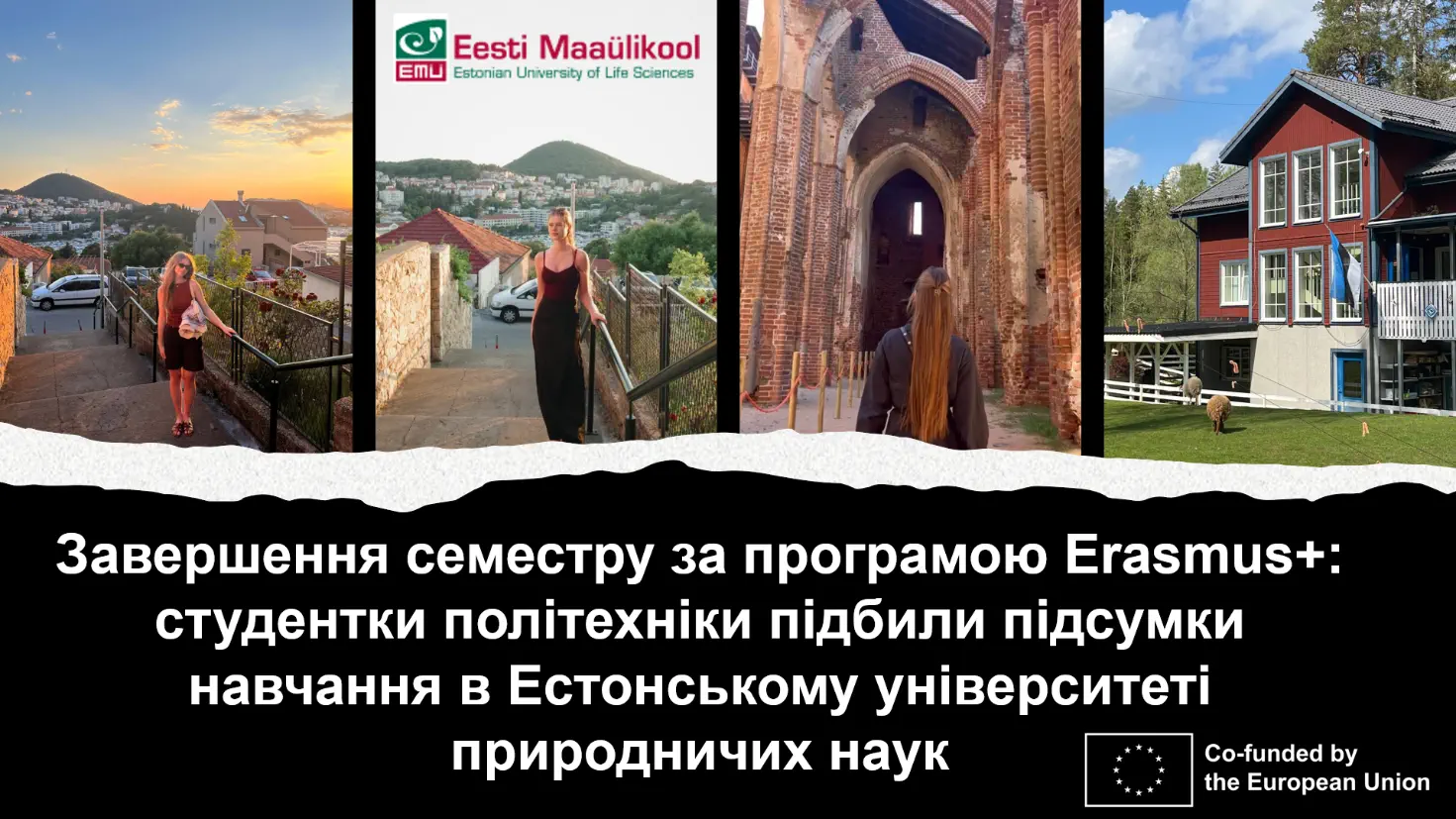
Among the prominent academic institutions offering distinguished training in architecture is the Estonian University of Life Sciences, situated in the historic student city of Tartu. It was at this university that, during the spring semester of the 2025/2026 academic year, two fourth-year students from Poltava Polytechnic, Ruslana Zhadan and Anna Korostashova, studied under the Erasmus+ credit academic mobility program, representing Speciality 191 “Architecture and Urban Planning” (Group 402-A).
Earlier, we reported on the initial stages of the students' academic journey upon their arrival in Estonia. Now that the spring semester has concluded, they have returned to their home university, prepared to reflect on this intensive period of study and share the valuable expertise they have acquired.
Both future architects emphasise that their academic tenure in Estonia has fundamentally refined their professional outlook. Anna Korostashova, a fourth-year student (Group 402-A) specializing in Architecture and Urban Planning (Specialty 191), is the first to share her reflections on the pedagogical process, collaborative engagement, and creative inspiration: “The semester spent at the Estonian University of Life Sciences under the aegis of the Erasmus+ program marked a transformative milestone in my academic journey, wherein professional advancement aligned seamlessly with personal growth. Exploring landscape architecture through a refined analytical lens enabled me to delve into advanced European spatial planning practices and acquire a sophisticated understanding of my future discipline. The unique atmosphere of Tartu – a city renowned for its rich cultural legacy and vibrant student community – offered an exemplary environment for intellectual inquiry and creative experimentation.
Among the most rewarding aspects of this mobility was the opportunity to collaborate within international teams. Engaging in joint projects with peers from diverse global backgrounds transformed our seminars into dynamic forums for intellectual exchange. We cultivated the skills of constructive dialogue, consensus-building, and integrating distinct architectural perspectives. This collaborative experience reinforced my conviction that contemporary landscape architecture is a global, interdisciplinary field requiring both cognitive flexibility and profound intercultural appreciation.
Our distinguished instructors further enriched this international outlook. Leading specialists delivered lectures and seminars from Estonia, Finland, Germany, and the Netherlands. Observing their professional practices and analysing real-world case studies underscored the critical importance of adaptability in our profession. These theoretical frameworks were immediately put into practice during field research. By working directly in public parks, ecological reserves, and urban areas, we analysed landscape dynamics and the delicate equilibrium between natural ecosystems and human intervention in real-world settings.
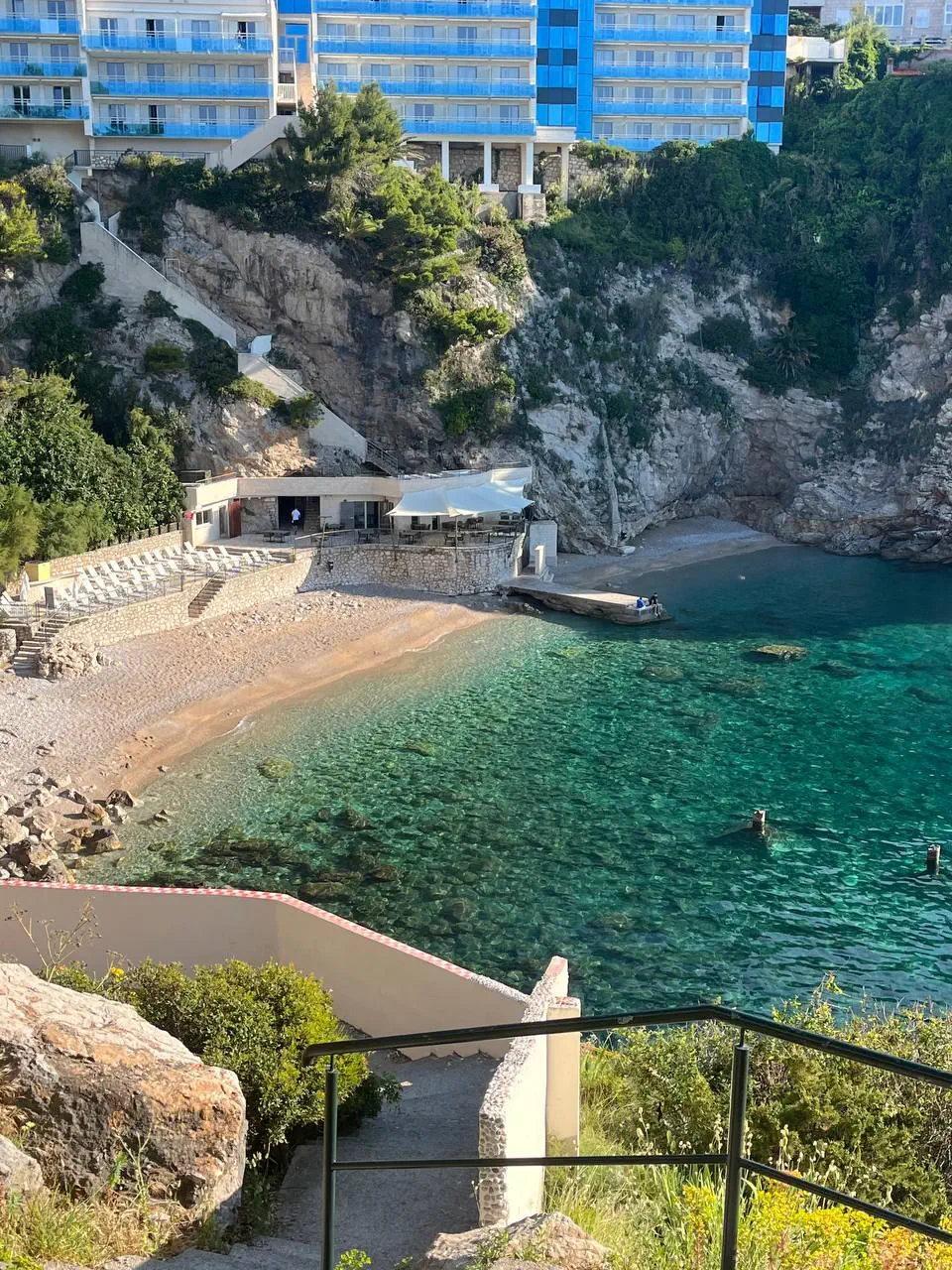
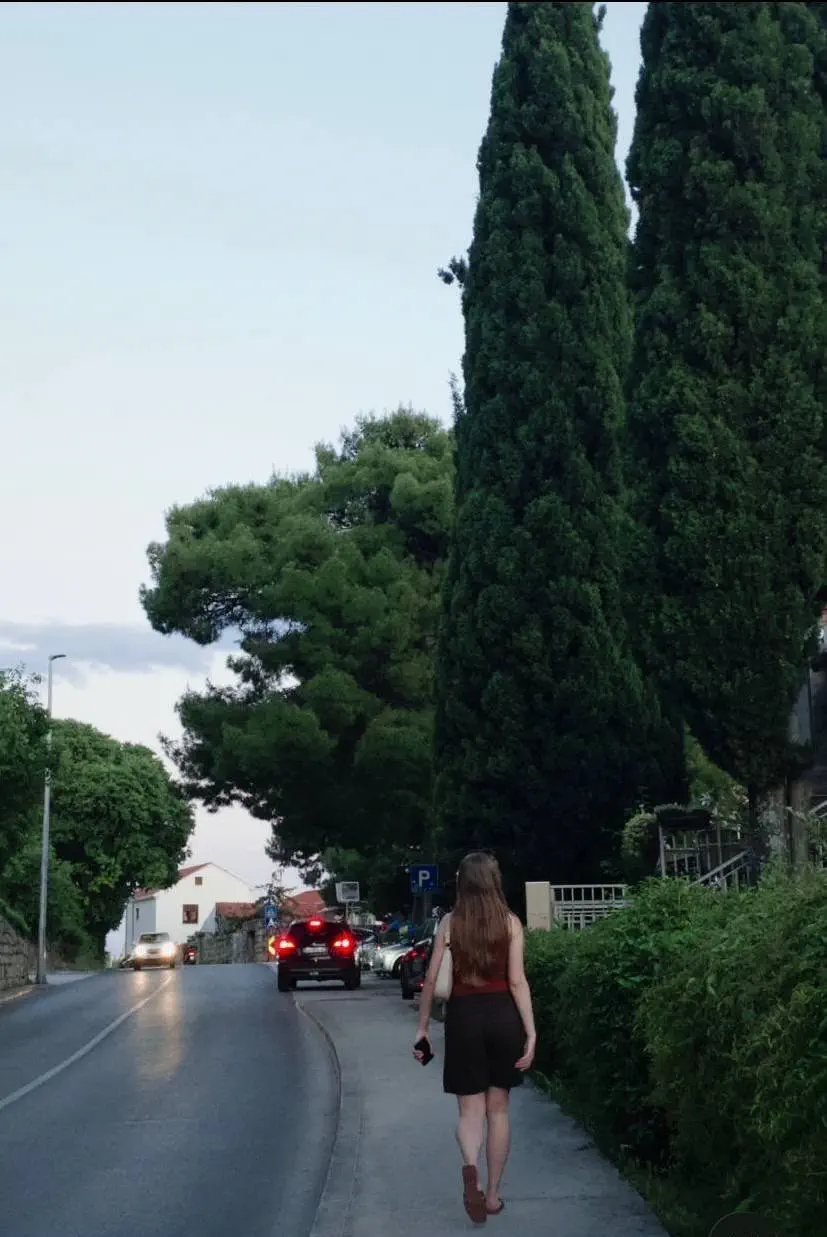
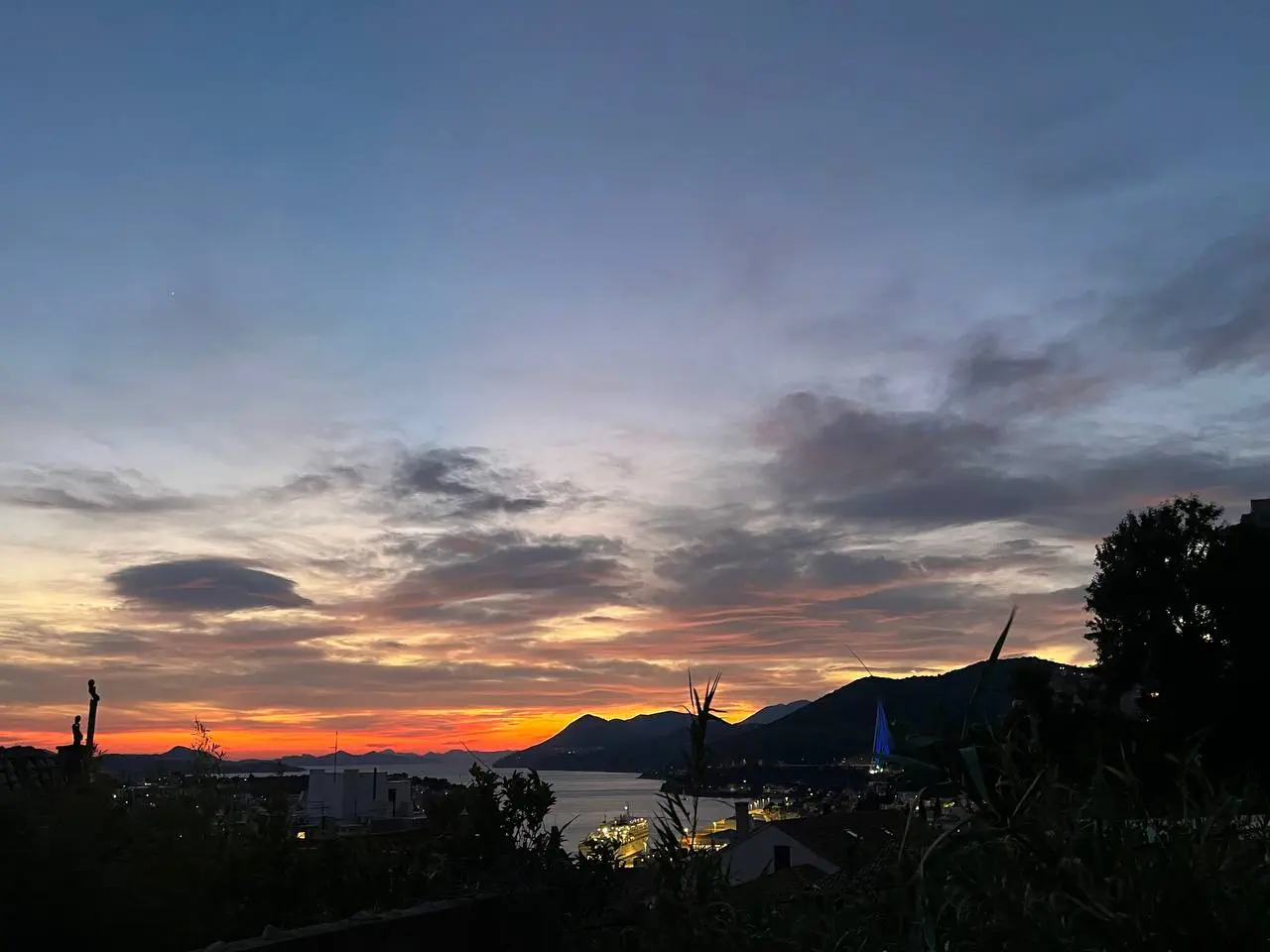
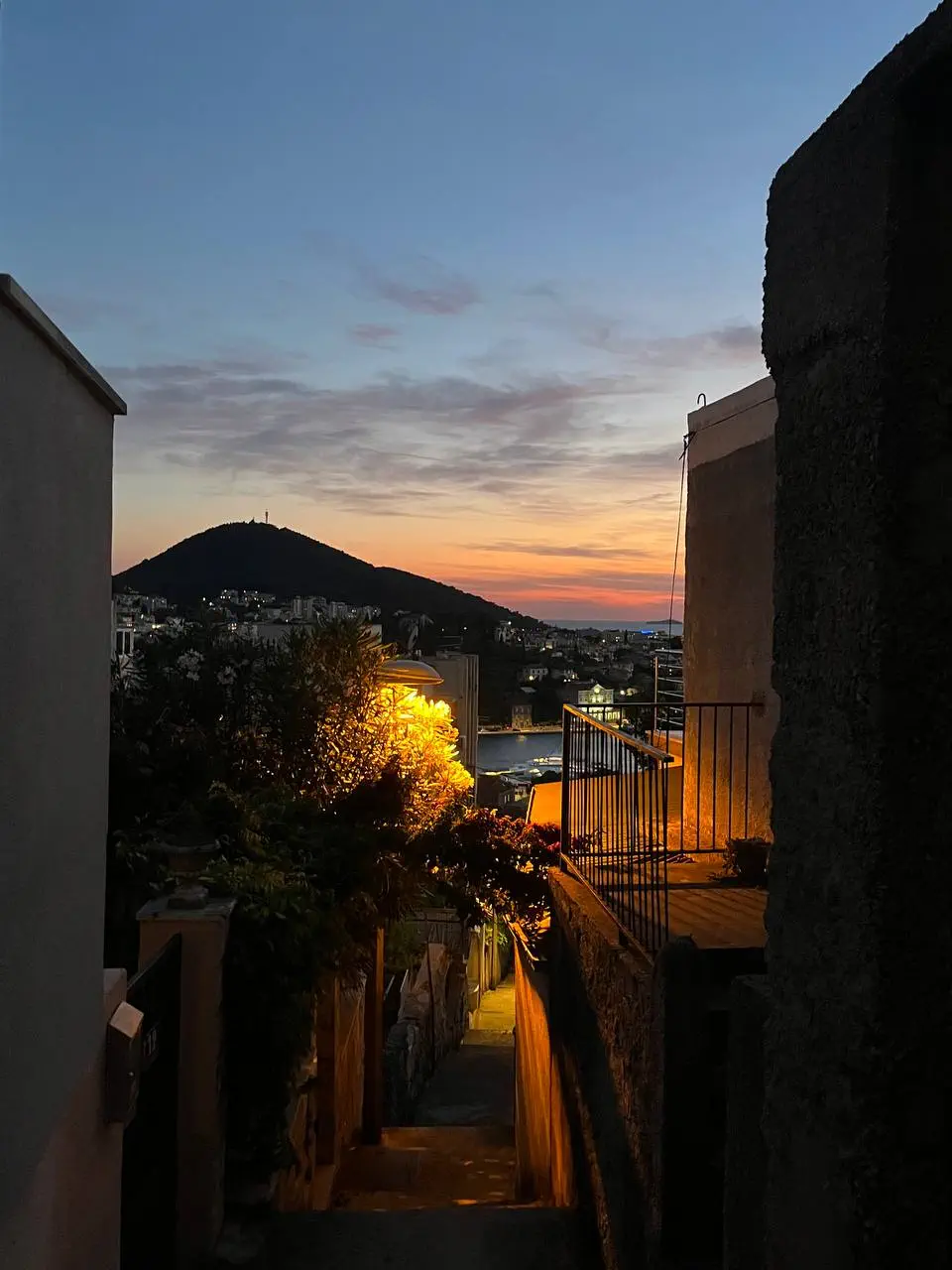
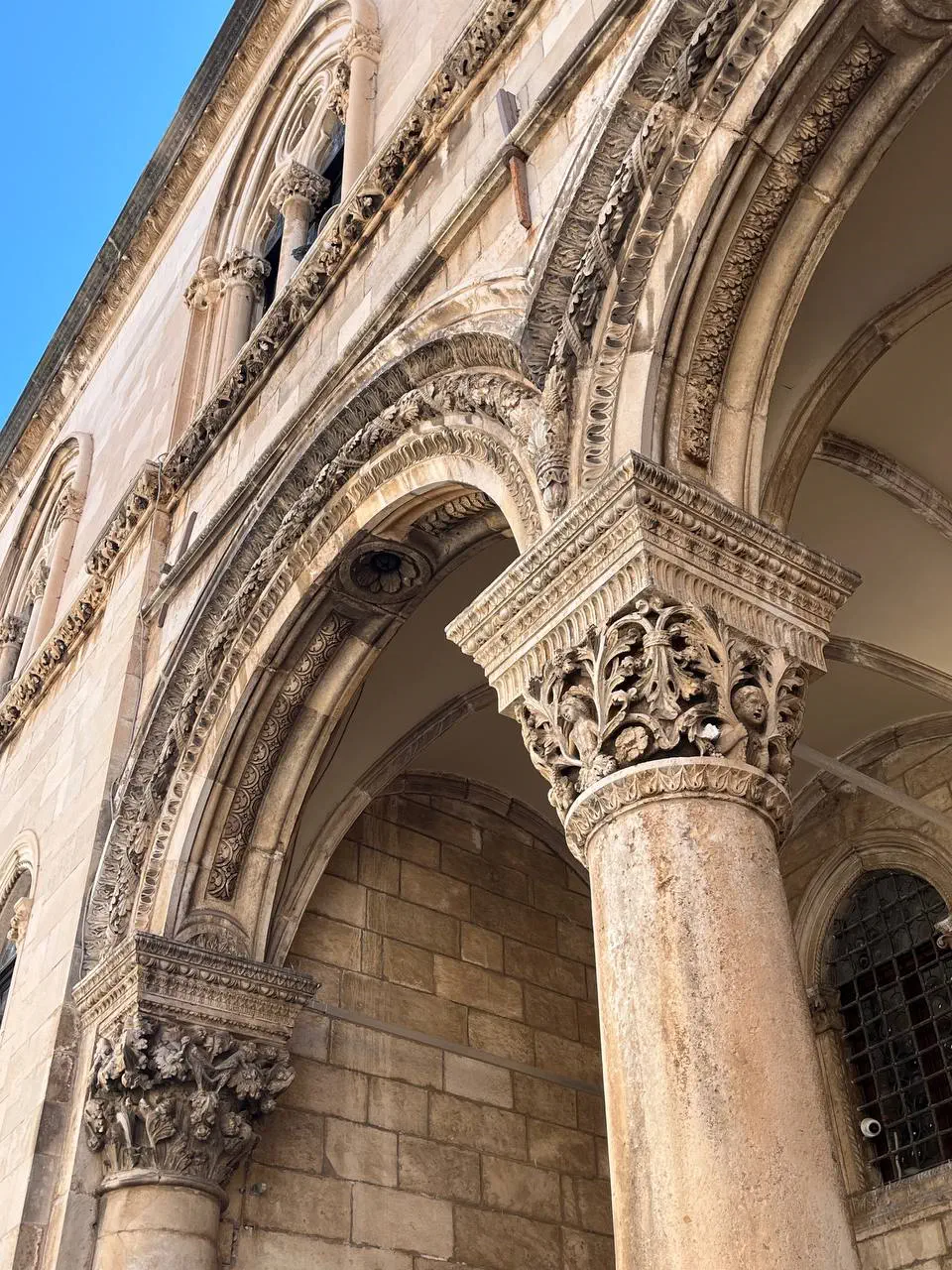
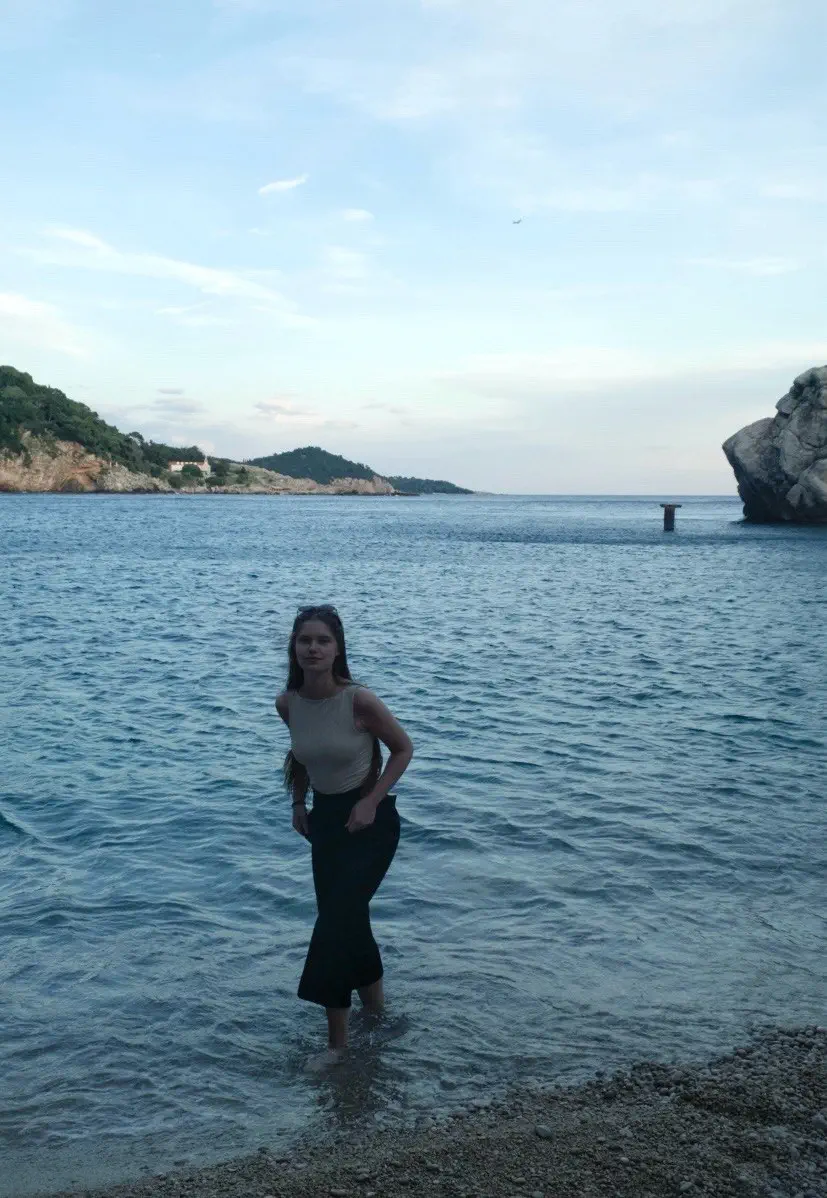
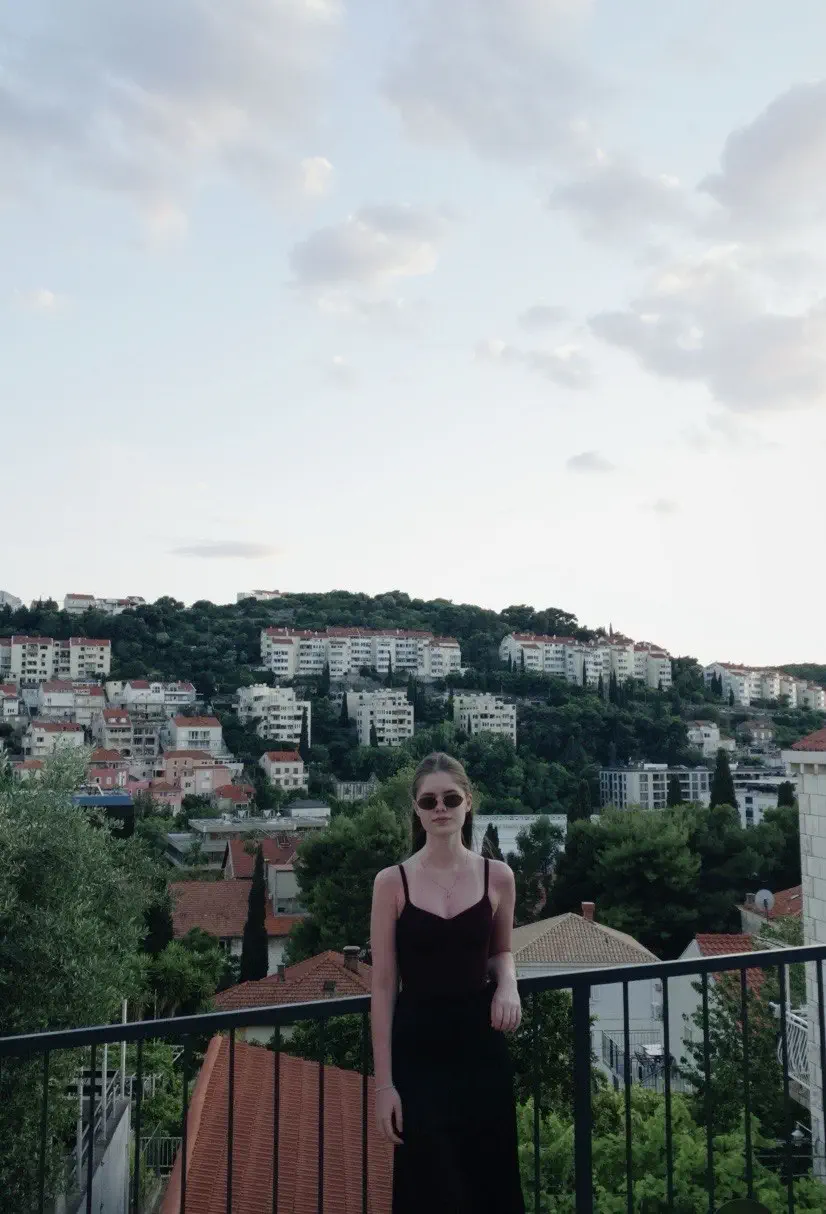
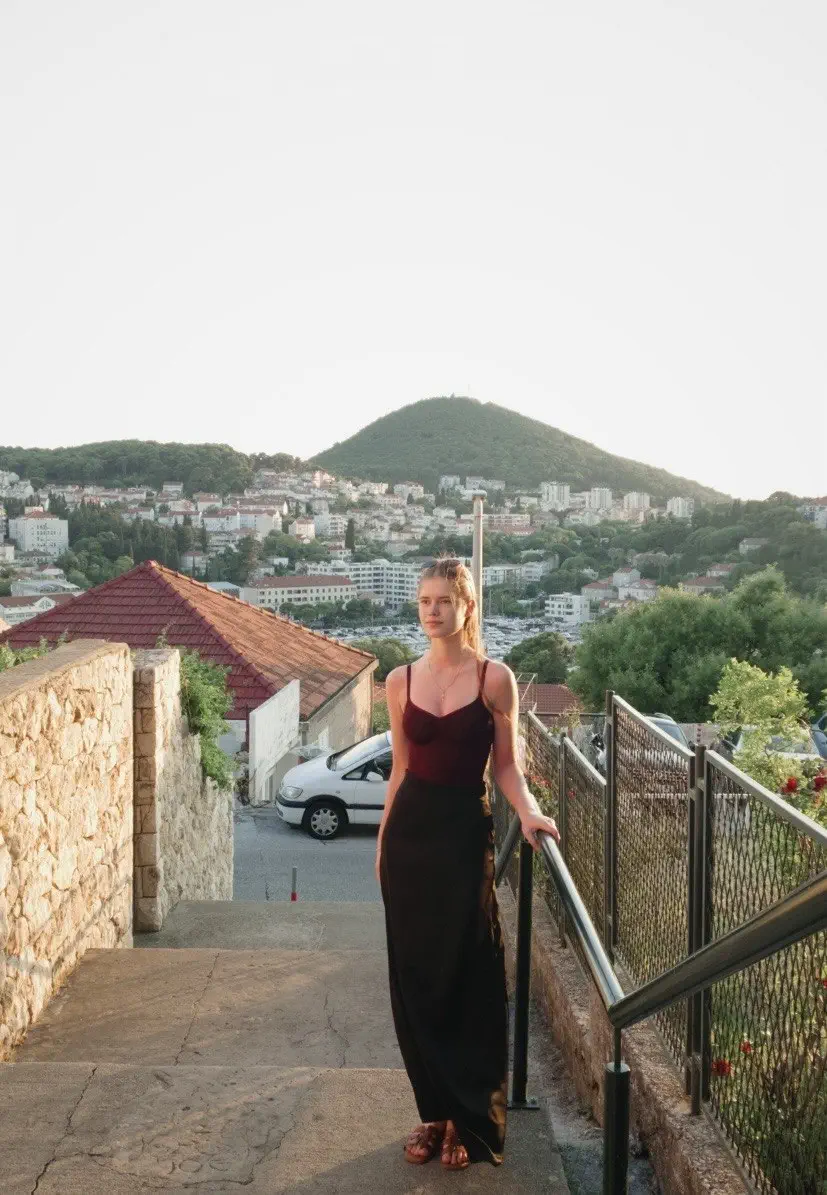
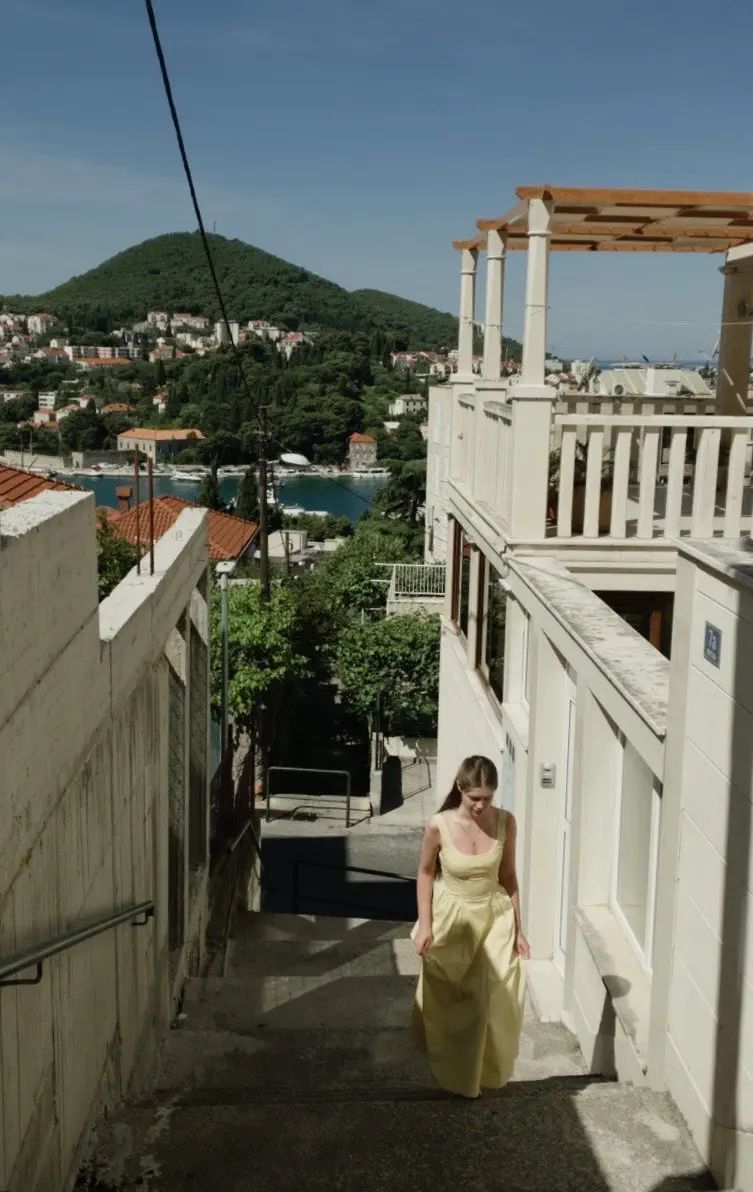
Extensive travel during the mobility further expanded my professional and personal worldview. Witnessing the aurora borealis in Norway provided deep creative inspiration, while our visit to Dubrovnik, Croatia, offered a profound masterclass in spatial harmony. The historical Old Town, enclosed by its majestic stone ramparts, demonstrates how historic architecture can be seamlessly integrated into the unique coastal geography of the Adriatic. This exquisite balance between heritage preservation and natural topography serves as a guiding standard for my future planning endeavours.
Our daily life in Tartu provided a wonderful backdrop to this academic pursuit. The city gracefully combines the charm of a historic European town with a vibrant academic pulse, allowing us to maintain an ideal balance between rigorous study, leisure, and cultural enrichment.
Ultimately, this Erasmus+ semester was far more than an academic module; it was a profound, multi-dimensional experience that greatly expanded my professional horizons. Through the integration of practical application, international dialogue, and cultural discovery, I have come to view landscape architecture as a complex, integrated system that demands not only rigorous expertise but also a deeply responsible and creative stewardship of our shared environments.
I wish to express my sincere appreciation to my alma mater, the National University “Yuri Kondratyuk Poltava Polytechnic”, for granting me this exceptional opportunity to participate in the Erasmus+ academic mobility program.
I am also profoundly grateful to the faculty of my department and the entire academic community of the university. The rigorous academic foundation and practical competencies I acquired at Poltava Polytechnic provided a robust platform, enabling me to represent our institution with dignity on the international stage, engage confidently in a foreign-language academic environment, and successfully assimilate cutting-edge European landscape planning methodologies.
This invaluable experience has significantly broadened my professional vision, and I look forward to applying these insights and sharing these newly acquired skills with my colleagues and peers at our university. I am deeply appreciative of Poltava Polytechnic’s steadfast support of student initiatives, its trust, and the remarkable avenues it opens for our professional development!”
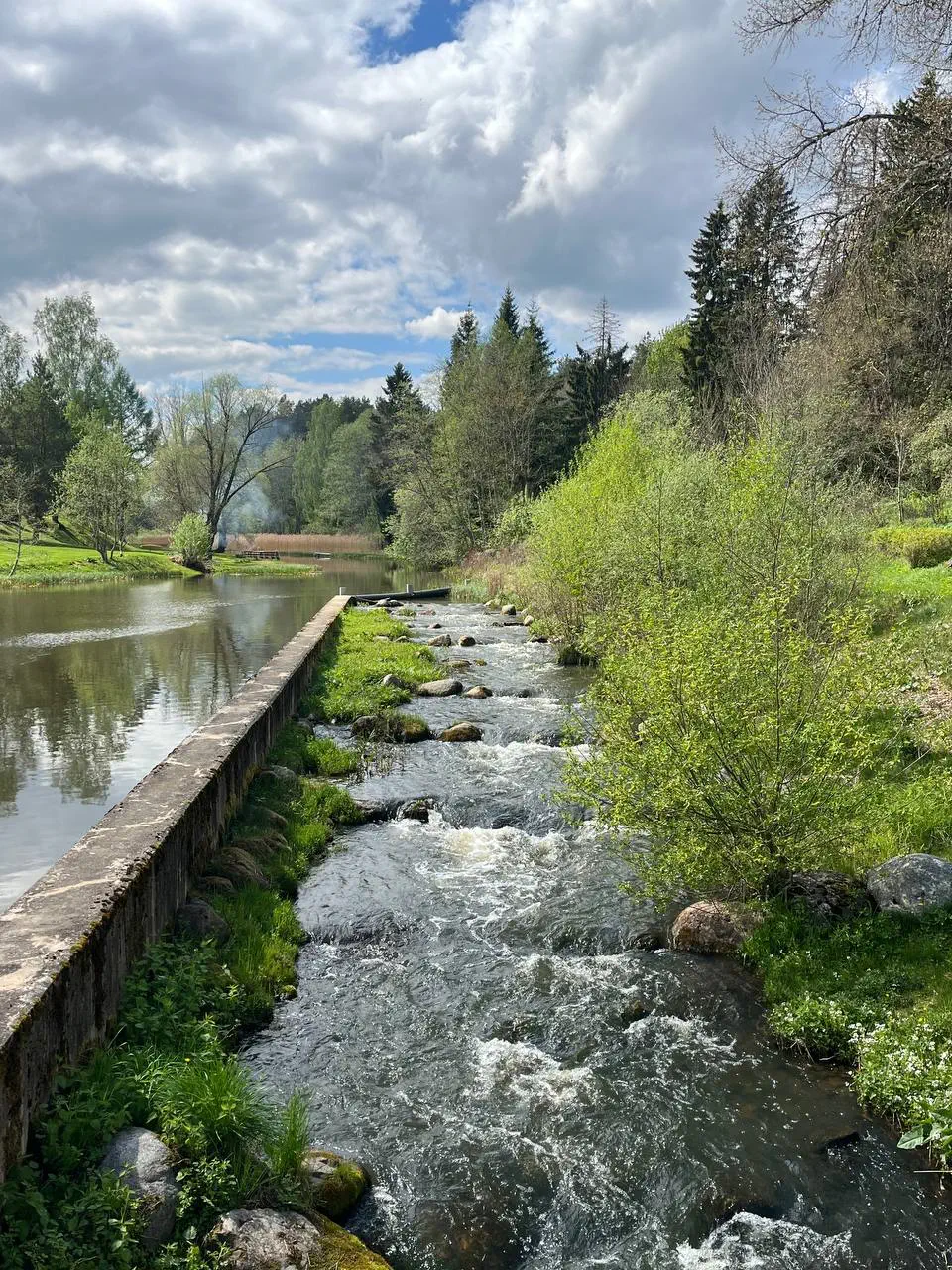
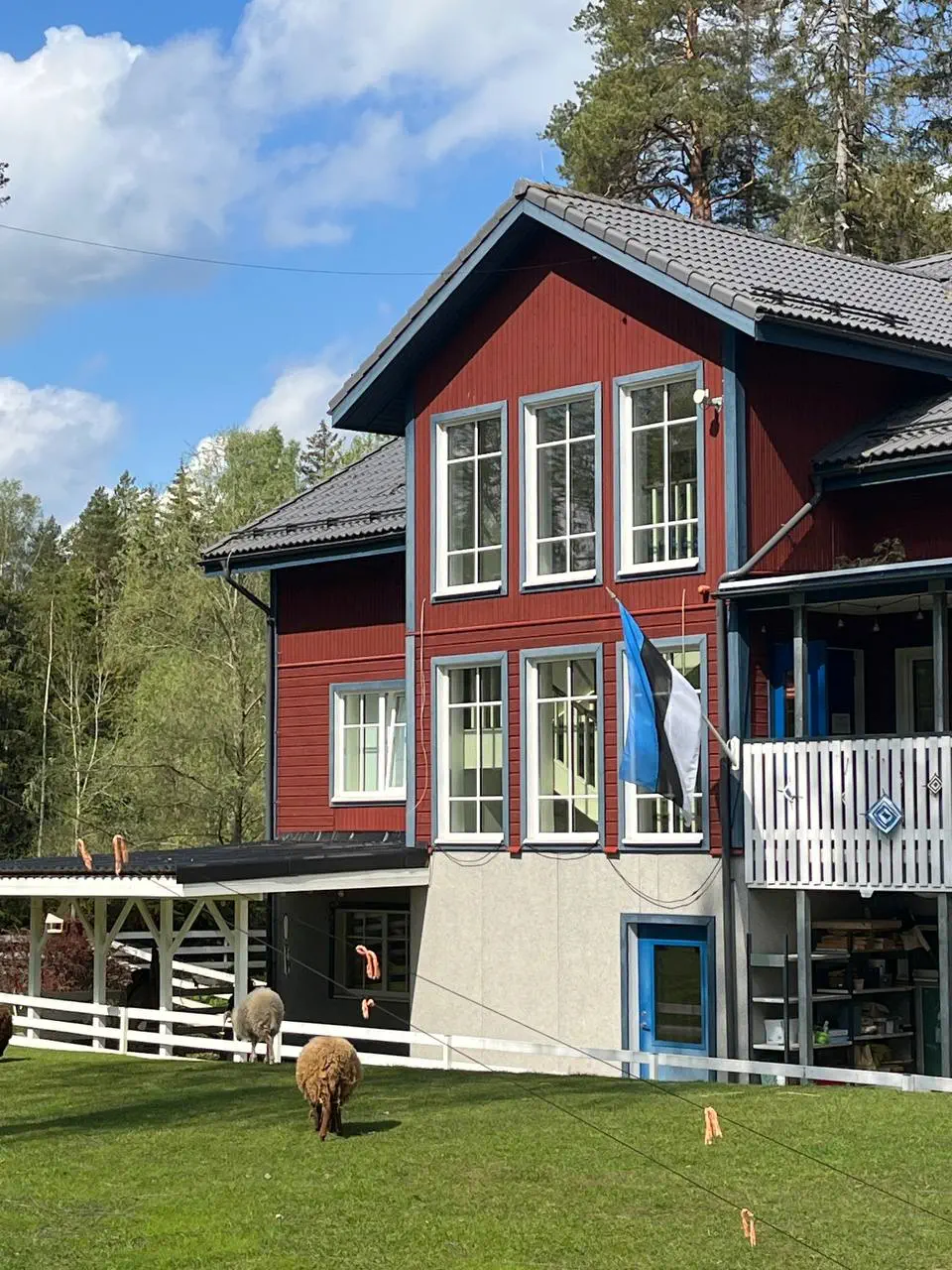
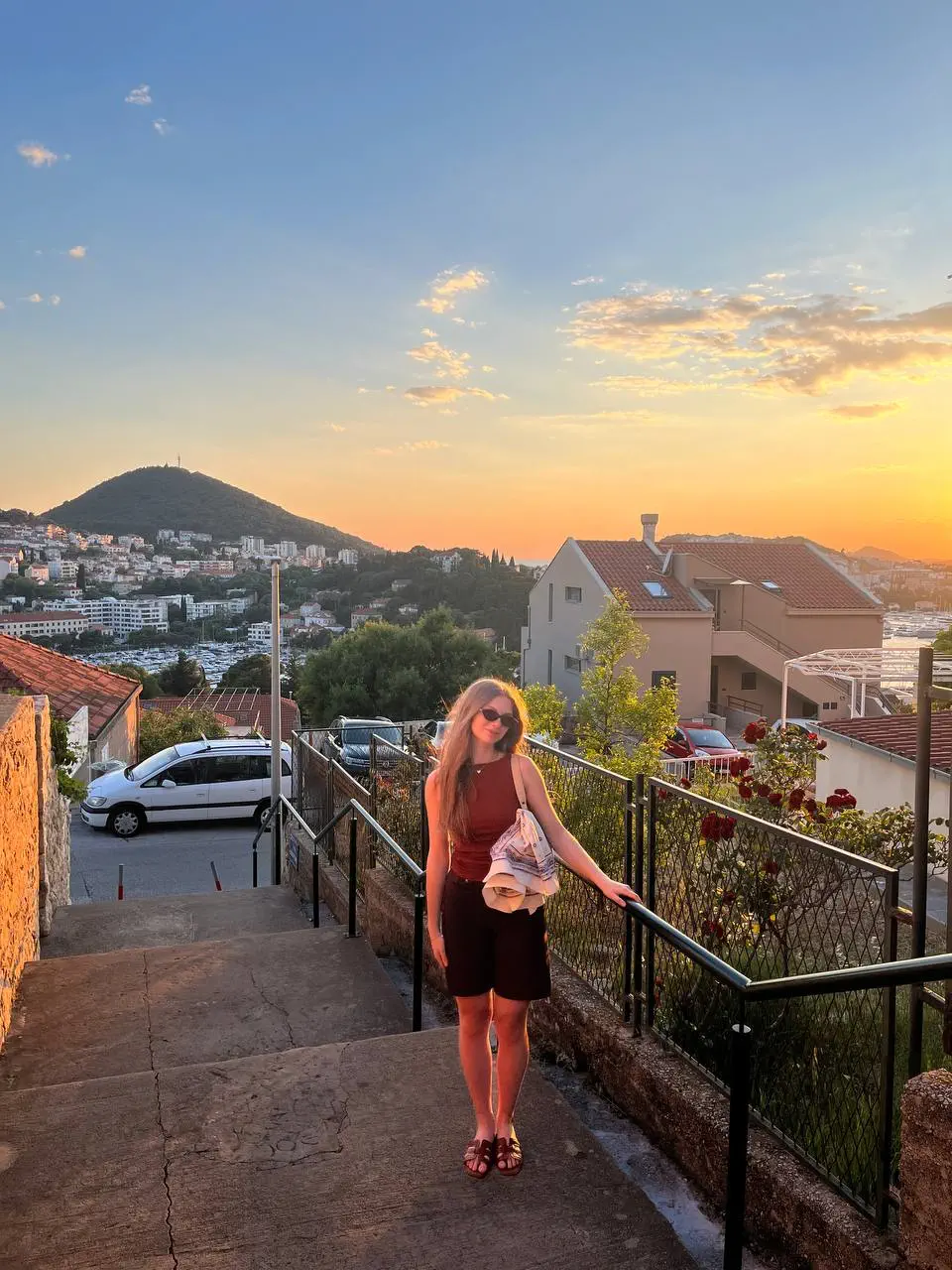
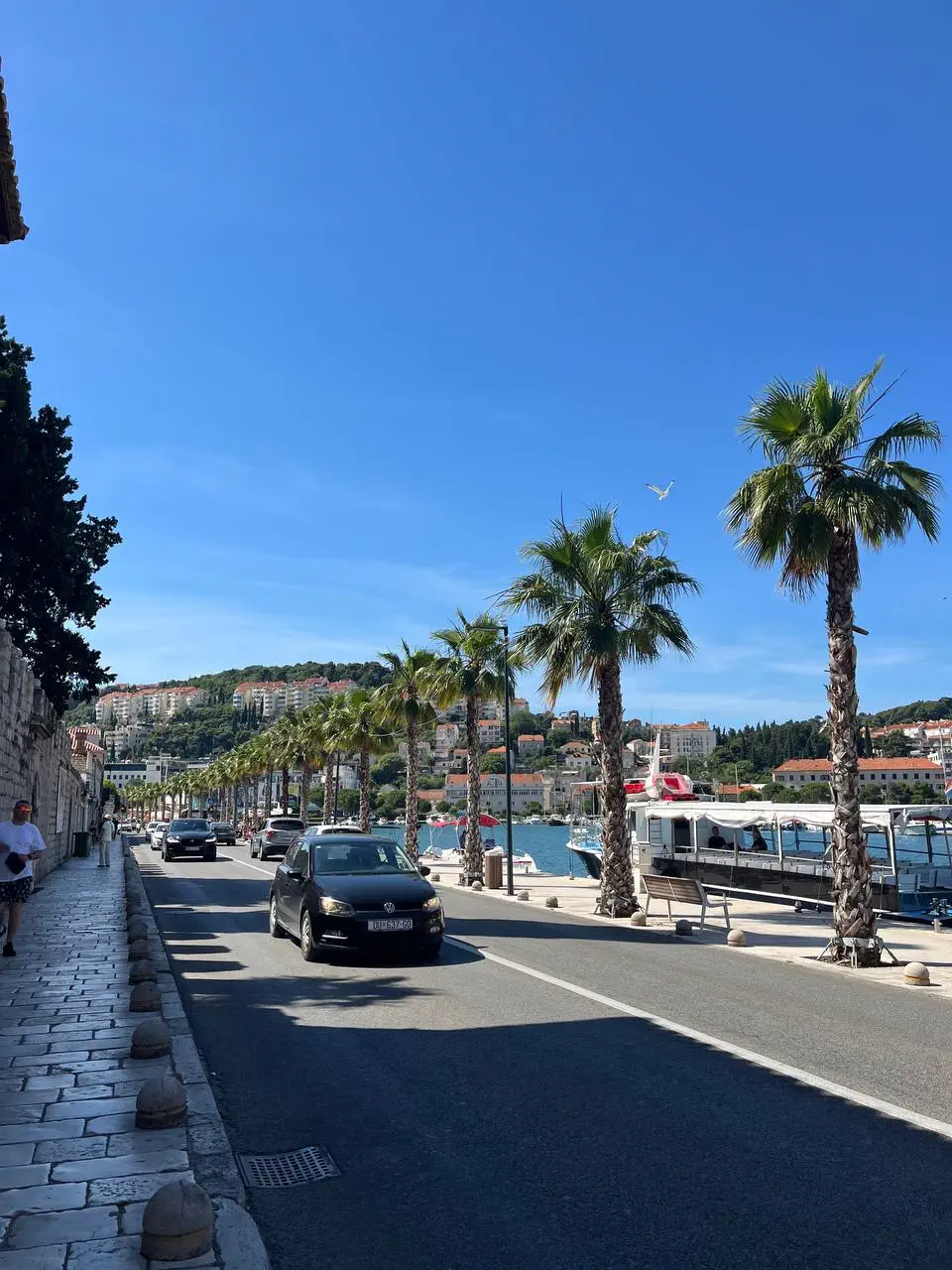
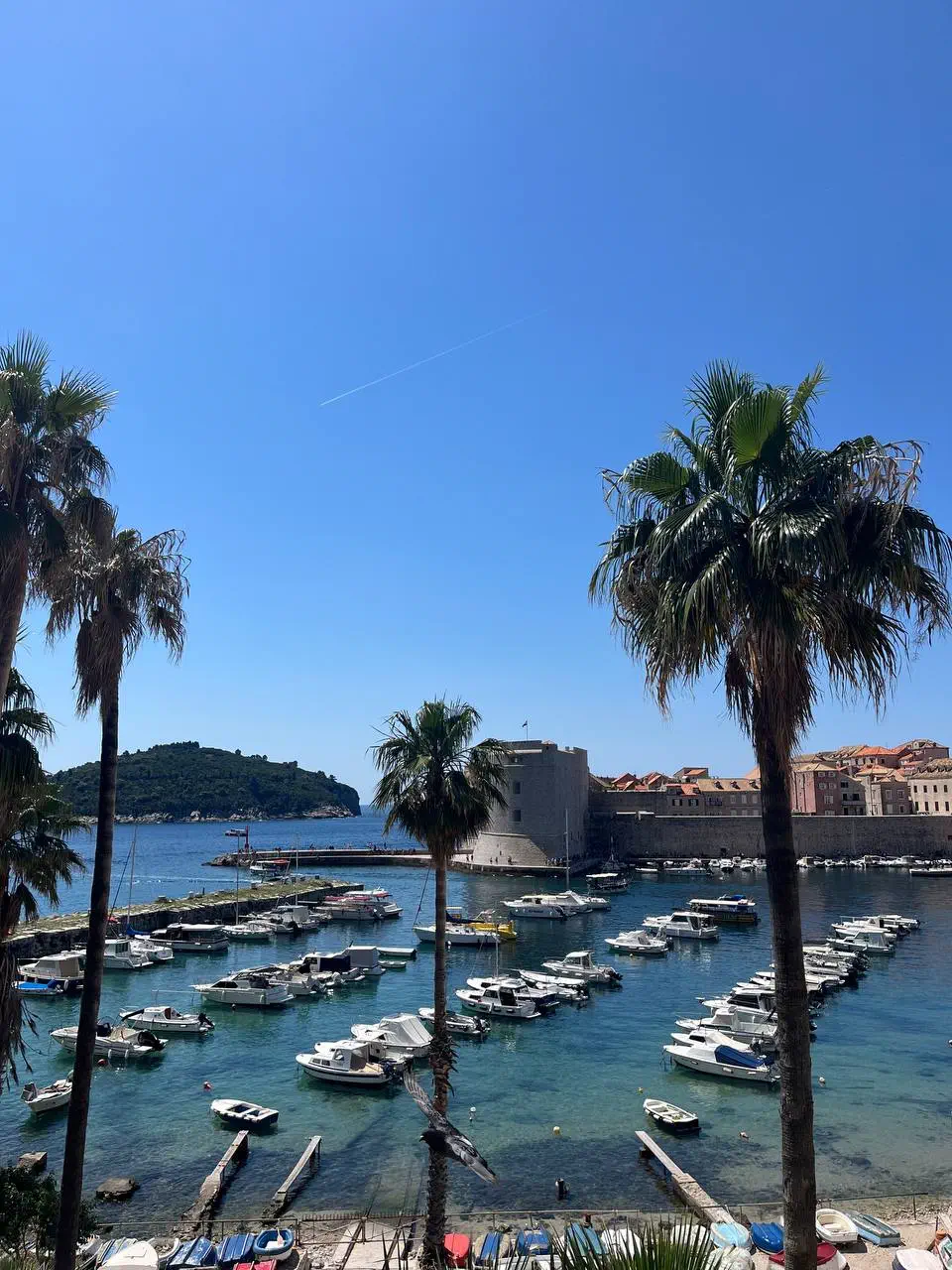
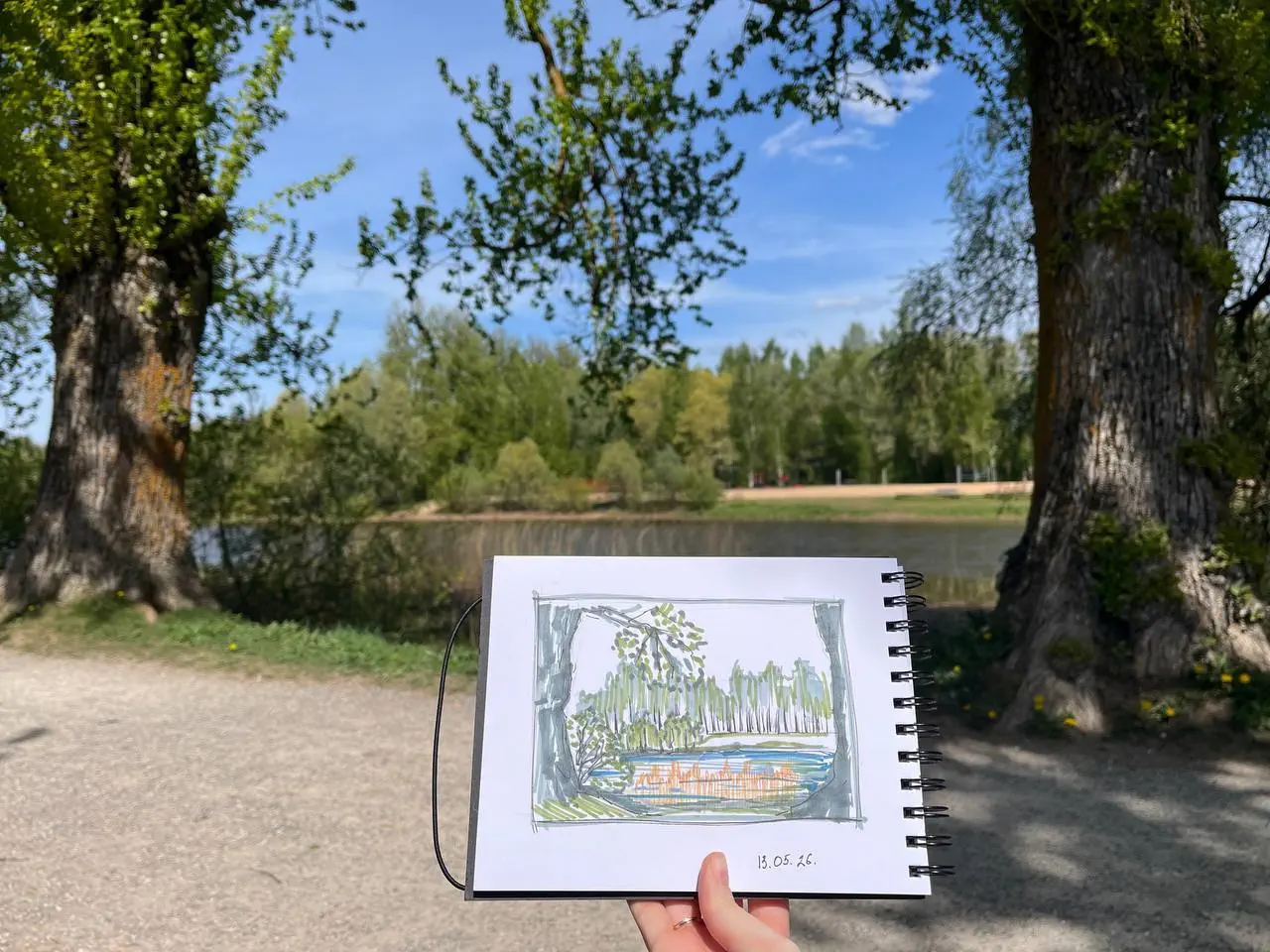
The academic term proved equally rewarding and intellectually enriching for the second participant of the mobility program. Ruslana Zhadan, a fourth-year student (Group 402-A) specialising in Architecture and Urban Planning (Speciality 191), reflects on her adaptation to an English-speaking academic environment, the development of collaborative skills, and her inspiring journeys: “Participating in the Erasmus+ academic mobility program at the Estonian University of Life Sciences in Tartu has been an invaluable milestone in both my personal and professional development. This experience has not only deepened my academic knowledge but also afforded me a unique opportunity to broaden my cultural horizons, integrate into a diverse international community, and explore new intellectual vistas.
The educational environment at the university was exemplary, characterised by a welcoming and collaborative atmosphere. The lectures were intellectually stimulating, contemporary, and highly interactive. I was especially impressed by the accessibility of the professors, who consistently elucidated complex concepts with clarity and maintained an unwavering commitment to supporting students. I highly valued the practice-oriented pedagogical model, which enabled us to apply theoretical concepts to address real-world challenges immediately.
Collaborative group work constituted a central pillar of our curriculum. Working on projects in teams fostered effective communication, the exchange of diverse concepts, and collective problem-solving. Furthermore, our instructors placed a strong emphasis on presentation design and public speaking skills. This emphasis significantly enhanced my communication skills, analytical thinking, and confidence in presenting professional concepts – assets that are indispensable for my future career. Moreover, continuous immersion in an English-speaking academic environment has substantially refined my linguistic proficiency.
The intercultural exchange was equally profound. My peers from across the globe were exceptionally welcoming and supportive, facilitating a seamless and enriching transition. Within this collaborative ecosystem, I established lasting international friendships and gained a deeper appreciation of diverse cultures, which has significantly enriched my personal perspective.
The Erasmus+ program also offered an extraordinary opportunity to combine rigorous study with extensive travel. Throughout the mobility, I had the privilege of visiting Sweden, Finland, Norway, and Croatia. While each country offered unforgettable impressions, travelling to the Arctic Ocean and witnessing the awe-inspiring northern lights for the first time were truly transformative moments that will forever remain among my most cherished memories.
Ultimately, this semester represented not only a significant academic achievement but also a decisive step toward personal independence. I have learned to adapt swiftly to new environments, navigate international academic circles with confidence, and adopt a truly global outlook.
I extend my heartfelt gratitude to my home institution, the National University “Yuri Kondratyuk Poltava Polytechnic”, for the privilege of participating in the Erasmus+ program. I am firmly convinced that international academic mobility represents a singular opportunity that unlocks boundless potential for students, inspires continuous self-improvement, and leaves an enduring, positive impact on one’s life”.
“International academic mobility is a crucial instrument for integrating our university into the European Higher Education Area. For future professionals, especially architects, it offers a unique opportunity to adopt leading global practices and modern urban planning approaches directly from international peers. The leadership of our university places a strong emphasis on advancing this domain, actively promoting international initiatives and assisting students and faculty members in achieving their academic goals. Thanks to the comprehensive support of the Poltava Polytechnic administration, we consistently expand our partner network, facilitate smooth pathways for studying abroad, and adapt to modern demands, ensuring our graduates remain highly competitive on a global level” – says Poltava Polytechnic’s International Relations Coordinator Anna Pavelieva.
Previously, within the framework of cooperation with the Estonian University of Life Sciences under the Erasmus+ program, associate professor Alina Zyhun had already completed her staff mobility program, master’s student Polina Ostapenko had studied, as well as two 4th-year students of speciality 191 “Architecture and Urban Planning”, Dmytro Kriuchko and Anna Kvasnevska.
As a reminder, teachers of Poltava Polytechnic can participate in academic mobility programs and internships. Students can study abroad under grant programs of Erasmus+ credit academic mobility for a semester or an entire academic year at leading universities in Austria, Greenland, Denmark, Estonia, Spain, Lithuania, Latvia, Norway, the Netherlands, Germany, Poland, Portugal, Romania, Slovakia, Finland, and the Czech Republic.
For more detailed information regarding current internship, teaching, and academic mobility programs abroad, please contact the International Relations Department (room 213-C, interoffice@nupp.edu.ua).