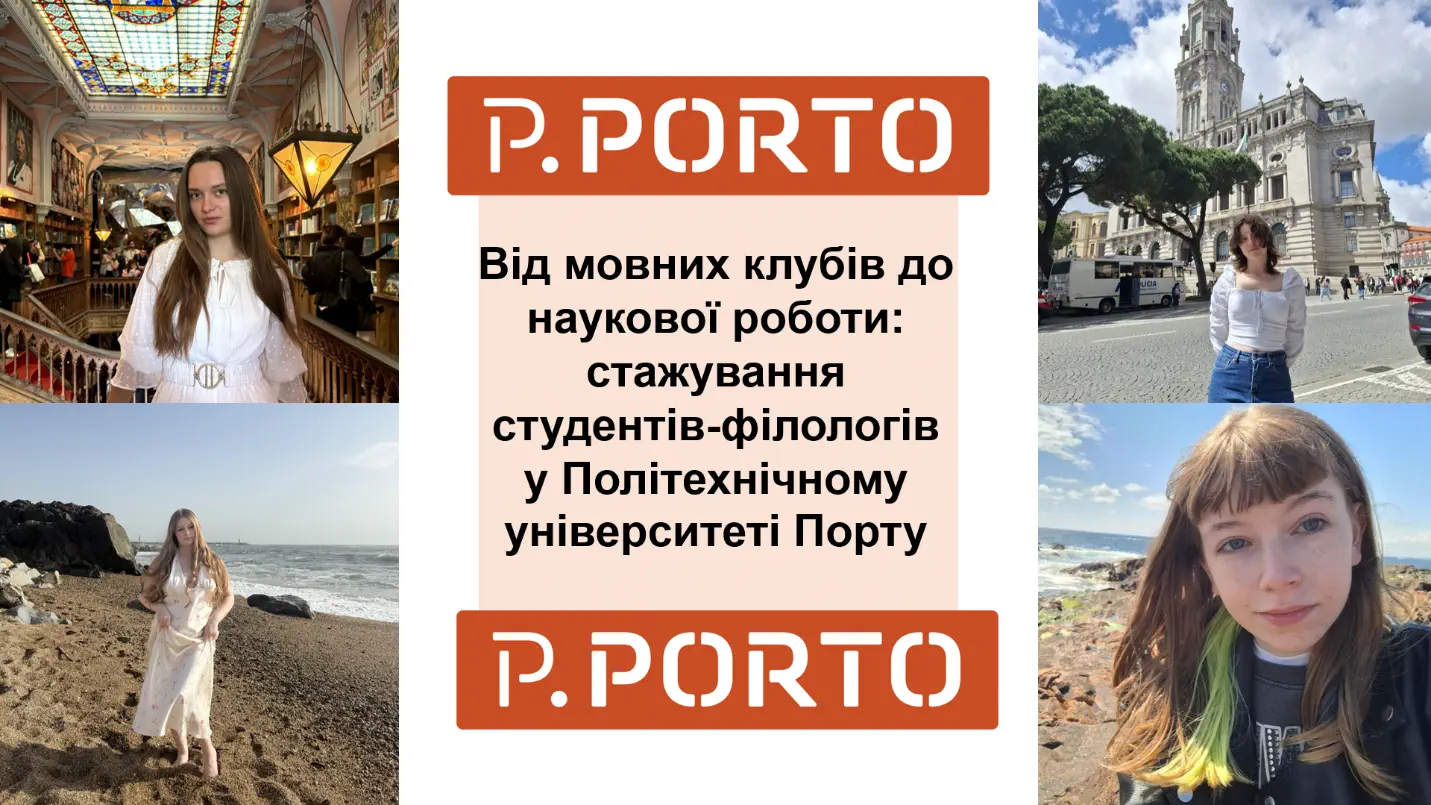
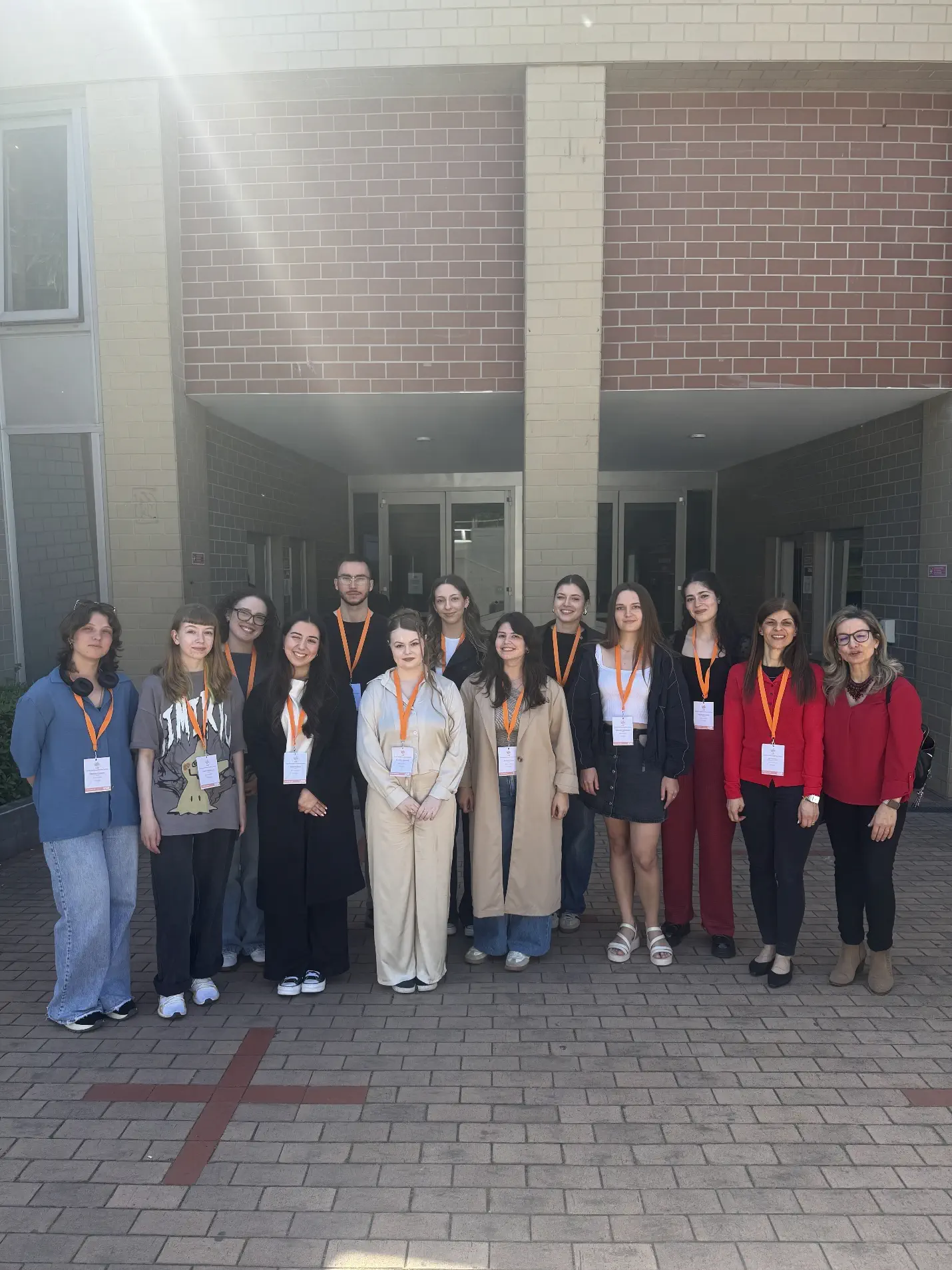
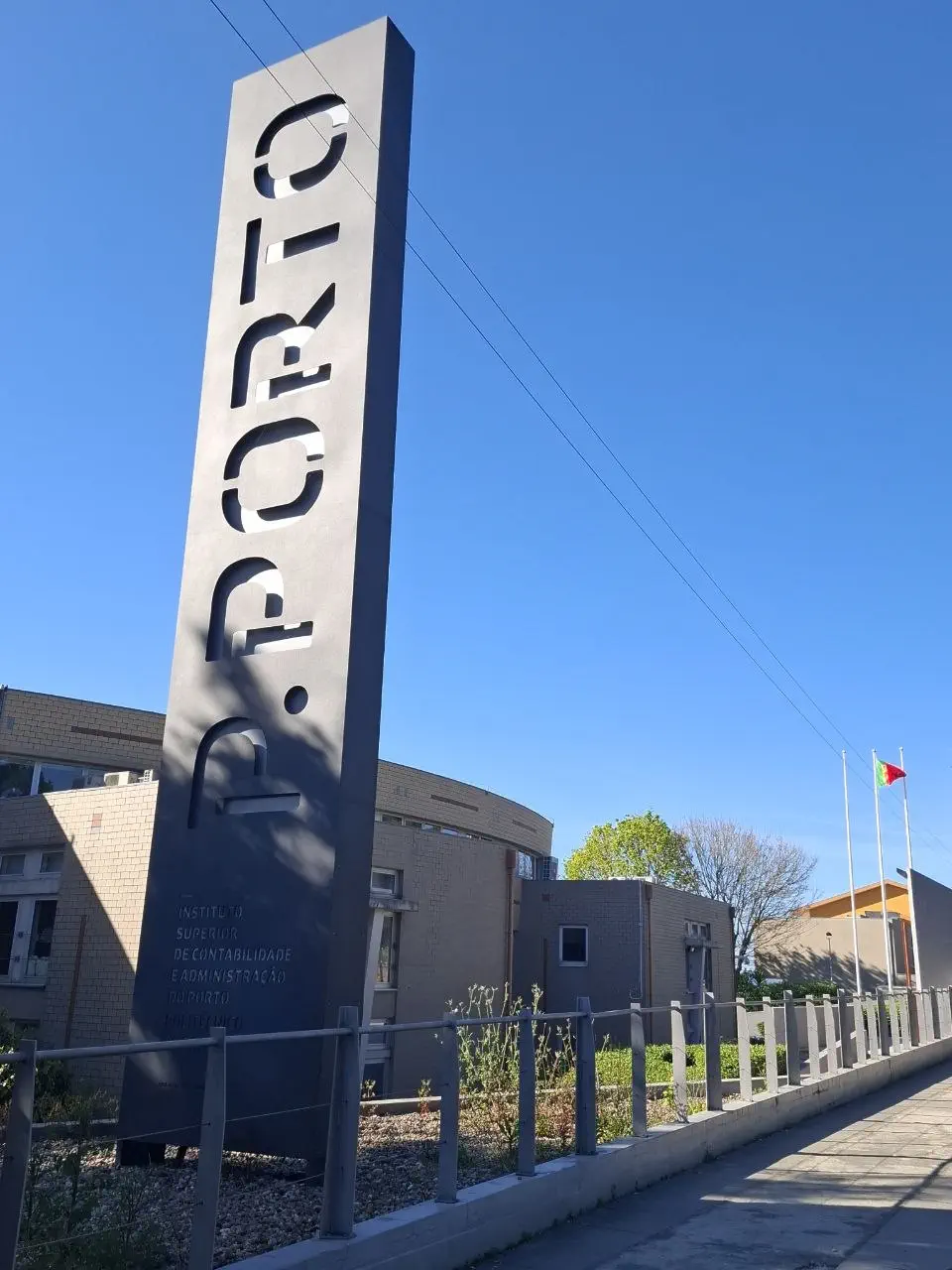
International academic mobility continues to offer students of Poltava Polytechnic broad horizons for professional development and intercultural exchange. Over a period of four months from April 1 to July 31, 2026 – four students majoring in Speciality 035 “Philology”, completed a practical traineeship under the Erasmus+ program at the Polytechnic of Porto (P.PORTO), specifically at its structural unit, the Institute of Accounting and Administration (ISCAP). Third-year students Khrystyna Natalchuk, Yelizavieta Samoilenko, Kristina Svystiulia, and Diana Savchenko gained the opportunity to integrate into the European educational space and apply their acquired knowledge in practice.
A distinctive feature of this mobility was that, rather than traditional classroom learning, the students carried out practical tasks in the university's international office. The future philologists coordinated English-speaking clubs for Portuguese students and staff, developed learning materials on the Moodle platform, and participated in the extensive organisational process for the “International Week”. Furthermore, the traineeship included scientific research under the guidance of European experts, which allowed the students to gain a deeper understanding of the specifics of translation work and develop teamwork skills in a multicultural environment.
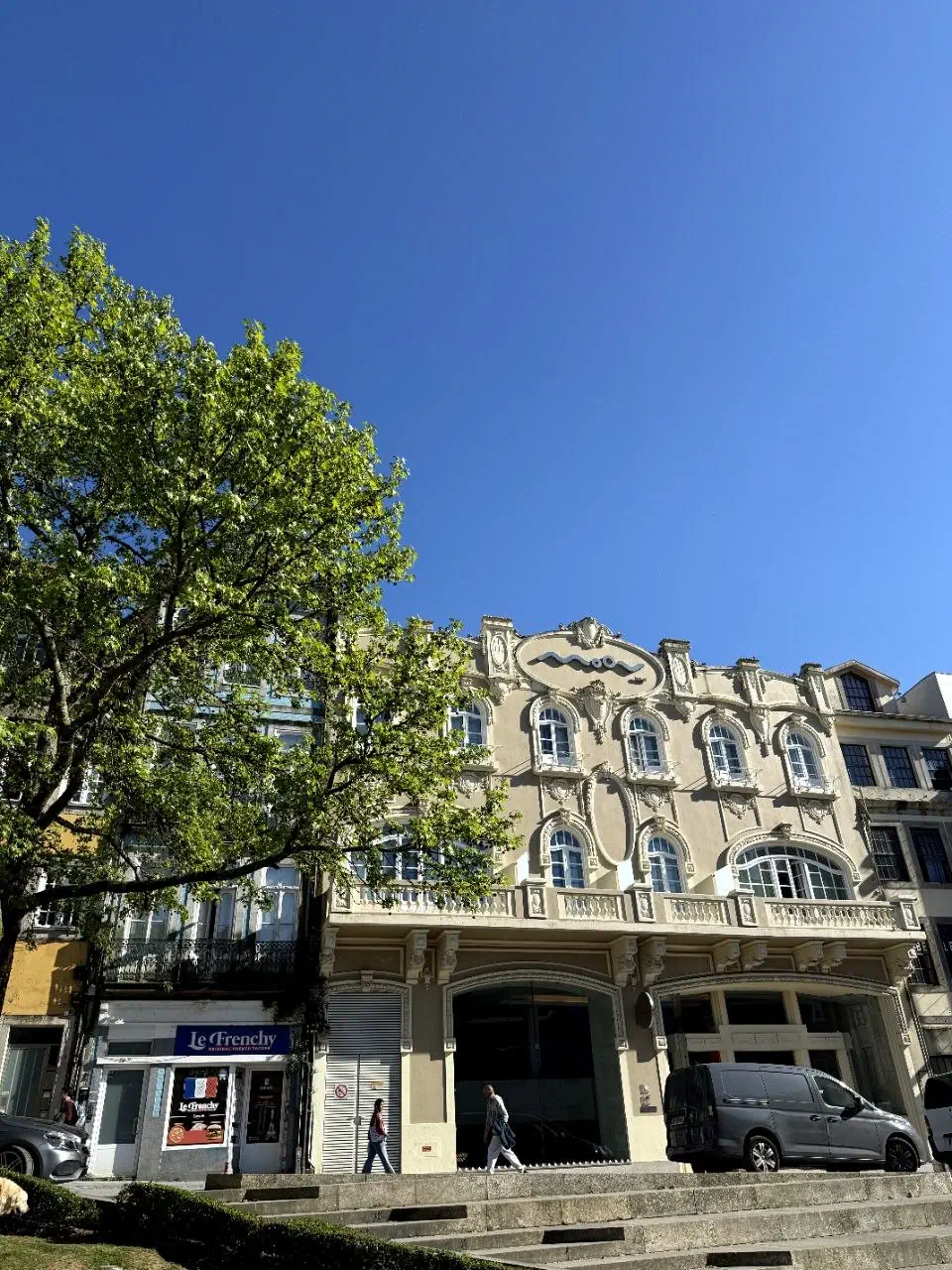
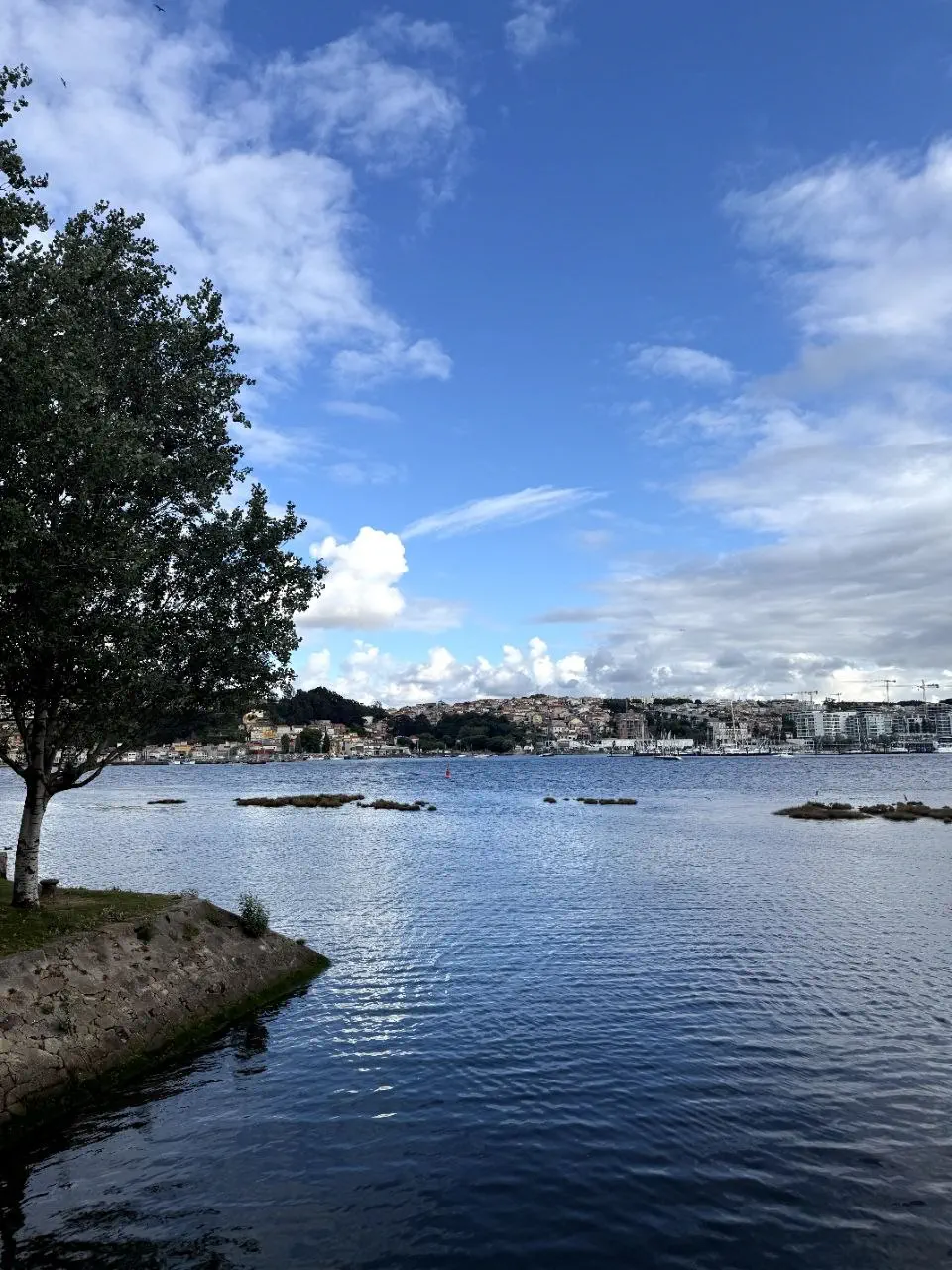
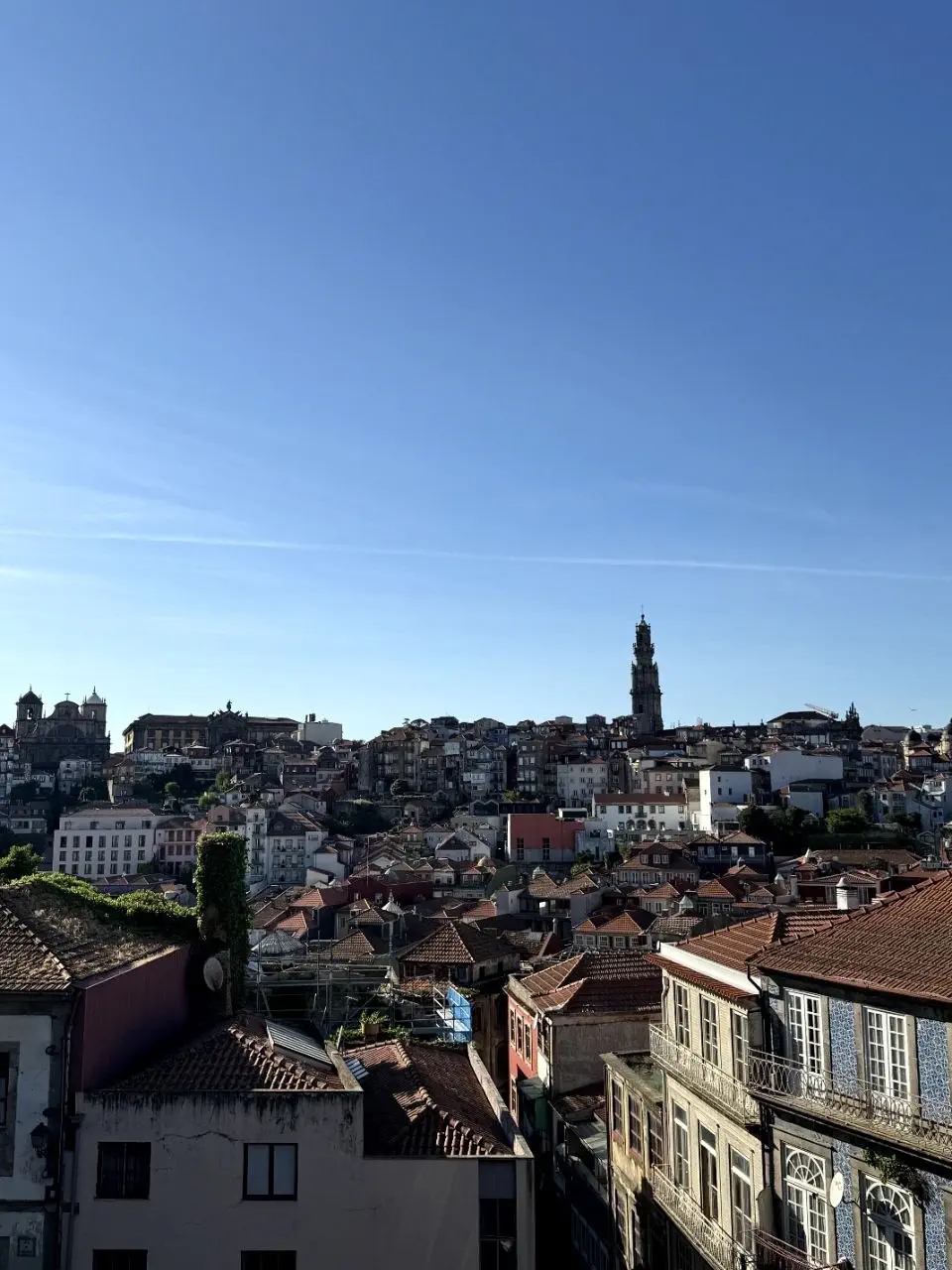
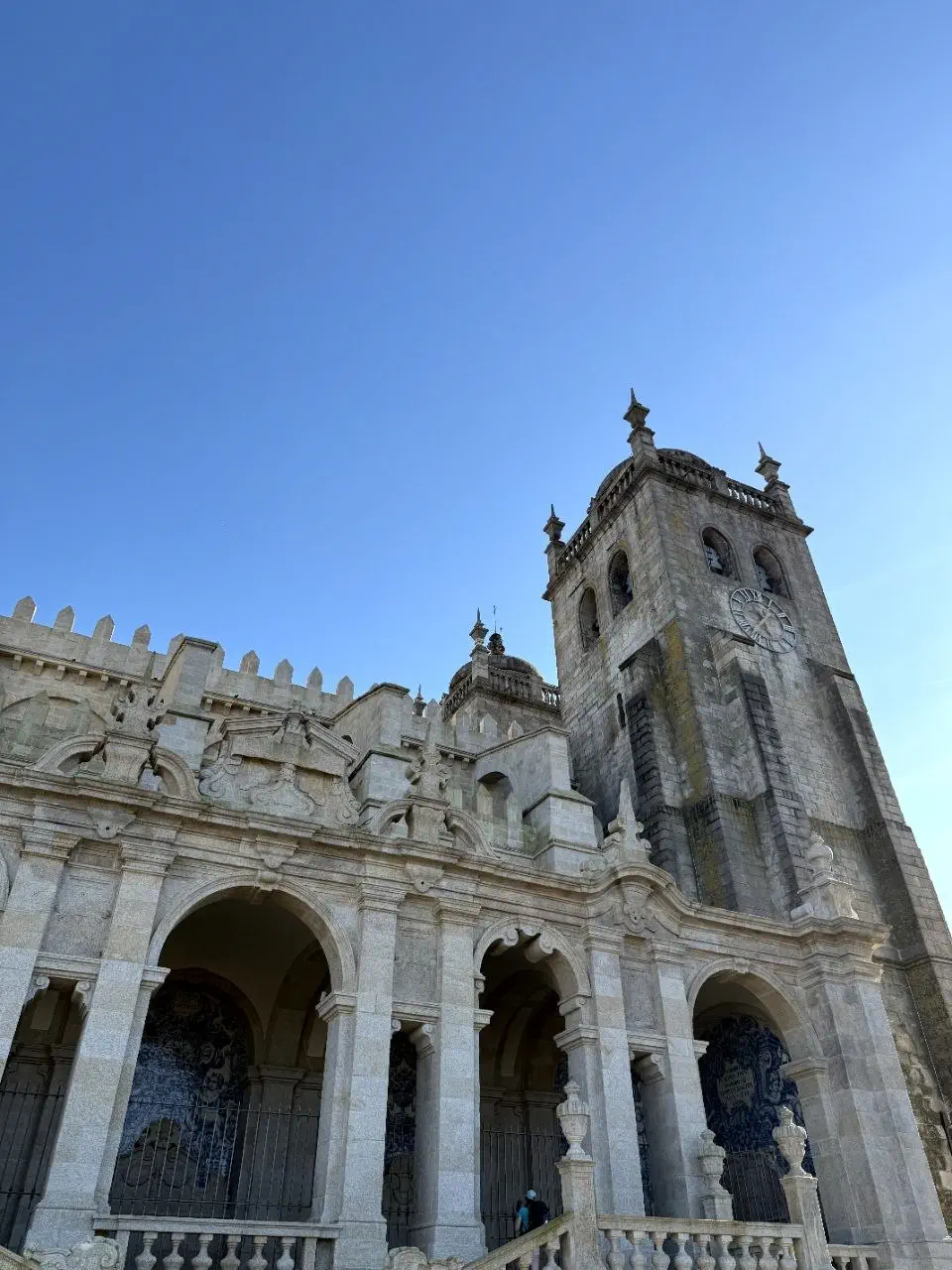
Beyond the offices and university classrooms, a vibrant student life awaited the trainees: exploring the architecture and history of picturesque Porto, participating in the traditional Portuguese graduation festival, Queima das Fitas, and travelling to the Atlantic Ocean. The students not only adopted European experiences but also gladly shared their own, introducing their new international friends to Ukrainian culture and traditional cuisine.
The program participants share their impressions of working in the international office, conducting scientific research, adapting to a new country, and experiencing the unforgettable atmosphere of Portugal in their feedback below:
Khrystyna Natalchuk, student of group 301-FF, Speciality 035 “Philology”: “At the university, I often heard the phrase, “Once Erasmus+ – always Erasmus+!” These words proved prophetic for me as well. Despite my anxiety when submitting my first exchange application, during the spring semester of the 2025/2026 academic year, I once again became a participant in the academic mobility program – this time my path led to picturesque Portugal!
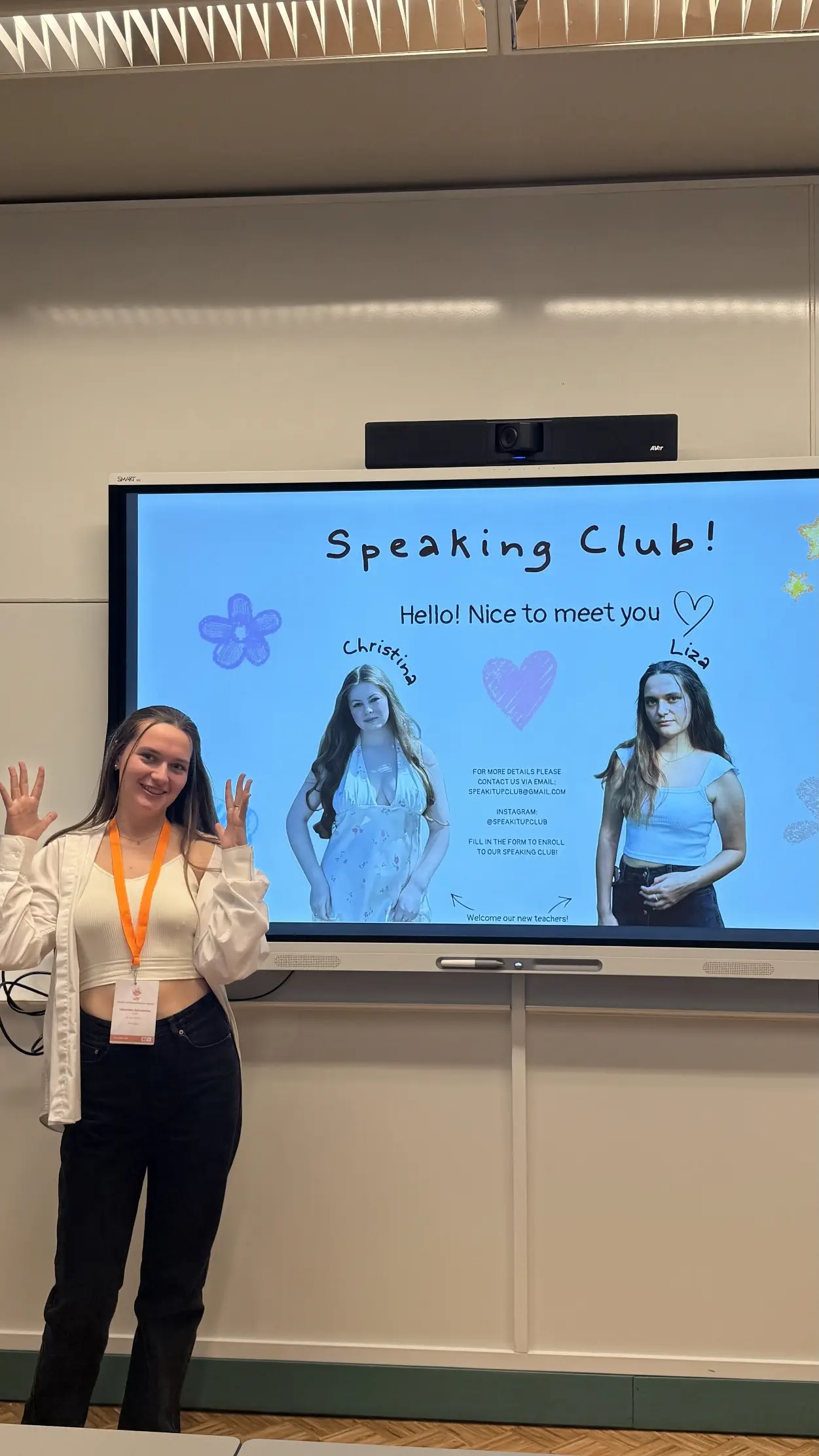
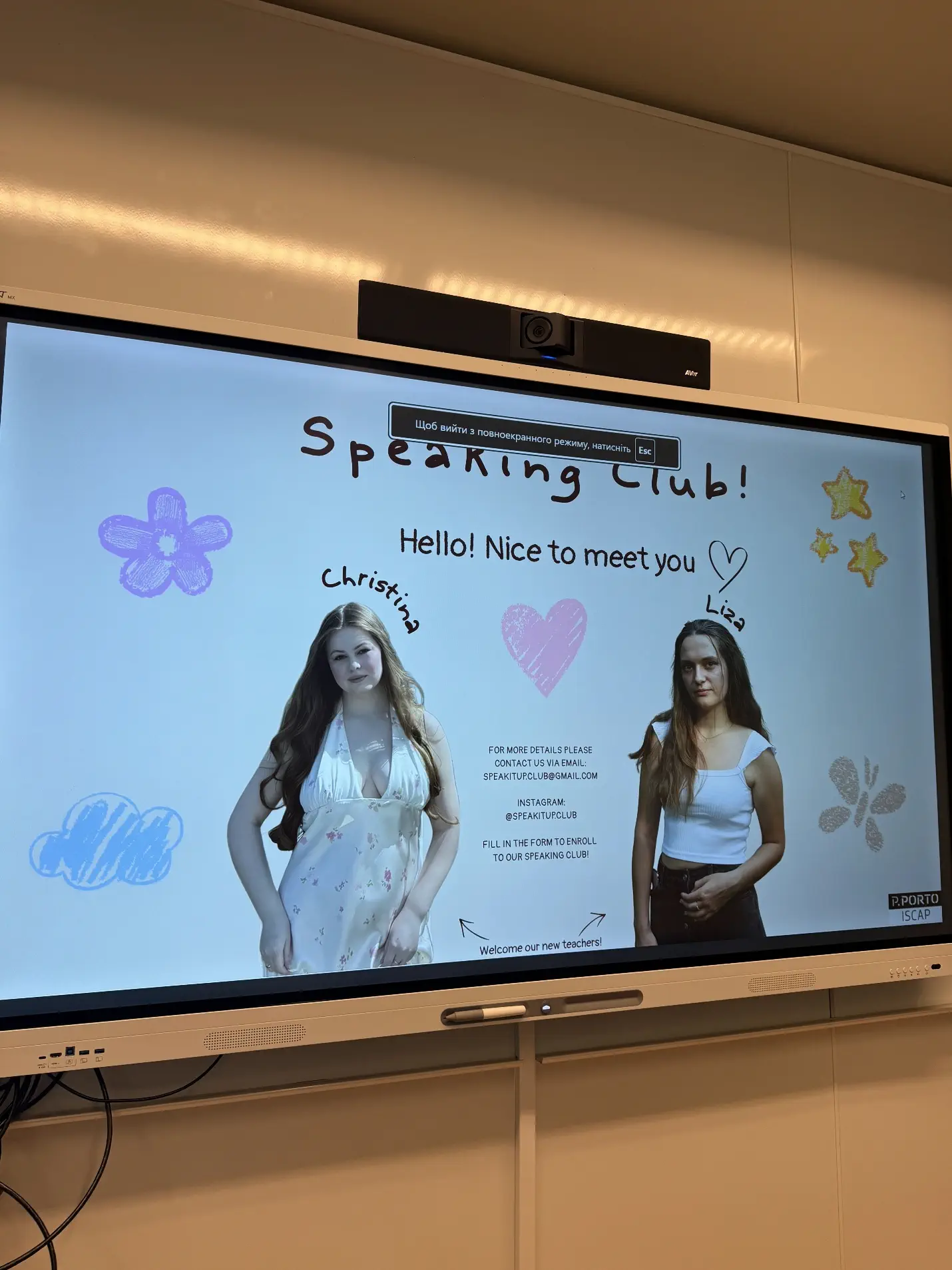
This experience turned out to be completely different from my previous one, as I am currently completing a practical traineeship at the Polytechnic of Porto (P.PORTO). Instead of the usual academic lectures, I was tasked with real work in the international office: organising large-scale events, developing educational materials, and even trying my hand at teaching. Together with my colleagues, we conduct Speaking Clubs for university students and staff who want to improve their English. Furthermore, we work with the already familiar Moodle platform. Still, we now act not as learners but as course developers, independently uploading useful theoretical materials for language study to the web pages.
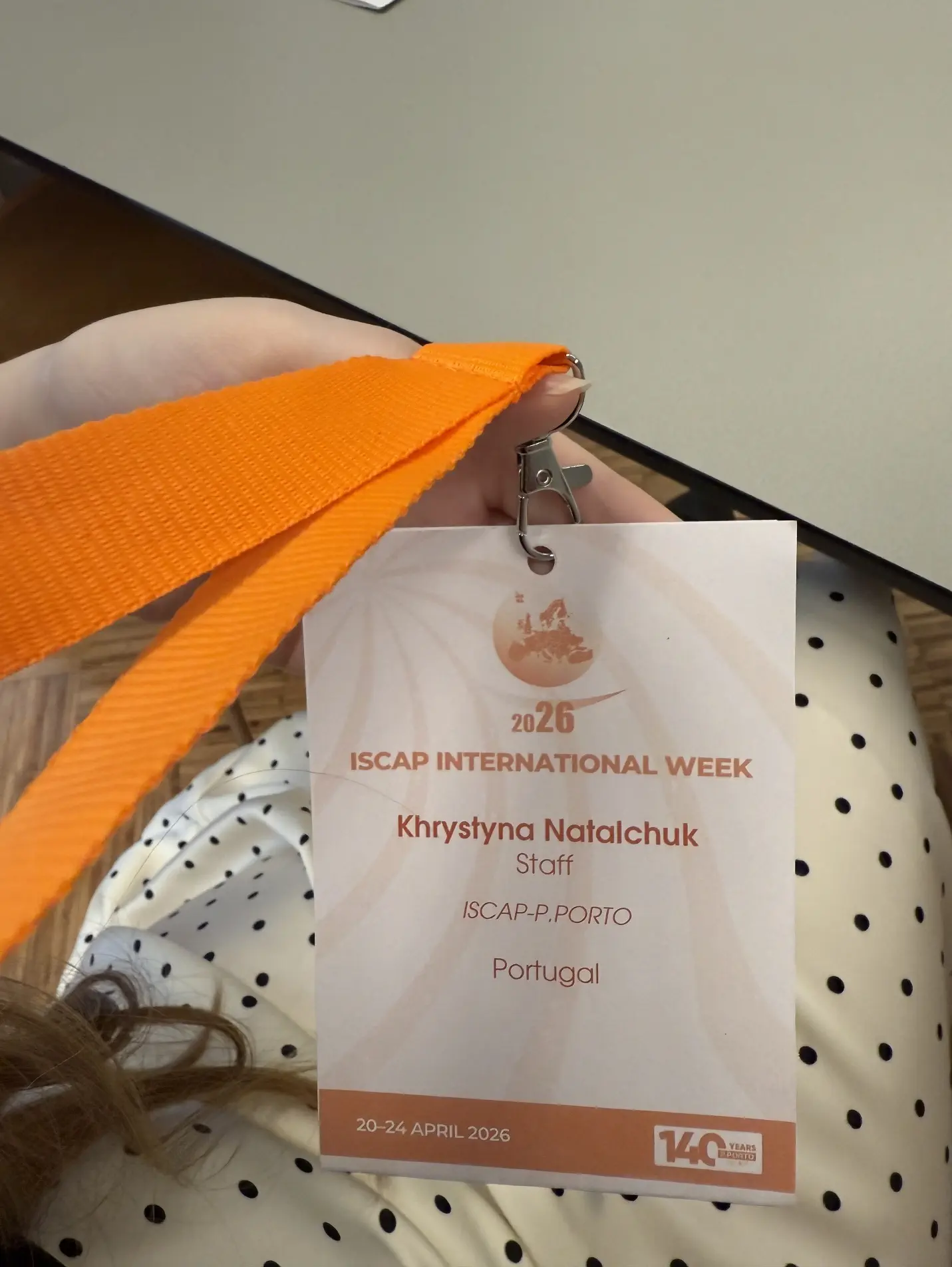
Within the first two months, we actively participated in the preparation and hosting of the large-scale “International Week”, which brought together over 50 lecturers from around the world. Since international events take place here almost every week, it provides an excellent opportunity to integrate into the global academic community. For our work, we receive certificates that will make a significant addition to our future resumes. For me, as a future translator, this practice is invaluable, as it involves daily communication, translation work, and the continuous improvement of language skills. The atmosphere in the international office is particularly inspiring: our colleagues are extremely friendly, open to new ideas, and always ready to support us. Our team has become like a small, cosy family where mutual assistance and support truly prevail.
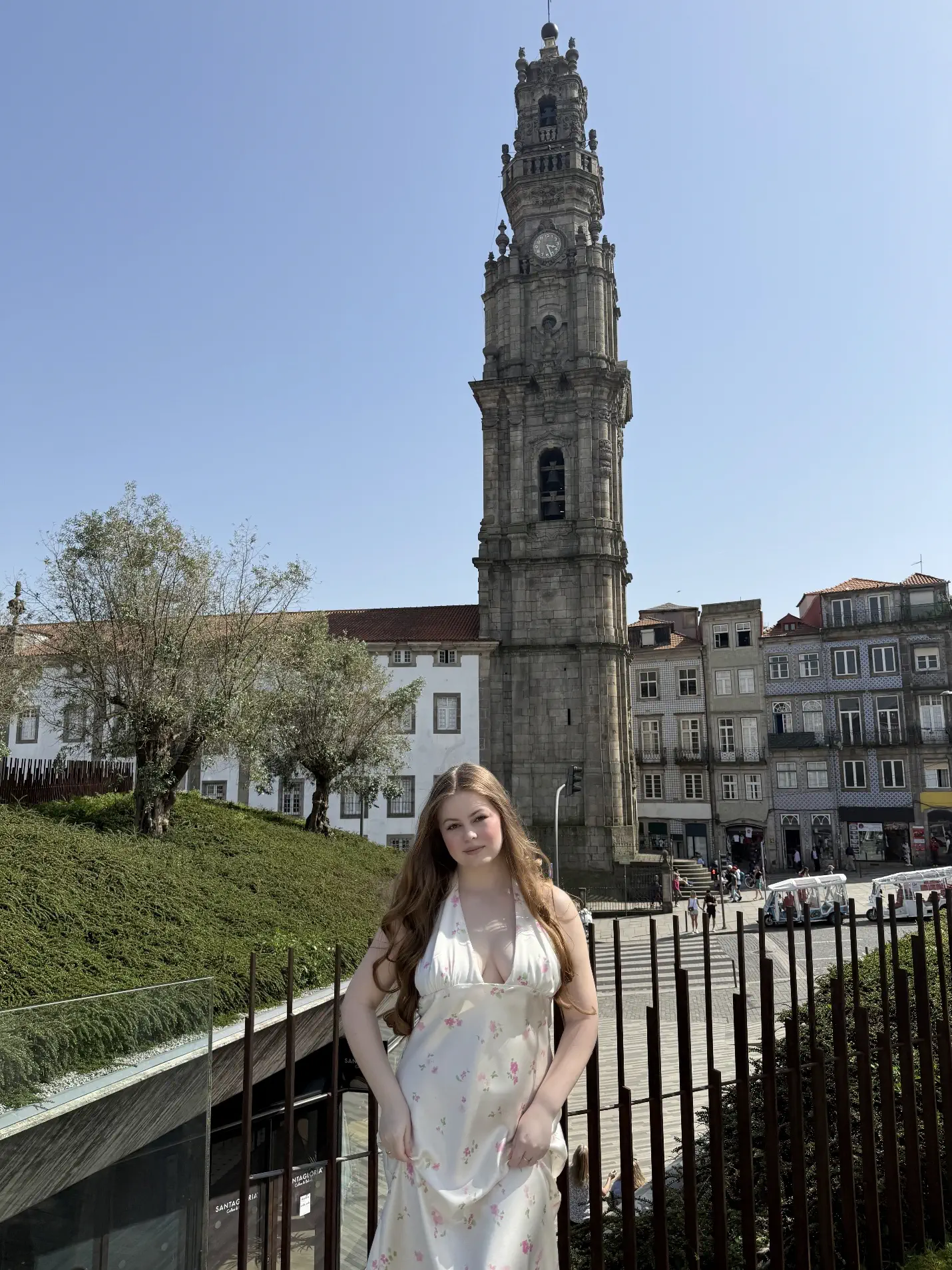
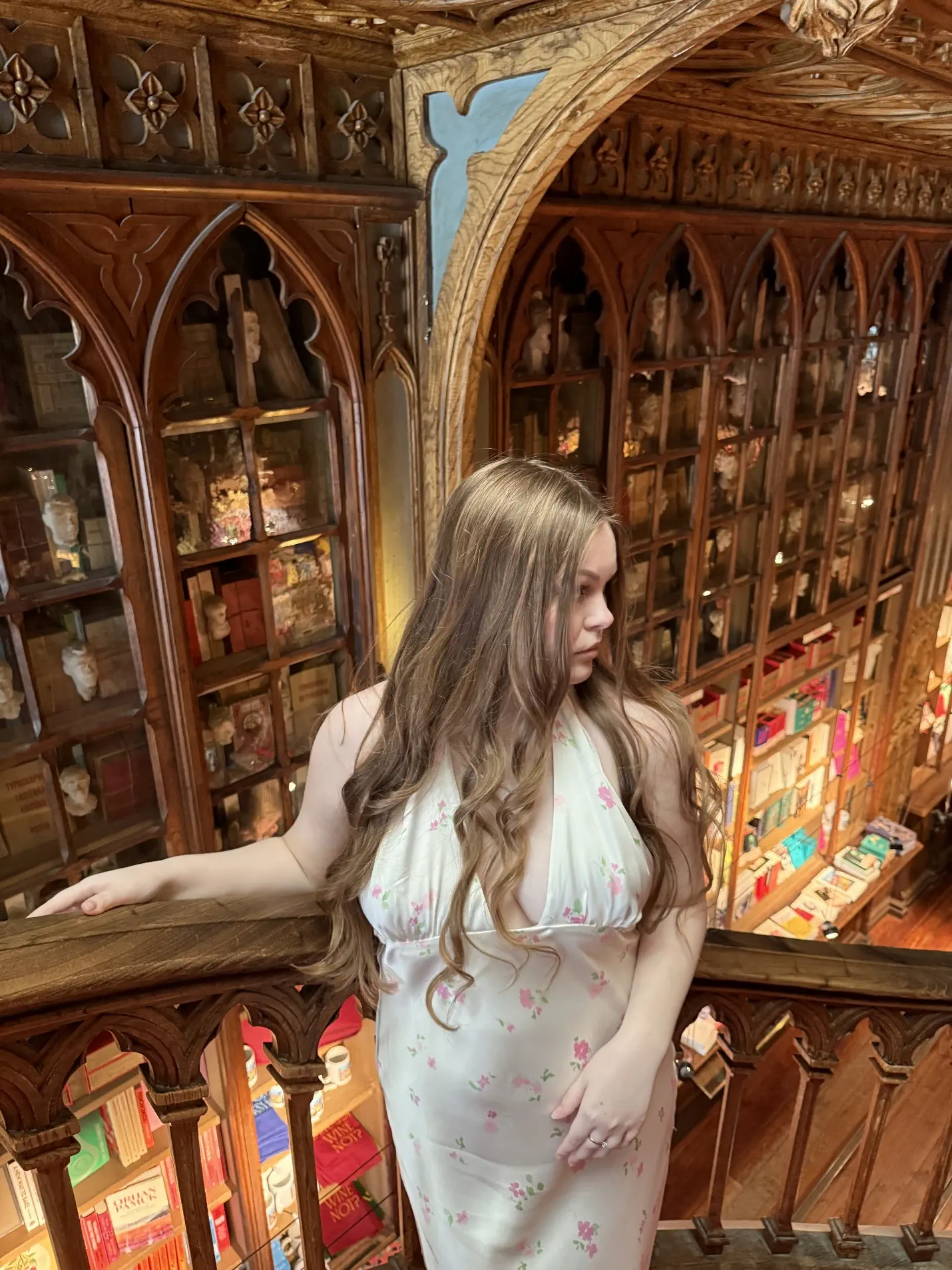
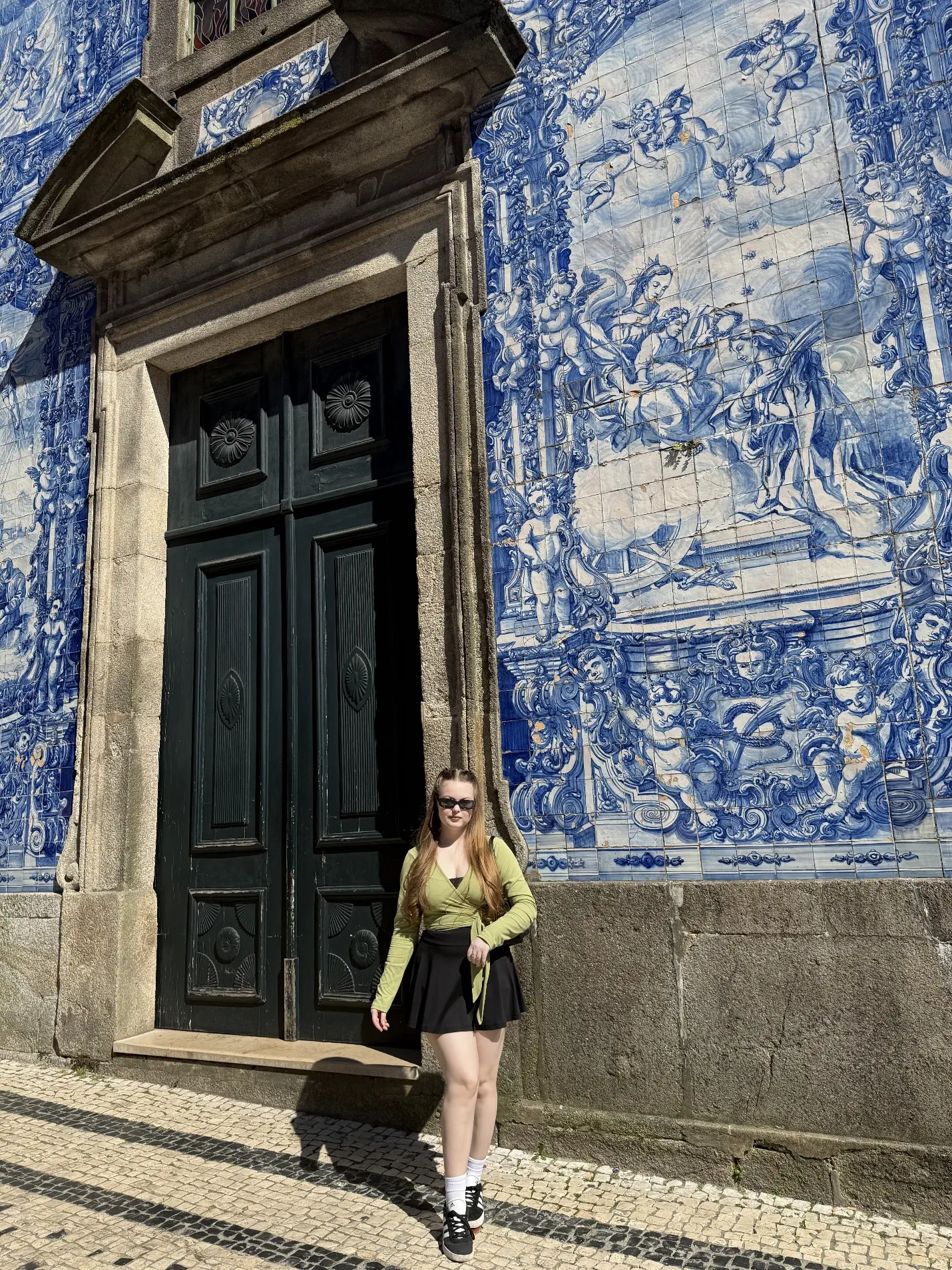
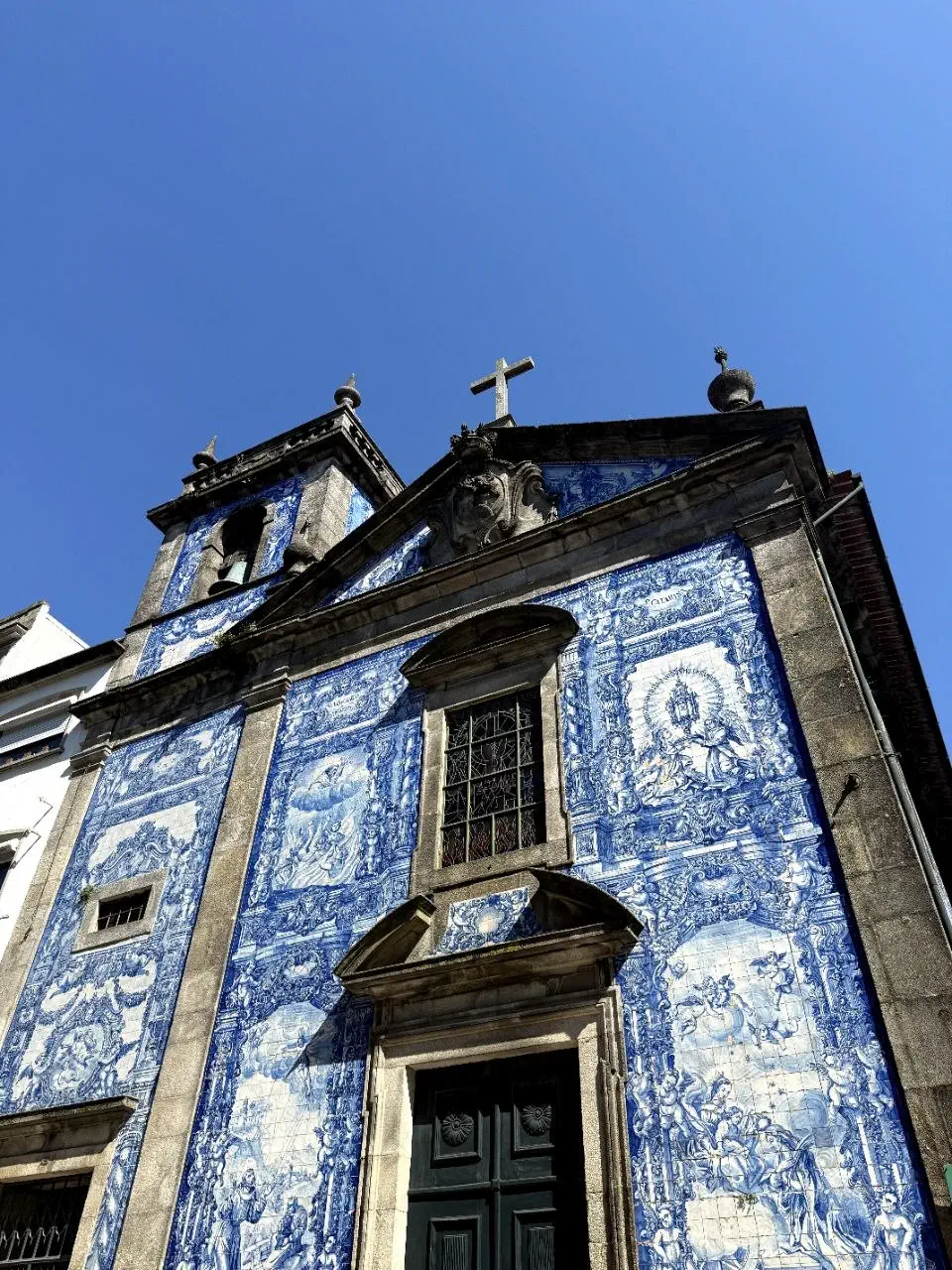
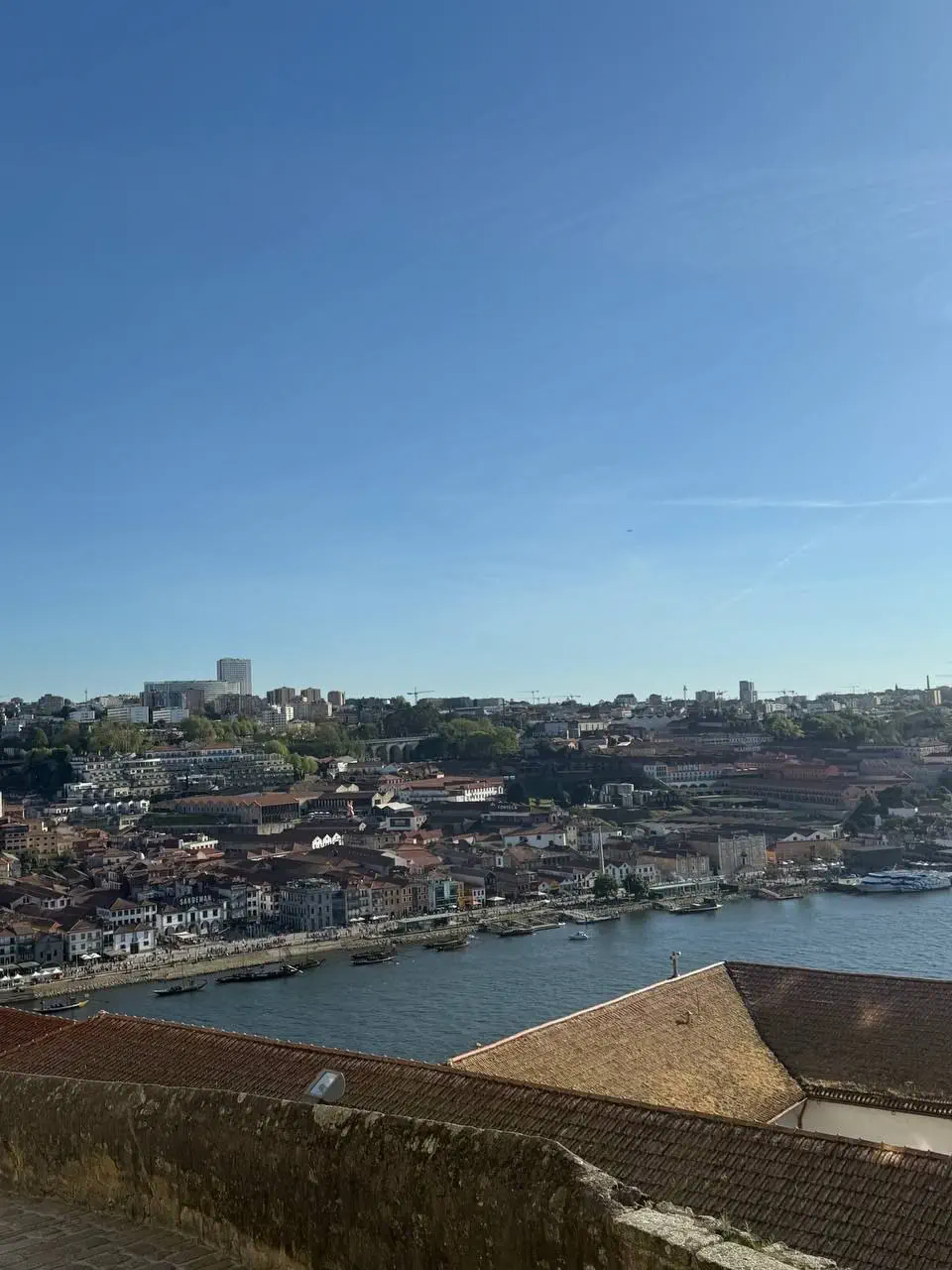
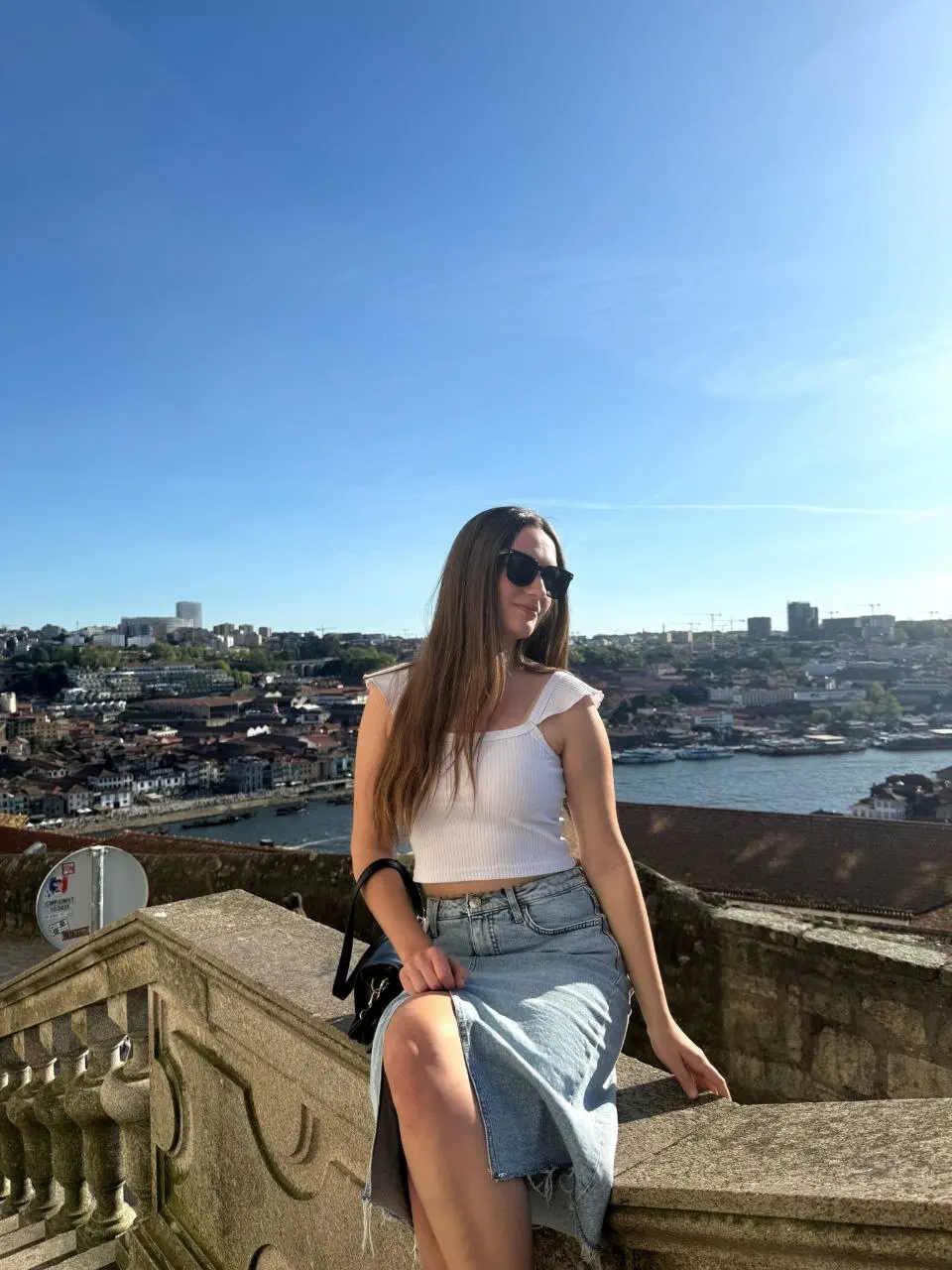
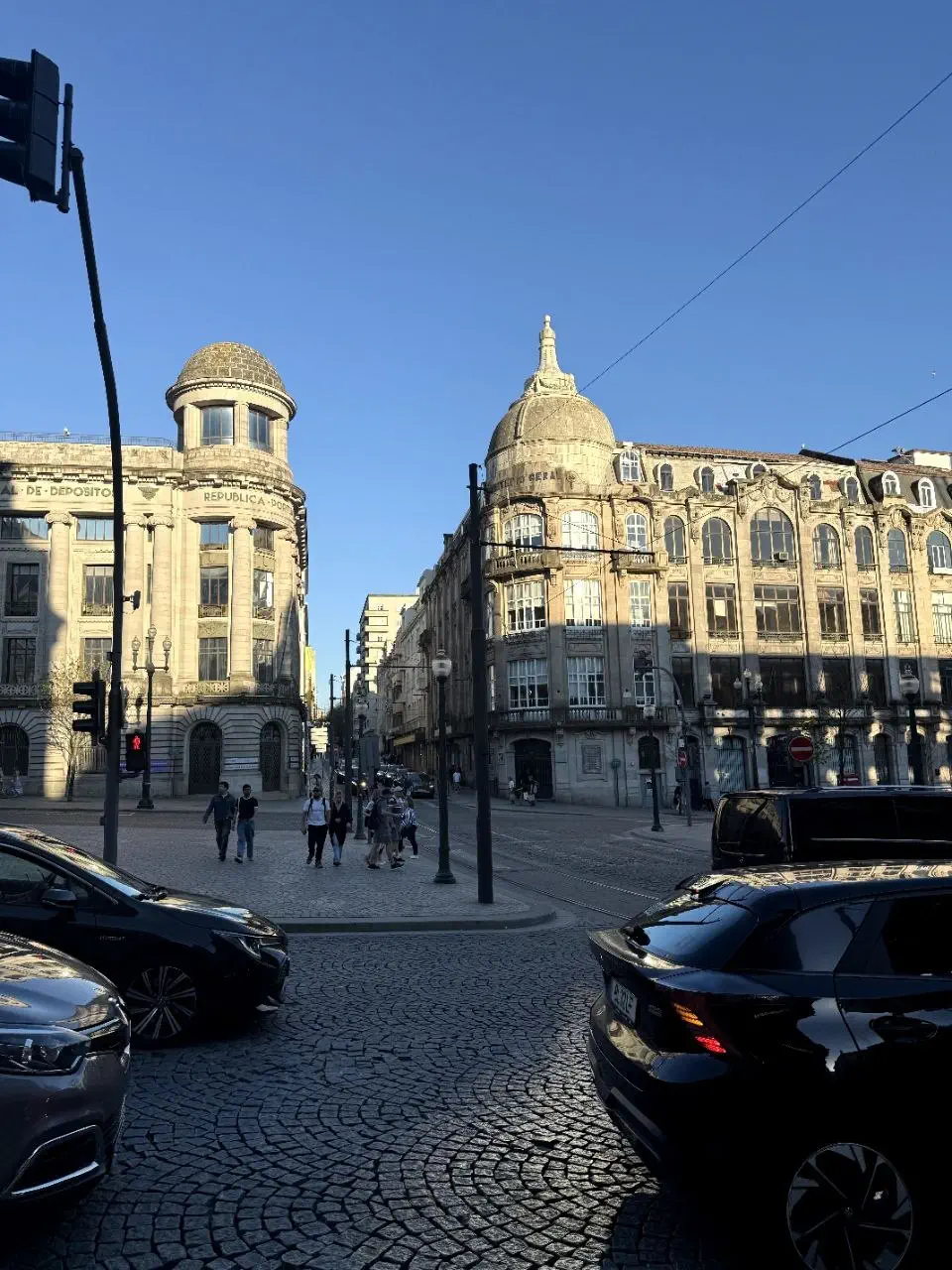
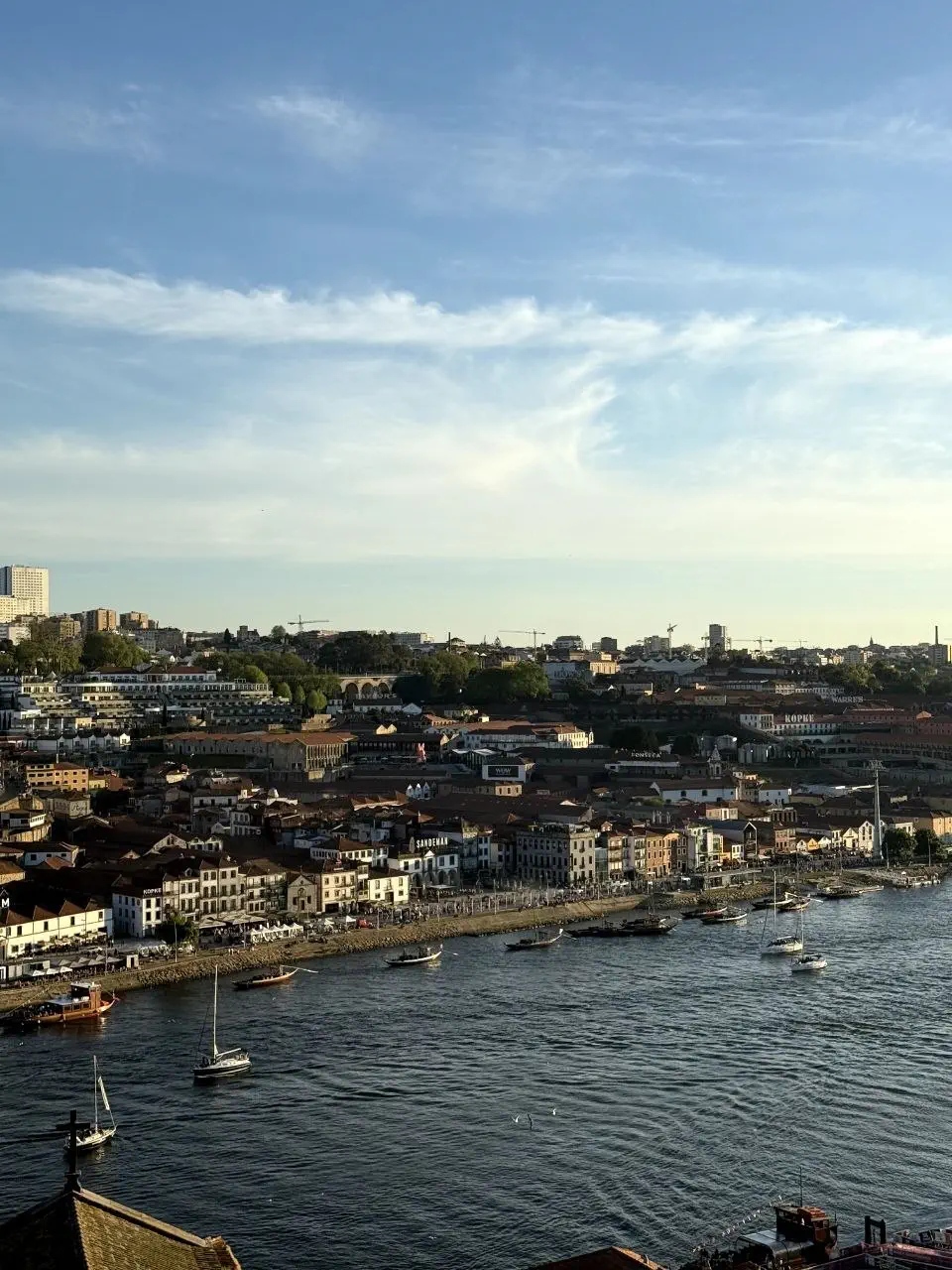
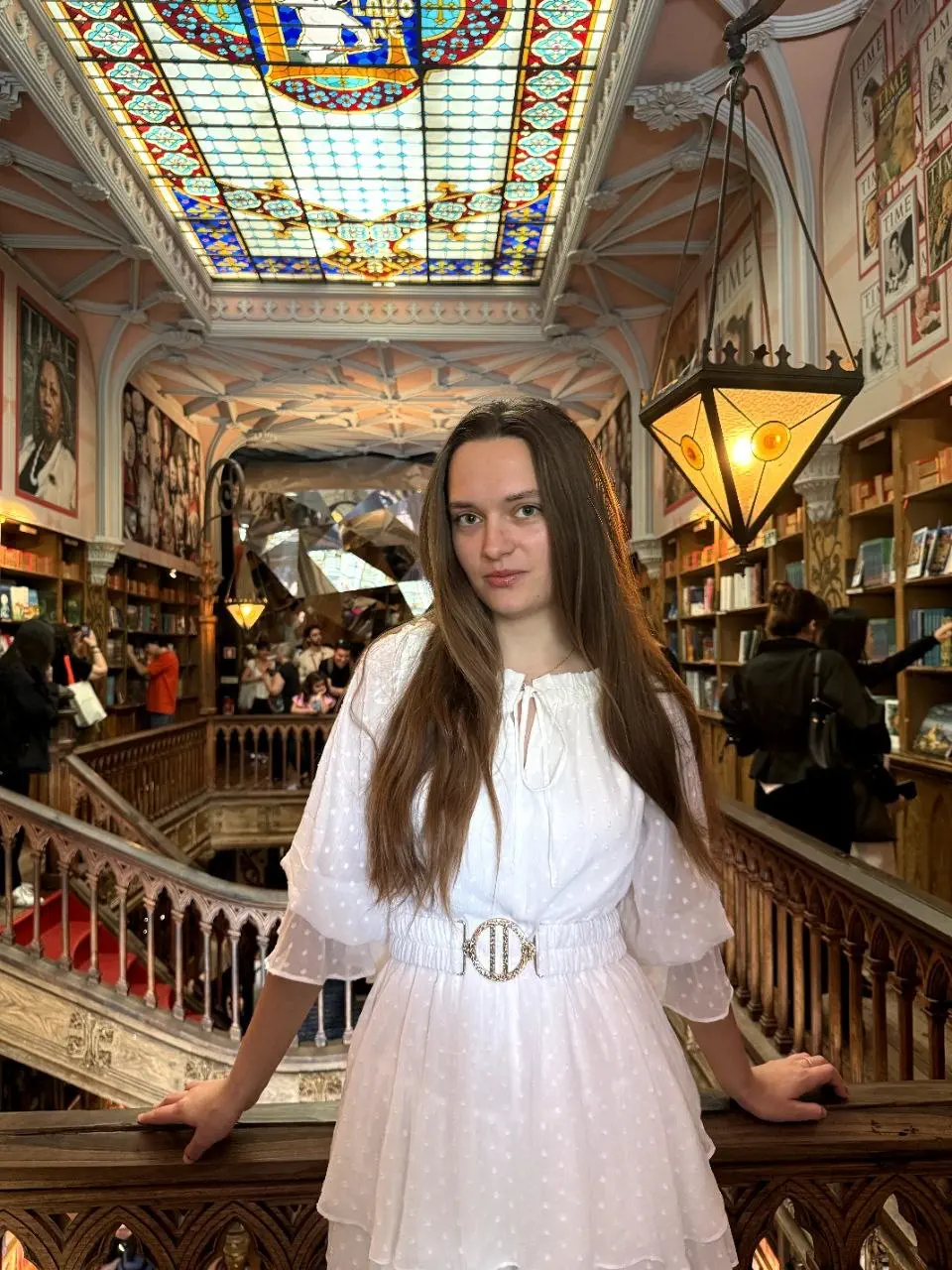
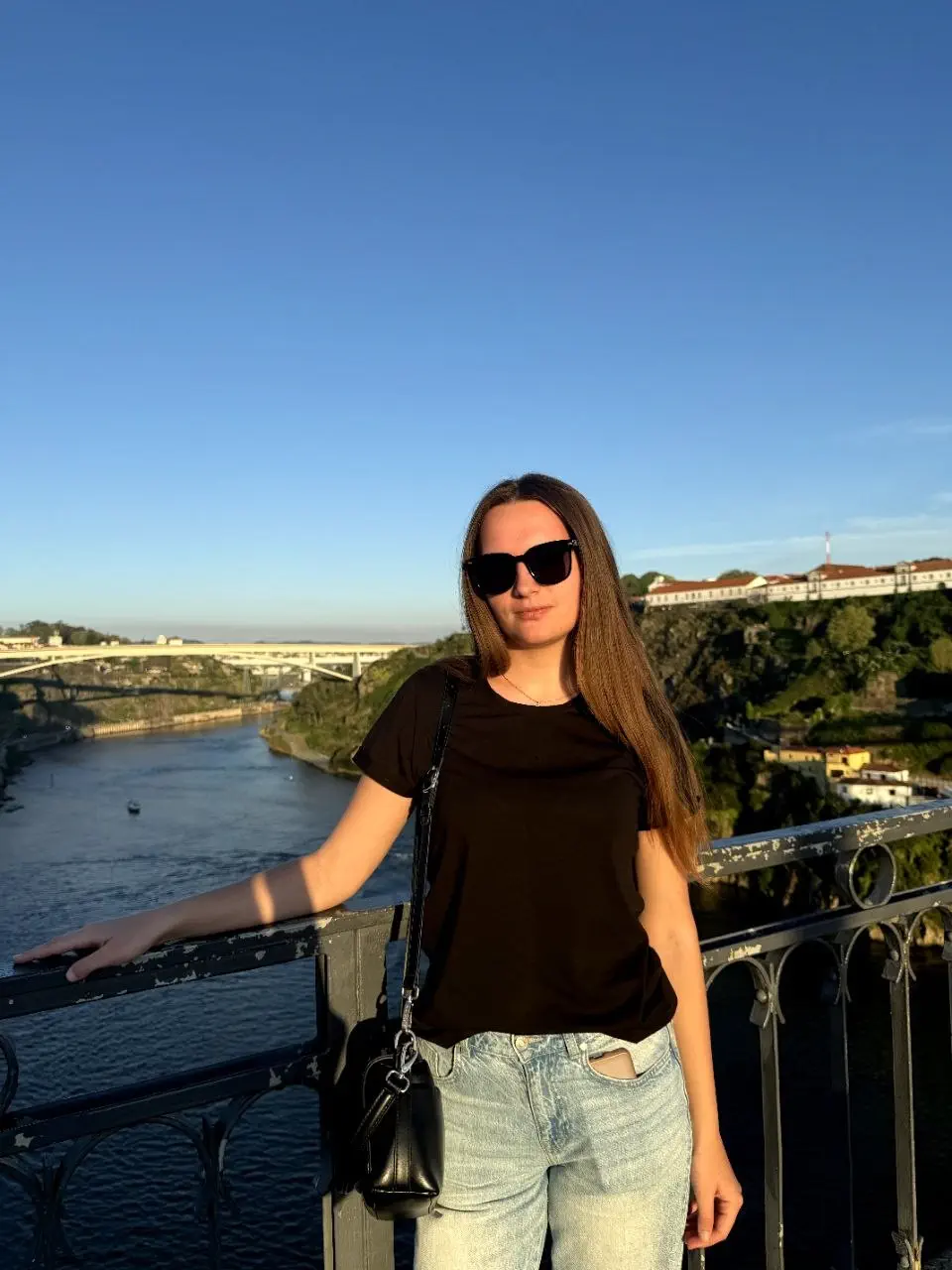
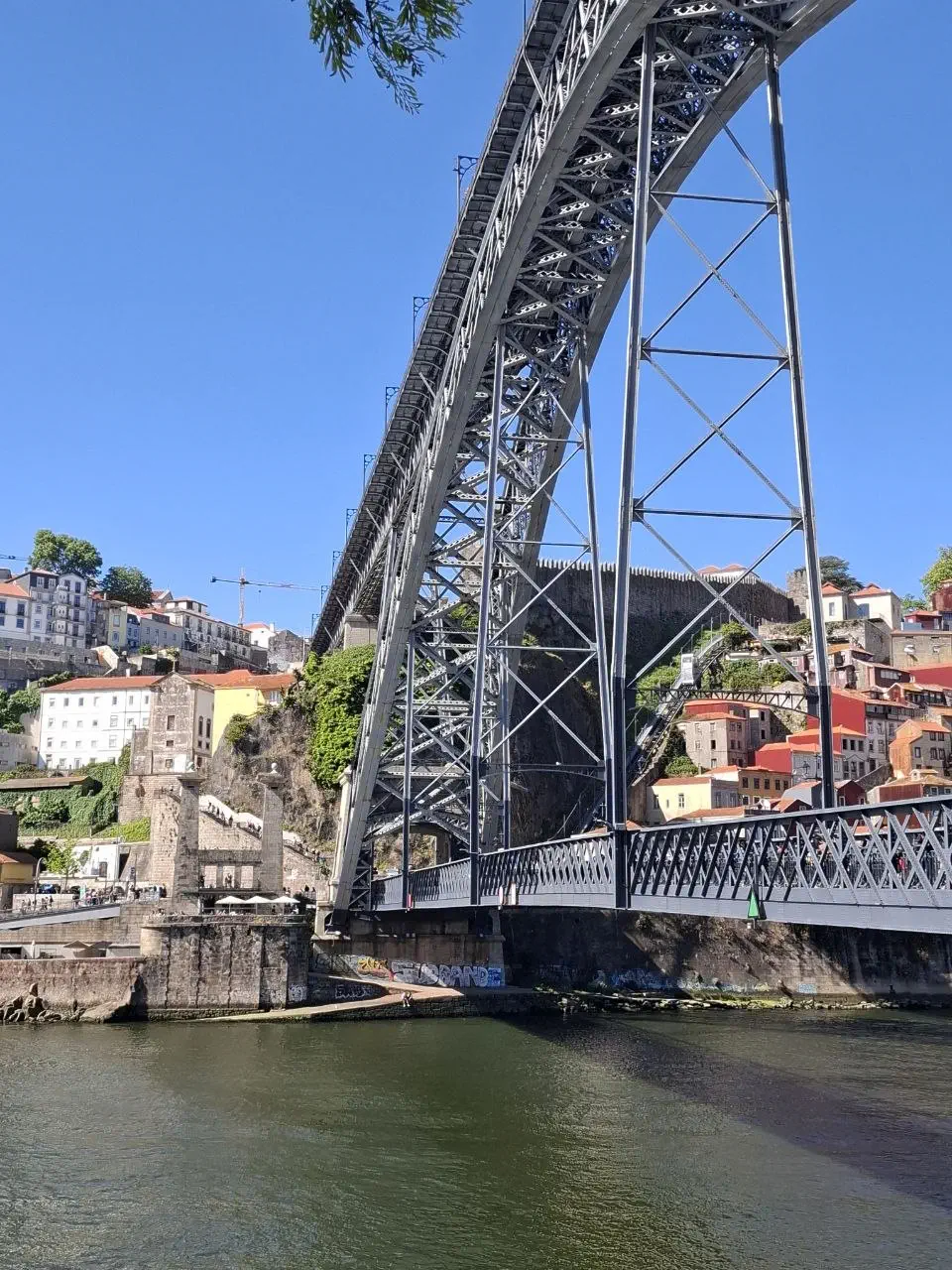
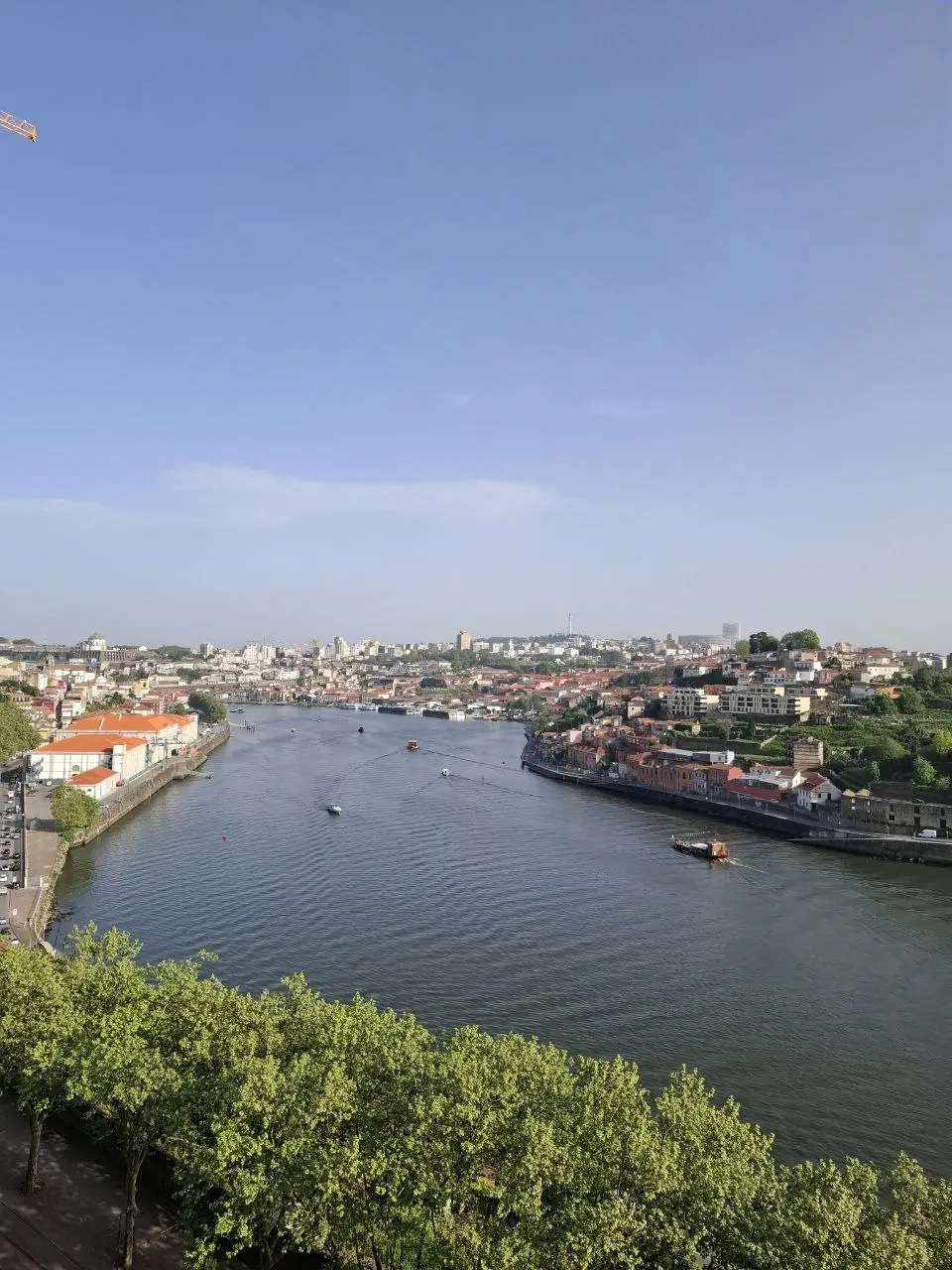
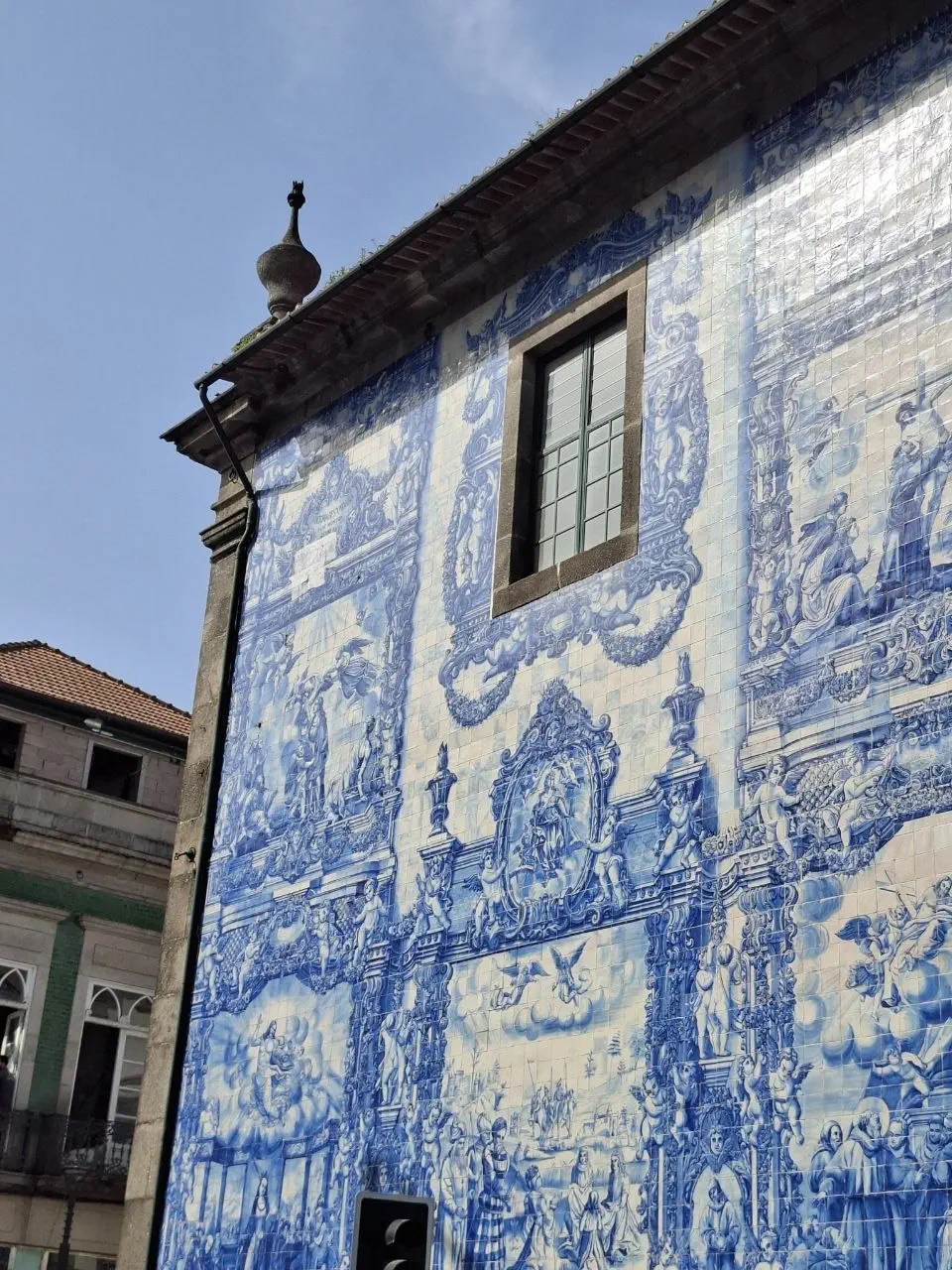
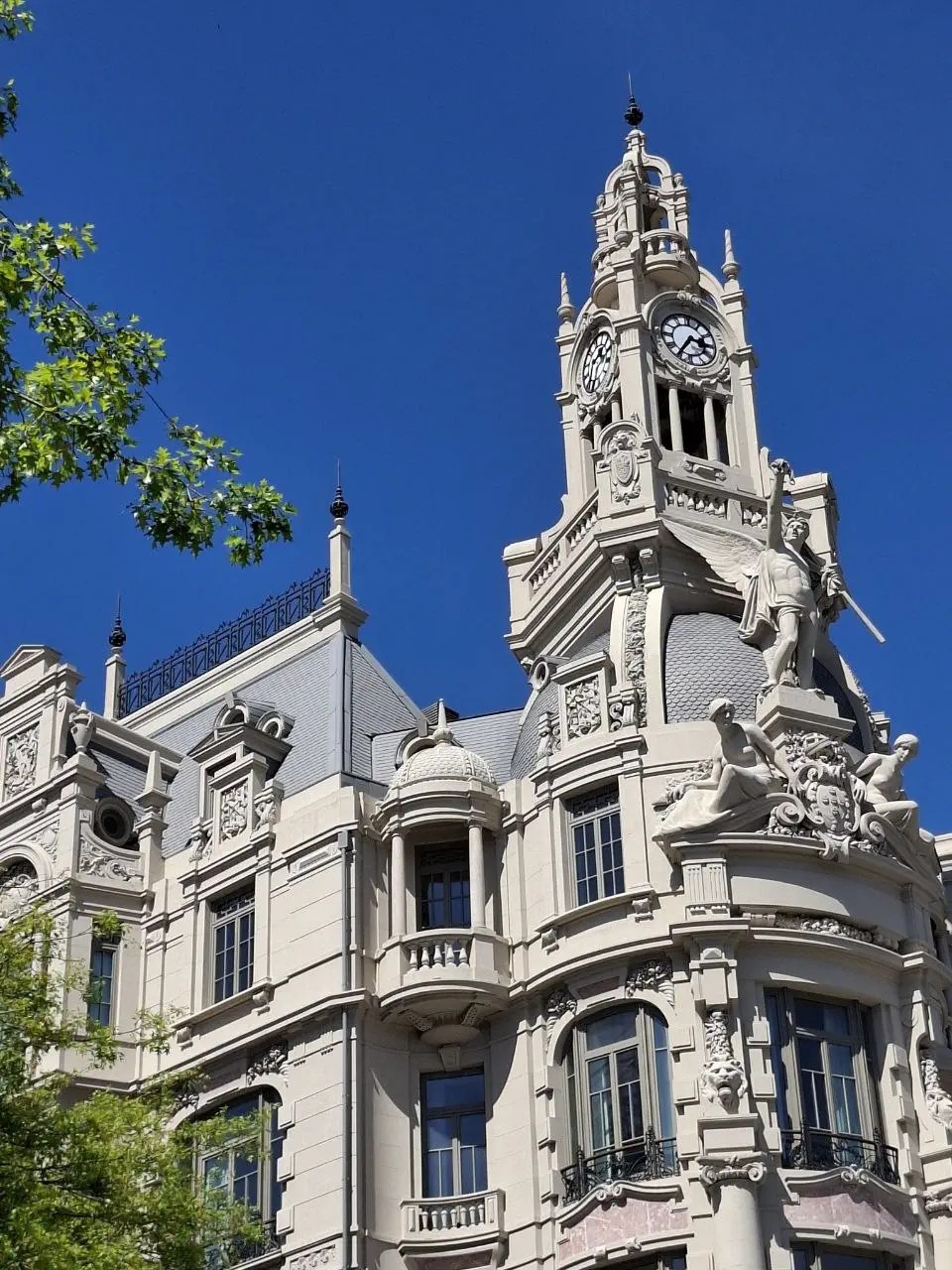
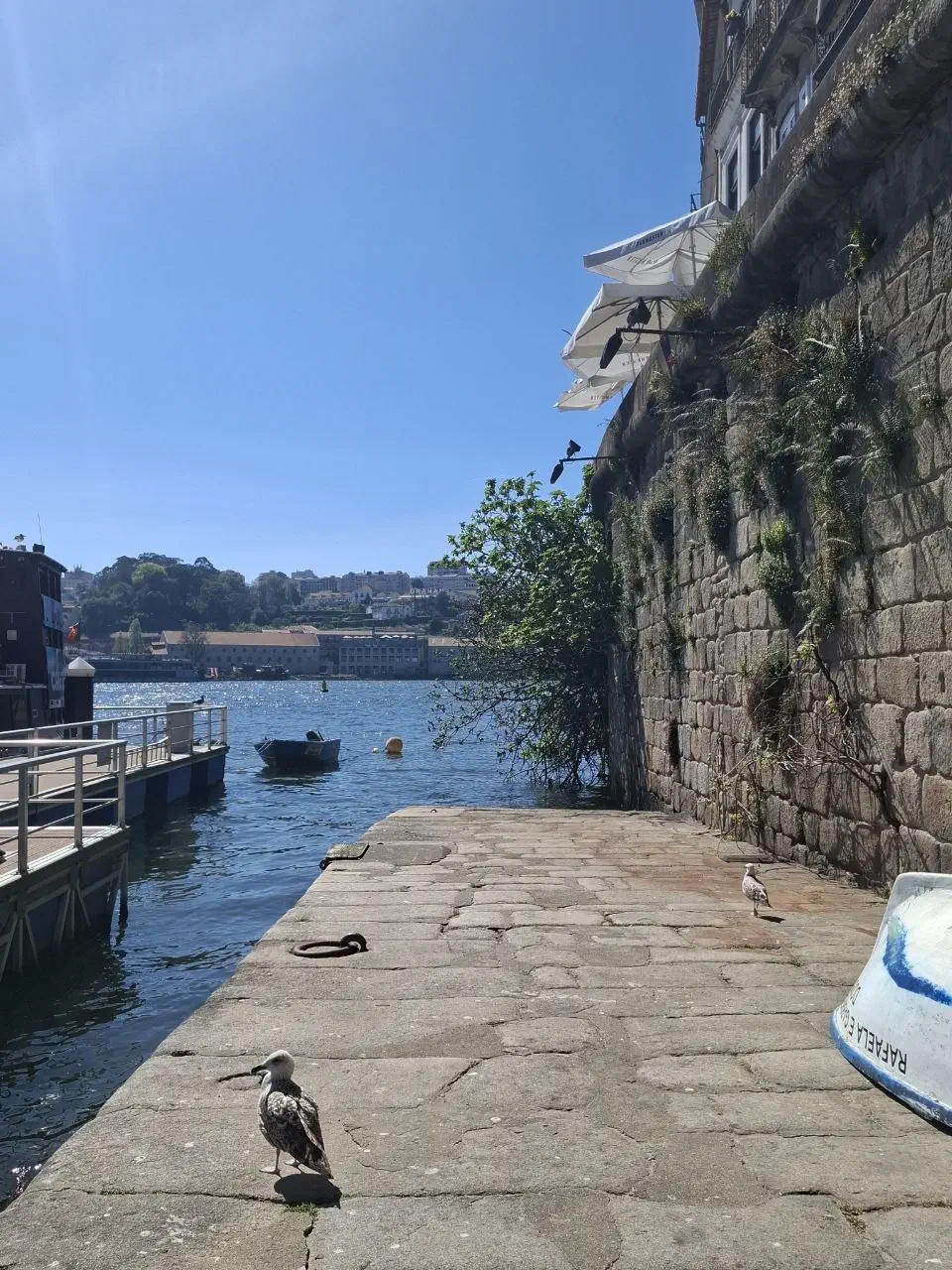
During this time, we managed to explore many landmarks in Porto: we visited the Chapel of Souls with its authentic blue-and-white azulejo ceramic tiles, the legendary Livraria Lello bookstore, which once inspired J.K. Rowling to create Hogwarts and the Harry Potter universe, the colourful local Mercado do Bolhão market, and the historical wine cellars. We were charmed by the Ribeira district, with its colourful facades, and by the majestic Dom Luís I Bridge, which offers a breathtaking panoramic view of the city and the Douro River from its height. We fell truly in love with Portuguese architecture, nature, cuisine, and incredibly friendly people. Traditional pastel de nata pastries, evening walks along the embankment accompanied by street musicians – every such moment in Porto holds a special value for us.
A particularly special memory will be the first week of May, when the city is swept into the whirlwind of the traditional Queima das Fitas festival. This is the largest student holiday in Portugal, dedicated to graduation. Thousands of students from various universities and faculties join the festive parade, proudly representing their educational institutions. During the day, the city streets are filled with solemn processions, and at night, the time for parties, concerts, and vibrant shows begins. We were fortunate enough to attend the most spectacular days of this festival – performances by world-famous artists, festive fireworks, amusement rides, dancing, and traditional treats brought together thousands of people from all over the country who gathered in Porto to spend this week together.
Our leisure time was equally eventful: together with our new international friends, we went on boat trips on the Douro River, admired the city landscapes from the funicular, went on bike rides along the Atlantic coast, and danced to energetic Latin American rhythms. One evening, we decided to introduce our friends to Ukrainian culture and prepared homemade varenyky for them, which left everyone absolutely delighted. This amazing meeting of cultures, traditions, and nations is exactly why I love Erasmus+! No other experience can provide similar emotions, combining living abroad, daily language practice, travel, and discoveries. I am sincerely grateful to my home university, Poltava Polytechnic, for this wonderful opportunity to step beyond the familiar. Ahead of us are new challenges, knowledge, and bright moments in life!”

Yelizavieta Samoilenko, student of group 301-FF, Speciality 035 “Philology”: “In April 2026, my second academic mobility under the Erasmus+ program began in the Portuguese city of Porto. My four-month traineeship took place at the Polytechnic University of Porto.
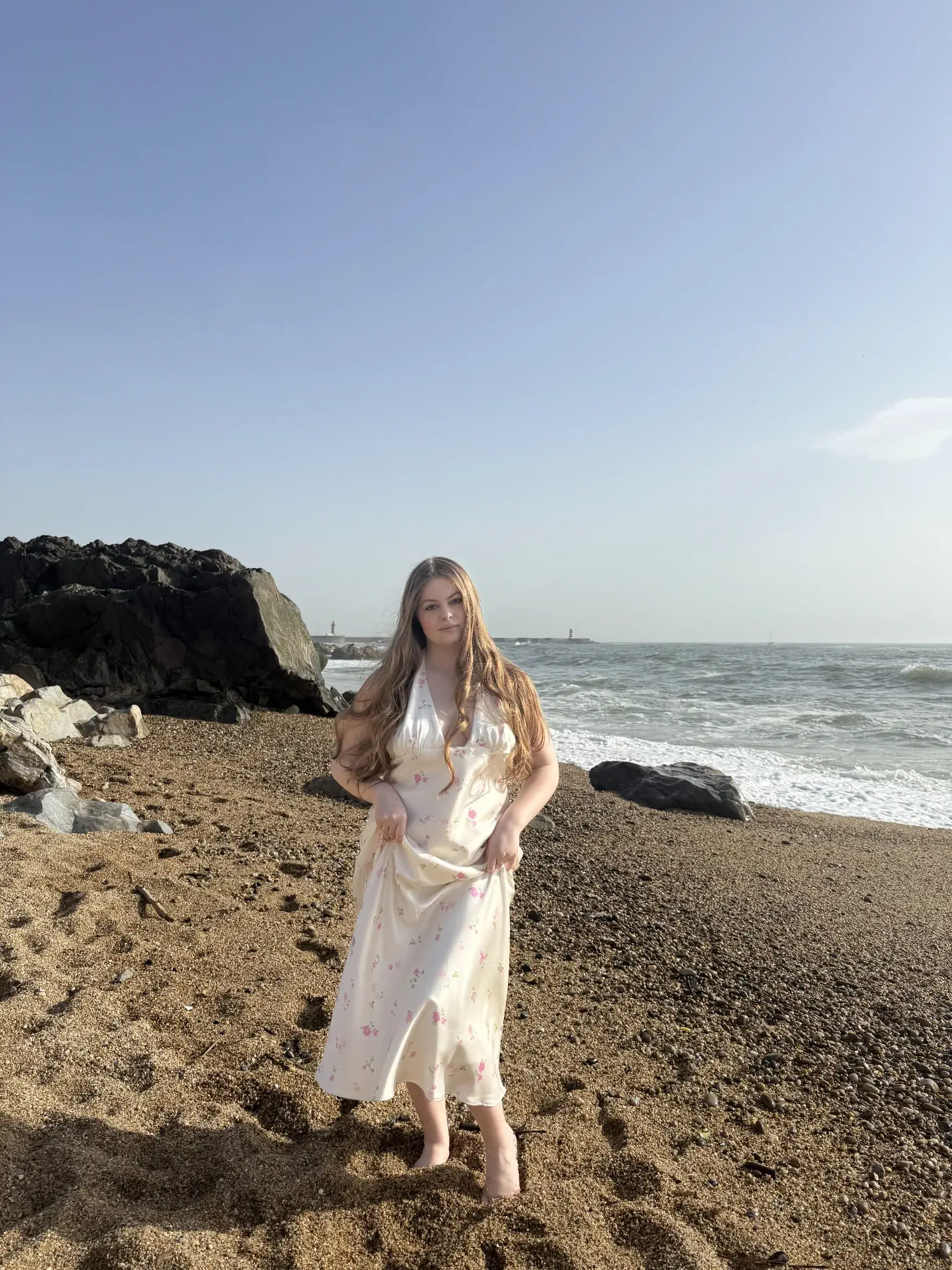
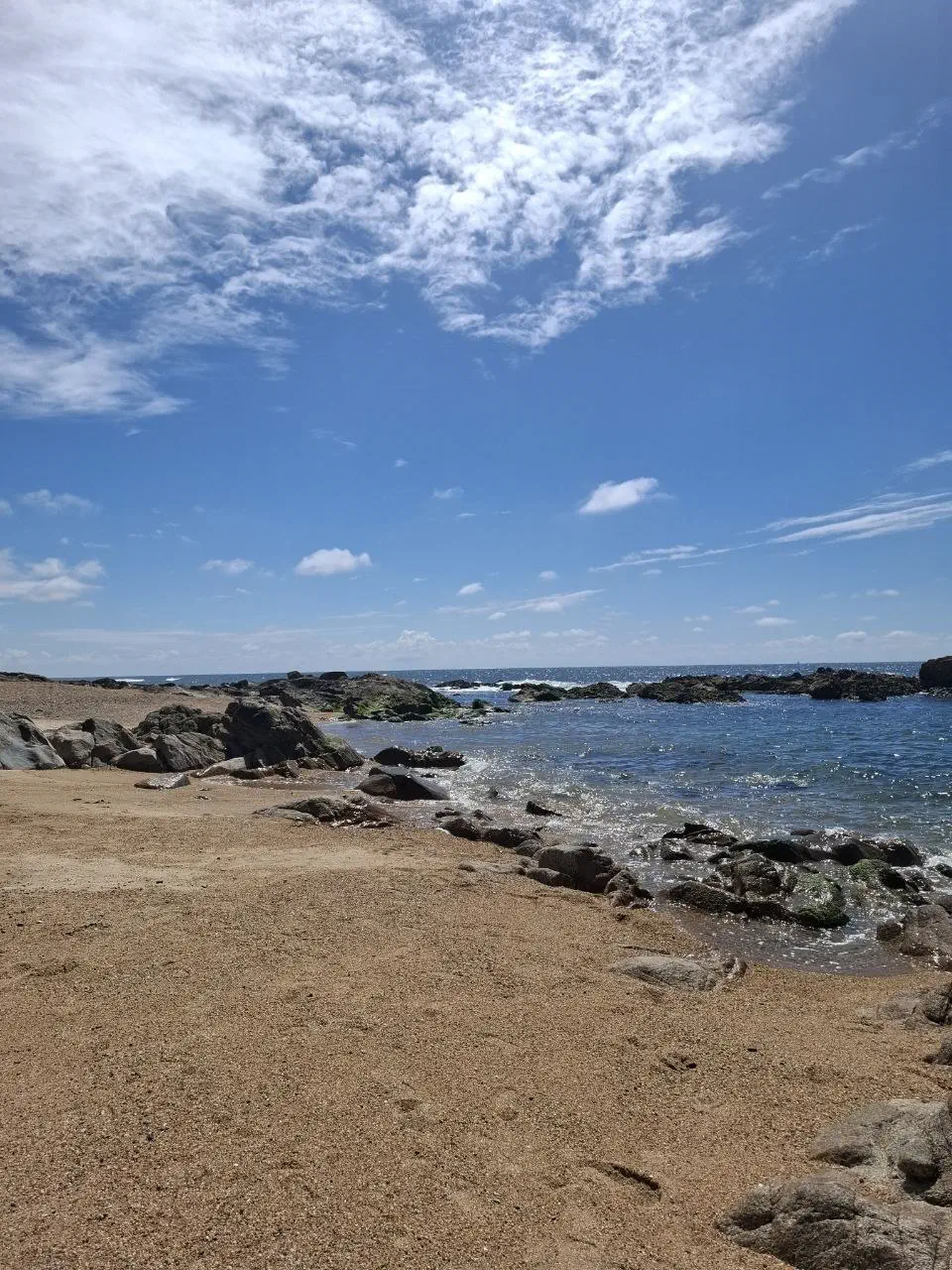
Immediately upon arrival, we were welcomed with extraordinary hospitality: local students Leonor and Diana helped us quickly settle into our accommodation and adapt to the new rhythm of life, while our coordinator, Alexandra, kindly gave us a week of rest to recover after the exhausting journey. We dedicated this time entirely to getting to know Porto: exploring ancient streets, taking a boat trip on the Douro River, discovering traditional culinary masterpieces, and visiting the Atlantic coast. Standing at the very edge of Europe and gazing at the boundless majesty of the ocean is a truly breathtaking experience.
After the adaptation week, we had our official meeting with the coordinators and began our practical training. The university’s infrastructure made a positive impression right from the start: a spacious modern library, excellently equipped classrooms, computer labs, and laboratories. The campus is designed for student comfort – there are cosy on-site student cafeterias, as well as green park areas for relaxation where students can enjoy their time during breaks.
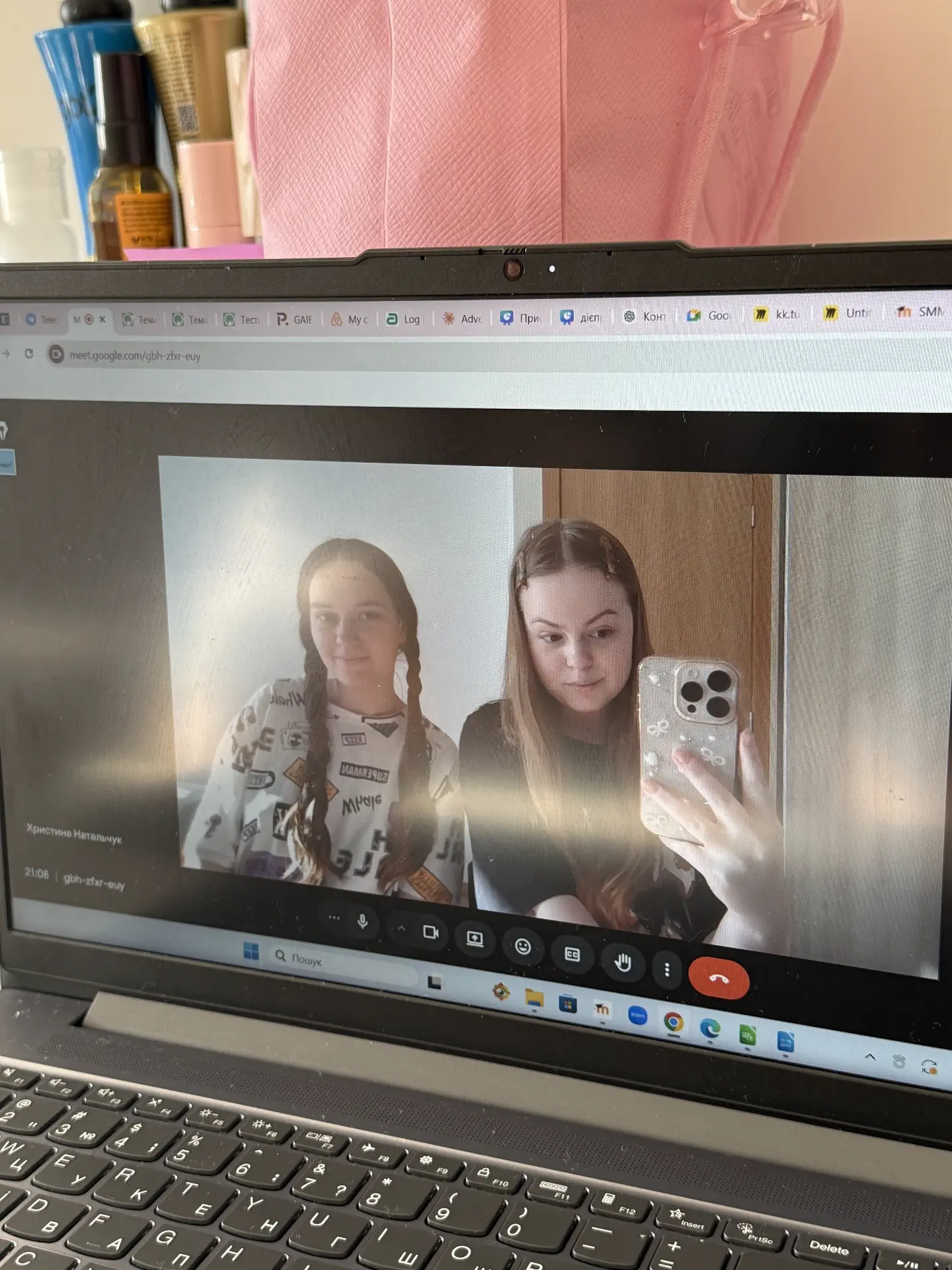
Since our mobility took the form of a practical traineeship rather than classic classroom study, we did not attend daily academic classes. Instead, our key task was to conduct Speaking Clubs for students and staff who wished to improve their conversational English skills. Every week, we organised two online sessions and two in-person meetings directly on the university premises. All the participants of our clubs turned out to be extremely open, friendly, and sincere in their communication, which made our work much easier.
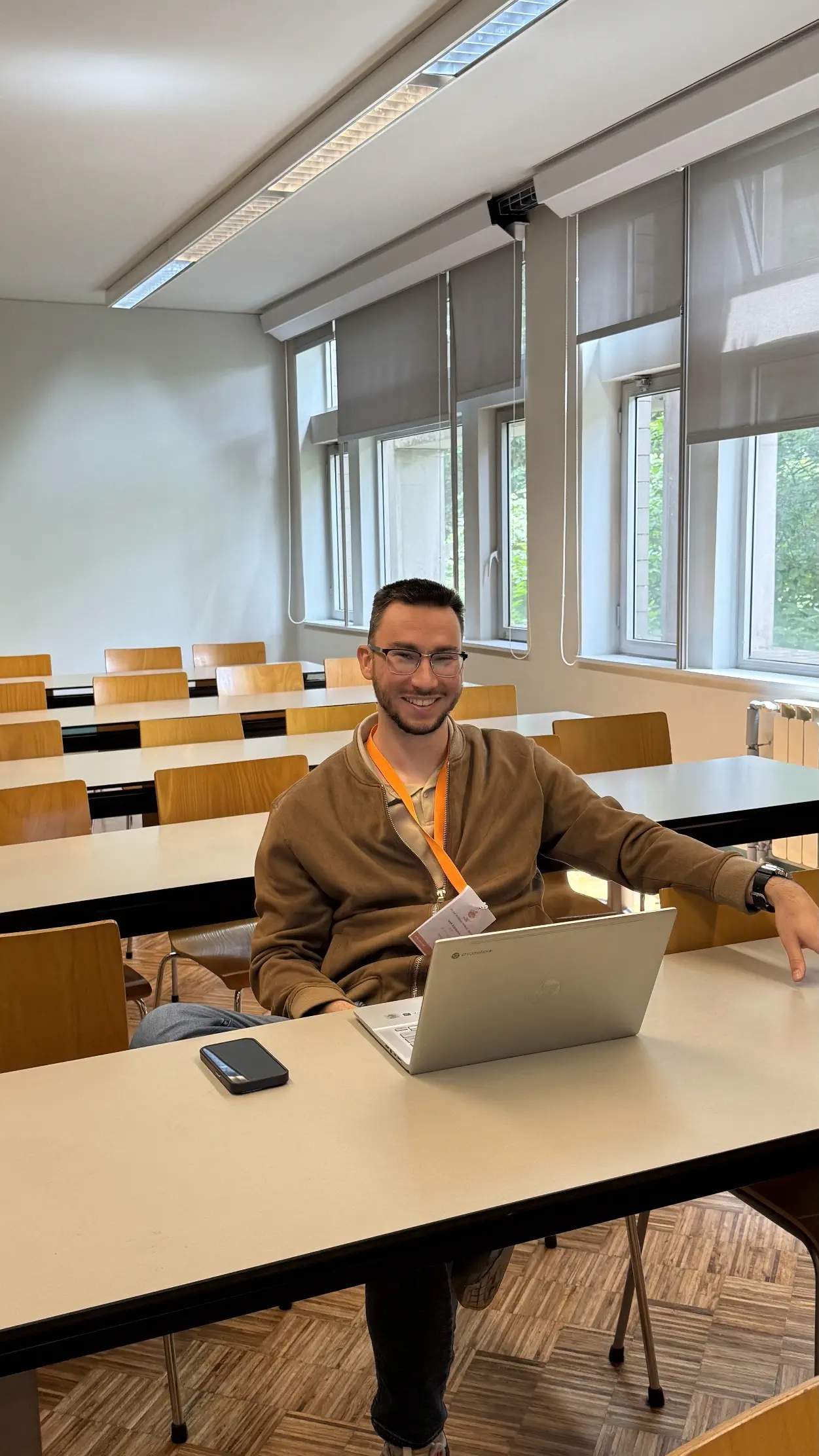
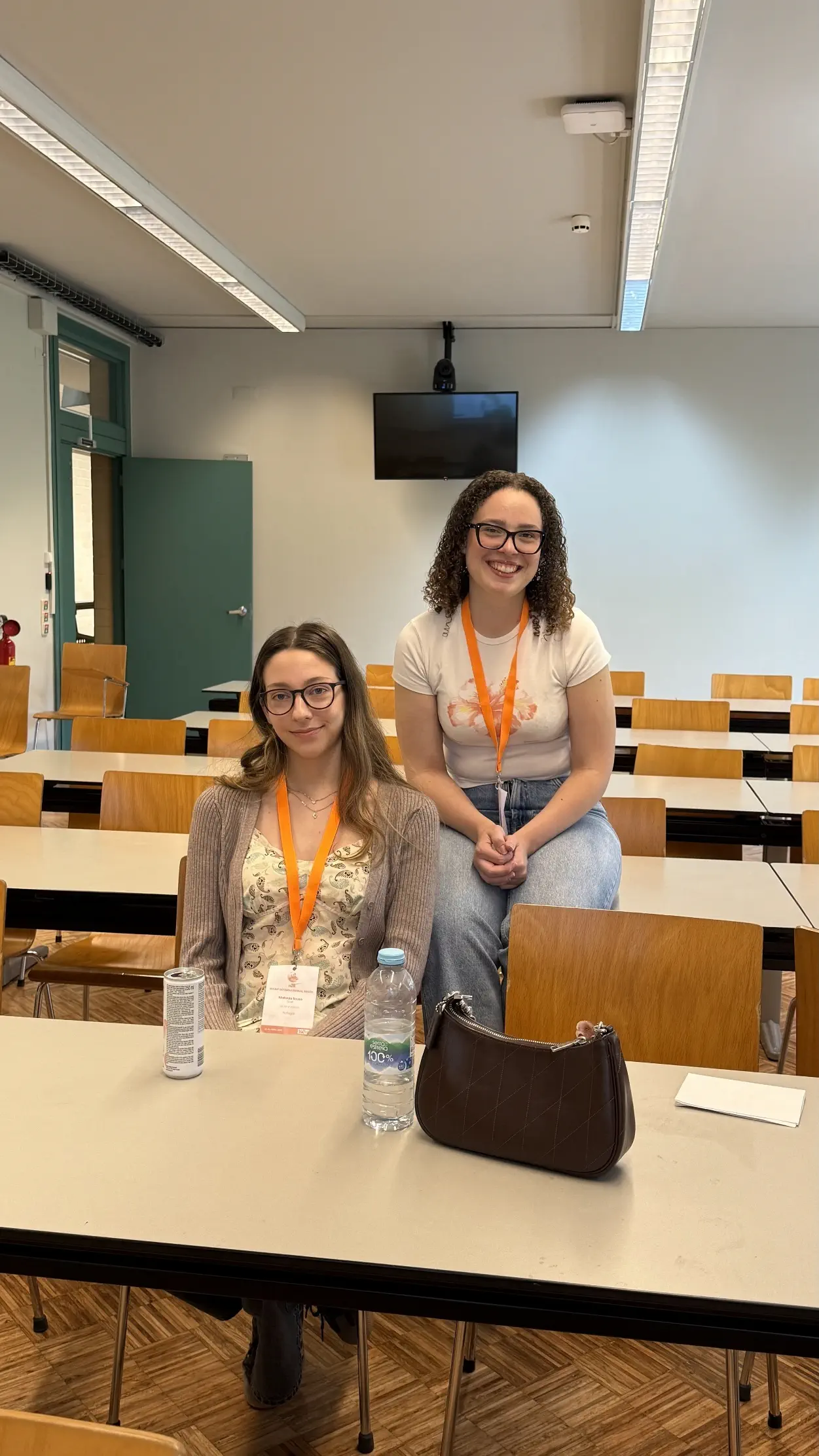
In addition to conducting classes, we actively assisted the university’s international office team. A milestone event of our traineeship was the “International Week”, during which more than 50 guest lecturers from 30 countries worldwide (including Ukraine) delivered lectures. Throughout this intense week, we coordinated organisational processes, helped guests navigate the campus, and resolved ongoing issues. This experience gave us a wonderful opportunity to communicate with representatives of different cultures and educational systems, as well as to feel like part of a large international academic family.
Another unforgettable part of our trip was the May student festival Queima das Fitas – a traditional week-long celebration for graduates. During the day, the streets of Porto were filled with colourful, costumed parades, and every evening, massive concerts featuring famous Portuguese and Spanish performers awaited the youth. We also joined the celebrations, immersing ourselves in an atmosphere of incredible excitement, unity, and fun. It was highly interesting to observe how the graduates thoroughly enjoyed these festive days, even though serious final exams awaited them immediately after the spectacular festival.
Student life in Porto proved to be extremely vibrant. The ESN volunteers constantly organised interesting trips, excursions, and themed evenings for us. Thanks to this, we quickly made friends with students from many parts of the world and connected with local Portuguese youth. Recently, we decided to share a piece of our native culture and organised a friendly evening, treating our new friends to handmade Ukrainian varenyky.
Overall, participation in the Erasmus+ program is a unique experience that broadens horizons, opens new professional perspectives, and provides a powerful boost for personal development. For me, this mobility has been a source of inspiration, useful knowledge, and unforgettable emotions that will remain in my heart forever. I express my sincere gratitude to my home university, Poltava Polytechnic, for such a wonderful opportunity, and I encourage other students not to fear challenges and actively apply for international exchange programs!”.

Kristina Svystiulia, student of group 302-FF, 3rd year, Speciality 035 “Philology”: “This spring, I was given a wonderful opportunity to undergo a traineeship under the Erasmus+ program in Portugal, specifically in the city of Porto, at the Instituto Superior de Contabilidade e Administração do Porto (ISCAP) – a structural unit of the Polytechnic University of Porto. This experience became not only an important part of my educational process but also a powerful stimulus for personal and professional growth.
From the very beginning of my stay at ISCAP, I felt like part of a large and friendly international community. The atmosphere at the university is impressive for its openness, cultural diversity, and continuous forward movement. Since young people from various parts of the world study here, it creates excellent conditions for intercultural exchange and the improvement of communication skills. Active daily interaction with professors and students helped me significantly improve my English proficiency, taught me to express my thoughts more confidently, and prepared me for working in a multicultural environment.
The experience of adapting to a new educational system, which is primarily focused on practical skills and a high level of student independence, was also extremely valuable. Special attention is paid here to teamwork and the implementation of joint projects. Through numerous group assignments, we learned responsibility, self-organisation, and effective communication. Working with foreign colleagues taught me how to manage my time better, delegate responsibilities within a team effectively, and reach compromises in challenging situations.
Some of the brightest moments of my stay at ISCAP were the university’s international events, which bring together students and teachers, creating an excellent space for exchanging experience and creative ideas. They help in understanding from the inside how the modern global academic community functions. Life in Porto itself turned out to be a separate, wonderful discovery for me. This city captivates with its architecture, unique rhythm, cosy streets, the Douro River embankment, and friendly people. Living in another country taught me to be more independent, flexible in various life circumstances, and open to everything new”.





“The partnership of Poltava Polytechnic with the Polytechnic of Porto, particularly with its leading division ISCAP, is one of the most strategically important and promising areas of our international activity. This is not merely an academic exchange, but a deep inter-university integration based on mutual trust, shared scientific values, and common approaches to specialist training. For our university, cooperation with such a powerful European institution is an opportunity to exchange best practices and consistently maintain a high standard of quality in philological education.
This trip for our students held a special status, as it was a practical traineeship rather than a classic academic semester. At Poltava Polytechnic, we are convinced that a modern philologist-translator must step beyond theory as early as possible. It is precisely this applied format of mobility that enables students to acquire European-standard “hard skills”: international project administration, foreign-language teaching in a non-native environment, digital content development, and scientific research under the guidance of leading professors.
The experience of working in a real international office and teamwork during the “International Week” gave the students an understanding of how global institutions function. These are exactly the competencies that make our graduates competitive in the labour market. We are sincerely grateful to our Portuguese partners for the high standards of organising the practical training for our students and are convinced that many more joint beneficial projects await our universities in the future,” – says Anna Pavelieva, Poltava Polytechnic’s International Relations Coordinator.
In the spring of 2026, 4 associate professors from Poltava Polytechnic successfully represented the university at the Erasmus+ International Week (ISCAP International Week). This visit continued the successful tradition of bilateral cooperation, as last year, our delegation participated in the ISCAP International Week, during which they delivered lectures and contributed to the CEOS.PP workshop, and presented on the challenges facing Ukrainian education during the war. Additionally, in May 2025, representatives from our International Relations Office participated in the Erasmus+ International Staff Week at P.PORTO, focusing on the digitalisation of education, AI implementation, and internationalisation strategies.
As a reminder, academic staff of Poltava Polytechnic can participate in academic mobility and traineeship programs. At the same time, students can study abroad under credit academic mobility Erasmus+ grant programs for a semester or an entire academic year at leading universities in Austria, Greenland, Denmark, Estonia, Spain, Lithuania, Latvia, Norway, the Netherlands, Germany, Poland, Portugal, Romania, Slovakia, Finland, and the Czech Republic.
For more detailed information regarding current traineeship, teaching, and academic mobility programs abroad, please get in touch with the International Relations Department (Room 213-C, interoffice@nupp.edu.ua) or the university's Coordinator of International Activity, Anna Pavelieva (+3-8-095-91-08-192).