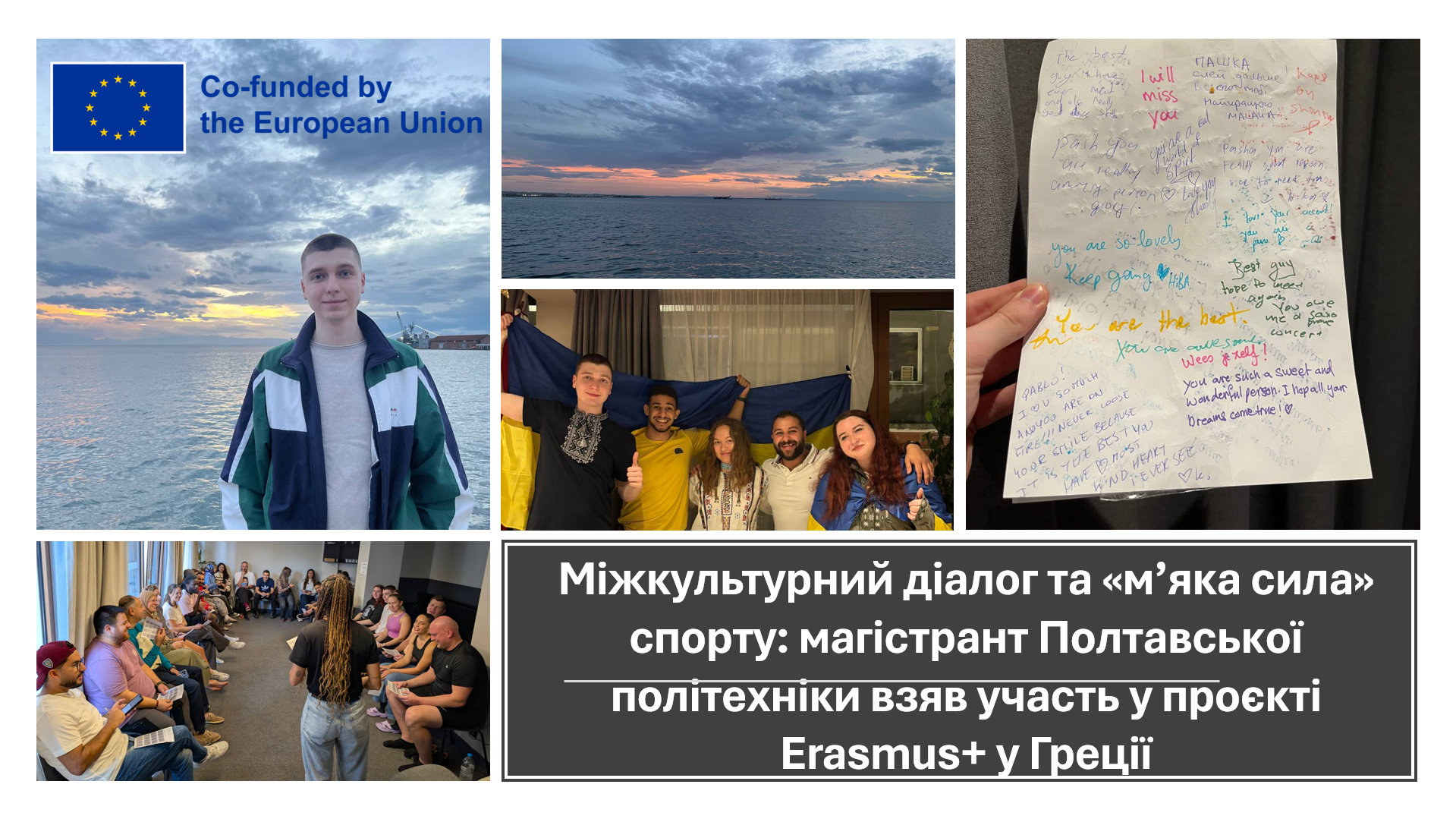
National University “Yuri Kondratyuk Poltava Polytechnic” continues to confirm its status as one of the leading centres of international academic mobility in Ukraine, opening wide horizons for professional and personal development for its students. A vivid example of such active integration into the European educational space was the recent trip by Pavlo Yavtushenko, a 2nd-year master’s student in the Faculty of Philology, Psychology, and Pedagogy, specialising in 014 “Secondary Education (Language and Literature (English))”.
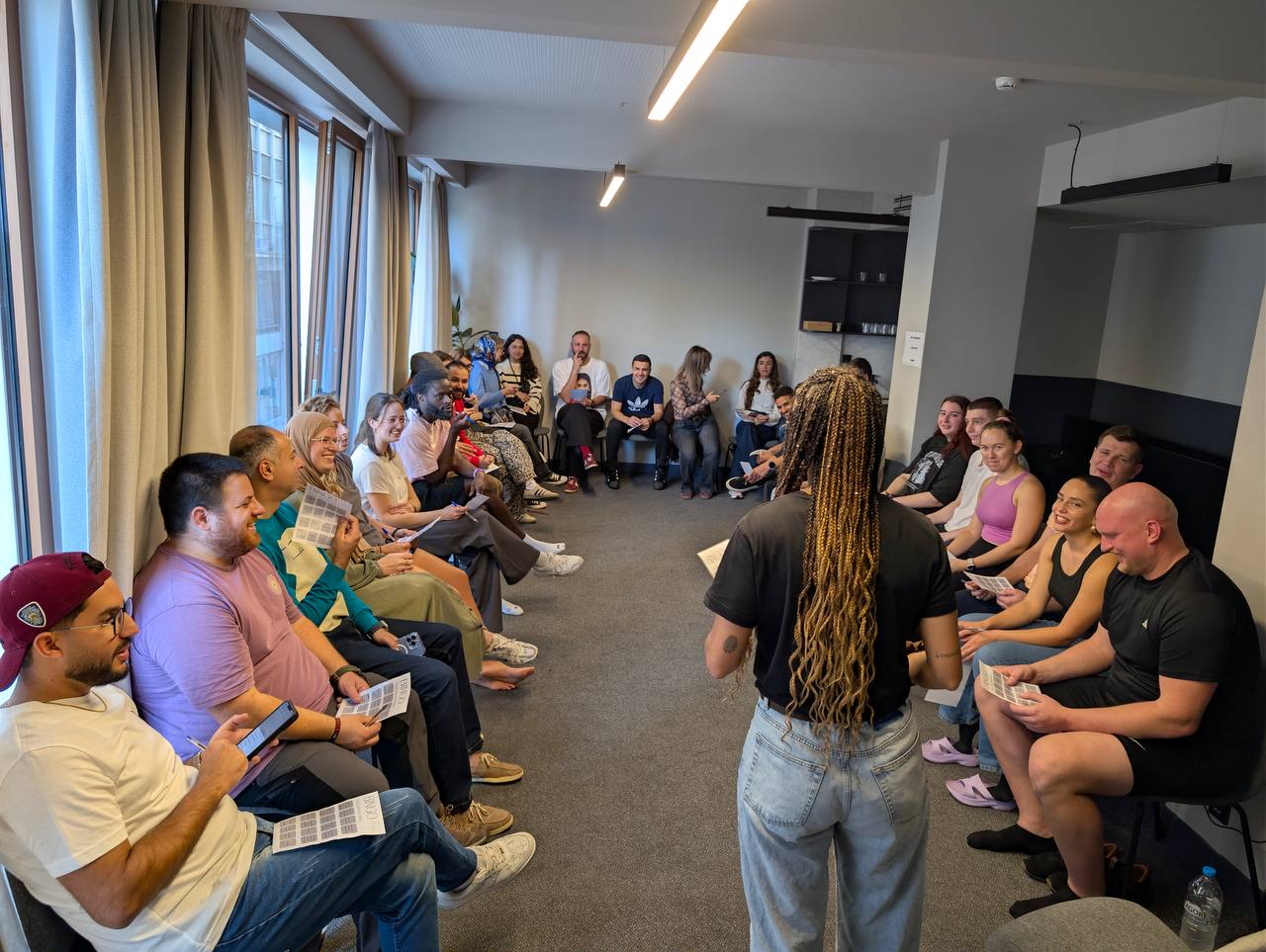
The young researcher returned from the Greek city of Thessaloniki, where he participated in an intensive training course under the Erasmus+ program titled “The Power of Sportsmanship” (PoS). This project, organised by the NGO “THESS Creative Youth” with the support of the Ukrainian NGO “Development and Initiative”, took place from November 21 to 29, 2025, and became a platform for an in-depth analysis of the role of sport in a modern democratic society.
The training program brought together 32 representatives of the youth sector from 10 countries worldwide, creating a unique environment for dialogue among the cultures of Ukraine, Greece, Portugal, Belgium, Georgia, Latvia, Morocco, Egypt, Jordan, and Turkey. Such a broad geographical representation enabled consideration of social problems through the lens of diverse countries’ experiences, making the discussions as thorough and versatile as possible.
During the week, participants worked according to an intensive schedule based on non-formal education methods, with the main emphasis on the concept of sport’s “soft power”. This concept was considered not only a competitive activity but also a powerful instrument of diplomacy capable of uniting nations and educating a new generation of conscious citizens.
The central topic of discussion was countering radicalisation and violence in the sports environment. A master’s student at Poltava Polytechnic, together with colleagues, analysed the deep psychological and social causes of aggression among fans and within sports teams. An essential part of the work was the development of practical strategies to create a safe and welcoming environment in which respect for the opponent prevails. Special attention was paid to issues of social inclusion, exploring the possibilities of sport as a means of integration for vulnerable groups, and to the popularisation of the principles of Fair Play, which should serve as a life guide for youth not only in the stadium but also in professional activities and everyday life.
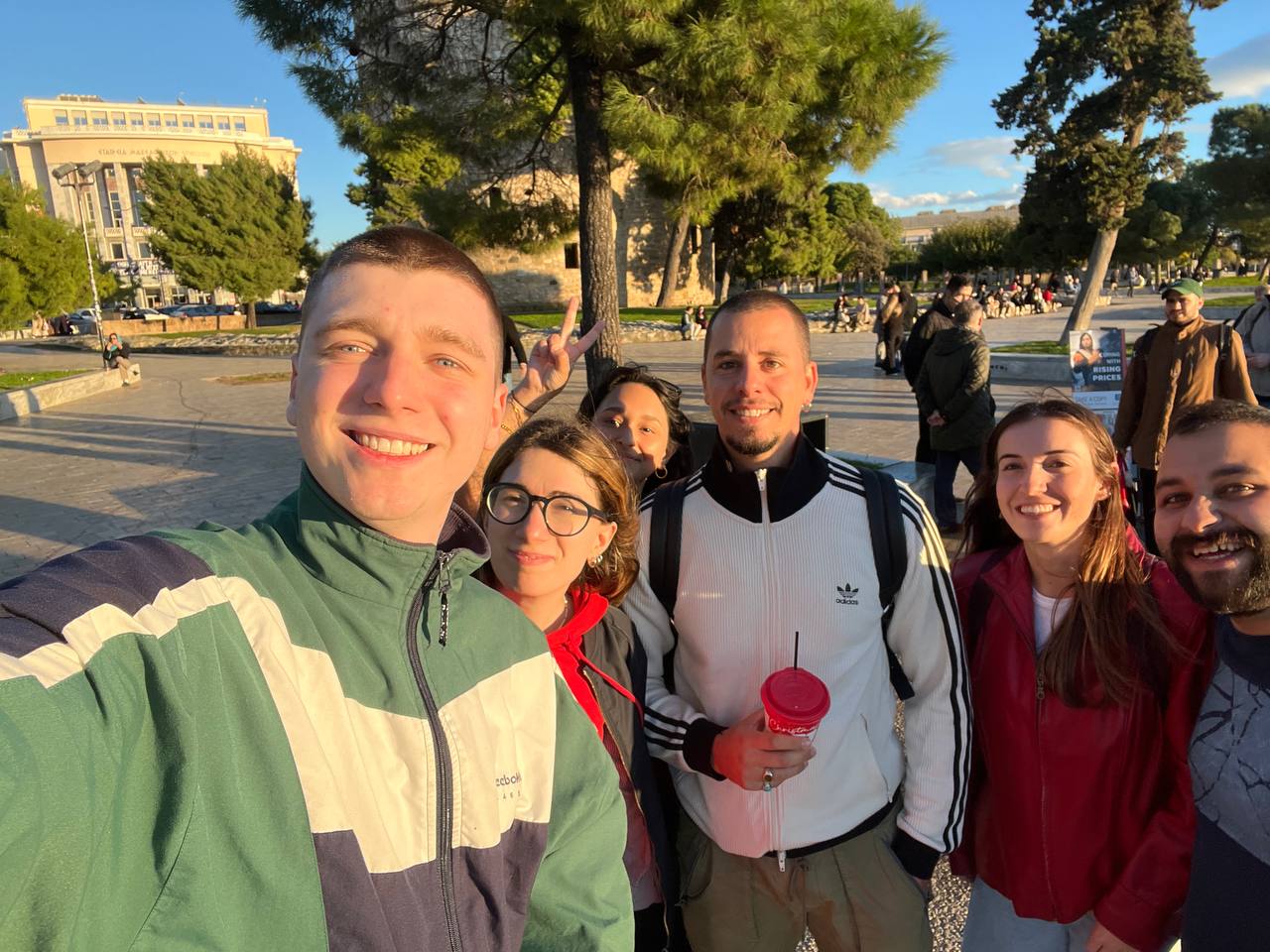
A distinctive feature of this training in Thessaloniki was that the educational process extended beyond the usual classrooms. The organisers effectively combined theoretical sessions with practical engagement with the city, employing the “city as a learning space” methodology. By performing various team tasks directly at historical sites and on the streets of one of the oldest cities in Europe, participants had the opportunity to explore Greece’s cultural heritage while simultaneously practising leadership and mediation skills. Free time spent on the famous Thessaloniki waterfront or in authentic city cafes contributed to an even deeper immersion in Greek life and to the establishment of close, friendly ties between delegations.
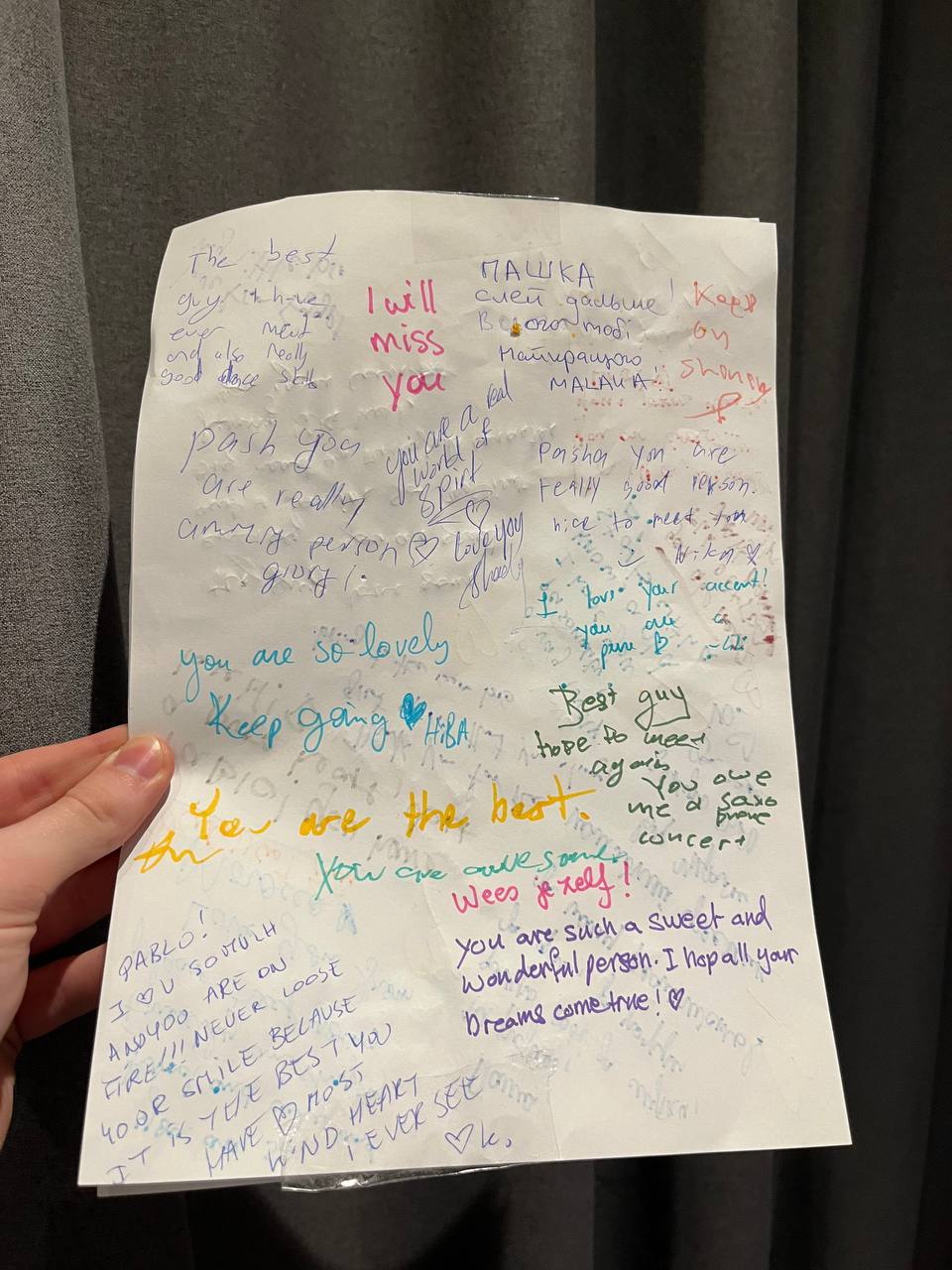
An essential component of the project was the intercultural evenings, where each country presented its national identity. For Pavlo Yavtushenko, it was an honourable mission to represent Ukraine before the international community during such a difficult time for our state. According to the master’s student, each presentation was characterised by a distinct flavour: from the vibrant traditions of Morocco to the reserved elegance of Latvia. Ukraine, represented by the Poltava student, evoked sincere admiration and significant support among foreign colleagues. Such events help break stereotypes and build bridges of trust, demonstrating that modern, talented Ukrainian youth are open to dialogue with the world.
For the future educator and philologist, participation in this Erasmus+ training course served as a powerful stimulus for professional development and a significant advancement in foreign-language proficiency. Staying in an English-speaking environment 24/7 enabled Pavlo not only to improve his speaking practice but also to master specific terminology in psychology and sociology. In addition to linguistic benefits, the trip contributed to the development of global consciousness and critical thinking. Pavlo notes that Erasmus+ is a true school of life that teaches how to be a global citizen, understand complex global processes, and proudly represent one's university and country in the international arena.
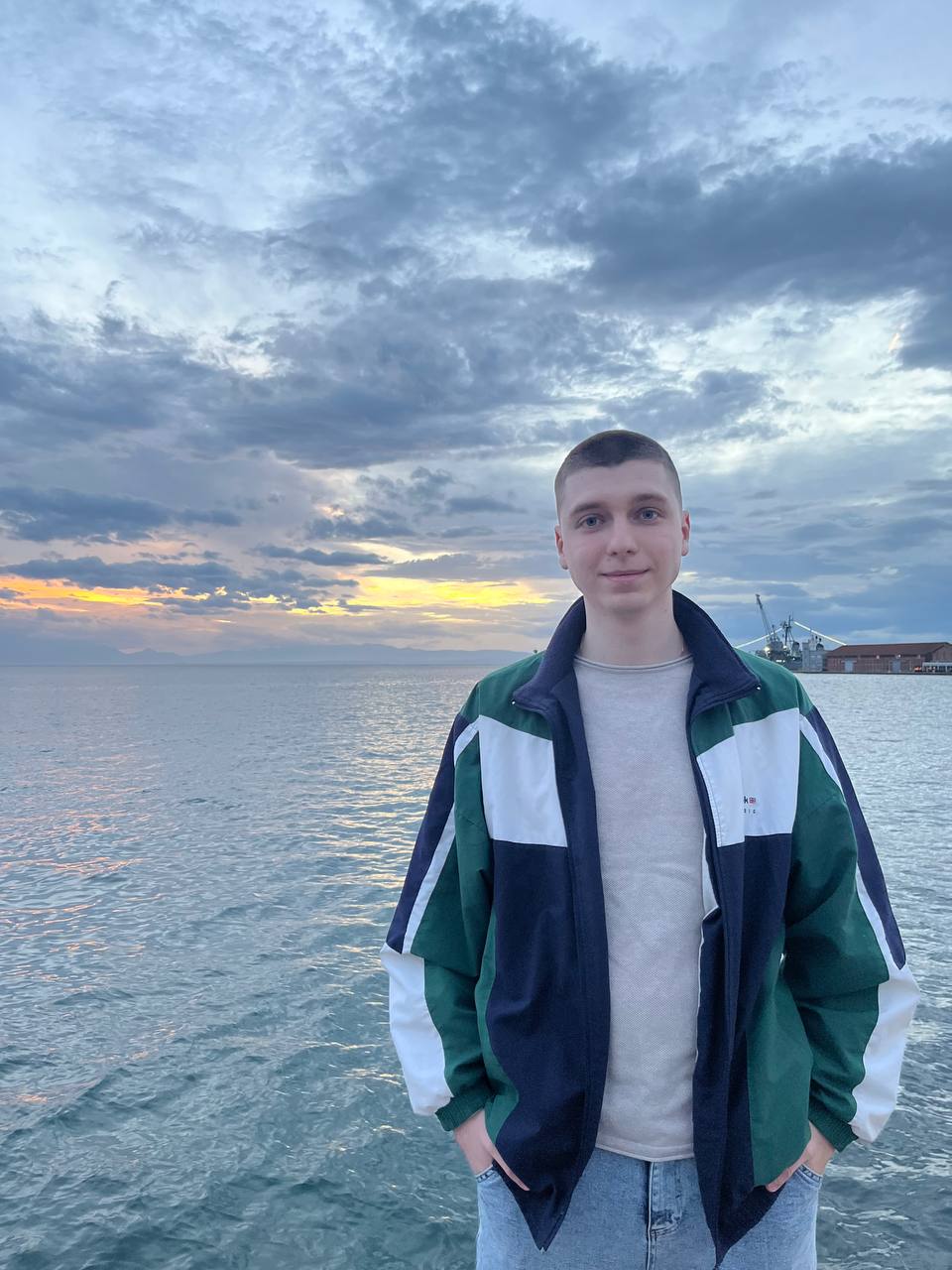
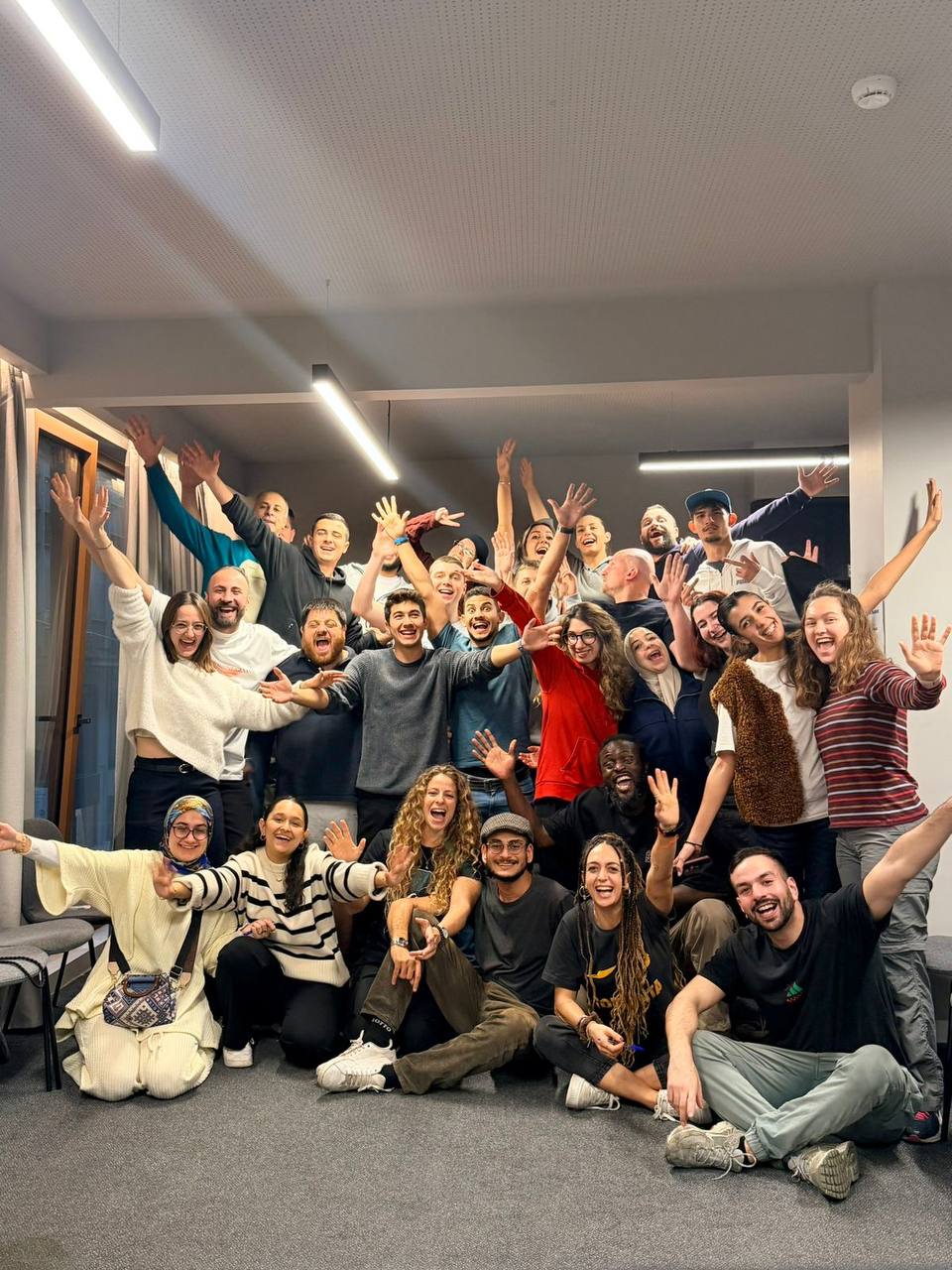
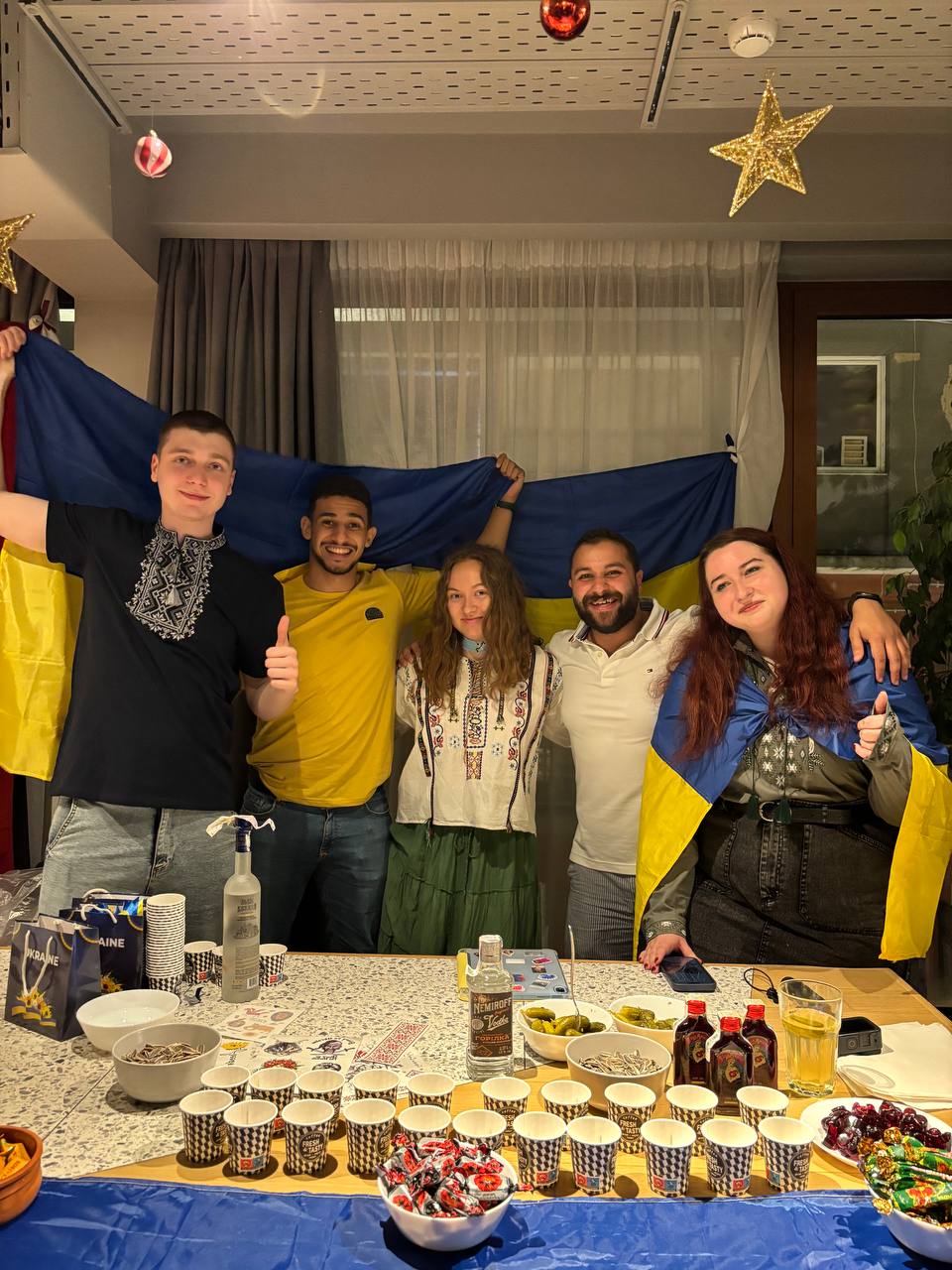
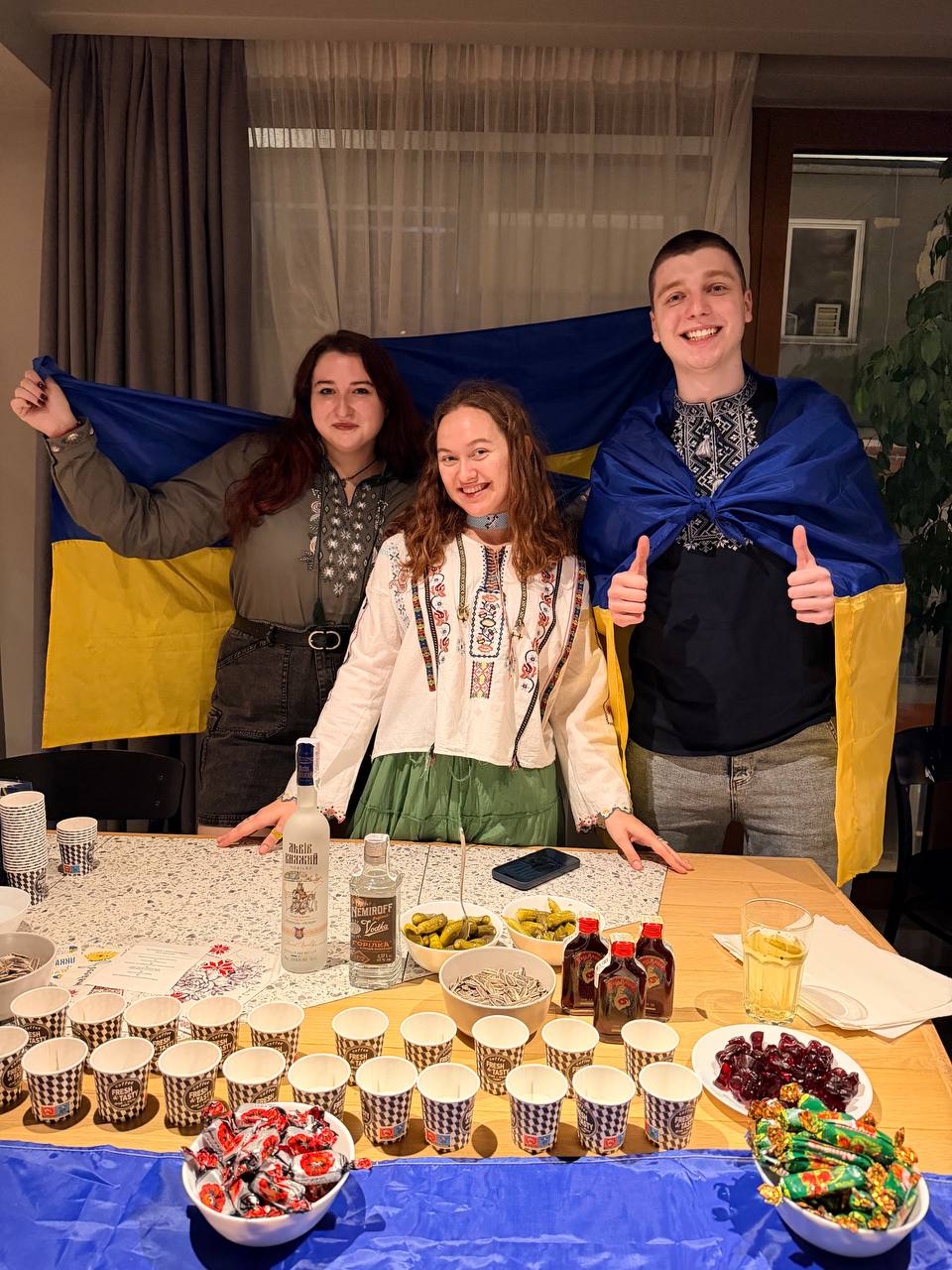

Pavlo’s return to his alma mater with a wealth of new knowledge and ideas demonstrates that Poltava Polytechnic provides all the conditions for the comprehensive development of its students. The university will continue to actively support initiatives to increase student participation in international exchange programs, as such experience helps develop leaders of the next generation. Such specialists, with advanced European methods and a broad outlook, are capable of implementing positive changes in Ukrainian education and building our state in accordance with international standards of quality and democracy.
Recently, Poltava Polytechnic Student Valentyna Mytsenko Participated in an Erasmus+ Training in Poland, a master’s student at Poltava Polytechnic participated in an Erasmus+ youth exchange in Malta; Poltava Polytechnic teachers studied innovative digital tools and artificial intelligence in STEM education in Estonia; and a future translator took part in an Erasmus+ youth exchange in Georgia, where she learned to counter discrimination and stereotypes.
As a reminder, faculty members of Poltava Polytechnic are eligible to participate in academic mobility and internship programs. Students can study abroad through Erasmus+ credit academic mobility grant programs for a semester or a full academic year at leading universities in Austria, Greenland, Denmark, Estonia, Finland, France, Germany, Greece, Ireland, Italy, Latvia, Lithuania, Luxembourg, the Netherlands, Norway, Poland, Portugal, Romania, Slovakia, Spain, Sweden, and the Czech Republic.
For more detailed information on current internship, teaching, and academic mobility programs abroad, please get in touch with the International Relations Office (office 213-C, interoffice@nupp.edu.ua) or the coordinator of international activities at the National University “Yuri Kondratyuk Poltava Polytechnic” – Anna Pavelieva, Ph.D. in Philology, Associate Professor of the Department of Germanic Philology and Translation (email: kunsite.zi@gmail.com, phone: +38-(095)-91-08-192).