Participation in academic mobility programs is a key factor in integrating domestic higher education into the European research area, as it enables the adoption of global best practices. The partnership with ISEP is highly valuable for Poltava Polytechnic, as this School of Engineering, established in 1852, is one of the oldest and leading technical educational institutions in Portugal. The school’s core principle, “Sabre Fazer” (“Knowing How to Do”), reflects an educational concept oriented toward the intensive practical training of future engineers and the implementation of applied research.
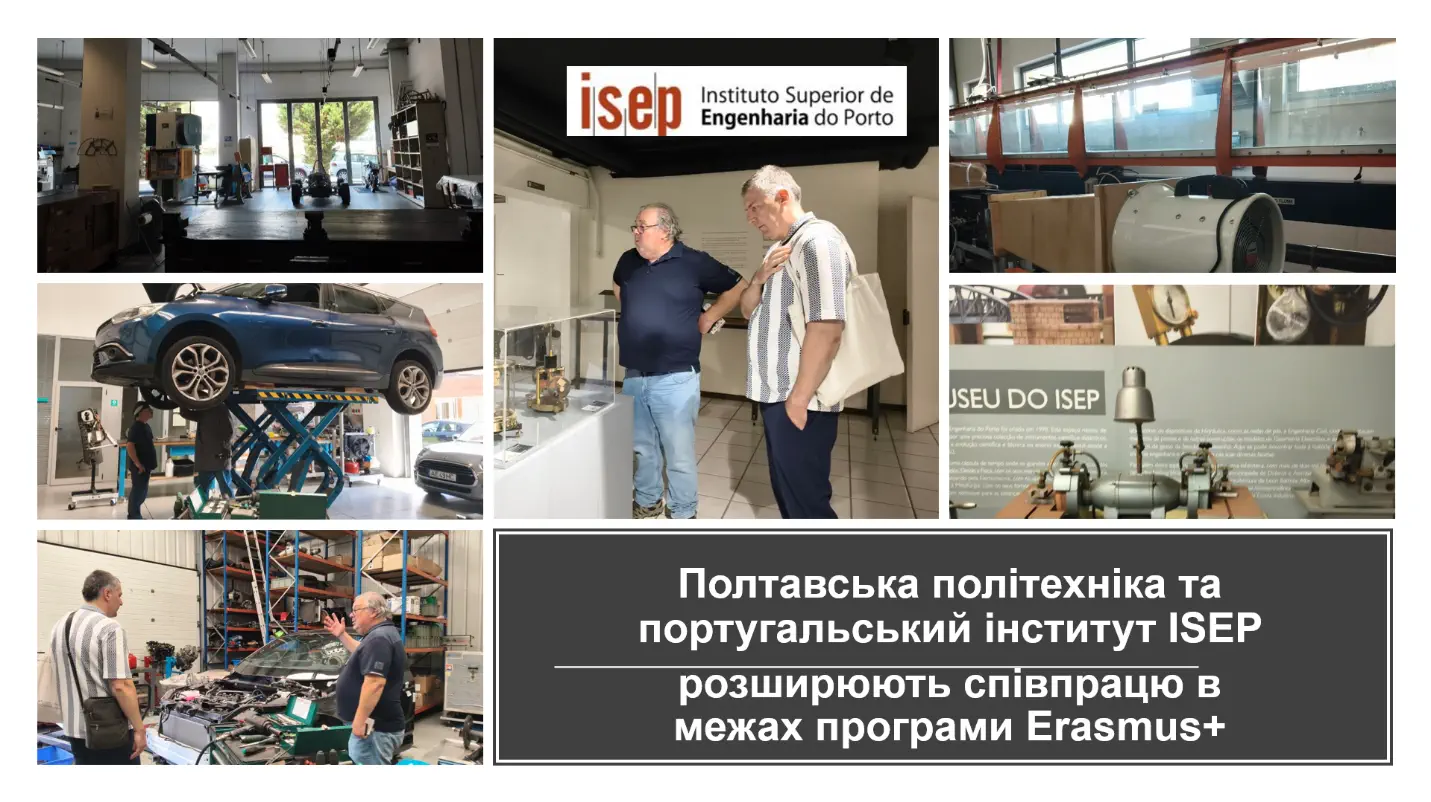
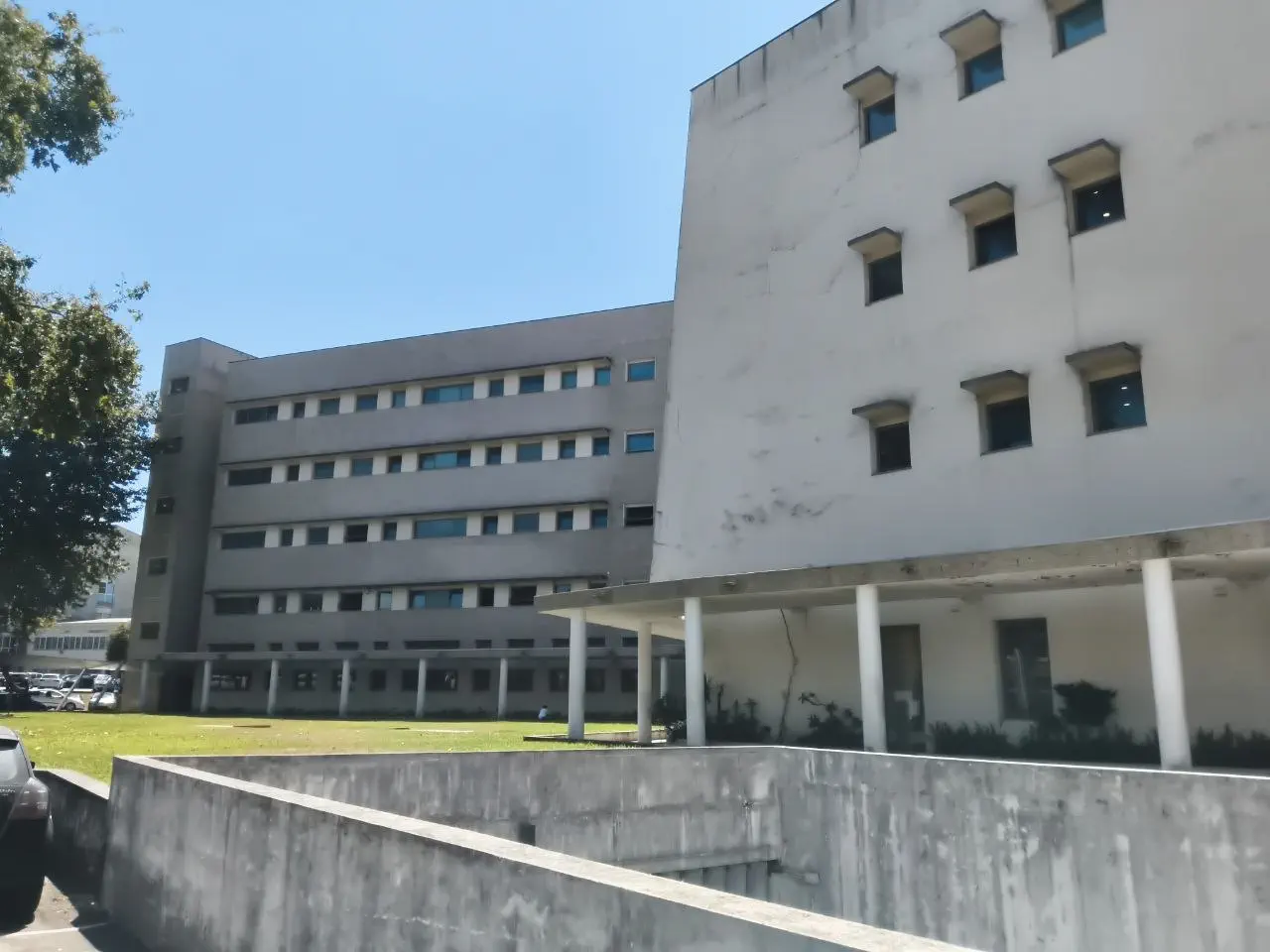
To expand international relations and foster academic mobility, Yevhen Vasyliev, Associate Professor of the Department of Sectoral Mechanical Engineering and Mechatronics, visited the School of Engineering of the Polytechnic Institute of Porto (ISEP – P. Porto, Portugal) under the Erasmus+ program. The primary objective of the visit was to study advanced approaches to organising the educational process, explore the scientific infrastructure, and identify specific areas for future long-term cooperation between our institutions of higher education.
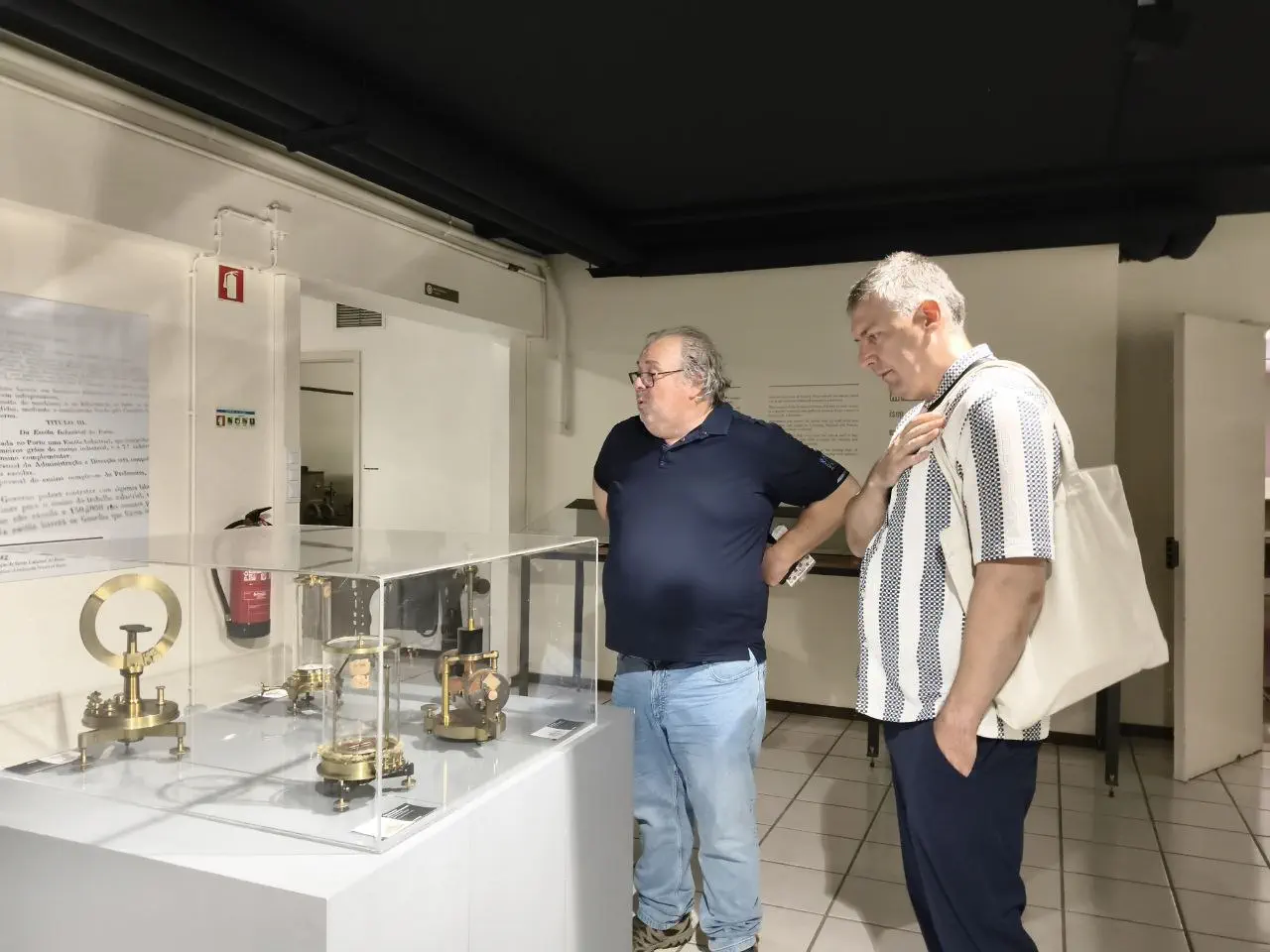
A central focus of the visit was an in-depth acquaintance with the Portuguese institution's educational and scientific research infrastructure. Fernando José Ferreira, Professor in the Department of Mechanical Engineering and Head of the Automotive Engineering program, dedicated significant time to the international guests, leading a detailed and extensive tour of the institute's specialised complexes.
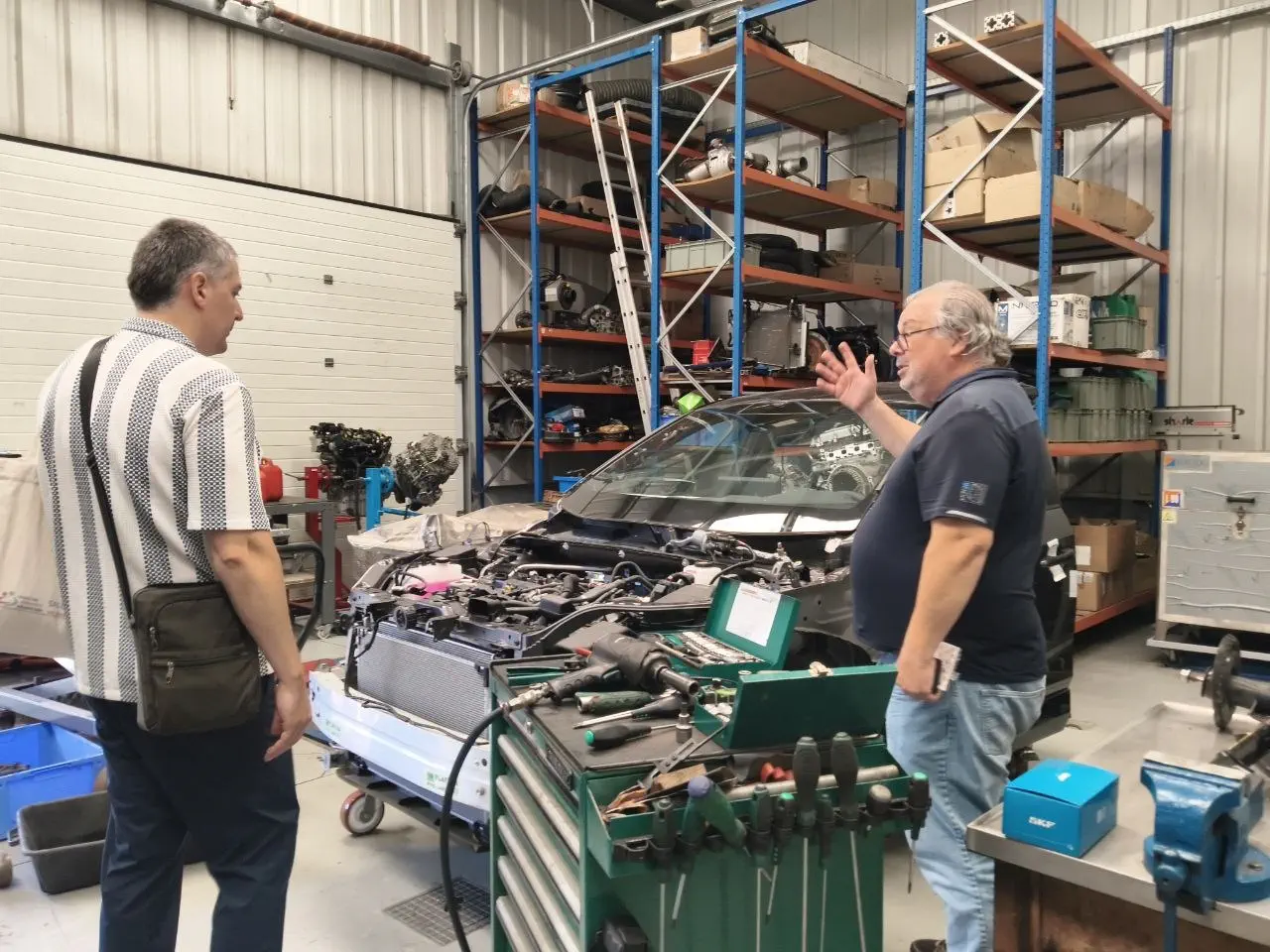
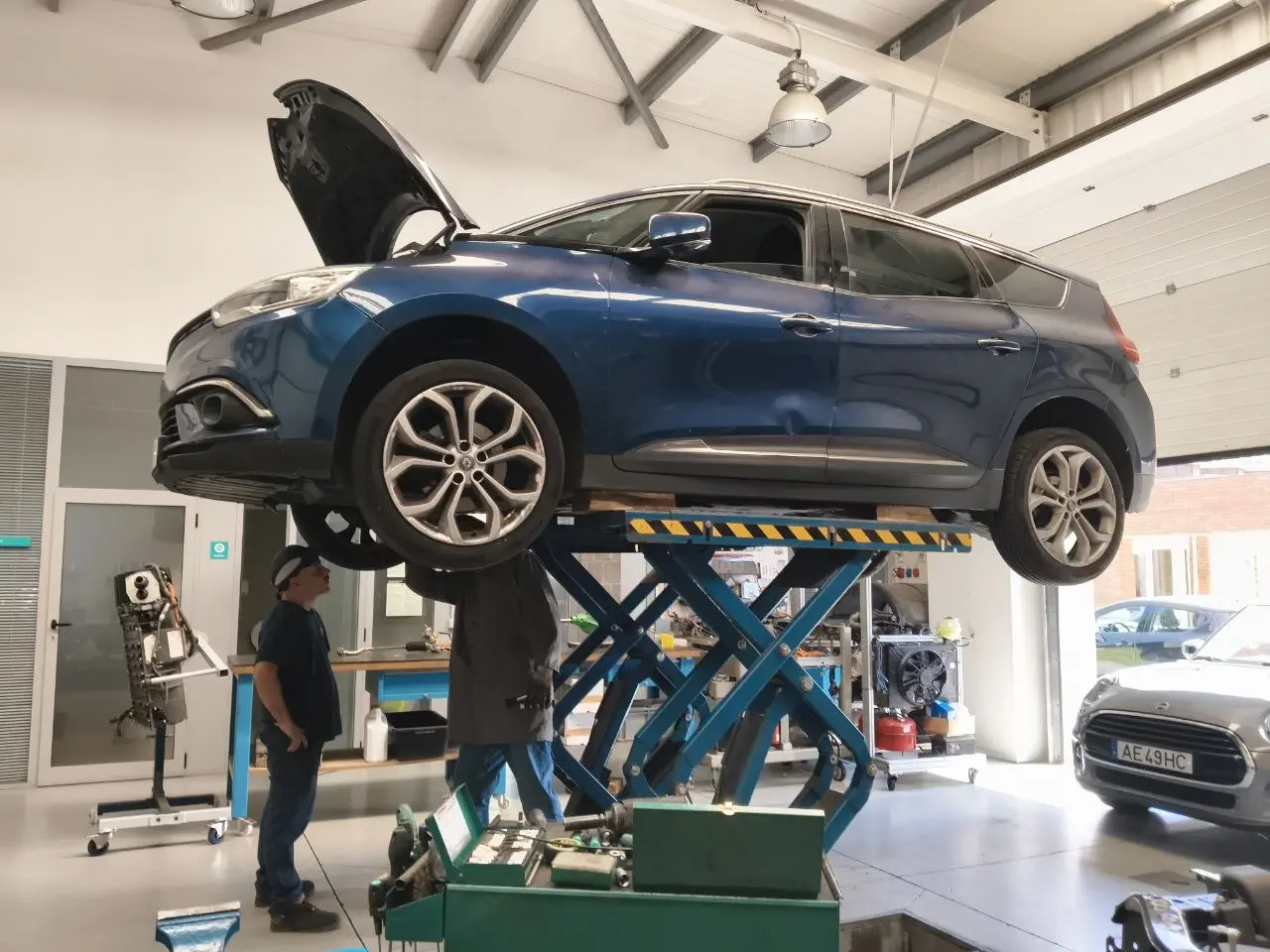
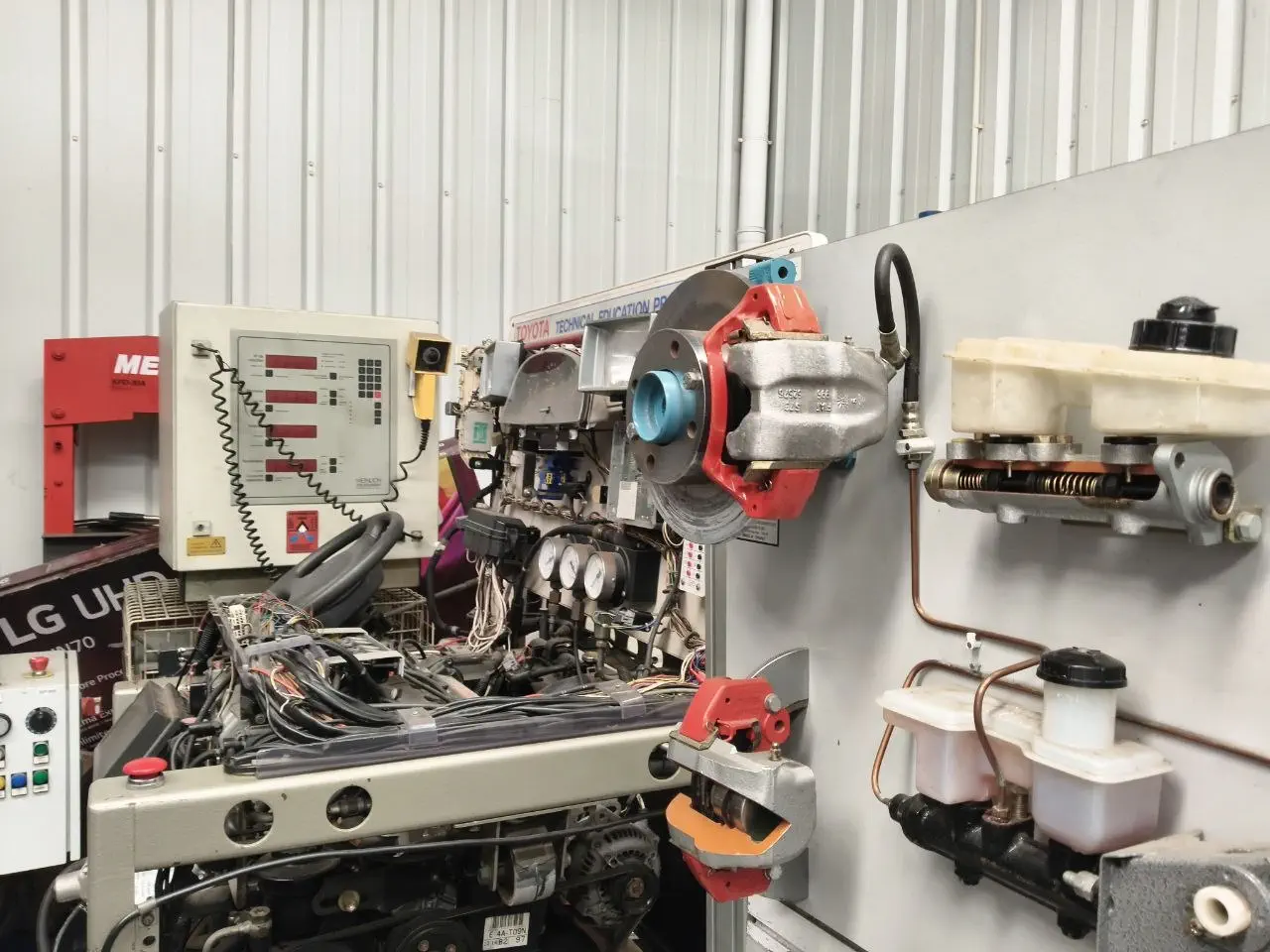
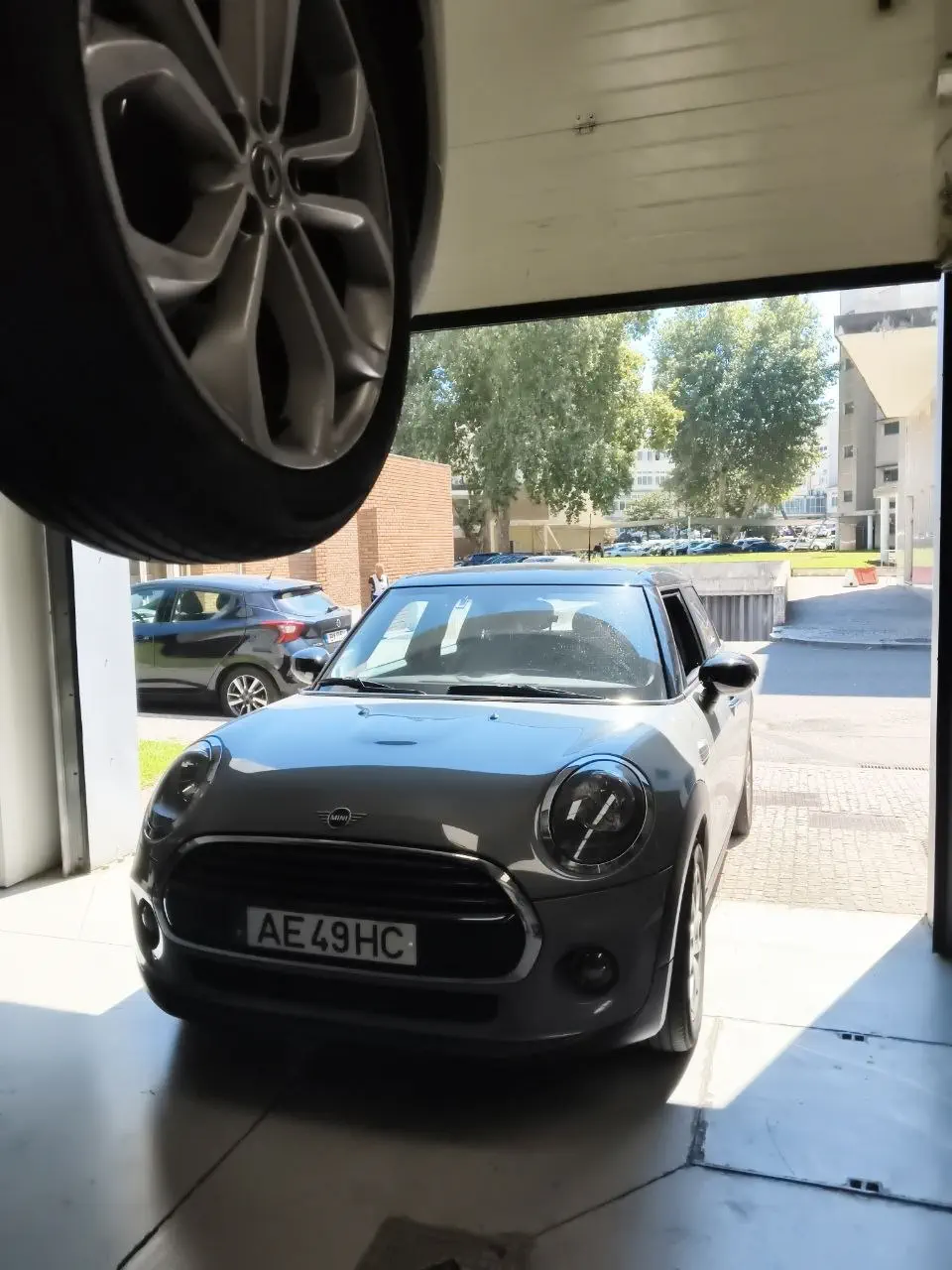
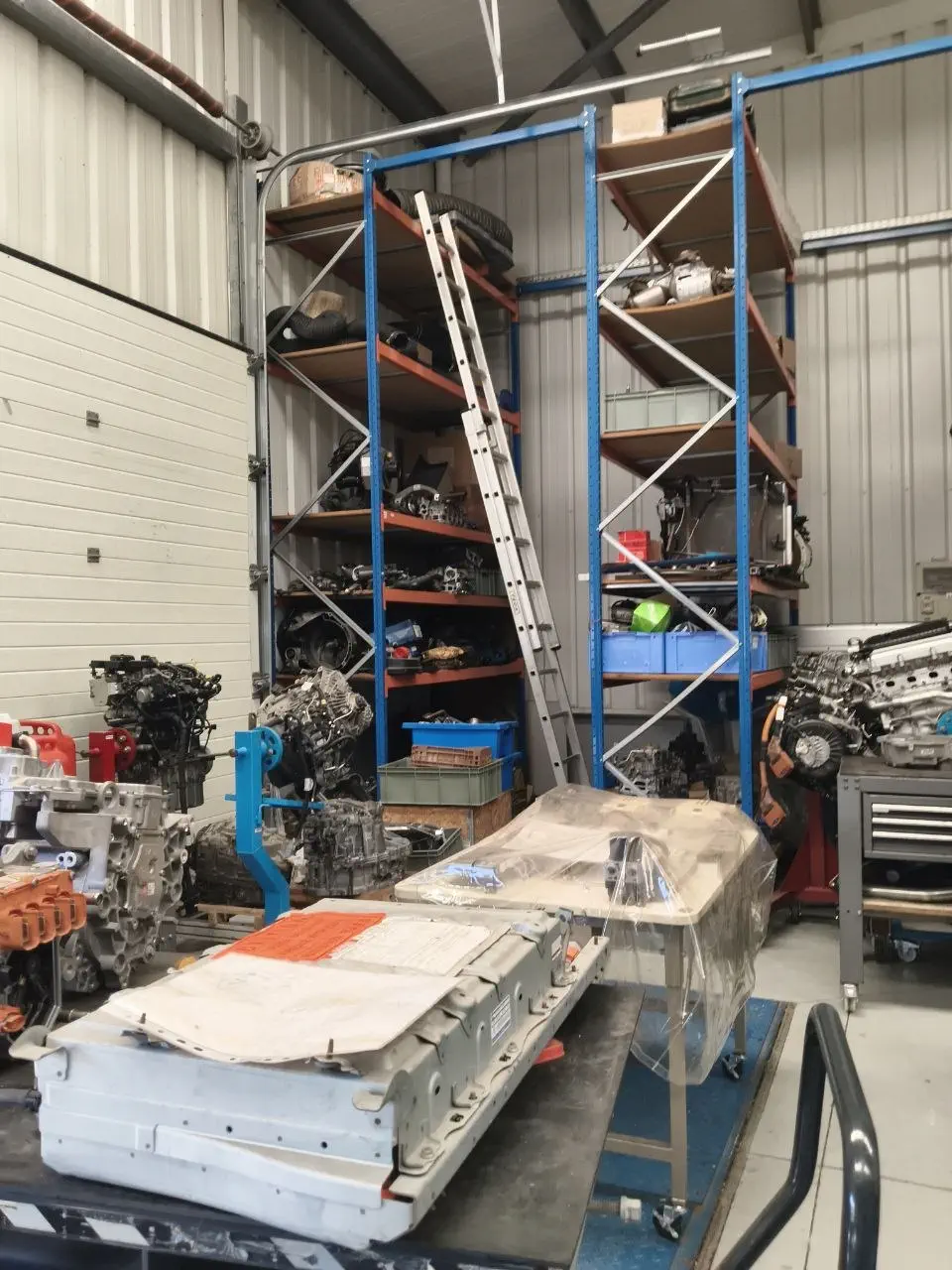
During this interaction, the academics closely examined the operations of the automotive laboratory and the engine workshop. This facility is geared toward students acquiring real-world practical skills; the workshop features car lifts that accommodate vehicles for maintenance (including a Mini Cooper), while the shelving units house numerous engines, gearboxes, and other disassembled components. Students have the opportunity to study using unique mobile Toyota Technical Education rigs that feature cutaways of actual automotive engines, disc brake systems with callipers, master cylinders, and other hydraulic components.
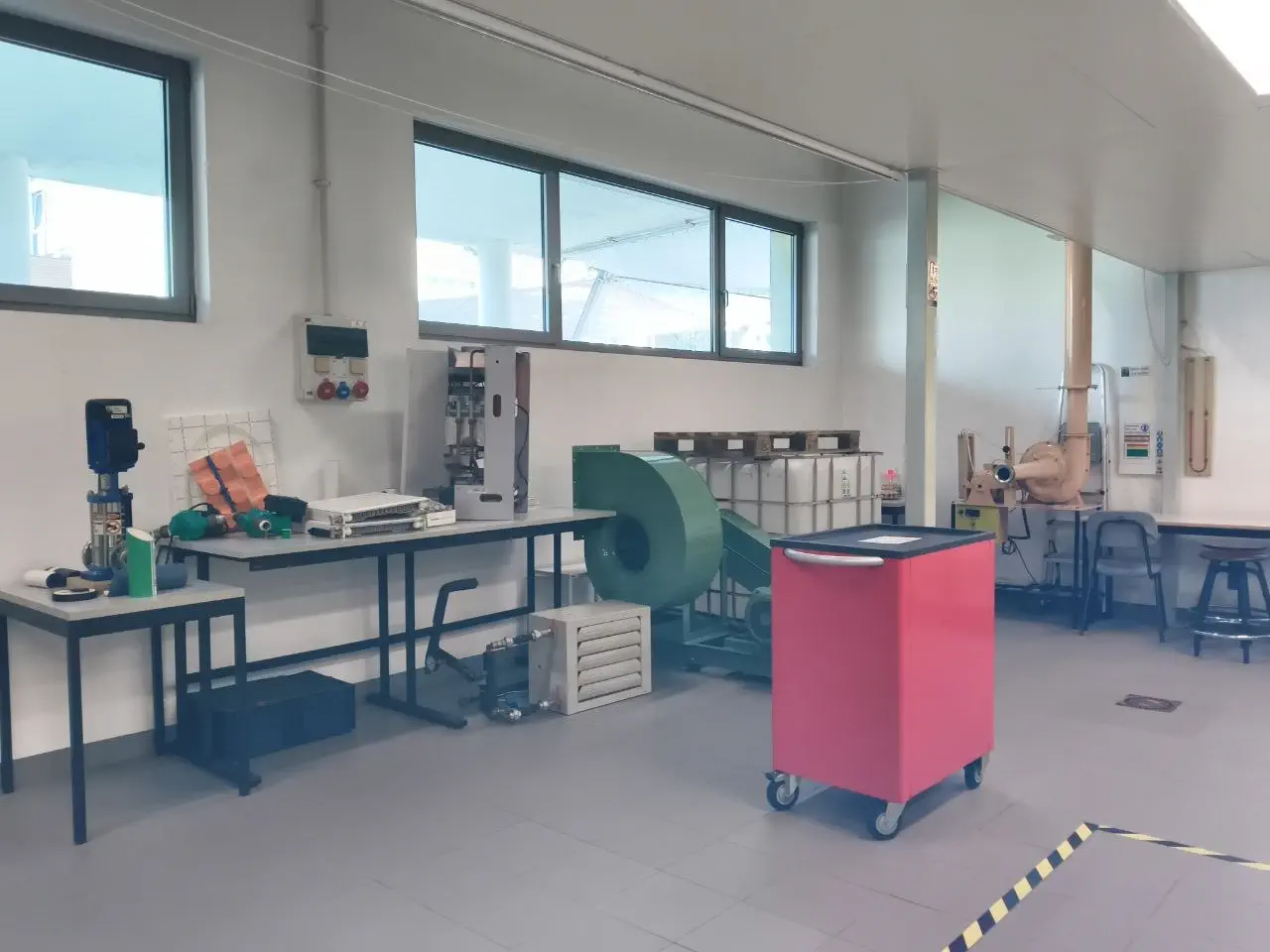
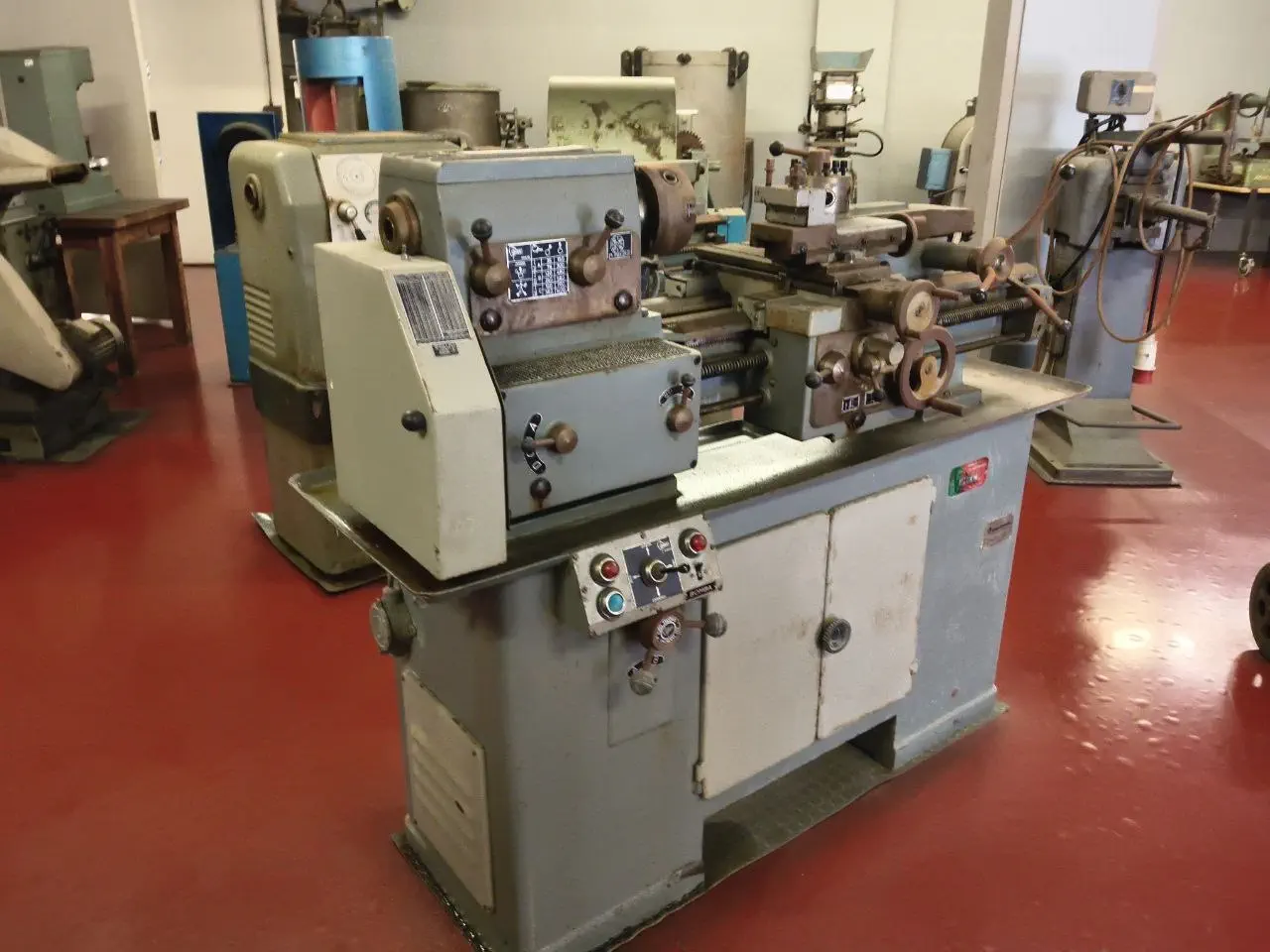
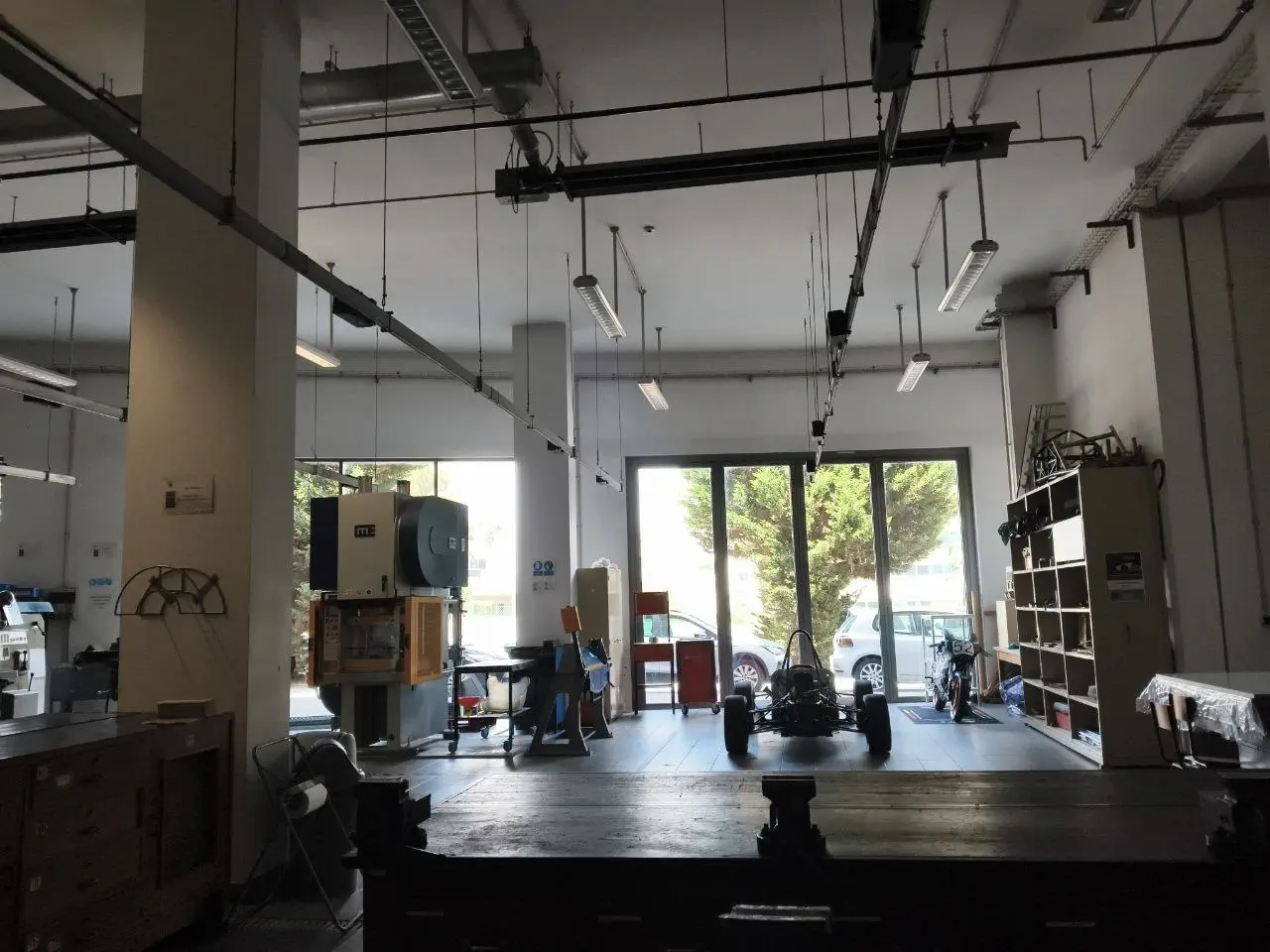
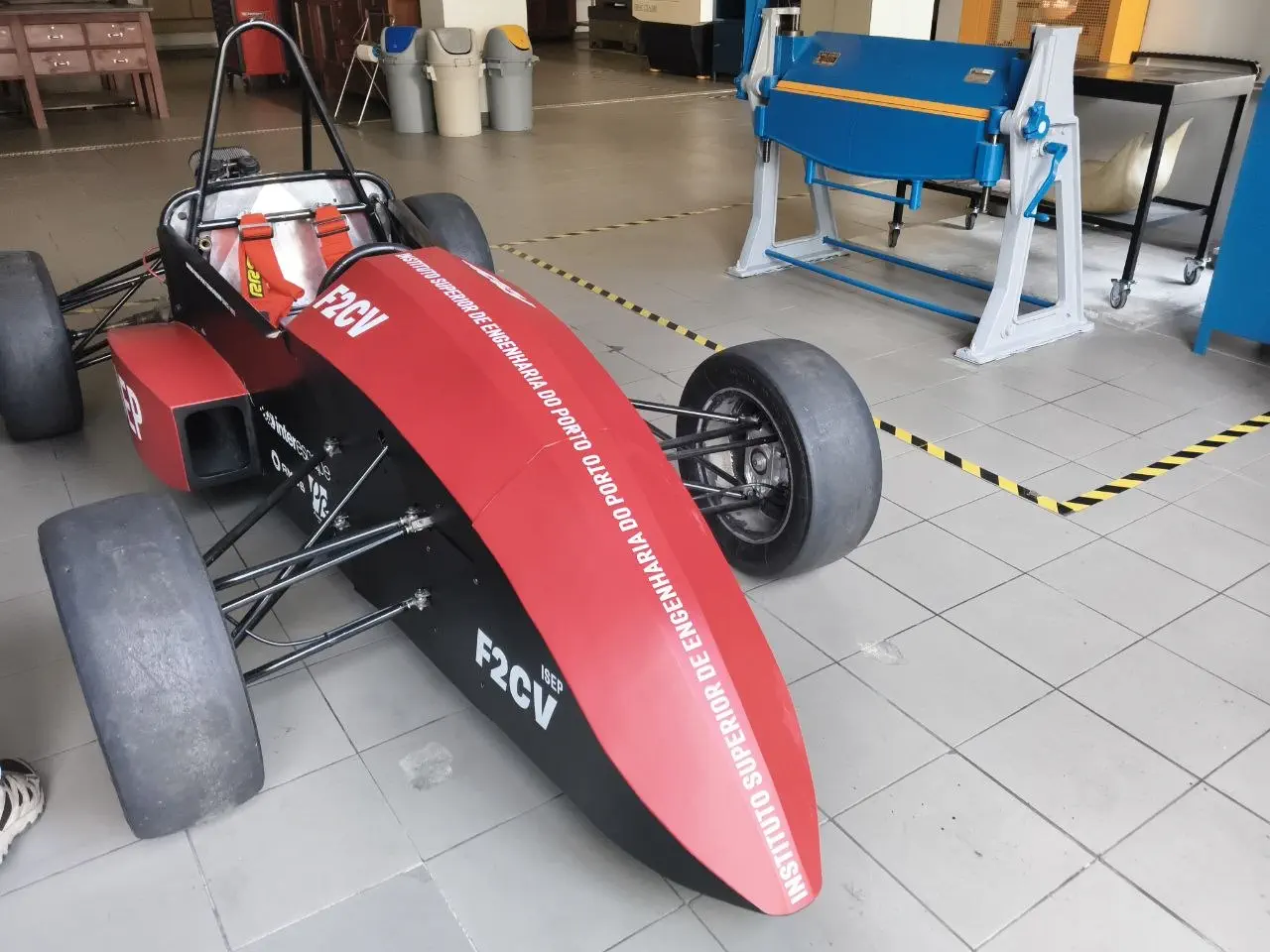
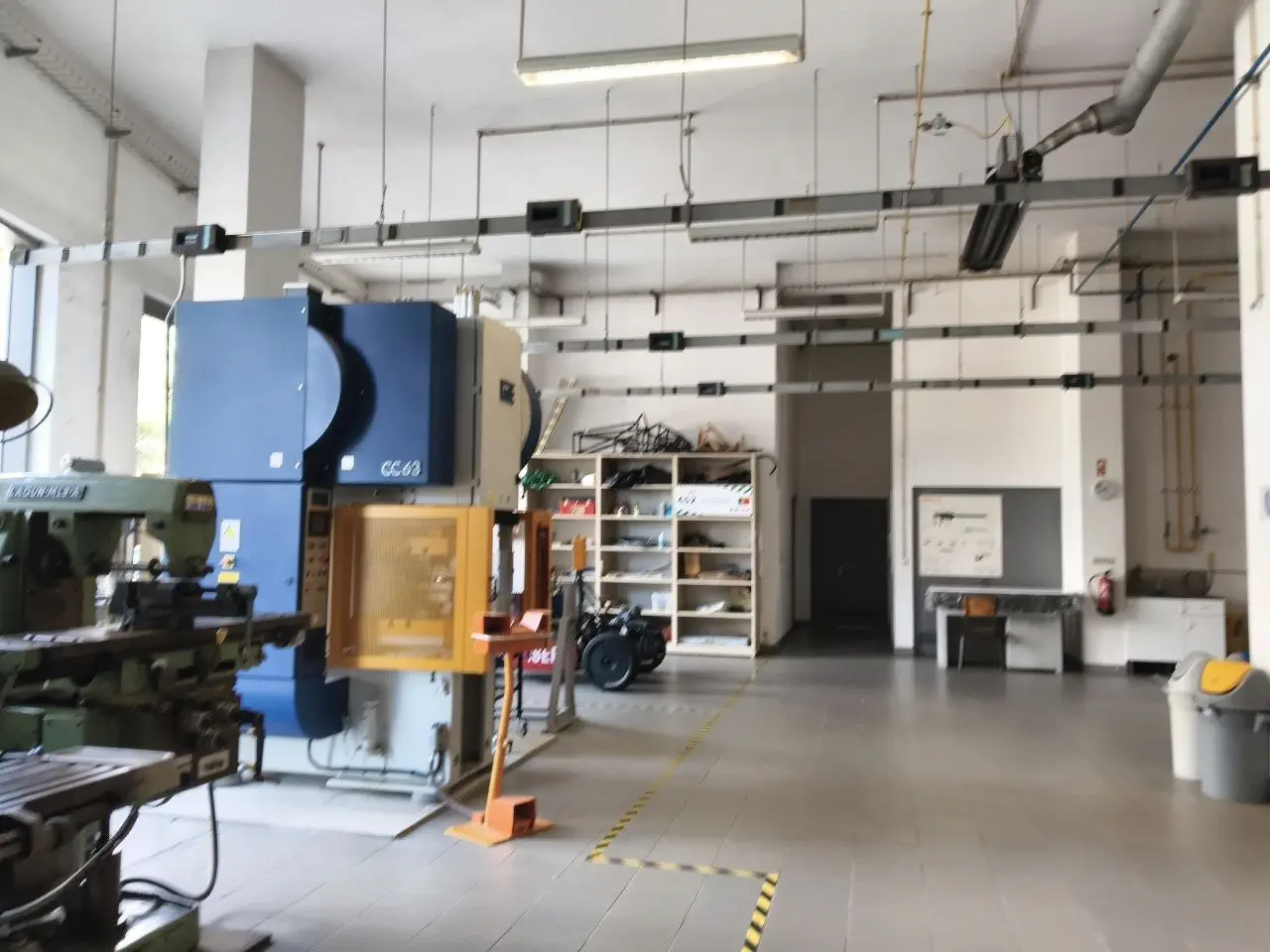
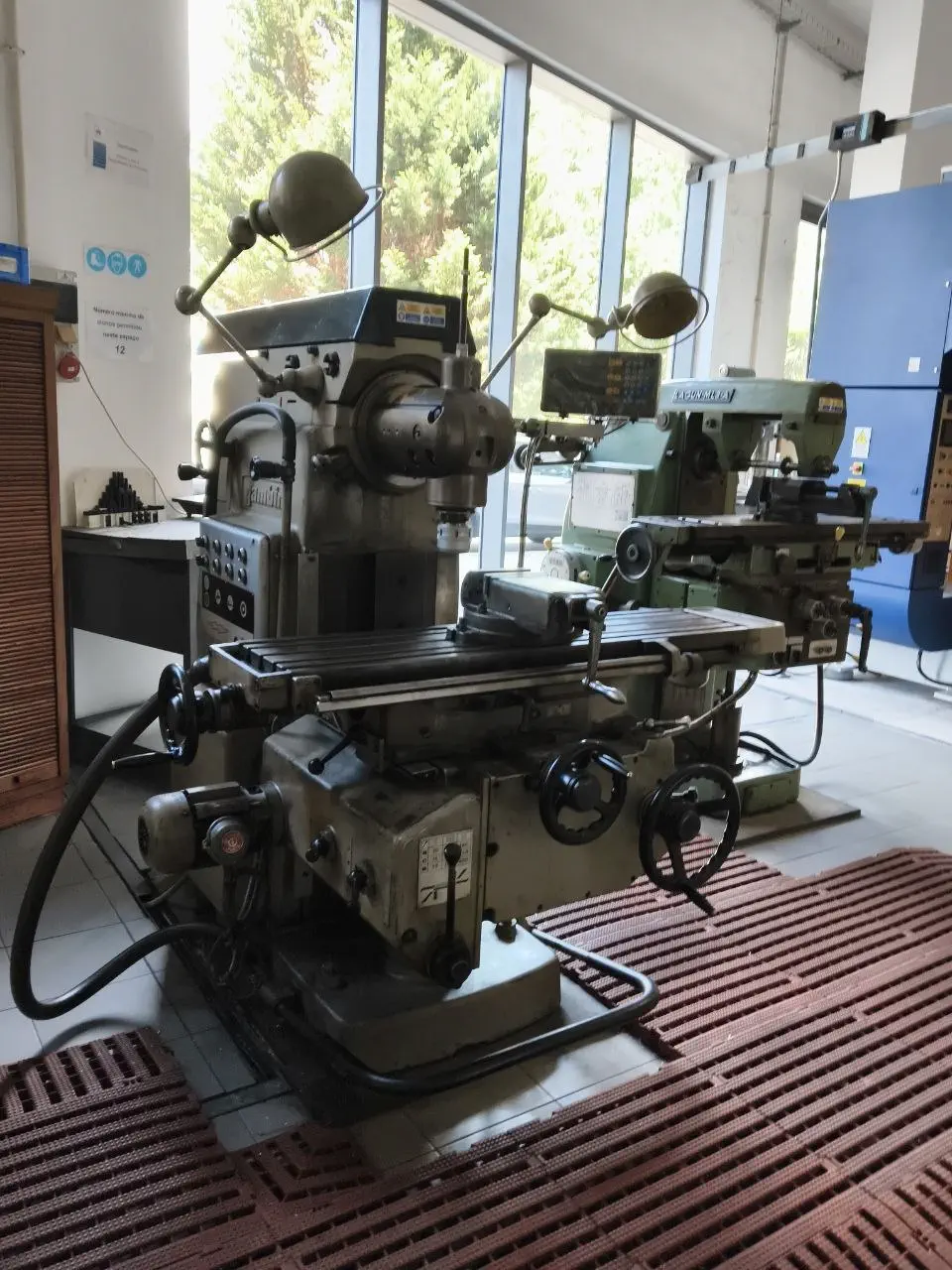
Additionally, they toured the large workshop of the Mechanical Technology Laboratory, which is equipped with heavy industrial machinery: manual and CNC milling machines, large guillotine shears, a massive CC63 hydraulic press, and manual and hydraulic sheet-metal bending machines. It is within these premises that the well-known student project Formula Student ISEP is based, where the guests inspected the F2CV racing car designed and constructed entirely by the students.
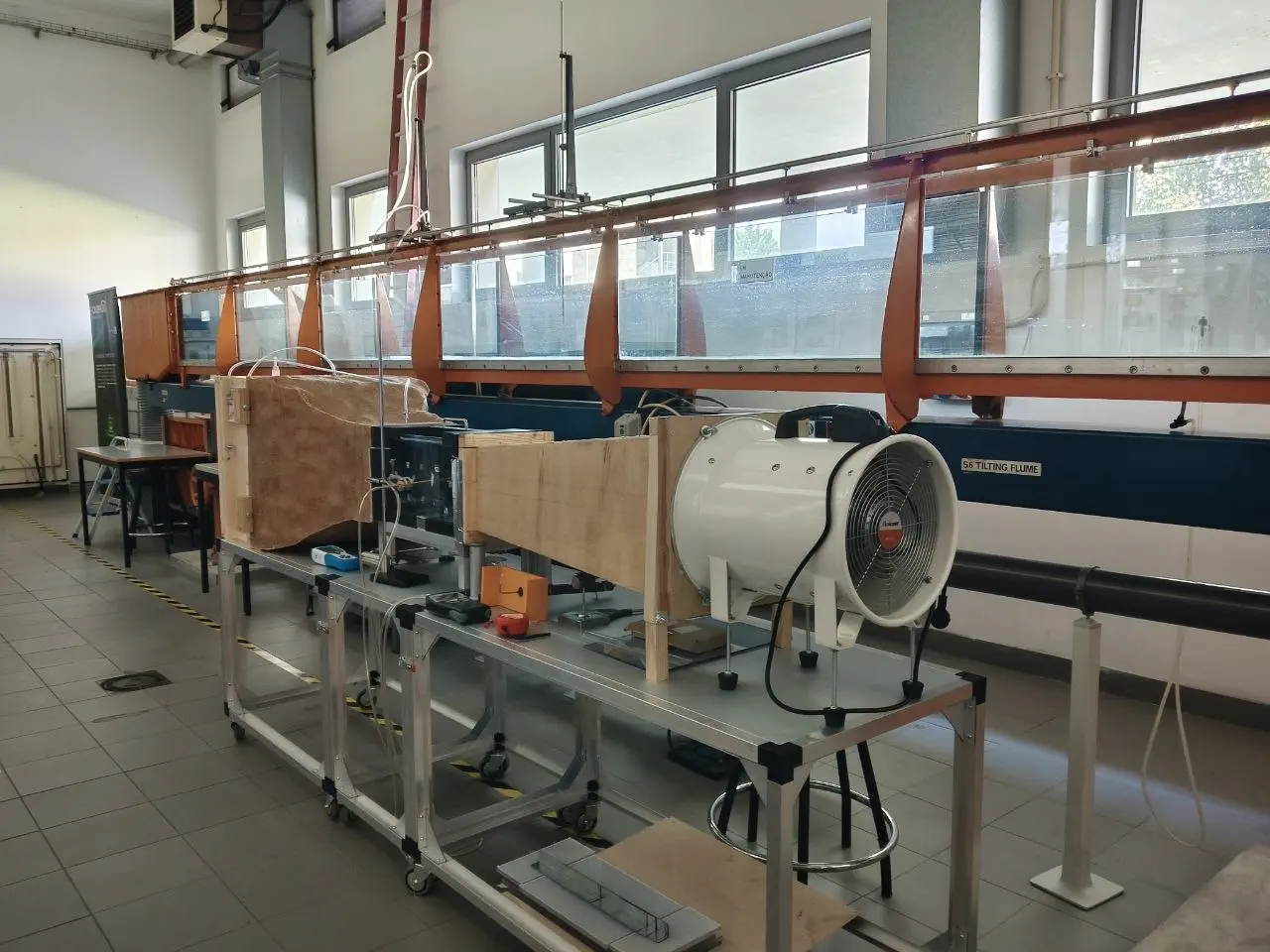
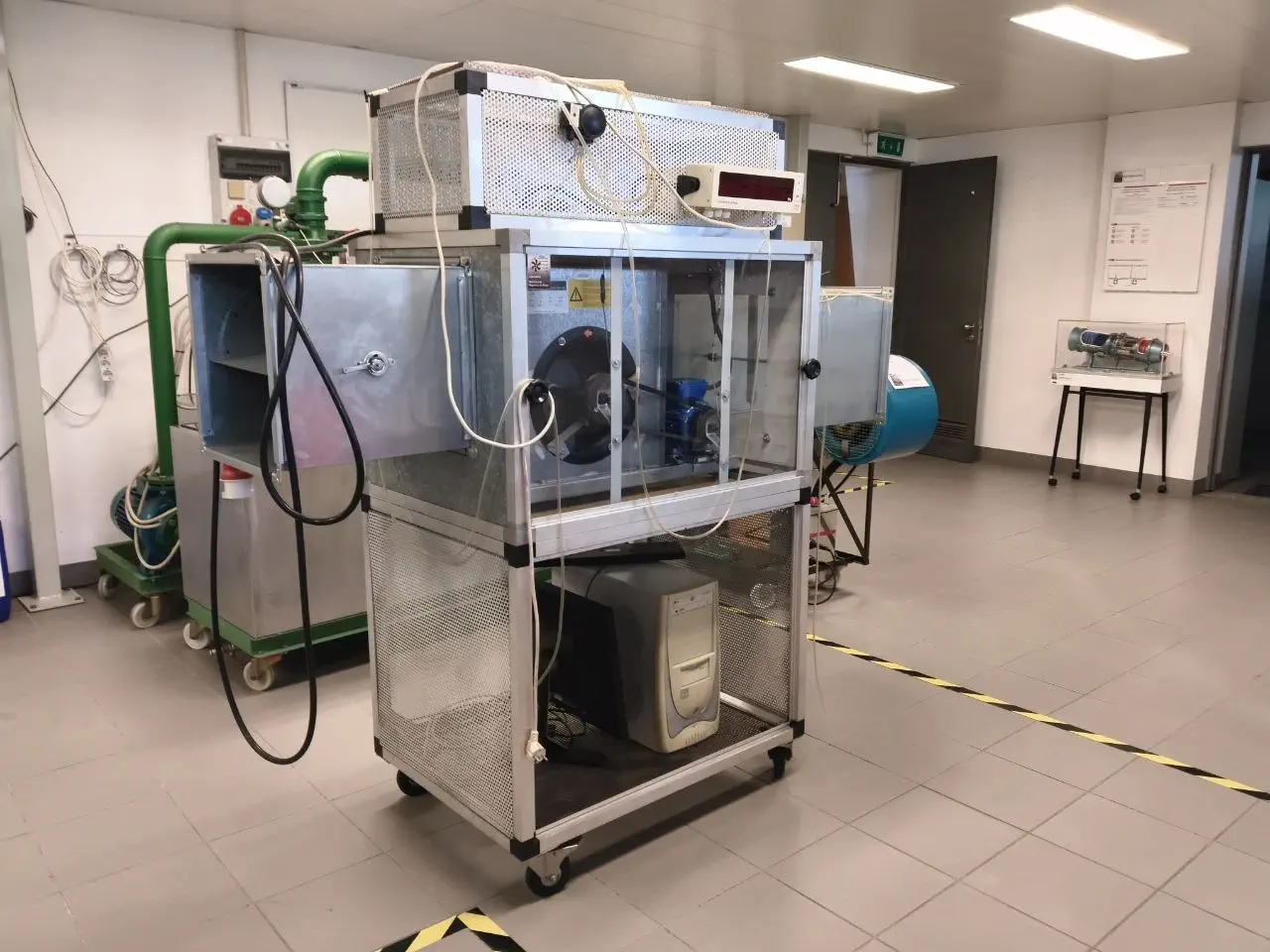
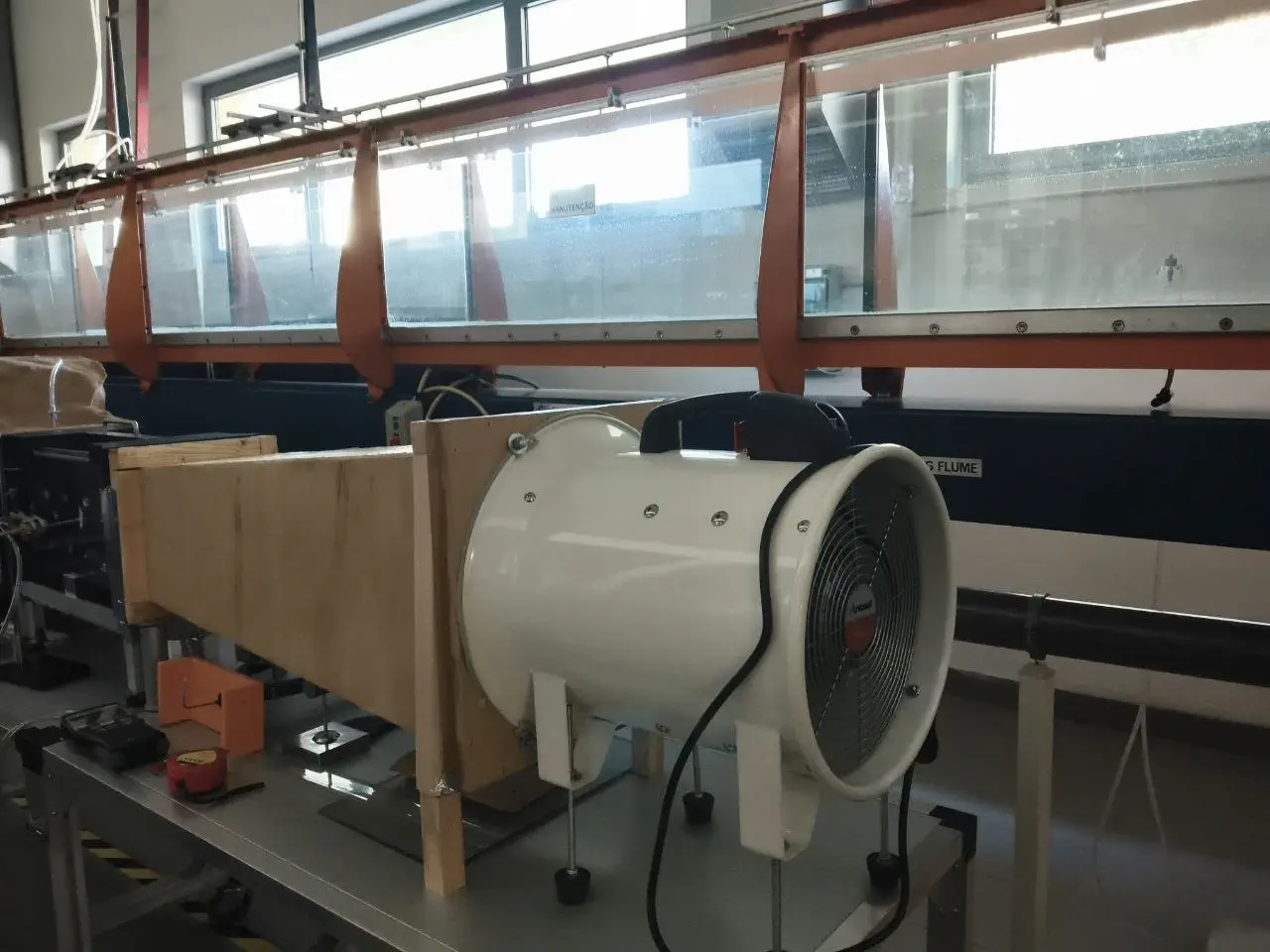
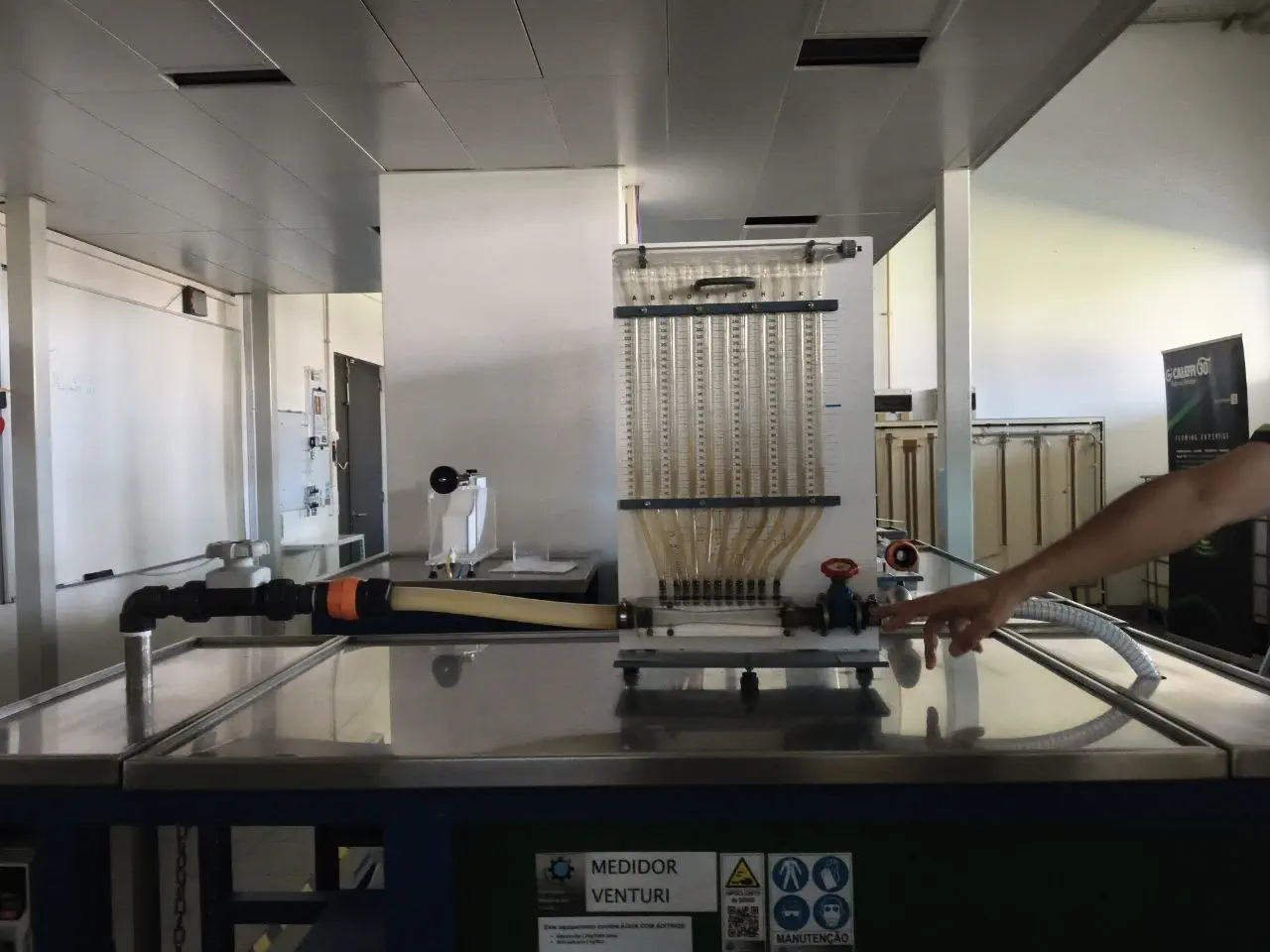
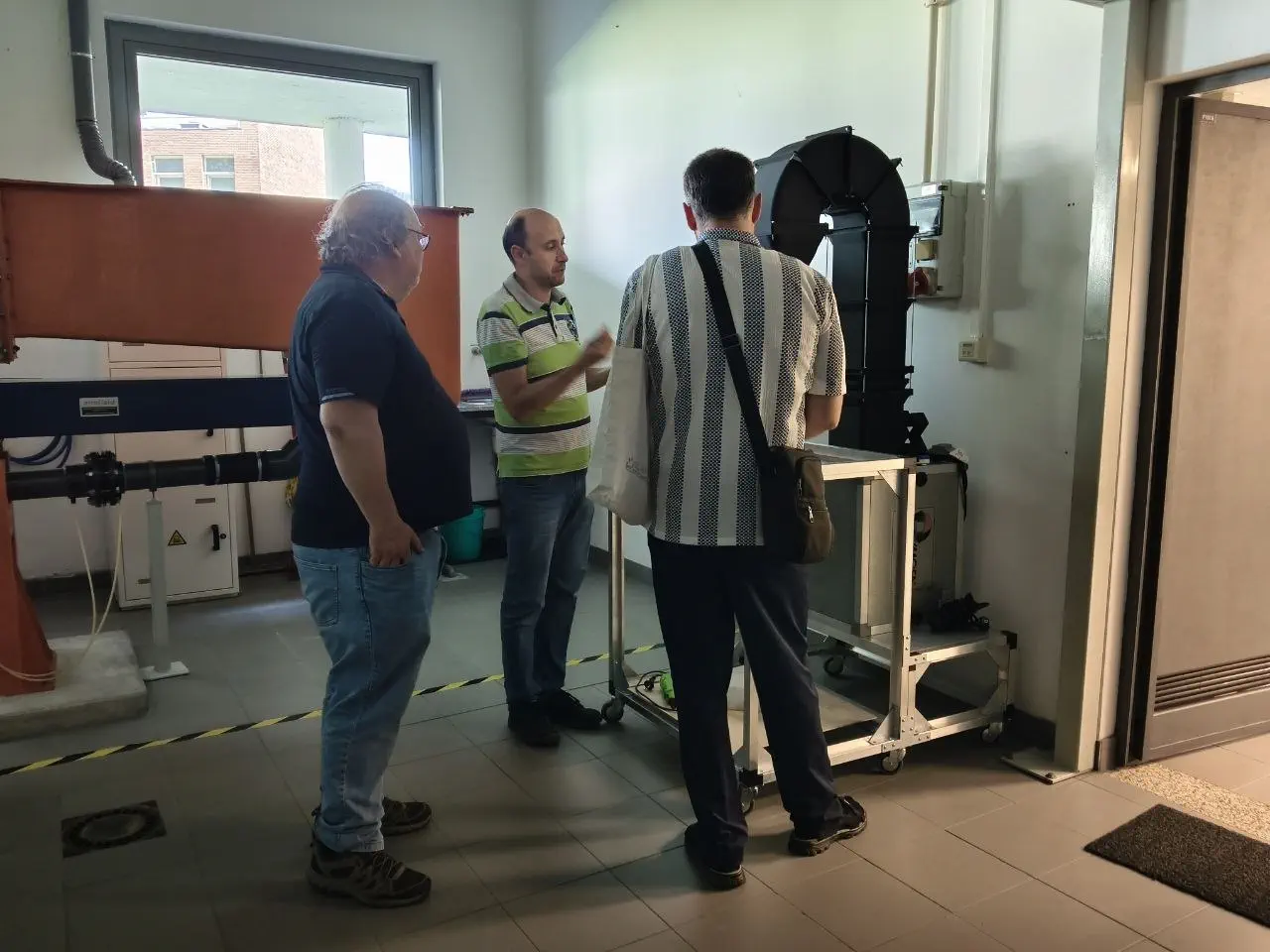
An essential part of the tour was the detailed exploration of the Fluid Mechanics Laboratory (Laboratório de Mecânica dos Fluidos – LMEF), directly managed by Dr Pedro Miguel Rosas de Almeida Areal. Professor Areal personally introduced the guests to the two-story laboratory complex, designed to bridge theoretical concepts and experimental measurement methods and demonstrated the operation of large glass hydraulic channels (the S6 Tilting Flume series) used to study open-channel flow characteristics and to visualise flow. Aerodynamic setups, compact wind tunnels with fans to investigate airflow, test benches to study pressure drops in pipelines, valves, and pipe bends, and high-precision flowmeters with computerised data acquisition systems were also presented. This laboratory serves as an excellent example of how undergraduate and graduate students gain practical skills in working with modern measurement and engineering instrumentation.
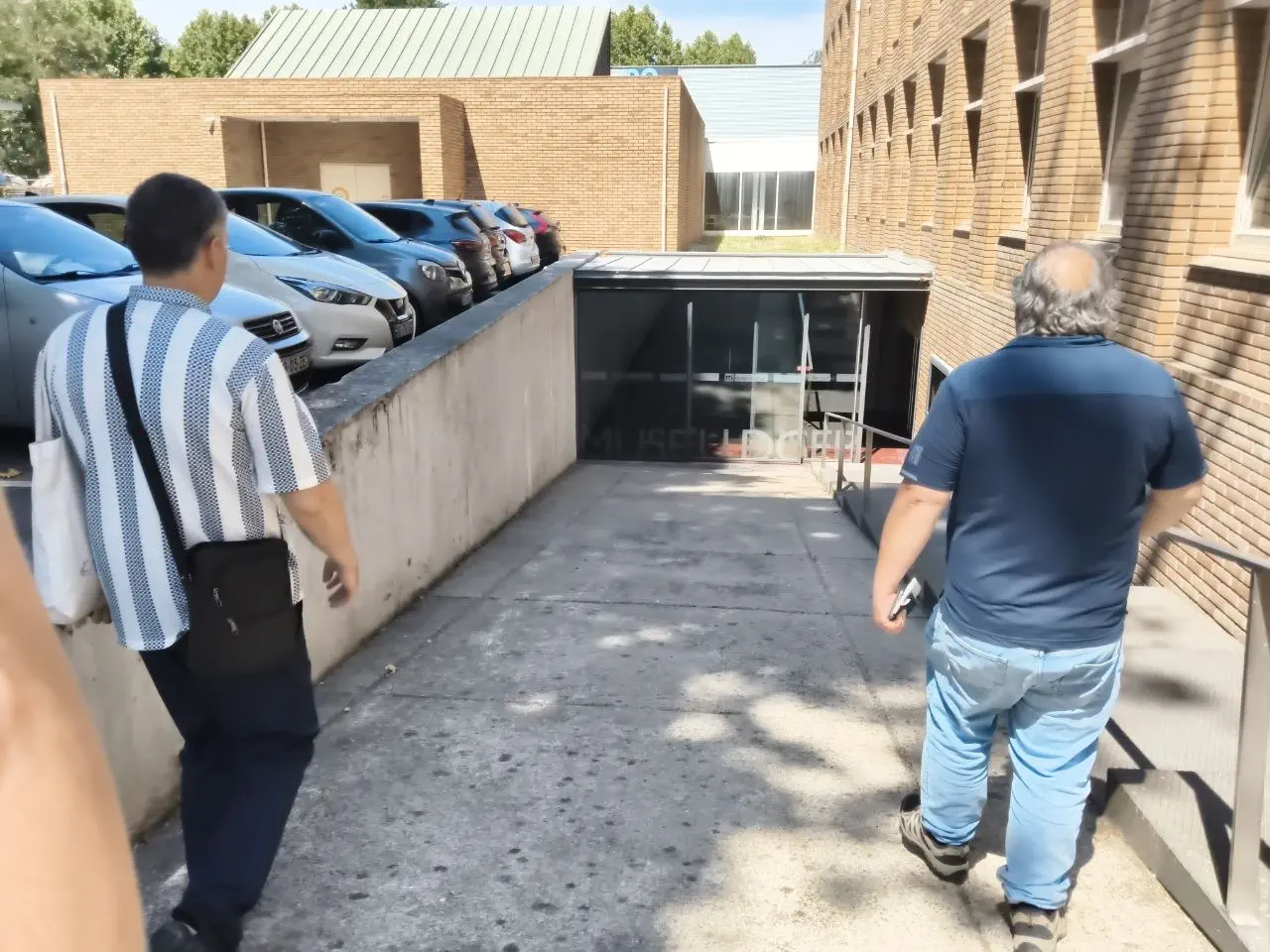
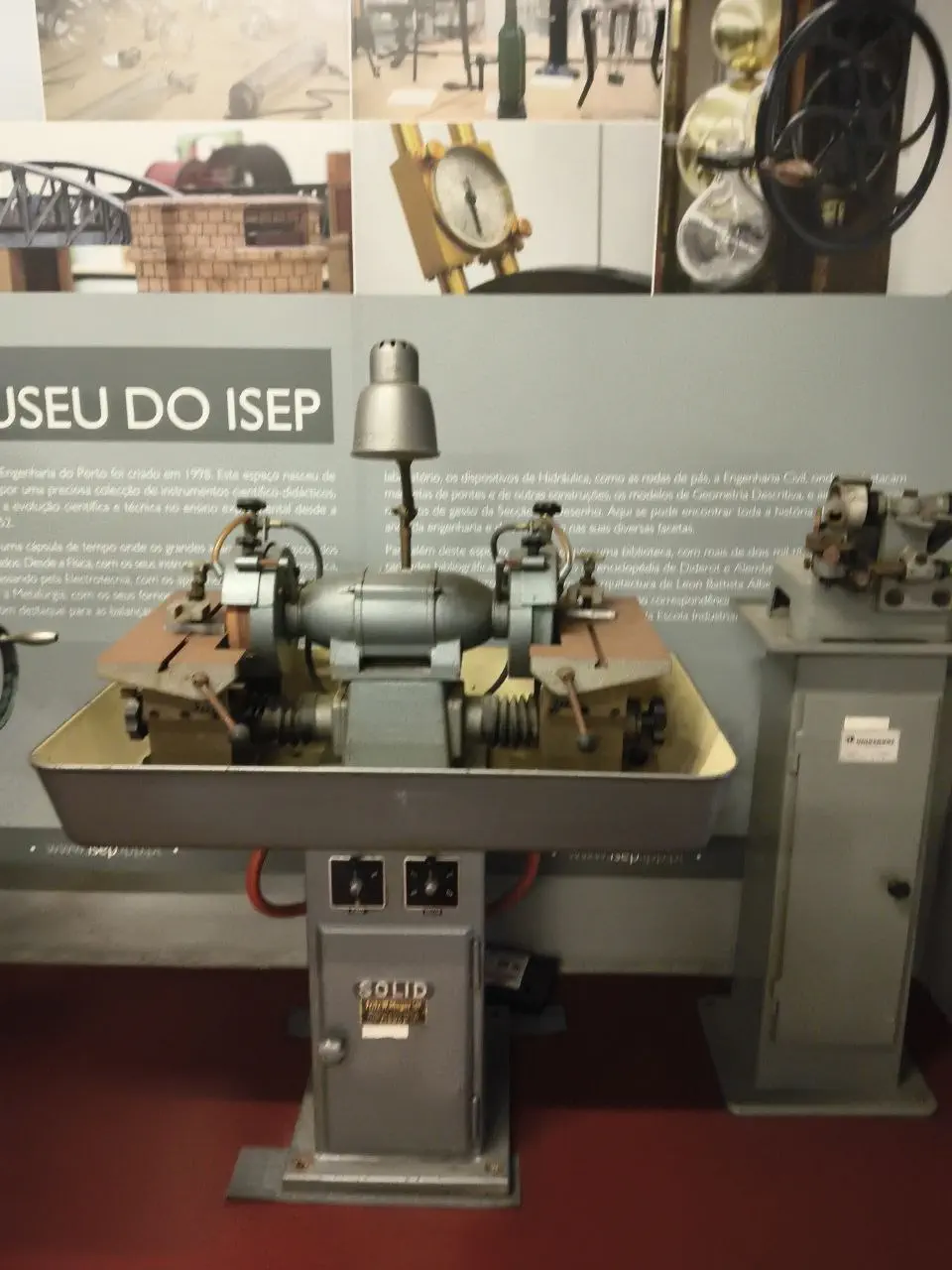
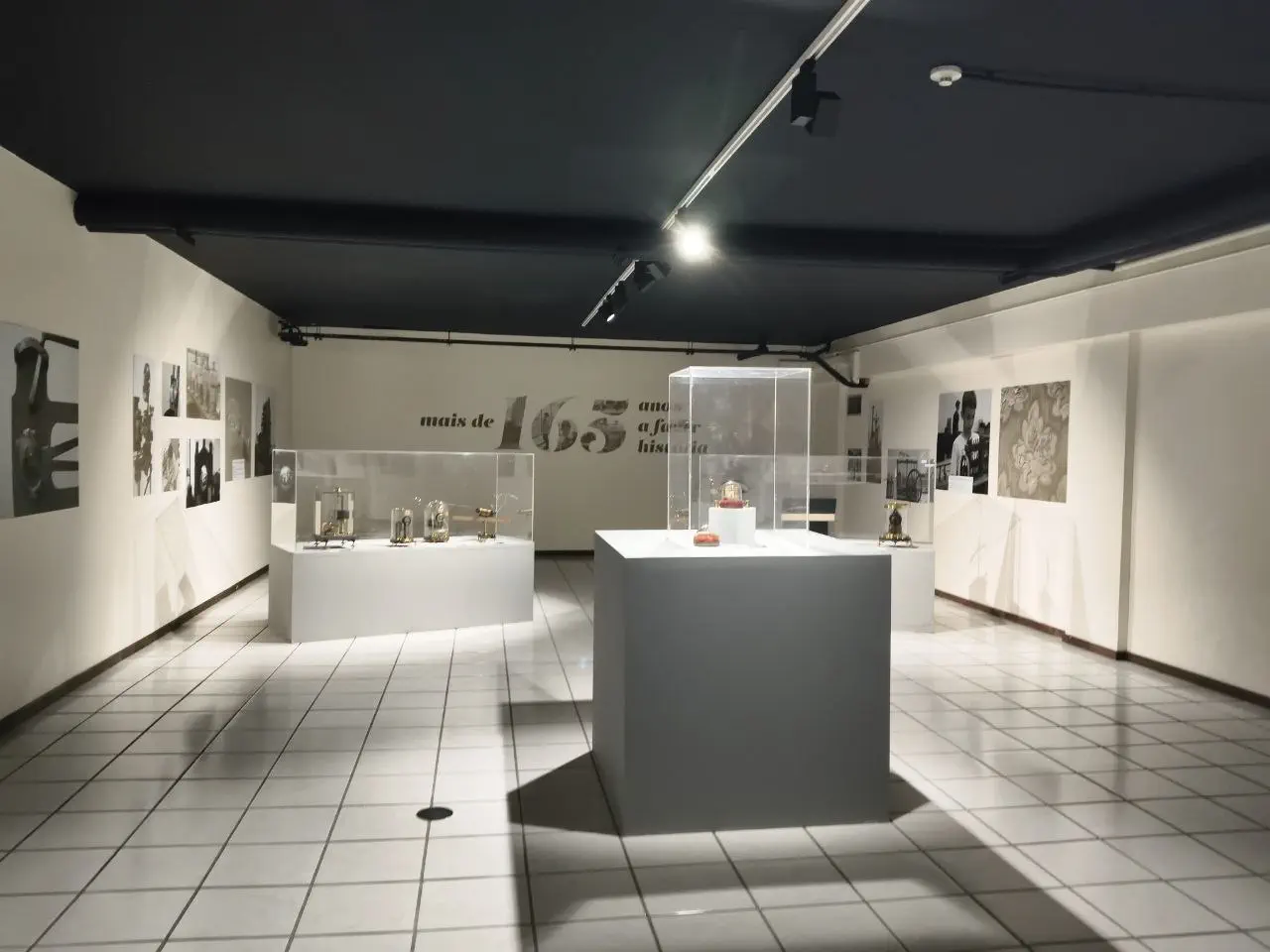
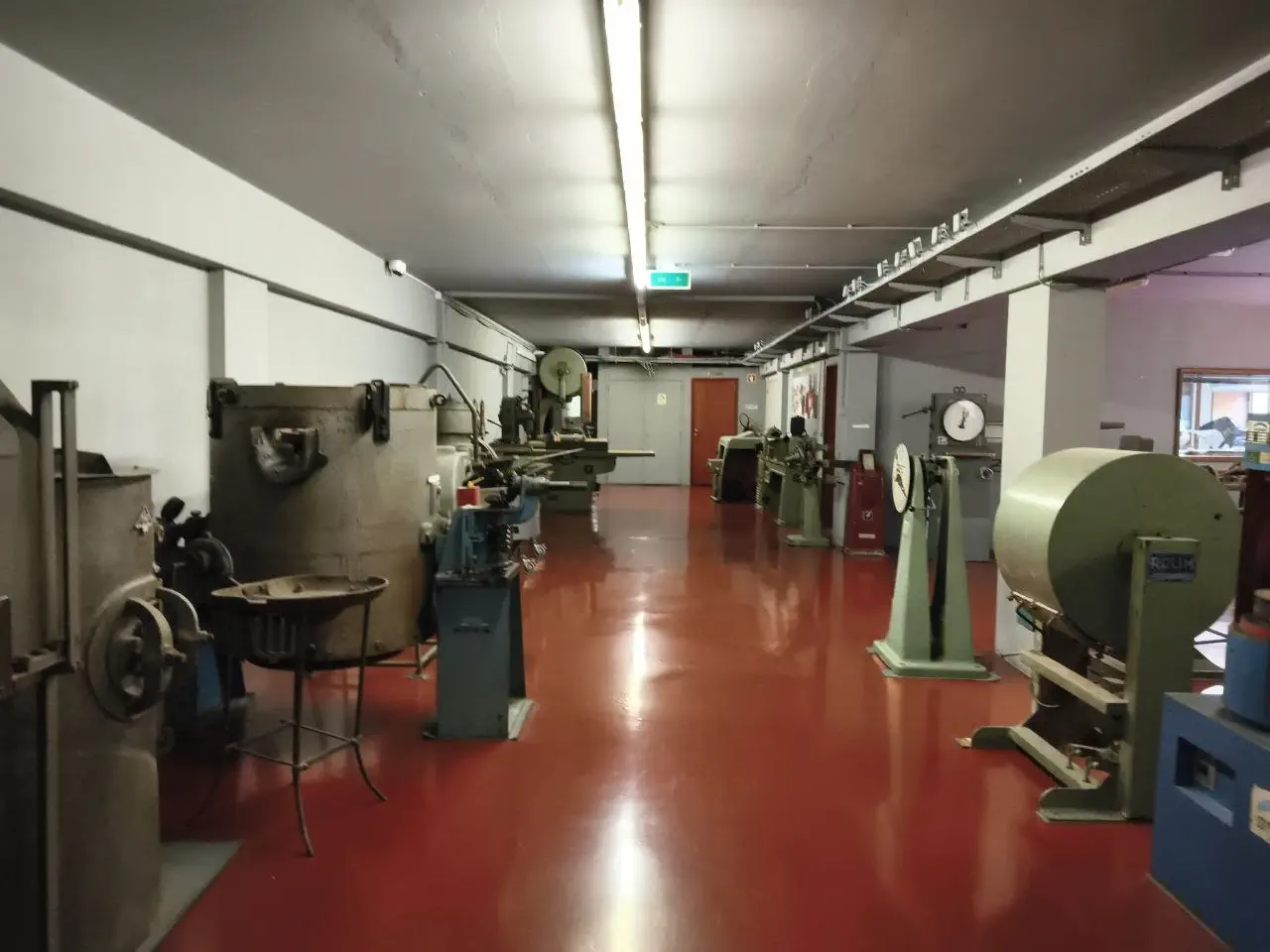
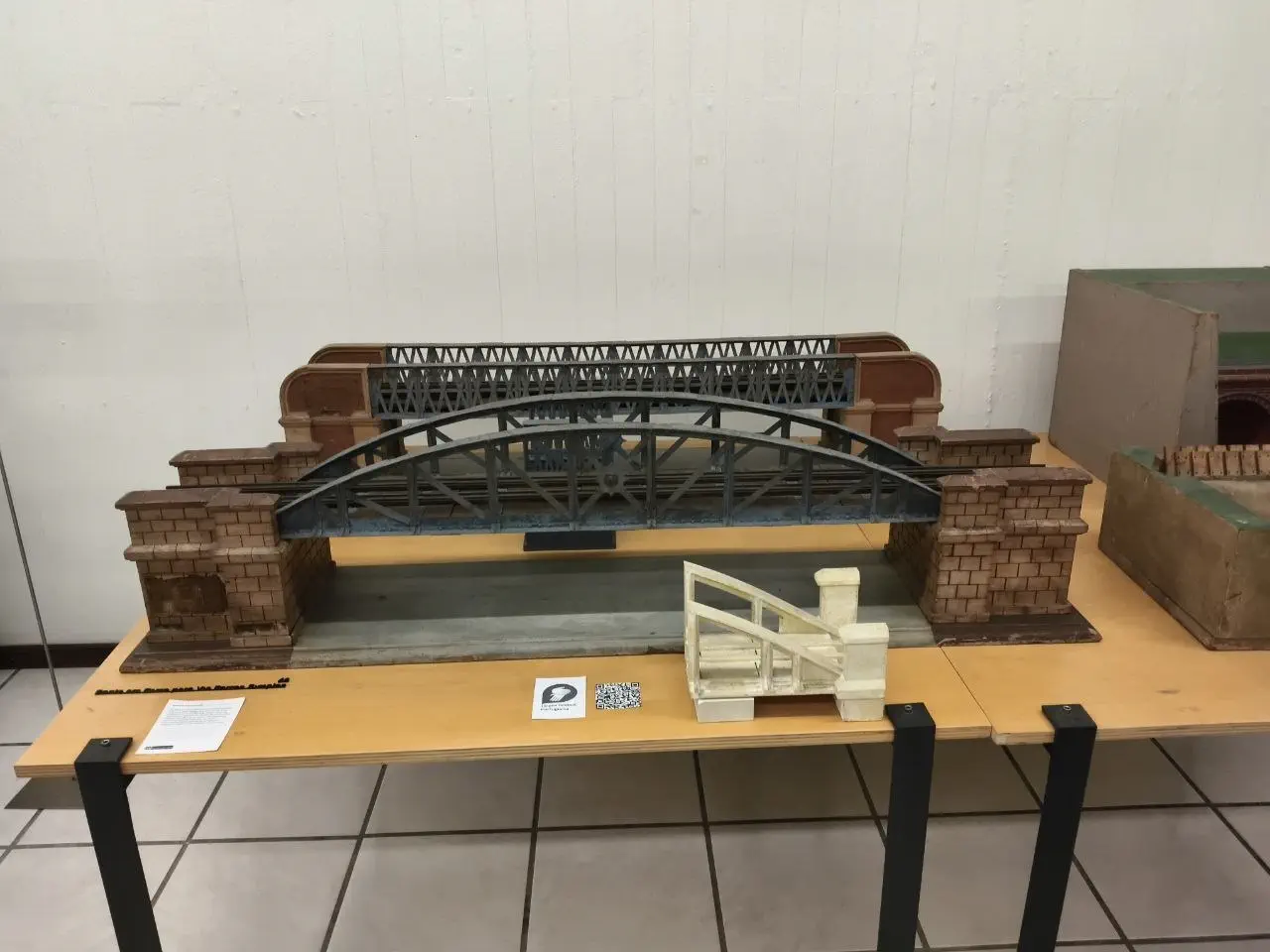
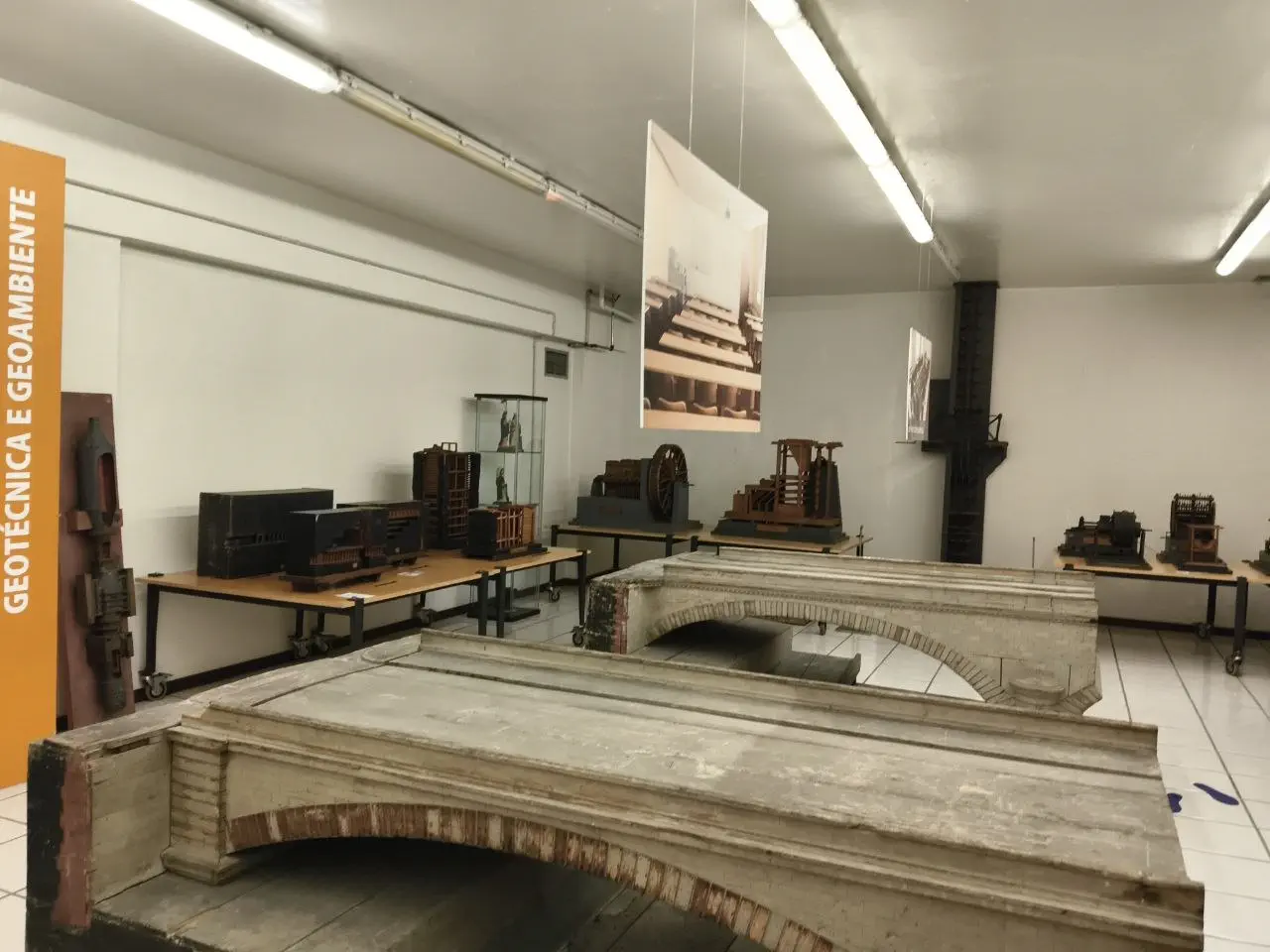
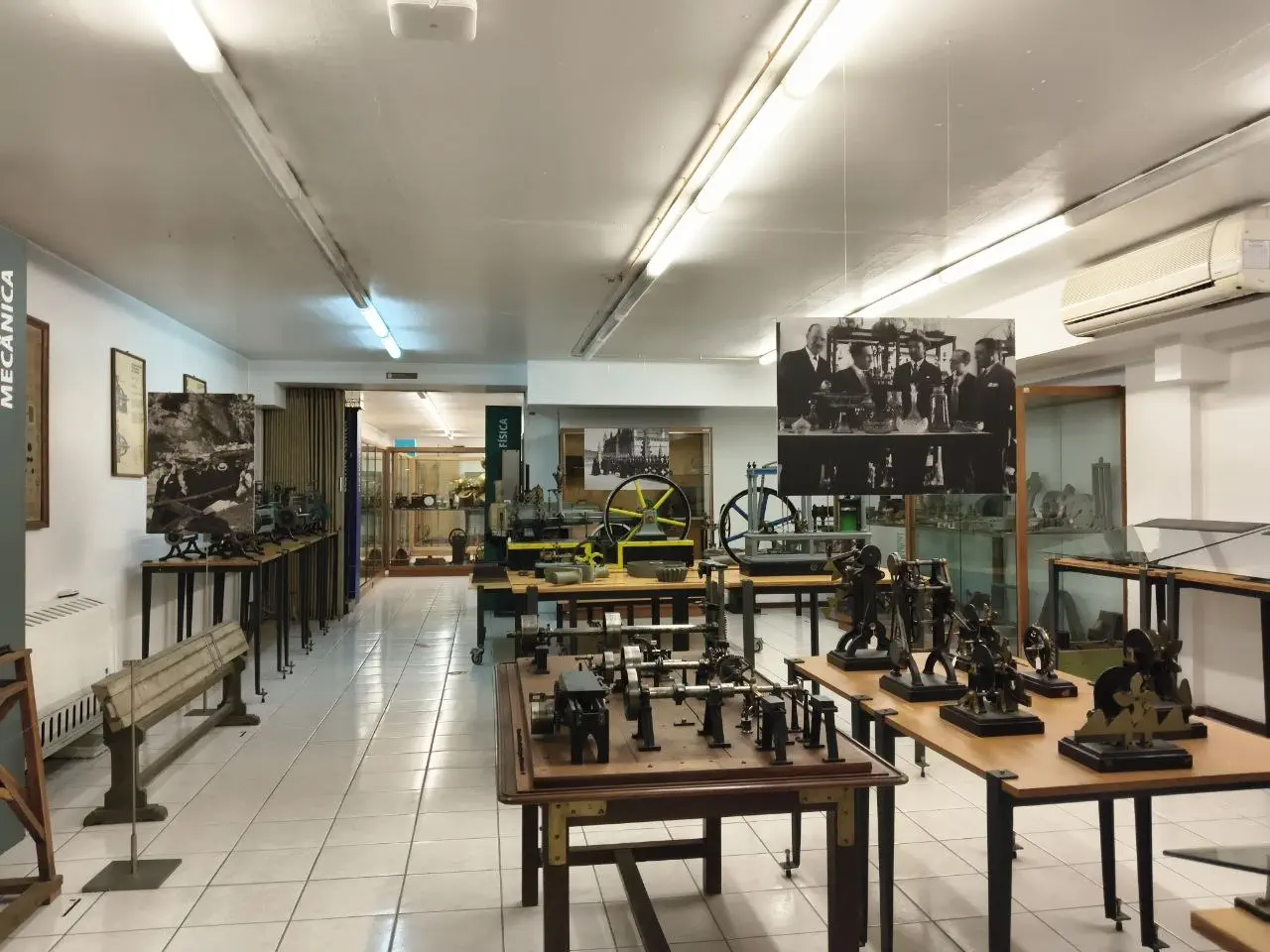
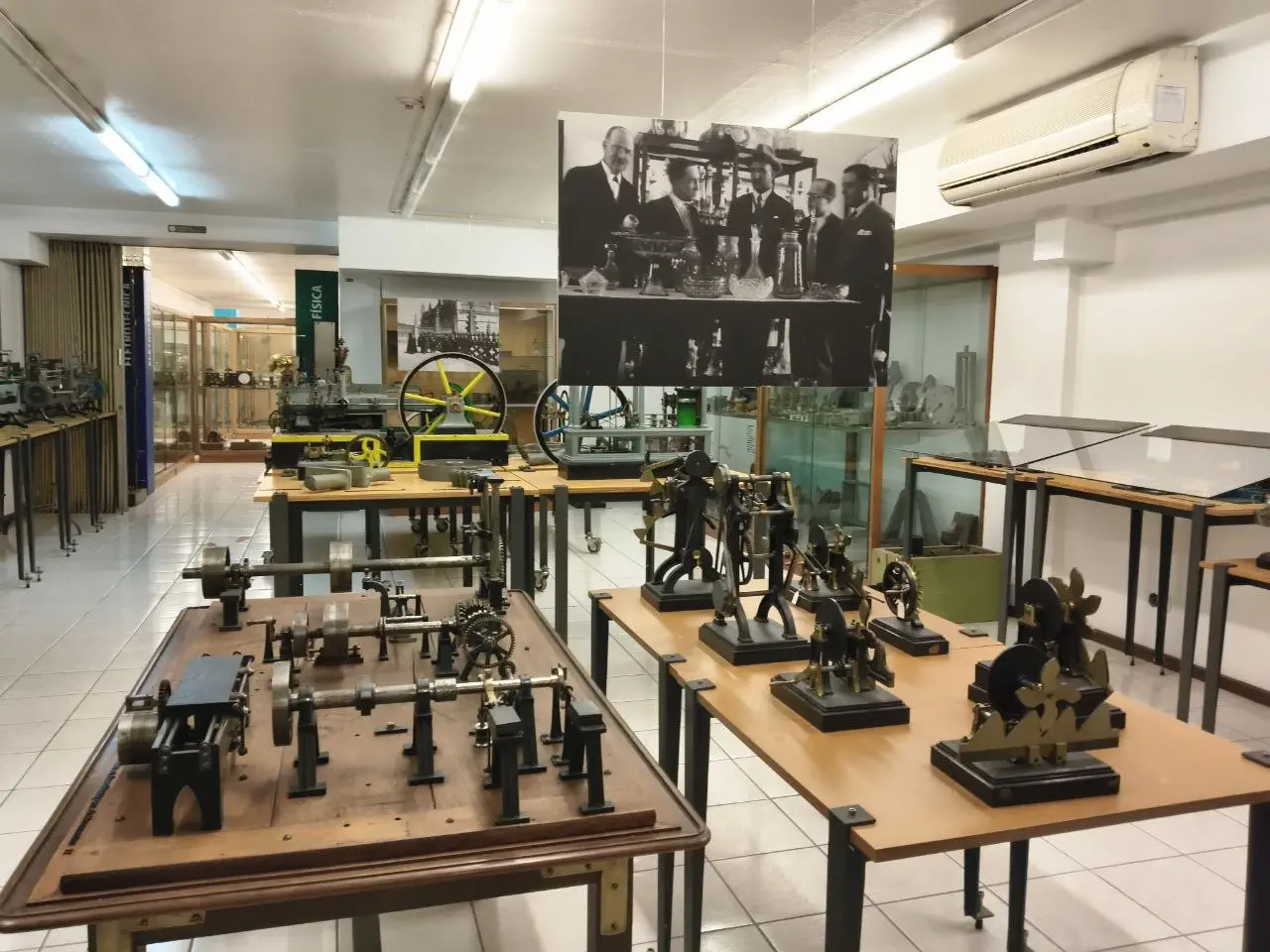
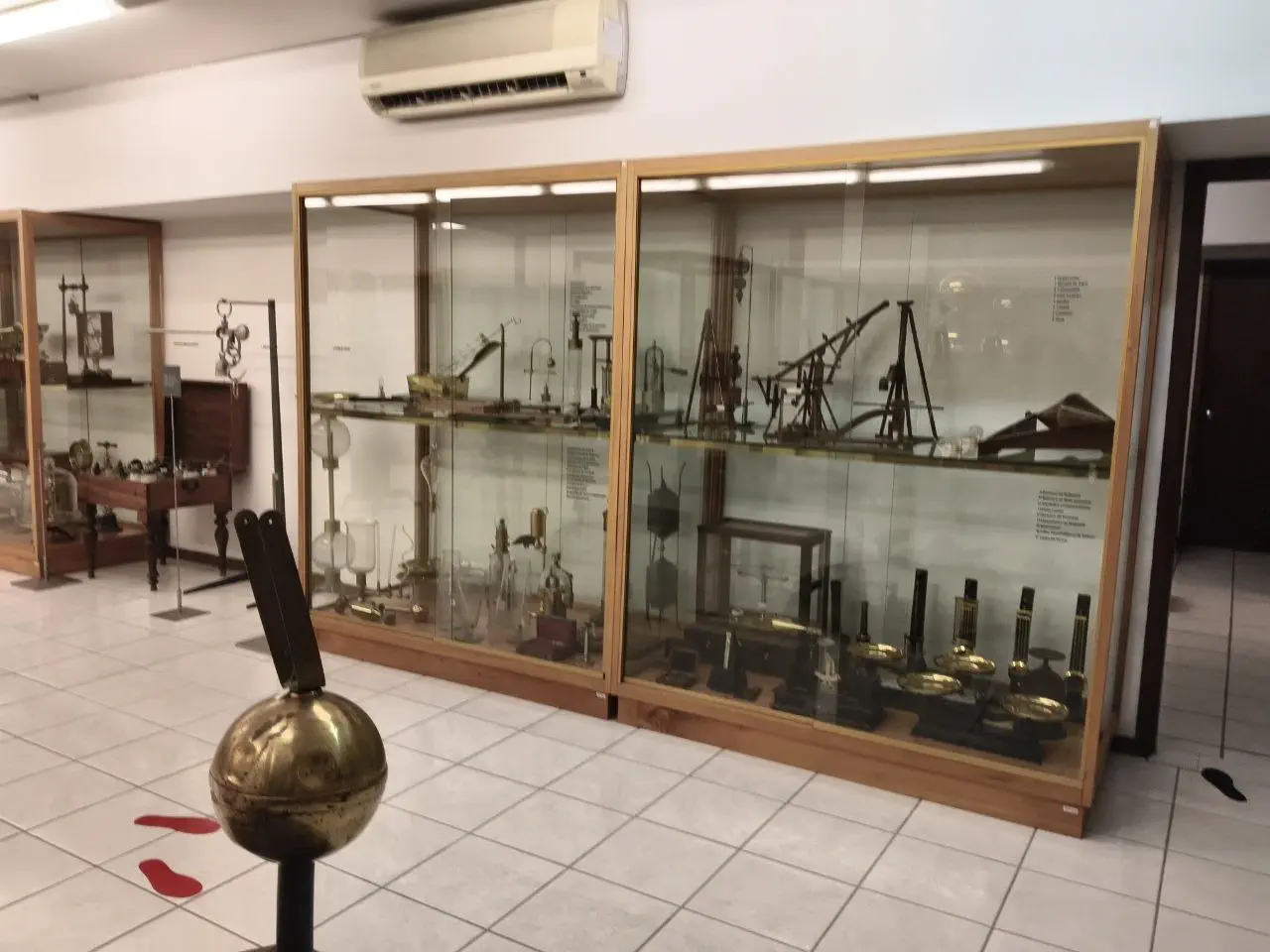
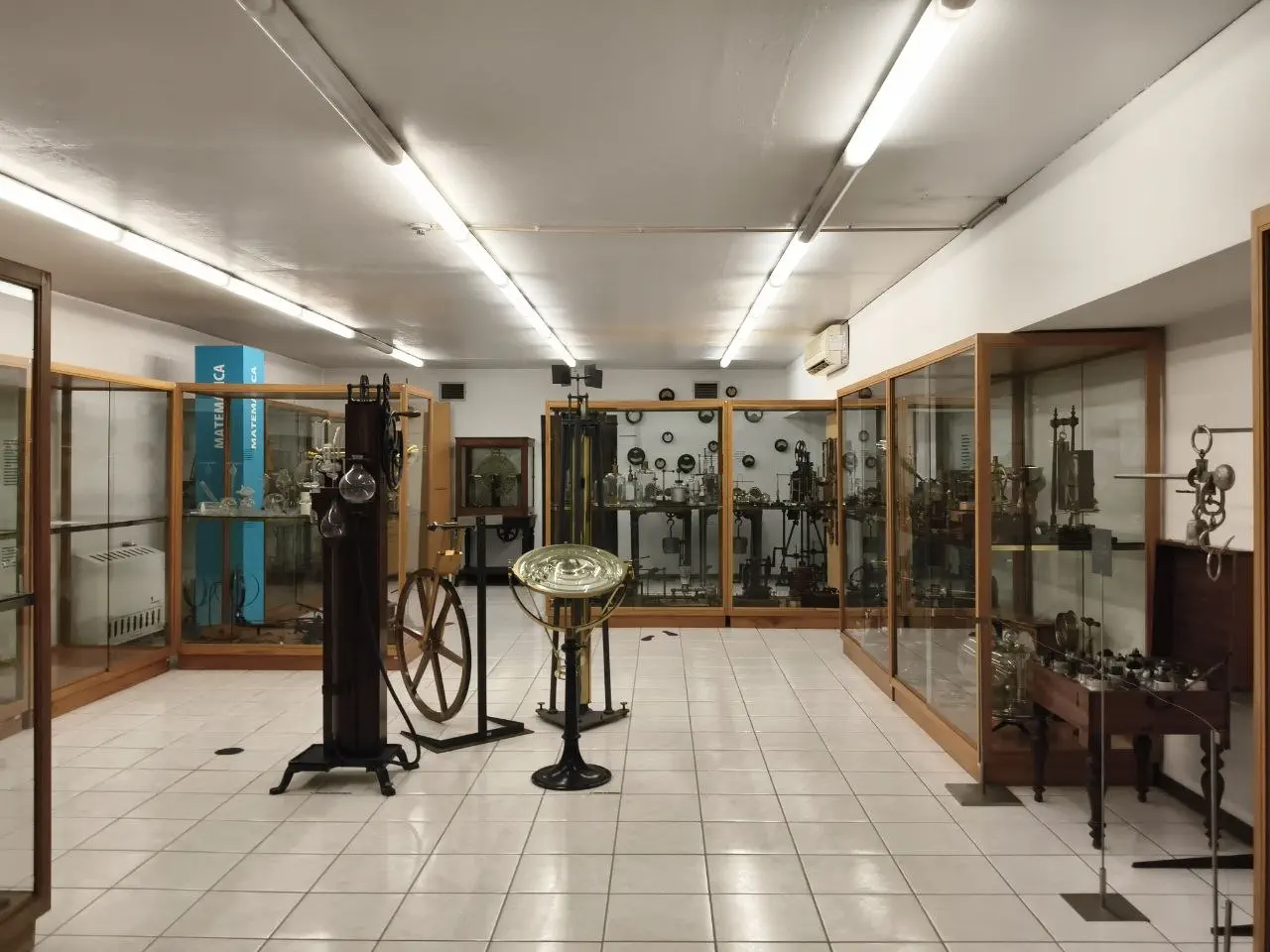
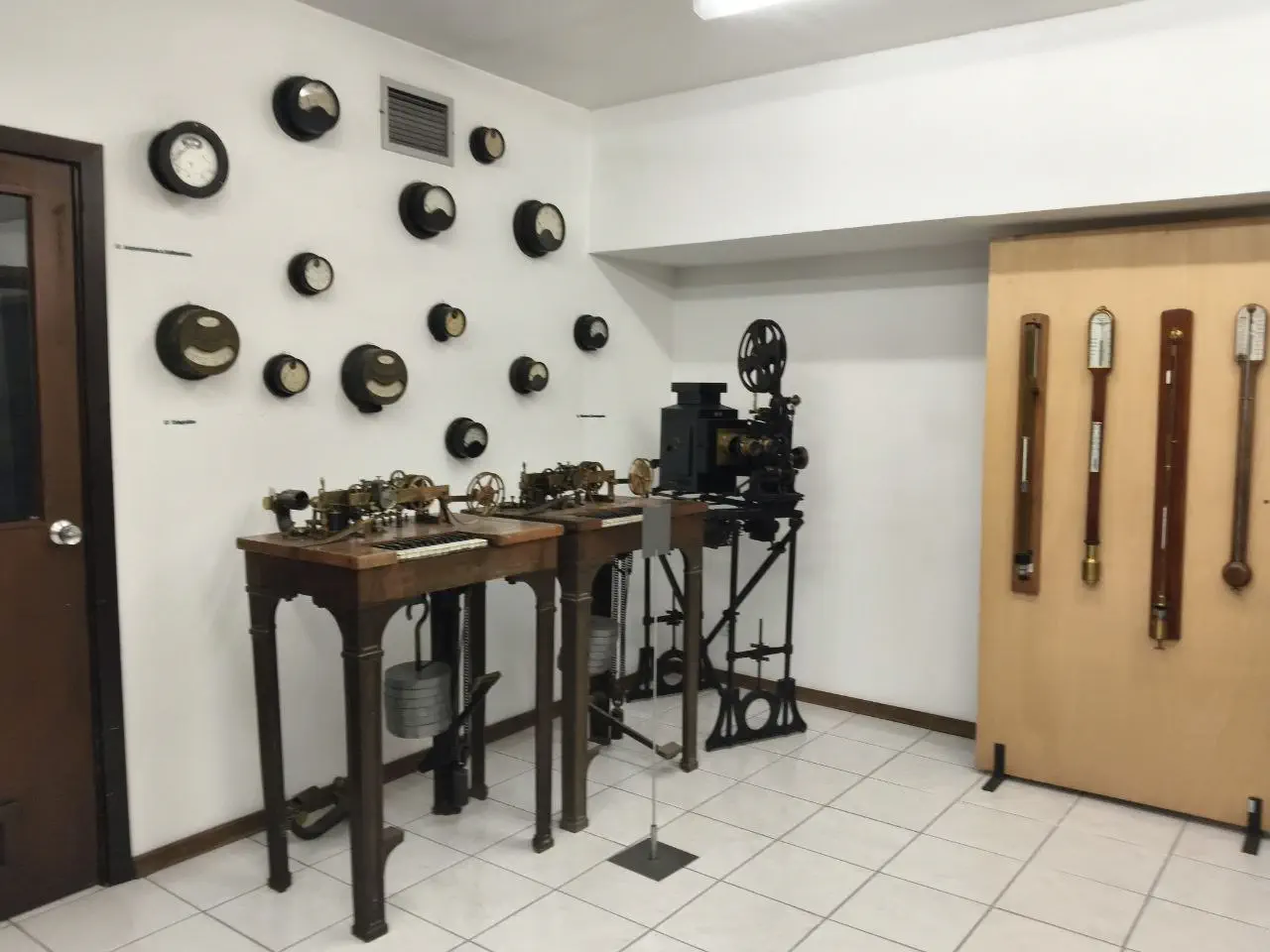
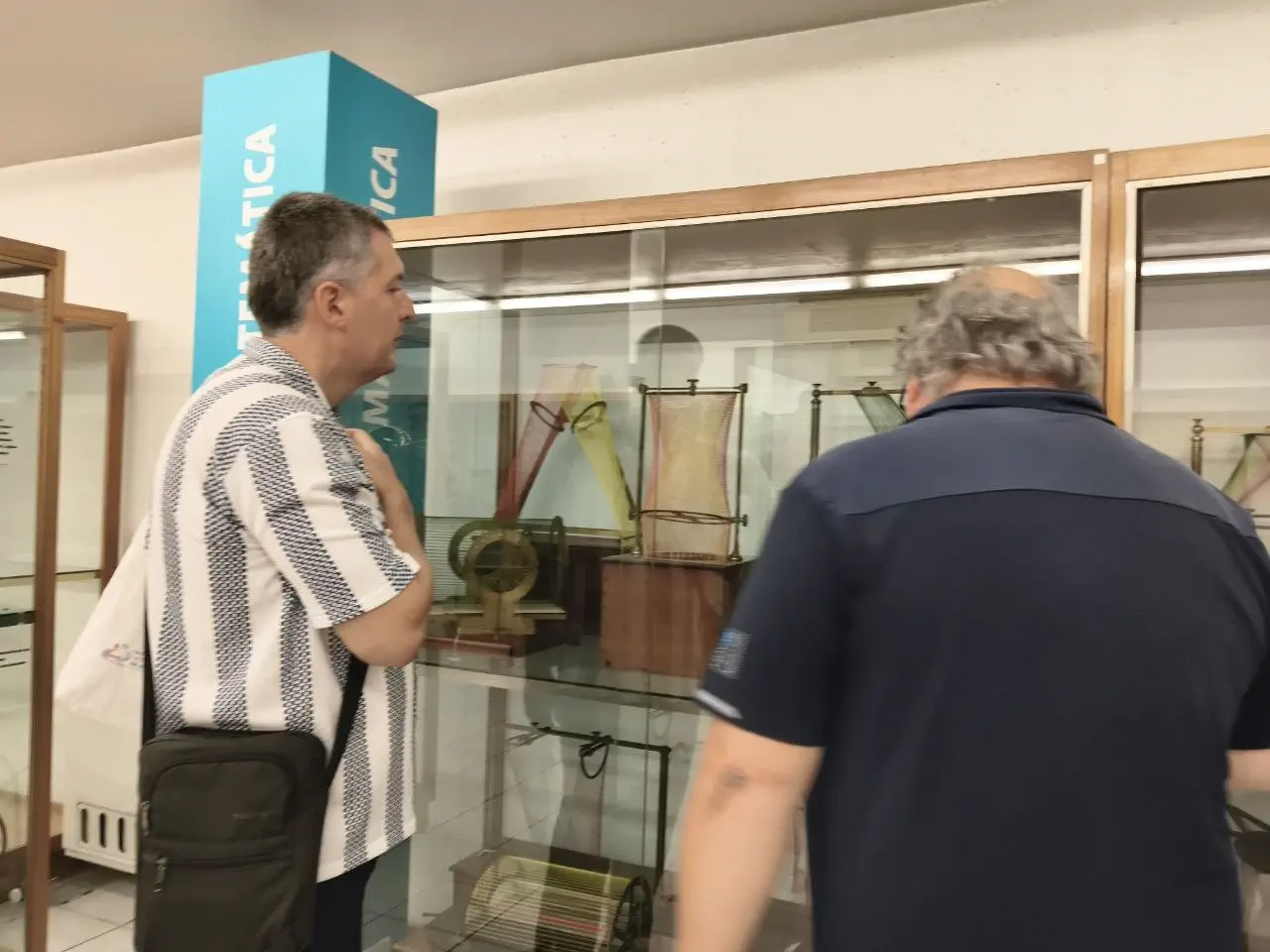
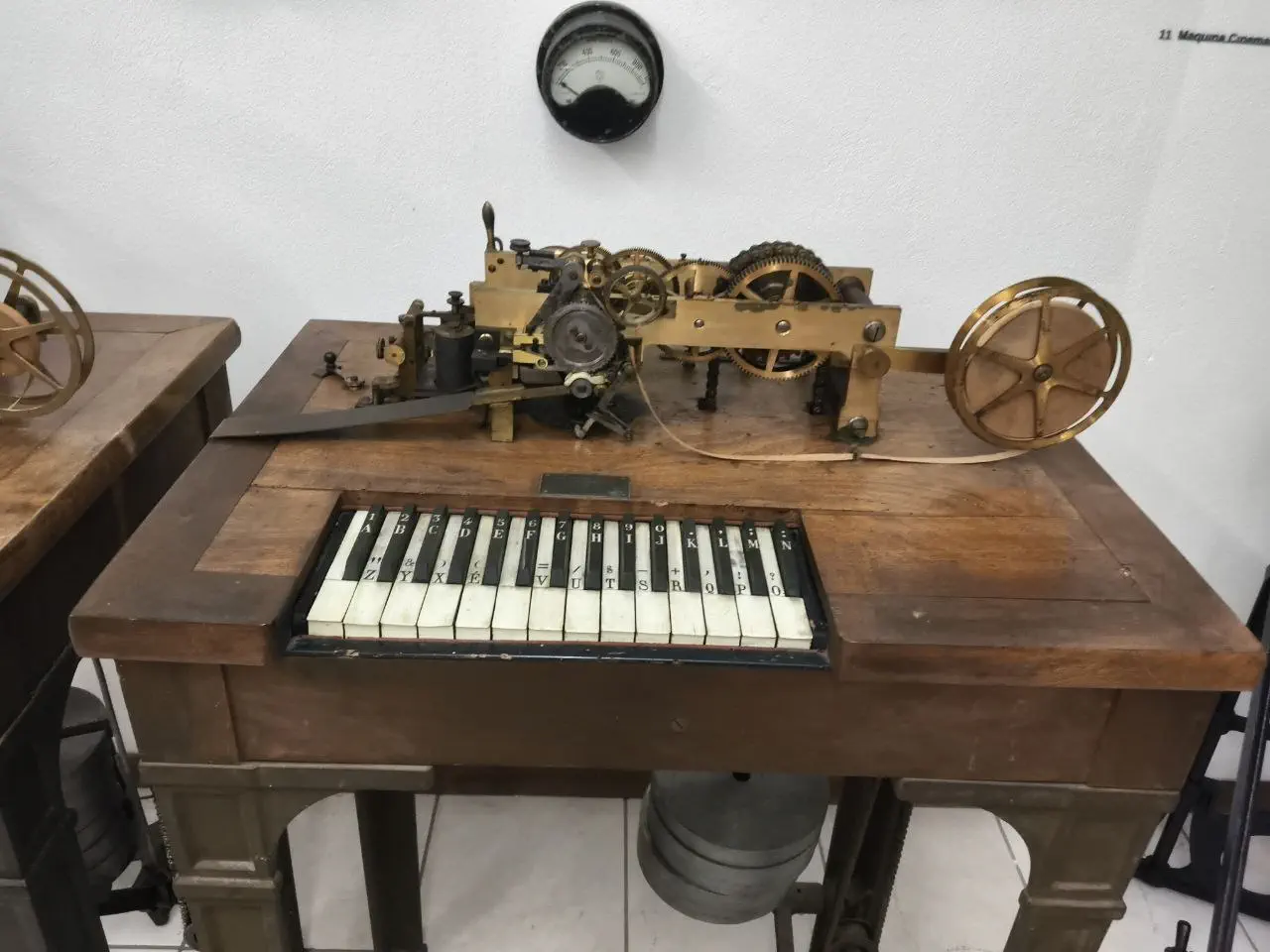
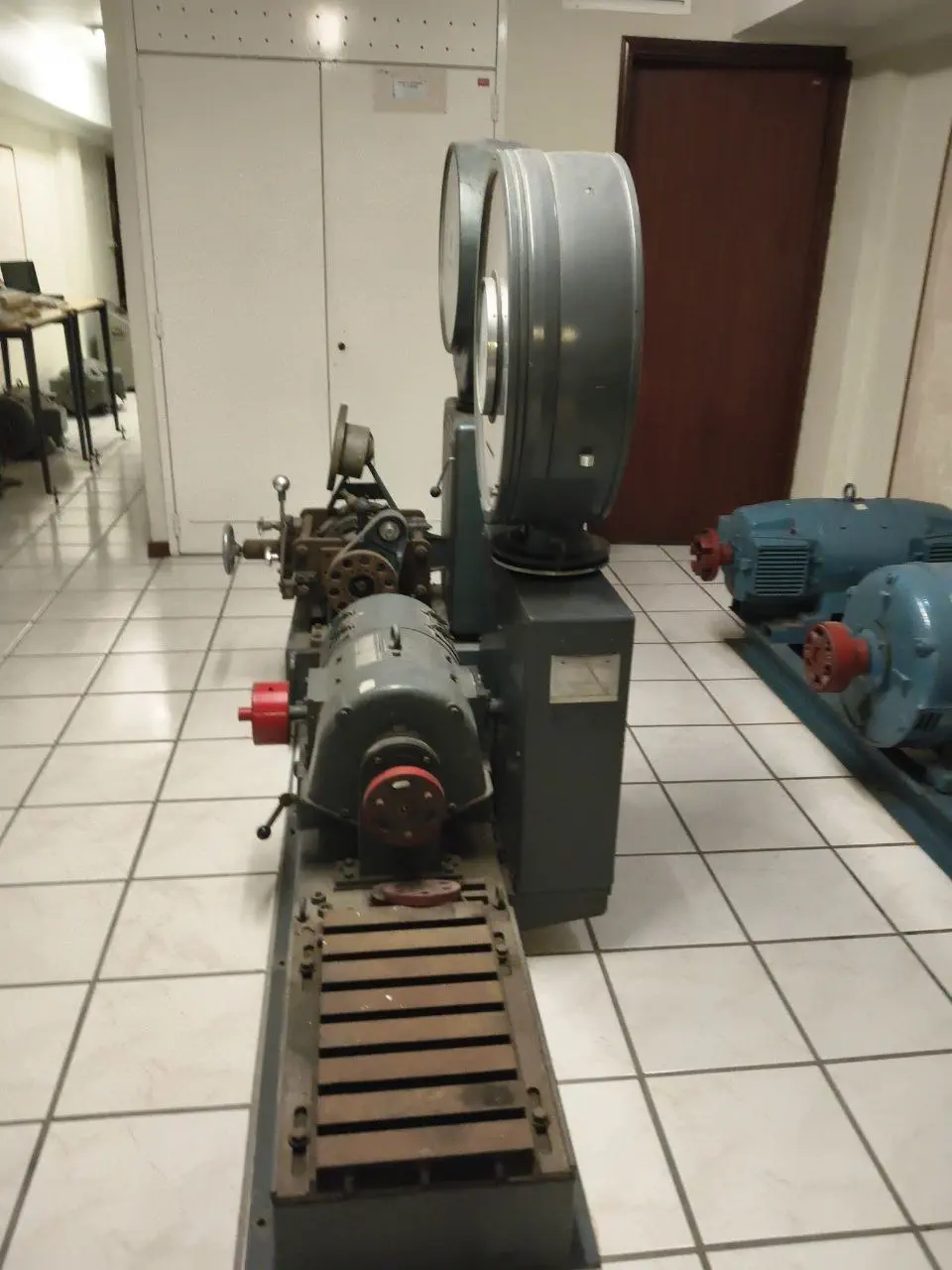
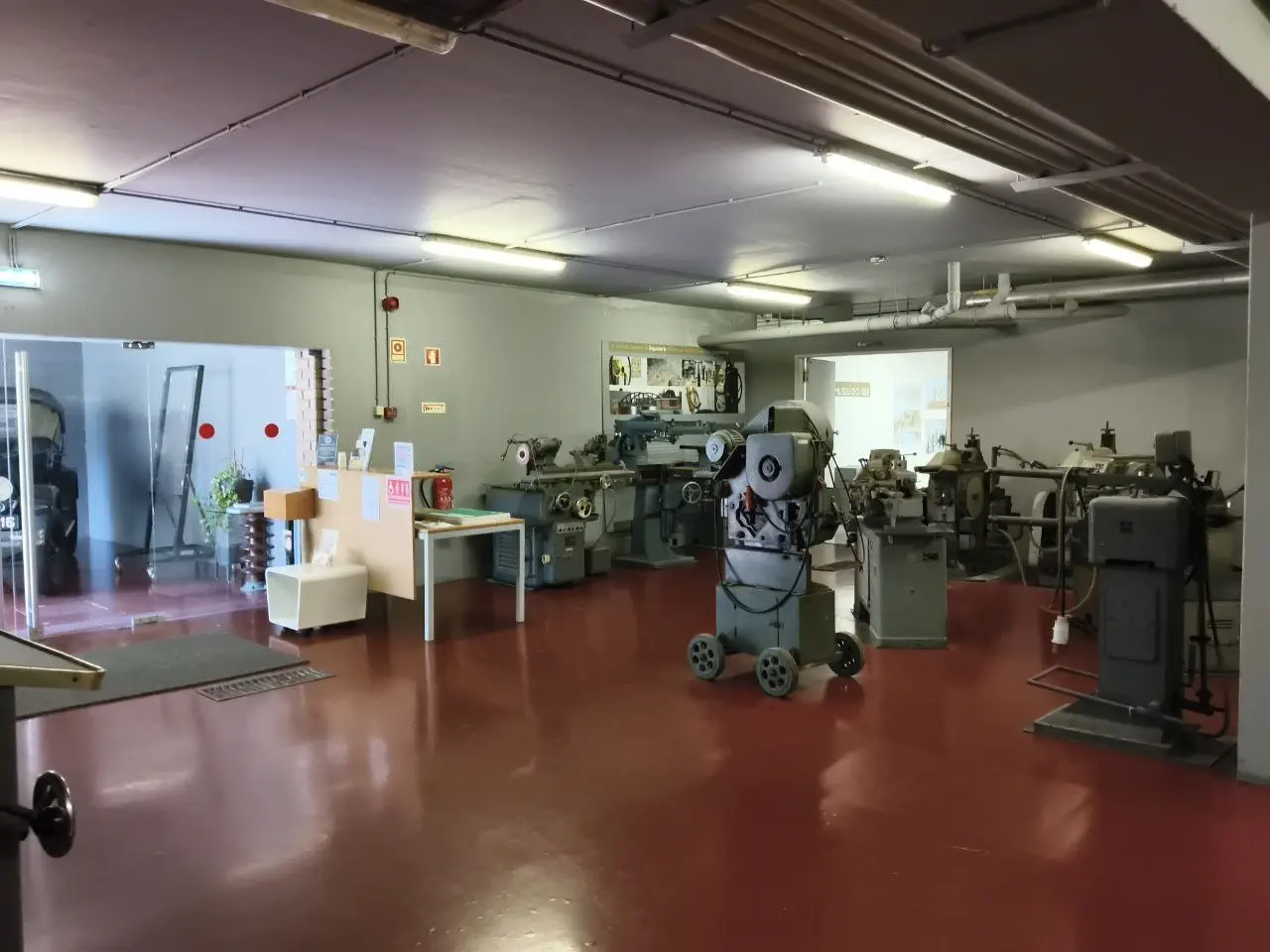
A distinct and highly engaging stage of the visit was a tour of the official ISEP Museum, which showcases the institution's unique engineering heritage spanning more than 165 years, dating back to 1852. Descending a spacious ramp to the museum's underground exhibition complex, the academics entered majestic historical halls. The exhibition is divided into several thematic zones. In the mathematics and physics section, the guests viewed unique kinematic models of mechanisms, joints, and gears crafted from wood and brass, as well as vintage electrostatic demonstration benches, original electroscopes, and a large collection of vintage circular ammeters and voltmeters mounted directly on the wall. The geotechnics and geoecology section features detailed models of building support structures, stone arch bridges, and historical drilling equipment. In the historical chemistry and physics laboratories, a unique collection of laboratory glassware, antique scales, burners, and early Morse system telegraph devices with keyboards and tape recorders is assembled. The museum also exhibits the institute’s first industrial equipment, including antique grinding machines on cast-iron pedestals, early motor-generators, and the first computer terminals, clearly illustrating the transition from the mechanical to the digital era in the training of European engineers.
During official meetings, the Portuguese side presented in detail the organisation of their educational process, the structure of their degree programs, and the system of mandatory internships and practical training for students, which are core elements of specialist training at ISEP. Separately, the parties discussed current scientific activities and experience in implementing grant projects, sharing information about ongoing developments and successful cases of participation in international scientific programs. This made it possible to outline overlapping research interests between both institutions and identify areas where combining their scientific potential could yield the most significant results.
The primary outcome of this visit was to reach specific agreements on a future partnership. In particular, the parties agreed to prepare and submit joint Erasmus+ KA1 academic mobility projects between the corresponding faculties for mutual student and staff exchanges. Furthermore, a foundation was laid for scientific cooperation, which will involve designing and submitting joint grant proposals to fund scientific research. Such steps will contribute to the development of both parties' scientific potential and to the further strengthening of our university's international integration.
“This mobility program has provided me with valuable practical experience, opening up new prospects for modernising educational courses and conducting collaborative scientific research. Familiarisation with ISEP's state-of-the-art facilities provides a clear understanding of how to effectively combine students' theoretical training with the solution of real-world engineering problems. I am sincerely grateful to the leadership of Poltava Polytechnic for their comprehensive support and the development of international mobility programs for teaching staff; such systematic work by the university allows us to continuously improve our professional mastery, study European best practices, and successfully integrate them into our department's educational process”, – says Yevhen Vasyliev.
In the spring of 2026, 4 associate professors from Poltava Polytechnic successfully represented the university at the Erasmus+ International Week (ISCAP International Week). This visit continued the successful tradition of bilateral cooperation, as last year our delegation participated in the ISCAP International Week, during which they delivered lectures and contributed to the CEOS.PP workshop, and presented on the challenges facing Ukrainian education during the war. Additionally, in May 2025, representatives from our International Relations Office participated in the Erasmus+ International Staff Week at P.PORTO, focusing on the digitalisation of education, AI implementation, and internationalisation strategies.
As a reminder, academic staff of Poltava Polytechnic can participate in academic mobility and traineeship programs. At the same time, students can study abroad under credit academic mobility Erasmus+ grant programs for a semester or an entire academic year at leading universities in Austria, Greenland, Denmark, Estonia, Spain, Lithuania, Latvia, Norway, the Netherlands, Germany, Poland, Portugal, Romania, Slovakia, Finland, and the Czech Republic.
For more detailed information regarding current traineeship, teaching, and academic mobility programs abroad, please get in touch with the International Relations Department (Room 213-C, interoffice@nupp.edu.ua).