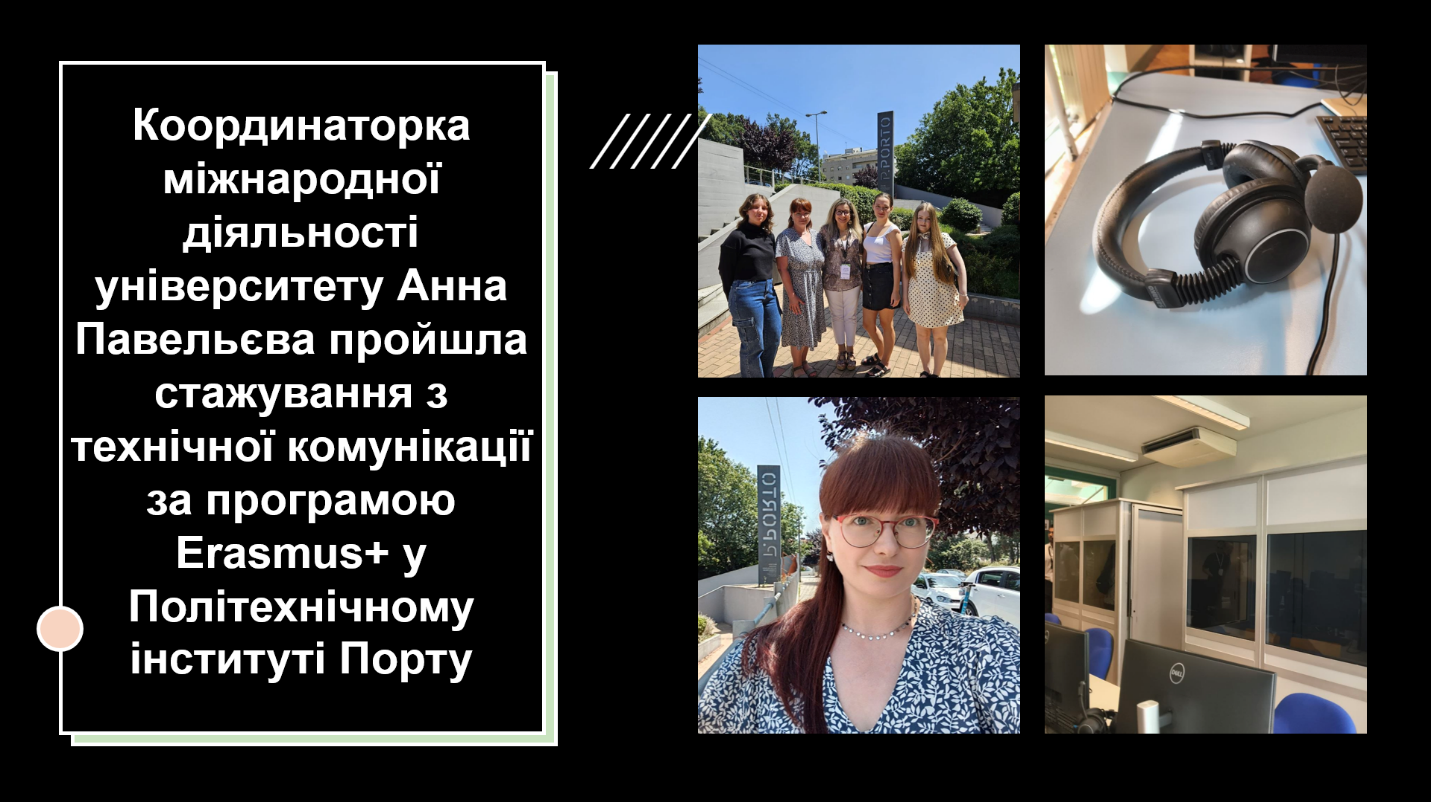
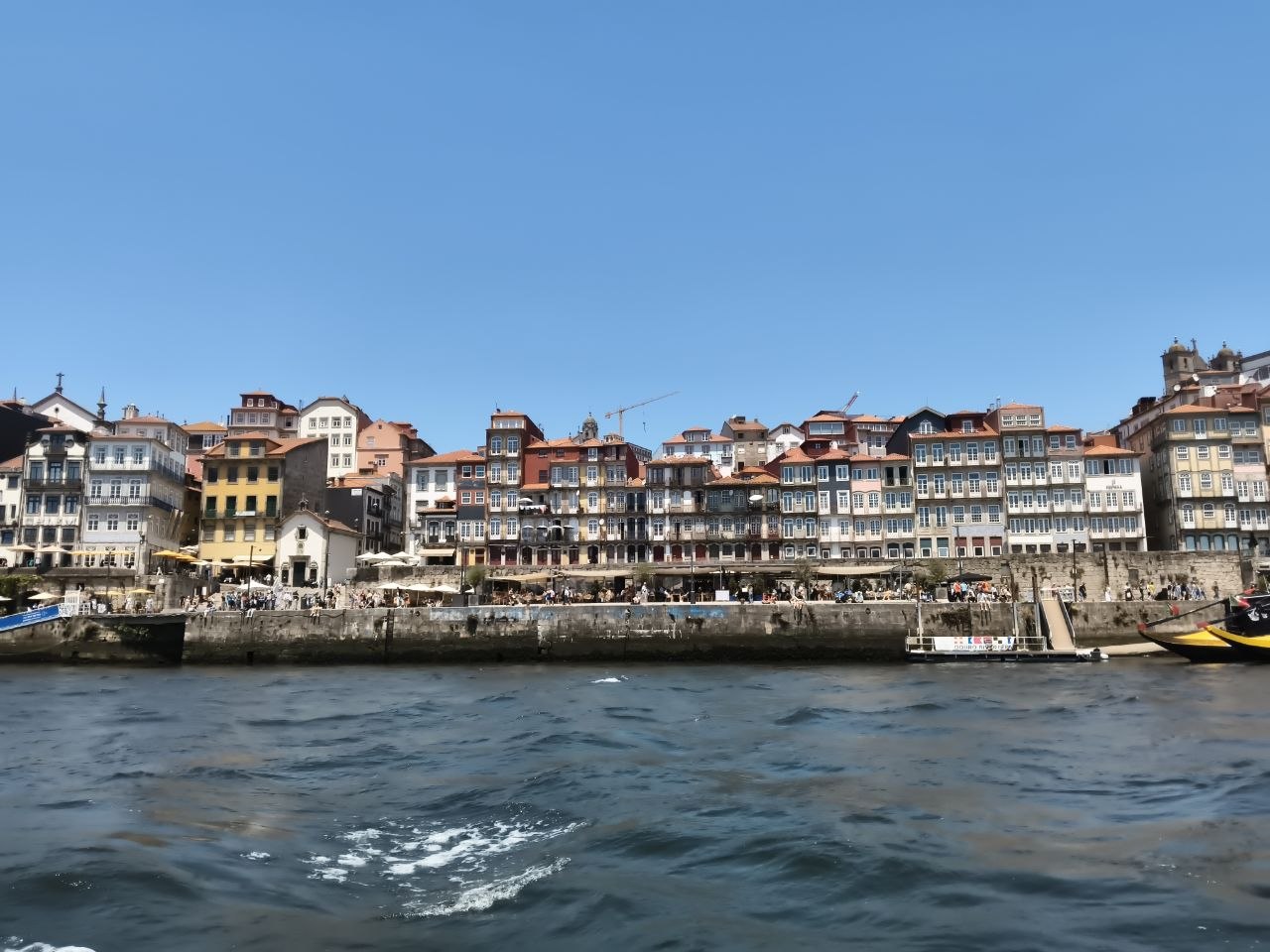
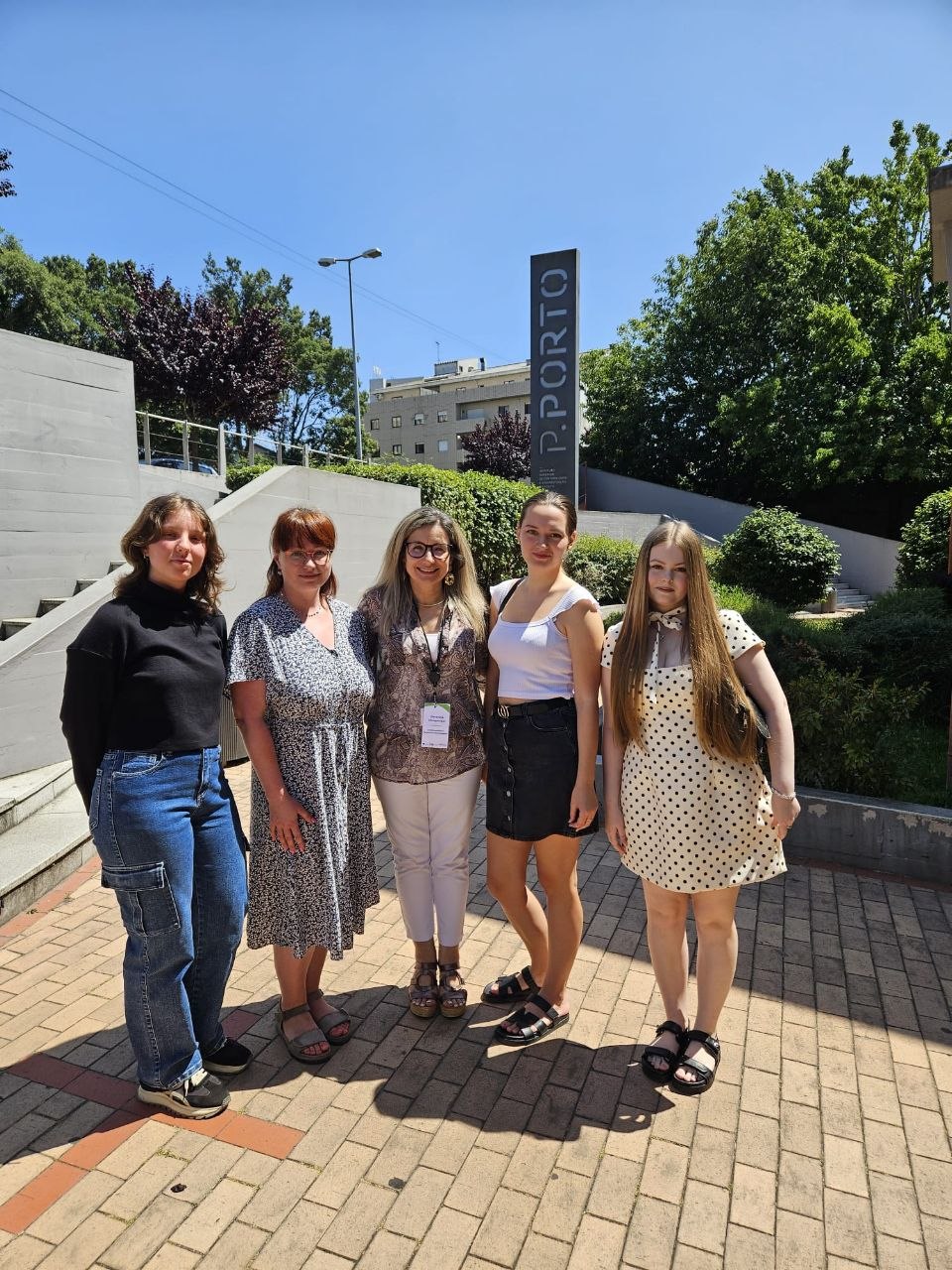
From 06 to 17 July 2026, Anna Pavelieva, PhD in Philology, Associate Professor, Associate Professor of the Department of Germanic Philology and Translation, and International Relations Coordinator at National University “Yuri Kondratyuk Poltava Polytechnic”, completed a traineeship under the Erasmus+ KA171 programme at the Instituto Superior de Contabilidade e Administração do Porto (ISCAP P.PORTO) – the Porto Accounting and Business School, an academic school of the Polytechnic Institute of Porto. The mobility programme focused on technical communication and included participation in educational sessions, methodological training, and workshops, as well as professional discussions with the academic and administrative staff of the host institution.
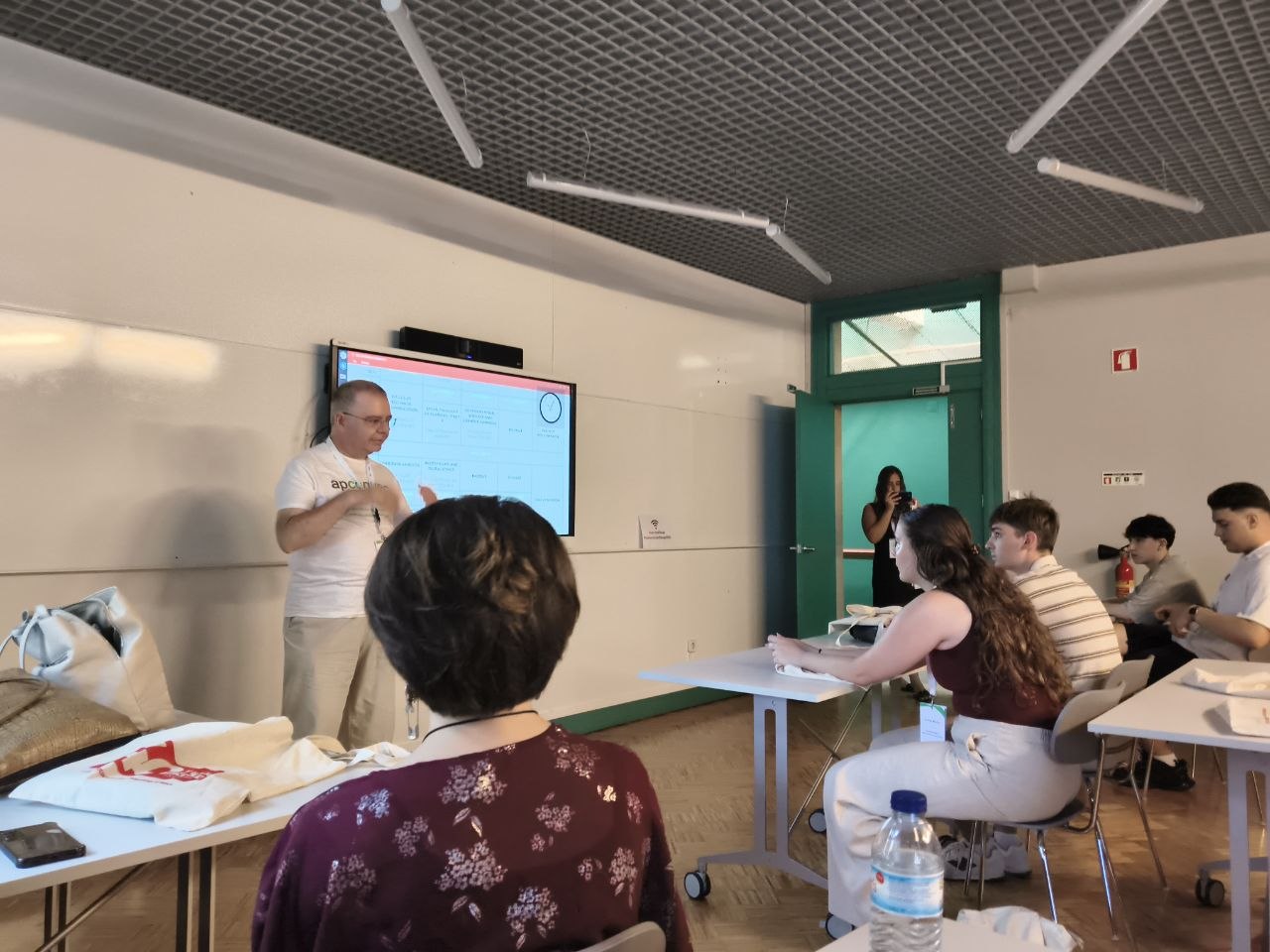
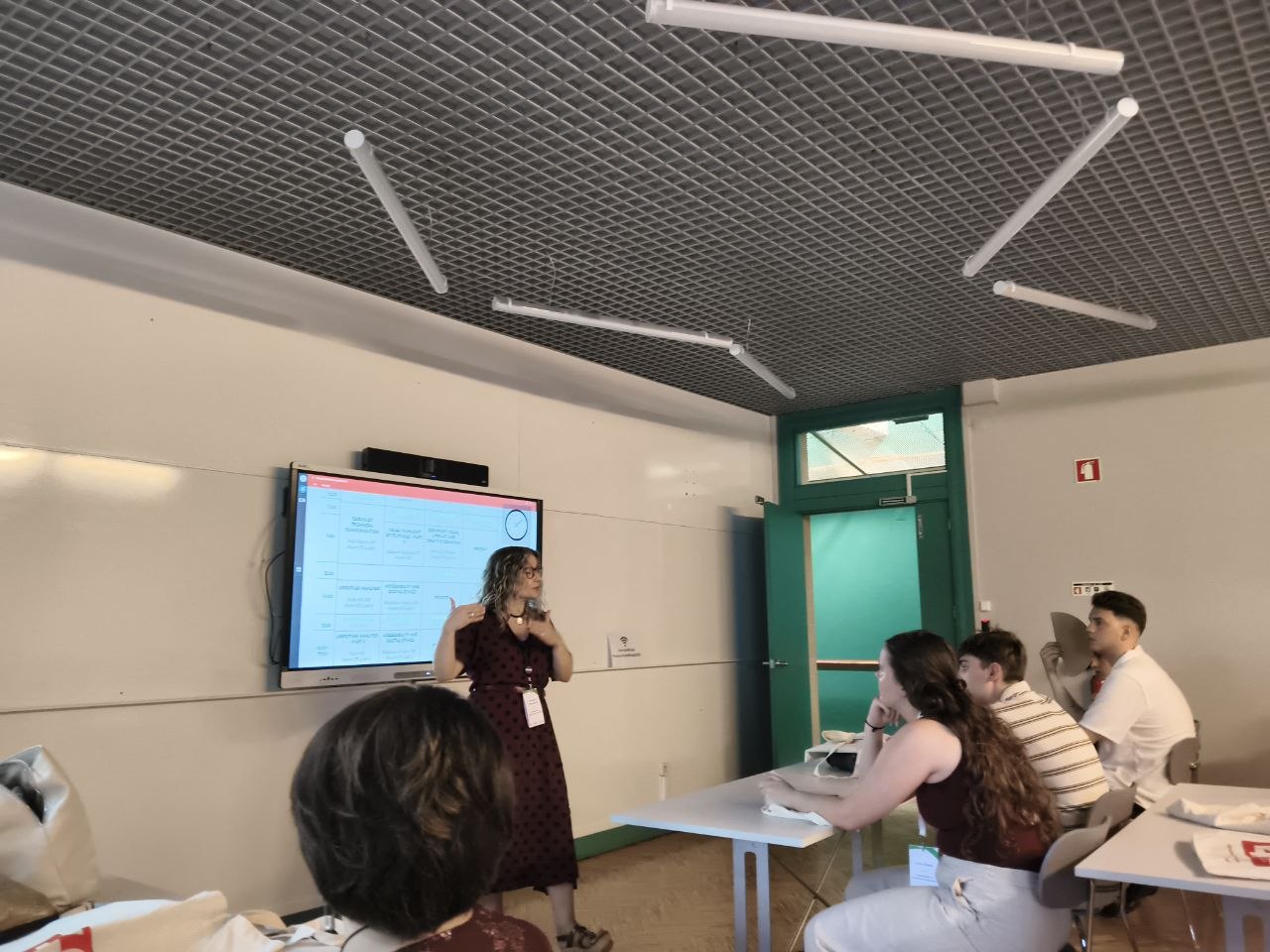
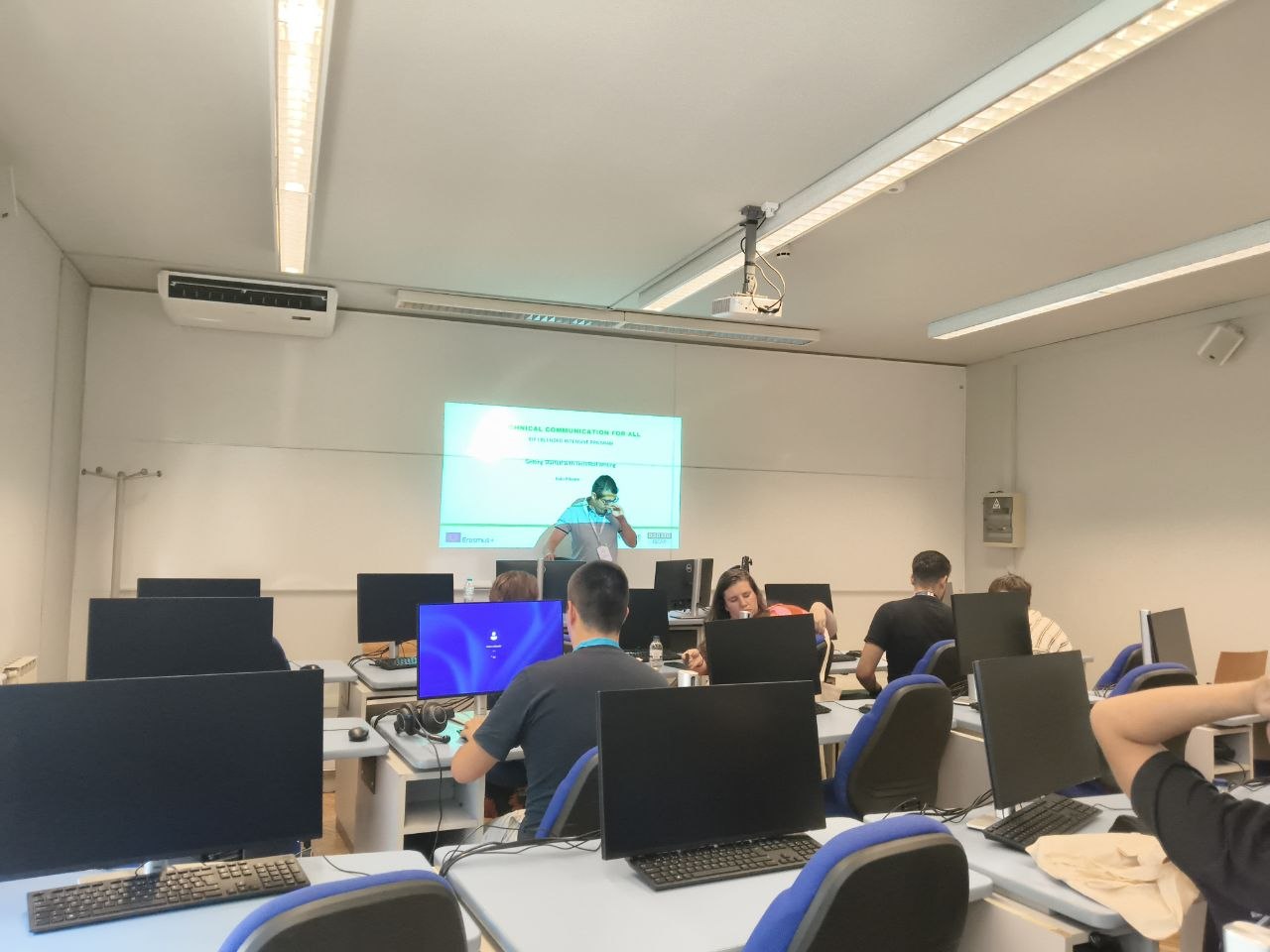
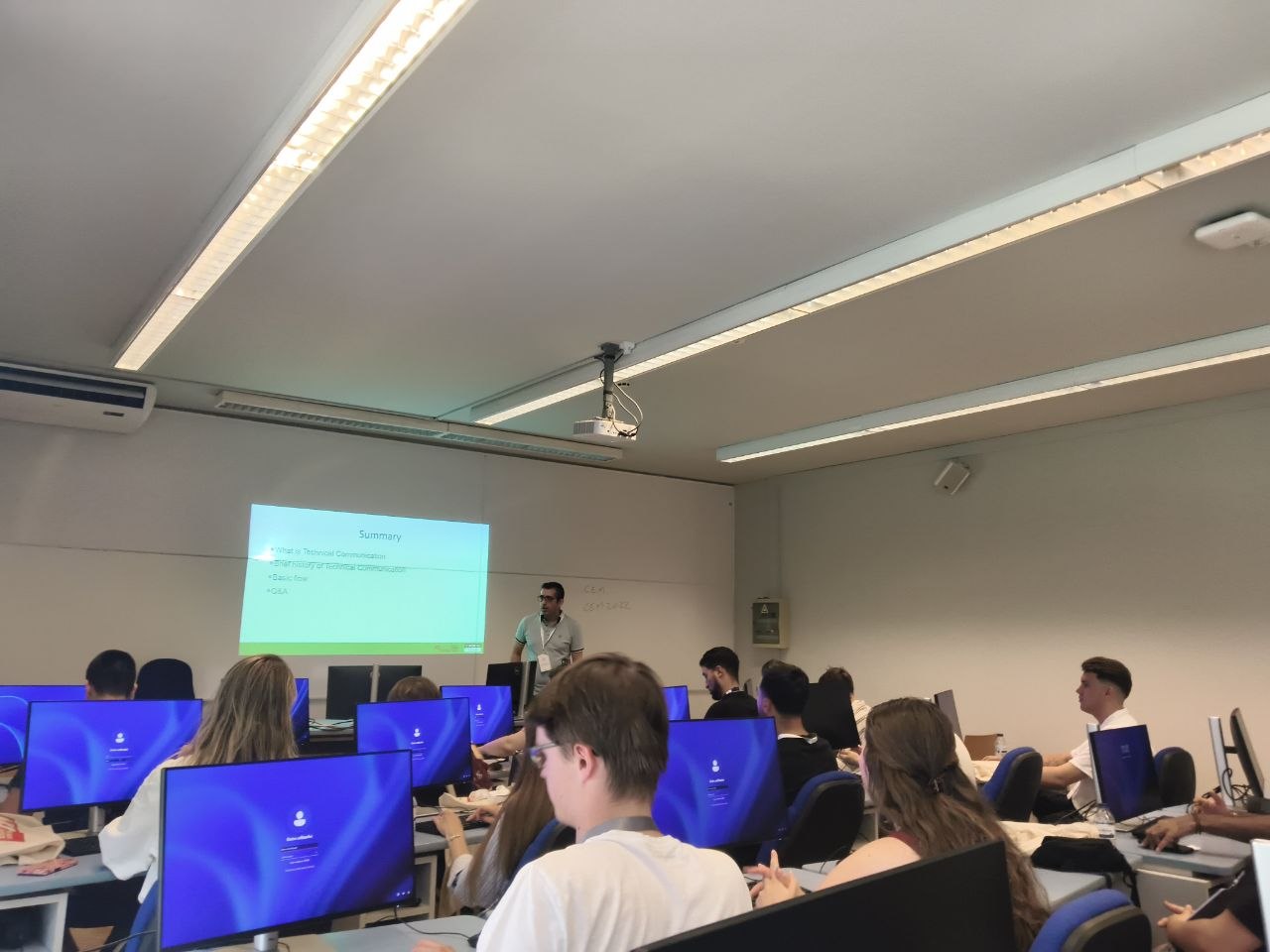
A core educational component of the mobility was participation in the Blended Intensive Programme (BIP) “Fundamentals of Technical Communication”. The on-site phase of the BIP took place on 06–10 July 2026, with an online component scheduled for 01 July. Bearing 3 ECTS credits, the summer school comprised approximately 30 contact hours, combining theoretical foundations with hands-on practice in a laboratory setting.
The programme centered on creating clear, accessible, and useful information regarding products and services. In the first half of the training week, participants attended four key workshops delivered by Portuguese and international specialists in technical communication. The second half was dedicated to a practical project focused on developing documentation for a real-world product. The work was guided by mentors and evaluated by an international panel of experts.
The practical orientation of such training enables participants to trace the direct link between document content and the tasks of the end user. Technical communication encompasses, among other deliverables, user instructions, manuals, and reference materials. Their quality depends on how easily the reader can locate necessary information, comprehend explanations, and perform the corresponding action. Consequently, when drafting such texts, it is essential to consider the audience’s prior knowledge, the logical sequence of presentation, and the most appropriate means of conveying information.
For translation educators, this subject matter holds direct pedagogical significance. A technical documentation translator works with specialized terminology and textual structure, taking into account the product’s operational context and user needs. An imprecise wording or ambiguous instruction can impede comprehension even when individual terms are formally translated correctly. For this reason, familiarity with technical communication approaches complements translation studies with essential competencies in the authoring, editing, and localization of specialized materials.
The experience gained during the traineeship can be directly integrated into the practical training of students at the Department of Germanic Philology and Translation. In particular, it provides a solid foundation for designing instructional assignments on translating and editing user instructions, terminology analysis, and text usability assessment. Working with real-life communicative challenges helps demonstrate to students how linguistic choices directly impact the quality of technical documentation and its fitness for specific target audiences.
The blended format of the BIP is also of significant interest for the development of international education. Combining an online component with short-term physical mobility allows universities to deliver joint training structured around a defined topic and a tangible practical outcome. For the International Relations Coordinator, gaining first-hand experience with this format is also valuable in terms of organizing further participation of Poltava Polytechnic students and academic staff in international educational programmes.
Anna Pavelieva's full mobility programme extended through 17 July, 2026. In addition to the BIP activities, the scholar engaged in professional exchanges with colleagues from ISCAP. Discussions covered methodological approaches, ongoing cooperation between the institutions, and current student internship initiatives. A dedicated area of focus was exploring opportunities for joint projects for the 2026/2027 academic year.
Student internships are grounded in the established partnership between the two universities. Poltava Polytechnic students have previously completed translation traineeships at ISCAP under the Erasmus+ programme, contributing to the work of the international office, event organization, and institutional communication. Discussing this area of collaboration allows the institutions to align international mobility with the professional development of future specialists and examine further opportunities for students to acquire hands-on experience.




The July traineeship also continued Anna Pavelieva's personal academic engagement with her Portuguese counterparts. In April 2025, she represented Poltava Polytechnic at the ISCAP International Week, delivering the lectures “Localisation in the Modern World” and “Machine Translation: Bridging Language Barriers”. Addressing technical communication during this visit complemented her previous experience with an additional dimension focused on creating and adapting specialized content for international audiences.
For the University, faculty participation in such programmes is an effective way to update curriculum content and maintain direct professional dialogue with international partners. The outcomes of the traineeship will serve as a basis for further exchanges of educational materials, discussions on joint educational initiatives, and the expansion of student internship opportunities.
“I am sincerely grateful to Volodymyr Onyshchenko, President of the National University “Yuri Kondratyuk Poltava Polytechnic”, and Olena Filonych, Rector of the University, for their support and the opportunity to undertake this international traineeship. It is of great importance for me to have the opportunity to develop professionally, exchange expertise with international colleagues, and represent our university in the global academic arena. I particularly appreciate the support of initiatives that help educators acquire new knowledge and expand educational opportunities for students. I would also like to thank Professor Alexandra Albuquerque and the ISCAP team for the invitation, openness to cooperation, and excellent organization of the programme. I look forward to applying the acquired experience in preparing future translators and further developing the partnership between our universities”, – noted Anna Pavelieva.
In the spring of 2026, 4 associate professors from Poltava Polytechnic successfully represented the university at the Erasmus+ International Week (ISCAP International Week). This visit continued the successful tradition of bilateral cooperation, as last year our delegation participated in the ISCAP International Week, during which they delivered lectures and contributed to the CEOS.PP workshop, and presented on the challenges facing Ukrainian education during the war. Additionally, in May 2025, representatives from our International Relations Office participated in the Erasmus+ International Staff Week at P.PORTO, focusing on the digitalisation of education, AI implementation, and internationalisation strategies.
As a reminder, academic staff of Poltava Polytechnic can participate in academic mobility and traineeship programs. At the same time, students can study abroad under credit academic mobility Erasmus+ grant programs for a semester or an entire academic year at leading universities in Austria, Greenland, Denmark, Estonia, Spain, Lithuania, Latvia, Norway, the Netherlands, Germany, Poland, Portugal, Romania, Slovakia, Finland, and the Czech Republic.
For more detailed information regarding current traineeship, teaching, and academic mobility programs abroad, please get in touch with the International Relations Department (Room 213-C, interoffice@nupp.edu.ua).