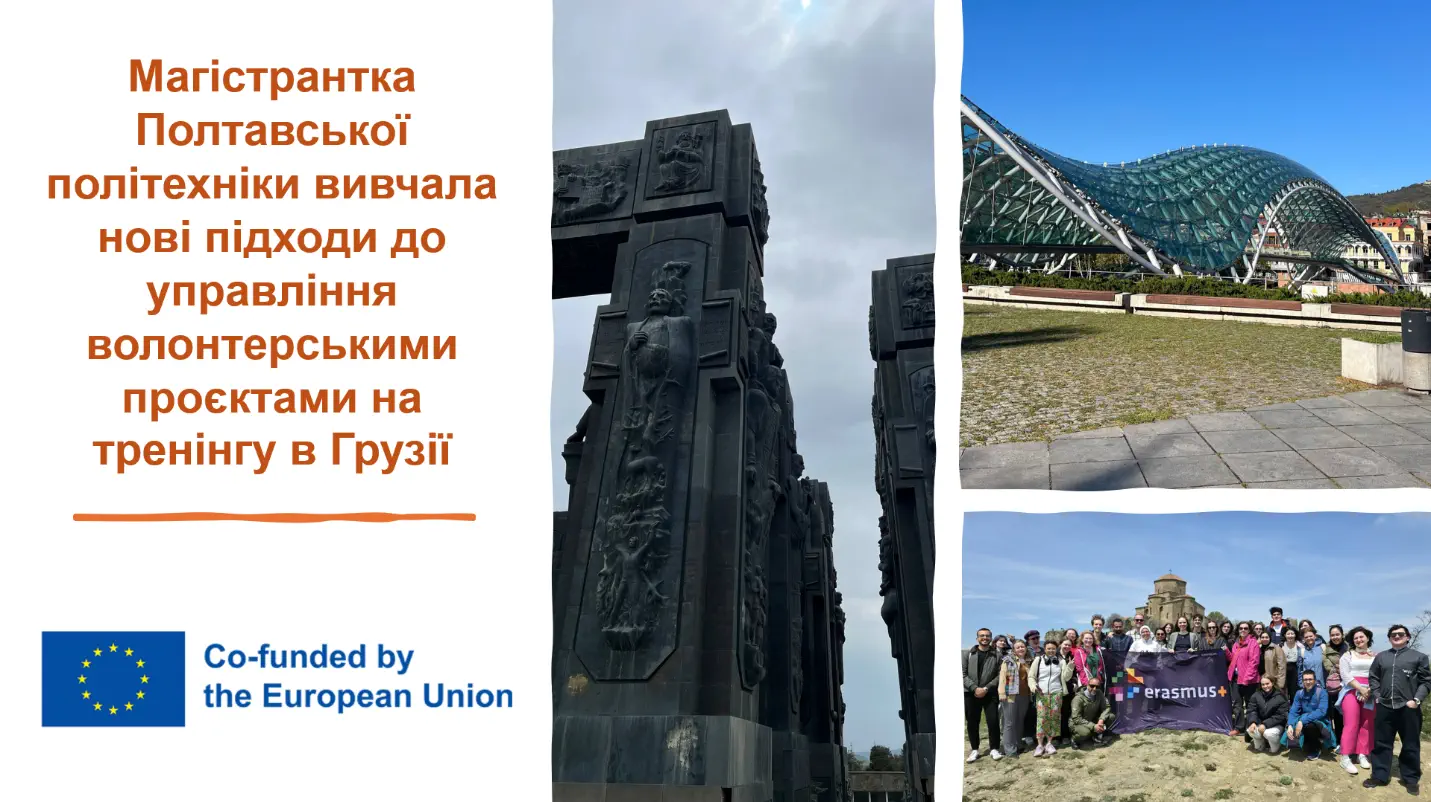
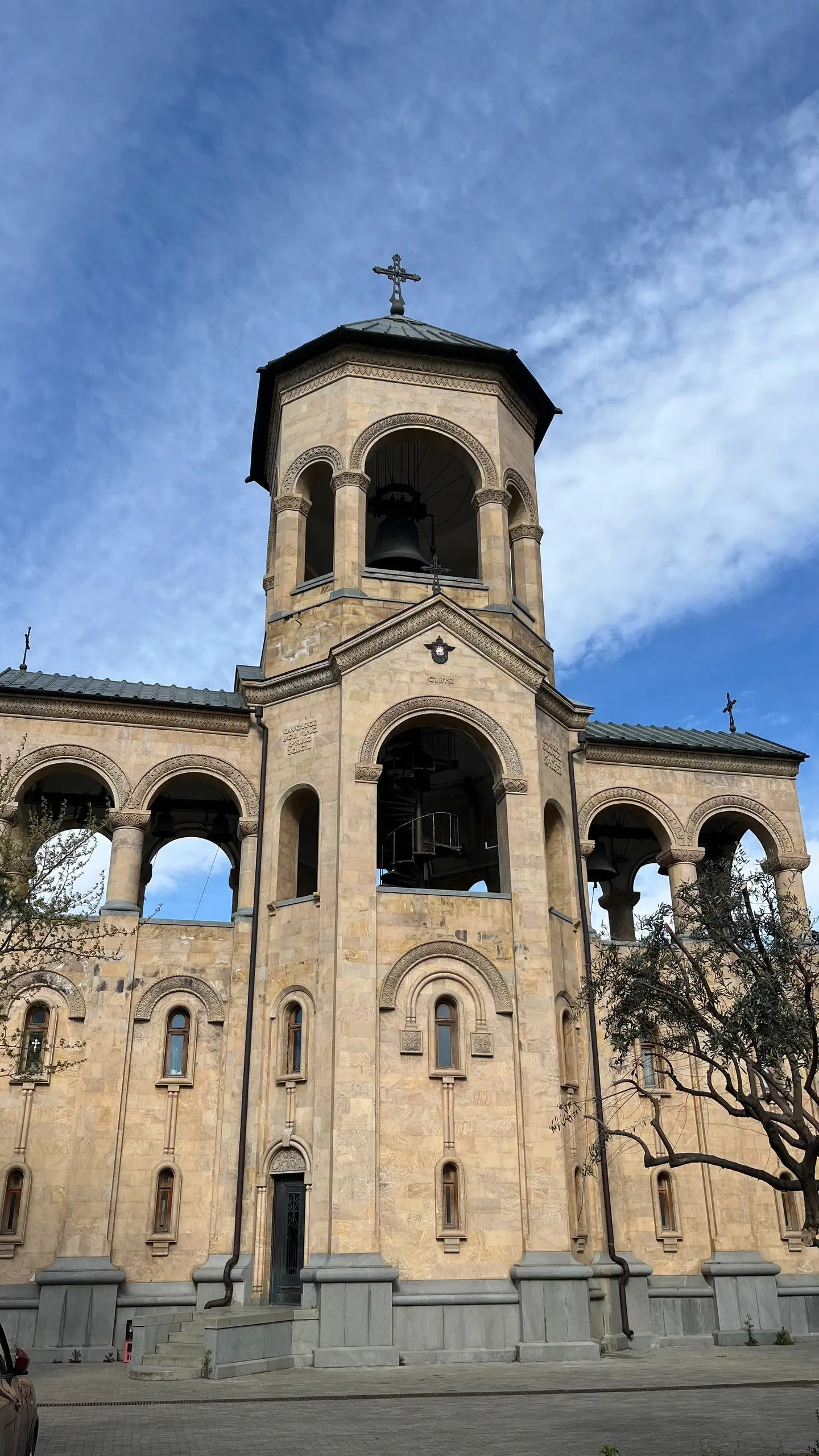
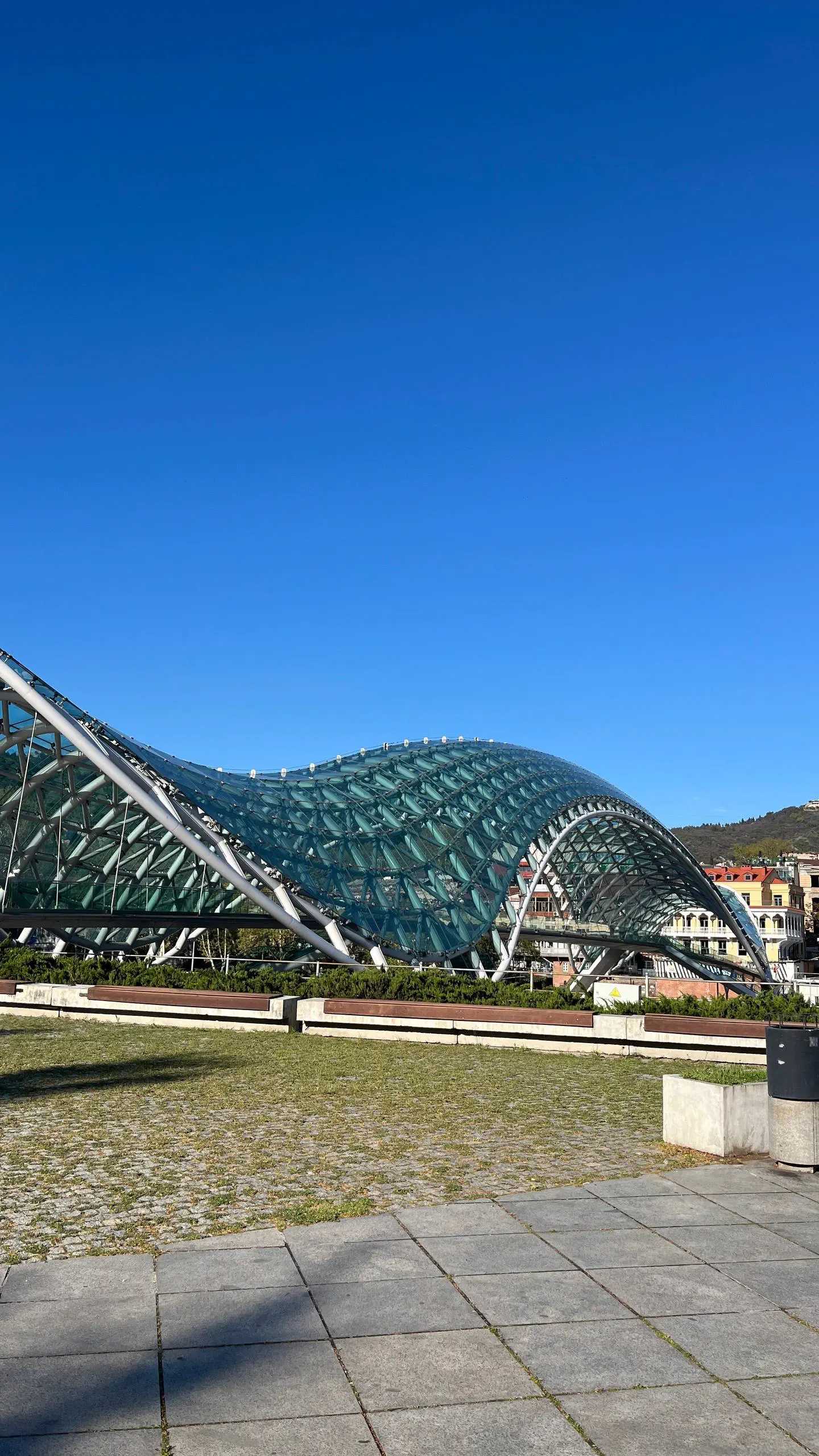
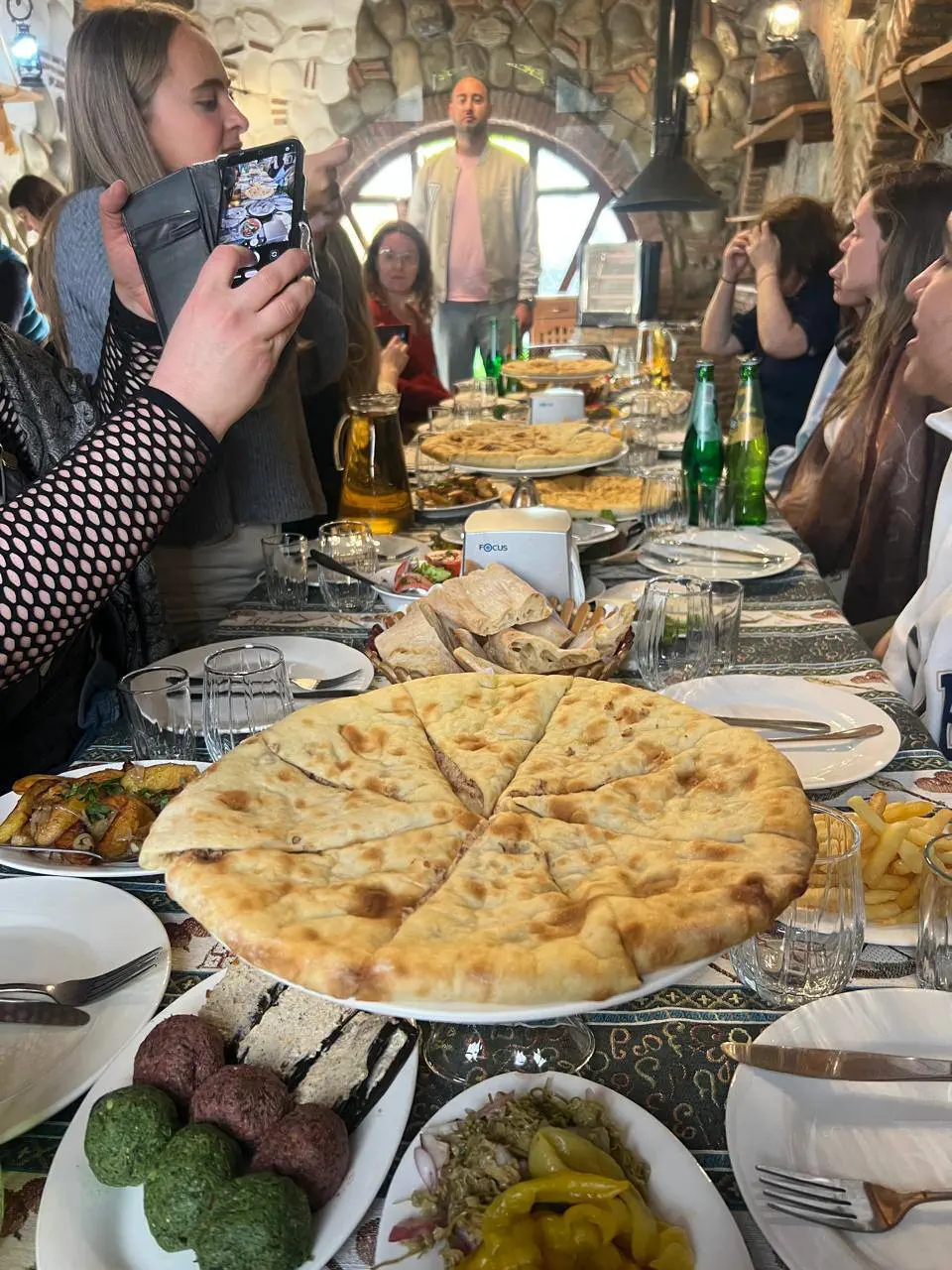
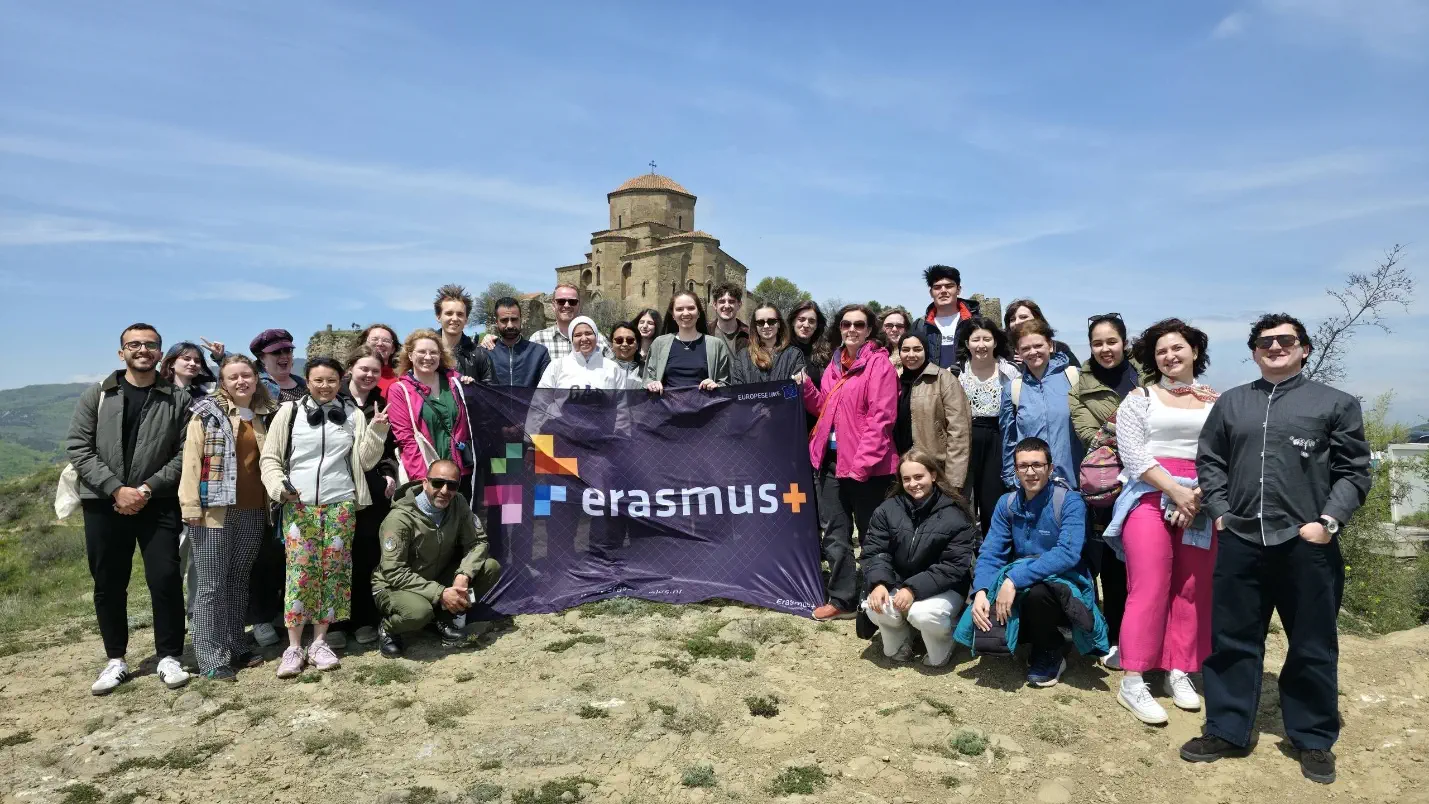
In modern educational discourse, a special place is occupied by the integration of traditional academic education with informal learning tools, which enables students to develop critical soft skills and prepares them for the dynamic challenges of the labour market. A prominent example of such synergy is the participation of Maryna Makukha, a master's student majoring in “Architecture and Urban Planning” at the Educational and Research Institute of Architecture, Civil Engineering and Land Management, in a large-scale Erasmus+ international academic mobility program – the “Entrepreneurship4IVS” project, which took place from April 25 to May 2, 2026, in the picturesque town of Misaktsieli, located in the Mtskheta municipality near Tbilisi, Georgia.
This initiative was implemented with financial support from the European Union's Erasmus+ program. It was organised by the Dutch non-governmental organisation SIW (International Volunteer Projects), founded in 1953, in close cooperation with Georgian partners – the host organisation “Youth for the World”.
The main focus of the training course was directed towards developing an entrepreneurial mindset (entrepreneurship mindset) in the context of managing and modernising the activities of international voluntary services (IVS). Non-profit organisations worldwide currently face similar challenges: limited financial resources, time constraints, a decline in active volunteers and camp leaders, and the need for new approaches to project management. Within the project, participants from around the world gathered to learn how to develop innovative solutions, optimise existing resources, and transform challenges into opportunities for community development.
The value of the project lay in its comprehensive, long-term nature, as it consisted of four sequential, logically linked phases. The first stage involved preparatory online work in April, followed by an intensive week-long training course directly in Georgia. The third phase, scheduled from May to August, is dedicated to testing and implementing the acquired competencies directly in the practical activities of participants’ local organisations. The final stage will be a joint online evaluation of the results in September. The educational process was coordinated by an experienced team of international facilitators, including Csenge Fazekas, an intercultural trainer with over fifteen years of global experience; Pujiarti, former president of the Network for Voluntary Development in Asia (NVDA) and former training manager of the US Peace Corps in Indonesia; and Rob van Leeuwen, a social entrepreneur and specialist with twenty years of experience in the field of international volunteering.
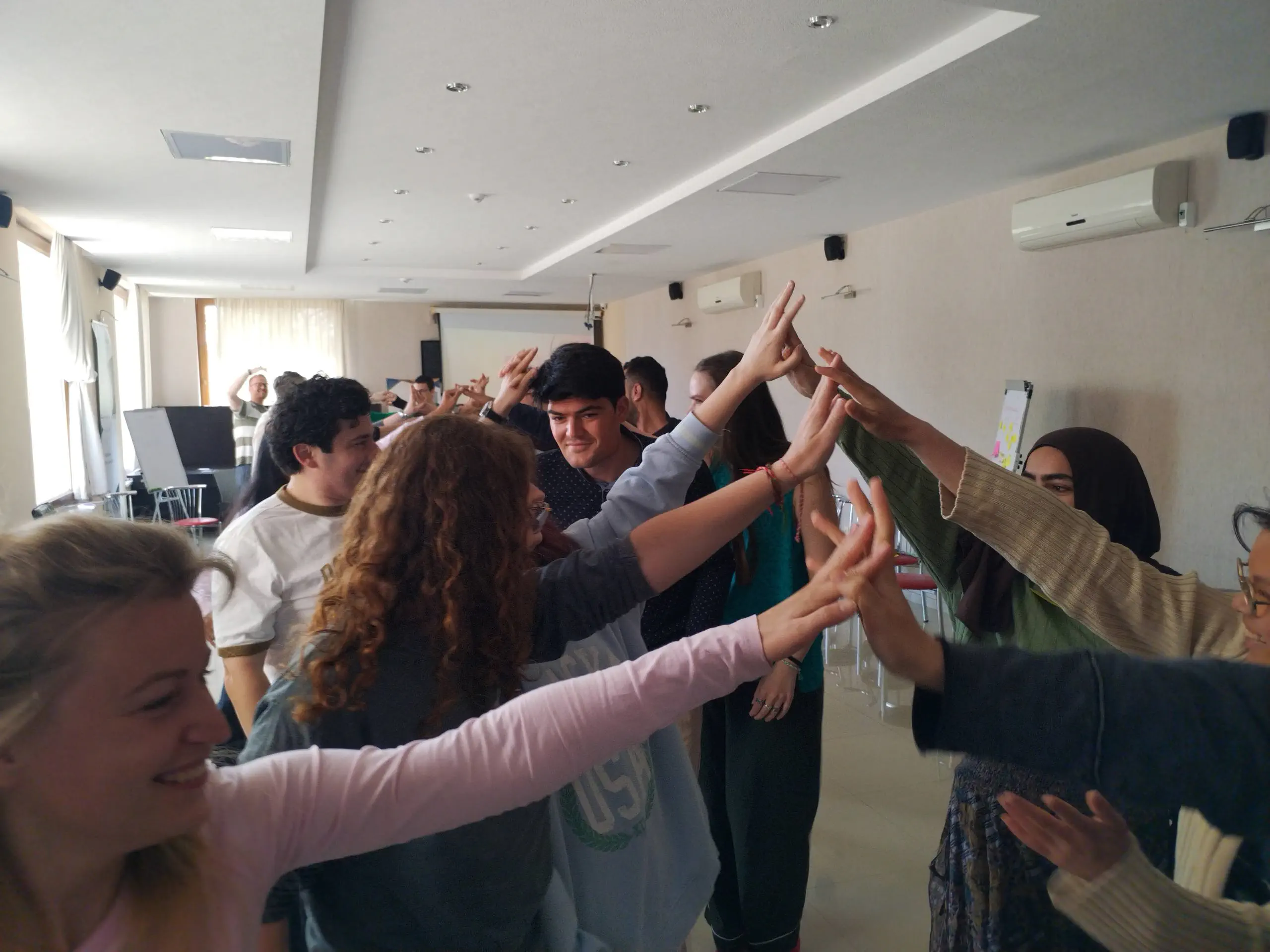
Thanks to the trainers' professional guidance, the program was built on the principles of informal education and a human-centred approach. Special emphasis was placed on the concept of co-creation: rather than being passive listeners, the participants formed groups and designed and facilitated workshops for each other, learning by doing. Our student noted that this approach fundamentally changed her perspective on learning, as it required not only absorbing theory but also immediately testing knowledge in practice while collaborating with peers from various countries.
Sharing her impressions of the project, Maryna Makukha highlighted the program’s exceptionally high practical orientation, with a focus on real tools for change management. According to her, the training course helped her understand exactly how an entrepreneurial mindset functions within non-profit organisations. Participants learned not to fear complex challenges stemming from a lack of funding or human resources, but rather to seek alternative problem-solving paths and turn creative ideas into real, viable projects. The learning process was accompanied by continuous self-reflection, which enabled participants to honestly evaluate their leadership qualities, identify skill gaps, and map out a trajectory for further personal and professional self-improvement.
An important aspect of the project was the unique socio-cultural and emotional atmosphere that prevailed at the “KAPILONI” hotel complex, where the participants lived and worked. The picturesque environment and well-developed infrastructure of the venue facilitated both intensive indoor sessions and active outdoor team exercises. The student recalls that the sense of complete support from the trainers and other participants created a safe space for experimentation, where everyone had the right to make mistakes and could try themselves in entirely new roles. This atmosphere of cross-cultural cooperation helped her redefine the very concept of entrepreneurship as a universal life skill, which is less about running a business and more about a proactive life stance, the ability to see hidden resources, and the readiness to take responsibility for change.
Participation in the “Entrepreneurship4IVS” project demonstrated how international mobility broadens horizons, stimulates student initiative, and enriches the academic community with new ideas. Maryna Makukha plans to use the acquired knowledge, non-formal education methodologies, and practical facilitation skills to improve the work of student self-government bodies and to support the development of local social projects at our university.
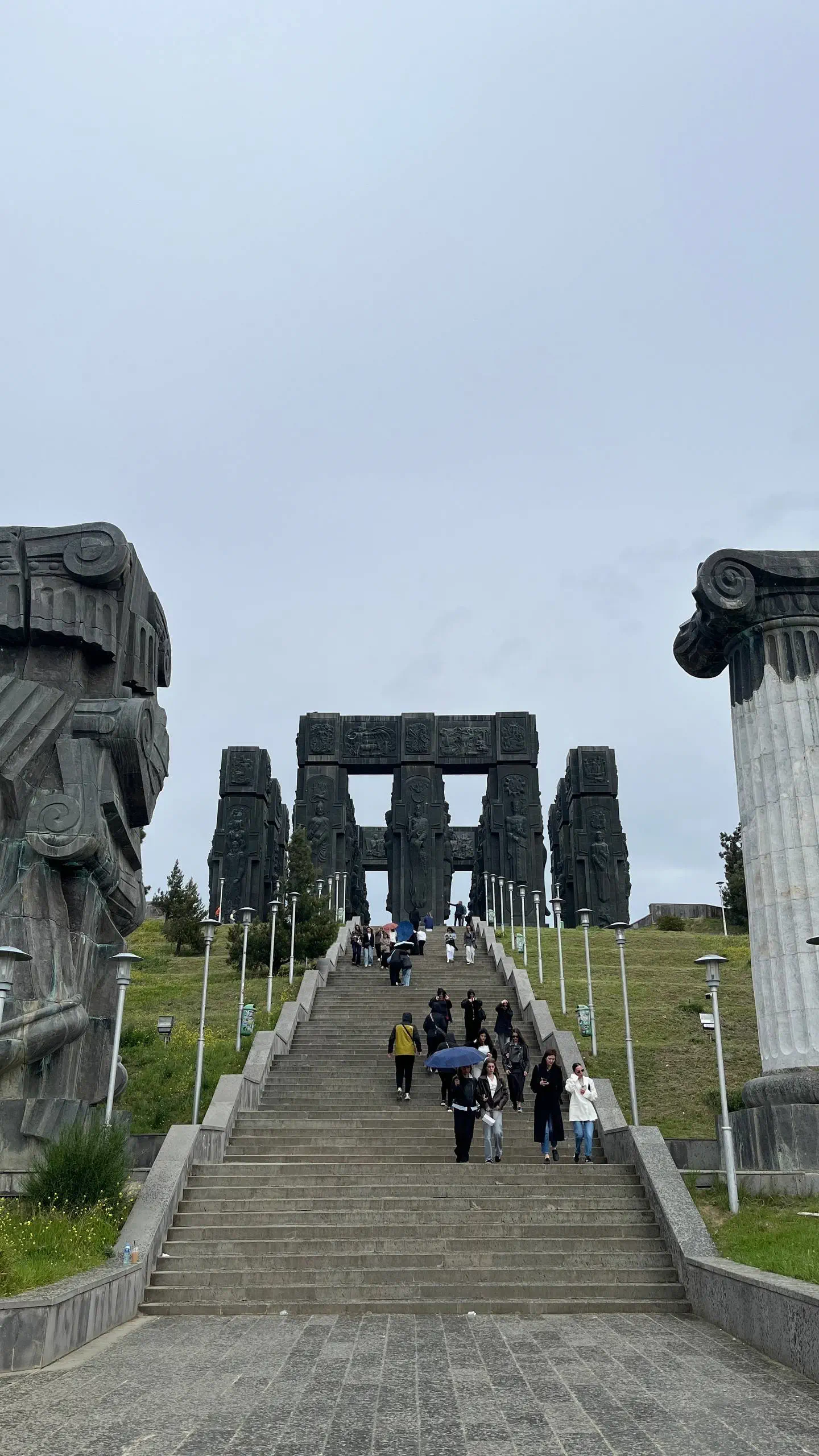
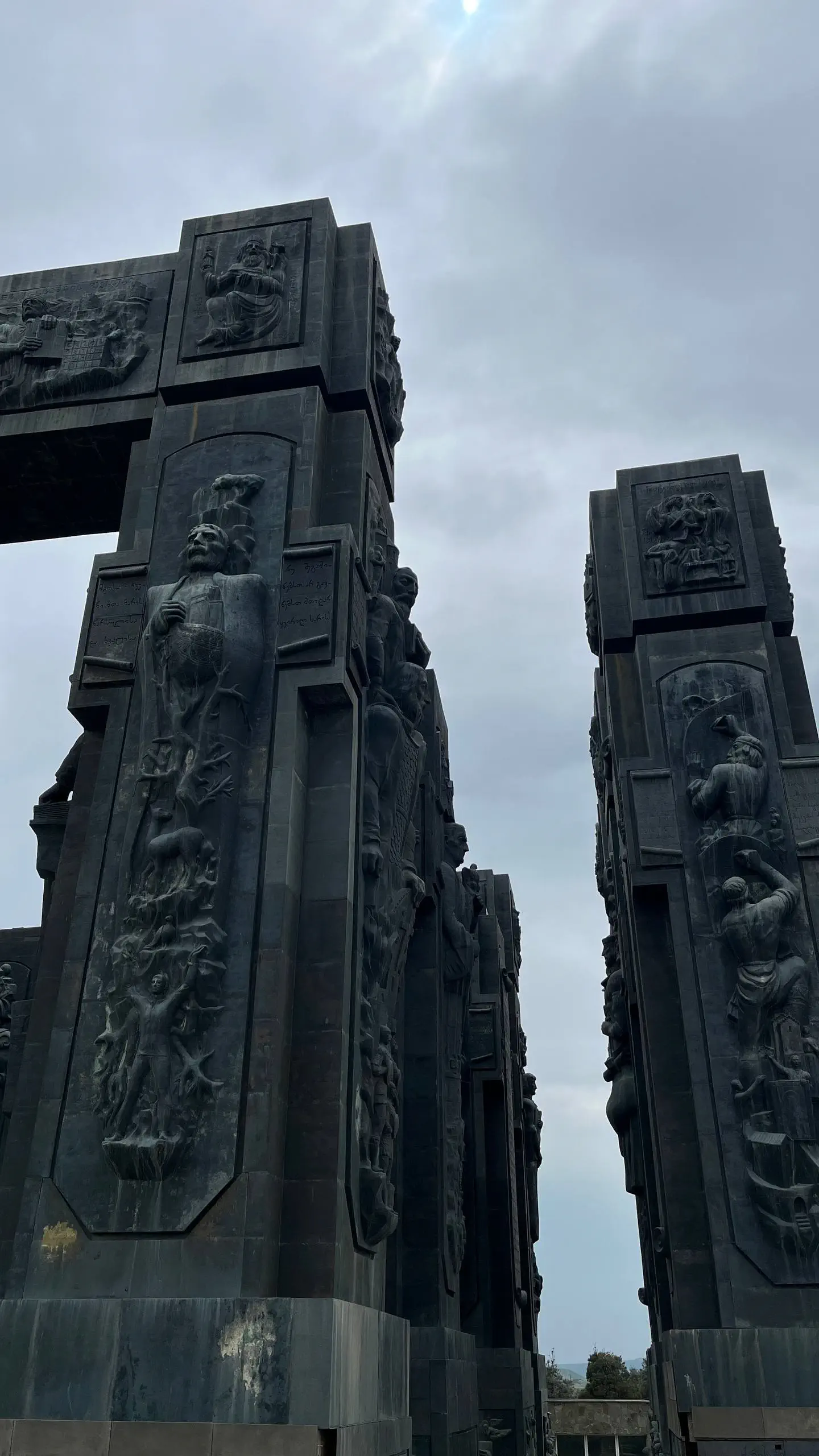
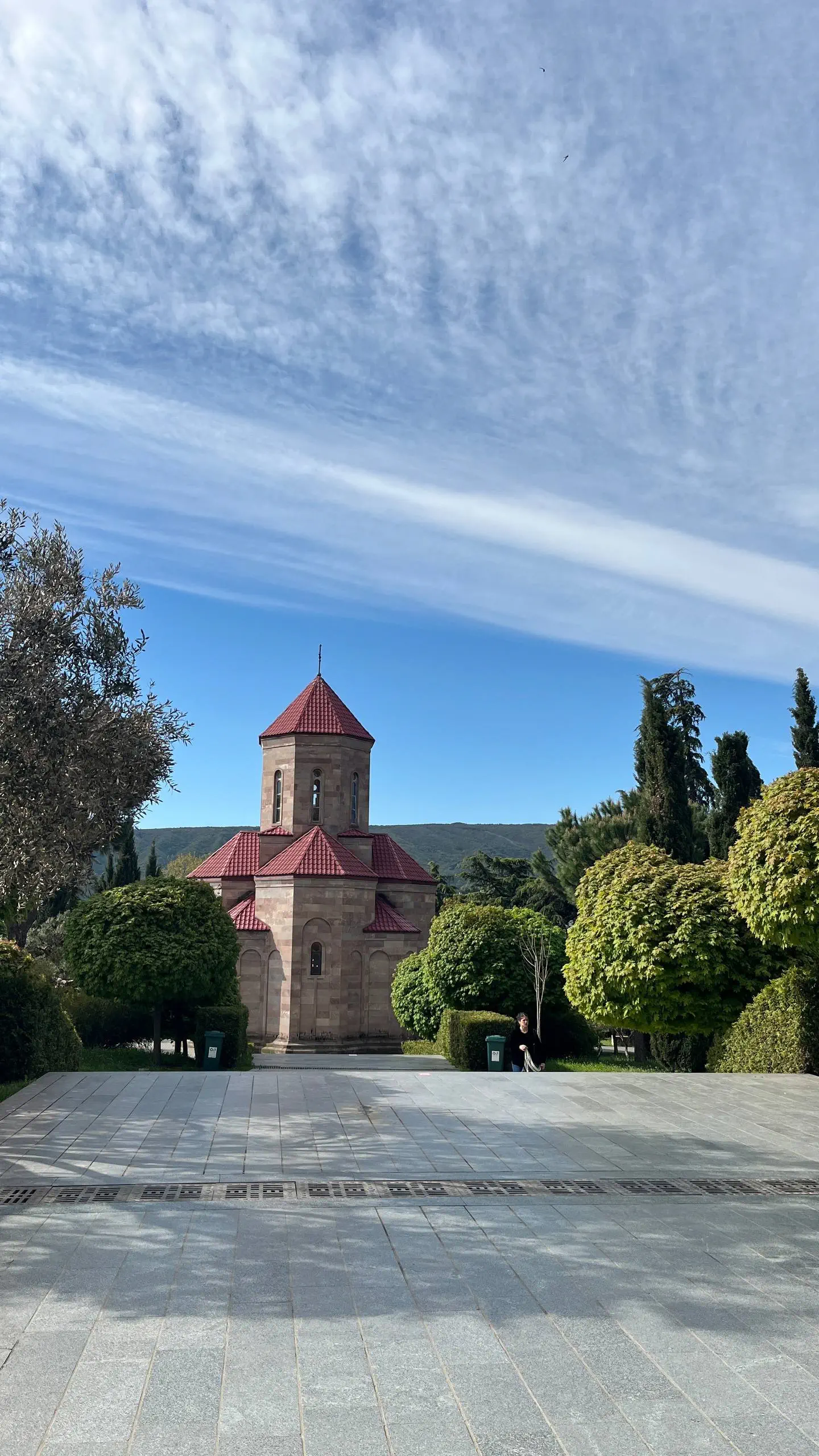
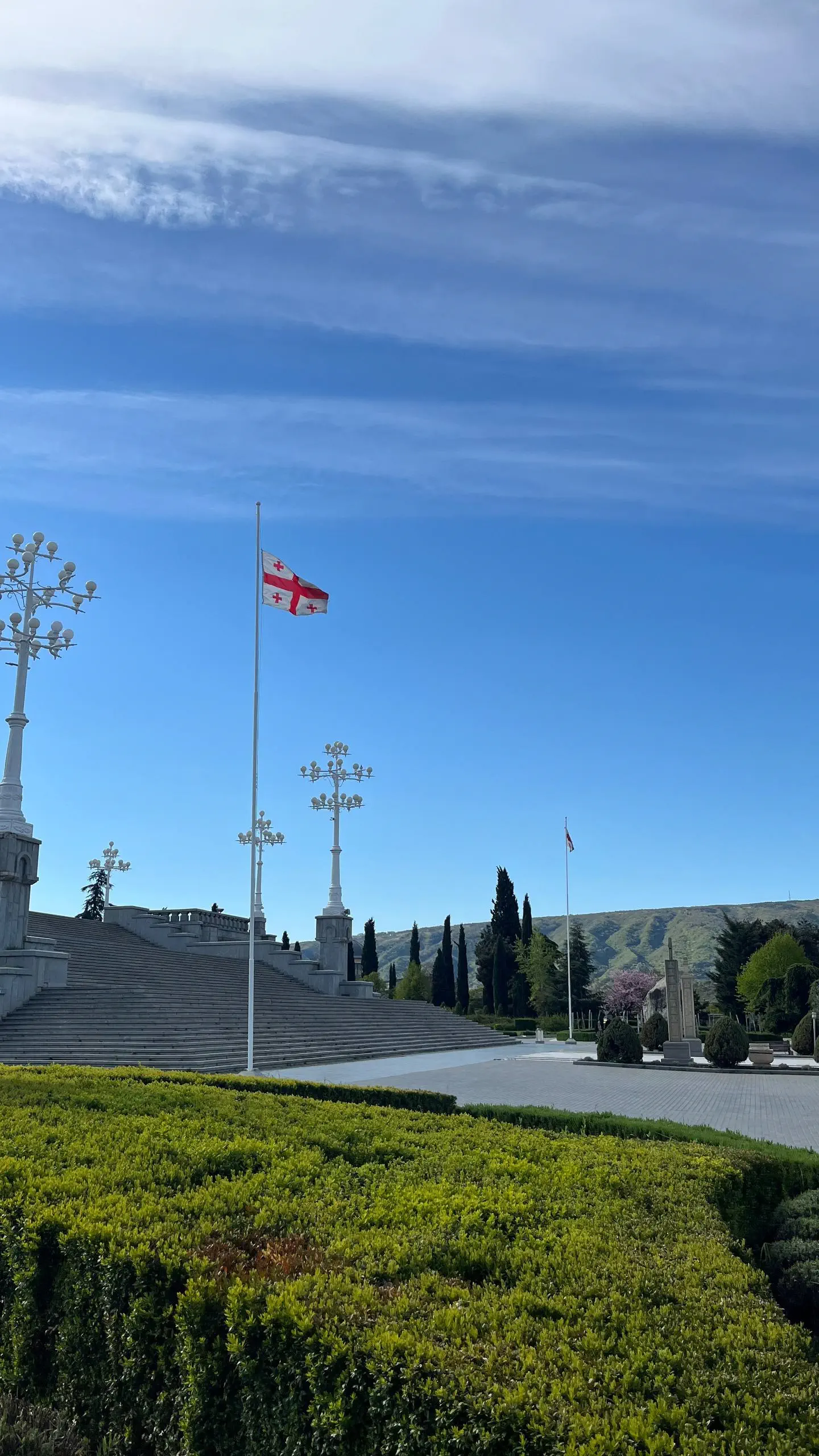
Previously, Maryna Makukha participated in Erasmus+ youth exchanges “ARTiculate to Create: Art for Change”, “YouthARTiculate: Voices for Social Change”, and the final two-day conference of this exchange, “STARTArt – Stimulating Talent in Arts through Resources and Training for Art entrepreneurship”, “Art Myths Culture”, the first and second parts of “The Power of Young Artists”, “Into the wild”, took part in the 8th International Conference ICAMES 2024, and as part of a delegation from the Polytechnic, represented the university at a large-scale event hosted by a Latvian partner university; and joined the Erasmus+ BIP design and construction marathon at Vidzeme University of Applied Sciences (Latvia), where, as part of the “Interior & Furniture” team, she developed and hand-built adaptive interior solutions and renovated a public space in the border town of Indra.
As a reminder, students of Poltava Polytechnic have the opportunity to study abroad under Erasmus+ credit academic mobility grant programs for a semester or an entire academic year at leading partner universities.
For more detailed information regarding current academic mobility programs, please get in touch with the International Relations Department (Room 213-C, interoffice@nupp.edu.ua) or Poltava Polytechnic’s International Relations Coordinator Anna Pavelieva (phone: +3-8-(095)-91-08-192).