Academic mobility programs, such as Erasmus+, are integral to the modern European educational paradigm and play a key role in both student development and the international prestige of higher education institutions. For a university, participation in such initiatives promotes the internationalisation of the educational process, the exchange of best pedagogical practices, and the strengthening of international ties. These programs position the university as an open and competitive European institution.
For students, participation in mobility programs is a unique opportunity to step outside their familiar environment, gain quality learning experience in a foreign-language academic community, and develop critically important “soft skills”. These programs provide young people not only with specialised knowledge but also with invaluable experience in intercultural communication, self-reliance, adaptability, and broadening their worldview – assets that are priceless in today’s globalised world.
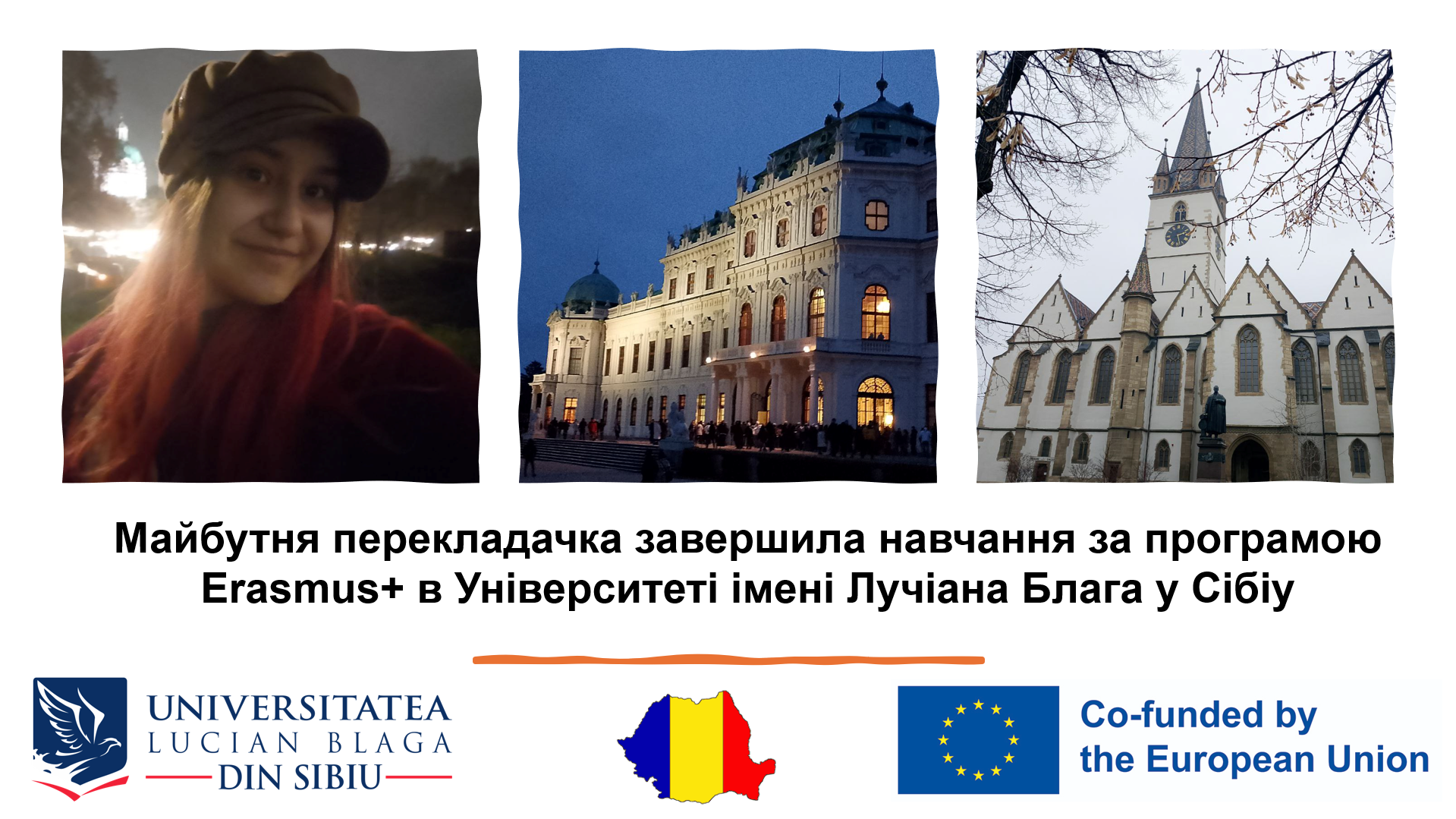
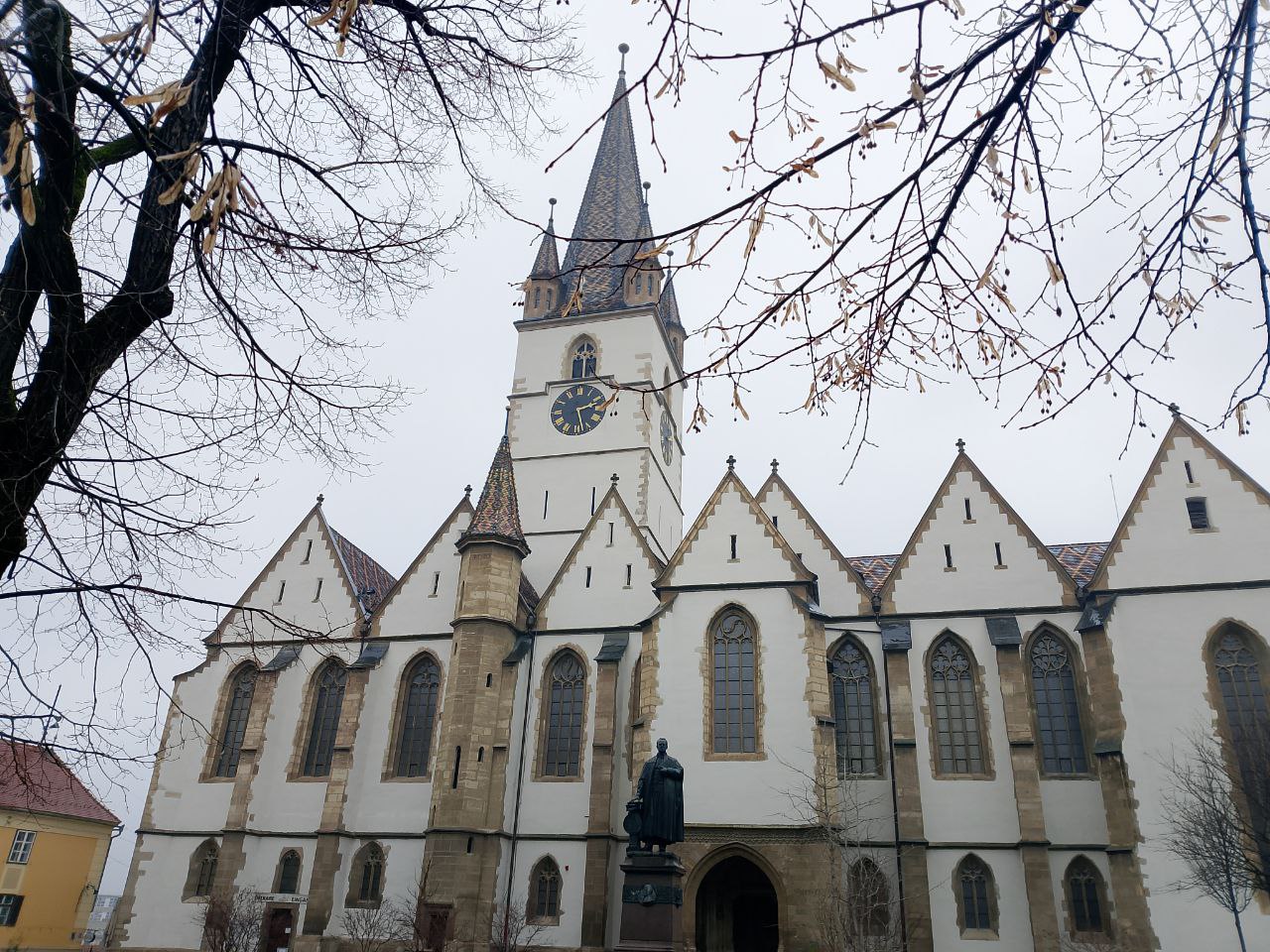
As our students’ experiences confirm, mobility programs are a true catalyst for personal and professional growth. Iryna Pastushenko, a first-year student in the 035 “Philology” speciality, had the opportunity to test this firsthand, having recently completed a credit-based academic mobility program under Erasmus+ at Universitatea “Lucian Blaga” din Sibiu (Sibiu, Romania).
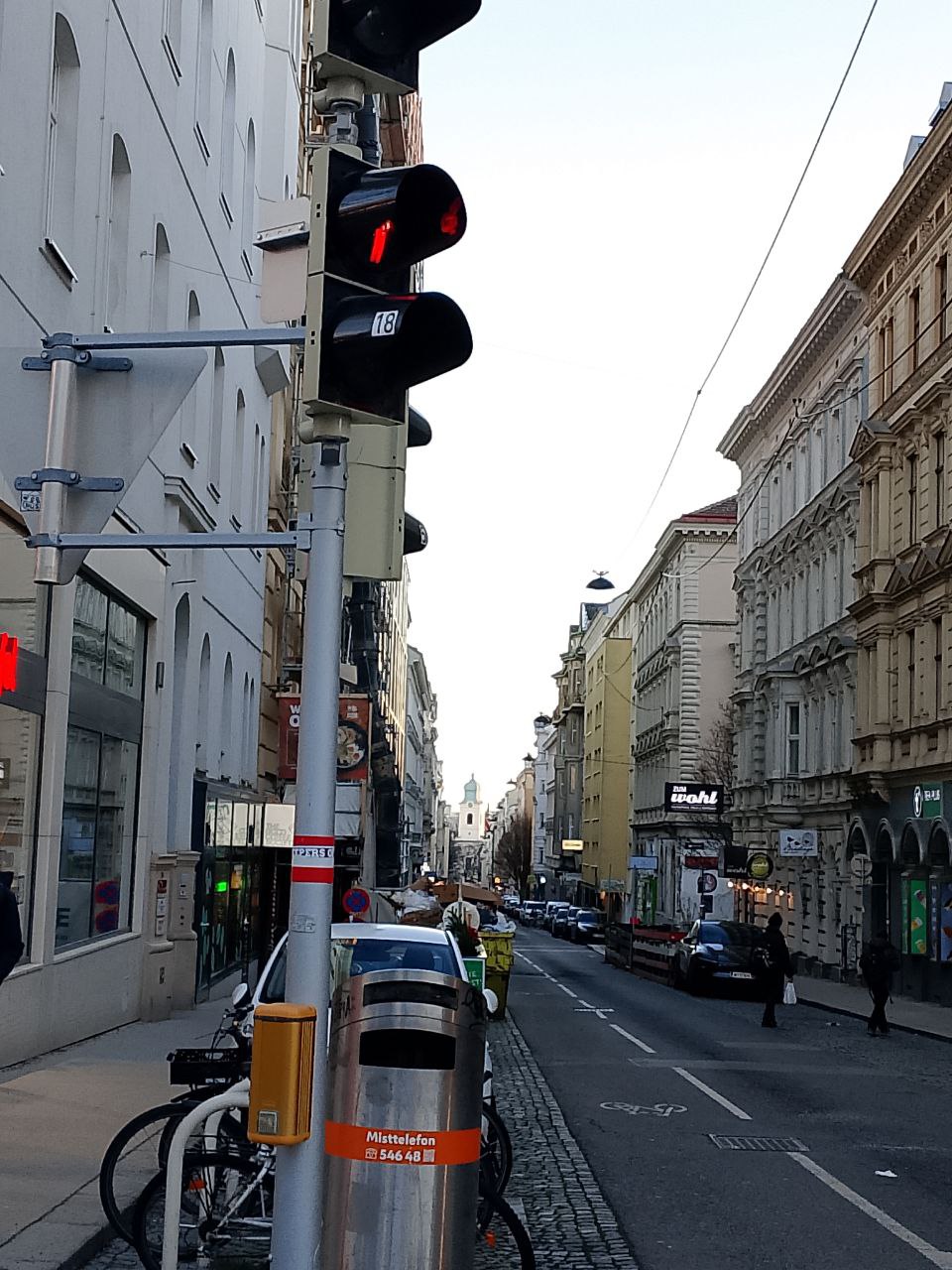
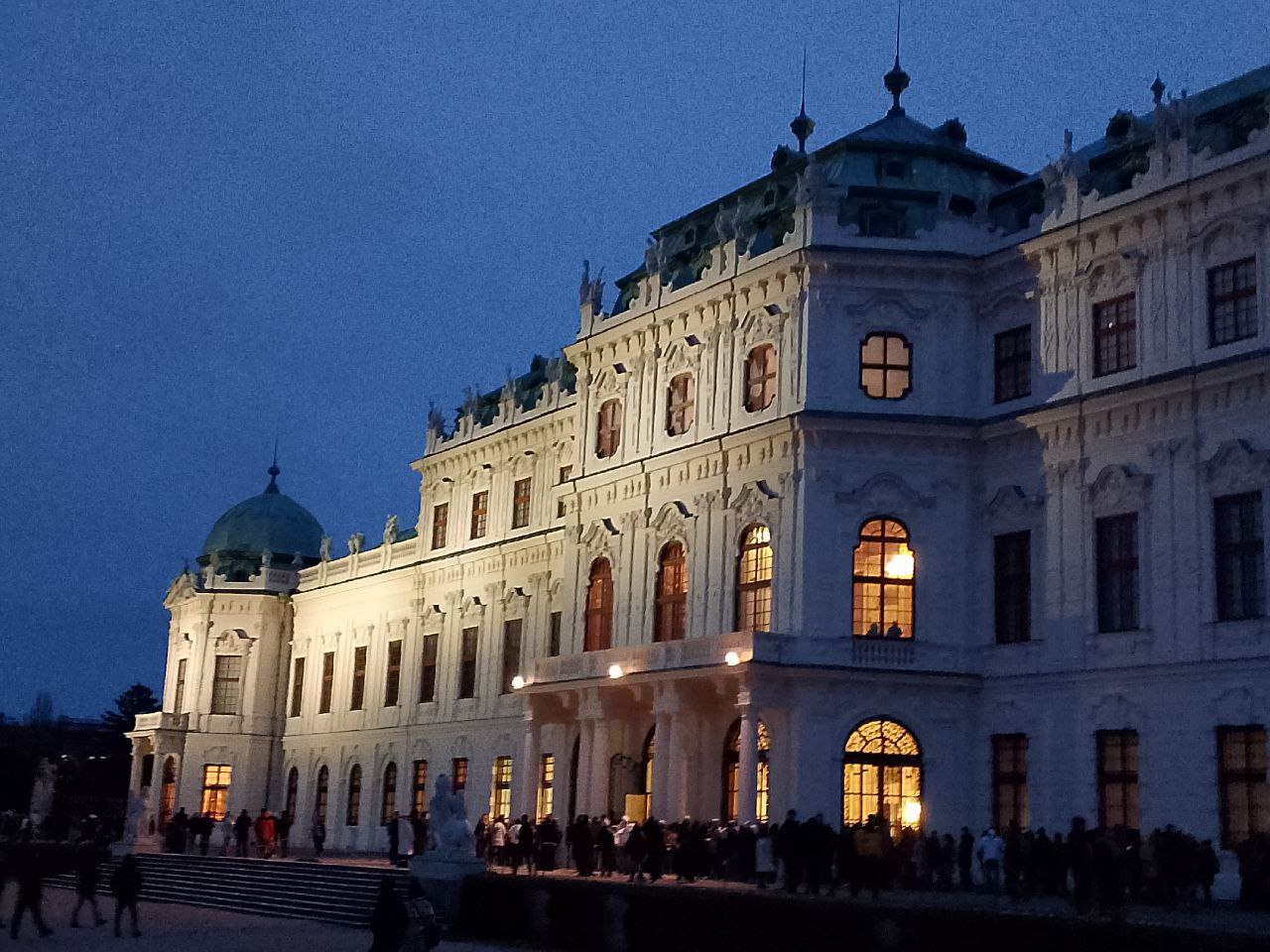
She shares her impressions of the studies: “Erasmus+ in Sibiu became the start of a completely new stage in my life. New acquaintances, an unexplored city, and studying at Lucian Blaga University – all of this resulted in a unique experience. It was incredibly insightful to realise that while curricula and grading systems might differ, the fundamental aspects – the lecturers, the demand for knowledge, and the exams – remain universal constants. Although I didn’t discover radically new knowledge in my specialised field, the learning atmosphere itself was captivating. The sense of intercultural unity was particularly valuable: when you don’t know the local language, and they don’t know yours, a shared goal compels you to find understanding through English. This feeling of community, which I was looking for, was palpable. It’s impossible to convey in words; only someone who has gone through this experience can truly grasp it, and I sincerely wish this for everyone.
This exchange program in Sibiu has become the realisation of long-held aspirations for me; even partial fulfilment is incredibly valuable. I am convinced that every student should strive to gain this personal experience. One can endlessly talk about how such journeys transform a personality, but each person experiences this change individually. For me, this period was the desired combination of relaxation and complex, yet important, challenges at the start. Was it worth the effort? Absolutely. Shared parties, educational trips, casual meetings for conversation – all of this forms the special value that Erasmus+ carries. Now, the choice of whether you are ready to feel this is yours.
The most important question upon returning is: what has changed in me, and has life at home stopped? I realise that any extended journey inevitably involves periods of loneliness. Despite a wide circle of new friends and acquaintances, thoughts of family and loved ones were a daily constant. No one can completely diminish the moral difficulty of distance: no one fully prepares you for complete independence in decision-making when your usual support circle is absent. And while returning is always joyful, it also reveals a reality: life here hasn’t waited; it has continued its course, leading to a momentary feeling of having fallen out of the general flow. However, this journey taught me the main lesson: we are the creators of our own happiness, and my greatest achievement is what I realised during these six months.
Finally, I want to express sincere gratitude to Poltava Polytechnic. I am incredibly thankful for the trust and opportunity granted to me by being selected for this mobility. Perhaps this half-year experience didn’t radically overturn my life, but it undoubtedly transformed me for the better. I urge all students: do not be afraid to take risks and try something new. Who knows, perhaps such a step will open a much more interesting and vibrant page in your own life journey.
Iryna’s curriculum was focused on philological disciplines with an emphasis on language practice. She earned 28 ECTS credits by mastering courses such as “English. Oral and Written Communication”, “Contemporary English Language. Syntax” and “Scientific Research and Academic Writing”. These subjects solidified her professional skills. At the same time, a significant achievement was learning the host country’s language: “Oral Communication. Romanian Language” was the course in which Iryna received the highest mark (9/10), underscoring her capacity for rapid linguistic adaptation. In addition to English, she deepened her knowledge of German by studying the “Practical Translation Course (German)”.

Thus, the Erasmus+ program proves its life-giving force, transforming from an educational opportunity into a profound personal challenge and triumph. Iryna Pastushenko’s experience at Lucian Blaga University of Sibiu is a microcosm of how young people today are building their European future, mastering not only academic knowledge but also the universal language of resilience and mutual understanding. It is precisely this ability to transform the unknown into valuable capital that makes participation in international mobility mandatory for every ambitious student, as the ultimate reward is not a diploma but a completely renewed version of oneself.
You can read about Iryna Pastushenko’s first impressions of studying under this mobility program here. Furthermore, recently, Svitlana Halaura, Associate Professor in the Department of General Linguistics and Foreign Languages, completed a teaching mission at the partner HEI, Lucian Blaga University of Sibiu, within the framework of the Erasmus+ teaching mobility program.
We remind you that lecturers from Poltava Polytechnic can participate in academic mobility and traineeship programs. Students can study abroad under Erasmus+ credit academic mobility grant programs for a semester or a full academic year at leading universities in Austria, Greenland, Denmark, Estonia, Spain, Lithuania, Latvia, Norway, the Netherlands, Germany, Poland, Portugal, Romania, Slovakia, Finland, and the Czech Republic.
For more detailed information on current traineeships, teaching, and academic mobility programs abroad, please contact the International Relations Office (Room 213-C, interoffice@nupp.edu.ua).