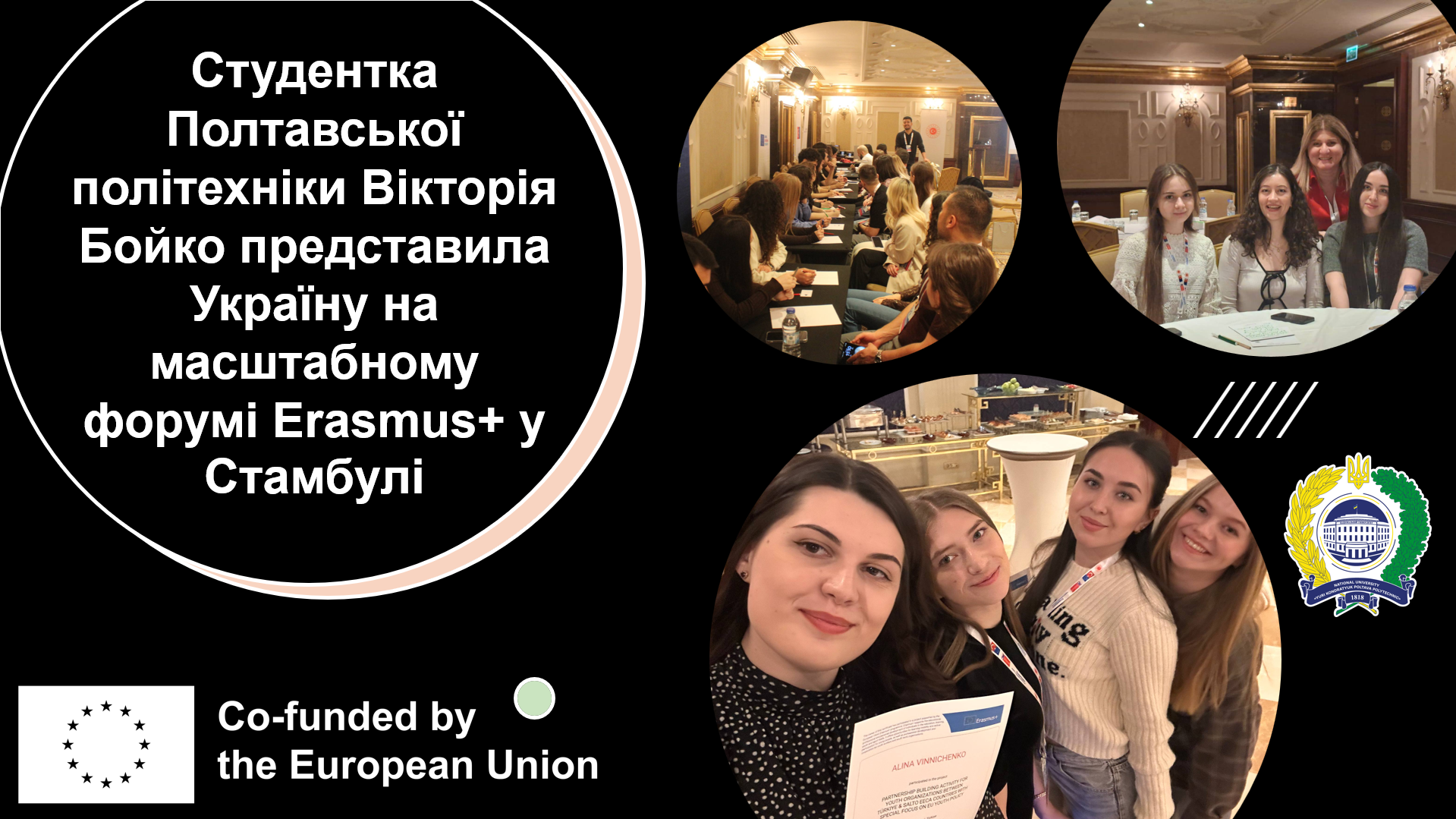
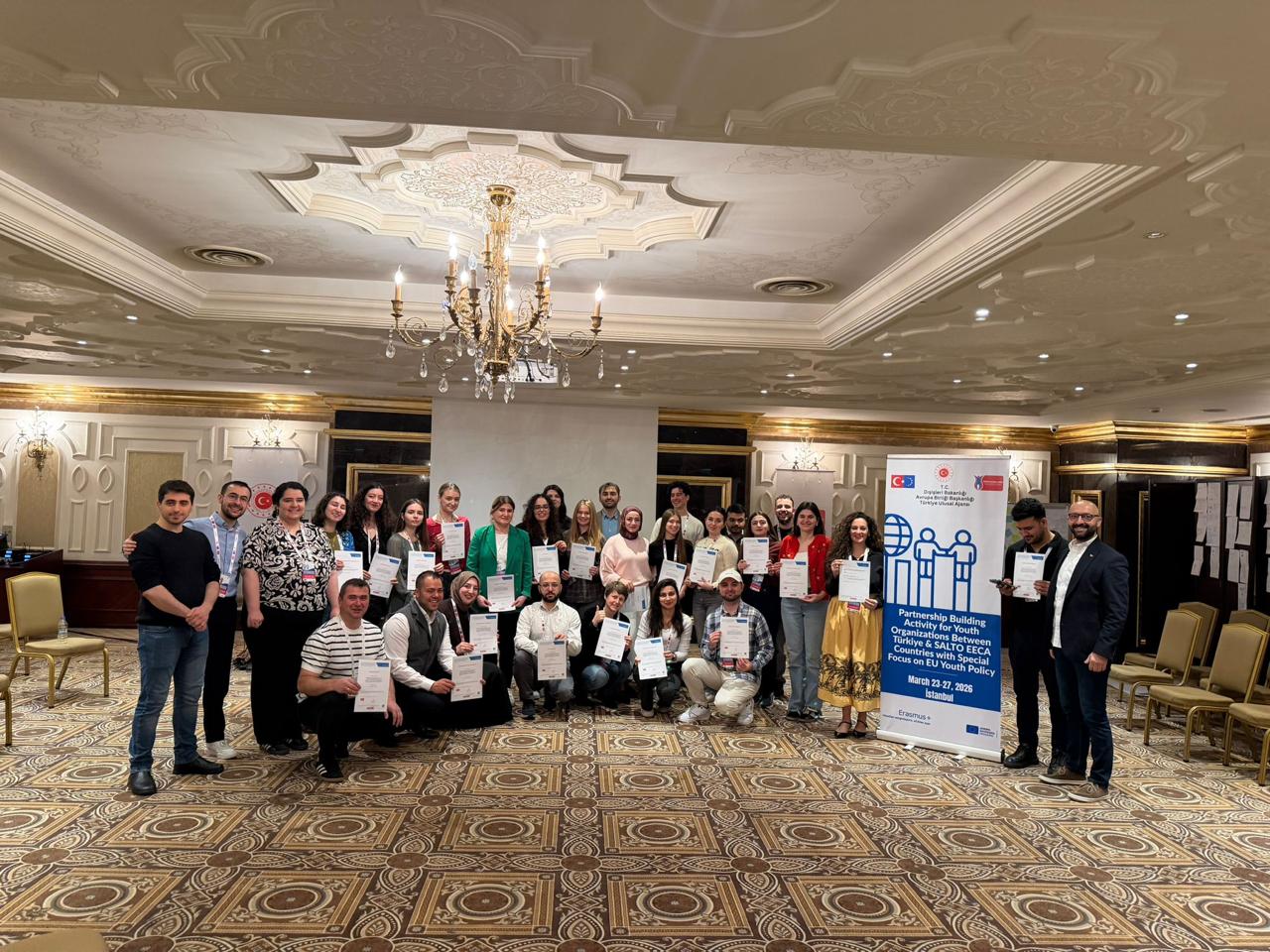
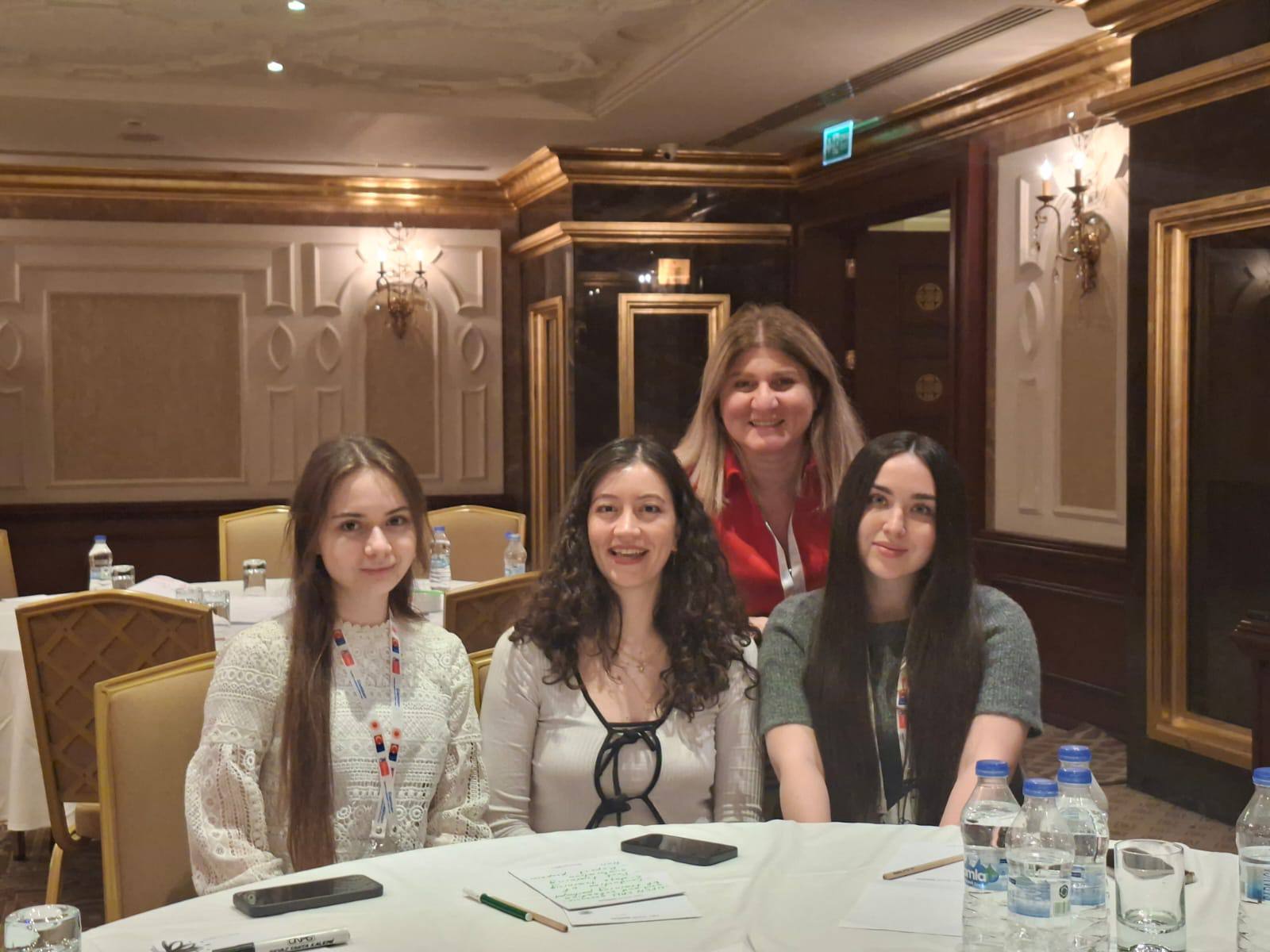
Modern higher education has long transcended university classrooms, evolving into a powerful tool for global professional and social transformation of youth. A vivid confirmation of this was the recent visit of Viktoriia Boiko, a student of group 401-FF, major 035 “Philology” at the National University “Yuri Kondratyuk Poltava Polytechnic”, to Istanbul. From March 23 to 27, 2026, she participated in a prestigious Partnership Building Activity (PBA), organised by the Turkish Erasmus+ National Agency in close cooperation with the SALTO EECA network. Supported by the JEF Ukraine organisation, Viktoriia joined a dialogue with leaders of youth initiatives from Turkey, Armenia, Azerbaijan, Georgia, and Moldova to shape a new architecture of international cooperation within the European Erasmus+ program.
Participation in events at this level opens unique horizons for students, as the main goal of this forum was not merely to exchange contacts but to deepen students’ systematic knowledge of the mechanisms for implementing the European Union’s youth policy. For Viktoriia, this project became a test of professionalism, in which theoretical knowledge gained within the walls of Poltava Polytechnic was successfully integrated into real-world practical cases. The program in Istanbul was structured so that each day consistently revealed new facets of international project activities: from introductions and building a trusting atmosphere within the international community to the complex stages of developing sustainable project ideas.
The key task of the project was to strengthen international synergy between non-governmental organisations of Turkey and countries of the SALTO EECA region – Armenia, Azerbaijan, Georgia, and Moldova – as well as to thoroughly master the toolkit of the European Union’s youth policy. The event served as a powerful intellectual platform for building a network of professional contacts, exchanging expertise in youth work, and generating innovative ideas to prepare future project applications under the Erasmus+ program.
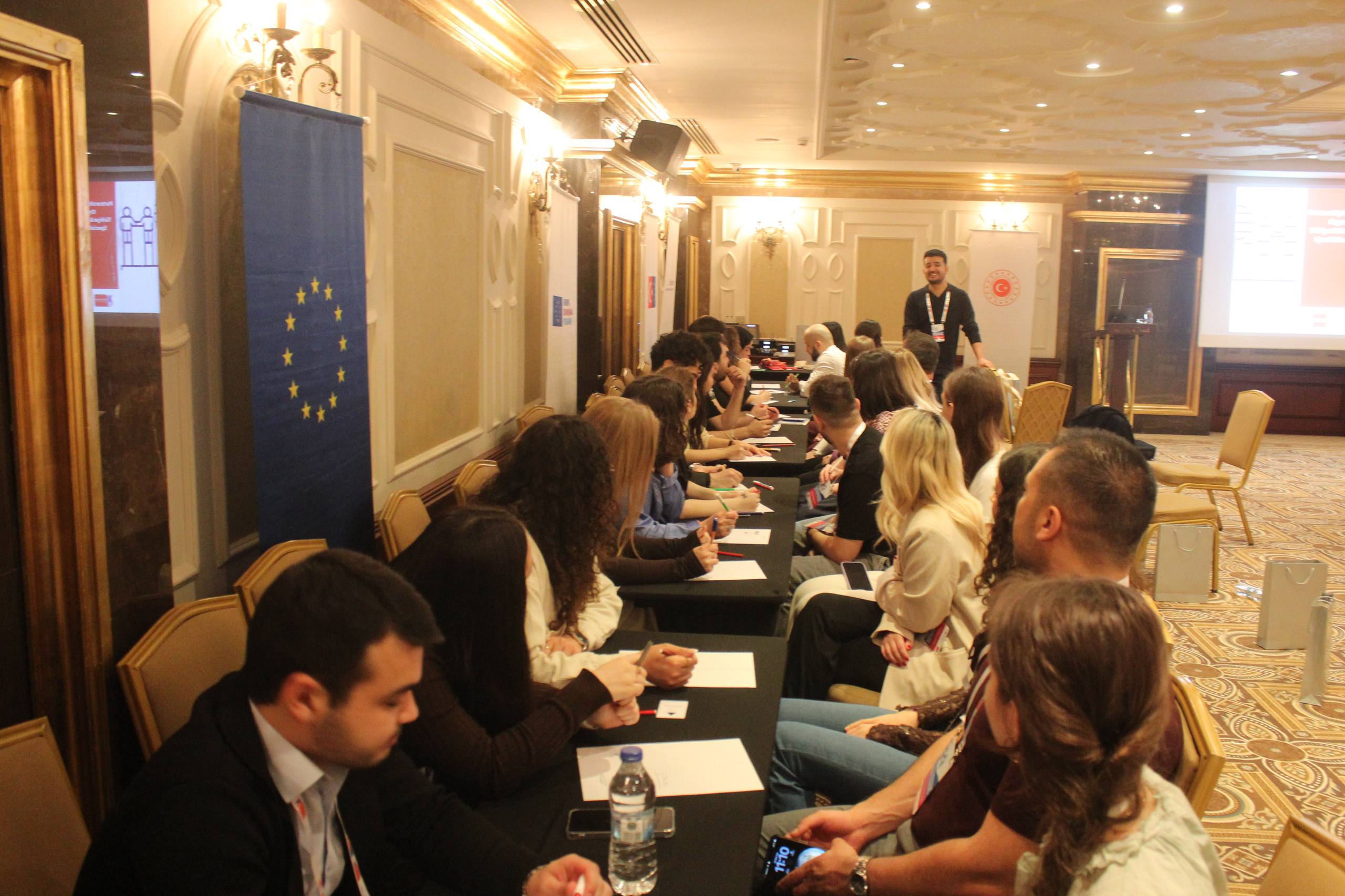
The event program was notable for its abundance of interactive sessions, substantive discussion panels, and group project work, collectively aimed at forming sustainable partnership alliances and improving participants’ project thinking. Special attention was paid to the fundamental role of the European Union's youth policy, as well as to analysing its impact in scaling up youth initiatives across the SALTO EECA region.
Work within the program began on March 24, 2026, with an intensive integration of participants. The official opening of the event evolved into a sincere dialogue, during which everyone had the opportunity to share professional expectations, which instantly created an atmosphere of trust and mutual understanding. The session dedicated to experience sharing became one of the day’s brightest moments: hearing colleagues’ success stories from other countries was a powerful source of inspiration.
“In the second half of the day, the discourse shifted to the plane of youth work – we analysed systemic challenges and looked for new vectors for the development of the field. The final chord of the day was a debate on the priorities of the EU youth policy, during which a comparative analysis of the experience of different countries allowed for forming a holistic picture of challenges and prospects for the entire SALTO EECA region.
On March 25, the program gained even greater momentum and practical orientation. The day began with intensive, interactive work in the “project laboratory”, where participants learned to transform urgent social challenges into concrete concepts for future initiatives. “This process turned out to be extremely exciting, because instead of passive information reception, we joined in active creative thinking, discussions, and the modelling of project solutions. No less important was the networking session, dedicated to meeting potential partners, which opened new horizons for future international cooperation with like-minded people whose experience and values were in tune with my own. In the second half of the day, teamwork on developing our own project applications was a logical continuation of the knowledge we had acquired. The session gained special intellectual content from the keynote speech by Associate Professor Hakan Gülerce of the Department of Sociology and Deputy Director of the Institute for Population and Social Studies at Marmara University. Combining academic expertise with leading the Mig-Lab research laboratory, Mr Gülerce provided participants with a profound analytical foundation necessary for understanding modern processes in the youth sector” – says Viktoriia.
Hakan Gülerce’s research interests cover a wide range of critical topics, including youth work, migration process dynamics, social cohesion, gender studies, and sustainable development. In addition to teaching, he coordinates a master’s program in youth work and has extensive experience with international initiatives. Mr Gülerce is an active representative of the Turkish National Agency in the RAY network (Research-based Analysis of European Youth Programmes), which allows him to integrate the latest research data into the implementation of Erasmus+ programs. His professional path also includes working as a gender expert at the FAO representation in Turkey, where he specialised in analysing gender equality issues and rural community development. Such multidisciplinary experience allowed the speaker to successfully combine the academic rigour of scientific analysis with the pragmatic dimension of youth policy. His focus was on active youth participation in public life and the development of diversity and inclusion. During his session, Hakan Gülerce detailed the architecture of European youth policy, clarifying its key principles and demonstrating how these principles translate into real project conditions. His speech impressed the participants with its depth of theoretical development, impeccable structure, and the ability to explain complex political strategies in simple language.
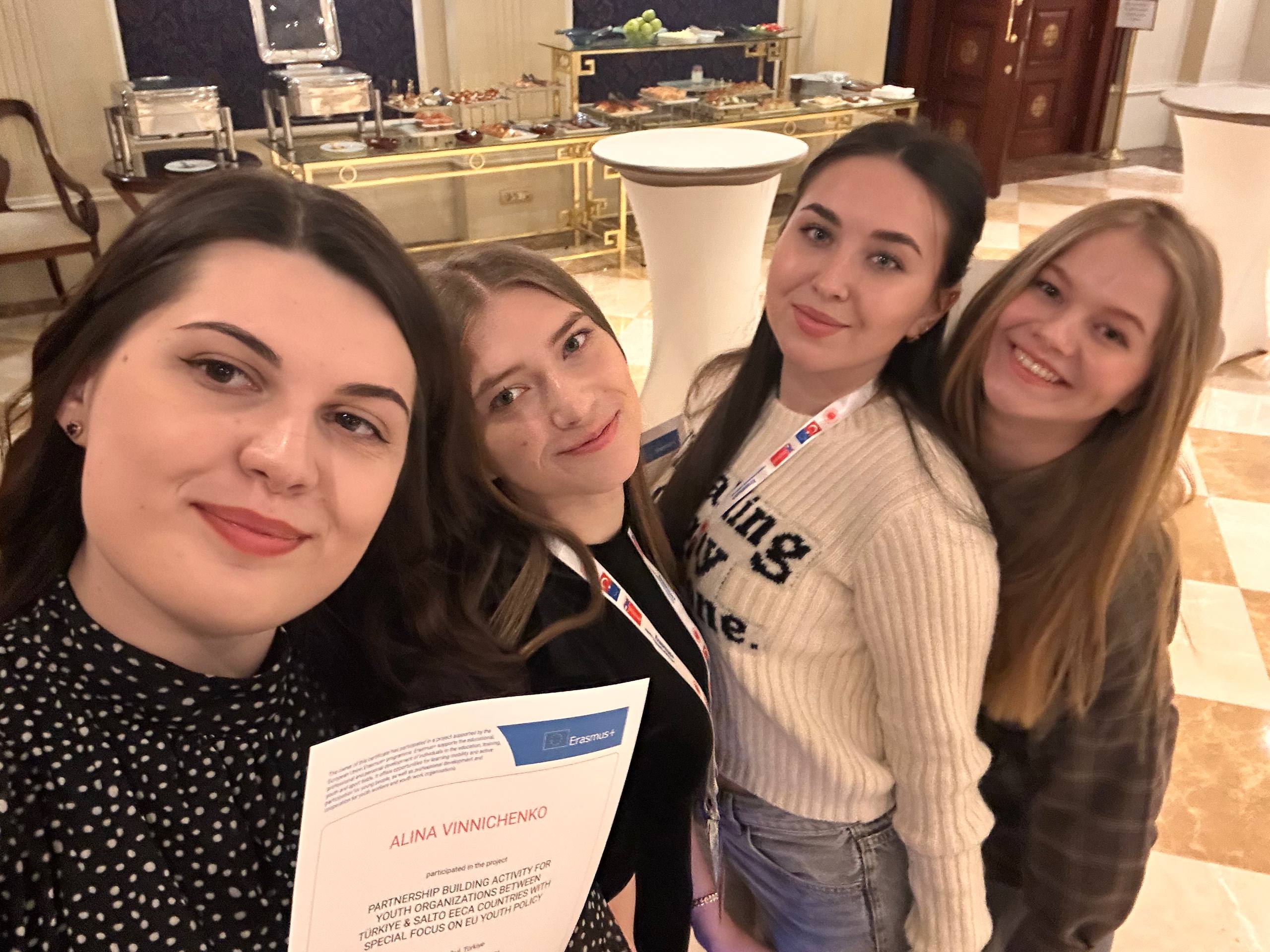
March 26 became the final stage of the intensive work: we conducted a final review of achievements, discussed prospects for further cooperation, and outlined a roadmap for future joint projects. It was a moment of realising the productivity of our activities and the scale of the ideas laid down. The solemn closing ceremony was marked by the presentation of YouthPass certificates, which officially confirmed the competencies we had acquired.
The event program was impeccably thought out by the organisers, down to the smallest details, allowing for a harmonious combination of intellectual workload and cultural enrichment. A pleasant addition was the souvenir gifts and a fascinating walk through Istanbul’s historical quarters, where narrow streets and majestic architecture created a special atmosphere. The culmination of the trip and a symbolic completion of the project was dinner on a boat in the middle of the Bosphorus, which provided unforgettable impressions and inspired new achievements. We are returning with a baggage of accomplishments, a clear vision of our goals, and inexhaustible enthusiasm for bringing all our plans to life.
I can confidently say that this is one of the best projects for me, both in terms of the level of organisation and the content, and the opportunities it has opened up.
Separately, it is worth noting the critical importance of proper funding and professional organisational support for such initiatives. Thanks to the professionalism of the Turkish National Agency, impeccable conditions were created for productive work, learning, and interaction of the participants. Such thorough logistical and conceptual preparation allowed us to focus completely on idea generation and networking, without being distracted by organisational challenges. It is this level of provision that creates an environment in which participants can maximise their potential, demonstrating active involvement in a common cause. The pool of professional speakers with diverse experience played a significant role in the event’s success. Their speeches were not limited to academic theory but drew on real cases, allowing us to see a “live” picture of how youth policy functions. The opportunity to observe the mechanisms for implementing international projects from the inside became a powerful source of motivation for us, as it visually demonstrated what significant results can be achieved through a systemic approach and effective international cooperation.
The atmosphere that prevailed throughout the event proved to be extremely inspiring and intellectually rich. Being in such a professional environment fosters creativity, a commitment to constant self-improvement, and the realisation of innovative ideas. Direct communication with leaders of the youth sector from around the world, intensive exchange of experiences, and the joint search for solutions contribute not only to expanding one's worldview but also to concluding sustainable partnership agreements for future projects. This is precisely the case when networking is transformed from a formal procedure into a living, dynamic process of forming a community of like-minded people. This project once again confirmed for me the importance of integration into the international youth community, where mutual learning and exchange of competencies become a driving force for creating global changes. Returning home, I feel a clear understanding that together we are capable of realising initiatives that will have a real impact on the development of our society and the strengthening of European values”, – shares Viktoriia.
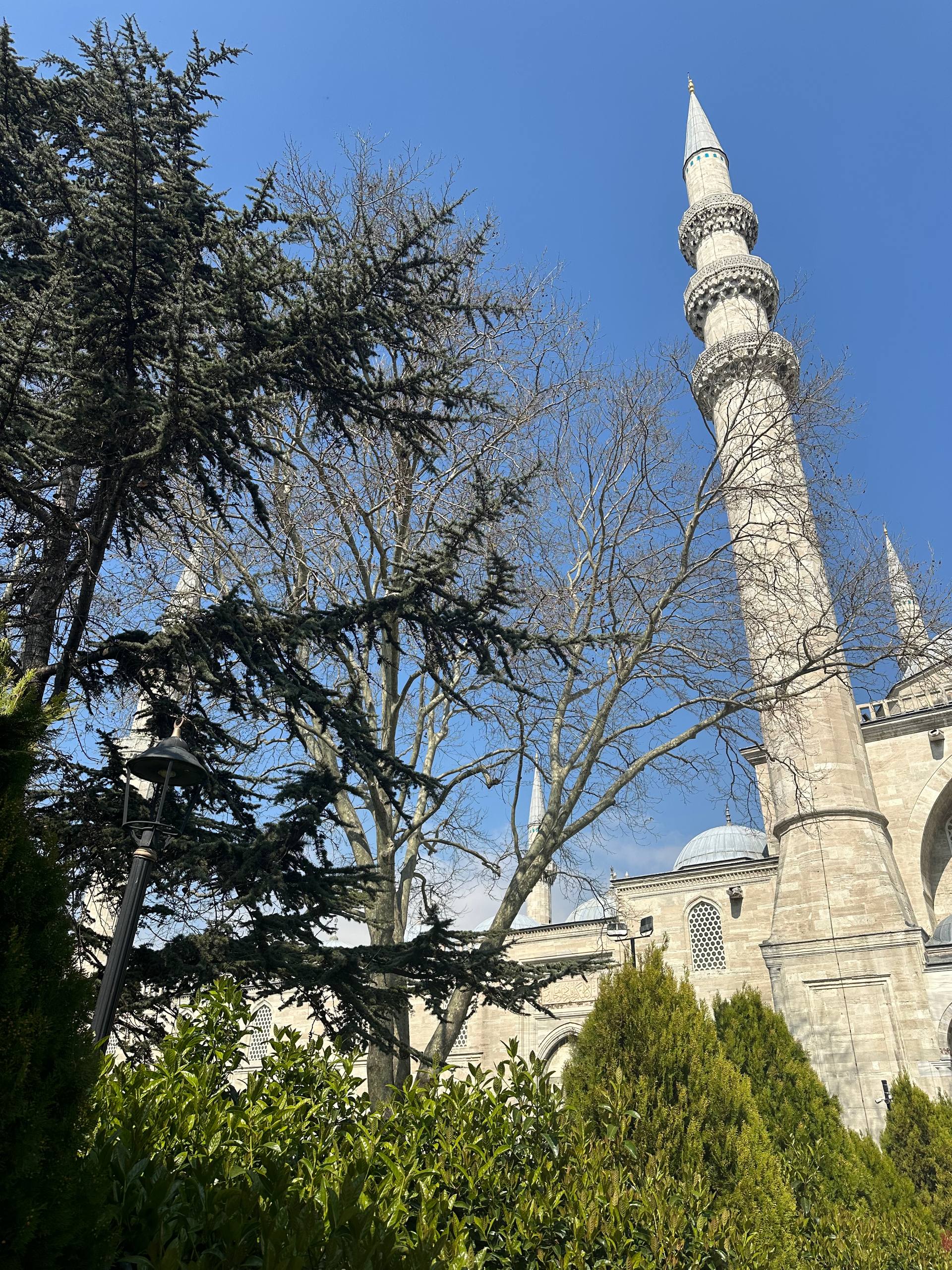
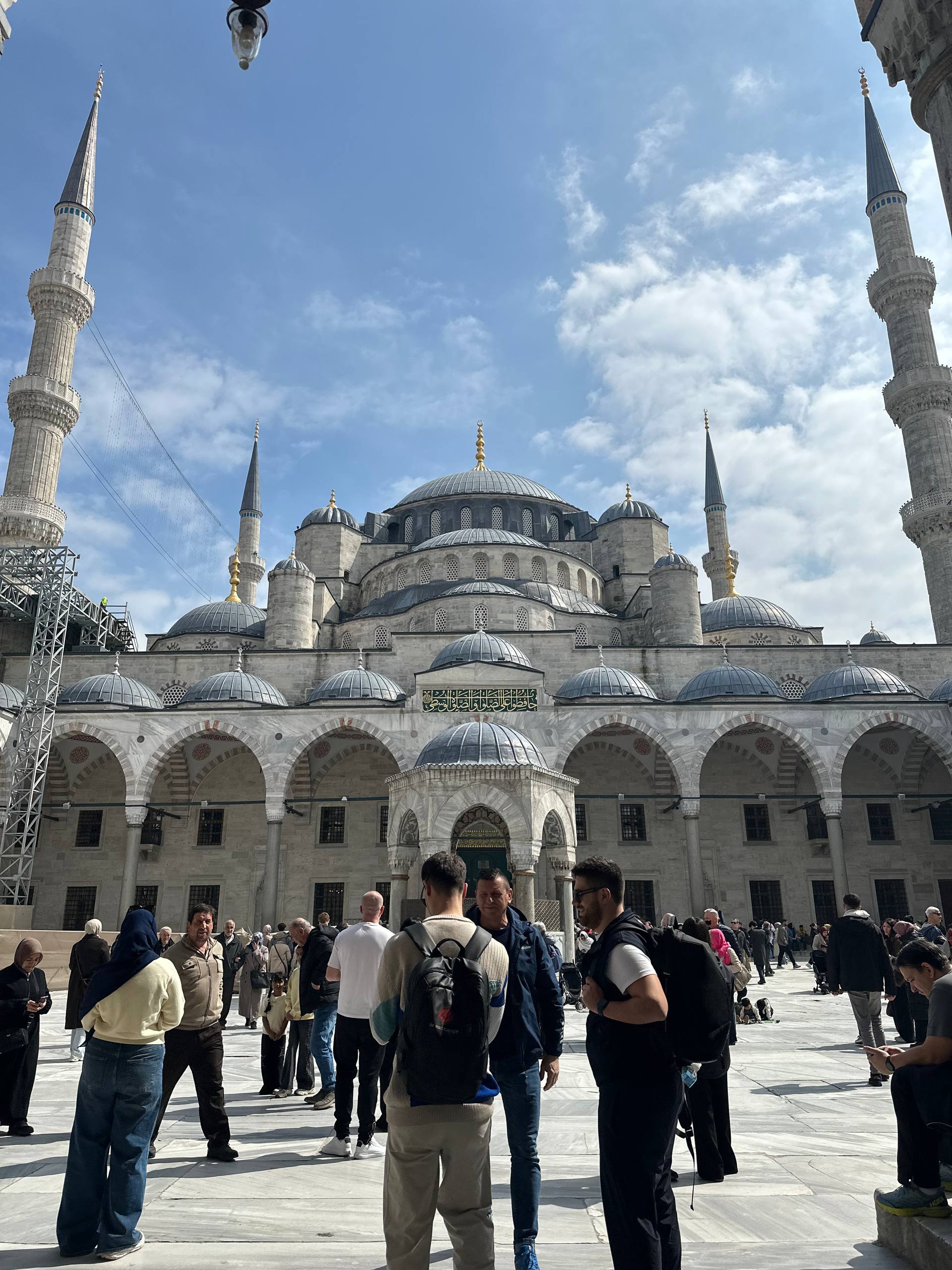
Viktoriia Boiko has been a participant in many youth exchanges and trainings under the Erasmus+ program, including “(MIND)CRAFTING EMOTIONS”, “Hack Your Future”, “Unfolding Complexity. Foundations of Conflict Transformation”, “Interexchange Academy – A Co-Creative Academy of Peacebuilding, Societal Inclusion and Greener Future”, “Promoting peace awareness among youth”, “Cyber Heroes”.
Recently, first-year student of the “Marketing” educational program Sofia Babych took part in a youth exchange under the Erasmus+ “Only Tolerance” program, aimed at consolidating the principles of tolerance and deep respect for cultural diversity; Pavlo Yavtushenko, a second-year Master’s student specializing in 014 “Secondary Education (English Language and Literature)”, became a participant in the Erasmus+ training course titled “The Power of Sportsmanship”, Poltava Polytechnic Student Valentyna Mytsenko Participated in an Erasmus+ Training in Poland, a master’s student at Poltava Polytechnic participated in an Erasmus+ youth exchange in Malta; Poltava Polytechnic teachers studied innovative digital tools and artificial intelligence in STEM education in Estonia; and a future translator took part in an Erasmus+ youth exchange in Georgia, where she learned to counter discrimination and stereotypes.
As a reminder, faculty members of Poltava Polytechnic are eligible to participate in academic mobility and internship programs. Students can study abroad through Erasmus+ credit academic mobility grant programs for a semester or a full academic year at leading universities in Austria, Greenland, Denmark, Estonia, Finland, France, Germany, Greece, Ireland, Italy, Latvia, Lithuania, Luxembourg, the Netherlands, Norway, Poland, Portugal, Romania, Slovakia, Spain, Sweden, and the Czech Republic.
For more detailed information on current internship, teaching, and academic mobility programs abroad, please contact the International Relations Office (office 213-C, interoffice@nupp.edu.ua).