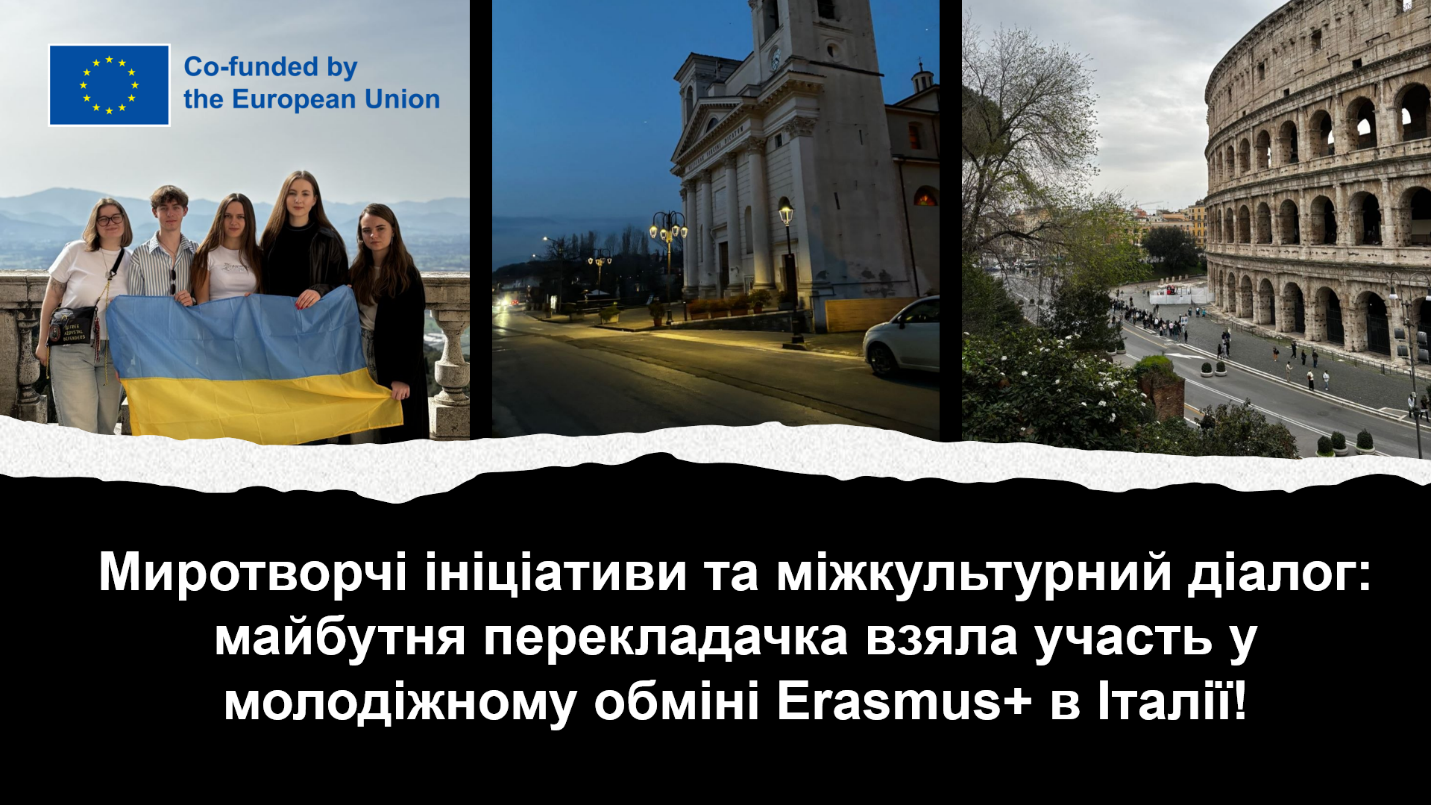
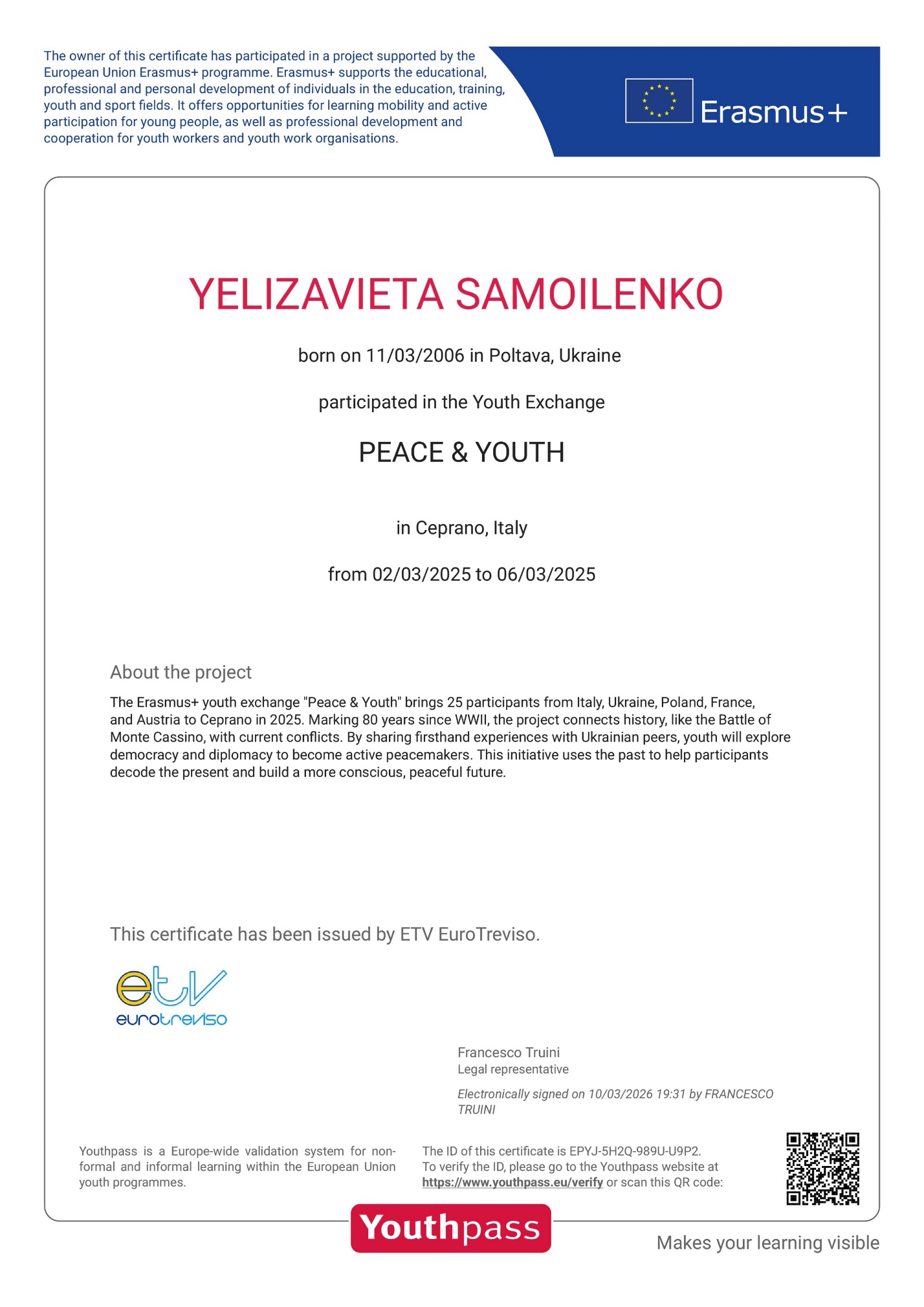
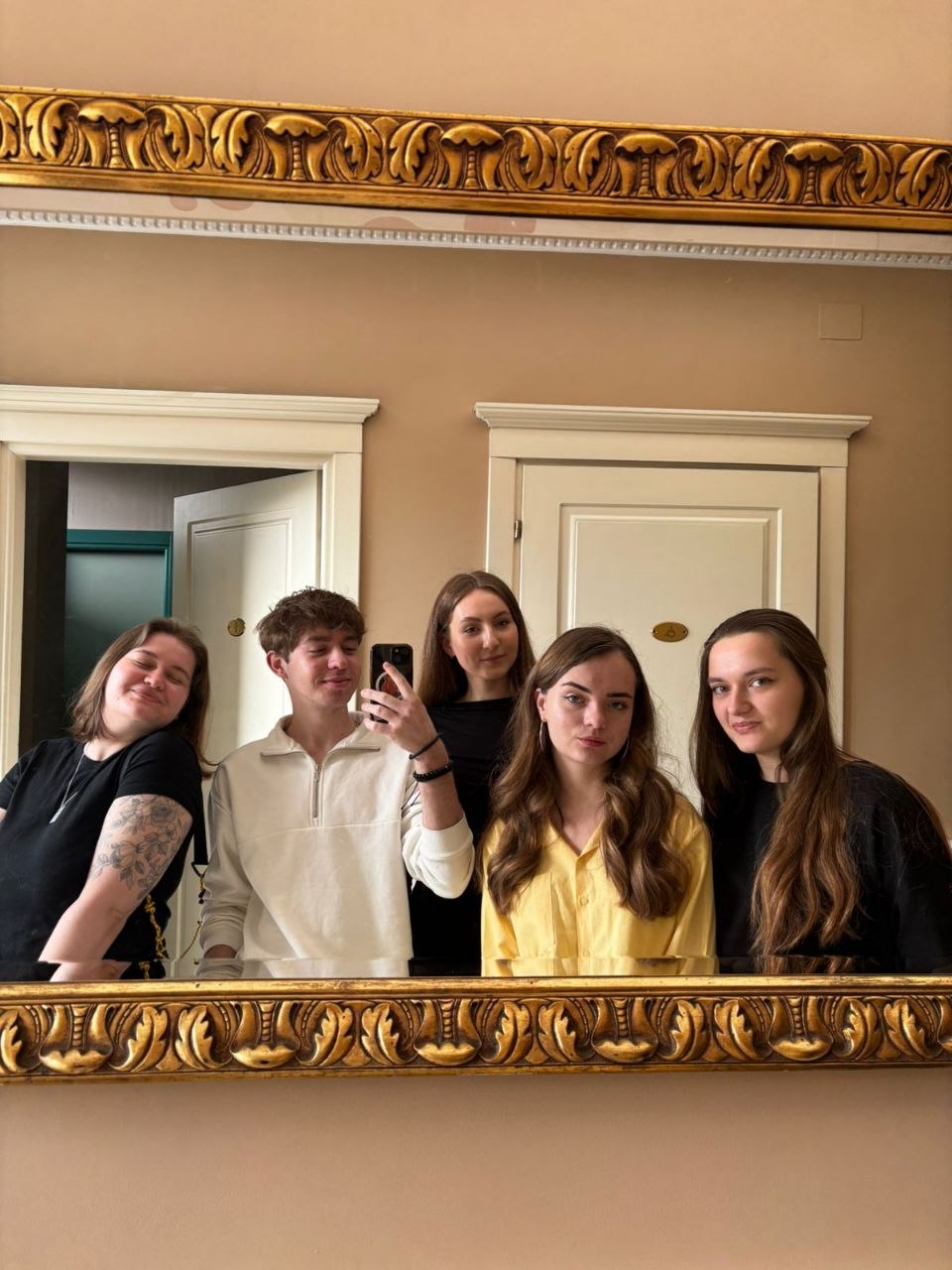
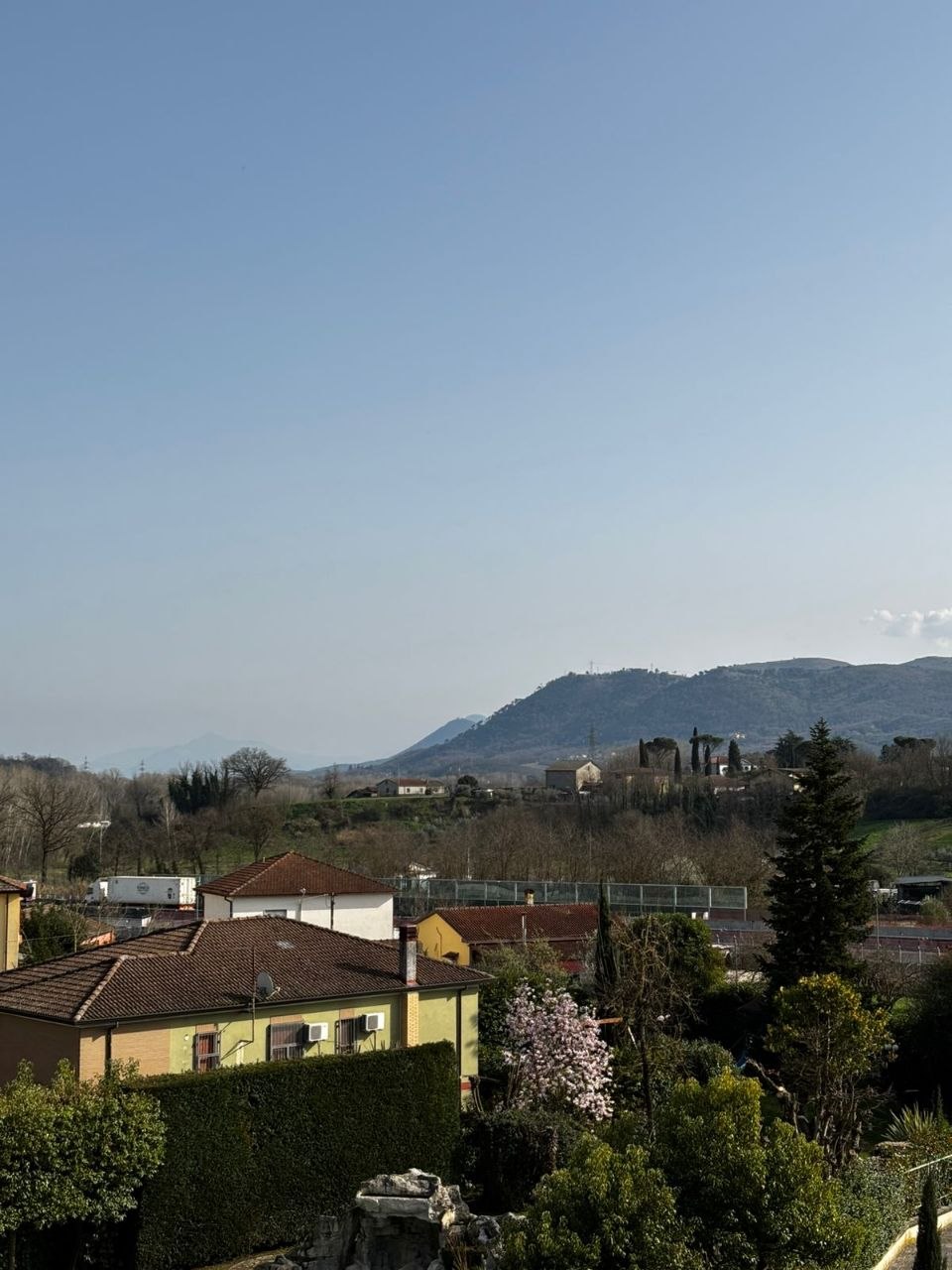
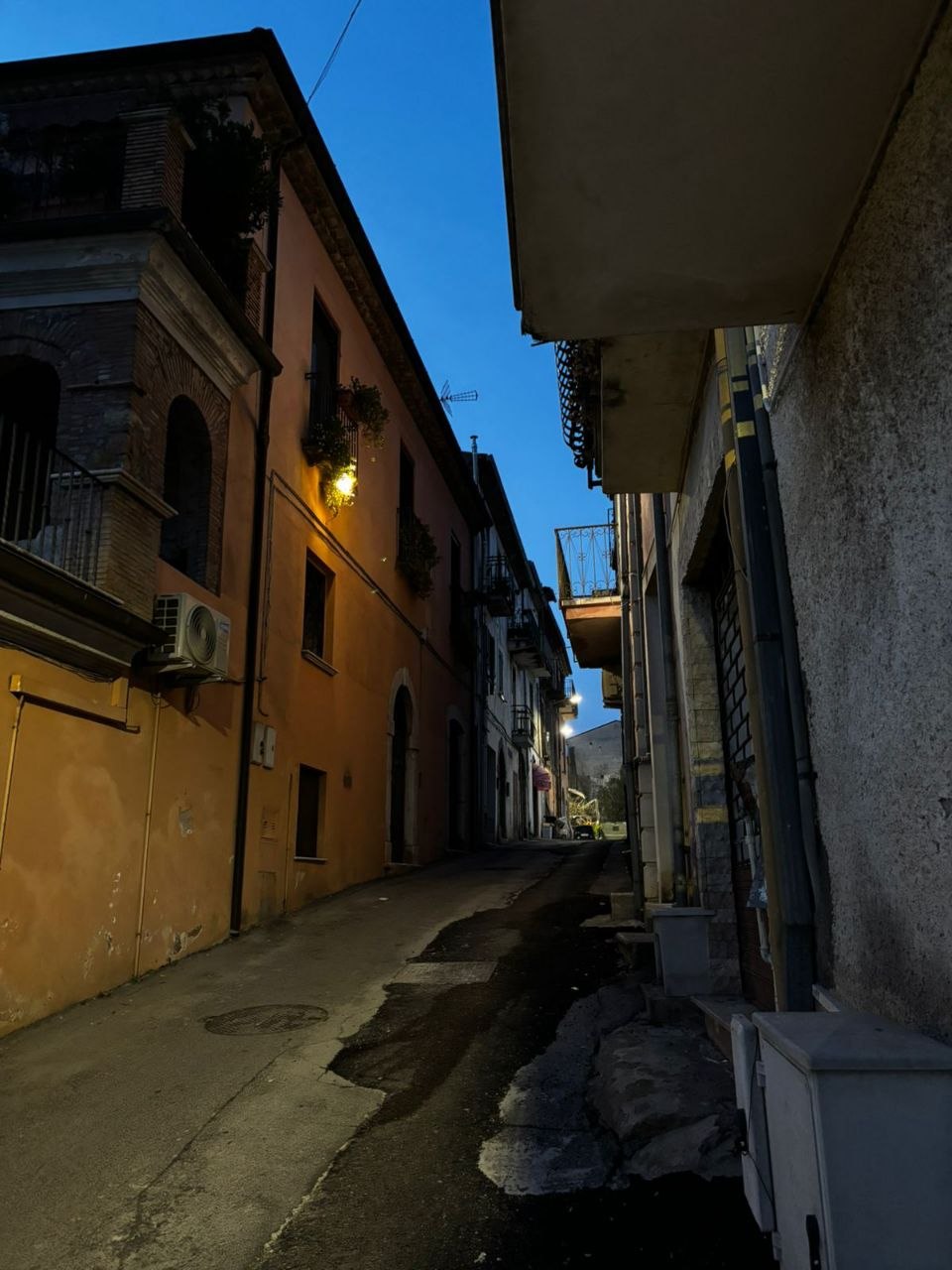
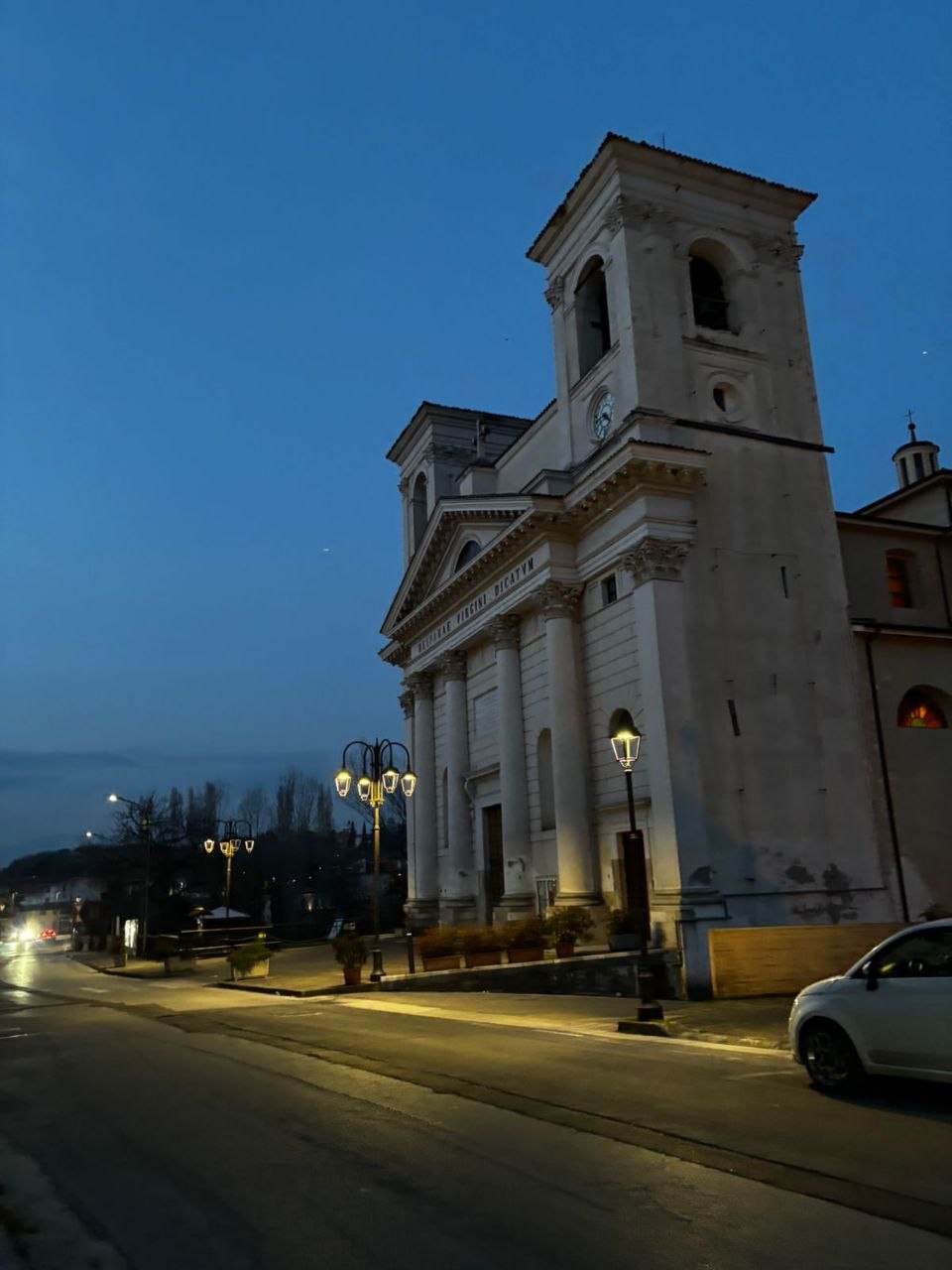
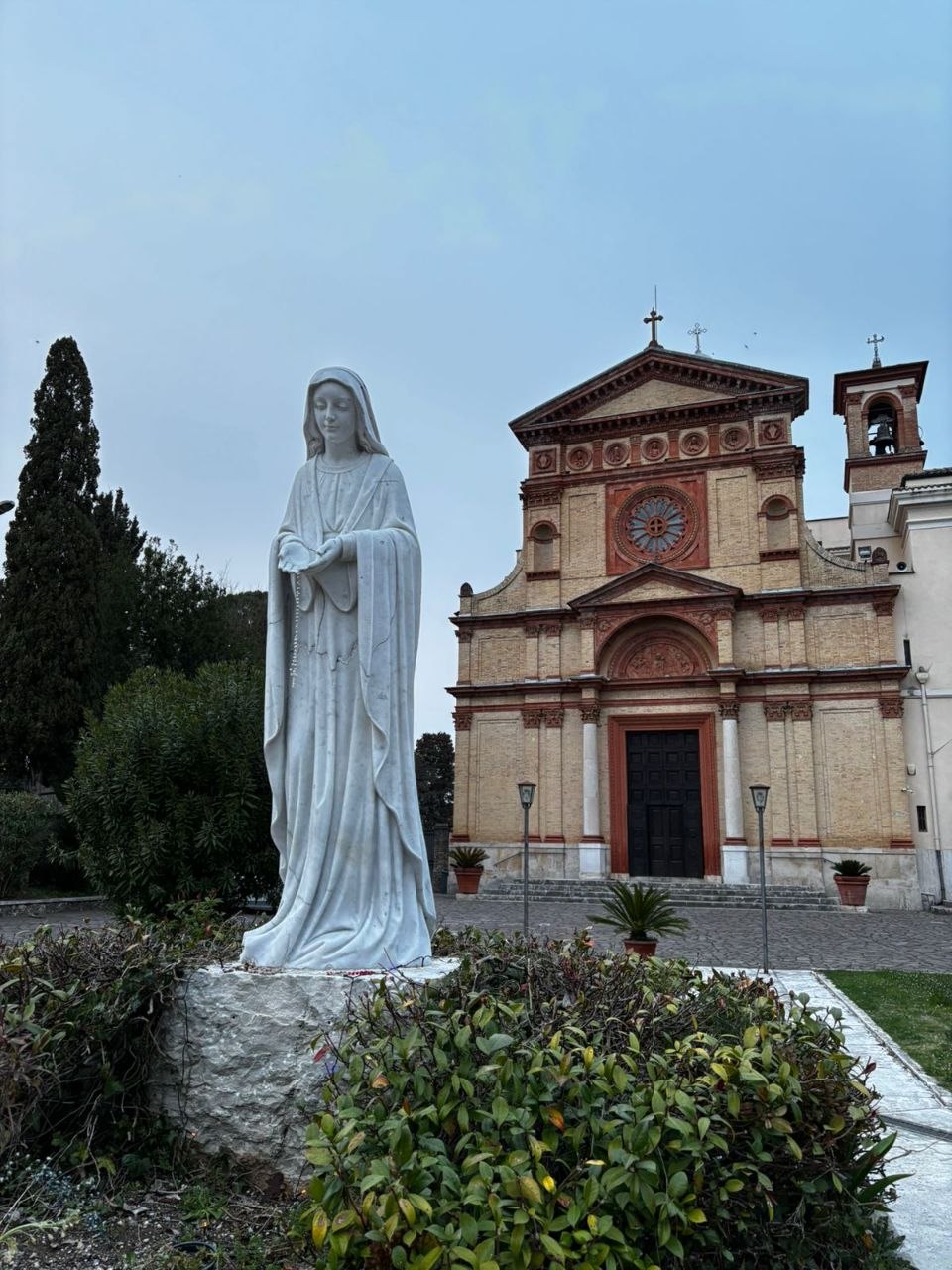
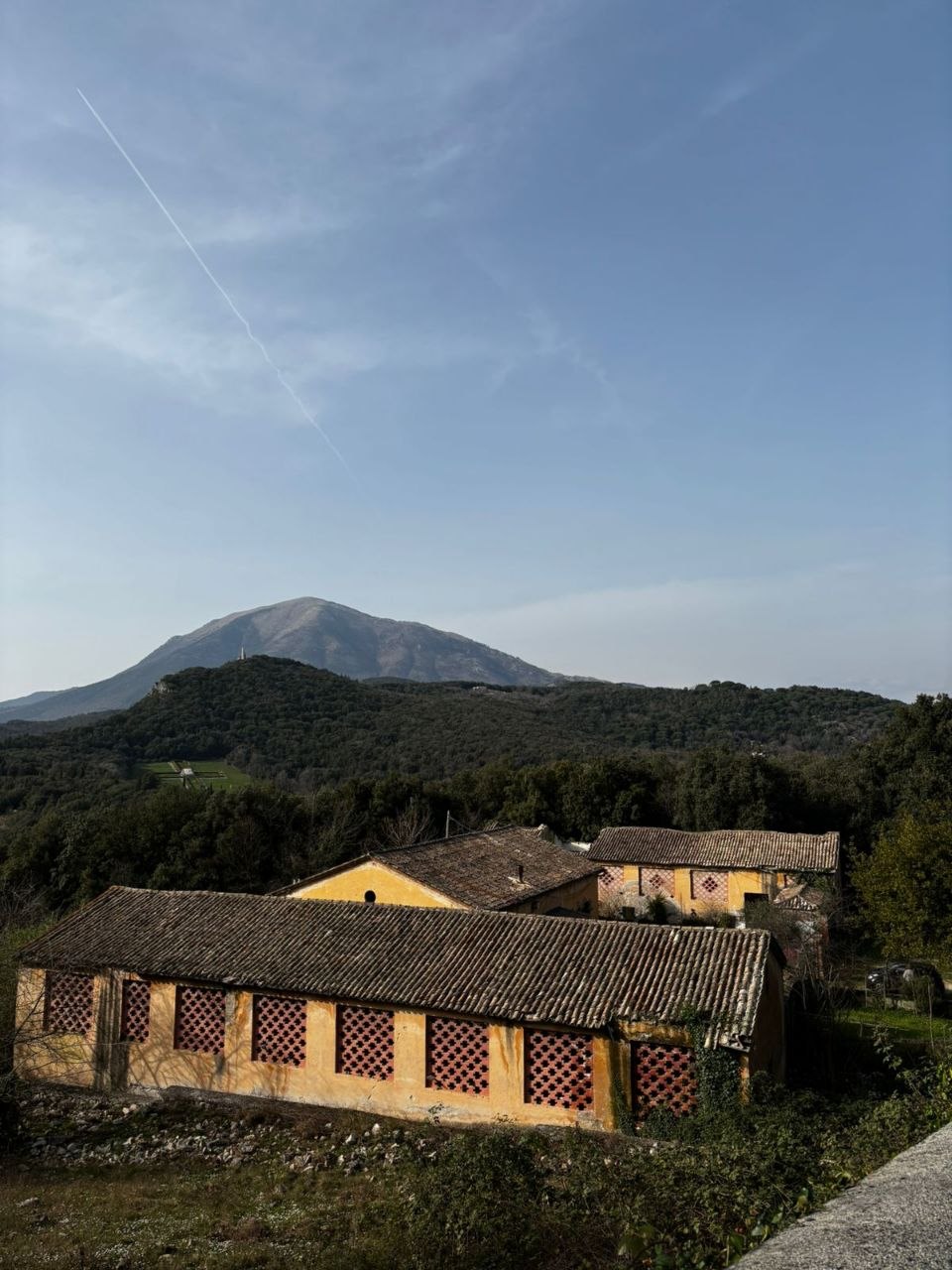
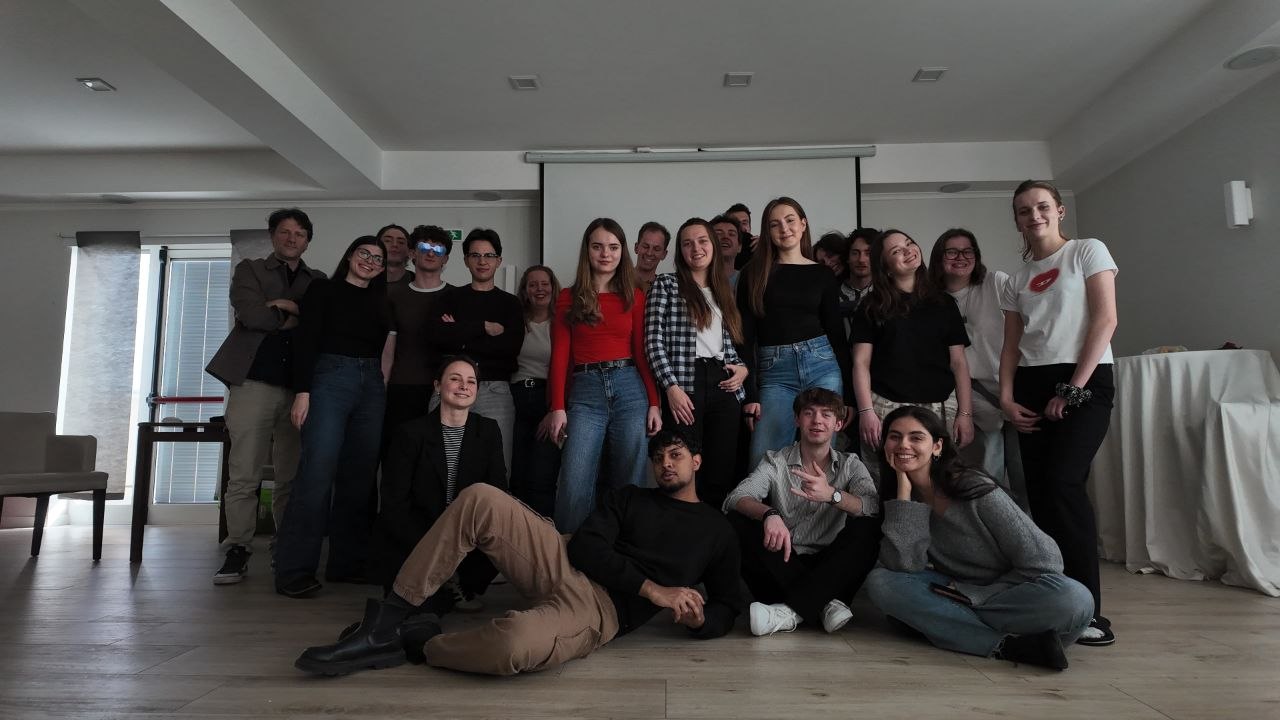
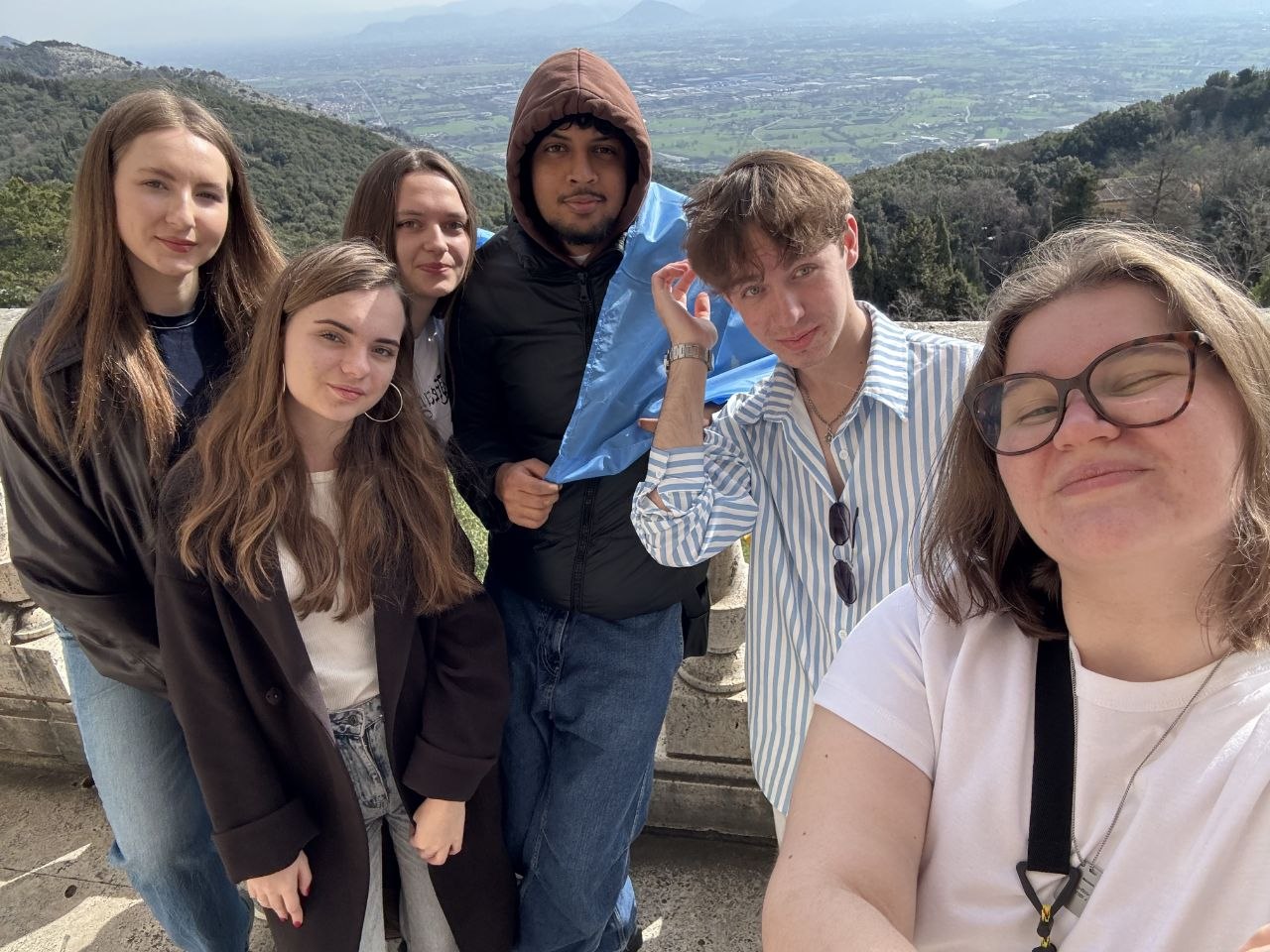
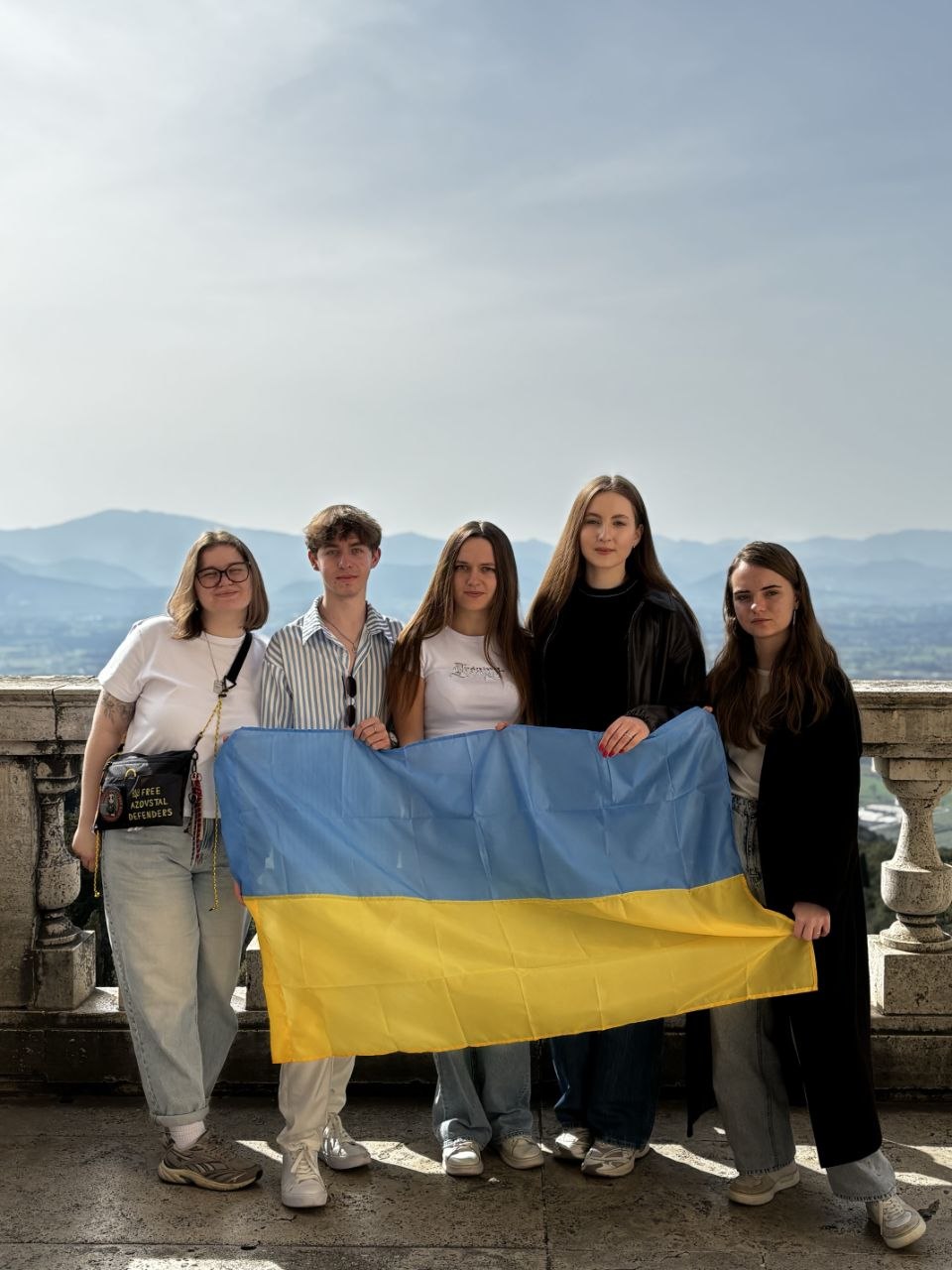
Developing civic awareness, mastering democratic tools, and deepening intercultural dialogue are essential components of modern European education. Yelizavieta Samoilenko, a 3rd-year student of group 301-FF (speciality 035 “Philology”), successfully realised her potential within the framework of the international youth exchange under the Erasmus+ “Peace and Youth” youth exchange, which took place from March 2 to 6, 2026, in the Italian town of Ceprano, located near the Apennine Mountains.
The project aimed to conduct a comprehensive study of war and peace, fostering in young people an awareness of their own role as peacemakers and the development of democratic values in modern society. The program brought together participants from four countries: Ukraine, France, Italy, and Poland, which created a unique platform for the exchange of experience, ideas, and cultural narratives.
Throughout the week, participants worked on a wide range of topics – from the mechanisms of democratic functioning to a joint reflection on past and present armed conflicts. The program began with interactive icebreakers, after which the project organiser, Francesco, conducted a series of workshops on democratic values and an active civic stance. Daily sessions concluded at 4:30 PM, which allowed participants to get to know Ceprano better and enjoy traditional Italian cuisine: pizza, pasta, and tiramisu.
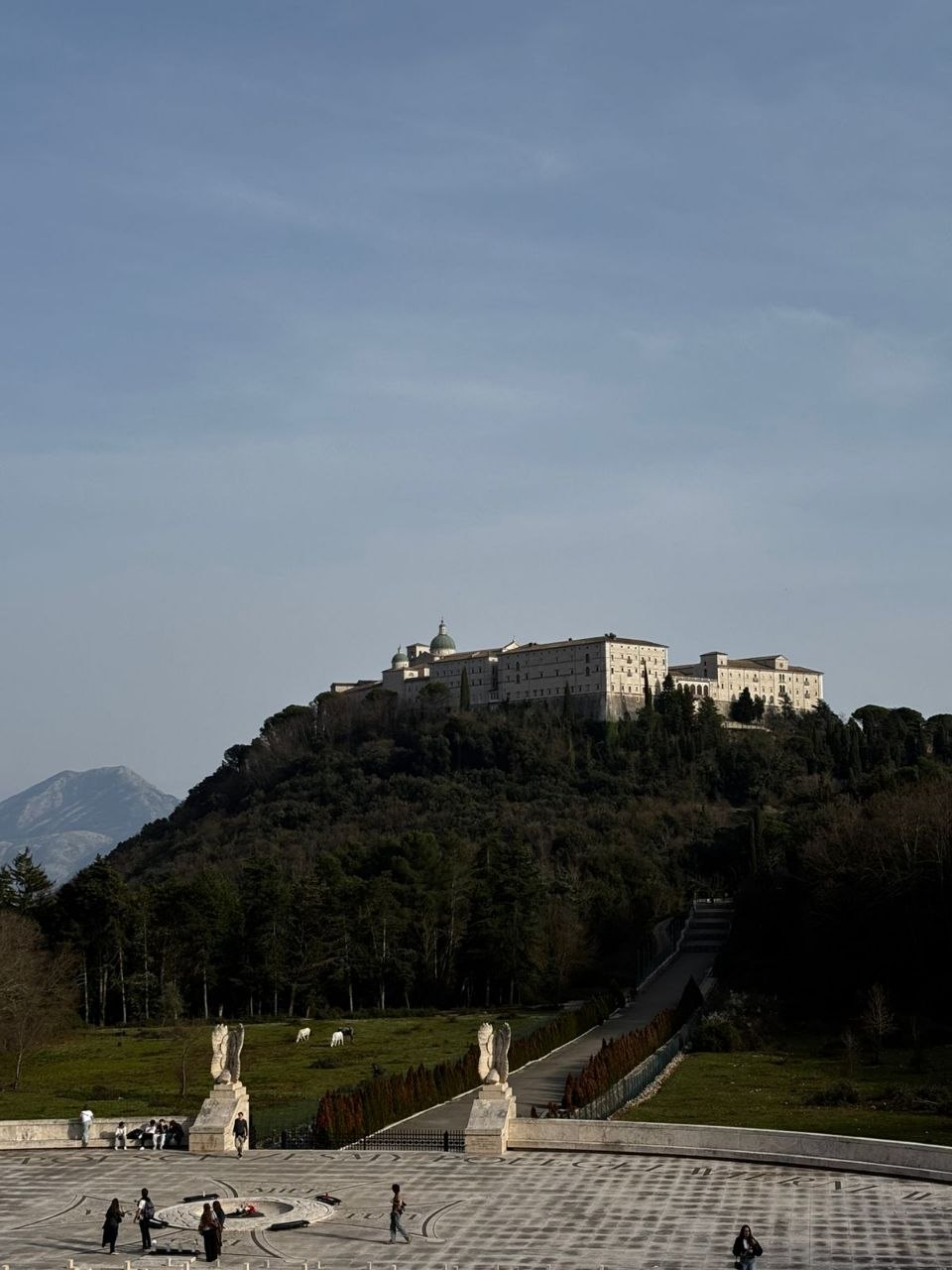
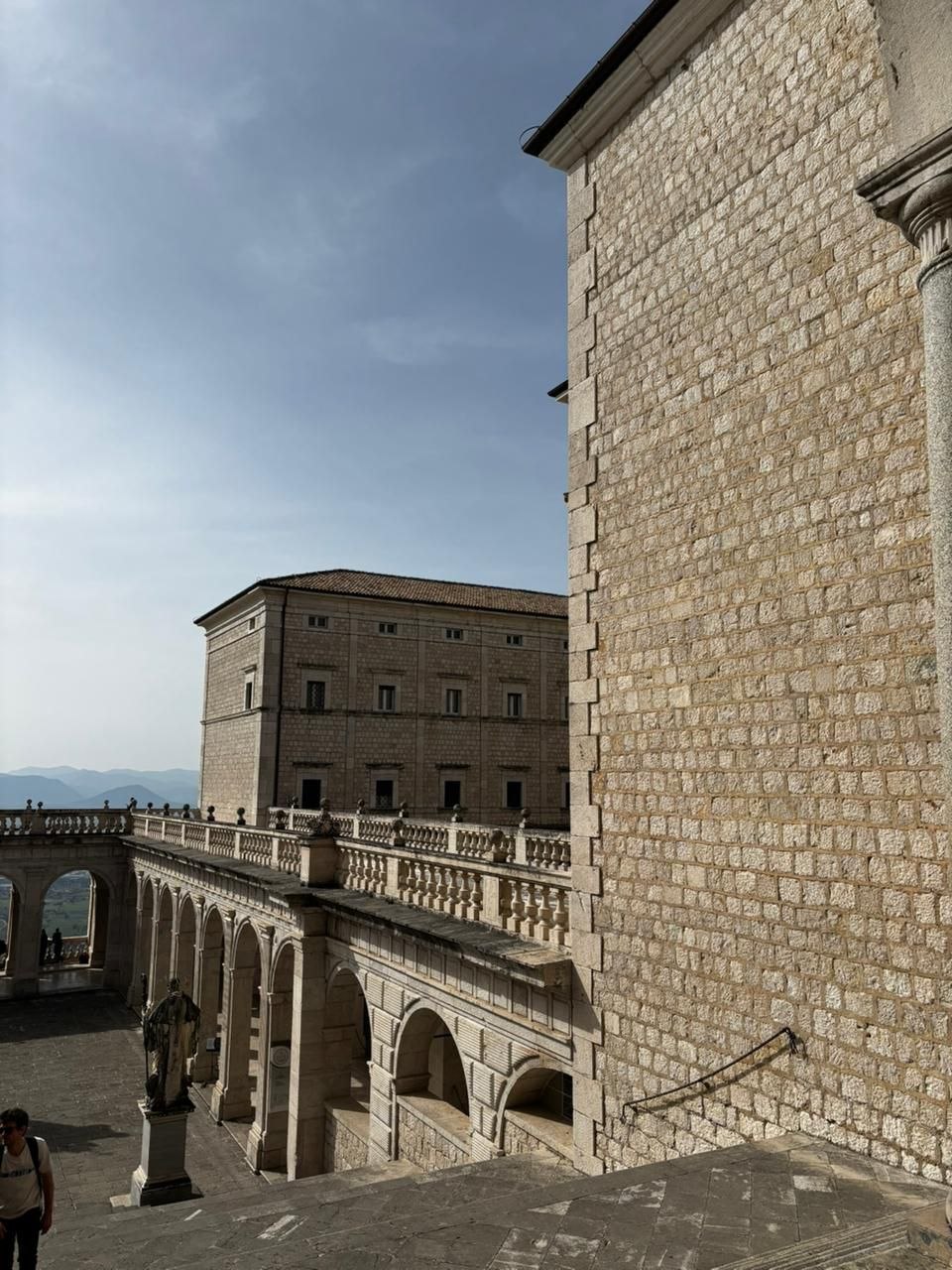
The academic component of the project was saturated with discussions about historical parallels. The discussion of the events of World War II was particularly profound, during which the Ukrainian team shared the historical experience of our state, which aroused keen interest and empathy from foreign colleagues. An important element of the program was the study of historical memory: the participants went on a field trip to the city of Cassino, where they visited a museum dedicated to the events of the war and learned about the history of one of the oldest monasteries in the world – the Benedictine Abbey of Monte Cassino, which offers unforgettable views.
Cultural evenings became one of the key stages of the exchange. French, Polish, and Italian participants presented the peculiarities of their national character, treating their colleagues to traditional dishes. In turn, the Ukrainian team presented their own culture during the final evening and spoke about the modern challenges that Ukraine faces.
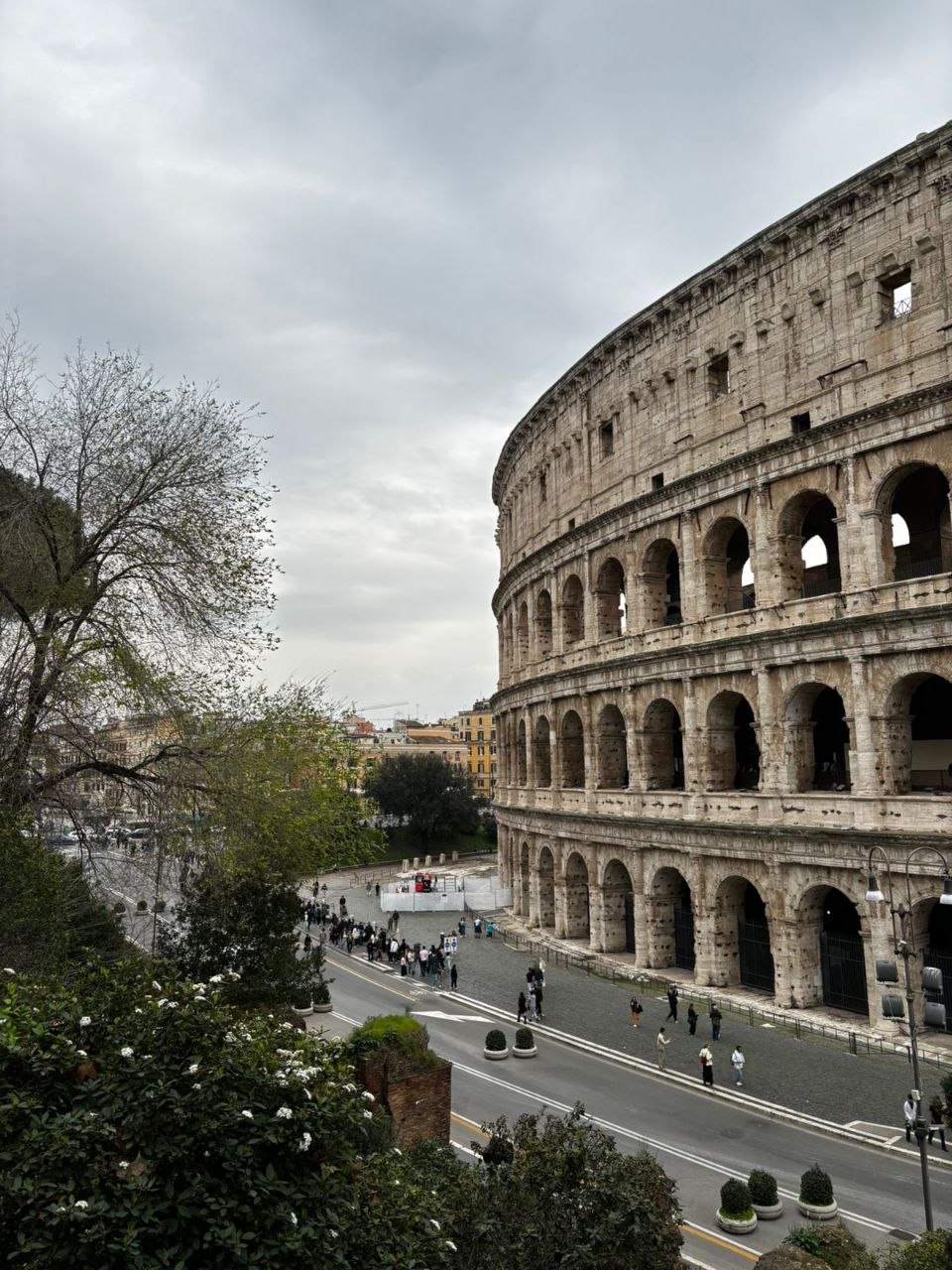
“This project was not only an opportunity to travel for me but also a valuable experience of communicating with people from different countries. I found new friends, learned many new things, and became convinced once again of how important the themes of peace, mutual understanding, and cooperation between cultures are. After the main program concluded, we had time to visit Rome, which became a wonderful ending to this trip”, – shared Yelizavieta Samoilenko.
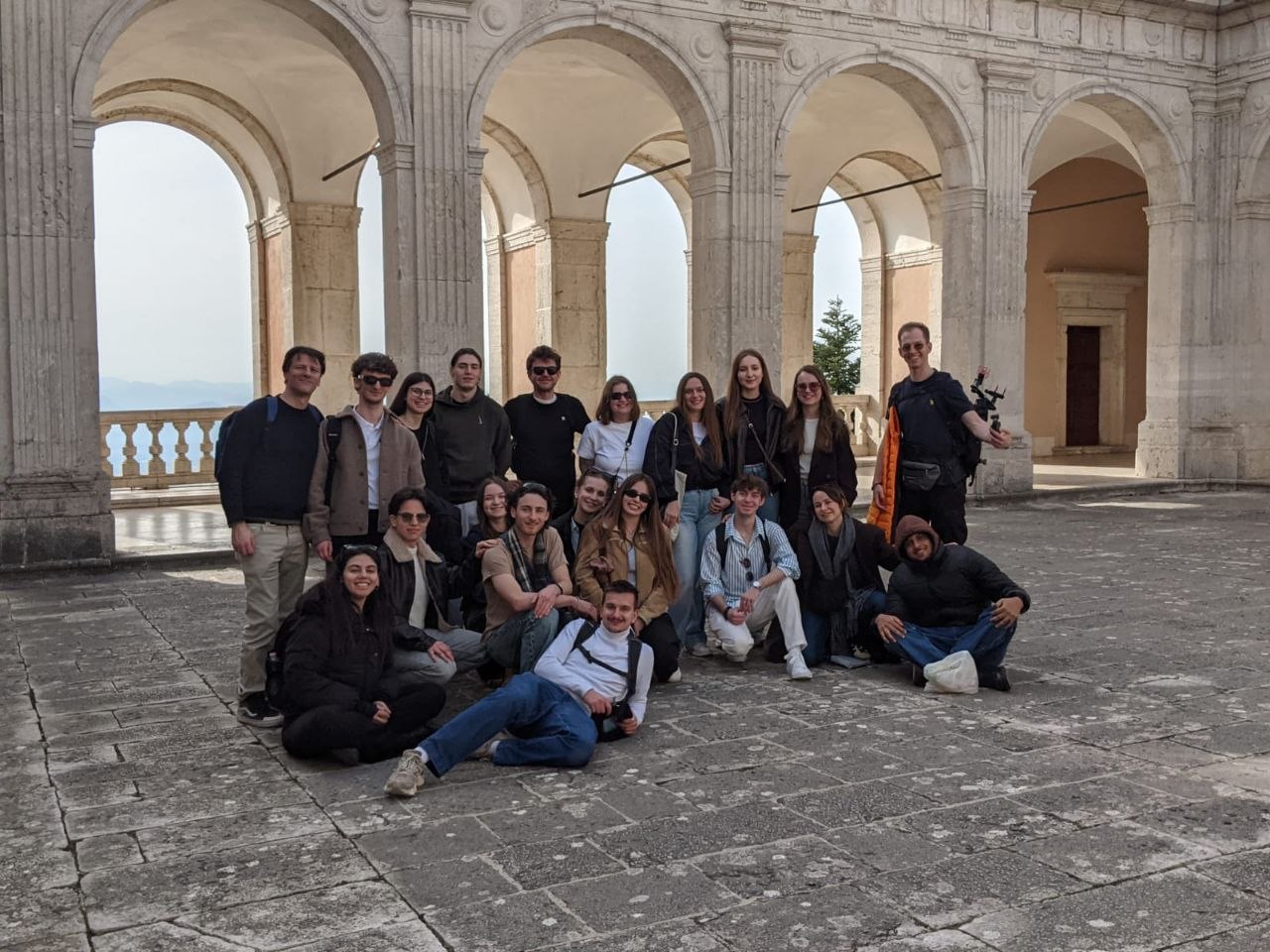

Participation in Erasmus+ programs is a clear testament to the active stance of Poltava Polytechnic students and the effectiveness of our higher education institution's international strategy. This experience proves that education without borders and active participation in democratic processes are the foundation for shaping leaders capable of solving the complex challenges of a globalised world.
Recently, first-year student of the “Marketing” educational program Sofia Babych took part in a youth exchange under the Erasmus+ “Only Tolerance” program, aimed at consolidating the principles of tolerance and deep respect for cultural diversity; Pavlo Yavtushenko, a second-year Master’s student specializing in 014 “Secondary Education (English Language and Literature)”, became a participant in the Erasmus+ training course titled “The Power of Sportsmanship”, Poltava Polytechnic Student Valentyna Mytsenko Participated in an Erasmus+ Training in Poland, a master’s student at Poltava Polytechnic participated in an Erasmus+ youth exchange in Malta; Poltava Polytechnic teachers studied innovative digital tools and artificial intelligence in STEM education in Estonia; and a future translator took part in an Erasmus+ youth exchange in Georgia, where she learned to counter discrimination and stereotypes.
As a reminder, faculty members of Poltava Polytechnic are eligible to participate in academic mobility and internship programs. Students can study abroad through Erasmus+ credit academic mobility grant programs for a semester or a full academic year at leading universities in Austria, Greenland, Denmark, Estonia, Finland, France, Germany, Greece, Ireland, Italy, Latvia, Lithuania, Luxembourg, the Netherlands, Norway, Poland, Portugal, Romania, Slovakia, Spain, Sweden, and the Czech Republic.
For more detailed information on current internship, teaching, and academic mobility programs abroad, please get in touch with the International Relations Office (office 213-C, interoffice@nupp.edu.ua).