International academic mobility today is not merely a change of classrooms or a short-term trip, but a powerful catalyst for professional and personal growth. Participation in the Erasmus+ program opens the doors to the European educational space for Ukrainian students, where acquiring academic knowledge is closely intertwined with the development of “soft skills”: adaptability, cross-cultural communication, and independence. For Poltava Polytechnic students, such internships provide a unique opportunity to compare teaching methodologies, expand professional networks, and integrate into the global scientific community.
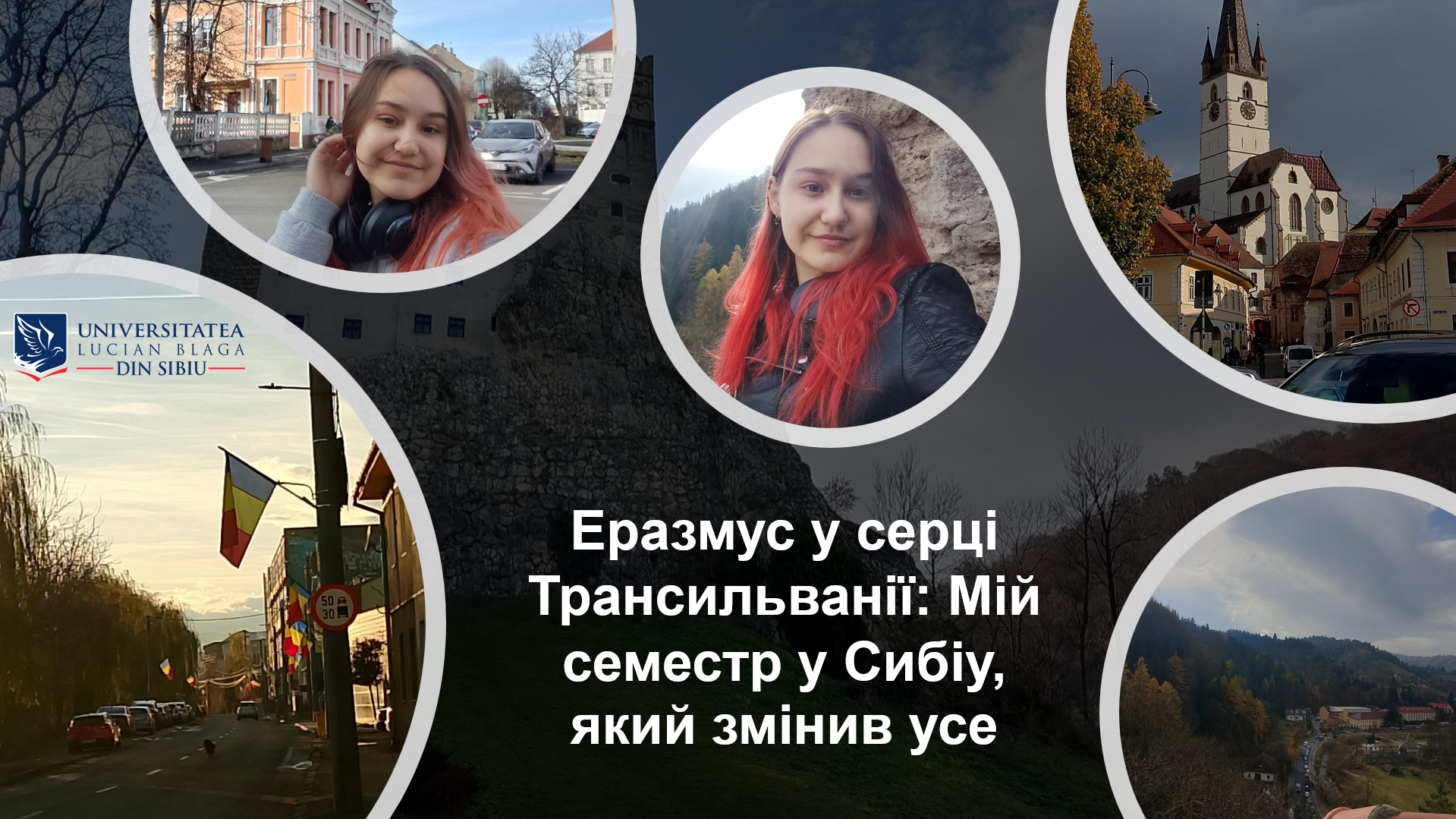
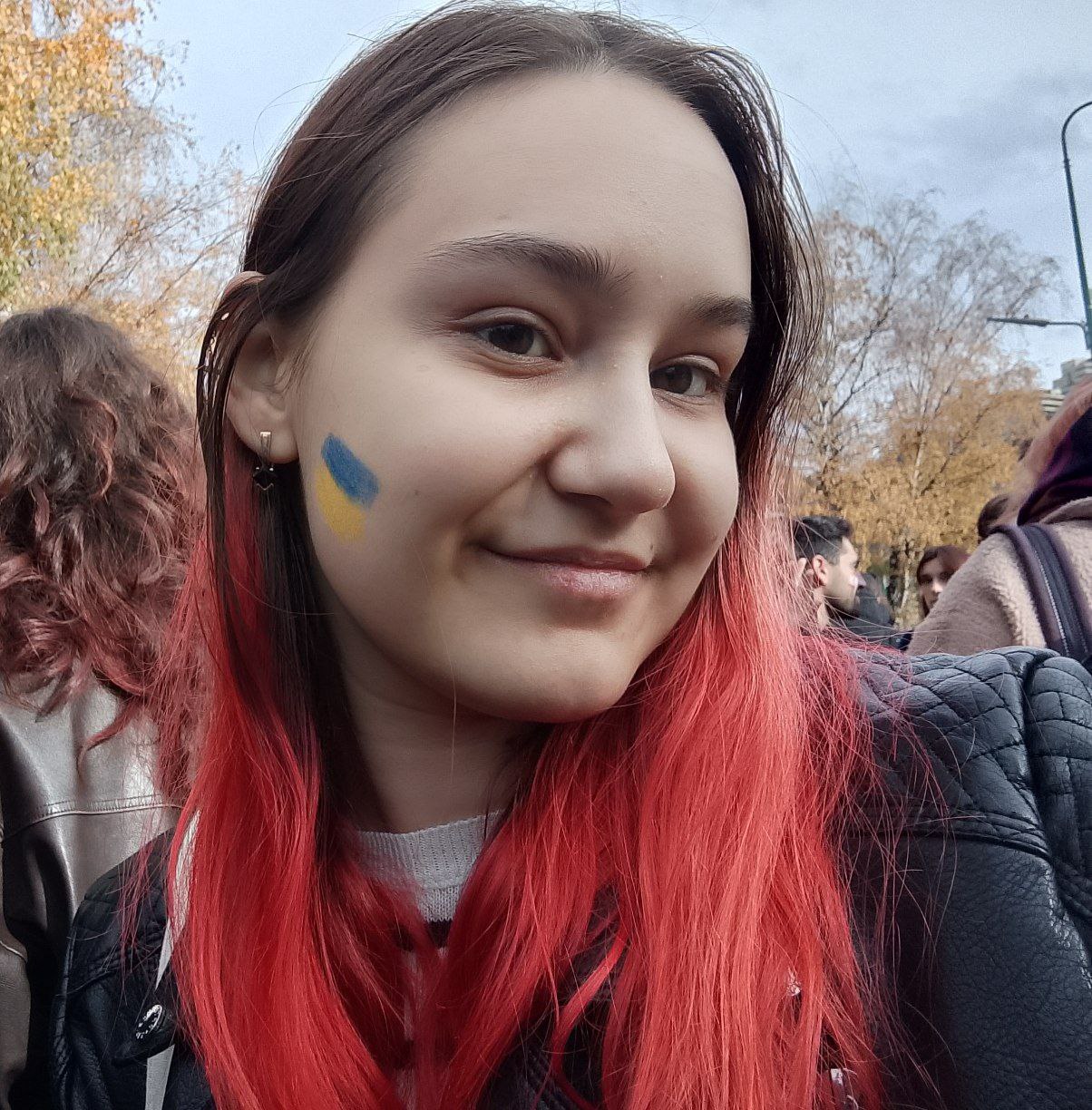
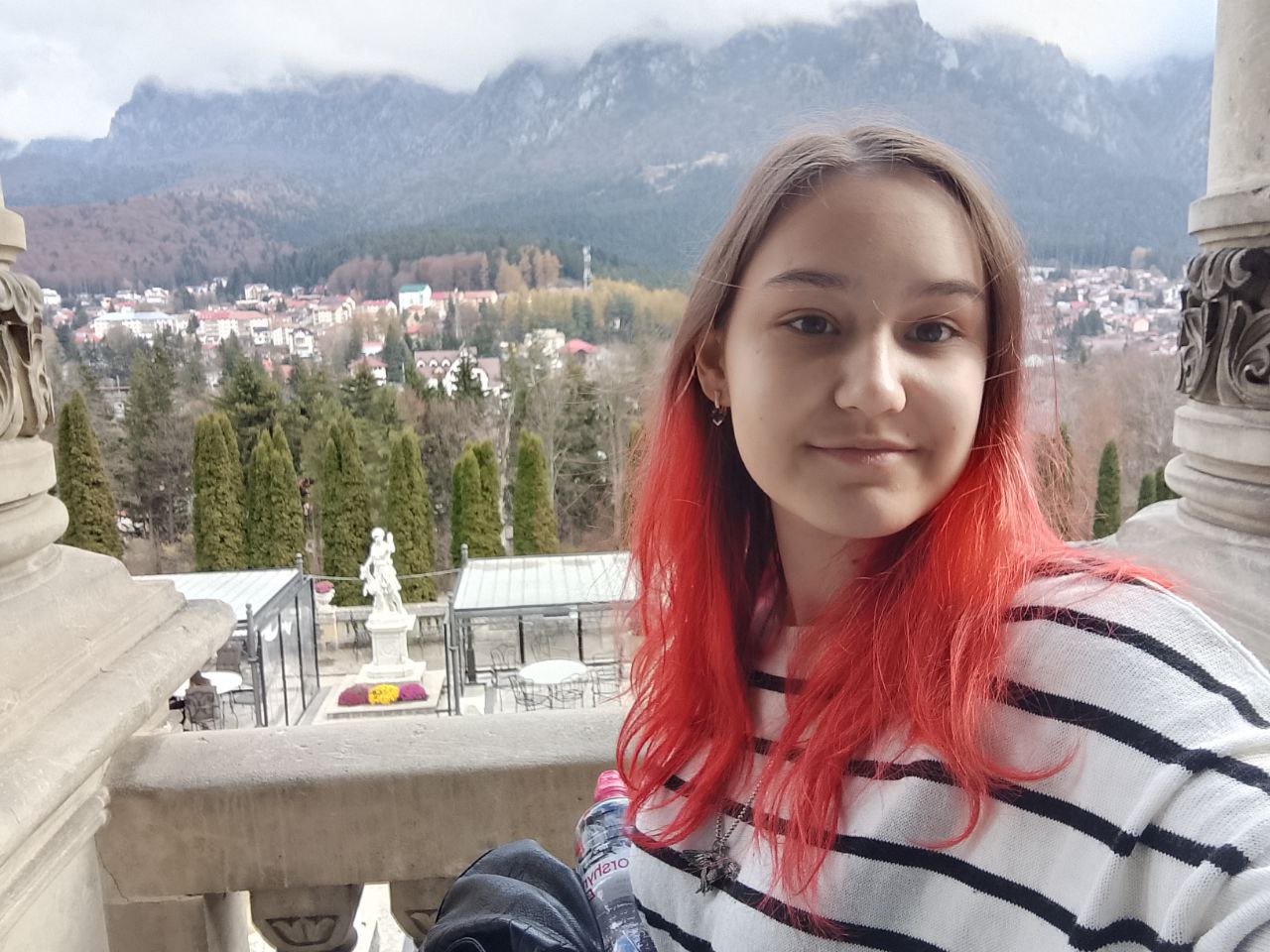
First-year student of speciality 035 “Philology”, Iryna Pastushenko, is successfully exercising her right to international academic mobility this semester. Within the Erasmus+ exchange program, she is studying at Lucian Blaga University of Sibiu (Universitatea “Lucian Blaga” din Sibiu) in Romania. Being in the very heart of Transylvania, Iryna is gaining a unique European experience and deepening her professional expertise. The student kindly shared her sincere impressions with us about the peculiarities of the educational process, life in a new cultural environment, and the challenges she overcomes on the path to self-improvement:
“For two months now, my academic path has run through the corridors of Universitatea “Lucian Blaga” din Sibiu in Romania. Looking back, I can confidently say that this is precisely the experience every student needs to undergo. Romania is not just a geographical point; it is a space of limitless possibilities, even if you are here for only one semester.
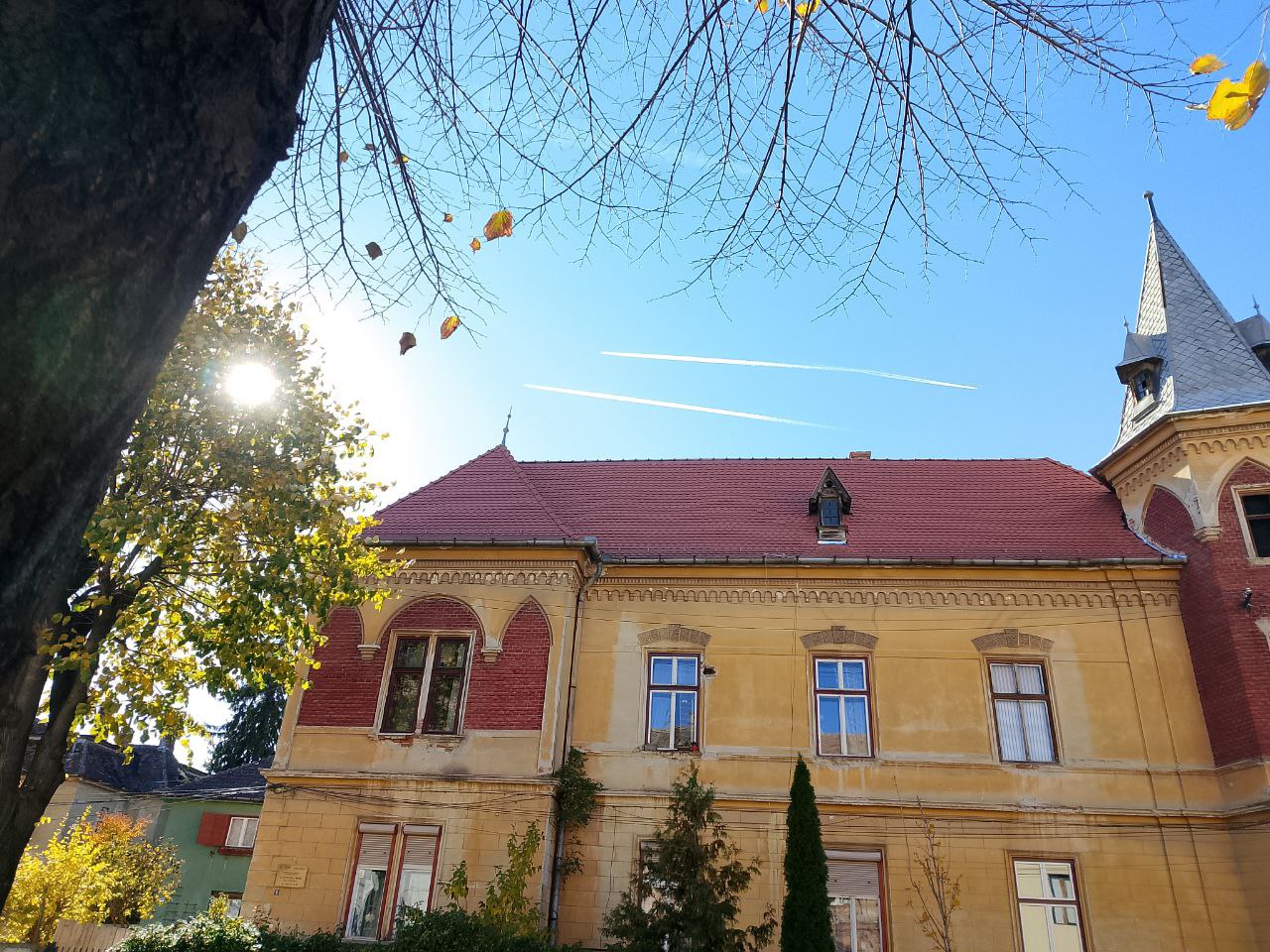
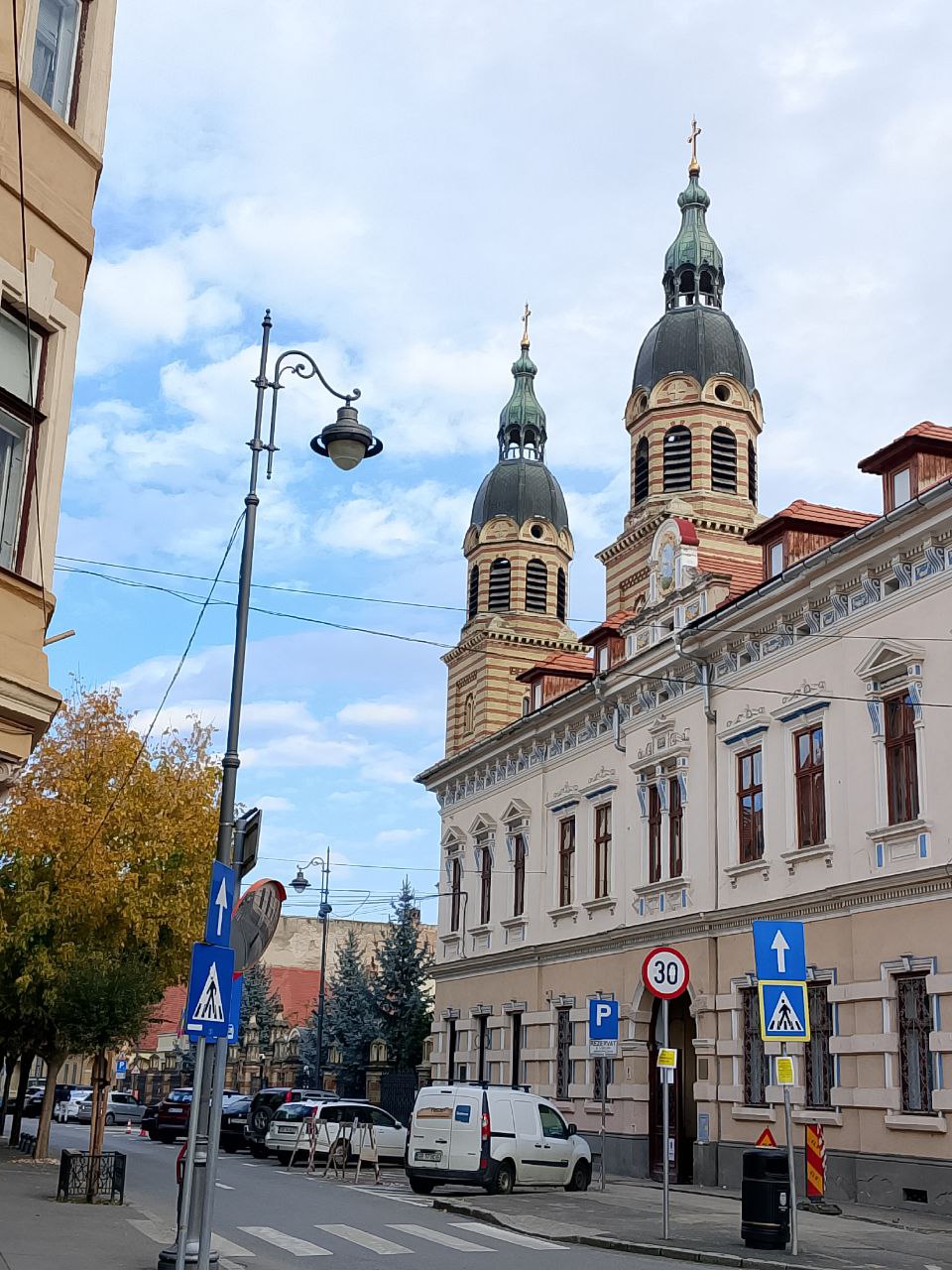
Lucian Blaga University of Sibiu (LBUS) welcomed me not only for its beautiful architecture but also for its markedly different approach to learning. It is impossible to “sit through” a class here. The educational process is built on constant interaction: discussions, presentations, and live dialogue are the norm. Initially, this wasn’t very comforting, but now I see it as a significant advantage for developing language skills.
My curriculum this semester (Winter Semester 2025/2026) is vibrant and professionally oriented. I have dived deep into linguistic subtleties, studying the following disciplines:
- “Contemporary English language. Syntax 1 and the English language. Functional styles” – these subjects allowed me to break down the English language into molecules, understanding its structure and sentence construction logic at a native level.
- In the “Techniques of oral and written communication” course, we hone communication mastery, learning to be persuasive and concise.
- I pay special attention to scientific style in “Research and academic writing, which is critically important for any philologist.
- I also don’t forget about broadening horizons: I am studying “German Language structure II”, since knowledge of a second foreign language in Europe is the gold standard.
Beyond purely linguistic aspects, we often discuss cultural context. I continue to explore the history and culture of English-speaking countries, particularly how America became the superpower we know today. This helps to understand language not as a dry set of rules, but as a living organism.
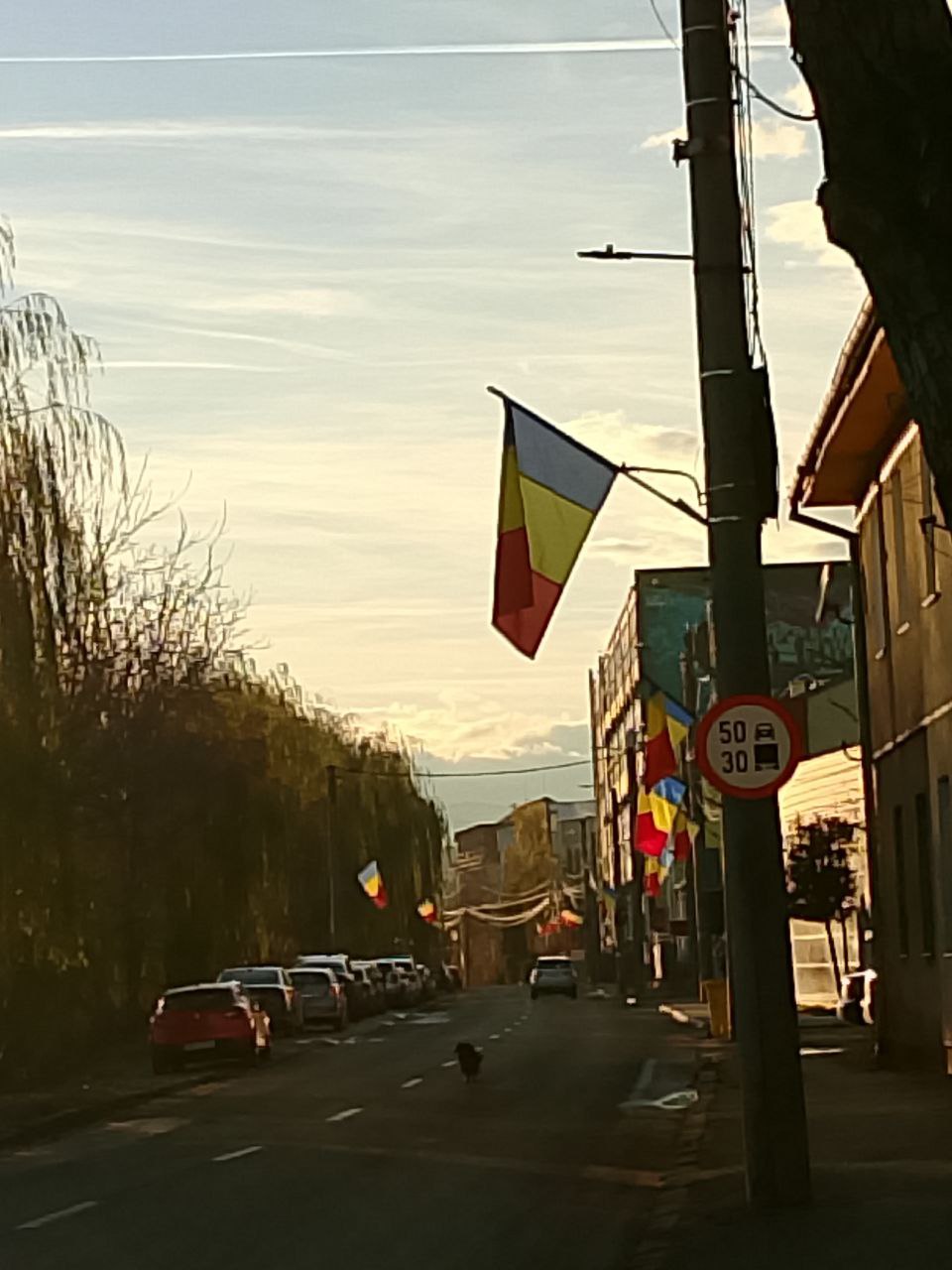
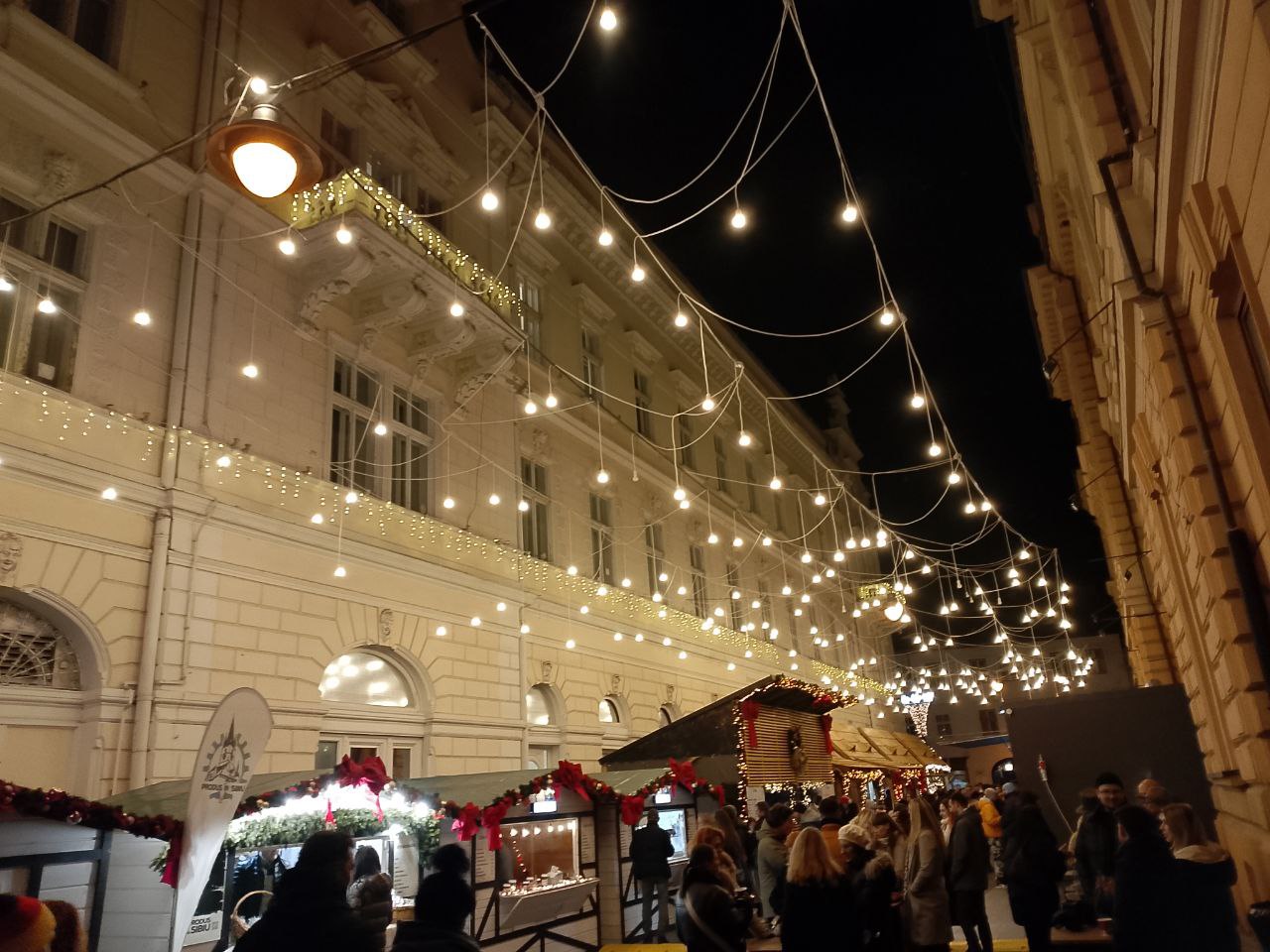
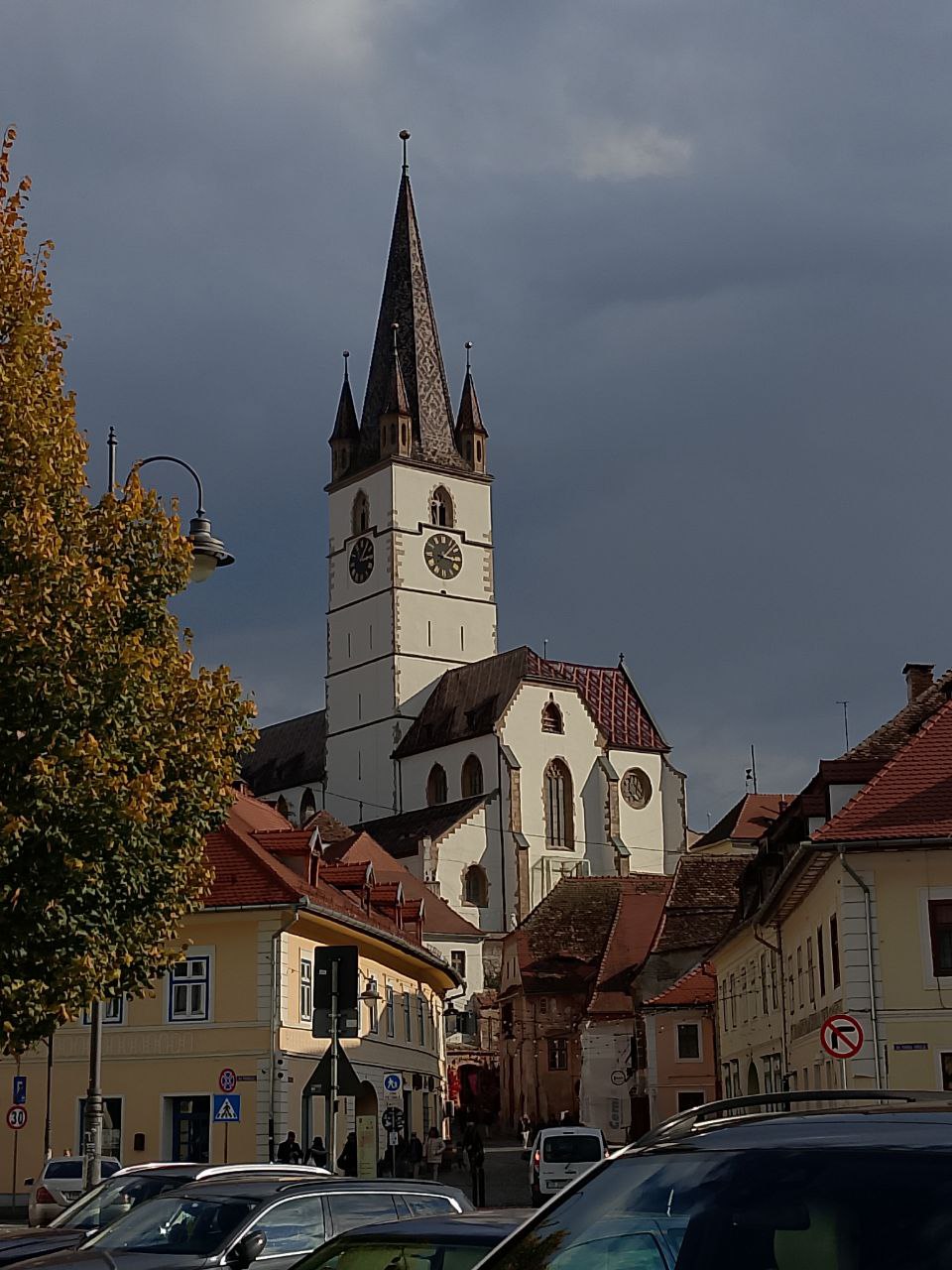
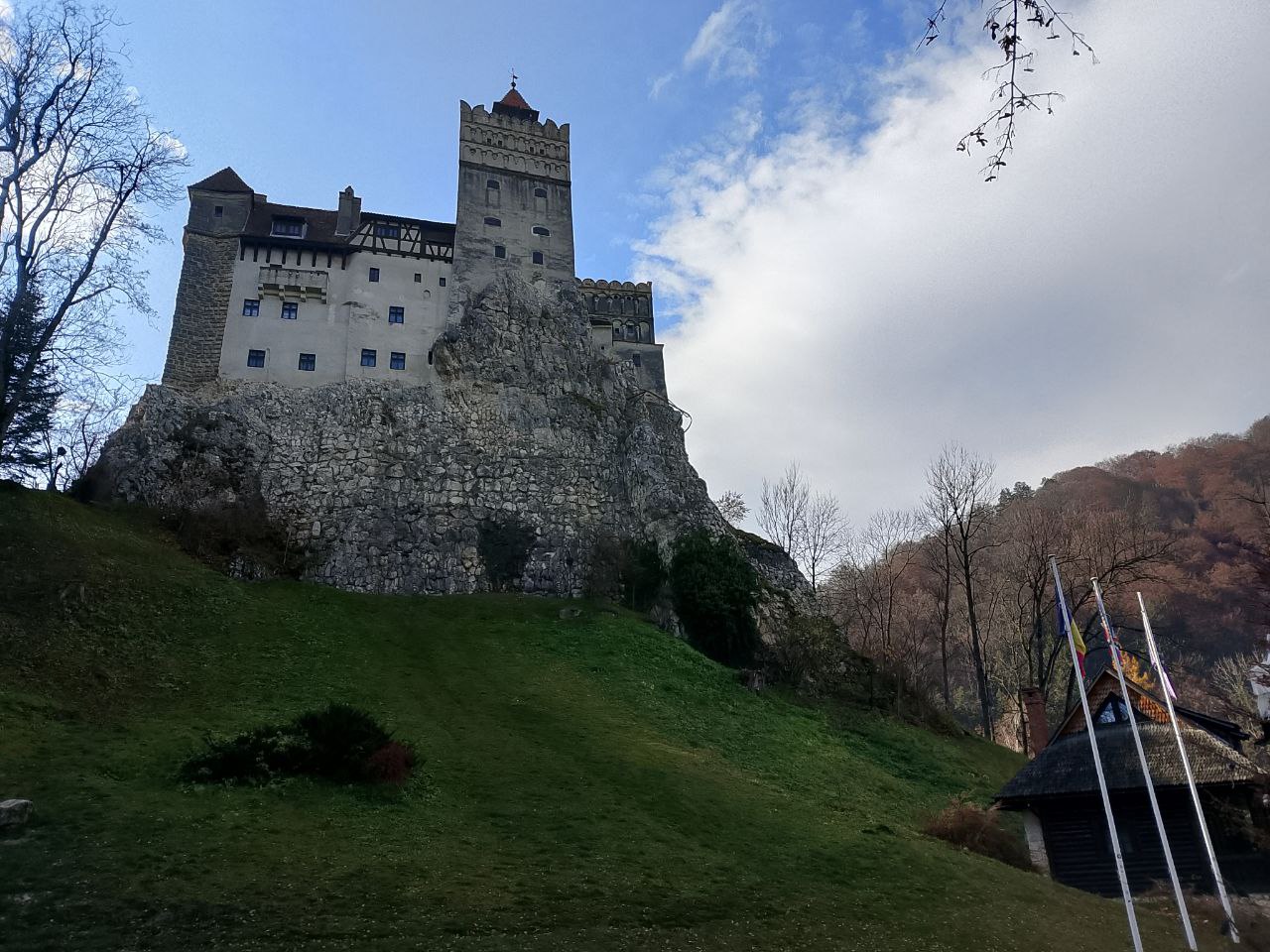
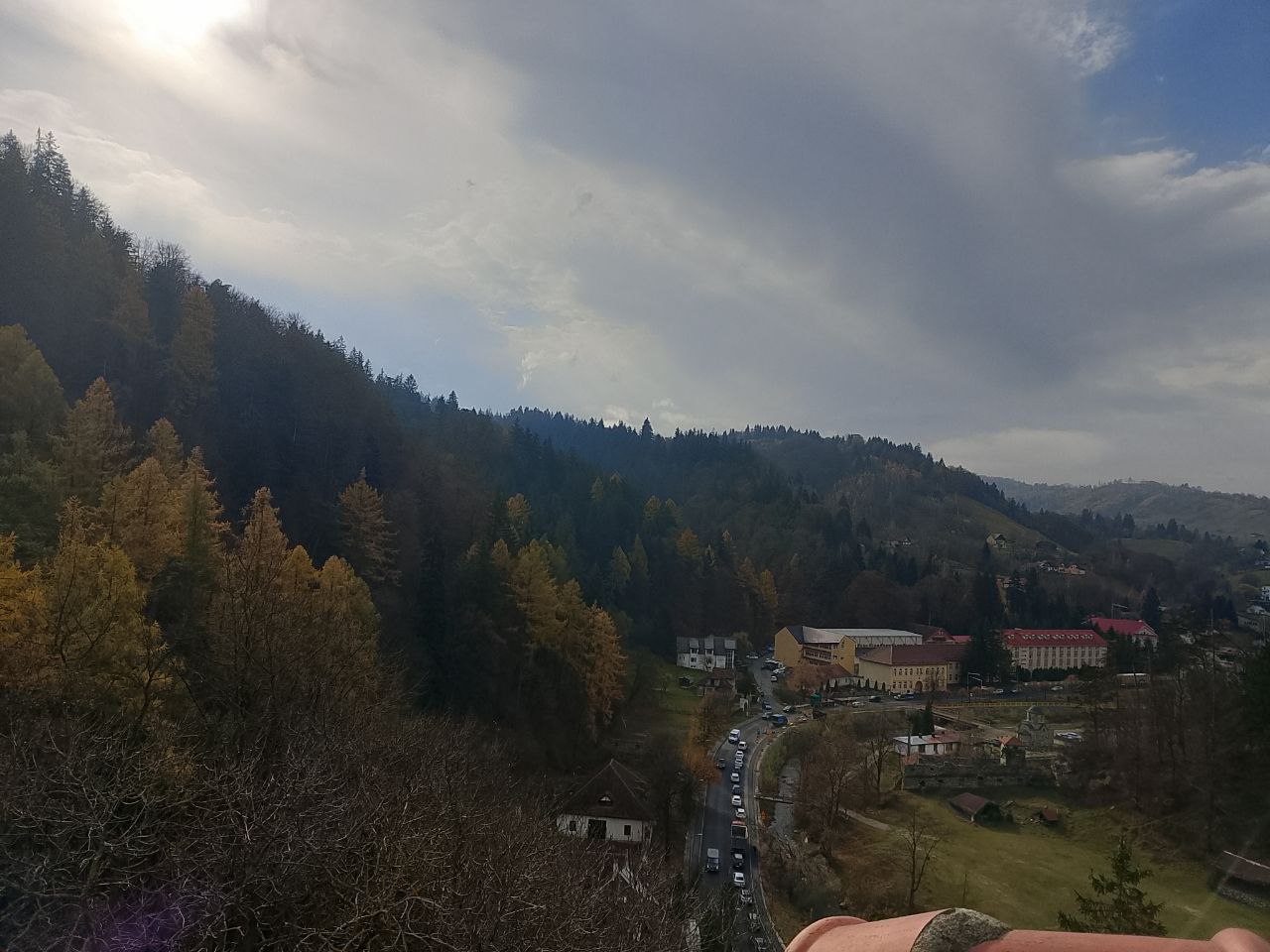
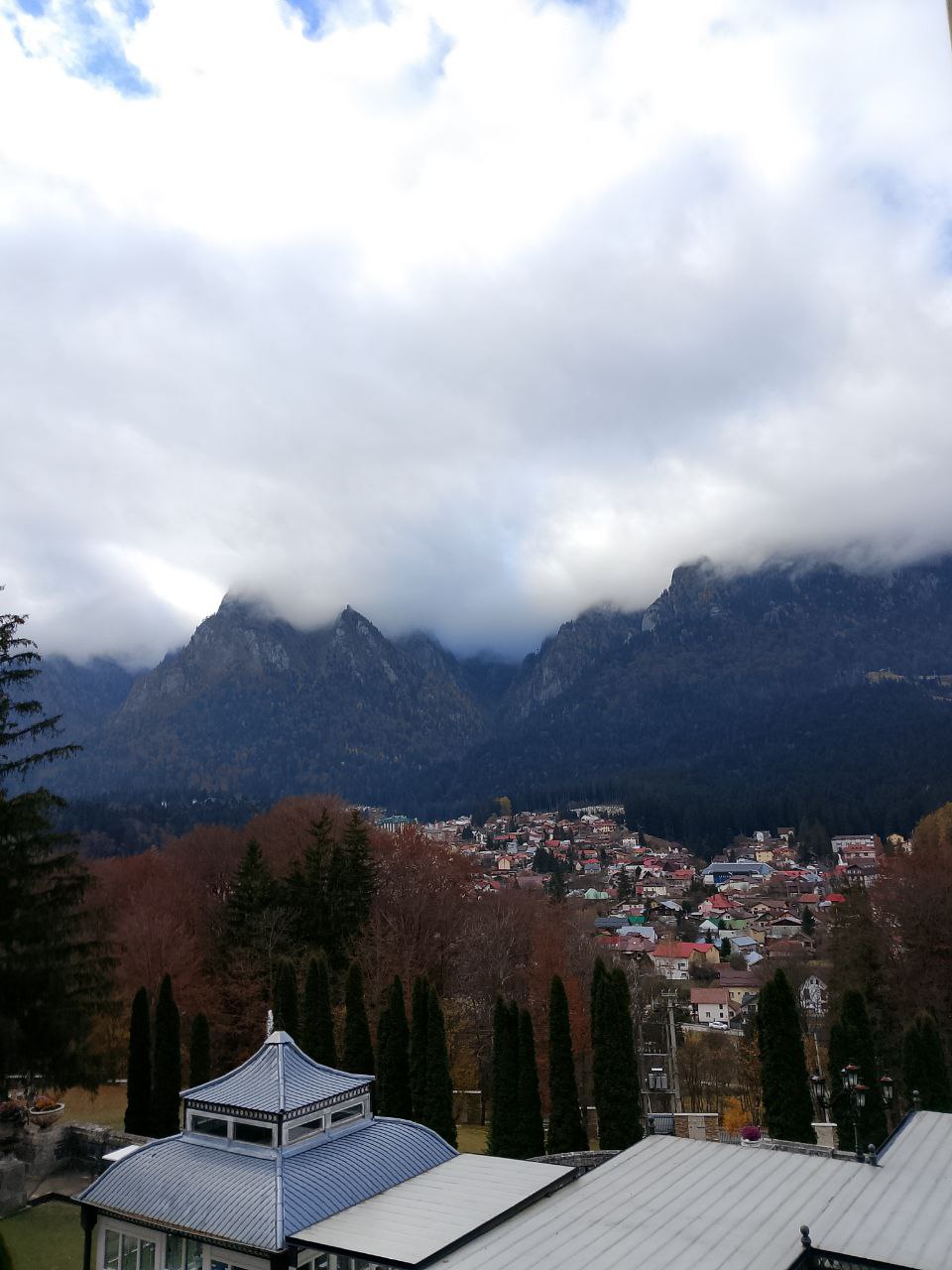
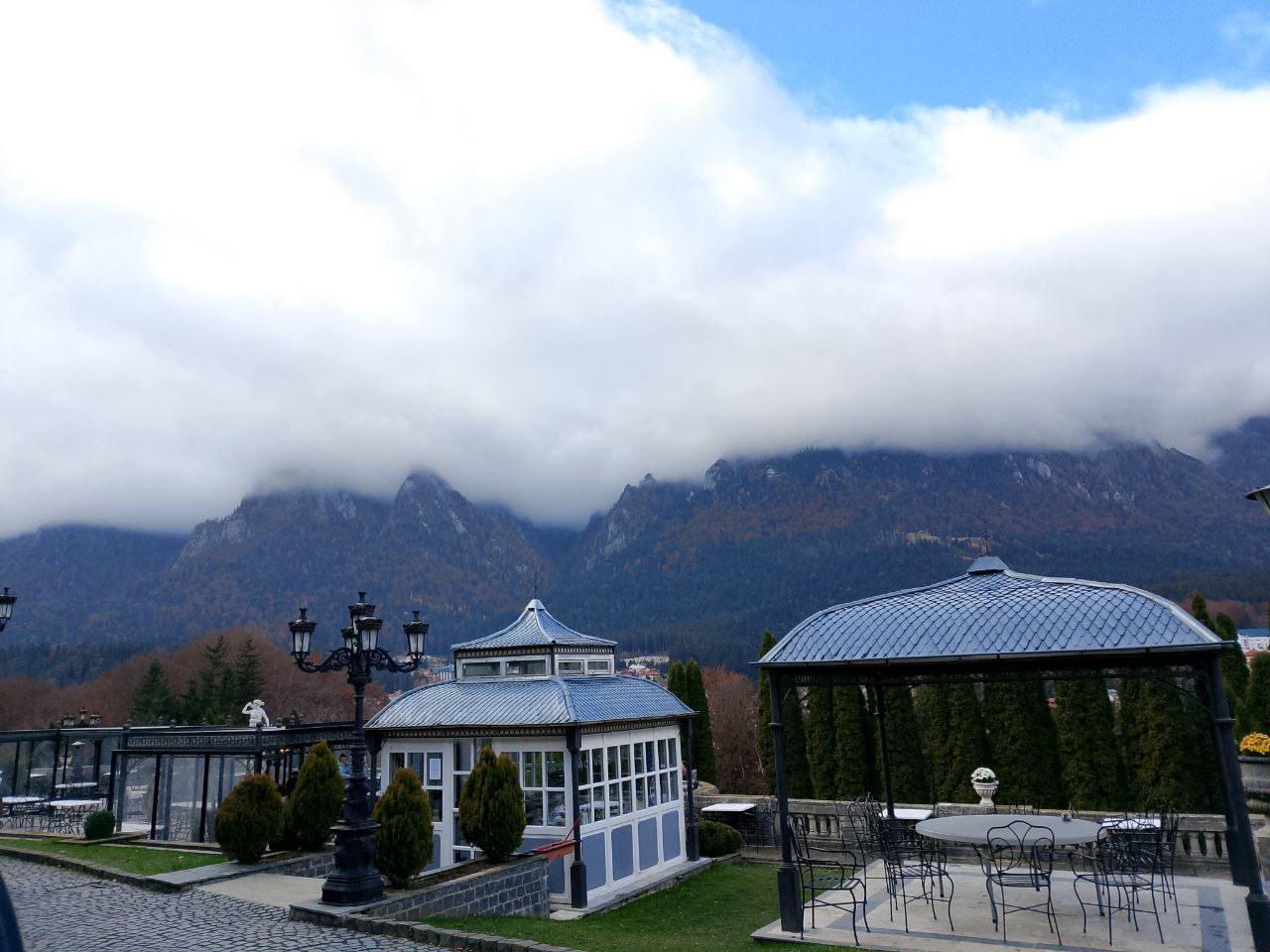
During nearly half of my time abroad, I fell in love with Romania. ESN volunteers regularly organise trips to landmark sites, introducing us to traditions that are honoured and preserved here. I notice these traditions even in small things, just walking through the city.
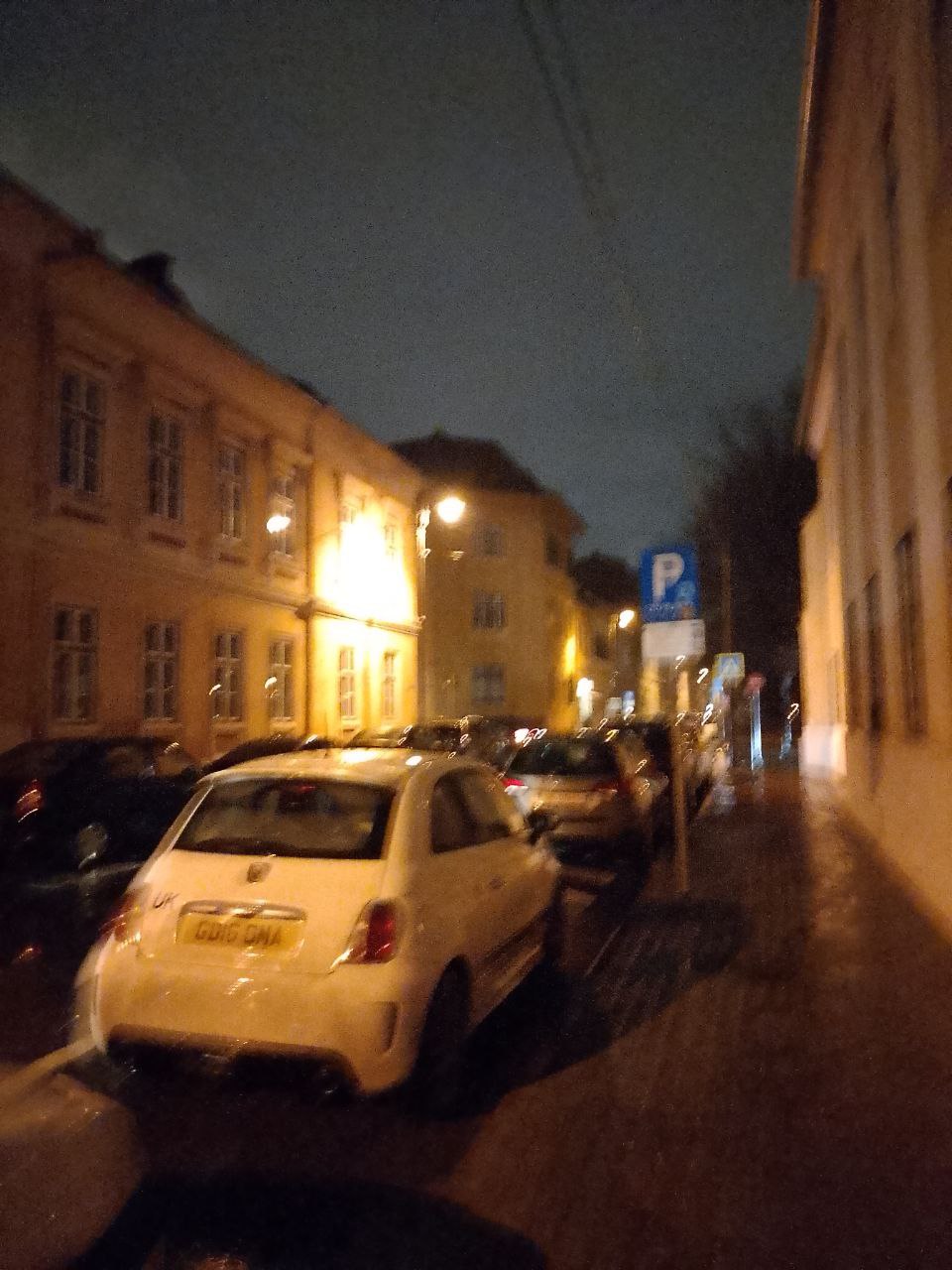
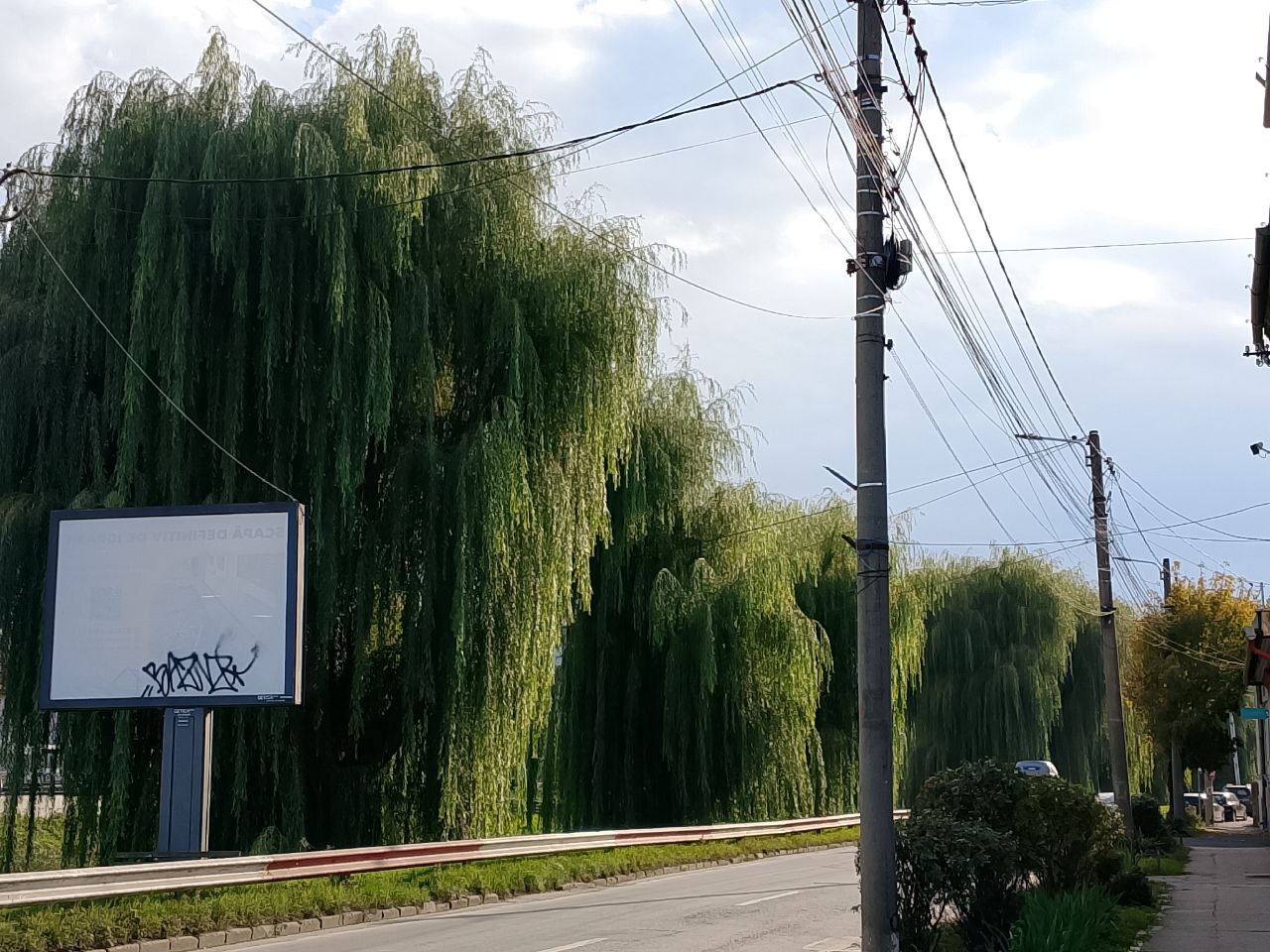
The city of Sibiu amazingly reminds me of my native Poltava, perhaps a bit smaller and more intimate. This city is drowning in greenery: flowerbeds and trees are everywhere, and in the centre, there is a cobblestone square that evokes warm memories of home. My path often lies through cosy green oases resembling parks.
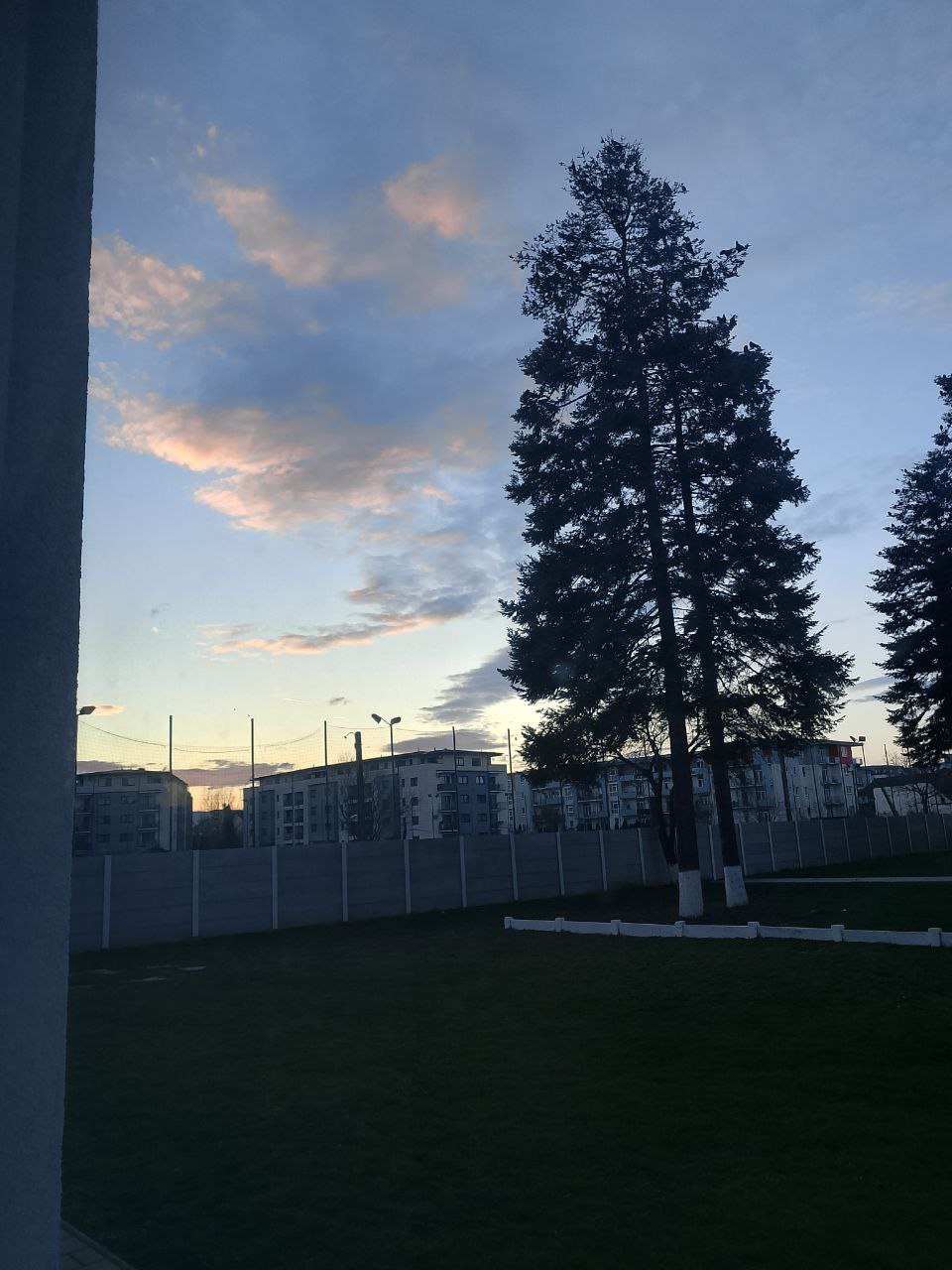
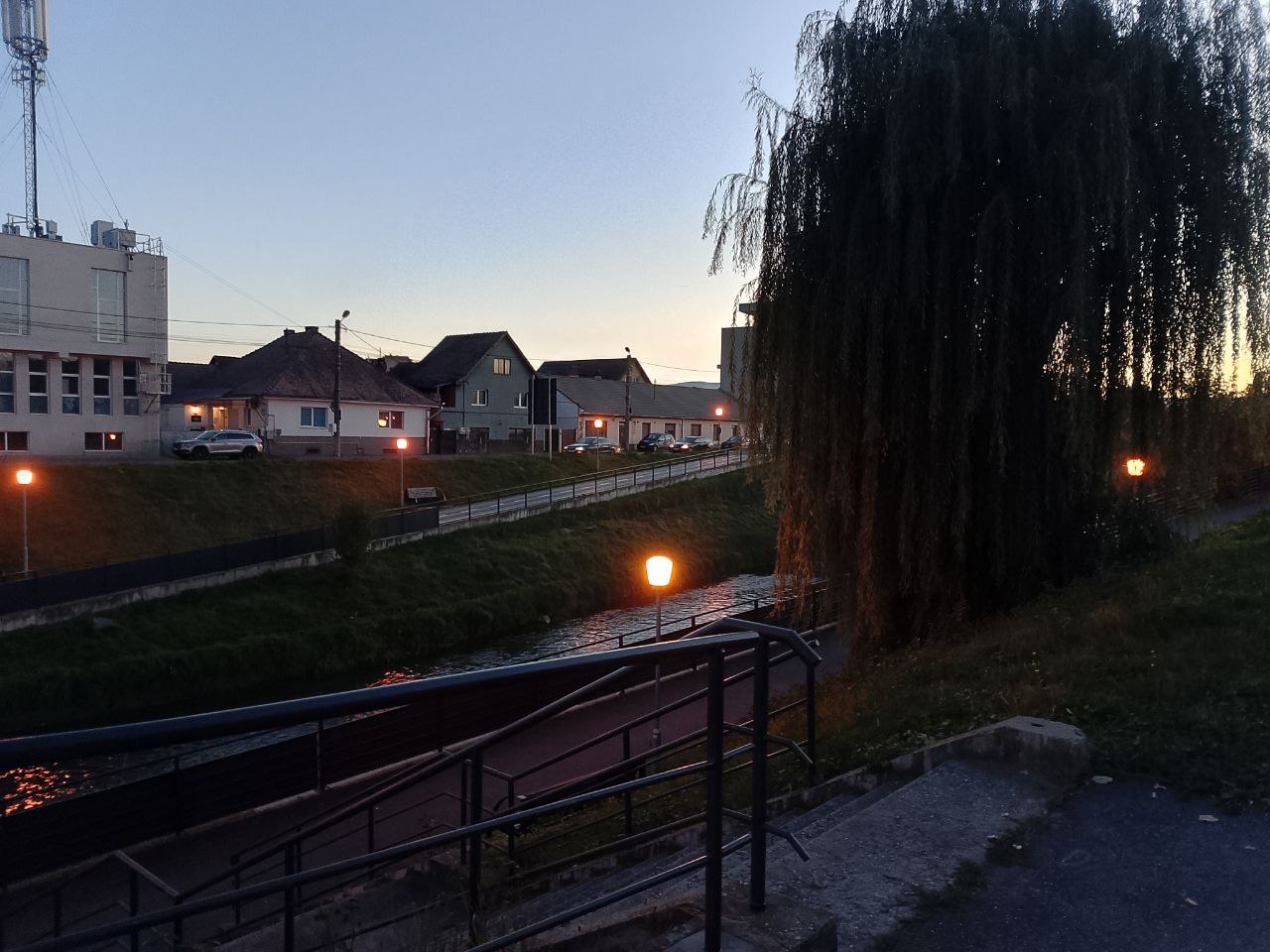
The local willow trees occupy a special place in my heart. There are countless of them here, especially near my dormitory. There is nothing better than stopping for a moment to admire how the sunbeams play in the branches of these trees. It gives peace and a sense of harmony.
Erasmus+ is primarily about people. It is a unique opportunity to create a global network of contacts. Students from France, Spain, Brazil, Germany, and many other countries have become my friends and acquaintances.
But I will be frank: the beginning was difficult. I arrived here as a pioneer – I didn’t have acquaintances who had already walked this path and could give advice. The first month was a real test of strength. Ignorance of everyday nuances, the language barrier, and acute homesickness – all this weighed on me. There were moments when I wanted to drop everything. But I understood: growth happens only where there is a challenge.
Days passed, problems were solved, and I became stronger. Now, two months later, I realise that Erasmus+ is precisely what I was missing. I learned to appreciate what I have here and now. And even the absence of buckwheat in stores no longer seems like a tragedy – it is also part of the adventure that can be experienced with a smile.
The most important lesson I learned is not to be afraid. I know many people who gave up on their dreams due to fear of insufficient English proficiency or self-doubt. I was like that too. I doubted whether I would cope. But now I am happy that I dared to walk this path and end up where I am.
Try! Do not be afraid to change your life and step outside your comfort zone. Perhaps this very step will be the beginning of your best story!” – shares the student.
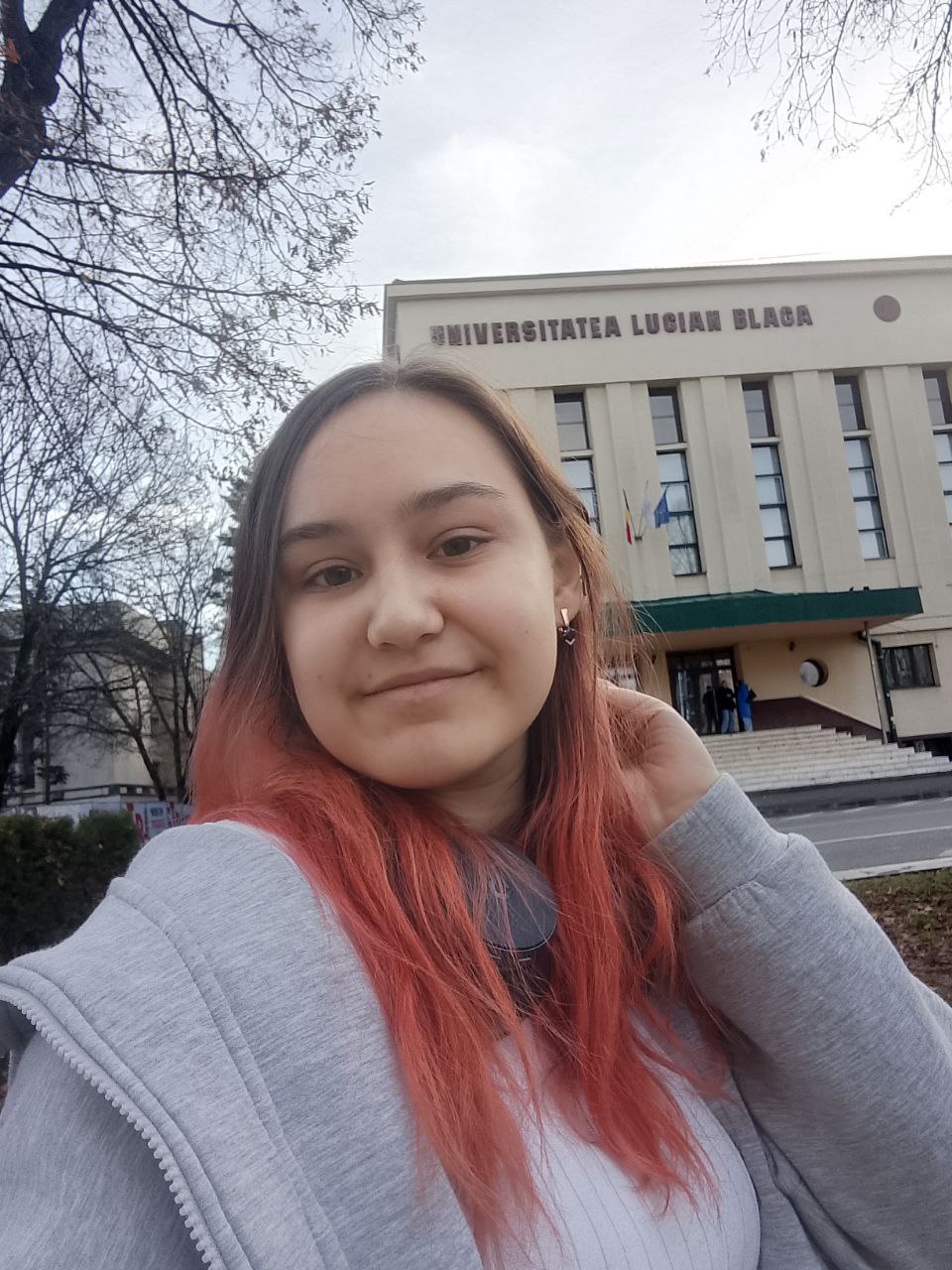
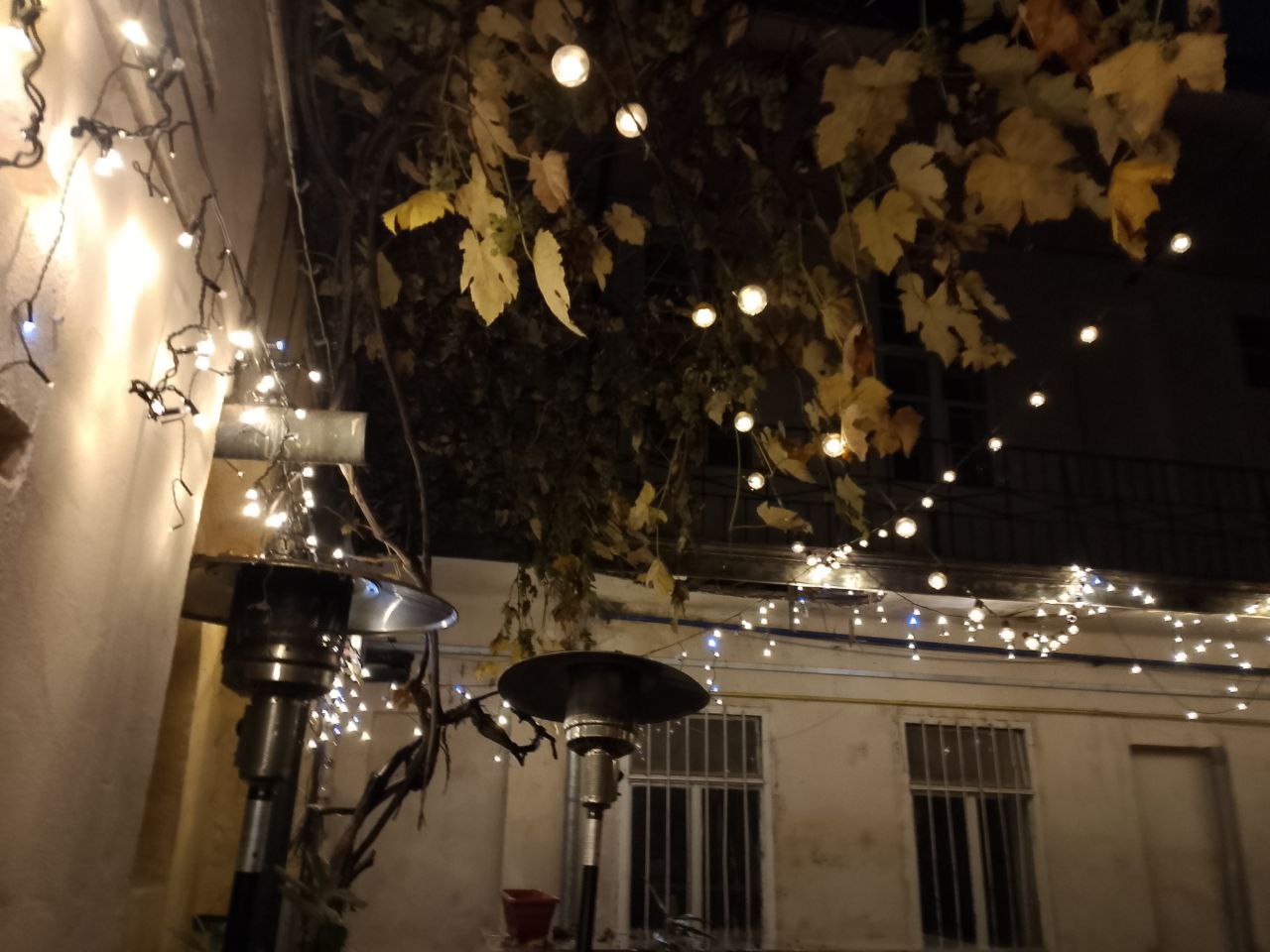
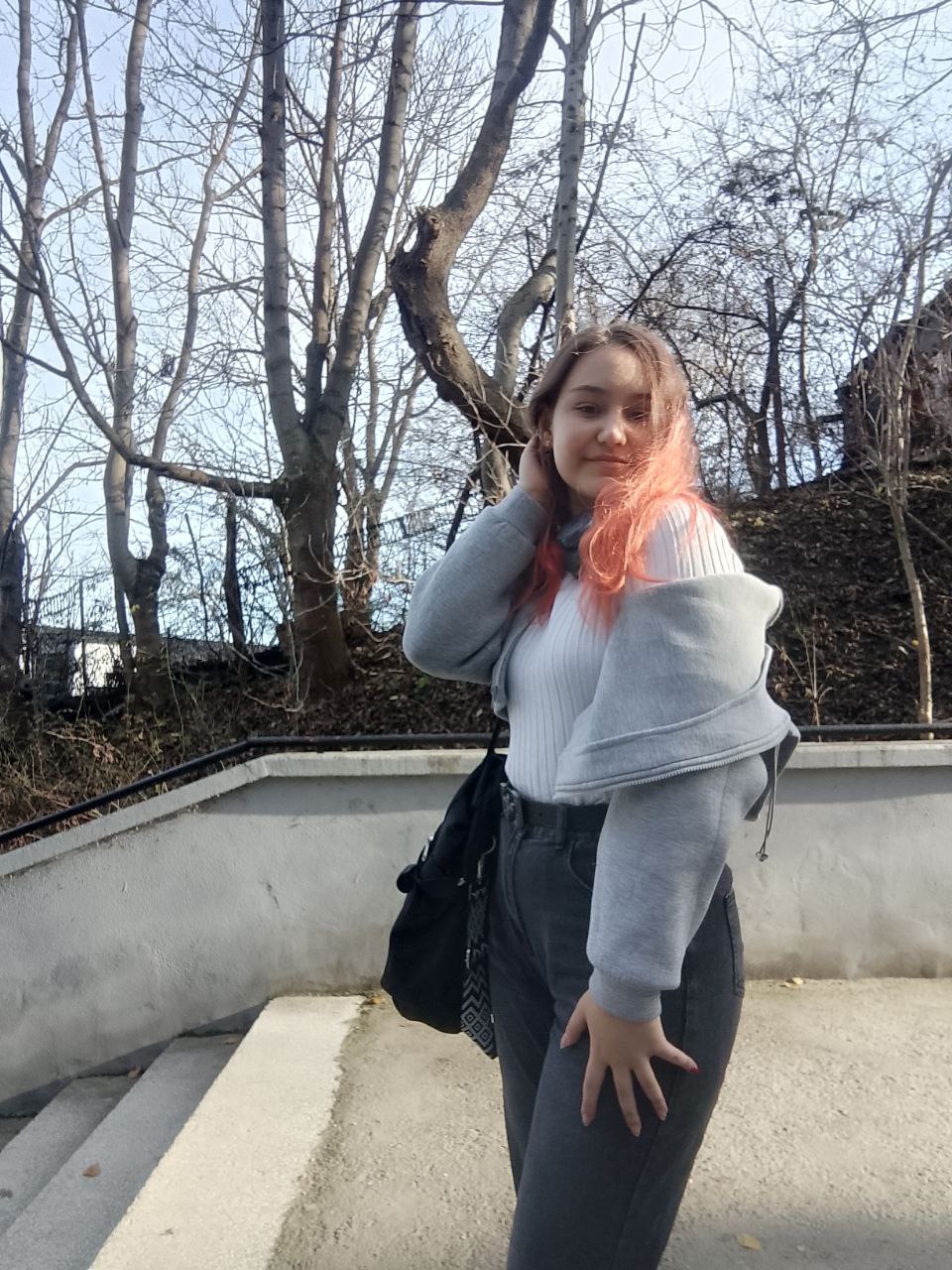
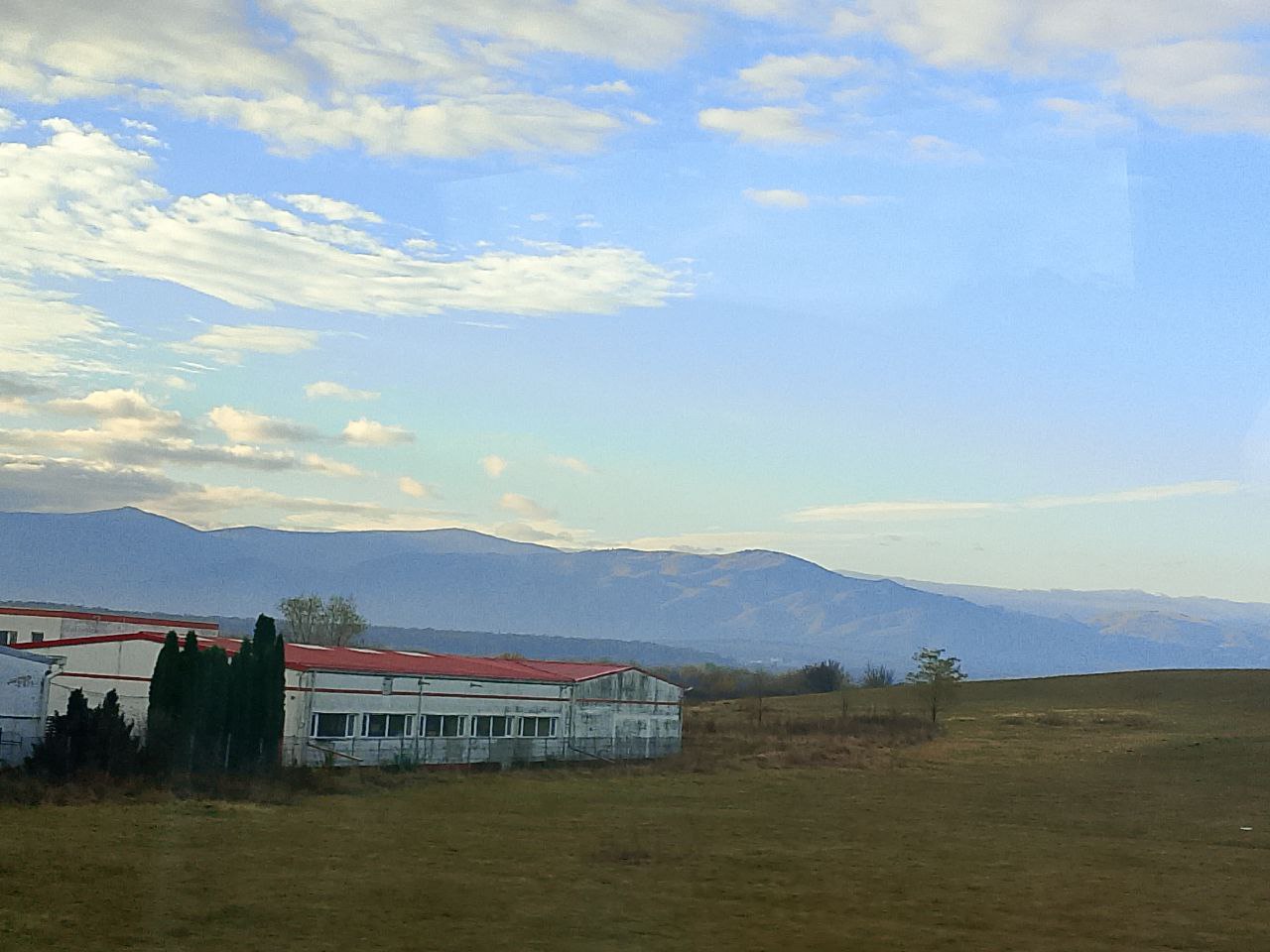

Iryna’s story vividly demonstrates that a single semester abroad can alter one’s worldview, break down internal barriers, and serve as a decisive step toward a successful career.
Recently, students of Poltava Polytechnic participated in youth exchanges and training under the Erasmus+ program in Poland, Georgia, and Malta. International relations students from Poltava Polytechnic became prize winners of an innovative Erasmus+ hackathon in Latvia and received a grant for project development. Furthermore, Poltava Polytechnic lecturers studied innovative digital tools and artificial intelligence in STEM education in Estonia. At the same time, future civil engineers shared their impressions of studying under the Erasmus+ credit academic mobility program at the Slovak University of Technology.
As a reminder, faculty members of Poltava Polytechnic are eligible to participate in academic mobility and internship programs. Students can study abroad through Erasmus+ credit academic mobility grant programs for a semester or a full academic year at leading universities in Austria, Greenland, Denmark, Estonia, Finland, France, Germany, Greece, Ireland, Italy, Latvia, Lithuania, Luxembourg, the Netherlands, Norway, Poland, Portugal, Romania, Slovakia, Spain, Sweden, and the Czech Republic.
For more detailed information on current internship, teaching, and academic mobility programs abroad, please get in touch with the International Relations Office (office 213-C, interoffice@nupp.edu.ua) or the coordinator of international activities at the National University “Yuri Kondratyuk Poltava Polytechnic” – Anna Pavelieva, Ph.D. in Philology, Associate Professor of the Department of Germanic Philology and Translation (email: kunsite.zi@gmail.com, phone: +38-(095)-91-08-192).