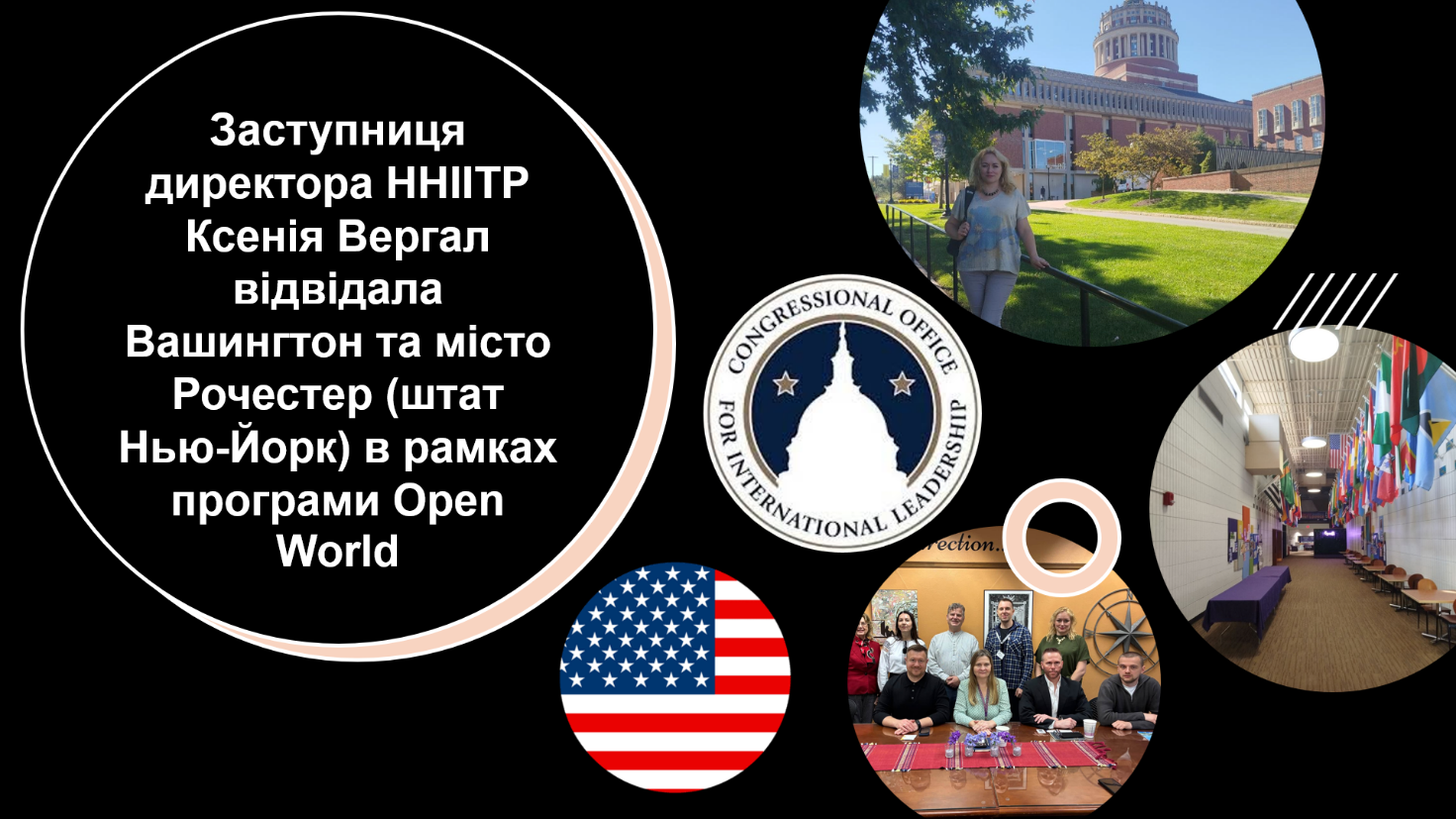
Kseniia Verhal, Deputy Director of the Educational and Scientific Institute of Information Technologies and Robotics at National University “Yuri Kondratyuk Poltava Polytechnic,” took part in the international Open World program, administered by the Congressional Office for International Leadership (COIL). The visit's agenda focused on business development and technology commercialisation and took place in Washington, D.C., and Rochester, New York.
Open World is a professional exchange program designed to establish direct contacts between specialists from various countries and their American counterparts, foster the exchange of professional expertise, and lay the foundation for long-term partnerships. Participants gain insights into American systems of governance, education, entrepreneurship, and cooperation among government, academia, and industry, and visit professional institutions and organisations in the host community.
This year's program for the Ukrainian delegation focused on fostering technological entrepreneurship, technology transfer, commercialising university research, and identifying opportunities to apply innovative technologies peacefully.
A key component of the professional agenda was visiting leading higher education institutions in Rochester – Nazareth University, Rochester Institute of Technology, and the University of Rochester – where delegation members had the opportunity to engage directly with heads of international centres, faculty, researchers, representatives of university innovation entities, and the entrepreneurial ecosystem.
The first university venue was Nazareth University, where a working meeting took place with Nevan Fisher, Director of the Centre for International Education, and Jeffrey Allan, Director of the Institute for Responsible Technology.
Nazareth University is a private university in Rochester, New York, offering more than 60 undergraduate majors, over 70 minors, and master's degree programs. Its academic disciplines encompass business and leadership, education, sciences, humanities and social sciences, health and human services, technology, artificial intelligence, and innovation.
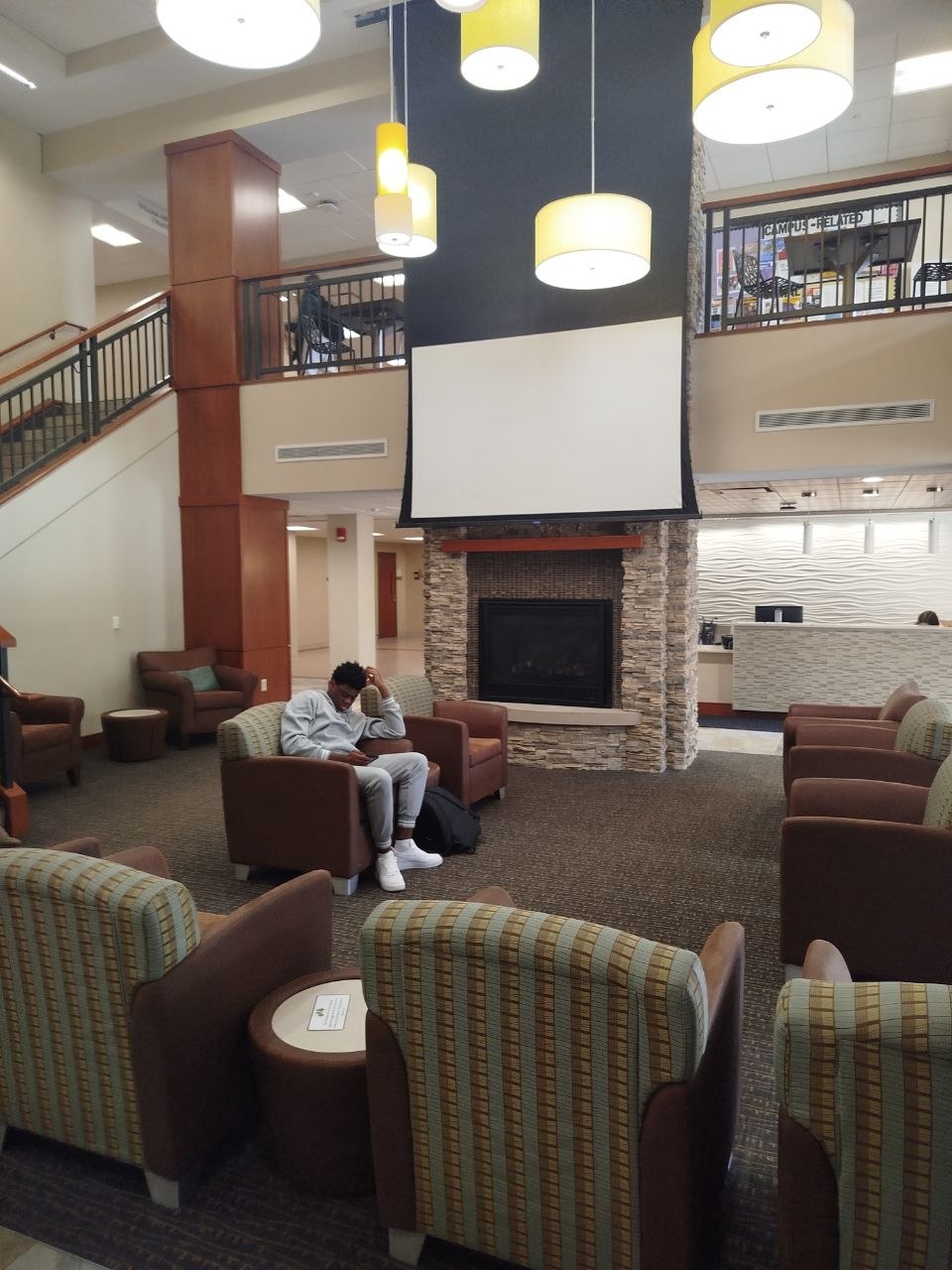
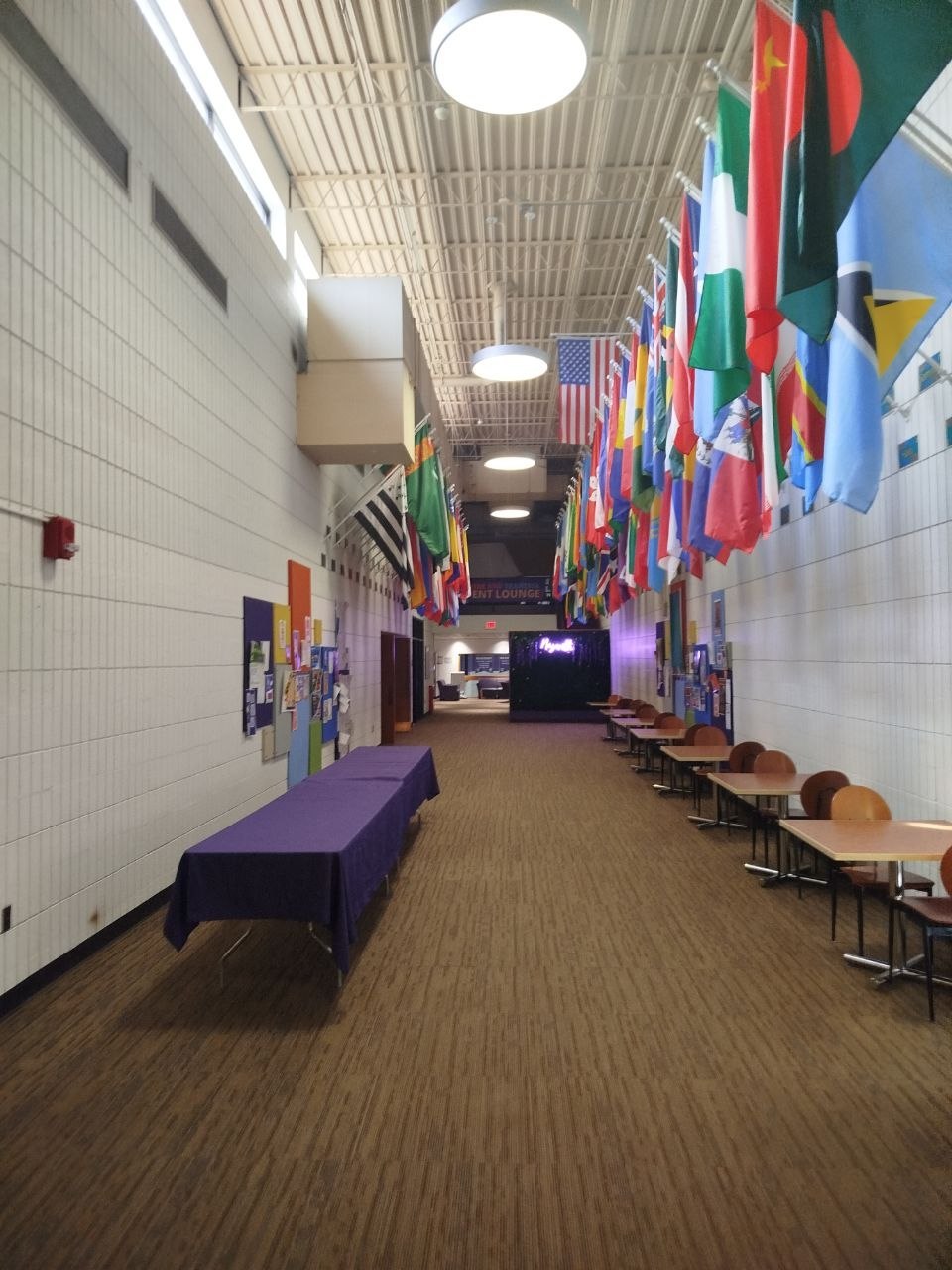
During the meeting, participants familiarised themselves with the Centre for International Education's operations, which coordinate international academic programs, international student support, global partnerships, and academic mobility. The university placed special emphasis on its experience collaborating with Ukrainian higher education institutions.

The professional dialogue also addressed the development of responsible technology, artificial intelligence, and innovative entrepreneurship. University representatives presented approaches to integrating business education, technological innovation, and practical student training, along with their expertise in leveraging artificial intelligence to boost the productivity of international corporations.
The next major part of the itinerary was a visit to the Rochester Institute of Technology (RIT), one of the leading technology-oriented universities in the United States. RIT is a technical university offering an extensive array of undergraduate, graduate, and 13 doctoral programs. Its academic portfolio spans computer science, artificial intelligence, cybersecurity, software engineering, computer engineering, robotics, electrical engineering, mechanical engineering, data science, business and management, digital media, design, natural sciences, and mathematics. The university places considerable emphasis on experiential learning, cooperative education (co-op), and employer engagement.
Meetings with RIT representatives focused on intellectual property management mechanisms and the commercialisation of university research findings. Participants examined approaches to building IP portfolios, technology licensing, establishing startups based on university developments, and transferring technologies to the commercial sector.
Particular attention focused on the activities of Venture Creations, RIT’s business incubator, which provides consulting and expert support to emerging technology companies, fosters their development, and helps establish connections with investors.
Another key focus of the visit was an introduction to research conducted at the Robotic Collaboration and Autonomy Lab (RoCAL). The laboratory conducts research in autonomous robotics, machine learning, computer vision, robotic motion planning, and intelligent interaction between robotic systems and their surrounding environment.
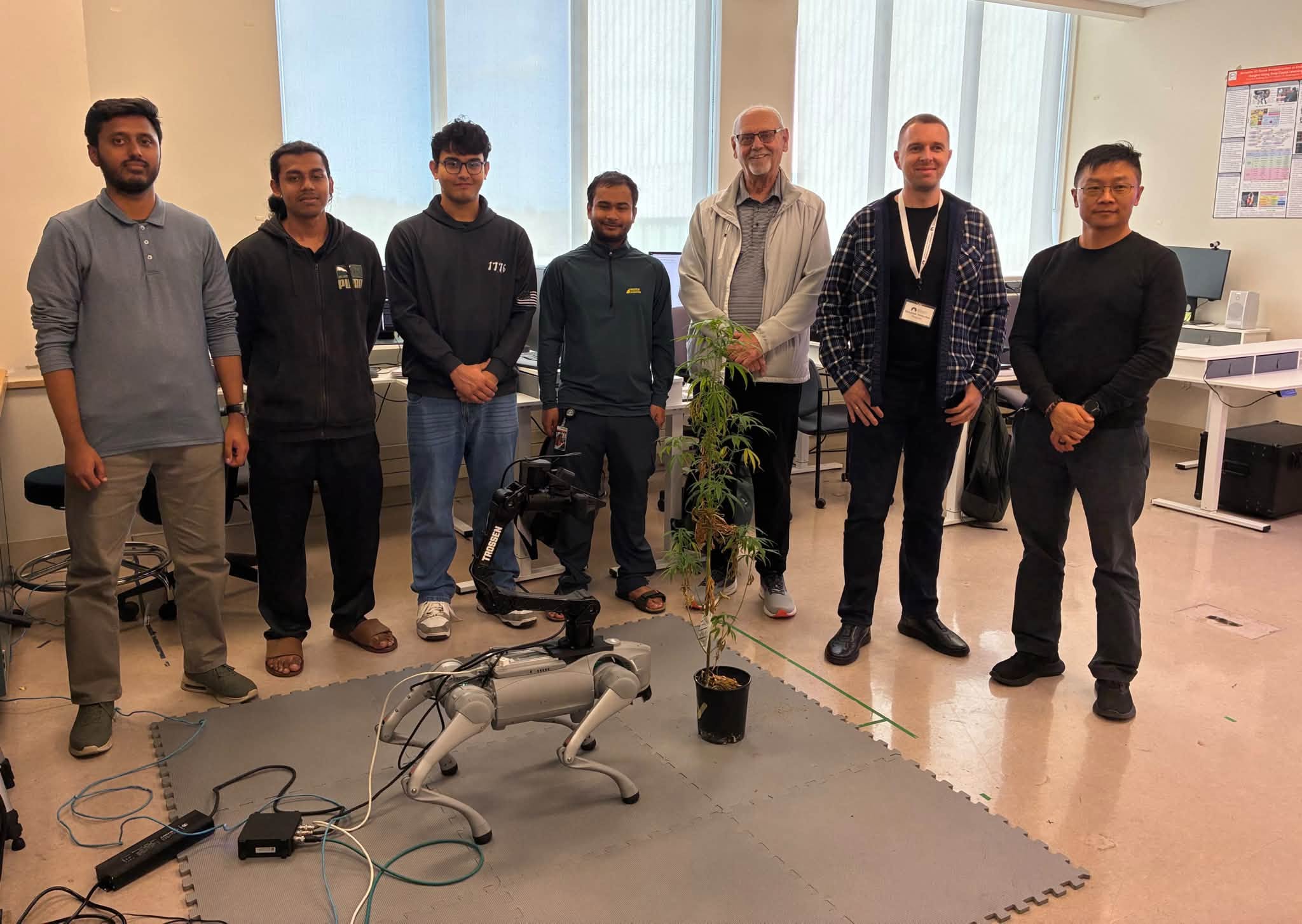
For the Educational and Scientific Institute of Information Technologies and Robotics, this integration of robotics research, artificial intelligence, engineering, entrepreneurship, and technology commercialisation mechanisms represents one of the most promising avenues for further professional dialogue between RIT and Poltava Polytechnic. It paves the way for joint research projects, faculty and student academic mobility, collaborative events, and the advancement of practice-oriented training for specialists in robotics, artificial intelligence, computer engineering, and cybersecurity.
A distinct part of the program was the visit to the University of Rochester – the region’s flagship academic research institution located in New York State. The university provides comprehensive academic training at the bachelor’s, master’s, and doctoral levels, offering more than 200 majors and minors.

During the visit, the delegation met with Professor Randall W. Stone, Director of the Skalny Centre for Polish and Central European Studies, and university representatives in international partnerships, special collections, entrepreneurship, and technology transfer.
The delegation showed particular interest in the Ain Centre for Entrepreneurship and Innovation's activities. Centre representatives presented their model for cultivating an entrepreneurial mindset among students through curricula, interdisciplinary collaboration, mentorship, practical innovative projects, startup development, and corporate engagement.
A key part of the meeting was gaining insight into the operations of UR Ventures, the university’s technology transfer office. Its activities include intellectual property protection, research commercialisation, technology licensing, startup creation support, and management of the university's technology portfolio. The Technology Development Fund program, which supports high-potential research advancements during their transition to market entry, was also featured.
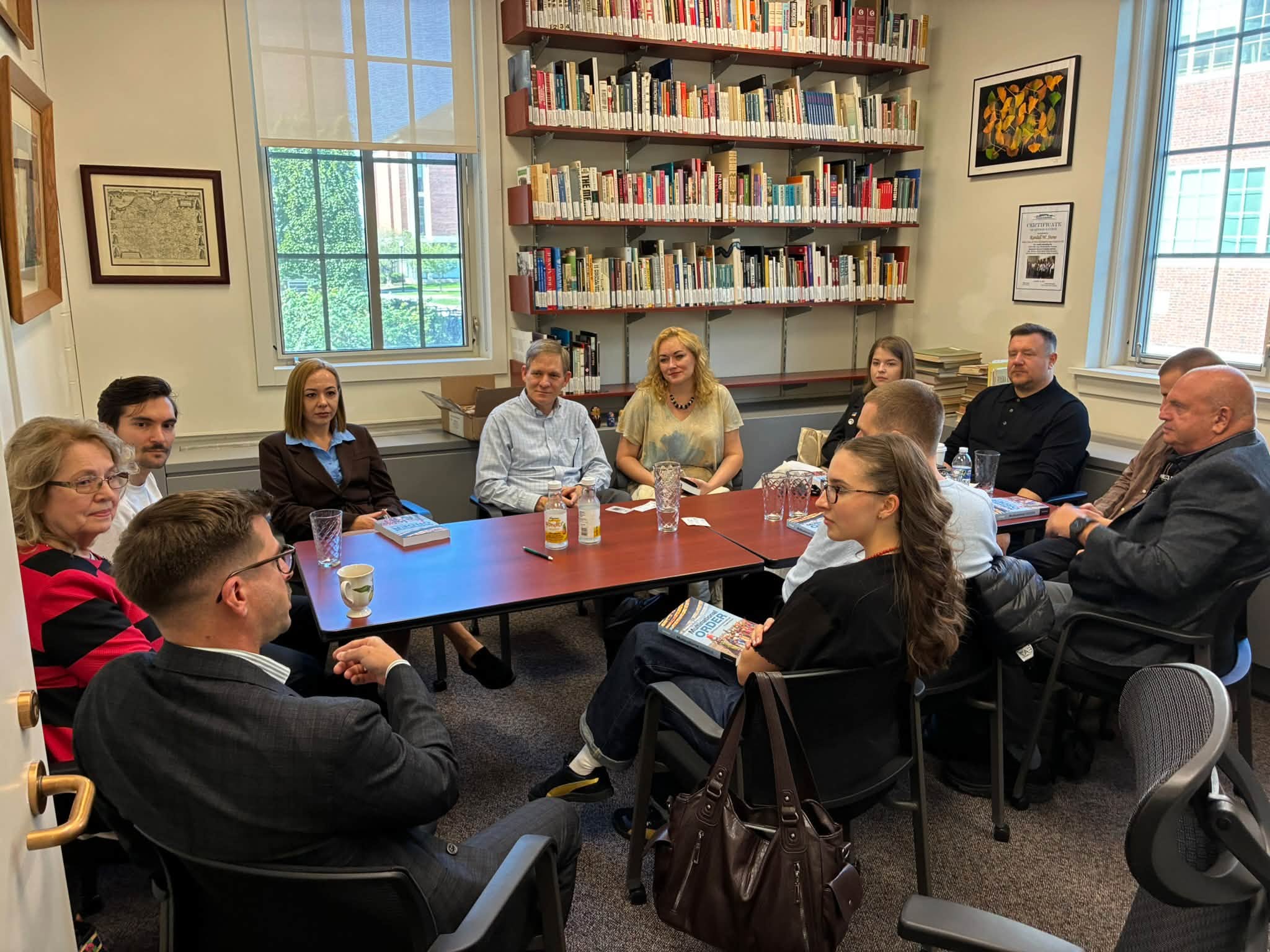

For Poltava Polytechnic, this experience is especially valuable for advancing the university's innovation ecosystem, supporting student startups, commercialising scientific research, and strengthening partnerships between the higher education institution and the business sector.
Visits to the three universities showcased diverse models of internationalisation, innovation initiatives, and university-industry interaction. They share a philosophy that views the university not merely as an educational institution, but as a nexus of knowledge, research, technological development, entrepreneurship, and social innovation.
These insights align with the strategic priorities of the Educational and Scientific Institute of Information Technologies and Robotics at Poltava Polytechnic, which integrates specialist training in computer science, computer engineering, cybersecurity, automation, robotics, and electrical engineering with the advancement of innovative, project-driven initiatives. Poltava Polytechnic already possesses established experience in systemic collaboration based on the “Education + Science + Business + Government” model, which serves as a formula for successful university-business partnerships. This approach involves not only educating future professionals, but also co-creating and implementing innovations, integrating businesses into the educational process, cultivating student projects and startups, and applying research outcomes in practice. In this context, the insights gained from American universities during the Open World program prove invaluable for further advancing Poltava Polytechnic's international partnerships.
“I extend my sincere gratitude to Volodymyr Onyshchenko, President of National University “Yuri Kondratyuk Poltava Polytechnic”, and to Olena Filonych, Rector of the University, for their unwavering, comprehensive support, profound trust, leadership vision, and for creating tangible opportunities for faculty and researchers to represent Poltava Polytechnic with dignity at the highest international level.
Thanks to your daily dedication, strategic focus on internationalisation, and commitment to innovative progress, our university confidently maintains its leading position and integrates into the global academic and research community. I am confident that the established contacts and advanced American expertise in technology transfer, research commercialisation, and startup ecosystem development will serve as a robust foundation for ambitious new projects for the Institute of Information Technologies and Robotics and the university as a whole”, – concluded Kseniia Verhal, Deputy Director of ESIITR.
The participation of university representatives in such programs enables a comprehensive study of best practices from leading U.S. institutions across various strategic areas – from sustaining higher education resilience amid the challenges of war to innovation transfer, robotics, and the commercialisation of scientific research.
Anna Pavelieva, International Relations Coordinator at Poltava Polytechnic, Candidate of Philological Sciences, and Associate Professor, previously participated successfully in the Open World program. In January–February 2024, she passed a competitive selection process. She represented the university as part of a Ukrainian delegation focusing on “Higher Education and the Impact of War” during a visit to Washington, D.C., and the state of Florida.
In Washington, D.C., the participants visited the Library of Congress. They met with officials from government agencies, think tanks, and non-governmental organisations to discuss countering disinformation, international support, postwar reconstruction, and education's role in strengthening societal resilience. During their stay in Florida, the delegation examined three distinct types of institutions: student-centred learning and community engagement at Florida Gulf Coast University; laboratory infrastructure and aerospace research-industry integration at Embry-Riddle Aeronautical University; and flexible educational pathways for veterans and adult learners at Everglades University. Homestays with host families in Babcock Ranch and Punta Gorda further enriched the visit through firsthand exposure to civic engagement, sustainable development, energy efficiency, and local grassroots initiatives supporting Ukraine.
For more details on the previous visit and colleagues’ insights, refer to the following feature stories:
• Professional program in Washington, D.C.
• The experience of Florida Gulf Coast University
• The experience of Embry-Riddle Aeronautical University
• The experience of Everglades University
• American higher education and the local community experience