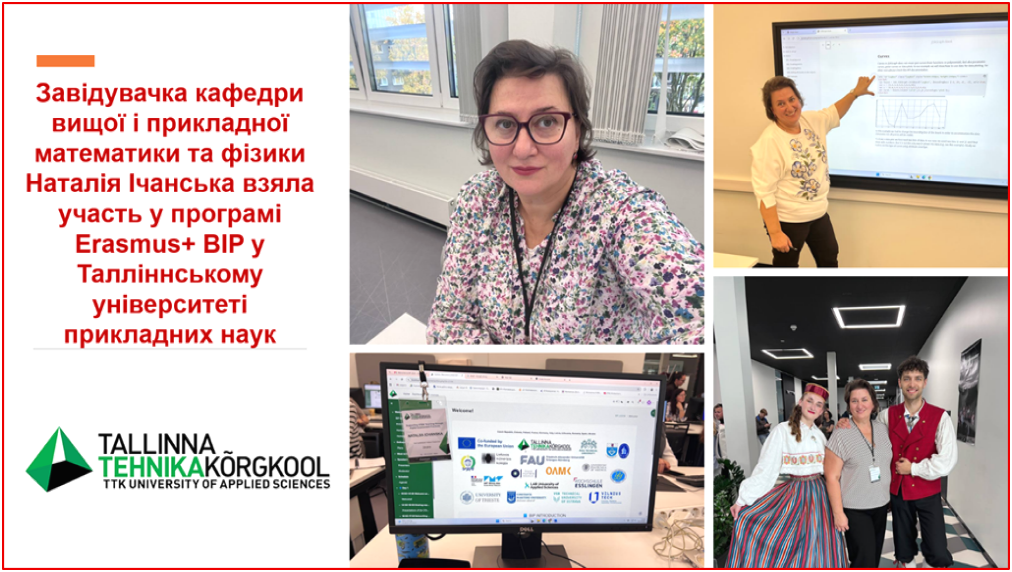
How is the teaching of mathematics evolving in the context of educational digitalisation? How can interactive mathematical tasks be designed to evaluate not only the correctness of a final answer but also the student’s conceptual understanding of the problem-solving methodology? These fundamental questions were at the centre of the Erasmus+ BIP “Supporting STEM Teaching through Digital Assessment Practices”, in which Associate Professor Nataliia Ichanska, Head of the Department of Higher and Applied Mathematics and Physics, represented our university.
The programme, organised by our partner institution, TTK University of Applied Sciences in Tallinn, Estonia, brought together participants from 11 European countries to support the professional development of STEM educators, with a particular focus on mathematics. The virtual component ran from 08 September to 02 October 2026, followed by the on-site phase held in Tallinn on 05–09 October 2026.
The practical sessions focused on digital tools designed to integrate directly into mathematics instruction. In particular, participants worked extensively with STACK's capabilities within the Moodle learning management environment to author mathematical tasks and automate assessment.
STACK enables educators to accommodate the specific syntax of mathematical expressions, set granular grading criteria, and provide structured, automated feedback to learners. This creates new opportunities to design practice problems, support self-directed study, and conduct formative and continuous knowledge assessments.
Mastering JSXGraph, a modern tool for generating dynamic mathematical visuals, formed another critical pillar of the programme. Its integration with the STACK computer algebra system creates unprecedented opportunities for instructional design. Through this synergy, lecturers can develop complex learning tasks where rigorous analytical calculations are seamlessly complemented by visual investigation, transforming abstract formulas into interactive graphs and geometric models with dynamic parameters.
This pedagogical approach is especially valuable for teaching function analysis, differential calculus, analytic geometry, and mathematical modelling. It fundamentally redefines the student’s role in the learning process: rather than passively receiving ready-made knowledge, the student becomes an investigator. Independently manipulating variables in a mathematical model and observing real-time outcomes helps cultivate spatial intuition, develop mathematical reasoning, and deepen understanding of the intrinsic logic governing the phenomena under study.
In parallel, participants addressed another pressing contemporary challenge: transforming assessment practices amid unrestricted student access to artificial intelligence tools. For mathematical disciplines, this reality necessitates a radical redesign of traditional assessment materials. Because digital tools can instantly deliver final answers and step-by-step solutions to conventional problems, a formally correct result can no longer reliably demonstrate genuine comprehension or independent academic effort.
Accordingly, educators explored methods for developing a new generation of assessment tasks that shift emphasis from mechanical calculation to interpretation, logical deduction, and analytical reflection. Such problems require students to justify their choice of method, compare divergent problem-solving strategies, evaluate boundary conditions, detect intentionally embedded logical fallacies, and apply mathematical principles to non-standard, real-world problems that generative AI cannot resolve using standard templates.
This progression highlights the overarching trajectory of contemporary mathematics education: digital technologies are not meant merely to automate routine grading, but to give educators tools for deep diagnostic analysis of student thinking. Their ultimate objective is to foster intellectual autonomy, build a rigorous culture of mathematical proof, and cultivate critical thinking when confronting complex practical challenges.
Associate Professor Nataliia Ichanska shared her thoughts on the practical outcomes of the programme and emerging pedagogical frameworks: “Participating in the Erasmus+ BIP provided a valuable opportunity to move beyond standard academic conventions and look at the digitalisation of higher education from a new perspective. The synergy between systems such as STACK and JSXGraph creates vast potential for instructional creativity: we gain tools that enable us to evaluate not merely a static output, but the student’s reasoning process. In an era shaped by rapid advancements in artificial intelligence, our core objective as educators is to shift the focus from routine computations to critical analysis, qualitative interpretation, and creative problem-solving. We will incorporate this knowledge and European best practices into the educational process at Poltava Polytechnic, making mathematics study even more interactive, applied, and engaging.
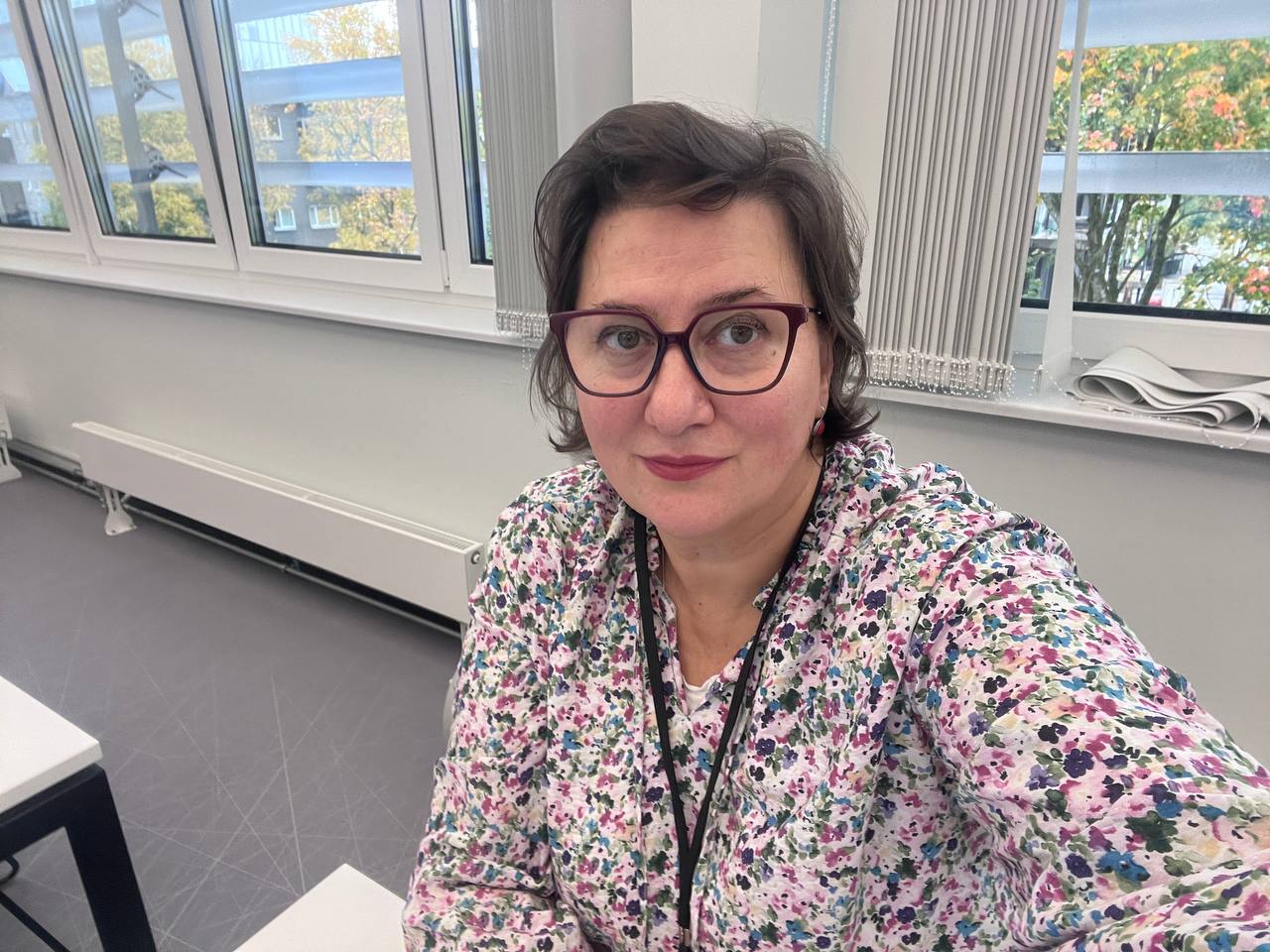
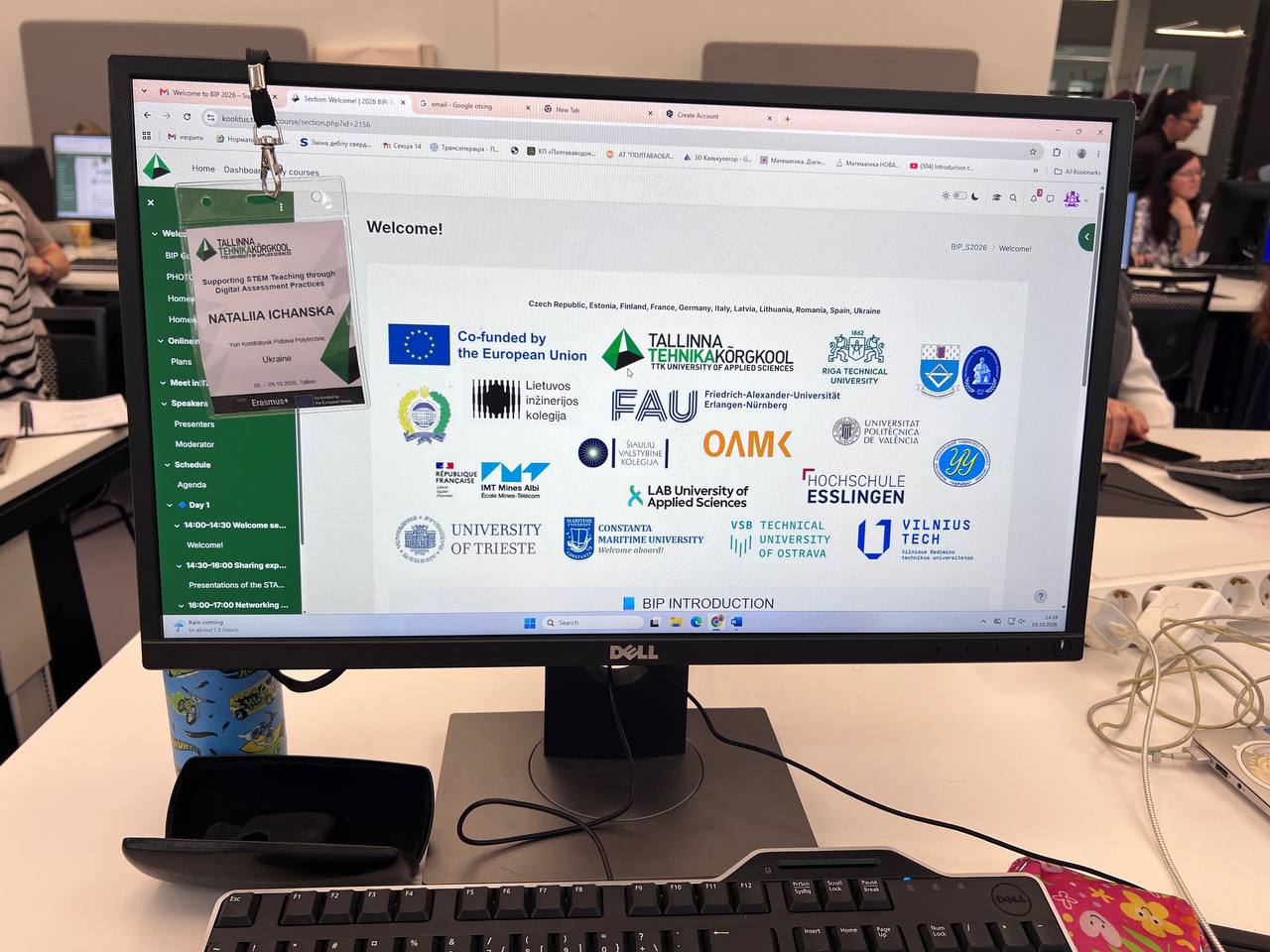
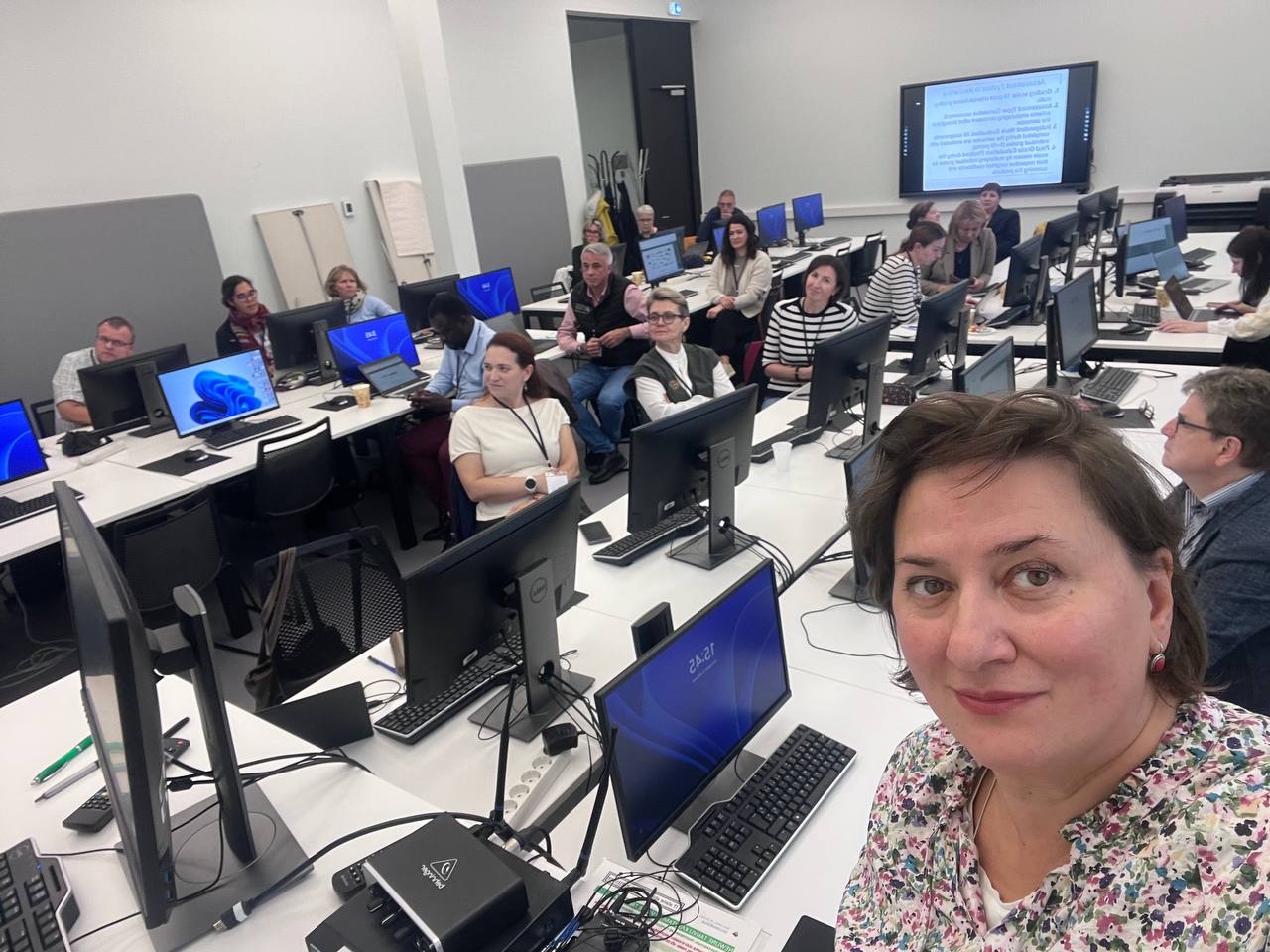
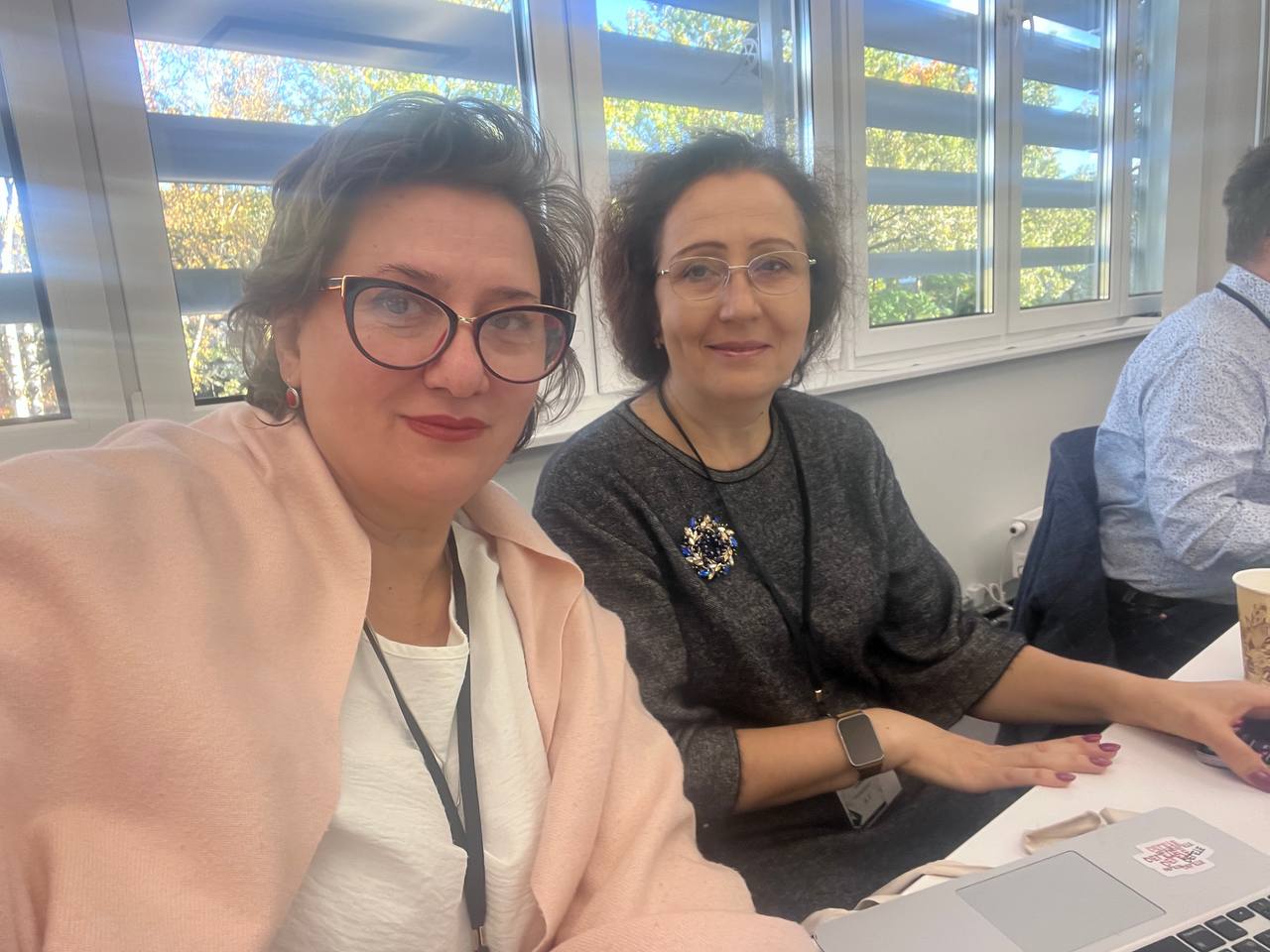
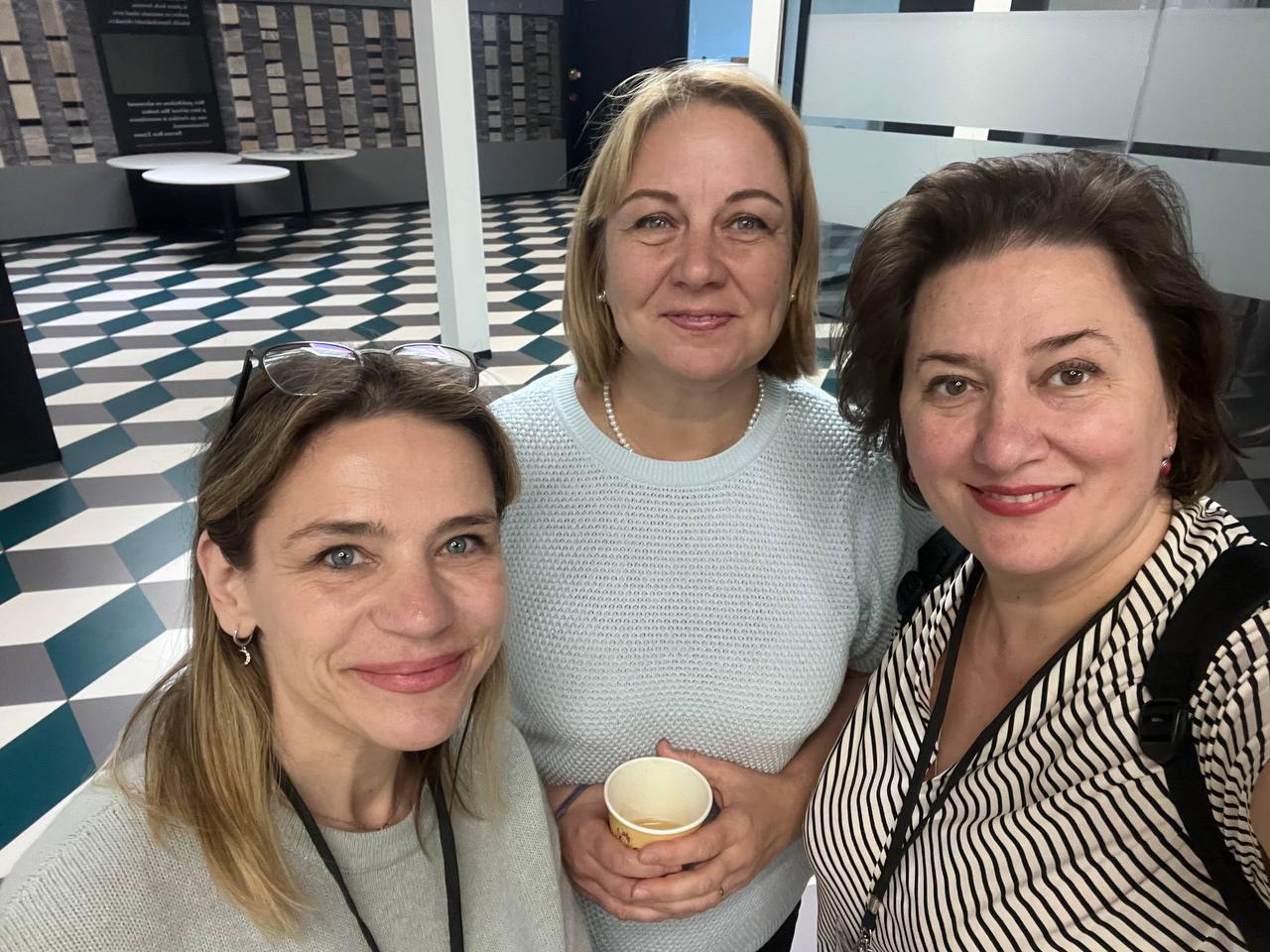
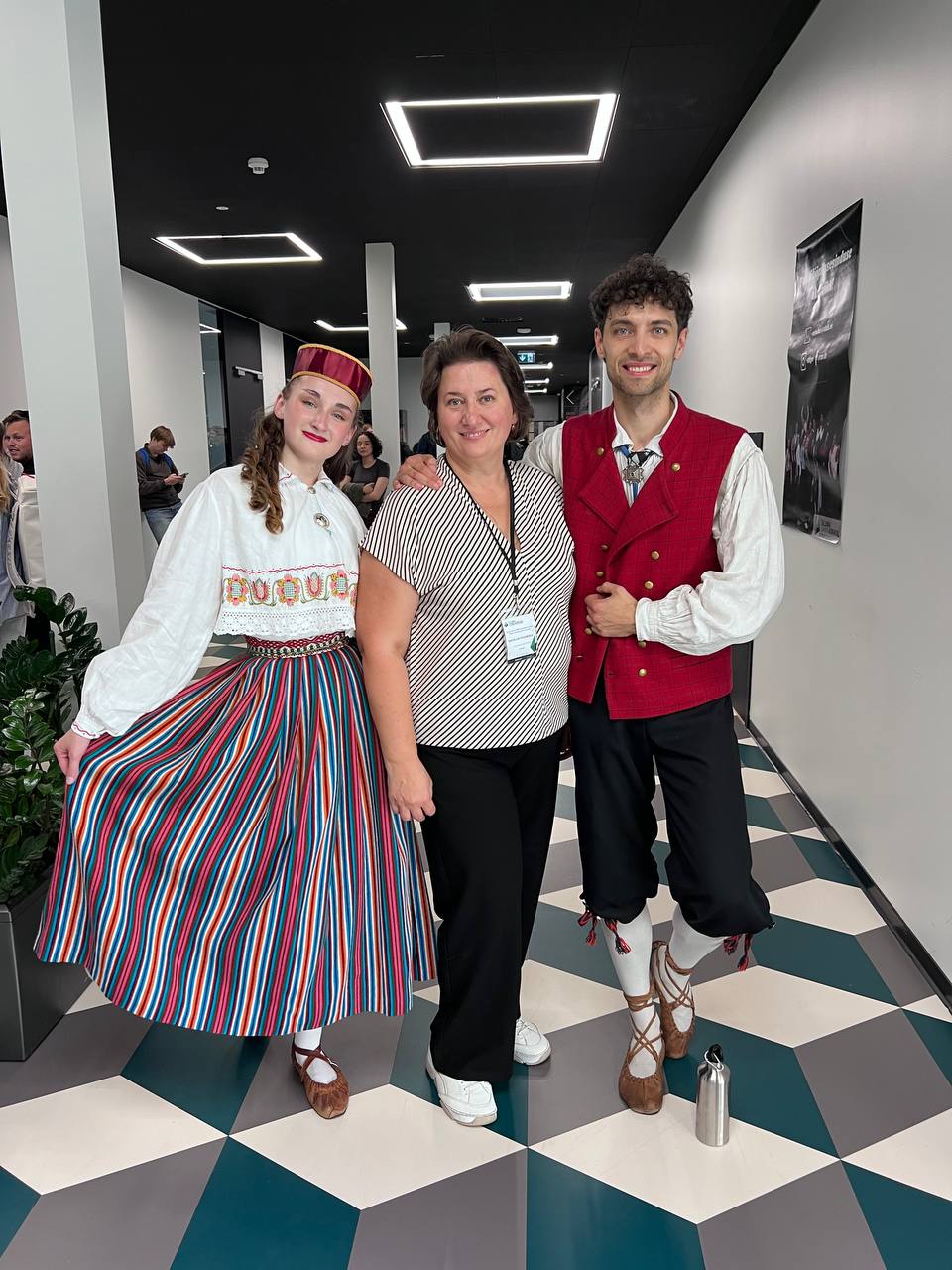
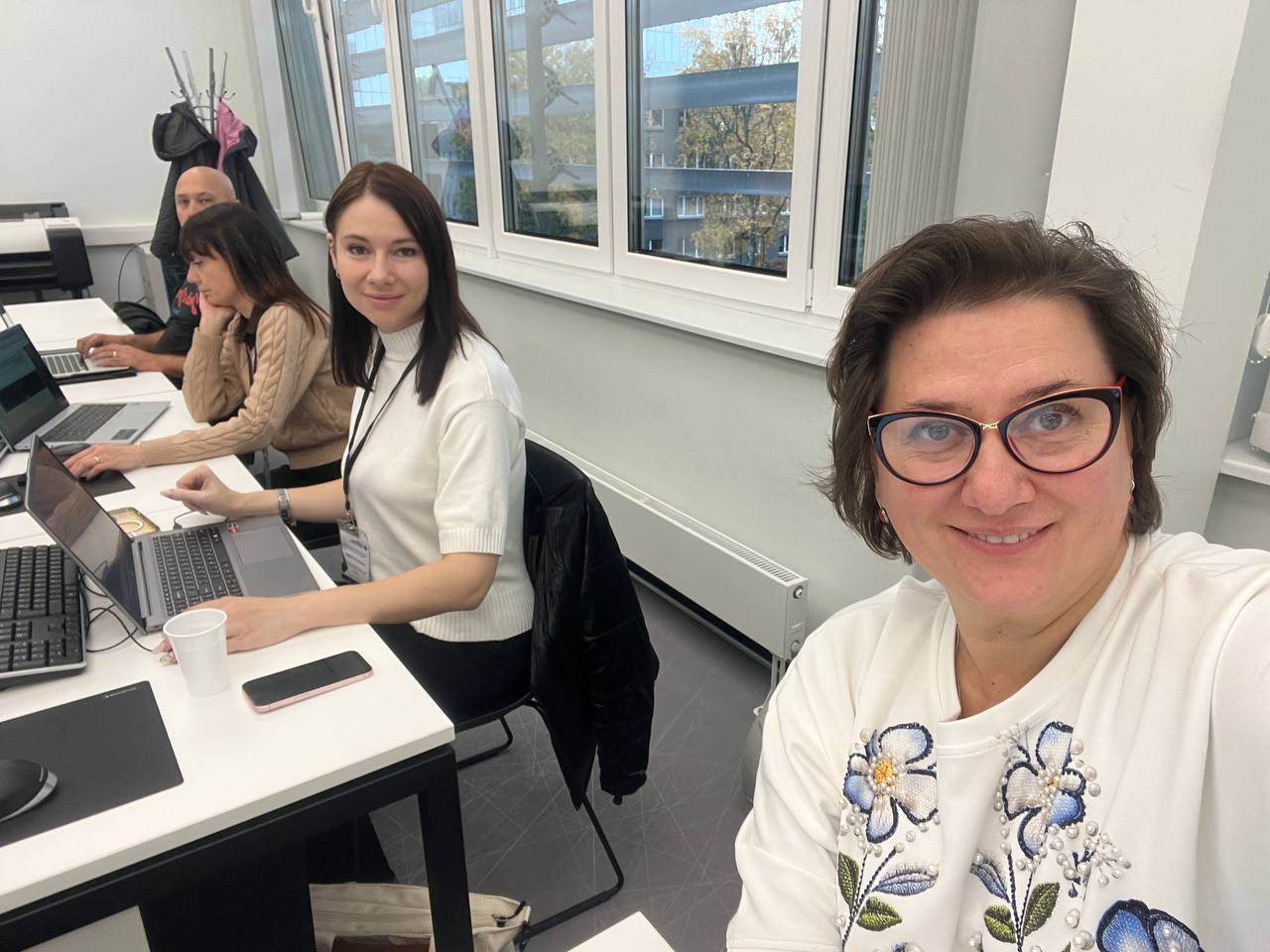
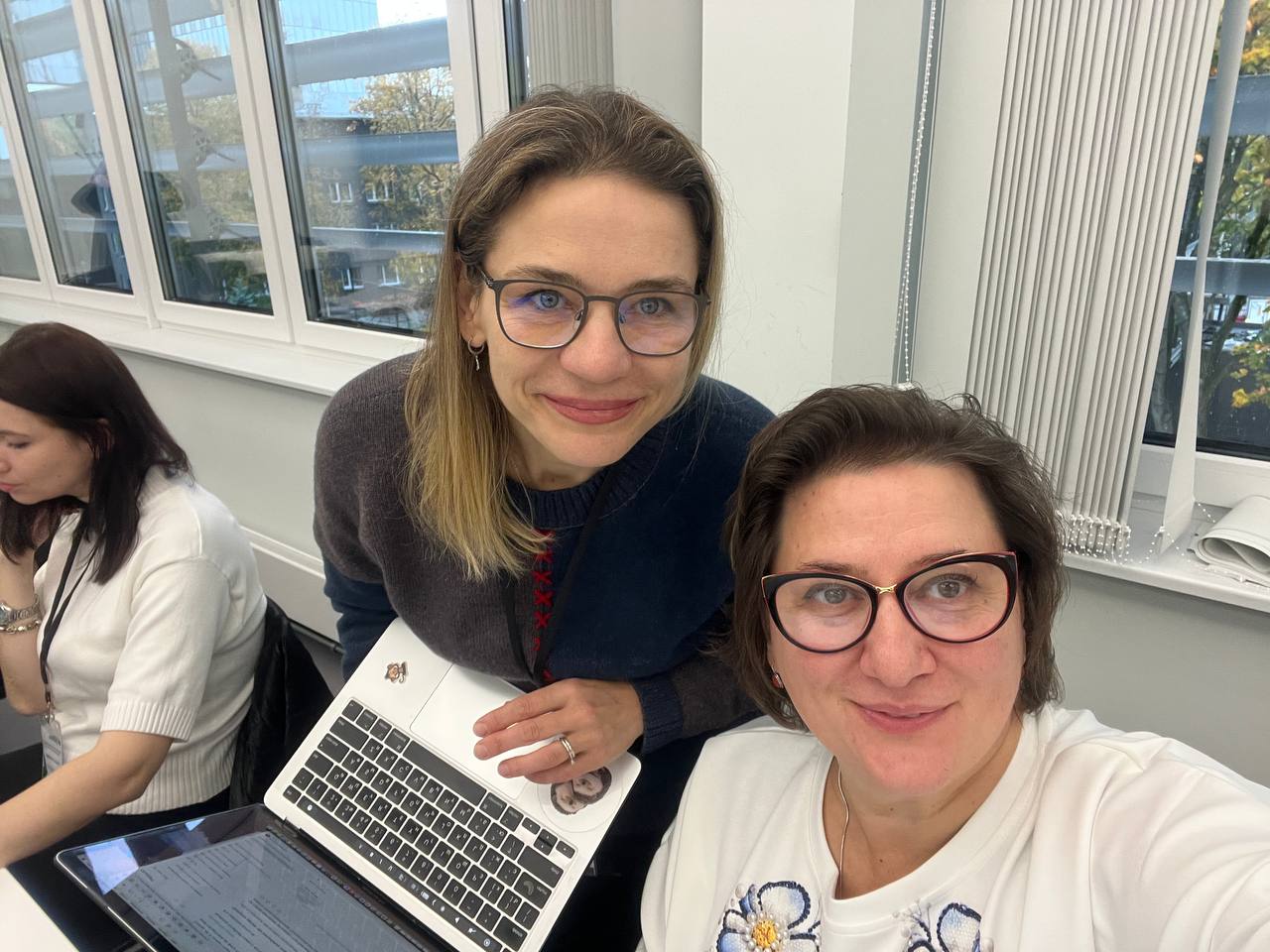
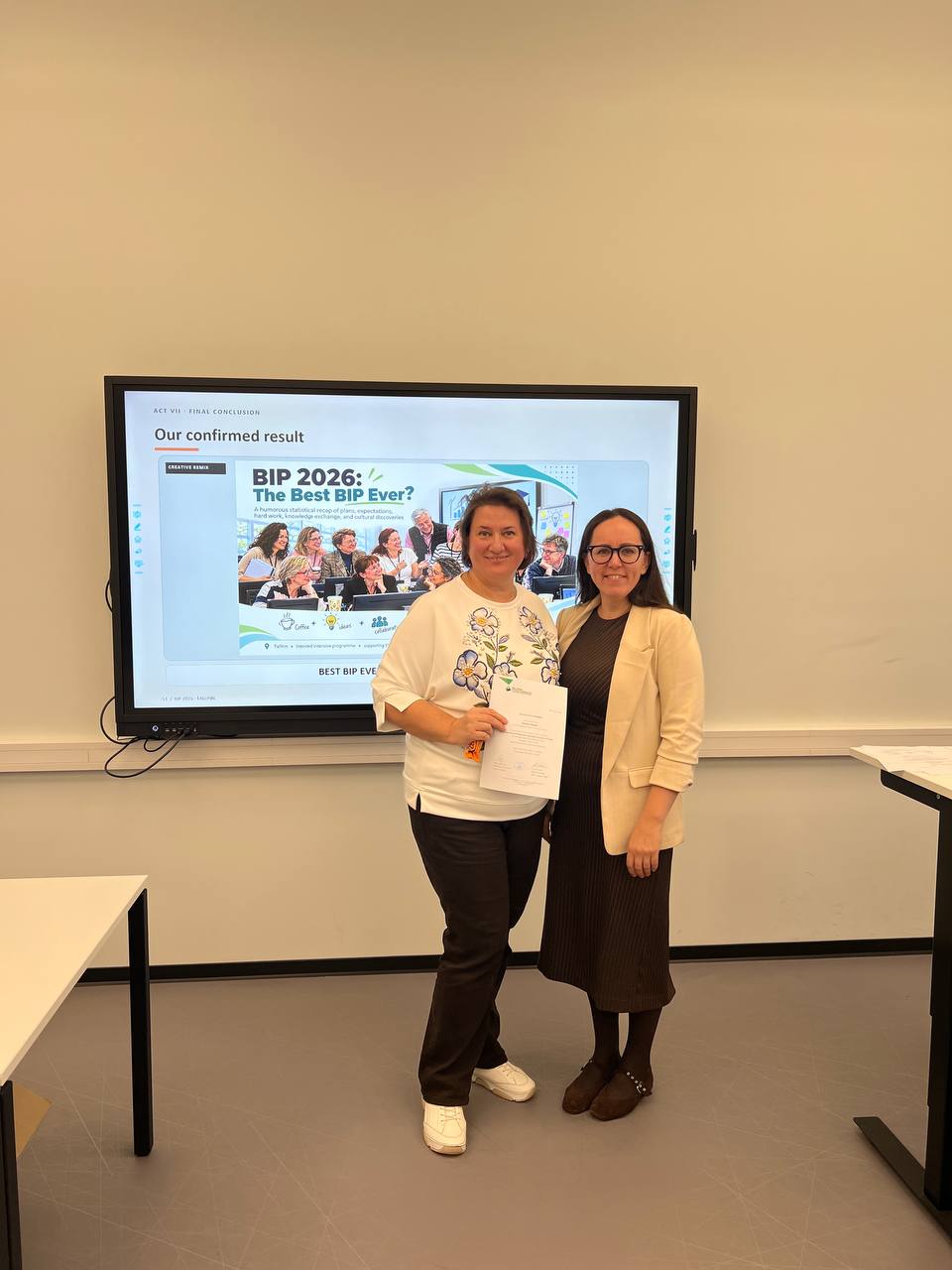
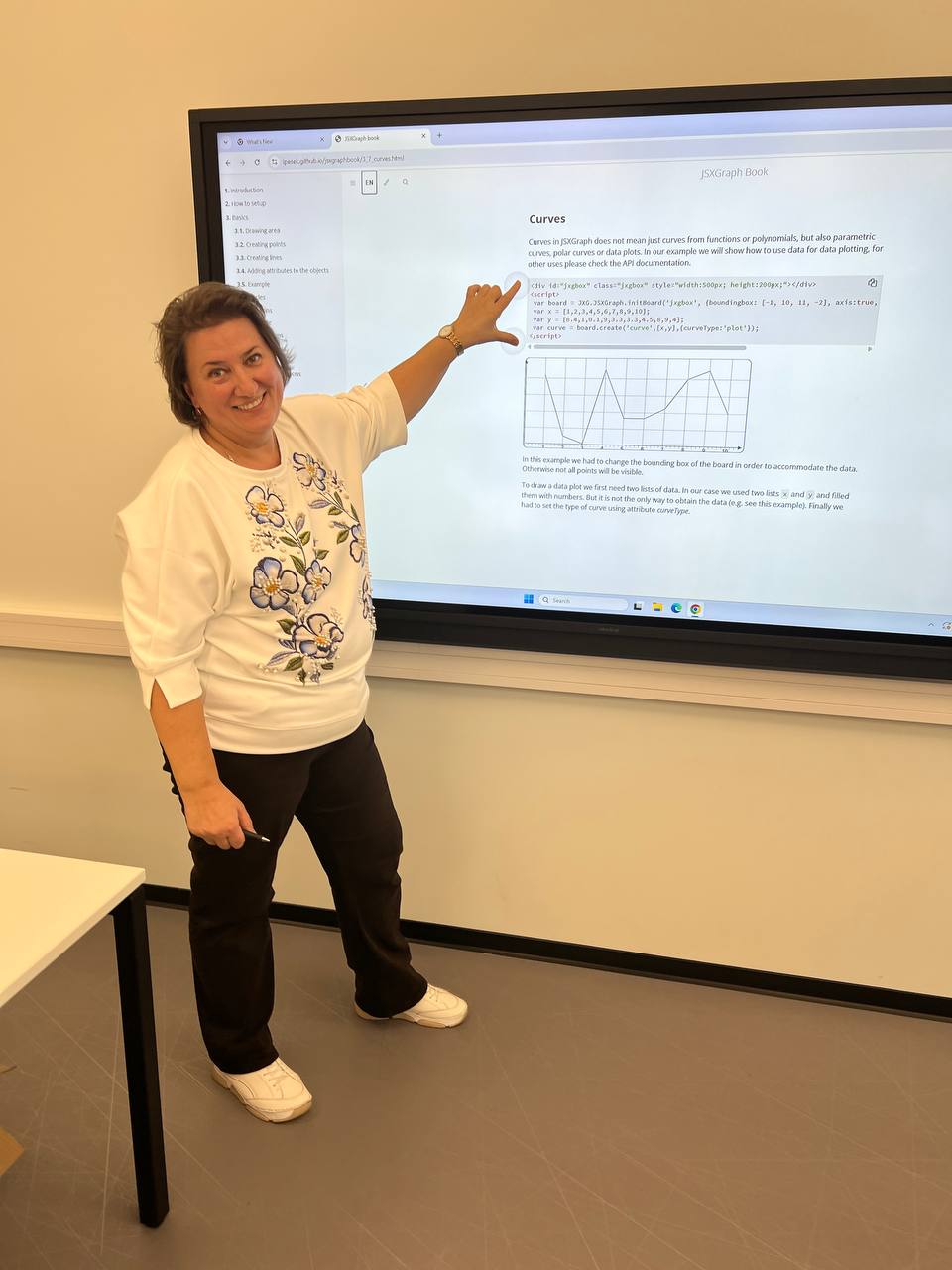
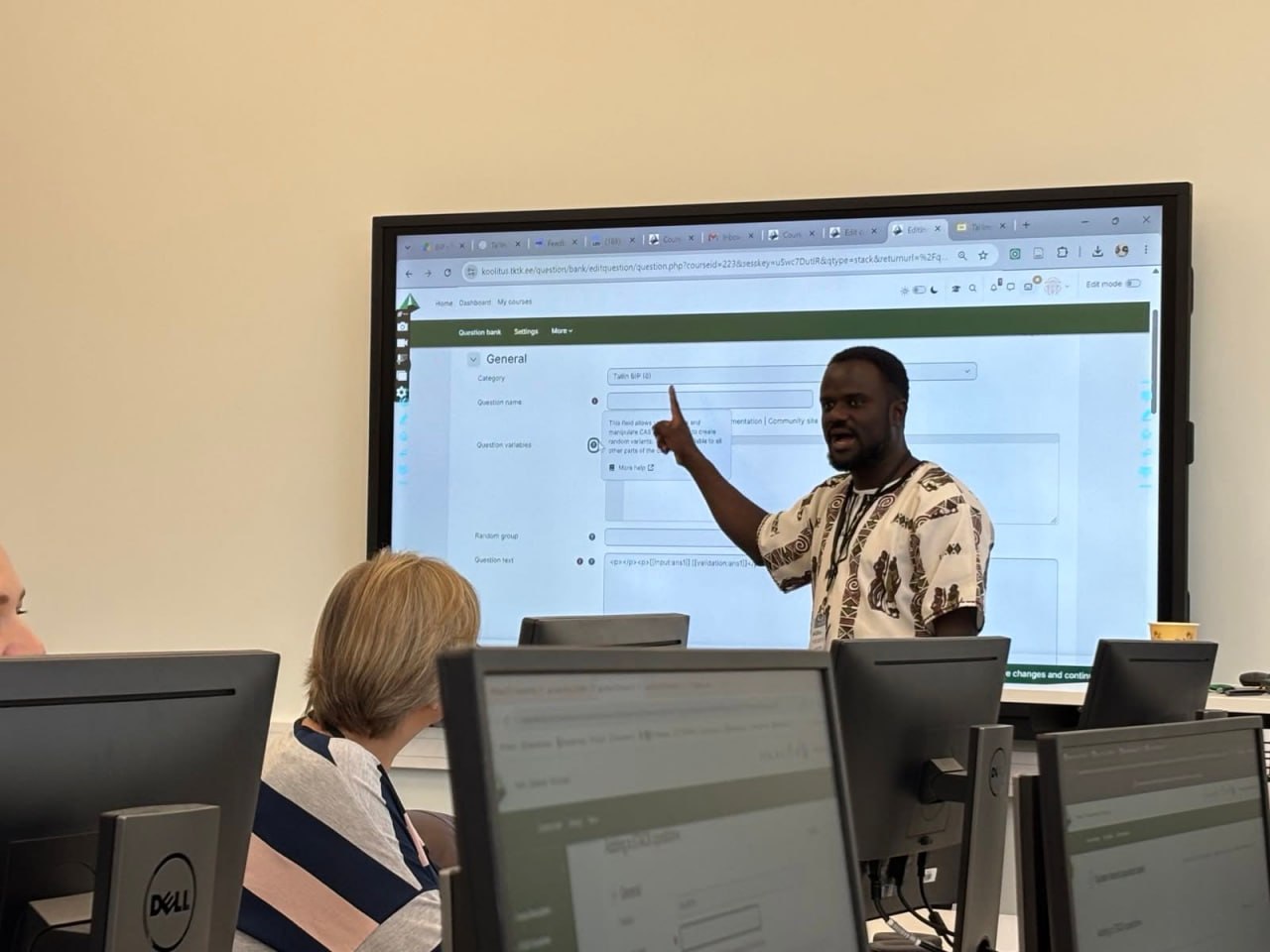
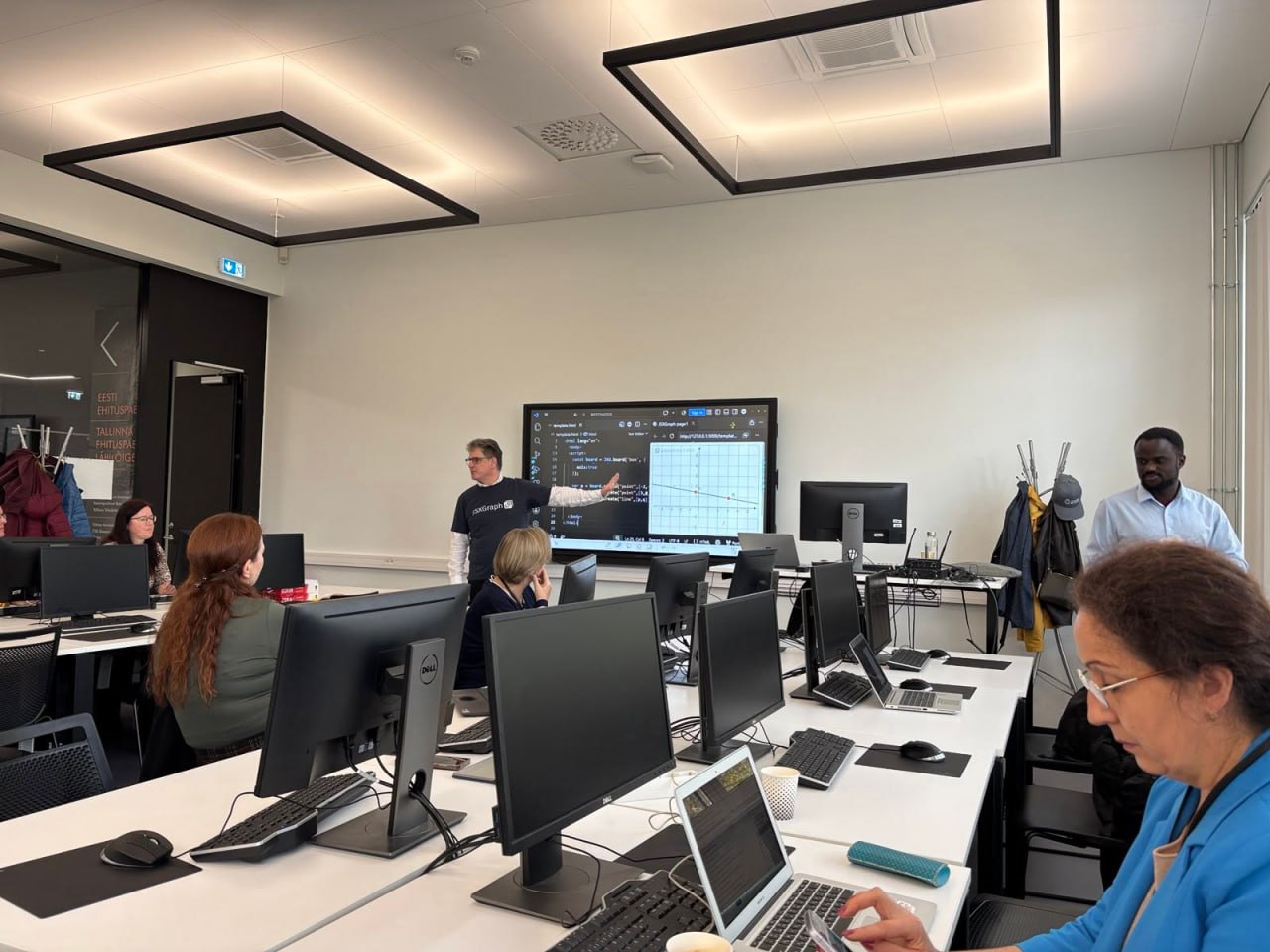
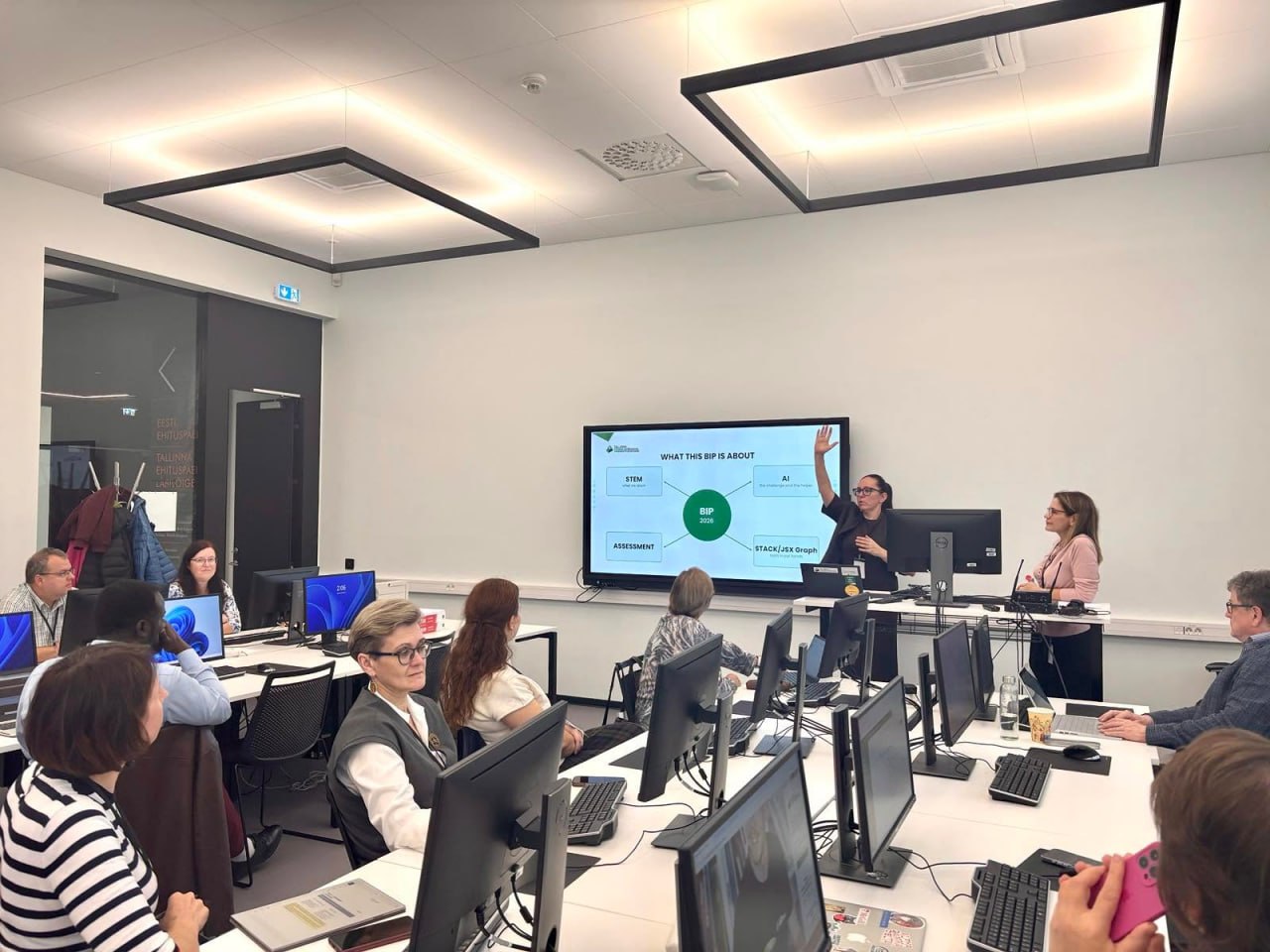
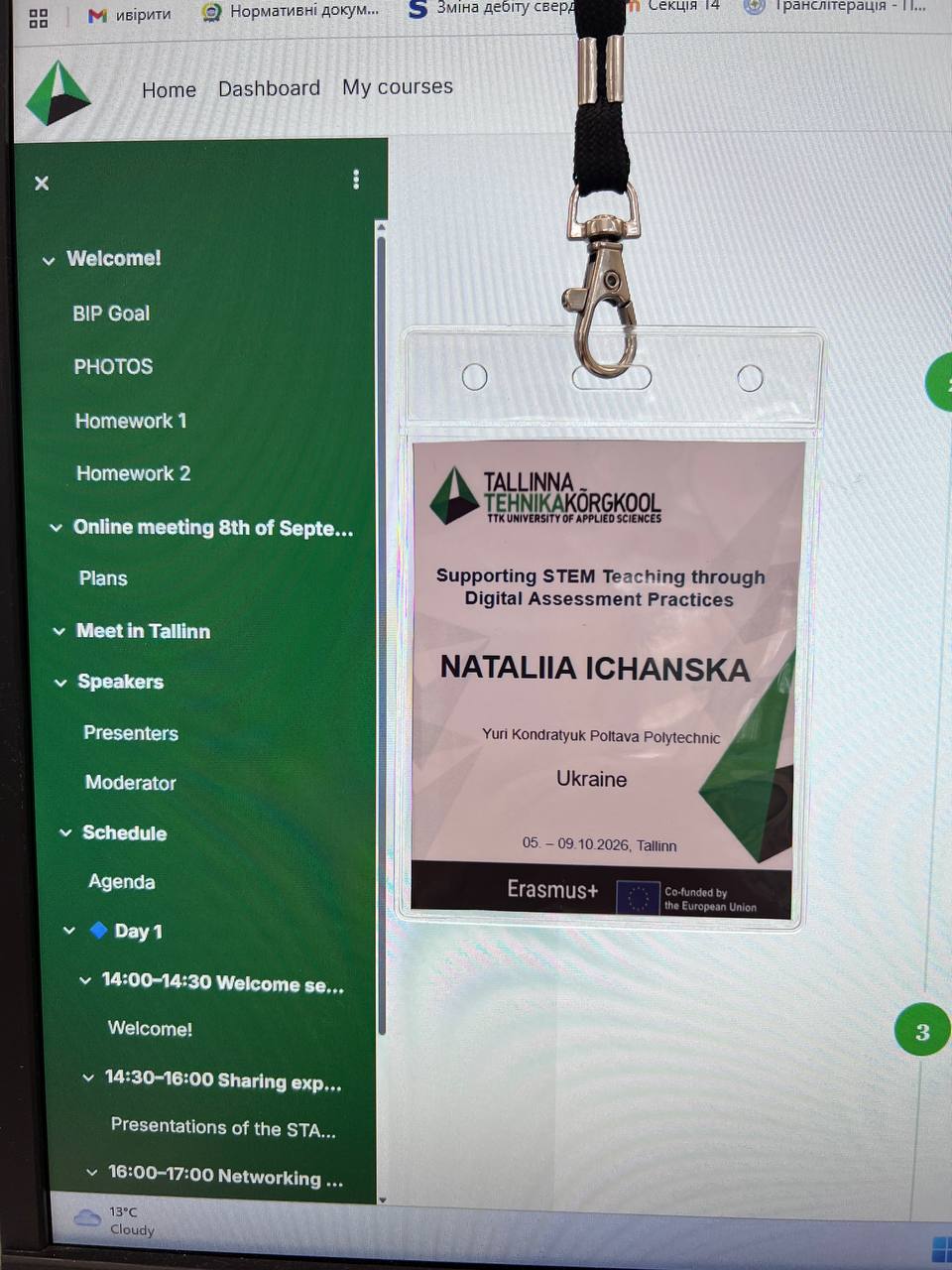
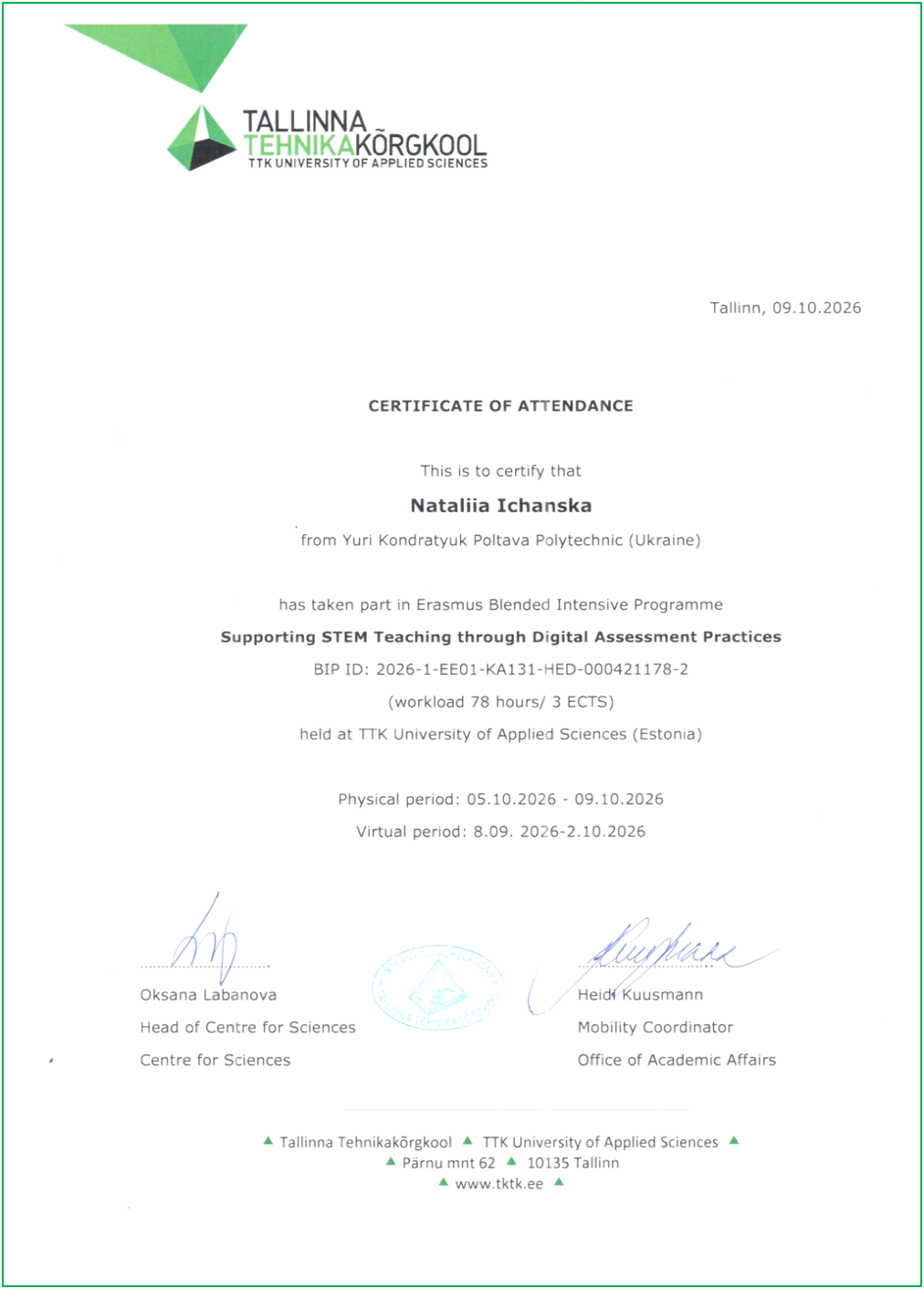
The partnership between Poltava Polytechnic and TTK University of Applied Sciences has developed successfully over the past three years. A particularly dynamic area of this cooperation is participation in Erasmus+ Blended Intensive Programmes (BIP). During this time, representatives of our university – both teachers and students – have participated in such projects three times: in the spring and autumn of 2024 and in the autumn of 2025. Also, you can read about Anzhela and Yeva’s first impressions of studying at TTK UAS here.
As a reminder, faculty members of Poltava Polytechnic can participate in academic mobility and internship programs. At the same time, students can study abroad under credit academic mobility grant programs of Erasmus+ for a semester or an entire academic year at leading universities in Austria, Greenland, Denmark, Estonia, Spain, Lithuania, Latvia, Norway, the Netherlands, Germany, Poland, Portugal, Romania, Slovakia, Finland, and the Czech Republic.
For more information on current internship, teaching, and academic mobility programs abroad, please contact the International Relations Department (Room 213-C, interoffice@nupp.edu.ua).