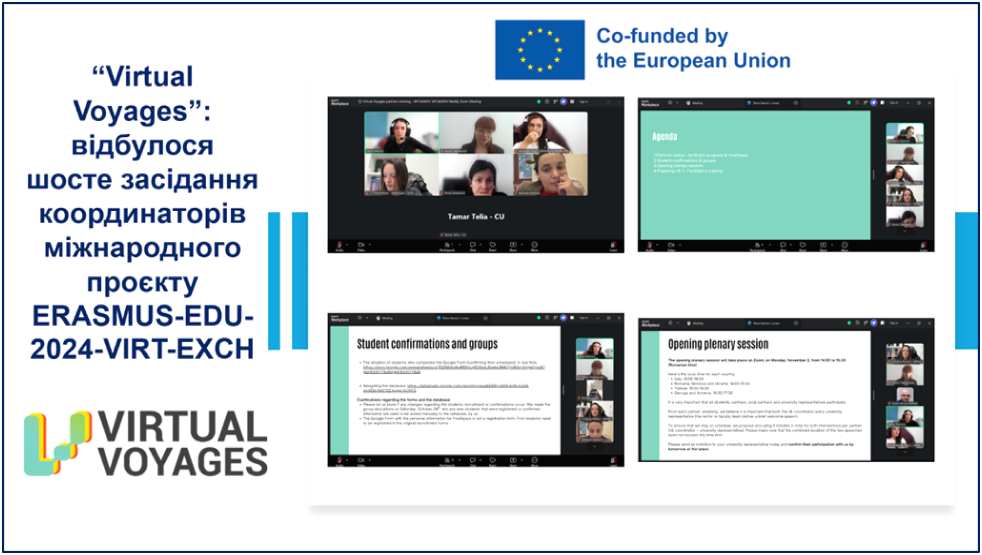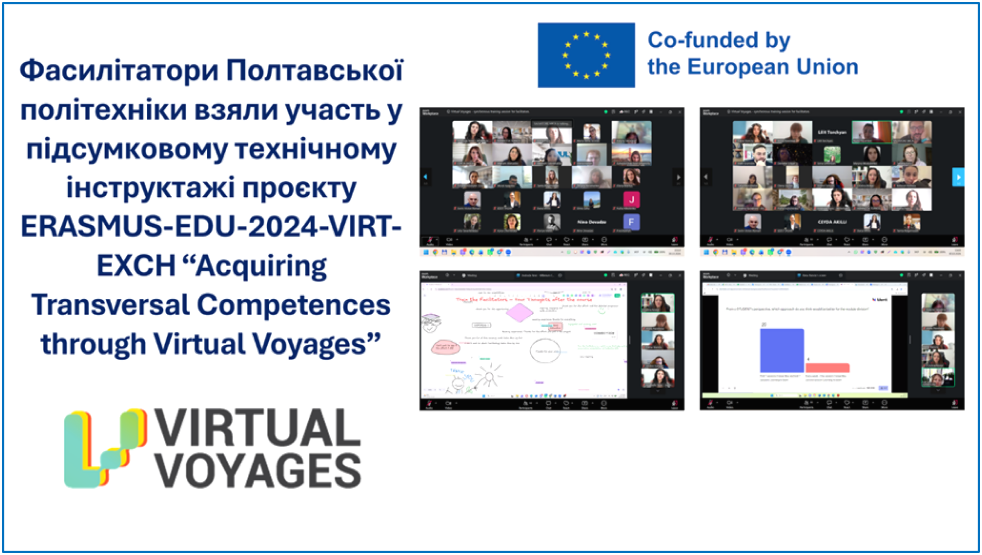
On October 30, 2026, lecturer-facilitators of National University “Yuri Kondratyuk Poltava Polytechnic” participated in the seventh and final organisational and methodological online meeting of the Erasmus+ international project under the “Virtual Exchanges in Higher Education and Youth” action – “Acquiring Transversal Competences through Virtual Voyages” (registration number ERASMUS-EDU-2024-VIRT-EXCH No. 101193593), implemented with the comprehensive financial support of the European Union. This event marked the culmination of an extensive professional training program for educators, held just before the official launch of the first wave of student virtual exchanges, designed to unite youth from leading higher education institutions across Europe.
The international project consortium, bringing together leading educational institutions and expert organisations from seven countries worldwide, is coordinated by the “Aurel Vlaicu” University of Arad (Romania). The partnership network comprises esteemed institutions, including the Millennium Centre and the consulting company Predict CSD Consulting (Romania), IUL Online University (Italy), Fırat University (Türkiye), Moldova State University, Caucasus University and Shota Rustaveli Batumi State University (Georgia), Gavar State University (Armenia), as well as National University “Yuri Kondratyuk Poltava Polytechnic”, which represents Ukrainian higher education within this distinguished academic alliance.
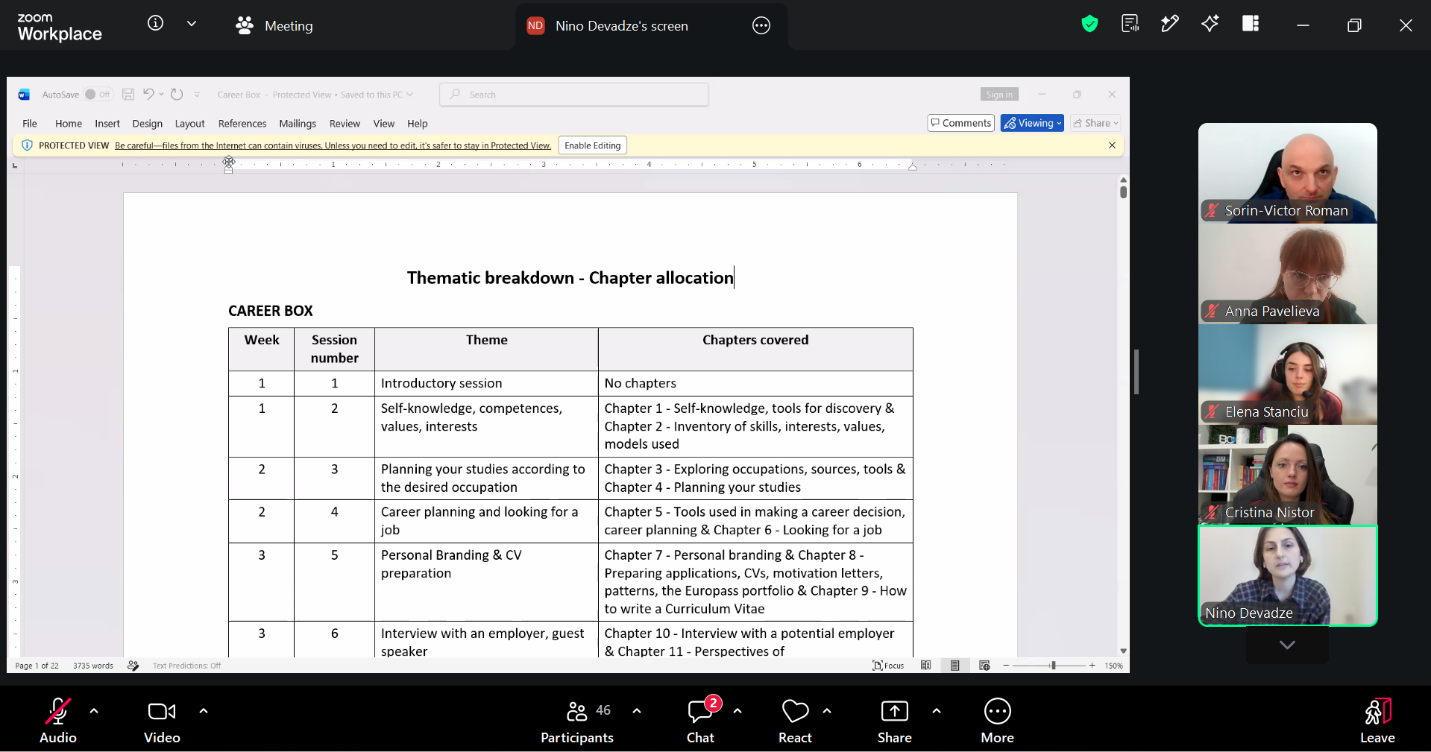
The session aimed to review the practical toolkit of the “Career Box” module and jointly develop the methodological framework for the final student project focused on building future professionals' personal brands.
The event was attended by 7 facilitators from the interdisciplinary team of Poltava Polytechnic:
• Anna Pavelieva – PhD in Philological Sciences, Acting Vice-Rector for Academic and Pedagogical Work, International Relations and Cooperation;
• Olena Haytan – Senior Lecturer at the Department of Computer and Information Technologies and Systems of the Educational and Research Institute of Information Technologies and Robotics;
• Yuliia Hunchenko – Senior Lecturer at the Department of General Linguistics and Foreign Languages of the Faculty of Philology, Psychology and Pedagogy;
• Tetiana Yeromenko – Lecturer at the Department of General Linguistics and Foreign Languages of the Faculty of Philology, Psychology and Pedagogy;
• Maryna Moskalenko – Lecturer at the Department of General Linguistics and Foreign Languages;
• Halyna Talovyria – PhD in Pedagogical Sciences, Associate Professor at the Department of General Linguistics and Foreign Languages of the Faculty of Philology, Psychology and Pedagogy;
• Iryna Chernetska – PhD in Technical Sciences, Associate Professor at the Department of Heat and Gas Supply, Ventilation and Heat Power Engineering of the Educational and Research Institute of Oil and Gas and Energy.
The final session opened with professional reflections and feedback from representatives of the partner universities. Educators from the international team reviewed the completed training cycle, noting that the intensive course served not only as a platform for mastering modern digital tools, but also as a powerful catalyst for redefining the role of an academic instructor as an empathetic mentor and facilitator of group dynamics. During the discussion, the educators affirmed the high quality of the educational materials' structure, emphasising the need to move beyond established pedagogical routines to build a vibrant, participatory learning process tailored to the needs of modern youth.
During the open dialogue, international colleagues delivered substantive expert commentary, highlighting the multifaceted nature of the acquired experience. Specifically, scholars from Fırat University focused on the fundamental role of developing metacognition as a tool for students to realise their individual learning styles, personal strengths, and areas for personal growth. Representatives of IUL Online University and Caucasus University underscored the clear advantage of interactive small-group engagement over conventional monologic lectures, emphasising the creation of a safe, inclusive, and emotionally comfortable digital space for individuals of diverse cultural backgrounds. In their reflection, representatives of Poltava Polytechnic highlighted the value of combining gamification, interactive reading guides, video materials, and mind mapping, enabling maximum adaptation of content to learners with varied cognitive profiles and learning styles.
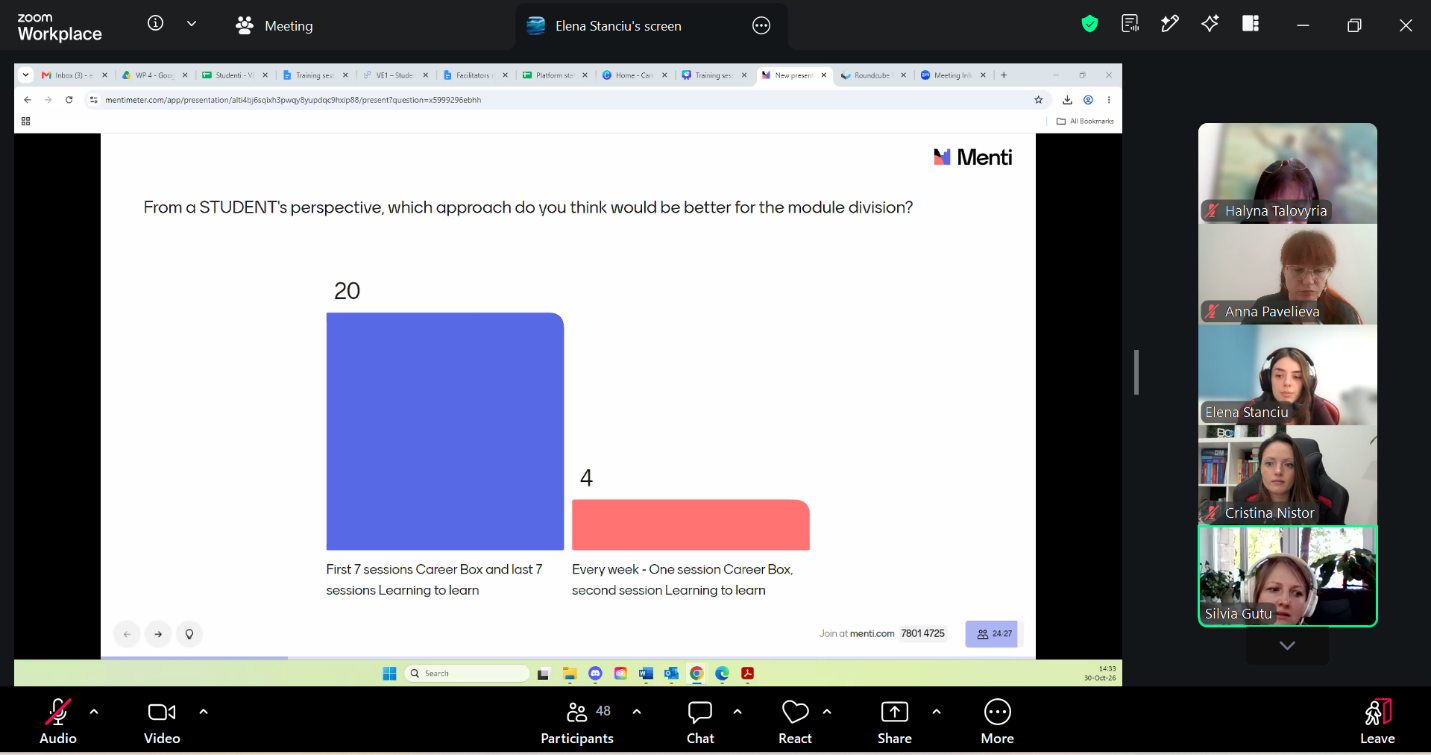
A central agenda item was determining the optimal pedagogical architecture for teaching the modules across the scheduled 14 synchronous sessions, comprising two weekly two-hour sessions over seven weeks. Through an open interactive poll on the Mentimeter platform, the international facilitation community unanimously chose a sequential program delivery model. Under this strategy, the first seven sessions will focus on the professional self-determination and career planning module “Career Box”. In comparison, the next seven sessions will focus on the continuous self-directed learning skills development module “Learning to Learn”. This approach will ensure conceptual integrity, prevent students' attention from being dispersed across disparate thematic units, and guarantee alignment of learning objectives across the entire consortium.
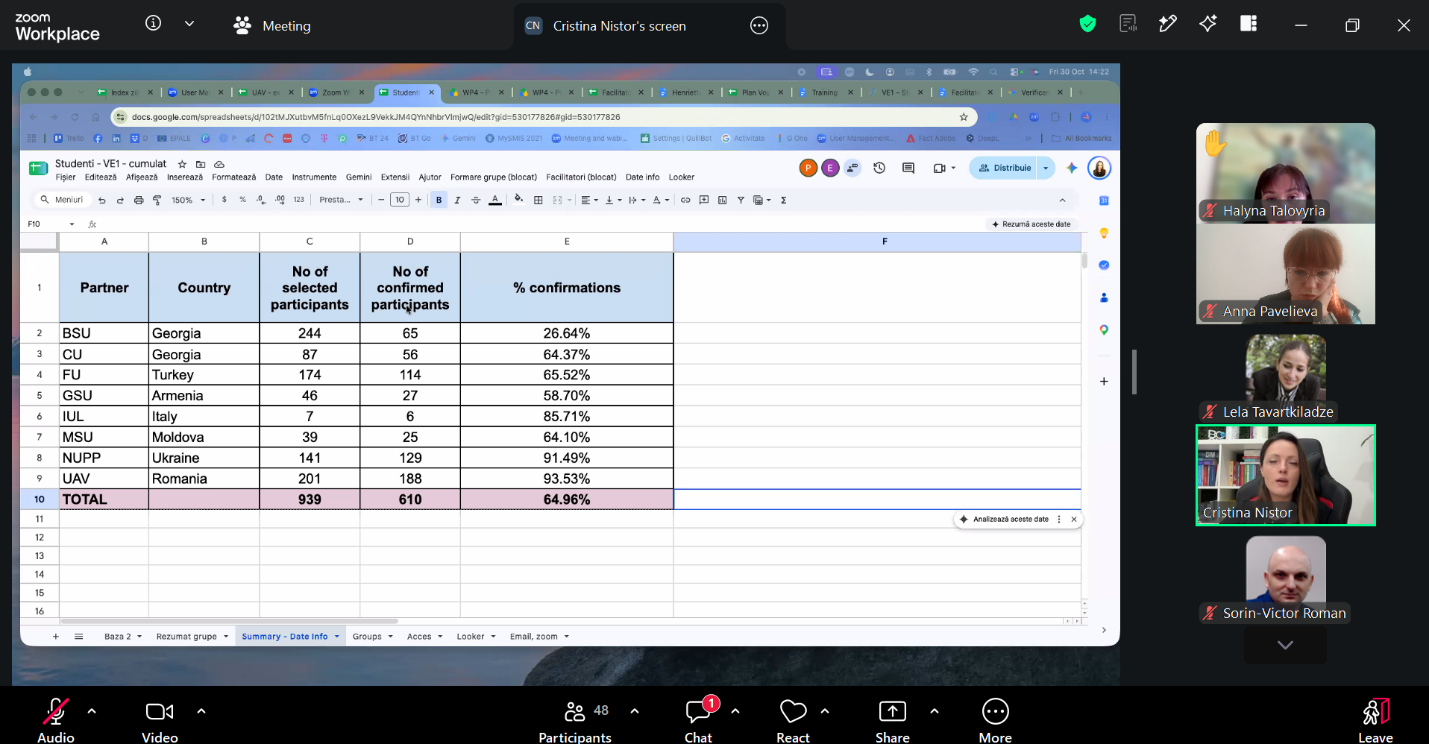
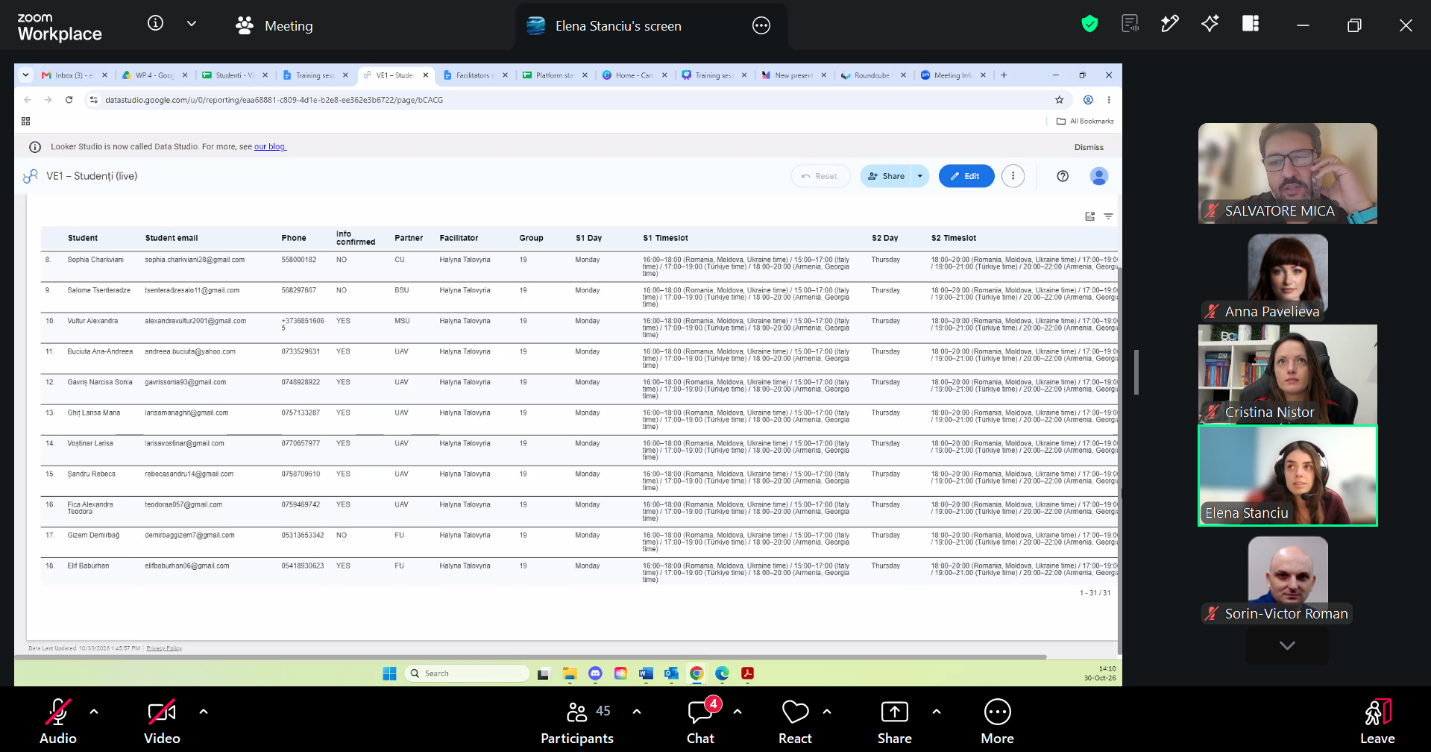
The organisers placed particular emphasis on the scale and operational mechanics of distributing more than 900 selected students into 30 multinational groups. The facilitators familiarised themselves with a specialised consolidated database containing participants' personal profiles, institutional affiliations, contact information, and assigned session time slots. The coordinators stressed that each cohort was formed on clear principles of intercultural balance, geographic diversification, and gender equality, ensuring each virtual classroom serves as a genuine cross-cultural hub for exchanging ideas. Furthermore, the database enables real-time monitoring of student registration verifications and provides flexibility in schedule coordination without disrupting the overarching exchange framework.
The work package leader team from Batumi Shota Rustaveli State University delivered a comprehensive presentation on the step-by-step scenarios and timing for the first two practical sessions. The first online meeting will be distinctly introductory and adaptive in nature: it will involve establishing mutual trust, defining internal group interaction ground rules, interactive mapping of participants' hometowns using digital geotags on a Padlet board, icebreaker self-presentation activities utilising symbolic objects, and mandatory joint registration on the innovative thevoyage.eu platform. The second session will focus on implementing the first two chapters of the “Career Box” module, during which students in breakout rooms will examine their personal values, professional inclinations, and communication skills, concluding with plenary presentations of their collaborative outcomes.
An essential component of the meeting was examining the academic recognition and learning outcome verification system aligned with rigorous European standards. Participants discussed procedures for awarding ECTS academic credits via the ACTC procedure, where each successfully completed module equals one credit, contingent on meeting the mandatory attendance quota for synchronous sessions and demonstrating active engagement in asynchronous work. The criteria for certifying facilitators and students through the international Youthpass certificate system were reaffirmed, and the opportunity to obtain prestigious Europass certificates was announced for participants who achieve the highest levels of progress in their learning tasks. To provide ongoing expert support to instructors working with the youth audience, the project established regular weekly mentoring sessions every Friday, guided by partners from Romania and Georgia.
The project coordinators also outlined strategic avenues for institutionalising the established practices, noting that after the first wave concludes, the second and third waves of virtual voyages are scheduled for January–February and March of next year, respectively. The partnership's long-term strategic objective is to integrate the developed courses into partner universities' curricula as regular elective disciplines, even after the grant funding cycle formally ends. Developers from Predict CSD Consulting affirmed their commitment to providing uninterrupted technical support for the digital platform, electronic textbooks, and gamified components to ensure the sustainable operation of the created educational environment.
In the concluding segment of the briefing, the team established a multi-tiered communication infrastructure, integrating a shared secure repository of methodological assets on Google Drive, real-time messaging channels on WhatsApp, and direct communication channels with technical administrators. All instructors received personalised access credentials to servers and licensed Zoom accounts, along with detailed protocols for managing breakout rooms, configuring interactive chats, and monitoring participant engagement. National University “Yuri Kondratyuk Poltava Polytechnic” has reached full methodological and technical preparedness for the operational launch of the first wave of student virtual exchanges, unlocking new horizons of intercultural partnership and European integration for its student community.
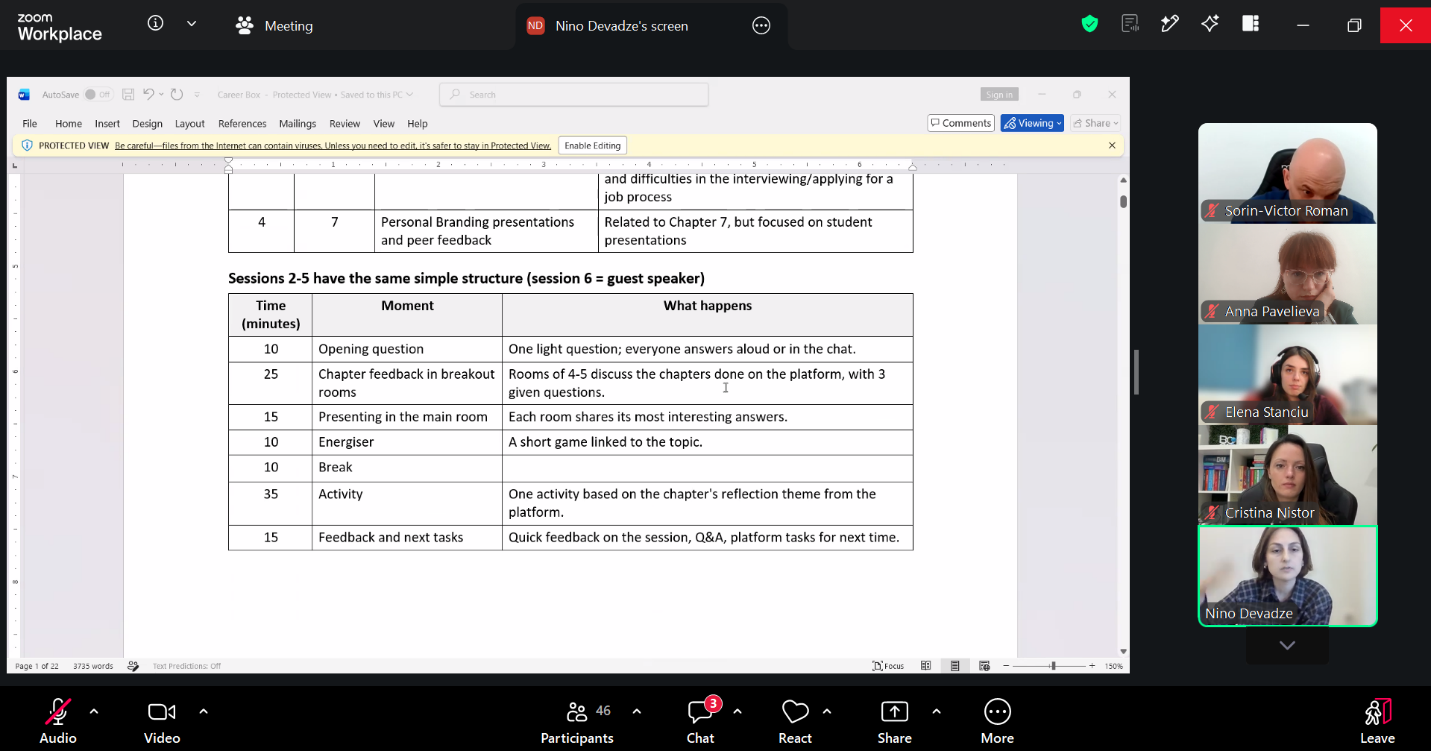
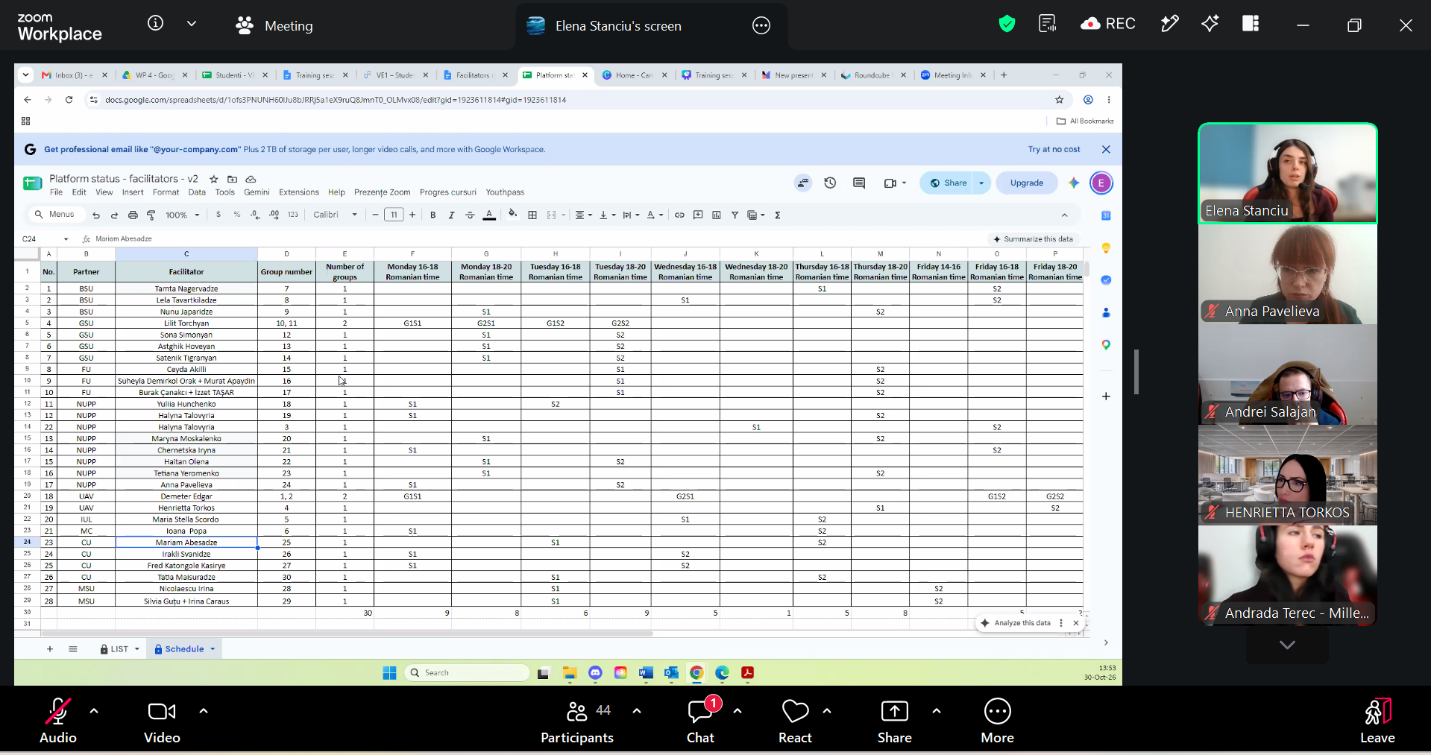
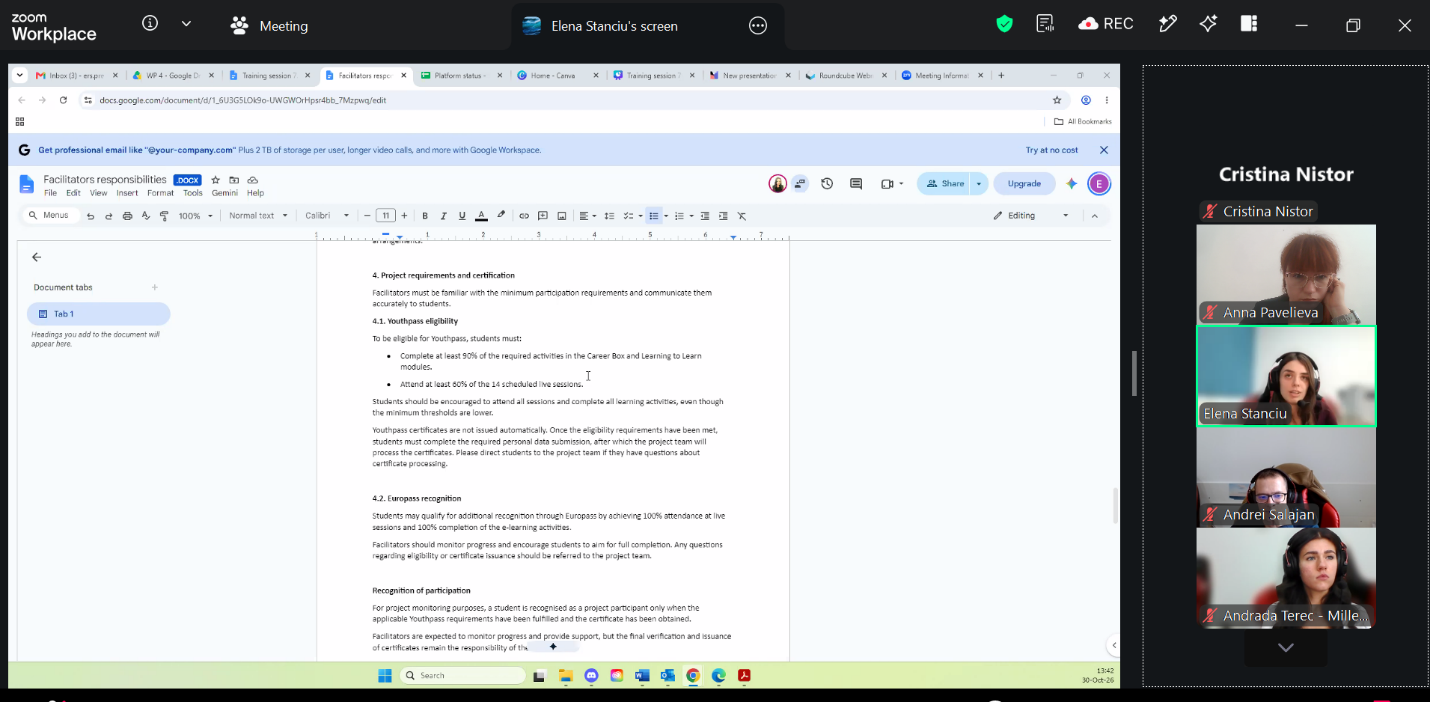
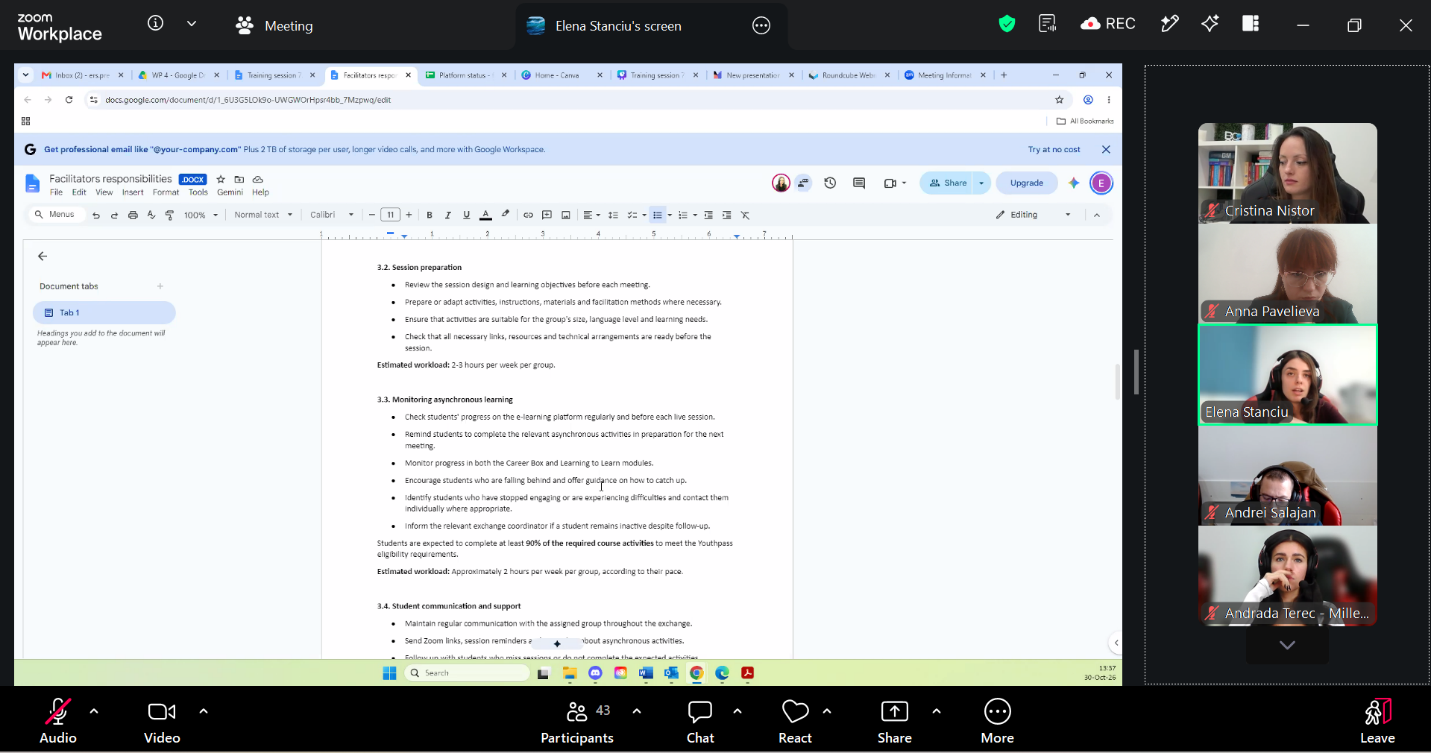
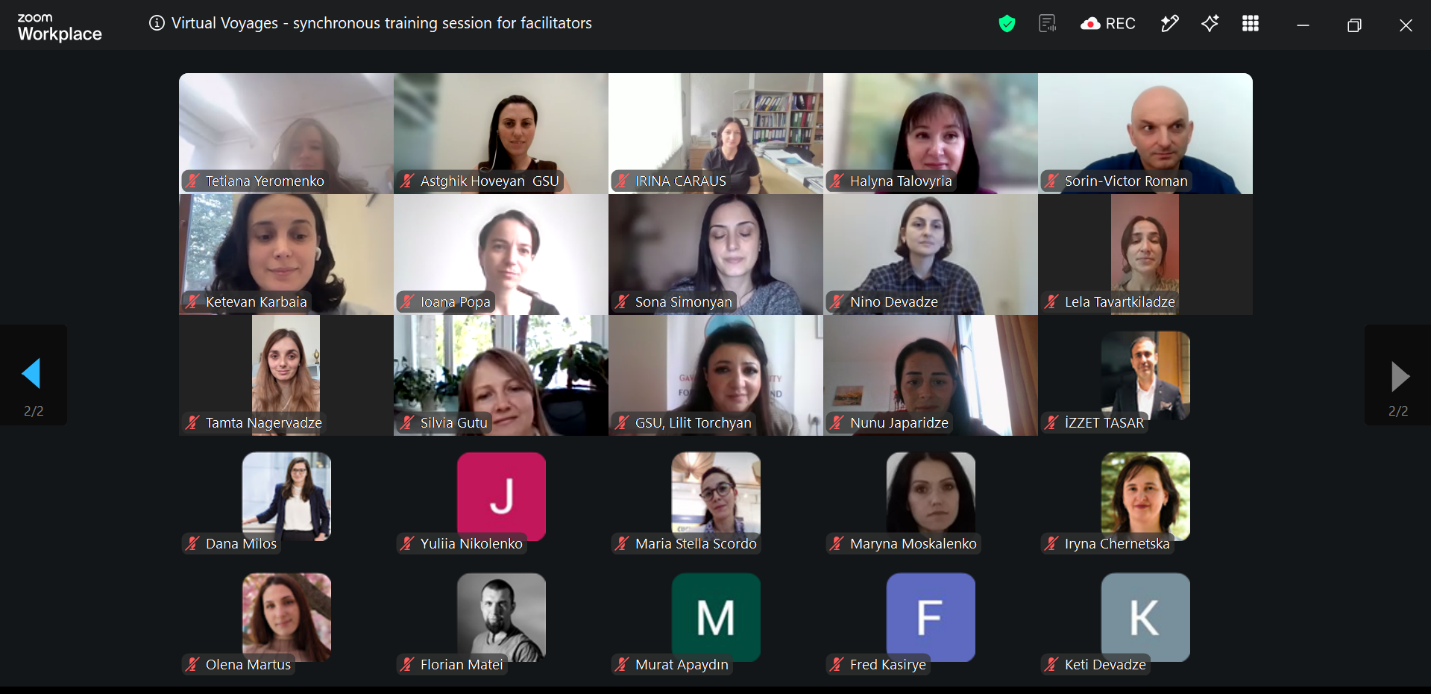
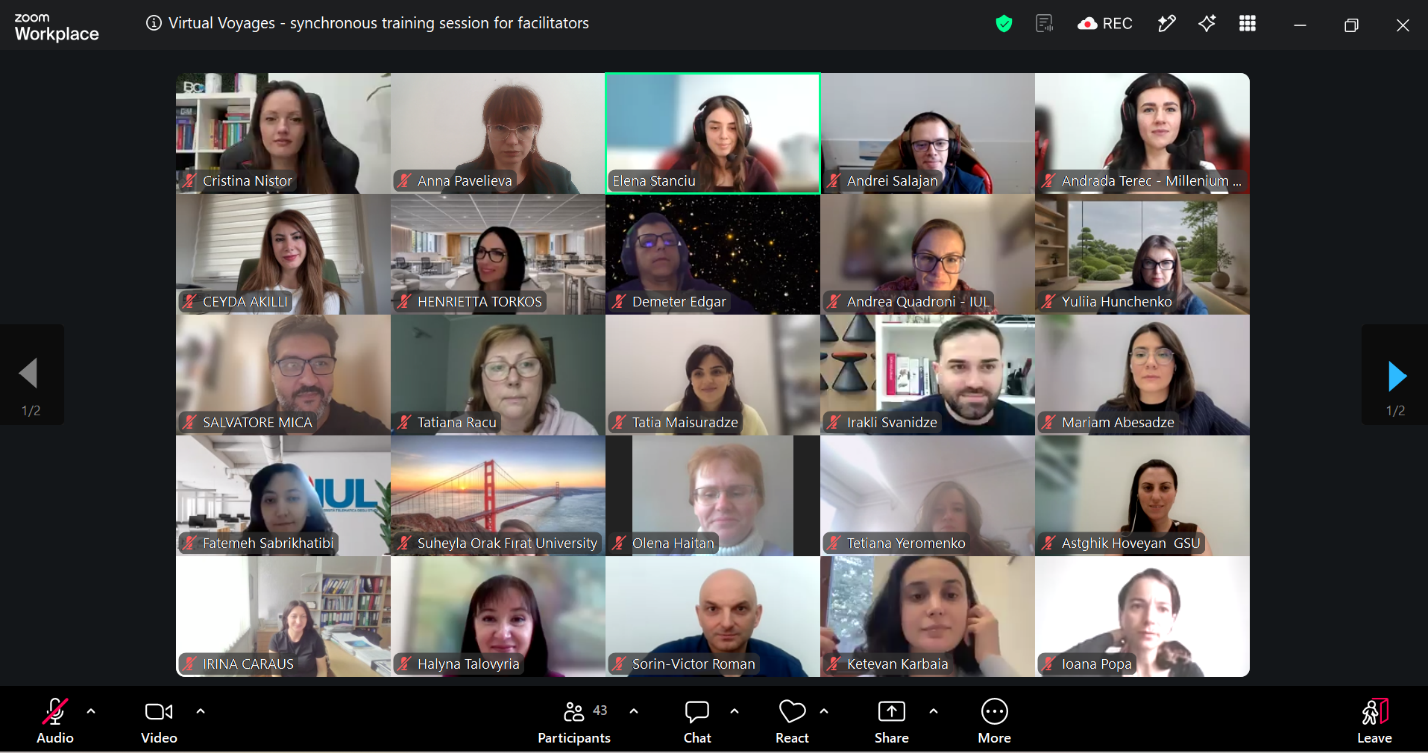
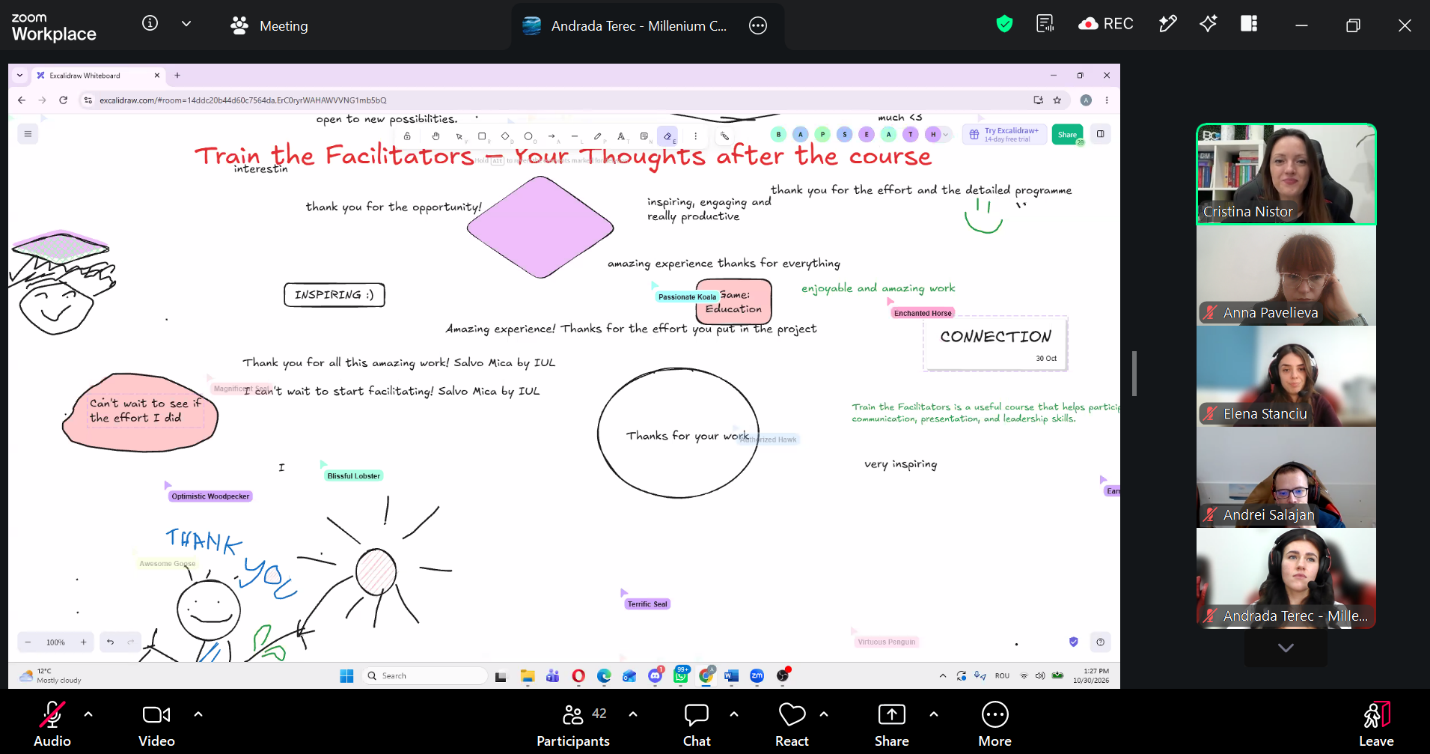
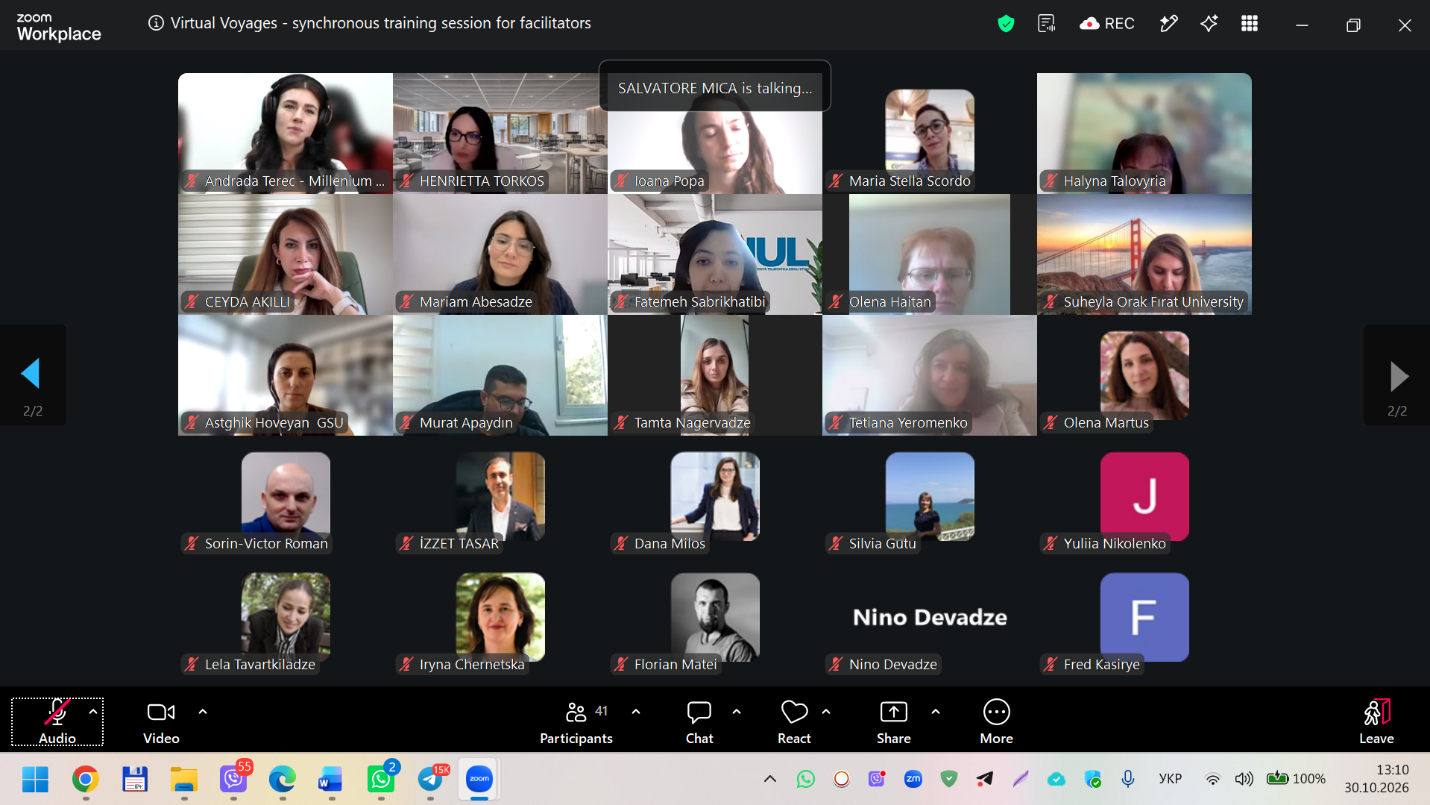
It is worth noting that practical implementation at the local level is already well underway: a team of university lecturers has already participated in 5 facilitator sessions, where, alongside colleagues from seven countries, they mastered virtual facilitation methodologies for future work with students, refined their virtual facilitation expertise, simulated group interaction cases, and mastered digital tools for the successful delivery of international student exchanges; presented their own two-hour workshops on the “Learning to Learn” and “Career Box” modules and practiced peer feedback in Zoom breakout rooms, as well as mastered drafting Personal and Professional Development Plans (PPDP), simulated mentoring in Zoom rooms, tested the thevoyage.eu platform, and prepared for the launch of student exchanges, presented their own 2-hour workshops on the “Learning to Learn” and “Career Box” modules and practiced peer feedback in Zoom breakout rooms, mastered the elaboration of Personal and Professional Development Plans (PPDP), simulated mentoring in Zoom rooms, tested the thevoyage.eu platform, prepared for the start of student exchanges, developed a methodology for personal branding for the Career Box module, agreed on the debate schedule, and prepared for final certification; tested original interactive energisers, mastered metaphorical reflection tools based on the board game “Dixit”, and finalised the schedule for the first wave of student virtual exchanges.