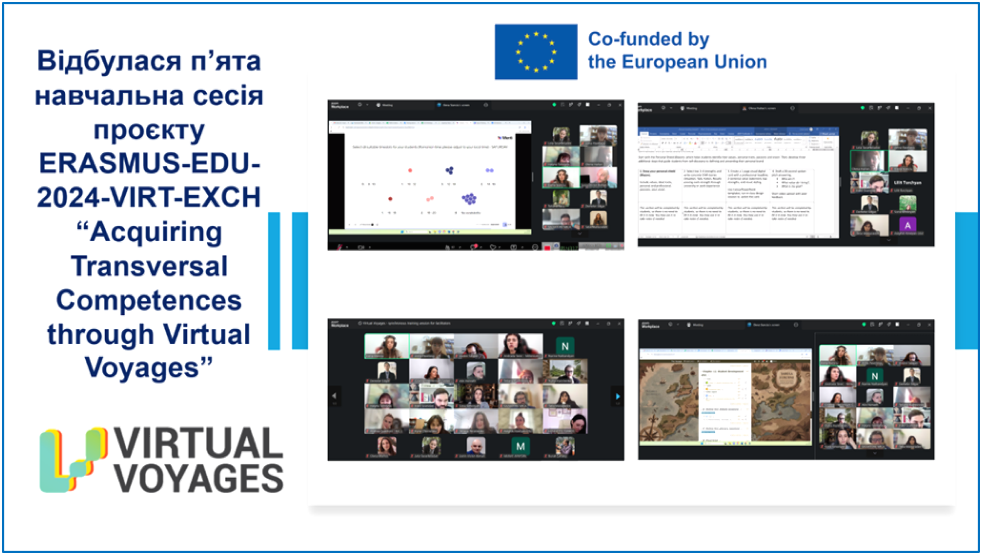
On October 16, 2026, the fifth online training session for teacher-facilitators was held within the framework of the large-scale international Erasmus+ project under the strand “Virtual Exchanges in Higher Education and Youth” – “Acquiring Transversal Competences through Virtual Voyages” (project reference number: ERASMUS-EDU-2024-VIRT-EXCH No. 101193593), implemented with the support of the European Union.
The international project consortium, bringing together leading educational institutions and expert organisations from seven countries worldwide, is coordinated by the “Aurel Vlaicu” University of Arad (Romania). The partnership network comprises esteemed institutions, including the Millennium Centre and the consulting company Predict CSD Consulting (Romania), IUL Online University (Italy), Fırat University (Türkiye), Moldova State University, Caucasus University and Shota Rustaveli Batumi State University (Georgia), Gavar State University (Armenia), as well as National University “Yuri Kondratyuk Poltava Polytechnic”, which represents Ukrainian higher education within this distinguished academic alliance.
The session aimed to review the practical toolkit of the “Career Box” module and jointly develop the methodological framework for the final student project focused on building the personal brand of future professionals.
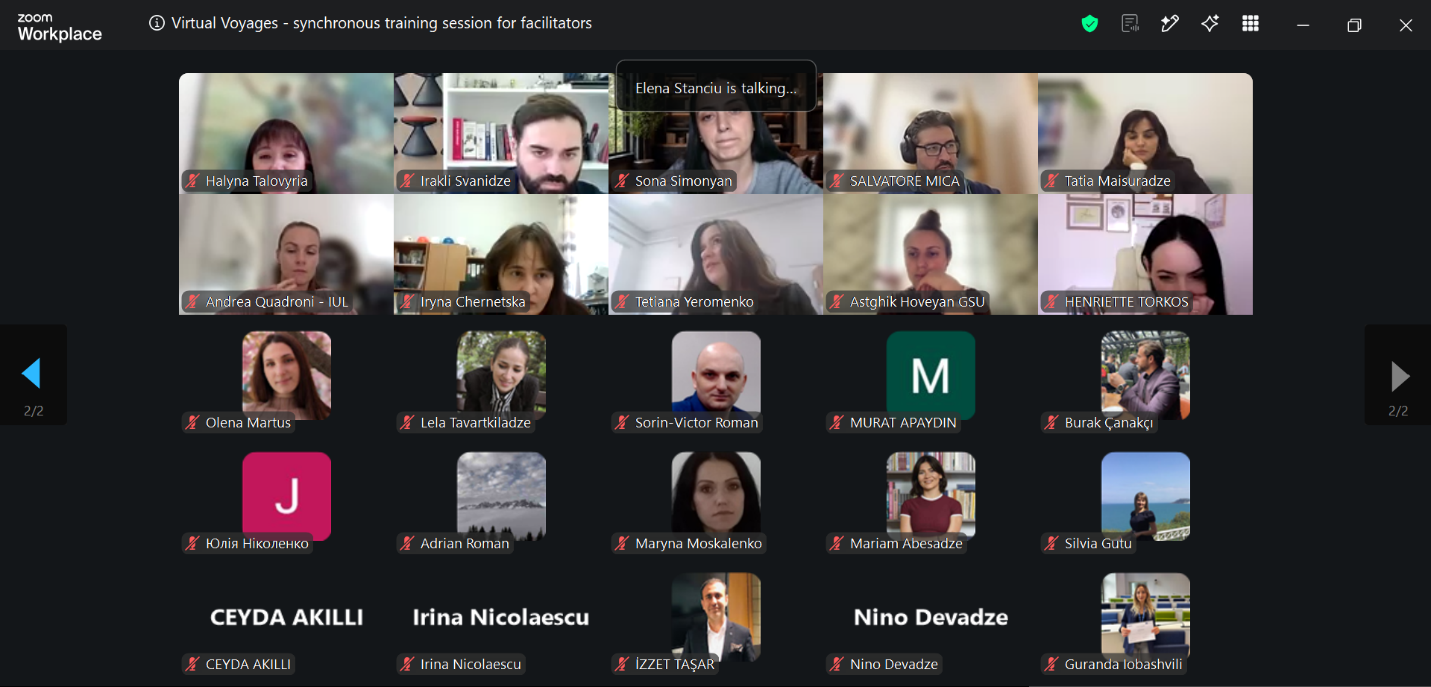
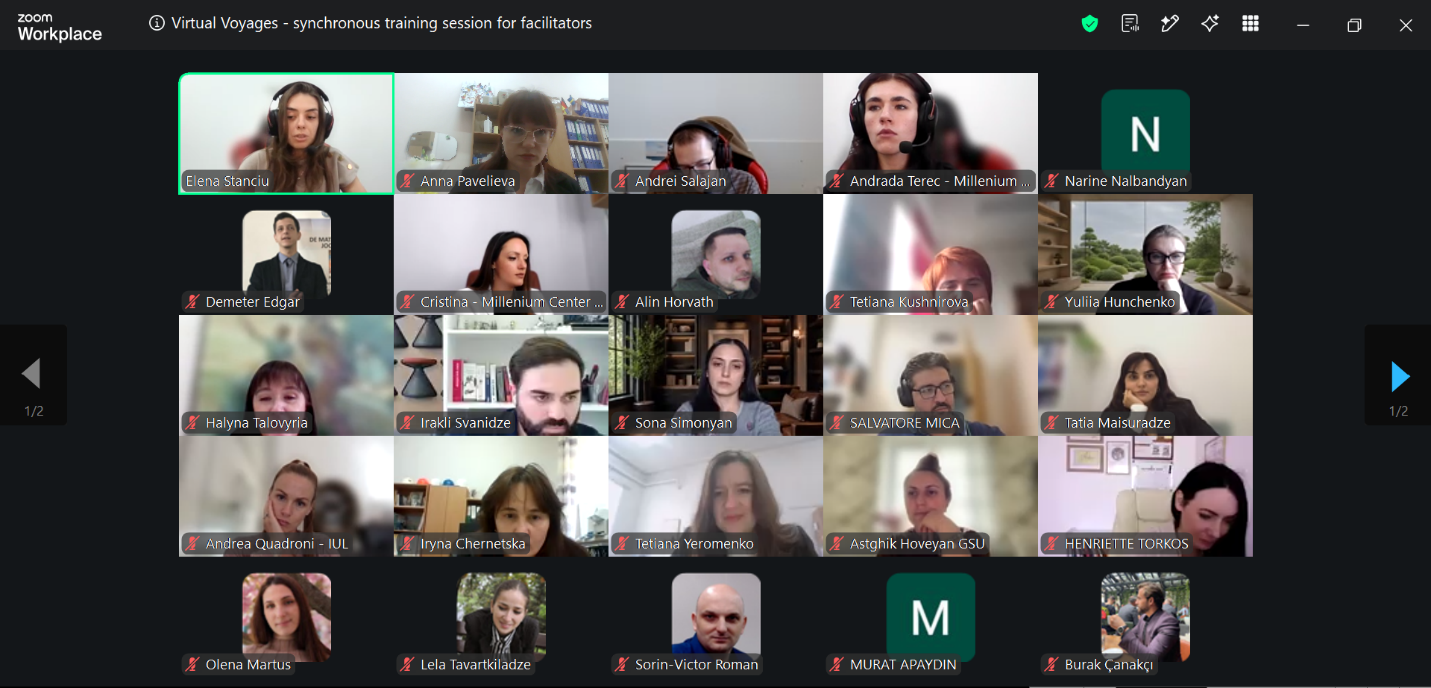
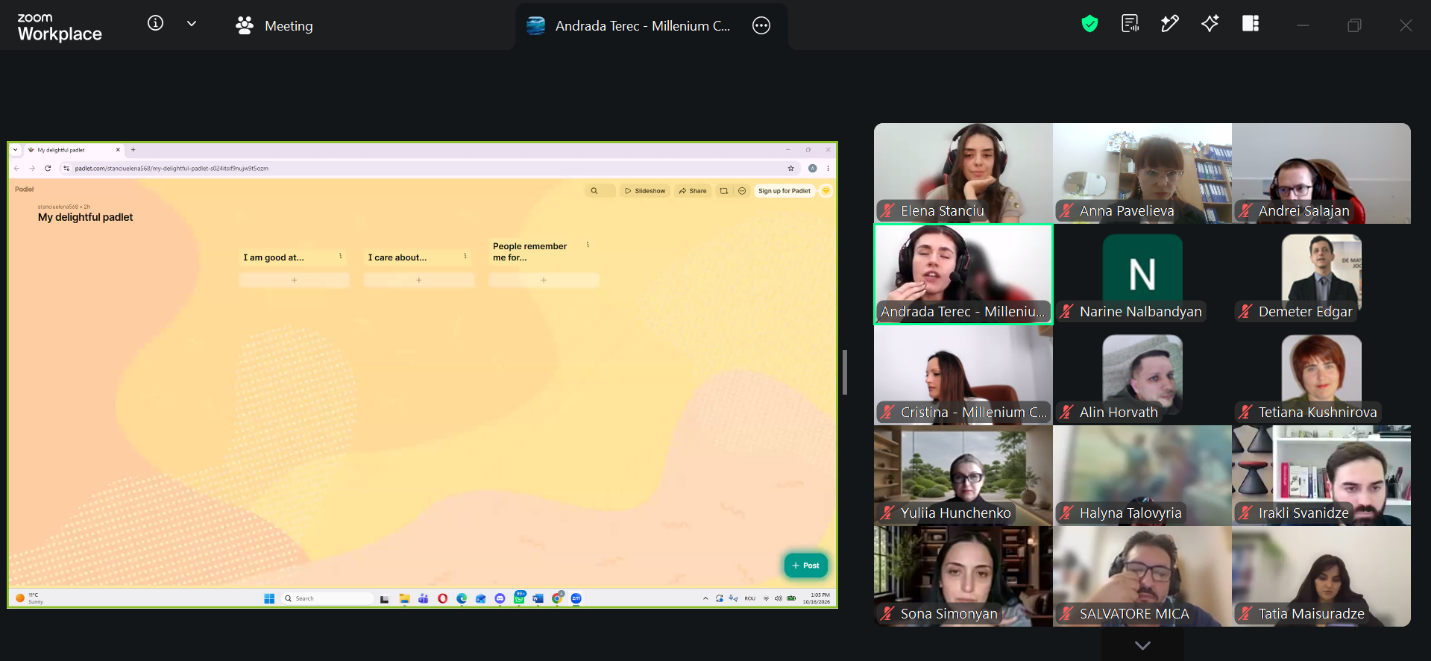
The event was attended by 13 lecturers from the interdisciplinary team of Poltava Polytechnic:
• Olena Haytan – Senior Lecturer at the Department of Computer and Information Technologies and Systems of the Educational and Research Institute of Information Technologies and Robotics;
• Yuliia Hunchenko – Senior Lecturer at the Department of General Linguistics and Foreign Languages of the Faculty of Philology, Psychology and Pedagogy;
• Olena Dvirna – PhD in Physics and Mathematics, Associate Professor at the Department of Computer and Information Technologies and Systems of the Educational and Research Institute of Information Technologies and Robotics;
• Tetiana Yeromenko – Lecturer at the Department of General Linguistics and Foreign Languages of the Faculty of Philology, Psychology and Pedagogy;
• Oleksandra Kuzmenko – PhD in Economics, Associate Professor at the Department of Computer and Information Technologies and Systems of the Educational and Research Institute of Information Technologies and Robotics;
• Tetiana Kushnirova – Doctor of Philological Sciences, Professor at the Department of Germanic Philology and Translation of the Faculty of Philology, Psychology and Pedagogy;
• Olena Martus – Assistant at the Department of Oil and Gas Engineering and Technologies of the Educational and Research Institute of Oil and Gas and Energy;
• Maryna Moskalenko – Lecturer at the Department of General Linguistics and Foreign Languages;
• Yuliia Nikolaienko – PhD in Pedagogical Sciences, Associate Professor at the Department of Germanic Philology and Translation of the Faculty of Philology, Psychology and Pedagogy;
• Yuliia Nikolenko – Assistant at the Department of General Linguistics and Foreign Languages of the Faculty of Philology, Psychology and Pedagogy;
• Anna Pavelieva – PhD in Philological Sciences, Associate Professor at the Department of Germanic Philology and Translation of the Faculty of Philology, Psychology and Pedagogy;
• Halyna Talovyria – PhD in Pedagogical Sciences, Associate Professor at the Department of General Linguistics and Foreign Languages of the Faculty of Philology, Psychology and Pedagogy;
• Iryna Chernetska – PhD in Technical Sciences, Associate Professor at the Department of Heat and Gas Supply, Ventilation and Heat Power Engineering of the Educational and Research Institute of Oil and Gas and Energy.
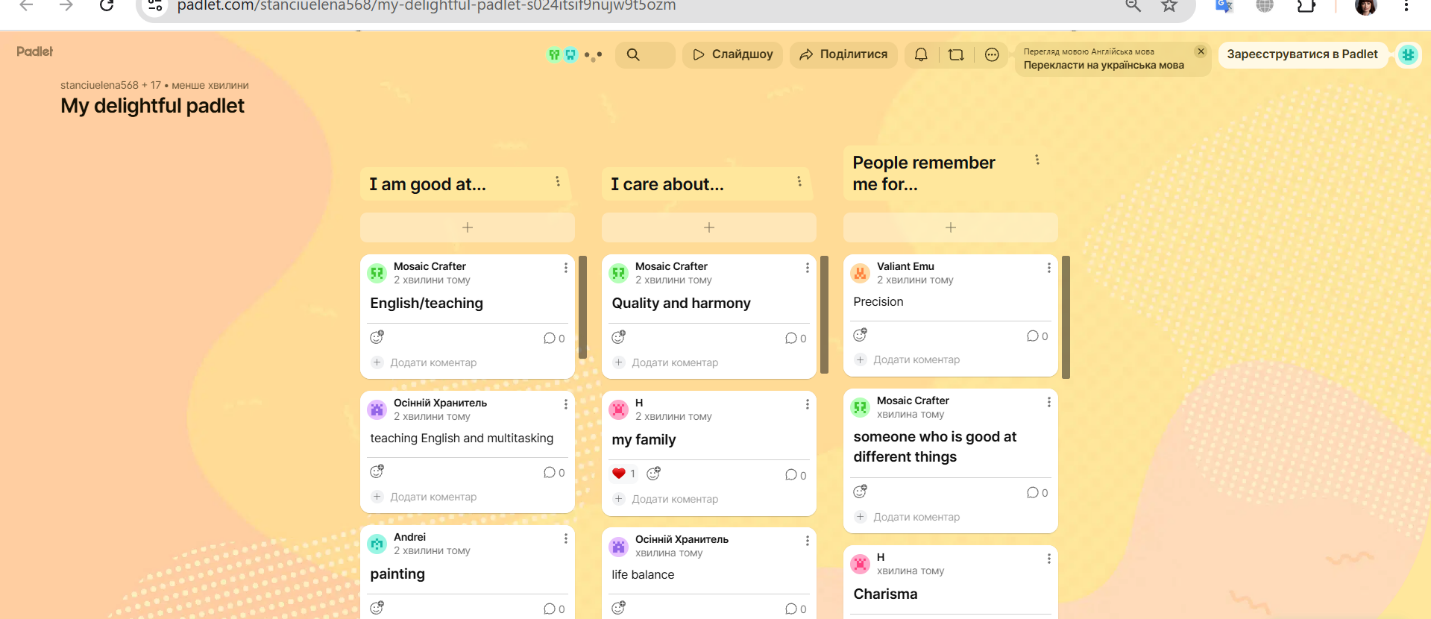
The session commenced with an interactive reflective exercise facilitated by meeting coordinator Andrada Török (Millennium Volunteering Centre). Participants were invited to reflect on and answer three core questions about their individual strengths, key values, and the distinctive attributes by which they are recognised in their professional environments. Beyond serving a team-building purpose, this introductory block established a solid foundation for the meeting's main objective, which coordinator Elena Stanciu outlined in detail. She noted that, following the preceding “Learning to Learn” module, participants had already refined the methodology for creating an individual professional development plan, and the next step was to develop the final practical assignment for the “Career Box” module.
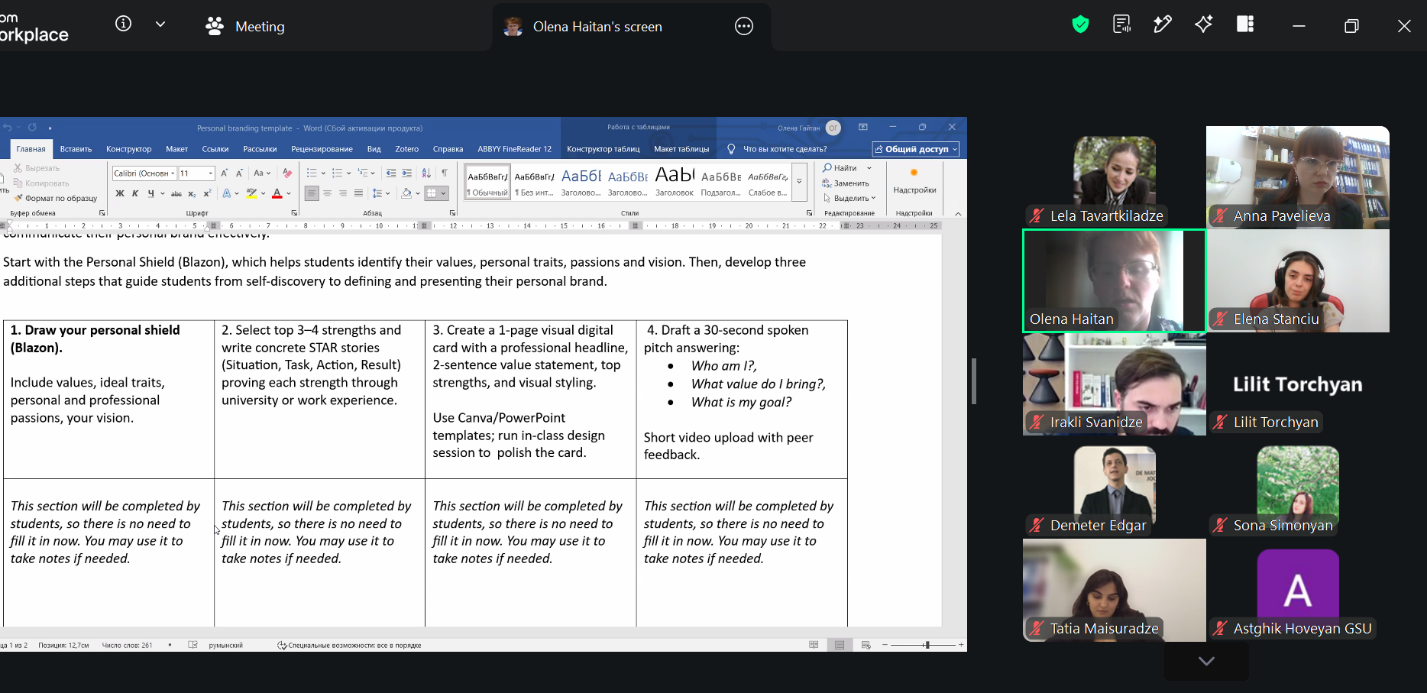
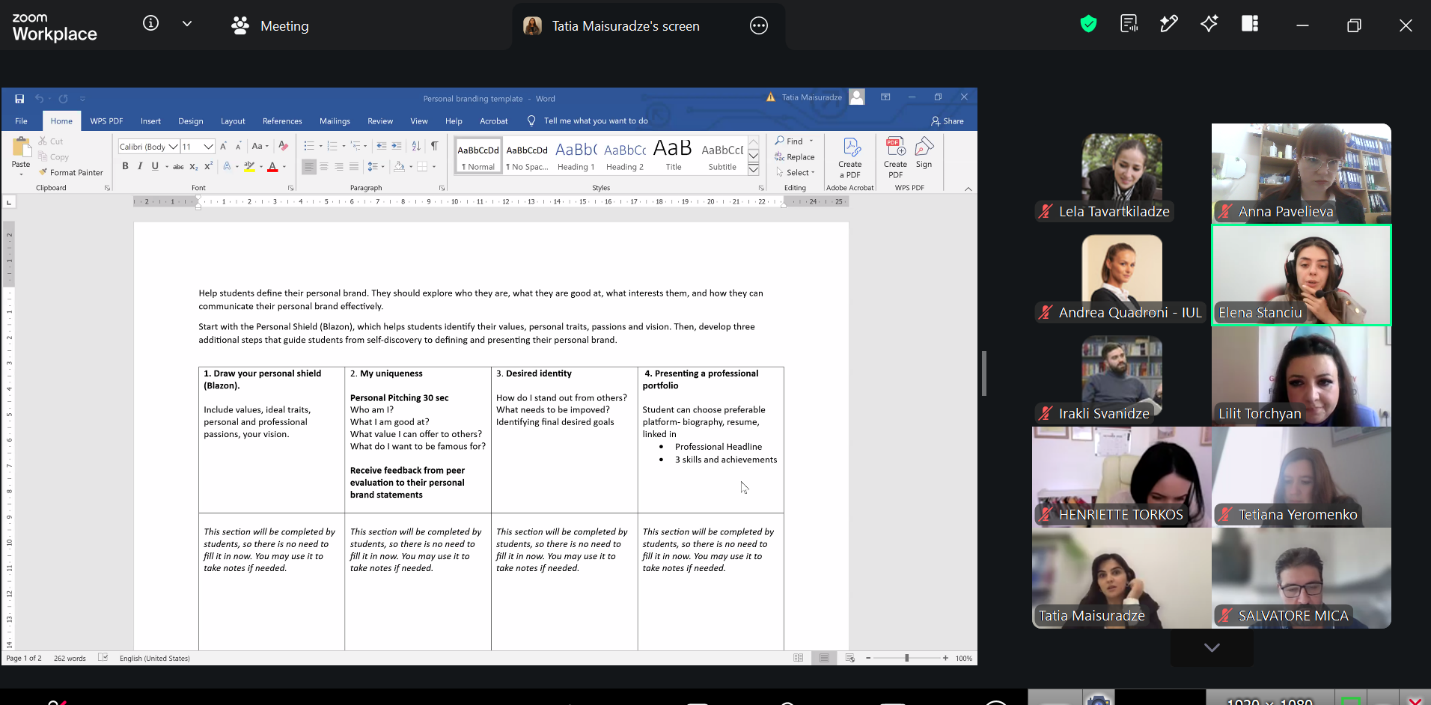
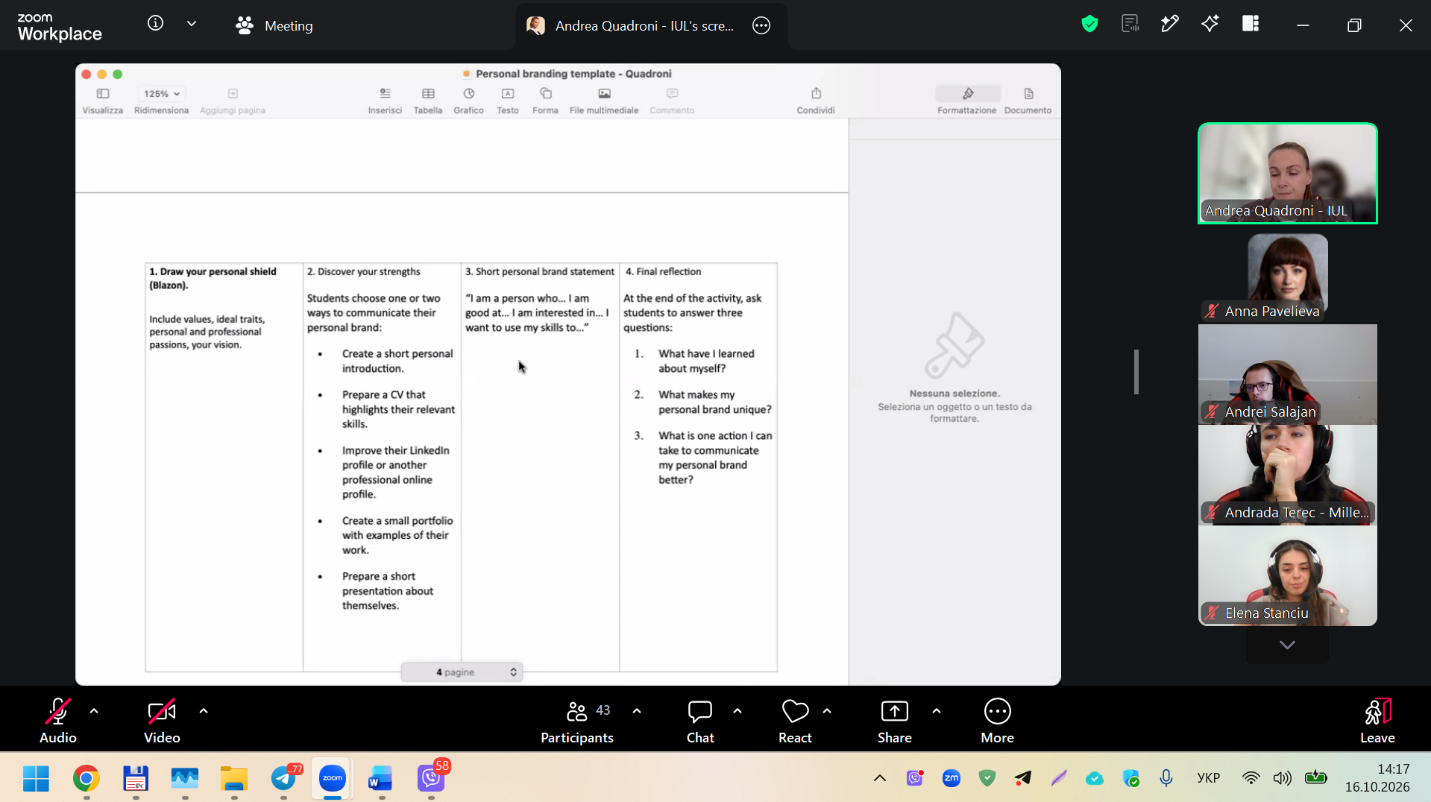
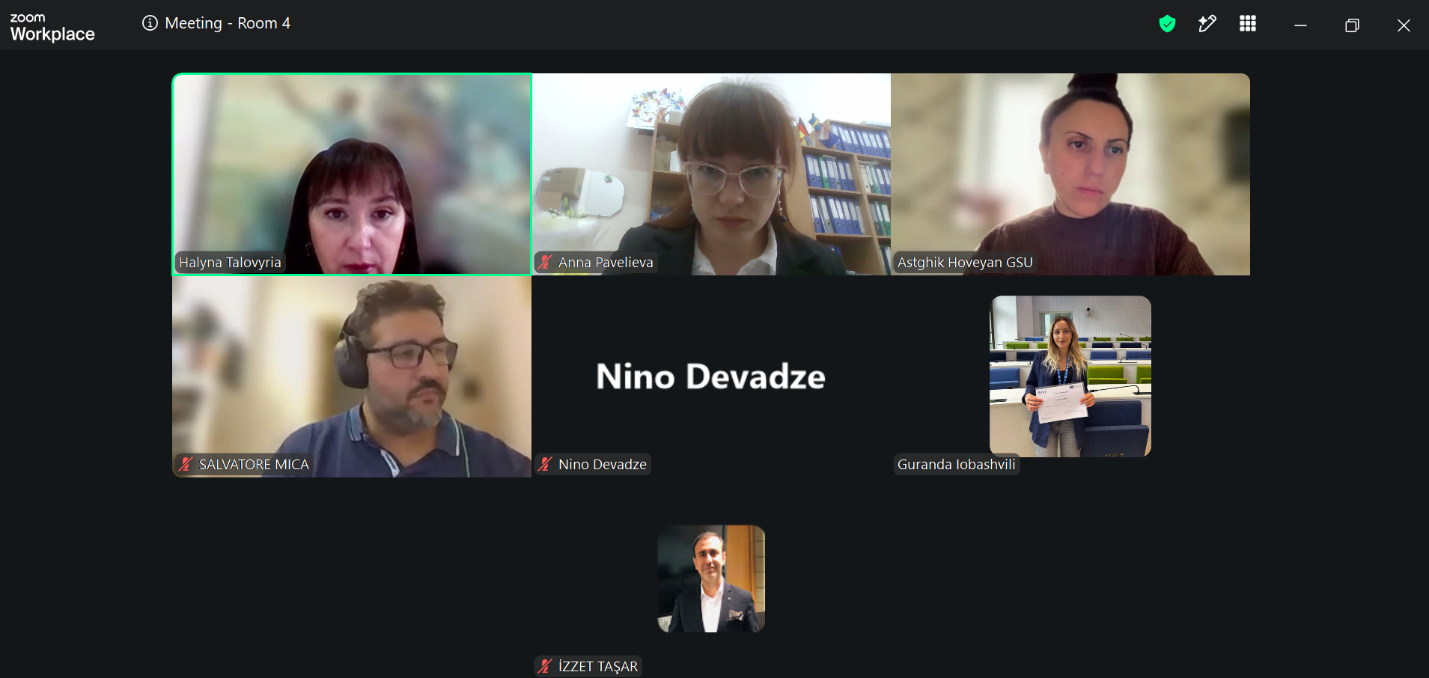
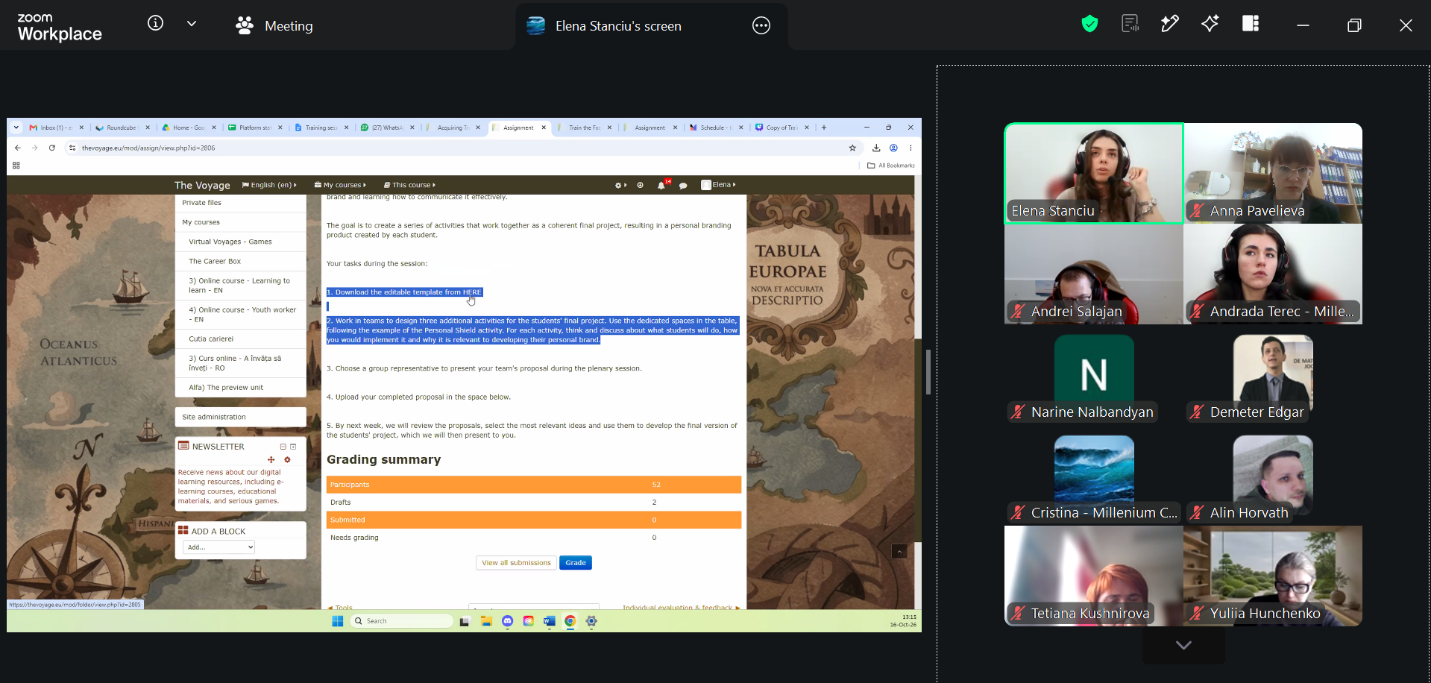
The practical component focused on designing a four-stage model for student personal branding. The starting point was an exercise from Module 7 of the online course, “Personal Shield”, aimed at self-discovery and identifying values, personality traits, and youth’s future professional vision. Working in multinational breakout groups, facilitators were tasked with expanding this methodology by formulating three sequential steps to guide students from comprehensive self-assessment to publicly presenting their strengths and articulating their competitive advantages in the labour market.
During the presentation of group work outcomes, each team presented its distinctive vision for the final project design. Specifically, colleagues suggested incorporating effective tools such as personal SWOT analysis, achievement formulation using the STAR technique, a 30-second elevator pitch, and peer-to-peer assessment. Facilitators paid substantial attention to shaping students’ digital footprint and professional image. Practical proposals included designing visual business cards, analysing alum mentors' career trajectories, optimising LinkedIn profiles, mastering professional email etiquette, and compiling modern CVs and portfolios.
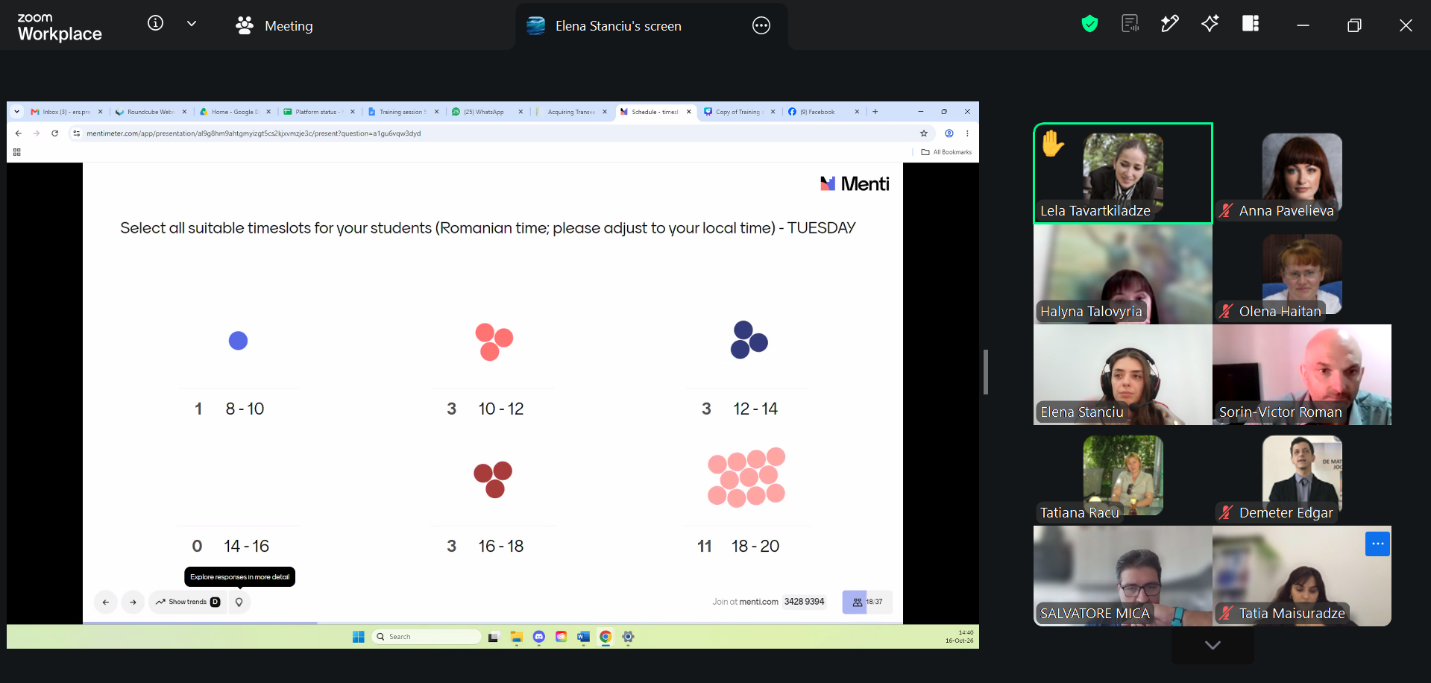
A separate section of the meeting focused on the administrative and technical aspects of synchronising the educational process. To set the best time slots for upcoming intercultural debates and student online meetings, the organisers conducted a quick survey via the Mentimeter platform. An analysis of partner universities’ schedules showed that late afternoon and evening hours on weekdays (after 2:00 PM Central European Time) work best for most students. At the same time, weekends remain the least preferred option for academic activities.
While reviewing progress on the educational platform, the coordinators provided individual guidance to help some participants overcome technical difficulties when downloading task templates or completing knowledge check tests. They paid special attention to the linguistic dimension, specifically the availability of course materials in English or Romanian, depending on each group’s instructional path. The coordinators closely monitored academic staff registration status across cohorts and emphasised the importance of completing all structural course components on time.
At the end of the meeting, the mandatory certification criteria for obtaining certified project facilitator status and receiving the European Youthpass certificate were outlined. To qualify, participants must complete all three foundational modules (“Learning to Learn”, “Career Box”, “Train the Facilitators”) with at least 90% progress, attend at least four of the six live sessions, and take part in the final briefing. Given the faculty members’ intensive academic workload, the assignment completion deadline was extended to ensure sufficient preparation for direct interaction with student cohorts.
The event organisers specifically commended the high level of motivation and dedication demonstrated by the academic staff of National University “Yuri Kondratyuk Poltava Polytechnic”, highlighting their high study progress, prompt completion of online stages, and exemplary collaboration within the academic community. The organising committee will consolidate all project design ideas put forward by the teams into a unified, standardised template, which will soon be published on the common platform as a mandatory resource for working with student groups.
The next pivotal milestone will be certified facilitators' participation in the final briefing scheduled for October 30, which immediately precedes the launch of the practical intercultural youth exchanges. Such inter-university cooperation not only enhances faculty members’ professional expertise in applying modern non-formal education methodologies, but also lays the groundwork for improving students' career orientation and soft skills at an international level.
It is worth noting that practical implementation at the local level is already well underway: on September 24, 2026, the university team participated in a coordination meeting of partners of the Erasmus+ project “Acquiring Transversal Competences through Virtual Voyages” (No. 101193593), during which, together with colleagues from seven countries, the educators reviewed the outcomes of the first implementation phase and agreed upon the launch of virtual exchanges for students; they also continued aligning key steps during the second meeting of project coordinators on October 1, 2026; and on October 8, 2026, discussed the results of testing the digital platform, the training of the facilitators’ pool, and the finalization of the launch of the first student exchange wave; a team of university lecturers has already participated in two facilitator sessions within the Erasmus+ project “Acquiring Transversal Competences through Virtual Voyages” (No. 101193593), where, alongside colleagues from seven countries, they mastered virtual facilitation methodologies for future work with students, refined their virtual facilitation expertise, simulated group interaction cases, and mastered digital tools for the successful delivery of international student exchanges; presented their own two-hour workshops on the “Learning to Learn” and “Career Box” modules and practiced peer feedback in Zoom breakout rooms, as well as mastered drafting Personal and Professional Development Plans (PPDP), simulated mentoring in Zoom rooms, tested the thevoyage.eu platform, and prepared for the launch of student exchanges.
National University “Yuri Kondratyuk Poltava Polytechnic” continues to demonstrate high standards of project management and moves confidently toward the official launch of the international virtual exchanges.